Cereza Morello
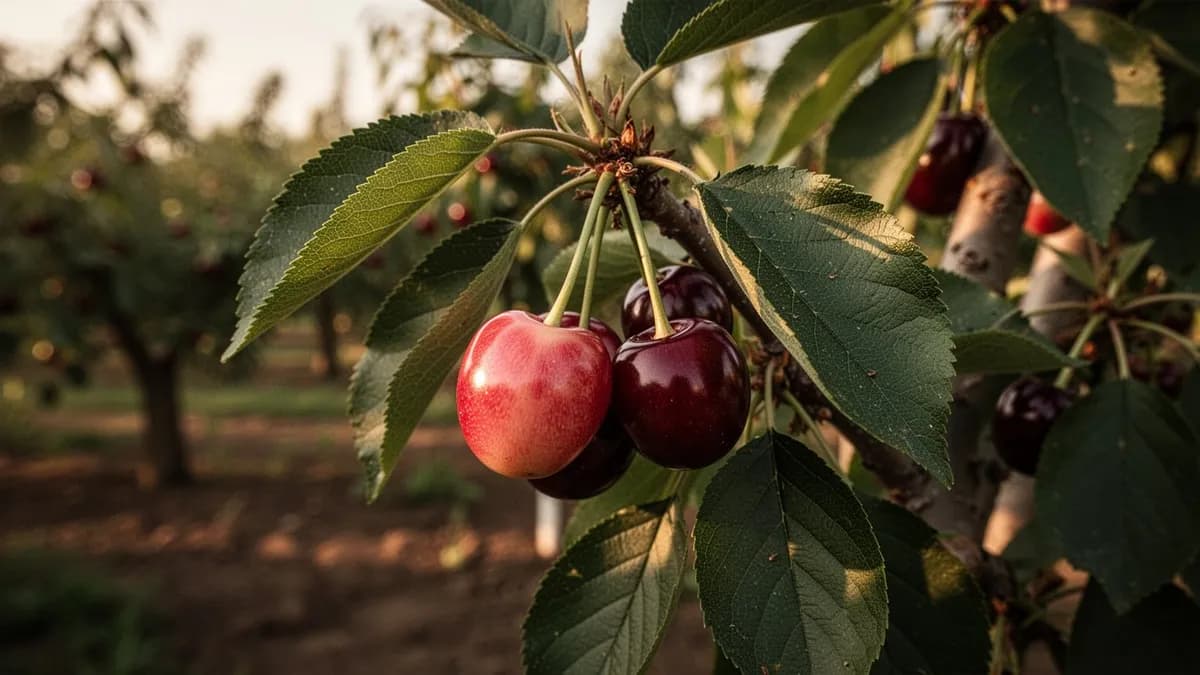
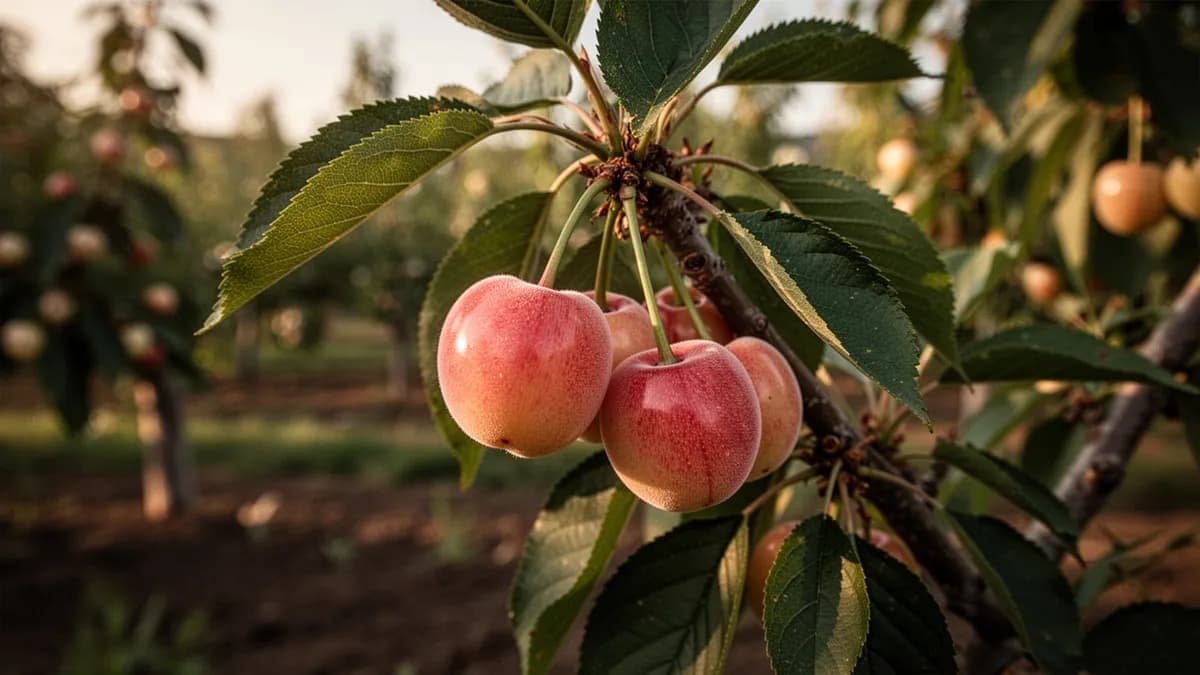
La clásica cereza ácida para cocinar, que produce frutos de piel oscura y pulpa rojo intenso con una acidez marcada, perfecta para tartas, conservas y licor de cereza.





En esta páginaResumen
Conoce Cereza Morello
La clásica cereza ácida para cocinar, que produce frutos de piel oscura y pulpa rojo intenso con una acidez marcada, perfecta para tartas, conservas y licor de cereza. Morello es autofértil y uno de los pocos frutales que rinde bien en una pared orientada al norte. Los árboles compactos son más fáciles de proteger con malla contra las aves que las variedades de cereza dulce.
Cuándo plantar Cereza Morello
Las cerezas Morello se propagan por injerto o yema sobre patrones enanizantes, no desde semilla, ya que las plántulas no son fieles al tipo y tardan muchos años en fructificar. El patrón preferido es Gisela 5 para un crecimiento compacto o Colt para árboles más grandes. La yema en T en julio o agosto sobre patrones ya establecidos es el método de propagación estándar. Si se cultiva desde semilla con fines de patrón, los huesos de cereza necesitan 90 a 120 días de estratificación en frío a entre 2 y 4 grados Celsius antes de sembrarse a comienzos de primavera. La germinación suele ser irregular.
Tu año de Cereza Morello
Ajustado a Zona 7 · temporada típica · la helada se va hacia el 2 abr y vuelve hacia el 1 nov
Planta Cereza Morello Feb – Mar y cosecha Jul – Ago. Consulta los métodos de plantación y elige tu clima para adaptar los periodos.
Cómo cultivar Cereza Morello
Las cerezas Morello prosperan como árboles entrenados en abanico contra paredes orientadas al norte o al este, lo que las hace ideales para jardines pequeños y exposiciones más frescas donde las cerezas dulces tendrían dificultades. Plante árboles de raíz desnuda desde finales de otoño hasta comienzos del invierno, mientras están en reposo, dejando unos 4 metros entre abanicos contra una pared con alambres horizontales separados 15 cm. Abra un hoyo de plantación el doble de ancho que el cepellón y asegúrese de que la unión del injerto quede por encima del nivel del suelo.
Estas cerezas ácidas fructifican en el crecimiento del año anterior, así que la poda anual es esencial para fomentar un suministro constante de brotes jóvenes de sustitución. Después de la cosecha, a finales del verano, recorte cada rama que haya dado fruto hasta un brote lateral más joven situado más abajo en la rama. Aclare el crecimiento congestionado para dejar entrar luz y aire al centro del abanico. Evite podar en invierno para reducir el riesgo de enfermedad de la hoja plateada y de chancro bacteriano.
Las cerezas Morello son autofértiles, de modo que un solo árbol producirá una buena cosecha sin necesidad de polinizador. Riegue con regularidad durante el desarrollo del fruto a comienzos del verano y aplique un fertilizante equilibrado a finales del invierno. Coloque la malla antes de que los frutos maduren, ya que a las aves les atraen muchísimo las cerezas rojo oscuro. Lo normal es obtener las primeras cosechas importantes al tercer o cuarto año tras la plantación.
Para Cereza Morello un bancal de 120 × 240 cm se queda corto
Cada Cereza Morello pide 400 cm de margen. El planificador guarda ese marco por ti — cada planta, cada bancal.
Los mejores vecinos de Cereza Morello
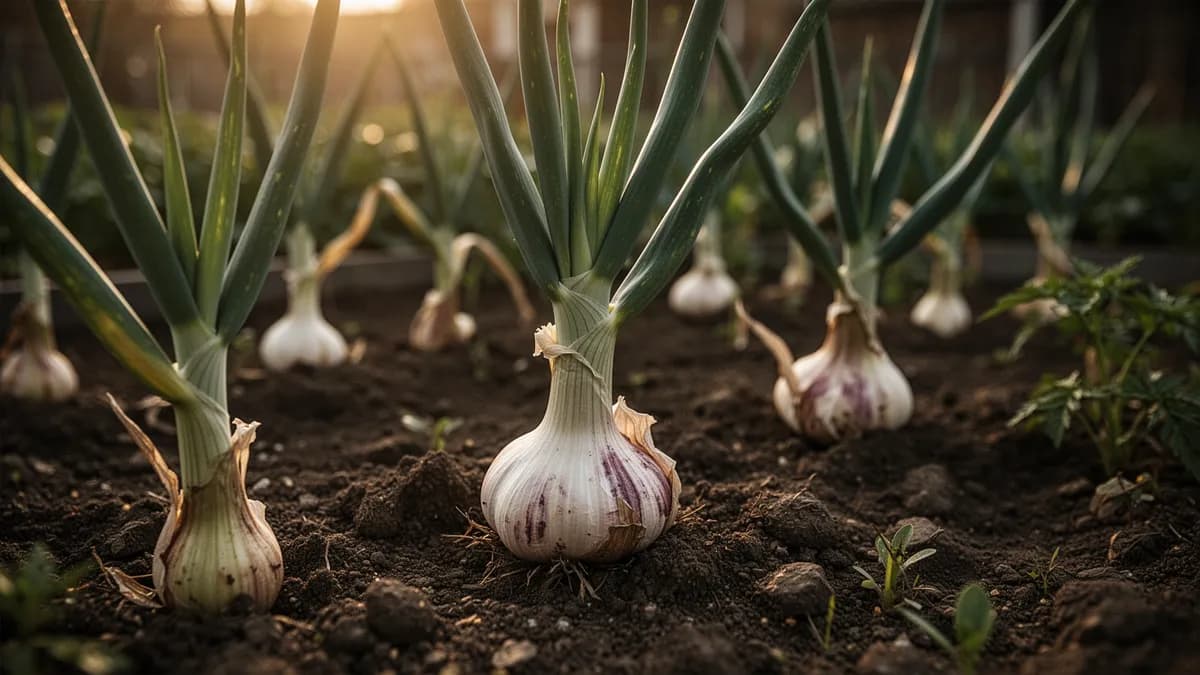
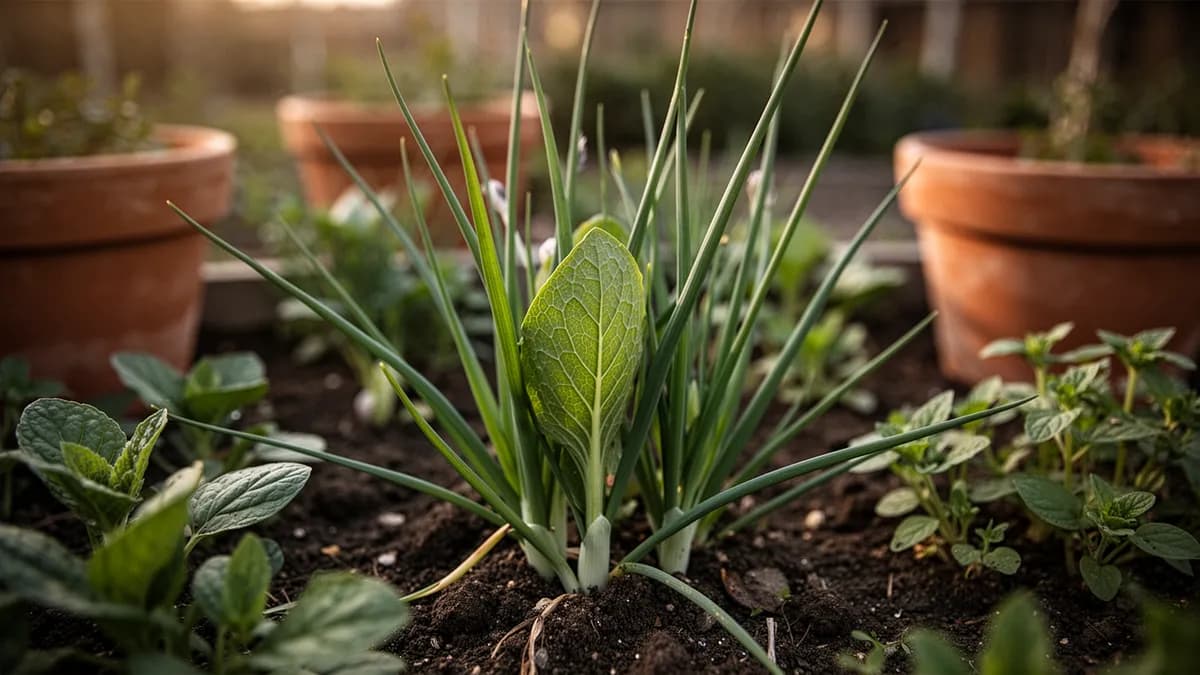
Plante ajo, cebollino y otras aliáceas bajo las cerezas Morello para ayudar a repeler pulgones y disuadir enfermedades fúngicas mediante sus compuestos naturales de azufre. Las hierbas de porte bajo, como el tomillo y el orégano, forman una excelente cobertura del suelo que suprime las malas hierbas y atrae a los polinizadores. La consuelda plantada cerca actúa como acumuladora dinámica, aportando potasio y otros minerales desde las capas profundas del suelo que benefician a los árboles frutales. Evite plantar césped pegado al tronco, ya que compite con fuerza por el agua y los nutrientes.
Ajo va a su lado. Nogal no.
Saber de huerto de siempre, cotejado con la tabla real de Cereza Morello — prueba cualquier planta que cultives.
Prueba Cereza Morello en un bancal, aquí mismo
Un bancal real del planificador con Cereza Morello ya plantado. Toca una planta compañera para colocarla y mira cómo responde la comprobación de vecinos: verde para buenos vecinos, rojo si hay conflicto.


Guías de cultivo relacionadas
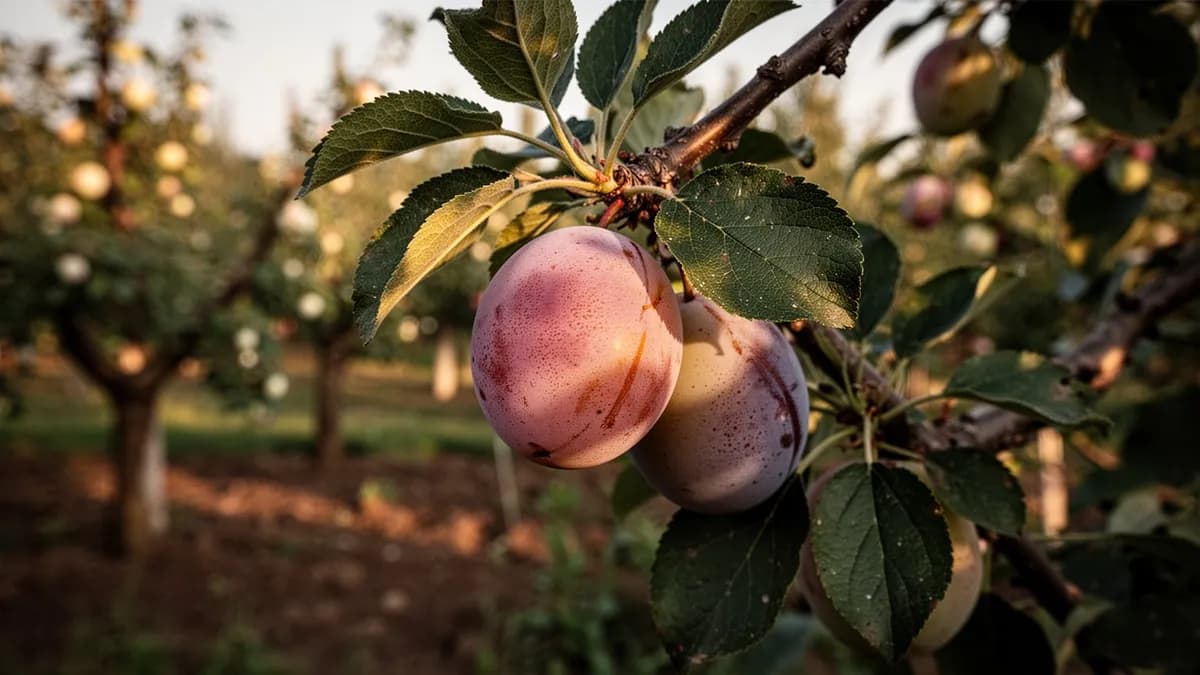
Abónalo bien
Las cerezas Morello prefieren un suelo bien drenado y ligeramente alcalino, con un pH entre 6.5 y 7.5. Toleran suelos arcillosos más pesados mejor que las cerezas dulces, pero no sobreviven en condiciones encharcadas. Incorpore abundante compost bien descompuesto en el momento de la plantación. Aplique a finales de febrero un fertilizante general equilibrado, como sangre, pescado y huesos, a razón de 70 gramos por metro cuadrado alrededor de la línea de goteo. Acolche cada año en primavera con estiércol bien descompuesto o compost de jardín, manteniendo el material alejado del tronco para evitar la podredumbre del cuello.
Temperatura ideal
Compatibilidad de zonas de rusticidad
De la semilla a la cosecha, etapa por etapa
Reposo invernal
Durante el invierno, la cereza Morello permanece totalmente en reposo y sin hojas. Su sistema radicular sigue ligeramente activo, absorbiendo humedad del suelo, pero todo el crecimiento visible queda suspendido. Morello necesita menos horas de frío invernal que las cerezas dulces, normalmente entre 600 y 800 horas por debajo de 7 °C, lo que contribuye a su fiabilidad en una gama más amplia de climas, incluidos los inviernos más suaves. El periodo de reposo del árbol también es la ventana más segura para cualquier trabajo estructural intenso en ejemplares establecidos, aunque por razones sanitarias suele preferirse la poda de verano.
Brotación y floración
A medida que las temperaturas empiezan a subir a finales del invierno o comienzos de la primavera, las yemas de Morello se hinchan y estallan en flores blancas puras y simples, más delicadas que las de las cerezas dulces, pero reunidas en racimos atractivos. Lo fundamental es que Morello es totalmente autofértil: no necesita otra variedad para cuajar, lo que la hace extraordinariamente práctica para jardines pequeños o aislados. Su floración algo más tardía que la de muchas cerezas dulces también le da cierto grado de protección frente a las heladas tempranas más dañinas, aunque los golpes de frío tardíos todavía pueden destruir las flores emergentes.
Cuajado y desarrollo temprano del fruto
Tras la polinización por viento e insectos, aunque Morello depende menos de las abejas que las cerezas dulces autoincompatibles, los pétalos caen y pequeños frutos verdes comienzan a hincharse al final de cada dardo fructífero. El árbol entra al mismo tiempo en plena foliación, con el follaje nuevo fotosintetizando activamente para impulsar el desarrollo de los frutos. Suele producirse una caída natural de frutitos varias semanas después de la caída de pétalos, cuando el árbol elimina el exceso de fruto que no puede sostener. Los que permanecen continúan desarrollándose con regularidad hasta finales de primavera.
Crecimiento rápido y cambio de color del fruto
Los frutos ahora entran en una fase de vigorosa expansión celular durante junio y hasta julio. Inicialmente de un verde brillante, las cerezas Morello empiezan a colorear antes que las variedades dulces, pasando por un rojo escarlata intenso antes de oscurecerse gradualmente hasta el característico granate profundo o rojo casi negro de un fruto plenamente maduro. Durante las dos o tres últimas semanas antes de la cosecha, el azúcar se acumula rápidamente en la pulpa junto con el alto contenido de ácidos málico y cítrico que define el sabor de la variedad. La piel oscura, casi translúcida, de una Morello madura es a la vez un indicador de pleno desarrollo y una señal de que los pájaros pronto intentarán llevarse la cosecha.
Cosecha
Las cerezas Morello maduran más tarde que la mayoría de las variedades dulces, normalmente desde finales de julio hasta mediados de agosto en el Reino Unido y el norte de Europa. Una Morello plenamente madura es de color granate oscuro a casi rojo vino, con piel brillante, pulpa firme pero cede al tacto y un sabor intensamente ácido y muy aromático, muy distinto al de cualquier cereza dulce. El fruto no sigue madurando una vez cosechado, así que es importante acertar con el momento de la recolección. Los frutos maduros que se dejan demasiado tiempo en el árbol se ablandan rápidamente y quedan expuestos a podredumbre parda, avispas y aves.
Poda poscosecha y recuperación
Las semanas inmediatamente posteriores a la cosecha son la ventana de poda más importante para la cereza Morello. A diferencia de las cerezas dulces, que fructifican sobre todo en dardos viejos permanentes, Morello produce la mayor parte de su cosecha en el crecimiento nuevo del año anterior, lo que significa que la gestión de los brotes jóvenes es esencial para mantener la productividad. El periodo estival posterior a la cosecha, mientras el tiempo sigue cálido y seco, es el momento más seguro para hacer cortes, ya que las heridas cicatrizan rápido y el riesgo de hoja plateada y chancro es mínimo. Al mismo tiempo, el árbol empieza a formar las yemas florales que llevarán la cosecha del año siguiente.
Senescencia foliar y pre-reposo
A medida que avanza el otoño y disminuye la duración del día, las hojas de Morello empiezan a amarillear y luego a tornarse anaranjadas y rojizas antes de caer. El árbol retira nutrientes del follaje hacia su estructura leñosa y su sistema radicular, acumulando reservas de carbohidratos que alimentarán la floración y el crecimiento temprano de la primavera siguiente. Toda la actividad metabólica se ralentiza progresivamente hasta que el árbol entra en reposo completo a mediados del invierno. Morello es especialmente resistente al frío en esta fase y tolera temperaturas tan bajas como -25 °C con poco o ningún daño en la estructura leñosa.
Aplique en un día seco y por encima de 4 °C un lavado de invierno con aceite hortícola o caldo sulfocálcico sobre las ramas desnudas para reducir huevos de plagas invernantes y esporas fúngicas en la corteza. Inspeccione las ramas estructurales y el tronco en busca de chancros, es decir, zonas hundidas, gomosas y descoloridas, y corte hasta madera sana. Cubra generosamente la zona radicular con acolchado de corteza compostada o compost de jardín.
Cuidar Cereza Morello mes a mes
Qué hacer cada mes para tu Cereza Morello
Octubre
Mes actualRecoja y retire todas las hojas caídas y cualquier fruto restante de debajo del árbol: no los composte; deséchelos en la basura doméstica o quémelos. Aplique alrededor de la línea de goteo un acolchado otoñal generoso de compost bien descompuesto o astillas de corteza, de 8 a 10 cm de grosor y separado del tronco. Realice la última poda correctiva para eliminar madera muerta, enferma o que roce. Coloque una banda engrasada alrededor del tronco si no lo hizo el mes pasado.
Ten claro qué hacer en tu huerto, cada mes
Un correo al empezar cada mes: qué sembrar, plantar y hacer ahora mismo — para tu Cereza Morello y todo lo que crece alrededor. Más un breve curso inicial para esquivar los errores clásicos.
- Qué hacer ahora mismo
- Ajustado a tu temporada
- Curso inicial incluido
Cosechar Cereza Morello
Las cerezas Morello están listas para cosecharse a mediados o finales del verano, normalmente entre julio y agosto, cuando los frutos se vuelven de un rojo muy oscuro, casi negro, y se sienten ligeramente blandos al tacto. A diferencia de las cerezas dulces, conviene recogerlas completamente maduras para que desarrollen al máximo su sabor. Cójales con el pedúnculo para evitar que se rasgue la piel, lo que acelera el deterioro. Úselas de inmediato para cocinar o conservarlas, ya que las cerezas ácidas no se conservan bien en fresco. Un árbol maduro entrenado en abanico puede producir entre 12 y 15 kg de fruta por temporada.
se supone que plantas al comenzar el periodo — indica tu fecha real
Cosecha Cereza Morello a tiempo y la planta sigue produciendo.
Almacenamiento y conservación
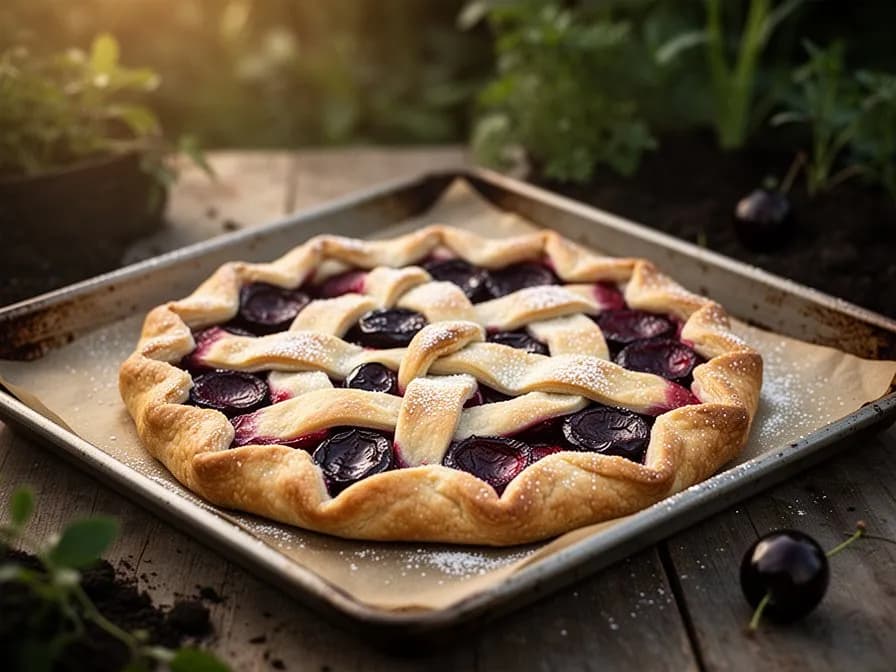
Las cerezas Morello frescas solo se conservan dos o tres días en el frigorífico debido a su piel fina y delicada. Para almacenarlas más tiempo, deshuese las cerezas y congélelas en una sola capa sobre una bandeja antes de pasarlas a bolsas de congelación, donde se mantendrán hasta doce meses. Las cerezas Morello son magníficas para hacer mermelada, compota o conservas en almíbar. Son la elección tradicional para el brandy de cereza y el licor kirsch. Las cerezas ácidas desecadas son un ingrediente excelente para repostería y se conservan bien durante varios meses en recipientes herméticos.
Qué falla — y cómo solucionarlo
Pulgón negro del cerezo
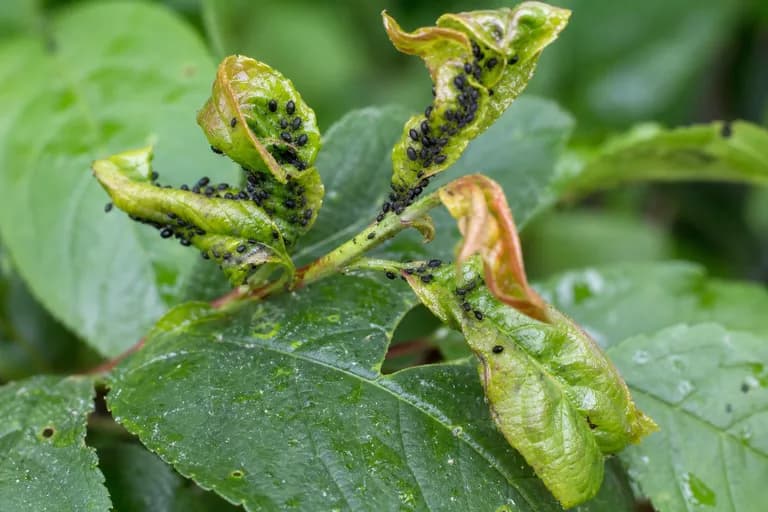
PlagaColonias densas de pulgones negros en las puntas de los brotes, que provocan hojas enrolladas y deformadas, además de depósitos pegajosos de melaza en el follaje inferior.
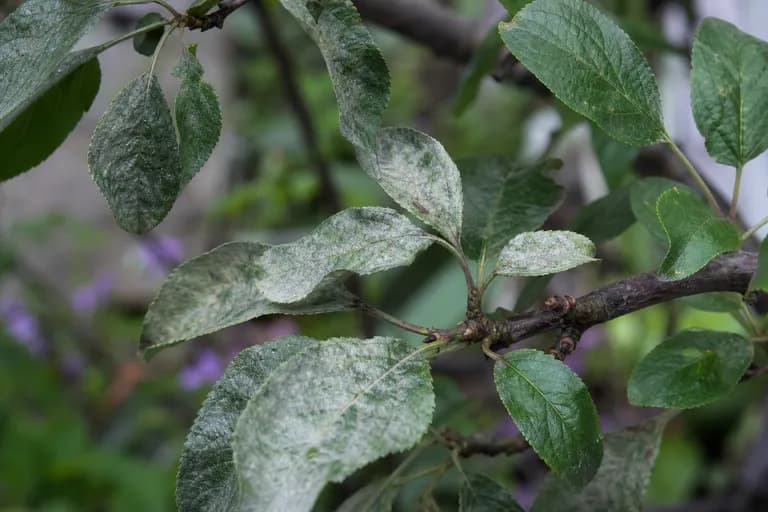
Enfermedad de la hoja plateada
EnfermedadLas hojas adquieren un brillo plateado, las ramas se van secando progresivamente y en la madera muerta puede aparecer un hongo de color marrón púrpura.
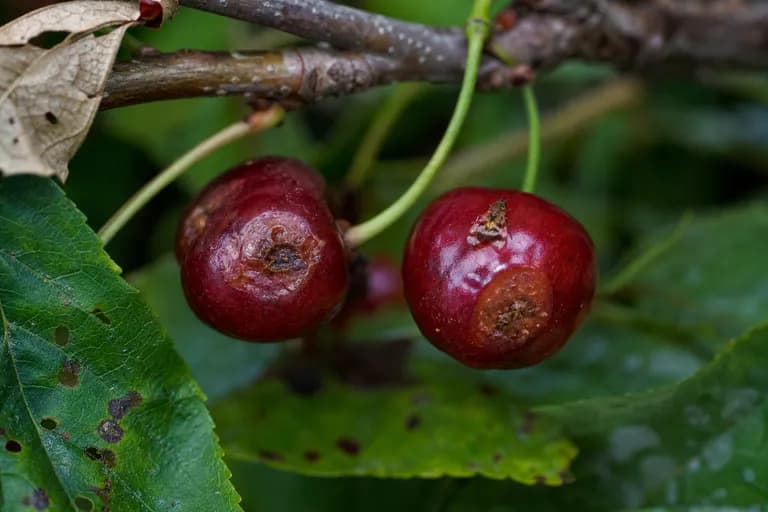
Mosca de la cereza
PlagaPequeñas larvas dentro de los frutos maduros, con orificios de entrada visibles en la superficie. Los frutos pueden pudrirse antes de tiempo.
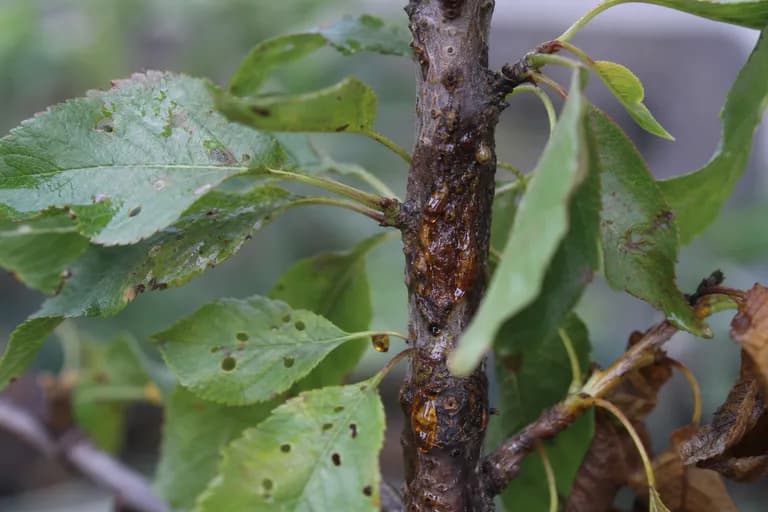
Chancro bacteriano
EnfermedadLesiones hundidas y pegajosas en ramas y tronco. Las hojas pueden mostrar pequeñas manchas marrones con halo amarillo, conocidas como síntomas de perdigonada.
Solución de problemas comunes
Los daños causados por las aves son, con diferencia, el mayor problema de las cerezas Morello. Sin malla, es normal perder toda la cosecha a manos de mirlos y estorninos. El agrietamiento del fruto aparece con lluvias intensas cuando los frutos están casi maduros, debido a la rápida absorción de agua a través de la piel. La enfermedad de la hoja plateada es grave y puede matar ramas o árboles enteros si no se aborda a tiempo mediante poda de verano. Los rebrotes del patrón pueden aparecer y conviene arrancarlos en lugar de cortarlos para evitar que vuelvan a salir. El cuajado deficiente rara vez es un problema, ya que Morello es fiable y autofértil.
Consejos de cultivo
- Aproveche al máximo la extraordinaria tolerancia a la sombra de Morello: es el único frutal en el que se puede confiar para dar bien en una pared o valla orientada al norte o al este. Esto la hace especialmente valiosa en jardines donde ya se ha ocupado o no existe una pared soleada al sur, y permite aprovechar zonas del jardín que de otro modo serían improductivas para obtener fruta.
- Morello es completamente autofértil y no necesita ninguna variedad compañera para polinizarse; un solo árbol producirá una cosecha completa año tras año sin ayuda. Esto la hace ideal para jardines pequeños, patios o lugares aislados donde cultivar dos árboles para polinización cruzada sería poco práctico.
- Entrenar Morello en abanico contra una pared es la forma más productiva y manejable para la mayoría de los jardines. La forma restringida facilita mucho la poda anual, que es crucial en Morello porque fructifica principalmente en el crecimiento del año anterior, y la pared proporciona una estructura física de soporte para proteger la cosecha con malla contra las aves.
Cultiva tu mejor Cereza Morello — y todo lo que la rodea.
Empieza un plan gratis hoy. Diseña tus bancales, coloca tu Cereza Morello y deja que PlotMyGarden gestione el momento, el espaciado, las asociaciones y los recordatorios de la semilla a la cesta.
Elige tu Cereza Morello
Morello
La variedad estándar de cereza ácida de temporada tardía, con frutos muy oscuros, casi negros, y pulpa intensamente ácida. La cereza de cocina más cultivada en el Reino Unido.
North Star
Una cereza ácida enana natural que solo alcanza 2.5 metros y produce frutos rojos grandes, excelentes para tartas. Muy resistente al frío hasta la zona 4.
Meteor
Una cereza ácida tipo amarelle con piel rojo brillante y pulpa amarilla. Tiene un porte más erguido que Morello y va bien en espacios pequeños.
Montmorency
La cereza ácida más cultivada en Norteamérica, que produce frutos rojo brillante con jugo claro. Algo menos ácida que Morello.
Las cerezas Morello rara vez se encuentran en supermercados en fresco: su temporada breve, su textura delicada y su acidez intensa las hacen comercialmente poco viables para el mercado masivo de la misma manera que las cerezas dulces, así que cultivarlas uno mismo es, en la práctica, la única forma en que la mayoría de la gente puede probar una Morello realmente fresca. Cuando se consiguen cerezas ácidas, suelen costar entre 6 y 10 € por kilo en tiendas agrícolas o mercados especializados. Un cerezo Morello maduro sobre patrón Colt, que cuesta entre 20 y 50 € comprarlo, producirá entre 8 y 15 kg de fruta a plena madurez, lo que equivale a un valor minorista de 50 a 150 € por temporada para una fruta que, de otro modo, simplemente no se puede comprar. A lo largo de 20 a 25 años productivos, el valor total de la cosecha supera fácilmente los 1.500 a 3.000 €, procedente de un árbol que prospera en un rincón sombreado del jardín que ningún otro frutal toleraría.
Recetas rápidas
Mermelada de cereza Morello
20 minutos de preparación + 15 minutos de cocciónUna conserva de color intenso y sabor profundo que captura la esencia de la cosecha de Morello. Las cerezas ácidas tienen más pectina natural y más acidez que las variedades dulces, lo que da a esta mermelada un cuajado fiable sin añadir azúcar especial para conservar ni pectina comercial. El sabor es intensamente frutal, con una acidez agradable y marcada que la hace excepcional sobre pan de masa madre con mantequilla, mezclada con yogur natural o servida junto a un cheddar fuerte y embutidos en una tabla de quesos. Esta receta rinde unos cuatro tarros estándar.
4 ingredientesPastel de cereza ácida y chocolate negro
25 minutos de preparación + 35 minutos de horneadoUn pastel de una sola capa, profundamente indulgente pero equilibrado, que enfrenta la intensidad amarga del chocolate negro con la acidez afrutada y viva de las cerezas Morello, una combinación que ha sustentado durante siglos la repostería de la Selva Negra alemana. Las cerezas se incorporan a una masa rica a base de harina de almendra, creando bolsillos de fruta jugosa y ácida. El resultado es húmedo, denso y espectacular. Termine con un poco de azúcar glas y una cucharada de crème fraîche junto a cada porción.
10 ingredientesConserva de cereza Morello con kirsch
15 minutos de preparación + 48 horas de macerado + 20 minutos de cocciónUna lujosa conserva de fruta entera en la que las cerezas Morello se maceran primero en azúcar y kirsch durante dos días antes de cocinarse suavemente hasta obtener una gelatina ligera, brillante como una joya. La conserva resultante tiene una profundidad compleja, casi vinosa, y mantiene las cerezas prácticamente enteras en lugar de deshacerse en una mermelada lisa. Es excepcional servida sobre helado de vainilla, mezclada con nata montada para rellenar un merengue o presentada con un generoso trozo de Brie cremoso.
4 ingredientesUsos culinarios
Las cerezas Morello son la cereza de cocina por excelencia, apreciada por su intenso sabor ácido que resiste muy bien el calor. Son indispensables para la tarta de cereza tradicional, el clafoutis y la tarta Selva Negra. Los frutos dan conservas, siropes y salsas excepcionales para carnes de caza. Son la base clásica para el brandy de cereza, el kirsch y el licor polaco wiśniówka. Las Morello desecadas aportan un toque ácido a postres de chocolate, granola y repostería.
Qué contiene
Beneficios para la salud
- Morello y las variedades de cereza ácida están entre las fuentes dietéticas más concentradas de antocianinas, en particular cianidina-3-glucósido, compuestos antioxidantes muy estudiados que en múltiples ensayos clínicos han demostrado reducir biomarcadores circulantes de inflamación sistémica, un factor de riesgo subyacente en la enfermedad cardiovascular, la diabetes tipo 2 y varios cánceres.
- El consumo regular de zumo o concentrado de cereza ácida se ha asociado en ensayos controlados aleatorizados con reducciones clínicamente significativas de los niveles séricos de ácido úrico, y los estudios informan de una menor frecuencia y gravedad de los brotes de gota, lo que convierte a la cereza Morello en una de las intervenciones dietéticas mejor respaldadas para el manejo del ácido úrico junto con el tratamiento médico convencional.
- Varios estudios revisados por pares en nutrición deportiva han comprobado que el consumo de cereza ácida antes y después del ejercicio intenso reduce de forma significativa el dolor muscular, la pérdida de fuerza y los marcadores inflamatorios frente al placebo, con efectos atribuidos a la acción antioxidante y antiinflamatoria combinada de antocianinas, quercetina y ácido clorogénico.
- Las cerezas Morello son uno de los pocos alimentos con contenido natural medible de melatonina, y su consumo se ha asociado en investigaciones clínicas con una menor latencia de inicio del sueño, una mayor duración total del descanso y una mejor eficiencia del sueño, efectos que parecen potenciarse por la capacidad de las cerezas para aumentar la disponibilidad de triptófano y reducir la alteración del sueño ligada a la inflamación.
- Los compuestos polifenólicos de las cerezas ácidas, entre ellos quercetina, kaempferol y ácido clorogénico, muestran actividad antiinflamatoria mediante la inhibición de las vías enzimáticas COX-1 y COX-2 a nivel celular, ofreciendo un mecanismo dietético comparable en principio, aunque no en potencia, al de los antiinflamatorios no esteroideos, con posibles beneficios para el control del dolor crónico y la artritis.
- Las investigaciones emergentes en estudios de cohortes humanas sugieren que una ingesta dietética regular de alimentos ricos en antocianinas, incluidas las cerezas ácidas, se asocia con un deterioro cognitivo más lento en personas mayores, mejor memoria de trabajo y menor riesgo de enfermedades neurodegenerativas, efectos atribuidos a la capacidad de las antocianinas para cruzar la barrera hematoencefálica, reducir la neuroinflamación y proteger las neuronas del daño oxidativo.
De dónde viene Cereza Morello
La cereza Morello (Prunus cerasus var. austera) pertenece a la especie de cereza ácida Prunus cerasus, que se cree que se originó como un híbrido natural entre la cereza dulce silvestre (Prunus avium) y la cereza enana de estepa (Prunus fruticosa) en algún punto de la región de las montañas del Cáucaso, la costa del mar Negro y Asia occidental, una zona que abarca la Turquía moderna, Georgia, Armenia e Irán. Las poblaciones silvestres de Prunus cerasus siguen creciendo por toda esta región y hasta Europa oriental, y la especie ha formado parte del paisaje alimentario humano durante al menos 3.000 a 4.000 años, con pruebas arqueológicas de uso de cereza ácida en yacimientos de la Edad del Bronce en Oriente Próximo y el Mediterráneo oriental.
En el periodo clásico, las cerezas ácidas ya estaban bien establecidas en Persia, el Mediterráneo oriental y el mundo griego. A diferencia de las cerezas dulces, que requerían un cultivo cuidadoso y árboles injertados para mantener la calidad, las cerezas ácidas se dispersaban en parte gracias a las aves que esparcían sus semillas, creando poblaciones naturalizadas desde los Balcanes hasta Asia central. Los romanos adoptaron las cerezas ácidas con entusiasmo, cultivándolas en huertos junto con variedades dulces y usándolas para salsas, conservas y bebidas fermentadas.
Durante la Edad Media, los huertos monásticos de Europa septentrional y central se convirtieron en los principales centros de cultivo y mejora de la cereza. Los monjes seleccionaban tipos frutales por su adaptación a las condiciones locales, sus propiedades culinarias y su utilidad para elaborar vino de cereza y preparaciones medicinales. La cereza ácida, y lo que reconoceríamos como variedades tempranas de tipo Morello, se volvió especialmente importante en los climas más fríos de Alemania, Polonia, Hungría, Austria y los Países Bajos, donde las cerezas dulces eran menos fiables.
El nombre Morello aparece en la literatura hortícola inglesa desde al menos comienzos del siglo XVII. Paradisi in Sole Paradisus Terrestris de John Parkinson (1629) documenta varias variedades de cereza, incluida una de tipo Morello descrita por su color oscuro y sabor ácido. Para el siglo XVIII, Morello se había convertido en la cereza ácida estándar de los huertos británicos, valorada por su rusticidad, su autofertilidad, su disposición a crecer en paredes sombreadas y la excelente calidad de su fruto para cocinar, conservar y elaborar vino.
El siglo XIX vio a Morello alcanzar la cima de su importancia comercial en Gran Bretaña, especialmente en los grandes condados cereceros de Kent, Herefordshire y Worcestershire, donde los huertos de Morello abastecían el comercio londinense de mermeladas y confitería. Al mismo tiempo, los destiladores alemanes y austríacos establecían la producción de kirsch y brandy de marasca con variedades de cereza ácida estrechamente relacionadas, una tradición que sigue definiendo la producción regional de espirituosos en la Selva Negra, Alsacia y la costa dálmata de Croacia hasta hoy.
En la actualidad, Turquía lidera la producción mundial de cereza ácida, seguida de Rusia, Polonia, Ucrania e Irán, todos climas en los que Morello y sus parientes cercanos prosperan mejor que las cerezas dulces. En Gran Bretaña y el norte de Europa, Morello sigue siendo la cereza ácida dominante para los jardineros domésticos, celebrada por la misma combinación de rusticidad, autofertilidad, tolerancia a la sombra y excelencia culinaria que la hizo indispensable en los huertos hace cuatro siglos.
Cereza Morello: ¿sabías que?
Datos fascinantes sobre Cereza Morello
Morello es uno de los cultivares de cerezo con nombre propio más antiguos que siguen en uso comercial y doméstico generalizado; está documentado con su nombre actual desde al menos el siglo XVII y se cultivó en los huertos británicos durante las épocas georgiana y victoriana, valorado precisamente por las cualidades culinarias y de conservación que lo hacen popular hoy.
Cereza Morello: preguntas frecuentes
¿Cuándo debo plantar Cereza Morello?
¿Cuáles son buenas plantas acompañantes para Cereza Morello?
¿En qué zonas de rusticidad puede crecer Cereza Morello?
¿Cuánto sol necesita Cereza Morello?
¿A qué distancia debo espaciar Cereza Morello?
¿Qué plagas y enfermedades afectan a Cereza Morello?
¿Cómo almaceno Cereza Morello después de la cosecha?
¿Cuáles son las mejores variedades de Cereza Morello para cultivar?
¿Qué suelo necesita Cereza Morello?
Why is Morello cherry recommended for shady or north-facing positions when most fruit trees need full sun?
How do I prune a Morello cherry correctly, and why does it need to be done differently from other fruit trees?
Can I use Morello cherries fresh for eating, or are they only suitable for cooking?
What is the best rootstock for a Morello cherry tree in a small or medium garden?
How do I prevent my Morello cherry harvest from being destroyed by brown rot?
Is Morello cherry suitable for growing in colder northern climates or exposed garden positions?
Acabas de leer la teoría. Ahora cultívala en piloto automático.
Todo lo que hace que Cereza Morello sea delicado — el momento, el espaciado, las asociaciones, la ventana de cosecha — es justo lo que PlotMyGarden resuelve por ti, para cada planta de tu huerto.
Un plan que conoce tu clima
Indica tu ubicación una vez. Recibe fechas de siembra, abonado y cosecha basadas en tu última helada real y el pronóstico en vivo — sin adivinar con un sobre genérico.
De la sección “Cuándo plantar”Planificador de bancales de arrastrar y soltar
Diseña bancales sobre una cuadrícula. Cada planta encaja con su espaciado correcto y ves toda la temporada antes de gastar un céntimo en semillas.
De la sección “Cultivo”Conflictos de asociación, detectados a tiempo
Más de 200 buenas y malas combinaciones comprobadas en vivo mientras plantas — para que un error que arruine la temporada nunca llegue a la tierra.
De la sección “Asociaciones”Recordatorios que sí vas a seguir
“Riega las judías.” “Recoge hoy antes de que se pase.” Oportunos, concretos y ligados a las plantas que de verdad cultivas.
De la sección “Cosecha”Escalonado, programado
¿Quieres cosechar seis semanas en vez de seis días? Reparte tus siembras automáticamente y te avisa cuando toca el siguiente lote.
De la sección “Cuándo plantar”Un registro que se vuelve más listo
Cada cosecha que registras le enseña tu huerto. El plan del año que viene parte de lo que de verdad funcionó en tu suelo, no en un manual.
De la sección “Resumen”Planta estos junto a Cereza Morello
Más Frutas de hueso
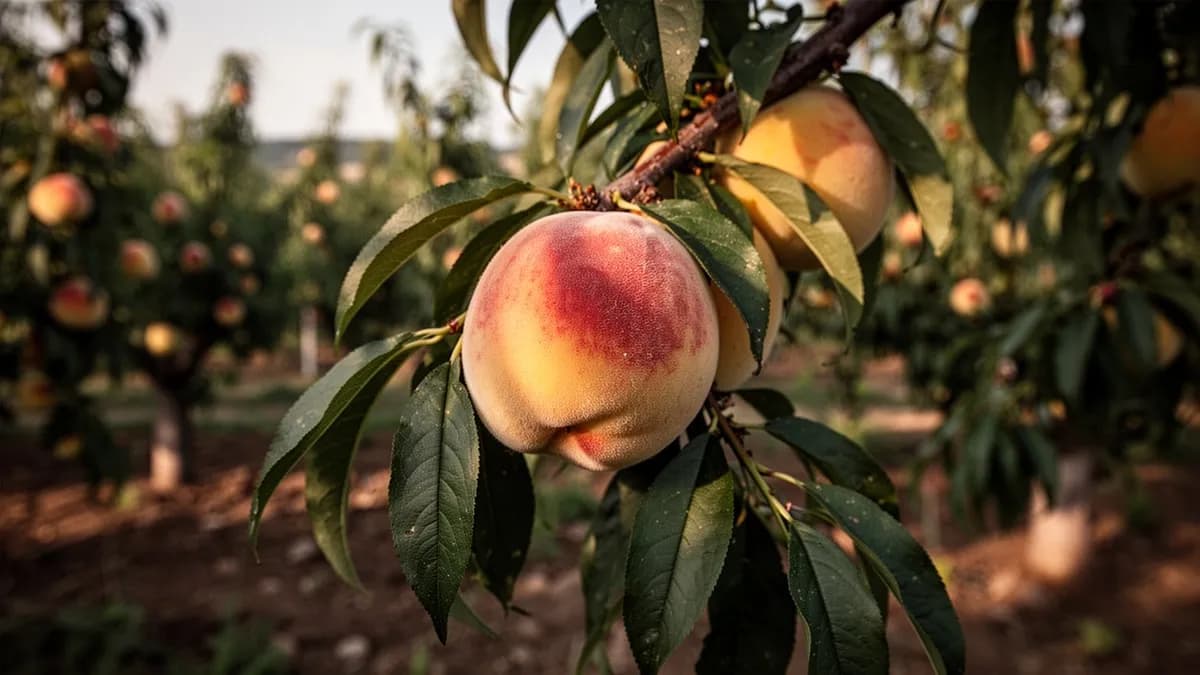
Mantén Cereza Morello lejos de estos
Cultiva tu mejor Cereza Morello — y todo lo que la rodea.
Empieza un plan gratis hoy. Diseña tus bancales, coloca tu Cereza Morello y deja que PlotMyGarden gestione el momento, el espaciado, las asociaciones y los recordatorios de la semilla a la cesta.