Cabeza de Tortuga
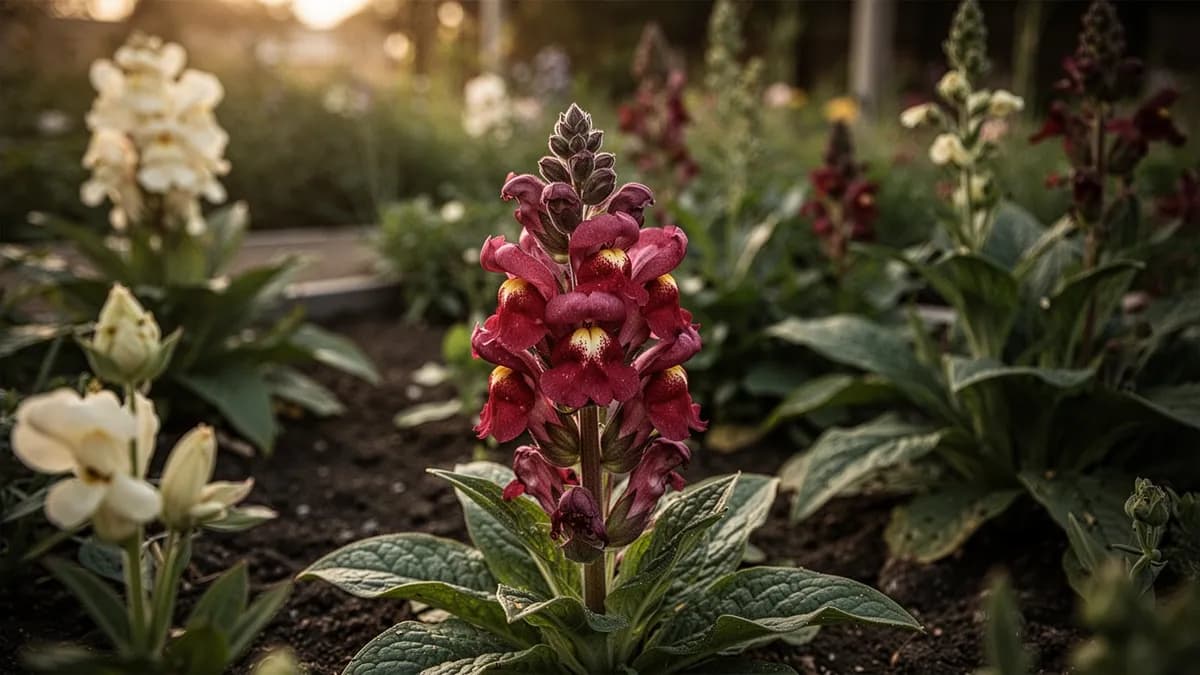
Una planta perenne nativa con flores encapuchadas muy singulares que recuerdan cabezas de tortuga, en tonos rosa y blanco, y que florecen a finales del verano cuando muchas otras perennes ya se han marchitado.





En esta páginaResumen
Conoce Cabeza de Tortuga
Una planta perenne nativa con flores encapuchadas muy singulares que recuerdan cabezas de tortuga, en tonos rosa y blanco, y que florecen a finales del verano cuando muchas otras perennes ya se han marchitado. La cabeza de tortuga prospera en suelos húmedos a encharcados y es perfecta para jardines de lluvia, riberas de arroyos y zonas pantanosas. Es resistente a los ciervos y constituye una planta hospedera esencial para la mariposa dama de Baltimore (Euphydryas phaeton).
Cuándo plantar Cabeza de Tortuga
Las semillas necesitan estratificación en frío. Siembre en otoño al aire libre o refrigere las semillas en turba húmeda durante 6 semanas antes de la siembra primaveral. La germinación tarda entre 2 y 4 semanas. Las plántulas crecen lentamente. La división de matas establecidas en primavera es mucho más rápida y fiable.
Tu año de Cabeza de Tortuga
Ajustado a Zona 7 · temporada típica · la helada se va hacia el 2 abr y vuelve hacia el 1 nov
Planta Cabeza de Tortuga Mar – May y cosecha Ago – Oct. Consulta los métodos de plantación y elige tu clima para adaptar los periodos.
Cómo cultivar Cabeza de Tortuga
La cabeza de tortuga es una valiosa planta perenne nativa que florece a finales del verano y principios del otoño, cuando muchas otras perennes ya han terminado su ciclo. Plántela en primavera, dejando una separación de 45 cm entre plantas, en semisombra o pleno sol con suelo constantemente húmedo a encharcado.
Esta planta ama la humedad: prospera en jardines de lluvia, junto a arroyos y en zonas bajas donde se acumula el agua. A diferencia de la mayoría de las perennes, la cabeza de tortuga prefiere suelos pesados y arcillosos que retienen la humedad. En suelos más secos, el riego suplementario es imprescindible.
Las singulares flores encapuchadas recuerdan cabezas de tortuga (o bocas de dragón) y aparecen en espigas densas desde agosto hasta octubre. La cabeza de tortuga es resistente a ciervos y conejos, y sirve como la única planta hospedera para las larvas de la mariposa dama de Baltimore, lo que la convierte en una especie ecológicamente muy valiosa. Las plantas forman matas que se expanden lentamente con el tiempo.
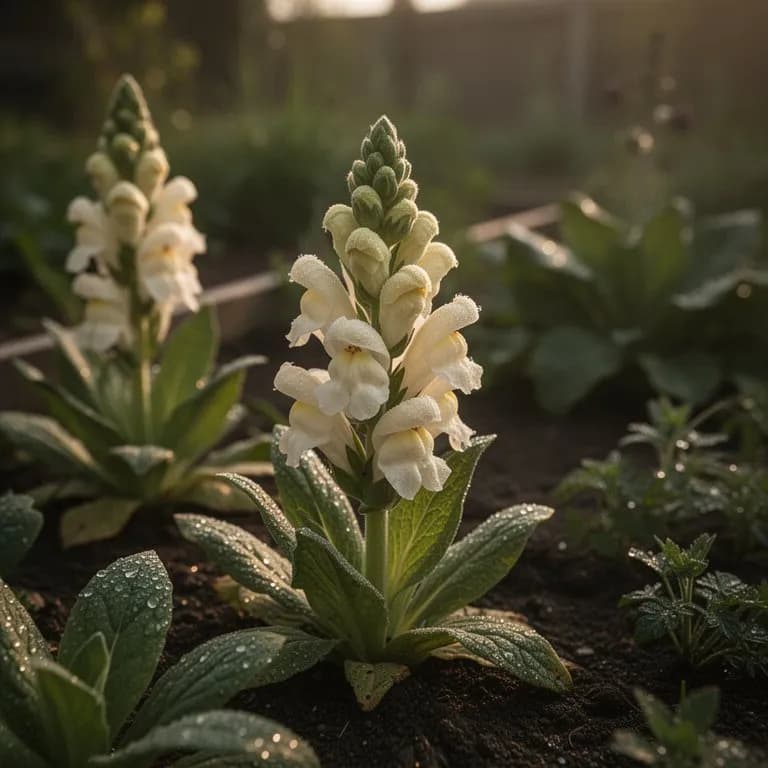
10 plantas caben en un bancal de 120 × 240 cm
Cada Cabeza de Tortuga pide 45 cm de margen. El planificador guarda ese marco por ti — cada planta, cada bancal.
Los mejores vecinos de Cabeza de Tortuga
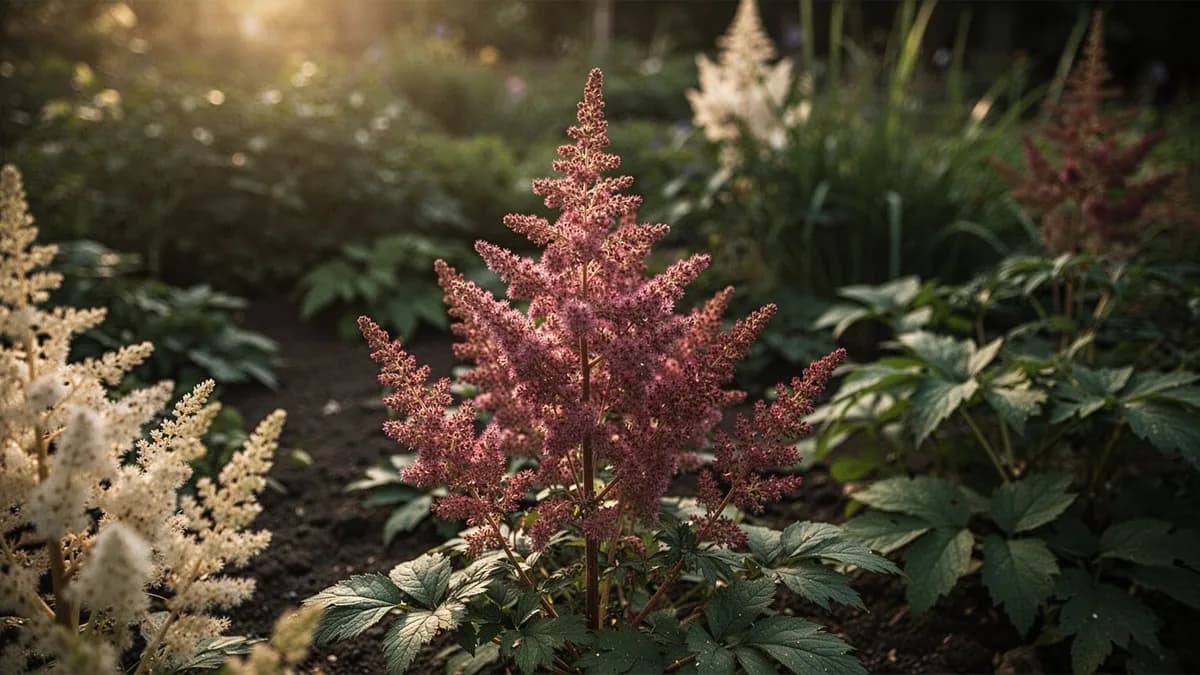
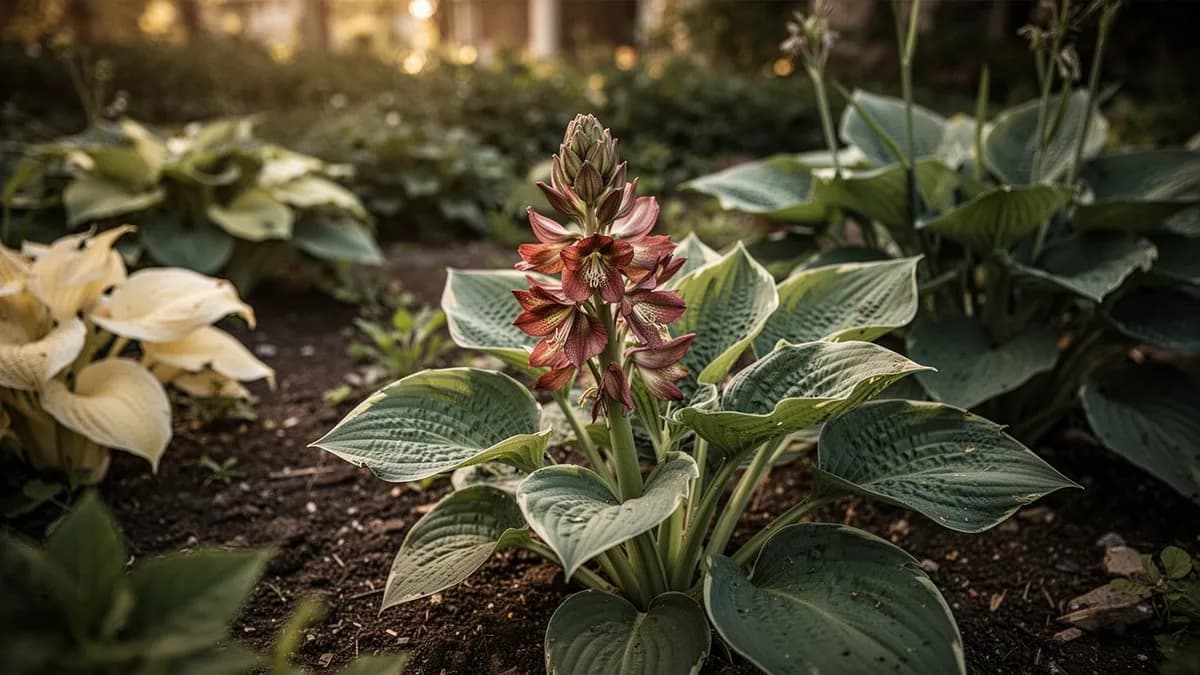
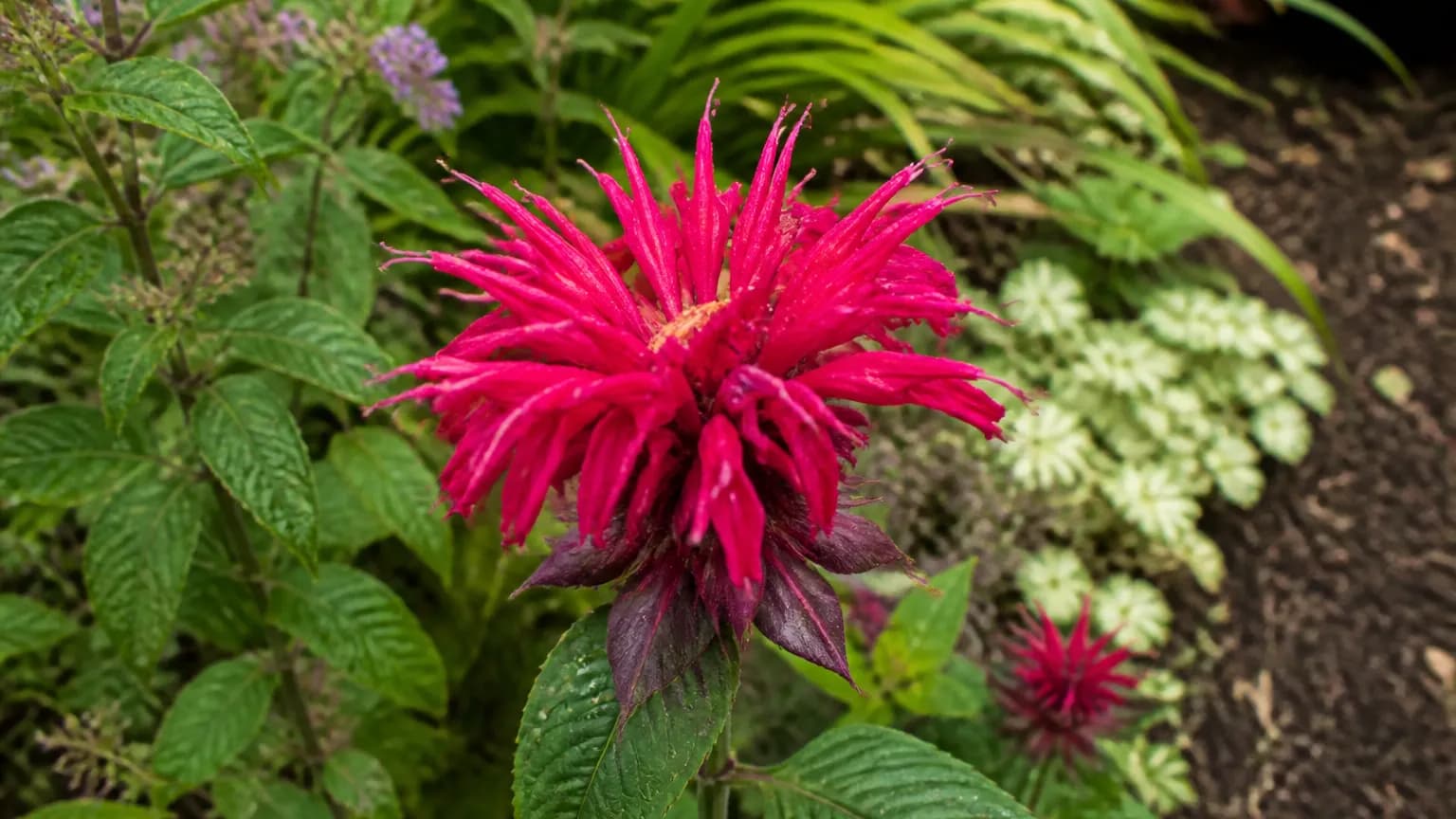
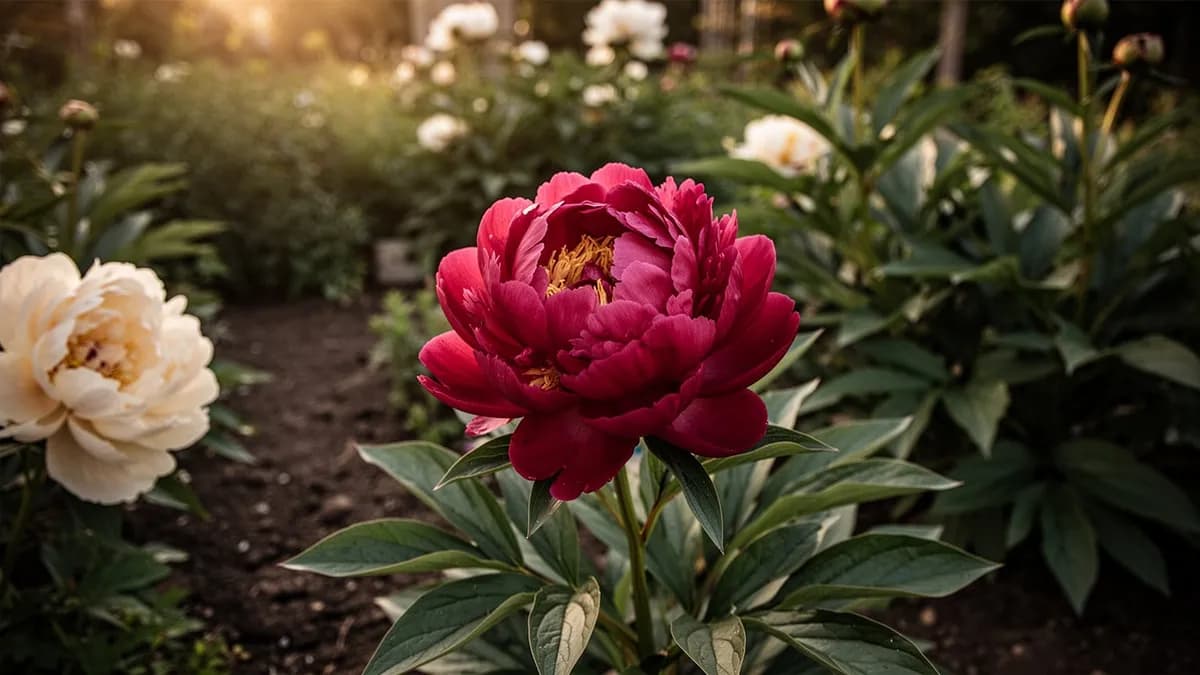
La cabeza de tortuga es una compañera natural de otras perennes amantes de la humedad: astilbe, ligularia, eupatoria (Joe Pye) y flor cardenal. En jardines de lluvia, combínela con ironweed, iris de bandera azul y caléndula de pantano. Su floración tardía llena el vacío entre las perennes de verano y los ásteres de otoño.
Astilbe va a su lado.
Saber de huerto de siempre, cotejado con la tabla real de Cabeza de Tortuga — prueba cualquier planta que cultives.
Prueba Cabeza de Tortuga en un bancal, aquí mismo
Un bancal real del planificador con Cabeza de Tortuga ya plantado. Toca una planta compañera para colocarla y mira cómo responde la comprobación de vecinos: verde para buenos vecinos, rojo si hay conflicto.


Guías de cultivo relacionadas
Abónalo bien
La cabeza de tortuga prospera en suelos ricos, húmedos a encharcados, con un pH de 5.0-7.0. La arcilla pesada es perfectamente aceptable. Enmiende con compost y aplique un acolchado generoso para mantener la humedad. Abone con un fertilizante equilibrado en primavera. Esta planta tiene dificultades en condiciones secas: la humedad constante es innegociable.
Temperatura ideal
Compatibilidad de zonas de rusticidad
De la semilla a la cosecha, etapa por etapa
Germinación de la semilla
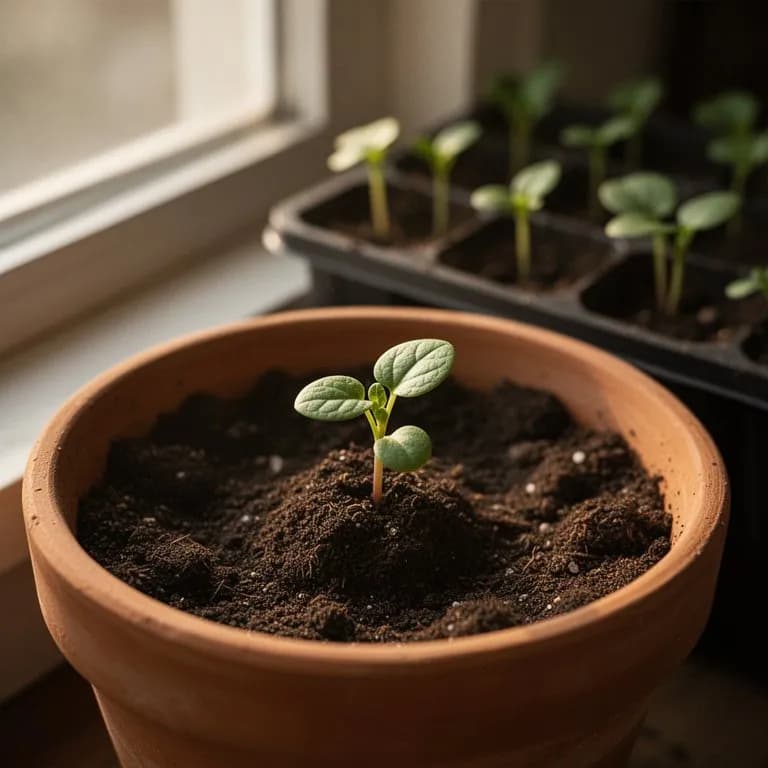
Las semillas de Chelone lyonii requieren estratificación en frío para romper la latencia, imitando las condiciones invernales naturales de su hábitat en los Apalaches. Tras la estratificación, las semillas germinan lenta e irregularmente durante 2-4 semanas cuando se exponen a la luz y a una humedad constante. Las diminutas plántulas emergen con pequeñas hojas cotiledonares redondeadas que apenas sugieren la estatura final de la planta.
Desarrollo de la plántula
Las plántulas desarrollan sus característicos pares opuestos de hojas verde oscuro, lanceoladas y con bordes marcadamente aserrados. El crecimiento es moderado mientras la planta construye un sistema radicular fibroso adaptado a suelos húmedos. Los tallos comienzan a mostrar la sección transversal cuadrada típica de las plantas de la familia Plantaginaceae. Las plántulas desarrollan gradualmente el porte erguido y robusto que distingue a la cabeza de tortuga de otras perennes de sombra.
Crecimiento vegetativo
Durante la primavera y principios del verano, la cabeza de tortuga produce vigorosos tallos erguidos que alcanzan los 60-90 cm de altura, vestidos con un follaje verde oscuro brillante. La planta forma una mata cada vez más densa y frondosa mediante ramificación basal. El follaje por sí solo es muy ornamental, creando un montículo exuberante de hojas profundamente nervadas y aserradas que aportan un excelente contraste textural en jardines de sombra. Las plantas de primer año se centran principalmente en establecer su sistema radicular y pueden no florecer.
Formación de capullos y floración
Desde finales del verano hasta mediados del otoño, densas espigas terminales de flores encapuchadas y bilabiadas se abren en sucesión de abajo hacia arriba. Cada flor individual está inflada y firmemente cerrada, asemejándose a la cabeza de una tortuga, la característica que da a la planta su nombre común. Chelone lyonii produce flores de un rosa intenso a rosa-púrpura que duran de 4 a 6 semanas, proporcionando un néctar crucial de temporada tardía para los abejorros. El periodo de floración llena un vacío importante en el calendario del jardín cuando pocas otras perennes de sombra están en flor.
Formación de semillas y dormancia
Tras la floración, pequeñas cápsulas ovales se desarrollan a lo largo de las espigas florales agotadas, madurando de verde a marrón durante varias semanas. Cada cápsula contiene numerosas semillas planas y aladas adaptadas para la dispersión por el viento y el agua. A medida que avanza el otoño, el follaje adquiere un tono amarillo dorado antes de morir hasta el nivel del suelo. La planta entra en dormancia invernal completa, sobreviviendo como un rizoma resistente capaz de soportar temperaturas de hasta -34 °C en las zonas USDA 3-8.
Estratifique las semillas en frío durante 6-8 semanas en arena o turba húmeda en el refrigerador antes de sembrar. Siembre sobre la superficie de sustrato húmedo para semilleros y presione ligeramente: las semillas necesitan luz para germinar. Mantenga una humedad constante y temperaturas de 15-18 °C. La paciencia es fundamental, ya que la germinación es lenta y desigual.
Cuidar Cabeza de Tortuga mes a mes
Qué hacer cada mes para tu Cabeza de Tortuga
Octubre
Mes actualLa floración llega a su fin y las cápsulas de semillas maduran. El follaje desarrolla un atractivo color otoñal amarillo dorado antes de morir. Deje los tallos en pie para crear interés invernal y marcar la ubicación de las matas. Aplique una nueva capa de 5 cm de acolchado orgánico alrededor de las coronas en las zonas 3-5 para aislamiento invernal. Divida las matas sobrepobladas y comparta las divisiones con otros jardineros.
Ten claro qué hacer en tu huerto, cada mes
Un correo al empezar cada mes: qué sembrar, plantar y hacer ahora mismo — para tu Cabeza de Tortuga y todo lo que crece alrededor. Más un breve curso inicial para esquivar los errores clásicos.
- Qué hacer ahora mismo
- Ajustado a tu temporada
- Curso inicial incluido
Cosechar Cabeza de Tortuga
Las flores de cabeza de tortuga son un complemento interesante para arreglos florales de temporada tardía. Corte los tallos cuando las flores más bajas de la espiga se hayan abierto. Duran entre 5 y 7 días en el jarrón y aportan una textura inusual junto a ásteres, crisantemos y vara de oro en ramos otoñales.
se supone que plantas al comenzar el periodo — indica tu fecha real
Cosecha Cabeza de Tortuga a tiempo y la planta sigue produciendo.
Almacenamiento y conservación
La cabeza de tortuga es completamente resistente al frío y no requiere cuidados especiales en invierno. Corte los tallos a ras de suelo después de que las heladas marchiten el follaje. Divida las matas cada 3-4 años en primavera para mantener su vigor. La división es el método de propagación más sencillo.
Qué falla — y cómo solucionarlo
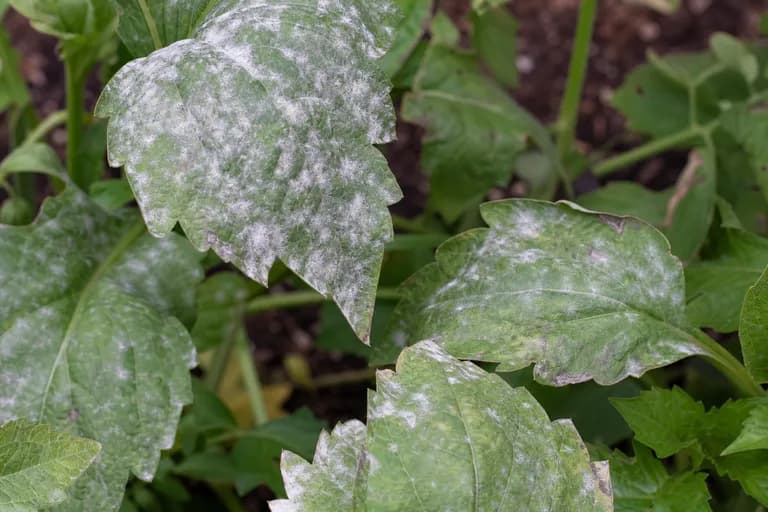
Oídio
EnfermedadCapa blanquecina sobre las hojas en condiciones secas. Poco habitual en una planta amante de la humedad.
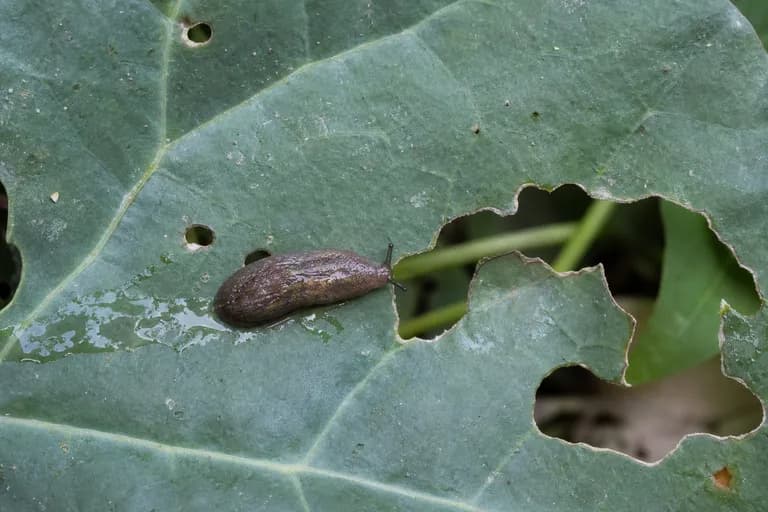
Babosas
PlagaAgujeros en hojas y tallos, rastros viscosos. Los daños son peores en condiciones húmedas.
Solución de problemas comunes
El estrés por sequía es el principal problema: la cabeza de tortuga simplemente no tolera el suelo seco. Las plantas expuestas a demasiado sol pueden marchitarse sin la humedad adecuada. Podar las puntas de los tallos a principios de junio promueve un crecimiento más compacto y previene el estiramiento excesivo que puede producirse en suelos fértiles. El oídio es infrecuente, pero puede aparecer en condiciones inusualmente secas.
Consejos de cultivo
- La humedad constante del suelo es el factor más importante para cultivar una cabeza de tortuga saludable. Se trata de una planta de ribera y borde de humedal que evolucionó con raíces permanentemente húmedas. Plántela cerca de bajantes, en jardines de lluvia, junto a los márgenes de estanques o en cualquier zona baja donde el suelo permanezca húmedo. El riego suplementario es esencial durante los períodos secos.
- La semisombra a pleno sol produce los mejores resultados. En las zonas norte más frías (3-5), la cabeza de tortuga tolera el pleno sol siempre que la humedad del suelo sea constante. En las zonas más cálidas (6-8), la sombra de la tarde previene las quemaduras foliares y prolonga el período de floración. Evite la sombra profunda, que causa tallos débiles y caídos y una floración escasa.
- Pellizque las puntas de crecimiento una vez a finales de primavera cuando los tallos alcancen 15-20 cm de altura para fomentar la ramificación y producir más espigas florales por tallo. Esto crea plantas más compactas y frondosas que tienen menos probabilidad de necesitar tutorado. No pellizque después de mediados de junio o podría retrasar la floración.
- Enmiende los sitios de plantación con generosas cantidades de compost, mantillo de hojas o estiércol bien descompuesto para crear el suelo rico en humus que la cabeza de tortuga demanda. Los suelos arcillosos pesados funcionan bien si se enmiendan para mejorar el drenaje, ya que retienen la humedad que esta planta anhela. Los suelos arenosos requieren materia orgánica adicional y riego más frecuente.
- La cabeza de tortuga es notablemente resistente a plagas y enfermedades. Los ciervos y conejos evitan el follaje amargo, lo que la convierte en una excelente elección para jardines con fuerte presión de ramoneo. El problema más común es el oídio en condiciones calurosas y húmedas con poca circulación de aire: espacie las plantas adecuadamente y asegure un buen flujo de aire.
- Aplique un acolchado generoso de 5-7 cm de corteza triturada, mantillo de hojas o compost para conservar la humedad del suelo, suprimir las malas hierbas y mantener la zona radicular fresca que la cabeza de tortuga prefiere. Reponga el acolchado anualmente en primavera. Evite usar acolchado de roca o grava, que calienta el suelo y lo reseca.
- Divida las matas establecidas cada 3-4 años a principios de primavera justo cuando aparezca el nuevo crecimiento. Levante toda la mata con una horca de jardín, sepárela en secciones con 3-5 puntos de crecimiento cada una y replante inmediatamente a la misma profundidad. Riegue las divisiones a fondo y mantenga una humedad constante hasta que se establezcan.
- Plante la cabeza de tortuga junto a otras perennes amantes de la humedad para crear un esquema de plantación naturalista. Excelentes compañeras incluyen astilbe, ligularia, iris japonés, lobelia cardinalis, helechos nativos como osmunda y juncos. Estas combinaciones imitan las comunidades de ribera donde la cabeza de tortuga crece en estado silvestre.
- Si cultiva cabeza de tortuga para apoyar a las mariposas dama de Baltimore, plante en grupos de al menos 10-15 plantas para proporcionar suficiente alimento larval. Las orugas se alimentan de forma comunal y una sola planta no puede sostener una nidada. Evite usar cualquier pesticida cerca de las plantaciones de cabeza de tortuga durante la temporada de crecimiento.
- Estratifique las semillas en frío durante 6-8 semanas antes de sembrar para una germinación fiable. Alternativamente, siembre las semillas al aire libre a finales de otoño y permita que el frío invernal natural proporcione la estratificación. Las semillas sembradas en otoño germinan la primavera siguiente sin ningún tratamiento en interior, aunque el momento de germinación es menos predecible.
Cultiva tu mejor Cabeza de Tortuga — y todo lo que la rodea.
Empieza un plan gratis hoy. Diseña tus bancales, coloca tu Cabeza de Tortuga y deja que PlotMyGarden gestione el momento, el espaciado, las asociaciones y los recordatorios de la semilla a la cesta.
Elige tu Cabeza de Tortuga
Chelone lyonii 'Hot Lips'
Flores de un rosa intenso sobre tallos de hasta 90 cm con follaje verde oscuro y brillante. El cultivar más popular.
Chelone glabra
Especie nativa de flores blancas. Más resistente al frío que C. lyonii. Prefiere condiciones más húmedas.
Chelone obliqua
Flores de un rosa-púrpura intenso. La especie más vistosa, aunque ligeramente menos resistente al frío.
Las plantas de Chelone lyonii suelen venderse entre 7 y 13 euros en viveros de plantas nativas, y establecer un jardín de lluvia o un borde sombreado a menudo requiere entre 10 y 20 plantas. Cultivar a partir de semillas reduce los costes drásticamente: un sobre de semillas que cuesta entre 3 y 5 euros produce docenas de plantas. Además, las matas establecidas se dividen fácilmente cada 3-4 años, proporcionando plantas gratuitas para ampliar su jardín o compartir. El papel de la cabeza de tortuga como planta hospedera principal de la amenazada mariposa dama de Baltimore también añade un valor ecológico que trasciende el ahorro monetario. Para los herbolarios, cultivar su propia cabeza de tortuga elimina la necesidad de comprar Chelone seca, que puede costar entre 30 y 50 euros los 30 gramos en proveedores especializados.
Recetas rápidas
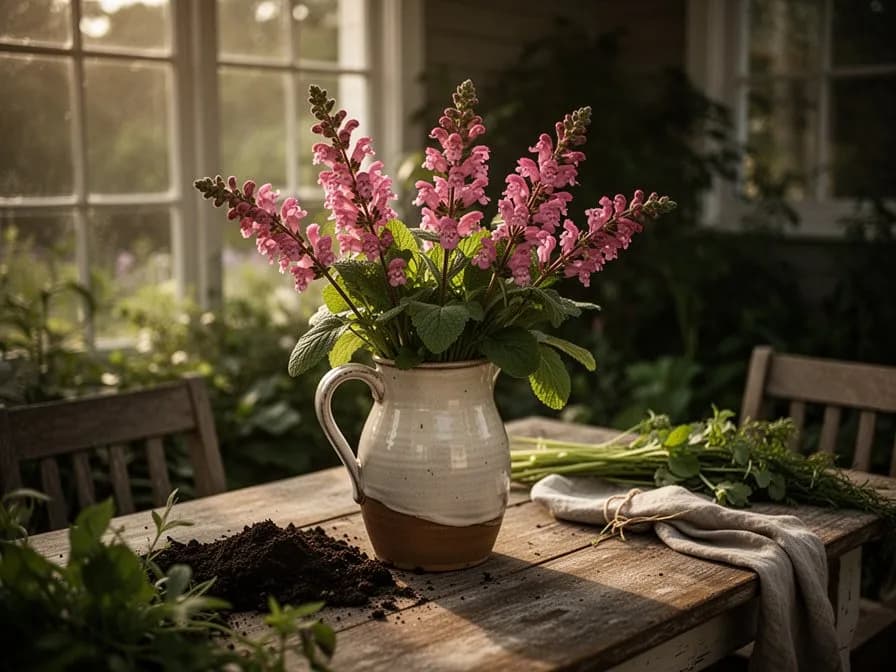
Infusión tónica amarga de cabeza de tortuga
15 minUna infusión herbal tradicional de los Apalaches con hojas secas de cabeza de tortuga. Este té es intensamente amargo y se consumía históricamente en pequeñas cantidades antes de las comidas para estimular el apetito y favorecer la digestión. La amargura activa los receptores gustativos que desencadenan la producción de enzimas digestivas. Se toma mejor en pequeñas dosis y se endulza con miel para mejorar la palatabilidad.
5 ingredientesUngüento de cabeza de tortuga y caléndula para la piel
30 min (más 4 semanas de maceración)Una preparación tópica calmante que combina las propiedades curativas tradicionales de la cabeza de tortuga para la piel con los conocidos efectos antiinflamatorios de la caléndula. Los glucósidos iridoides y los taninos de las hojas de cabeza de tortuga proporcionan una acción astringente y antimicrobiana suave. Útil para irritaciones cutáneas menores, picaduras de insectos y zonas secas.
6 ingredientesTintura de amargos digestivos
10 min (más 6 semanas de maceración)Una tintura herbal tradicional que captura los compuestos intensamente amargos de la cabeza de tortuga en una forma estable. Tomada en pequeñas dosis de 15-30 gotas antes de las comidas, esta preparación sigue la larga tradición de usar hierbas amargas para favorecer una digestión saludable y la función hepática. La extracción alcohólica preserva los glucósidos iridoides activos para un uso prolongado.
5 ingredientesQué contiene
Beneficios para la salud
- Tónico digestivo tradicional: los glucósidos iridoides intensamente amargos de las hojas de cabeza de tortuga, incluyendo catalpol y harpágido, estimulan la producción de enzimas digestivas y bilis cuando se toman antes de las comidas, favoreciendo un apetito saludable y una absorción eficiente de nutrientes según la tradición de la medicina popular de los Apalaches.
- Propiedades hepatoprotectoras: Chelone se ha utilizado durante siglos como tónico hepático en la herbolaria tradicional, y la investigación moderna sobre sus compuestos iridoides sugiere que estas moléculas pueden ayudar a proteger las células del hígado del daño oxidativo y a mantener una función hepática saludable.
- Acción antiinflamatoria: los glucósidos iridoides y compuestos fenólicos de la cabeza de tortuga demuestran una actividad antiinflamatoria medible en estudios de laboratorio, respaldando el uso tradicional de la planta para reducir la hinchazón y calmar los tejidos irritados.
- Efectos laxantes suaves y antiparasitarios: el uso histórico por los curanderos cherokee y los herbolarios de los Apalaches incluía preparaciones de hojas de cabeza de tortuga como laxante suave y tratamiento contra lombrices intestinales, atribuido al contenido de catalpol que ha demostrado propiedades vermífugas en especies vegetales relacionadas.
- Curación tópica de la piel: las cataplasmas y lavados elaborados con hojas de cabeza de tortuga se aplicaban tradicionalmente sobre llagas cutáneas, heridas menores y zonas inflamadas, aprovechando el contenido de taninos de la planta para su acción astringente y sus iridoides para el apoyo antimicrobiano.
- Estimulación del apetito: la extrema amargura de la cabeza de tortuga activa los receptores del sabor amargo en la lengua, que de forma refleja estimulan la secreción de ácido gástrico y enzimas digestivas, convirtiéndola en un remedio tradicional para la falta de apetito y la digestión lenta, particularmente durante la convalecencia.
De dónde viene Cabeza de Tortuga
Chelone lyonii, conocida comúnmente como cabeza de tortuga rosa o cabeza de tortuga de Lyon, es una planta herbácea perenne nativa de las montañas de los Apalaches meridionales del este de Estados Unidos, donde crece de forma natural a lo largo de riberas de arroyos, en prados húmedos y en los márgenes de turberas y manantiales filtrados desde Virginia hacia el sur a través de las Carolinas hasta Georgia y Tennessee. La planta prospera en los suelos frescos, húmedos y ricos en humus de las ensenadas montañosas y humedales forestados a altitudes que van desde los 300 hasta los 1500 metros, creciendo a menudo junto a helechos de canela, flores cardinales y juncos nativos en comunidades modeladas por la humedad persistente y la sombra moderada.
El género Chelone pertenece a la familia Plantaginaceae (antes clasificado en Scrophulariaceae) y contiene cuatro especies reconocidas, todas nativas del este de Norteamérica. Chelone lyonii se distingue de sus parientes por sus flores de color rosa a rosa-púrpura y sus hojas ampliamente ovadas con pecíolos claramente alados. La especie fue descrita científicamente por primera vez por Frederick Traugott Pursh en su obra de 1813 Flora Americae Septentrionalis, basándose en especímenes recolectados por el explorador botánico escocés-americano John Lyon. Lyon pasó más de dos décadas recorriendo las remotas montañas de las Carolinas, Tennessee y Georgia, enviando miles de especímenes y semillas a jardines botánicos europeos y coleccionistas privados.
Los pueblos nativos americanos, particularmente los cherokee, tenían una larga relación con la cabeza de tortuga mucho antes de la llegada de los botánicos europeos. Utilizaban las hojas intensamente amargas como tónico digestivo, estimulante del apetito y tratamiento para dolencias hepáticas. Las cataplasmas de hojas se aplicaban sobre llagas y piel inflamada, y las decocciones de raíz servían como remedio contra parásitos intestinales. La extrema amargura de la planta, causada por glucósidos iridoides como el catalpol, la hacía eficaz pero desagradable de consumir, lo que dio lugar al nombre popular en inglés 'balmony', una corrupción irónica de la palabra 'bálsamo' dado el sabor de la planta.
La cabeza de tortuga entró en la horticultura europea a principios del siglo XIX a través de las colecciones de Lyon, y desde entonces ha seguido siendo una perenne de jardín muy apreciada. Su periodo de floración tardío, su tolerancia a la sombra y al suelo húmedo, y su resistencia al ramoneo de los ciervos la hacen excepcionalmente útil en el paisajismo moderno. En las últimas décadas, la cabeza de tortuga ha ganado renovada atención por su importancia ecológica como planta hospedera principal de la mariposa dama de Baltimore, una especie de interés para la conservación en gran parte de su área de distribución. Los biólogos conservacionistas recomiendan activamente plantar Chelone en proyectos de restauración de hábitat, jardines de lluvia y paisajes favorables para los polinizadores.
Cabeza de Tortuga: ¿sabías que?
Datos fascinantes sobre Cabeza de Tortuga
El nombre común 'cabeza de tortuga' (turtlehead en inglés) proviene del asombroso parecido de cada flor individual con la cabeza de una tortuga mordedora con la boca entreabierta. Si aprieta suavemente los lados de una flor, la 'boca' se abre y se cierra como una marioneta de tortuga, un truco que encanta tanto a niños como a adultos.
Cabeza de Tortuga: preguntas frecuentes
¿Cuándo debo plantar Cabeza de Tortuga?
¿Cuáles son buenas plantas acompañantes para Cabeza de Tortuga?
¿En qué zonas de rusticidad puede crecer Cabeza de Tortuga?
¿Cuánto sol necesita Cabeza de Tortuga?
¿A qué distancia debo espaciar Cabeza de Tortuga?
¿Qué plagas y enfermedades afectan a Cabeza de Tortuga?
¿Cómo almaceno Cabeza de Tortuga después de la cosecha?
¿Cuáles son las mejores variedades de Cabeza de Tortuga para cultivar?
¿Qué suelo necesita Cabeza de Tortuga?
¿Por qué mi cabeza de tortuga se marchita aunque la riego regularmente?
¿La cabeza de tortuga crece a pleno sol o necesita sombra?
¿Es Chelone lyonii la especie adecuada para apoyar a las mariposas dama de Baltimore?
¿Cómo propago la cabeza de tortuga aparte de cultivar a partir de semillas?
¿Puedo usar la cabeza de tortuga en un jardín de lluvia o biofiltro?
¿Es la cabeza de tortuga tóxica para mascotas o niños?
Acabas de leer la teoría. Ahora cultívala en piloto automático.
Todo lo que hace que Cabeza de Tortuga sea delicado — el momento, el espaciado, las asociaciones, la ventana de cosecha — es justo lo que PlotMyGarden resuelve por ti, para cada planta de tu huerto.
Un plan que conoce tu clima
Indica tu ubicación una vez. Recibe fechas de siembra, abonado y cosecha basadas en tu última helada real y el pronóstico en vivo — sin adivinar con un sobre genérico.
De la sección “Cuándo plantar”Planificador de bancales de arrastrar y soltar
Diseña bancales sobre una cuadrícula. Cada planta encaja con su espaciado correcto y ves toda la temporada antes de gastar un céntimo en semillas.
De la sección “Cultivo”Conflictos de asociación, detectados a tiempo
Más de 200 buenas y malas combinaciones comprobadas en vivo mientras plantas — para que un error que arruine la temporada nunca llegue a la tierra.
De la sección “Asociaciones”Recordatorios que sí vas a seguir
“Riega las judías.” “Recoge hoy antes de que se pase.” Oportunos, concretos y ligados a las plantas que de verdad cultivas.
De la sección “Cosecha”Escalonado, programado
¿Quieres cosechar seis semanas en vez de seis días? Reparte tus siembras automáticamente y te avisa cuando toca el siguiente lote.
De la sección “Cuándo plantar”Un registro que se vuelve más listo
Cada cosecha que registras le enseña tu huerto. El plan del año que viene parte de lo que de verdad funcionó en tu suelo, no en un manual.
De la sección “Resumen”Planta estos junto a Cabeza de Tortuga
Más Perennes
Cultiva tu mejor Cabeza de Tortuga — y todo lo que la rodea.
Empieza un plan gratis hoy. Diseña tus bancales, coloca tu Cabeza de Tortuga y deja que PlotMyGarden gestione el momento, el espaciado, las asociaciones y los recordatorios de la semilla a la cesta.