Valeriana Roja
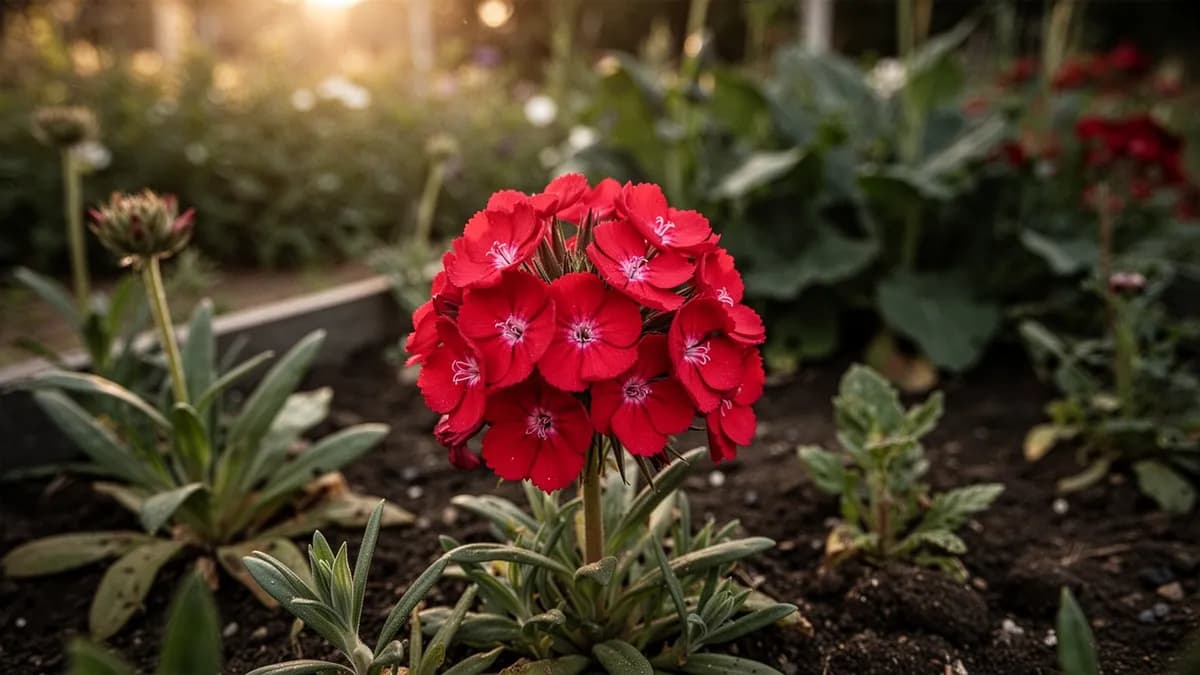
Una perenne resistente y tolerante a la sequia que produce densos racimos de pequenas flores de color rojo rosado, rosa o blanco durante una temporada muy larga.





En esta páginaResumen
Conoce Valeriana Roja
Una perenne resistente y tolerante a la sequia que produce densos racimos de pequenas flores de color rojo rosado, rosa o blanco durante una temporada muy larga. La valeriana roja se autosiembra con facilidad y prospera en suelos alcalinos, rocosos y pobres, donde a menudo coloniza muros antiguos y taludes pedregosos. Pode con fuerza despues de la primera floracion para estimular una vigorosa segunda oleada de flores.
Cuándo plantar Valeriana Roja
Siembre las semillas sobre la superficie de un sustrato arenoso en primavera. La germinacion tarda entre 14 y 21 dias a 15-18 grados Celsius. Trasplante al suelo con buen drenaje. La valeriana roja se autosiembra con tanta facilidad que rara vez es necesario sembrar semillas deliberadamente una vez que se ha establecido una planta madre.
Tu año de Valeriana Roja
Ajustado a Zona 7 · temporada típica · la helada se va hacia el 2 abr y vuelve hacia el 1 nov
Planta Valeriana Roja Mar – May y cosecha May – Sep. Consulta los métodos de plantación y elige tu clima para adaptar los periodos.
Cómo cultivar Valeriana Roja
La valeriana roja es una perenne vigorosa y tolerante a la sequia que prospera en suelos pobres, alcalinos y rocosos; es celebre por colonizar muros de piedra antiguos, acantilados y terraplenes de vias ferreas en todo el sur de Europa. Plante en primavera, espaciando las plantas a 45 cm de distancia, a pleno sol y en suelo con buen drenaje.
Una vez establecida, la valeriana roja es muy poco exigente. Florece en condiciones magras y secas, y de hecho rinde peor en suelos ricos y humedos. Los densos racimos de diminutas flores aparecen desde finales de primavera hasta el otono si se eliminan las flores marchitas con regularidad. Pode toda la planta a la mitad despues de que la primera oleada de flores se agote para obtener una segunda ronda vigorosa de floracion.
Tenga en cuenta que la valeriana roja se autosiembra de forma prolifica: elimine las cabezas florales marchitas antes de que las semillas maduren si desea controlar su expansion. En algunas regiones puede volverse ligeramente invasiva, especialmente en climas costeros y mediterraneos.
10 plantas caben en un bancal de 120 × 240 cm
Cada Valeriana Roja pide 45 cm de margen. El planificador guarda ese marco por ti — cada planta, cada bancal.
Los mejores vecinos de Valeriana Roja
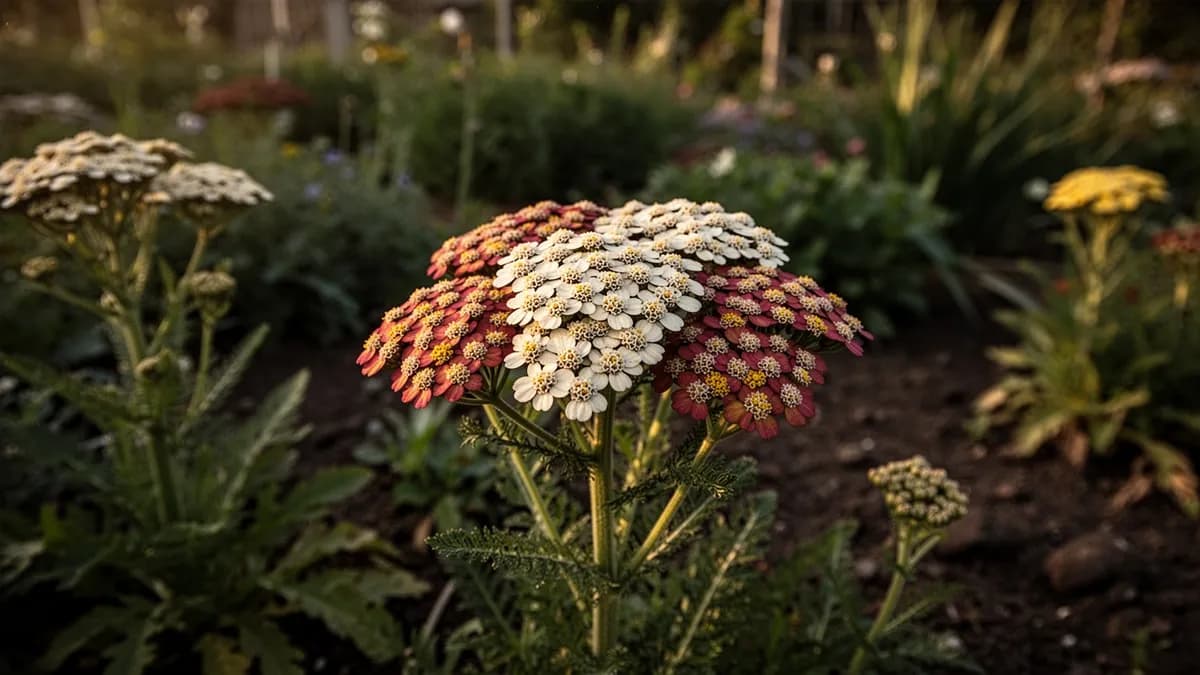
La valeriana roja es un clasico en jardines de estilo mediterraneo junto con lavanda, romero y jara. Crece de forma natural desde grietas en muros y entre adoquines. Combinela con otras plantas tolerantes a la sequia como aquilea, cardo azul y gramineas ornamentales. Su larga temporada de floracion proporciona nectar para mariposas y polillas.
Milenrama va a su lado.
Saber de huerto de siempre, cotejado con la tabla real de Valeriana Roja — prueba cualquier planta que cultives.
Prueba Valeriana Roja en un bancal, aquí mismo
Un bancal real del planificador con Valeriana Roja ya plantado. Toca una planta compañera para colocarla y mira cómo responde la comprobación de vecinos: verde para buenos vecinos, rojo si hay conflicto.


Guías de cultivo relacionadas
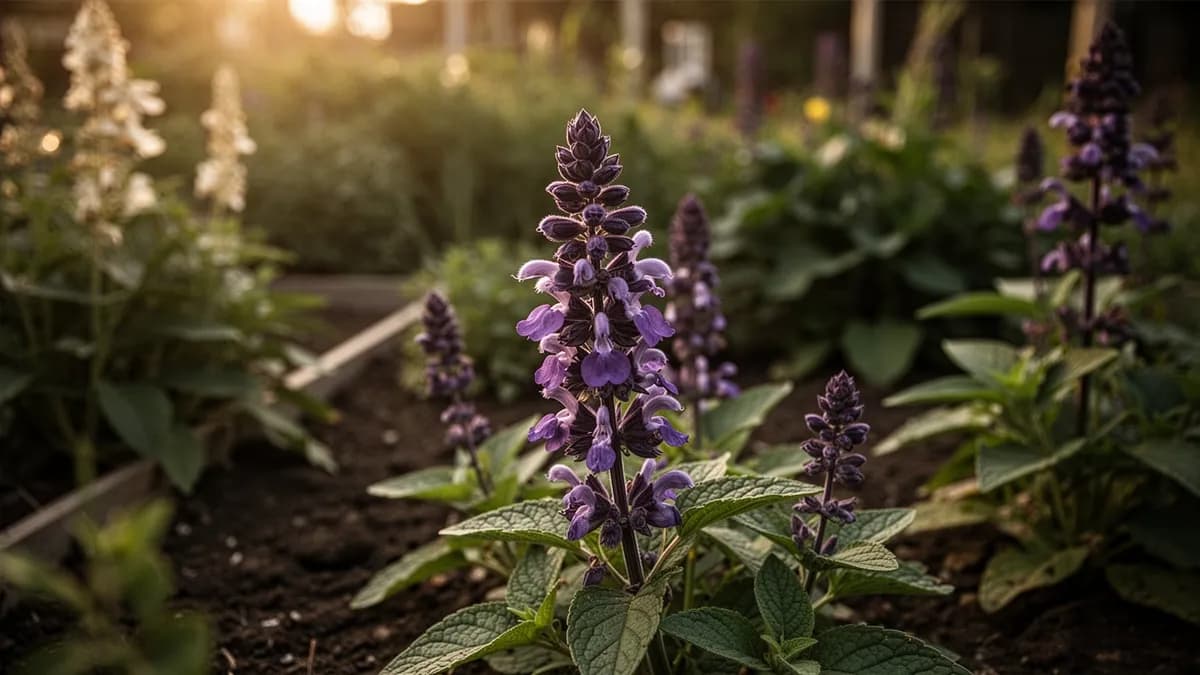
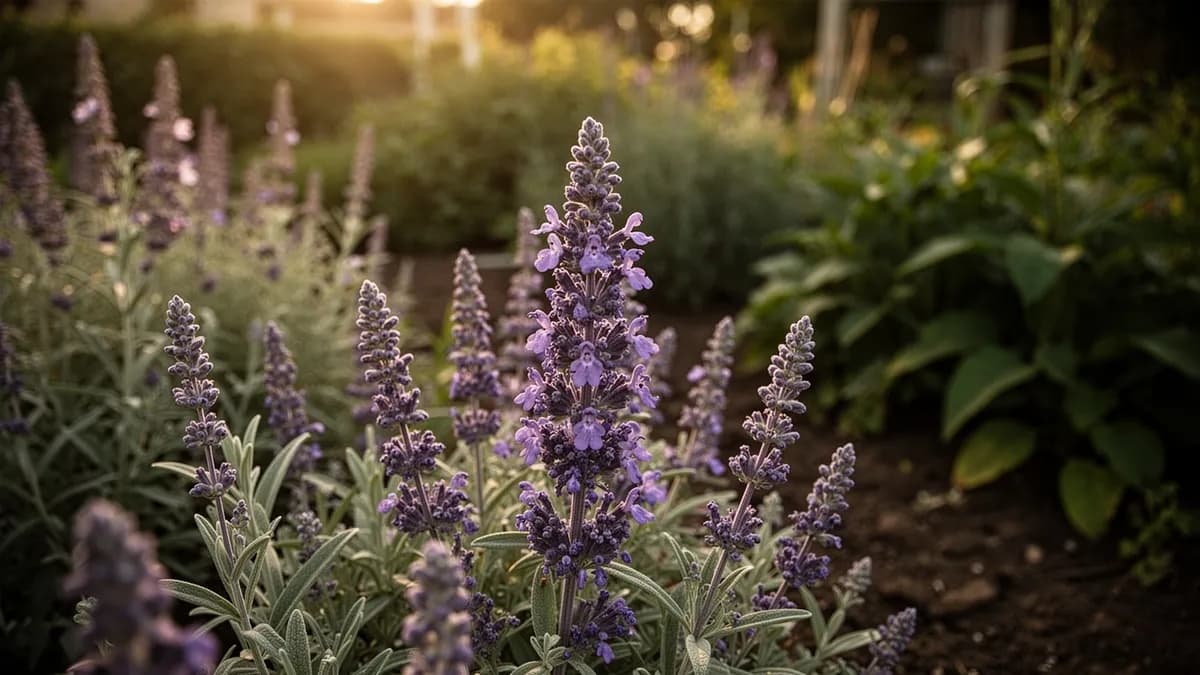
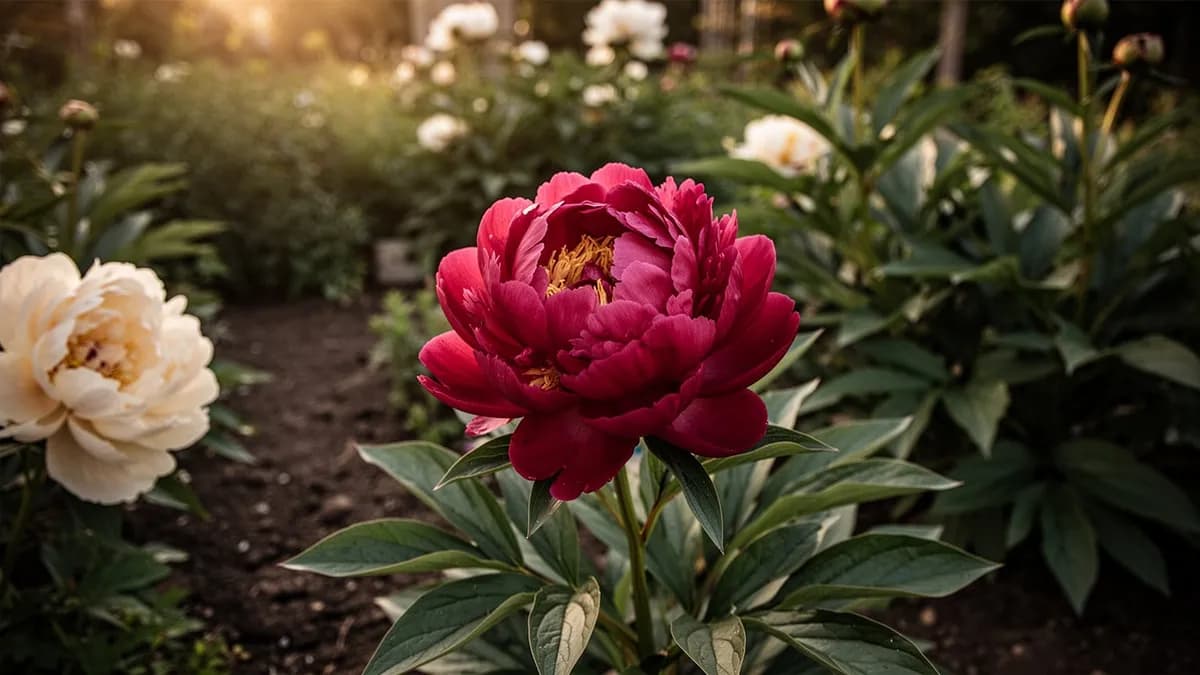
Abónalo bien
La valeriana roja prospera en suelos pobres, bien drenados y alcalinos con un pH de 7.0 a 8.5. Rinde mejor en condiciones magras y rocosas y, de hecho, decae en suelos ricos y enmendados de jardin. No necesita abono, nunca. Anada cal a los suelos acidos. La planta esta supremamente adaptada a situaciones secas, calizas y pedregosas.
Temperatura ideal
Compatibilidad de zonas de rusticidad
De la semilla a la cosecha, etapa por etapa
Germinacion de semillas
Las semillas se siembran en superficie o se cubren muy ligeramente. La germinacion es irregular y puede tardar entre dos y tres semanas a temperaturas de 15 a 20 grados Celsius. Las semillas necesitan luz para germinar, por lo que no deben enterrarse profundamente.
Desarrollo de plantula
Las plantulas desarrollan sus primeras hojas verdaderas, que son opuestas y ligeramente carnosas. Las plantas jovenes forman una pequena roseta basal y comienzan a establecer su sistema de raiz pivotante en el sustrato de cultivo.
Crecimiento vegetativo
La planta produce tallos erguidos con hojas opuestas de color verde azulado glauco. Desarrolla una base lenosa y comienza a ramificarse. La raiz pivotante se profundiza, permitiendo a la planta acceder a la humedad muy por debajo de la superficie.
Primera floracion
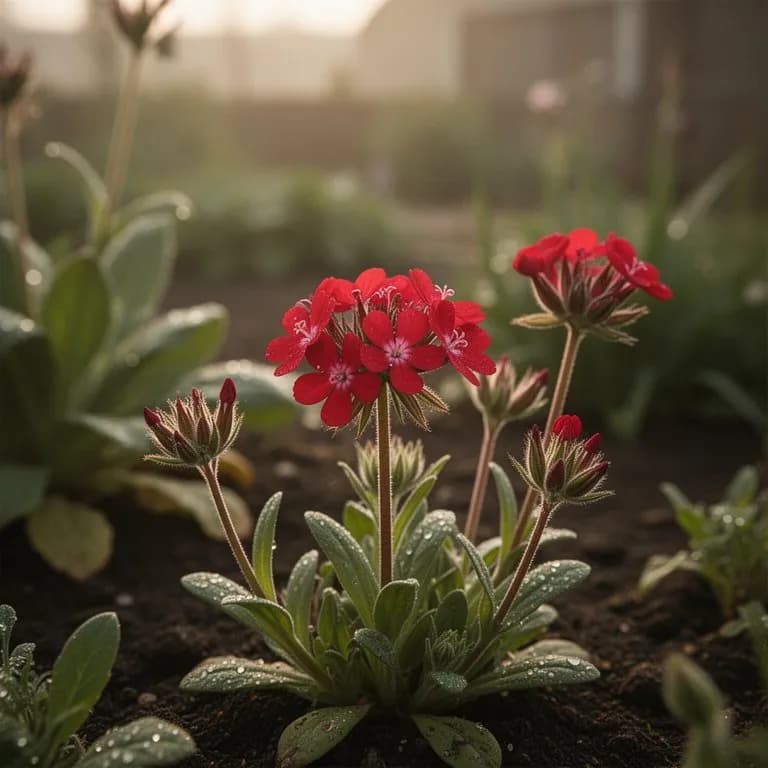
Aparecen cimas terminales de pequenas flores tubulares en tonos rosa intenso, rojo o blanco. Cada flor tiene un unico estambre y un espolon delgado en la base. Las plantas de primer ano pueden florecer modestamente, pero las de segundo ano florecen profusamente.
Floracion repetida y produccion de semillas
Tras la poda de flores marchitas, la planta produce oleadas sucesivas de flores durante el verano tardio y el comienzo del otono. Las semillas se desarrollan con un vilano plumoso que facilita la dispersion por el viento a distancias considerables.
Latencia invernal
A medida que las temperaturas descienden en otono, la parte aerea muere. El rizoma lenoso permanece vivo bajo tierra y producira brotes frescos la primavera siguiente. En climas suaves, parte del follaje basal puede persistir durante el invierno.
Mantenga la bandeja de siembra humeda pero no encharcada. Utilice un pulverizador de niebla fina para evitar desplazar las diminutas semillas de la superficie del sustrato de cultivo.
Cuidar Valeriana Roja mes a mes
Qué hacer cada mes para tu Valeriana Roja
Octubre
Mes actualPode los tallos florales despues de que las ultimas flores se marchiten. Divida las matas grandes y establecidas cada tres o cuatro anos para mantener el vigor. Replante las divisiones inmediatamente en suelo preparado con buen drenaje.
Ten claro qué hacer en tu huerto, cada mes
Un correo al empezar cada mes: qué sembrar, plantar y hacer ahora mismo — para tu Valeriana Roja y todo lo que crece alrededor. Más un breve curso inicial para esquivar los errores clásicos.
- Qué hacer ahora mismo
- Ajustado a tu temporada
- Curso inicial incluido
Cosechar Valeriana Roja
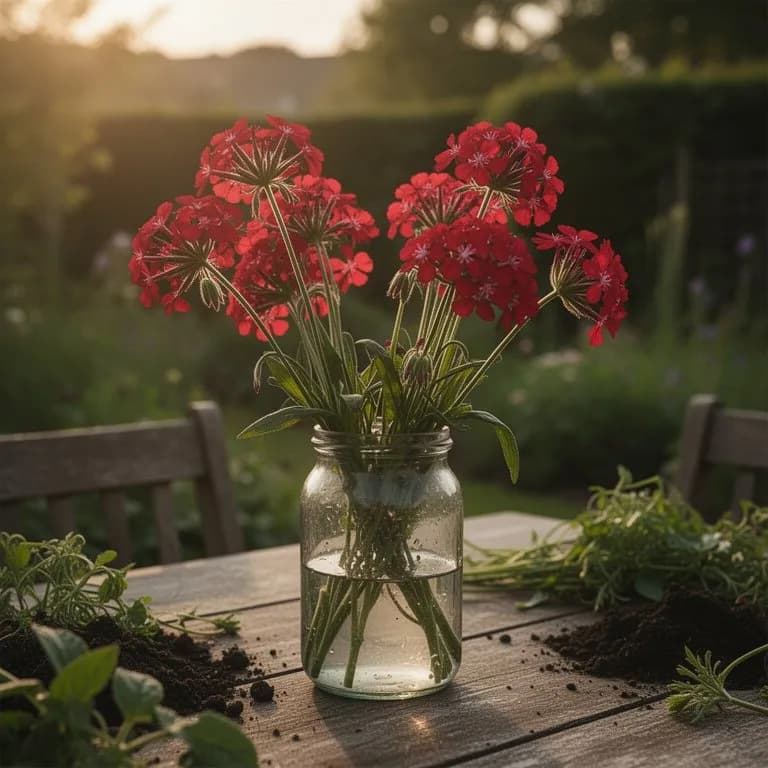
Corte los racimos florales para arreglos informales cuando la mayoria de las florecillas esten abiertas. La valeriana roja aporta un encanto especial a los ramos de estilo rustico junto con flores silvestres y hierbas aromaticas. Las flores duran de cinco a siete dias en el jarron. El corte regular estimula la produccion continua de flores.
se supone que plantas al comenzar el periodo — indica tu fecha real
Cosecha Valeriana Roja a tiempo y la planta sigue produciendo.
Almacenamiento y conservación
La valeriana roja es completamente rustica y no necesita proteccion especial para el almacenamiento. Pode las plantas drasticamente a finales de otono o dejelas en pie para aportar interes invernal al jardin. Las plantulas que se autosiembran proporcionan un reemplazo natural. Puede guardar semillas dejando que algunas cabezas florales se sequen directamente en la planta.
Qué falla — y cómo solucionarlo
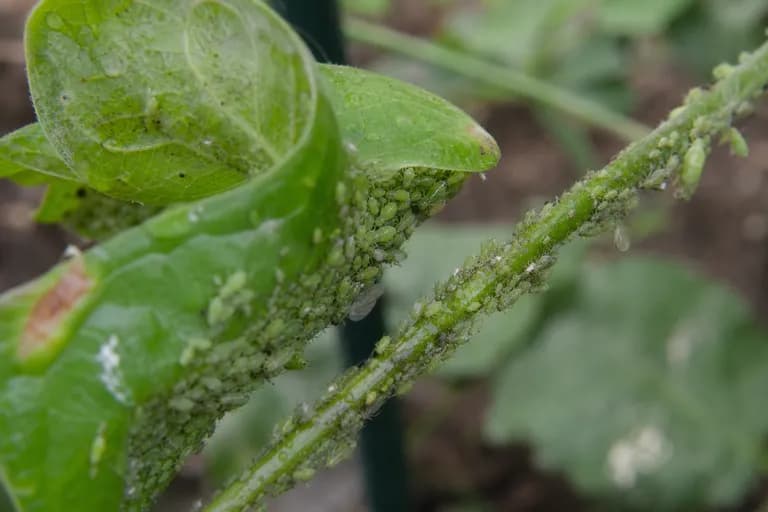
Pulgones
PlagaInsectos verdes en los racimos florales. Generalmente son una molestia menor y puramente estetica.
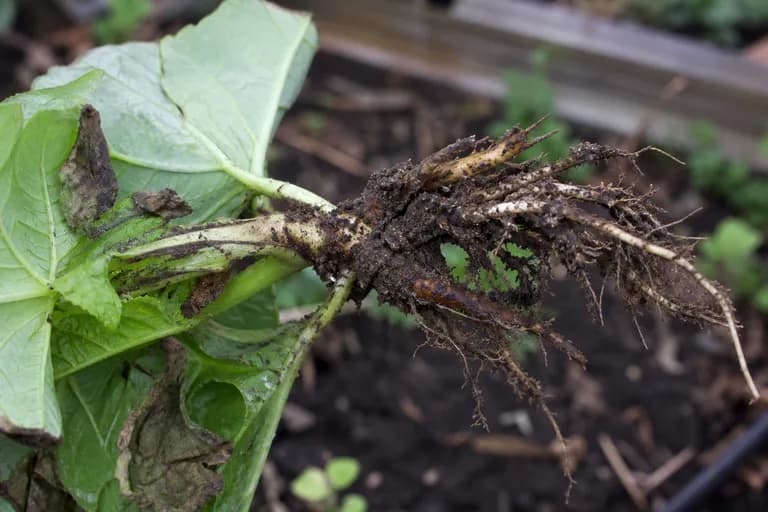
Podredumbre de raiz
EnfermedadLas plantas se marchitan en suelos pesados y humedos. Las raices presentan un aspecto blando y descompuesto.
Solución de problemas comunes
La autosiembra es el principal problema de manejo: la valeriana roja puede extenderse agresivamente mediante semillas en condiciones favorables. Retire las flores marchitas antes de que las semillas maduren para controlar la expansion. Las plantas en suelos ricos y humedos se vuelven alargadas y debiles, perdiendo el porte compacto que se observa en las plantas silvestres que crecen en muros de piedra y terrenos pobres.
Consejos de cultivo
- Elija el rincon mas pobre y con mejor drenaje de su jardin para centranthus. Los suelos ricos y fertiles y la arcilla pesada producen follaje exuberante pero menos flores, y una planta mas propensa a desplomarse.
- Anade piedra caliza triturada o escombros de construccion a los suelos acidos antes de plantar. Centranthus prefiere marcadamente un pH alcalino a neutro y rinde mal en condiciones acidas por debajo de pH 6.0.
- Riegue los centranthus recien plantados con regularidad durante las primeras seis semanas para ayudar a que la raiz pivotante se establezca, y luego deje de regar por completo salvo durante sequias extremas prolongadas de mas de cuatro semanas.
- Elimine los racimos florales marchitos cortando los tallos hasta el primer par de hojas por debajo de las flores agotadas. Esto estimula un rebrote rapido y una nueva oleada de flores en tres a cuatro semanas.
- Prevenga la autosiembra no deseada retirando las cabezas florales antes de que se desarrolle el vilano plumoso de las semillas. Una vez que las semillas se dispersan por el aire, pueden colonizar muros, caminos y jardines vecinos.
- Propague las formas de color nombradas por division o esquejes basales en lugar de semillas, ya que las plantas cultivadas a partir de semillas muestran una variacion considerable en el color de las flores, desde carmin intenso hasta rosa palido y blanco.
- Pode toda la planta drasticamente a 15 cm sobre el nivel del suelo a mediados de verano si se vuelve desgarbada o desordenada. Se regenerara rapidamente y producira un monton compacto de nuevo crecimiento y flores para principios de otono.
- Plante centranthus al pie de muros orientados al sur u oeste, donde el calor reflejado y el excelente drenaje crean microclimas ideales de tipo mediterraneo para una floracion vigorosa.
- Combine centranthus con otras plantas tolerantes a la sequia como lavanda, romero, nepeta y erigeron para un arriate de bajo mantenimiento que prospera con el abandono y atrae abundantes polinizadores.
- Divida las matas establecidas cada tres o cuatro anos a principios de primavera, levantando el rizoma y cortandolo en secciones con un cuchillo afilado. Replante las divisiones inmediatamente a la misma profundidad en suelo preparado con buen drenaje.
Cultiva tu mejor Valeriana Roja — y todo lo que la rodea.
Empieza un plan gratis hoy. Diseña tus bancales, coloca tu Valeriana Roja y deja que PlotMyGarden gestione el momento, el espaciado, las asociaciones y los recordatorios de la semilla a la cesta.
Elige tu Valeriana Roja
Centranthus ruber 'Coccineus'
Flores de un rojo rosado intenso, la forma mas vivamente coloreada y la mas ampliamente cultivada.
Centranthus ruber 'Albus'
Flores de un blanco puro que iluminan muros sombrios y contrastan maravillosamente con la forma roja.
Centranthus ruber 'Rosenrot'
Flores de color rosa intenso, intermedias entre las formas roja y blanca.
Centranthus ruber es una de las plantas ornamentales comestibles mas rentables que se pueden cultivar. Un solo paquete de semillas que cuesta entre dos y tres euros puede producir decenas de plantas que se autosiembran libremente ano tras ano. Una vez establecida, la planta no requiere practicamente riego, ni fertilizante, ni control de plagas, lo que hace que los costes de mantenimiento sean esencialmente nulos. Prospera en suelos pobres y rincones descuidados donde otras plantas tienen dificultades, transformando muros desnudos y areas de grava en elementos de jardin productivos y hermosos sin ningun gasto adicional.
Recetas rápidas
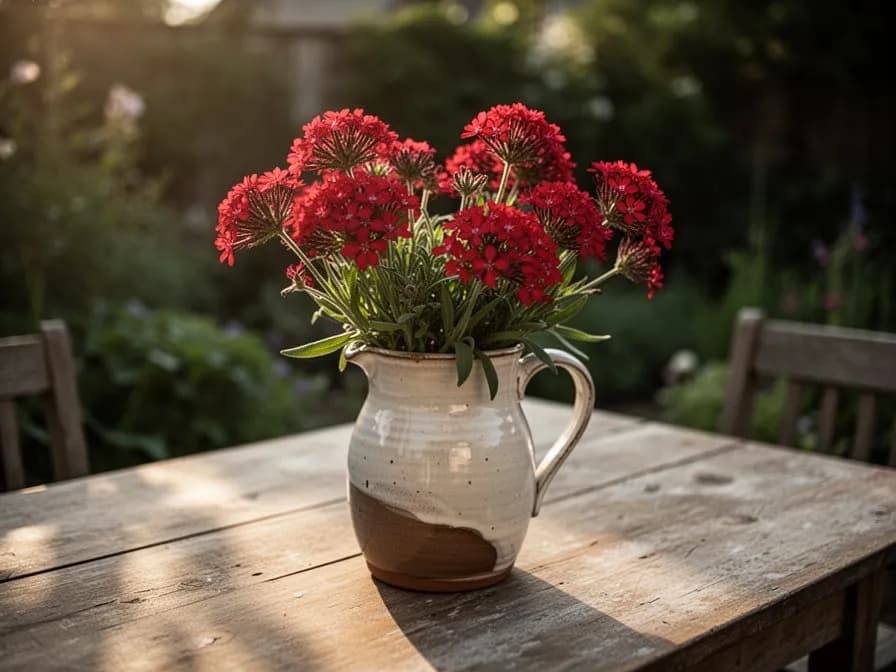
Ensalada mediterranea de valeriana roja
10 minutosUna ensalada primaveral fresca con hojas jovenes y tiernas de centranthus mezcladas con tomates cherry, virutas de parmesano, pinones tostados y un sencillo aderezo de limon y aceite de oliva. El sutil amargor de las hojas complementa los tomates dulces y el queso con sabor a frutos secos.
7 ingredientesHojas de centranthus salteadas con ajo
15 minutosHojas jovenes de centranthus y puntas de brotes tiernos salteadas rapidamente con ajo y una pizca de copos de guindilla en aceite de oliva, terminadas con un chorrito de limon. Esta preparacion mediterranea tradicional es un excelente acompanamiento o cobertura para bruschetta.
7 ingredientesInfusion de flores de valeriana roja
5 minutos mas 10 minutos de reposoUna tisana calmante preparada con flores frescas o secas de centranthus infusionadas en agua caliente. La infusion tiene un delicado aroma floral con un sabor ligeramente amelado y se disfruta tradicionalmente por la noche como relajante suave.
4 ingredientesQué contiene
Beneficios para la salud
- Las hojas jovenes proporcionan una buena fuente de vitamina C y antioxidantes que apoyan la funcion del sistema inmunologico y ayudan a proteger las celulas del dano oxidativo causado por los radicales libres.
- Las propiedades sedantes suaves atribuidas a la raiz de centranthus en la medicina popular tradicional sugieren que puede favorecer la relajacion, aunque sus efectos son considerablemente mas leves que los de la valeriana verdadera.
- Como verdura de hoja baja en calorias, las hojas de centranthus pueden contribuir a una dieta equilibrada aportando micronutrientes esenciales sin anadir calorias ni grasas significativas a las comidas.
- La fibra dietetica presente en las hojas de centranthus favorece una digestion saludable, promueve movimientos intestinales regulares y contribuye a la sensacion de saciedad despues de comer.
- Las hojas de centranthus contienen betacaroteno y otros pigmentos carotenoides que el cuerpo convierte en vitamina A, apoyando la vision saludable, la integridad de la piel y la funcion de las mucosas.
- El contenido de potasio en las hojas de centranthus contribuye a una funcion cardiovascular saludable al ayudar a regular la presion arterial y apoyar la correcta senalizacion muscular y nerviosa.
De dónde viene Valeriana Roja
Centranthus ruber, conocida comunmente como valeriana roja o barba de Jupiter, es originaria de la cuenca mediterranea, donde crece de forma silvestre en el sur de Europa, Turquia y partes del norte de Africa. Se encuentra en habitats rocosos calizos, acantilados, muros antiguos y taludes pedregosos secos desde el nivel del mar hasta aproximadamente 1500 metros de altitud. La planta se ha cultivado en jardines europeos desde al menos finales del siglo XVI, cuando fue introducida en Gran Bretana y el norte de Europa como ornamental. El herbolario ingles John Gerard la menciono en su Herball de 1597, senalando su vigoroso habito de autosiembra. Para el siglo XVIII se habia naturalizado extensamente en las Islas Britanicas y era un elemento familiar en muros antiguos, ruinas y trincheras de vias ferreas. En el Mediterraneo, las hojas jovenes y los brotes tiernos se han consumido como verdura de olla y como ingrediente de ensalada durante siglos. En partes del sur de Francia e Italia, las hojas de centranthus se recolectaban tradicionalmente en primavera y se comian crudas o ligeramente cocinadas. Las raices se usaban a veces en la medicina popular como sedante suave, aunque la planta carece de los valepotriatos que se encuentran en la valeriana verdadera y su uso medicinal nunca se adopto ampliamente. Centranthus ruber se ha introducido desde entonces en regiones templadas de todo el mundo, incluyendo Norteamerica, Australia y Nueva Zelanda, donde se ha naturalizado en entornos costeros y urbanos. Su tolerancia a los suelos pobres y alcalinos, a la sequia y al abandono la ha convertido en una planta valiosa para el paisajismo de bajo mantenimiento, la xerojardineria y los jardines para la fauna silvestre. Los jardineros modernos la aprecian por su temporada de floracion excepcionalmente larga, su atractivo para mariposas y otros polinizadores, y su capacidad de suavizar elementos duros del paisaje como muros, escalones y caminos de grava con su habito de crecimiento relajado y naturalista.
Valeriana Roja: ¿sabías que?
Datos fascinantes sobre Valeriana Roja
Centranthus ruber se ha utilizado como verdura de ensalada en paises mediterraneos durante siglos. Las hojas jovenes tienen un sabor suave y ligeramente amargo, y se consumian historicamente en Italia y Francia antes de que las verduras modernas para ensalada se cultivaran ampliamente.
Valeriana Roja: preguntas frecuentes
¿Cuándo debo plantar Valeriana Roja?
¿Cuáles son buenas plantas acompañantes para Valeriana Roja?
¿En qué zonas de rusticidad puede crecer Valeriana Roja?
¿Cuánto sol necesita Valeriana Roja?
¿A qué distancia debo espaciar Valeriana Roja?
¿Qué plagas y enfermedades afectan a Valeriana Roja?
¿Cómo almaceno Valeriana Roja después de la cosecha?
¿Cuáles son las mejores variedades de Valeriana Roja para cultivar?
¿Qué suelo necesita Valeriana Roja?
Es Centranthus ruber lo mismo que la valeriana verdadera utilizada en suplementos herbales?
Como puedo evitar que centranthus se extienda de forma demasiado agresiva en mi jardin?
Puede crecer centranthus en sombra o requiere pleno sol?
Son comestibles y seguras todas las partes de la planta de centranthus?
Por que mi centranthus produce muchas hojas pero muy pocas flores?
Cuanto tiempo vive centranthus y cuando debo reemplazar las plantas establecidas?
Acabas de leer la teoría. Ahora cultívala en piloto automático.
Todo lo que hace que Valeriana Roja sea delicado — el momento, el espaciado, las asociaciones, la ventana de cosecha — es justo lo que PlotMyGarden resuelve por ti, para cada planta de tu huerto.
Un plan que conoce tu clima
Indica tu ubicación una vez. Recibe fechas de siembra, abonado y cosecha basadas en tu última helada real y el pronóstico en vivo — sin adivinar con un sobre genérico.
De la sección “Cuándo plantar”Planificador de bancales de arrastrar y soltar
Diseña bancales sobre una cuadrícula. Cada planta encaja con su espaciado correcto y ves toda la temporada antes de gastar un céntimo en semillas.
De la sección “Cultivo”Conflictos de asociación, detectados a tiempo
Más de 200 buenas y malas combinaciones comprobadas en vivo mientras plantas — para que un error que arruine la temporada nunca llegue a la tierra.
De la sección “Asociaciones”Recordatorios que sí vas a seguir
“Riega las judías.” “Recoge hoy antes de que se pase.” Oportunos, concretos y ligados a las plantas que de verdad cultivas.
De la sección “Cosecha”Escalonado, programado
¿Quieres cosechar seis semanas en vez de seis días? Reparte tus siembras automáticamente y te avisa cuando toca el siguiente lote.
De la sección “Cuándo plantar”Un registro que se vuelve más listo
Cada cosecha que registras le enseña tu huerto. El plan del año que viene parte de lo que de verdad funcionó en tu suelo, no en un manual.
De la sección “Resumen”Planta estos junto a Valeriana Roja
Más Perennes
Cultiva tu mejor Valeriana Roja — y todo lo que la rodea.
Empieza un plan gratis hoy. Diseña tus bancales, coloca tu Valeriana Roja y deja que PlotMyGarden gestione el momento, el espaciado, las asociaciones y los recordatorios de la semilla a la cesta.