Spanish Cardoon
A dramatic relative of the artichoke grown for its thick, celery-like stalks rather than its flower buds.





On this pageOverview
Meet Spanish Cardoon
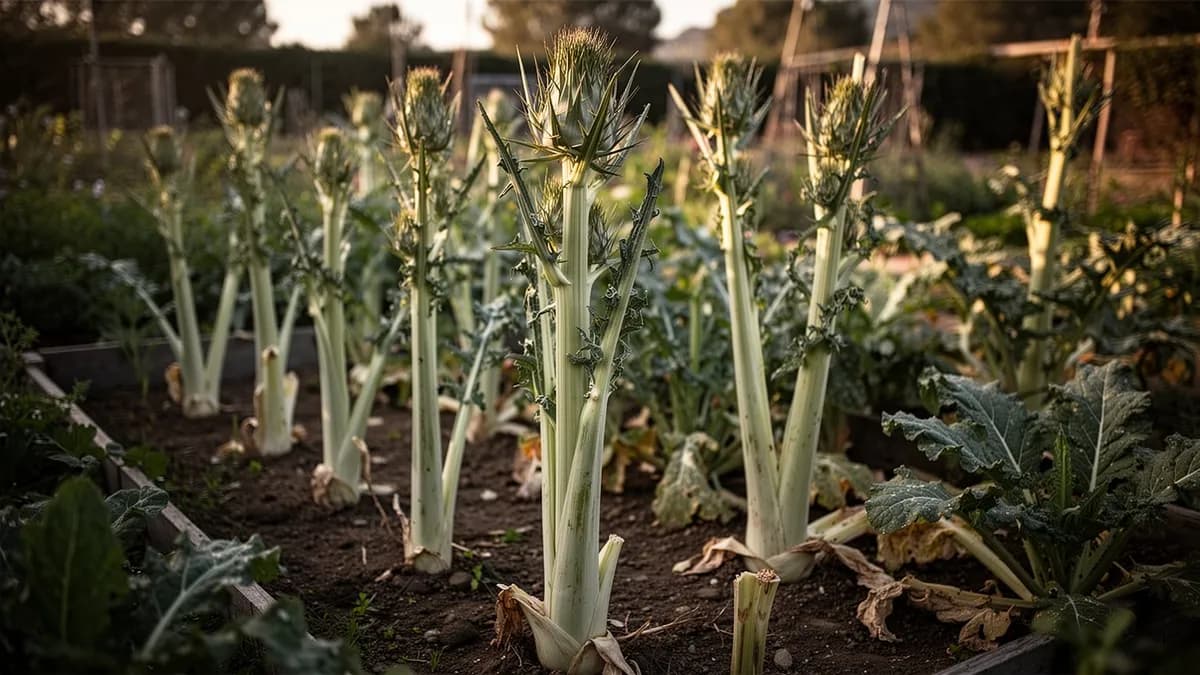
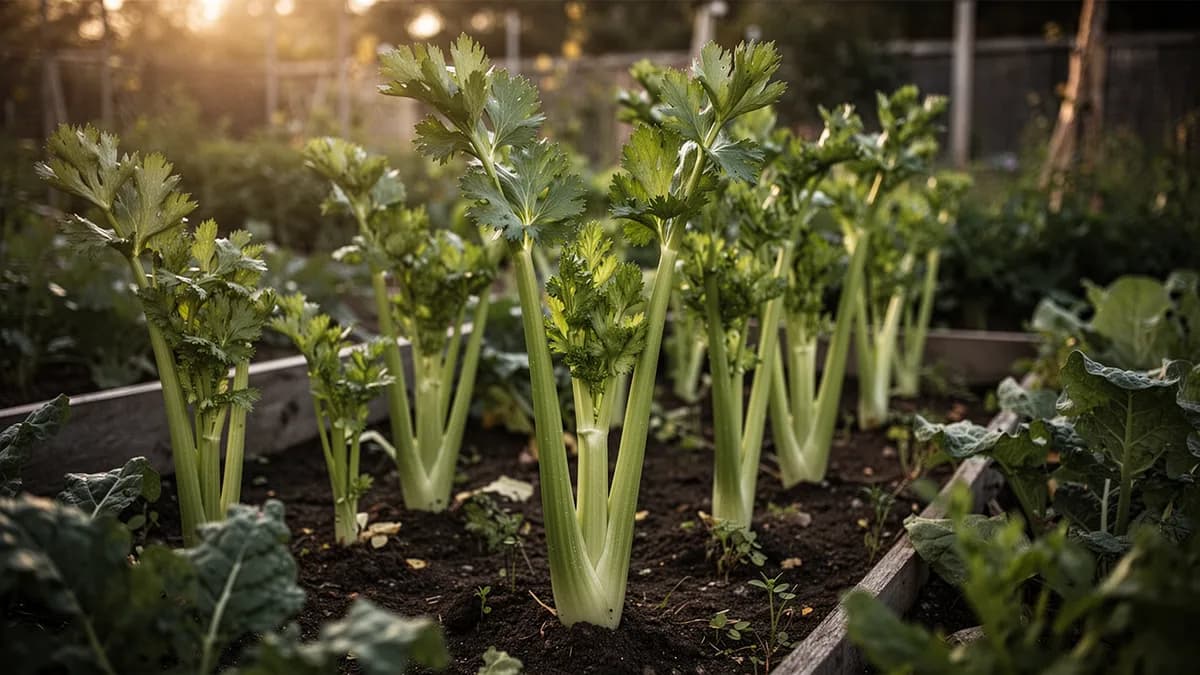
A dramatic relative of the artichoke grown for its thick, celery-like stalks rather than its flower buds. Stalks must be blanched by wrapping in cardboard or burlap for three to four weeks before harvest to reduce bitterness and tenderize the flesh. The resulting pale, tender stalks are braised, gratineed, or battered and fried in Mediterranean cuisine. Plants grow four to six feet tall with silvery, spiny leaves that make an impressive architectural garden feature.
When to plant Spanish Cardoon
Start cardoon seeds indoors eight to ten weeks before the last frost. Sow in individual deep pots, as the taproot resents disturbance, placing seeds 1 cm deep in moist seed-starting mix. Germination takes ten to fourteen days at 18-24 degrees Celsius. Provide bright light after emergence and grow on at cool room temperature. Transplant outdoors after all frost danger has passed and soil has warmed, typically late May in temperate climates. In warm climates, direct sow in early spring once soil temperatures reach 15 degrees Celsius. For perennial culture in zones 7 and above, established crowns can be divided in spring. Protect first-year plants from frost with thick mulch or fleece.
Your Spanish Cardoon Year
Composed for Zone 7 · typical seasons · frost passes Apr 2, returns Nov 1
Plant Spanish Cardoon Mar – May, pick Sep – Nov. Check the planting methods below and set your climate to personalize these windows.
How to grow Spanish Cardoon
Spanish cardoon is a bold, architectural plant that requires space and a long growing season. Start seeds indoors eight to ten weeks before the last frost, sowing 1 cm deep in individual pots as the taproot resents disturbance. Germination takes ten to fourteen days at 18-24 degrees Celsius. Harden off seedlings and transplant outdoors after all frost danger has passed, spacing plants 90-120 cm apart in rows at least 120 cm apart to accommodate their impressive size.
Cardoons grow vigorously through summer, reaching 120-180 cm tall with large, silvery-gray, deeply lobed leaves that are often spiny. Water deeply and regularly during hot weather, as the large leaf surface area loses moisture rapidly. Apply a thick mulch around the base to conserve soil moisture and suppress weeds. Feed monthly with a balanced organic fertilizer or compost tea to fuel the rapid growth that these large plants demand.
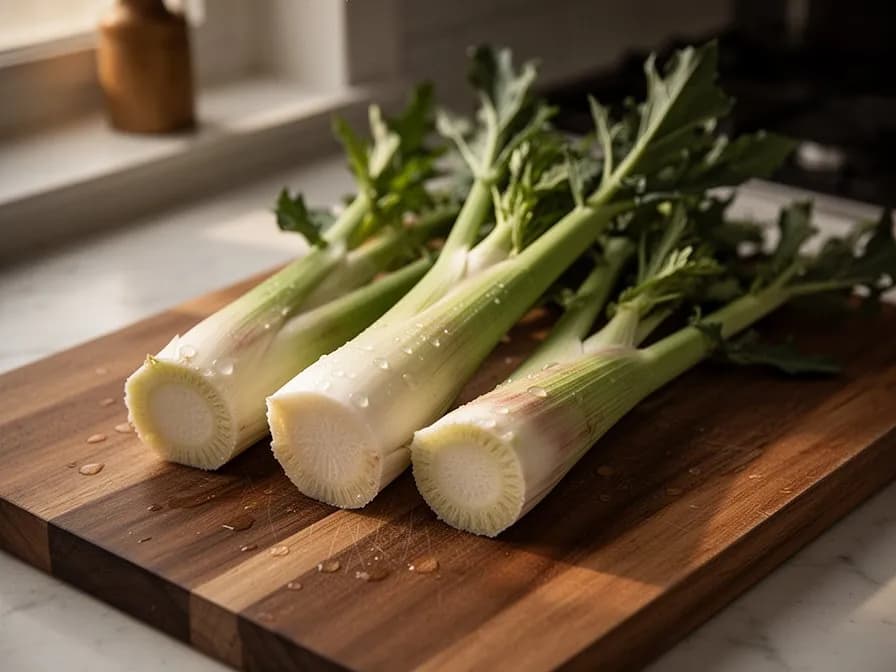
The crucial step in cardoon cultivation is blanching. Three to four weeks before harvest, gather the leaf stalks together and wrap them tightly in cardboard, burlap, or several layers of newspaper, tying securely. This excludes light, causing the stalks to turn pale, tender, and significantly less bitter. Blanching typically begins in early autumn. In mild climates, cardoons can be grown as perennials, dying back in winter and resprouting from the crown in spring.
2 plants fit a 4 × 8 ft bed
Each Spanish Cardoon wants 90 cm of elbow room. The planner keeps that spacing for you — every plant, every bed.
Spanish Cardoon's best neighbours
Cardoons are large, dramatic plants that work best at the back of garden borders or as standalone specimens. Their silvery foliage and tall stature provide architectural interest and can serve as a windbreak for more delicate crops. The flowers, if allowed to bloom, attract large numbers of bees and beneficial insects. Plant with other Mediterranean crops like artichokes, olive trees, and lavender for a cohesive garden design. Avoid planting too close to vegetables that would be shaded by the cardoon's large canopy. Tomatoes and peppers can grow nearby if positioned to the south. The deep taproot can help break up compacted subsoil.
Artichoke belongs beside it.
Old growers' knowledge, checked against Spanish Cardoon's real companion table below — test any plant you're growing.
Try Spanish Cardoon in a bed — right here
A real planner bed with Spanish Cardoon already in it. Tap a companion to place it and watch the pairing checks answer — green for good neighbours, red for a clash.


Related growing guides
Feed it well
Cardoons are heavy feeders that require deeply worked, fertile soil with a pH of 6.5 to 7.5. Prepare the planting area by digging to a depth of 40 cm and incorporating generous amounts of well-rotted manure or compost. These large plants have extensive root systems and benefit from deep soil preparation. Apply balanced organic fertilizer monthly during the growing season, supplementing with nitrogen-rich amendments like blood meal during the rapid growth phase. Water deeply and regularly, providing at least 2.5 cm per week. Mulch heavily to maintain consistent soil moisture. In poor soils, side-dress with compost tea every two weeks.
Ideal Temperature
Hardiness Zone Compatibility
From seed to harvest, stage by stage
Seed Starting
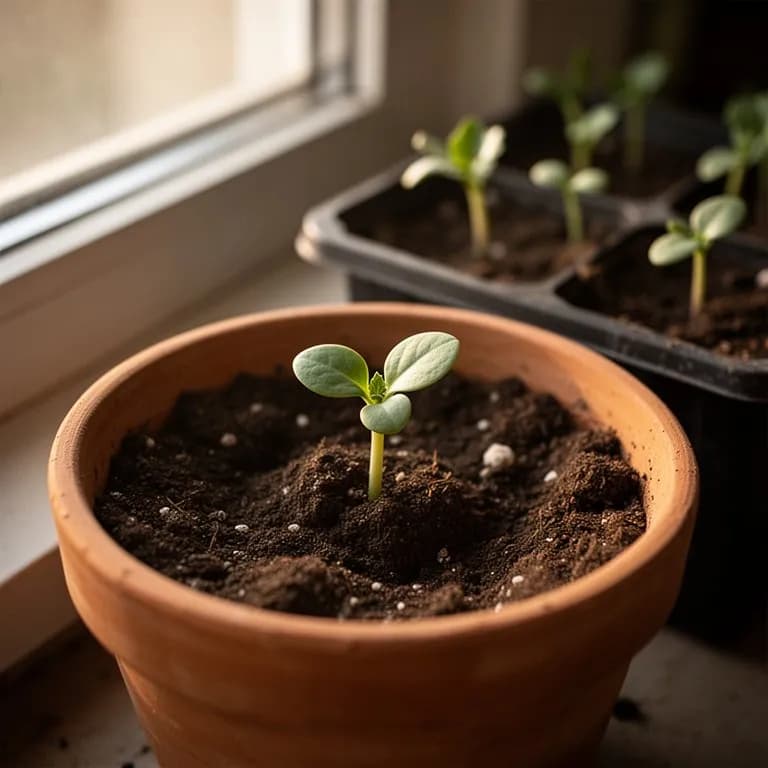
Cardoon seeds germinate in 10-21 days under warm conditions. The first emerging leaves are small and rounded, quickly followed by true leaves that already show the characteristic serrated, silvery-grey appearance of the mature plant. Cardoon seeds are relatively large and easy to handle, similar to artichoke seeds to which the plant is closely related.
Seedling Development
Seedlings develop rapidly, producing increasingly large and deeply lobed leaves with silvery undersides. The leaf margins become more serrated and spiny as the plant matures. A strong central crown forms from which all leaves radiate outward. Root development is vigorous, with a deep taproot anchoring the plant.
Rosette Formation
The plant enters vigorous vegetative growth, forming an enormous rosette of arching, deeply cut, silvery-grey leaves that can span 1.5 meters across. Individual leaves reach 50-80 cm long with thick, fleshy stalks (petioles) that are the primary edible portion. The plant is strikingly ornamental at this stage, resembling a giant silver fountain.
Blanching Period
The critical preparation step before harvest. Stalks are bundled together and wrapped to exclude light, a process called blanching that reduces bitterness, tenderizes the fibrous stalks, and turns them pale green to white. Without blanching, cardoon stalks are tough and intensely bitter. This technique has been used in Mediterranean kitchen gardens for centuries.
Harvest
After 3-4 weeks of blanching, stalks are pale, tender, and significantly less bitter. The inner stalks are the most prized, with a flavor reminiscent of artichoke heart crossed with celery. Stalks are cut at the base and trimmed of leaves and spines. In mild climates, plants can be cut back and allowed to regrow for a second harvest.
Flowering (Second Year)
If left unharvested or if the plant overwinters successfully, cardoon sends up thick flower stalks 1.5-2.5 meters tall topped with large, vibrant purple thistle-like flower heads. Each flower head can reach 5-8 cm across and is intensely attractive to bees, butterflies, and other pollinators. The dried flower heads contain a natural enzyme (cardoon rennet) traditionally used to coagulate milk for cheesemaking.
Start seeds indoors 8-10 weeks before the last frost date. Sow 1 cm deep in individual pots and maintain soil temperature at 21-24°C (70-75°F). Cardoon develops a strong taproot early, so use deep pots of at least 10 cm to avoid root binding.
Caring for Spanish Cardoon month by month
What to do each month for your Spanish Cardoon
October
You are hereHarvest remaining blanched plants before hard frost. In zones 8-10, cardoon may overwinter with heavy mulching — cut back to 15 cm and cover the crown with 30 cm of straw or leaf mulch. In colder zones, treat as an annual and compost spent plants.
Know exactly what to do in your garden — every month
One email at the start of each month: what to sow, plant, and tackle right now — for your Spanish Cardoon and everything growing around it. Plus a short starter course that helps you dodge the classic mistakes.
- What to do, right now
- Matched to your season
- Starter course included
Harvesting Spanish Cardoon
Harvest cardoon stalks after three to four weeks of blanching, when they have turned pale and tender. Cut the entire plant at the base, then remove the outer stalks and trim off the leaf blades, leaving only the thick, fleshy midribs and stalks. Use a knife to peel away any tough, stringy fibers from the outside of the stalks, similar to preparing celery. The inner stalks are most tender. Cut prepared stalks into 10-15 cm pieces and immediately place in acidulated water to prevent browning. In perennial plantings, harvest outer stalks and leave the central crown to regrow.
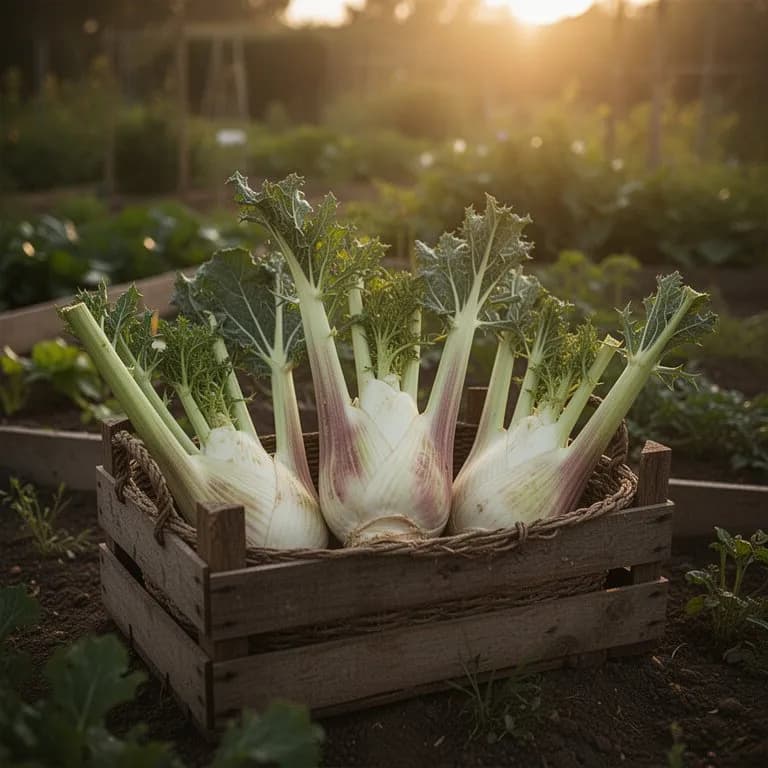
assuming you plant when the window opens — set your real date
Pick Spanish Cardoon promptly and the plant keeps producing.
Storage & Preservation
Fresh blanched cardoon stalks store in the refrigerator for up to two weeks when wrapped in damp paper towels and placed in plastic bags. For freezing, blanch prepared stalks in boiling acidulated water for five minutes, plunge into ice water, drain, and freeze flat on trays before bagging. In Italian tradition, cardoons are preserved in olive oil after initial blanching and cooking. Pickled cardoon in white wine vinegar makes an excellent antipasto. Dehydrated cardoon chips can be ground into a unique seasoning. In mild climates, leave plants in the ground over winter and harvest fresh stalks as needed.
What goes wrong — and the fix
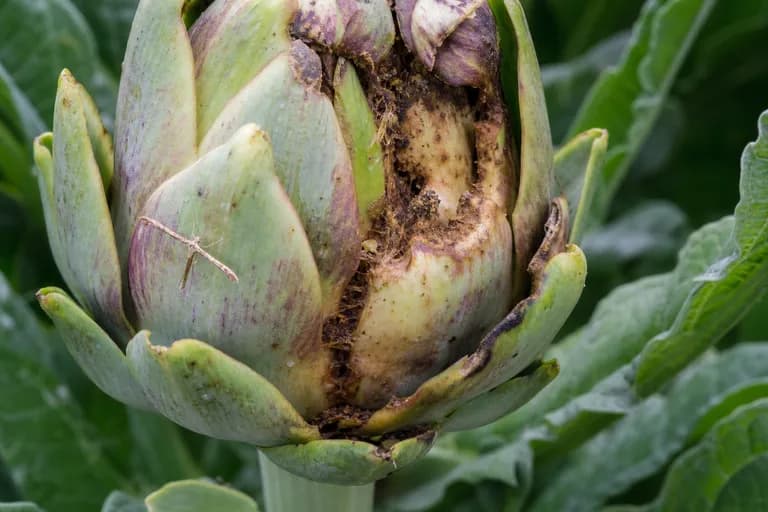
Artichoke Plume Moth
PestLarvae bore into the leaf midribs and stalks, creating tunnels that weaken the plant and provide entry points for secondary infections.
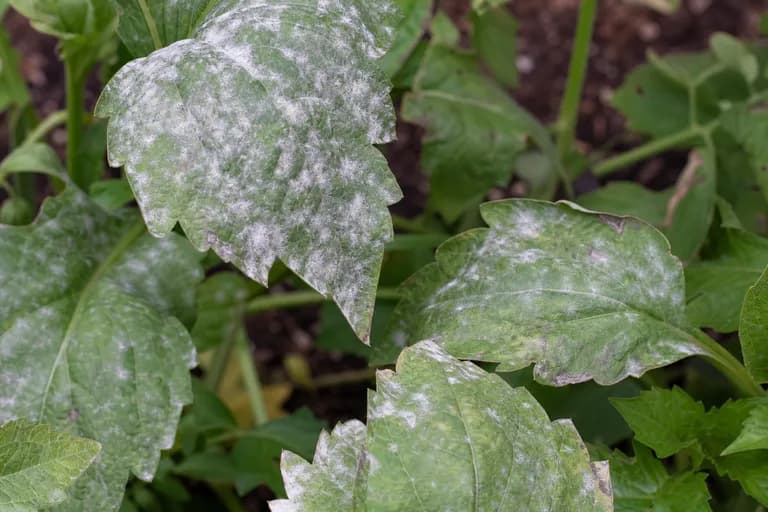
Powdery Mildew
DiseaseWhite, powdery coating on leaves, typically appearing in late summer when days are warm and nights are cool with high humidity.
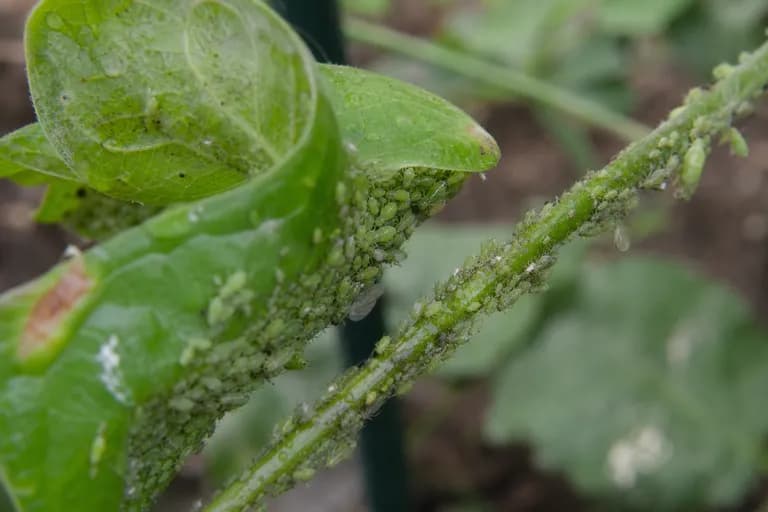
Aphids
PestClusters of small green, black, or gray insects on growing tips and undersides of leaves. Cause curling, yellowing leaves and sticky honeydew deposits.
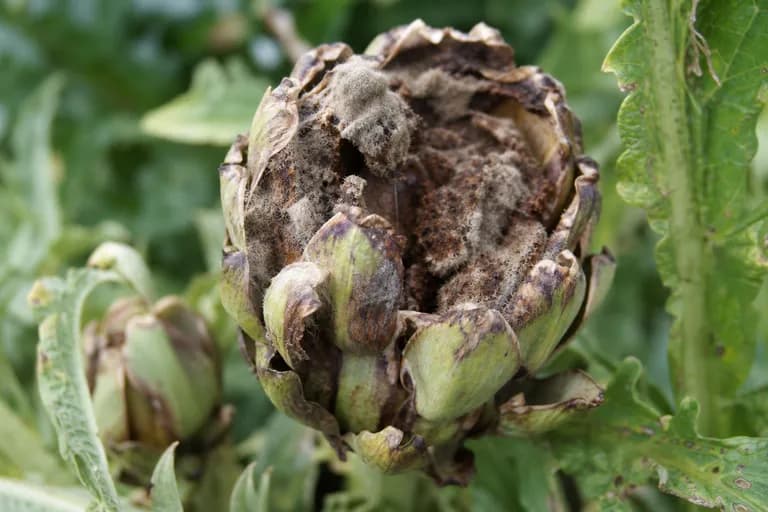
Botrytis Gray Mold
DiseaseGray fuzzy mold on blanched stalks and leaf bases, especially during wet weather or when blanching material traps excessive moisture.
Troubleshooting Common Problems
Insufficient blanching is the most common issue, resulting in stalks that are too bitter to enjoy. Blanch for a full three to four weeks for best results. Spiny varieties can make harvesting and preparation painful. Choose spineless varieties for easier handling. In short-season climates, cardoons may not reach full size before frost. Start seeds early indoors and transplant on time. Wind damage to the tall stalks is common in exposed locations. Stake plants or grow near a wall for shelter. Root rot occurs in waterlogged soil, so ensure good drainage. Slug damage on young transplants can be severe in wet springs.
Growing Tips
- Blanching is not optional — it is the single most important step in growing cardoon for the kitchen. Unblanched stalks are extremely bitter and tough. Wrap stalks in cardboard or thick newspaper for 3-4 weeks before harvest to produce the pale, tender, sweet stalks that make this vegetable worth growing.
- Give cardoon room to grow. Each plant needs a 90-120 cm circle of space and will dominate its section of the garden with a massive rosette of arching silvery leaves. Plan placement as you would a large shrub rather than a typical vegetable row.
- Deeply prepared soil pays dividends. Cardoon develops a massive root system and performs best in soil that has been loosened and enriched to a depth of at least 40 cm. Double-dig the bed and incorporate generous amounts of compost before planting.
- In climates with mild winters (zones 8-10), grow cardoon as a perennial for bigger, more productive plants. Cut back to 15 cm in late autumn and mulch the crown heavily with straw. Second and third-year plants produce thicker stalks with less bitterness than first-year plants.
- Remove flower stalks in the first year to direct all energy into leaf and stalk production. If you want flowers for ornamental use or seed saving, dedicate separate plants specifically for flowering and do not harvest their stalks.
- Stagger your blanching to extend the harvest window. Start blanching the first group of plants 3-4 weeks before your target harvest date, then blanch additional plants every 2 weeks. This provides fresh cardoon over a 6-8 week period rather than all at once.
- Always soak prepared cardoon stalks in acidulated water (water with lemon juice or vinegar) immediately after trimming. Like artichokes, the cut surfaces oxidize rapidly and turn brown, which affects both appearance and flavor.
- Cardoon can become invasive in mild climates through self-seeding. Deadhead all flower heads before they release seed, or remove flower stalks entirely. In California, Australia, and Argentina, escaped cardoon has become a serious agricultural weed.
Grow your best Spanish Cardoon yet — and everything around it.
Start a free plan today. Lay out your beds, drop in your Spanish Cardoon, and let PlotMyGarden handle the timing, spacing, companions and reminders from seed to harvest basket.
Pick your Spanish Cardoon
Gigante di Romagna
An Italian heirloom with massive, thick stalks and relatively few spines. Produces the largest, most tender stalks for blanching and cooking.
Gobbo di Nizza
A classic Piedmontese variety traditionally blanched by bending stalks into the ground, producing curved, extremely tender stalks for bagna cauda.
Plein Blanc Inerme
A thornless French variety with smooth, white stalks that are easier to handle during harvest and preparation. Good flavor with less bitterness.
Rouge d'Alger
An Algerian variety with red-tinged stalks and robust flavor. More cold-hardy than many cardoon types, extending the growing range northward.
Porto Spineless
A Portuguese selection bred for minimal spines and thick, meaty stalks. Excellent for first-time cardoon growers who want easier handling.
Fresh cardoon is a rare specialty vegetable that sells for $6-12 per pound at farmers markets and Italian specialty stores when available at all — it is virtually impossible to find in mainstream supermarkets. Growing just 4-6 plants from a $3-4 seed packet yields 4-12 kg of blanched stalks, representing $50-140 worth of this premium vegetable. The true value is in access rather than pure savings: homegrown cardoon lets you enjoy a vegetable that most people have never even tasted, and that chefs consider a prized seasonal delicacy.
Quick recipes
Braised Cardoon with Parmesan
45 minA classic Italian preparation where blanched cardoon stalks are simmered until meltingly tender, then finished with butter, Parmesan, and a squeeze of lemon. The result is a dish with the delicate flavor of artichoke hearts and a silky, yielding texture.
7 ingredientsCardoon Bagna Cauda (Piedmontese Style)
30 minThe most iconic cardoon dish from northern Italy — tender blanched and boiled cardoon stalks served alongside a warm, garlicky anchovy-butter dipping sauce. This is the centerpiece of Piedmontese winter celebrations and a dish of remarkable simplicity and depth.
7 ingredientsCardoon Gratin
50 minTender cardoon stalks layered with bechamel sauce and gruyere cheese, then baked until golden and bubbling. A rich, warming dish that transforms this humble thistle into an elegant side that pairs beautifully with roasted meats.
7 ingredientsCulinary Uses
Cardoon stalks are a cornerstone of Mediterranean winter cuisine. In Italy, blanched stalks are dipped in bagna cauda, a warm anchovy and garlic sauce, as part of Christmas Eve tradition. Braise in beef stock until silky tender and gratinee with Parmesan and bechamel. Batter and deep-fry for crispy fritters called gobbi fritti. Add to hearty winter soups and stews where the artichoke-like flavor develops richness. In Spain, cardoons feature in traditional Navarra vegetable stews. The flavor is reminiscent of artichoke heart with celery-like texture.
What's inside
Health Benefits
- Contains cynarin, the same liver-supporting compound found in artichokes, which stimulates bile production and may help maintain healthy cholesterol levels by promoting efficient fat digestion.
- Exceptionally low in calories at just 17 per 100g with good fiber content, making cardoon an ideal vegetable for weight management and blood sugar control.
- Rich in potassium (400mg per 100g), an essential mineral that helps regulate blood pressure, supports proper heart rhythm, and maintains fluid balance throughout the body.
- Provides inulin, a prebiotic fiber that feeds beneficial Bifidobacterium and Lactobacillus species in the gut, supporting a diverse and healthy intestinal microbiome.
- Contains polyphenol antioxidants including chlorogenic acid and luteolin that help combat oxidative stress and may reduce chronic inflammation markers.
- Good source of calcium and magnesium in a favorable ratio, contributing to bone mineral density and supporting the hundreds of enzymatic reactions these minerals facilitate in the body.
Where Spanish Cardoon comes from
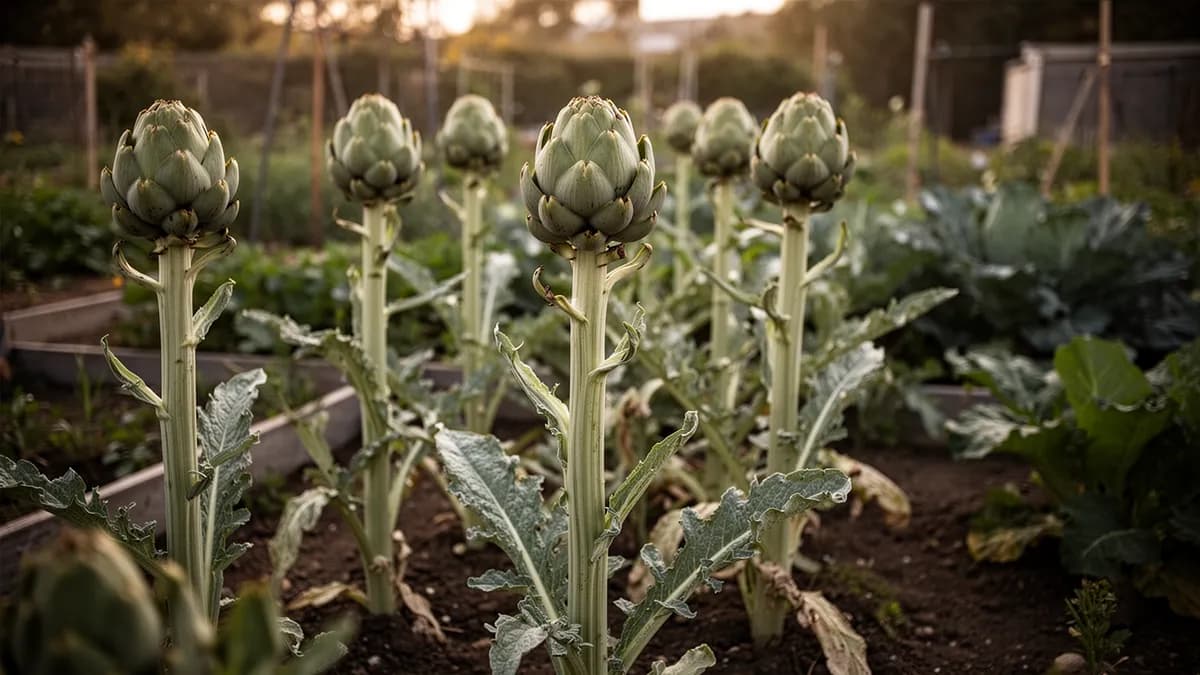
Cardoon (Cynara cardunculus var. altilis) is native to the western and central Mediterranean region, with wild populations still abundant across southern Spain, Portugal, Morocco, Sicily, and Sardinia. It is the direct wild ancestor of the globe artichoke (Cynara cardunculus var. scolymus), and both plants belong to the same species — a remarkable example of how selective breeding can transform a single wild plant into two distinct culinary crops. While artichokes were bred for their immature flower buds, cardoons were selected over centuries for their thick, fleshy leaf stalks.
Cardoon was cultivated by the ancient Greeks and Romans, who prized it as a luxury vegetable. Pliny the Elder wrote about cardoon cultivation in the first century, and it commanded high prices in Roman markets. Throughout the medieval period, cardoon remained popular across the Mediterranean, cultivated extensively in monastery and palace gardens in Spain, Italy, and southern France. The Spanish variety (cardo de Navarra) became especially renowned, and Navarra in northern Spain remains the most important cardoon-growing region in the world today, where it holds Protected Geographical Indication status.
Spanish and Italian immigrants carried cardoon to the Americas in the 16th through 19th centuries. In Argentina, it escaped cultivation and became one of the most successful invasive plants on the continent, transforming parts of the Pampas grassland. In the United States, cardoon never achieved widespread popularity but remained a cherished crop among Italian-American communities, particularly in California and the Northeast. Today, cardoon is experiencing a renaissance as chefs and food writers rediscover its unique artichoke-like flavor, and as researchers explore its potential as a sustainable source of vegetable rennet for cheesemaking, biodiesel from its oil-rich seeds, and biomass for energy production.
Spanish Cardoon: did you know?
Fascinating facts about Spanish Cardoon
Cardoon (Cynara cardunculus) is the wild ancestor of the globe artichoke. While artichokes were bred for their edible flower buds, cardoons were selected for their thick, fleshy leaf stalks — the same species diverged into two very different culinary traditions.
Spanish Cardoon questions, answered
When should I plant Spanish Cardoon?
What are good companion plants for Spanish Cardoon?
What hardiness zones can Spanish Cardoon grow in?
How much sun does Spanish Cardoon need?
How far apart should I space Spanish Cardoon?
What pests and diseases affect Spanish Cardoon?
How do I store Spanish Cardoon after harvest?
What are the best Spanish Cardoon varieties to grow?
What soil does Spanish Cardoon need?
What does cardoon taste like?
Is cardoon the same as artichoke?
Why is my cardoon so bitter?
Can cardoon survive winter?
How do I use cardoon flowers to make cheese?
Is cardoon invasive?
You just read the theory. Now grow it on autopilot.
Everything that makes Spanish Cardoon fiddly — the timing, the spacing, the companions, the harvest window — is exactly what PlotMyGarden handles for you, for every plant in your garden.
A plan that knows your weather
Set your location once. Get sow, feed and harvest dates built around your real last-frost date and live forecast — no more guessing from a generic seed packet.
From the “When to plant” sectionDrag-and-drop bed planner
Design beds on a grid. Every plant snaps to its proper spacing, and you can see your whole season laid out before you spend a cent on seed.
From the “Growing guide” sectionCompanion conflicts, caught early
200+ good-and-bad pairings checked live as you plant — so a season-wrecking mistake never makes it into the ground.
From the “Companions” sectionReminders you'll actually act on
“Water the beans.” “Pick today before it turns.” Timely, specific, and tied to the plants you're really growing.
From the “Harvest” sectionSuccession, scheduled
Want a harvest for six weeks, not six days? It spaces your sowings automatically and reminds you when each new block is due.
From the “When to plant” sectionA record that gets smarter
Every harvest you log teaches it your garden. Next year's plan starts from what actually worked in your soil, not a textbook's.
From the “Overview” sectionPlant these alongside Spanish Cardoon
More Stalks & Stems
Grow your best Spanish Cardoon yet — and everything around it.
Start a free plan today. Lay out your beds, drop in your Spanish Cardoon, and let PlotMyGarden handle the timing, spacing, companions and reminders from seed to harvest basket.