Baya del búfalo
Un resistente arbusto autóctono de Norteamérica con follaje plateado que produce pequeñas bayas rojas o amarillas que se vuelven dulces después de las heladas.





En esta páginaResumen
Conoce Baya del búfalo
Un resistente arbusto autóctono de Norteamérica con follaje plateado que produce pequeñas bayas rojas o amarillas que se vuelven dulces después de las heladas. La baya del búfalo es una planta fijadora de nitrógeno, mejora el suelo para las plantas cercanas y es excepcionalmente tolerante a la sequía. Tradicionalmente, las bayas se batían hasta obtener un postre espumoso llamado helado indio, y también son excelentes en salsas y gelatinas.
Cuándo plantar Baya del búfalo
Las semillas de baya del búfalo necesitan escarificación y estratificación en frío para germinar. Ponga las semillas en ácido sulfúrico concentrado durante 20 a 30 minutos o escarifíquelas mecánicamente frotándolas entre hojas de papel de lija. Después, estratifíquelas en frío a 34 grados Fahrenheit durante 60 a 90 días en arena húmeda. Siembre en primavera las semillas estratificadas a 1.25 cm de profundidad en una mezcla bien drenante. La germinación ocurre en dos a seis semanas. Los esquejes de madera dura tomados a finales de otoño también pueden enraizar con éxito moderado. Las plántulas crecen despacio el primer año, pero aceleran cuando se activan los nódulos radiculares fijadores de nitrógeno.
Tu año de Baya del búfalo
Ajustado a Zona 7 · temporada típica · la helada se va hacia el 2 abr y vuelve hacia el 1 nov
Planta Baya del búfalo Mar – Abr y cosecha Ago – Sep. Consulta los métodos de plantación y elige tu clima para adaptar los periodos.
Cómo cultivar Baya del búfalo
La baya del búfalo es uno de los arbustos frutales más resistentes nativos de Norteamérica y prospera a pleno sol y en prácticamente cualquier suelo bien drenado, incluidos suelos pobres, alcalinos y salinos. Plante ejemplares a raíz desnuda o cultivados en contenedor en primavera u otoño, dejando entre 2.5 y 3 metros entre plantas si se trata de arbustos aislados o entre 1.2 y 1.5 metros para setos. Los arbustos de hojas plateadas alcanzan entre 2.5 y 4.5 metros de altura y adoptan de forma natural una copa densa y redondeada.
La baya del búfalo es dioica, por lo que necesita plantas masculinas y femeninas para fructificar. Plante un macho por cada tres o cuatro hembras. Los machos se identifican en invierno por sus yemas más grandes y redondeadas. El arbusto fija nitrógeno gracias a una relación simbiótica con bacterias Frankia en sus nódulos radiculares, lo que lo hace muy valioso para mejorar suelos pobres y como planta nodriza para otras especies.
Una vez establecida, la baya del búfalo casi no requiere cuidados. Es extremadamente tolerante a la sequía, soporta hasta -45 °C y resiste viento, sal y condiciones duras. No necesita poda salvo para retirar madera muerta, aunque los setos pueden recortarse después de la fructificación. Solo necesita riego durante el primer año de establecimiento. Su denso crecimiento espinoso ofrece un excelente refugio para la fauna y una gran función de cortavientos en las praderas del norte.
Para Baya del búfalo un bancal de 120 × 240 cm se queda corto
Cada Baya del búfalo pide 200 cm de margen. El planificador guarda ese marco por ti — cada planta, cada bancal.
Guías de cultivo relacionadas
Abónalo bien
La baya del búfalo destaca por su capacidad para prosperar en suelos pobres, alcalinos, salinos y castigados por la sequía, donde pocas otras plantas frutales sobreviven. Tolera un pH de 6.0 a 8.5 y fija su propio nitrógeno mediante nódulos radiculares de Frankia. No necesita fertilización y ni siquiera se recomienda, ya que puede alterar la simbiosis fijadora de nitrógeno y promover un crecimiento poco natural. De hecho, la planta mejora el suelo a su alrededor, lo que la convierte en una excelente especie pionera para la recuperación de terrenos degradados. El único requisito real es un suelo bien drenado.
Temperatura ideal
Compatibilidad de zonas de rusticidad
De la semilla a la cosecha, etapa por etapa
Reposo y engorde de yemas
La baya del búfalo permanece en reposo durante el final del invierno, y las yemas apretadas empiezan a hincharse cuando las temperaturas suben por encima del punto de congelación. La corteza escamosa plateada se hace más visible mientras las reservas de energía se preparan para el brote primaveral.
Aparición de hojas y flores
Pequeñas hojas plateado-verdosas, de forma lanceolada, se despliegan junto con racimos de diminutas flores amarillas. La polinización depende del viento y de los insectos tempranos, por lo que contar con plantas masculinas y femeninas a menos de 15 metros es fundamental para el cuajado.
Cuajado y desarrollo del fruto
Las flores polinizadas con éxito se convierten en pequeños drupas verdes que van engordando durante el inicio del verano. El característico moteado plateado de las bayas inmaduras se debe a las mismas escamas estrelladas que cubren las hojas.
Maduración
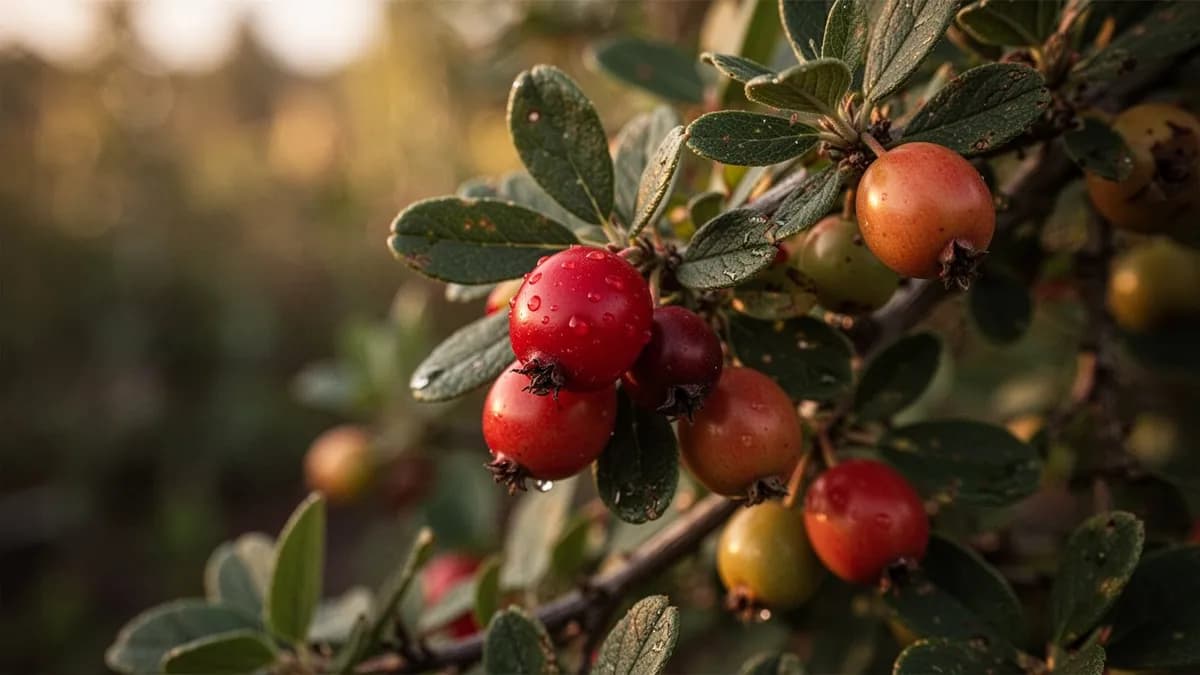
Las bayas pasan de verde plateado a amarillo y luego se intensifican hasta rojo brillante o rojo anaranjado a finales del verano. El sabor cambia de amargo a agridulce a medida que bajan las saponinas y se acumulan azúcares. Algunos cultivares producen frutos ámbar o dorados.
Cosecha y poscosecha
Las bayas maduras permanecen varias semanas en las cañas espinosas, lo que permite una ventana de cosecha flexible. Después de la recolección, el arbusto redirige la energía a la reserva de raíces en preparación para el crecimiento del año siguiente. El follaje otoñal se vuelve amarillo dorado antes de caer.
Endurecimiento otoñal
Las cañas se lignifican y endurecen a medida que se acortan los días y bajan las temperaturas. Los brotes basales nuevos producidos durante la temporada de crecimiento maduran por completo antes del invierno. La extraordinaria rusticidad al frío de la planta se refuerza en esta etapa.
Aplique una capa fina de compost alrededor de la línea de goteo antes de que se abran las yemas para dar a las raíces un empuje temprano de nutrientes sin perturbar las cañas dormidas.
Cuidar Baya del búfalo mes a mes
Qué hacer cada mes para tu Baya del búfalo
Octubre
Mes actualRecoja y composte las hojas caídas. Tome esquejes de madera dura del crecimiento de la temporada actual para propagación. Aplique una capa fina de compost como mantillo invernal alrededor de la zona radicular.
Ten claro qué hacer en tu huerto, cada mes
Un correo al empezar cada mes: qué sembrar, plantar y hacer ahora mismo — para tu Baya del búfalo y todo lo que crece alrededor. Más un breve curso inicial para esquivar los errores clásicos.
- Qué hacer ahora mismo
- Ajustado a tu temporada
- Curso inicial incluido
Cosechar Baya del búfalo
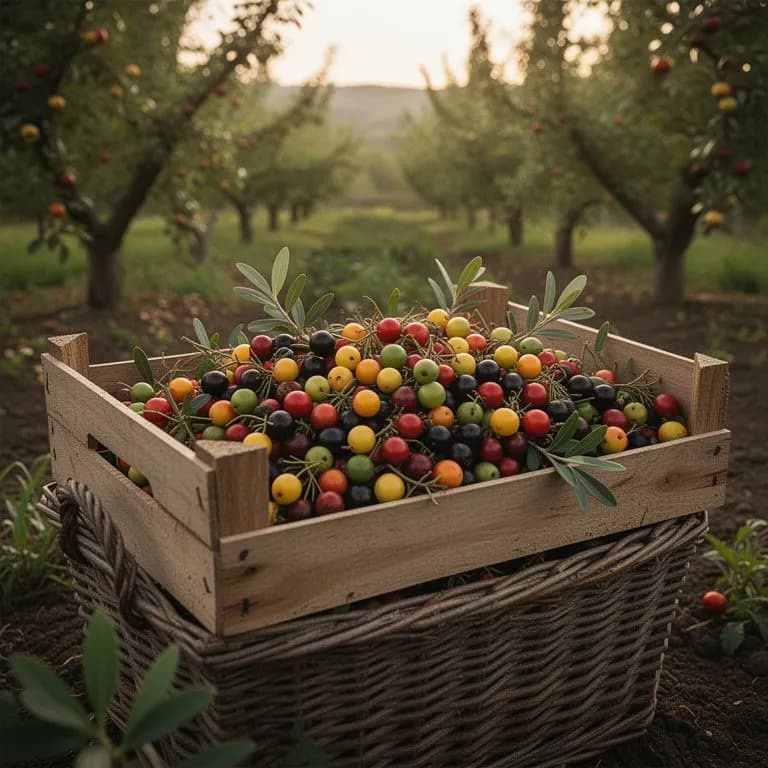
La baya del búfalo madura a finales de agosto y durante septiembre, y se vuelve roja intensa o amarillo dorado según la variedad. Las bayas son muy ácidas al alcanzar la madurez inicial y se vuelven más dulces tras varias heladas fuertes. La forma más sencilla de cosecharlas es extender una lona bajo el arbusto y sacudir o golpear las ramas, ya que las bayas pequeñas se desprenden con facilidad cuando están maduras. Lleve guantes para protegerse de las espinas. Separe hojas y restos de la fruta recolectada. Tras la helada, el contenido de saponinas que causa el amargor disminuye de forma notable.
se supone que plantas al comenzar el periodo — indica tu fecha real
Cosecha Baya del búfalo a tiempo y la planta sigue produciendo.
Almacenamiento y conservación
Las bayas frescas del búfalo se conservan de una a dos semanas en refrigeración. La preparación tradicional de las Primeras Naciones es el helado indio, elaborado batiendo enérgicamente las bayas con agua y azúcar hasta obtener un postre espumoso, parecido a una mousse. Las saponinas naturales de las bayas actúan como agente espumante. La gelatina de baya del búfalo es ácida y aromática, similar a la de arándano rojo. Las bayas se congelan bien y también pueden deshidratarse para almacenamiento a largo plazo. La salsa de baya del búfalo es un acompañamiento excelente para carnes de caza, parecido a la salsa de arándano con pavo.
Qué falla — y cómo solucionarlo
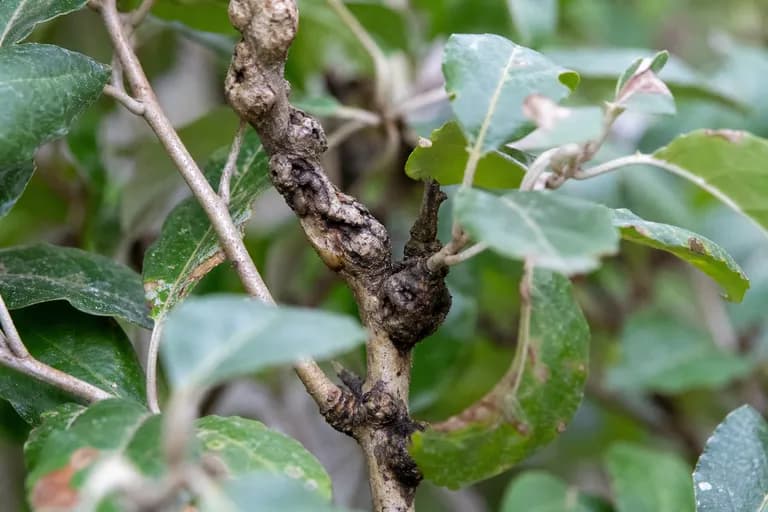
Agalla del tallo
EnfermedadAbultamientos o agallas irregulares en tallos y ramas causados por una infección fúngica; las ramas afectadas pueden secarse.
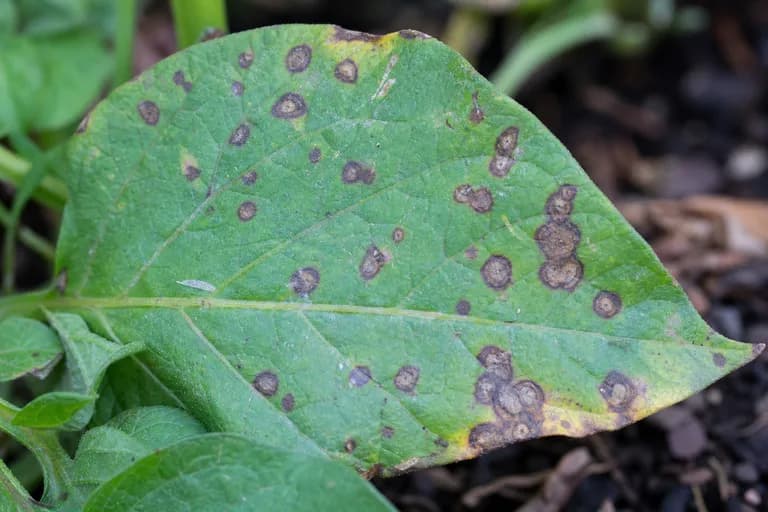
Mancha foliar
EnfermedadManchas marrones u oscuras en las hojas plateadas; caída prematura de hojas en temporadas húmedas; daño estético que rara vez afecta la salud de la planta.
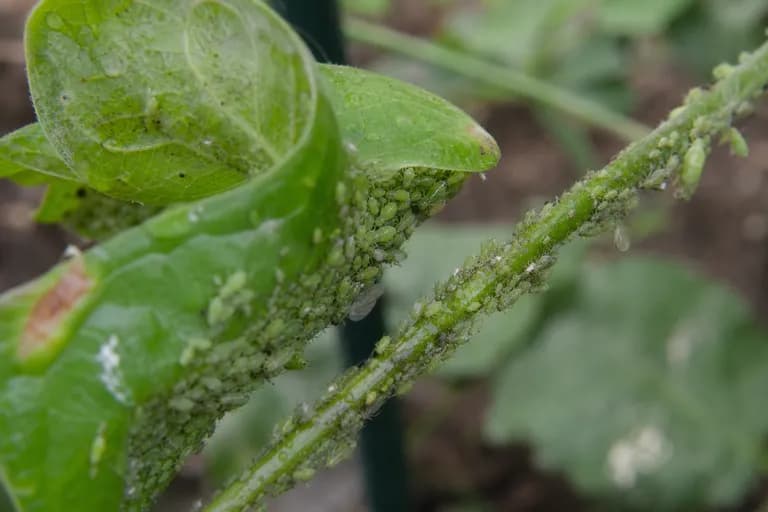
Pulgones
PlagaColonias de pequeños insectos en el crecimiento nuevo; puntas de brote enrolladas; melaza y fumagina en las hojas.
Solución de problemas comunes
Las espinas afiladas de la baya del búfalo plateada hacen que la cosecha y la poda sean tareas dolorosas. Las bayas son muy ácidas hasta después de una helada fuerte, lo que limita la ventana de recolección a finales de la temporada. Al ser dioica, hay que plantar ambos sexos, y es difícil distinguirlos antes de la floración. La planta puede emitir brotes y extenderse, algo no deseable en jardines formales. El contenido de saponinas vuelve amargas las bayas crudas y puede causar molestias digestivas si se comen en grandes cantidades sin tratamiento por helada o cocción. A algunas personas el follaje plateado no les resulta atractivo.
Consejos de cultivo
- Plante siempre al menos un arbusto macho y uno hembra de baya del búfalo, ya que la especie es dioica y la fructificación exige polinización cruzada entre plantas de distinto sexo. Una plantación de un solo sexo nunca producirá bayas.
- La baya del búfalo prospera en suelos pobres, secos y alcalinos donde otros arbustos frutales sufren. Evite los bancales ricos y muy enmendados, que fomentan un exceso de follaje a costa de la producción de fruta y pueden reducir la rusticidad.
- Coseche siguiendo el método tradicional: extienda una lona o una sábana vieja bajo el arbusto y use un palo acolchado o las manos enguantadas para sacudir suavemente la fruta madura, manteniendo la piel lejos de las espinas afiladas.
- Las bayas del búfalo son más agradables tras una helada ligera, que descompone parte de las saponinas que causan astringencia en la fruta recién recolectada. Si puede, retrase la cosecha principal hasta después de la primera helada otoñal para obtener el sabor más dulce.
- Como la baya del búfalo fija su propio nitrógeno, evite fertilizantes ricos en nitrógeno que impulsen un crecimiento vegetativo exuberante y reduzcan la formación de yemas frutales. Una sola aplicación anual de compost en la línea de goteo suele ser todo lo que necesita la planta.
- Use la baya del búfalo como cortavientos o seto en lugares expuestos. Su crecimiento denso y espinoso forma una barrera eficaz, y las raíces fijadoras de nitrógeno mejoran la fertilidad del suelo para las plantas vecinas en un bosque alimentario o un sistema agroforestal.
- Propague la baya del búfalo a partir de esquejes de madera dura tomados a finales de otoño o a partir de semilla fresca estratificada en arena húmeda en el refrigerador durante 60 a 90 días antes de sembrar en primavera. Las semillas procedentes de bayas secas o procesadas tienen una viabilidad mucho menor.
- Las plantas jóvenes de baya del búfalo pueden parecer muertas en su primera primavera tras el trasplante y, a menudo, brotan varias semanas más tarde que los arbustos establecidos. Tenga paciencia y no las riegue ni abone en exceso para compensar: la planta está redirigiendo energía al establecimiento de raíces.
- Pode la baya del búfalo a finales del invierno retirando cada año las cañas más viejas, las de más de cuatro años, a ras de suelo para mantener una estructura vigorosa y productiva de varios tallos y evitar que el centro del arbusto se apelmace demasiado.
- En climas húmedos, sitúe la baya del búfalo a pleno sol y con excelente circulación de aire para minimizar el riesgo de oídio y otros problemas fúngicos que pueden afectar a este arbusto autóctono adaptado a la sequía.
Cultiva tu mejor Baya del búfalo — y todo lo que la rodea.
Empieza un plan gratis hoy. Diseña tus bancales, coloca tu Baya del búfalo y deja que PlotMyGarden gestione el momento, el espaciado, las asociaciones y los recordatorios de la semilla a la cesta.
Elige tu Baya del búfalo
Shepherdia argentea
Baya del búfalo plateada, la especie más común, con follaje plateado y ramas espinosas; bayas rojas que se endulzan después de la helada.
Shepherdia canadensis
Baya del búfalo rojiza, una especie más pequeña y sin espinas, con hojas moteadas de tonos rojizos; sus bayas son algo menos ácidas.
Goldeneye
Una forma seleccionada de la baya del búfalo plateada con fruto amarillo dorado y mejor sabor; selección femenina sin espinas.
Un par de arbustos maduros de baya del búfalo, uno macho y una hembra, puede producir entre 3.5 y 7 kg de fruta por temporada con una aportación mínima una vez establecidos. A precios de mercado especializado o de agricultores de 6 a 12 € por medio kilo de bayas silvestres o autóctonas, una plantación doméstica productiva puede aportar entre 50 y 180 € en fruta al año. Transformar la cosecha en gelatina, jarabe o bayas secas eleva aún más su valor y elimina el sobreprecio de los productos artesanales conservados.
Recetas rápidas

Gelatina de baya del búfalo
60 minutosUna gelatina clásica, entre ácida y dulce, que muestra el sabor único de las bayas del búfalo. La pectina natural de las bayas ayuda a que la gelatina cuaje de maravilla sin necesidad de pectina comercial. Úsela en tostadas, con queso curado o como glaseado para carnes asadas.
5 ingredientesVinagreta de baya del búfalo
10 minutosUn aderezo vibrante y ácido que usa la acidez brillante de las bayas del búfalo para equilibrar verduras y granos más ricos. Excelente sobre ensaladas de arroz salvaje, rúcula o platos de remolacha asada con queso de cabra.
6 ingredientesPostre tradicional batido de baya del búfalo
20 minutosUn postre inspirado en las tradiciones indígenas, adaptado a la cocina moderna. Las saponinas naturales de las bayas del búfalo crean una textura ligera, parecida a una espuma, cuando se baten con energía. Endúlzelo al gusto y sírvalo enseguida como cobertura sin lácteos o como postre independiente.
5 ingredientesUsos culinarios
El helado indio, o sxusem, es la preparación culturalmente más significativa de la baya del búfalo, elaborada batiendo las bayas con agua hasta que las saponinas naturales formen una espuma estable. Se endulza con azúcar para obtener un postre único, parecido a una mousse. La gelatina de baya del búfalo tiene un sabor vivo y ácido, similar al del arándano rojo. La salsa puede usarse como sustituto de la salsa de arándano con carnes asadas y aves. Las bayas también se pueden añadir a repostería, batidos y mezclas de frutas del bosque. Las bayas secas funcionan bien en mezclas para picar y granola.
Qué contiene
Beneficios para la salud
- Las altas concentraciones de licopeno y betacaroteno en las bayas del búfalo se asocian con un menor riesgo de ciertos cánceres, enfermedades cardiovasculares y degeneración macular relacionada con la edad.
- Las saponinas presentes de forma natural en las bayas del búfalo se han estudiado por su capacidad de unirse al colesterol de la dieta en el tracto digestivo, lo que potencialmente reduce los niveles de colesterol LDL con un consumo regular.
- Las bayas del búfalo aportan vitamina C, que favorece la síntesis de colágeno, la función inmunitaria y la absorción de hierro, algo valioso en climas del norte históricamente escasos en fruta fresca.
- El contenido de polifenoles y flavonoides muestra actividad antiinflamatoria, lo que puede ayudar a reducir la inflamación crónica de bajo grado asociada con el síndrome metabólico y la artritis.
- La fibra alimentaria de las bayas del búfalo favorece un microbioma intestinal saludable al actuar como sustrato prebiótico para bacterias beneficiosas, mejorando la regularidad digestiva y reduciendo la hinchazón.
- Herbolarios tradicionales y contemporáneos han usado preparaciones de baya del búfalo para apoyar la salud urinaria y como tónico digestivo suave, aunque la investigación clínica en humanos sigue siendo limitada.
De dónde viene Baya del búfalo
La baya del búfalo (Shepherdia argentea), también conocida como baya del búfalo plateada o baya del búfalo espinosa, es un arbusto caducifolio nativo del interior de Norteamérica, desde Manitoba y Saskatchewan en Canadá hacia el sur a través de las Grandes Llanuras hasta Nuevo México y hacia el oeste hasta las estribaciones de las Montañas Rocosas en Columbia Británica, Montana y Wyoming. Prospera en las duras condiciones semiáridas de los valles fluviales, las orillas de arroyos y los pastizales abiertos de la pradera, donde pocos otros arbustos frutales consiguen establecerse.
Durante miles de años, la baya del búfalo fue uno de los alimentos vegetales más importantes para los pueblos indígenas de las Grandes Llanuras, incluidos los lakota, blackfoot, crow, cree y assiniboine. Las bayas se recolectaban a finales del verano y comienzos del otoño colocando pieles o mantas bajo los arbustos y golpeando las ramas espinosas con palos, una técnica que aún hoy utilizan los jardineros aficionados. La fruta se comía fresca, se secaba en tortas para el almacenamiento invernal o, sobre todo, se combinaba con carne de búfalo seca y grasa para hacer pemmican, un alimento de marcha denso en nutrientes que sostuvo a cazadores, guerreros y viajeros durante inviernos largos y travesías arduas.
La baya del búfalo también tenía un significado ceremonial. El postre batido de bayas conocido como helado indio o sxusem en varias lenguas se preparaba para banquetes y celebraciones batiendo enérgicamente las bayas crudas con una pequeña cantidad de agua hasta formar una preparación rosada y espumosa, resultado de las saponinas presentes en el fruto. Esta preparación se reservaba para ocasiones especiales y sigue siendo hoy una tradición culinaria viva en muchas comunidades indígenas.
Los exploradores europeos encontraron la baya del búfalo durante la época de la exploración hacia el oeste. Miembros de la expedición de Lewis y Clark documentaron la planta en 1804 y observaron a grupos indígenas recolectando y procesando las bayas a lo largo del río Misuri. El nombre del género Shepherdia honra a John Shepherd, botánico inglés y conservador del Jardín Botánico de Liverpool en el siglo XIX, mientras que el epíteto argentea hace referencia al aspecto plateado del follaje.
En el siglo XX, el interés por la baya del búfalo decayó cuando las frutas importadas se volvieron ampliamente disponibles, pero la planta nunca desapareció del cultivo. Hoy, el renovado interés por las plantas autóctonas, la permacultura y las tradiciones alimentarias ha devuelto a la baya del búfalo al centro de atención como un arbusto frutal resistente, de bajo mantenimiento y valioso desde el punto de vista nutricional, muy adecuado para jardines propensos a la sequía y bosques alimentarios en toda Norteamérica.
Baya del búfalo: ¿sabías que?
Datos fascinantes sobre Baya del búfalo
La baya del búfalo recibe su nombre por su papel histórico como ingrediente básico del pemmican, el alimento de supervivencia de alto contenido calórico elaborado por los pueblos indígenas de las llanuras, que a menudo lo consumían junto con carne de bisonte.
Baya del búfalo: preguntas frecuentes
¿Cuándo debo plantar Baya del búfalo?
¿En qué zonas de rusticidad puede crecer Baya del búfalo?
¿Cuánto sol necesita Baya del búfalo?
¿A qué distancia debo espaciar Baya del búfalo?
¿Qué plagas y enfermedades afectan a Baya del búfalo?
¿Cómo almaceno Baya del búfalo después de la cosecha?
¿Cuáles son las mejores variedades de Baya del búfalo para cultivar?
¿Qué suelo necesita Baya del búfalo?
¿Necesito una planta macho y una hembra de baya del búfalo para obtener fruta?
¿Las bayas del búfalo se pueden comer crudas y por qué saben tan amargas?
¿Cuánto tarda un arbusto de baya del búfalo en empezar a producir fruta?
¿Puedo cultivar baya del búfalo en el Pacífico Noroeste o en el sudeste de Estados Unidos?
¿Cómo guardo las bayas del búfalo frescas después de cosecharlas?
¿La baya del búfalo es invasora y se extenderá de forma agresiva en mi jardín?
Acabas de leer la teoría. Ahora cultívala en piloto automático.
Todo lo que hace que Baya del búfalo sea delicado — el momento, el espaciado, las asociaciones, la ventana de cosecha — es justo lo que PlotMyGarden resuelve por ti, para cada planta de tu huerto.
Un plan que conoce tu clima
Indica tu ubicación una vez. Recibe fechas de siembra, abonado y cosecha basadas en tu última helada real y el pronóstico en vivo — sin adivinar con un sobre genérico.
De la sección “Cuándo plantar”Planificador de bancales de arrastrar y soltar
Diseña bancales sobre una cuadrícula. Cada planta encaja con su espaciado correcto y ves toda la temporada antes de gastar un céntimo en semillas.
De la sección “Cultivo”Conflictos de asociación, detectados a tiempo
Más de 200 buenas y malas combinaciones comprobadas en vivo mientras plantas — para que un error que arruine la temporada nunca llegue a la tierra.
De la sección “Asociaciones”Recordatorios que sí vas a seguir
“Riega las judías.” “Recoge hoy antes de que se pase.” Oportunos, concretos y ligados a las plantas que de verdad cultivas.
De la sección “Cosecha”Escalonado, programado
¿Quieres cosechar seis semanas en vez de seis días? Reparte tus siembras automáticamente y te avisa cuando toca el siguiente lote.
De la sección “Cuándo plantar”Un registro que se vuelve más listo
Cada cosecha que registras le enseña tu huerto. El plan del año que viene parte de lo que de verdad funcionó en tu suelo, no en un manual.
De la sección “Resumen”Más Bayas
Cultiva tu mejor Baya del búfalo — y todo lo que la rodea.
Empieza un plan gratis hoy. Diseña tus bancales, coloca tu Baya del búfalo y deja que PlotMyGarden gestione el momento, el espaciado, las asociaciones y los recordatorios de la semilla a la cesta.