Purpurbasilikum
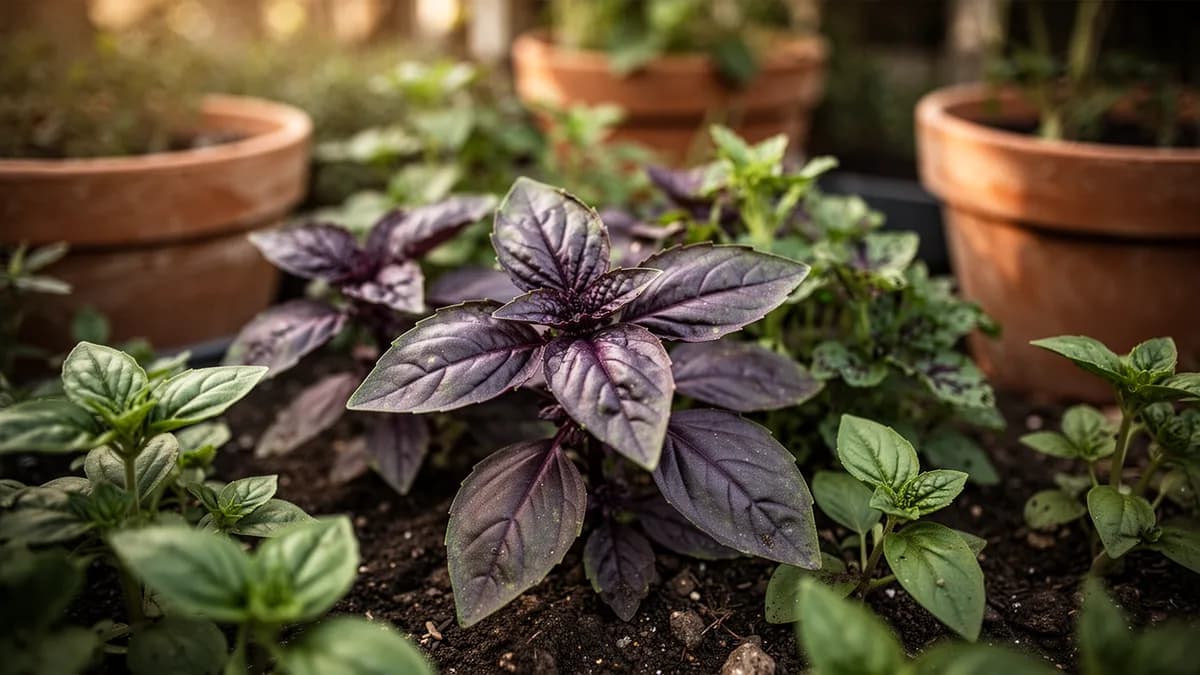
Ein auffälliger Zierbasilikaum mit tief violett-burgunderroten Blättern, der Gerichten sowohl Geschmack als auch optische Dramatik verleiht.





Auf dieser SeiteÜberblick
Purpurbasilikum im Überblick
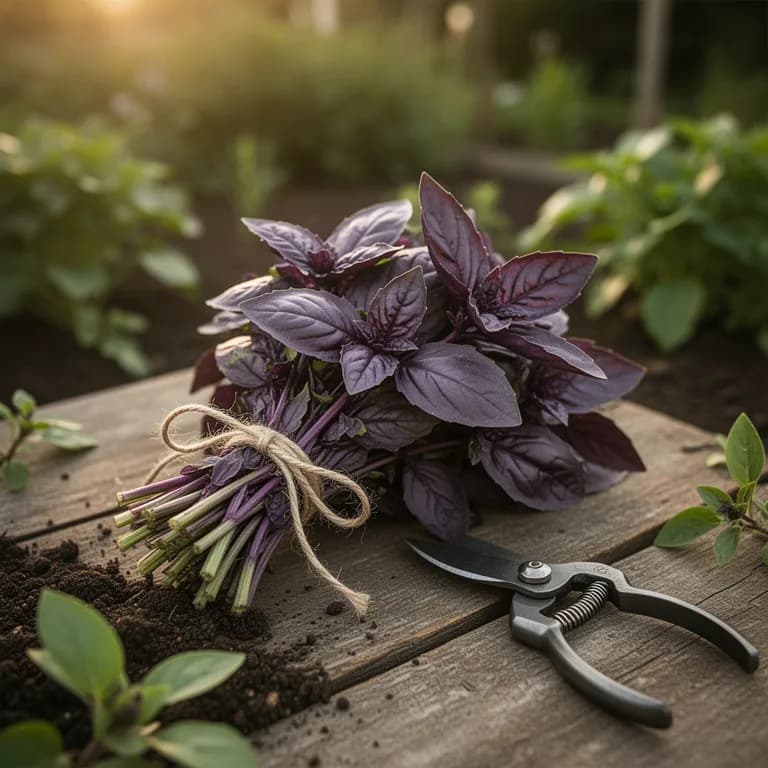
Ein auffälliger Zierbasilikaum mit tief violett-burgunderroten Blättern, der Gerichten sowohl Geschmack als auch optische Dramatik verleiht. Das Aroma ist etwas pfeffriger und weniger süß als bei grünem Basilikum, was ihn ideal für Salate und Essige macht. Er wird genauso wie süßer Basilikum kultiviert, jedoch kann er ins Grüne zurückschlagen, wenn er nicht ausreichend Sonnenlicht erhält.
Wann Purpurbasilikum pflanzen
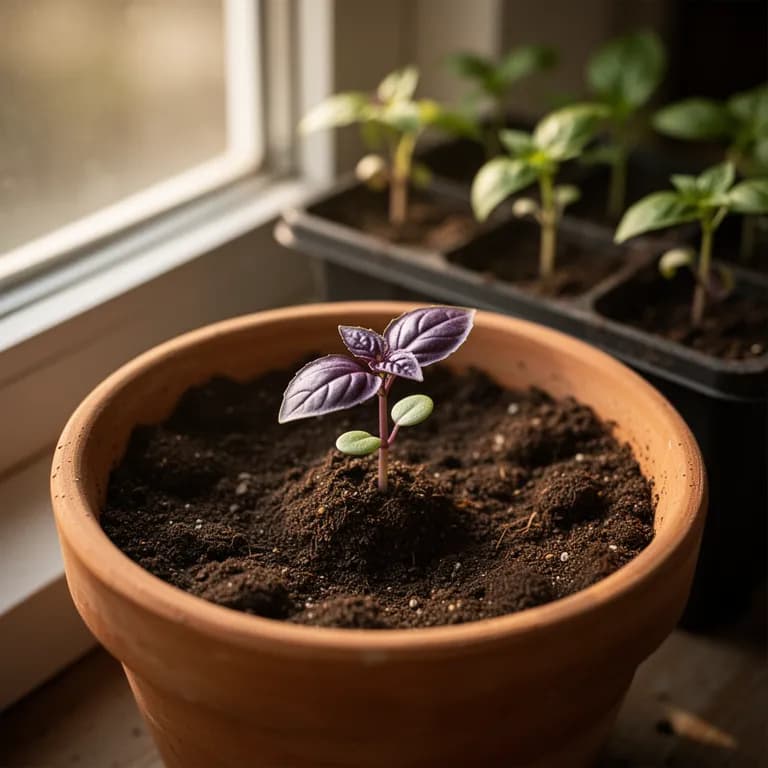
Purpurbasilikaum-Samen 6–8 Wochen vor dem letzten Frost drinnen aussäen. Samen auf feuchte Anzuchterde drücken ohne sie abzudecken, da sie Licht zur Keimung benötigen. Wärmematte verwenden, um eine Bodentemperatur von 21–24 °C aufrechtzuerhalten. Die Keimung dauert 7–14 Tage und kann etwas langsamer als bei grünen Basilikumsorten sein. Sämlinge erscheinen anfänglich grün; violettes Pigment entwickelt sich, wenn Pflanzen heranwachsen und starkes Licht erhalten. 14–16 Stunden Licht täglich bereitstellen. Über 10 Tage abhärten, bevor nach dem letzten Frost ausgepflanzt wird.
Dein Purpurbasilikum-Jahr
Abgestimmt auf Zone 7 · typische Saison · Frost geht um den 2. Apr. und kehrt um den 1. Nov. zurück
Purpurbasilikum Apr – Jun pflanzen, Jun – Sep ernten. Beachte die Pflanzmethoden unten und wähle dein Klima für passende Zeiträume.
So baust du Purpurbasilikum an
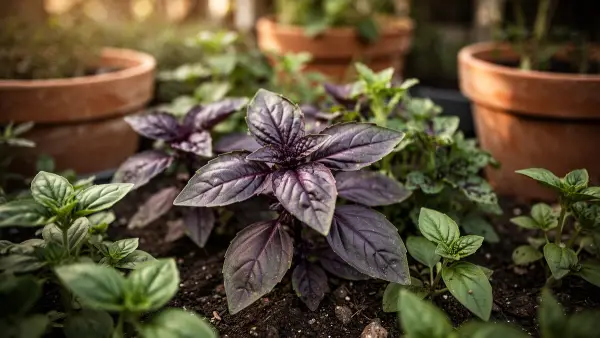
Purpurbasilikaum-Samen 6–8 Wochen vor dem letzten Frosttermin drinnen aussäen. Auf die Oberfläche feuchter Anzuchterde säen und leicht andrücken, da die Samen Licht zur Keimung benötigen. Bodentemperaturen von 21–24 °C aufrechterhalten. Die Keimung kann etwas länger dauern als bei grünen Basilikumsorten, üblicherweise 7–14 Tage. Purpurbasilikaum-Sämlinge starten grün und entwickeln ihre charakteristische purpurne Färbung beim Heranwachsen – grün erscheinende Sämlinge daher nicht wegwerfen.
Nach dem letzten Frost ins Freie umpflanzen, mit einem Pflanzabstand von 30–45 cm an einem Standort, der mindestens 8 Stunden direkte Sonneneinstrahlung erhält. Ausreichende Sonneneinstrahlung ist für Purpurbasilikaum entscheidend, da unzureichendes Licht dazu führt, dass die Blätter ins Grüne zurückschlagen und ihren Zierwert verlieren. Den Pflanzbereich mit reichhaltigem, gut durchlässigem, mit Kompost verbessertem Boden bei einem pH-Wert von 6,0–7,0 vorbereiten.
Regelmäßig an der Basis der Pflanzen gießen und den Boden gleichmäßig feucht halten. Alle 2–3 Wochen mit einem ausgewogenen Flüssigdünger düngen. Ab einer Höhe von 15 cm regelmäßig die Wachstumsspitzen kneifen, um buschiges, volles Wachstum zu fördern. Blütenspitzen umgehend entfernen, um die Energie in die Blattproduktion zu lenken – obwohl die lavendelrosa Blüten attraktiv sind, wenn man einige blühen lässt.
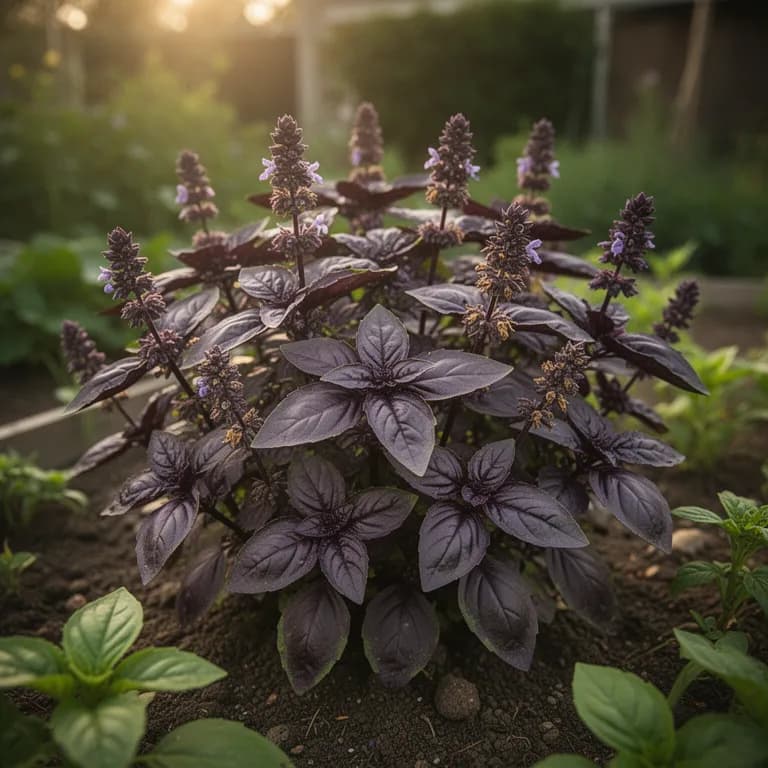
36 Pflanzen passen in ein Beet von 120 × 240 cm
Purpurbasilikum braucht 25 cm Platz pro Pflanze. Der Planer hält diesen Abstand für dich ein — jede Pflanze, jedes Beet.
Die besten Nachbarn für Purpurbasilikum
Purpurbasilikaum bietet die gleichen Vorteile als Begleitpflanze wie grüner Basilikum und vertreibt Blattläuse und Thripse durch seine aromatischen ätherischen Öle. Sein Zierwert fügt optisches Interesse beim Mischanbau mit Tomaten, Paprika und Auberginen hinzu. Die Blüten ziehen Bestäuber und Nützlinge an. Wie alle Basilika nicht in der Nähe von Salbei und Rosmarin pflanzen, die trockenere Bodenbedingungen bevorzugen. Als Randbepflanzung um Gemüsebeete herum gepflanzt, schafft Purpurbasilikaum eine attraktive und funktionale Einfassung, die Schädlinge abschreckt.
Tomate gehört daneben. Salbei nicht.
Altes Gärtnerwissen, geprüft an der echten Nachbartabelle von Purpurbasilikum — teste jede Pflanze, die du anbaust.
Probiere Purpurbasilikum direkt hier im Beet
Ein echtes Planer-Beet, Purpurbasilikum steht schon drin. Tippe einen Begleiter an, platziere ihn und sieh, wie die Nachbarschaftsprüfung antwortet — grün für gute Nachbarn, rot bei Streit.


Passende Anbau-Ratgeber
Richtig düngen
Purpurbasilikaum benötigt reichen, gut durchlässigen Boden mit einem pH-Wert von 6,0–7,0 für die tiefste Farbentwicklung. Vor dem Pflanzen 5–7 cm Kompost in den Boden einarbeiten. Alle 2–3 Wochen mit einem ausgewogenen Flüssigdünger oder Fischdünger düngen. Phosphorreiche Dünger können die violette Blattpigmentierung verstärken – ein Dünger mit etwas höherer mittlerer Zahl (wie 5-10-5) kann die Farbe intensivieren. Mit dunklem Kompost oder Rinde mulchen, um die Wurzeln warm zu halten und Feuchtigkeit zu bewahren. Staunässe vermeiden, da diese Wurzelfäule verursacht.
Ideale Temperatur
Winterhärtezone-Kompatibilität
Von der Saat zur Ernte, Schritt für Schritt
Samenkeimung
Purpurbasilikaum-Samen sind winzig, dunkel und oval. Bei Befeuchtung entwickeln sie eine gelatinöse Beschichtung, die die Feuchtigkeitsspeicherung während der Keimung unterstützt. Samen keimen in 5–10 Tagen, wenn sie warm und gleichmäßig feucht gehalten werden, und bilden kleine Keimblätter, die bereits einen Hauch violetter Pigmentierung zeigen, der einzigartig für diese Sorte ist.
Sämlingsentwicklung
Die ersten echten Blätter erscheinen über den Keimblättern und zeigen die charakteristische dunkelviolette Farbe, die diesem Basilikum seinen Namen gibt. Die Stengel beginnen sich zu verdicken und nehmen eine violett-bronzefarbene Tönung an. Die Sämlinge wachsen zunächst langsam, beschleunigen sich jedoch, sobald die Wurzeln sich etabliert haben und die Tagestemperaturen gleichmäßig warm sind.
Vegetatives Wachstum
Pflanzen wachsen schnell zu buschigen Polstern von 30–50 cm Höhe mit reichlich dunkelvioletten, leicht gekräuselten Blättern. Die aromatischen Öle intensivieren sich beim Heranreifen der Pflanze und erzeugen einen komplexen Duft, der süße Basilikumnoten mit Nelken-, Anis- und Zimtanklängen verbindet. Anthocyan-Pigmente vertiefen sich in der prallen Sonne und erzeugen die reichste violette Färbung.
Blüte
Hohe Blütenspitzen entstehen an den Astspitzen und tragen Quirle kleiner rosa bis lavendelfarbener röhrenförmiger Blüten. Die Blüten sind für Bienen, Schmetterlinge und andere Bestäuber sehr attraktiv. Sobald die Blüte beginnt, verlangsamt sich die Blattproduktion und der Geschmack verändert sich — die Pflanze verlagert Energie von der Blattbildung auf die Samenproduktion.
Samenreife und Rückgang
Wenn das Blühen erlaubt wird, entwickeln sich kleine dunkelbraune Samen in den getrockneten Blütenkelchen. Die Blätter werden kleiner und zäher, da die Pflanze alle Ressourcen auf die Samenreife lenkt. Untere Blätter können vergilben und abfallen. Die Pflanze geht natürlich zurück, wenn die Temperaturen im Herbst sinken oder nach Abschluss der Samenbildung.
Samen auf die Oberfläche feuchter Anzuchterde säen und leicht andrücken — Basilikumsamen benötigen Licht zum Keimen. Bodentemperatur bei 21–24 °C halten, notfalls mit einer Wärmematte. Vorsichtig besprühen, um Feuchtigkeit zu erhalten, ohne die winzigen Samen zu verschieben. Nicht tief bedecken.
Purpurbasilikum Monat für Monat pflegen
Was du jeden Monat für deine Purpurbasilikum tun solltest
Oktober
Aktueller MonatIn den meisten Zonen beendet Frost die Basilikumsaison im Freien. Pflanzen nach dem ersten Frost, der das Laub abtötet, entfernen. Verbleibende verwendbare Blätter vor dem Frost ernten. Bei Innenanbau Topfpflanzen in ein helles, nach Süden ausgerichtetes Fenster stellen und weniger wässern. Verbrauchte Freilandpflanzen kompostieren.
Immer wissen, was jetzt im Garten zu tun ist
Eine E-Mail zum Monatsanfang: was du jetzt säen, pflanzen und anpacken solltest — für deine Purpurbasilikum und alles, was drumherum wächst. Dazu ein kurzer Startkurs, der dich vor den klassischen Fehlern bewahrt.
- Was jetzt zu tun ist
- Passend zu deiner Saison
- Startkurs inklusive
Purpurbasilikum ernten
Purpurbasilikaum ernten, sobald die Pflanzen mehrere Sätze ausgewachsener Blätter haben, etwa 35–45 Tage nach der Aussaat. Stiele knapp oberhalb eines Blattknotens abschneiden und dabei nicht mehr als ein Drittel der Pflanze auf einmal entnehmen. Die am intensivsten gefärbten Blätter wachsen in der prallen Sonne – daher bevorzugt von der sonnigen Seite der Pflanze ernten. Morgens ernten für beste Farbe und bestes Aroma. Purpurbasilikumblätter sind eine beeindruckende Bereicherung für Salate und färben Essig beim Einlegen in ein wunderschönes Rubinrosa.
angenommen, du pflanzt zu Beginn des Zeitraums — trage dein tatsächliches Datum ein
Ernte Purpurbasilikum zügig, dann trägt die Pflanze weiter.
Lagerung & Konservierung
Frischen Purpurbasilikaum bei Zimmertemperatur mit den Stielen in Wasser und locker abgedeckt aufbewahren. Niemals kühlen, da Kälte die Blätter schwärzt. Purpurbasilikaum eignet sich hervorragend für aromatisierten Essig: Eine großzügige Handvoll Blätter 2 Wochen in Weißweinessig einlegen, um einen leuchtend rosa Essig herzustellen. Blätter in Olivenöl in Eiswürfelformen einfrieren und für das Kochen verwenden. Purpurbasilikaum kann getrocknet werden, verliert dabei aber einen Großteil seiner auffälligen Farbe. Kräuterbutter aus Purpurbasilikaum hat einen wunderschönen Lavendelfarbton und ein mildes, pfeffriges Aroma.
Was schiefgeht — und die Lösung
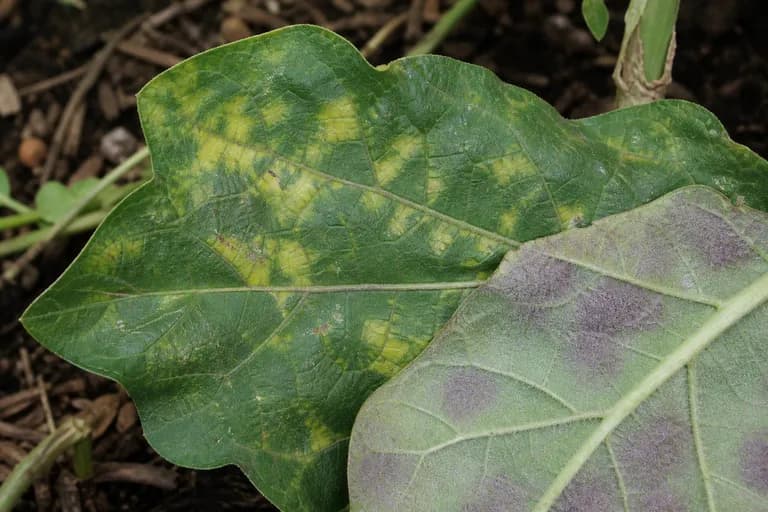
Falscher Mehltau
KrankheitVergilbung zwischen den Blattadern, grau-violettes Sporenwachstum auf den Blattunterseiten, das schwer von der natürlichen Blattfarbe zu unterscheiden sein kann.
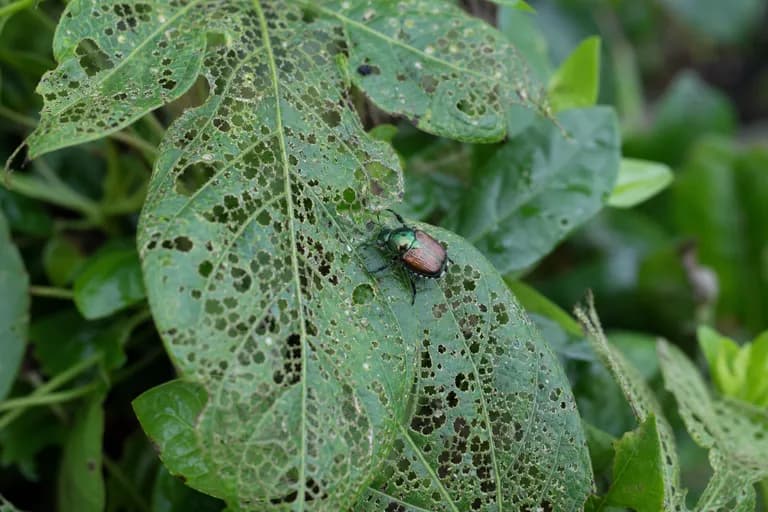
Japanische Käfer
SchädlingSkelettierte Blätter mit verbleibenden Adern, sichtbare metallisch-grüne Käfer fressen am Laub, besonders im Hochsommer.
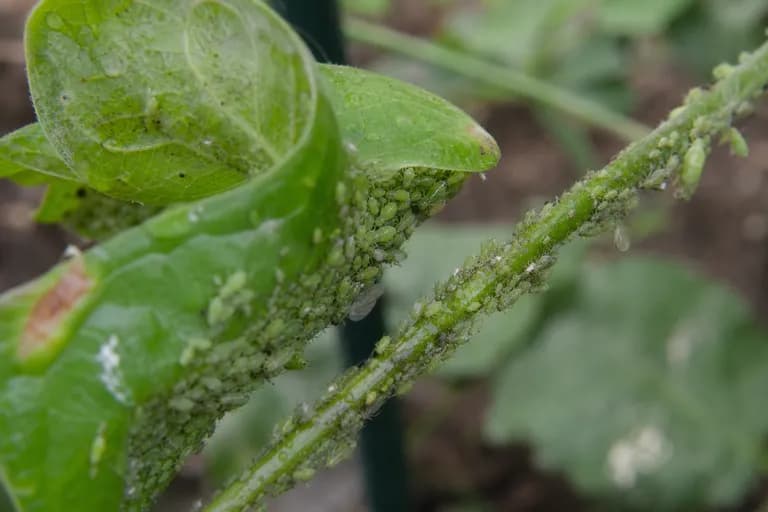
Blattläuse
SchädlingKleine Insektenansammlungen an Stengelspitzen und Blattunterseiten, klebriger Honigtaurückstand, Rußtaupilz auf dem Honigtau.
Fehlerbehebung bei häufigen Problemen
Die häufigste Frustration mit Purpurbasilikaum ist das Rückschlagen der Blätter ins Grüne, was auftritt, wenn Pflanzen weniger als 8 Stunden direkte Sonneneinstrahlung täglich erhalten. Immer am sonnigsten verfügbaren Standort pflanzen. Purpurbasilikaum wächst etwas langsamer als grüne Sorten und kann kleinere Blätter produzieren. Sämlinge erscheinen anfangs oft grün und entwickeln die violette Farbe allmählich – Geduld ist erforderlich. Wie alle Basilika sind violette Sorten äußerst frostempfindlich und dürfen keinen Temperaturen unter 7 °C ausgesetzt werden. Hohe Luftfeuchtigkeit kann Falschen Mehltau begünstigen, besonders bei dichten Bepflanzungen.
Anbautipps
- Samen 6–8 Wochen vor dem letzten Frost drinnen starten für die früheste und längste Ernte. Purpurbasilikaum-Samen benötigen Licht und Wärme zum Keimen — sie auf die Oberfläche feuchter Anzuchterde drücken ohne sie zu bedecken und die Bodentemperatur mit einer Wärmematte bei 21–24 °C halten.
- In voller Sonne pflanzen für die tiefste violette Farbe. Die Anthocyan-Produktion ist direkt mit der Lichtintensität verknüpft — im Halbschatten gewachsene Pflanzen werden grünere, weniger lebhafte Blätter haben. Mindestens 6–8 Stunden direkte Sonneneinstrahlung täglich erzeugen die auffälligste Färbung.
- Die Wachstumsspitze jedes Stengels kneifen, sobald die Pflanze drei Sätze echter Blätter hat, und alle 2–3 Wochen während der gesamten Saison weiter kneifen. Jeder Kneifeinsatz erzeugt zwei neue Wachstumspunkte und verwandelt einen einstengligen Sämling in eine buschige, produktive Pflanze mit dramatisch höheren Erträgen.
- Blütenknospen sofort entfernen, sobald sie erscheinen, wenn die Blattproduktion maximiert werden soll. Sobald Basilikum zu blühen beginnt, verlangsamt sich die Blattproduktion erheblich und vorhandene Blätter werden zäher und weniger aromatisch. Konsequentes Entfernen der Blüten kann die produktive Erntephase um 4–6 Wochen verlängern.
- Tief, aber selten wässern und den obersten Zentimeter Erde zwischen den Wassergaben antrocknen lassen. Purpurbasilikaum ist anfällig für Wurzelfäule bei dauerhaft feuchtem Boden. Morgendliches Wässern ist ideal — es hält das Laub tagsüber trocken und reduziert das Risiko von Falschem Mehltau und anderen Pilzkrankheiten.
- Alle 2–3 Wochen mit einem ausgewogenen organischen Flüssigdünger oder Komposttee während der aktiven Wachstumsperiode düngen. Starke Stickstoffdüngung vermeiden, da diese die Konzentration ätherischer Öle verdünnen und die Intensität von Geschmack und violetter Pigmentierung reduzieren kann.
- Auf Basilikum-Falschen Mehltau achten, die ernsthafteste Krankheitsbedrohung. Symptome sind Vergilbung zwischen den Blattadern und flaumig grau-violettes Wachstum auf Blattunterseiten. Vorbeugen durch ausgezeichnete Luftzirkulation, nur an der Basis wässern und betroffene Blätter sofort entfernen.
- Purpurbasilikaum in Behältern mit mindestens 20 cm Durchmesser für kräftige Wurzelentwicklung anbauen. Behälter ermöglichen es, Pflanzen vor dem ersten Herbstfrost nach drinnen zu bringen und die Ernte um Wochen oder sogar Monate auf einer sonnigen Fensterbank zu verlängern.
- Im Spätsommer Stecklinge nehmen und in einem Glas Wasser auf einer sonnigen Fensterbank bewurzeln. Stecklinge bewurzeln sich in 7–14 Tagen und können für den Innenanbau im Winter in Töpfe gepflanzt werden. Das gibt einen Vorsprung für frischen Basilikum durch die kälteren Monate.
- Purpurbasilikaum im Garten mit Tomaten, Paprika und Ringelblumen kombinieren. Er wirkt als natürliches Schädlingsabwehrmittel gegen Blattläuse, weiße Fliegen, Spinnmilben und Mücken, während seine Blüten nützliche Bestäuber anziehen — ein klassisches Beispiel für gegenseitig vorteilhafte Mischkultur.
Bau deine beste Purpurbasilikum an — und alles drumherum.
Starte heute kostenlos. Lege deine Beete an, setze deine Purpurbasilikum ein und lass PlotMyGarden Timing, Abstände, Begleiter und Erinnerungen von der Saat bis zum Erntekorb übernehmen.
Finde deine Purpurbasilikum
Dark Opal
Ein klassischer Purpurbasilikaum mit tief gefärbten Blättern und rosa Blütenspitzen. Eine der ersten weit verbreiteten Purpurbasilikaum-Sorten mit gleichmäßiger Färbung.
Purple Ruffles
Weist tief gefranste, gekräuselte Ränder an großen dunkelvioletten Blättern auf. Sehr dekorativ mit einem milden, leicht würzigen Geschmack, ideal zum Garnieren.
Red Rubin
Eine verbesserte Auslese mit gleichmäßigerer violetter Färbung als Dark Opal und größeren Blättern. Ausgezeichnet sowohl für die kulinarische Verwendung als auch für dekorative Beete.
Frischer Purpurbasilikaum kostet im Supermarkt 3–5 € pro kleiner Verpackung (etwa 25–30 g) und 8–15 € pro Bund auf dem Wochenmarkt. Ein einziges Samentütchen für 3–4 € enthält 200–400 Samen, genug um Dutzende von Pflanzen anzuziehen. Bereits eine einzige gut gedeihende Pflanze, die 200 g Blätter über die Saison produziert, ersetzt Basilikum im Wert von 20–35 €. Der eigene Anbau garantiert zudem maximale Frische und bestes Aroma — im Laden gekaufter Basilikum beginnt innerhalb von Stunden nach der Ernte seine flüchtigen aromatischen Öle zu verlieren, während frisch aus dem Garten geerntete Blätter einen deutlich überlegenen Geschmack und Duft liefern.
Schnelle Rezepte
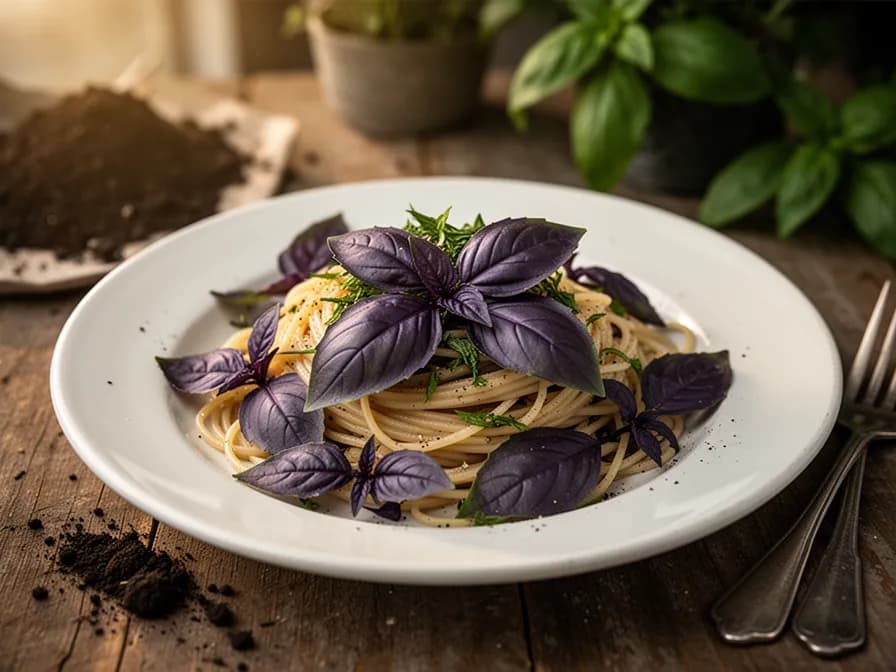
Purpurbasilikaum-Pesto
10 Min.Eine optisch beeindruckende Abwandlung des klassischen Pestos — die tief violetten Blätter ergeben eine dramatisch dunkelviolette Soße mit einem etwas pfeffrigeren und nelkenartigen Geschmack als traditionelles grünes Basilikum-Pesto. Mit Pasta vermengen, auf Crostini streichen oder in Suppen einrühren für einen Farb- und Geschmacksakzent.
7 Zutaten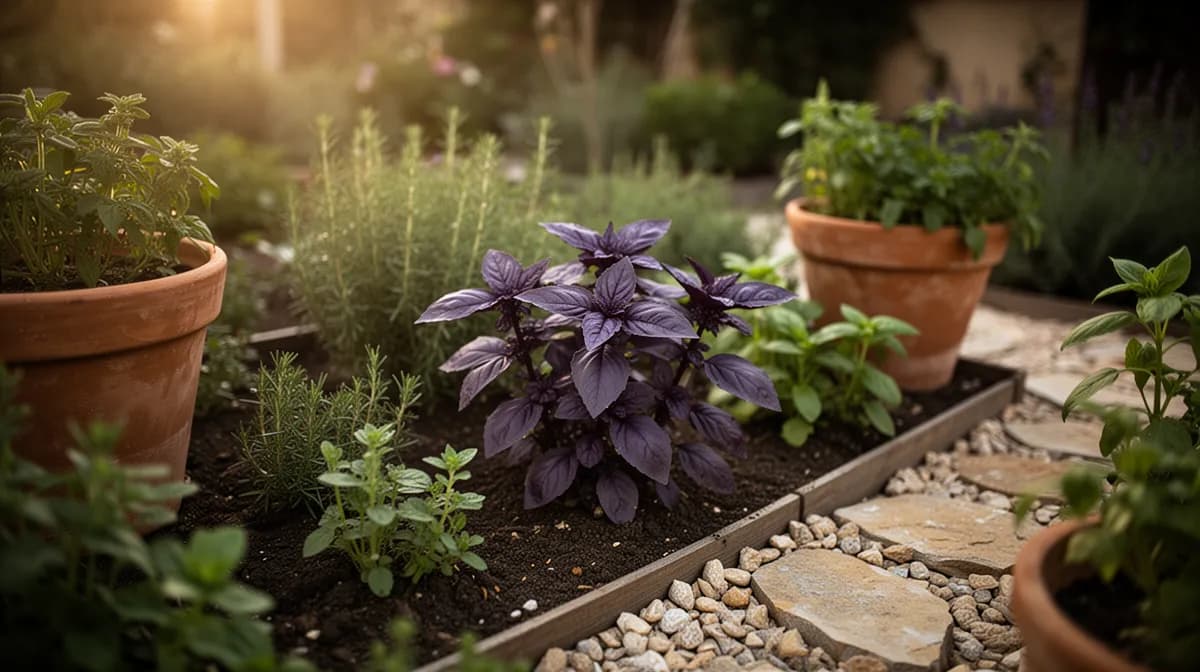
Purpurbasilikaum-Aromatisierter Essig
5 Min. + 1–2 Wochen ZiehzeitEines der optisch zauberhaftesten Küchenprojekte — Purpurbasilikaum-Blätter verwandeln einfachen Weißweinessig in eine atemberaubende Magenta-Infusion. Die Anthocyan-Pigmente lösen sich in den Essig und erzeugen einen verblüffenden Farbwechsel. In Salatdressings verwenden, über gegrilltes Gemüse träufeln oder in dekorativen Flaschen verschenken.
4 ZutatenPurpurbasilikaum-Limonade
15 Min. + KühlzeitEin erfrischendes Sommergetränk mit einer atemberaubenden lavendelrosa Farbe, die den Anthocyanen im Purpurbasilikaum zu verdanken ist. Der Basilikum verleiht subtile würzig-süße Kräuternoten, die die frische Zitrusnote wunderschön ergänzen. Über Eis servieren für ein gartenfrisches Getränk, das so schön wie köstlich ist.
6 ZutatenKulinarische Verwendung
Purpurbasilikaum verleiht Gerichten eine dramatische optische Wirkung und einen leicht pfeffrigen, nelkenartigen Geschmack. Er wird für die Herstellung von auffällig violett gefärbten Essigen und Ölen geschätzt. Frische Blätter in Salaten verwenden, wo die dunkle Farbe wunderschön mit Grün und Tomaten kontrastiert. Purpurbasilikaum-Pesto hat eine ungewöhnliche grau-braune Farbe, aber einen ausgezeichneten Geschmack. Die Blätter eignen sich perfekt zum Garnieren von Cocktails, Desserts und mediterranen Vorspeisen.
Was drinsteckt
Gesundheitsvorteile
- Reich an Anthocyan-Antioxidantien — denselben violetten Pigmenten, die in Blaubeeren und Açaí vorkommen — die freie Radikale neutralisieren und möglicherweise helfen, oxidativen Stress zu reduzieren, der mit chronischen Krankheiten, Entzündungen und zellulärer Alterung in Verbindung gebracht wird.
- Enthält außergewöhnlich hohe Vitamin-K-Werte (345 % TW pro 100 g), essenziell für ordnungsgemäße Blutgerinnung und Kalziumregulierung in Knochen — regelmäßiger Verzehr unterstützt Knochendichte und kardiovaskuläre Gesundheit.
- Die ätherische Ölverbindung Eugenol, reichlich in Purpurbasilikaum vorhanden, hat in Studien entzündungshemmende und leicht schmerzlindernde Eigenschaften gezeigt — in der Volksmedizin traditionell zur Linderung von Kopfschmerzen, Verdauungsbeschwerden und leichten Schmerzen verwendet.
- Rosmarinsäure, eine prominente Phenolverbindung in Purpurbasilikaum, hat in der Forschung anti-allergische und entzündungshemmende Wirkungen gezeigt und könnte möglicherweise dazu beitragen, Symptome von Saisonallergien und Atemwegsentzündungen zu reduzieren.
- Ausgezeichnete Quelle für Vitamin A (über 100 % TW pro 100 g frischer Blätter), unterstützt gesundes Sehen, Immunsystemfunktion und Hautzellregeneration — besonders vorteilhaft beim Rohverzehr in Salaten und Garnierungen.
- Enthält adaptogene Verbindungen, die dem Körper helfen können, Stressreaktionen zu bewältigen — Purpurbasilikaum weist biochemische Ähnlichkeiten mit Heilbasilikum (Tulsi) auf, der in der ayurvedischen Medizin seit Jahrtausenden als stressreduzierendes und immunstärkendes Kraut verwendet wird.
Woher Purpurbasilikum stammt
Purpurbasilikaum (Ocimum basilicum var. purpurascens) gehört zur außerordentlich vielfältigen Basilikumfamilie innerhalb der Lamiaceae (Lippenblütler), die in den tropischen Regionen Zentralafrikas und Südostasiens ihren Ursprung hat. Die Gattung Ocimum umfasst über 60 Arten, und Basilikum selbst wird seit mindestens 5.000 Jahren kultiviert, mit seiner frühesten dokumentierten Verwendung in Indien, wo er in der hinduistischen Tradition als heiliges Kraut Tulsi eine sakrale Bedeutung hat. Während die meisten antiken Referenzen grünblättrige Sorten beschreiben, werden violett pigmentierte Basilikumsorten seit Jahrhunderten in Indien und Südostasien angebaut, geschätzt für ihre Zierschönheit und wahrgenommene Heilwirkung.
Der Weg des Purpurbasilikaums in die westliche Welt folgte der breiteren Migration des Basilikums entlang alter Handelsrouten. Basilikum gelangte von Indien in den Nahen Osten und nach Ägypten, wo er mit Trauer in Verbindung gebracht und in Gräber gelegt wurde. Die alten Griechen nannten ihn 'basilikon phuton' — die 'königliche Pflanze' — woraus der moderne Name abgeleitet ist. Im Mittelalter gelangte er nach Italien und Südfrankreich und wurde untrennbar mit der mediterranen Küche verbunden. Violettblättrige Sorten blieben jedoch in der westlichen Gartenbaukultur bis zum 20. Jahrhundert relativ unbekannt, als Pflanzenzüchter und Saatgutfirmen begannen, aktiv Zier-Küchen-Sorten zu entwickeln und zu vermarkten.
Die moderne Popularität des Purpurbasilikaums stieg in den 1980er und 1990er Jahren im Zuge der Farm-to-Table- und Essbarer-Landschaftsbau-Bewegungen stark an. Die Sorte Dark Opal, an der Universität von Connecticut im Jahr 1962 entwickelt, gehörte zu den ersten weit verbreiteten violetten Basilika auf dem amerikanischen Markt und gewann einen All-America-Selections-Preis für ihr auffälliges Erscheinungsbild. Seitdem wurden zahlreiche Purpurbasilikaum-Sorten entwickelt, darunter Purple Ruffles, Red Rubin und Amethyst Improved, jeweils ausgewählt für tiefere Farbe, besseren Geschmack oder verbesserte Gleichmäßigkeit. Heute wird Purpurbasilikaum weltweit sowohl als Küchenkraut als auch als Ziergartenpflanze angebaut, geschätzt für seine Fähigkeit, Kräutergärten, Beeten und Kübelpflanzungen dramatischen visuellen Kontrast hinzuzufügen, während er einen unverwechselbaren Geschmack liefert, der etwas pfeffriger und nelkenduftiger ist als normaler süßer Basilikum.
Purpurbasilikum: Schon gewusst?
Faszinierende Fakten über Purpurbasilikum
Purpurbasilikaum verdankt seine auffällige Farbe den Anthocyanen — derselben Familie antioxidativer Pigmente, die Blaubeeren, Rotwein und violette Karotten färben. Die Intensität der violetten Farbe nimmt mit der Sonnenbestrahlung zu, was bedeutet, dass Pflanzen in der prallen Sonne die tiefste, dramatischste Färbung entwickeln.
Purpurbasilikum: Fragen & Antworten
Wann sollte ich Purpurbasilikum pflanzen?
Was sind gute Begleitpflanzen für Purpurbasilikum?
In welchen Winterhärtezonen kann Purpurbasilikum wachsen?
Wie viel Sonne braucht Purpurbasilikum?
Welchen Abstand sollte ich zwischen Purpurbasilikum lassen?
Welche Schädlinge und Krankheiten befallen Purpurbasilikum?
Wie lagere ich Purpurbasilikum nach der Ernte?
Was sind die besten Purpurbasilikum-Sorten zum Anbauen?
Welchen Boden braucht Purpurbasilikum?
Warum wird mein Purpurbasilikaum grün statt violett zu bleiben?
Schmeckt Purpurbasilikaum anders als grüner Basilikum?
Kann ich Purpurbasilikaum für traditionelles italienisches Pesto verwenden?
Wie konserviere ich Purpurbasilikaum für den Wintergebrauch?
Ist Purpurbasilikaum sicher für Haustiere?
Kann ich Purpurbasilikaum ganzjährig drinnen anbauen?
Du hast die Theorie gelesen. Jetzt baue sie auf Autopilot an.
Alles, was Purpurbasilikum knifflig macht — das Timing, die Abstände, die Begleiter, das Erntefenster — genau das übernimmt PlotMyGarden für dich, für jede Pflanze im Garten.
Ein Plan, der dein Wetter kennt
Standort einmal festlegen. Aussaat-, Dünge- und Erntedaten rund um deinen echten letzten Frosttermin und die Live-Vorhersage — kein Raten mehr nach Saattüte.
Aus dem Abschnitt „Pflanzzeit“Beetplaner per Drag & Drop
Beete auf einem Raster gestalten. Jede Pflanze rastet im richtigen Abstand ein, und du siehst die ganze Saison, bevor du einen Cent für Saatgut ausgibst.
Aus dem Abschnitt „Anbau“Begleiter-Konflikte früh erkannt
Über 200 gute und schlechte Kombinationen werden beim Pflanzen live geprüft — so landet ein saisonruinierender Fehler nie in der Erde.
Aus dem Abschnitt „Begleiter“Erinnerungen, nach denen du wirklich handelst
„Gieß die Bohnen.“ „Heute ernten, bevor's umschlägt.“ Pünktlich, konkret und auf deine echten Pflanzen bezogen.
Aus dem Abschnitt „Ernte“Staffel-Aussaat, geplant
Sechs Wochen ernten statt sechs Tage? Die App verteilt deine Aussaaten automatisch und erinnert dich, wenn der nächste Satz fällig ist.
Aus dem Abschnitt „Pflanzzeit“Ein Verlauf, der schlauer wird
Jede protokollierte Ernte bringt der App deinen Garten bei. Der Plan fürs nächste Jahr startet bei dem, was in deinem Boden wirklich funktioniert hat.
Aus dem Abschnitt „Überblick“Pflanze diese neben Purpurbasilikum
Weitere Küchenkräuter
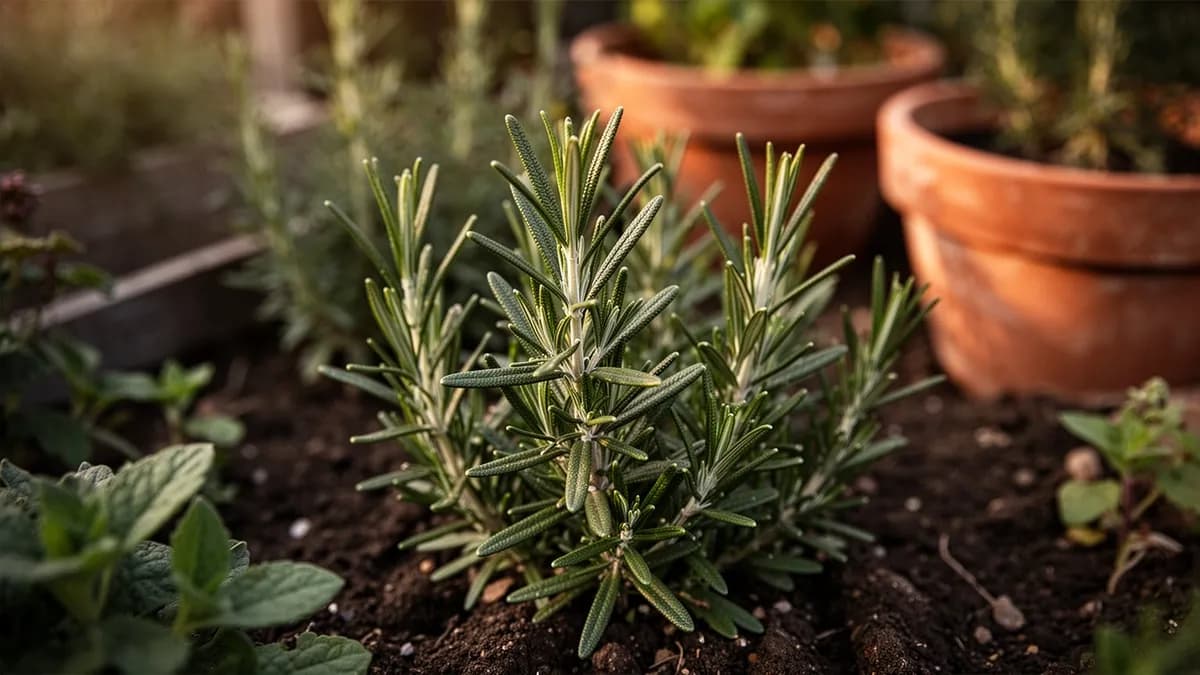
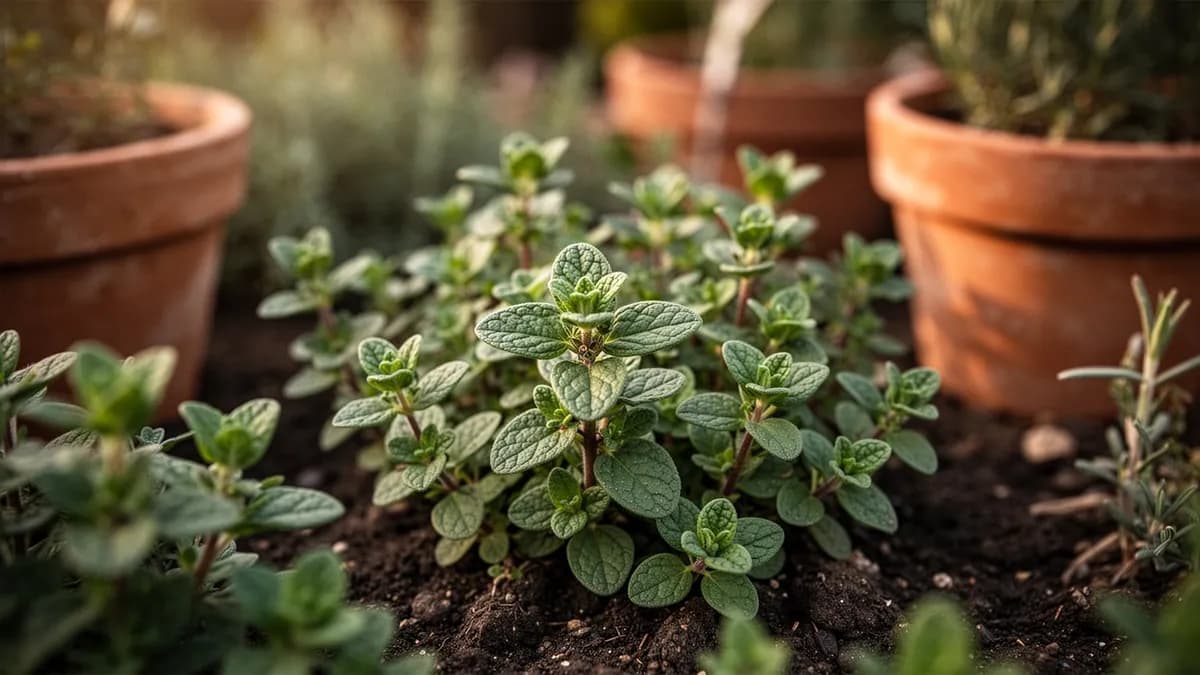
Halte Purpurbasilikum von diesen fern
Gartenpläne mit Purpurbasilikum
Bau deine beste Purpurbasilikum an — und alles drumherum.
Starte heute kostenlos. Lege deine Beete an, setze deine Purpurbasilikum ein und lass PlotMyGarden Timing, Abstände, Begleiter und Erinnerungen von der Saat bis zum Erntekorb übernehmen.