Albahaca limón
Un híbrido de albahaca con un aroma y sabor cítricos muy vivos, muy popular en la cocina indonesia y tailandesa.





En esta páginaResumen
Conoce Albahaca limón
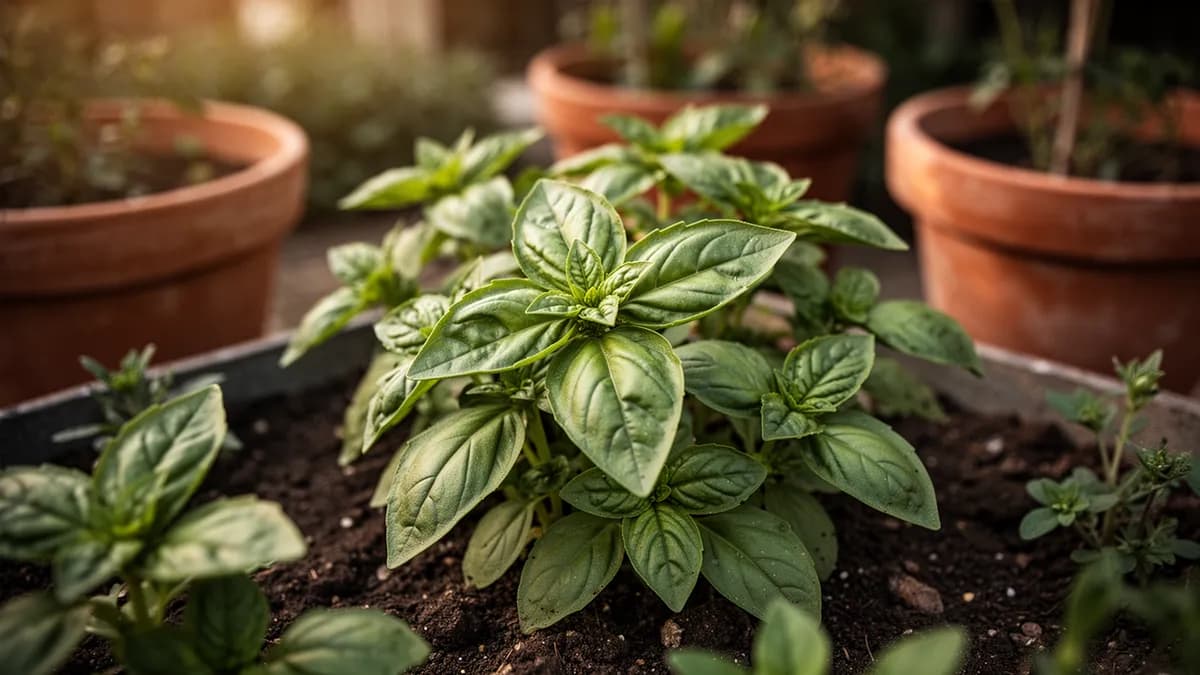
Un híbrido de albahaca con un aroma y sabor cítricos muy vivos, muy popular en la cocina indonesia y tailandesa. Sus plantas compactas producen hojas más pequeñas que la albahaca dulce y desprenden un inconfundible perfume de limón y lima. Resulta excelente para tés, platos de pescado y postres en los que se busca una nota herbal cítrica.
Cuándo plantar Albahaca limón
Siembre las semillas de albahaca limón en interior 6 a 8 semanas antes de la última helada o directamente en el exterior una vez que el suelo alcance 18 °C. Presione las semillas sobre la superficie del sustrato húmedo sin cubrirlas. Mantenga una temperatura del suelo de 21 a 27 °C para que germinen en 5 a 10 días. Las plántulas de albahaca limón son más pequeñas que las de la albahaca dulce y necesitan un trato delicado. Proporcione de 14 a 16 horas de luz intensa al día. Endurezca las plantas durante 7 días antes del trasplante. Para una cosecha continua, haga siembras sucesivas cada 3 semanas desde la primavera hasta mediados del verano.
Tu año de Albahaca limón
Ajustado a Zona 7 · temporada típica · la helada se va hacia el 2 abr y vuelve hacia el 1 nov
Planta Albahaca limón Abr – Jun y cosecha Jun – Sep. Consulta los métodos de plantación y elige tu clima para adaptar los periodos.
Cómo cultivar Albahaca limón
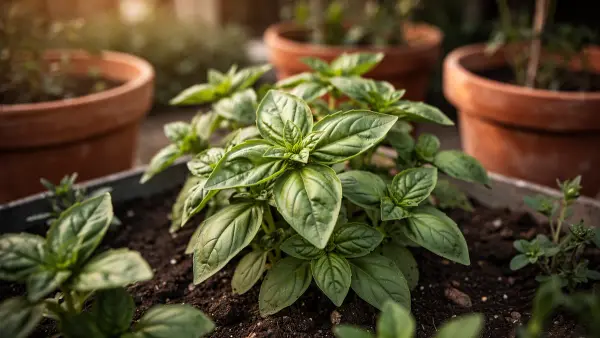
Empiece las semillas de albahaca limón en interior 6 a 8 semanas antes de la última helada o siémbrala directamente en el exterior una vez pasado todo riesgo de frío. Presione las semillas sobre la superficie de un sustrato húmedo para semilleros sin cubrirlas, ya que necesitan luz para germinar. Germinan en 5 a 10 días a 21 a 24 °C. La albahaca limón germina y madura más rápido que muchas otras variedades de albahaca, y a menudo alcanza tamaño de cosecha solo 30 días después de la siembra.
Trasplante las plántulas o aclare las plantas sembradas directamente para dejarlas a 25 a 30 cm de distancia y colóquelas a pleno sol. La albahaca limón es naturalmente compacta, crece de 30 a 45 cm de altura y tiene un porte tupido y redondeado que la hace ideal para macetas, jardineras de ventana y borduras de bancales de hierbas. Plántela en un suelo bien drenado, moderadamente fértil, con un pH de 6.0 a 7.0. Riegue con constancia, pero deje que la superficie del suelo se seque ligeramente entre riegos.
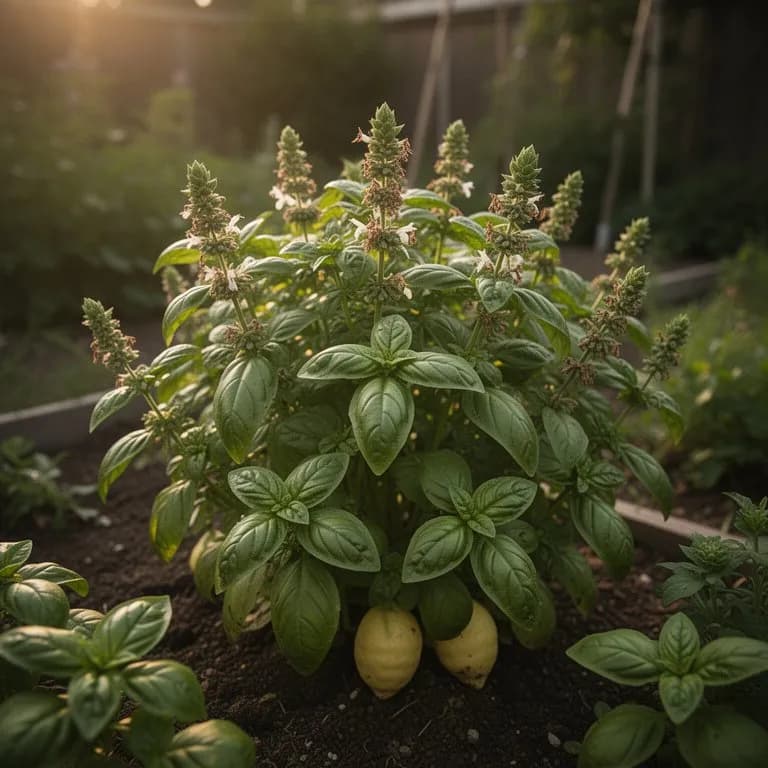
La albahaca limón espiga antes que muchas otras albahacas, sobre todo con calor, así que pellizcar las flores con disciplina es esencial para prolongar la producción de hojas. Una vez que la planta florece, las hojas se vuelven más pequeñas y menos sabrosas. Haga siembras sucesivas cada 3 semanas para mantener un suministro continuo. Las flores blancas atraen polinizadores y también son comestibles, con un sabor cítrico muy concentrado.
36 plantas caben en un bancal de 120 × 240 cm
Cada Albahaca limón pide 25 cm de margen. El planificador guarda ese marco por ti — cada planta, cada bancal.
Los mejores vecinos de Albahaca limón
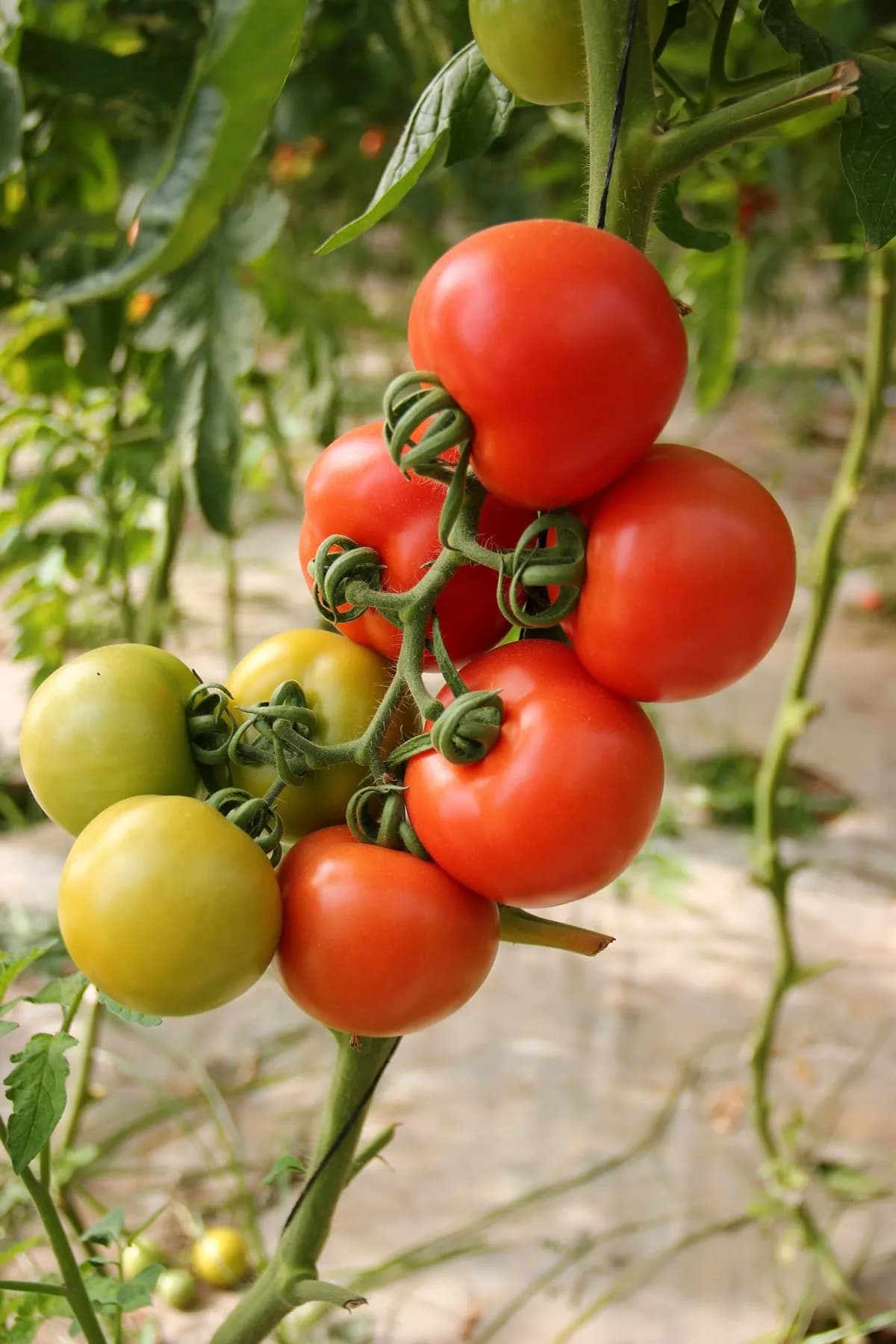
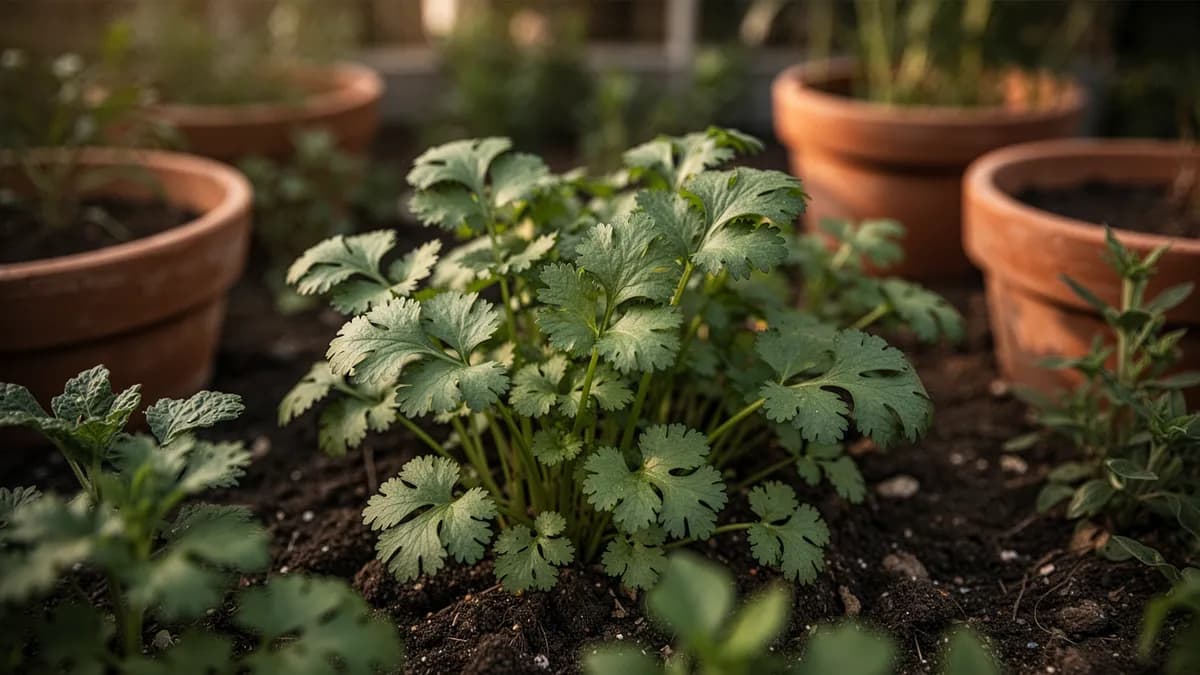
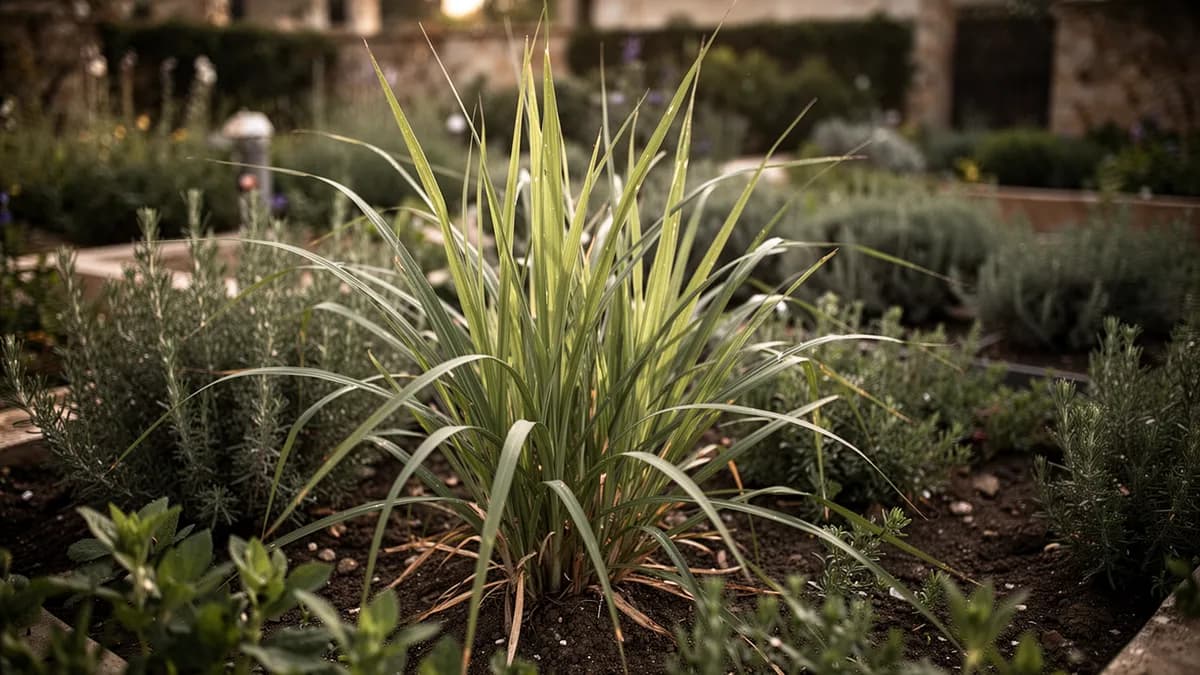
La albahaca limón es una compañera eficaz para tomates, pimientos y berenjenas, ya que sus aceites aromáticos ayudan a disuadir pulgones y mosca blanca. Su aroma cítrico también puede confundir a las plagas que localizan las plantas huésped por el olfato. Plántela junto con cilantro y citronela para crear un huerto aromático del sudeste asiático. Su tamaño compacto la convierte en una excelente planta de borde en bancales de hortalizas. Evite combinarla con salvia, que prefiere condiciones de cultivo más secas que las de la albahaca.
Tomate va a su lado. Salvia no.
Saber de huerto de siempre, cotejado con la tabla real de Albahaca limón — prueba cualquier planta que cultives.
Prueba Albahaca limón en un bancal, aquí mismo
Un bancal real del planificador con Albahaca limón ya plantado. Toca una planta compañera para colocarla y mira cómo responde la comprobación de vecinos: verde para buenos vecinos, rojo si hay conflicto.


Guías de cultivo relacionadas
Abónalo bien
La albahaca limón prospera en un suelo ligero, bien drenado y enriquecido con compost. Lo ideal es un pH de 6.0 a 7.0. Incorpore 2 a 5 cm de compost bien maduro antes de plantar. Abone cada 2 a 3 semanas con un fertilizante líquido equilibrado diluido o con té de compost. La albahaca limón es menos exigente que la albahaca genovesa y puede espigarse si recibe demasiado nitrógeno. El franco arenoso es la textura ideal, porque combina drenaje y fertilidad moderada. En macetas, use un sustrato de calidad mezclado con perlita para mejorar el drenaje.
Temperatura ideal
Compatibilidad de zonas de rusticidad
De la semilla a la cosecha, etapa por etapa
Germinación de la semilla
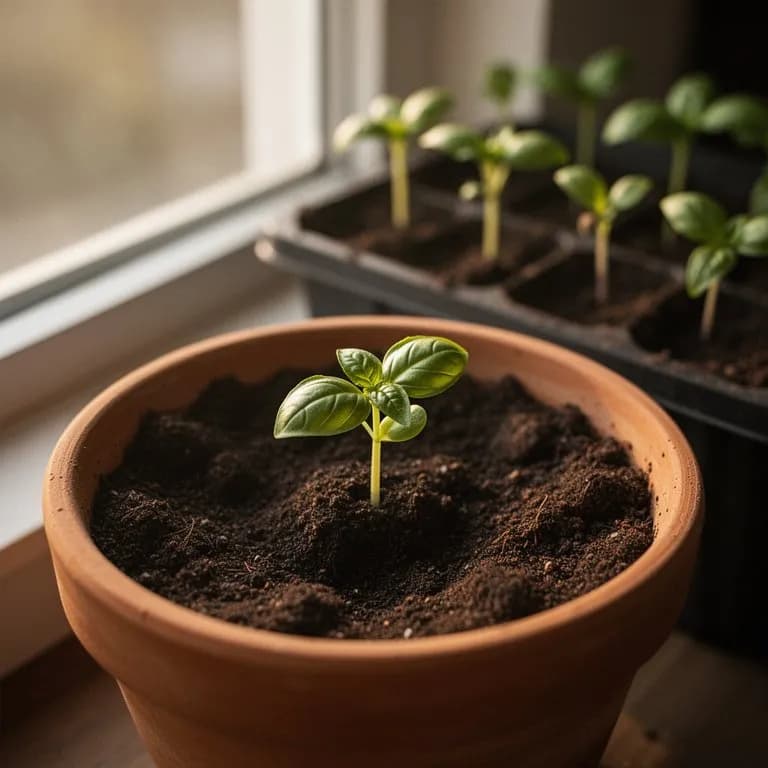
Las semillas de albahaca limón son pequeñas y oscuras, y al humedecerse producen una capa gelatinosa que ayuda a fijarlas a la superficie del suelo. La germinación ocurre en 5 a 10 días cuando la temperatura del suelo se mantiene constantemente por encima de 18 °C. Los brotes emergen con un par de pequeños cotiledones redondeados que ya desprenden un ligero aroma cítrico al rozarlos.
Desarrollo de plántulas
Aparecen las primeras hojas verdaderas, pequeñas, puntiagudas y ligeramente aserradas, de un verde más claro que el de la albahaca dulce. Los tallos son finos y a veces muestran un leve tono púrpura en la base. Las plántulas desarrollan un sistema radicular fibroso y empiezan a producir los aceites esenciales responsables del característico aroma a limón y cítricos.
Crecimiento vegetativo
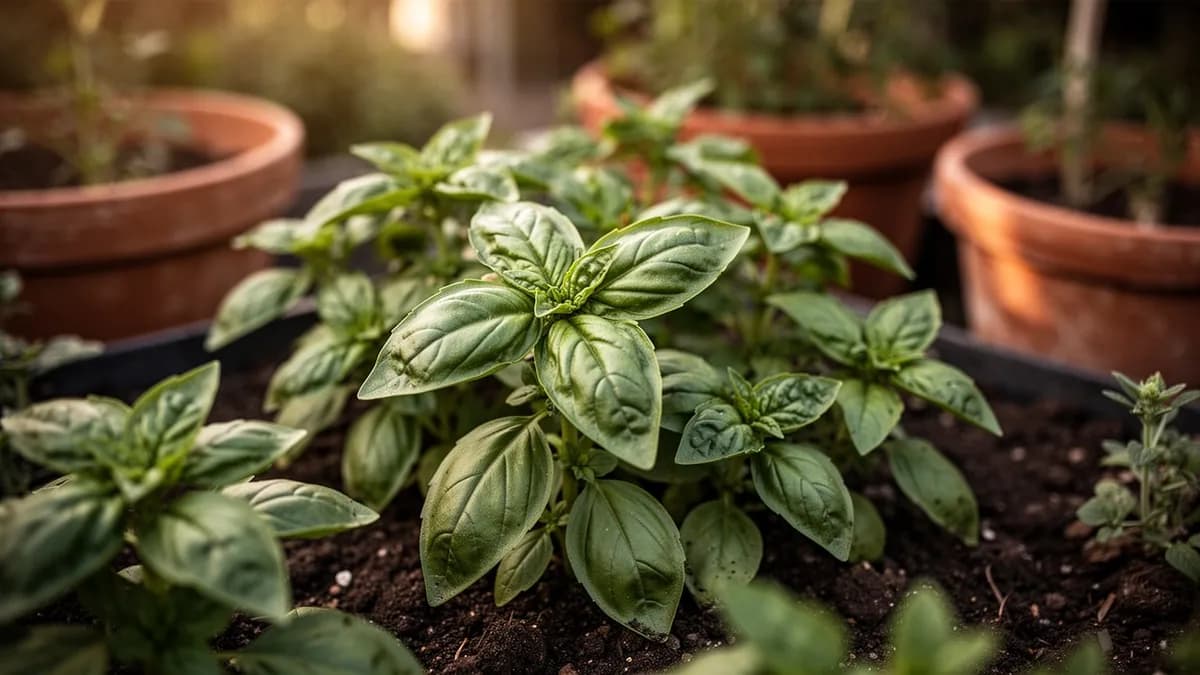
Las plantas crecen con rapidez hasta formar matas compactas y redondeadas de 30 a 45 cm de altura, con un follaje denso y aromático. Los tallos se vuelven algo leñosos en la base, mientras que las puntas de crecimiento siguen verdes y tiernas. La producción de hojas se acelera a medida que se desarrollan ramas laterales desde cada nudo, creando múltiples puntos de cosecha. El aroma a limón se intensifica cuando las glándulas de aceite de las hojas alcanzan su máxima concentración.
Floración
Aparecen espigas altas de flores en los puntos terminales de crecimiento, con verticilos de pequeñas flores tubulares blancas teñidas de un lila pálido. Cada espiga puede alcanzar 10 a 15 cm de largo y atrae abejas, mariposas y otros polinizadores beneficiosos. Cuando empieza la floración, la producción de hojas se ralentiza y las hojas ya formadas pueden volverse algo más amargas, porque la planta redirige energía hacia la semilla.
Formación de semilla y declive
Las flores polinizadas desarrollan pequeñas nuececillas dentro de los cálices florales secos. Las hojas se vuelven más pequeñas, duras y menos aromáticas a medida que la planta anual completa su ciclo. Los tallos se vuelven cada vez más leñosos y las hojas inferiores empiezan a amarillear y caer. En condiciones sin heladas la planta puede durar más, pero la calidad del sabor disminuye mucho después de la formación de semilla.
Siembre las semillas sobre la superficie del sustrato húmedo y presione suavemente. No las entierre, porque las semillas de albahaca necesitan luz para germinar bien. Cubra las bandejas con plástico transparente para mantener la humedad y colóquelas en un lugar cálido. Mejor pulverizar con suavidad que regar en exceso, para no desplazar las semillas diminutas.
Cuidar Albahaca limón mes a mes
Qué hacer cada mes para tu Albahaca limón
Octubre
Mes actualIn most zones, the outdoor season ends with the first frost. Pull spent plants and compost them. Finish drying any harvested leaves in a single layer on screens in a warm, dry room. Continue caring for indoor potted plants with maximum available light and careful watering.
Ten claro qué hacer en tu huerto, cada mes
Un correo al empezar cada mes: qué sembrar, plantar y hacer ahora mismo — para tu Albahaca limón y todo lo que crece alrededor. Más un breve curso inicial para esquivar los errores clásicos.
- Qué hacer ahora mismo
- Ajustado a tu temporada
- Curso inicial incluido
Cosechar Albahaca limón
Coseche la albahaca limón pronto y con frecuencia, ya que esta variedad espiga rápido con el calor. Empiece a cortar cuando las plantas tengan 4 o 5 pares de hojas, incluso tan pronto como 30 días después de la siembra. Corte los tallos justo por encima de un nudo y quite siempre los botones florales para alargar la cosecha. Las hojas tienen su aroma más intenso por la mañana. Sus hojas pequeñas y verde brillante son más delicadas que las de la albahaca dulce, así que conviene manipularlas con suavidad para no magullarlas. Las flores blancas también son comestibles y tienen un sabor cítrico concentrado.
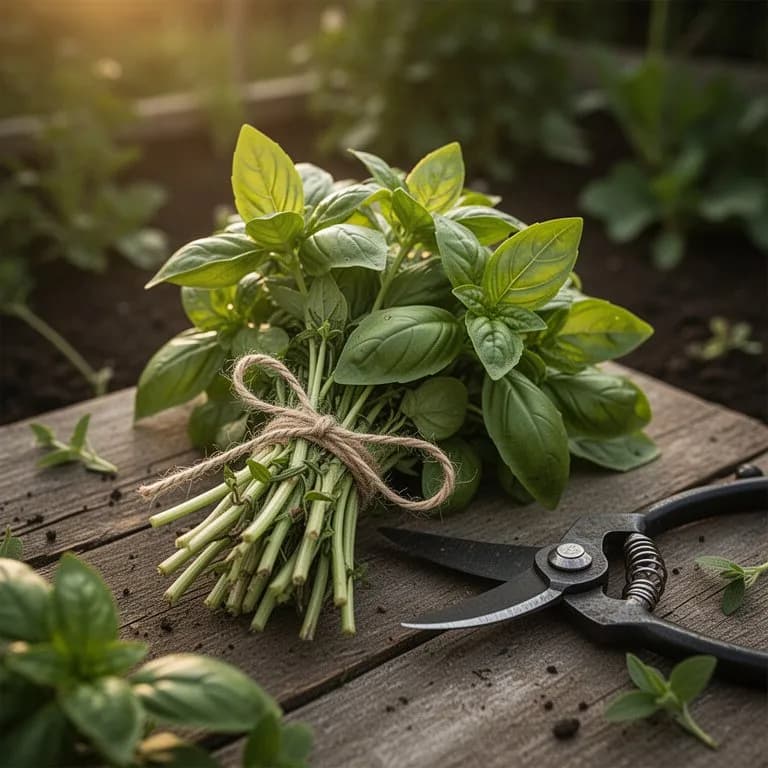
se supone que plantas al comenzar el periodo — indica tu fecha real
Cosecha Albahaca limón a tiempo y la planta sigue produciendo.
Almacenamiento y conservación
La albahaca limón se disfruta mejor fresca, porque su delicado aroma cítrico se desvanece más rápido que el de la albahaca dulce. Guarde los tallos frescos en un vaso con agua a temperatura ambiente hasta 3 días. Para conservarla más tiempo, congele las hojas picadas en cubiteras con agua o con un poco de aceite de oliva. La albahaca limón da un té herbal excelente cuando se seca; deshidrate a 35 °C y guarde en latas herméticas. Infusione hojas frescas en almíbar para cócteles y postres. El vinagre de albahaca limón es un condimento brillante y cítrico que conserva el sabor durante meses.
Qué falla — y cómo solucionarlo
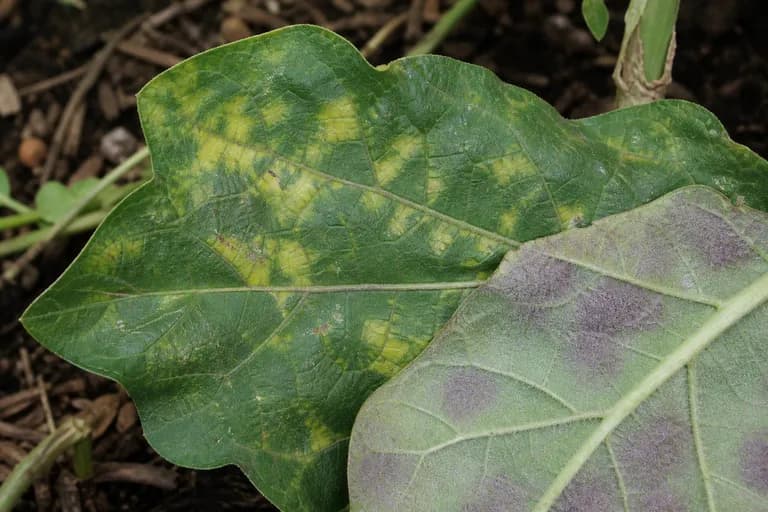
Mildiu velloso
EnfermedadAmarilleo entre las nervaduras, esporulación gris violácea y vellosa en el envés de las hojas, defoliación rápida en condiciones cálidas y húmedas.
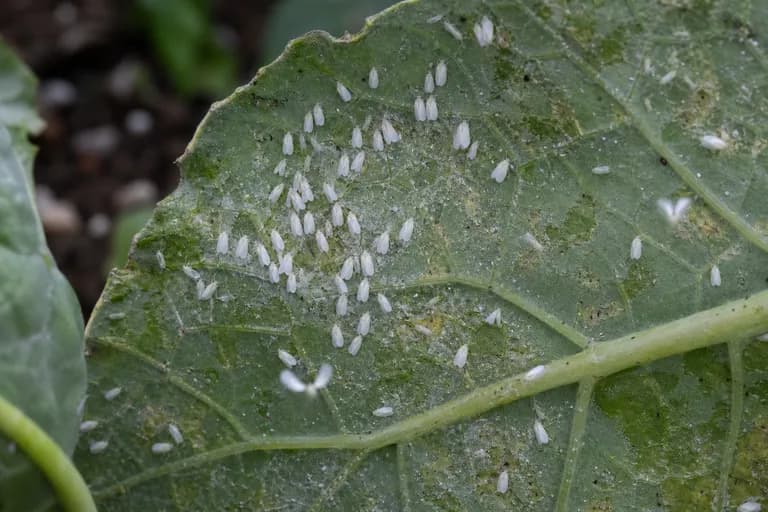
Mosca blanca
PlagaPequeños insectos blancos voladores que se levantan al mover el follaje, melaza pegajosa en las hojas inferiores y amarilleo del follaje.
Solución de problemas comunes
La espigación rápida es el principal reto de la albahaca limón; florece más deprisa que la mayoría de las albahacas, sobre todo cuando las temperaturas superan los 29 °C. Las siembras sucesivas cada 3 semanas aseguran un suministro continuo de hojas tiernas. El marchitamiento en el calor de la tarde es normal si la planta se recupera al anochecer, pero un marchitamiento persistente indica falta de riego. La albahaca limón es especialmente sensible al mildiu velloso en climas húmedos, así que la buena circulación de aire es fundamental. Su porte compacto hace que se pueda llenar de plantas con rapidez, por lo que conviene aclararla para mantener una ventilación adecuada.
Consejos de cultivo
- Siembre las semillas en interior 6 a 8 semanas antes de la última helada para obtener la cosecha más temprana. Póngalas sobre la superficie del sustrato húmedo y presione ligeramente sin cubrirlas, porque las semillas de albahaca necesitan luz para germinar bien. Mantenga la temperatura del suelo entre 21 y 27 °C para que germinen en 5 a 10 días.
- Pellizque la punta principal de crecimiento en cuanto la planta tenga 3 o 4 pares de hojas verdaderas. Esta sola medida convierte una planta de un solo tallo en un ejemplar tupido y muy ramificado, que produce mucho más follaje cosechable durante la temporada. Repita el pellizcado cada 2 o 3 semanas en los nuevos brotes.
- Coseche de arriba abajo y corte siempre justo por encima de un nudo foliar, donde dos hojas salen del tallo. Cada corte estimula dos nuevos brotes laterales desde el nudo inferior y, con cada cosecha, duplica de hecho los puntos de producción. No arranque nunca las hojas inferiores, porque son las que alimentan el rebrote.
- Cultive la albahaca limón en macetas de al menos 20 cm de profundidad y anchura, usando un sustrato de alta calidad con excelente drenaje. Una sola planta prospera en una maceta de 5 litros, o puede colocar tres plantas en una jardinera de 30 cm. Las plantas en contenedor pueden entrar en casa antes de la primera helada para alargar la temporada.
- Plántela junto a tomates y pimientos como compañera. Su fuerte aroma cítrico ayuda a repeler pulgones, mosca blanca y mosquitos, al tiempo que atrae abejas polinizadoras al huerto. Muchos jardineros con experiencia también creen que sus aceites aromáticos mejoran el sabor de los tomates cercanos.
- Riegue de forma uniforme, pero evitando mojar el follaje. El riego por goteo o directamente en la base de la planta es lo ideal. La albahaca limón es propensa a manchas fúngicas en las hojas y al mildiu velloso si queda humedad sobre el follaje, sobre todo en climas húmedos. Riegue por la mañana para que cualquier salpicadura se seque rápido con el sol.
- Abone cada dos semanas con un fertilizante orgánico líquido equilibrado, diluido a media dosis. Evite fertilizantes ricos en nitrógeno, que producen mucho follaje pero menos aroma. El té de compost o el abono de pescado aportan nutrientes suaves y constantes que favorecen tanto la cantidad de hojas como la calidad de los aceites esenciales.
- Vuelva a sembrar cada 3 o 4 semanas desde la primavera hasta mediados del verano para garantizar un suministro continuo de plantas jóvenes, tiernas y muy aromáticas. Las plantas viejas acaban por volverse leñosas y pierden intensidad aromática incluso con un buen pellizcado. Las plantas jóvenes frescas siempre producen las hojas más fragantes.
- Proteja las plantas de temperaturas inferiores a 10 °C cubriéndolas con manta de cultivo o trasladando las macetas al interior. La albahaca limón es más sensible al frío que la albahaca dulce y muestra daños por frío como bordes ennegrecidos en las hojas mucho antes de helarse. Una sola noche fría puede arruinar toda la cosecha.
- Seque las hojas sobrantes para té de invierno extendiéndolas en una sola capa sobre rejillas en una habitación cálida, oscura y bien ventilada. Las hojas se secan en 3 a 5 días y deben guardarse en frascos de vidrio herméticos, lejos de la luz. También puede congelar hojas enteras en aceite de oliva usando cubiteras para tener un toque rápido de sabor en platos cocinados.
Cultiva tu mejor Albahaca limón — y todo lo que la rodea.
Empieza un plan gratis hoy. Diseña tus bancales, coloca tu Albahaca limón y deja que PlotMyGarden gestione el momento, el espaciado, las asociaciones y los recordatorios de la semilla a la cesta.
Elige tu Albahaca limón
Mrs. Burns' Lemon Basil
Una variedad patrimonial de Nuevo México con un aroma a limón intensísimo y hojas más grandes que las de la especie. Excelente para tés y sopas del sudeste asiático.
Sweet Dani Lemon Basil
Ganadora de All-America Selections con alto contenido de citral que le da un aroma a limón extraordinariamente fuerte. Plantas compactas, ideales para macetas y borduras.
La albahaca limón fresca rara vez se encuentra en los supermercados habituales y suele alcanzar precios premium de 3 a 5 euros por manojo pequeño (15 a 25 g) en mercados de agricultores y tiendas especializadas. Una sola bolsita de semillas por 2 a 4 euros puede producir 50 a 100 plantas, mucho más de lo que necesita una casa. Incluso cultivando solo 3 o 4 plantas, se obtiene en una temporada más de un kilo de hojas frescas con un valor de mercado de 40 a 80 euros. Las mezclas de té de albahaca limón seca se venden en tiendas especializadas por 8 a 15 euros por bote pequeño, pero una sola planta de jardín produce suficientes hojas para llenar varios recipientes. El ahorro real aumenta si se suman ingredientes que la albahaca limón puede sustituir en muchas recetas, como la citronela fresca y la verbena de limón.
Recetas rápidas
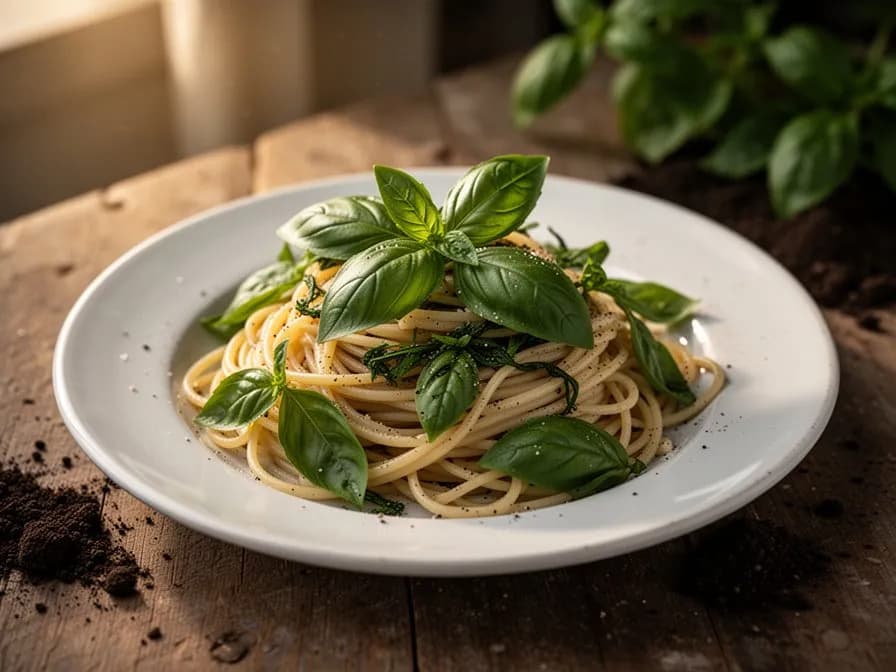
Pesto de albahaca limón
10 minUna versión vibrante del pesto clásico que sustituye la albahaca dulce por albahaca limón para obtener una salsa fresca y cítrica. Perfecta para pasta fina, sobre pescado a la parrilla o como salsa para pan crujiente. Su nota cítrica natural hace innecesario añadir zumo de limón.
6 ingredientesTé herbal de albahaca limón
5 minUna infusión reconfortante, naturalmente sin cafeína, que captura la frescura cítrica de la albahaca limón. Servido caliente con miel en las noches frescas o frío con una ramita de menta por la tarde en verano, este té es relajante, refrescante y totalmente de huerto.
5 ingredientesSalteado de pollo con albahaca limón
20 minInspirado en el pad krapao tailandés, este salteado rápido incorpora la albahaca limón al final para obtener un plato aromático y brillante. El sabor cítrico de la hierba combina muy bien con pollo, ajo, chiles y judías verdes crujientes. Sirva sobre arroz jazmín para una cena completa y fresca.
10 ingredientesUsos culinarios
La albahaca limón aporta un sabor herbal cítrico y fresco a pescados, mariscos y aves. Se utiliza mucho en la cocina indonesia y tailandesa, especialmente en sopas y currys. Sus hojas dan un té herbal refrescante, tanto fresco como seco. Úsela en ensaladas de frutas, sorbetes y como adorno de postres donde sus notas cítricas complementan frutos rojos y frutas de hueso. También es excelente en bebidas frías de verano, limonadas y cócteles.
Qué contiene
Beneficios para la salud
- Rica en citral y otros monoterpenos que en estudios de laboratorio muestran una actividad antioxidante notable y ayudan a neutralizar radicales libres, reduciendo el estrés oxidativo celular asociado al desarrollo de enfermedades crónicas.
- Contiene altas concentraciones de ácido rosmarínico, un polifenol con propiedades antiinflamatorias documentadas que puede ayudar a aliviar síntomas de alergias leves, artritis y otros trastornos inflamatorios cuando forma parte de una dieta equilibrada.
- Excelente fuente de vitamina K, con más del 400 % del valor diario por 100 g de hojas frescas. Es esencial para una coagulación correcta, el mantenimiento de la densidad mineral ósea y la salud cardiovascular al regular el metabolismo del calcio.
- La medicina tradicional del sudeste asiático y la ayurvédica han usado durante mucho tiempo infusiones de albahaca limón para favorecer el confort digestivo, aliviar la hinchazón y calmar las náuseas. La investigación moderna atribuye estos efectos a su contenido de eugenol y aceites esenciales, que actúan como carminativos naturales.
- Los aceites esenciales de las hojas de albahaca limón, especialmente linalol y citronelol, han demostrado en estudios antimikbianos propiedades frente a patógenos alimentarios comunes, apoyando la tradición de servir albahaca fresca con alimentos crudos y cocinados.
- Contiene cantidades apreciables de betacaroteno (provitamina A), que el cuerpo convierte según necesidad en vitamina A activa y que ayuda a mantener una visión sana, una respuesta inmunitaria robusta y la renovación de las células de la piel sin el riesgo de toxicidad asociado a los suplementos de retinol ya formado.
De dónde viene Albahaca limón
Lemon basil (Ocimum x citriodorum) is a naturally occurring hybrid that arose from crosses between sweet basil (Ocimum basilicum) and hoary basil (Ocimum americanum), likely originating in the tropical regions of southern and Southeast Asia where both parent species grow wild. While the exact time and place of its first cultivation remain uncertain, lemon basil has been an integral part of Southeast Asian culinary and medicinal traditions for centuries, with deep roots in the cuisines of Indonesia, Thailand, Laos, and the Philippines.
In Indonesia, lemon basil — known as kemangi — is perhaps the most culturally significant herb after pandan. It is served raw alongside grilled fish, mixed into sambal, scattered over fried rice, and considered essential in dozens of regional dishes from Sumatra to Sulawesi. Thai cuisine uses it as maenglak, particularly in the fiery, aromatic laksa soups and curries of the southern provinces where its citrus brightness cuts through rich coconut milk-based broths. Throughout the Malay Peninsula and the Philippines, lemon basil leaves are stuffed into spring rolls, folded into stir-fries, and steeped into herbal teas believed to calm the stomach and soothe headaches.
Lemon basil reached European and American herb gardens relatively recently compared to sweet basil, gaining attention primarily through the growing global interest in Southeast Asian cooking during the 1980s and 1990s. Western gardeners quickly recognized its dual value: a productive, easy-to-grow annual herb that delivers genuine lemon fragrance without the challenges of growing citrus trees or lemongrass in temperate climates. Seed companies began offering named cultivars like Mrs. Burns Lemon, Lime, and Sweet Dani, each selected for stronger citral content, improved leaf size, or delayed flowering.
Today, lemon basil enjoys worldwide popularity among home gardeners, craft cocktail makers, herbal tea enthusiasts, and chefs seeking a fresh citrus-herb accent that no other single plant provides. Its compact growth habit, rapid maturity, and suitability for container culture have made it one of the most recommended herbs for beginner gardeners and apartment balcony growers alike.
Albahaca limón: ¿sabías que?
Datos fascinantes sobre Albahaca limón
Lemon basil (Ocimum x citriodorum) is a natural hybrid between sweet basil (Ocimum basilicum) and African basil (Ocimum americanum), combining the culinary versatility of sweet basil with a bright citral-driven lemon fragrance found nowhere else in the basil family.
Albahaca limón: preguntas frecuentes
¿Cuándo debo plantar Albahaca limón?
¿Cuáles son buenas plantas acompañantes para Albahaca limón?
¿En qué zonas de rusticidad puede crecer Albahaca limón?
¿Cuánto sol necesita Albahaca limón?
¿A qué distancia debo espaciar Albahaca limón?
¿Qué plagas y enfermedades afectan a Albahaca limón?
¿Cómo almaceno Albahaca limón después de la cosecha?
¿Cuáles son las mejores variedades de Albahaca limón para cultivar?
¿Qué suelo necesita Albahaca limón?
¿Cuál es la diferencia entre la albahaca limón y la albahaca dulce?
¿Puedo cultivar albahaca limón en interior todo el año?
¿Por qué mi albahaca limón espiga una y otra vez aunque le pellizque las puntas?
¿La albahaca limón sirve para cocinar y para té?
¿Cómo conservo la albahaca limón para el invierno?
¿Qué plagas y enfermedades debo vigilar en la albahaca limón?
Acabas de leer la teoría. Ahora cultívala en piloto automático.
Todo lo que hace que Albahaca limón sea delicado — el momento, el espaciado, las asociaciones, la ventana de cosecha — es justo lo que PlotMyGarden resuelve por ti, para cada planta de tu huerto.
Un plan que conoce tu clima
Indica tu ubicación una vez. Recibe fechas de siembra, abonado y cosecha basadas en tu última helada real y el pronóstico en vivo — sin adivinar con un sobre genérico.
De la sección “Cuándo plantar”Planificador de bancales de arrastrar y soltar
Diseña bancales sobre una cuadrícula. Cada planta encaja con su espaciado correcto y ves toda la temporada antes de gastar un céntimo en semillas.
De la sección “Cultivo”Conflictos de asociación, detectados a tiempo
Más de 200 buenas y malas combinaciones comprobadas en vivo mientras plantas — para que un error que arruine la temporada nunca llegue a la tierra.
De la sección “Asociaciones”Recordatorios que sí vas a seguir
“Riega las judías.” “Recoge hoy antes de que se pase.” Oportunos, concretos y ligados a las plantas que de verdad cultivas.
De la sección “Cosecha”Escalonado, programado
¿Quieres cosechar seis semanas en vez de seis días? Reparte tus siembras automáticamente y te avisa cuando toca el siguiente lote.
De la sección “Cuándo plantar”Un registro que se vuelve más listo
Cada cosecha que registras le enseña tu huerto. El plan del año que viene parte de lo que de verdad funcionó en tu suelo, no en un manual.
De la sección “Resumen”Planta estos junto a Albahaca limón
Más Hierbas culinarias
Mantén Albahaca limón lejos de estos
Diseños de jardín con Albahaca limón
Cultiva tu mejor Albahaca limón — y todo lo que la rodea.
Empieza un plan gratis hoy. Diseña tus bancales, coloca tu Albahaca limón y deja que PlotMyGarden gestione el momento, el espaciado, las asociaciones y los recordatorios de la semilla a la cesta.