Holy Basil
Also known as tulsi in Ayurvedic tradition, this peppery and clove-scented basil is sacred in Hindu culture and widely used in Thai stir-fries.





On this pageOverview
Meet Holy Basil
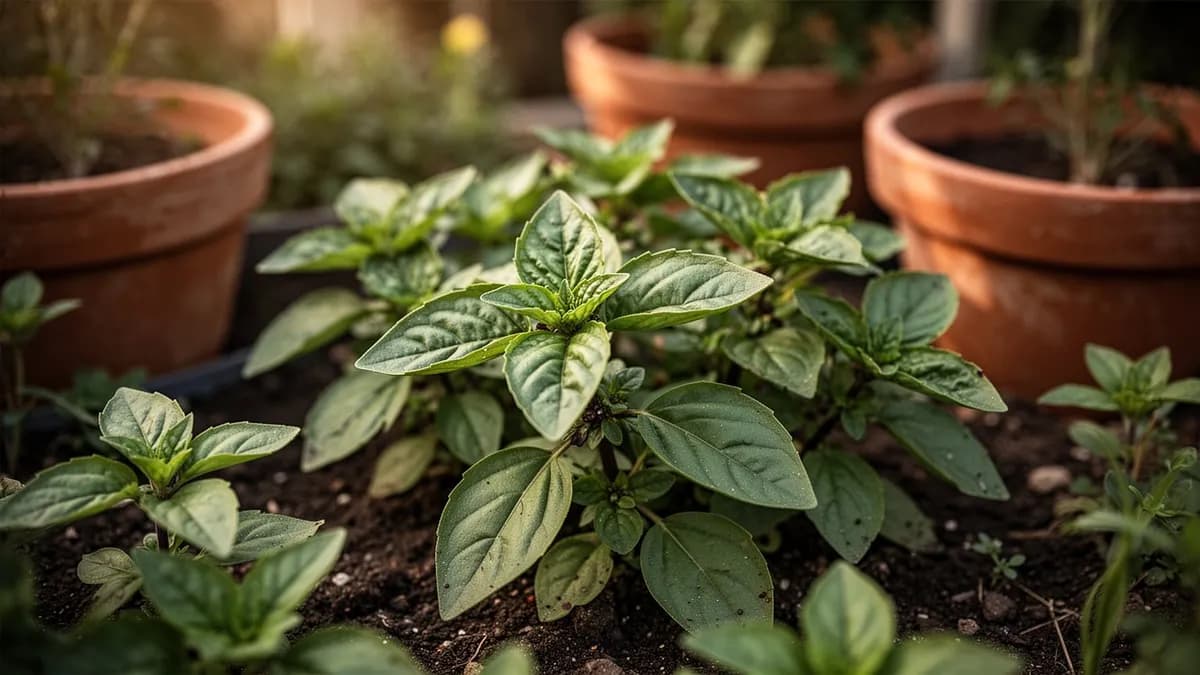
Also known as tulsi in Ayurvedic tradition, this peppery and clove-scented basil is sacred in Hindu culture and widely used in Thai stir-fries. Holy basil is more heat-tolerant than sweet basil and produces a complex, spicy flavor when cooked. Grow in warm conditions with regular watering and harvest leaves frequently for the best flavor.
When to plant Holy Basil
Sow holy basil seeds indoors 8-10 weeks before the last expected frost. Some growers cold-stratify seeds for 1 week in the refrigerator before sowing to improve germination. Scatter seeds on moist seed-starting mix and press gently without covering. Maintain soil temperature of 75-85°F using a heat mat and cover trays with a humidity dome. Germination takes 10-21 days, slower than common basil. Provide 14-16 hours of light once seedlings emerge. Transplant outdoors only when night temperatures stay above 60°F.
Your Holy Basil Year
Composed for Zone 7 · typical seasons · frost passes Apr 2, returns Nov 1
Plant Holy Basil Apr – Jun, pick Jun – Sep. Check the planting methods below and set your climate to personalize these windows.
How to grow Holy Basil
Start holy basil (tulsi) seeds indoors 8-10 weeks before the last frost, as germination can be slower than common basil. Surface-sow seeds on moist seed-starting mix, pressing gently without covering. Holy basil seeds need light, warmth (75-85°F), and humidity for germination, which takes 10-21 days. Some growers cold-stratify seeds in the refrigerator for one week before sowing to improve germination rates.
Transplant seedlings outdoors once nighttime temperatures consistently stay above 60°F. Holy basil is the most heat-loving basil variety and thrives in hot, humid conditions that would stress sweet basil. Space plants 12-18 inches apart in full sun with fertile, well-drained soil. Water regularly, keeping soil consistently moist but never waterlogged.
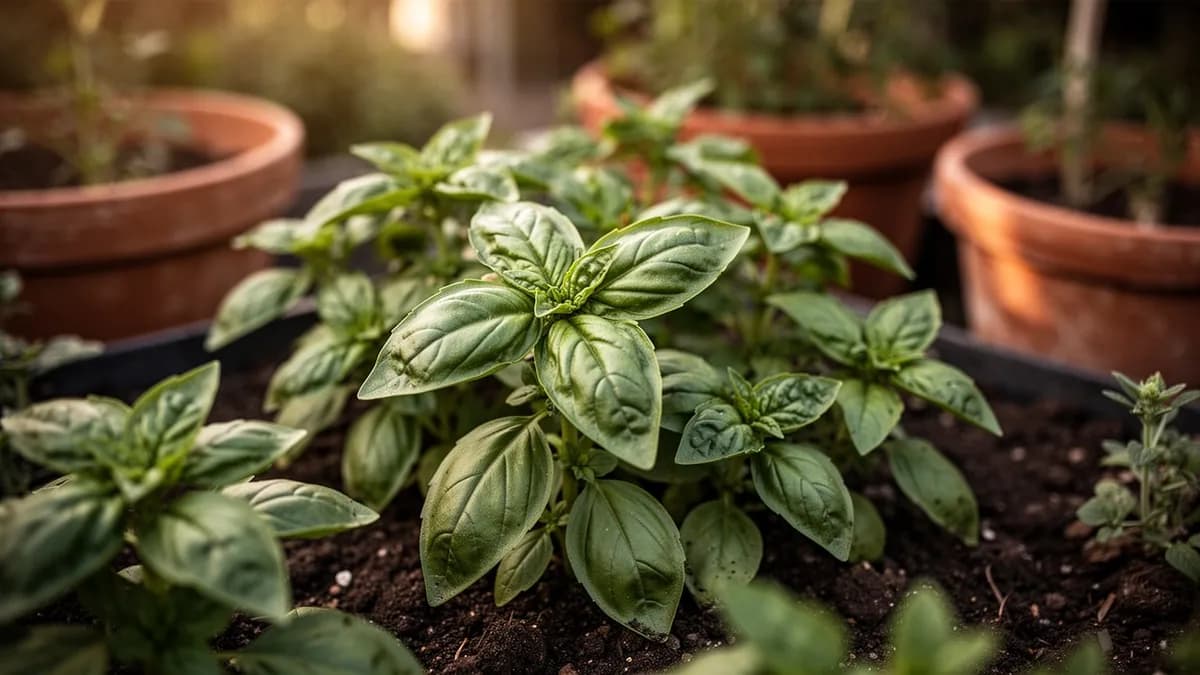
Holy basil grows as a short-lived perennial in tropical climates but is grown as an annual in temperate zones. Plants reach 18-24 inches with slightly fuzzy, serrated green or purple-tinged leaves. Unlike culinary basils, holy basil's flavor actually improves with some flowering, and the plant's medicinal properties are considered strongest when blooming. However, pinching some flowers still helps prolong the vegetative growth period and leaf production.
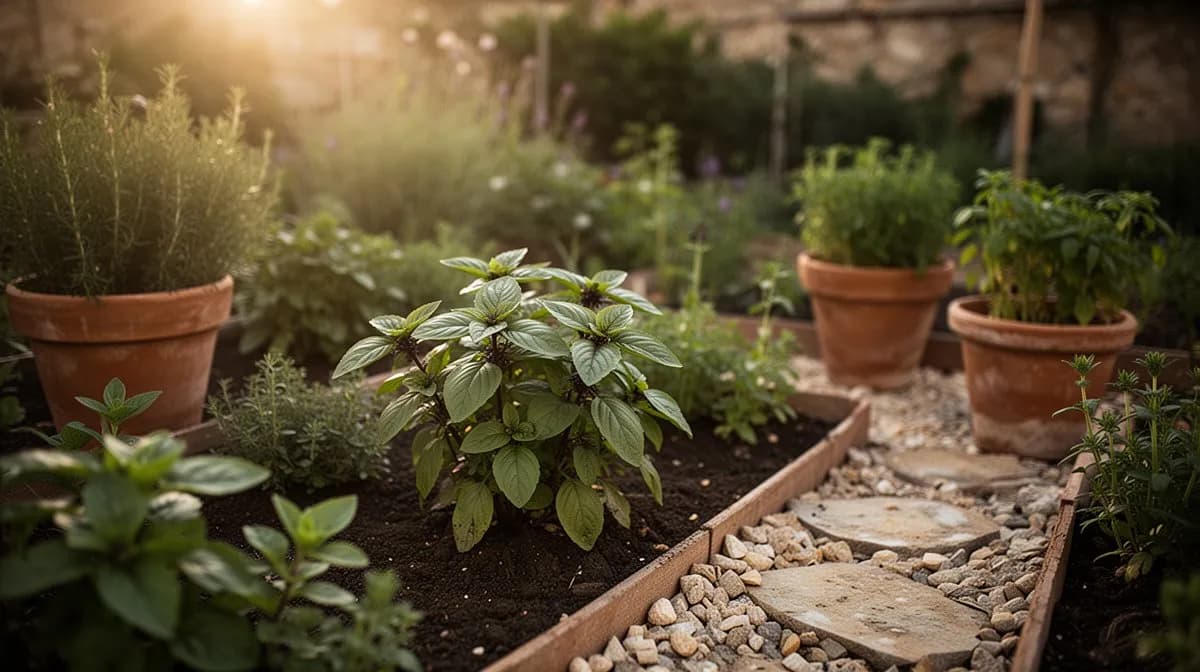
32 plants fit a 4 × 8 ft bed
Each Holy Basil wants 30 cm of elbow room. The planner keeps that spacing for you — every plant, every bed.
Holy Basil's best neighbours
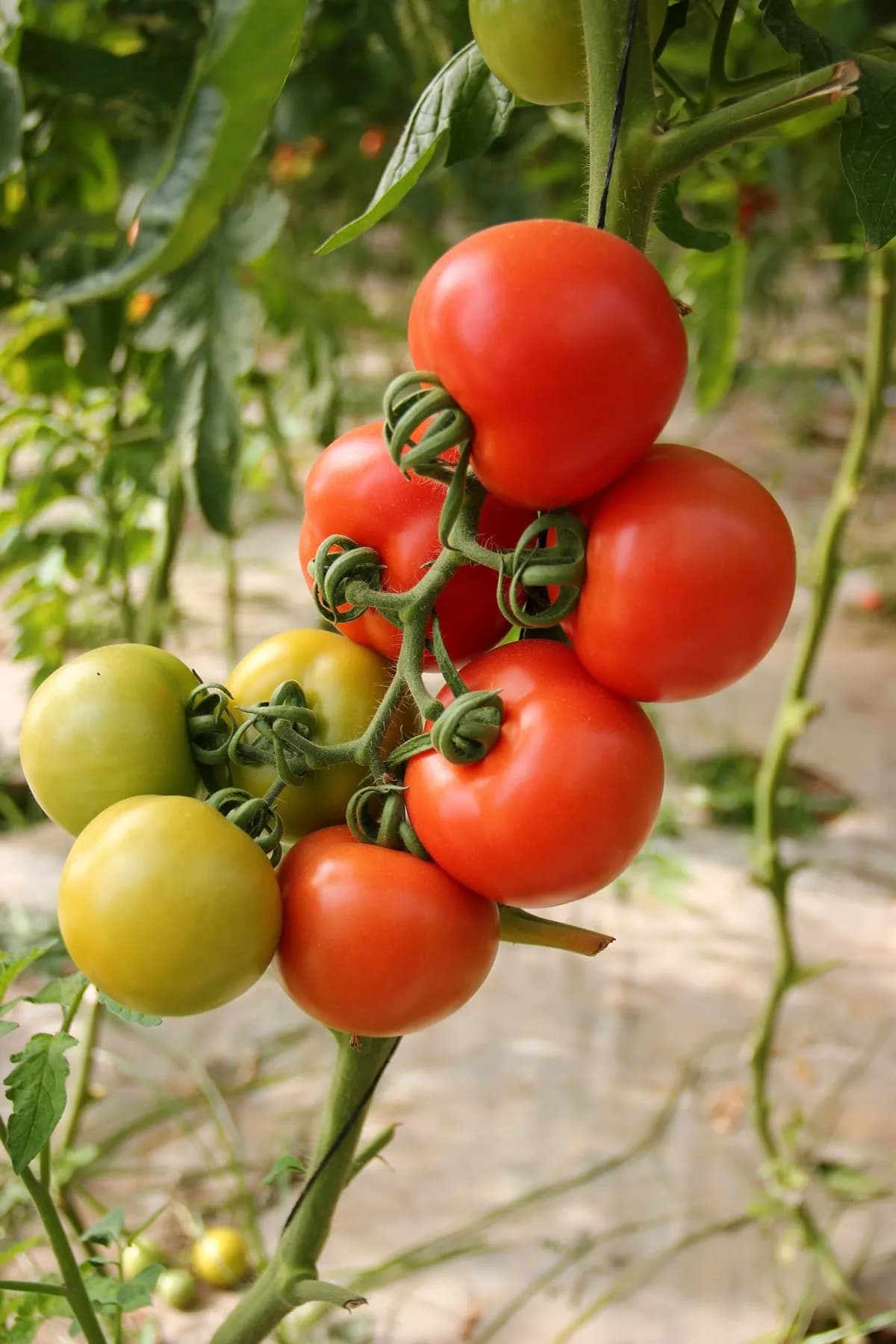
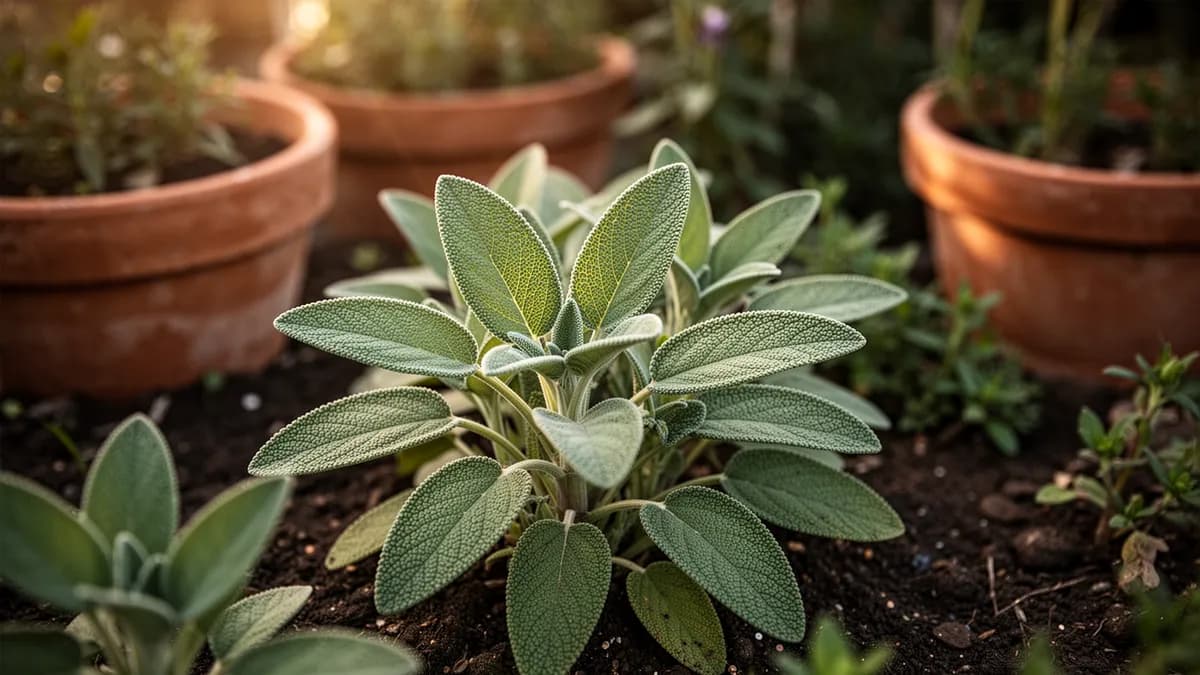
Holy basil repels mosquitoes, flies, and certain beetles with its strong aromatic oils, making it a valuable companion plant throughout the garden. In its native India, tulsi is traditionally planted near doorways and in courtyards for its insect-repellent properties. Plant near tomatoes and peppers for pest deterrence and pollinator attraction. The flowers are particularly attractive to bees and beneficial wasps. Avoid planting near sage, which has conflicting moisture requirements. Holy basil grows well with other tropical herbs like lemongrass and ginger.
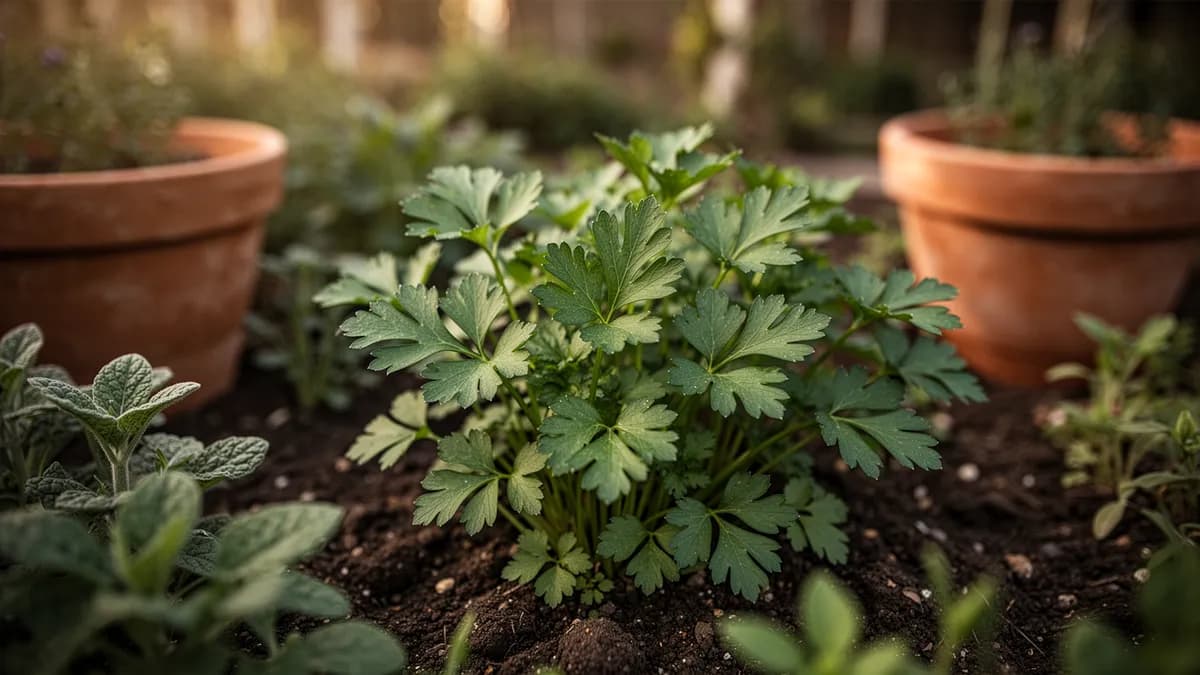
Tomato belongs beside it. Sage doesn't.
Old growers' knowledge, checked against Holy Basil's real companion table below — test any plant you're growing.
Try Holy Basil in a bed — right here
A real planner bed with Holy Basil already in it. Tap a companion to place it and watch the pairing checks answer — green for good neighbours, red for a clash.


Related growing guides
Feed it well
Holy basil prefers rich, fertile, well-drained soil with a pH of 6.0-7.5. Amend beds with plenty of compost, as holy basil is a heavier feeder than many Mediterranean herbs. Feed every 2-3 weeks with a balanced organic liquid fertilizer during the growing season. Well-rotted manure applied at planting time provides excellent slow-release nutrition. Mulch around plants to retain moisture and keep roots warm. Holy basil tolerates slightly heavier soils than sweet basil but still requires good drainage to prevent root diseases.
Ideal Temperature
Hardiness Zone Compatibility
From seed to harvest, stage by stage
Seed Germination
Holy basil seeds are tiny and should be surface-sown or barely covered with 2-3 mm of fine soil or vermiculite. Seeds require light, warmth, and consistent moisture to germinate. At optimal soil temperatures of 20-25°C (68-77°F), germination occurs in 7-14 days. Seeds are slow and erratic below 18°C (65°F).
Seedling Development
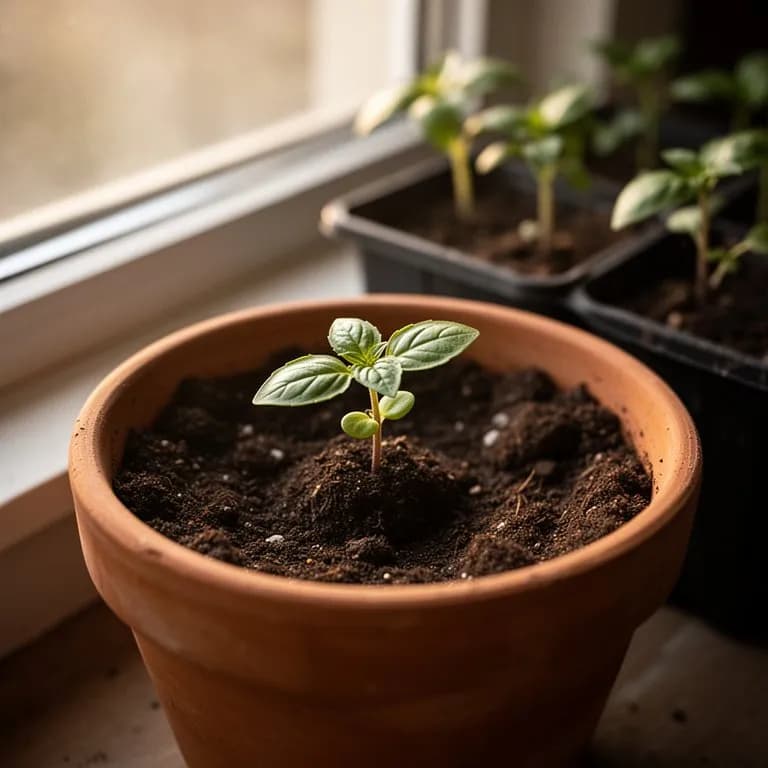
Cotyledon leaves give way to the first true leaves, which are small, oval, and lightly serrated with the characteristic clove-peppery fragrance of holy basil. Seedlings develop a thin but strengthening central stem that begins to show hints of the purple coloring typical of many tulsi varieties. Root systems are establishing but still delicate.
Vegetative Growth
The plant enters a rapid growth phase, developing a woody central stem with multiple branching side shoots. Leaves are fully developed — oval to elliptical with serrated margins, covered in fine aromatic hairs, and intensely fragrant when touched. Plants grow 30-60 cm tall and wide, forming attractive bushy mounds of aromatic foliage.
Flowering
Elongated flower spikes (racemes) emerge from stem tips bearing whorls of small tubular flowers in shades of purple, pink, or white depending on the variety. The flowers are highly attractive to bees, butterflies, and other pollinators. Leaves remain harvestable during flowering but may become slightly less tender as the plant redirects energy to reproduction.
Seed Setting
After pollination, small nutlet seeds develop within the spent flower calyxes. Seeds are tiny, dark brown to black, and develop a mucilaginous coating when wet — a property valued in traditional beverages. The plant begins to slow its vegetative growth and lower leaves may yellow and drop as energy is directed to seed maturation.
Late Season Decline
As temperatures drop below 10°C (50°F), holy basil — a tropical perennial grown as an annual in temperate climates — begins to decline. Leaves darken, growth halts, and stems become increasingly woody. The first light frost will kill the plant. In tropical zones (10-12), holy basil is a short-lived perennial lasting 2-3 years.
Start seeds indoors 6-8 weeks before the last frost date. Press seeds gently onto moist seed-starting mix without burying them deeply — they need light to germinate. Cover trays with clear plastic to maintain humidity and place on a heat mat set to 22-25°C (72-77°F). Mist daily to keep the surface moist without waterlogging.
Caring for Holy Basil month by month
What to do each month for your Holy Basil
October
You are hereIn zones 8 and below, the first frost will kill holy basil. Harvest all remaining foliage before frost arrives. Collect dried seed heads and store seeds in paper envelopes in a cool, dry place. Bring potted plants indoors to a sunny windowsill or under grow lights.
Know exactly what to do in your garden — every month
One email at the start of each month: what to sow, plant, and tackle right now — for your Holy Basil and everything growing around it. Plus a short starter course that helps you dodge the classic mistakes.
- What to do, right now
- Matched to your season
- Starter course included
Harvesting Holy Basil
Begin harvesting holy basil leaves once plants are well-established with at least 5-6 sets of leaves, about 40-50 days after sowing. Snip individual stems or pinch leaf clusters from branch tips. Holy basil's flavor is more pungent when raw and becomes complex and mellow when cooked. For medicinal tea, harvest leaves and tender stems throughout the season. Unlike culinary basils, some flowering is acceptable and even desirable for holy basil's traditional uses. Harvest regularly to maintain plant vigor and prevent excessive woodiness.
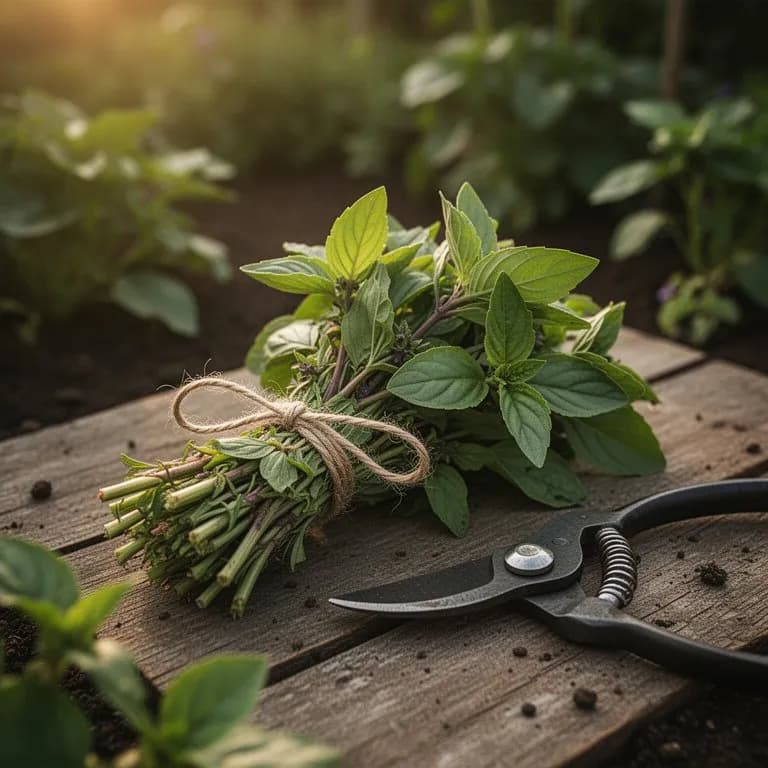
assuming you plant when the window opens — set your real date
Pick Holy Basil promptly and the plant keeps producing.
Storage & Preservation
Fresh holy basil wilts quickly after picking, so use it as soon as possible or store stems in water at room temperature. For drying, spread leaves on screens in a warm, well-ventilated area away from direct sun for 3-5 days. Dried tulsi leaves make excellent herbal tea and retain their medicinal properties well. Store dried leaves in airtight glass jars for up to a year. Fresh leaves can be pureed with water and frozen in ice cube trays for later use in cooking. Holy basil tincture made by steeping leaves in alcohol preserves the herb for extended periods.
What goes wrong — and the fix
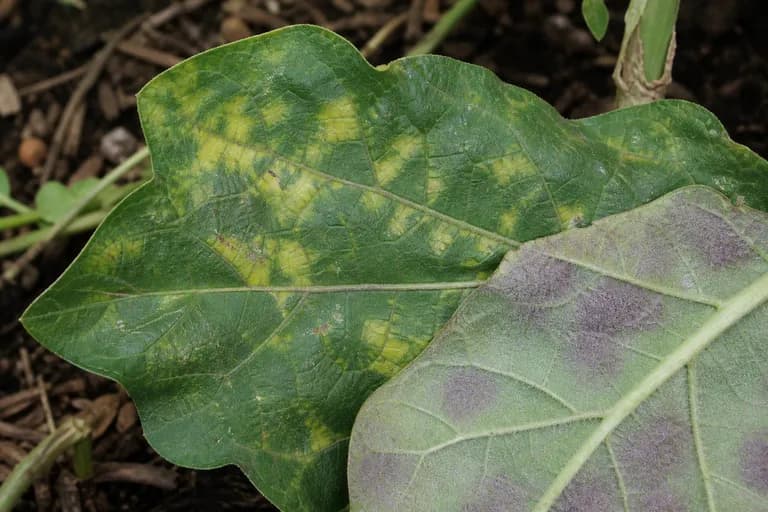
Downy Mildew
DiseaseYellowish patches on upper leaf surfaces, grey-brown fuzzy growth on undersides, progressive leaf drop from the bottom upward.
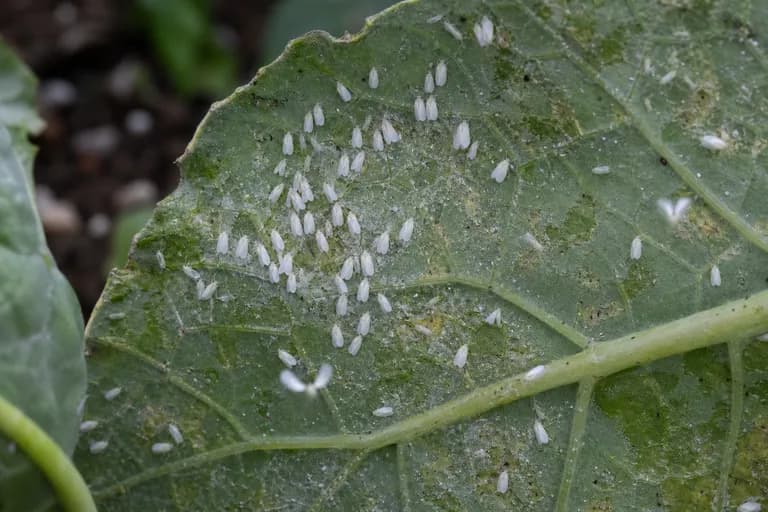
Whiteflies
PestSmall white flying insects that scatter when foliage is touched, sticky honeydew, yellowing and weakening of plants.
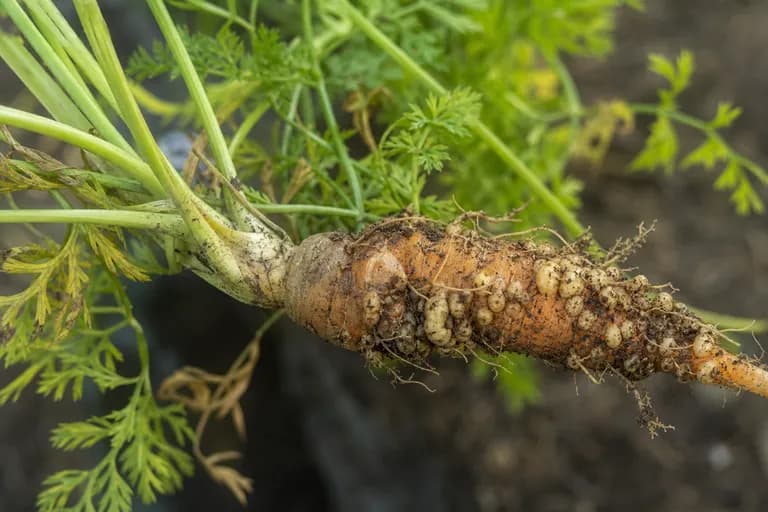
Root Knot Nematodes
PestStunted growth despite adequate water and fertilizer, yellowing foliage, swollen galls visible on roots when plants are pulled.
Troubleshooting Common Problems
Holy basil requires more heat than other basil varieties and will sulk or grow slowly if temperatures are below 70°F. Do not rush outdoor transplanting in spring. Slow germination frustrates many growers; be patient and maintain warm, humid conditions for 2-3 weeks. In temperate climates, the growing season may be too short for holy basil to reach full maturity, so starting seeds early indoors is essential. Excessive rainfall can cause fungal issues; provide raised beds or well-drained containers in wet climates. Plants become woody at the base by late season.
Growing Tips
- Start holy basil seeds indoors on a heat mat because it requires consistently warm soil above 20°C (68°F) for reliable germination. Unlike sweet basil, tulsi is particularly slow and erratic at cooler temperatures, and rushing outdoor sowing before the soil warms leads to poor stands and frustration.
- Surface-sow seeds and press gently into moist soil without covering them deeply. Holy basil seeds need light to trigger germination. A thin dusting of vermiculite helps retain moisture around the seed while still allowing light penetration.
- Pinch the growing tip early and often — once plants reach 15 cm tall, begin pinching stem tips back to just above a leaf pair. This forces branching and transforms a single-stemmed plant into a bushy, productive shrub that yields far more harvestable foliage over the season.
- Plant holy basil in the warmest, most sheltered spot in your garden. South-facing walls, raised beds, and dark-colored containers that absorb heat all help provide the extra warmth tulsi craves. Avoid exposed, windy locations that cool the plant and slow growth.
- Do not overwater holy basil — it is more drought-tolerant than sweet basil and prefers soil that dries slightly between waterings. Soggy roots invite fungal diseases and root rot. Water deeply once or twice a week rather than giving frequent light sprinklings.
- Harvest regularly by cutting stems rather than plucking individual leaves. Cut stems just above a leaf node, taking the top third of the branch. The plant responds by producing two new shoots from the node below, doubling your future harvest points with each cut.
- Grow holy basil near tomatoes, peppers, and other summer vegetables as a companion plant. Its strong aromatic oils repel aphids, whiteflies, mosquitoes, and other pest insects, while its flowers attract pollinators and beneficial predatory insects to the garden.
- Take stem cuttings in late summer to root indoors for overwintering. Holy basil roots readily in a glass of water within 7-10 days. Pot up rooted cuttings and place on a bright windowsill with supplemental lighting to maintain a small but productive plant through winter.
- Choose the right variety for your purpose. Rama tulsi (green leaves) is mildest and best for tea. Krishna tulsi (purple leaves) has the strongest, most complex flavor for cooking. Vana tulsi (wild forest type) is the most cold-hardy and vigorous grower for ornamental and pollinator gardens.
- If growing in containers, use pots at least 25 cm (10 inches) in diameter with excellent drainage. Holy basil develops a substantial root system and becomes stressed in small, waterlogged pots. Terracotta pots are ideal as they allow excess moisture to evaporate through the walls.
Grow your best Holy Basil yet — and everything around it.
Start a free plan today. Lay out your beds, drop in your Holy Basil, and let PlotMyGarden handle the timing, spacing, companions and reminders from seed to harvest basket.
Pick your Holy Basil
Rama Tulsi
The most common holy basil with green leaves and a clove-like aroma. Used extensively in Ayurvedic medicine and as a culinary herb in Indian cooking.
Krishna Tulsi
A purple-leaved variety with a more peppery, intense flavor. Considered especially sacred and is prized for its higher essential oil content.
Vana Tulsi
A wild forest variety with lighter green leaves and a lemony-clove aroma. The most vigorous grower, reaching up to 3 feet in warm climates.
Dried tulsi tea costs $8-15 per 100g at health food stores, and premium organic tulsi tea bags run $6-10 for a box of 18-20 bags. A single holy basil plant grown from a $3-4 seed packet can produce 100-200g of dried tulsi over one season — equivalent to $15-30 worth of store-bought dried tulsi. Growing 4-6 plants provides a full year's supply of tulsi tea for a household, saving $50-120 compared to purchasing commercial tea. Fresh holy basil, when available at specialty markets, costs $3-5 per small bunch, making homegrown tulsi an exceptional value for both culinary and wellness use.
Quick recipes
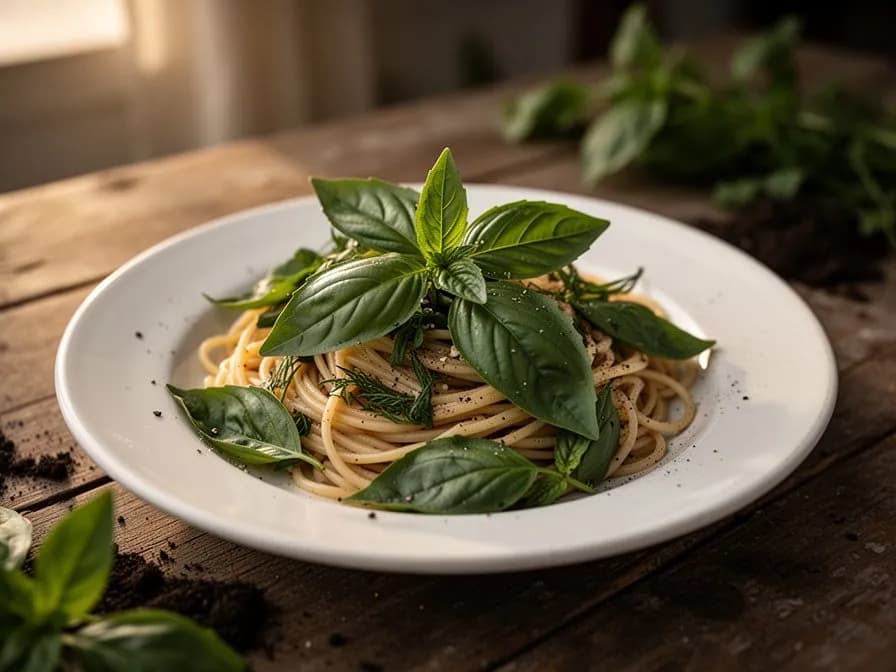
Traditional Tulsi Tea (Tulsi Kadha)
10 minA warming, aromatic herbal infusion that has been a staple of Indian households for centuries. This soothing tea combines the peppery-clove notes of fresh holy basil with ginger and honey for a deeply calming beverage traditionally used to support immunity and reduce stress.
7 ingredientsThai Holy Basil Stir-Fry (Pad Krapao)
15 minThailand's beloved street food dish featuring holy basil as the star ingredient. The high-heat stir-fry releases the aromatic essential oils of holy basil, creating an intensely fragrant, spicy dish that is traditionally served over jasmine rice with a fried egg on top.
10 ingredientsHoly Basil and Lemon Infused Water
5 minA refreshing, subtly flavored infused water that showcases the unique peppery-sweet aroma of fresh holy basil. This zero-calorie beverage is perfect for hot days and provides a gentle intake of tulsi's beneficial essential oils and antioxidants throughout the day.
6 ingredientsCulinary Uses
Holy basil has a complex, peppery flavor with notes of clove, lemon, and mint that distinguishes it sharply from sweet basil. It is the essential basil for Thai pad krapao (stir-fried holy basil) and other Southeast Asian dishes where heat and bold flavor are desired. Unlike sweet basil, holy basil benefits from being cooked and becomes more aromatic when heated. Brew the leaves into tulsi tea, a calming adaptogenic herbal infusion popular in Ayurvedic practice.
What's inside
Health Benefits
- Holy basil is classified as a premier adaptogen in Ayurvedic medicine — regular consumption has been shown in clinical studies to help normalize cortisol levels, reduce perceived stress and anxiety, and support the body's resilience to physical and psychological stressors.
- Rich in eugenol and other phenolic compounds, tulsi demonstrates significant anti-inflammatory activity. Research indicates that these compounds inhibit COX-2 enzyme pathways, potentially offering natural support for managing inflammatory conditions and associated discomfort.
- Multiple studies have shown that holy basil can help regulate blood sugar levels by improving insulin sensitivity and reducing fasting glucose. Compounds including ursolic acid and rosmarinic acid appear to support healthy pancreatic beta-cell function and glucose metabolism.
- The essential oils in holy basil — particularly eugenol, camphene, and cineole — have well-documented antimicrobial properties effective against a range of bacteria, fungi, and viruses. Traditional use as a remedy for respiratory infections aligns with modern research on its immune-supporting activity.
- Tulsi is exceptionally rich in antioxidants including orientin, vicenin, rosmarinic acid, and vitamin C, which help neutralize free radicals and protect cells from oxidative stress. Regular consumption may support cardiovascular health and healthy aging through these protective mechanisms.
- Holy basil has been traditionally used to support respiratory health, and modern research validates its bronchodilatory and expectorant properties. The plant's essential oils help open airways, reduce congestion, and soothe irritated respiratory tissues during seasonal challenges.
Where Holy Basil comes from
Holy basil (Ocimum tenuiflorum, formerly Ocimum sanctum) is native to the Indian subcontinent and has been cultivated across South and Southeast Asia for over 3,000 years, making it one of the oldest cultivated medicinal herbs in human history. Archaeological and textual evidence from the Vedic period (1500-500 BCE) shows that tulsi was already deeply embedded in Indian spiritual and healing traditions. The plant likely originated in north-central India, where wild populations still grow in disturbed soils, forest clearings, and along riverbanks from the lowlands to altitudes of 1,800 meters in the Himalayas.
Tulsi occupies a unique position at the intersection of religion, medicine, and daily life in Indian culture. In Hinduism, the plant is considered a living gateway between heaven and earth, and no traditional Hindu household is considered complete without a tulsi plant growing in the courtyard. The Padma Purana, an ancient Hindu text, describes tulsi as the beloved of Lord Vishnu, and the plant is ceremonially married to Vishnu each year during the festival of Tulsi Vivah. Beyond its spiritual significance, Ayurvedic physicians have prescribed tulsi for millennia as a treatment for respiratory infections, fevers, digestive complaints, skin disorders, and as a general tonic for longevity.
From India, holy basil spread along trade routes to Southeast Asia, where it became integral to Thai, Vietnamese, and Indonesian cuisines and traditional medicine systems. Thai holy basil (krapao) became essential to one of the world's most iconic street foods. European botanists first documented tulsi in the 17th century, but it remained relatively unknown in the West until the global wellness movement of the late 20th century brought renewed interest in Ayurvedic herbs and adaptogens. Today, tulsi is cultivated commercially across India, Thailand, Australia, and increasingly in tropical and subtropical regions worldwide, sold as dried tea, essential oil, supplement capsules, and fresh culinary herb.
Holy Basil: did you know?
Fascinating facts about Holy Basil
Holy basil (Ocimum tenuiflorum) is considered the most sacred plant in Hinduism and is worshipped as an earthly manifestation of the goddess Tulsi. Millions of Indian households grow a tulsi plant in their courtyard or on a dedicated pedestal called a 'tulsi vrindavan,' where daily prayers and rituals are performed around it.
Holy Basil questions, answered
When should I plant Holy Basil?
What are good companion plants for Holy Basil?
What hardiness zones can Holy Basil grow in?
How much sun does Holy Basil need?
How far apart should I space Holy Basil?
What pests and diseases affect Holy Basil?
How do I store Holy Basil after harvest?
What are the best Holy Basil varieties to grow?
What soil does Holy Basil need?
What is the difference between holy basil (tulsi) and sweet basil?
Can I grow holy basil indoors year-round?
How do I dry and store holy basil for tea?
Is holy basil safe to consume daily?
Why is my holy basil turning yellow or dropping leaves?
Which holy basil variety should I grow?
You just read the theory. Now grow it on autopilot.
Everything that makes Holy Basil fiddly — the timing, the spacing, the companions, the harvest window — is exactly what PlotMyGarden handles for you, for every plant in your garden.
A plan that knows your weather
Set your location once. Get sow, feed and harvest dates built around your real last-frost date and live forecast — no more guessing from a generic seed packet.
From the “When to plant” sectionDrag-and-drop bed planner
Design beds on a grid. Every plant snaps to its proper spacing, and you can see your whole season laid out before you spend a cent on seed.
From the “Growing guide” sectionCompanion conflicts, caught early
200+ good-and-bad pairings checked live as you plant — so a season-wrecking mistake never makes it into the ground.
From the “Companions” sectionReminders you'll actually act on
“Water the beans.” “Pick today before it turns.” Timely, specific, and tied to the plants you're really growing.
From the “Harvest” sectionSuccession, scheduled
Want a harvest for six weeks, not six days? It spaces your sowings automatically and reminds you when each new block is due.
From the “When to plant” sectionA record that gets smarter
Every harvest you log teaches it your garden. Next year's plan starts from what actually worked in your soil, not a textbook's.
From the “Overview” sectionPlant these alongside Holy Basil
More Culinary Herbs
Keep Holy Basil away from these
Grow your best Holy Basil yet — and everything around it.
Start a free plan today. Lay out your beds, drop in your Holy Basil, and let PlotMyGarden handle the timing, spacing, companions and reminders from seed to harvest basket.