Zimtbasilikum
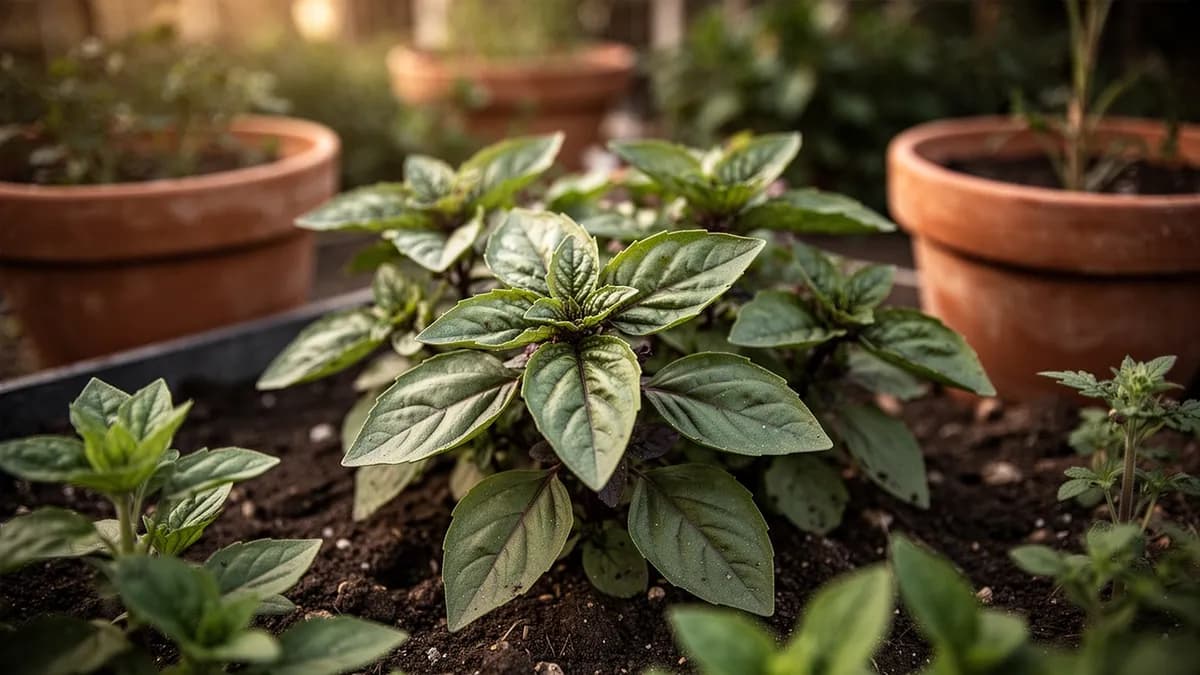
Eine warm-würzige Basilikumsorte mit zimtduftenden Blättern und attraktiven lilafarbenen Blütenähren.





Auf dieser SeiteÜberblick
Zimtbasilikum im Überblick
Eine warm-würzige Basilikumsorte mit zimtduftenden Blättern und attraktiven lilafarbenen Blütenähren. Ihr einzigartiges Geschmacksprofil macht sie hervorragend für Obstsalate, Backwaren und Kräutertees geeignet. Wie normales Basilikum in voller Sonne und gut durchlässigem Boden anbauen und Blüten abzwicken, um die Blattproduktion aufrechtzuerhalten.
Wann Zimtbasilikum pflanzen
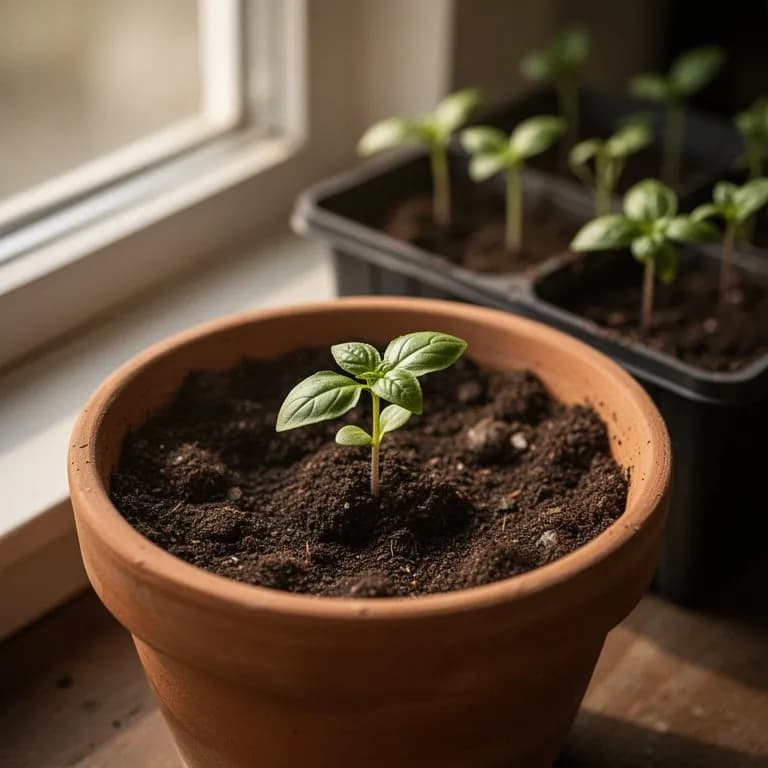
Zimtbasilikumsamen 6–8 Wochen vor dem letzten erwarteten Frost drinnen aussäen. Samen auf die Oberfläche von feuchtem Aussaatsubstrat drücken; nicht bedecken, da sie Licht zur Keimung benötigen. Eine Wärmematte verwenden, um eine Bodentemperatur von 21–24 °C aufrechtzuerhalten. Samen keimen in 5–12 Tagen. Nach dem Auflaufen der Keimlinge 14–16 Stunden starkes Licht geben. Beim ersten echten Blattpaar auf eine Pflanze pro Zelle vereinzeln. 7–10 Tage vor dem Auspflanzen mit dem Abhärten beginnen, sobald alle Frostgefahr vorüber ist und die Nächte dauerhaft über 10 °C bleiben.
Dein Zimtbasilikum-Jahr
Abgestimmt auf Zone 7 · typische Saison · Frost geht um den 2. Apr. und kehrt um den 1. Nov. zurück
Zimtbasilikum Apr – Jun pflanzen, Jun – Sep ernten. Beachte die Pflanzmethoden unten und wähle dein Klima für passende Zeiträume.
So baust du Zimtbasilikum an
Zimtbasilikumsamen 6–8 Wochen vor dem letzten Frosttermin drinnen aussäen und dabei die Samen auf feuchtes Aussaatsubstrat drücken, ohne sie zu bedecken. Wie alle Basilikumsorten benötigen die Samen Licht und Wärme (21–24 °C) zur Keimung, die innerhalb von 5–12 Tagen eintritt. Zimtbasilikum ist etwas kräftiger als viele Spezialbasilikumsorten und wächst nach dem Anwachsen schnell.
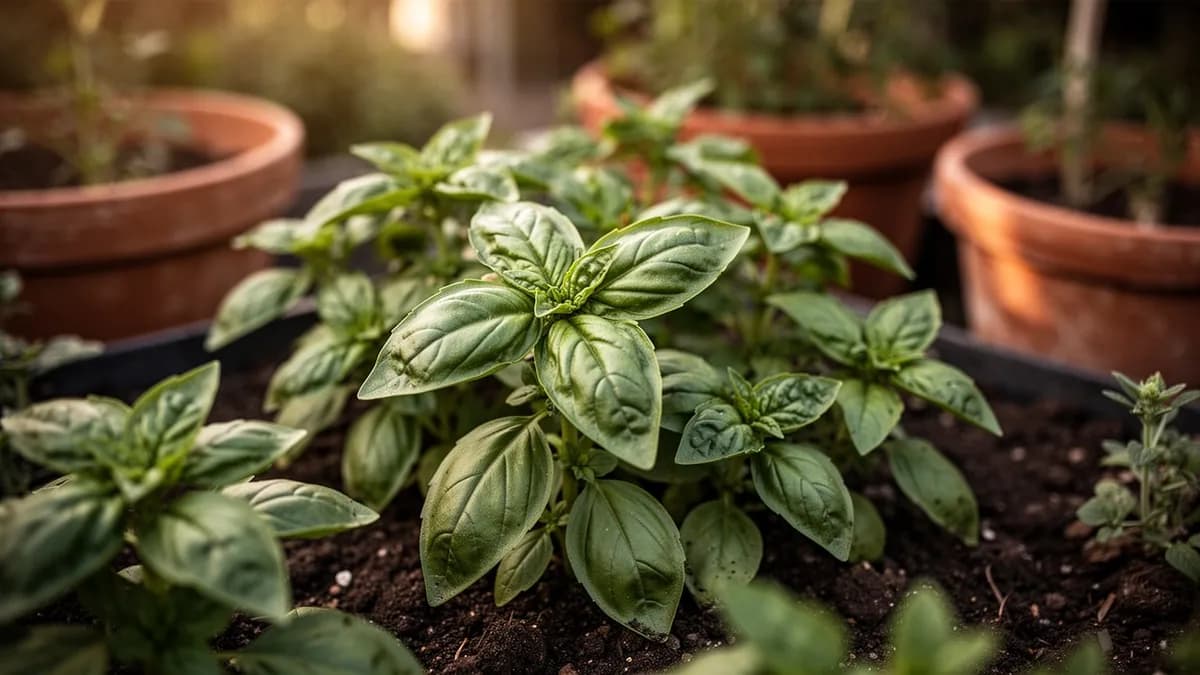
Nach dem letzten Frost und wenn die Nachttemperaturen dauerhaft über 10 °C bleiben, ins Freiland pflanzen. Pflanzen in voller Sonne mit nährstoffreichem, gut durchlässigem Boden im Abstand von 30–45 cm pflanzen. Zimtbasilikum wird 45–60 cm hoch und hat markante dunkelgrüne Blätter an violett getönten Stielen. Sein aufrechter, verzweigter Wuchs macht ihn sowohl als Kräuter- als auch als Zierpflanze in Beeten und Kübeln attraktiv.
Regelmäßig gießen, um den Boden gleichmäßig feucht zu halten, und alle 2–3 Wochen mit einem ausgewogenen Flüssigdünger düngen. Triebspitzen abzwicken, sobald die Pflanzen 15 cm erreichen, um buschiges Wachstum zu fördern. Obwohl die auffälligen violetten Blütenähren ornamental sind und Bestäuber anziehen, verlängert das Entfernen die Blattproduktion. In warmen Klimazonen kann Zimtbasilikum bis in den Herbst hinein gut gedeihen, da er Hitze etwas besser verträgt als Süßbasilikum.
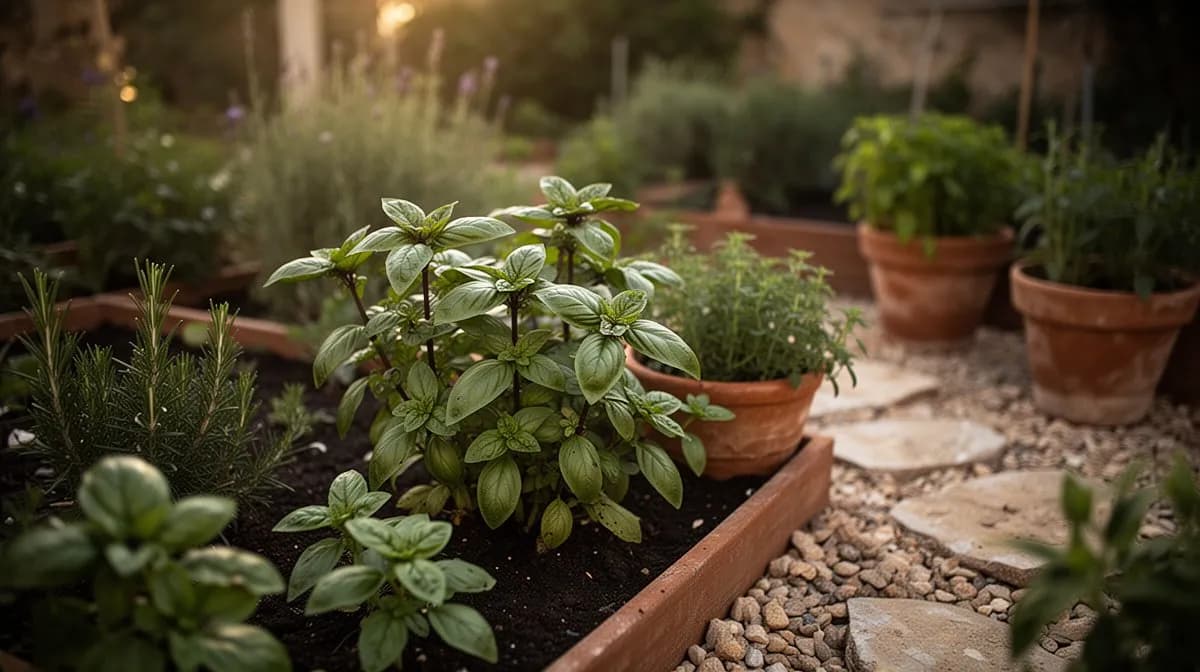
36 Pflanzen passen in ein Beet von 120 × 240 cm
Zimtbasilikum braucht 25 cm Platz pro Pflanze. Der Planer hält diesen Abstand für dich ein — jede Pflanze, jedes Beet.
Die besten Nachbarn für Zimtbasilikum
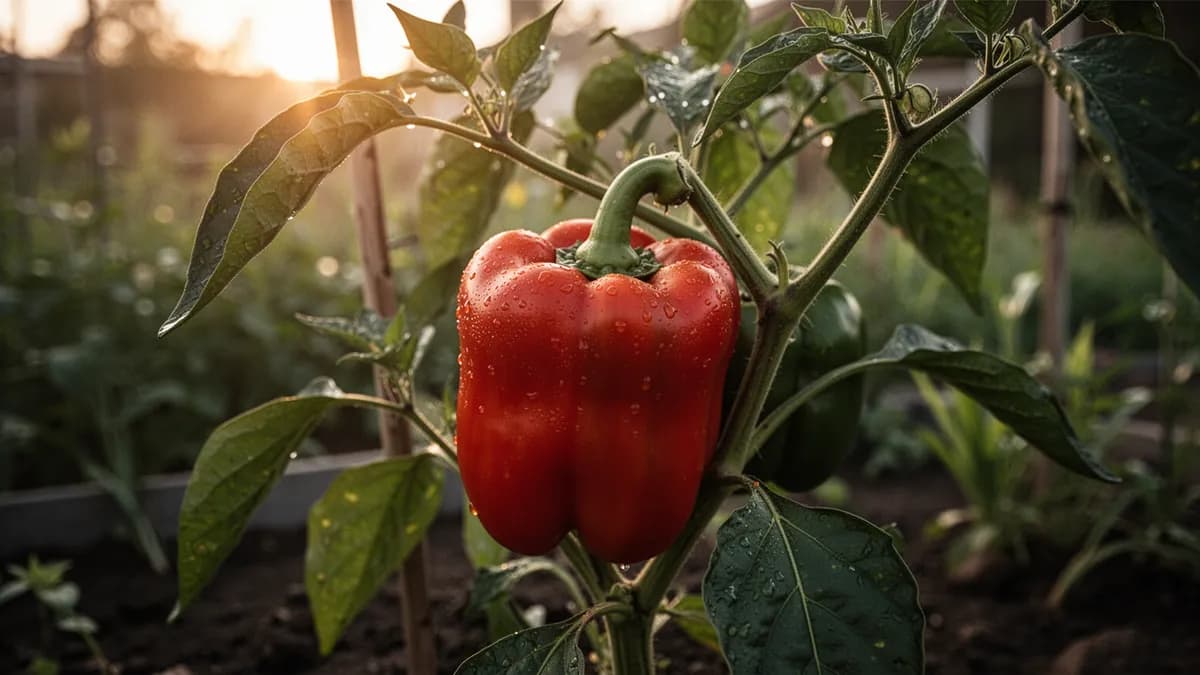
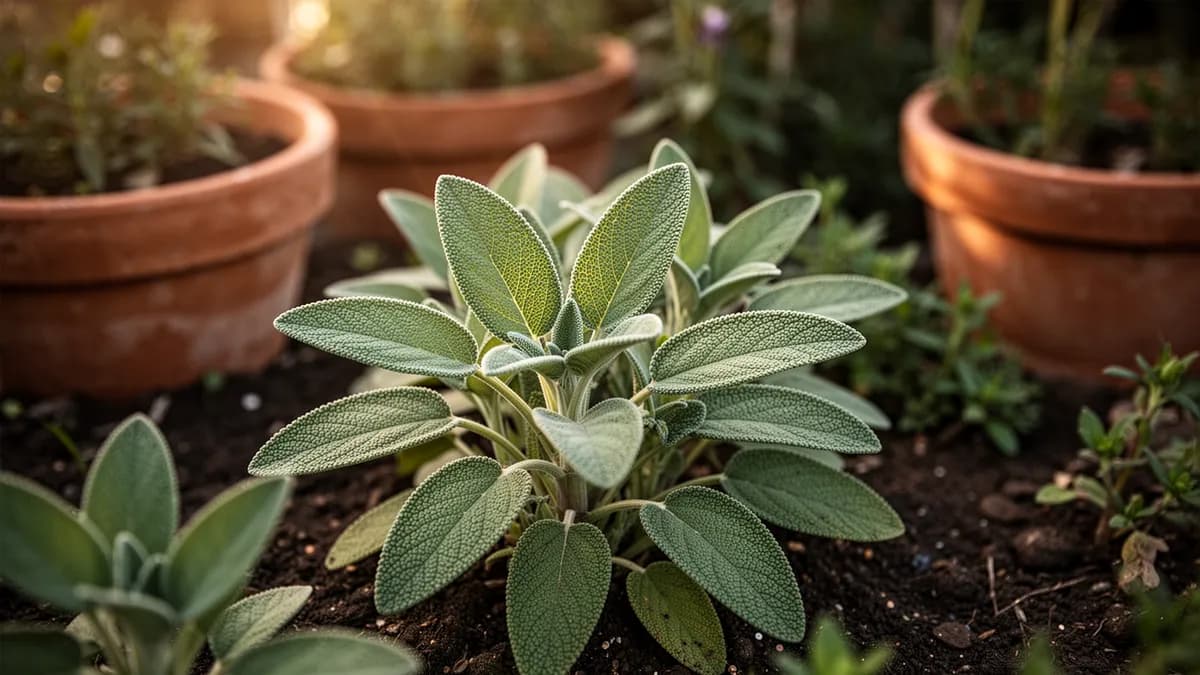
Zimtbasilikum bietet dieselben schädlingsabwehrenden Vorteile wie andere Basilikumsorten, wenn er in der Nähe von Tomaten und Paprika gepflanzt wird. Sein starkes Aroma hilft, Blattläuse, Thripse und Weiße Fliegen abzuschrecken. Die auffälligen violetten Blütenähren ziehen Bienen, Schmetterlinge und andere Bestäuber an und verbessern den Fruchtansatz bei nahe gelegenen Gemüsepflanzen. Mit Paprika und Auberginen für gegenseitigen Nutzen pflanzen. Nicht in der Nähe von Salbei und Rosmarin pflanzen, die trockenere Bedingungen bevorzugen. Zimtbasilikums Zierwert macht ihn zu einer attraktiven Einfassungspflanze in gemischten Gemüse-Blumen-Beeten.
Tomate gehört daneben. Salbei nicht.
Altes Gärtnerwissen, geprüft an der echten Nachbartabelle von Zimtbasilikum — teste jede Pflanze, die du anbaust.
Probiere Zimtbasilikum direkt hier im Beet
Ein echtes Planer-Beet, Zimtbasilikum steht schon drin. Tippe einen Begleiter an, platziere ihn und sieh, wie die Nachbarschaftsprüfung antwortet — grün für gute Nachbarn, rot bei Streit.


Passende Anbau-Ratgeber
Richtig düngen
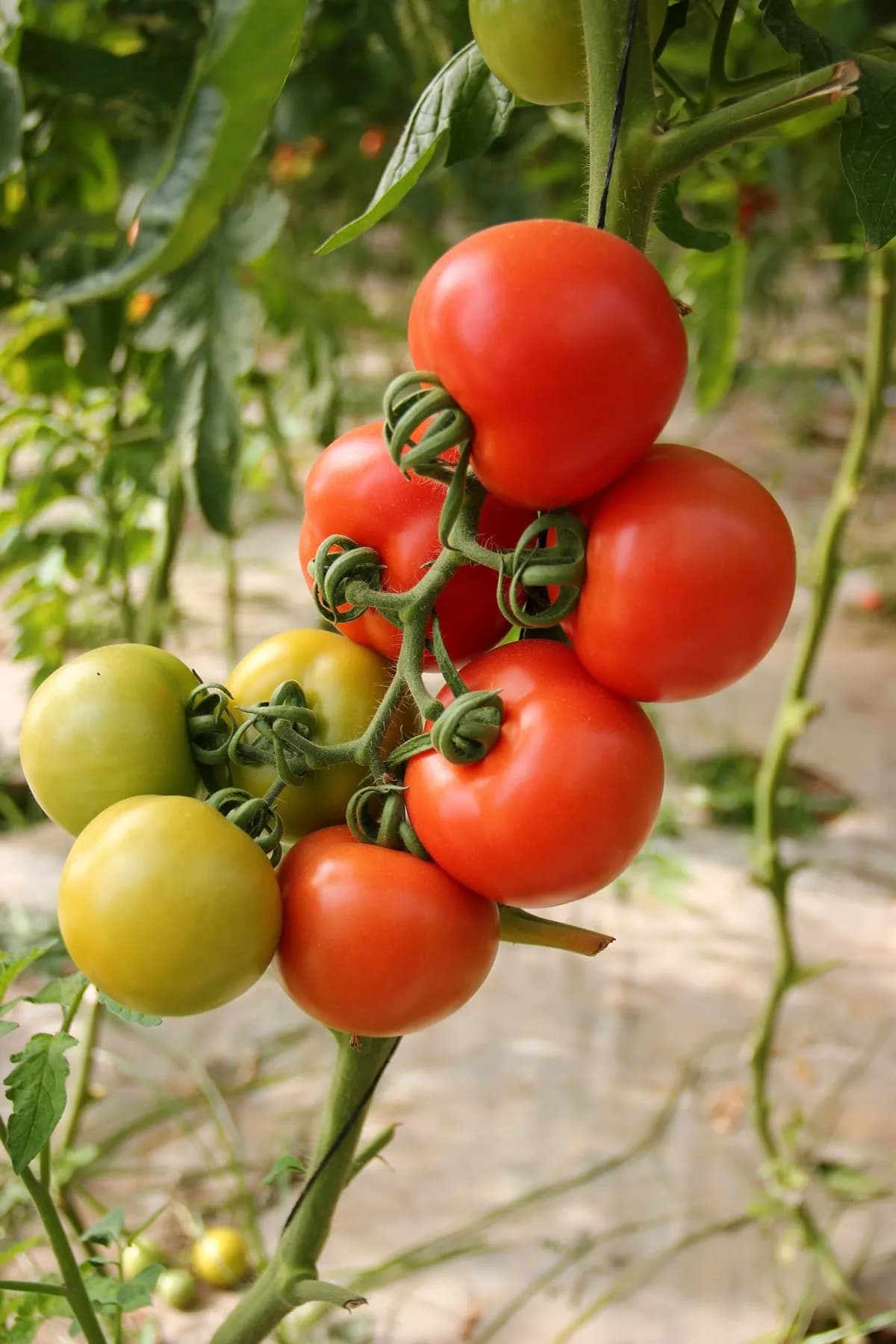
Zimtbasilikum in nährstoffreichem, gut durchlässigem Boden mit einem pH-Wert von 6,0–7,0 pflanzen. Beete vor dem Pflanzen mit 5 cm Kompost verbessern. Während der aktiven Wachstumsphase alle 2–3 Wochen mit einem ausgewogenen organischen Dünger oder Fischdünger düngen. Zimtbasilikum profitiert von gleichmäßiger Nährstoffversorgung, aber übermäßigen Stickstoff vermeiden, der das Blattwachstum auf Kosten der ätherischen Ölkonzentration fördert. Mit Stroh oder zerkleinerten Blättern mulchen, um Feuchtigkeit zu erhalten und Unkraut zu unterdrücken. In Kübeln eine hochwertige Kübelerdemischung mit zusätzlichem Perlit für die Drainage verwenden.
Ideale Temperatur
Winterhärtezone-Kompatibilität
Von der Saat zur Ernte, Schritt für Schritt
Samenkeimung
Zimtbasilikumsamen sind winzig, schwarz und oval. Sie werden oberflächlich ausgesät oder kaum mit 3–5 mm feiner Erde oder Vermiculit bedeckt, da sie etwas Licht zur Keimung benötigen. Samen entwickeln eine gelatinöse Beschichtung, wenn sie befeuchtet werden, was ihnen hilft, sich an der Bodenoberfläche zu verankern. Die Keimung erfolgt in 5–10 Tagen, wenn die Bodentemperaturen konstant über 18 °C (65 °F) liegen, mit optimaler Keimung bei 21–27 °C (70–80 °F).
Keimblatt- und frühes Keimlingsstadium
Das erste Paar abgerundeter Keimblätter entfaltet sich und sieht aus wie kleine grüne Paddel. Diese Keimblätter beginnen sofort mit der Photosynthese. Innerhalb einer Woche erscheint das erste echte Blattpaar, das bereits die leicht gezähnten Ränder zeigt, die für Zimtbasilikum charakteristisch sind. Der Stiel kann an der Basis bereits einen leichten violetten Schimmer aufweisen.
Vegetatives Wachstum
Die Pflanze tritt in rasches vegetatives Wachstum ein und entwickelt mehrere Paare aromatischer, dunkelgrüner Blätter mit ausgeprägter violetter Äderung. Stiele werden deutlich violett und an der Basis holzig. Das charakteristische Zimt-Nelken-Aroma intensiviert sich, wenn die ätherischen Öldrüsen auf den Blattoberflächen ausreifen. Pflanzen erreichen 20–30 cm Höhe und beginnen an jedem Blattknoten seitliche Triebe zu entwickeln.
Haupterntezeit
Pflanzen sind vollständig buschig, stehen 45–75 cm hoch mit zahlreichen Ästen voller intensiv aromatischer Blätter. Dies ist das optimale Ernte-Fenster, wenn der ätherische Ölgehalt und der Geschmack auf ihrem Höhepunkt sind. Blätter sind am größten (5–7 cm lang), glänzend dunkelgrün mit violetten Adern und verströmen beim Berühren oder Zerdrücken den stärksten Zimtduft.
Blütestadium
Wenn nicht zurückgezwickt, treibt die Pflanze elegante Ähren aus rosa bis lavendelblauen Blüten, die in Quirlen an den Stielspitzen angeordnet sind. Jede Blütenähre ist 10–15 cm lang und äußerst attraktiv für Bienen, Schmetterlinge und andere Bestäuber. Sobald die Blüte beginnt, verlangsamt sich die Blattproduktion und vorhandene Blätter können eine leicht bitterere Note entwickeln, obwohl sie noch verwendbar bleiben.
Samenbildung und Verfall
Nach der Bestäubung entwickeln sich kleine braun-schwarze Samen in den getrockneten Blütenkelchen. Die Pflanze leitet alle Energie zur Samenproduktion um, und die Blattqualität nimmt merklich ab. Blätter werden kleiner, zäher und weniger aromatisch. Stiele werden zunehmend holzig. Als Einjährige schließt die Pflanze ihren Lebenszyklus beim ersten Frost oder wenn die Samen vollständig ausgereift sind ab.
Samen 6–8 Wochen vor dem letzten Frosttermin drinnen aussäen, um einen Vorsprung zu bekommen. Eine Wärmematte verwenden, um die Bodentemperatur bei 21–24 °C (70–75 °F) für schnellste Keimung zu halten. Die Oberfläche mit einem feinen Zerstäuber feucht halten – starkes Gießen vermeiden, das die winzigen Samen verdrängt.
Zimtbasilikum Monat für Monat pflegen
Was du jeden Monat für deine Zimtbasilikum tun solltest
Oktober
Aktueller MonatFrost tötet Basilikum sofort, daher alles vor dem ersten starken Frost in der Region ernten. Abgestorbene Pflanzen herausziehen und kompostieren. Verbleibende Blätter für den Wintergebrauch trocknen oder einfrieren. Stützen und Etiketten reinigen und lagern. In frostfreien Zonen 10–11 kann Zimtbasilikum als kurzlebige Staude bestehen bleiben.
Immer wissen, was jetzt im Garten zu tun ist
Eine E-Mail zum Monatsanfang: was du jetzt säen, pflanzen und anpacken solltest — für deine Zimtbasilikum und alles, was drumherum wächst. Dazu ein kurzer Startkurs, der dich vor den klassischen Fehlern bewahrt.
- Was jetzt zu tun ist
- Passend zu deiner Saison
- Startkurs inklusive
Zimtbasilikum ernten
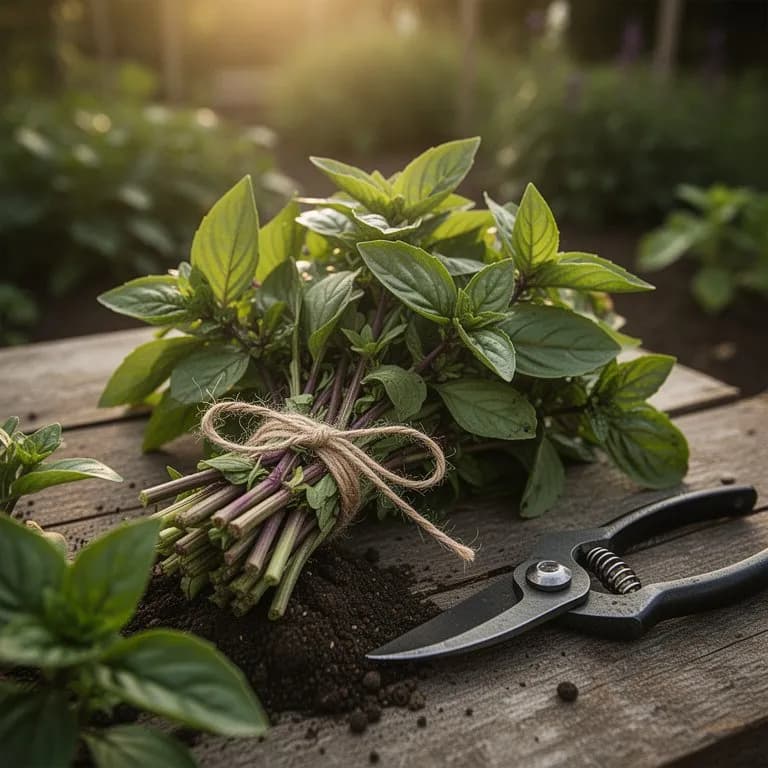
Zimtbasilikum etwa 32–40 Tage nach der Aussaat ernten, sobald die Pflanzen mehrere Garnituren ausgewachsener Blätter haben. Stiele knapp über einem Blattknoten abschneiden, um weiteres Verzweigen zu fördern. Das warme Zimtaroma ist am stärksten, wenn die Blätter morgens nach dem Trocknen des Taues geerntet werden. Regelmäßige Ernte alle 1–2 Wochen hält die Pflanzen buschig und produktiv. Die violetten Blütenähren sind essbar und haben einen konzentrierten Zimtgewürzgeschmack, was sie zu einer ausgezeichneten Garnitur für Desserts und Getränke macht.
angenommen, du pflanzt zu Beginn des Zeitraums — trage dein tatsächliches Datum ein
Ernte Zimtbasilikum zügig, dann trägt die Pflanze weiter.
Lagerung & Konservierung
Frisches Zimtbasilikum bei Zimmertemperatur mit den Stielen in Wasser aufbewahren, locker mit einer Plastiktüte abgedeckt. Nicht kühlen. Zum Trocknen kleine Bündel in einem warmen, dunklen Bereich 1–2 Wochen kopfüber aufhängen; Zimtbasilikum trocknet besonders gut und behält einen Großteil seines warmen Gewürzaromas. Getrocknete Blätter in luftdichten Glasgläsern bis zu 6 Monate aufbewahren. Gehackte Blätter in Eiswürfelbehältern mit Wasser oder Öl einfrieren. Zimtbasilikum-infundierter einfacher Sirup ist hervorragend für Cocktails, Backwaren und Fruchtdesserts.
Was schiefgeht — und die Lösung
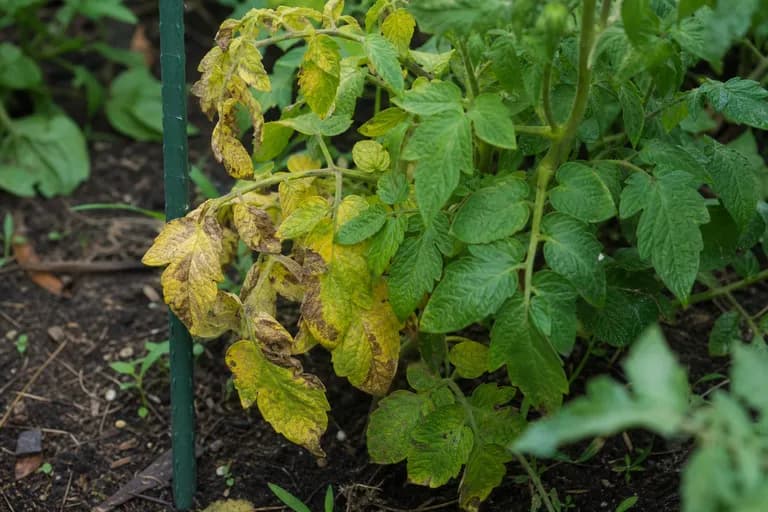
Fusarium-Welke
KrankheitAsymmetrisches Welken, das auf einer Seite beginnt, vergilbende Blätter, dunkelbraune Streifen sichtbar, wenn Stiele der Länge nach gespalten werden.
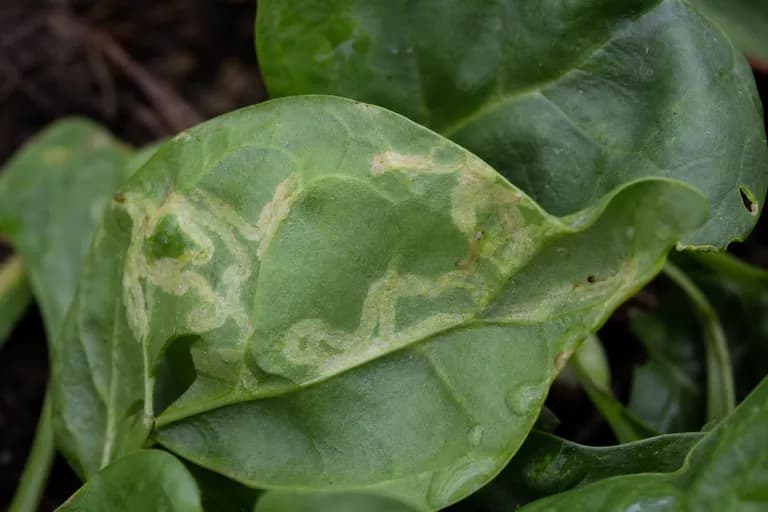
Minierfliegen
SchädlingGewundene weiße oder hellfarbige Gänge in den Blättern sichtbar, blasenartige erhabene Bereiche auf der Blattoberfläche, kosmetische Schäden.
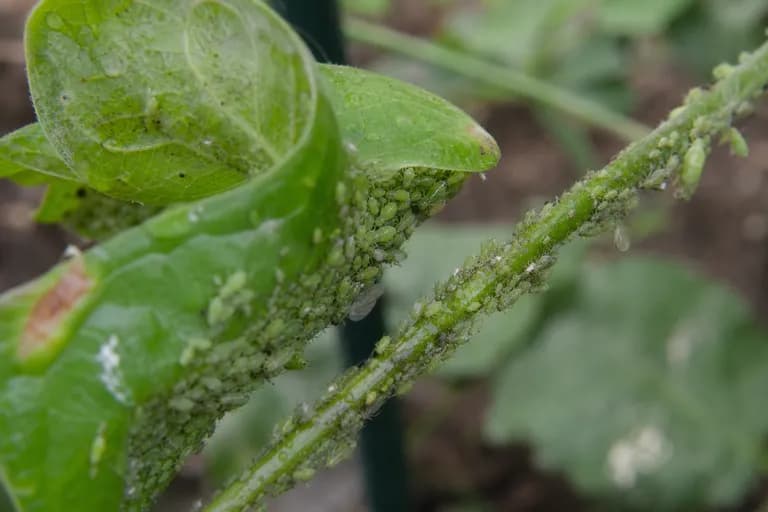
Blattläuse
SchädlingAnsammlungen kleiner weichhäutiger Insekten an jungen Trieben, klebrige Rückstände auf Blättern, Blattrollung und -verformung.
Fehlerbehebung bei häufigen Problemen
Wie alle Basilikumsorten ist Zimtbasilikum äußerst kälteempfindlich und darf nicht Temperaturen unter 7 °C ausgesetzt werden. Langstielige, dünne Wachstumsweise deutet auf unzureichendes Licht hin; mindestens 6–8 Stunden direkte Sonne sicherstellen. Vorzeitiges Schossen bei heißem Wetter kann durch konsequentes Abzwicken der Blütenknospen und ausreichende Bewässerung gesteuert werden. In feuchten Klimazonen für ausgezeichnete Luftzirkulation sorgen, um das Risiko von falschem Mehltau zu minimieren. Zimtbasilikum kann in Kübeln kopflastig werden; ein tieferer, breiterer Topf mit Stützen sorgt bei windigem Wetter für Stabilität.
Anbautipps
- Zimtbasilikumsamen 6–8 Wochen vor dem letzten Frosttermin drinnen aussäen, um einen deutlichen Vorsprung zu bekommen. Basilikum wächst in den ersten Wochen langsam, und das Umpflanzen von etablierten Keimlingen ins Freie gibt im Vergleich zur Direktaussaat wochenlange zusätzliche Erntezeit.
- Früh und oft abzwicken. Die Triebspitze entfernen, sobald die Pflanze drei Paare echter Blätter hat, und regelmäßig jeden Asttrieb weiter abzwicken. Jeder Abzwickpunkt erzeugt zwei neue Äste und verwandelt einen einzelstieligen Keimling in eine buschige, produktive Pflanze mit Dutzenden erntefähiger Stiele.
- Zimtbasilikum nie in kaltem, nassem Boden stehen lassen – er ist extrem anfällig für Wurzelfäule und Umfallkrankheit in kühlen, wassergesättigten Bedingungen. Gut durchlässigen Boden verwenden, morgens gießen, damit das Laub tagsüber trocknet, und nicht ins Freie umpflanzen, bis der Boden auf mindestens 15 °C (60 °F) erwärmt ist.
- Zimtbasilikum in Kübeln anbauen, wenn der Gartenboden schwerer Lehm oder schlecht drainiert ist. Ein 25–30 cm Topf mit qualitativem Anzuchtsubstrat und Ablauflöchern produziert eine ausgezeichnete Pflanze. Kübel ermöglichen es auch, die Pflanze zu bewegen, um der Sonne zu folgen oder sie ins Haus zu bringen, wenn Frost droht.
- Durch das Schneiden ganzer Stiele statt einzelner Blätter ernten. Knapp über einem Blattknoten schneiden, und zwei neue Stiele wachsen innerhalb einer Woche von diesem Punkt aus. Diese Methode ist schneller, fördert die Verzweigung und produziert eine ordentlichere Pflanze als blattweises Pflücken.
- Zimtbasilikum als Begleitpflanze neben Tomaten, Paprika und Auberginen pflanzen. Über die traditionelle Gartenüberlieferung hinaus können die starken flüchtigen Öle des Basilikumlaubes dazu beitragen, den Duft der benachbarten Pflanzen vor Schädlingsinsekten zu überdecken, und die Blüten ziehen nützliche Bestäuber an.
- Die Ernte durch Einfrieren ganzer Blätter in Eiswürfelbehältern mit Olivenöl konservieren oder Blätter zu Pesto mixen und in kleinen Behältern einfrieren. Getrockneter Zimtbasilikum behält seinen warmen, würzigen Geschmack gut – kleine Bündel 1–2 Wochen kopfüber an einem warmen, luftigen Ort aufhängen.
- Auf falschen Mehltau achten, die weltweit zerstörerischste Basilikumkrankheit. Er erscheint als Vergilbung zwischen Blattadern auf der Oberseite und als flaumiges grau-violettes Wachstum auf der Unterseite. Durch Pflanzabstand für Luftzirkulation, Bodenbewässerung und Wahl resistenter Sorten vorbeugen, wenn verfügbar.
- Stielstecklinge im Spätsommer in Wasser bewurzeln, um neue Pflanzen für den Indoor-Anbau durch den Winter zu schaffen. 10–15 cm Stielstecklinge in ein Glas Wasser auf ein sonniges Fensterbrett stellen – Wurzeln entwickeln sich innerhalb von 7–14 Tagen, woraufhin sie in frisches Anzuchtsubstrat eingetopft werden können.
- Zimtbasilikum ist eine Einjährige, die beim ersten Frost abstirbt. Die letzte große Ernte ein bis zwei Tage vor dem ersten erwarteten Frost in der Region planen und alle verbleibenden Blätter sofort zum Trocknen, Einfrieren oder zur Herstellung von Infusionsölen und Essigen verarbeiten.
Bau deine beste Zimtbasilikum an — und alles drumherum.
Starte heute kostenlos. Lege deine Beete an, setze deine Zimtbasilikum ein und lass PlotMyGarden Timing, Abstände, Begleiter und Erinnerungen von der Saat bis zum Erntekorb übernehmen.
Finde deine Zimtbasilikum
Zimtbasilikum (Standard)
Die Originalsorte mit ausgeprägtem warm-würzigem Zimtaroma und violett getönten Stielen. Wächst 45–60 cm hoch mit ausgezeichneter Verzweigung.
Zimtbasilikum 'Spice'
Eine kompaktere Auswahl mit intensiviertem Zimtduft und dunkleren violetten Blütenähren. Gut geeignet für die Kübelhaltung.
Eine Tüte Zimtbasilikumsamen kostet 2–4 € und enthält 200–400 Samen – genug, um Dutzende von Pflanzen anzubauen. Spezielle frische Basilikumsorten wie Zimtbasilikum sind selten in Lebensmittelgeschäften zu finden, und wenn auf Bauernmärkten erhältlich, kosten sie 3–5 € pro kleinem Bund (etwa 30 g). Der Anbau von 4–6 Pflanzen zu Hause liefert 1–3 kg frisches Kraut pro Saison, entsprechend 100–500 € Bauernmarktbasilikum-Gegenwert. Getrockneter Zimtbasilikum aus Spezialgewürzläden kostet 8–15 € pro 30 g – eine einzige selbst angebaute Pflanze kann mehrere Unzen getrocknetes Kraut produzieren und dabei 50–100 € an getrockneten Kräutern einsparen.
Schnelle Rezepte
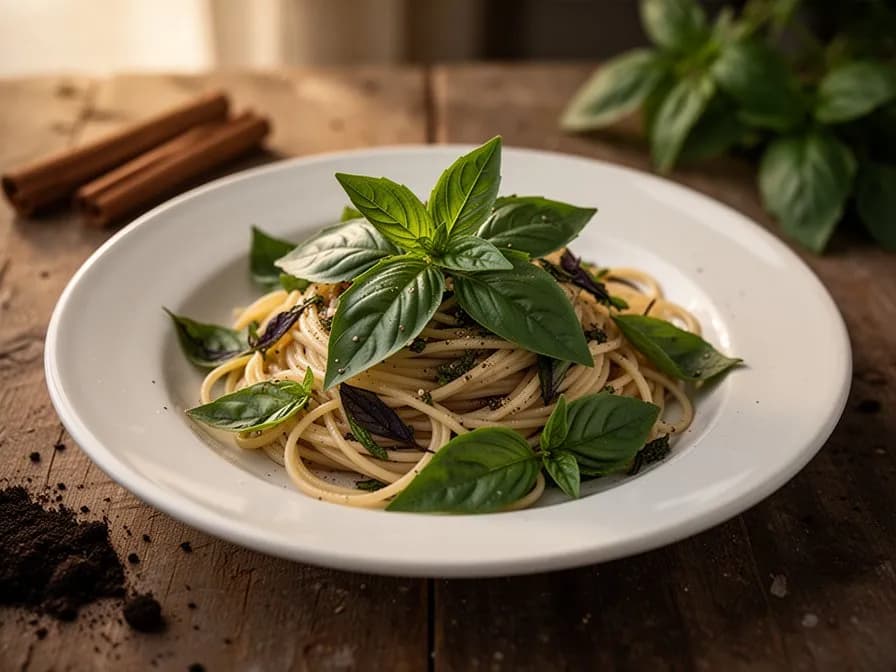
Zimtbasilikum-Infusionshonig
10 Min. + 1 Woche InfusionEin duftender, gewürzter Honig, der das warme Zimt-Nelken-Wesen des Krauts einfängt. Einfach frische Zimtbasilikumblätter in ein Glas Rohhonig packen und die Zeit die Arbeit tun lassen. Das Ergebnis ist ein einzigartiger aromatischer Süßungsmittel, perfekt für Tee, Toast, Joghurt und zum Beträufeln von geröstetem Steinobst.
3 ZutatenZimtbasilikum-Pesto mit Pekannüssen
10 Min.Eine Variation des klassischen Pestos, das Süßbasilikum und Pinienkerne durch Zimtbasilikum und geröstete Pekannüsse ersetzt. Die warmen, würzigen Untertöne des Zimtbasilikums harmonieren wunderschön mit der butterartigen Reichhaltigkeit der Pekannüsse und ergeben eine vielseitige Sauce für Pasta, gegrilltes Hähnchen oder Fladenbrot.
7 ZutatenThai-inspiriertes Zimtbasilikum-Pfannengericht
20 Min.Zimtbasilikum ist eng mit Thai-Basilikum verwandt und ist ein ausgezeichneter Ersatz in Pfannengerichten. Im letzten Moment hinzugefügt verleiht sein warmes Gewürz und sein leicht pfeffriger Biss einem einfachen Gemüse- und Tofu-Pfannengericht eine aromatische und unvergessliche Note.
9 ZutatenKulinarische Verwendung
Zimtbasilikums warmer, süß-würziger Geschmack macht ihn einzigartig unter den Basilikumsorten. Frische Blätter in Obstsalaten verwenden, besonders mit Beeren, Pfirsichen und Äpfeln. Er eignet sich hervorragend für Backwaren wie Kekse, Muffins und Obstkrusteln. Die Blätter zu einem duftenden Kräutertee aufbrühen, der gut mit Honig harmoniert. Zimtbasilikum fügt Currys und Pfannengerichten eine unerwartete Wärme hinzu und ergibt ein unverwechselbares Pesto, wenn er mit Walnüssen und Parmesan kombiniert wird.
Was drinsteckt
Gesundheitsvorteile
- Zimtbasilikum ist reich an Eugenol und Methyl-Cinnamat, aromatischen Verbindungen mit dokumentierten entzündungshemmenden Eigenschaften, die dazu beitragen können, Schwellungen und Beschwerden zu reduzieren, wenn sie als Teil einer ausgewogenen Ernährung verzehrt oder zu Kräutertee aufgebrüht werden.
- Enthält hohe Konzentrationen an Rosmarinsäure, einem Polyphenol-Antioxidans aus der Minzfamilie, das auf sein Potenzial zur Unterstützung gesunder Entzündungsreaktionen und zum Schutz der Zellen vor oxidativen Schäden untersucht wurde.
- Liefert pro Portion eine bedeutsame Menge Vitamin K, das für die ordnungsgemäße Blutgerinnung unerlässlich ist und eine wichtige Rolle bei der Aufrechterhaltung der Knochendichte und des Kalziumstoffwechsels im Alter spielt.
- Die ätherischen Öle in Zimtbasilikum, insbesondere Linalool und Eugenol, haben in Laborstudien antibakterielle Aktivität gegen häufige lebensmittelbedingte Krankheitserreger gezeigt, was seinen traditionellen Einsatz als konservierendes Kraut unterstützt.
- Zimtbasilikumtee wurde in der traditionellen Kräutermedizin in Südostasien und Mittelamerika als sanftes Verdauungsmittel verwendet, dem nachgesagt wird, Blähungen, Übelkeit und Magenkrämpfe nach den Mahlzeiten zu lindern.
- Reich an Beta-Carotin und anderen Carotinoid-Pigmenten, die im Körper als Antioxidantien fungieren und Immunfunktion, Hautgesundheit und gesundes Sehen unterstützen – wobei frische Blätter pro 100 g über 100 % des Tageswertes an Vitamin A liefern.
Woher Zimtbasilikum stammt
Basilikum (Ocimum basilicum) stammt aus tropischen Regionen Zentralafrikas und Südostasiens, wobei die Gattung Ocimum über 60 Arten umfasst, die in den warmen Regionen Asiens, Afrikas sowie Mittel- und Südamerikas verbreitet sind. Archäologische und botanische Belege deuten darauf hin, dass Basilikum erstmals in Indien vor mehr als 5.000 Jahren kultiviert wurde, wo es in der hinduistischen Kultur als 'Tulsi' – eine heilige Pflanze, die mit dem Gott Vishnu assoziiert wird und spirituellen Schutz bieten soll – eine tiefe religiöse Bedeutung hatte. Von Indien aus breitete sich Basilikum auf alten Handelsrouten in den Nahen Osten, nach Ägypten und in das Mittelmeergebiet aus und erreichte Griechenland und Rom im 1. Jahrhundert n. Chr.
Zimtbasilikum (Ocimum basilicum 'Cinnamon') ist eine Kultursorte, die aus jahrhundertelanger Auslese aus dem vielfältigen Basilikum-Genpool entstanden ist. Ihr genauer Ursprung als benannte Sorte lässt sich schwer bestimmen, aber Pflanzen mit zimtartigem Aroma werden seit Jahrhunderten in mexikanischen und mittelamerikanischen Kräutergärten beschrieben, wo Basilikumsorten mit warmen, würzigen Profilen für die Verwendung in traditionellen Schokoladengetränken und herzhaften Gerichten bevorzugt wurden. Der hohe Methyl-Cinnamat-Gehalt, der diese Kultursorte definiert, ist ein genetisches Merkmal, das natürlich in bestimmten Basilikumpopulationen auftritt, insbesondere in solchen aus Mexiko und Teilen Südostasiens.
In der westlichen Gartenbaupraxis gewann Zimtbasilikum während der Kräutergarten-Renaissance der 1980er und 1990er Jahre an Popularität, als Gärtner und Köche begannen, Basilikumsorten jenseits des Standard-Genovese-Typs zu erkunden. Seine ornamentalen Qualitäten – auffällige violette Stiele, dunkelgrüne Blätter mit violetten Adern und prächtige rosa-lavendelfarbene Blütenähren – machten ihn zum Liebling von Gartengestaltern, die das Konzept der essbaren Landschaftsgestaltung aufgriffen. Heute ist Zimtbasilikum bei Saatgutunternehmen weltweit erhältlich und wird sowohl als Küchenkraut mit einzigartigen Geschmacksanwendungen als auch als attraktive Einjährige für gemischte Beete, Kübelpflanzungen und Bestäuberbepflanzungen geschätzt.
Zimtbasilikum: Schon gewusst?
Faszinierende Fakten über Zimtbasilikum
Zimtbasilikum verdankt sein charakteristisches warmes, würziges Aroma dem Methyl-Cinnamat, der gleichen Verbindung, die für den Duft echter Zimtrinde verantwortlich ist. Trotz dieser gemeinsamen aromatischen Chemikalie sind Zimtbasilikum und Zimtbäume (Cinnamomum verum) völlig unverwandte Pflanzen aus verschiedenen botanischen Familien.
Zimtbasilikum: Fragen & Antworten
Wann sollte ich Zimtbasilikum pflanzen?
Was sind gute Begleitpflanzen für Zimtbasilikum?
In welchen Winterhärtezonen kann Zimtbasilikum wachsen?
Wie viel Sonne braucht Zimtbasilikum?
Welchen Abstand sollte ich zwischen Zimtbasilikum lassen?
Welche Schädlinge und Krankheiten befallen Zimtbasilikum?
Wie lagere ich Zimtbasilikum nach der Ernte?
Was sind die besten Zimtbasilikum-Sorten zum Anbauen?
Welchen Boden braucht Zimtbasilikum?
Wie schmeckt Zimtbasilikum im Vergleich zu normalem Basilikum?
Verträgt Zimtbasilikum Frost oder kaltes Wetter?
Wie trockne ich Zimtbasilikum und behält er seinen Geschmack?
Eignet sich Zimtbasilikum gut für die Teezubereitung?
Warum werden meine Zimtbasilikumblätter gelb?
Kann ich Zimtbasilikum das ganze Jahr über drinnen anbauen?
Du hast die Theorie gelesen. Jetzt baue sie auf Autopilot an.
Alles, was Zimtbasilikum knifflig macht — das Timing, die Abstände, die Begleiter, das Erntefenster — genau das übernimmt PlotMyGarden für dich, für jede Pflanze im Garten.
Ein Plan, der dein Wetter kennt
Standort einmal festlegen. Aussaat-, Dünge- und Erntedaten rund um deinen echten letzten Frosttermin und die Live-Vorhersage — kein Raten mehr nach Saattüte.
Aus dem Abschnitt „Pflanzzeit“Beetplaner per Drag & Drop
Beete auf einem Raster gestalten. Jede Pflanze rastet im richtigen Abstand ein, und du siehst die ganze Saison, bevor du einen Cent für Saatgut ausgibst.
Aus dem Abschnitt „Anbau“Begleiter-Konflikte früh erkannt
Über 200 gute und schlechte Kombinationen werden beim Pflanzen live geprüft — so landet ein saisonruinierender Fehler nie in der Erde.
Aus dem Abschnitt „Begleiter“Erinnerungen, nach denen du wirklich handelst
„Gieß die Bohnen.“ „Heute ernten, bevor's umschlägt.“ Pünktlich, konkret und auf deine echten Pflanzen bezogen.
Aus dem Abschnitt „Ernte“Staffel-Aussaat, geplant
Sechs Wochen ernten statt sechs Tage? Die App verteilt deine Aussaaten automatisch und erinnert dich, wenn der nächste Satz fällig ist.
Aus dem Abschnitt „Pflanzzeit“Ein Verlauf, der schlauer wird
Jede protokollierte Ernte bringt der App deinen Garten bei. Der Plan fürs nächste Jahr startet bei dem, was in deinem Boden wirklich funktioniert hat.
Aus dem Abschnitt „Überblick“Pflanze diese neben Zimtbasilikum
Weitere Küchenkräuter
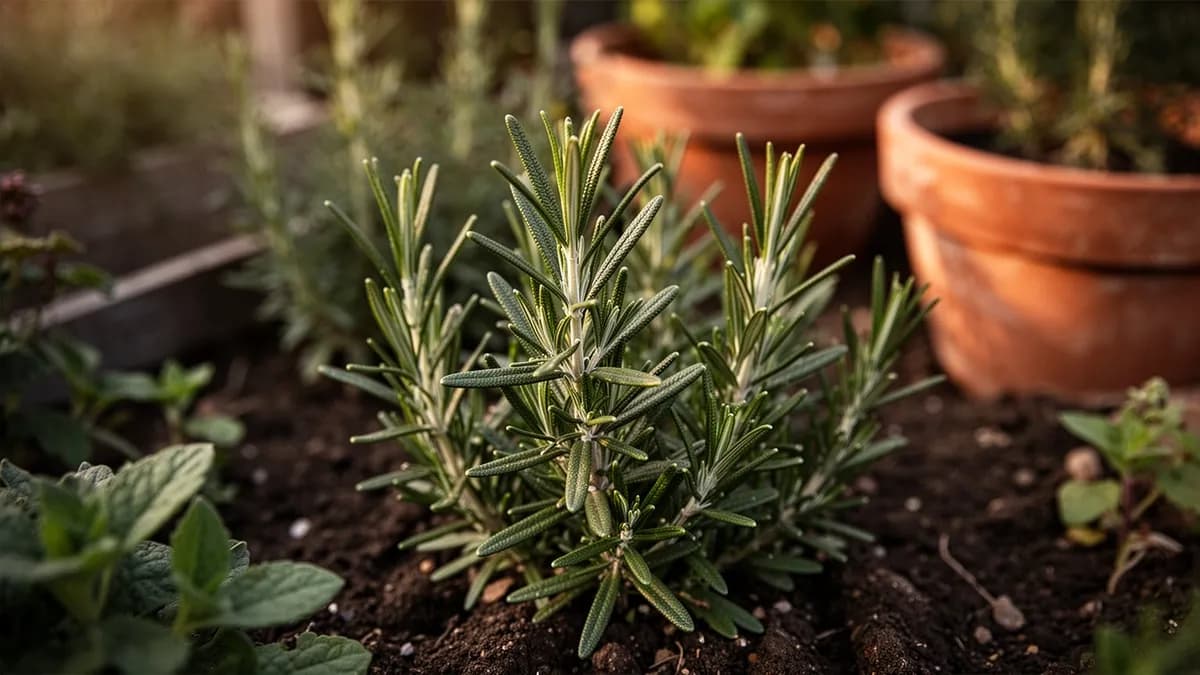
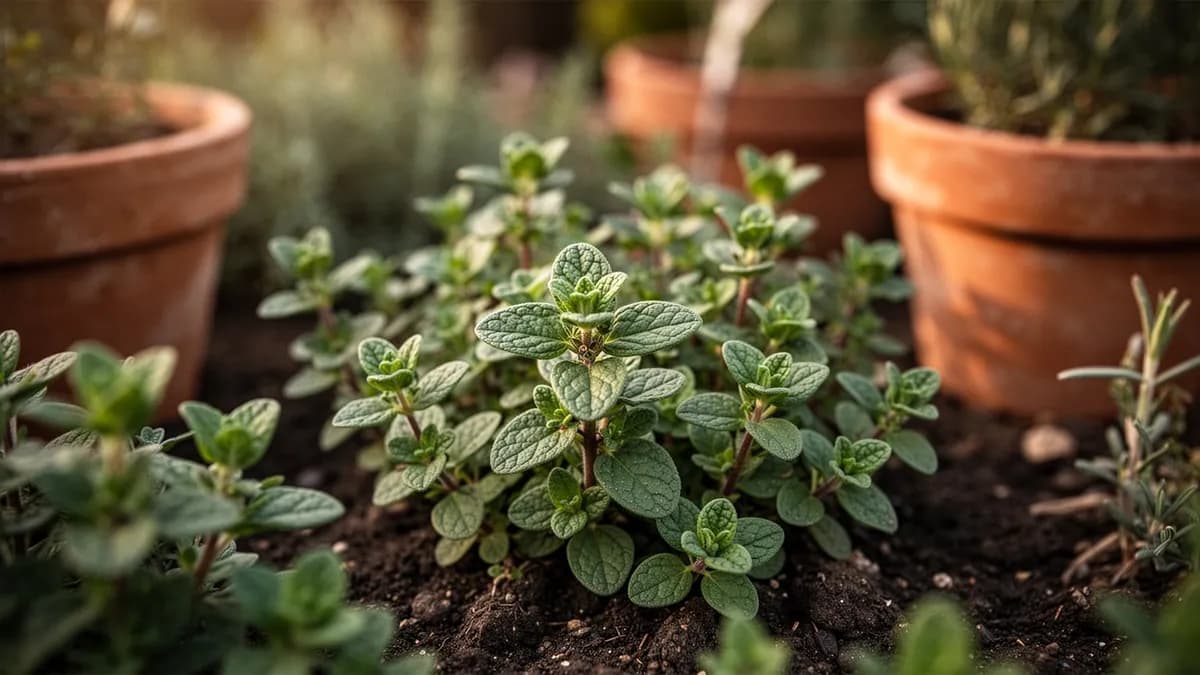
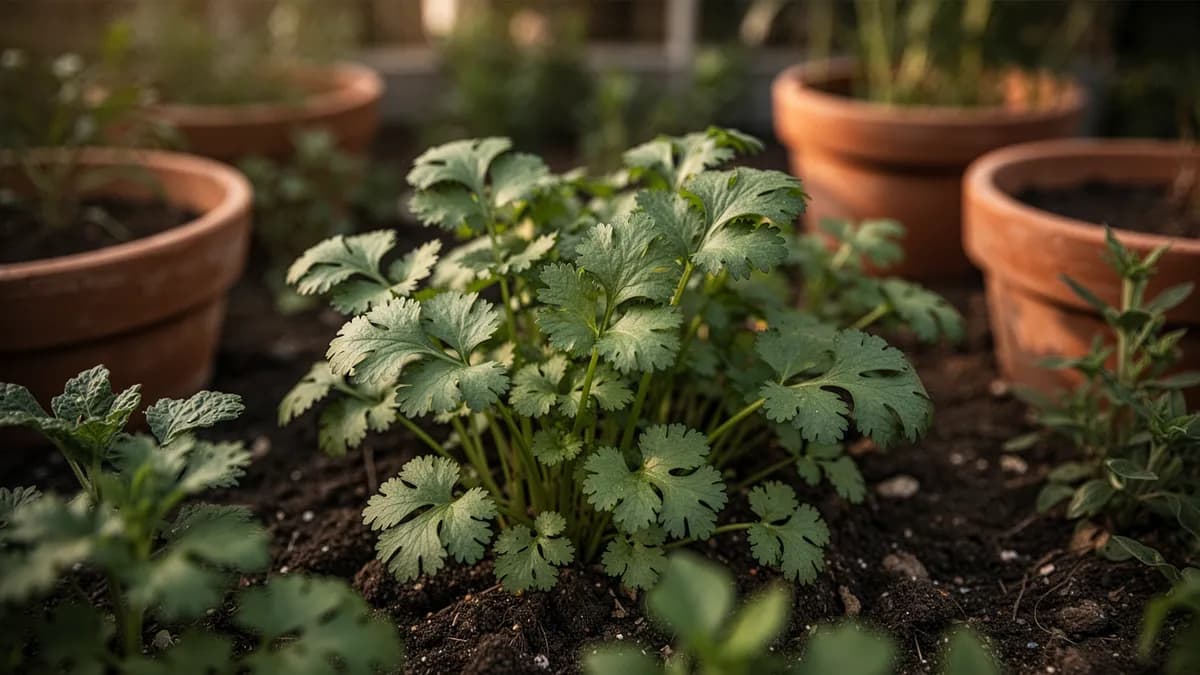
Halte Zimtbasilikum von diesen fern
Bau deine beste Zimtbasilikum an — und alles drumherum.
Starte heute kostenlos. Lege deine Beete an, setze deine Zimtbasilikum ein und lass PlotMyGarden Timing, Abstände, Begleiter und Erinnerungen von der Saat bis zum Erntekorb übernehmen.