Winesap Apple
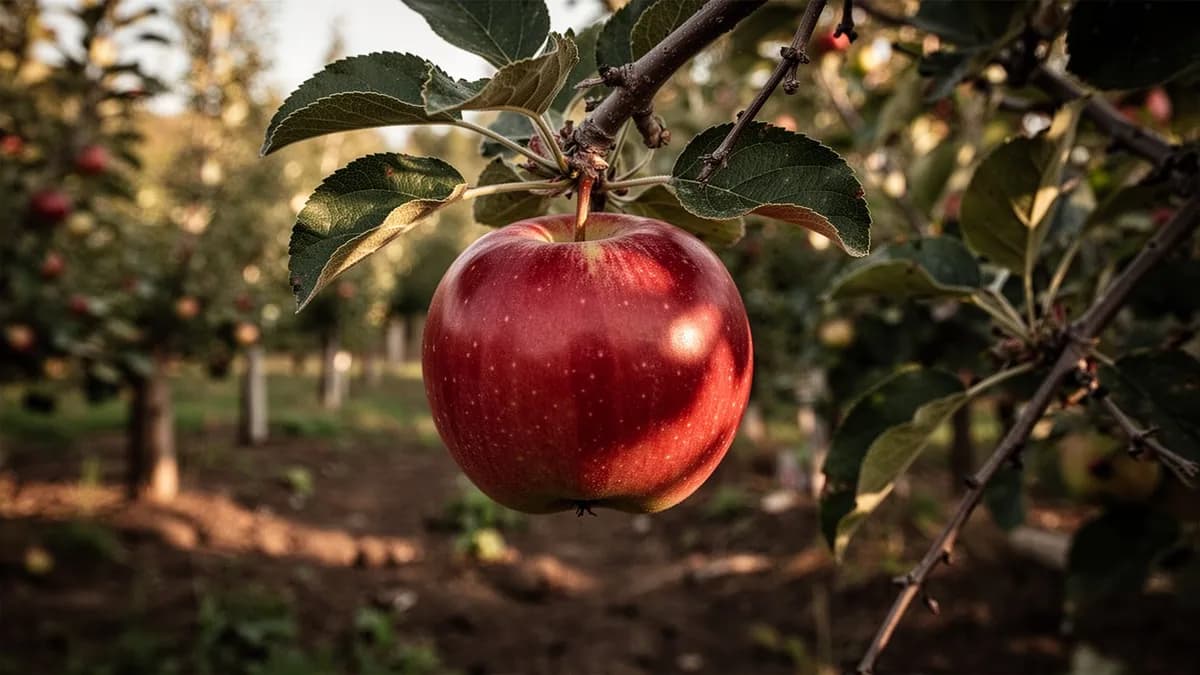
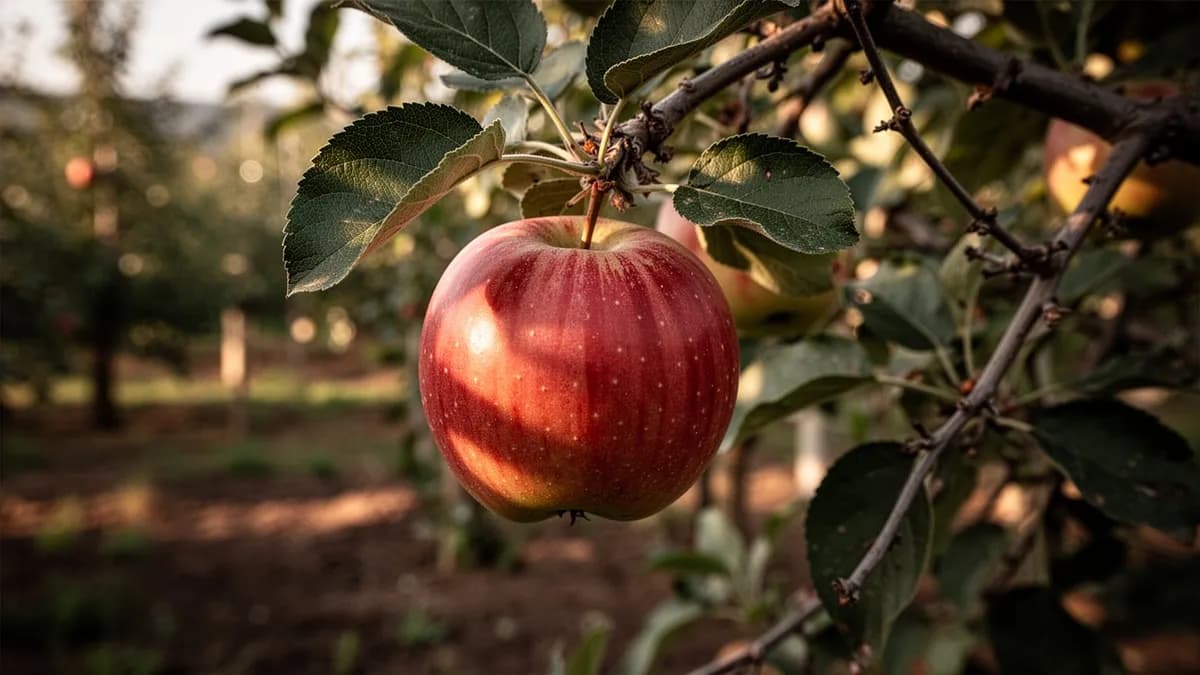
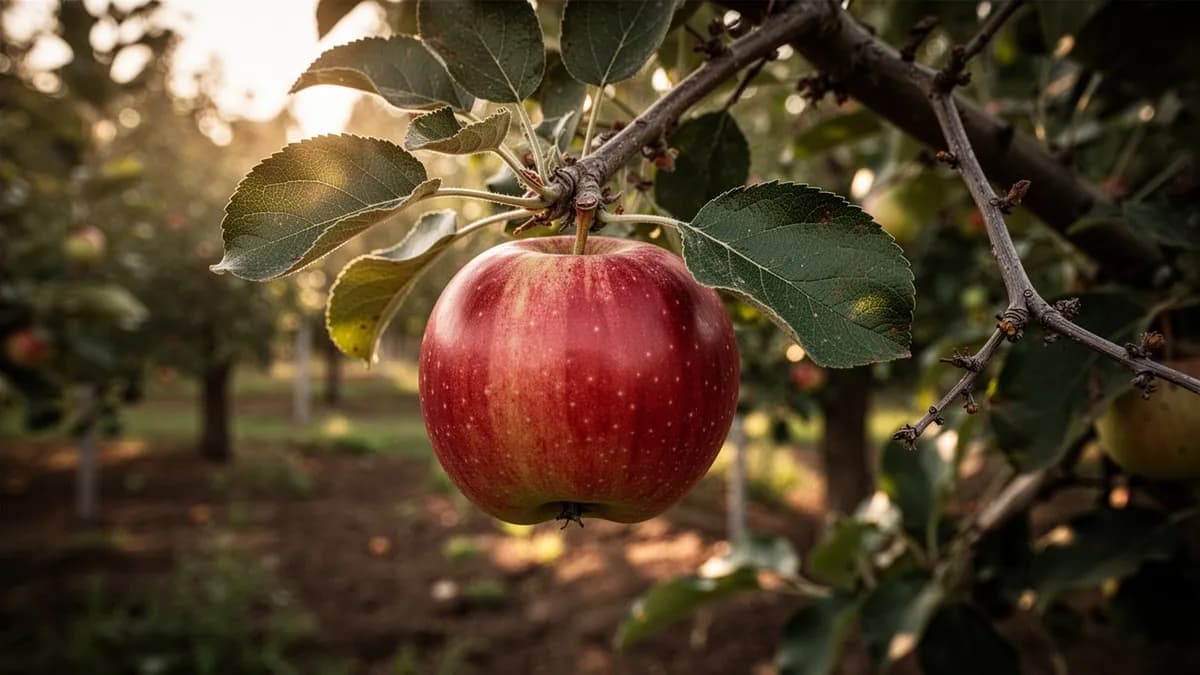
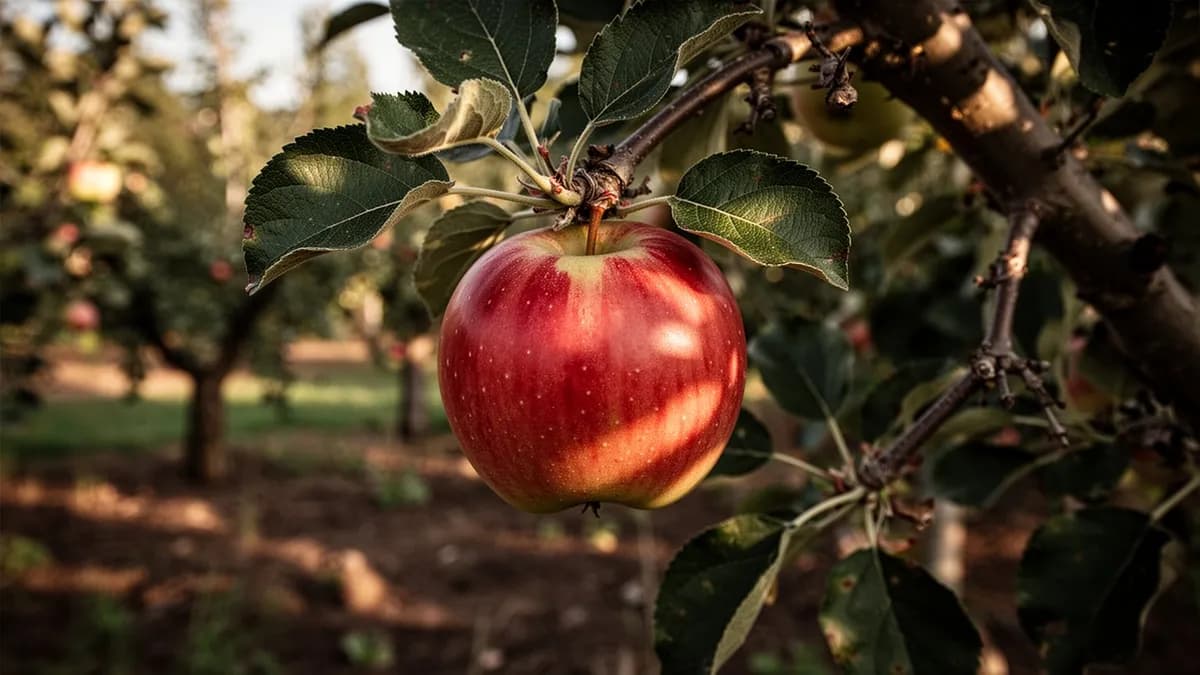
A classic American heritage apple with deep red skin and firm, spicy-tart flesh with wine-like undertones that makes outstanding cider and pies.





On this pageOverview
Meet Winesap Apple
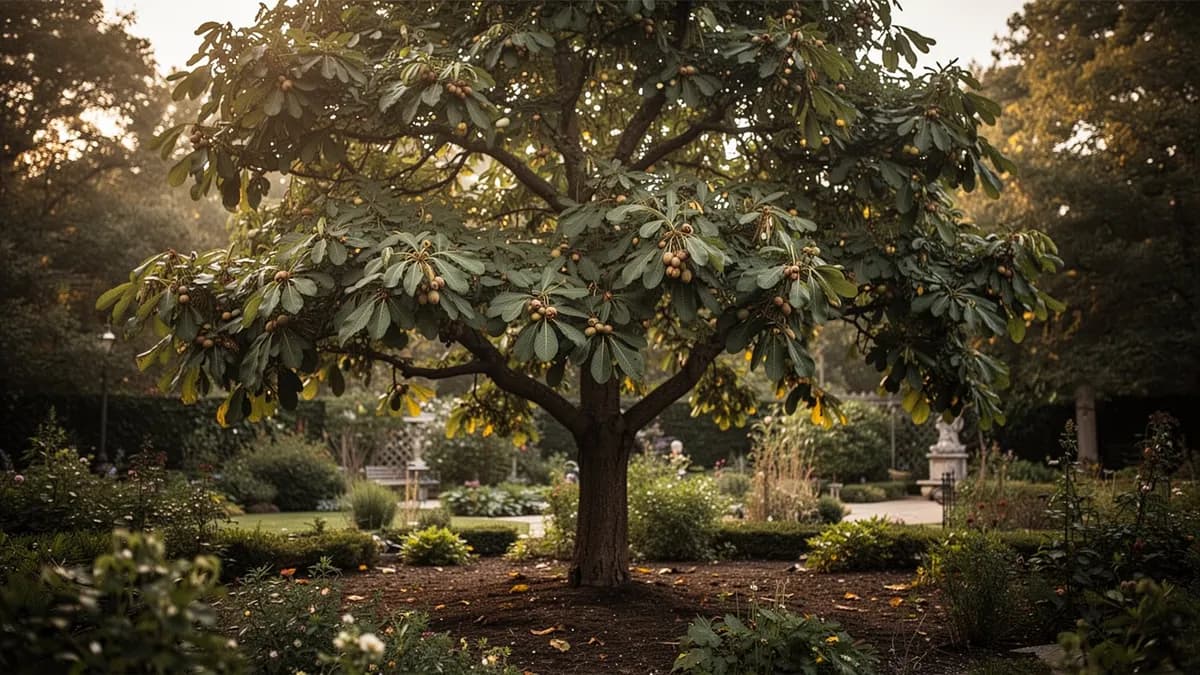
A classic American heritage apple with deep red skin and firm, spicy-tart flesh with wine-like undertones that makes outstanding cider and pies. Winesap is a triploid variety requiring two other apple varieties for pollination, and it cannot pollinate others in return. The fruits store exceptionally well, improving in flavor over several months in cold storage.
When to plant Winesap Apple
Apple seeds require cold stratification for 60 to 90 days in moist peat moss in the refrigerator before planting. After stratification, plant seeds one inch deep in potting mix and maintain at 65 to 75 degrees Fahrenheit. Germination takes two to four weeks. However, apple seedlings do not come true to variety and may take eight to ten years to fruit with unpredictable quality. For Winesap apples, purchase grafted trees from a reputable nursery, ideally on semi-dwarf rootstock for manageable size.
Your Winesap Apple Year
Composed for Zone 7 · typical seasons · frost passes Apr 2, returns Nov 1
Plant Winesap Apple Feb – Mar, pick Oct – Nov. Check the planting methods below and set your climate to personalize these windows.
How to grow Winesap Apple
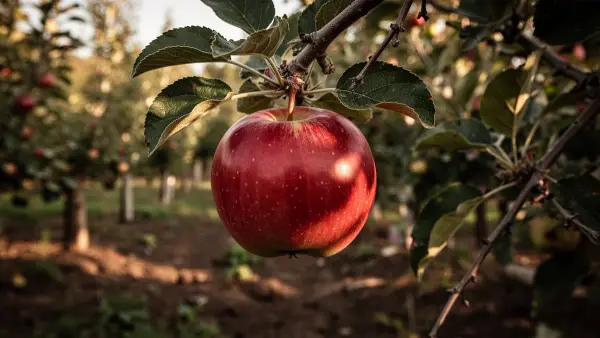
Plant Winesap apple trees in late winter or early spring while dormant, in a location with full sun and well-drained soil. As a triploid variety, Winesap requires two other apple varieties nearby for cross-pollination, and it cannot serve as a pollinizer for other trees. Choose compatible diploid pollinizers that bloom at the same time, such as Granny Smith or Red Delicious. Space standard trees 25 to 30 feet apart, or 12 to 15 feet for semi-dwarf rootstock.
Water newly planted trees deeply once per week during the first growing season, then reduce to irrigation during dry spells once established. Winesap performs well in zones 5 through 8, tolerating moderate heat and cold. Mulch around the base with organic material to conserve moisture and suppress weeds, keeping mulch several inches from the trunk.
Prune annually in late winter to maintain an open center or modified central leader shape, removing water sprouts, crossing branches, and dead wood. Thin fruit in early summer to one apple per cluster for best size and quality. Winesap is moderately susceptible to apple scab and cedar apple rust, so monitor closely and apply preventive fungicide sprays starting at green tip if these diseases are prevalent in your area.
Winesap Apple needs more room than a 4 × 8 ft bed gives
Each Winesap Apple wants 400 cm of elbow room. The planner keeps that spacing for you — every plant, every bed.
Winesap Apple's best neighbours
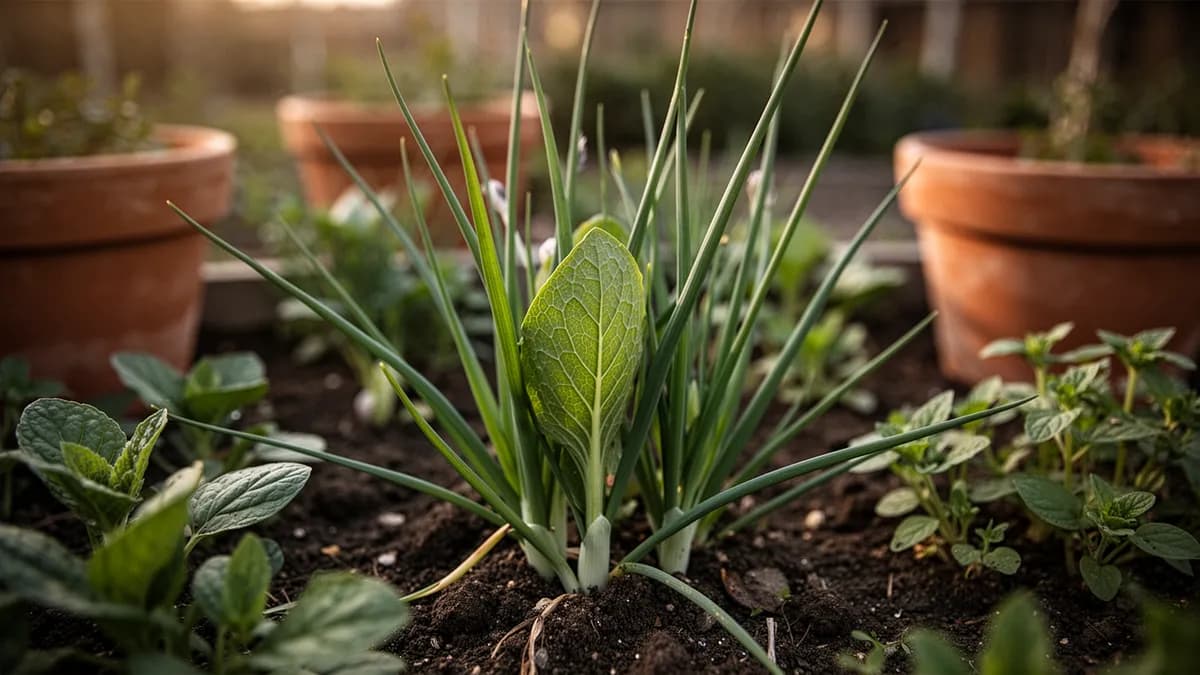
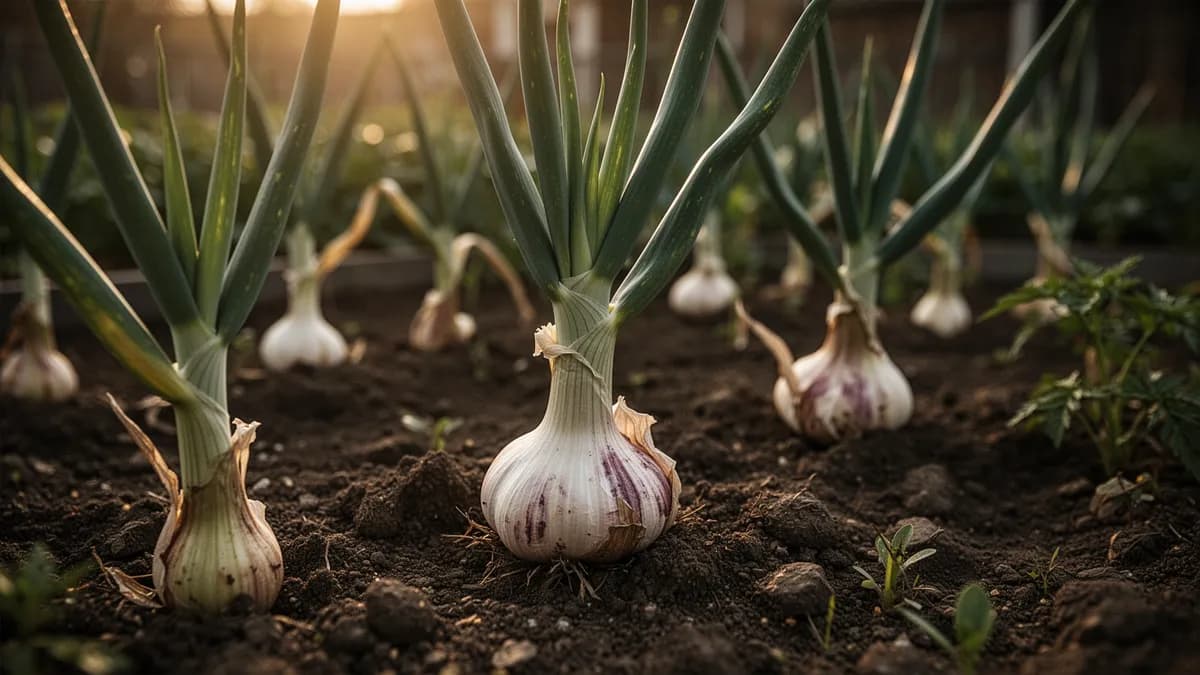
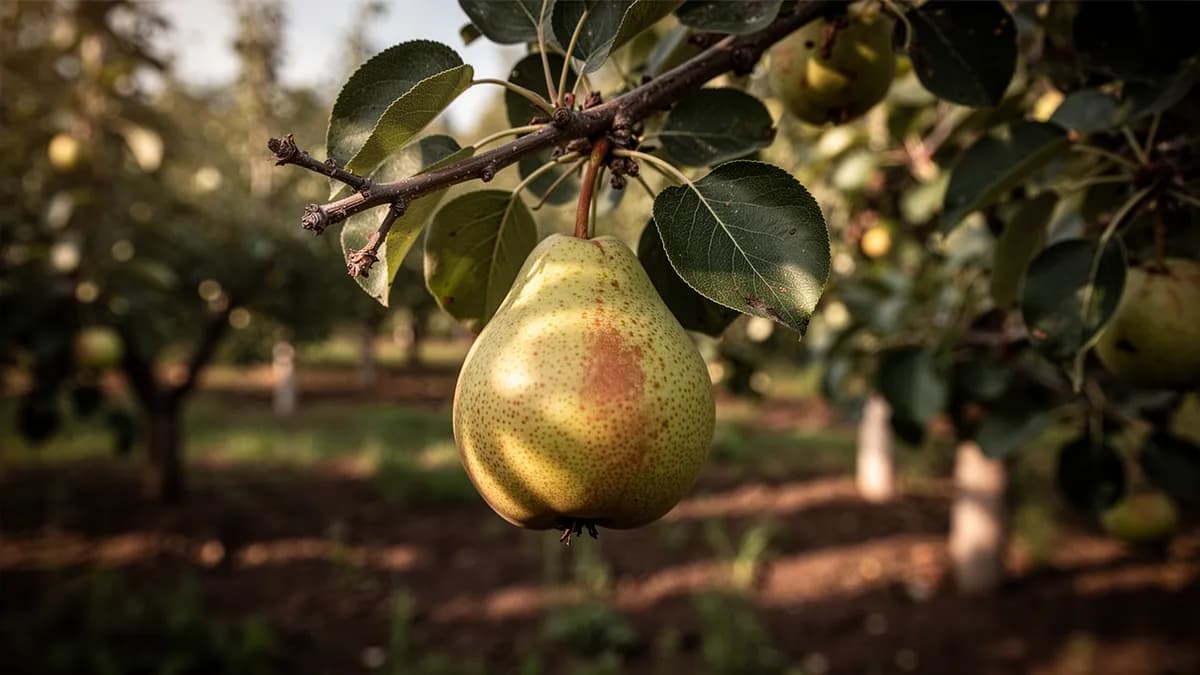
Plant two compatible diploid apple varieties within 50 feet for cross-pollination, such as Granny Smith, Golden Delicious, or Red Delicious. Chives and garlic planted beneath apple trees may help deter apple scab and repel aphids. Nasturtiums attract beneficial predatory insects. Comfrey serves as a dynamic nutrient accumulator when grown around the drip line. Avoid planting near walnut trees, which produce juglone toxic to apple roots.
Chives belongs beside it. Walnut Tree doesn't.
Old growers' knowledge, checked against Winesap Apple's real companion table below — test any plant you're growing.
Try Winesap Apple in a bed — right here
A real planner bed with Winesap Apple already in it. Tap a companion to place it and watch the pairing checks answer — green for good neighbours, red for a clash.


Related growing guides
Feed it well
Winesap grows best in deep, well-drained loamy soil with a pH of 6.0 to 7.0. Have your soil tested before planting and amend accordingly. Apply a balanced fertilizer in early spring before bud break, adjusting rates based on soil test results. Avoid excess nitrogen, which promotes vegetative growth and reduces fruit quality. Mature trees benefit from annual applications of compost and a calcium supplement to prevent bitter pit in stored fruit.
Ideal Temperature
Hardiness Zone Compatibility
From seed to harvest, stage by stage
Dormancy and Planting
Bare-root Winesap apple trees are planted during winter dormancy when no leaves are present and energy reserves are concentrated in the roots and woody tissue. Winesap requires approximately 800-1000 chill hours below 7°C to break dormancy properly, making it well-suited to USDA zones 5-8. This extended chill requirement ensures synchronized, vigorous bud break in spring.
Bud Break and Flowering
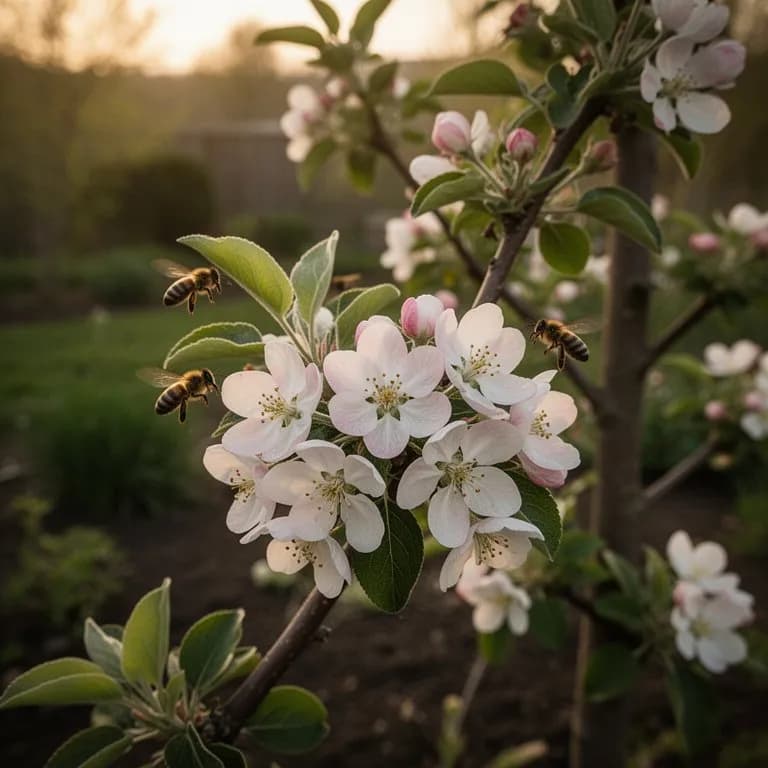
As spring temperatures warm consistently above 10°C, Winesap buds swell and burst open to reveal tightly clustered flower buds surrounded by emerging silvery-green leaves. Winesap blooms in mid to late spring, slightly later than many varieties, with each cluster producing five pink-tinged white blossoms. As a triploid cultivar, Winesap produces sterile pollen and cannot pollinate itself or other trees, making nearby diploid pollinators essential for fruit set.
Fruit Set and June Drop
After successful cross-pollination, tiny fruitlets begin developing at the base of each fertilized flower. The tree naturally sheds a portion of developing fruit in the June drop, a self-thinning mechanism that helps regulate crop load. Remaining Winesap fruitlets grow steadily, transitioning from small green spheres to recognizable miniature apples with the first hints of red coloring beginning to appear.
Fruit Development and Sizing
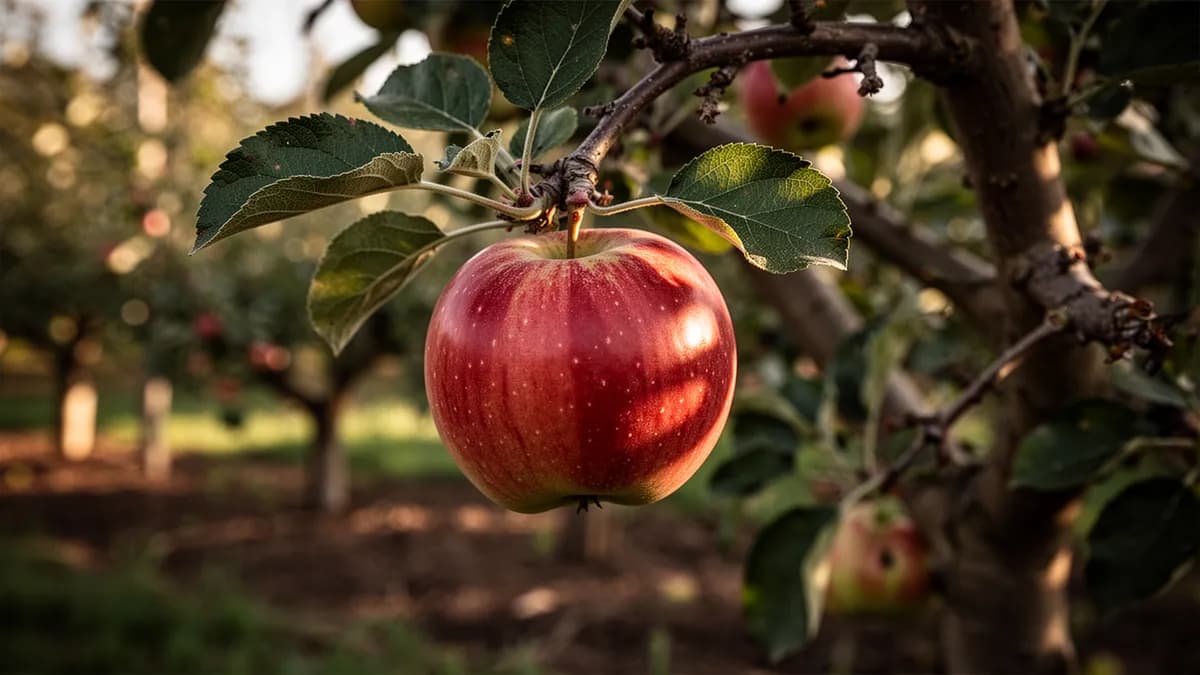
Winesap apples undergo a prolonged development phase through summer and into early autumn. The fruit gradually increases in size while developing its characteristic deep red to burgundy skin color and firm, crisp yellow-green flesh. Sugars and complex flavor compounds accumulate steadily, building the distinctive wine-like, spicy tang that gives this variety its name. The extended growing season contributes to Winesap's superior storage qualities.
Ripening and Harvest
Winesap is a late-season apple, typically reaching peak ripeness from mid-October through November depending on climate. The skin deepens to a rich dark red or burgundy with occasional yellow-green undertones. The flesh firms to its characteristic dense, crisp texture while developing a complex flavor profile that balances tartness with sweet, vinous, spicy notes. Seeds darken to deep brown as sugars and aromatic compounds reach their peak concentration.
Post-Harvest and Leaf Fall
After the late harvest, the Winesap tree begins transitioning into dormancy. Leaves turn golden-yellow as chlorophyll degrades and nutrients are reabsorbed into the branches, trunk, and root system for winter storage. Leaf fall exposes the tree's branch architecture, providing an ideal opportunity to assess structural form and plan winter pruning. The tree steadily shuts down metabolic activity as temperatures and day length decrease.
Winter Dormancy
The Winesap tree enters full dormancy with no visible above-ground growth activity. Roots may continue slow growth in soil temperatures above 4°C. This critical rest period allows the tree to accumulate the 800-1000 chill hours it requires for proper spring bud break. Winesap's high chill requirement makes it poorly suited to mild-winter climates but ensures excellent hardiness in zones 5-8.
Plant bare-root Winesap trees in late winter while fully dormant. Dig a hole twice the root spread width and set the graft union 5-10 cm above the soil line. Water deeply after planting and apply a 10 cm ring of organic mulch, keeping it 15 cm from the trunk. Since Winesap is a triploid variety, plant at least two diploid pollinator varieties nearby.
Caring for Winesap Apple month by month
What to do each month for your Winesap Apple
October
You are hereBegin harvesting Winesap apples as they reach peak ripeness, typically mid to late October. Test by checking seed color (dark brown), background skin color (yellowish), and ease of detachment with a gentle upward twist. Handle fruit carefully to avoid bruising that reduces storage life. Sort by quality, storing only unblemished fruit in a cool, humid space at 1-4°C.
Know exactly what to do in your garden — every month
One email at the start of each month: what to sow, plant, and tackle right now — for your Winesap Apple and everything growing around it. Plus a short starter course that helps you dodge the classic mistakes.
- What to do, right now
- Matched to your season
- Starter course included
Harvesting Winesap Apple
Winesap apples ripen in late October to November, among the last varieties to mature. The fruit is ready when the deep red skin has developed fully and the flesh near the stem area yields slightly to pressure. Cut or twist the fruit from the branch gently. Winesap improves significantly in storage as the spicy, wine-like flavors concentrate and mellow over several months. Taste-test fruit periodically during storage to find the peak flavor window.
assuming you plant when the window opens — set your real date
Pick Winesap Apple promptly and the plant keeps producing.
Storage & Preservation
Winesap is one of the best storage apples, keeping for four to six months in a cool root cellar or refrigerator at 32 to 35 degrees Fahrenheit with high humidity. The flavor actually improves during the first several months of storage. The firm flesh makes excellent dried apple rings and chips. Winesap produces outstanding cider, both sweet and hard, with its characteristic spicy, complex flavor. The apples also freeze well when sliced and treated with lemon juice.
What goes wrong — and the fix
Apple Scab
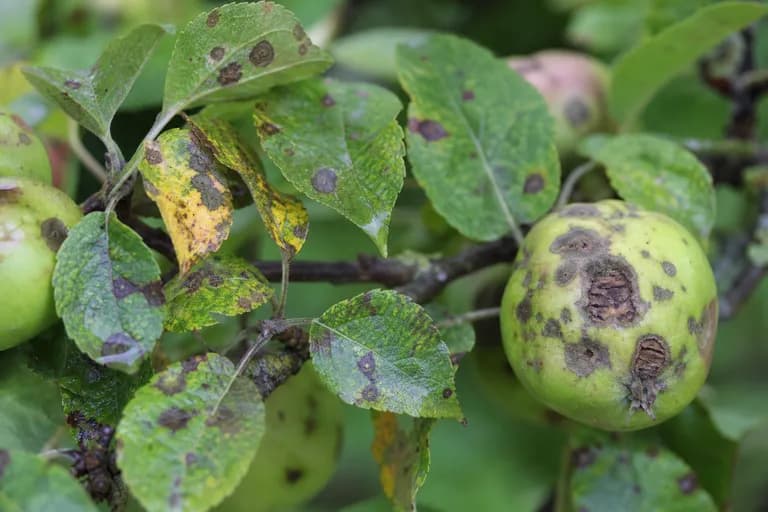
DiseaseOlive-green to brown velvety spots on leaves and fruit; severe infection causes leaf drop and cracked, deformed fruit.
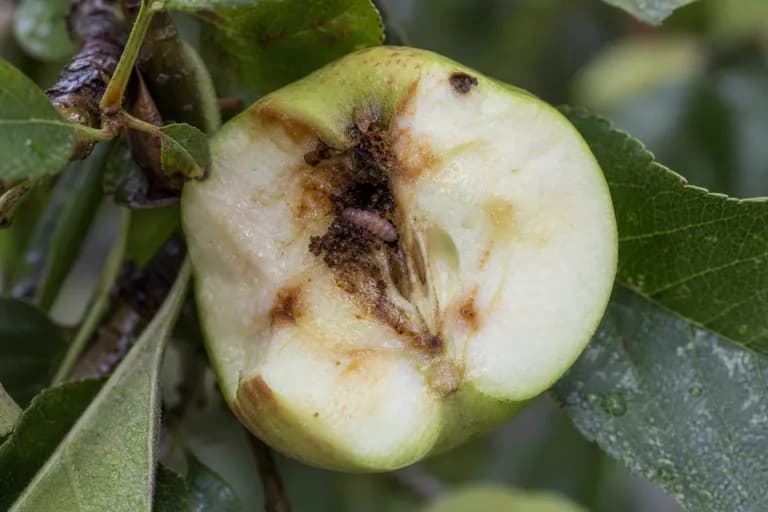
Codling Moth
PestSmall entry holes in fruit with frass-filled tunnels leading to the core; brown, crumbly damage inside the apple.
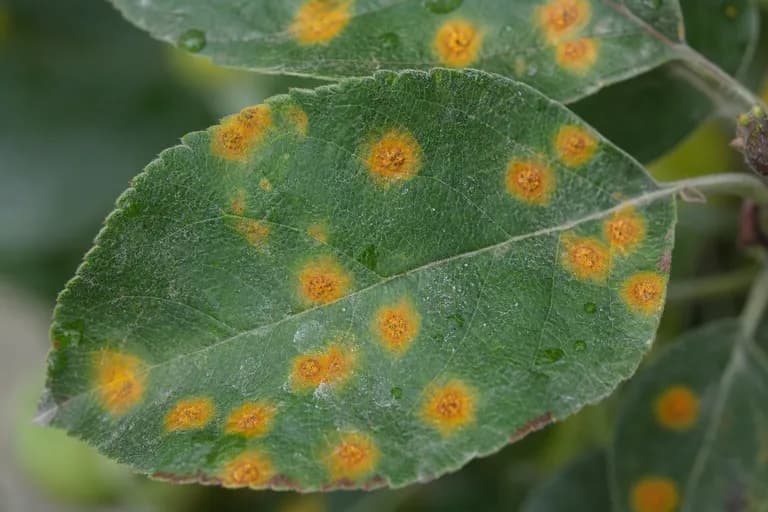
Cedar Apple Rust
DiseaseYellow-orange spots on leaves and fruit with raised, spore-producing structures on leaf undersides; defoliation in severe cases.
Troubleshooting Common Problems
Being a triploid, Winesap produces no viable pollen, requiring two other apple varieties for pollination. This makes orchard planning essential. Moderate susceptibility to apple scab requires a spray program in humid climates. Biennial bearing can develop if fruit is not thinned properly, producing heavy crops in alternate years. Bitter pit in stored fruit results from calcium deficiency and can be managed with calcium chloride sprays during the growing season.
Growing Tips
- Always plant at least two compatible diploid pollinator varieties within 30 meters of your Winesap tree. Because Winesap is a triploid with sterile pollen, it cannot pollinate itself or any other tree. Good pollinators include Granny Smith, Jonathan, Golden Delicious, and Red Delicious, chosen so that bloom times overlap.
- Select an appropriate rootstock for your space: M9 or M27 for small gardens and containers producing trees of 2-3 meters, M26 or MM106 for medium gardens at 3-4.5 meters, and MM111 or seedling rootstock only where large trees of 5-7 meters are practical and desired.
- Thin fruit aggressively every year without exception. Winesap is one of the apple varieties most susceptible to biennial bearing. Remove all but one fruitlet per cluster at marble size, spacing remaining fruit 15-20 cm apart. Consistent thinning is the single most important practice for reliable annual Winesap crops.
- Prune during winter dormancy to establish and maintain an open-center or modified central-leader framework. Remove inward-growing branches, water sprouts, and crossing wood to create a vase shape that allows sunlight to penetrate throughout the canopy, which is essential for the deep red color development Winesap is known for.
- Apply a 7-10 cm layer of organic mulch such as wood chips or well-rotted compost extending to the drip line, keeping mulch 15 cm away from the trunk to prevent crown rot and discourage rodent nesting. Mulching conserves soil moisture, moderates root temperature, and gradually improves soil structure.
- Water deeply and consistently during the fruit development period from June through September, providing 25-50 mm per week depending on rainfall. Winesap's late ripening season means it needs reliable moisture longer into autumn than early varieties. Irregular watering causes cracking, bitter pit, and reduced storage quality.
- Monitor for cedar-apple rust if eastern red cedar trees grow within a few hundred meters. Winesap shows moderate susceptibility to this fungal disease. Apply fungicide sprays from pink bud through three weeks after petal fall during wet springs, or remove nearby cedar trees if possible to break the disease cycle.
- Apply dormant oil spray in late winter before bud break to suffocate overwintering pest eggs including scale, aphids, and European red mite. Follow with a copper-based fungicide spray at green tip stage to suppress apple scab, which Winesap is moderately susceptible to in humid climates.
- Harvest Winesap later than most other varieties, typically in mid to late October. Do not rush the harvest, as the complex spicy-wine flavor that defines this variety continues developing in the final weeks on the tree. Check for dark brown seeds, a yellowish background skin color, and easy detachment from the spur.
- Store harvested Winesap apples in a cool, dark location at 1-4°C with 90-95% humidity for optimal results. Winesap is an outstanding storage apple that actually improves in flavor complexity during the first several weeks of cold storage. Individually wrap fruit in newspaper or arrange in single layers so apples do not touch, and inspect weekly for any signs of decay.
Grow your best Winesap Apple yet — and everything around it.
Start a free plan today. Lay out your beds, drop in your Winesap Apple, and let PlotMyGarden handle the timing, spacing, companions and reminders from seed to harvest basket.
Pick your Winesap Apple
Stayman Winesap
A popular seedling sport with larger fruit and more intense flavor than the original, widely grown in the mid-Atlantic region.
Old-Fashioned Winesap
The original heirloom strain with smaller, more intensely flavored fruit prized by heritage apple enthusiasts and cider makers.
Turley Winesap
A sport with even deeper red color and slightly sweeter flavor, favored for fresh eating and dessert use.
A single mature Winesap apple tree on semi-dwarf rootstock can produce 40-80 kg of fruit annually, equivalent to roughly $120-$320 worth of specialty heritage apples at farmers market prices of $3-$4 per kg. Winesap's exceptional cold storage life of 4-6 months means you can enjoy homegrown apples from October through March without purchasing from stores. While the initial tree investment is $25-$50 and you must also plant pollinator varieties, the tree begins bearing in 3-5 years and continues producing for 40-60 years, making it an outstanding long-term return on investment for heritage fruit enthusiasts.
Quick recipes
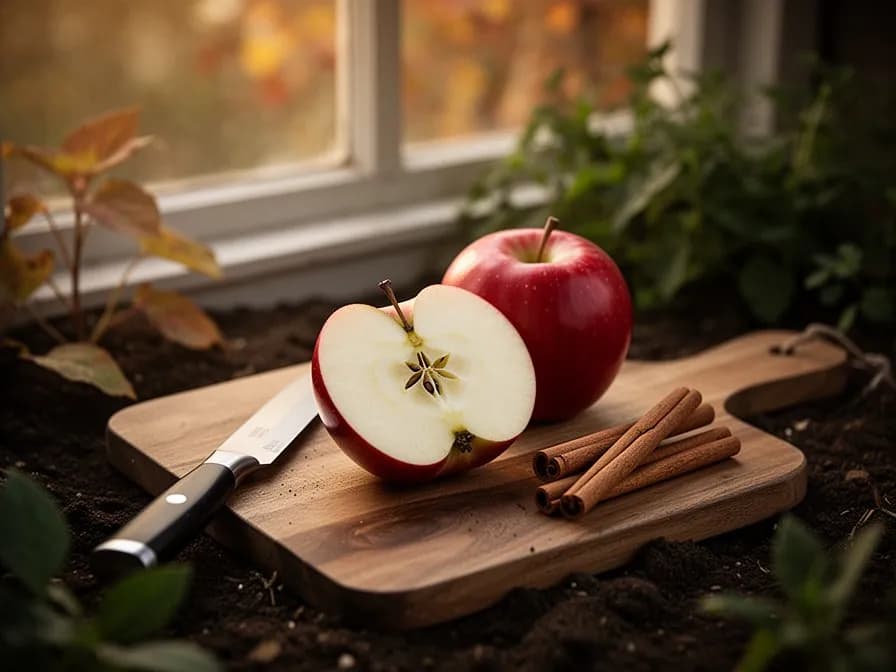
Winesap Apple Cider Vinegar
20 minutes active (4-6 weeks fermentation)Harness the naturally high acidity and complex flavor profile of Winesap apples to produce a richly flavored homemade cider vinegar. Winesap's wine-like character and strong malic acid content make it one of the finest varieties for vinegar production, yielding a robust result superior to store-bought versions.
5 ingredients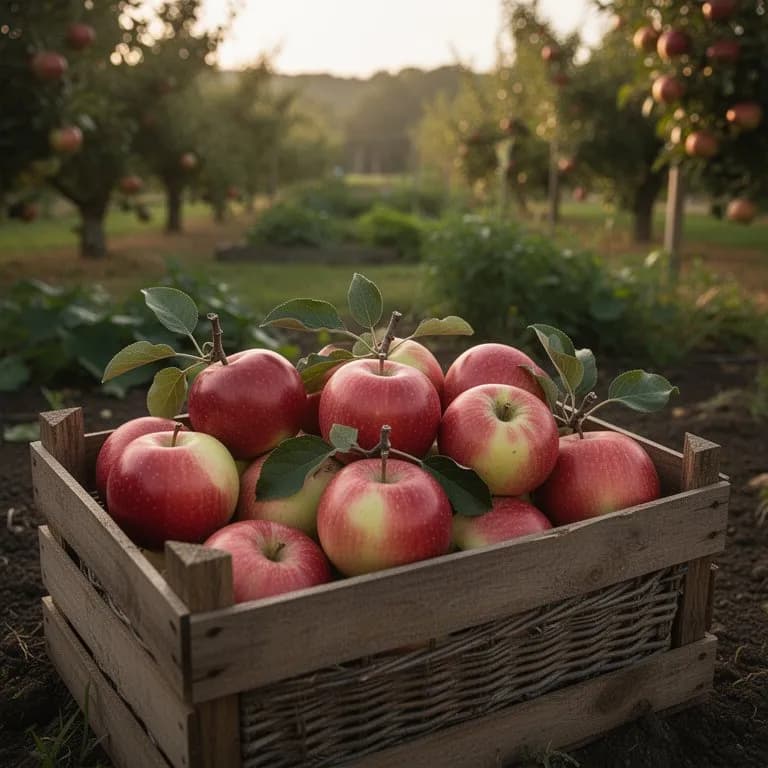
Spiced Winesap Apple Butter
25 minutes active (5 hours slow cooker)A deeply caramelized, richly spiced spread that showcases the distinctive wine-like tang and complex flavor of Winesap apples. The naturally high acid content of Winesap balances beautifully with warm spices, producing an apple butter with exceptional depth that is impossible to replicate with bland commercial varieties.
8 ingredientsHeritage Winesap Tarte Tatin
50 minutesThis classic French upside-down tart is perfectly suited to the Winesap apple, whose firm flesh holds its shape during baking while its natural tartness cuts through the buttery caramel. The wine-like complexity of Winesap elevates this elegant dessert beyond what any standard apple variety can achieve.
8 ingredientsCulinary Uses
Winesap is a premier cider apple, producing complex, spicy juice that ferments into outstanding hard cider. The firm, tart flesh makes excellent pies that hold their shape during baking. Winesap pairs beautifully with sharp cheeses and walnuts on a cheese board. The spicy flavor works well in apple butter, sauces, and savory pork dishes.
What's inside
Health Benefits
- High in malic acid, which supports energy production at the cellular level by playing a key role in the Krebs cycle, and may help reduce muscle fatigue and soreness after physical exertion
- Rich in anthocyanin pigments concentrated in the deep red skin, powerful antioxidants that have been associated with reduced inflammation, improved cardiovascular health, and enhanced cognitive function in clinical studies
- Contains significant levels of quercetin, a flavonoid antioxidant linked to improved blood vessel function, reduced blood pressure, and lower risk of chronic cardiovascular disease in long-term epidemiological research
- Provides soluble pectin fiber that forms a gel in the digestive tract, helping to lower LDL cholesterol levels, regulate blood sugar absorption after meals, and support the growth of beneficial intestinal bacteria
- Delivers natural polyphenols including chlorogenic acid and catechins that may help modulate glucose metabolism, potentially reducing the risk of type 2 diabetes when consumed as part of a balanced whole-food diet
- Supports oral health through the mechanical cleaning action of chewing firm, crisp Winesap flesh, which stimulates saliva production to neutralize oral acids and helps reduce the buildup of plaque-forming bacteria on teeth
Where Winesap Apple comes from
The Winesap apple is one of the most storied and historically significant American apple cultivars, with origins that stretch back to at least the late 1700s in the orchards of New Jersey and the broader mid-Atlantic region. Its precise parentage is unknown, as Winesap predates the era of systematic pomological documentation in the United States, but its unique triploid genetic makeup suggests a complex and possibly accidental hybridization event. By the early 1800s, Winesap had become the dominant apple of the American South and Midwest, praised by farmers and homesteaders for its remarkable versatility as a fresh eating, cooking, and cider apple, as well as its exceptional ability to keep for months in nothing more than a cool root cellar. Thomas Jefferson cultivated Winesap at Monticello, and the variety appeared in nearly every major American pomological text of the 19th century. The Shenandoah Valley of Virginia became particularly renowned for its Winesap orchards, with trainloads of the deep red fruit shipped to markets along the East Coast. In cider-making circles, Winesap earned a reputation as one of the finest single-variety pressing apples in North America, producing a juice with complex tannic structure and a distinctive spicy, wine-like character. The rise of Red Delicious and other commercially bred varieties in the mid-20th century pushed Winesap out of mainstream orchards, and large-scale commercial production declined steadily from the 1950s onward. However, the late 20th and early 21st century revival of interest in heritage and heirloom fruit varieties has brought Winesap back into the spotlight. Small orchardists, farmers market growers, and craft cider makers have embraced this historic apple for its superior flavor complexity, excellent storage qualities, and deep connection to American agricultural heritage.
Winesap Apple: did you know?
Fascinating facts about Winesap Apple
Winesap is one of the oldest American apple varieties, with documented cultivation dating back to at least the early 1800s in the orchards of New Jersey. Its exact parentage remains unknown, as it predates formal pomological record-keeping in the United States.
Winesap Apple questions, answered
When should I plant Winesap Apple?
What are good companion plants for Winesap Apple?
What hardiness zones can Winesap Apple grow in?
How much sun does Winesap Apple need?
How far apart should I space Winesap Apple?
What pests and diseases affect Winesap Apple?
How do I store Winesap Apple after harvest?
What are the best Winesap Apple varieties to grow?
What soil does Winesap Apple need?
Why does my Winesap tree need two pollinator trees instead of just one?
How do I prevent biennial bearing in my Winesap apple tree?
How long can Winesap apples be stored, and do they improve with age?
Is Winesap a good apple for making cider?
What is the difference between Winesap and Stayman Winesap?
Can I grow a Winesap apple tree in a warm climate with mild winters?
You just read the theory. Now grow it on autopilot.
Everything that makes Winesap Apple fiddly — the timing, the spacing, the companions, the harvest window — is exactly what PlotMyGarden handles for you, for every plant in your garden.
A plan that knows your weather
Set your location once. Get sow, feed and harvest dates built around your real last-frost date and live forecast — no more guessing from a generic seed packet.
From the “When to plant” sectionDrag-and-drop bed planner
Design beds on a grid. Every plant snaps to its proper spacing, and you can see your whole season laid out before you spend a cent on seed.
From the “Growing guide” sectionCompanion conflicts, caught early
200+ good-and-bad pairings checked live as you plant — so a season-wrecking mistake never makes it into the ground.
From the “Companions” sectionReminders you'll actually act on
“Water the beans.” “Pick today before it turns.” Timely, specific, and tied to the plants you're really growing.
From the “Harvest” sectionSuccession, scheduled
Want a harvest for six weeks, not six days? It spaces your sowings automatically and reminds you when each new block is due.
From the “When to plant” sectionA record that gets smarter
Every harvest you log teaches it your garden. Next year's plan starts from what actually worked in your soil, not a textbook's.
From the “Overview” sectionPlant these alongside Winesap Apple
More Pome Fruits
Keep Winesap Apple away from these
Grow your best Winesap Apple yet — and everything around it.
Start a free plan today. Lay out your beds, drop in your Winesap Apple, and let PlotMyGarden handle the timing, spacing, companions and reminders from seed to harvest basket.