Marano silvestre
Una especie de manzano de fruto pequeño, muy valiosa como polinizador para otras variedades de manzana y para elaborar gelatina con alto contenido de pectina.





En esta páginaResumen
Conoce Marano silvestre
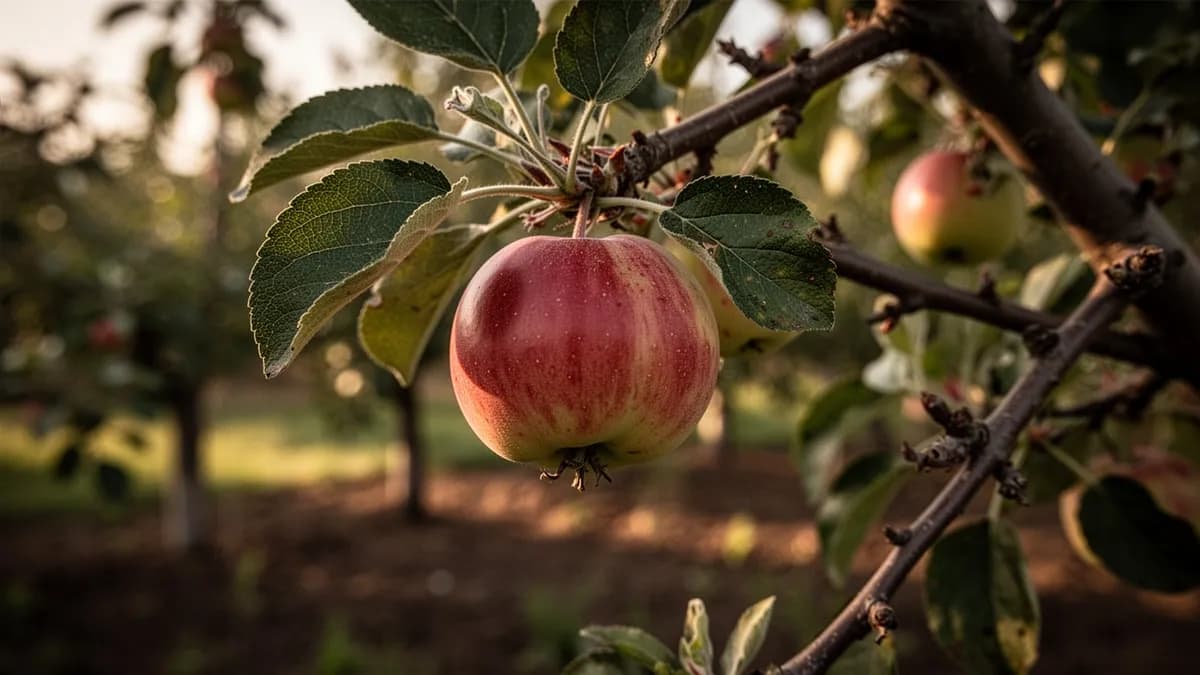
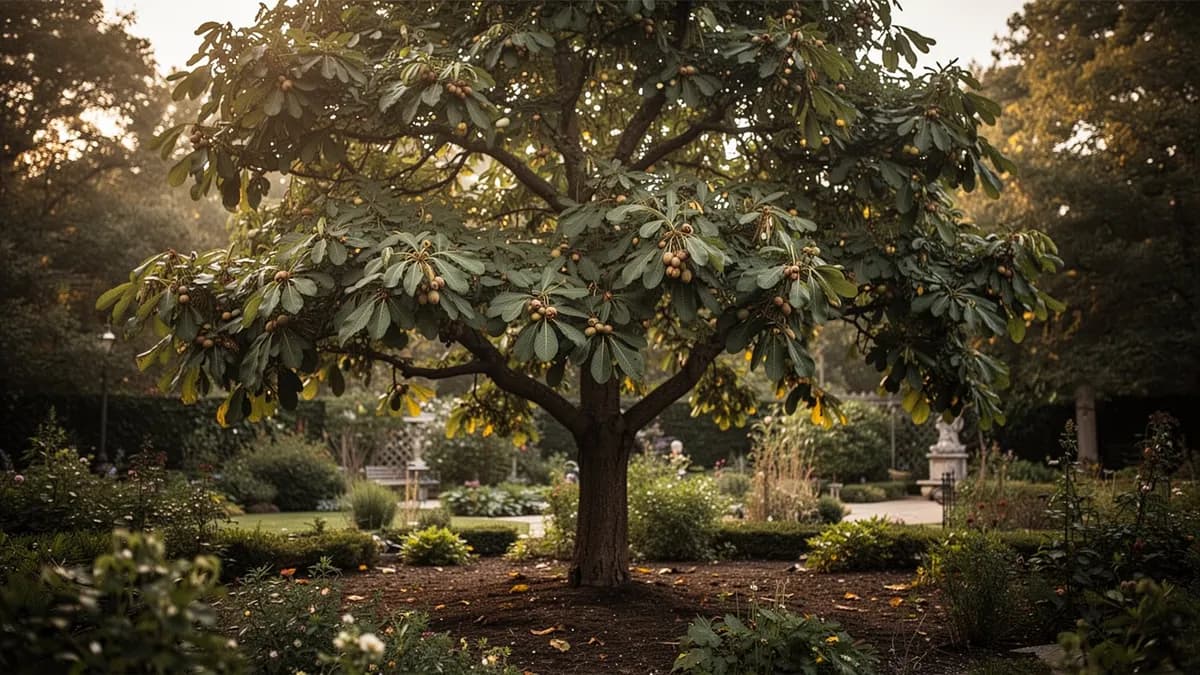
Una especie de manzano de fruto pequeño, muy valiosa como polinizador para otras variedades de manzana y para elaborar gelatina con alto contenido de pectina. Los maranones silvestres también son árboles ornamentales espectaculares, con abundantes floraciones primaverales blancas, rosas o rojas. Sus frutos ácidos son demasiado astringentes para comerlos frescos, pero son excelentes para conservas, añadidos a la sidra y alimento para la fauna.
Cuándo plantar Marano silvestre
Las semillas de marano silvestre germinan bien después de una estratificación en frío. Recoja semillas de frutos maduros en otoño, límpielas a fondo y estratifíquelas en arena húmeda a una temperatura de 2 a 4 grados Celsius durante 60 a 90 días. Siembre a 1.25 cm de profundidad en sustrato para semilleros. La germinación ocurre en dos a cuatro semanas. Las plántulas de marano silvestre se usan comúnmente como portainjertos para injertar variedades cultivadas de manzano. Los árboles procedentes de semilla pueden tardar de cuatro a seis años en florecer y producirán frutos variables.
Tu año de Marano silvestre
Ajustado a Zona 7 · temporada típica · la helada se va hacia el 2 abr y vuelve hacia el 1 nov
Planta Marano silvestre Mar – Abr y cosecha Sep – Oct. Consulta los métodos de plantación y elige tu clima para adaptar los periodos.
Cómo cultivar Marano silvestre
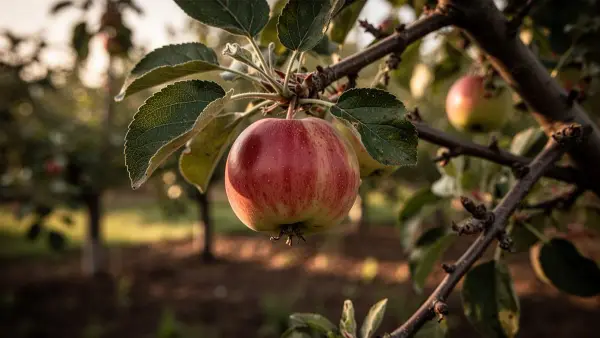
Los maranones silvestres están entre los frutales más duros y adaptables, y prosperan en condiciones que pondrían en aprietos a la mayoría de los cultivares de manzano. Plántelos a comienzos de primavera en un lugar a pleno sol para obtener la mejor floración y fructificación, aunque también toleran la semisombra. La mayoría de las variedades son compactas y alcanzan entre 4.5 y 7.5 metros, lo que las hace adecuadas para jardines pequeños. Separe los árboles entre 4.5 y 6 metros, según el tamaño adulto de la variedad elegida.
Los maranones silvestres se valoran como polinizadores universales para todas las variedades domésticas de manzano, gracias a su floración abundante y duradera. Una vez establecidos, requieren una poda mínima, limitada sobre todo a eliminar ramas muertas, enfermas o cruzadas. A diferencia de los manzanos cultivados, la mayoría de los maranones silvestres no necesitan aclareo de frutos y producen cosechas anuales fiables sin intervención.
Riegue con regularidad los árboles jóvenes durante el establecimiento, pero los ejemplares maduros son tolerantes a la sequía y de bajo mantenimiento. Aplique una dosis ligera de fertilizante equilibrado a comienzos de primavera. Elija variedades resistentes a enfermedades para reducir las necesidades de manejo, ya que muchas selecciones ornamentales antiguas son susceptibles a la sarna del manzano, al fuego bacteriano y a la roya del manzano y el cedro. Cultivares modernos resistentes como Prairifire, Sugar Tyme y Donald Wyman ofrecen belleza y facilidad de cuidado.
Para Marano silvestre un bancal de 120 × 240 cm se queda corto
Cada Marano silvestre pide 300 cm de margen. El planificador guarda ese marco por ti — cada planta, cada bancal.
Los mejores vecinos de Marano silvestre
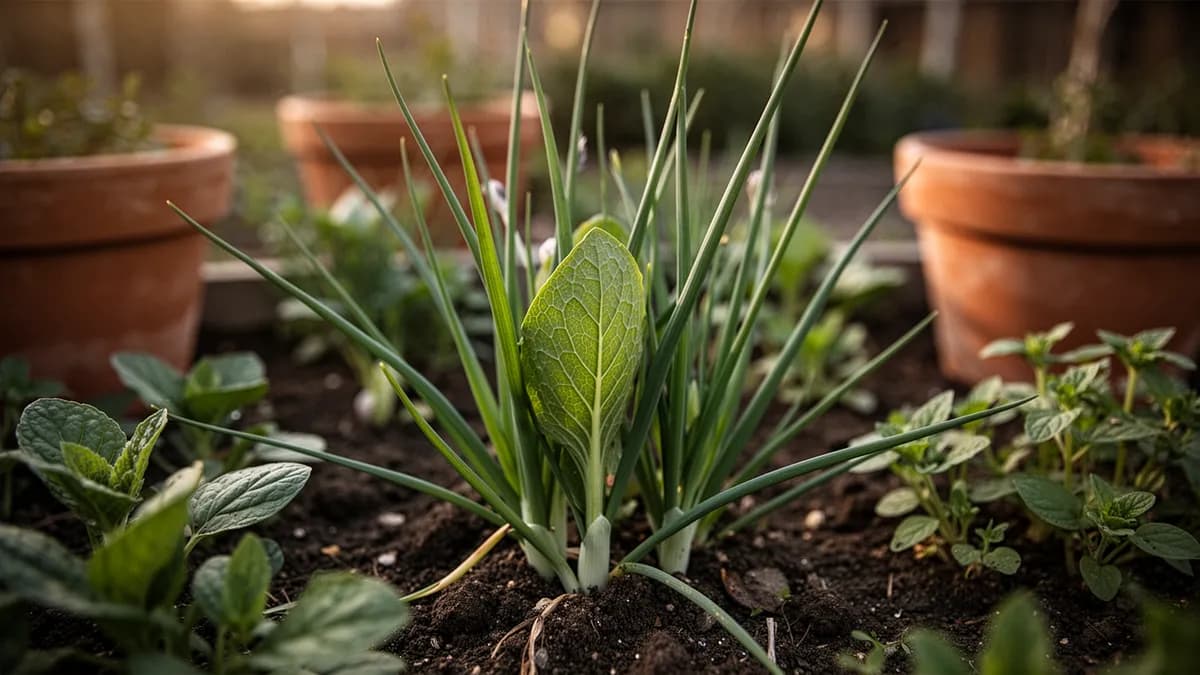
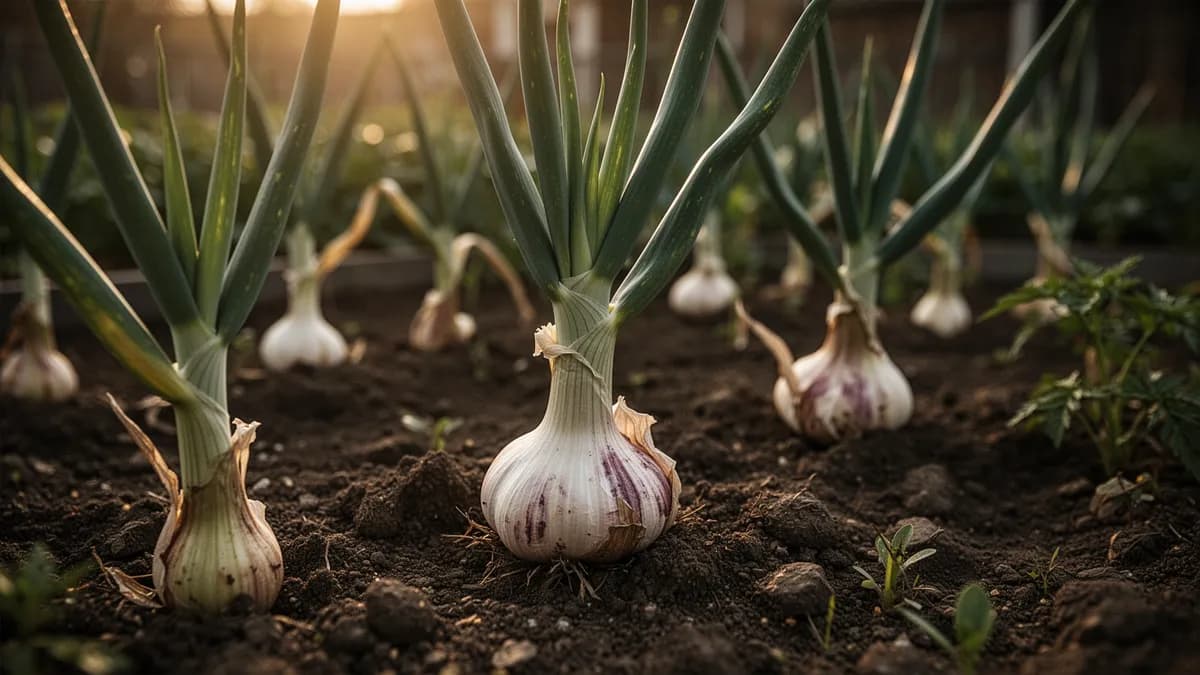
Los maranones silvestres son la planta compañera ideal para cualquier huerto de manzanos, ya que proporcionan una excelente polinización cruzada para todas las variedades cultivadas. Un solo marano silvestre puede polinizar numerosos manzanos dentro del alcance de vuelo de las abejas. Plante cebollino y ajo en la base para disuadir a los barrenadores. El crecimiento denso y espinoso de algunas variedades ofrece un magnífico hábitat de anidación para aves beneficiosas que ayudan a controlar las poblaciones de insectos en todo el huerto.
Cebollino va a su lado. Nogal no.
Saber de huerto de siempre, cotejado con la tabla real de Marano silvestre — prueba cualquier planta que cultives.
Prueba Marano silvestre en un bancal, aquí mismo
Un bancal real del planificador con Marano silvestre ya plantado. Toca una planta compañera para colocarla y mira cómo responde la comprobación de vecinos: verde para buenos vecinos, rojo si hay conflicto.


Guías de cultivo relacionadas
Abónalo bien
Los maranones silvestres toleran muy bien suelos pobres, compactados y arcillosos, aunque rinden mejor en franco bien drenado con un pH de 5.5 a 7.0. Una vez establecidos, requieren poca fertilización; basta con una aplicación ligera de fertilizante equilibrado a comienzos de primavera. El exceso de fertilizante favorece un crecimiento vegetativo excesivo, aumenta la susceptibilidad a enfermedades y reduce la floración. Los maranones silvestres están adaptados de forma natural a suelos pobres y prosperan con una intervención mínima.
Temperatura ideal
Compatibilidad de zonas de rusticidad
De la semilla a la cosecha, etapa por etapa
Dormancia y establecimiento
Los maranones silvestres se plantan mejor como plantas a raíz desnuda o en contenedor a finales del invierno, cuando están completamente en reposo. En esta fase de descanso, toda la energía almacenada reside en el sistema radicular y en el tejido leñoso, lo que permite al árbol concentrarse en fijar nuevas raíces antes de dedicar energía a producir hojas y flores. Los maranones silvestres requieren un periodo de frío invernal, por lo general entre 400 y 800 horas por debajo de 7 grados Celsius, según el cultivar, para asegurar una brotación y floración fiables la primavera siguiente.
Hinchazón de yemas y floración espectacular
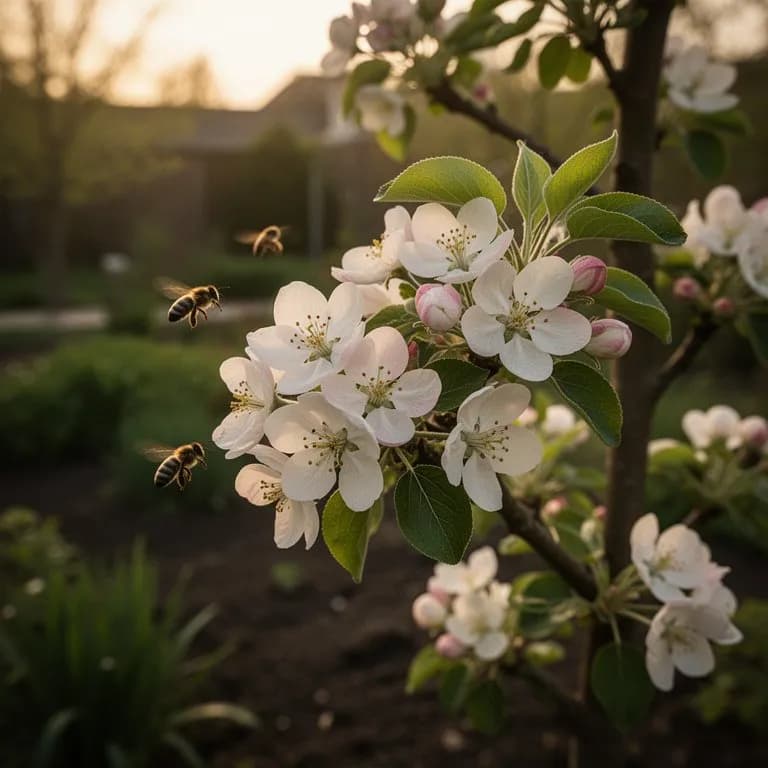
Con el calor acumulado a finales del invierno y principios de la primavera, las yemas se hinchan visiblemente, pasando de escamas apretadas a mostrar color antes de abrirse en racimos de flores espectaculares. Las flores del marano silvestre se abren en tonos que van del blanco puro al rosado, el rosa intenso y el rojo cereza, según el cultivar. Cada racimo de flores de cinco pétalos, que dura entre diez y catorce días, resulta intensamente atractivo para polinizadores tempranos como abejas melíferas, abejorros y especies de abejas solitarias. Los maranones silvestres también se valoran como polinizadores de los manzanos cercanos del huerto, ya que su periodo de floración prolongado se superpone con el de la mayoría de las variedades domésticas.
Desarrollo del fruto y aclareo natural
Tras una polinización exitosa, se forman diminutos frutos en la base de cada flor fecundada. Los maranones silvestres suelen cuajar con más fiabilidad y abundancia que los manzanos de mesa. El árbol experimenta una caída natural del exceso de frutitos a comienzos del verano, desprendiendo frutos poco fecundados o sobrantes para equilibrar la carga. A diferencia de los manzanos de mesa, los maranones silvestres rara vez necesitan aclareo manual porque el tamaño final reducido del fruto ejerce mucha menos presión estructural sobre las ramas. Los frutitos pasan de verde pálido a verde amarillo y después a su color de madurez característico a medida que avanza la temporada.
Maduración del fruto y exhibición otoñal
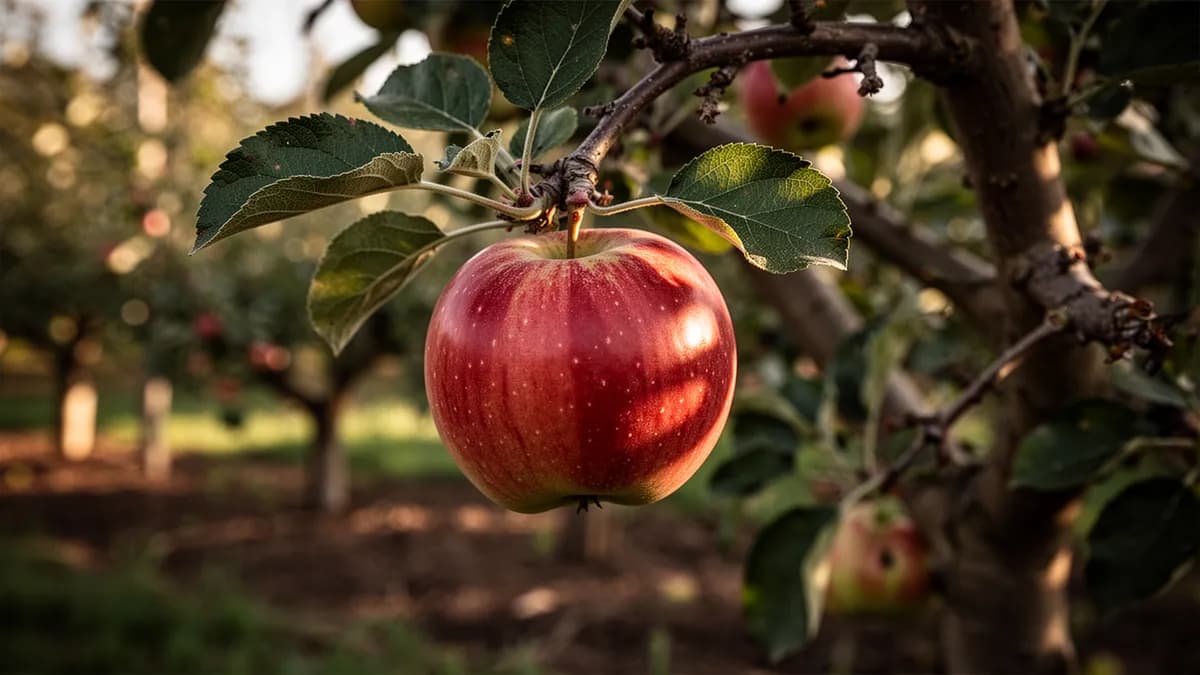
Durante el final del verano y el otoño, los frutos del marano silvestre alcanzan su color y perfil de sabor definitivos. Según la variedad, pueden madurar desde finales de julio hasta noviembre. Los frutos destinados a gelatina o conservas se cosechan mejor cuando están completamente coloreados pero aún firmes. Muchos cultivares ornamentales se crían para que el fruto permanezca en el árbol hasta bien entrado el invierno, ofreciendo un gran interés en el jardín y alimento crítico para la fauna. El follaje otoñal suele añadir una segunda exhibición de hojas doradas, anaranjadas o cobrizas junto al fruto brillante.
Descanso invernal y temporada de poda
Una vez que la caída de hojas se completa y el árbol entra en dormancia total, la estructura de ramas, espolones y forma general de la copa se vuelve claramente visible. Este es el periodo óptimo para la poda anual, con el fin de mantener la forma, retirar madera enferma y fomentar el desarrollo de espolones productivos para la temporada siguiente. Los maranones silvestres requieren relativamente poco mantenimiento en comparación con los manzanos de mesa y rara vez necesitan intervenciones severas; una ligera formación anual suele ser suficiente para mantenerlos vigorosos y atractivos.
Plántelo en un lugar soleado y bien drenado, con al menos seis horas de sol directo al día. Abra un hoyo de dos a tres veces el ancho del cepellón, pero no más profundo que la base del tronco. Sitúe el punto de injerto 5 cm por encima de la línea del suelo. Rellene con el mismo suelo nativo sin enmendar, riegue a fondo y coloque un anillo de mantillo de 10 cm manteniendo el mantillo alejado del tronco. Entutore con holgura durante el primer año si el lugar está expuesto a vientos fuertes.
Cuidar Marano silvestre mes a mes
Qué hacer cada mes para tu Marano silvestre
Octubre
Mes actualEl color otoñal del follaje añade una segunda estación de interés ornamental junto con el fruto persistente. Empiece a retirar las hojas caídas de debajo del árbol si la sarna fue un problema durante la temporada, ya que las hojas infectadas albergan esporas que pasan el invierno. En lugar de dejar las hojas en el suelo, añádalas a un montón de compost caliente. Revise la salud general del árbol antes de que entre en dormancia.
Ten claro qué hacer en tu huerto, cada mes
Un correo al empezar cada mes: qué sembrar, plantar y hacer ahora mismo — para tu Marano silvestre y todo lo que crece alrededor. Más un breve curso inicial para esquivar los errores clásicos.
- Qué hacer ahora mismo
- Ajustado a tu temporada
- Curso inicial incluido
Cosechar Marano silvestre
Los maranones silvestres maduran de septiembre a octubre, según la variedad. Para hacer gelatina, coseche cuando los frutos estén completamente coloreados pero aún firmes y ligeramente ácidos. El contenido de pectina está en su punto máximo justo antes de la madurez completa. Para valor ornamental, deje el fruto en el árbol, donde aportará color invernal durante meses y alimento para la fauna. Retuerza o corte los frutos de las ramas, ya que los pedúnculos pequeños son difíciles de arrancar limpios. Recoja antes de una helada fuerte para obtener la mejor calidad en conservas.
se supone que plantas al comenzar el periodo — indica tu fecha real
Cosecha Marano silvestre a tiempo y la planta sigue produciendo.
Almacenamiento y conservación
Los maranones silvestres frescos se conservan varias semanas en el refrigerador. Su valor principal está en la elaboración, especialmente de gelatina, que aprovecha su alto contenido natural de pectina y ácido. Cueza los maranones silvestres enteros con agua y cuele con una gasa para obtener una gelatina clara, o páselos por un molino de alimentos para hacer mantequilla de marano silvestre. Son excelentes añadidos a la sidra, a la que aportan tanino y acidez. También pueden encurtirse en vinagre especiado como acompañamiento de carnes.
Qué falla — y cómo solucionarlo
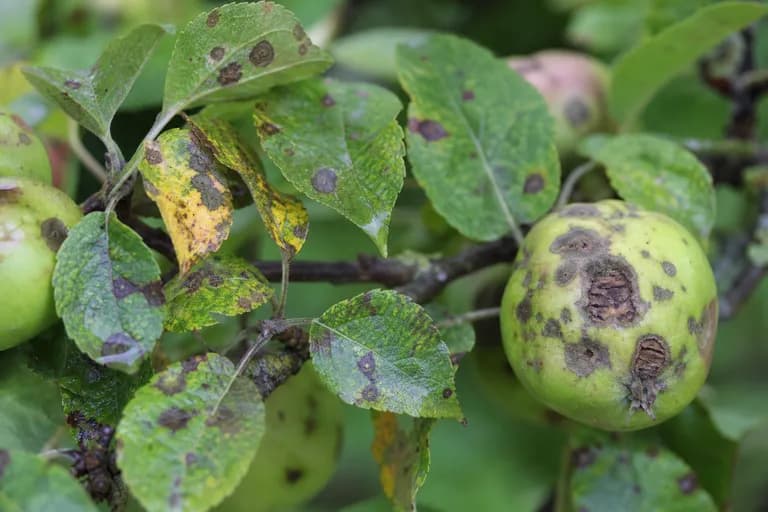
Sarna del manzano
EnfermedadManchas de color verde oliva a marrón en las hojas que causan defoliación prematura; el fruto desarrolla lesiones oscuras y corchosas.
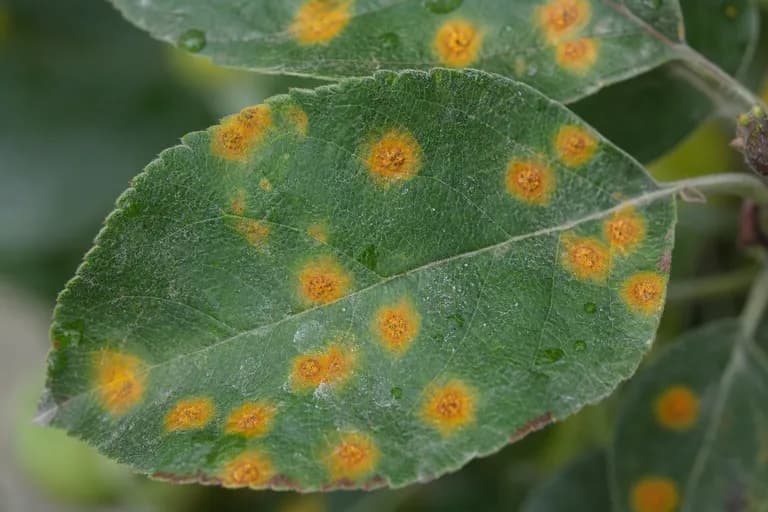
Roya del manzano y el cedro
EnfermedadManchas de color amarillo anaranjado brillante en las hojas, con estructuras gelatinosas en forma de tubo en el envés; algunas variedades desarrollan lesiones en el fruto.
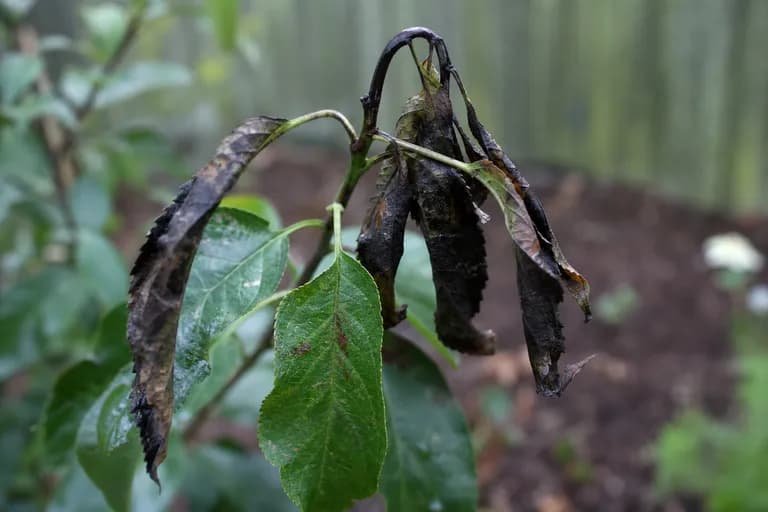
Fuego bacteriano
EnfermedadPuntas de brote y flores ennegrecidas que parecen quemadas; se forman chancros bacterianos en las ramas con exudado ámbar.
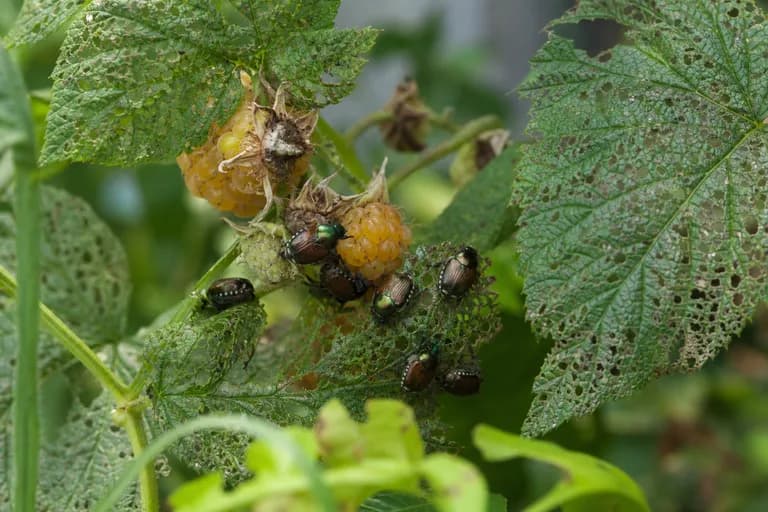
Escarabajo japonés
PlagaHojas esqueletizadas, con solo las venas restantes por la alimentación de los escarabajos adultos; escarabajos metálicos verdes y cobrizos visibles en el follaje.
Solución de problemas comunes
El principal problema de los maranones silvestres es elegir una variedad susceptible a enfermedades que requiera pulverizaciones constantes para mantener un follaje sano. Muchos cultivares ornamentales antiguos son muy propensos a la sarna, la roya y el fuego bacteriano. La solución es elegir desde el principio variedades modernas resistentes a enfermedades. La caída desordenada de frutos puede resultar molesta sobre aceras y patios, así que conviene planificar bien la ubicación. Algunas variedades producen cosechas abundantes que atraen avispas amarillas a finales del verano.
Consejos de cultivo
- Elija desde el principio un cultivar resistente a enfermedades: variedades como 'Evereste', 'Red Sentinel', 'Adirondack' y 'Prairifire' se han criado específicamente para mostrar una fuerte resistencia a la sarna del manzano, al fuego bacteriano y al oídio, reduciendo drásticamente la necesidad de cualquier intervención química durante toda la vida del árbol.
- Plante los maranones silvestres a pleno sol, con un mínimo de seis horas de luz solar directa al día, ya que los árboles cultivados en sombra producen muchas menos flores y frutos y son mucho más susceptibles a enfermedades fúngicas por la mala circulación de aire y el follaje persistentemente húmedo.
- Al elegir el lugar de plantación, considere con cuidado la expansión adulta del árbol: la mayoría de los cultivares de marano silvestre alcanzan entre cuatro y ocho metros de diámetro en madurez, y plantarlos demasiado cerca de muros, caminos u otros árboles crea problemas a largo plazo que son costosos y difíciles de corregir.
- Los maranones silvestres plantados cerca de manzanos domésticos funcionan como polinizadores excelentes porque su periodo de floración es largo y suele solaparse tanto con las variedades tempranas como con las tardías; si el espacio es muy limitado, un marano silvestre formado en espaldera contra un muro o mantenido sobre un portainjerto enanizante puede cumplir esta función en un espacio sorprendentemente pequeño.
- El acolchado es una de las prácticas más eficaces para los maranones silvestres jóvenes: un anillo profundo de viruta de madera o corteza compostada que se extienda hasta la línea de goteo suprime las malas hierbas, retiene la humedad del suelo, modera la temperatura y alimenta la biología del suelo, reduciendo de forma importante la necesidad de riego y fertilizante en los primeros cinco años.
- Evite plantar maranones silvestres en suelos mal drenados o encharcados, ya que sus raíces son muy susceptibles a la podredumbre radicular por Phytophthora en condiciones anaerobias; si el suelo es arcilloso, plante sobre un pequeño caballón para mejorar el drenaje en la zona radicular o instale drenajes antes de plantar.
- Si la sarna del manzano es un problema persistente en su zona, rastrille y retire todas las hojas caídas en otoño en lugar de dejarlas descomponerse bajo el árbol, porque las esporas de sarna pasan el invierno en el mantillo infectado y reinfectan el árbol la primavera siguiente mediante ascosporas dispersadas por el viento durante el tiempo húmedo.
- Para el jardinero ornamental que desea el máximo valor para la fauna, elija un cultivar con frutos persistentes que permanezcan en las ramas durante el invierno en lugar de caer en otoño; variedades como 'Red Sentinel', 'Winter Gold' y 'Comtesse de Paris' mantienen su fruta en excelente estado para las aves hasta bien entrados enero y febrero.
- Los maranones silvestres responden bien al entrenamiento como espalderas, abanicos o incluso formaciones escalonadas sobre portainjertos enanizantes, lo que los hace muy adecuados para jardines modernos pequeños donde un árbol aislado es poco práctico; las formas guiadas también facilitan mucho la inspección, la poda y la cosecha, y pueden resultar muy ornamentales contra una pared cálida.
- Nunca permita que el césped u otra vegetación competidora crezca dentro de un metro del tronco durante los primeros cinco años de establecimiento, ya que las raíces del césped compiten intensamente por el agua y los nutrientes y se ha demostrado que ralentizan el crecimiento de los árboles jóvenes; mantenga durante todo el periodo de establecimiento una zona despejada y acolchada.
Cultiva tu mejor Marano silvestre — y todo lo que la rodea.
Empieza un plan gratis hoy. Diseña tus bancales, coloca tu Marano silvestre y deja que PlotMyGarden gestione el momento, el espaciado, las asociaciones y los recordatorios de la semilla a la cesta.
Elige tu Marano silvestre
Dolgo
Una variedad de fruto grande que produce frutos alargados de color rojo intenso, excelentes para hacer gelatina; extremadamente resistente al frío hasta la zona 2.
Whitney
Un marano silvestre dulce con frutos grandes y rojizos, lo bastante suaves para comerlos frescos y excelentes para sidra y compota.
Centennial
Un marano silvestre de calidad de postre con frutos dulces y crujientes, parecidos a una manzana en miniatura y aptos para consumo fresco.
Hewes Virginia
Un histórico marano silvestre estadounidense para sidra, con frutos pequeños y ácidos que producen una sidra dura excepcional de una sola variedad.
Prairifire
Un ornamental resistente a enfermedades con flores rosa intenso, pequeños frutos rojos persistentes y excelente resistencia a la sarna.
Un marano silvestre maduro puede producir entre diez y treinta kilogramos de fruto al año, según la variedad, el tamaño del árbol y las condiciones de cultivo. A precios habituales de fruta artesanal pequeña de calidad comparable, esto representa un ahorro potencial de sesenta a doscientos euros o dólares al año solo en fruta fresca e ingredientes para conservas. Más allá del valor directo del fruto, un marano silvestre plantado como polinizador para los manzanos de mesa cercanos puede mejorar de forma notable el cuajado de todo un huerto doméstico, multiplicando potencialmente la productividad total de cada manzano dentro de un radio de treinta metros sin coste adicional. El árbol, una vez establecido, requiere menos aportes que la mayoría de los frutales, no necesita abonado regular en suelos fértiles y sufre mucha menos presión de plagas y enfermedades que los manzanos de mesa, especialmente cuando se elige un cultivar moderno resistente a enfermedades.
Recetas rápidas

Gelatina clásica de marano silvestre
90 minutos más reposo nocturnoUna gelatina de brillo joya que cuaja de forma natural y no necesita pectina comercial. La conserva resultante tiene un sabor entre ácido y dulce, mucho más complejo que el de una gelatina comercial de manzana, y un color translúcido precioso que va del oro pálido al rosa intenso según la variedad utilizada.
5 ingredientesMantequilla especiada de marano silvestre
45 minutosUna crema de fruta suave e intensamente sabrosa que se obtiene cocinando pulpa de marano silvestre con especias cálidas hasta lograr una textura espesa y untuosa. Con menos azúcar que la gelatina, la mantequilla de marano silvestre tiene un sabor profundo y complejo que combina de maravilla con queso curado, cerdo asado y pan de masa madre.
7 ingredientes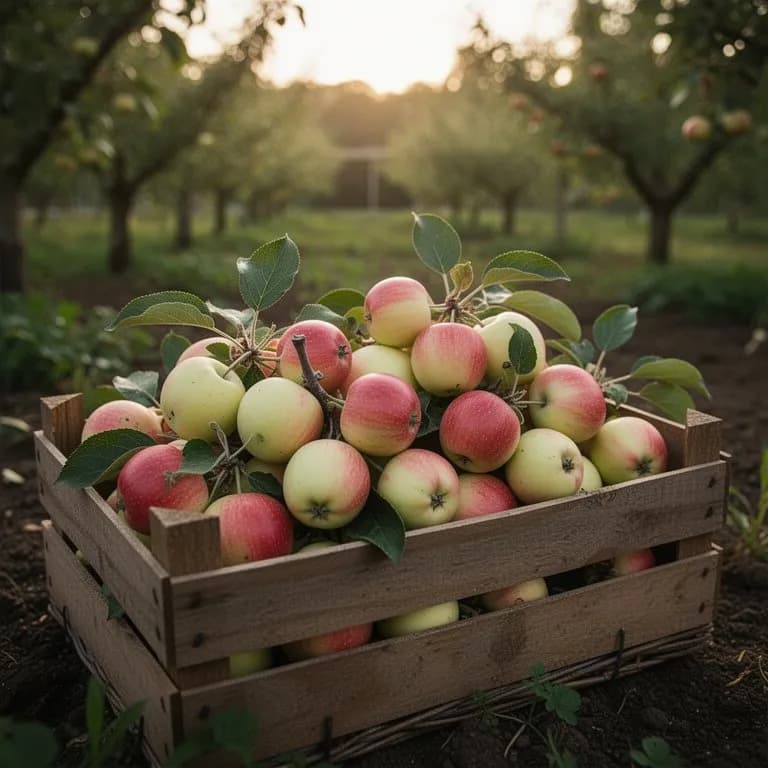
Cordial de marano silvestre y ginebra de endrinas
30 minutos más colado durante la nocheUn cordial vibrante y reconfortante que capta el carácter intensamente ácido de los maranones silvestres, equilibrado con una dulzura floral. Servido diluido con agua con gas, resulta una bebida sin alcohol excelente; añadido a una copa de vino espumoso crea un aperitivo elegante con un precioso tono rosado.
7 ingredientesUsos culinarios
Los maranones silvestres son apreciados por su alto contenido de pectina, lo que los convierte en la mejor fuente natural para hacer gelatina casera sin pectina comercial añadida. La gelatina de marano silvestre tiene un hermoso color rubí y un sabor característico entre ácido y dulce. Son añadidos esenciales a la sidra, a la que aportan tanino, acidez y complejidad. Los maranones silvestres encurtidos son un acompañamiento tradicional del cerdo asado y de la carne de caza. Las variedades de fruto más grande, como Whitney y Centennial, son lo bastante dulces para comerlas frescas y para hacer salsa.
Qué contiene
Beneficios para la salud
- El contenido excepcionalmente alto de pectina de los maranones silvestres actúa como prebiótico, alimenta bacterias intestinales beneficiosas y favorece un microbioma sano y diverso asociado con una mejor inmunidad y menos inflamación.
- El consumo regular de frutas ricas en polifenoles, como los maranones silvestres, se ha relacionado en estudios epidemiológicos con un menor riesgo de enfermedad cardiovascular gracias a una mejor función endotelial y a una menor oxidación del LDL.
- La quercetina y otros flavonoides concentrados en la piel del marano silvestre muestran actividad antiinflamatoria en estudios de laboratorio, lo que podría reducir la inflamación sistémica asociada con enfermedades crónicas.
- El contenido de ácido málico de los maranones silvestres favorece el ciclo de Krebs en la producción celular de energía y se ha estudiado por su papel en la reducción de la fatiga y la mejora de la recuperación del ejercicio en investigaciones preliminares.
- El consumo de marano silvestre aporta ácido clorogénico, un polifenol que, según la investigación, puede ayudar a ralentizar la liberación de glucosa en la sangre después de las comidas, apoyando el equilibrio glucémico en personas sanas.
- La combinación de fibra soluble, antioxidantes y vitamina C en los maranones silvestres favorece la función inmunitaria, la síntesis de colágeno de la piel y la absorción de hierro procedente de alimentos vegetales consumidos en la misma comida.
De dónde viene Marano silvestre
El marano silvestre tiene una historia botánica y cultural que se remonta miles de años en las regiones templadas de Europa, Asia y Norteamérica. El género Malus contiene aproximadamente cuarenta a cincuenta especies principales de manzanos silvestres y maranones, distribuidas desde Europa occidental hasta Asia central, China y Japón, además de varias especies nativas de Norteamérica, entre ellas Malus coronaria y Malus ioensis. El marano silvestre europeo, Malus sylvestris, figura entre los frutales más antiguos de las Islas Británicas, con pruebas de consumo humano halladas en yacimientos neolíticos y de la Edad del Bronce por todo el norte de Europa. Semillas, restos carbonizados de frutos y semillas conservadas en asentamientos lacustres suizos confirman que las poblaciones antiguas recogían, secaban y almacenaban maranones silvestres como alimento miles de años antes de que comenzara la horticultura organizada.
Las investigaciones genéticas publicadas en el siglo XXI han confirmado que la especie de Asia central Malus sieversii, originaria de las montañas de Kazajistán, Kirguistán y el oeste de China, es el antepasado principal de prácticamente todos los cultivares de manzano doméstico que se producen comercialmente hoy. A medida que las antiguas rutas comerciales llevaron semillas y conocimientos de injerto hacia occidente a lo largo de la Ruta de la Seda, las especies silvestres de tipo marano silvestre en Europa y Oriente Medio se cruzaron con especies asiáticas introducidas durante siglos, dando gradualmente lugar a las formas más dulces y de fruto mayor que acabarían convirtiéndose en las manzanas de postre modernas.
Durante la Edad Media en Europa, los maranones silvestres eran elementos esenciales de los huertos monásticos y las granjas. Su fruto ácido se fermentaba para obtener una bebida parecida a una sidra rústica llamada verjus, usada ampliamente en la cocina como agente ácido antes de que el limón estuviera disponible de forma generalizada. La gelatina y las conservas de marano silvestre eran un básico de despensa en hogares de Gran Bretaña, Francia y Alemania, valoradas tanto por su sabor vivo como por su contenido de pectina, que ayuda a conservar.
La mejora de maranones silvestres ornamentales se aceleró de forma notable en el siglo XX, especialmente en Estados Unidos y Europa, cuando horticultores de instituciones como el Arnold Arboretum de Massachusetts cruzaron especies asiáticas como Malus floribunda y Malus halliana con especies nativas norteamericanas para obtener los cultivares resistentes a enfermedades y de floración abundante que hoy están ampliamente disponibles. Cultivares modernos como 'John Downie', 'Evereste', 'Red Sentinel' y 'Gorgeous' reflejan más de un siglo de selección deliberada por color de flor, valor ornamental del fruto, resistencia a enfermedades y porte compacto apto para jardines modernos pequeños.
Marano silvestre: ¿sabías que?
Datos fascinantes sobre Marano silvestre
Los maranones silvestres están entre los polinizadores más importantes de los huertos comerciales de manzanos, porque su periodo de floración prolongado coincide con casi todas las variedades domésticas de manzano, y un solo ejemplar maduro puede polinizar docenas de árboles vecinos.
Marano silvestre: preguntas frecuentes
¿Cuándo debo plantar Marano silvestre?
¿Cuáles son buenas plantas acompañantes para Marano silvestre?
¿En qué zonas de rusticidad puede crecer Marano silvestre?
¿Cuánto sol necesita Marano silvestre?
¿A qué distancia debo espaciar Marano silvestre?
¿Qué plagas y enfermedades afectan a Marano silvestre?
¿Cómo almaceno Marano silvestre después de la cosecha?
¿Cuáles son las mejores variedades de Marano silvestre para cultivar?
¿Qué suelo necesita Marano silvestre?
¿Se pueden comer los maranones silvestres y saben mejor cocidos o crudos?
¿Necesito plantar dos maranones silvestres para obtener frutos?
¿Con qué rapidez crecen los maranones silvestres y cuándo florecerán por primera vez?
¿Qué cultivar de marano silvestre es mejor para hacer gelatina?
¿Cómo prevengo la sarna del manzano en mi marano silvestre?
¿Se pueden cultivar maranones silvestres en macetas o jardines pequeños?
Acabas de leer la teoría. Ahora cultívala en piloto automático.
Todo lo que hace que Marano silvestre sea delicado — el momento, el espaciado, las asociaciones, la ventana de cosecha — es justo lo que PlotMyGarden resuelve por ti, para cada planta de tu huerto.
Un plan que conoce tu clima
Indica tu ubicación una vez. Recibe fechas de siembra, abonado y cosecha basadas en tu última helada real y el pronóstico en vivo — sin adivinar con un sobre genérico.
De la sección “Cuándo plantar”Planificador de bancales de arrastrar y soltar
Diseña bancales sobre una cuadrícula. Cada planta encaja con su espaciado correcto y ves toda la temporada antes de gastar un céntimo en semillas.
De la sección “Cultivo”Conflictos de asociación, detectados a tiempo
Más de 200 buenas y malas combinaciones comprobadas en vivo mientras plantas — para que un error que arruine la temporada nunca llegue a la tierra.
De la sección “Asociaciones”Recordatorios que sí vas a seguir
“Riega las judías.” “Recoge hoy antes de que se pase.” Oportunos, concretos y ligados a las plantas que de verdad cultivas.
De la sección “Cosecha”Escalonado, programado
¿Quieres cosechar seis semanas en vez de seis días? Reparte tus siembras automáticamente y te avisa cuando toca el siguiente lote.
De la sección “Cuándo plantar”Un registro que se vuelve más listo
Cada cosecha que registras le enseña tu huerto. El plan del año que viene parte de lo que de verdad funcionó en tu suelo, no en un manual.
De la sección “Resumen”Planta estos junto a Marano silvestre
Más Frutas de pepita
Mantén Marano silvestre lejos de estos
Cultiva tu mejor Marano silvestre — y todo lo que la rodea.
Empieza un plan gratis hoy. Diseña tus bancales, coloca tu Marano silvestre y deja que PlotMyGarden gestione el momento, el espaciado, las asociaciones y los recordatorios de la semilla a la cesta.