Almond (Fruit)
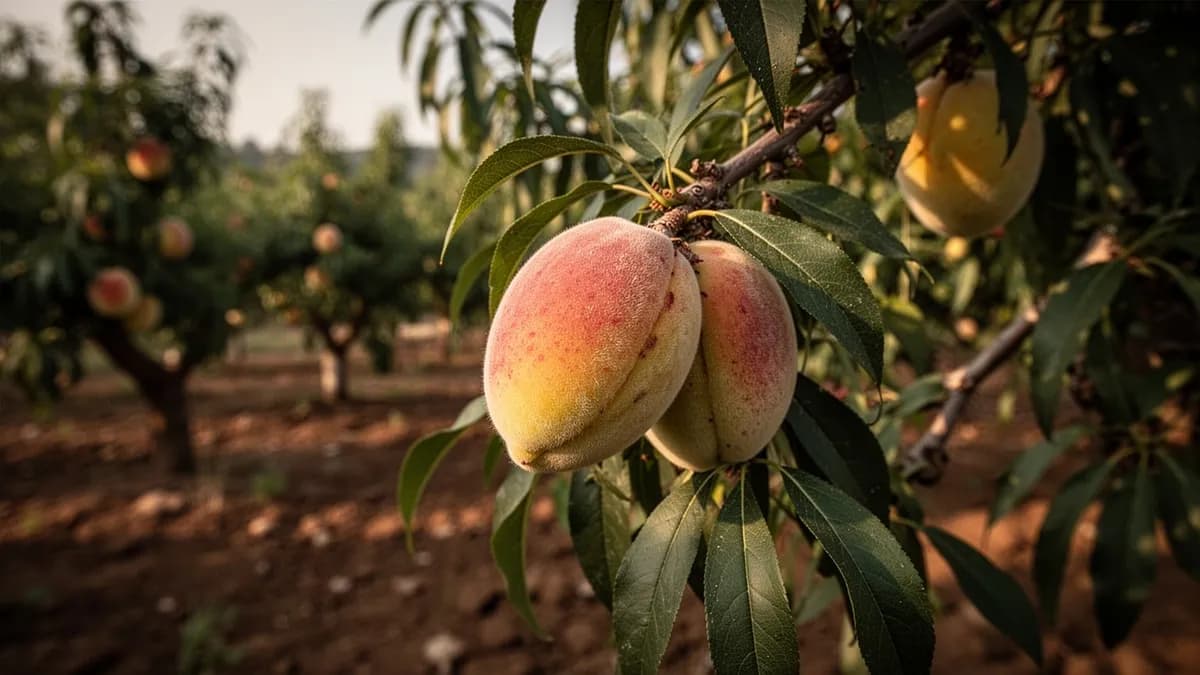
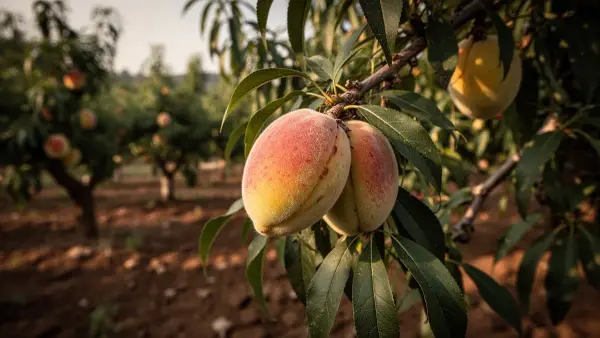
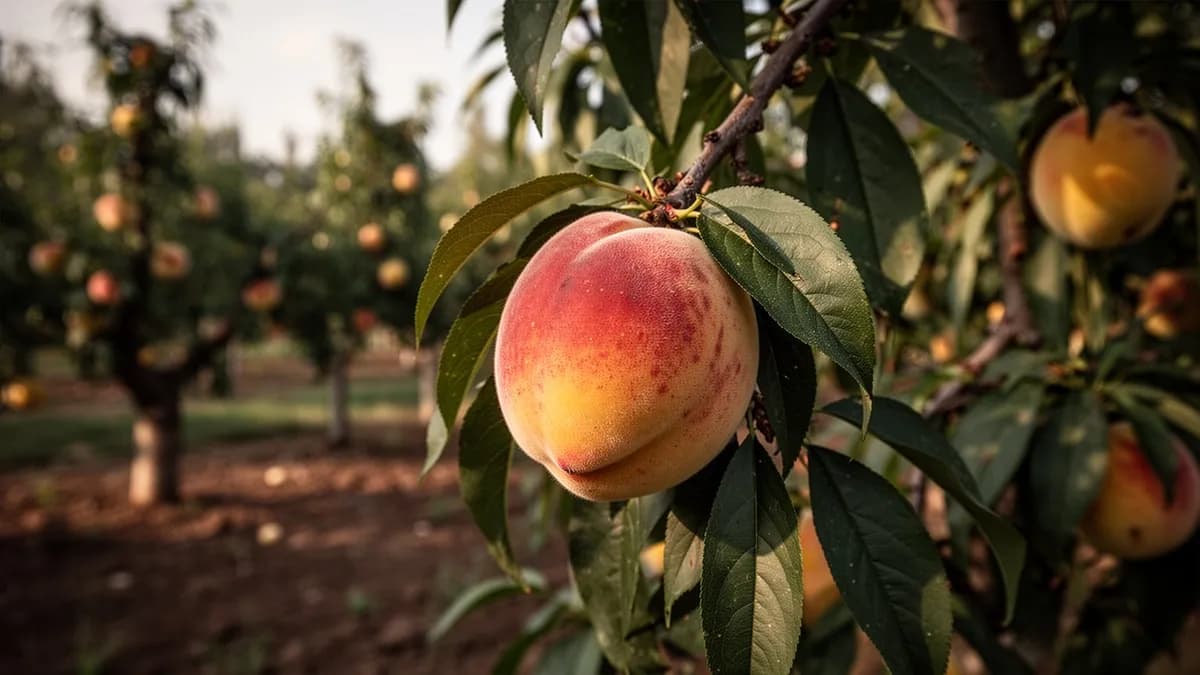
Botanically a stone fruit closely related to peaches, producing a dry, inedible outer hull surrounding the familiar edible nut.





On this pageOverview
Meet Almond (Fruit)
Botanically a stone fruit closely related to peaches, producing a dry, inedible outer hull surrounding the familiar edible nut. Almond trees bloom very early and are highly susceptible to spring frost damage, requiring a warm, dry Mediterranean climate. Plant two compatible varieties for cross-pollination and harvest when the outer hulls split open and dry on the tree.
When to plant Almond (Fruit)
Raw, unroasted almonds can be stratified for 30 to 60 days in moist sand in the refrigerator and will germinate readily. Seedling trees are vigorous but produce variable nut quality. For named varieties, purchase grafted trees on peach, plum, or almond-peach hybrid rootstock. Nemaguard peach rootstock provides nematode resistance. Grafted trees begin bearing in their third to fourth year after planting.
Your Almond (Fruit) Year
Composed for Zone 7 · typical seasons · frost passes Apr 2, returns Nov 1
Plant Almond (Fruit) Mar – Apr, pick Aug – Oct. Check the planting methods below and set your climate to personalize these windows.
How to grow Almond (Fruit)
Almonds are botanically stone fruits closely related to peaches, producing an edible kernel inside a hard shell surrounded by a dry, inedible hull. They require a Mediterranean climate with hot, dry summers, mild winters, and low humidity during bloom and harvest. Plant bare-root trees in late winter, spacing 20 to 25 feet apart. Almonds are not self-fertile and require two compatible varieties for cross-pollination, with bees providing the essential transfer between trees.
The greatest challenge in almond growing is their extremely early bloom, often the first tree fruit to flower in late winter. Late frosts regularly destroy crops in marginal climates. Choose a site with excellent cold air drainage and avoid frost pockets. South-facing slopes are ideal. Trees need 300 to 600 chill hours depending on variety and are hardy only to about 10 degrees Fahrenheit once established.
Train young trees to an open vase form with three to four main scaffold branches. Prune during the dormant season to maintain shape and remove dead or crossing wood. Almonds bear on short-lived spurs that remain productive for about five years. Water deeply but infrequently during the growing season. Reduce irrigation in late summer to help hulls dry and split. Harvest when the majority of hulls have split and begun to dry on the tree.
Almond (Fruit) needs more room than a 4 × 8 ft bed gives
Each Almond (Fruit) wants 360 cm of elbow room. The planner keeps that spacing for you — every plant, every bed.
Almond (Fruit)'s best neighbours
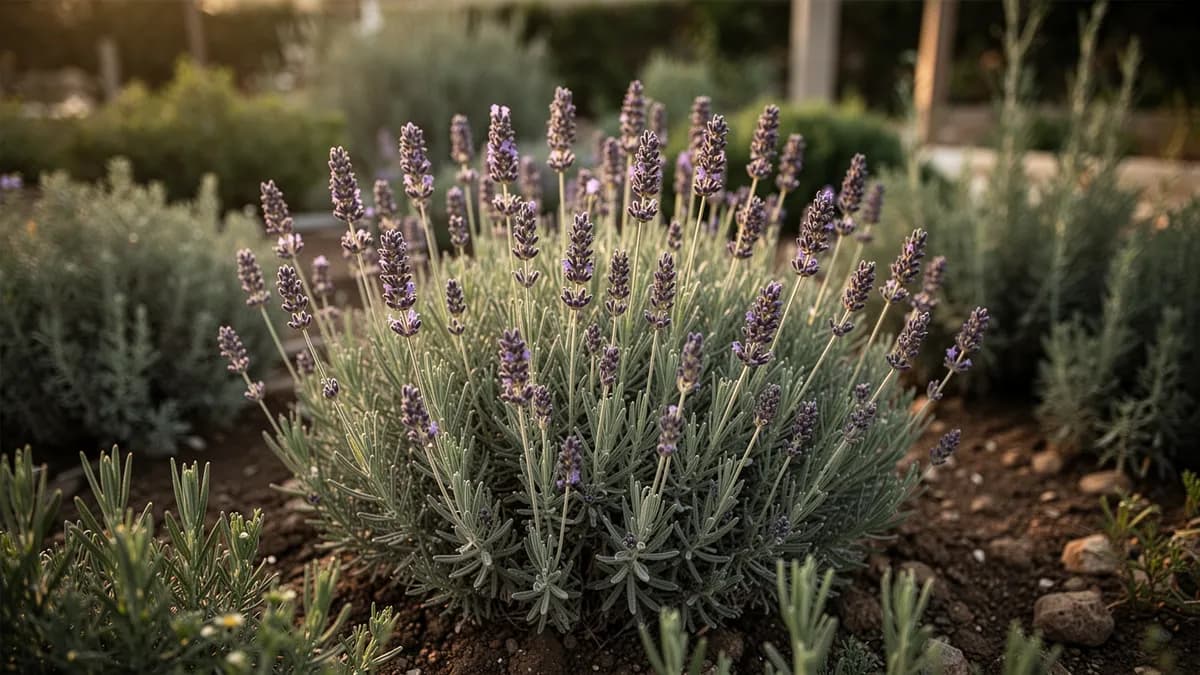
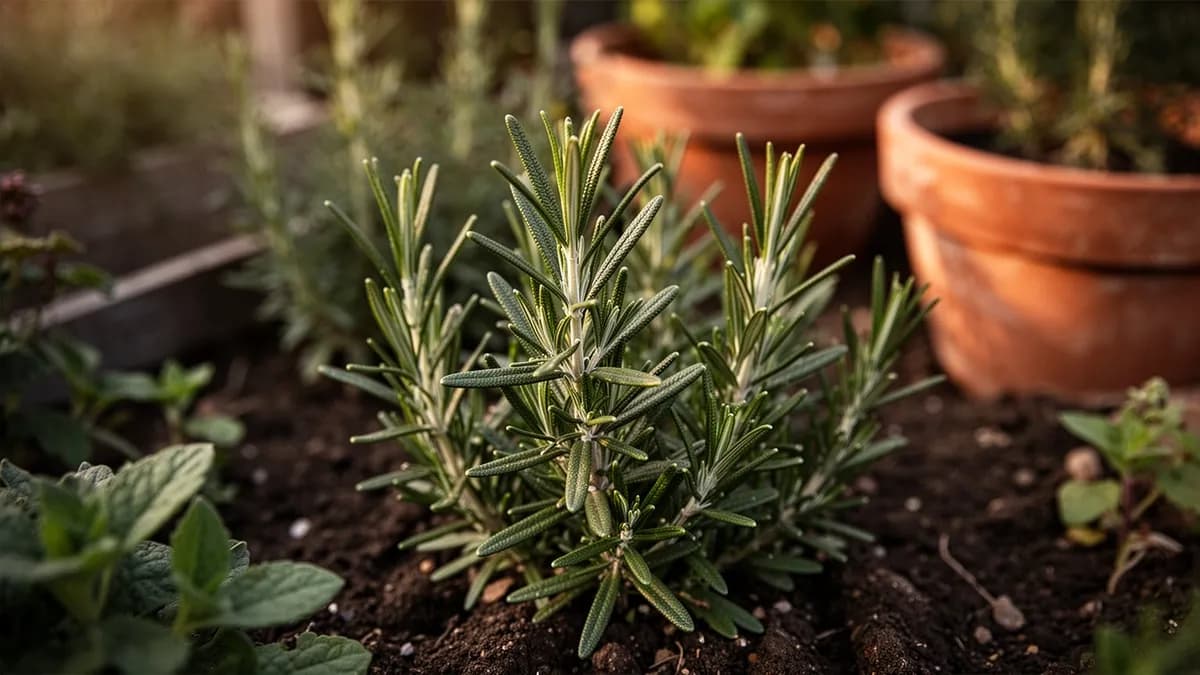
Plant two compatible varieties within 50 feet for cross-pollination. Nonpareil pollinates well with Carmel, Monterey, or Mission. Underplant with lavender and rosemary which thrive in the same dry conditions and attract pollinators. Crimson clover as a winter cover crop fixes nitrogen and provides bee forage. Avoid high-water-demand companions that would increase irrigation needs around the trunk.
Lavender belongs beside it. Walnut Tree doesn't.
Old growers' knowledge, checked against Almond (Fruit)'s real companion table below — test any plant you're growing.
Try Almond (Fruit) in a bed — right here
A real planner bed with Almond (Fruit) already in it. Tap a companion to place it and watch the pairing checks answer — green for good neighbours, red for a clash.


Related growing guides
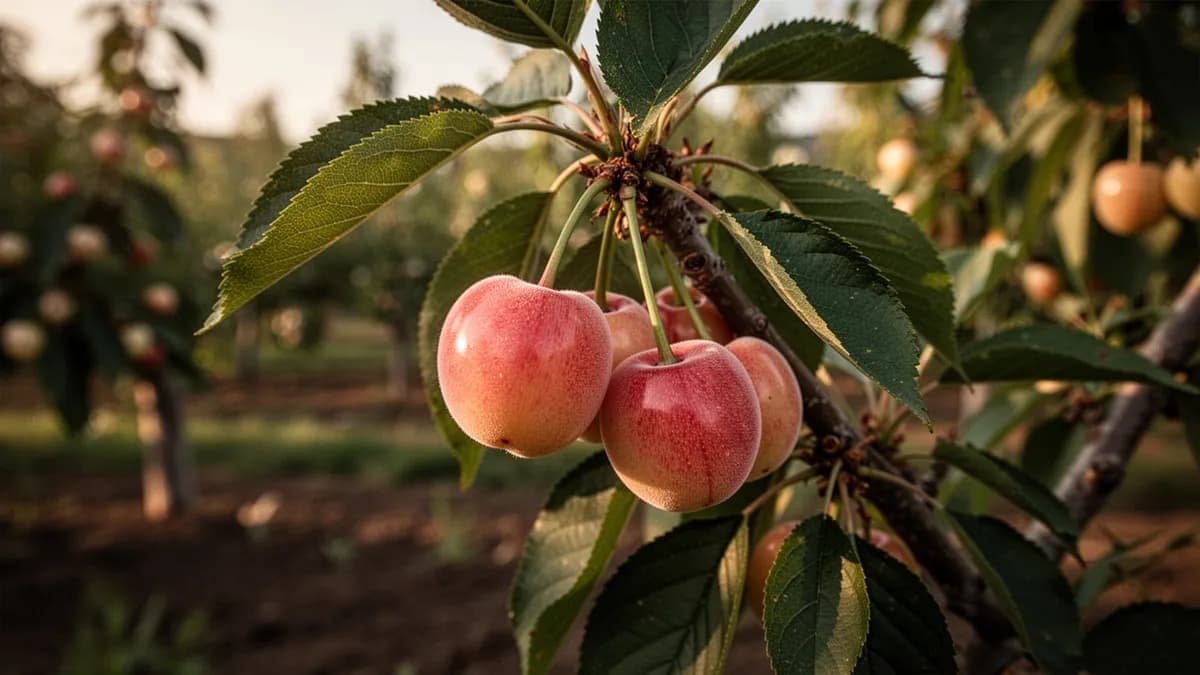
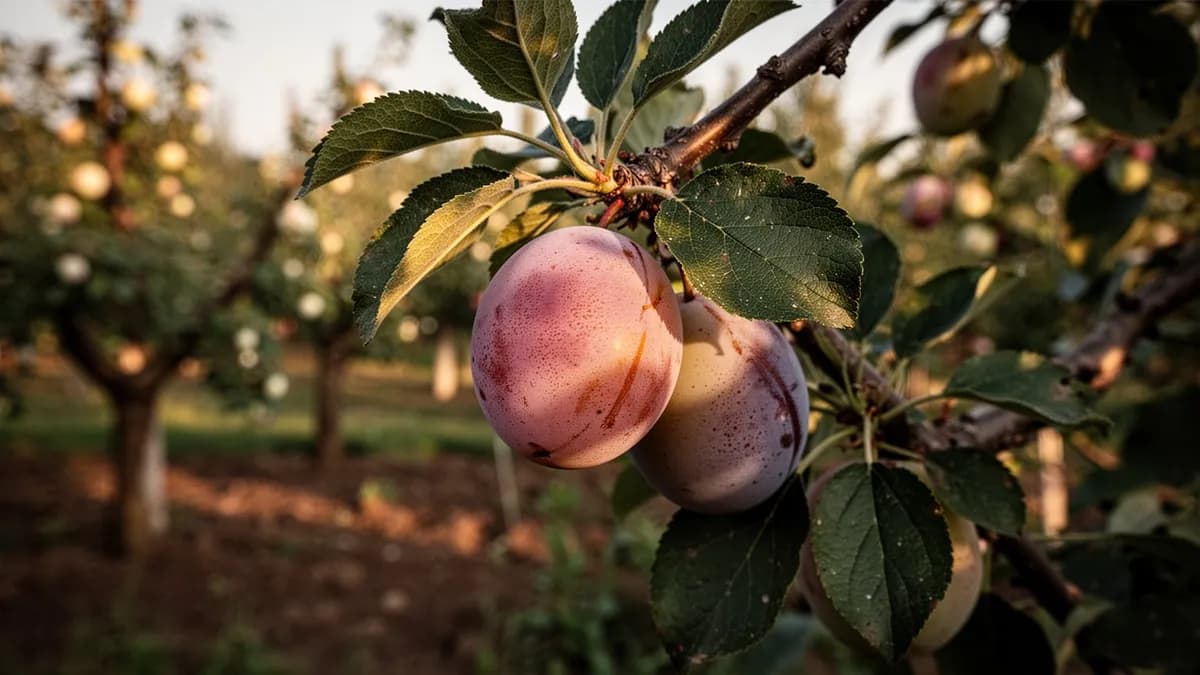
Feed it well
Almonds require well-drained, deep sandy loam with a pH of 6.0 to 7.5. They are among the most drought-tolerant fruit trees once established but cannot tolerate wet feet or heavy clay. Apply nitrogen fertilizer in early spring and after harvest. Potassium and zinc are commonly deficient in almond orchards. Maintain a clean weed-free area around the trunk but avoid heavy mulch that retains moisture against the bark.
Ideal Temperature
Hardiness Zone Compatibility
From seed to harvest, stage by stage
Dormancy and Planting
Almond trees are planted as bare-root whips or potted specimens during winter dormancy. Unlike most stone fruit, almonds bloom very early in the season — often in late January through March depending on climate — so they need only minimal chill hours (200-400 hours below 7°C for low-chill varieties, up to 600 for traditional varieties). During dormancy, the tree channels all stored carbohydrates into root establishment and bud preparation.
Flowering
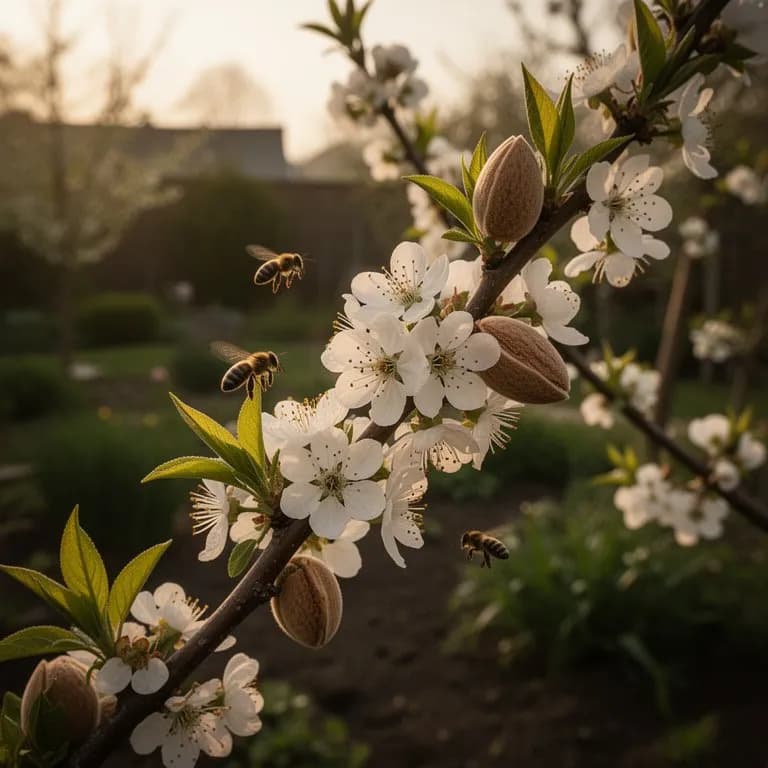
Almond blossoms emerge before the leaves, often as early as late January in mild climates and extending into March in cooler zones. Flowers are pale pink to white with five petals and appear in great profusion along bare branches. Bloom is brief — typically 10-14 days — and successful pollination by bees is essential. Most almond varieties require cross-pollination from a different compatible variety, as they are self-infertile or only partially self-fertile.
Fruit Set and Leaf Development
After successful pollination, small green drupes begin to develop alongside emerging leaves. The outer hull, which resembles an unripe peach in appearance, grows rapidly and encloses the developing shell and kernel. Unlike peaches or cherries where the fleshy outer layer is edible, the almond hull remains tough and leathery and will eventually split and dry as a natural harvest signal. Leaves achieve full size during this phase, establishing the photosynthetic capacity needed for kernel development.
Kernel Fill and Summer Hardening
Through late spring and into summer, the almond kernel inside the hardening shell fills out with oil, protein, and nutrients. This is the most energy-intensive phase for the tree. The outer hull transitions from bright green and fleshy to yellow-green and increasingly tough. The shell beneath the hull hardens progressively. Warm, dry summers with low humidity are ideal during this period, as almond kernels are highly susceptible to hull rot and Botrytis mold if moisture is excessive.
Hull Split and Harvest
Hull split signals harvest readiness. The outer hull cracks open along a seam and begins to pull back from the shell inside. This process progresses over several weeks and is nature's invitation to harvest. Depending on the variety and climate, hull split occurs from late July through October. In commercial orchards, mechanical tree shakers dislodge all nuts in a single pass. Home gardeners can use a padded pole or simply spread tarps under the canopy and shake branches by hand.
Post-Harvest Recovery
After harvest, the tree enters a recovery and hardening phase. Leaves remain on the tree through autumn, continuing to photosynthesize and replenish carbohydrate reserves in the roots and woody tissue. This stored energy is critical for next year's early bloom and kernel development. New shoot growth from summer gradually hardens off as temperatures drop. The tree needs a final deep watering before autumn rains resume to replenish soil moisture depleted through the dry summer harvest season.
Winter Dormancy and Pruning
Leaf drop completes and the tree enters full dormancy. Almond trees require far fewer chill hours than most temperate fruit trees, making them well-suited to mild-winter climates. This brief dormancy window is the ideal time for structural pruning to establish an open vase shape, remove dead and diseased wood, and thin the canopy for better light penetration to developing fruit. Dormant oil applications control overwintering mite and aphid eggs.
Plant in a site with full sun and excellent drainage. Almonds are extremely sensitive to waterlogged soil and will decline rapidly in heavy clay. Amend heavy soils with coarse sand and grit before planting, or build a raised mound. Set the graft union 5 cm above the soil line and water in well. Stake young trees securely as early blossoms attract bees before the tree is well anchored.
Caring for Almond (Fruit) month by month
What to do each month for your Almond (Fruit)
October
You are hereApply a potassium-rich granular fertilizer to support carbohydrate storage and wood hardening. Clean up all hull material, leaves, and mummified fruit around the base of the tree to remove overwintering pest habitat. Prepare for dormant-season pruning by sharpening tools. Note any disease or structural issues seen during the season.
Know exactly what to do in your garden — every month
One email at the start of each month: what to sow, plant, and tackle right now — for your Almond (Fruit) and everything growing around it. Plus a short starter course that helps you dodge the classic mistakes.
- What to do, right now
- Matched to your season
- Starter course included
Harvesting Almond (Fruit)
Almonds are ready to harvest when the outer hull splits and dries, typically August through October. Shake or knock nuts from the tree onto tarps when about 75 percent of hulls have split. Allow nuts to dry on tarps or screens in the sun for several days until the kernel rattles inside the shell. In humid climates, use a dehydrator to prevent mold. Hull and shell promptly after drying.
assuming you plant when the window opens — set your real date
Pick Almond (Fruit) promptly and the plant keeps producing.
Storage & Preservation
Dry almonds thoroughly to below 6 percent moisture for long-term storage. Unshelled almonds keep for a year or more in a cool, dry place. Shelled almonds keep six to nine months refrigerated or up to two years frozen. Store in airtight containers to prevent rancidity. Roast at 325 degrees Fahrenheit for 15 to 20 minutes to enhance flavor. Blanch in boiling water to remove skins for baking.
What goes wrong — and the fix
Shot Hole Disease
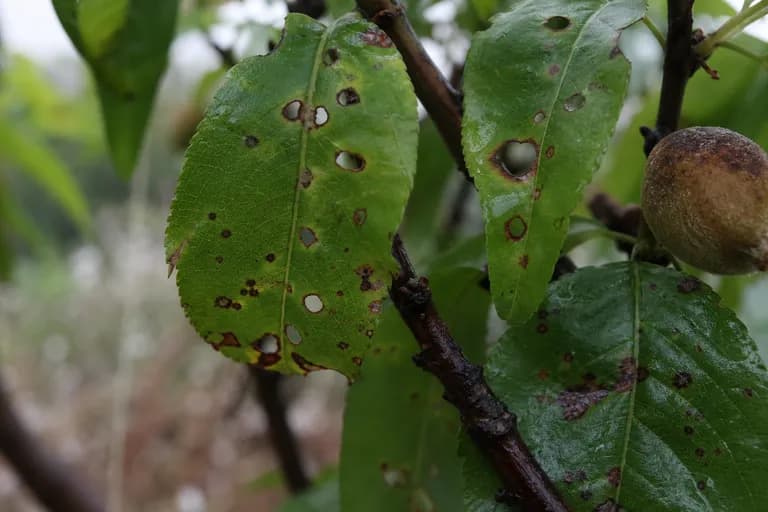
DiseaseSmall reddish spots on leaves that expand and drop out, leaving round holes. Can also affect fruit and twigs in wet weather.
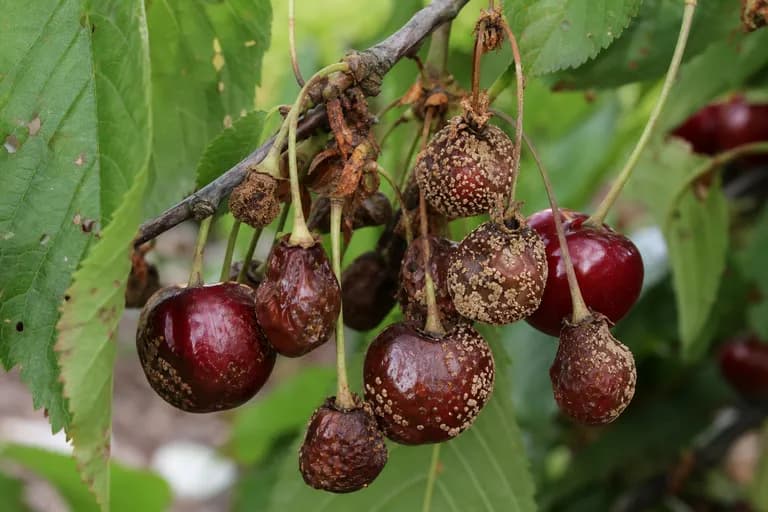
Brown Rot
DiseaseBlossom blight kills flower clusters in wet springs. Can spread to twigs causing cankers and gumming.
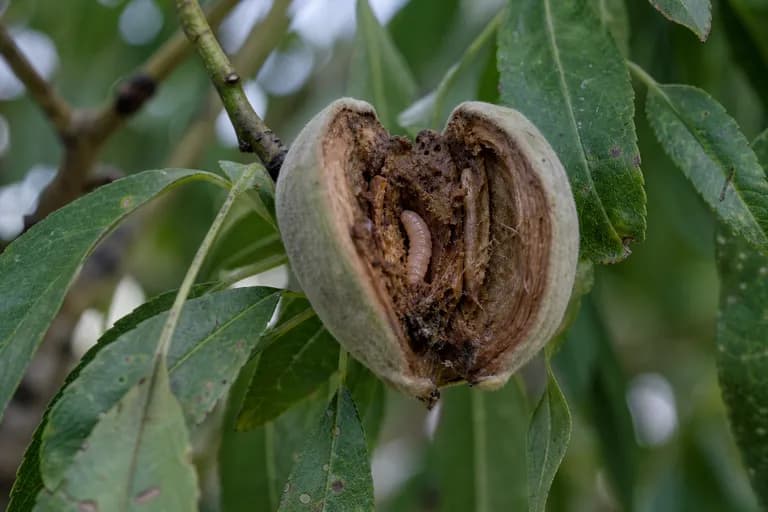
Navel Orangeworm
PestLarvae bore into nuts through the hull, feeding on the kernel and leaving frass and webbing inside the shell.
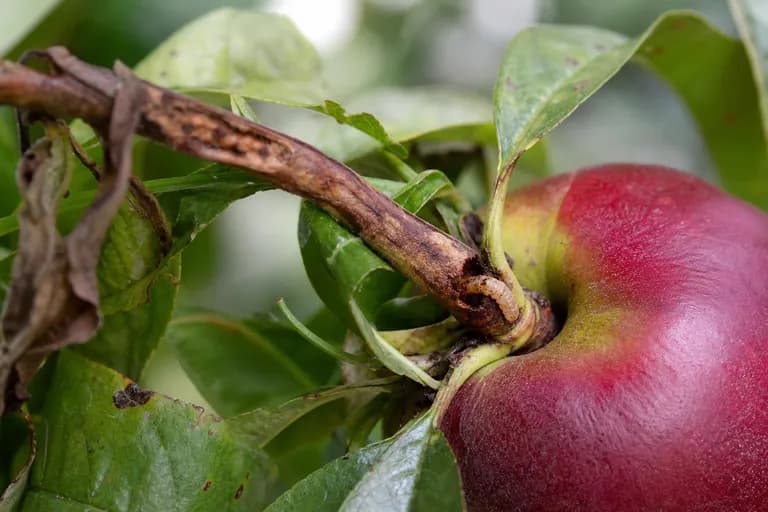
Peach Twig Borer
PestLarvae bore into new shoot tips causing wilting and flagging. Can also bore into developing nuts near the hull.
Troubleshooting Common Problems
Extremely early bloom makes crop loss from late frost the most common failure. High humidity during bloom promotes blossom blight. Navel orangeworm infests unharvested mummy nuts left on trees over winter. Trees are susceptible to hull rot in humid conditions. Self-incompatibility means two compatible varieties and adequate bee activity are essential for nut set. Limited cold hardiness restricts the growing range significantly.
Growing Tips
- Choose your planting site with drainage as the absolute first priority. Almonds are more sensitive to waterlogged roots than almost any other fruit tree — a site that stays wet for even a few days after heavy rain will cause root rot and tree death. Plant on a slope, a raised mound, or amend the soil with deep incorporation of coarse grit before planting.
- Always plant at least two cross-compatible almond varieties within 15 meters of each other for pollination. Most traditional varieties are self-infertile, and even partially self-fertile types like All-in-One produce significantly larger crops with a compatible partner. Check bloom time compatibility before purchasing, as early and late bloomers will not overlap sufficiently.
- Protect blossoms from late frosts rigorously — this is the single biggest risk in almond cultivation outside the traditional Mediterranean belt. Keep horticultural fleece or frost cloth on hand and cover trees when forecasts predict temperatures below -1°C after bud break. Even a few hours of hard frost can destroy an entire year's crop.
- Prune almond trees into an open vase shape with three to five main scaffold branches radiating outward from a short trunk, keeping the center of the canopy clear. This maximizes light penetration to ripening nuts, promotes air circulation that reduces hull rot and fungal disease, and makes harvest easier by keeping fruiting wood at accessible height.
- Water deeply but infrequently once trees are established, rather than frequent shallow irrigation. Deep watering encourages roots to descend into lower soil layers, making trees more drought-resilient. In Mediterranean climates, mature trees often need supplemental irrigation only through June to August during kernel fill — the natural summer dry season can stress kernels if irrigation is absent.
- Harvest promptly at hull split to prevent navel orange worm infestation. These moths lay eggs inside split hulls and the larvae bore into the kernel, causing significant crop loss in warm climates. Spread tarps under the tree and shake branches with a padded pole, then move harvested nuts immediately to drying racks away from the tree.
- Dry freshly harvested almonds thoroughly before storing. Spread hulled nuts in a single layer on mesh screens in a warm, well-ventilated space for at least one week until the shells feel lightweight and the kernels rattle inside. Inadequately dried almonds develop mold and rancidity within weeks of storage, even in ideal cool conditions.
- Apply a nitrogen fertilizer in early spring just before bloom and again after fruit set in spring, but cease all nitrogen applications by midsummer to allow new wood to harden before winter and to promote hull drying. Potassium applied after harvest is especially beneficial for almond trees, supporting carbohydrate storage for the following year's early bloom.
- In climates with humid summers, proactively manage hull rot by selecting well-draining sites, maintaining wide spacing between trees, and reducing irrigation in the final weeks before harvest to encourage rapid hull drying. Hull rot caused by Rhizopus and Aspergillus fungi is the most destructive fungal disease of almonds and thrives where humidity and split hulls combine.
- Consider growing a self-fertile variety such as All-in-One or Tuono if space limits you to a single tree. These varieties produce adequately as single specimens, though yields improve markedly with a nearby pollinator. Self-fertile almonds are also an excellent choice for container growing on a large terrace or patio in a warm, sheltered location.
Grow your best Almond (Fruit) yet — and everything around it.
Start a free plan today. Lay out your beds, drop in your Almond (Fruit), and let PlotMyGarden handle the timing, spacing, companions and reminders from seed to harvest basket.
Pick your Almond (Fruit)
Nonpareil
The industry standard with a thin, papery shell and mild, sweet kernel. The most widely planted variety in California. Requires a pollinator.
All-in-One
Semi-dwarf tree reaching 15 feet. Soft-shelled with sweet kernels. Partially self-fertile but better with a pollinator. Good for home orchards.
Hall's Hardy
The most cold-hardy almond, surviving brief dips to minus 10 degrees. Late blooming helps avoid frost. Small, well-flavored kernels.
Garden Prince
Genetic dwarf reaching only 10 to 12 feet. Self-fertile. Ideal for small gardens and containers. Sweet, flavorful kernels.
Texas Mission
Hard-shelled variety with rich, intense almond flavor prized by bakers. Reliable producer in hot, dry climates. Needs a pollinator.
A single mature almond tree (10+ years old) can produce 5-10 kg of shelled kernels per year, equivalent to $60-$180 worth of raw almonds at typical specialty grocery or organic prices of $12-$18 per kg. While almond trees require 4-6 years to reach meaningful production and perform best in warm, dry climates with low humidity, they are very long-lived and low-maintenance once established. Home-grown almonds are harvested and consumed fresh without months of cold storage and transit, delivering noticeably superior flavor and nutritional freshness compared to commercially processed nuts.
Quick recipes
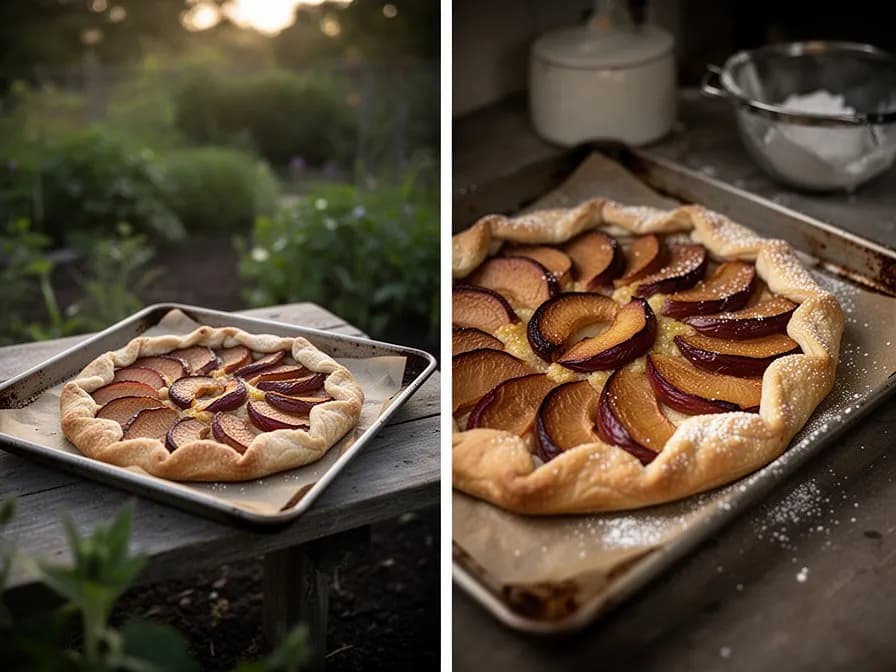
Homemade Raw Almond Butter
15 minutesFreshly made almond butter from your own home-grown nuts bears no resemblance to commercial products. The flavor is creamy, rich, and subtly sweet without any of the oxidized off-notes common in store-bought versions. A high-powered blender or food processor is the only equipment needed, and the result is pure almonds in spreadable form — nothing added, nothing removed.
4 ingredients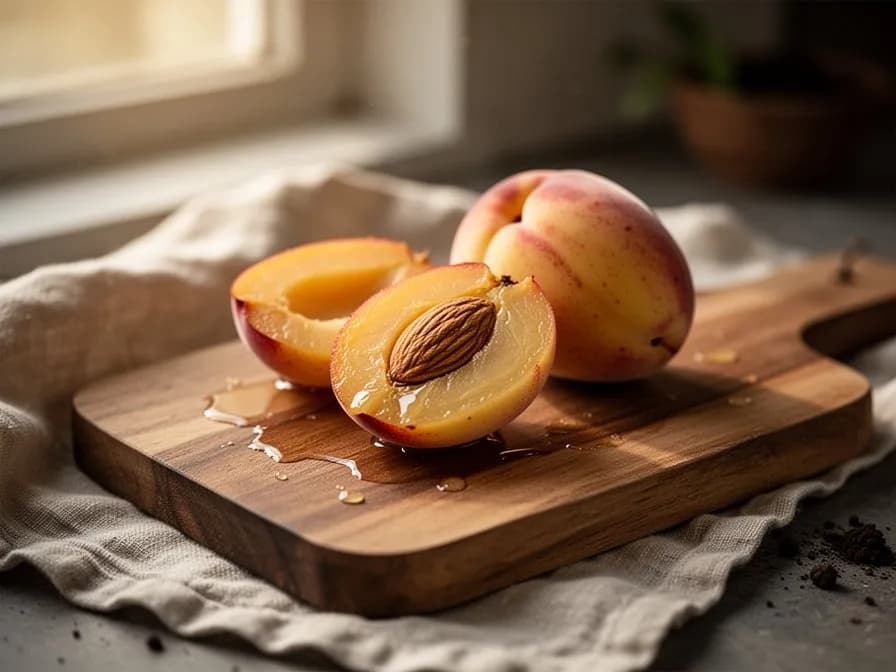
Classic Amaretti Biscuits
30 minutesThese iconic Italian almond biscuits require nothing more than ground almonds, egg whites, and sugar to produce their characteristic crisp exterior and soft, chewy center. Home-grown almonds that are freshly ground produce an incomparably more fragrant and flavorful amaretti than any recipe using commercially processed almond flour. They keep beautifully for two weeks in an airtight tin.
6 ingredientsToasted Almond and Honey Granola
35 minutesA simple, wholesome granola that puts your home-grown almonds at the center. Roughly chopped fresh almonds toast to a deep golden color with extraordinary crunch and flavor that dried, processed commercial almonds cannot match. This granola stores for three weeks in an airtight jar and works as breakfast, a snack, or a yogurt topping.
8 ingredientsCulinary Uses
Almonds are one of the most versatile culinary nuts. Use whole, sliced, or slivered in baking, confections, and savory dishes. Almond flour is the foundation of French macarons and many gluten-free recipes. Almond butter and almond milk are popular dairy alternatives. Marcona almonds are prized roasted and salted. Marzipan and frangipane rely on almond paste.
What's inside
Health Benefits
- Provides one of the richest plant-based sources of vitamin E, a potent fat-soluble antioxidant that neutralizes free radicals in cell membranes, helping protect against oxidative stress linked to cardiovascular disease, cognitive decline, and certain cancers
- Supports heart health through a combination of monounsaturated fats, fiber, and plant sterols that have been shown in multiple clinical trials to reduce LDL cholesterol levels while maintaining or improving HDL cholesterol when consumed as part of a balanced diet
- Aids blood sugar regulation by reducing the glycemic impact of meals consumed alongside almonds, as their protein, fat, and fiber combination slows carbohydrate digestion and blunts postprandial glucose spikes — beneficial for both diabetic and non-diabetic individuals
- Contributes substantially to daily magnesium needs, supporting over 300 enzymatic reactions in the body including ATP energy production, muscle contraction, nerve signal transmission, and the regulation of blood pressure
- Promotes satiety and supports healthy body weight management, with research suggesting that the physical structure of almond cells limits fat bioaccessibility during digestion, meaning almonds deliver fewer calories than their total fat content would predict
- Supports bone density through a unique combination of calcium, magnesium, phosphorus, and vitamin K working synergistically — nutrients often found separately in other foods but concentrated together in almonds, making them an unusually complete bone-health food
Where Almond (Fruit) comes from
The almond (Prunus dulcis) is among the oldest deliberately cultivated nut crops in human history, with origins tracing to the mountainous regions of Central Asia and the Middle East, including modern-day Iran, Iraq, Turkey, and the Levant. Archaeological evidence from excavations at sites including Numeira in Jordan suggests almond cultivation or intensive gathering dates back at least 5,000 years. The tree is thought to have been first domesticated in the Fertile Crescent, where early farmers identified and propagated rare individual trees bearing sweet, non-toxic kernels as a natural mutation from the bitter wild form. From this cradle of agriculture, almonds spread westward along ancient trade routes into Greece and Rome, where they were valued as a luxury food and cultivated in orchards throughout the Mediterranean basin. Ancient Romans called the almond the "Greek nut" — nux graeca — reflecting its eastward origin from their perspective, and used it in confections, medicines, and ceremonial offerings. Arab traders and travelers carried almonds across North Africa and into the Iberian Peninsula, where Moorish cultivation in Spain established some of the finest almond orchards in the medieval world. Franciscan missionaries introduced almonds to California in the mid-18th century, though early attempts failed due to the fog and cool summers of the coastal missions. The crop eventually found its ideal home in the hot, dry Central Valley, and by the late 19th century California had become a significant producer. The 20th century brought dramatic improvements in variety development, irrigation infrastructure, and mechanized harvesting, transforming California into the world's dominant producer, shipping almonds to over 90 countries. Today almonds rank among the most economically valuable agricultural commodities in the United States, and interest in home growing is growing in warm-climate regions worldwide as gardeners appreciate the tree's ornamental early bloom, moderate size, and extraordinary culinary versatility.
Almond (Fruit): did you know?
Fascinating facts about Almond (Fruit)
Almonds are not actually nuts in the botanical sense — they are drupes, the same fruit type as peaches, plums, and cherries. The part we eat is the seed (kernel) enclosed inside a hard shell, which is itself surrounded by a leathery outer hull that splits open at maturity.
Almond (Fruit) questions, answered
When should I plant Almond (Fruit)?
What are good companion plants for Almond (Fruit)?
What hardiness zones can Almond (Fruit) grow in?
How much sun does Almond (Fruit) need?
How far apart should I space Almond (Fruit)?
What pests and diseases affect Almond (Fruit)?
How do I store Almond (Fruit) after harvest?
What are the best Almond (Fruit) varieties to grow?
What soil does Almond (Fruit) need?
Can I grow an almond tree in a cool or humid climate?
Why are my almonds bitter or tasting strange?
How do I know when almonds are ready to harvest?
How long does it take for an almond tree to produce nuts?
Do almonds need a lot of water?
What is the best way to store home-grown almonds?
You just read the theory. Now grow it on autopilot.
Everything that makes Almond (Fruit) fiddly — the timing, the spacing, the companions, the harvest window — is exactly what PlotMyGarden handles for you, for every plant in your garden.
A plan that knows your weather
Set your location once. Get sow, feed and harvest dates built around your real last-frost date and live forecast — no more guessing from a generic seed packet.
From the “When to plant” sectionDrag-and-drop bed planner
Design beds on a grid. Every plant snaps to its proper spacing, and you can see your whole season laid out before you spend a cent on seed.
From the “Growing guide” sectionCompanion conflicts, caught early
200+ good-and-bad pairings checked live as you plant — so a season-wrecking mistake never makes it into the ground.
From the “Companions” sectionReminders you'll actually act on
“Water the beans.” “Pick today before it turns.” Timely, specific, and tied to the plants you're really growing.
From the “Harvest” sectionSuccession, scheduled
Want a harvest for six weeks, not six days? It spaces your sowings automatically and reminds you when each new block is due.
From the “When to plant” sectionA record that gets smarter
Every harvest you log teaches it your garden. Next year's plan starts from what actually worked in your soil, not a textbook's.
From the “Overview” sectionPlant these alongside Almond (Fruit)
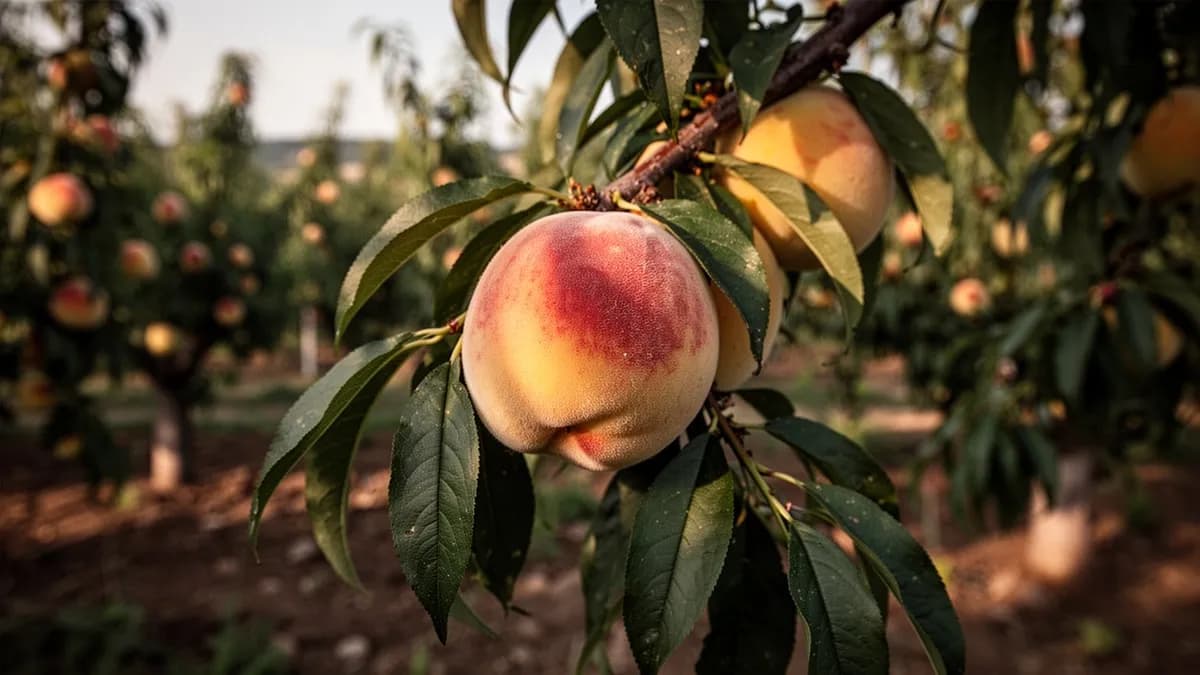
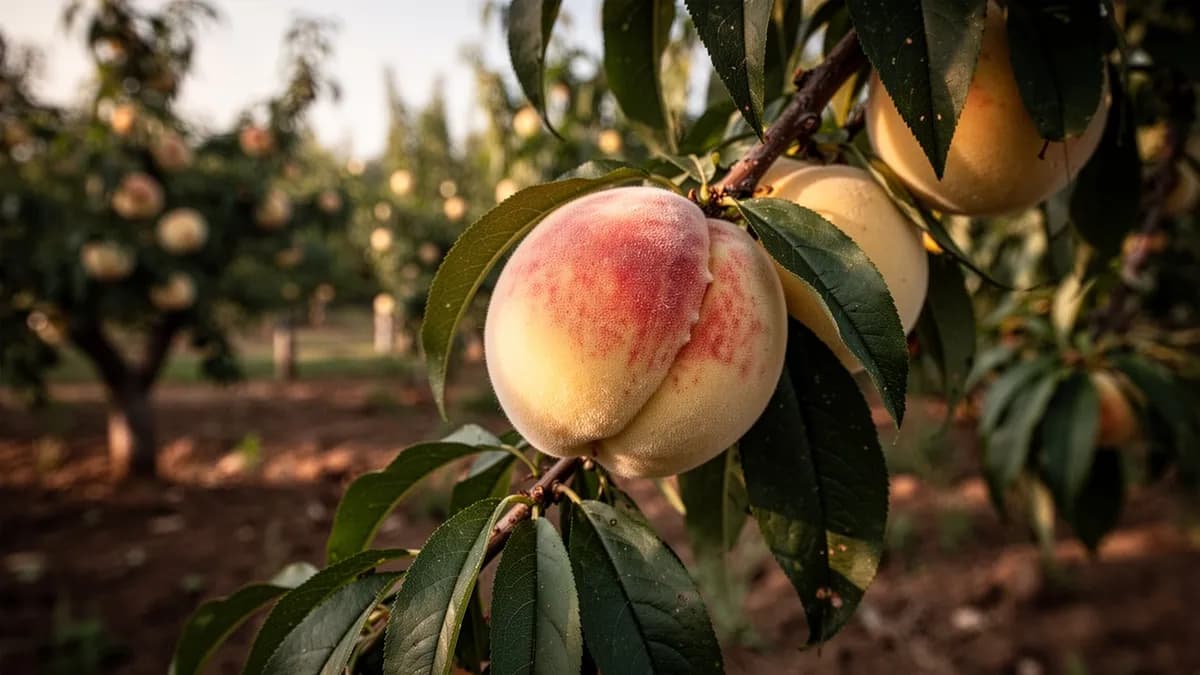
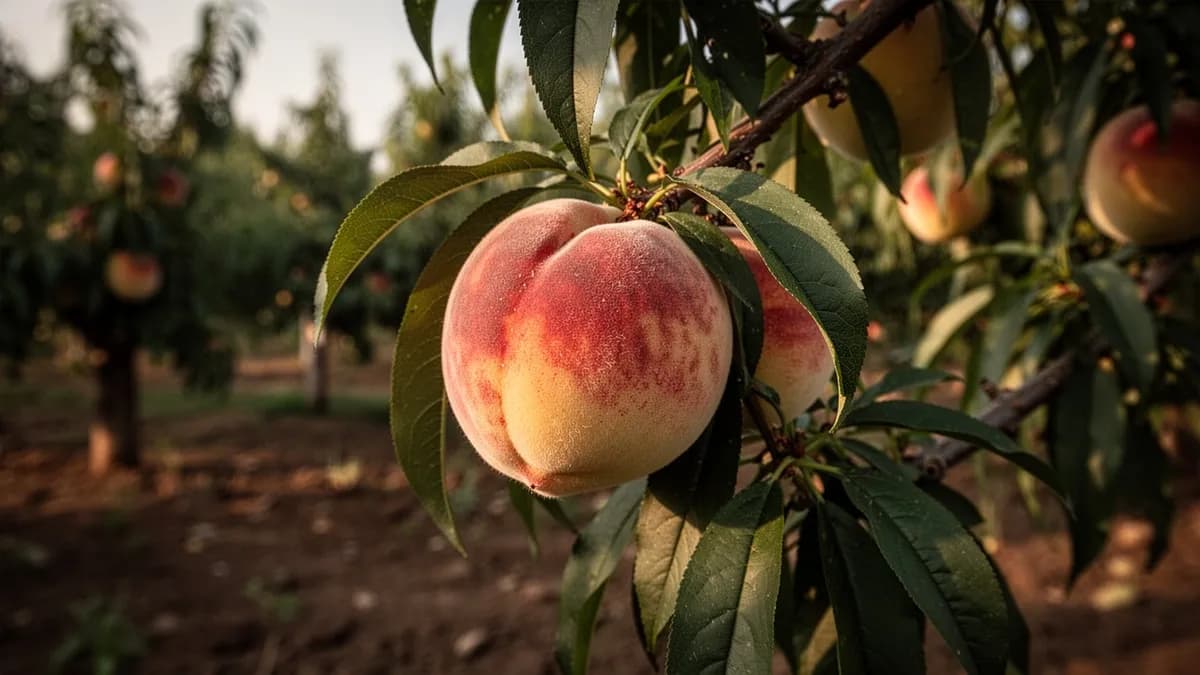
More Stone Fruits
Keep Almond (Fruit) away from these
Grow your best Almond (Fruit) yet — and everything around it.
Start a free plan today. Lay out your beds, drop in your Almond (Fruit), and let PlotMyGarden handle the timing, spacing, companions and reminders from seed to harvest basket.