Frijol de Metro
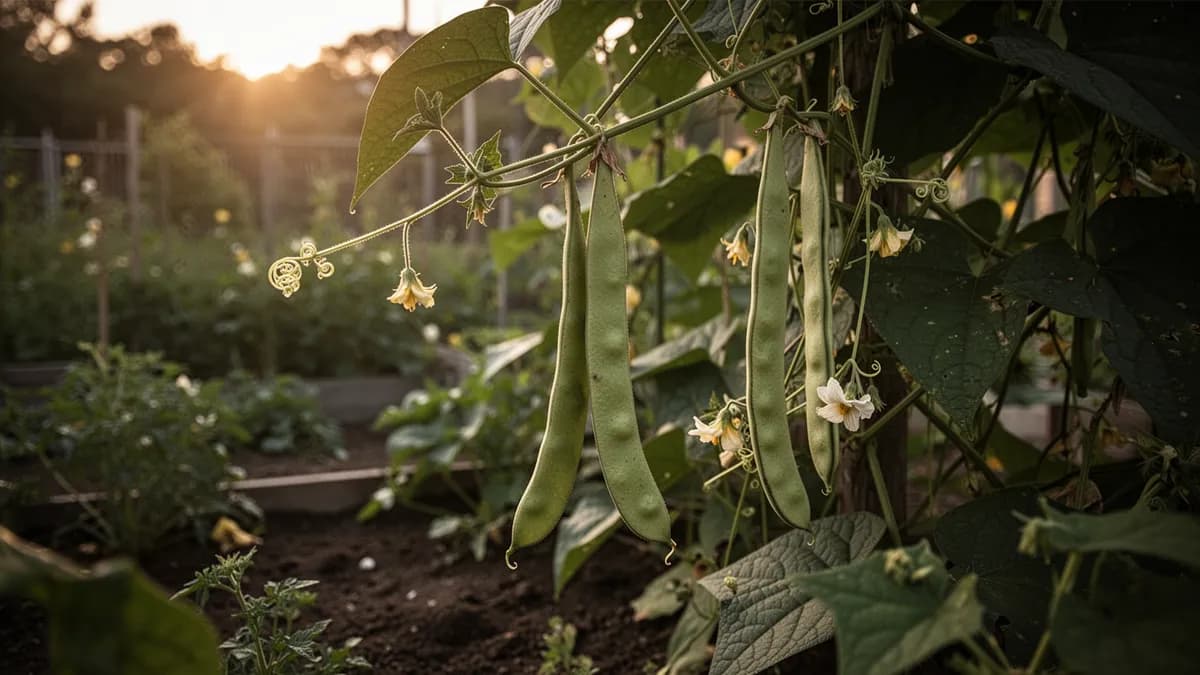
El frijol de metro (Vigna unguiculata subsp. sesquipedalis), también llamado judía serpiente o caupí largo, es una leguminosa trepadora tropical originaria del sudeste asiático que produce vainas extraordinariamente largas de 30-90 cm.





En esta páginaResumen
Conoce Frijol de Metro
El frijol de metro (Vigna unguiculata subsp. sesquipedalis), también llamado judía serpiente o caupí largo, es una leguminosa trepadora tropical originaria del sudeste asiático que produce vainas extraordinariamente largas de 30-90 cm. Su textura tierna y sabor ligeramente dulce a nuez lo convierten en un ingrediente fundamental de la cocina asiática, especialmente en salteados, currys y platos al vapor.
Cuándo plantar Frijol de Metro
Siembre directamente después de la última helada cuando el suelo alcance 20 °C, o inicie en interior 3-4 semanas antes en macetas individuales. Coloque las semillas a 3-4 cm de profundidad. Inocule con Bradyrhizobium si es la primera vez. La germinación tarda 7-14 días a 25-30 °C. Instale los soportes al momento de la siembra.
Tu año de Frijol de Metro
Ajustado a Zona 7 · temporada típica · la helada se va hacia el 2 abr y vuelve hacia el 1 nov
Planta Frijol de Metro May – Jun y cosecha Jul – Oct. Consulta los métodos de plantación y elige tu clima para adaptar los periodos.
Cómo cultivar Frijol de Metro
El frijol de metro necesita calor, sol pleno y un soporte vertical robusto de al menos 2-2,5 metros. Elija el lugar más cálido del jardín con suelo rico, bien drenado y pH entre 6,0 y 7,0. Las temperaturas diurnas deben superar los 25 °C para un crecimiento óptimo.
Siembre directamente después de la última helada cuando el suelo alcance 20 °C, o inicie en interior 3-4 semanas antes. Coloque las semillas a 3-4 cm de profundidad con 15-20 cm de separación y 60-75 cm entre hileras. La germinación ocurre en 7-14 días a 25-30 °C.
Riegue regularmente para mantener el suelo húmedo, especialmente durante la floración y la formación de vainas. Aplique acolchado para conservar la humedad. Como leguminosa, fija su propio nitrógeno; use un fertilizante bajo en nitrógeno pero rico en potasio y fósforo. Coseche las vainas regularmente para estimular la producción continua.
72 plantas caben en un bancal de 120 × 240 cm
Cada Frijol de Metro pide 20 cm de margen. El planificador guarda ese marco por ti — cada planta, cada bancal.
Los mejores vecinos de Frijol de Metro
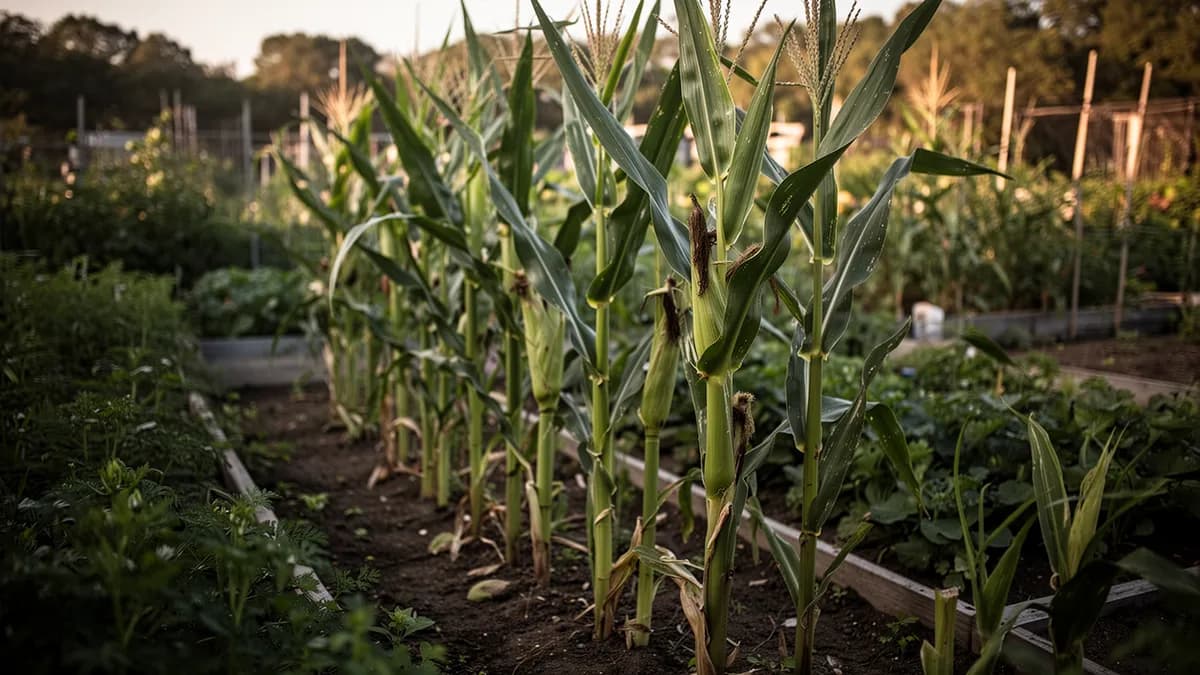
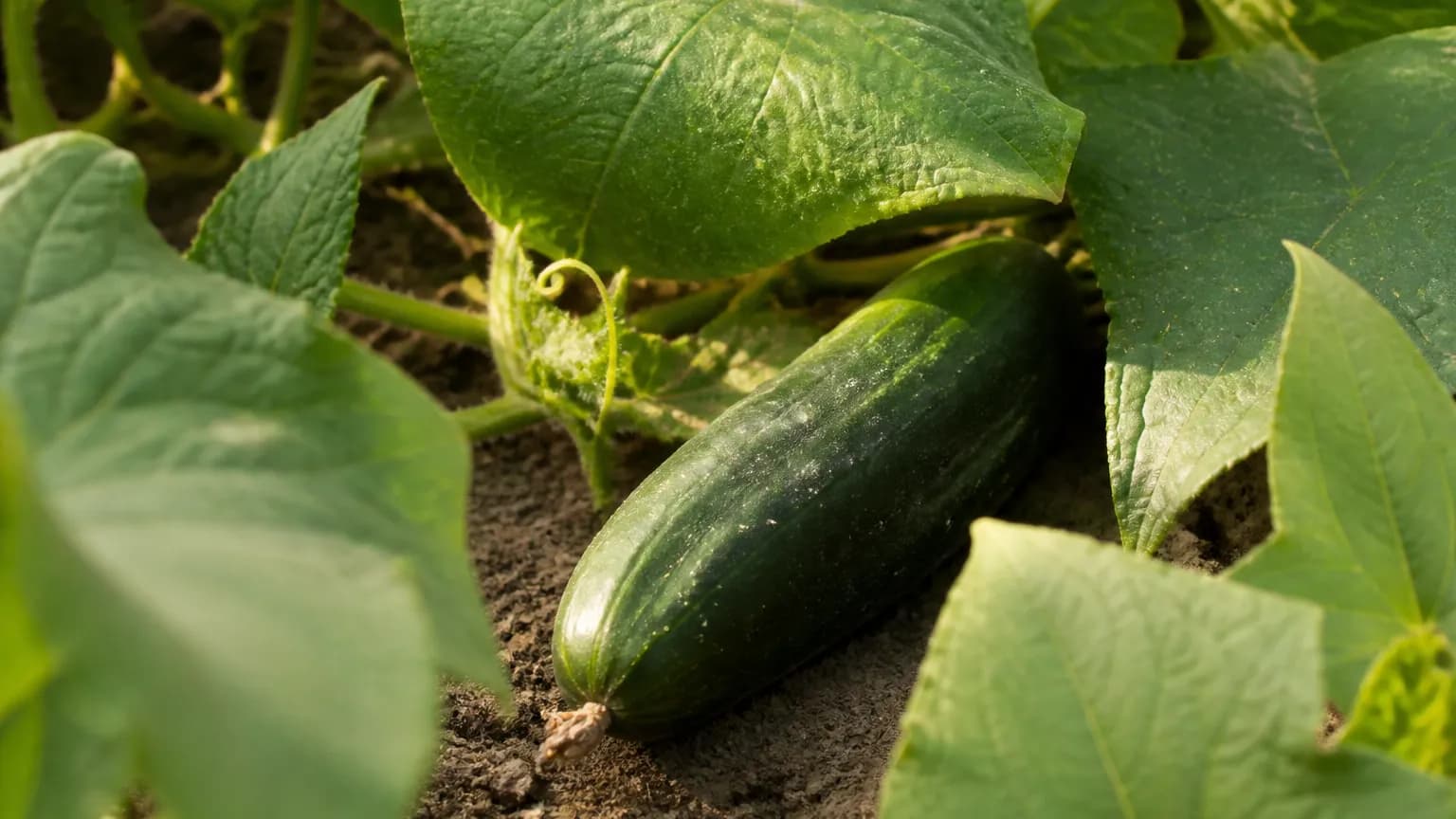
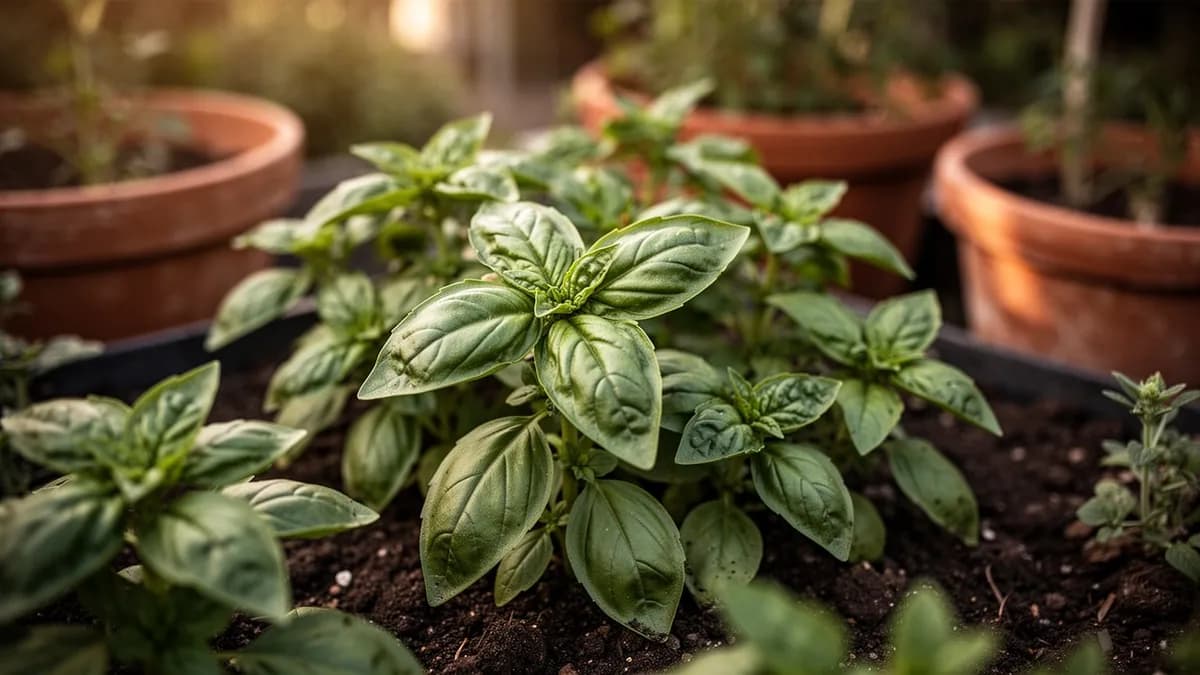
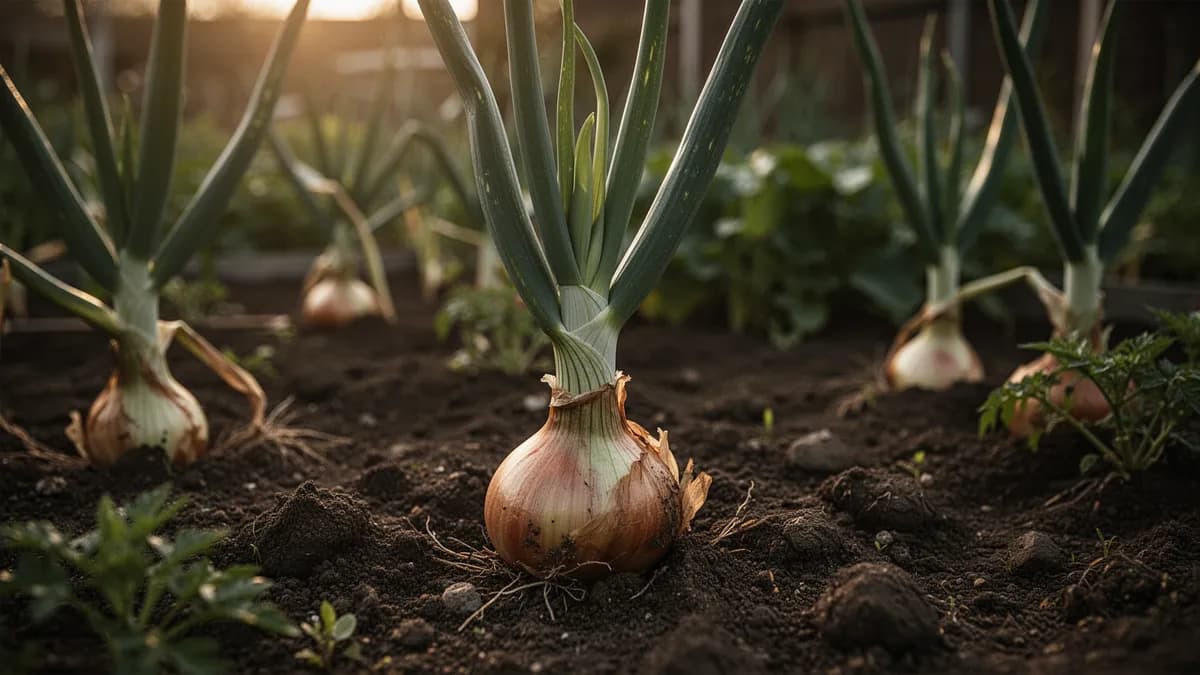
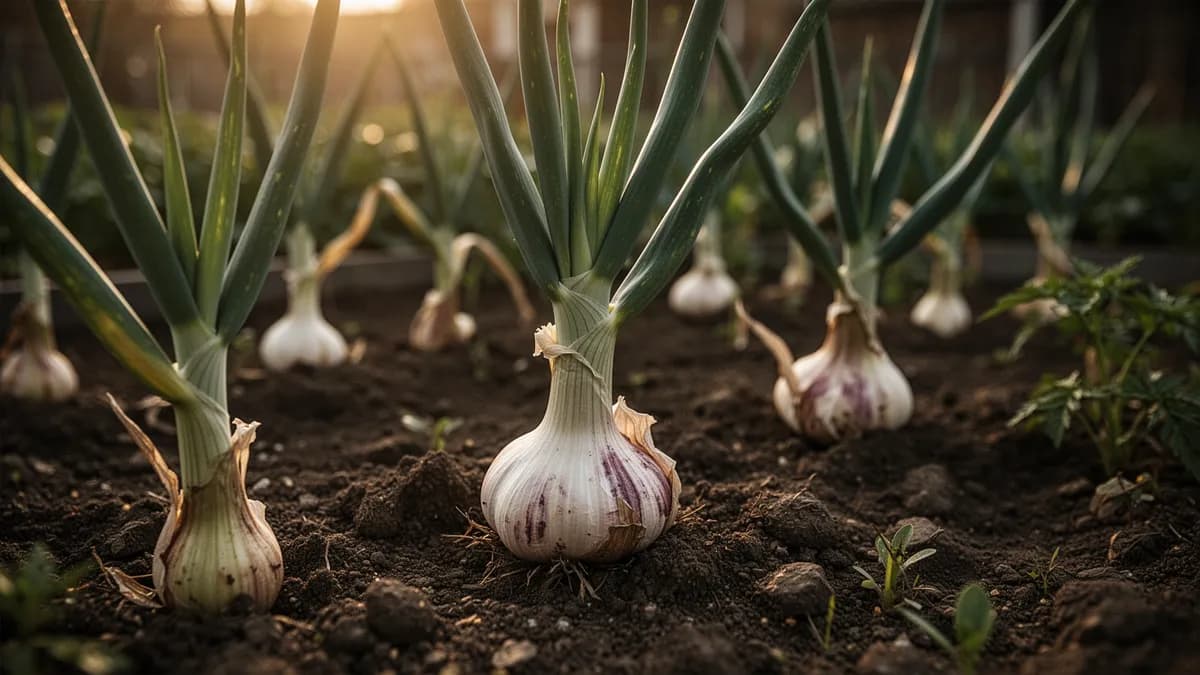
El frijol de metro crece bien junto a maíz (que puede servir parcialmente de soporte), calabazas y pepinos. Como leguminosa, fija nitrógeno que beneficia a las plantas vecinas. Las caléndulas y albahaca plantadas cerca ayudan a repeler insectos. Evite plantarlo junto a cebollas y ajos que pueden inhibir su crecimiento.
Maíz va a su lado. Cebolla no.
Saber de huerto de siempre, cotejado con la tabla real de Frijol de Metro — prueba cualquier planta que cultives.
Prueba Frijol de Metro en un bancal, aquí mismo
Un bancal real del planificador con Frijol de Metro ya plantado. Toca una planta compañera para colocarla y mira cómo responde la comprobación de vecinos: verde para buenos vecinos, rojo si hay conflicto.


Guías de cultivo relacionadas
Abónalo bien
El frijol de metro necesita suelo rico, bien drenado y con pH entre 6,0 y 7,0. Incorpore compost antes de la siembra. Como leguminosa, fija nitrógeno del aire; aplique un fertilizante bajo en nitrógeno pero rico en fósforo y potasio para favorecer la floración y producción de vainas.
Temperatura ideal
Compatibilidad de zonas de rusticidad
De la semilla a la cosecha, etapa por etapa
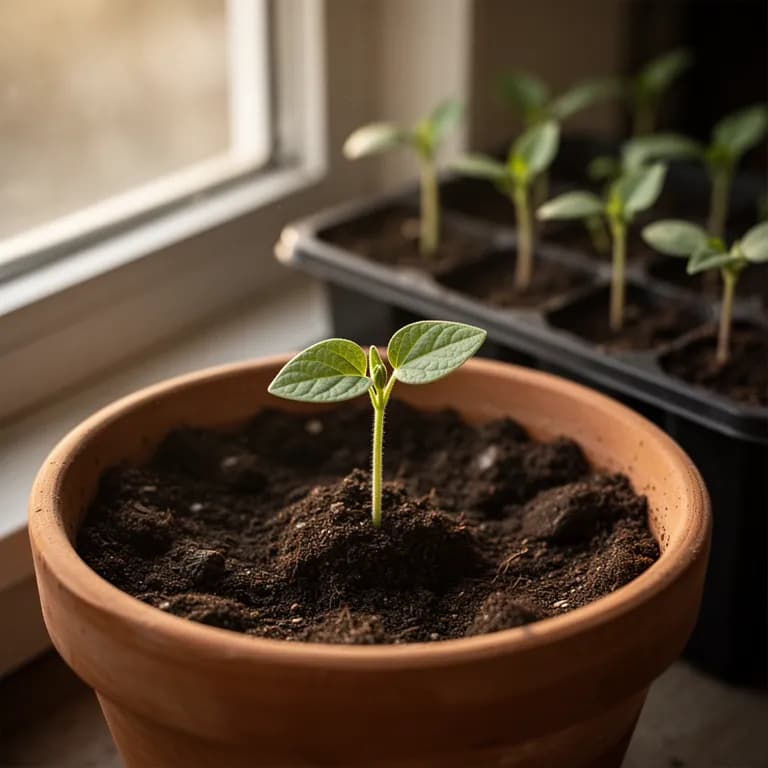
Germinación de las semillas
Las semillas germinan mejor en suelo cálido por encima de 21°C, produciendo primero una radícula blanca y gruesa, seguida de cotiledones ovalados y robustos.
Plántula y establecimiento de la enredadera
Aparecen las primeras hojas trifoliadas verdaderas y el tallo comienza a buscar soporte vertical, enrollándose en sentido antihorario alrededor de las estructuras cercanas.
Crecimiento rápido de la enredadera
Las enredaderas crecen de forma explosiva con calor, trepando 2-3 metros o más por sus soportes mientras desarrollan abundante follaje y nódulos fijadores de nitrógeno activos.
Desarrollo de vainas y cosecha
Las vainas se desarrollan con rapidez en clima cálido y se cosechan mejor cuando aún están delgadas, tiernas y apenas muestran semillas en su interior.
Después de la cosecha
Tras la cosecha principal, la planta completa su ciclo de vida anual y solo puede dejarse para guardar semillas de unas pocas vainas totalmente maduras.
Producción máxima
La planta produce abundantemente durante la parte más calurosa del verano y luego se ralentiza cuando las noches se enfrían y la temporada termina.
Remoja las semillas en agua tibia durante 4-8 horas antes de plantar. Asegura que la temperatura del suelo sea de al menos 21°C; usa un termómetro de suelo. Inocula con Rhizobium tipo caupí para lograr una fijación óptima de nitrógeno desde el inicio.
Cuidar Frijol de Metro mes a mes
Qué hacer cada mes para tu Frijol de Metro
Octubre
Mes actualFinal harvests in most zones as temperatures drop. Collect fully dried seed pods for next year. Pull spent vines from trellises and compost healthy plant material. Clean and store trellis structures.
Ten claro qué hacer en tu huerto, cada mes
Un correo al empezar cada mes: qué sembrar, plantar y hacer ahora mismo — para tu Frijol de Metro y todo lo que crece alrededor. Más un breve curso inicial para esquivar los errores clásicos.
- Qué hacer ahora mismo
- Ajustado a tu temporada
- Curso inicial incluido
Cosechar Frijol de Metro
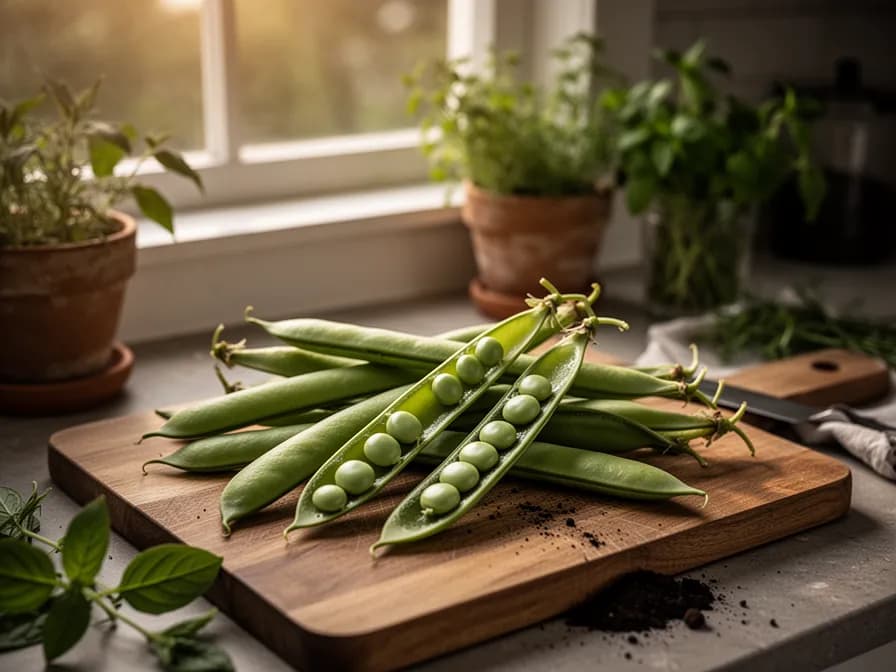
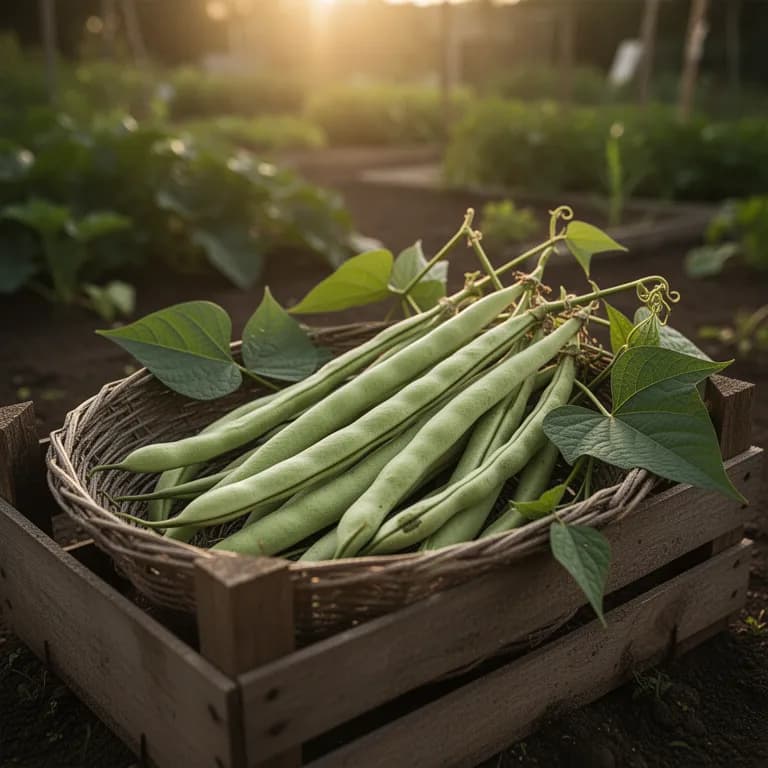
Coseche las vainas cuando tengan 30-45 cm de longitud y estén aún tiernas y flexibles, generalmente entre 60 y 80 días tras la siembra. Las vainas más largas se vuelven fibrosas. Coseche cada 2-3 días para estimular la producción continua. Corte las vainas con tijeras para no dañar la planta. La producción puede continuar durante 2-3 meses en climas cálidos.
se supone que plantas al comenzar el periodo — indica tu fecha real
Cosecha cuando las vainas midan 30-45 cm, sean del grosor de un lápiz y estén antes de que las semillas se hinchen de forma notable, y se quiebren con un chasquido al doblarlas.
Almacenamiento y conservación
Las vainas frescas se conservan en el refrigerador 3-5 días en una bolsa perforada. Para congelación, córtelas en trozos de 5 cm, escáldelas 2 minutos, enfríe en agua helada y congele. Los frijoles de metro congelados mantienen su textura razonablemente bien. También se pueden encurtir o deshidratar.
Qué falla — y cómo solucionarlo
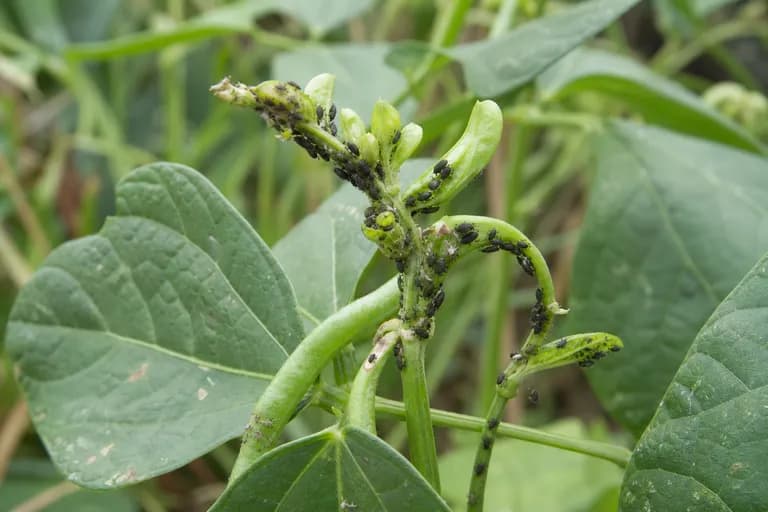
Pulgones (Aphis craccivora)
PlagaColonias de pulgones negros o verdes en brotes tiernos y vainas jóvenes. Causan enrollamiento foliar y pueden transmitir virus del mosaico.
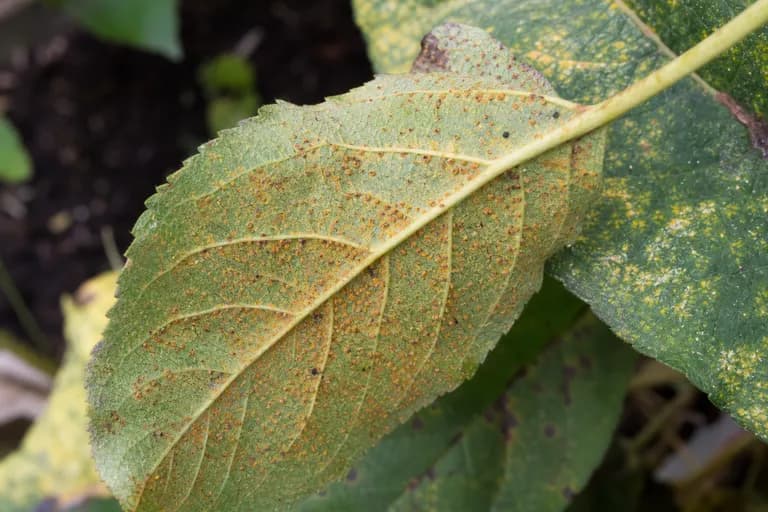
Podredumbre de vainas (Choanephora cucurbitarum)
EnfermedadLas vainas desarrollan una pudrición acuosa cubierta de moho negro especialmente en condiciones cálidas y húmedas. Las flores también pueden verse afectadas.
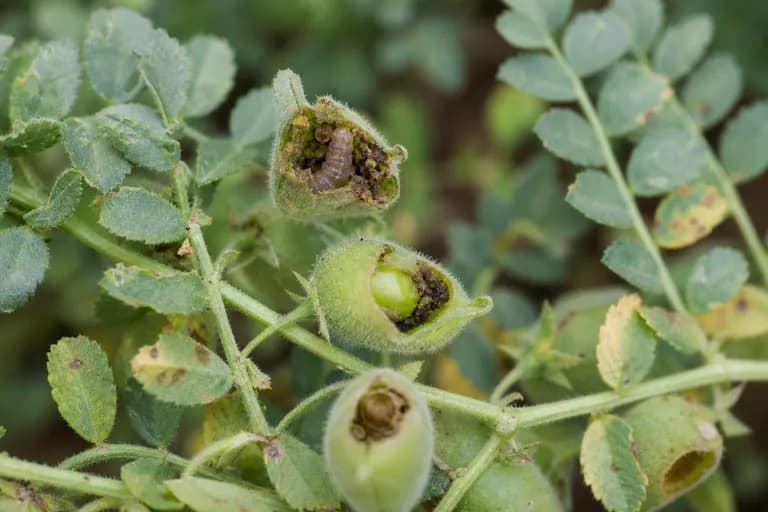
Virus del mosaico del caupí (CpMV)
EnfermedadMoteado verde claro y oscuro en las hojas con deformación y arrugamiento. Las vainas pueden acortarse y deformarse. El crecimiento se reduce.
Solución de problemas comunes
El frijol de metro necesita calor constante; las temperaturas por debajo de 15 °C ralentizan drásticamente el crecimiento y la producción de vainas. En climas templados con veranos frescos, el cultivo puede ser decepcionante. El soporte debe ser robusto y alto, ya que las plantas son vigorosas y pesadas. Si no se cosechan regularmente, las vainas se endurecen y la planta reduce su producción.
Consejos de cultivo
- Build your trellis before you plant, not after. Yard-long beans grow explosively in warm weather and will be tangled on the ground before you finish construction. Supports should be at least 2.5-3 meters tall and anchored firmly — a loaded vine in a rainstorm exerts enormous weight.
- Do not plant too early. Yard-long beans are even more cold-sensitive than common green beans. Planting in cold soil results in rotted seeds and stunted seedlings. Wait until soil is genuinely warm — at least 21°C (70°F) — even if it means planting 2-3 weeks later than your neighbors' green beans.
- Inoculate seeds with cowpea-type Rhizobium inoculant before planting, especially if the soil has never grown cowpeas or yard-long beans. This dramatically improves nitrogen fixation, plant vigor, and pod production without any synthetic fertilizer.
- Water deeply and consistently, providing 2.5-4 cm per week, especially during flowering and pod development. Irregular watering causes tough, fibrous pods and blossom drop. Drip irrigation or soaker hoses at the base are ideal — avoid overhead watering that promotes fungal disease.
- Harvest daily during peak production. Pods can add 5-8 cm of length in a single hot day. The ideal picking size is 30-45 cm when pods are pencil-thin and snap crisply. Pods left past prime become tough and signal the plant to stop flowering.
- Avoid nitrogen-heavy fertilizers. As legumes, yard-long beans fix their own nitrogen. Excess nitrogen produces lush foliage but dramatically reduces flowering and pod set. Use a phosphorus-rich fertilizer like bone meal or 5-10-10 when flowering begins.
- Grow yard-long beans vertically, never on the ground. Pods that touch the soil develop rot, discoloration, and curved shapes. Vertical growing also improves air circulation, reduces disease pressure, and makes daily harvesting much easier.
- Plant in succession every 3-4 weeks from late spring through midsummer in warm zones to extend the harvest from early summer well into autumn. This is especially effective in zones 9-12 where the growing season allows multiple plantings.
Cultiva tu mejor Frijol de Metro — y todo lo que la rodea.
Empieza un plan gratis hoy. Diseña tus bancales, coloca tu Frijol de Metro y deja que PlotMyGarden gestione el momento, el espaciado, las asociaciones y los recordatorios de la semilla a la cesta.
Elige tu Frijol de Metro
Yard Long (verde estándar)
La variedad clásica con vainas verde oscuro de 45-60 cm. Sabor dulce y textura tierna. Muy productiva en climas cálidos. 65-75 días.
Red Noodle
Variedad espectacular con vainas de color rojo-burdeos de 45-60 cm que se vuelven verdes al cocinar. Sabor ligeramente más dulce. 70-80 días.
Mosaic
Variedad con vainas moteadas en verde y púrpura, decorativa y sabrosa. Ligeramente más corta que las estándar (30-40 cm). 65-70 días.
Stickless Wonder
Variedad de porte arbustivo que no necesita tutor, ideal para espacios reducidos. Vainas más cortas (25-35 cm) pero producción abundante. 60-65 días.
Yard-long beans are a premium vegetable at Asian grocery stores and farmers markets, typically selling for $4-8 per pound. A single plant grown from a $3 seed packet (containing 30+ seeds) can produce 3-7 lbs of beans over a season. Growing just 4-6 plants easily yields 15-30 lbs of fresh beans, representing $60-240 in retail value from about $3 in seeds and the cost of a simple trellis. The savings are especially significant for cooks who use yard-long beans frequently in Asian stir-fries and salads.
Recetas rápidas
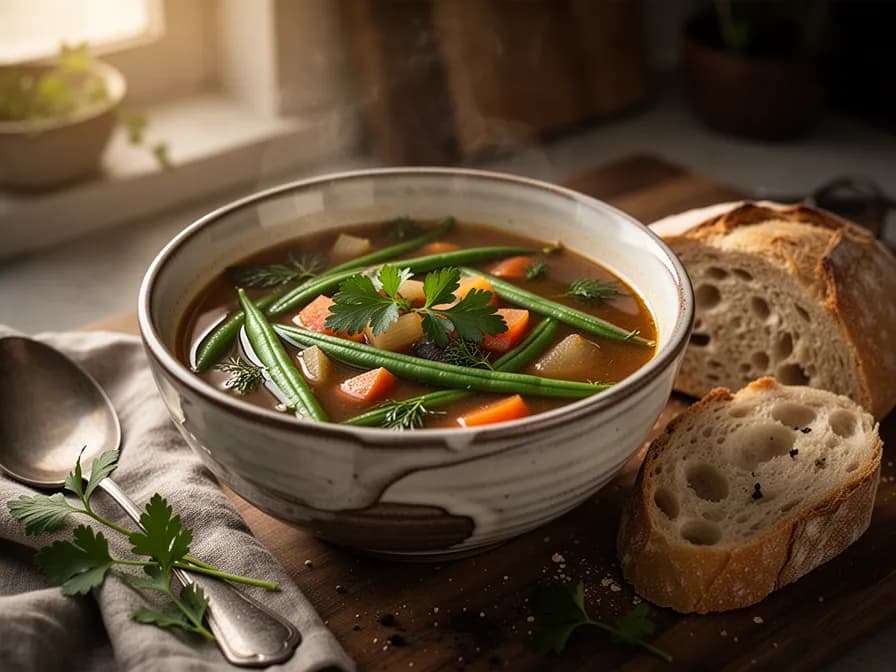
Stir-Fried Yard-Long Beans with Garlic and Chili
15 minThe most popular way to prepare yard-long beans across Southeast Asia — quick high-heat stir-frying preserves the snappy texture and concentrates the sweet, nutty flavor. Charred edges add a wonderful smoky dimension.
7 ingredientesSichuan Dry-Fried Yard-Long Beans
25 minA beloved Sichuan classic where beans are first fried until blistered and wrinkled, then tossed with savory preserved vegetables and ground pork. The dry-frying technique creates an intensely concentrated flavor and addictive chewy texture.
8 ingredientesThai Yard-Long Bean Salad (Tam Tua Fak Yao)
20 minA punchy, refreshing Thai salad where raw or blanched yard-long beans are pounded in a mortar with a spicy-sour-sweet dressing. This street food favorite showcases the beans' crisp texture and fresh flavor.
9 ingredientesUsos culinarios
El frijol de metro es un ingrediente estrella de la cocina asiática. Se corta en trozos de 5-7 cm y se saltea a fuego vivo con ajo, salsa de soja y chile en la cocina china. En Tailandia se añade al pad thai y currys verdes. En la India se cocina en sabzi con especias. También se prepara al vapor con salsa de ostras, en tempura japonesa o simplemente salteado con aceite de sésamo. Su textura tierna y crujiente se pierde con la cocción excesiva; cocine brevemente.
Qué contiene
Beneficios para la salud
- Rich in folate (vitamin B9), which is essential for DNA synthesis, red blood cell formation, and is critically important during pregnancy for preventing neural tube defects in developing babies.
- Provides 21% of the daily value of vitamin C per 100g, a potent antioxidant that supports immune defense, collagen production for healthy skin, and enhances the absorption of plant-based iron.
- Contains significant dietary fiber (2.8g per 100g) that promotes healthy digestion, feeds beneficial gut bacteria, supports regular bowel movements, and may help lower cholesterol levels.
- Good source of plant-based iron, and when consumed with its own vitamin C content, absorption is naturally enhanced — making yard-long beans particularly valuable for vegetarians and vegans at risk of iron deficiency.
- Provides vitamin A as beta-carotene (17% DV per 100g), supporting healthy vision, skin integrity, and immune function. The darker-podded varieties like Chinese Red Noodle contain even higher levels of antioxidant pigments.
- Low glycemic index food that provides sustained energy without blood sugar spikes, making yard-long beans a smart choice for people managing diabetes or watching their carbohydrate intake.
De dónde viene Frijol de Metro
Yard-long beans (Vigna unguiculata subsp. sesquipedalis) are a subspecies of the cowpea, believed to have been domesticated from wild Vigna species in tropical Africa. While the broader cowpea complex originated in sub-Saharan Africa — where wild relatives still grow today — the yard-long bean as a distinct cultivated form was developed in southern China and Southeast Asia, likely through centuries of selective breeding for ever-longer pods and climbing habit.
The earliest evidence of yard-long bean cultivation in Asia dates to approximately 2,000 years ago, and the crop became deeply integrated into the agricultural systems and cuisines of China, Thailand, Vietnam, Indonesia, the Philippines, and India. In traditional Asian farming, yard-long beans were valued not only as a food crop but also as a nitrogen-fixing companion plant in rice paddies and mixed-cropping systems. Chinese agricultural texts from the Tang Dynasty (618-907 CE) reference long-podded cowpea varieties, indicating a well-established cultivation tradition by that era.
European explorers and traders encountered yard-long beans in Asia during the Age of Exploration and brought seeds back to botanical gardens and tropical colonies. However, the crop never gained widespread popularity in Europe due to its strict requirement for sustained heat — it simply does not thrive in the cool, short summers of temperate climates. In the Americas, yard-long beans found a natural home in the Caribbean, southern Florida, and the Gulf Coast region where summer heat and humidity mirror the plant's tropical preferences.
Today, yard-long beans are among the most commercially important vegetables in tropical Asia, with China, Thailand, Indonesia, and the Philippines as major producers. In the United States, they are increasingly popular at farmers markets and in home gardens, driven by growing interest in Asian cuisine and the search for heat-tolerant crops that actually improve with the high temperatures that stress conventional green beans. Modern varieties include the striking Chinese Red Noodle with its deep burgundy pods, the high-yielding Liana, and the exceptionally long Orient Extra Long.
Frijol de Metro: ¿sabías que?
Datos fascinantes sobre Frijol de Metro
Despite the common name, yard-long beans rarely reach a full yard (91 cm) in length — the typical harvestable size is 30-45 cm (12-18 inches), but under ideal tropical conditions some pods can stretch to 75 cm (30 inches) or more.
Frijol de Metro: preguntas frecuentes
¿Cuándo debo plantar Frijol de Metro?
¿Cuáles son buenas plantas acompañantes para Frijol de Metro?
¿En qué zonas de rusticidad puede crecer Frijol de Metro?
¿Cuánto sol necesita Frijol de Metro?
¿A qué distancia debo espaciar Frijol de Metro?
¿Qué plagas y enfermedades afectan a Frijol de Metro?
¿Cómo almaceno Frijol de Metro después de la cosecha?
¿Cuáles son las mejores variedades de Frijol de Metro para cultivar?
¿Qué suelo necesita Frijol de Metro?
How tall do yard-long bean trellises need to be?
Why are my yard-long beans tough and stringy?
Can I grow yard-long beans in a short-season or cool climate?
What is the difference between yard-long beans and regular green beans?
Do yard-long beans fix nitrogen in the soil?
Can I eat yard-long beans raw?
Acabas de leer la teoría. Ahora cultívala en piloto automático.
Todo lo que hace que Frijol de Metro sea delicado — el momento, el espaciado, las asociaciones, la ventana de cosecha — es justo lo que PlotMyGarden resuelve por ti, para cada planta de tu huerto.
Un plan que conoce tu clima
Indica tu ubicación una vez. Recibe fechas de siembra, abonado y cosecha basadas en tu última helada real y el pronóstico en vivo — sin adivinar con un sobre genérico.
De la sección “Cuándo plantar”Planificador de bancales de arrastrar y soltar
Diseña bancales sobre una cuadrícula. Cada planta encaja con su espaciado correcto y ves toda la temporada antes de gastar un céntimo en semillas.
De la sección “Cultivo”Conflictos de asociación, detectados a tiempo
Más de 200 buenas y malas combinaciones comprobadas en vivo mientras plantas — para que un error que arruine la temporada nunca llegue a la tierra.
De la sección “Asociaciones”Recordatorios que sí vas a seguir
“Riega las judías.” “Recoge hoy antes de que se pase.” Oportunos, concretos y ligados a las plantas que de verdad cultivas.
De la sección “Cosecha”Escalonado, programado
¿Quieres cosechar seis semanas en vez de seis días? Reparte tus siembras automáticamente y te avisa cuando toca el siguiente lote.
De la sección “Cuándo plantar”Un registro que se vuelve más listo
Cada cosecha que registras le enseña tu huerto. El plan del año que viene parte de lo que de verdad funcionó en tu suelo, no en un manual.
De la sección “Resumen”Planta estos junto a Frijol de Metro
Más Legumbres
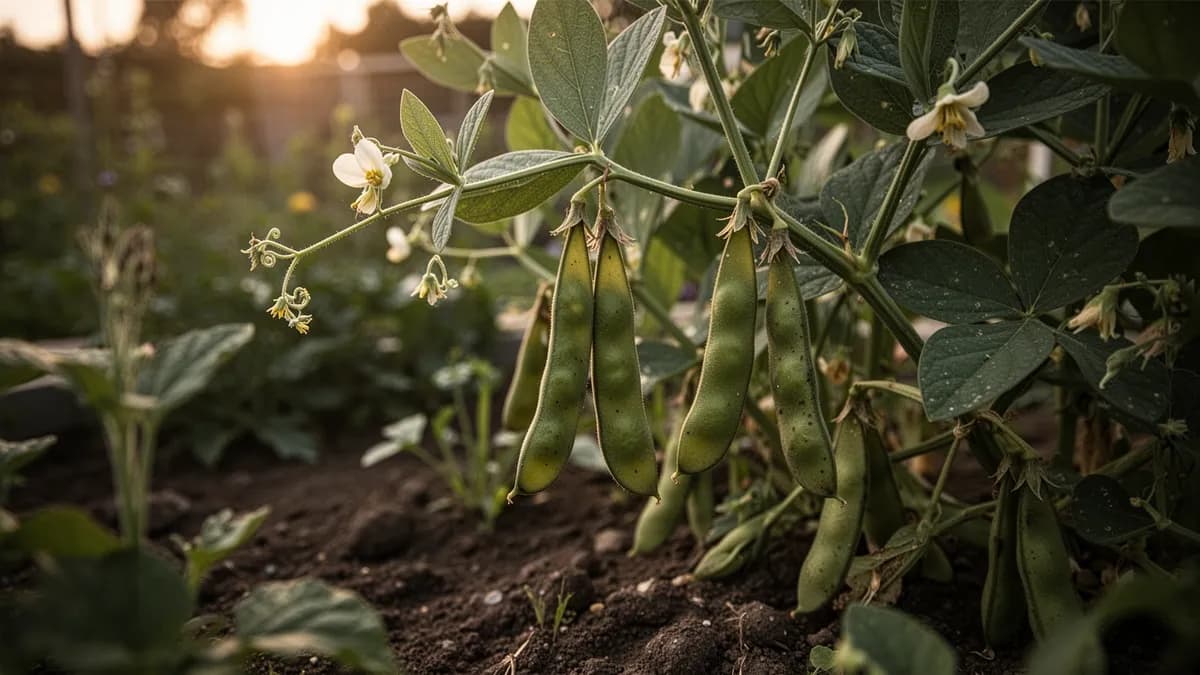
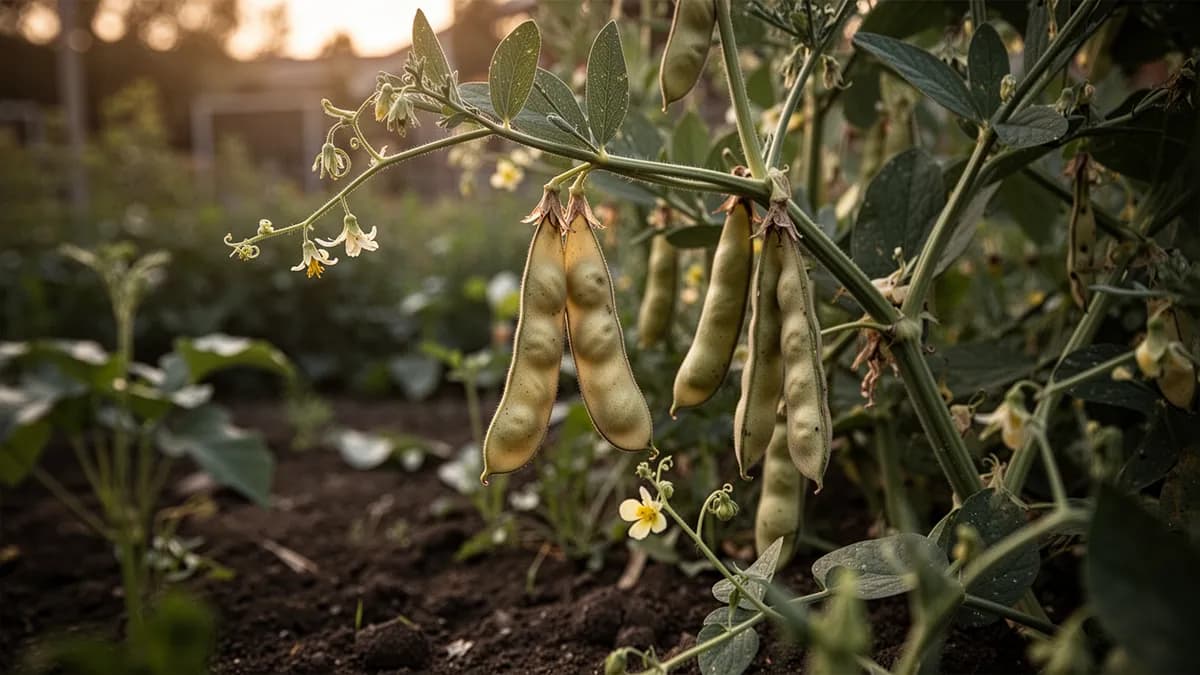
Mantén Frijol de Metro lejos de estos
Diseños de jardín con Frijol de Metro
Cultiva tu mejor Frijol de Metro — y todo lo que la rodea.
Empieza un plan gratis hoy. Diseña tus bancales, coloca tu Frijol de Metro y deja que PlotMyGarden gestione el momento, el espaciado, las asociaciones y los recordatorios de la semilla a la cesta.