Berro
El berro (Nasturtium officinale) es una planta acuática perenne originaria de Europa y Asia, apreciada por su sabor picante y ligeramente amargo.





En esta páginaResumen
Conoce Berro
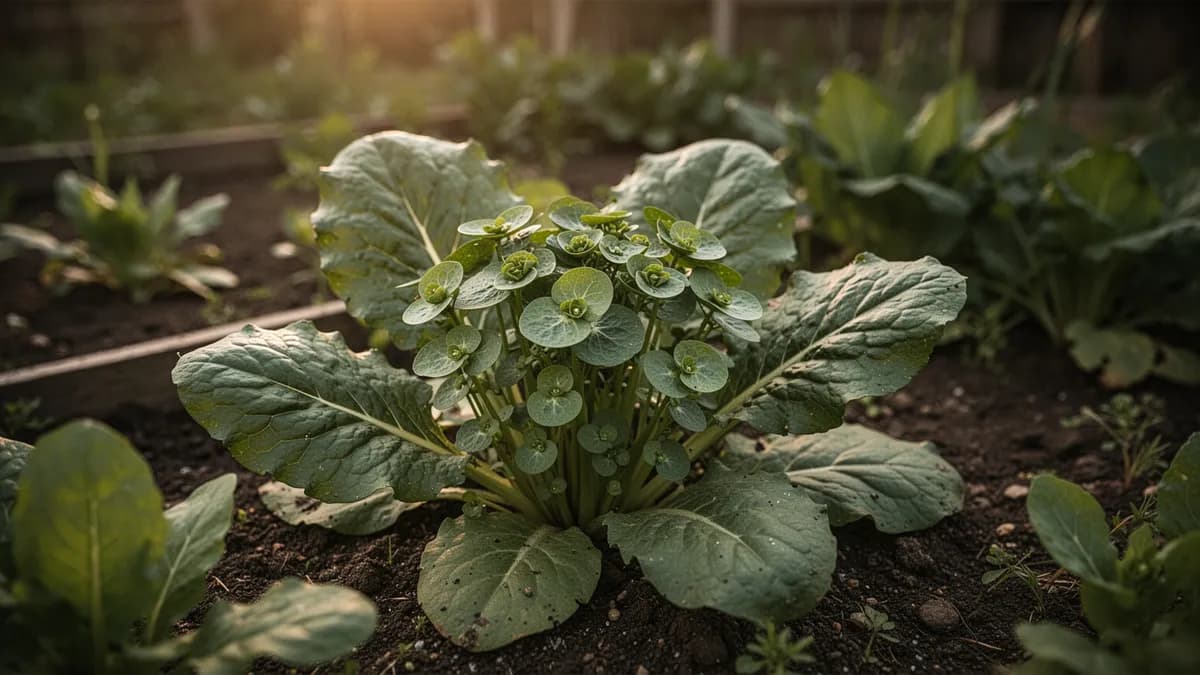
El berro (Nasturtium officinale) es una planta acuática perenne originaria de Europa y Asia, apreciada por su sabor picante y ligeramente amargo. Rica en vitaminas A, C y K, así como en hierro y calcio, ha sido consumida desde la antigüedad por sus propiedades nutritivas y medicinales.
Cuándo plantar Berro
Las semillas son muy pequeñas y deben sembrarse en la superficie de un sustrato húmedo sin cubrirlas, ya que necesitan luz para germinar. Mantenga la temperatura entre 15 y 20 °C; la germinación ocurre en 7-14 días. Trasplante cuando tengan 4-5 hojas verdaderas.
Tu año de Berro
Ajustado a Zona 7 · temporada típica · la helada se va hacia el 2 abr y vuelve hacia el 1 nov
Planta Berro Mar – May, Ago – Sep y cosecha May – Jul, Oct – Nov. Consulta los métodos de plantación y elige tu clima para adaptar los periodos.
Cómo cultivar Berro
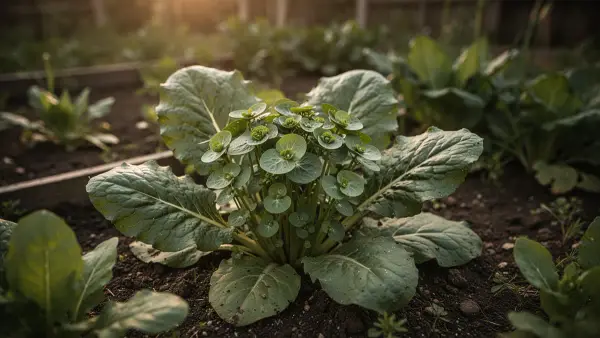
El berro prospera en ambientes acuáticos o extremadamente húmedos. Para cultivarlo, elija un lugar parcialmente sombreado y mantenga el suelo constantemente saturado de agua. Lo ideal es plantarlo junto a una fuente de agua corriente, ya que el agua en movimiento previene enfermedades y aporta nutrientes.
Prepare el sustrato con una mezcla rica en materia orgánica y manténgalo siempre empapado. La temperatura ideal oscila entre 10 y 20 °C; el berro tolera el frío pero sufre con el calor excesivo, que provoca la floración prematura. Siembre las semillas en la superficie sin cubrirlas, ya que necesitan luz para germinar.
Una vez establecido, el berro crece vigorosamente y puede cosecharse de forma continua cortando los tallos a unos 5 cm del suelo. Fertilice cada 2-3 semanas con abono líquido equilibrado. En climas cálidos, proporcione sombra parcial para evitar el espigado prematuro.
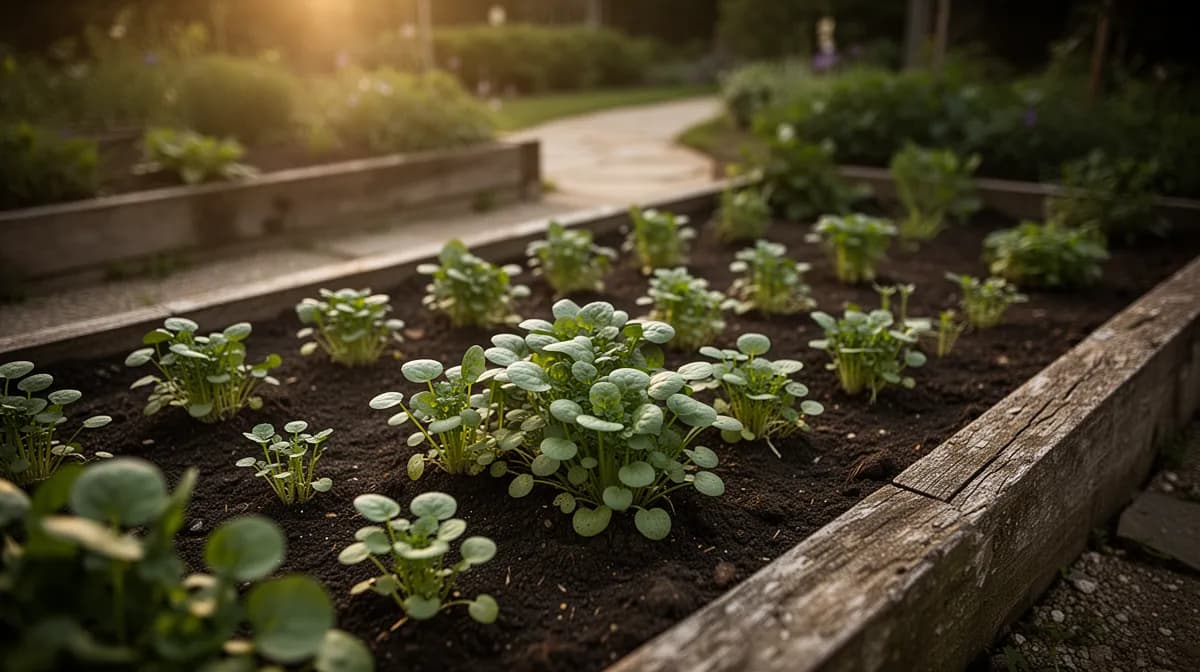
128 plantas caben en un bancal de 120 × 240 cm
Cada Berro pide 15 cm de margen. El planificador guarda ese marco por ti — cada planta, cada bancal.
Los mejores vecinos de Berro
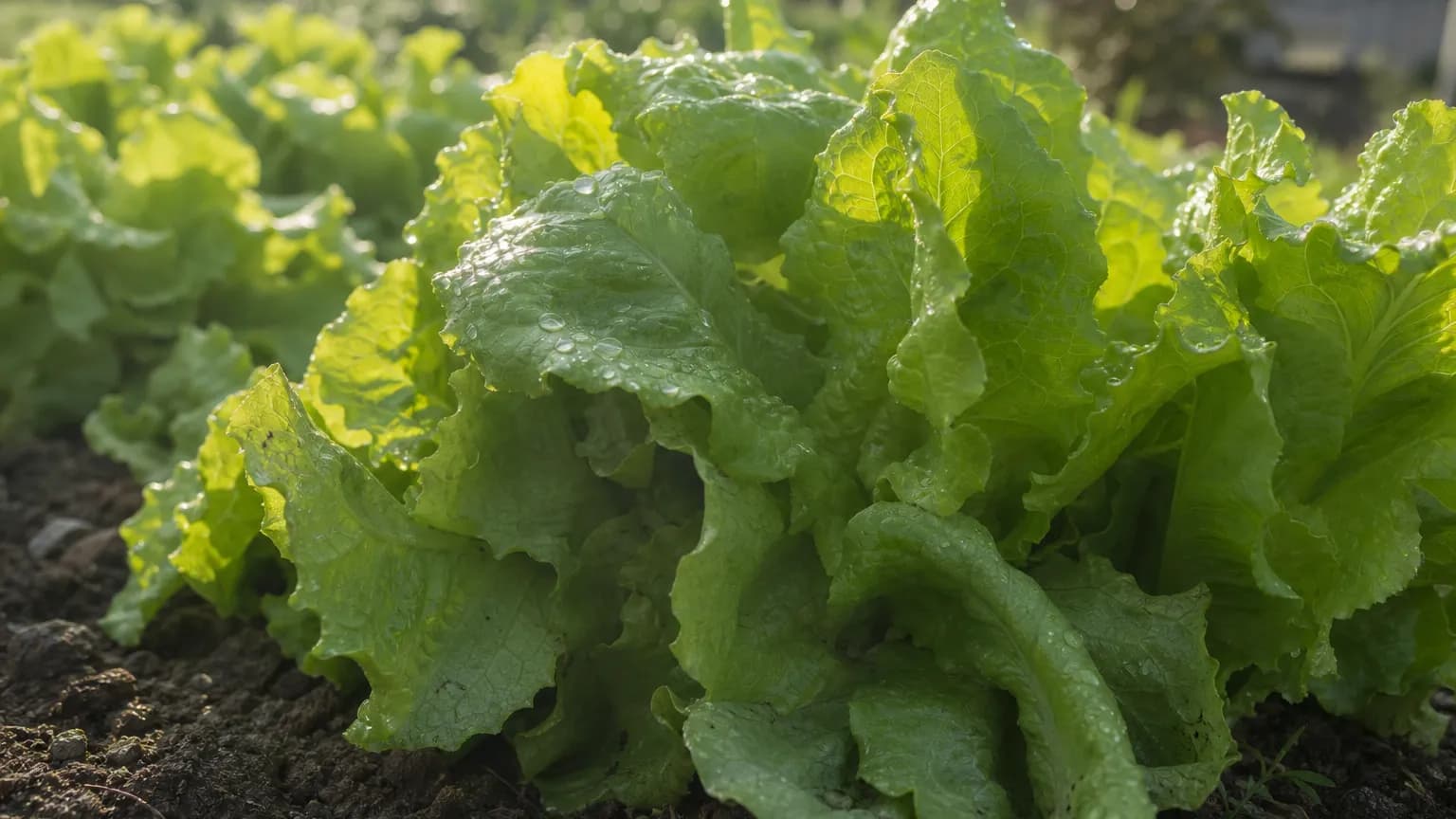
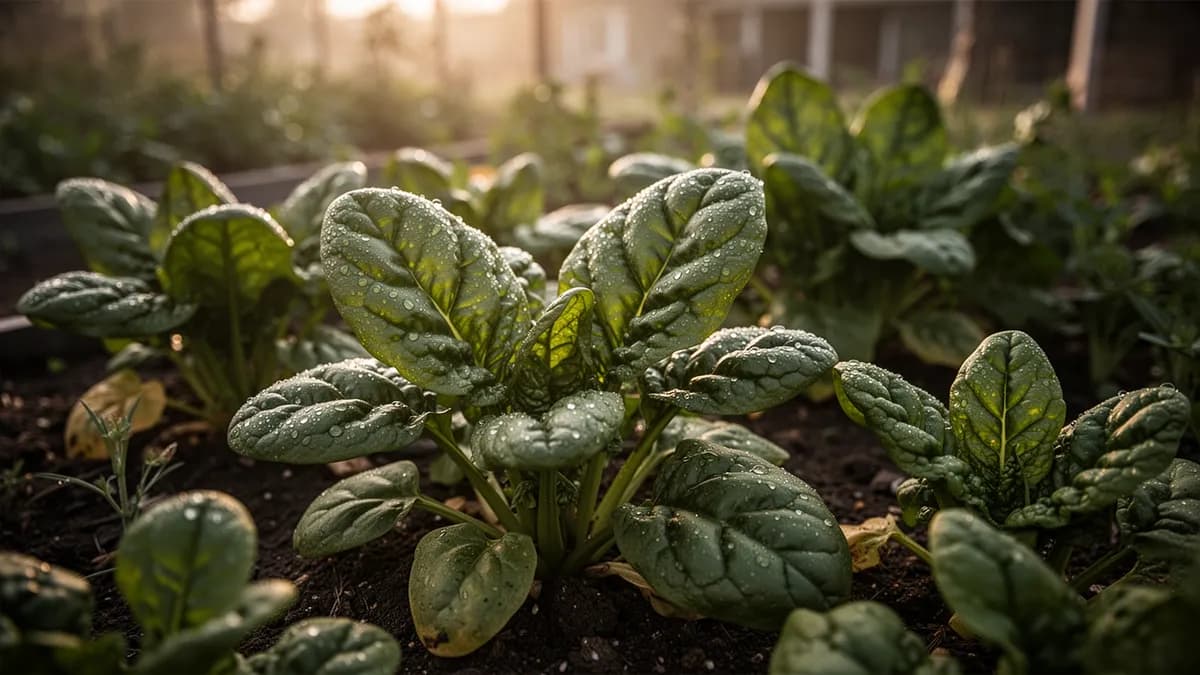
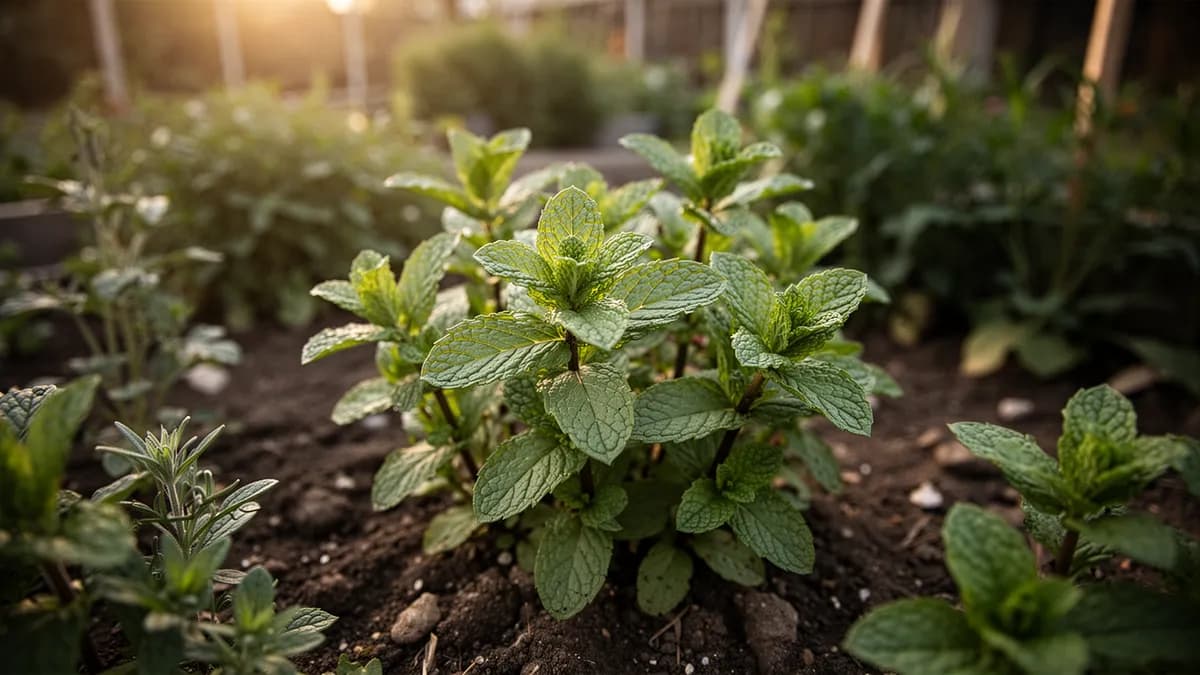
Se asocia bien con otras plantas acuáticas como la menta de agua y el apio de agua. En el huerto, puede plantarse en zonas bajas y húmedas junto a cultivos tolerantes a la humedad como lechugas y espinacas.
Lechuga va a su lado.
Saber de huerto de siempre, cotejado con la tabla real de Berro — prueba cualquier planta que cultives.
Prueba Berro en un bancal, aquí mismo
Un bancal real del planificador con Berro ya plantado. Toca una planta compañera para colocarla y mira cómo responde la comprobación de vecinos: verde para buenos vecinos, rojo si hay conflicto.


Guías de cultivo relacionadas
Abónalo bien
El berro requiere sustrato constantemente húmedo o sumergido, rico en materia orgánica, con pH entre 6,5 y 7,5. En cultivo terrestre, incorpore abundante compost y mantenga el suelo permanentemente encharcado. Fertilice cada 2-3 semanas con abono líquido equilibrado.
Temperatura ideal
Compatibilidad de zonas de rusticidad
De la semilla a la cosecha, etapa por etapa
Germinación
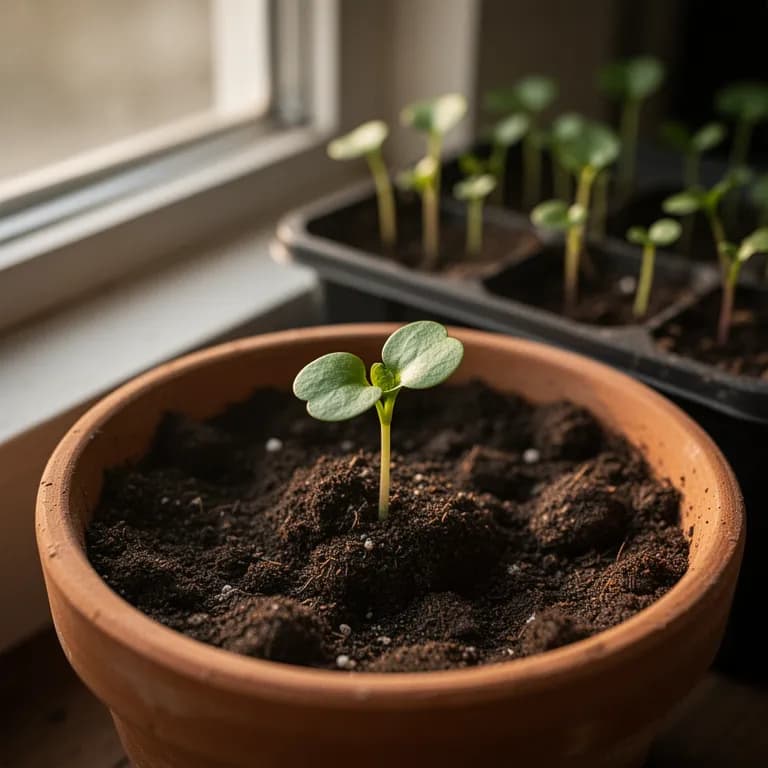
Las semillas diminutas brotan sobre la superficie del suelo húmedo y necesitan luz para iniciar la germinación. Raíces blancas delicadas se anclan en el sustrato mientras los cotiledones verde pálido se abren por encima. Las semillas deben permanecer constantemente húmedas durante esta etapa.
Establecimiento de plántulas
Aparecen las hojas verdaderas con la característica forma redondeada y compuesta. Las plántulas desarrollan una pequeña roseta de follaje verde brillante y comienzan a enviar raíces más profundas al medio encharcado. El crecimiento se acelera notablemente una vez que el sistema radicular se establece.
Crecimiento vegetativo
Los tallos se alargan rápidamente y se ramifican libremente, formando una alfombra densa de follaje verde exuberante. Los tallos huecos flotan y echan raíces en los nudos cuando tocan el agua o el suelo húmedo, lo que permite que la planta se extienda lateralmente y colonice el espacio disponible.
Ventana de cosecha
Las plantas alcanzan su tamaño óptimo de cosecha con tallos tiernos de 10-15 cm de largo y hojas crujientes y picantes. Esta es la etapa ideal para comer, cuando el sabor está equilibrado entre suave y picante. El corte regular estimula un crecimiento nuevo continuo desde la base.
Floración y formación de semillas
Aparecen pequeñas flores blancas de cuatro pétalos en racimos en las puntas de los tallos, típicas de la familia Brassicaceae. Las hojas se vuelven más pungentes y ligeramente amargas una vez que comienza la floración. Tras la polinización se desarrollan vainas de semillas delgadas (silicuas), cada una con numerosas semillas diminutas.
No cubras las semillas con tierra: necesitan luz para germinar. Rocía con suavidad para no desplazarlas. Mantén temperaturas de 10-18 °C (50-65 °F) para obtener mejores tasas de germinación. Deja el recipiente en 2-3 cm de agua limpia en todo momento.
Cuidar Berro mes a mes
Qué hacer cada mes para tu Berro
Octubre
Mes actualContinue harvesting regularly. Watercress tolerates light frost and actually improves in flavor after a light chill. Mulch around outdoor plantings if hard freezes are expected. Move containers to sheltered positions.
Ten claro qué hacer en tu huerto, cada mes
Un correo al empezar cada mes: qué sembrar, plantar y hacer ahora mismo — para tu Berro y todo lo que crece alrededor. Más un breve curso inicial para esquivar los errores clásicos.
- Qué hacer ahora mismo
- Ajustado a tu temporada
- Curso inicial incluido
Cosechar Berro
El berro puede cosecharse a partir de los 50-60 días desde la siembra, cortando los tallos jóvenes a unos 5 cm de la base. Las hojas más tiernas se obtienen antes de la floración. Coseche regularmente para estimular nuevos brotes y prolongar la temporada productiva.
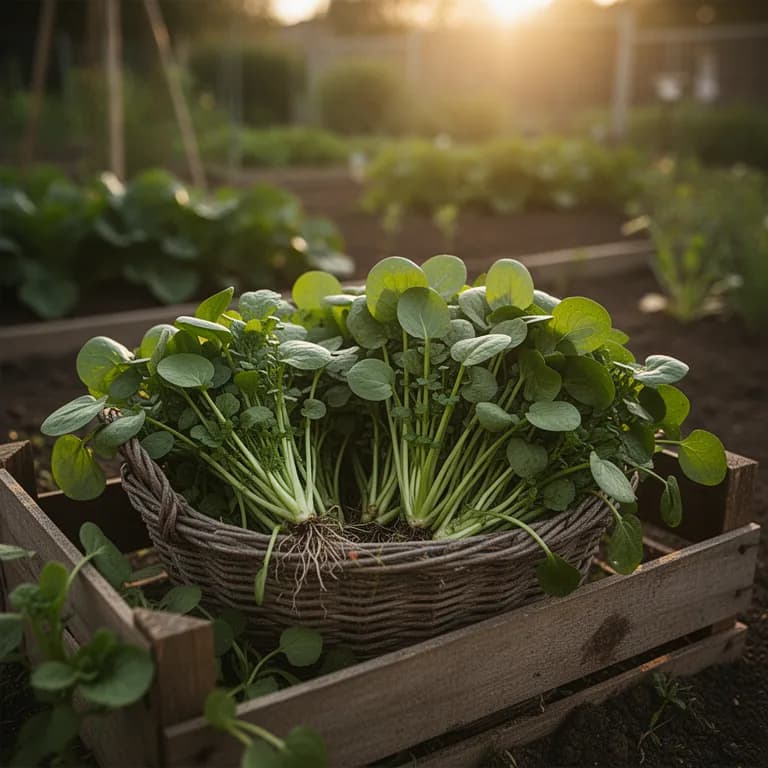
se supone que plantas al comenzar el periodo — indica tu fecha real
Empieza a cosechar cuando los tallos midan 10-15 cm de largo, normalmente 30-40 días después de la siembra.
Almacenamiento y conservación
Las hojas frescas se conservan mejor con los tallos sumergidos en un vaso con agua en el refrigerador, durando 3-5 días. También pueden envolverse en papel húmedo dentro de una bolsa perforada. El berro no se presta bien a la congelación ni al secado.
Qué falla — y cómo solucionarlo
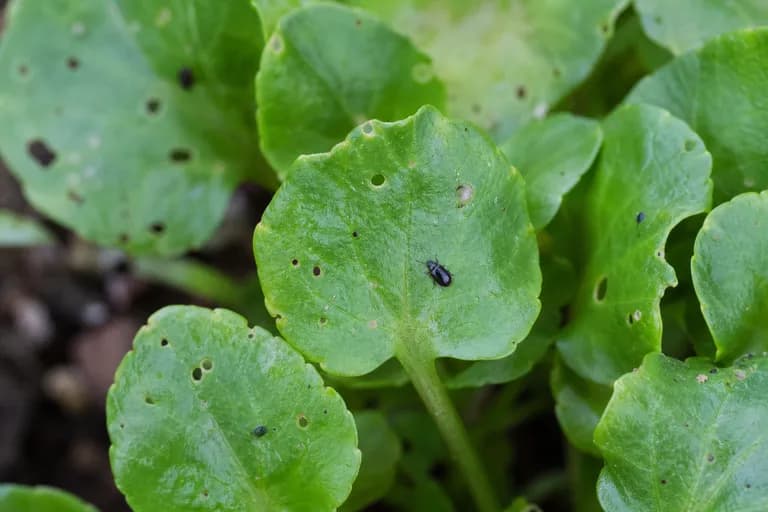
Pulgones
PlagaColonias de insectos verdes o negros en el envés de las hojas y brotes tiernos, causando enrollamiento y deformación del follaje.
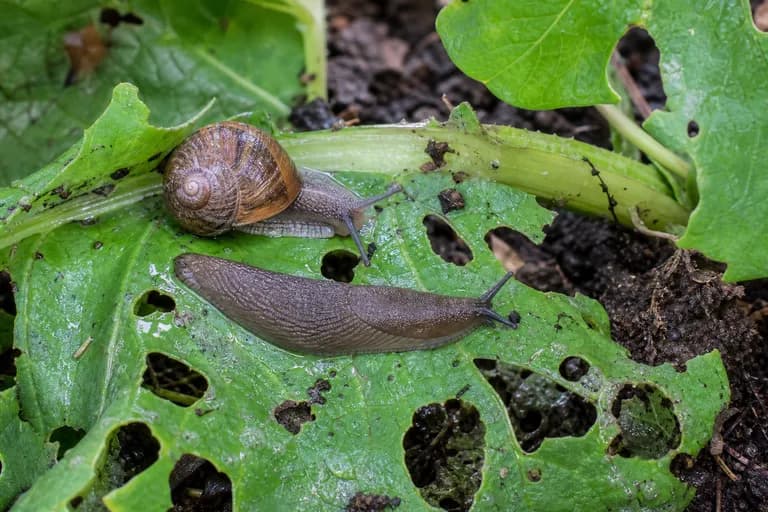
Caracoles y babosas
PlagaAgujeros irregulares en las hojas, rastros de baba plateada, daños severos durante noches húmedas.
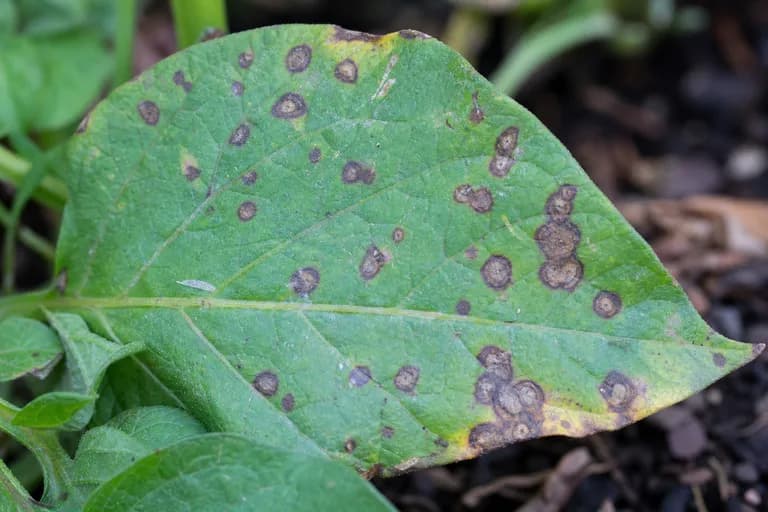
Mildiu
EnfermedadManchas amarillentas en el haz con moho grisáceo en el envés, que se extiende rápidamente con alta humedad.
Solución de problemas comunes
El principal desafío es mantener la humedad constante; si el suelo se seca, las plantas se marchitan y desarrollan sabor excesivamente amargo. Los caracoles y babosas son atraídos por el ambiente húmedo. En climas cálidos, tiende a espigarse prematuramente.
Consejos de cultivo
- The easiest way to start watercress is from grocery store cuttings, not seed. Place fresh stems in a glass of water on a sunny windowsill and roots will appear within 5-7 days. Transplant rooted cuttings into containers once roots are 3-5cm long.
- Use a wide, shallow container (30cm diameter or larger) rather than a deep pot. Fill with a mix of potting soil and perlite, and set the entire container in a tray of water that is 2-3cm deep. This mimics the shallow stream conditions watercress prefers.
- Change the standing water in your tray every single day, especially in warm weather. Stagnant water breeds mosquitoes, promotes algae, and encourages root rot. Clean, oxygenated water is the single most important factor for healthy watercress.
- Watercress is one of the best vegetables for hydroponic growing. A simple Kratky or deep-water-culture setup with net pots and a gentle air pump produces exceptional yields with minimal maintenance. Nutrient solution pH should be maintained at 6.5-7.0.
- Partial shade is your friend. Unlike most vegetables, watercress actually prefers 3-4 hours of direct sun with bright indirect light the rest of the day. Too much sun heats the water and triggers premature bolting. An east-facing window or morning-sun garden spot is ideal.
- Pinch off flower buds the moment you see them. Once watercress begins to flower, the leaves become noticeably more bitter and fibrous. Aggressive pinching can extend the prime harvest window by several weeks.
- Succession planting every 3-4 weeks ensures a continuous supply of tender young growth. Start new containers while harvesting from mature ones, rotating them so you always have plants at their peak eating stage.
- In winter, watercress grows beautifully on a bright kitchen windowsill. A single container in a water tray by a south-facing window can provide fresh peppery greens throughout the cold months when outdoor options are limited.
Cultiva tu mejor Berro — y todo lo que la rodea.
Empieza un plan gratis hoy. Diseña tus bancales, coloca tu Berro y deja que PlotMyGarden gestione el momento, el espaciado, las asociaciones y los recordatorios de la semilla a la cesta.
Elige tu Berro
Nasturtium officinale
Especie silvestre clásica con hojas redondeadas verde oscuro y sabor picante intenso. Madura en 50-55 días.
Aqua
Variedad comercial mejorada con hojas grandes y uniformes, ideal para cultivo hidropónico. Lista en 45-50 días.
Large Leaf
Selección de hojas amplias y carnosas con sabor suave, perfecta para ensaladas. Tolera temperaturas algo más altas.
Berro de jardín (Lepidium sativum)
Especie diferente de cultivo similar en tierra húmeda. Germinación rápida (3-5 días) y cosecha en 2-3 semanas.
A small packet of watercress seeds costs $2-4 and can produce dozens of plants. Store-bought watercress bunches sell for $3-5 each and wilt within days. A single home-grown container patch costing under $10 to set up can yield the equivalent of $60-150 worth of fresh watercress per season, with the added benefit of harvest-fresh crispness impossible to replicate from store-bought bunches that may be several days old.
Recetas rápidas
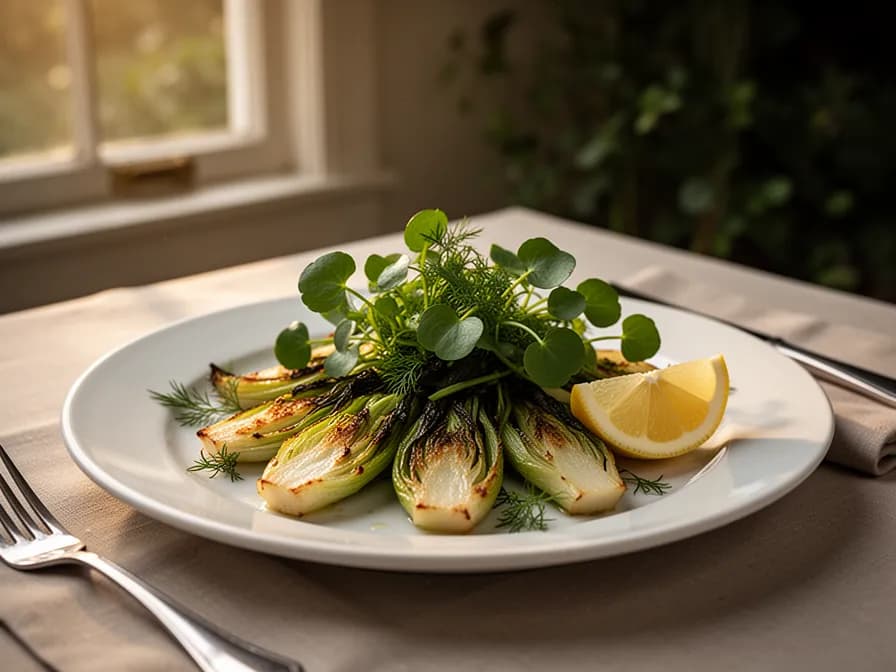
Classic Watercress Soup
30 minA silky, vibrant green soup that has graced British tables for centuries. Potatoes provide body while watercress delivers a refined peppery warmth that is both comforting and elegant. Serve hot or chilled depending on the season.
8 ingredientesWatercress and Orange Salad
10 minA refreshing combination where the peppery bite of watercress meets the sweet acidity of fresh orange segments. The citrus dressing softens the green's sharpness and creates a bright, palate-cleansing side dish perfect alongside rich roasted meats or grilled fish.
8 ingredientesWatercress Compound Butter
10 minA vibrant green butter that melts beautifully over grilled steak, baked potatoes, or fresh bread. The peppery watercress flavor intensifies when it meets hot food, creating an instant restaurant-quality finish with minimal effort. Freezes exceptionally well for long-term storage.
6 ingredientesUsos culinarios
El berro se utiliza fresco en ensaladas, sándwiches y como guarnición, aportando sabor picante y refrescante. Es ingrediente clásico de la sopa de berros europea. También se emplea en pestos, mantequillas aromatizadas y como complemento en platos de pescado.
Qué contiene
Beneficios para la salud
- Scored a perfect 100 on the CDC Aggregate Nutrient Density Index, making it the most nutrient-dense food tested. Calorie for calorie, watercress delivers more vitamins and minerals than any other vegetable studied.
- Rich in phenethyl isothiocyanate (PEITC), a naturally occurring compound shown in laboratory studies to inhibit the growth of cancer cells and reduce DNA damage from carcinogens, particularly in lung and colorectal cancer research.
- Provides over 200% of daily Vitamin K per 100g serving, essential for proper blood clotting, calcium regulation, and maintaining bone mineral density — especially important for postmenopausal women at risk of osteoporosis.
- Contains highly bioavailable calcium (120mg per 100g) with low oxalate levels, meaning the body absorbs a much higher percentage of the calcium compared to high-oxalate greens like spinach where absorption is inhibited.
- Excellent source of Vitamin A as beta-carotene (64% DV per 100g), supporting healthy vision, immune defense, and skin cell turnover. The carotenoids lutein and zeaxanthin also protect against age-related macular degeneration.
- Provides significant amounts of dietary nitrates, which the body converts to nitric oxide — a compound that relaxes blood vessels, lowers blood pressure, and improves cardiovascular performance during exercise.
De dónde viene Berro
Watercress is one of the earliest plants consumed by humans, with evidence of its use stretching back to antiquity across Europe, Central Asia, and the Middle East. Ancient Persians, Greeks, and Romans prized it as a health food and stimulant. Hippocrates, the father of medicine, is said to have deliberately built his first hospital on the Greek island of Kos near a stream where watercress grew abundantly, using it as a key remedy for his patients.
The Romans ate watercress before battles, believing it gave them courage, and frequently paired it with meals as a digestive aid. Through the Middle Ages, watercress grew wild across Europe along springs and chalk streams. In 19th-century England, commercial watercress farming took off in Hampshire and Dorset, where clean spring water from chalk aquifers provided ideal growing conditions. Watercress beds became an important agricultural industry, and the crop was transported to London by a dedicated rail service.
Today watercress is cultivated worldwide, from the United Kingdom and France to the United States, Australia, and East Asia. Modern hydroponic and container methods have made it accessible to home growers without access to a stream, while renewed scientific interest in its extraordinary nutrient density has elevated it from humble sandwich filler to superfood status.
Berro: ¿sabías que?
Datos fascinantes sobre Berro
Watercress is the oldest known leaf vegetable consumed by humans. Persian soldiers ate it to maintain health on long marches, and Hippocrates reportedly located his first hospital beside a stream so he could grow watercress for his patients around 400 BC.
Berro: preguntas frecuentes
¿Cuándo debo plantar Berro?
¿Cuáles son buenas plantas acompañantes para Berro?
¿En qué zonas de rusticidad puede crecer Berro?
¿Cuánto sol necesita Berro?
¿A qué distancia debo espaciar Berro?
¿Qué plagas y enfermedades afectan a Berro?
¿Cómo almaceno Berro después de la cosecha?
¿Cuáles son las mejores variedades de Berro para cultivar?
¿Qué suelo necesita Berro?
Can I grow watercress without a stream or pond?
Is it safe to eat wild watercress from streams?
Why does my watercress taste extremely bitter?
How do I keep watercress alive indoors over winter?
Can I grow watercress in a regular garden bed without standing water?
How often should I harvest watercress, and how much can I take?
Acabas de leer la teoría. Ahora cultívala en piloto automático.
Todo lo que hace que Berro sea delicado — el momento, el espaciado, las asociaciones, la ventana de cosecha — es justo lo que PlotMyGarden resuelve por ti, para cada planta de tu huerto.
Un plan que conoce tu clima
Indica tu ubicación una vez. Recibe fechas de siembra, abonado y cosecha basadas en tu última helada real y el pronóstico en vivo — sin adivinar con un sobre genérico.
De la sección “Cuándo plantar”Planificador de bancales de arrastrar y soltar
Diseña bancales sobre una cuadrícula. Cada planta encaja con su espaciado correcto y ves toda la temporada antes de gastar un céntimo en semillas.
De la sección “Cultivo”Conflictos de asociación, detectados a tiempo
Más de 200 buenas y malas combinaciones comprobadas en vivo mientras plantas — para que un error que arruine la temporada nunca llegue a la tierra.
De la sección “Asociaciones”Recordatorios que sí vas a seguir
“Riega las judías.” “Recoge hoy antes de que se pase.” Oportunos, concretos y ligados a las plantas que de verdad cultivas.
De la sección “Cosecha”Escalonado, programado
¿Quieres cosechar seis semanas en vez de seis días? Reparte tus siembras automáticamente y te avisa cuando toca el siguiente lote.
De la sección “Cuándo plantar”Un registro que se vuelve más listo
Cada cosecha que registras le enseña tu huerto. El plan del año que viene parte de lo que de verdad funcionó en tu suelo, no en un manual.
De la sección “Resumen”Planta estos junto a Berro
Más Crucíferas
Diseños de jardín con Berro
Cultiva tu mejor Berro — y todo lo que la rodea.
Empieza un plan gratis hoy. Diseña tus bancales, coloca tu Berro y deja que PlotMyGarden gestione el momento, el espaciado, las asociaciones y los recordatorios de la semilla a la cesta.