Tatsoi
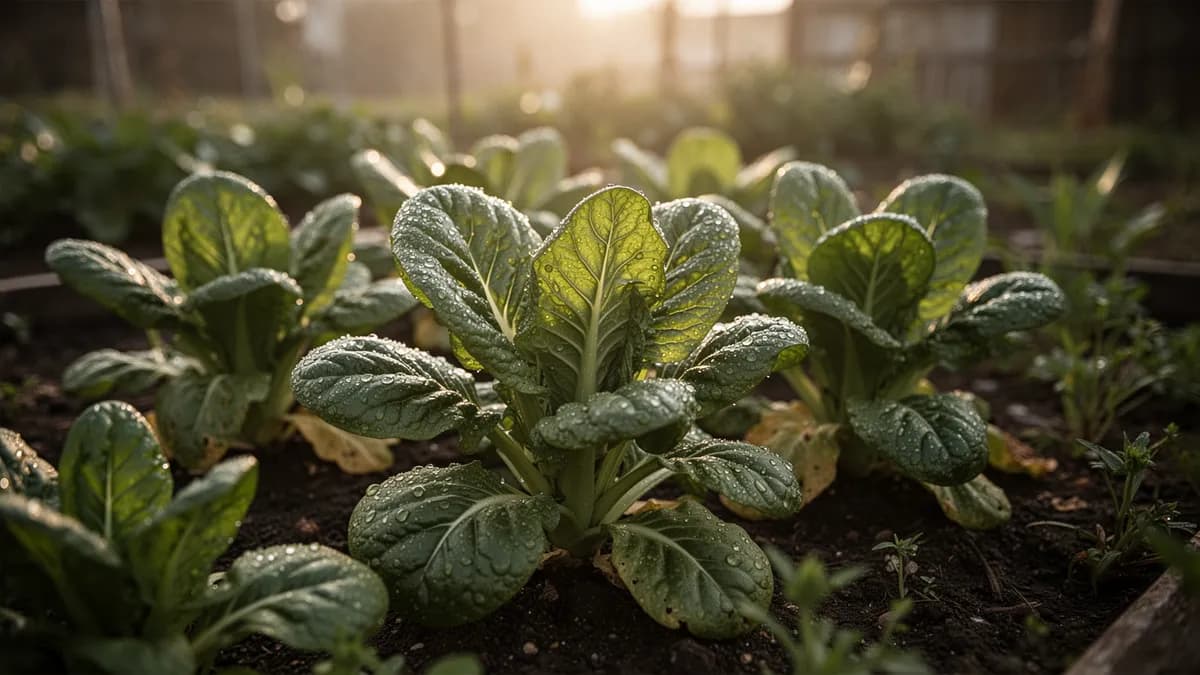
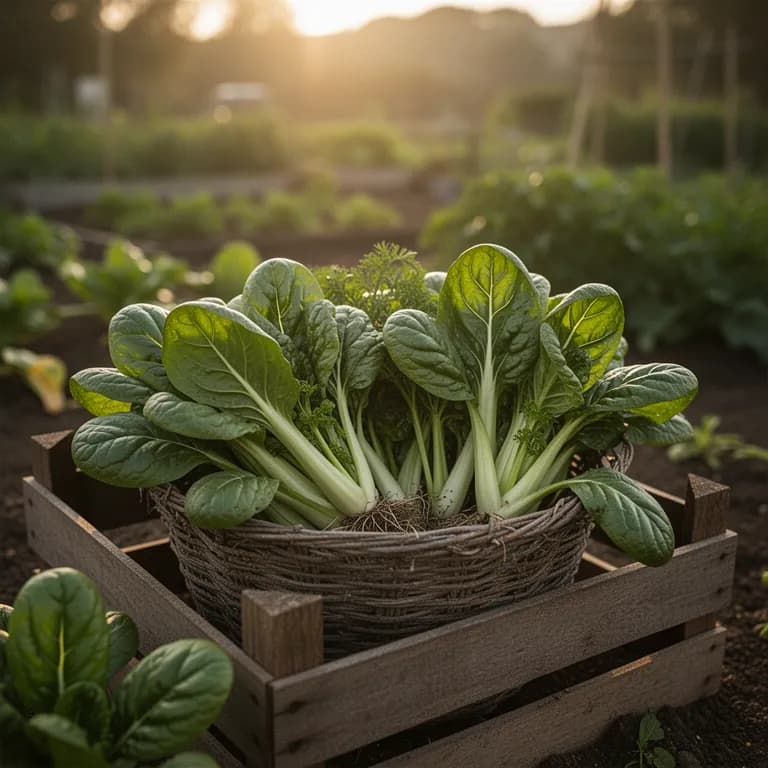
El tatsoi (Brassica rapa subsp. narinosa) es una verdura de hoja asiática originaria de China, con hojas gruesas en forma de cuchara que crecen en una elegante roseta compacta.





En esta páginaResumen
Conoce Tatsoi
El tatsoi (Brassica rapa subsp. narinosa) es una verdura de hoja asiática originaria de China, con hojas gruesas en forma de cuchara que crecen en una elegante roseta compacta. Su sabor es suave, ligeramente dulce y con un toque a mostaza, y su textura crujiente lo hace ideal tanto para consumo crudo como cocido en una amplia variedad de platos.
Cuándo plantar Tatsoi
Siembre las semillas directamente en el suelo a finales de verano o principios de otoño para cosecha de temporada fresca, o a principios de primavera tan pronto como el suelo sea trabajable. Las semillas germinan rápidamente en 4-7 días a temperaturas de 10-25 °C. Para un suministro continuo, realice siembras escalonadas cada 2-3 semanas.
Tu año de Tatsoi
Ajustado a Zona 7 · temporada típica · la helada se va hacia el 2 abr y vuelve hacia el 1 nov
Planta Tatsoi Mar – May, Ago – Sep y cosecha Abr – Jun, Oct – Nov. Consulta los métodos de plantación y elige tu clima para adaptar los periodos.
Cómo cultivar Tatsoi
El tatsoi es una de las brassicas más resistentes al frío, capaz de soportar temperaturas de hasta -10 °C cuando está bien establecido. Siembre las semillas directamente en el suelo a una profundidad de 0,5-1 cm, espaciando las plantas entre 15-20 cm en filas separadas 30 cm. Prefiere sol parcial a pleno sol y se desarrolla mejor en temperaturas frescas de 10-20 °C.
El riego debe ser constante y uniforme para mantener el suelo húmedo pero no encharcado. Aplique un acolchado orgánico alrededor de las plantas para conservar la humedad y mantener frescas las raíces. La fertilización debe ser moderada; un abono equilibrado al momento de la siembra y un refuerzo ligero de nitrógeno a mitad del ciclo son suficientes para obtener hojas abundantes y sanas.
En climas templados, el tatsoi puede cultivarse casi todo el año realizando siembras sucesivas cada 2-3 semanas. En regiones con inviernos suaves, puede dejarse en el huerto durante toda la estación fría y cosecharse según se necesite. En verano, cultívelo en sombra parcial para evitar el espigado prematuro y riegue con frecuencia para mantener las hojas tiernas.
128 plantas caben en un bancal de 120 × 240 cm
Cada Tatsoi pide 15 cm de margen. El planificador guarda ese marco por ti — cada planta, cada bancal.
Los mejores vecinos de Tatsoi
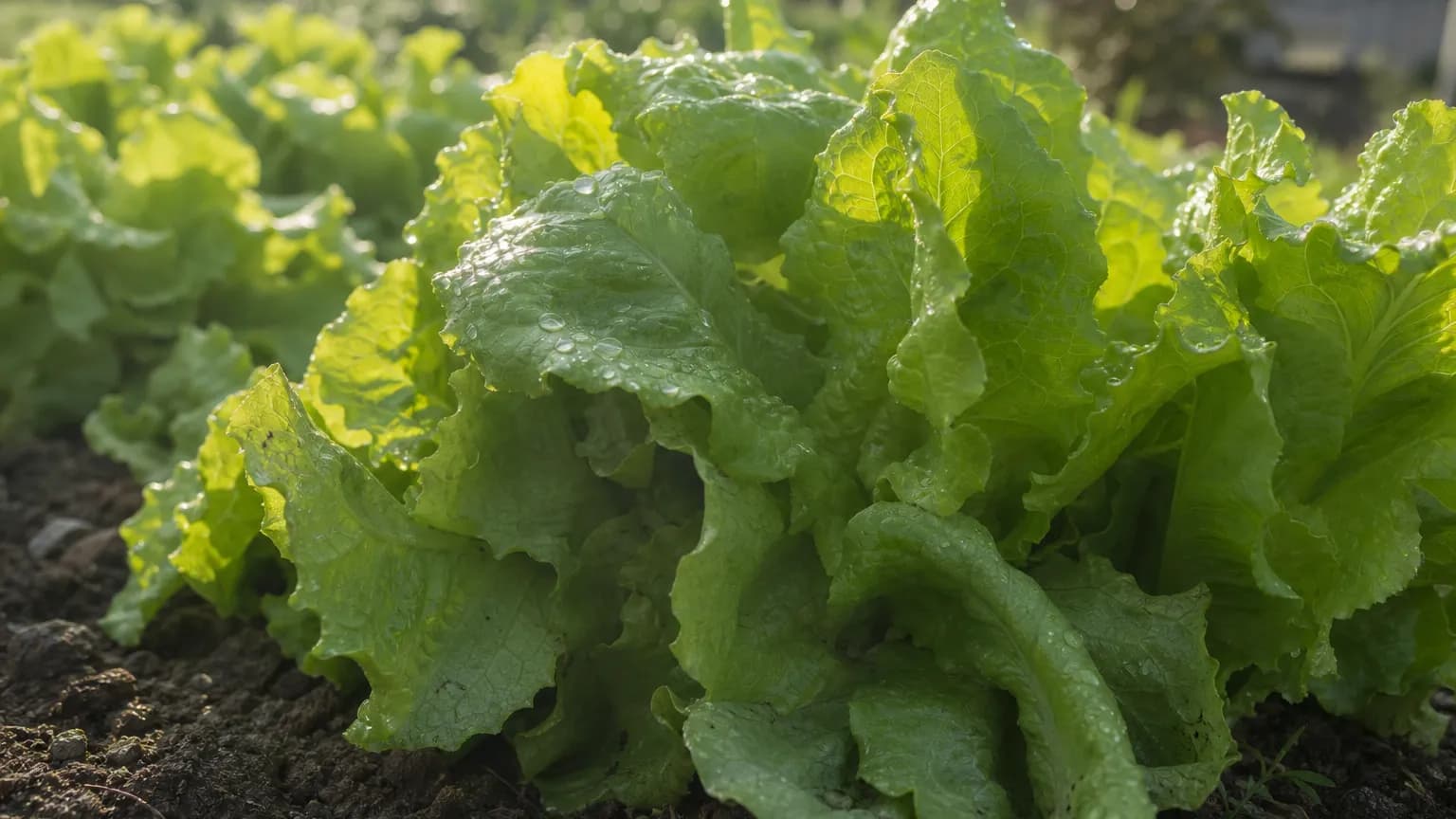
El tatsoi crece bien junto a otras verduras asiáticas como el pak choi, mizuna y komatsuna. Se beneficia de la compañía de hierbas aromáticas como el cilantro y el eneldo, que atraen insectos beneficiosos y repelen plagas. Evite plantarlo junto a fresas, ya que ambas pueden competir por nutrientes similares.
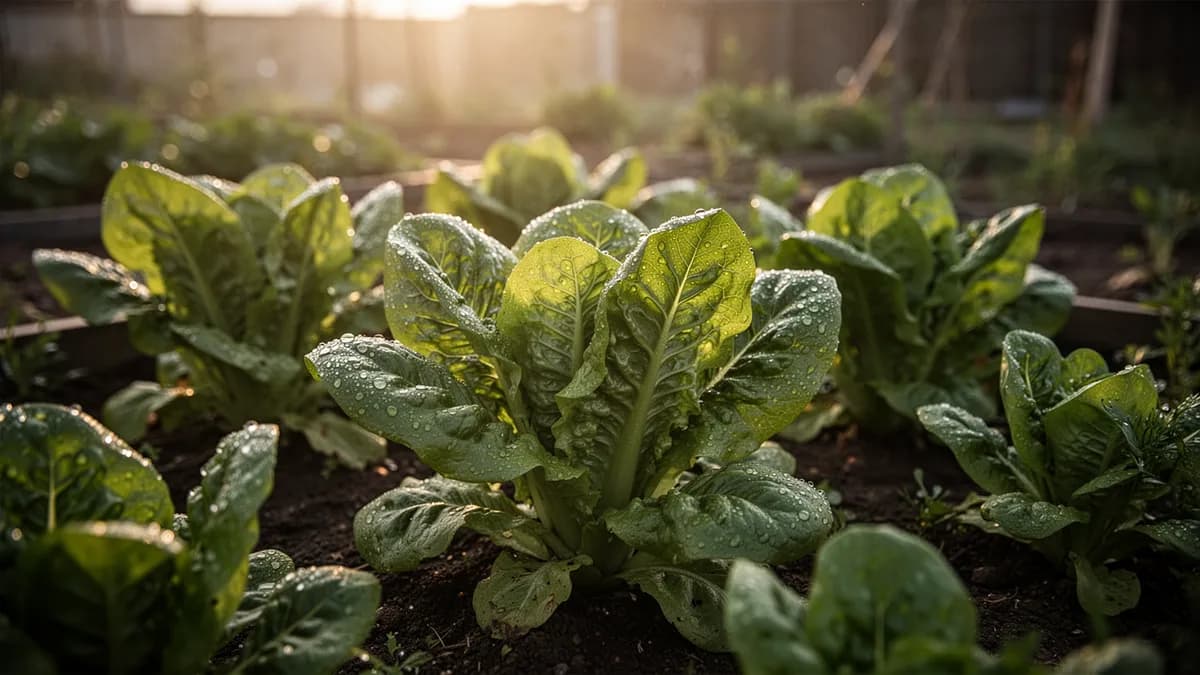
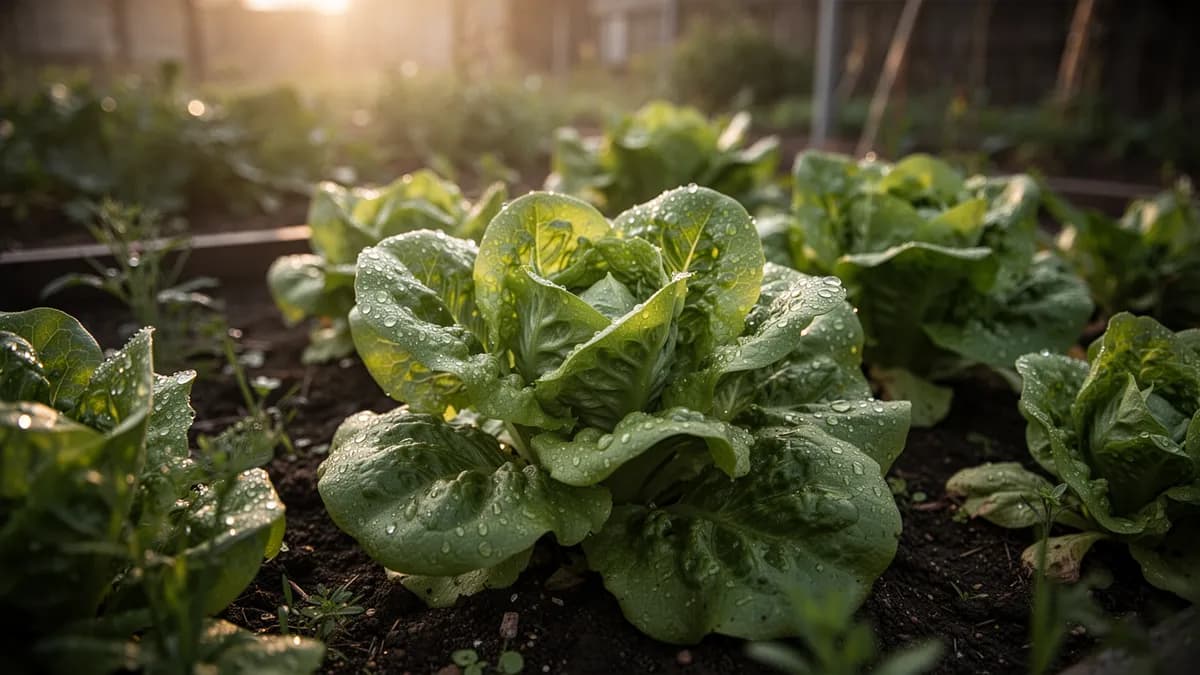
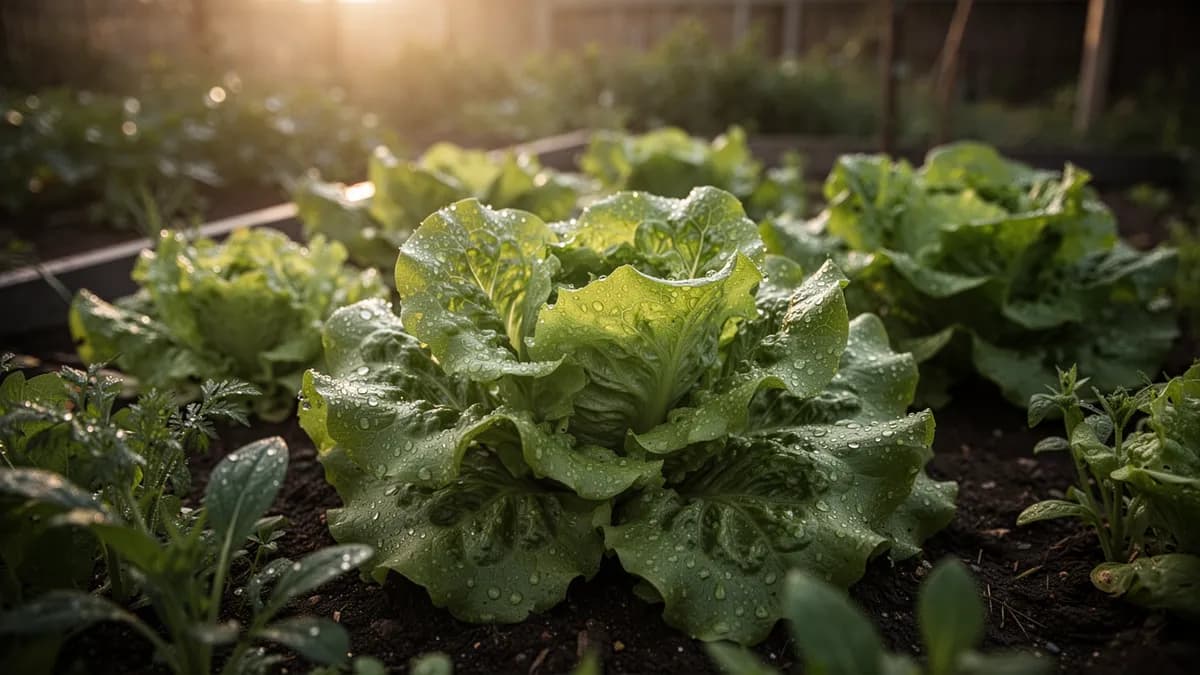
Lechuga va a su lado.
Saber de huerto de siempre, cotejado con la tabla real de Tatsoi — prueba cualquier planta que cultives.
Prueba Tatsoi en un bancal, aquí mismo
Un bancal real del planificador con Tatsoi ya plantado. Toca una planta compañera para colocarla y mira cómo responde la comprobación de vecinos: verde para buenos vecinos, rojo si hay conflicto.


Guías de cultivo relacionadas
Abónalo bien
El tatsoi prefiere suelos ricos en materia orgánica, bien drenados y con un pH de 6,0-7,5. Enmiende con compost maduro antes de la siembra y aplique un fertilizante equilibrado suave a mitad del ciclo de crecimiento para mantener una producción constante de hojas verdes y nutritivas.
Temperatura ideal
Compatibilidad de zonas de rusticidad
De la semilla a la cosecha, etapa por etapa
Germinación
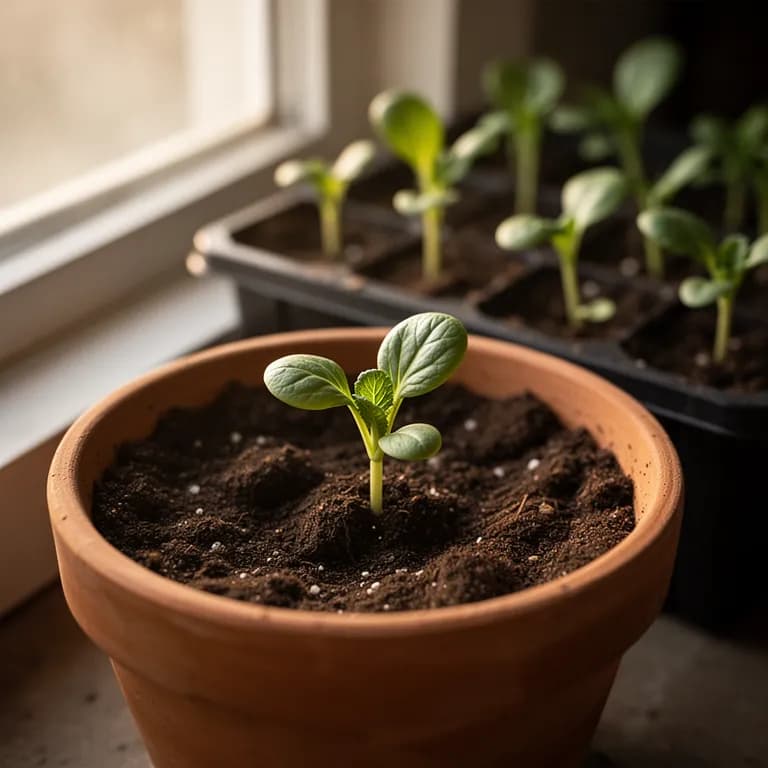
Las semillas de tatsoi son diminutas y germinan rápidamente, incluso en suelo fresco de hasta 4 °C. En 4-7 días emergen pequeños cotiledones redondeados. Las plántulas son delicadas en esta etapa, pero sorprendentemente tolerantes al frío desde el principio, una característica de esta brassica resistente.
Desarrollo de plántula
Las hojas verdaderas aparecen con la característica forma redondeada y en cucharilla, y de color verde oscuro. Las plántulas empiezan a formar una roseta suelta cerca del suelo. El crecimiento es constante en condiciones frescas y se acelera cuando el sistema radicular se establece en los primeros 15-20 cm del suelo.
Formación de roseta
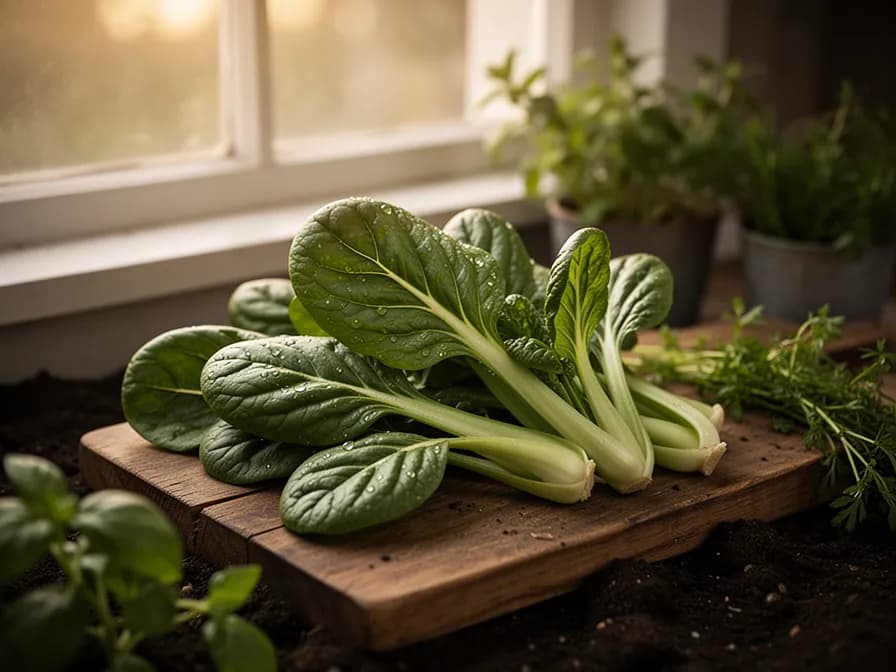
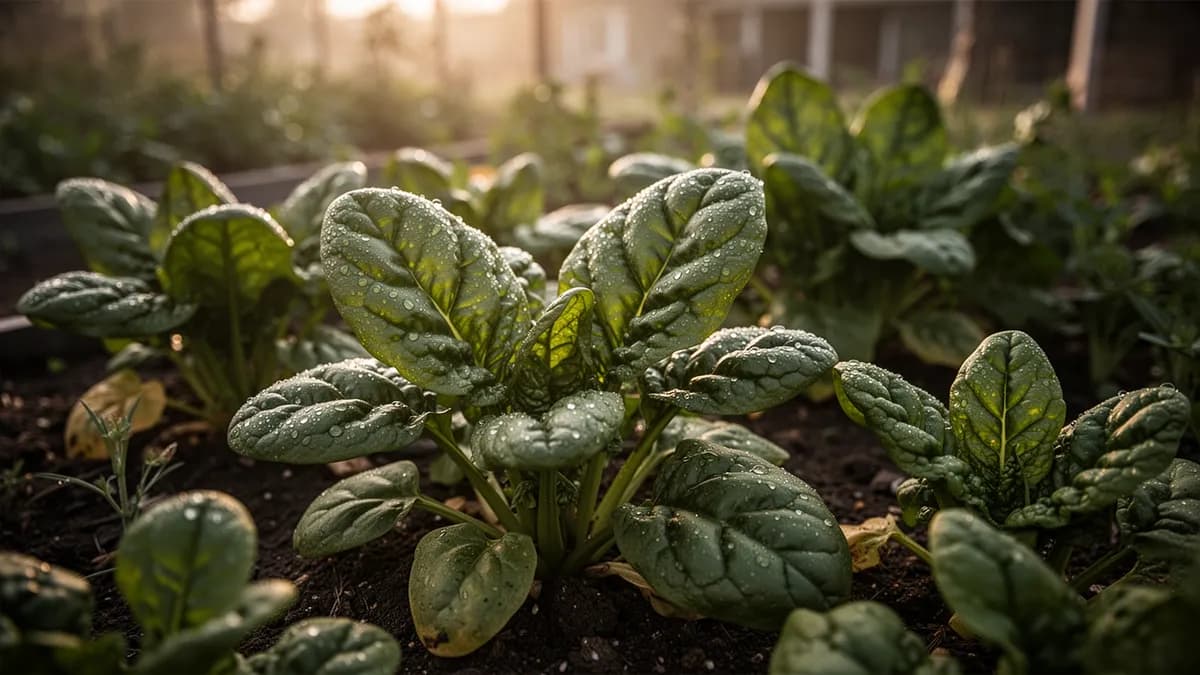
La planta desarrolla su característica roseta plana y pegada al suelo, con hojas gruesas, verde oscuro y en forma de cuchara. La roseta se expande hacia afuera como una flor que se abre, con nuevas hojas que emergen continuamente desde el centro. Los pecíolos son gruesos, blancos y carnosos, con un crujiente suave.
Cosecha en madurez
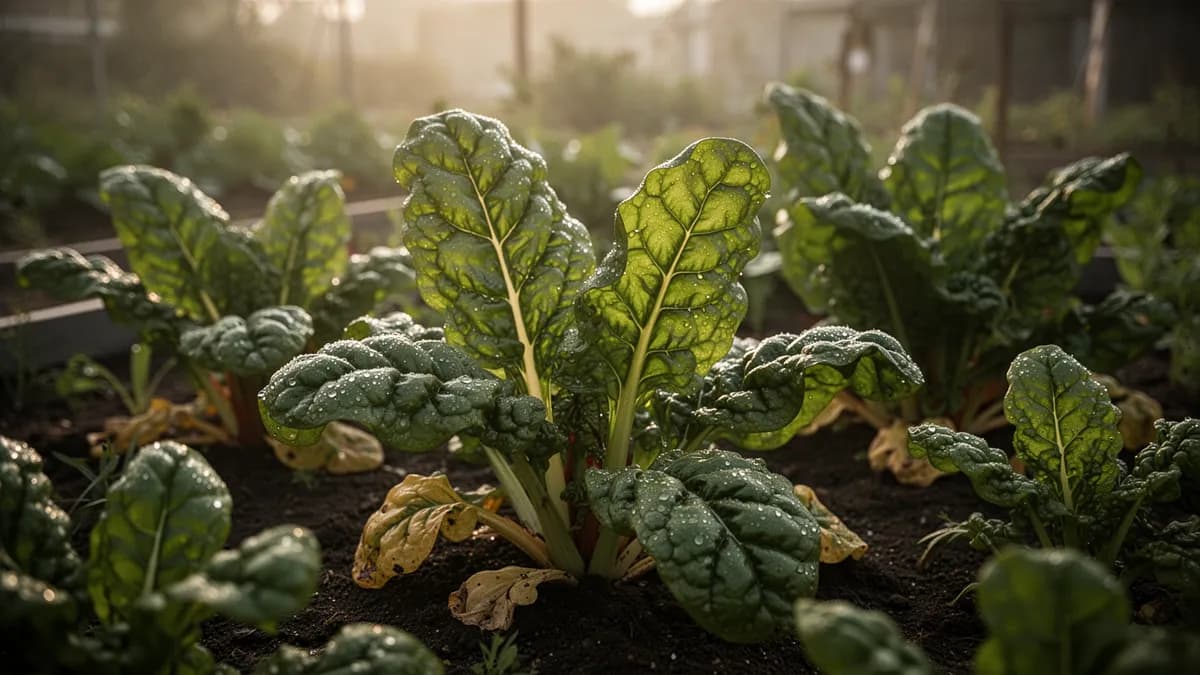
Las rosetas alcanzan su tamaño completo de 20-30 cm de ancho con 30-50 hojas gruesas y brillantes dispuestas en un hermoso patrón circular. El sabor es más suave y mantecoso en esta etapa. En clima fresco, las plantas pueden mantenerse así durante semanas sin deteriorarse.
Ciclos de rebrote
Después del corte, el tatsoi se regenera desde la corona y produce un nuevo brote de hojas en 10-14 días. Cada cosecha sucesiva es un poco más pequeña que la anterior, pero el rebrote sigue siendo productivo y sabroso. La mayoría de las plantas soportan 2-3 ciclos completos de rebrote antes de que disminuya la calidad.
Subida a flor y formación de semilla
Cuando los días alargan o el calor sostenido supera los 27 °C, la corona central se alarga en un tallo floral con pequeñas flores amarillas de la familia de las crucíferas. Las hojas se vuelven más duras y desarrollan un sabor más picante y similar a la mostaza. Las flores atraen a polinizadores beneficiosos.
Mantén el suelo constantemente húmedo, pero sin encharcar, durante la germinación. Siembra las semillas solo a 6 mm de profundidad; sembrarlas más hondo retrasa la emergencia. Con calor superior a 27 °C, la germinación puede ser irregular; refrigera las semillas durante una semana antes de sembrar para mejorar el porcentaje de éxito.
Cuidar Tatsoi mes a mes
Qué hacer cada mes para tu Tatsoi
Octubre
Mes actualPeak fall harvest season. Harvest rosettes and outer leaves regularly. Install cold frames or low tunnels over plants in zones 5-7 to extend the season. Frost-kissed tatsoi is noticeably sweeter — the best flavor of the year.
Ten claro qué hacer en tu huerto, cada mes
Un correo al empezar cada mes: qué sembrar, plantar y hacer ahora mismo — para tu Tatsoi y todo lo que crece alrededor. Más un breve curso inicial para esquivar los errores clásicos.
- Qué hacer ahora mismo
- Ajustado a tu temporada
- Curso inicial incluido
Cosechar Tatsoi
El tatsoi puede cosecharse como hojas individuales (baby leaf) a partir de los 20-25 días después de la siembra, o como roseta completa a los 40-50 días. Para cosecha continua, corte las hojas exteriores dejando el centro intacto para que siga produciendo nuevas hojas durante varias semanas.
se supone que plantas al comenzar el periodo — indica tu fecha real
Cosecha las rosetas completas a los 40-50 días cuando midan 20-30 cm de ancho.
Almacenamiento y conservación
Las hojas frescas se conservan en el refrigerador envueltas en papel húmedo dentro de una bolsa perforada durante 5-7 días. También puede blanquearse rápidamente y congelarse para uso posterior en sopas y salteados, manteniéndose bien durante 3-4 meses en el congelador.
Qué falla — y cómo solucionarlo
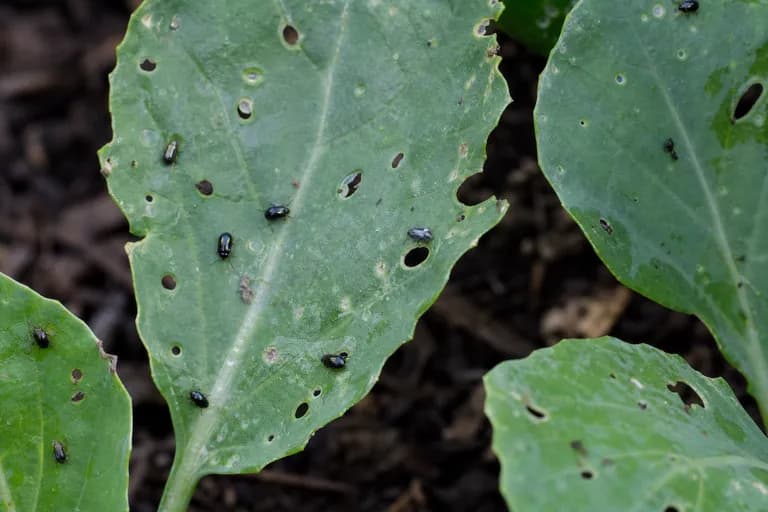
Pulga saltadora (Phyllotreta spp.)
PlagaPequeños agujeros redondos en las hojas que dan un aspecto de perdigonada, especialmente en plántulas jóvenes y hojas tiernas.
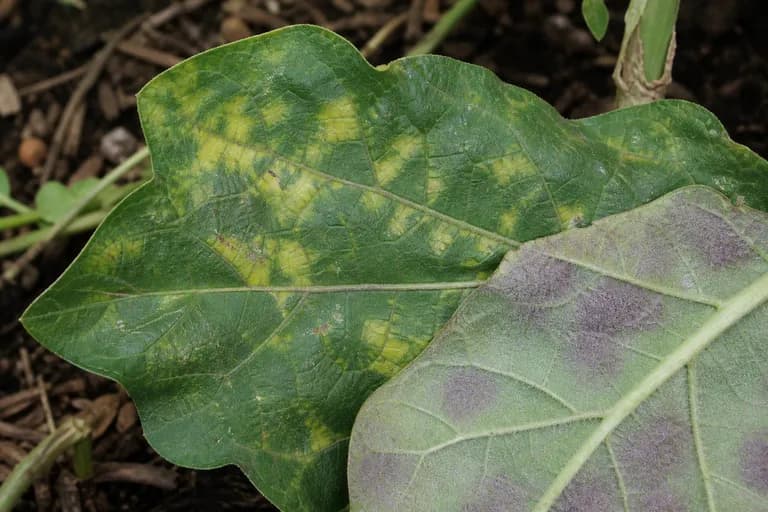
Hernia de la col (Plasmodiophora brassicae)
EnfermedadLas plantas muestran marchitez durante el día y recuperación nocturna. Las raíces presentan agallas deformes e hinchadas que impiden la absorción de nutrientes.
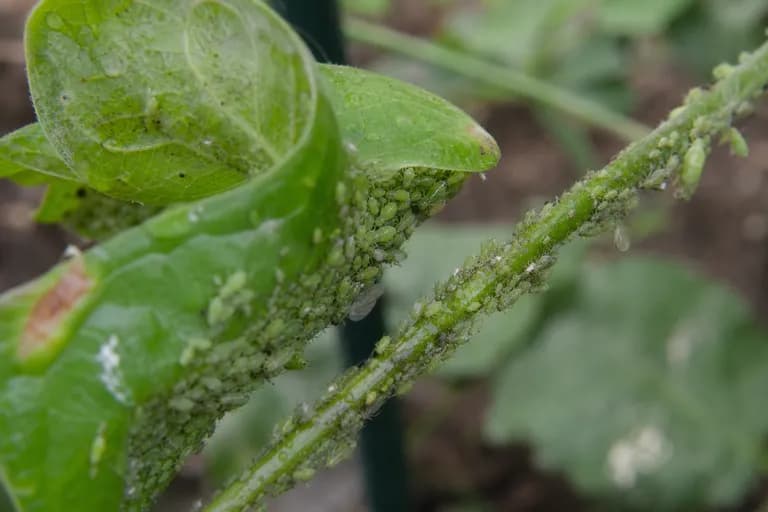
Babosa gris (Deroceras reticulatum)
PlagaAgujeros irregulares grandes en las hojas, especialmente visibles por la mañana. Rastros brillantes de baba sobre las hojas y el suelo circundante.
Solución de problemas comunes
El principal problema es el espigado prematuro causado por temperaturas elevadas o estrés hídrico, lo que hace las hojas amargas e incomibles. Las altas densidades de siembra pueden favorecer enfermedades fúngicas por falta de ventilación, así que mantenga un espaciado adecuado y buena circulación de aire entre las plantas.
Consejos de cultivo
- Treat tatsoi as a cool-season crop and plan your calendar accordingly. The best harvests come from fall and early winter plantings, not spring. Spring-sown tatsoi bolts quickly as days lengthen and temperatures rise, while fall plantings produce for months in cool weather.
- Succession sow every 2-3 weeks from late summer through early fall for a continuous supply of tender greens. A single sowing provides good harvests for 4-6 weeks, but staggered plantings ensure you never run out.
- Use lightweight floating row cover from the moment seeds go in the ground. This serves double duty — protecting seedlings from flea beetles (the number one pest of tatsoi) and providing 2-4°C of frost protection to extend the season.
- Harvest outer leaves frequently rather than waiting for full rosettes. This cut-and-come-again approach triples your total yield per plant and delays bolting by keeping the plant in a vegetative growth cycle.
- Provide afternoon shade in spring and early fall when temperatures can still spike above 24°C (75°F). Even a few hours of shade from taller crops or shade cloth dramatically reduces bolting risk and improves leaf tenderness.
- Water consistently but avoid overhead irrigation, which can trap moisture in the dense rosette and encourage downy mildew and rot. Drip irrigation or soaker hoses at the base of plants are ideal.
- Grow tatsoi as a living mulch beneath taller crops like tomatoes, peppers, or trellised beans. The flat rosettes shade the soil, suppress weeds, and conserve moisture while producing a secondary harvest from the same garden space.
- For the sweetest, most buttery flavor, harvest tatsoi in the morning after a hard frost. The cold triggers sugar production in the leaves overnight, and morning harvest captures peak crispness before the sun warms the plants.
Cultiva tu mejor Tatsoi — y todo lo que la rodea.
Empieza un plan gratis hoy. Diseña tus bancales, coloca tu Tatsoi y deja que PlotMyGarden gestione el momento, el espaciado, las asociaciones y los recordatorios de la semilla a la cesta.
Elige tu Tatsoi
Tatsoi Rosette
La variedad estándar que forma rosetas compactas de hojas verde oscuro brillantes. Madura en 40-50 días y es extremadamente resistente al frío.
Yukina Savoy
Un cruce entre tatsoi y pak choi con hojas más grandes y arrugadas con pecíolos gruesos y blancos. Excelente sabor suave, madura en 45 días.
Red Tatsoi
Variedad con hojas teñidas de púrpura rojizo que añade color a ensaladas y platos. Sabor ligeramente más intenso que el tatsoi verde, con buena resistencia al frío.
Tatsoi Baby Leaf
Selección optimizada para cosecha temprana de hojas jóvenes y tiernas a los 20-25 días. Ideal para mezclas de ensaladas gourmet y cultivo en espacios reducidos.
Baby tatsoi and Asian greens sell for $4-8 per small clamshell package (about 140g) at grocery stores and $3-5 per bunch at farmers' markets. A single $2-3 seed packet contains 500-1,000 seeds — enough to grow 50-100 plants over a season with succession sowing. Growing your own tatsoi can easily save $60-120 per season on specialty salad greens. The savings are especially significant because tatsoi produces through fall and winter when fresh local greens command premium prices and store-bought alternatives are shipped long distances.
Recetas rápidas
Garlic Sesame Tatsoi Stir-Fry
10 minA lightning-fast side dish that highlights tatsoi's mild, buttery flavor and satisfying crunch. High-heat wok cooking wilts the leaves while keeping the thick stems crisp and juicy. A splash of soy sauce and toasted sesame oil bring classic Asian umami.
8 ingredientesTatsoi and Mushroom Miso Soup
15 minA nourishing Japanese-inspired soup where tatsoi leaves wilt gently in a savory miso broth. The thick leaves hold their shape and texture far better than spinach, and the mild flavor pairs beautifully with earthy mushrooms and silky tofu.
7 ingredientes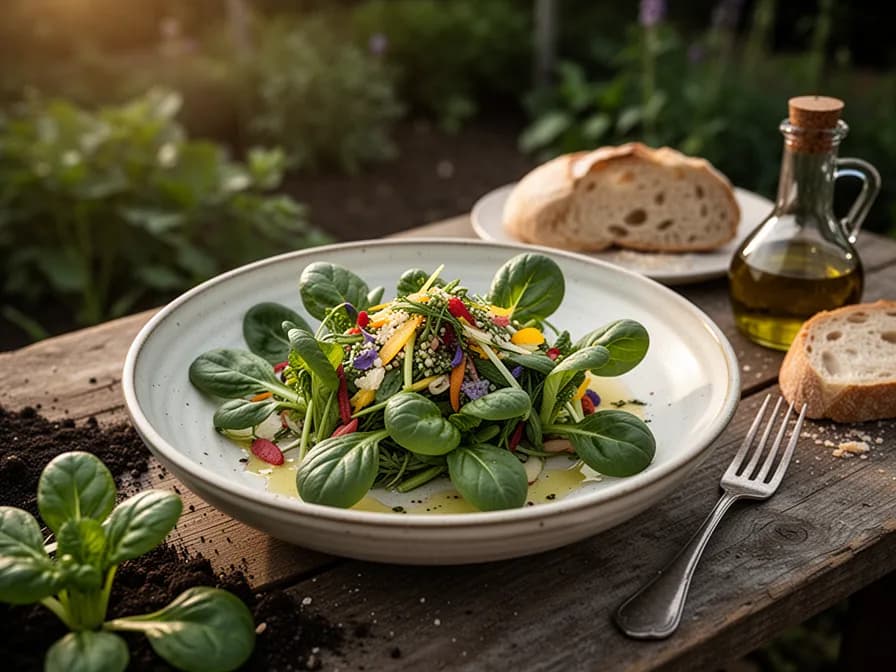
Baby Tatsoi Salad with Ginger Vinaigrette
10 minA crisp, refreshing salad showcasing young tatsoi leaves at their most tender. The spoon-shaped leaves naturally cup the bright, zingy dressing. Mandarin segments and toasted almonds add sweetness and crunch for a complete side dish.
9 ingredientesUsos culinarios
El tatsoi es muy versátil en la cocina: las hojas tiernas se disfrutan crudas en ensaladas mixtas, mientras que las más maduras se saltean rápidamente con ajo y aceite de sésamo al estilo asiático. También se añade a sopas, fideos, batidos verdes y se puede usar como base nutritiva para bowls, aportando un sabor suave que combina con casi cualquier ingrediente.
Qué contiene
Beneficios para la salud
- Exceptionally high in beta-carotene and vitamin A (72% DV per 100g), supporting healthy vision, immune function, and skin cell turnover — tatsoi contains more vitamin A than most common salad greens.
- Rich in vitamin K (over 100% DV per 100g), which is essential for proper blood clotting and plays a critical role in directing calcium into bones rather than arteries.
- Provides 29% of the daily value for vitamin C per 100g, a powerful antioxidant that supports immune defense, iron absorption, and collagen synthesis for healthy skin and joints.
- Contains glucosinolates, sulfur-containing compounds found in brassica vegetables that are broken down into isothiocyanates during digestion — compounds extensively studied for their potential anti-cancer properties.
- High calcium content (105mg per 100g) with relatively low oxalate levels compared to spinach, meaning a greater percentage of the calcium is bioavailable for absorption and use by the body.
- Very low calorie density (13 calories per 100g) combined with high nutrient density makes tatsoi one of the most nutritionally efficient foods available — ideal for nutrient-rich, calorie-conscious diets.
De dónde viene Tatsoi
Tatsoi (Brassica rapa var. rosularis) originated in China, where it has been cultivated for at least 1,500 years. Archaeological and literary evidence suggests it was grown in the Yangtze River valley during the Tang Dynasty (618-907 CE), valued for its ability to produce fresh greens through the harsh winter months when other vegetables were unavailable. The Chinese name 'ta cai' (literally 'flat vegetable') describes its characteristic ground-hugging rosette growth habit.
From China, tatsoi spread to Japan and Korea, where it became integrated into local cuisines and agricultural traditions. In Japan, it is known as 'kisaragina' and is particularly associated with late winter harvests. Korean farmers grew tatsoi as a cold-season complement to their summer cabbage crops, appreciating its reliability in frigid conditions. Throughout East Asia, tatsoi was valued not only for food but also in traditional medicine for its high vitamin content during vitamin-scarce winter months.
Tatsoi remained virtually unknown in the West until the late 20th century, when the growing interest in Asian vegetables and baby salad greens brought it to the attention of Western market gardeners and chefs in the 1990s. The rise of mesclun salad mixes created commercial demand for distinctive, flavorful baby greens, and tatsoi's mild taste, attractive spoon-shaped leaves, and easy cultivation made it a natural fit. Today, tatsoi is grown by small-scale and organic farmers across North America and Europe, prized for its exceptional cold hardiness that extends the growing season deep into autumn and winter. It has become a staple of farmers' markets, CSA boxes, and the farm-to-table restaurant movement.
Tatsoi: ¿sabías que?
Datos fascinantes sobre Tatsoi
Tatsoi has been cultivated in China for over 1,500 years, making it one of the oldest domesticated vegetables in the brassica family. Ancient Chinese texts refer to it as a 'spoon vegetable' for its distinctive leaf shape.
Tatsoi: preguntas frecuentes
¿Cuándo debo plantar Tatsoi?
¿Cuáles son buenas plantas acompañantes para Tatsoi?
¿En qué zonas de rusticidad puede crecer Tatsoi?
¿Cuánto sol necesita Tatsoi?
¿A qué distancia debo espaciar Tatsoi?
¿Qué plagas y enfermedades afectan a Tatsoi?
¿Cómo almaceno Tatsoi después de la cosecha?
¿Cuáles son las mejores variedades de Tatsoi para cultivar?
¿Qué suelo necesita Tatsoi?
What does tatsoi taste like compared to other greens?
Can I grow tatsoi in summer or only in cool weather?
How cold-hardy is tatsoi really — can it survive snow?
Why does my tatsoi keep bolting before I can harvest full rosettes?
Is tatsoi the same as bok choy?
How do I store tatsoi after harvest to keep it fresh?
Acabas de leer la teoría. Ahora cultívala en piloto automático.
Todo lo que hace que Tatsoi sea delicado — el momento, el espaciado, las asociaciones, la ventana de cosecha — es justo lo que PlotMyGarden resuelve por ti, para cada planta de tu huerto.
Un plan que conoce tu clima
Indica tu ubicación una vez. Recibe fechas de siembra, abonado y cosecha basadas en tu última helada real y el pronóstico en vivo — sin adivinar con un sobre genérico.
De la sección “Cuándo plantar”Planificador de bancales de arrastrar y soltar
Diseña bancales sobre una cuadrícula. Cada planta encaja con su espaciado correcto y ves toda la temporada antes de gastar un céntimo en semillas.
De la sección “Cultivo”Conflictos de asociación, detectados a tiempo
Más de 200 buenas y malas combinaciones comprobadas en vivo mientras plantas — para que un error que arruine la temporada nunca llegue a la tierra.
De la sección “Asociaciones”Recordatorios que sí vas a seguir
“Riega las judías.” “Recoge hoy antes de que se pase.” Oportunos, concretos y ligados a las plantas que de verdad cultivas.
De la sección “Cosecha”Escalonado, programado
¿Quieres cosechar seis semanas en vez de seis días? Reparte tus siembras automáticamente y te avisa cuando toca el siguiente lote.
De la sección “Cuándo plantar”Un registro que se vuelve más listo
Cada cosecha que registras le enseña tu huerto. El plan del año que viene parte de lo que de verdad funcionó en tu suelo, no en un manual.
De la sección “Resumen”Planta estos junto a Tatsoi
Más Hortalizas de hoja
Diseños de jardín con Tatsoi
Cultiva tu mejor Tatsoi — y todo lo que la rodea.
Empieza un plan gratis hoy. Diseña tus bancales, coloca tu Tatsoi y deja que PlotMyGarden gestione el momento, el espaciado, las asociaciones y los recordatorios de la semilla a la cesta.