Cebolleta Roja
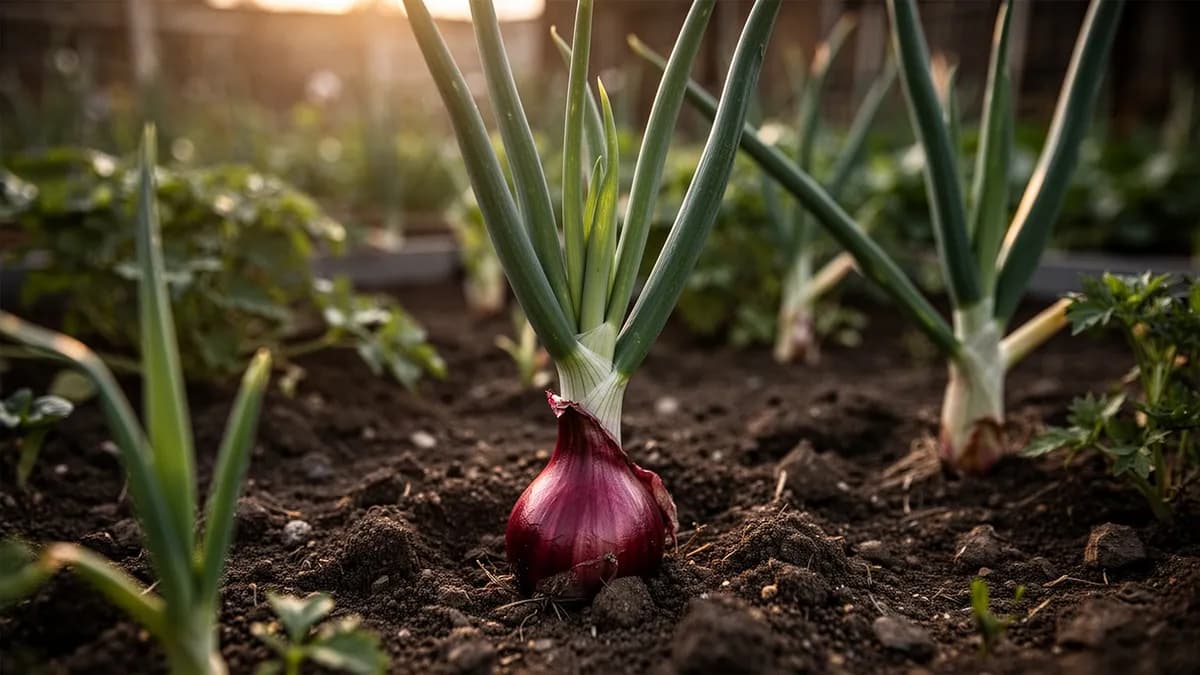
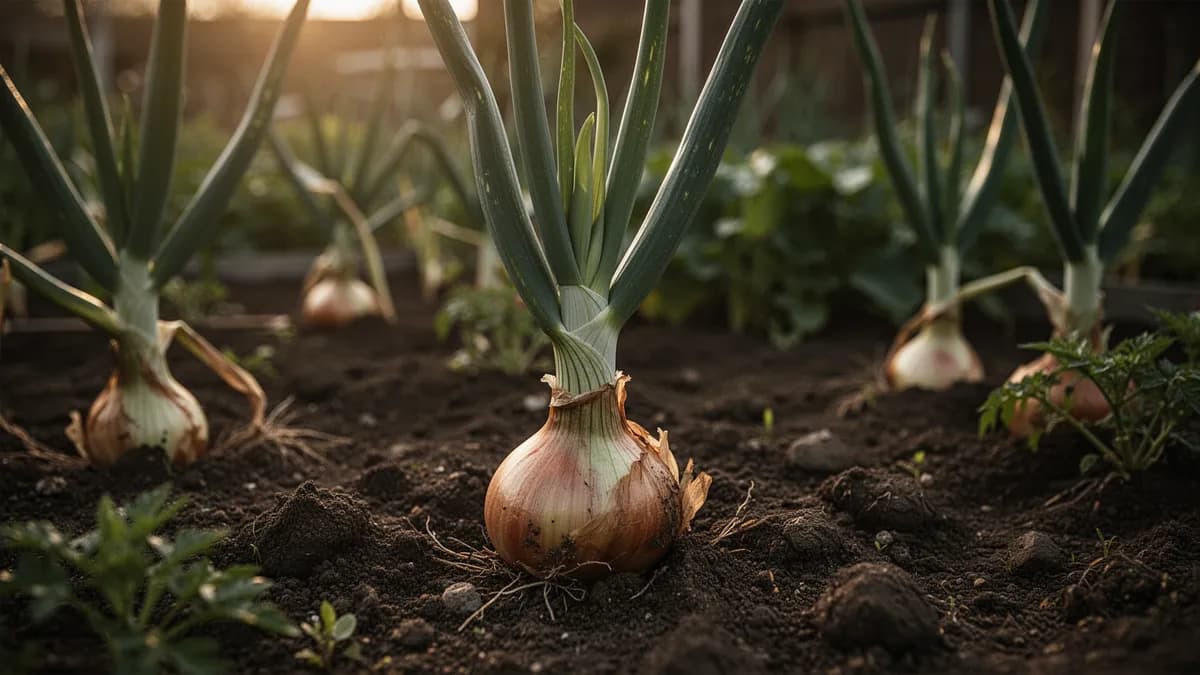
La cebolleta roja es una variedad de Allium cepa o Allium fistulosum que se distingue por su atractiva coloración rojo-púrpura en la base del tallo y las capas exteriores.





En esta páginaResumen
Conoce Cebolleta Roja
La cebolleta roja es una variedad de Allium cepa o Allium fistulosum que se distingue por su atractiva coloración rojo-púrpura en la base del tallo y las capas exteriores. Combina el sabor suave y fresco de las cebolletas tradicionales con un toque ligeramente más dulce y un color vibrante que realza la presentación de cualquier plato, especialmente ensaladas y guarniciones.
Cuándo plantar Cebolleta Roja
Siembre las semillas directamente en el exterior desde marzo hasta julio, a 1 cm de profundidad y 1-2 cm de separación. La germinación ocurre en 10-14 días a temperaturas de 10-20 °C. Para cosecha temprana en primavera, siembre en otoño en climas suaves. También pueden iniciarse en bandejas de semillero y trasplantar en manojos de 5-6 plántulas para un efecto más denso.
Tu año de Cebolleta Roja
Ajustado a Zona 7 · temporada típica · la helada se va hacia el 2 abr y vuelve hacia el 1 nov
Planta Cebolleta Roja Mar – Abr, Ago – Sep y cosecha May – Jun, Oct – Nov. Consulta los métodos de plantación y elige tu clima para adaptar los periodos.
Cómo cultivar Cebolleta Roja
La cebolleta roja se cultiva de forma idéntica a las cebolletas blancas pero aporta un valor decorativo adicional. Elija un lugar a pleno sol o semisombra ligera con suelo suelto, fértil y bien drenado, con pH entre 6,0 y 7,0. Prepare el terreno con compost bien descompuesto incorporado a 15 cm de profundidad.
Siembre las semillas directamente a 1 cm de profundidad en hileras separadas 15-20 cm, desde principios de primavera hasta mediados de verano para cosechas sucesivas. También pueden sembrarse en otoño para cosecha temprana en primavera. La separación entre semillas debe ser de 1-2 cm; no es necesario aclarar si se cosechan jóvenes.
Riegue de forma regular y moderada para mantener el suelo húmedo sin encharcamientos. Las cebolletas tienen raíces superficiales y son sensibles a la competencia de malas hierbas, así que mantenga el área limpia con escardas suaves o acolchado ligero. Aplique un fertilizante equilibrado cada 3-4 semanas durante la temporada de crecimiento.
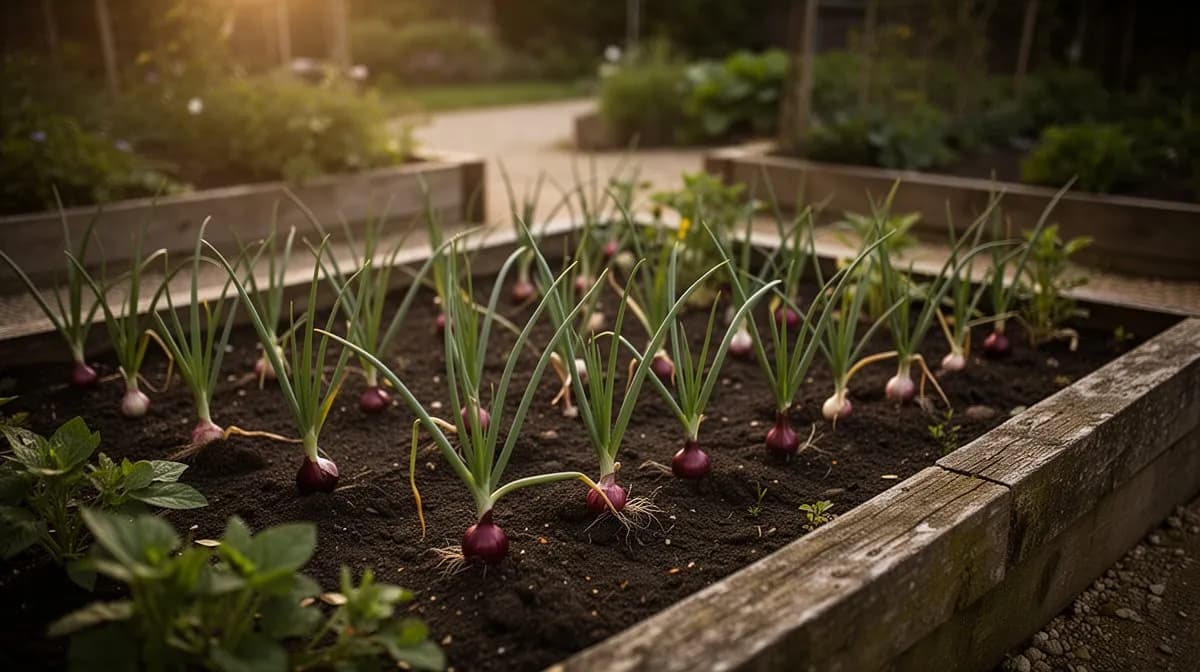
450 plantas caben en un bancal de 120 × 240 cm
Cada Cebolleta Roja pide 8 cm de margen. El planificador guarda ese marco por ti — cada planta, cada bancal.
Los mejores vecinos de Cebolleta Roja
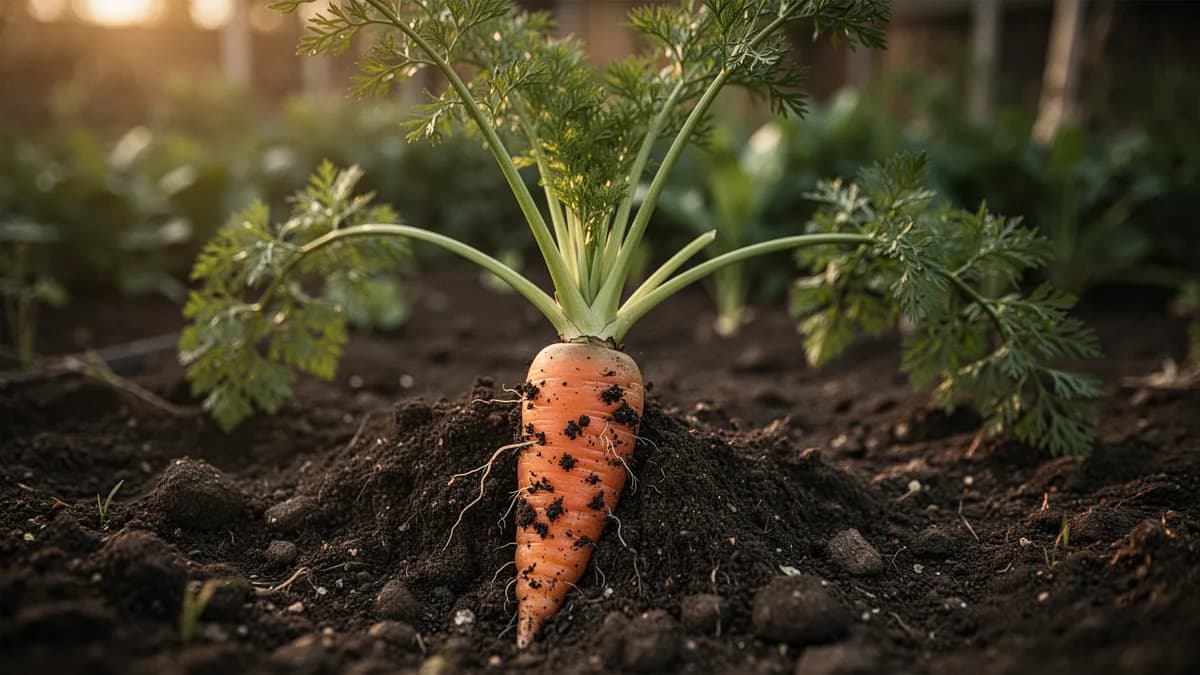
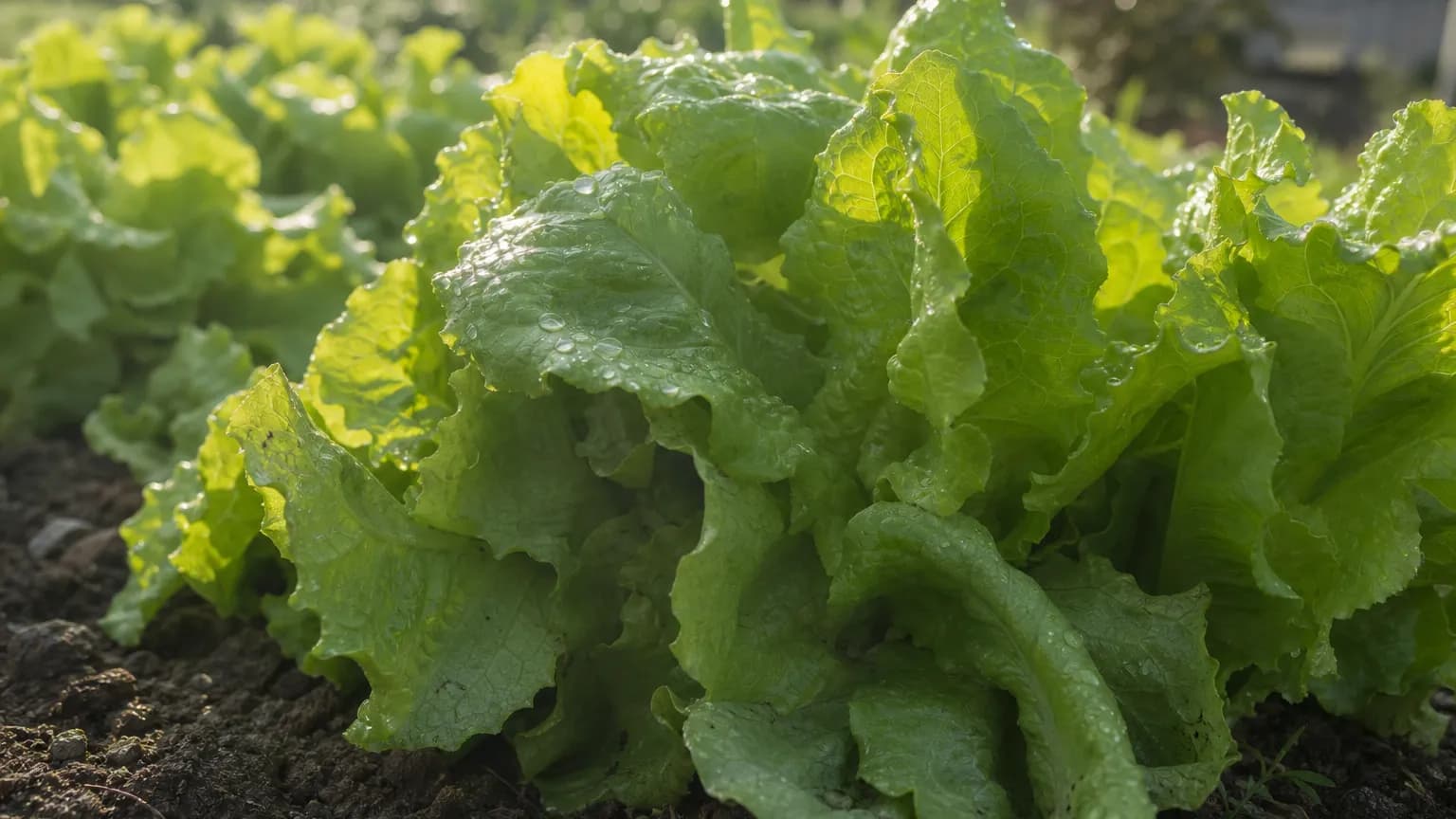
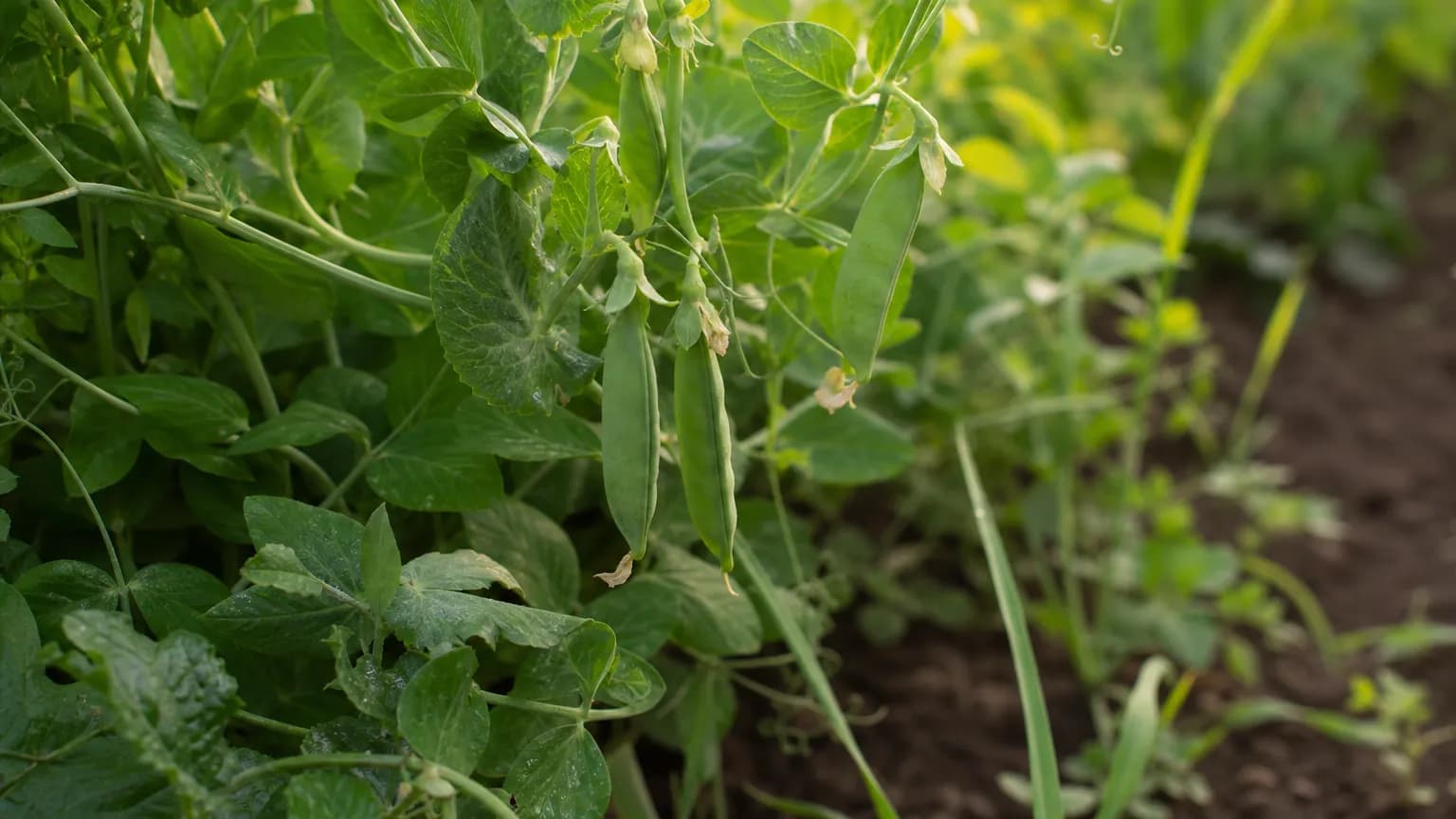
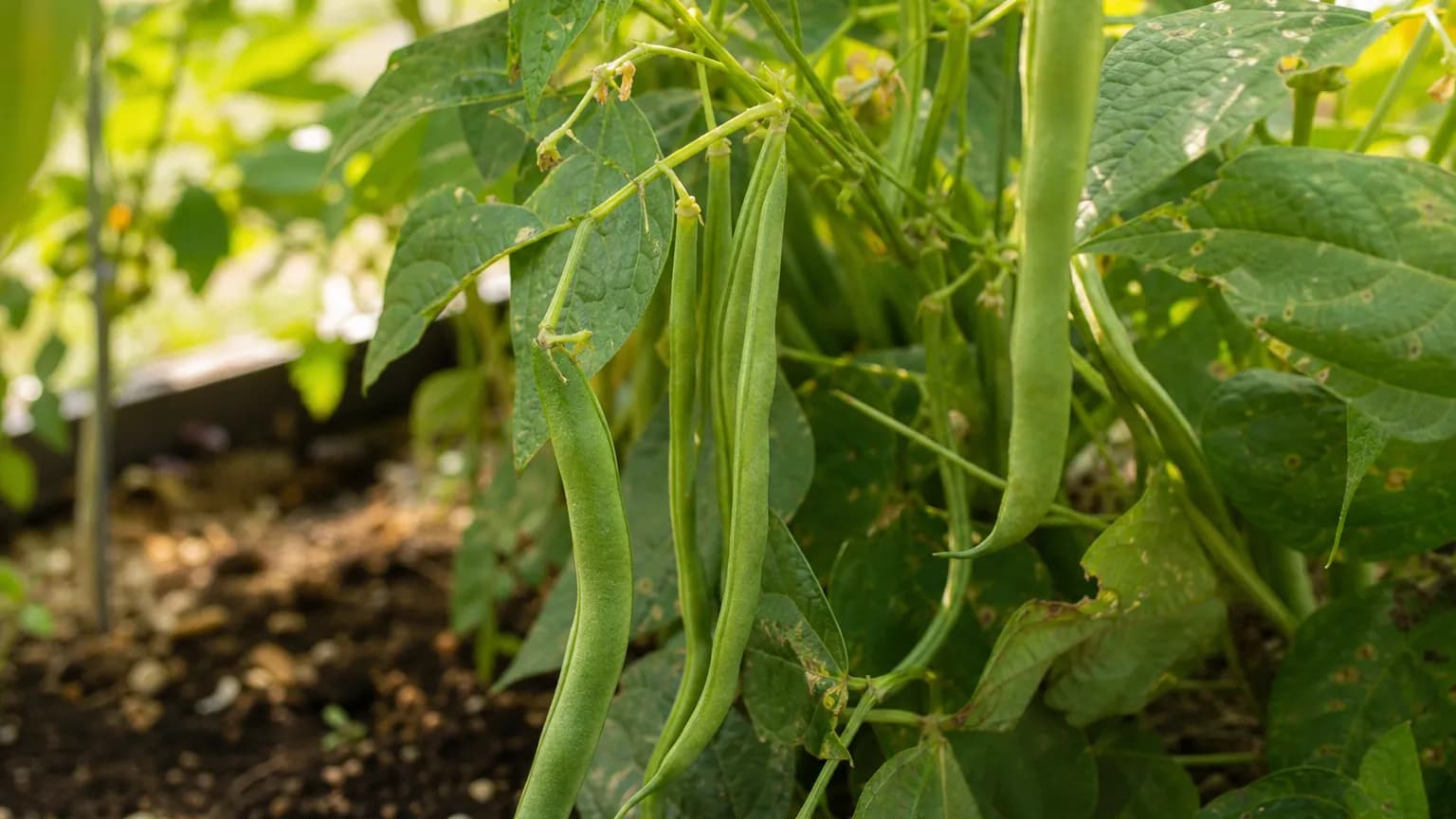
Las cebolletas rojas son excelentes compañeras de zanahorias, ya que su aroma ayuda a repeler la mosca de la zanahoria. También crecen bien junto a lechugas, fresas y remolachas. Al igual que otros aliáceos, deben evitarse cerca de leguminosas (guisantes y judías) cuyo crecimiento pueden inhibir.
Zanahoria va a su lado. Guisantes no.
Saber de huerto de siempre, cotejado con la tabla real de Cebolleta Roja — prueba cualquier planta que cultives.
Prueba Cebolleta Roja en un bancal, aquí mismo
Un bancal real del planificador con Cebolleta Roja ya plantado. Toca una planta compañera para colocarla y mira cómo responde la comprobación de vecinos: verde para buenos vecinos, rojo si hay conflicto.


Guías de cultivo relacionadas
Abónalo bien
Las cebolletas rojas prefieren un suelo suelto, fértil y bien drenado con pH entre 6,0 y 7,0. Enriquezca con compost bien descompuesto antes de la siembra. Aplique un fertilizante equilibrado cada 3-4 semanas. Evite el exceso de nitrógeno que produce hojas blandas y susceptibles a enfermedades.
Temperatura ideal
Compatibilidad de zonas de rusticidad
De la semilla a la cosecha, etapa por etapa
Siembra
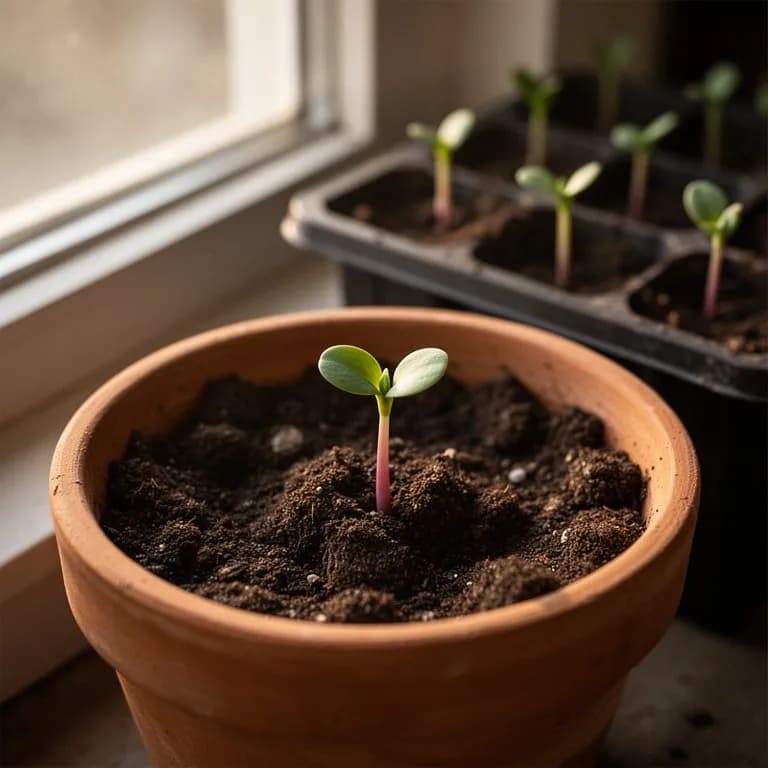
Las semillas de cebolla tierna roja germinan en 7–14 días y producen un brote delgado, enrollado y parecido a una brizna de hierba que se endereza a medida que se extiende el cotiledón. Las semillas necesitan humedad constante y temperaturas del suelo frescas a moderadas, de 10–24 °C, para germinar con fiabilidad. El brote emergente es verde pálido e indistinguible de las plántulas de cebolla tierna blanca en esta etapa; la pigmentación roja aparece más adelante.
Desarrollo de plántulas
La primera hoja verdadera emerge como un tubo delgado y hueco junto al cotiledón. El crecimiento es lento en esta etapa mientras se establece el sistema radicular poco profundo. Al final de esta fase, las plántulas tienen 2–3 hojas verdaderas y pueden aparecer los primeros indicios de pigmentación roja en la base del tallo, especialmente con temperaturas más frescas. Las plántulas son frágiles y las malas hierbas las superan con facilidad.
Crecimiento vegetativo
Las plantas crecen con rapidez, añadiendo nuevas hojas tubulares y huecas desde el centro y engrosando la base del tallo. La pigmentación rojo púrpura característica se intensifica durante esta fase y se extiende hacia arriba desde la base. El sistema radicular se expande, pero sigue siendo superficial. Las plantas desarrollan 4–6 hojas erguidas y el tallo alcanza aproximadamente la mitad de su grosor final.
Desarrollo del color
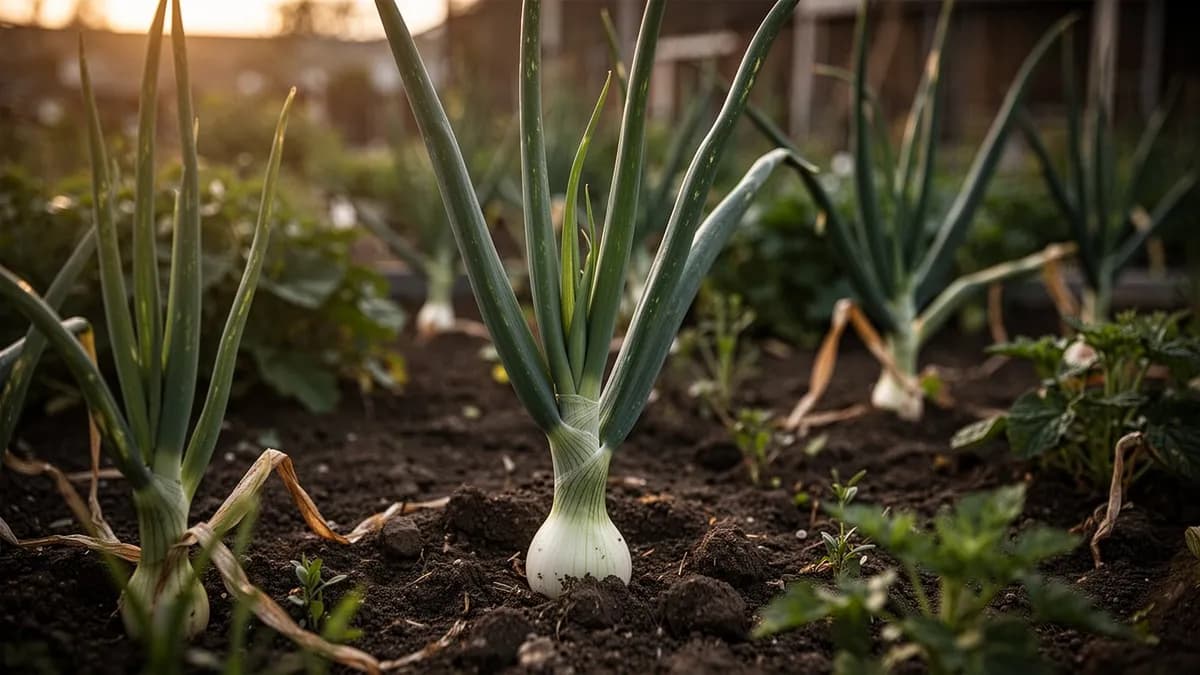
La base del tallo se engrosa hasta el grosor de un lápiz y la pigmentación de antocianinas alcanza su máxima intensidad, produciendo la coloración rojo carmesí a burdeos intenso que distingue a las cebollas tiernas rojas. Las temperaturas más frescas durante esta fase producen el color más profundo y saturado. La planta tiene 6–8 hojas y el efecto bicolor — rojo abajo, verde arriba — se vuelve completamente visible.
Ventana de cosecha
Las plantas alcanzan su tamaño óptimo de cosecha cuando tienen el grosor de un lápiz. La ventana de cosecha dura 2–3 semanas antes de que las plantas empiecen a formar un engrosamiento en la base y el sabor se vuelva más intenso. Para una cosecha de corte y rebrote, cortar a 2 cm por encima del suelo permite un rebrote para una segunda cosecha más ligera en 2–3 semanas.
Siembra las semillas a 1 cm de profundidad y a 1–2 cm de distancia en tierra fina y suelta o en sustrato de siembra. Mantén la superficie constantemente húmeda con una niebla fina; dejar que se seque aunque sea un momento puede matar las plántulas emergentes. Usa semilla fresca para obtener la mejor germinación, ya que la viabilidad de las semillas de allium cae con rapidez después de 1–2 años.
Cuidar Cebolleta Roja mes a mes
Qué hacer cada mes para tu Cebolleta Roja
Octubre
Mes actualHarvest autumn-sown crops as they reach pencil thickness. The cooler temperatures produce the deepest, most vivid red coloring of the entire year. In mild climates (zones 8-10), sow a late crop for winter harvest under row cover. Pull and compost any bolted plants.
Ten claro qué hacer en tu huerto, cada mes
Un correo al empezar cada mes: qué sembrar, plantar y hacer ahora mismo — para tu Cebolleta Roja y todo lo que crece alrededor. Más un breve curso inicial para esquivar los errores clásicos.
- Qué hacer ahora mismo
- Ajustado a tu temporada
- Curso inicial incluido
Cosechar Cebolleta Roja
Coseche las cebolletas rojas a partir de los 60 días, cuando los tallos tengan 15-20 cm de altura y la base muestre su color rojo característico. Tire suavemente de los tallos o use un cuchillo para cortarlos a nivel del suelo. Coseche progresivamente según las necesidades de la cocina; las plantas más jóvenes tienen el sabor más suave.
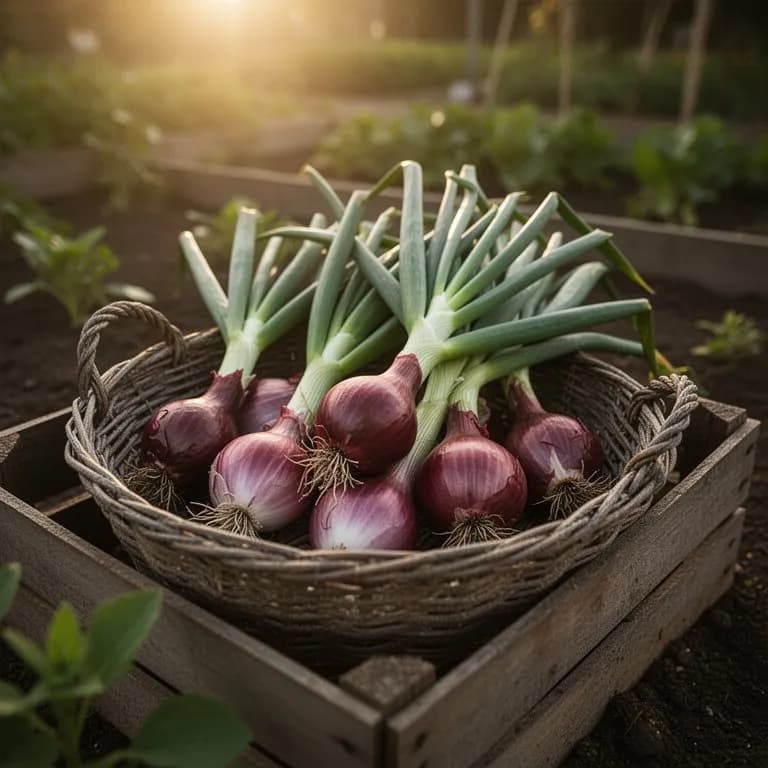
se supone que plantas al comenzar el periodo — indica tu fecha real
Cosecha cuando los tallos tengan el grosor de un lápiz, aproximadamente 55–65 días después de la siembra.
Almacenamiento y conservación
Las cebolletas frescas se conservan en el refrigerador durante 7-10 días envueltas en un paño húmedo o con las raíces en un vaso de agua cubierto con una bolsa. Para conservación prolongada, pique las cebolletas y congélelas en porciones pequeñas. También pueden deshidratarse a baja temperatura para usar como condimento.
Qué falla — y cómo solucionarlo
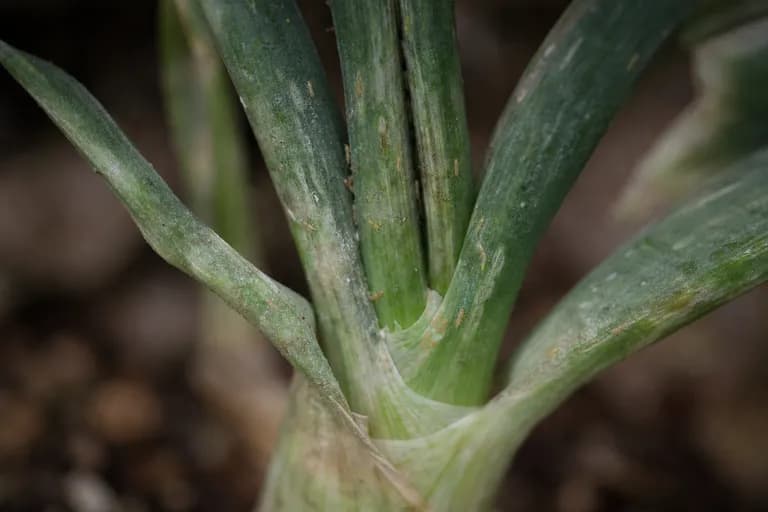
Mosca de la cebolla (Delia antiqua)
PlagaLas larvas blancas se alimentan de la base de los tallos y las raíces, causando amarillamiento del follaje, marchitez y un olor desagradable a pudrición. Las plantas afectadas se arrancan fácilmente.
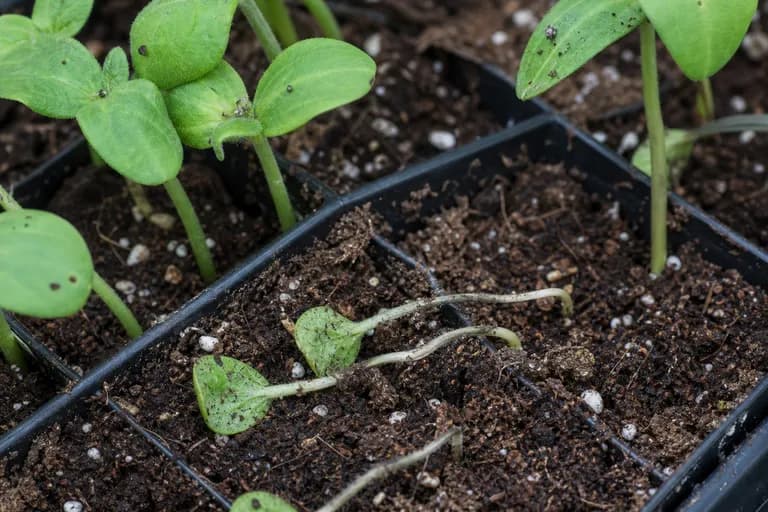
Trips de la cebolla (Thrips tabaci)
PlagaManchas plateadas alargadas en las hojas causadas por la alimentación de los insectos diminutos. Las hojas se decoloran, se retuercen y en infestaciones graves se secan desde las puntas.
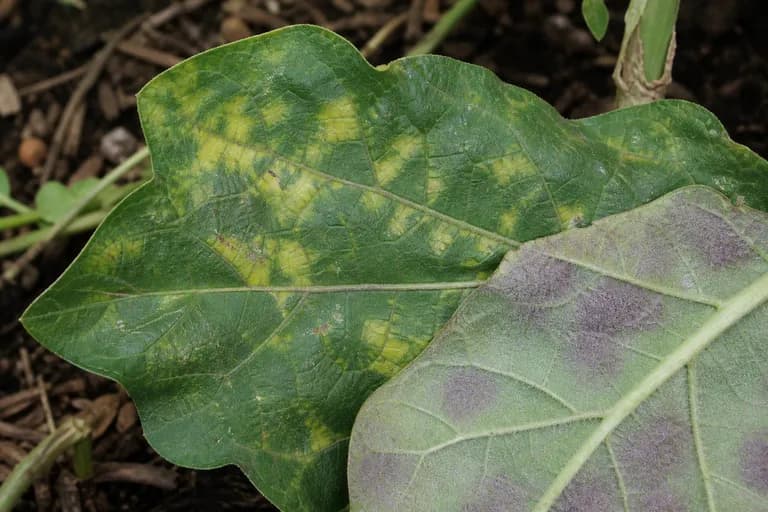
Mildiu de la cebolla (Peronospora destructor)
EnfermedadManchas amarillentas alargadas en las hojas con un moho violáceo-grisáceo visible en condiciones de humedad. Las hojas se doblan y secan desde las puntas progresivamente.
Solución de problemas comunes
Las cebolletas rojas son generalmente plantas de pocos problemas y muy agradecidas. El principal desafío es el espigado prematuro si se someten a estrés por sequía o frío seguido de calor repentino. Para evitarlo, mantenga un riego regular y uniforme. En zonas con mosca de la cebolla, la protección con malla es prácticamente imprescindible.
Consejos de cultivo
- Succession sow every three weeks from early spring through early autumn for an unbroken supply. This is the single most important technique for red spring onions — a one-time sowing gives you a two-week harvest window, but succession sowing delivers scallions for eight months or more.
- Use fresh seed every year without exception. Allium seeds lose viability faster than almost any other vegetable family. Year-old onion seed may germinate at 30-40% instead of the 80-90% you get from fresh seed, leading to thin, patchy rows.
- Sow densely and thin gradually. Scatter seeds 1-2 cm apart and thin to 3-5 cm as plants grow — the thinnings are edible as micro-onions. Dense initial sowing ensures no gaps in the row and the thinning process provides bonus harvests along the way.
- Keep beds meticulously weed-free, especially in the first four weeks. Spring onion seedlings are some of the weakest competitors in the vegetable garden — their thin, upright leaves cannot shade out weeds and their shallow roots cannot outcompete established weed roots for moisture and nutrients.
- Reduce nitrogen fertilizer as plants approach harvest size to intensify the red coloring. Excess nitrogen produces lush green growth but dilutes the anthocyanin pigments that give red spring onions their visual appeal. A potassium-rich feed like liquid kelp or wood ash in the final two weeks enhances color.
- Time your most important sowings for autumn harvest. Red spring onions that mature in cool weather (below 18°C / 65°F) develop dramatically deeper, more saturated crimson coloring than those grown in warm conditions. August and September sowings for October-November harvest produce the most stunning scallions of the year.
- Interplant with carrots for the classic companion planting combination. The scent of alliums deters carrot root fly, while the scent of carrots deters onion fly — the two crops protect each other when grown side by side in alternating rows 15 cm apart.
- For a cut-and-come-again harvest, slice plants 2 cm above soil level instead of pulling them. The remaining base will regrow a lighter but still usable second harvest in 2-3 weeks, effectively doubling your yield from a single sowing.
Cultiva tu mejor Cebolleta Roja — y todo lo que la rodea.
Empieza un plan gratis hoy. Diseña tus bancales, coloca tu Cebolleta Roja y deja que PlotMyGarden gestione el momento, el espaciado, las asociaciones y los recordatorios de la semilla a la cesta.
Elige tu Cebolleta Roja
Red Beard
Variedad con tallos de base roja intensa y hojas verdes. Sabor suave y dulce, ideal para consumo crudo. Muy decorativa en el plato. 60-65 días.
Deep Purple
Cebolleta de color púrpura intenso que se extiende más arriba del tallo que otras variedades rojas. Sabor equilibrado con toques dulces. 65-70 días.
Red Baron
Variedad de bulbo rojo-púrpura brillante con anillos de color intenso incluso cuando se corta. Puede dejarse crecer más para obtener un bulbo pequeño. 60-70 días.
Lilia
Cebolleta roja resistente al frío que puede sembrarse en otoño para cosecha temprana en primavera. Base roja atractiva y sabor suave. 55-65 días.
Red spring onions at grocery stores and farmers markets typically sell for $2-4 per bunch of 6-8 scallions. A single $3-4 seed packet contains 400-600 seeds, enough to grow 300+ spring onions — the equivalent of 40-50 store-bought bunches worth $80-200 at retail prices. With succession sowing, a 2-meter bed can keep a household supplied with fresh red spring onions for 8-9 months of the year. The savings are even more dramatic compared to organic red spring onions, which command a significant premium at specialty grocers.
Recetas rápidas
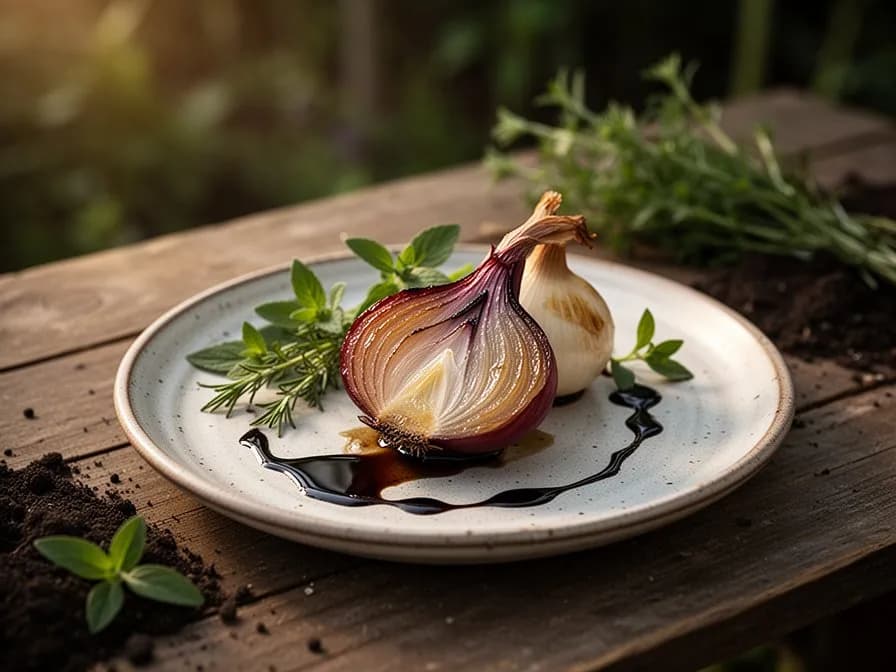
Quick-Pickled Red Spring Onions
10 minA stunning quick pickle where sliced red spring onions turn vivid magenta in a simple rice vinegar brine. The acid brightens the anthocyanin pigments to a spectacular hue while mellowing the raw bite into a sweet, tangy condiment perfect for tacos, grain bowls, and sandwiches.
6 ingredientesGrilled Red Spring Onions with Romesco Sauce
20 minWhole red spring onions grilled until charred and tender, served with a smoky Spanish romesco sauce for dipping. The high heat caramelizes the natural sugars and softens the stems while the charred green tops add a pleasant bitterness — a simplified version of the Catalan calcot tradition.
8 ingredientesRed Spring Onion and Goat Cheese Flatbread
25 minA simple flatbread topped with sliced red spring onions that turn sweet and silky when baked, crumbled tangy goat cheese, and a drizzle of honey. The red onions retain some of their color in the oven and create a beautiful contrast against the white cheese.
8 ingredientesUsos culinarios
Las cebolletas rojas destacan por su valor decorativo además de su sabor. Se usan crudas en ensaladas, como guarnición colorida cortadas en aros o en juliana sobre platos terminados. Son excelentes en salsas crudas, ceviches y poke bowls. Su color rojo-púrpura intenso aporta contraste visual en cualquier preparación. También se añaden a tortillas, sopas y salteados al final de la cocción.
Qué contiene
Beneficios para la salud
- Red spring onions contain anthocyanins in their crimson outer layers — the same class of antioxidants found in blueberries and red wine — which have been associated with reduced inflammation, improved cardiovascular health, and enhanced cognitive function in numerous studies.
- Rich in quercetin, a flavonoid concentrated in the red and outer layers that has demonstrated anti-inflammatory, antihistamine, and antiviral properties in laboratory research, and may help reduce allergy symptoms and support respiratory health.
- The organosulfur compounds released when red spring onions are cut or crushed (including allicin) have demonstrated antimicrobial properties and may support cardiovascular health by helping to maintain healthy blood pressure and cholesterol levels.
- Good source of vitamin C in both the green tops and the red base, supporting immune function, collagen synthesis, and enhanced absorption of non-heme iron from plant-based foods — especially beneficial when spring onions garnish iron-rich dishes.
- The green tops are rich in vitamin A as beta-carotene and vitamin K, both essential nutrients often lacking in modern diets — eating the entire spring onion from root to tip provides a broader nutritional profile than consuming only the stem base.
- Contains prebiotic fructans (inulin-type fibers) that feed beneficial Bifidobacteria and Lactobacilli in the gut, supporting digestive health and a balanced microbiome without the high FODMAP load found in mature bulb onions.
De dónde viene Cebolleta Roja
Spring onions, also known as scallions or green onions, trace their origins to central Asia, with wild Allium species still found growing across a broad arc from western China through Afghanistan, Iran, and into the Caucasus region. The earliest definitive records of spring onion cultivation come from China, where they have been grown for at least 5,000 years and are deeply embedded in the culinary traditions of every regional cuisine. From China, spring onion cultivation spread along ancient trade routes to Korea, Japan, and Southeast Asia, and separately westward through Persia to the Mediterranean world. Ancient Egyptians, Greeks, and Romans all cultivated and prized various forms of alliums including immature onions harvested at the green stage.
Red-stemmed spring onion varieties are a more recent development in the long history of allium breeding. While naturally occurring red-pigmented onion variants have existed for centuries, the deliberate selection and stabilization of red spring onion cultivars accelerated in the late 20th century as plant breeders recognized the market demand for colorful salad vegetables. Varieties such as Deep Purple, Red Beard, and Lilia were developed through traditional selective breeding, crossing red bulb onion genetics with the non-bulbing habit of bunching onion types to produce reliably crimson-stemmed scallions.
Today, red spring onions are grown worldwide by home gardeners and market farmers seeking to add visual drama to their harvests. Commercial production remains modest compared to white and green varieties, concentrated in specialty vegetable operations in Japan, Italy, the United Kingdom, and the western United States. The rise of food photography, farmers markets, and chef-driven cuisine has dramatically increased demand for colorful vegetable varieties, and red spring onions have become a staple of the specialty salad and garnish trade.
Cebolleta Roja: ¿sabías que?
Datos fascinantes sobre Cebolleta Roja
Red spring onions get their crimson color from anthocyanins, the same water-soluble pigments found in red wine, blueberries, and red cabbage. These pigments intensify in cool weather, which is why autumn-harvested red spring onions are often the most vibrantly colored of the entire growing season.
Cebolleta Roja: preguntas frecuentes
¿Cuándo debo plantar Cebolleta Roja?
¿Cuáles son buenas plantas acompañantes para Cebolleta Roja?
¿En qué zonas de rusticidad puede crecer Cebolleta Roja?
¿Cuánto sol necesita Cebolleta Roja?
¿A qué distancia debo espaciar Cebolleta Roja?
¿Qué plagas y enfermedades afectan a Cebolleta Roja?
¿Cómo almaceno Cebolleta Roja después de la cosecha?
¿Cuáles son las mejores variedades de Cebolleta Roja para cultivar?
¿Qué suelo necesita Cebolleta Roja?
Why are my red spring onions not developing good red color?
Can I grow red spring onions in containers?
Why are my spring onions bolting (flowering) instead of staying as scallions?
Do the red spring onion tops lose their color when cooked?
How are red spring onions different from red bulb onions?
When is the best time of year to sow red spring onions?
Acabas de leer la teoría. Ahora cultívala en piloto automático.
Todo lo que hace que Cebolleta Roja sea delicado — el momento, el espaciado, las asociaciones, la ventana de cosecha — es justo lo que PlotMyGarden resuelve por ti, para cada planta de tu huerto.
Un plan que conoce tu clima
Indica tu ubicación una vez. Recibe fechas de siembra, abonado y cosecha basadas en tu última helada real y el pronóstico en vivo — sin adivinar con un sobre genérico.
De la sección “Cuándo plantar”Planificador de bancales de arrastrar y soltar
Diseña bancales sobre una cuadrícula. Cada planta encaja con su espaciado correcto y ves toda la temporada antes de gastar un céntimo en semillas.
De la sección “Cultivo”Conflictos de asociación, detectados a tiempo
Más de 200 buenas y malas combinaciones comprobadas en vivo mientras plantas — para que un error que arruine la temporada nunca llegue a la tierra.
De la sección “Asociaciones”Recordatorios que sí vas a seguir
“Riega las judías.” “Recoge hoy antes de que se pase.” Oportunos, concretos y ligados a las plantas que de verdad cultivas.
De la sección “Cosecha”Escalonado, programado
¿Quieres cosechar seis semanas en vez de seis días? Reparte tus siembras automáticamente y te avisa cuando toca el siguiente lote.
De la sección “Cuándo plantar”Un registro que se vuelve más listo
Cada cosecha que registras le enseña tu huerto. El plan del año que viene parte de lo que de verdad funcionó en tu suelo, no en un manual.
De la sección “Resumen”Planta estos junto a Cebolleta Roja
Más Aliáceas
Mantén Cebolleta Roja lejos de estos
Cultiva tu mejor Cebolleta Roja — y todo lo que la rodea.
Empieza un plan gratis hoy. Diseña tus bancales, coloca tu Cebolleta Roja y deja que PlotMyGarden gestione el momento, el espaciado, las asociaciones y los recordatorios de la semilla a la cesta.