Romanesco
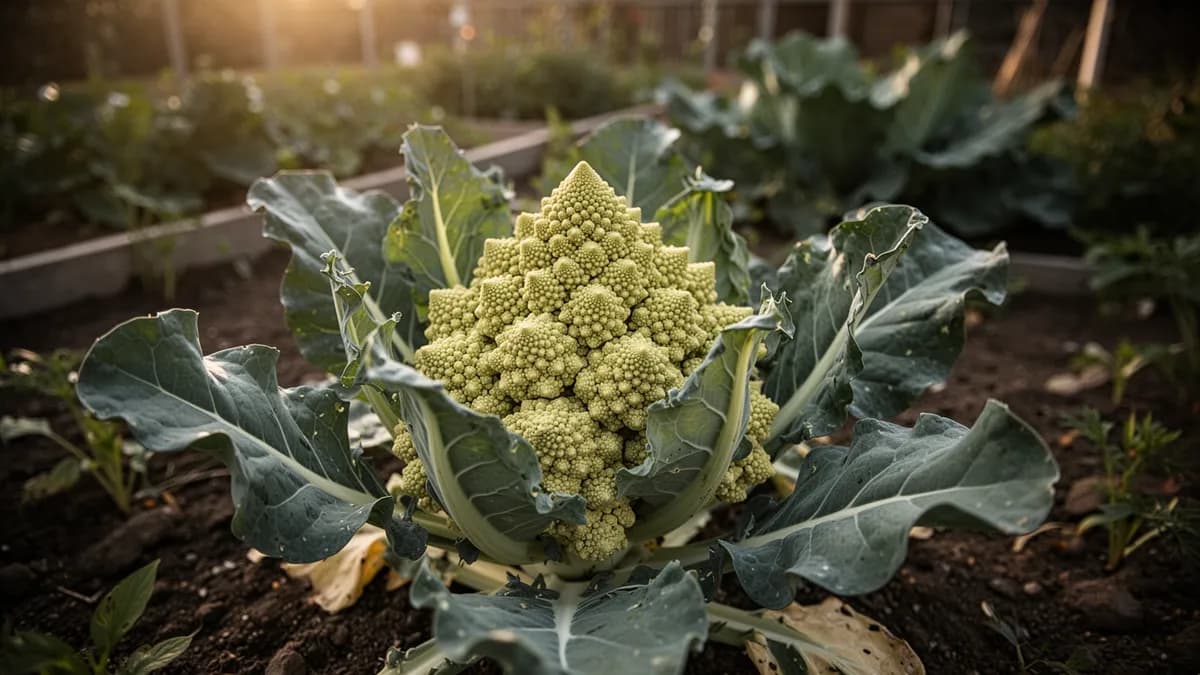
El romanesco (Brassica oleracea var. botrytis) es una fascinante variedad de coliflor originaria de Italia, célebre por sus inflorescencias que forman un fractal natural de espirales logarítmicas de color verde lima brillante.





En esta páginaResumen
Conoce Romanesco
El romanesco (Brassica oleracea var. botrytis) es una fascinante variedad de coliflor originaria de Italia, célebre por sus inflorescencias que forman un fractal natural de espirales logarítmicas de color verde lima brillante. Su sabor es más delicado y dulce que el de la coliflor o el brócoli, con notas a nuez y una textura firme pero tierna que lo convierte en una verdura gourmet muy apreciada.
Cuándo plantar Romanesco
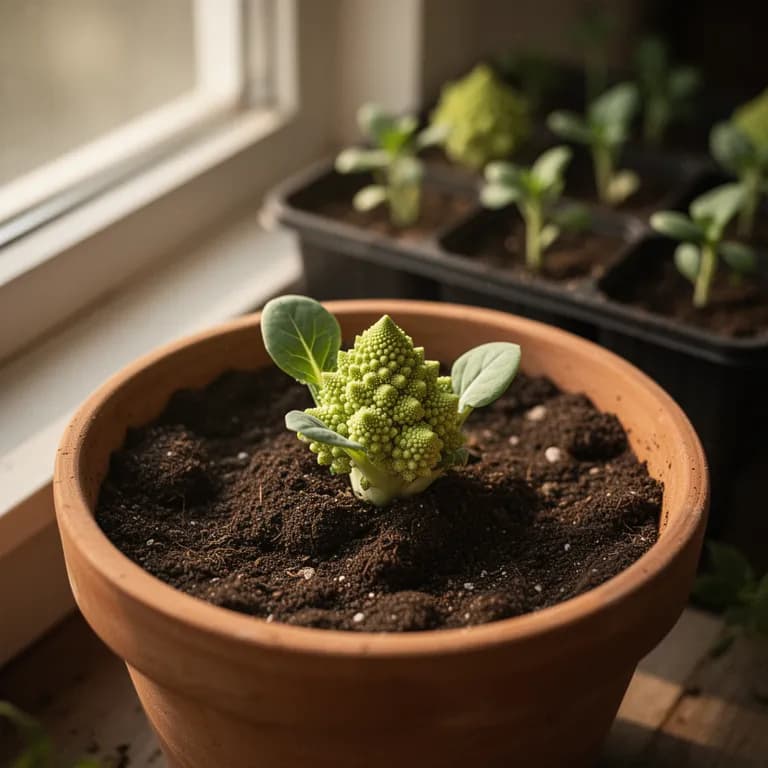
Siembre las semillas en interiores 6-8 semanas antes del trasplante, en bandejas con sustrato húmedo y estéril. La germinación ocurre en 5-10 días a 18-22 °C. Trasplante a macetas individuales con las primeras hojas verdaderas y endurezca gradualmente durante 7-10 días. Para cosecha de otoño, siembre en verano.
Tu año de Romanesco
Ajustado a Zona 7 · temporada típica · la helada se va hacia el 2 abr y vuelve hacia el 1 nov
Planta Romanesco Mar – Abr, Jul – Ago y cosecha Jun – Jul, Oct – Nov. Consulta los métodos de plantación y elige tu clima para adaptar los periodos.
Cómo cultivar Romanesco
El romanesco se inicia en interiores 6-8 semanas antes de la fecha de trasplante, sembrando las semillas a 0,5-1 cm de profundidad en sustrato húmedo y estéril a 18-22 °C para una germinación en 5-10 días. Las plántulas necesitan buena iluminación y temperaturas frescas para desarrollarse de forma compacta.
Espacie las plantas 60-75 cm entre sí en filas separadas 75-90 cm, ya que las plantas son grandes y necesitan espacio para desarrollar sus cabezas correctamente. El romanesco necesita temperaturas diurnas de 15-22 °C y nocturnas de 10-15 °C para formar sus características espirales perfectas. Riegue de forma regular y profunda, proporcionando 3-4 cm de agua por semana.
Fertilice abundantemente con un abono rico en nitrógeno durante la fase vegetativa y cambie a una fórmula equilibrada cuando comience la formación de la cabeza. El estrés por calor, sequía o fluctuaciones de temperatura puede provocar cabezas deformes. Aplique acolchado orgánico para mantener la humedad y la temperatura del suelo estables.
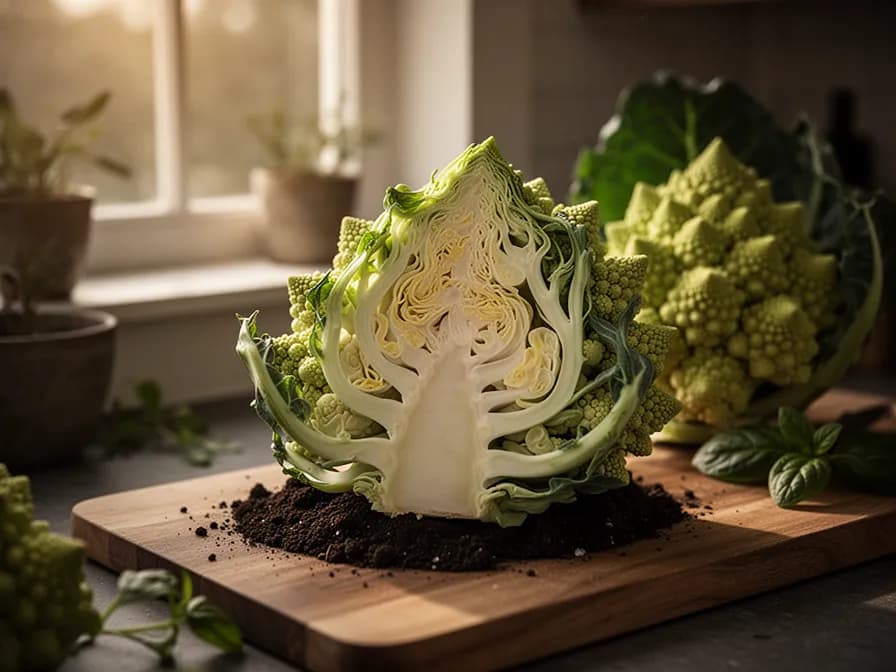
8 plantas caben en un bancal de 120 × 240 cm
Cada Romanesco pide 60 cm de margen. El planificador guarda ese marco por ti — cada planta, cada bancal.
Los mejores vecinos de Romanesco
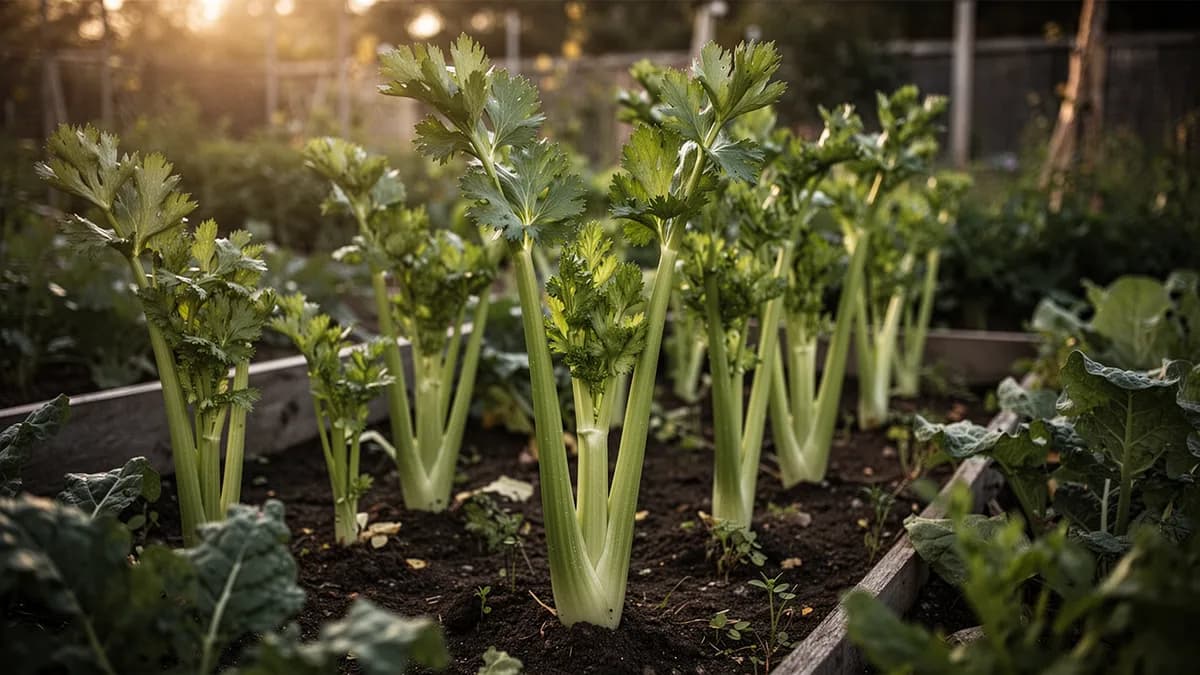
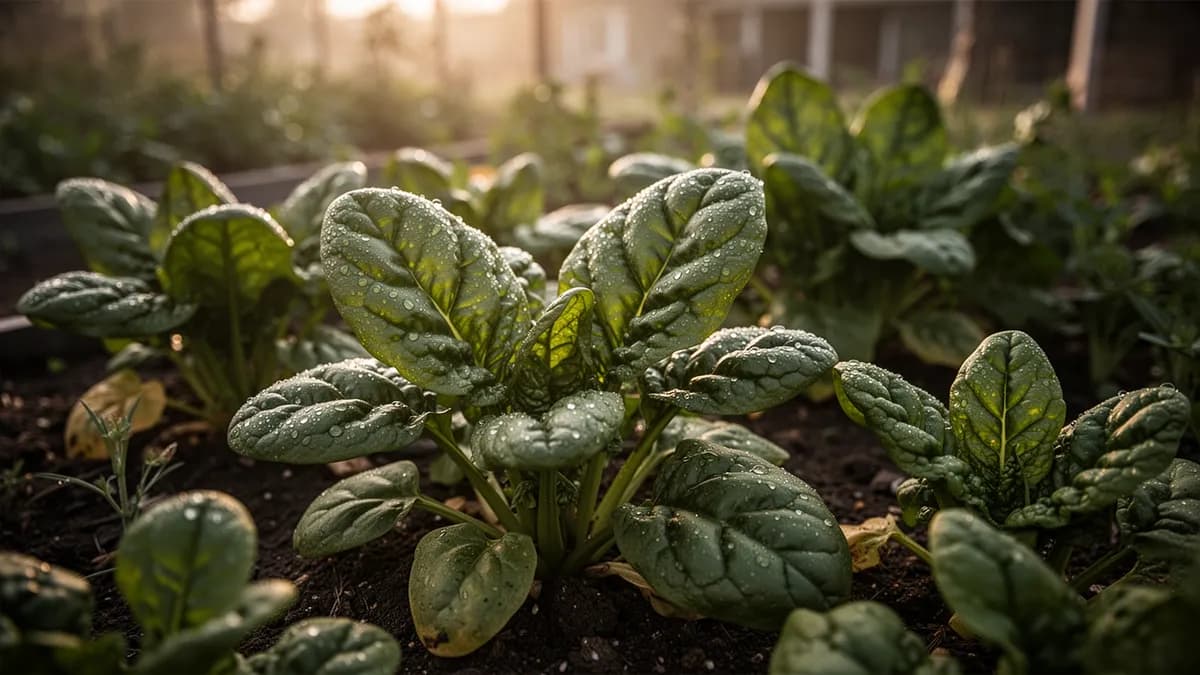
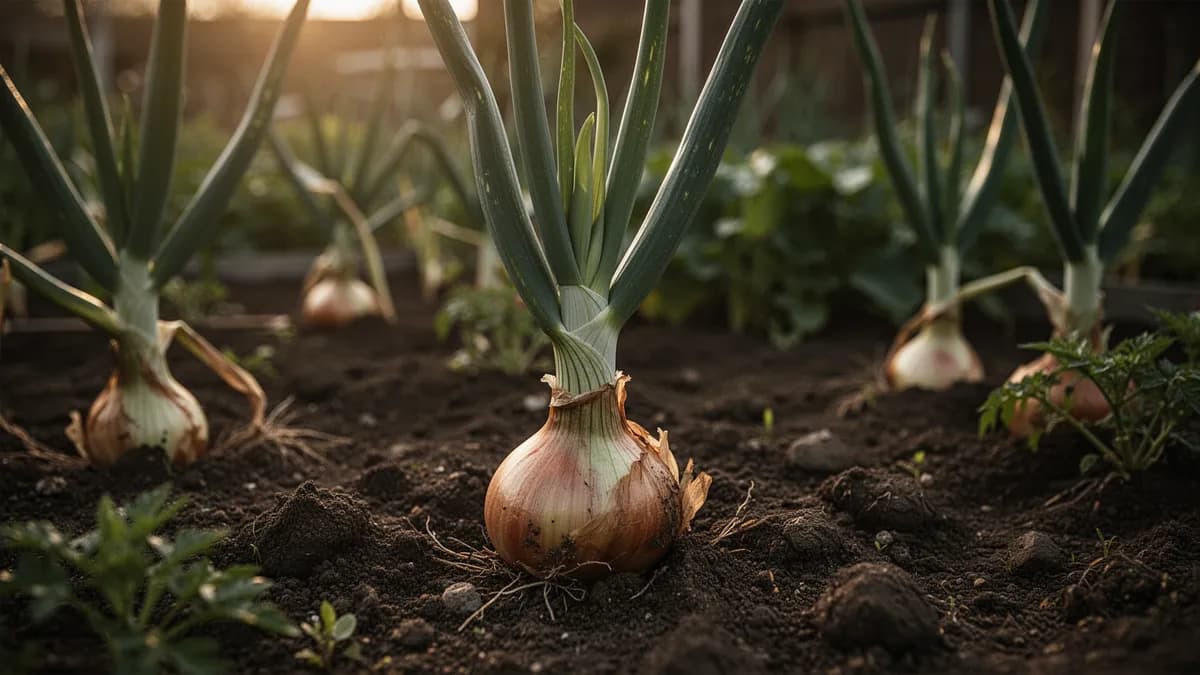
El romanesco se beneficia de la compañía de tomillo, salvia y romero que repelen la mariposa de la col. Las cebollas y el apio plantados entre las filas disuaden plagas de brassicas. Evite plantar junto a fresas y tomates que compiten por nutrientes similares.
Apio va a su lado. Tomate no.
Saber de huerto de siempre, cotejado con la tabla real de Romanesco — prueba cualquier planta que cultives.
Prueba Romanesco en un bancal, aquí mismo
Un bancal real del planificador con Romanesco ya plantado. Toca una planta compañera para colocarla y mira cómo responde la comprobación de vecinos: verde para buenos vecinos, rojo si hay conflicto.


Guías de cultivo relacionadas
Abónalo bien
El romanesco requiere suelos ricos en materia orgánica, profundos y bien drenados con pH de 6,5-7,5. Enmiende generosamente con compost maduro y harina de hueso antes del trasplante. Fertilice cada 2-3 semanas con abono rico en nitrógeno durante el crecimiento vegetativo y aplique boro y molibdeno si el suelo es deficiente.
Temperatura ideal
Compatibilidad de zonas de rusticidad
De la semilla a la cosecha, etapa por etapa
Germinación y plántula
Las semillas germinan en 7-14 días a 18-24 °C y producen cotiledones redondeados seguidos de las primeras hojas verdaderas con un borde ligeramente festoneado. Las plántulas son delicadas y necesitan mucha luz para evitar tallos débiles y alargados.
Establecimiento tras el trasplante
Trasplanta las plántulas endurecidas al huerto cuando tengan 4-5 hojas verdaderas. Las plantas establecen su sistema radicular y comienzan a desarrollar las grandes hojas envolventes azul verdosas que más adelante protegerán la pella. El crecimiento aéreo parece lento mientras la raíz se expande con rapidez.
Crecimiento vegetativo
Las plantas desarrollan una roseta amplia de hojas grandes, cerosas y azul verdosas de hasta 45 cm de largo. El punto de crecimiento central queda oculto en lo profundo del verticilo foliar. La planta acumula importantes reservas de energía necesarias para formar su cabeza tan intrincada.
Formación de la pella
La característica cabeza fractal comienza a aparecer en el centro de la planta, empezando como un pequeño brote verde amarillento que se desarrolla rápidamente en florículos cónicos en espiral. El patrón de espiral logarítmica se va definiendo cada vez más a medida que la cabeza crece. Esta es la fase más sensible a la temperatura.
Maduración de la cabeza
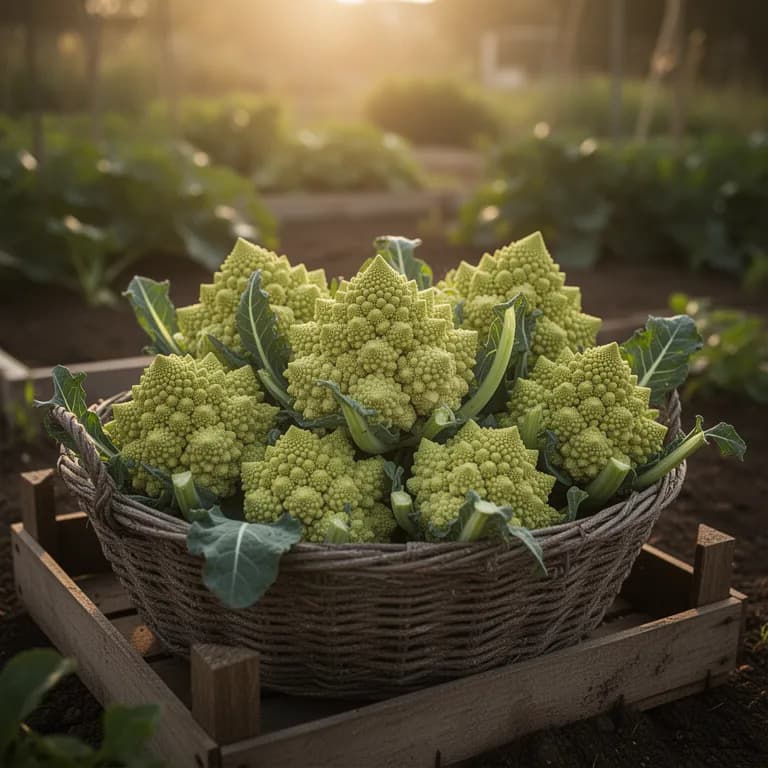
La cabeza alcanza su tamaño completo, de 12-20 cm, con floretes espirales compactos de un color verde lima vivo a chartreuse. Los floretes cónicos individuales son firmes y bien definidos. La cabeza debe sentirse densa y pesada para su tamaño al sostenerla con la mano.
Cosecha
Corta la cabeza con un cuchillo afilado dejando 10-15 cm de tallo. A diferencia del brócoli, el romanesco rara vez produce brotes laterales útiles después de retirar la cabeza principal. La energía de la planta se ha invertido por completo en su única y espectacular cabeza fractal.
Empieza en bandejas de alvéolos profundos o macetas de turba para minimizar el daño a las raíces al trasplantar. Proporciona 14-16 horas de luz intensa con lámparas de cultivo. Mantén el sustrato uniformemente húmedo, pero nunca encharcado.
Cuidar Romanesco mes a mes
Qué hacer cada mes para tu Romanesco
Octubre
Mes actualFall romanesco heads begin forming as cool weather arrives. This is the ideal growing period — consistent temperatures of 15-21°C produce the best fractal head development. Continue regular watering and pest monitoring.
Ten claro qué hacer en tu huerto, cada mes
Un correo al empezar cada mes: qué sembrar, plantar y hacer ahora mismo — para tu Romanesco y todo lo que crece alrededor. Más un breve curso inicial para esquivar los errores clásicos.
- Qué hacer ahora mismo
- Ajustado a tu temporada
- Curso inicial incluido
Cosechar Romanesco
Coseche el romanesco cuando la cabeza esté completamente formada con sus espirales bien definidas, firme y compacta, de color verde lima uniforme, generalmente 75-100 días después del trasplante. Corte con un cuchillo afilado dejando varias hojas exteriores adheridas para proteger la inflorescencia durante el almacenamiento.
se supone que plantas al comenzar el periodo — indica tu fecha real
La temperatura debe mantenerse entre 15-24 °C (60-75 °F) para que la pella se desarrolle bien. Si el sol del mediodía es intenso, dobla las hojas externas sobre la pella en desarrollo. Continúa con un riego constante y abona con fertilizante rico en fósforo.
Almacenamiento y conservación
El romanesco fresco se conserva en el refrigerador envuelto en plástico perforado durante 1-2 semanas. Para conservación a largo plazo, separe en floretes, escalde durante 3 minutos, enfríe en agua helada, seque y congele en bolsas herméticas donde se mantendrá hasta 12 meses.
Qué falla — y cómo solucionarlo
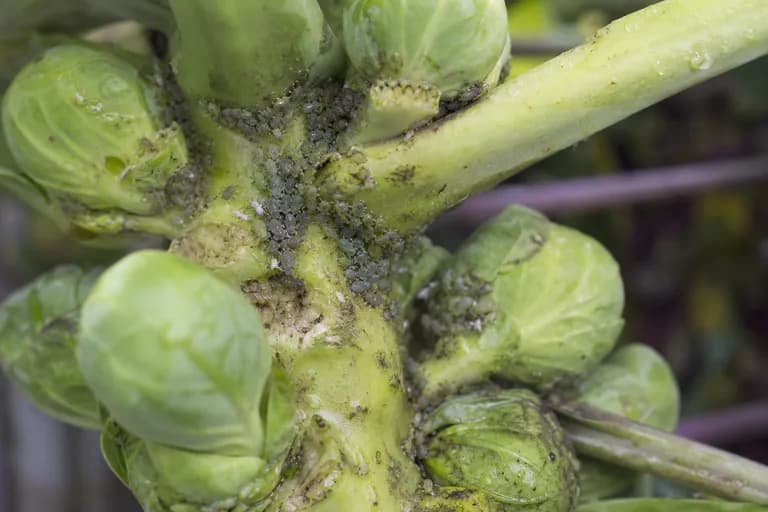
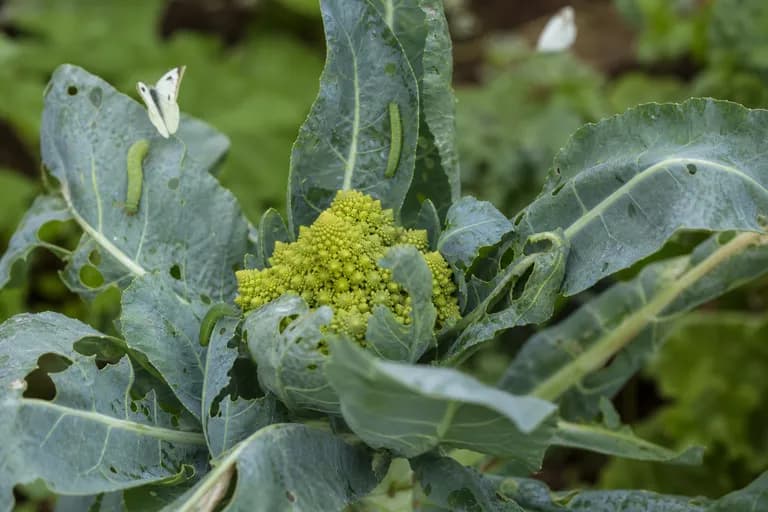
Oruga de la col (Pieris brassicae)
PlagaLarvas verdes que devoran las hojas dejando solo las nervaduras, excrementos oscuros visibles y daños a la inflorescencia.
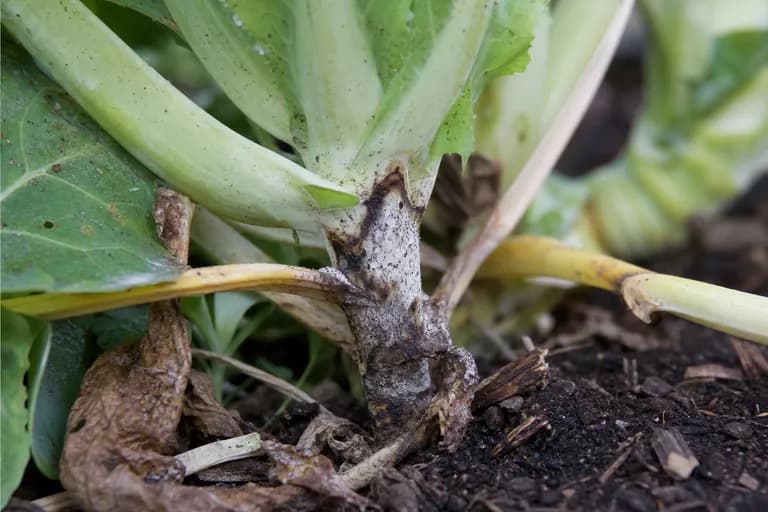
Hernia de las crucíferas (Plasmodiophora brassicae)
EnfermedadMarchitez diurna con recuperación nocturna, crecimiento raquítico y raíces deformadas con agallas que impiden la absorción de nutrientes.
Mildiu (Peronospora parasitica)
EnfermedadManchas amarillas angulares en el haz con pelusa grisácea en el envés, que progresan a necrosis y defoliación.
Solución de problemas comunes
El romanesco es la brassica más sensible a las condiciones de cultivo: las fluctuaciones de temperatura provocan cabezas deformes o botones prematuros. El estrés hídrico causa cabezas pequeñas y amargas, mientras que el exceso de calor hace que las espirales se separen. La deficiencia de boro produce tallos huecos y cabezas pardas.
Consejos de cultivo
- Temperature control is everything with romanesco. Unlike forgiving broccoli, romanesco will button, produce deformed heads, or simply refuse to form a head at all if temperatures fluctuate outside its 15-21°C (60-70°F) comfort zone during head development. Time your planting carefully.
- Do not rush transplants outdoors. Exposing young romanesco seedlings to temperatures below 10°C (50°F) for even a few nights can trigger vernalization, causing premature buttoning — tiny, worthless heads that form when the plant is still small.
- Romanesco is a heavy feeder that demands rich, fertile soil. Work in generous compost before planting and side-dress with nitrogen every 3 weeks during vegetative growth. Switch to a phosphorus-rich feed once the head begins to form.
- Consistent moisture is non-negotiable. Even brief drought stress during head formation causes irregular, loose curds or complete head abortion. Mulch heavily and water deeply at least twice per week, targeting 3-4 cm of water weekly.
- Fold outer wrapper leaves over the developing head once it reaches 5-7 cm across. This protects the curd from direct sun, which can cause yellowing, purple discoloration, and uneven development — similar to blanching cauliflower.
- Harvest promptly when the head is fully formed with tight, compact florets. The window between perfection and overmaturity is only 3-5 days — once florets begin to separate or loosen, texture and flavor decline rapidly.
- Fall crops generally outperform spring crops because temperatures naturally cool as the head develops, rather than warming. In most climates, start fall-crop seeds in July for October-November harvest — this timing produces the most spectacular heads.
- Rotate romanesco with non-brassica crops on a 3-4 year cycle to prevent clubroot and other soil-borne brassica diseases from building up. Never follow romanesco with broccoli, cauliflower, cabbage, or kale in the same bed.
Cultiva tu mejor Romanesco — y todo lo que la rodea.
Empieza un plan gratis hoy. Diseña tus bancales, coloca tu Romanesco y deja que PlotMyGarden gestione el momento, el espaciado, las asociaciones y los recordatorios de la semilla a la cesta.
Elige tu Romanesco
Veronica F1
La variedad más cultivada, con cabezas grandes de espirales perfectas de color verde lima brillante. Muy uniforme, madura en 78-85 días.
Gitano
Variedad robusta con buena tolerancia al calor y cabezas grandes de color verde intenso. Ideal para otoño en climas cálidos. Madura en 80-85 días.
Navona
Selección italiana con espirales más pronunciadas. Excelente sabor dulce y textura firme. Madura en 85-90 días.
Puntoverde
Variedad precoz con buena adaptabilidad. Cabezas medianas de color verde claro con espirales bien definidas. Madura en 75 días.
Romanesco is one of the most expensive vegetables at retail, selling for $4-7 per head at grocery stores and $5-9 at farmers markets — when it is available at all, since supply is often limited and seasonal. Growing your own from a $3-4 seed packet that produces 8-12 plants can yield $40-80 worth of romanesco per season. The savings are even greater when you factor in the superior freshness and the satisfaction of harvesting a vegetable that many gardeners consider the most beautiful thing they have ever grown.
Recetas rápidas
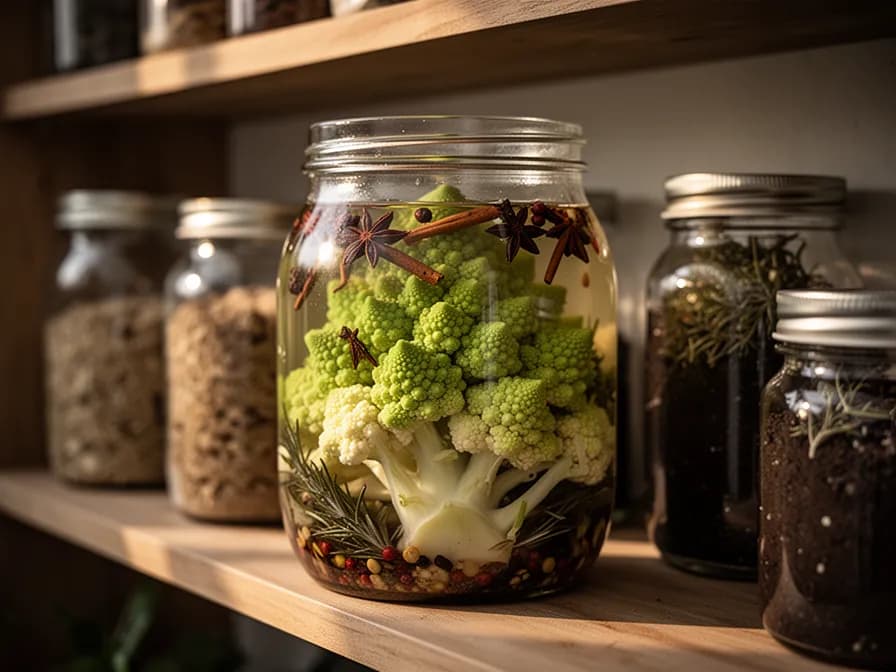
Whole Roasted Romanesco with Brown Butter and Hazelnuts
40 minA stunning centerpiece dish — an entire romanesco head roasted until golden and tender, then drizzled with nutty brown butter and scattered with toasted hazelnuts. The fractal architecture makes a dramatic presentation at the table.
8 ingredientesRomanesco Pasta with Garlic, Chili, and Pecorino
25 minRomanesco florets are sauteed until lightly charred and tossed with orecchiette, garlic, red pepper flakes, and a shower of sharp pecorino cheese. A simple Italian preparation that lets the nutty flavor shine.
8 ingredientesRomanesco Soup with Leeks and Gruyere Croutons
35 minA velvety, pale-green soup that showcases romanesco's delicate nutty flavor. Blended smooth with sauteed leeks and finished with crispy Gruyere croutons for richness and texture.
8 ingredientesUsos culinarios
El romanesco es exquisito asado al horno con aceite de oliva, ajo y parmesano, donde sus espirales se caramelizan y desarrollan un sabor dulce y a nuez. También se disfruta al vapor, en gratinados con bechamel, en sopas cremosas o crudo en crudités. Su sabor delicado combina con anchoas, alcaparras, piñones y pasta.
Qué contiene
Beneficios para la salud
- Exceptionally rich in vitamin C — a single 100g serving provides 78% of the daily recommended intake, supporting immune function, collagen production, and iron absorption from plant-based foods.
- Contains high concentrations of glucosinolates, particularly sulforaphane, which are extensively studied for their ability to activate detoxification enzymes and inhibit cancer cell growth in laboratory studies.
- Excellent source of dietary fiber that supports digestive regularity, feeds beneficial gut bacteria, and promotes satiety — helping with weight management at only 25 calories per 100g serving.
- Provides vitamin K essential for proper blood clotting and calcium metabolism in bones, contributing to long-term skeletal health and reducing fracture risk.
- Rich in folate (vitamin B9), critical for DNA synthesis and repair, making romanesco particularly valuable during pregnancy to help prevent neural tube defects.
- Contains the carotenoids lutein and zeaxanthin, which accumulate in the retina and help protect against age-related macular degeneration and cataracts — the chartreuse color indicates higher carotenoid levels than white cauliflower.
De dónde viene Romanesco
Romanesco (Brassica oleracea var. botrytis) is believed to have originated in the Lazio region of central Italy, near Rome, where it has been cultivated since at least the 16th century. Historical records from Rome's markets reference 'broccolo romanesco' — literally 'Roman broccoli' — as a prized local vegetable distinct from both common broccoli and cauliflower. The variety was developed through centuries of selective breeding by Italian farmers who prized its unusual spiraling form, firm texture, and sweet, nutty flavor that set it apart from other cole crops.
Romanesco remained largely unknown outside of Italy until the late 20th century, when interest in heirloom and unusual vegetables began to grow among chefs and specialty growers in northern Europe and North America. Its extraordinary fractal geometry — a near-perfect natural example of a logarithmic spiral following the Fibonacci sequence — captured the imagination of mathematicians, artists, and food enthusiasts alike, transforming it from a regional Italian curiosity into an internationally recognized vegetable. By the 1990s, romanesco had become a fixture at upscale farmers markets and restaurants across Europe and the United States.
Today, romanesco is cultivated commercially in Italy, France, the Netherlands, Spain, and California. Modern breeding programs have developed improved varieties like Veronica and Gitano that offer more uniform head formation and better adaptability to varying climates, but the fundamental fractal architecture that makes romanesco unique has been preserved. It occupies a special niche in horticulture as both a gourmet vegetable and a living demonstration of mathematical principles in nature — no other food crop so perfectly embodies the intersection of agriculture, cuisine, and geometry.
Romanesco: ¿sabías que?
Datos fascinantes sobre Romanesco
Romanesco is one of the most visually striking examples of a mathematical fractal occurring in nature — each conical floret is a miniature copy of the whole head, and this self-similar pattern repeats through multiple scales, following a precise logarithmic spiral.
Romanesco: preguntas frecuentes
¿Cuándo debo plantar Romanesco?
¿Cuáles son buenas plantas acompañantes para Romanesco?
¿En qué zonas de rusticidad puede crecer Romanesco?
¿Cuánto sol necesita Romanesco?
¿A qué distancia debo espaciar Romanesco?
¿Qué plagas y enfermedades afectan a Romanesco?
¿Cómo almaceno Romanesco después de la cosecha?
¿Cuáles son las mejores variedades de Romanesco para cultivar?
¿Qué suelo necesita Romanesco?
Why did my romanesco form a tiny head instead of a full-sized one?
Is romanesco the same as cauliflower or broccoli?
Why are the spirals on my romanesco so mathematically perfect?
Can I grow romanesco in warm climates?
How do I know when romanesco is ready to harvest?
Does romanesco taste different from cauliflower?
Acabas de leer la teoría. Ahora cultívala en piloto automático.
Todo lo que hace que Romanesco sea delicado — el momento, el espaciado, las asociaciones, la ventana de cosecha — es justo lo que PlotMyGarden resuelve por ti, para cada planta de tu huerto.
Un plan que conoce tu clima
Indica tu ubicación una vez. Recibe fechas de siembra, abonado y cosecha basadas en tu última helada real y el pronóstico en vivo — sin adivinar con un sobre genérico.
De la sección “Cuándo plantar”Planificador de bancales de arrastrar y soltar
Diseña bancales sobre una cuadrícula. Cada planta encaja con su espaciado correcto y ves toda la temporada antes de gastar un céntimo en semillas.
De la sección “Cultivo”Conflictos de asociación, detectados a tiempo
Más de 200 buenas y malas combinaciones comprobadas en vivo mientras plantas — para que un error que arruine la temporada nunca llegue a la tierra.
De la sección “Asociaciones”Recordatorios que sí vas a seguir
“Riega las judías.” “Recoge hoy antes de que se pase.” Oportunos, concretos y ligados a las plantas que de verdad cultivas.
De la sección “Cosecha”Escalonado, programado
¿Quieres cosechar seis semanas en vez de seis días? Reparte tus siembras automáticamente y te avisa cuando toca el siguiente lote.
De la sección “Cuándo plantar”Un registro que se vuelve más listo
Cada cosecha que registras le enseña tu huerto. El plan del año que viene parte de lo que de verdad funcionó en tu suelo, no en un manual.
De la sección “Resumen”Planta estos junto a Romanesco
Más Crucíferas
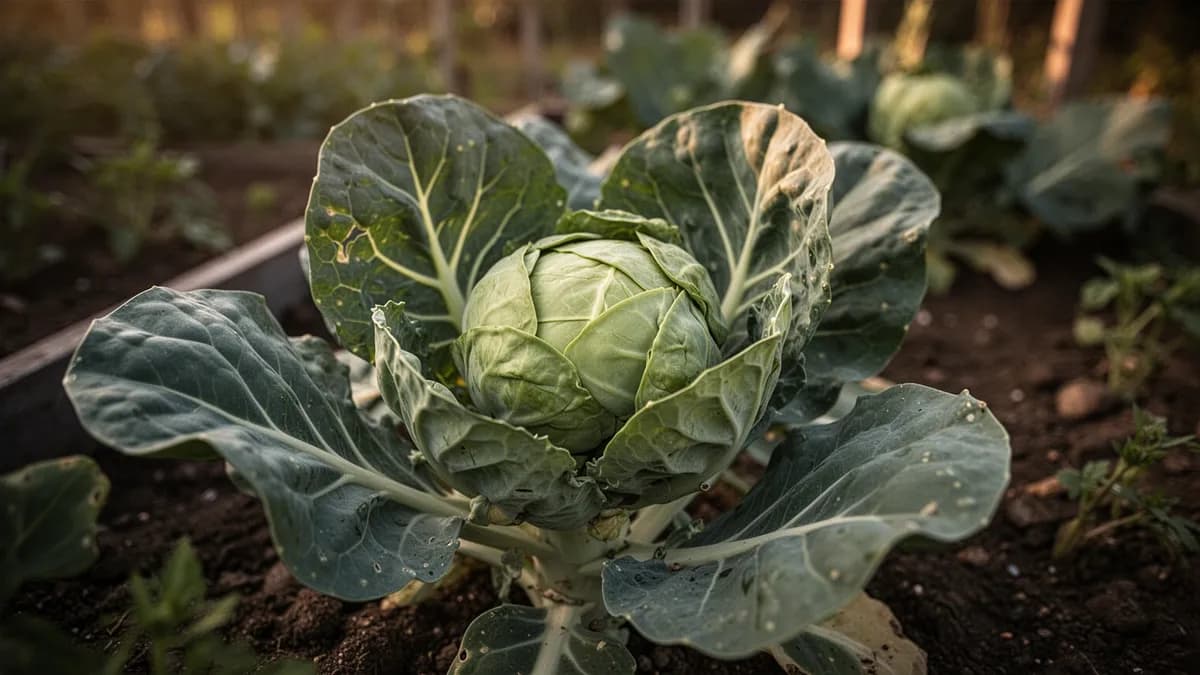
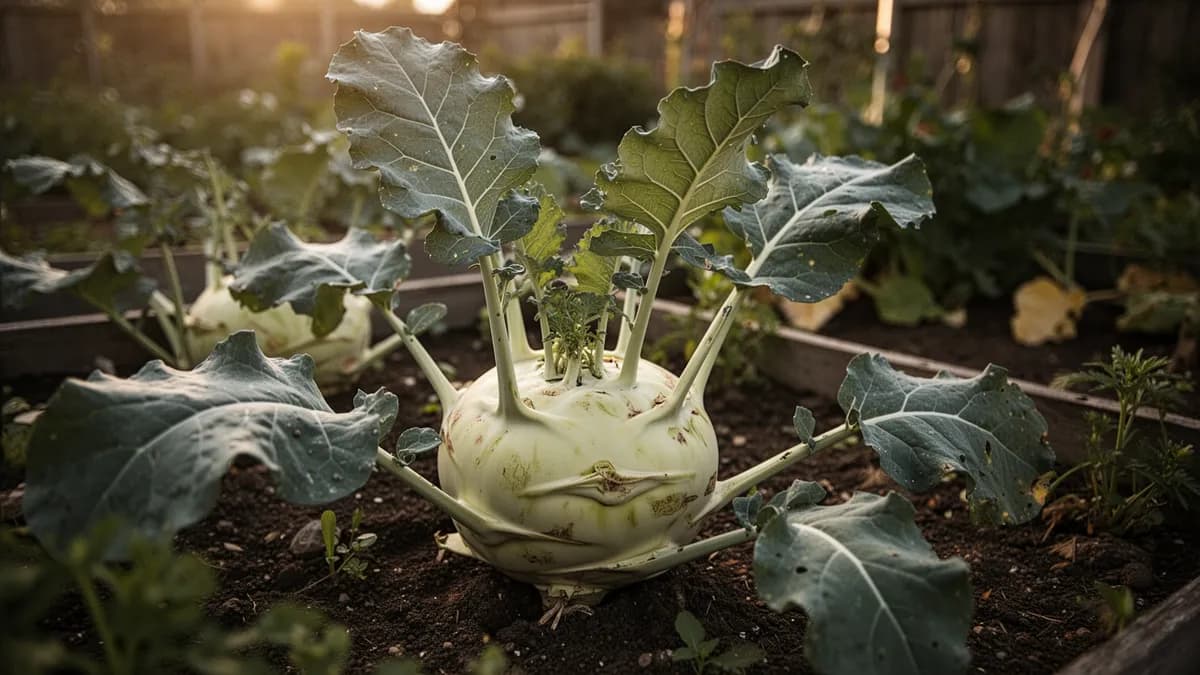
Mantén Romanesco lejos de estos
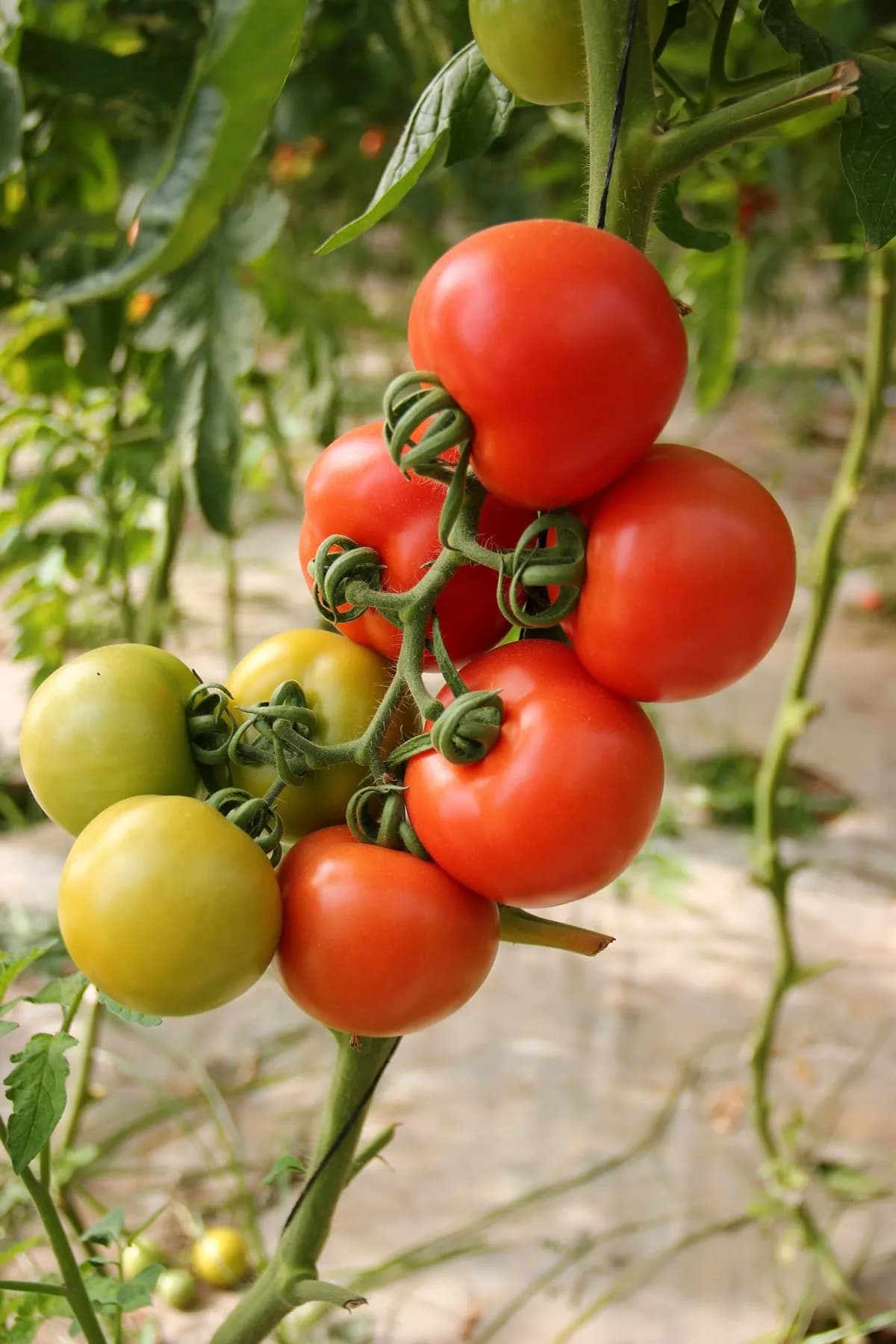
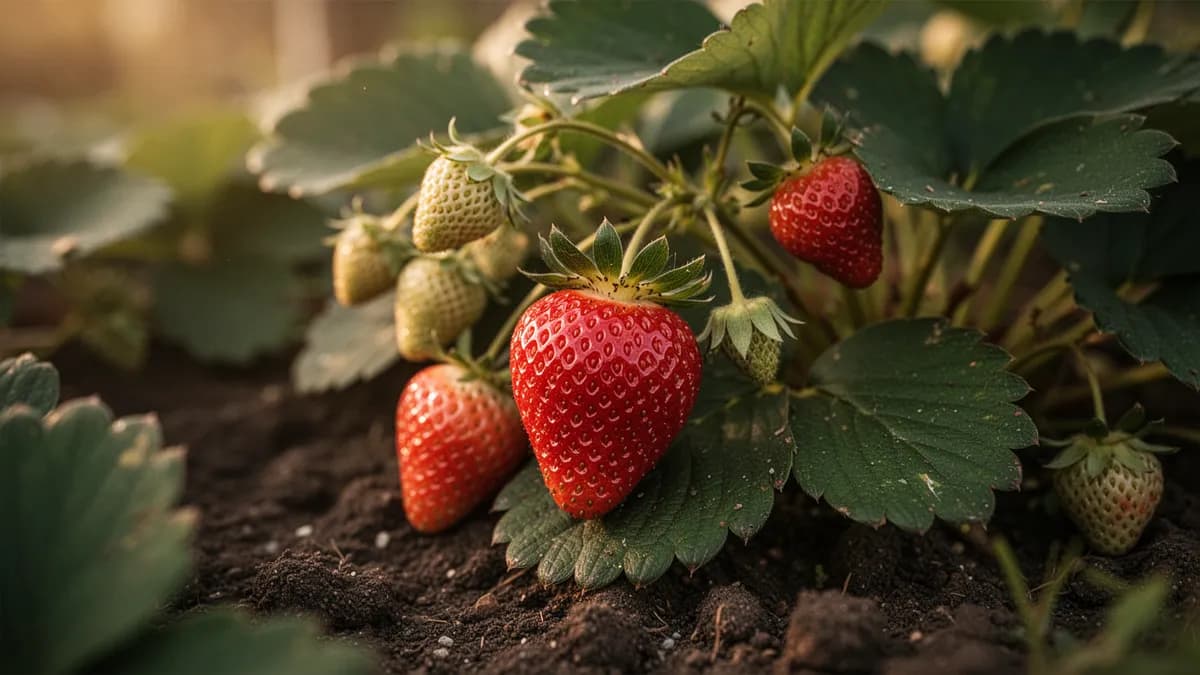
Diseños de jardín con Romanesco
Cultiva tu mejor Romanesco — y todo lo que la rodea.
Empieza un plan gratis hoy. Diseña tus bancales, coloca tu Romanesco y deja que PlotMyGarden gestione el momento, el espaciado, las asociaciones y los recordatorios de la semilla a la cesta.