Ajo Rocambole
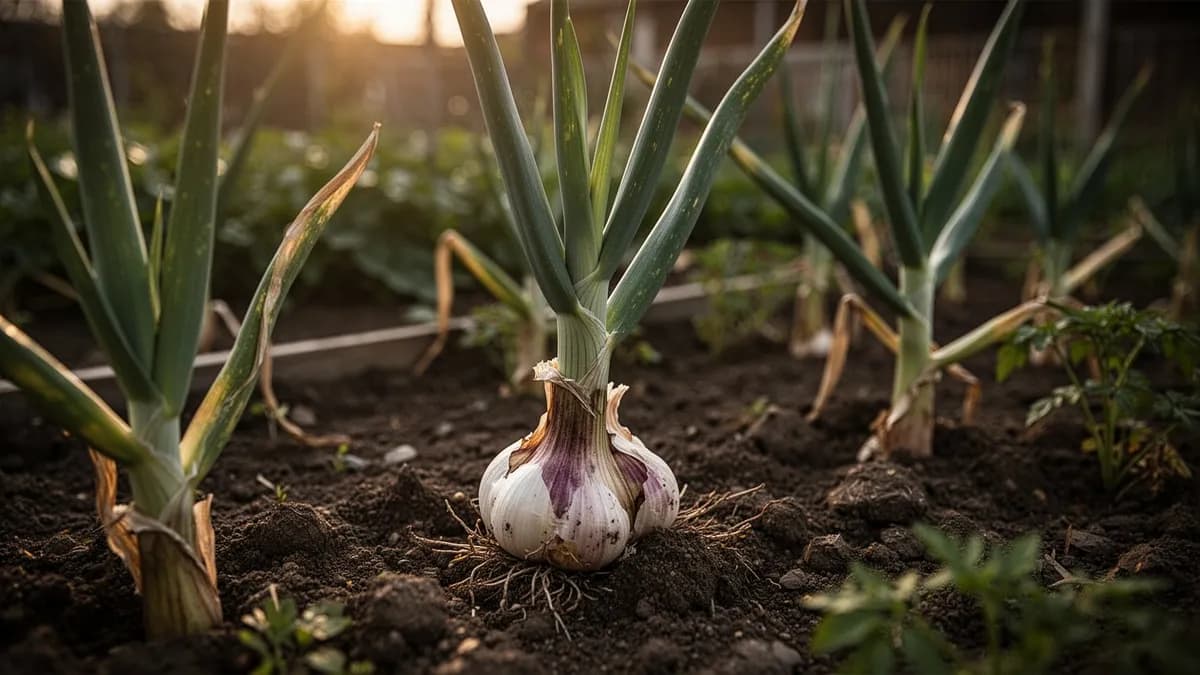
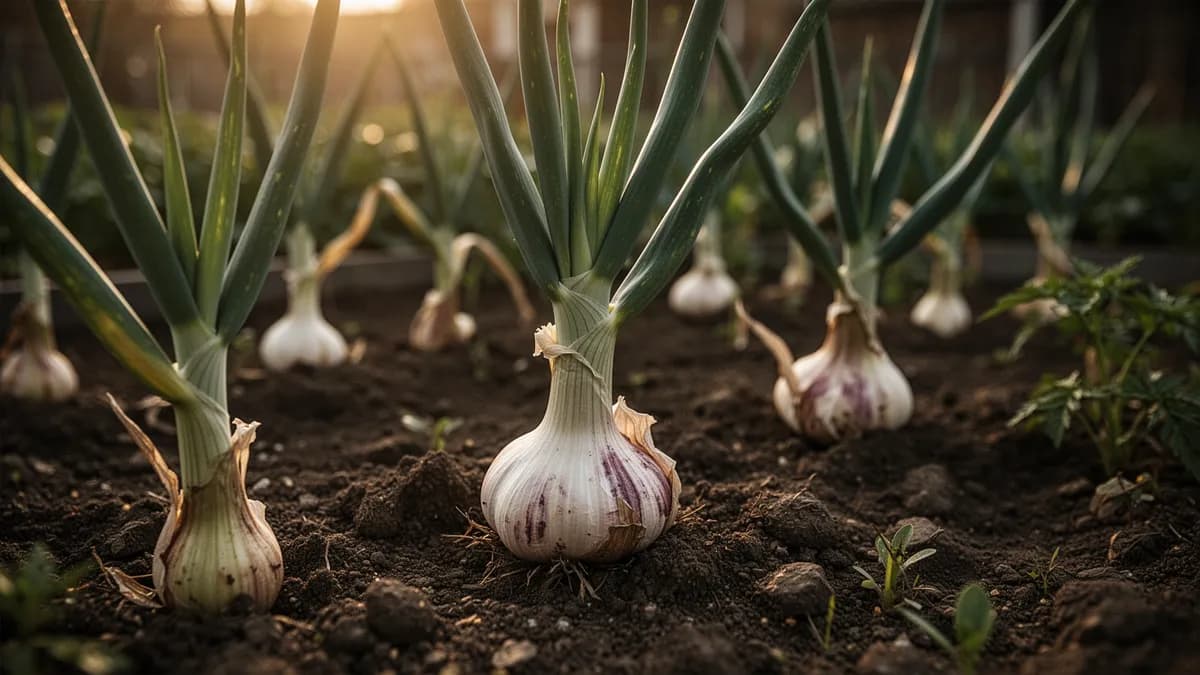
El ajo rocambole (Allium sativum var. ophioscorodon) es una variedad de ajo de cuello duro originaria de Europa central y oriental.





En esta páginaResumen
Conoce Ajo Rocambole
El ajo rocambole (Allium sativum var. ophioscorodon) es una variedad de ajo de cuello duro originaria de Europa central y oriental. Se distingue por su tallo floral rizado llamado escapo, sus dientes grandes y fáciles de pelar, y su sabor complejo y profundo que lo convierte en el favorito de los chefs y gastrónomos.
Cuándo plantar Ajo Rocambole
El ajo rocambole se propaga principalmente mediante dientes individuales separados de bulbos sanos y grandes. Seleccione los dientes más grandes del bulbo para obtener los mejores resultados. Plante en otoño, entre octubre y noviembre en el hemisferio norte, a una profundidad de 5-8 cm con la punta hacia arriba. También puede propagarse mediante bulbillos aéreos que se forman en la umbela floral, aunque estos tardan 2-3 años en producir bulbos de tamaño completo.
Tu año de Ajo Rocambole
Ajustado a Zona 7 · temporada típica · la helada se va hacia el 2 abr y vuelve hacia el 1 nov
Planta Ajo Rocambole Sep – Oct y cosecha Jun – Jul. Consulta los métodos de plantación y elige tu clima para adaptar los periodos.
Cómo cultivar Ajo Rocambole
El ajo rocambole se planta en otoño, idealmente entre 4 y 6 semanas antes de que el suelo se congele, para permitir que los dientes desarrollen raíces antes del invierno. Separe los dientes del bulbo justo antes de plantar y colóquelos con la punta hacia arriba a una profundidad de 5-8 cm y con una separación de 15-20 cm entre dientes. Cubra con una capa de mantillo de 10-15 cm de paja u hojas secas para proteger del frío invernal.
En primavera, las hojas emergen a través del mantillo y comienzan un crecimiento vigoroso. Riegue regularmente manteniendo el suelo húmedo pero no encharcado, y aplique un fertilizante rico en nitrógeno cada 3-4 semanas hasta mediados de primavera. Cuando aparezcan los escapos florales (tallos curvos), córtelos para dirigir la energía de la planta hacia el desarrollo del bulbo. Los escapos cortados son comestibles y deliciosos.
A medida que se acerca la cosecha en verano, reduzca gradualmente el riego para permitir que los bulbos se sequen y curen en el suelo. El ajo rocambole es más exigente que las variedades de cuello blando en cuanto a frío invernal, necesitando un período de vernalización con temperaturas por debajo de 10°C durante al menos 6-8 semanas para formar bulbos adecuadamente.
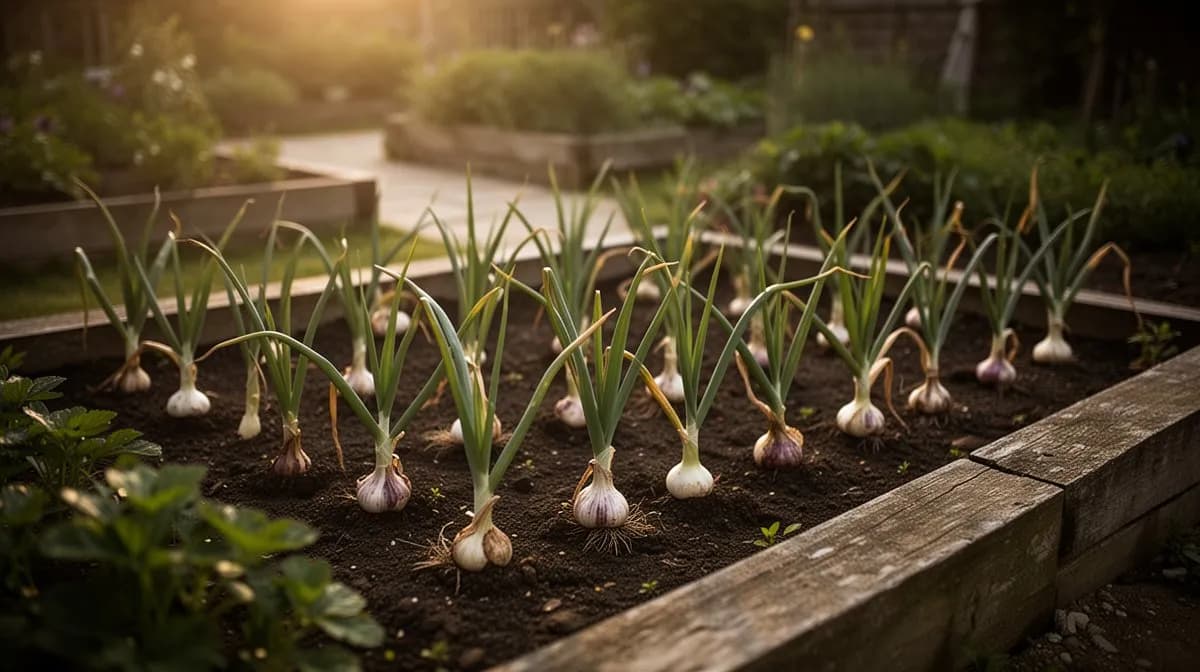
128 plantas caben en un bancal de 120 × 240 cm
Cada Ajo Rocambole pide 15 cm de margen. El planificador guarda ese marco por ti — cada planta, cada bancal.
Los mejores vecinos de Ajo Rocambole
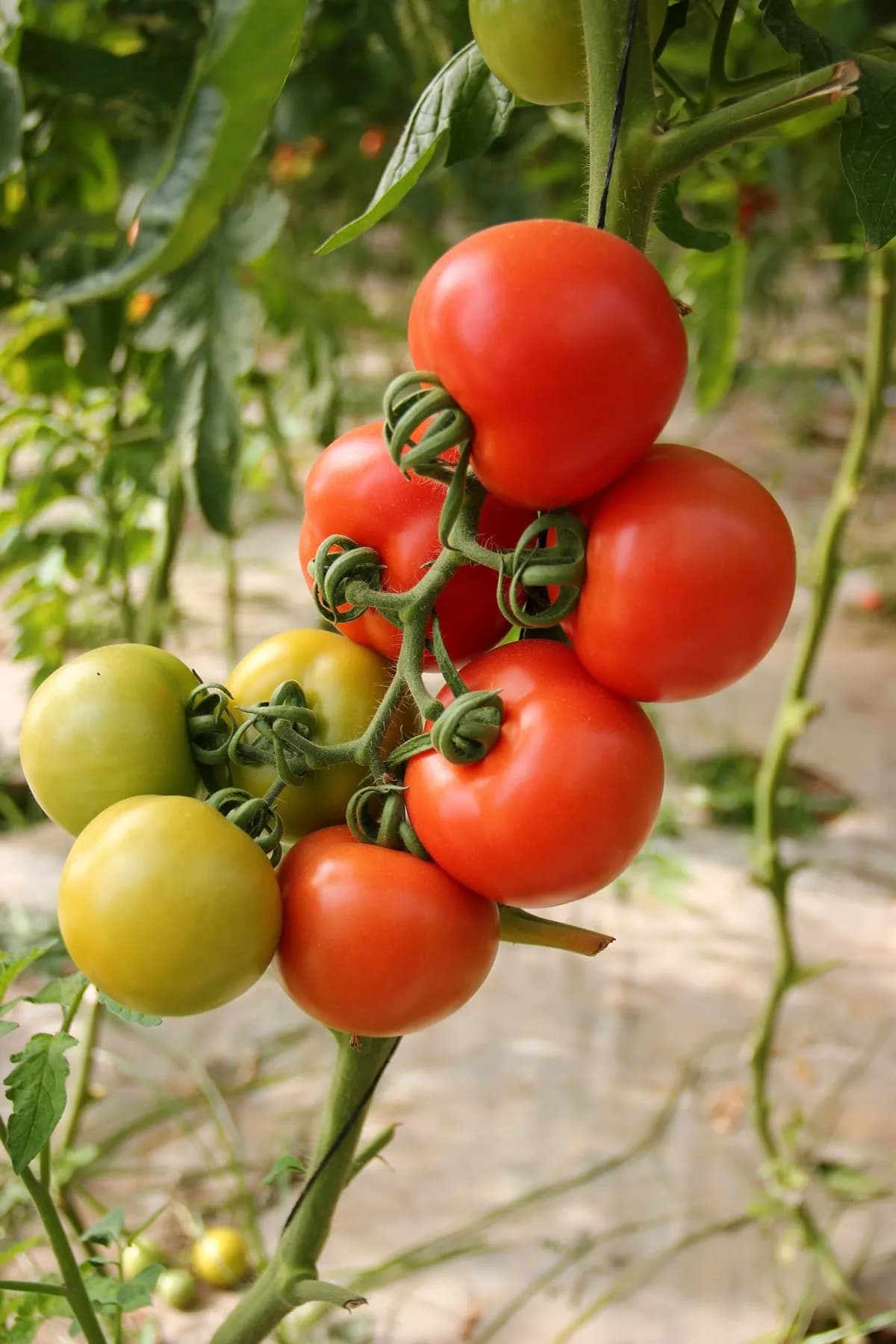
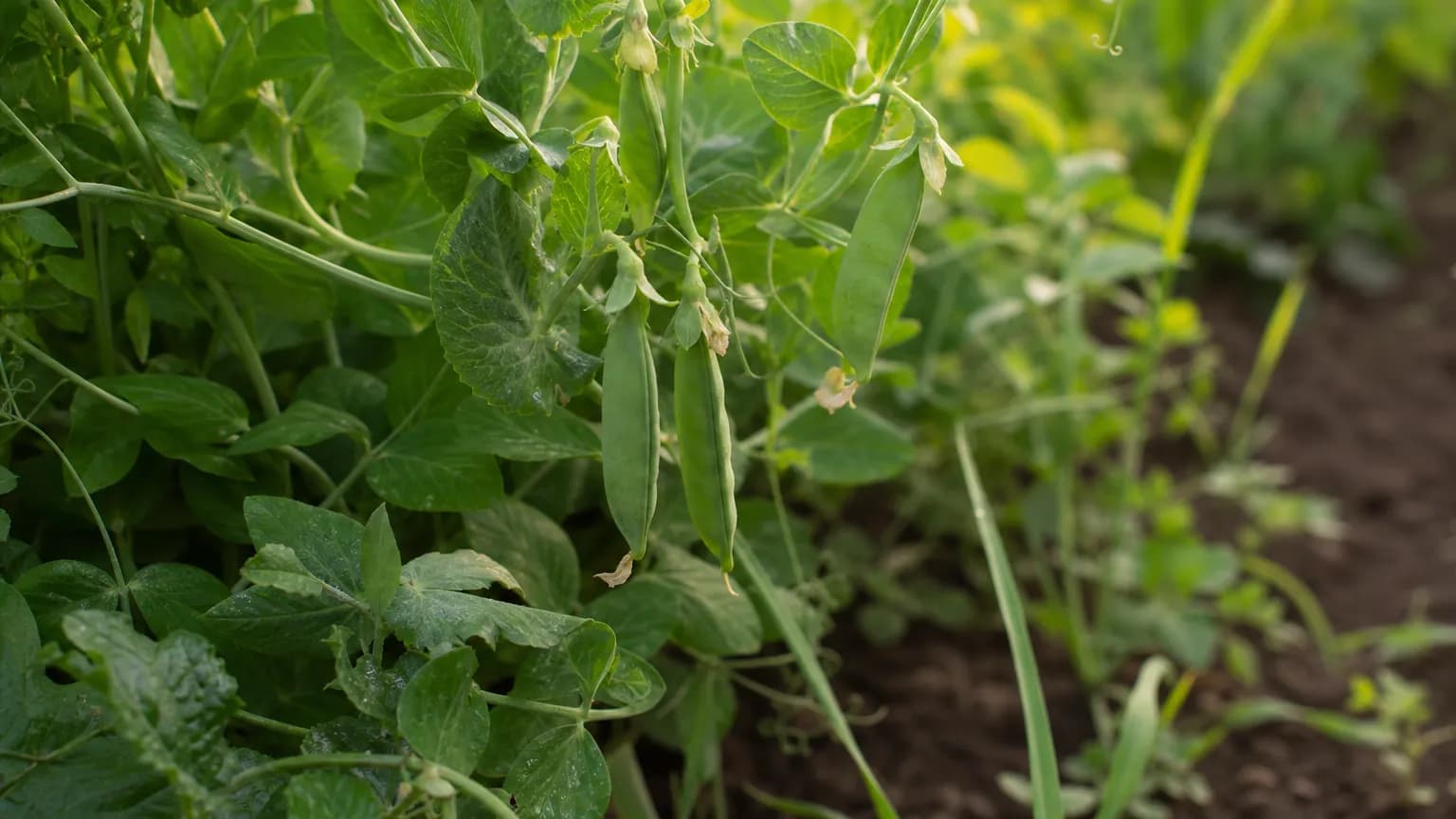
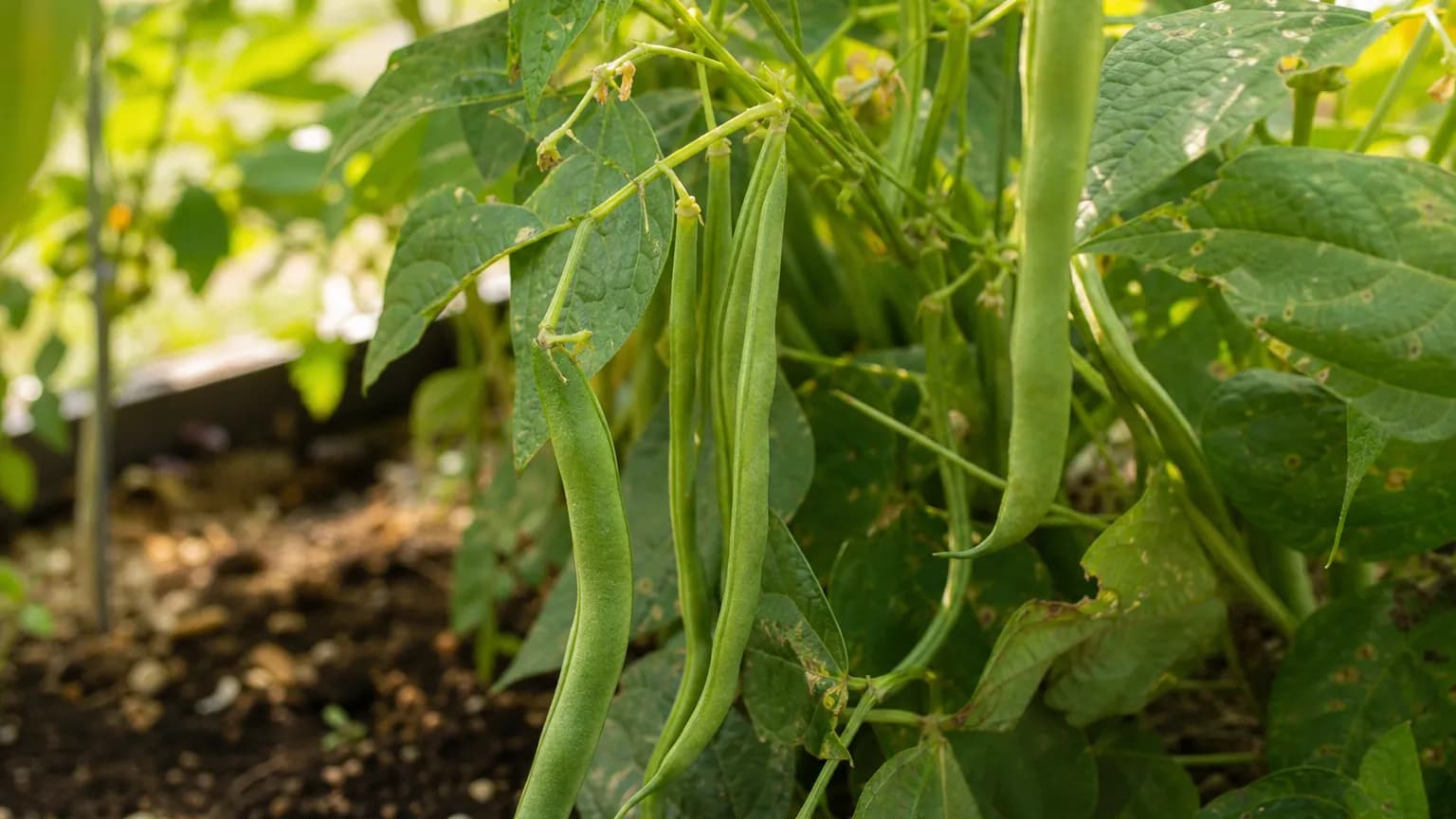
El ajo rocambole es un excelente compañero para rosales, ya que sus compuestos sulfurosos ayudan a repeler los pulgones. También se beneficia de la vecindad con tomates, pimientos y fresas, a los que protege de diversas plagas. Evite plantarlo cerca de guisantes, judías y otras leguminosas, ya que los alliums pueden inhibir su crecimiento.
Tomate va a su lado. Guisantes no.
Saber de huerto de siempre, cotejado con la tabla real de Ajo Rocambole — prueba cualquier planta que cultives.
Prueba Ajo Rocambole en un bancal, aquí mismo
Un bancal real del planificador con Ajo Rocambole ya plantado. Toca una planta compañera para colocarla y mira cómo responde la comprobación de vecinos: verde para buenos vecinos, rojo si hay conflicto.


Guías de cultivo relacionadas
Abónalo bien
El ajo rocambole prospera en un suelo bien drenado, fértil y rico en materia orgánica, con un pH entre 6,0 y 7,0. Incorpore compost maduro o estiércol bien descompuesto varias semanas antes de la plantación. Aplique un fertilizante equilibrado o rico en nitrógeno en primavera cuando comience el crecimiento activo, y cambie a uno rico en fósforo y potasio a mediados de primavera para favorecer el desarrollo del bulbo.
Temperatura ideal
Compatibilidad de zonas de rusticidad
De la semilla a la cosecha, etapa por etapa
Plantación de otoño
Los dientes individuales se plantan con la punta hacia arriba en otoño, 4-6 semanas antes de que el suelo se congele. Las raíces comienzan a desarrollarse de inmediato en el suelo fresco y húmedo, formando una densa red de raicillas blancas debajo de cada diente. Sobre el suelo puede aparecer un brote verde corto antes de que llegue el invierno, lo cual es normal y no debe preocupar. La fase de establecimiento de raíces es crítica: los dientes plantados demasiado tarde pueden no desarrollar suficientes raíces para sobrevivir al invierno.
Dormancia invernal
Los dientes entran en dormancia bajo su capa protectora de mantillo cuando la temperatura del suelo baja de 4°C. Bajo tierra, las raíces permanecen vivas pero inactivas. El periodo frío es esencial para rocambole: necesita 6-8 semanas con temperaturas inferiores a 4°C para vernailizarse correctamente y desencadenar la formación del bulbo en primavera. Sin suficiente exposición al frío, las plantas producen bulbos redondos (sin dividir) en lugar de cabezas bien segmentadas.
Emergencia primaveral
Cuando la temperatura del suelo sube por encima de 4°C a comienzos de la primavera, brotes verdes brillantes atraviesan el mantillo. Las hojas crecen rápidamente con el aumento de las horas de luz, y cada planta produce 6-10 hojas anchas, en forma de cinta. El sistema radicular se reactiva y se expande con rapidez. Esta es la principal fase de crecimiento vegetativo, en la que la planta construye el follaje que alimentará el desarrollo del bulbo.
Formación del escapo
Aparece la característica definitoria de los ajos de cuello duro: un tallo central rígido (escapo) emerge del centro de la roseta de hojas y forma un bucle curvado distintivo; los escapos de rocambole suelen hacer una doble o incluso triple espiral antes de enderezarse. La punta del escapo contiene un umbelo con bulbillos en desarrollo. El crecimiento de las hojas se ralentiza mientras la planta dirige su energía a la reproducción.
Desarrollo del bulbo
Tras retirar los escapos, toda la energía de la planta se redirige a la expansión del bulbo bajo tierra. Los dientes individuales se diferencian y se hinchan dentro de la cabeza en formación. Las capas de la envoltura del bulbo se forman y se tensan. Las hojas empiezan a amarillear de abajo arriba a medida que los nutrientes se trasladan del follaje al bulbo. Cada hoja verde corresponde a una capa de envoltura del bulbo.
Cosecha y curado
Cosecha cuando 4-5 hojas inferiores se hayan vuelto marrones y 4-5 hojas superiores sigan verdes; este momento asegura que el bulbo esté completamente formado y conserve suficientes envolturas para una buena conservación. El ajo rocambole suele madurar entre finales de junio y principios de julio. Después de la cosecha, los bulbos deben curarse durante 3-4 semanas en un lugar cálido, seco y bien ventilado para desarrollar todo su sabor y maximizar la vida útil.
Planta los dientes a 10-15 cm de profundidad y a 15 cm de distancia en un suelo bien drenado enriquecido con compost. Aplica inmediatamente después de plantar una capa gruesa de 10-15 cm de paja o de hojas trituradas para aislar contra los ciclos de congelación y deshielo y suprimir las malezas tempranas de primavera.
Cuidar Ajo Rocambole mes a mes
Qué hacer cada mes para tu Ajo Rocambole
Octubre
Mes actualPrimary planting month. Plant individual cloves from your best bulbs 4-6 weeks before the ground freezes — pointed end up, 10-15 cm deep, 15 cm apart. Apply a thick 10-15 cm layer of straw mulch immediately after planting. Water well if soil is dry at planting time.
Ten claro qué hacer en tu huerto, cada mes
Un correo al empezar cada mes: qué sembrar, plantar y hacer ahora mismo — para tu Ajo Rocambole y todo lo que crece alrededor. Más un breve curso inicial para esquivar los errores clásicos.
- Qué hacer ahora mismo
- Ajustado a tu temporada
- Curso inicial incluido
Cosechar Ajo Rocambole
Coseche el ajo rocambole cuando aproximadamente la mitad de las hojas inferiores se hayan secado y tornado marrones, generalmente entre junio y julio, unos 240-270 días después de la plantación otoñal. Utilice una horquilla de jardín para aflojar el suelo alrededor de los bulbos y extráigalos con cuidado sin dañar la cubierta exterior. No tire de los tallos para evitar separar el bulbo del tallo, lo que dificulta el curado.
se supone que plantas al comenzar el periodo — indica tu fecha real
A partir de bulbos, tubérculos o dientes
Cosecha cuando 4-5 hojas inferiores se hayan vuelto marrones y 4-5 hojas superiores sigan verdes; normalmente entre finales de junio y principios de julio.
Almacenamiento y conservación
Cure los bulbos cosechados colgándolos en manojos o extendiéndolos en una sola capa en un lugar seco, sombreado y bien ventilado durante 2-3 semanas. Una vez curados, recorte las raíces y los tallos dejando unos 3 cm. Almacene en un lugar fresco y seco a 10-15°C con buena ventilación. El ajo rocambole tiene una vida útil más corta que las variedades de cuello blando, conservándose entre 4 y 6 meses en condiciones óptimas.
Qué falla — y cómo solucionarlo
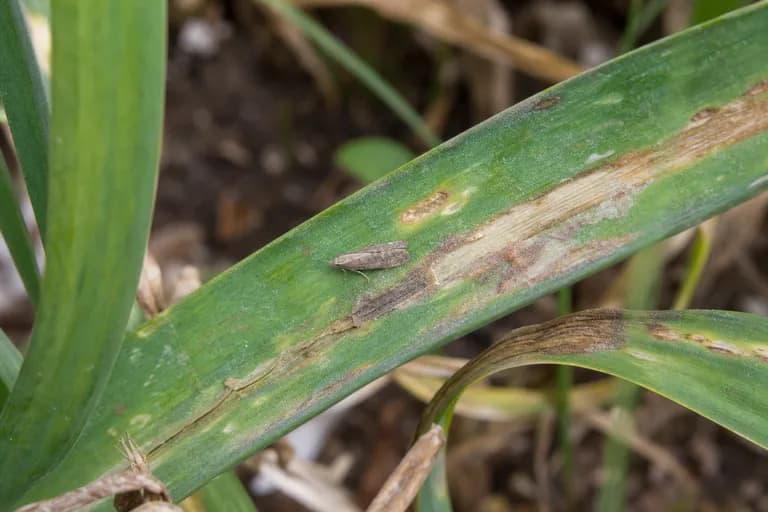
Trips del ajo
PlagaManchas plateadas o blanquecinas en las hojas causadas por la alimentación de los trips, que raspan la superficie foliar y succionan los jugos celulares. Las hojas afectadas se marchitan y se rizan.
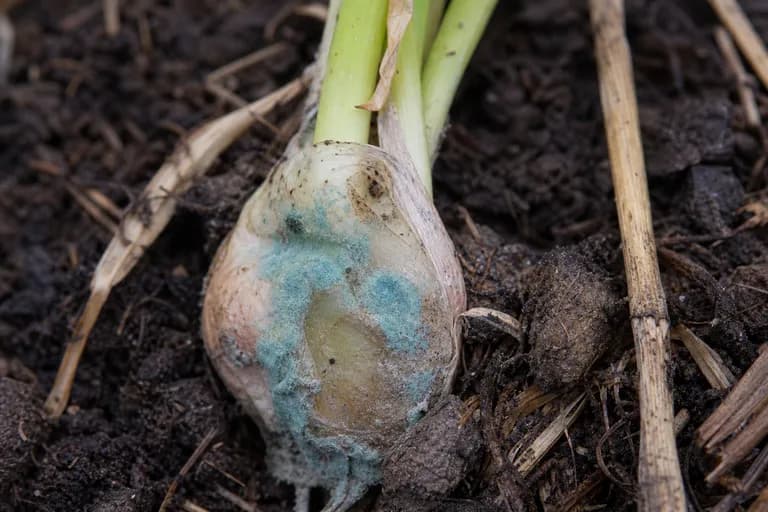
Roya del ajo
EnfermedadPústulas anaranjadas o rojizas en las hojas que liberan esporas al tocarlas. Las hojas infectadas amarillean progresivamente y la planta pierde vigor, afectando el tamaño final del bulbo.
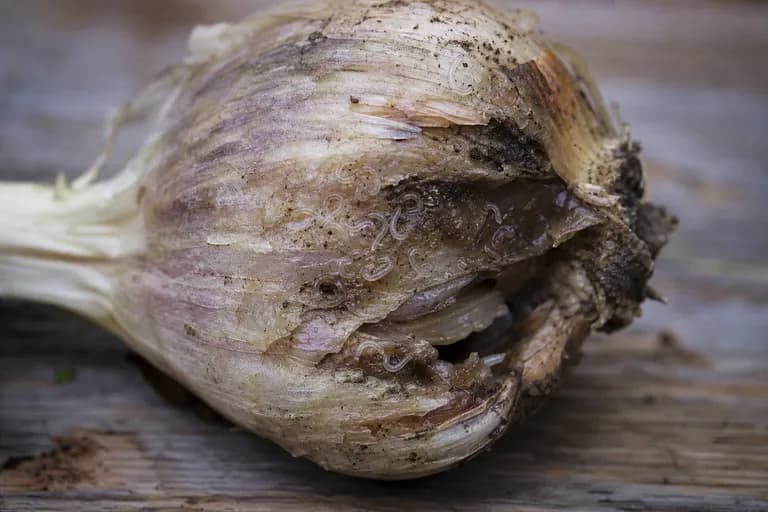
Nematodo del tallo
PlagaLas plantas muestran crecimiento retardado, hojas hinchadas y deformadas, y los bulbos se ablandan con una textura esponjosa. En infestaciones severas, las plantas colapsan y mueren.
Solución de problemas comunes
La principal limitación del ajo rocambole es su menor capacidad de almacenamiento en comparación con las variedades de cuello blando, conservándose solo 4-6 meses. Requiere un período de frío invernal prolongado para bulbificar correctamente, lo que limita su cultivo en climas cálidos. La división prematura de los dientes dentro del bulbo puede ocurrir con fluctuaciones de temperatura durante la maduración.
Consejos de cultivo
- Plant in fall, not spring. Rocambole garlic absolutely requires a cold vernalization period of 6-8 weeks below 4°C (40°F). Fall planting 4-6 weeks before the ground freezes gives cloves time to develop roots before winter, resulting in larger, better-formed bulbs than spring-planted garlic.
- Source your seed garlic from a reputable specialty grower, not the grocery store. Supermarket garlic is typically softneck varieties that have been treated with sprout inhibitors and are often imported from climates very different from yours. Locally adapted seed stock from a garlic farmer in your region will outperform imported bulbs dramatically.
- Crack bulbs into individual cloves no more than 48 hours before planting, and plant only the largest outer cloves. The small inner cloves produce significantly smaller bulbs. Save those runts for the kitchen and plant only the biggest cloves for the biggest harvest.
- Mulch heavily immediately after planting — 10-15 cm of straw, shredded leaves, or grass clippings. This mulch insulates against freeze-thaw cycles that can heave cloves out of the ground, suppresses spring weeds, and retains soil moisture throughout the growing season.
- Remove scapes as soon as they form one full loop — this is the single easiest way to increase bulb size by 20-30%. The plant redirects energy from scape and bulbil development into bulb growth. Do not wait until scapes straighten, as the yield benefit diminishes after that point.
- Stop watering 2-3 weeks before harvest to allow the outer bulb wrappers to dry and tighten. Wet soil at harvest time leads to stained wrappers, soil clinging to roots, and increased risk of fungal rot during curing.
- Harvest timing is everything. Dig a test bulb when the bottom 3-4 leaves have browned — the cloves should fill their skins tightly with no gaps. Harvesting too early gives undersized cloves; too late and the wrappers deteriorate, exposing cloves and drastically reducing storage life.
- Cure garlic for a full 3-4 weeks after harvest in a warm, dry, well-ventilated location out of direct sunlight. Do not skip or rush this step — proper curing develops the complex flavor that makes rocambole garlic special, and extends storage life by months.
Cultiva tu mejor Ajo Rocambole — y todo lo que la rodea.
Empieza un plan gratis hoy. Diseña tus bancales, coloca tu Ajo Rocambole y deja que PlotMyGarden gestione el momento, el espaciado, las asociaciones y los recordatorios de la semilla a la cesta.
Elige tu Ajo Rocambole
Spanish Roja
Variedad clásica y muy popular con dientes grandes de color rojizo-púrpura y un sabor cálido y picante. Excelente para climas fríos y ampliamente considerada como una de las variedades más sabrosas.
German Red
Variedad robusta con bulbos de piel blanca teñida de púrpura y dientes grandes con sabor fuerte y picante. Muy productiva y adaptada a inviernos rigurosos.
Killarney Red
Originaria de Irlanda, produce bulbos medianos con dientes de piel rojiza y un sabor suave pero complejo. Se conserva relativamente bien para ser una variedad rocambole.
Phillips
Variedad de herencia con dientes grandes y uniformes de sabor intenso y ligeramente dulce cuando se asa. Popular entre cultivadores artesanales por su fiabilidad y productividad.
Specialty rocambole garlic sells for $15-30 per pound at farmers markets and $20-40 per pound from online seed garlic vendors. A single head of rocambole at a farmers market costs $2-5. Growing your own from a $12-20 pound of seed garlic (containing roughly 40-50 plantable cloves) can yield 2-4 kg of premium garlic worth $60-200 at market prices. After the first year, you never need to buy seed garlic again — simply replant cloves from your own harvest. The scapes are an additional bonus crop worth $8-15 per pound at farmers markets.
Recetas rápidas
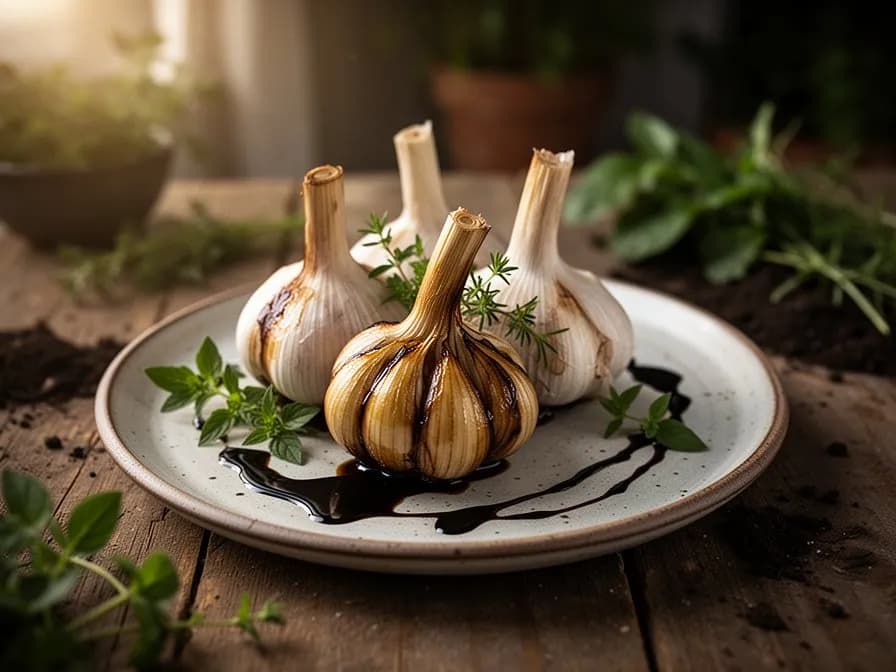
Whole Roasted Rocambole Garlic
45 minRoasting transforms rocambole's bold, complex raw flavor into a sweet, buttery, caramelized paste that spreads like warm honey on crusty bread. The large, easy-to-peel cloves make rocambole ideal for this simple preparation that showcases garlic at its most luxurious.
5 ingredientesRocambole Garlic Scape Pesto
10 minA vibrant spring pesto made from the curly scapes harvested in early summer. The flavor is a gentler, more herbaceous garlic than raw cloves — bright and green with a mild garlic kick that is addictive on pasta, spread on sandwiches, or stirred into soups.
6 ingredientesGarlic Confit
60 minWhole peeled rocambole cloves slow-poached in olive oil until they melt into golden, spreadable nuggets of concentrated garlic flavor. The infused oil is equally valuable — use it for sauteing, drizzling, or dipping bread.
6 ingredientesUsos culinarios
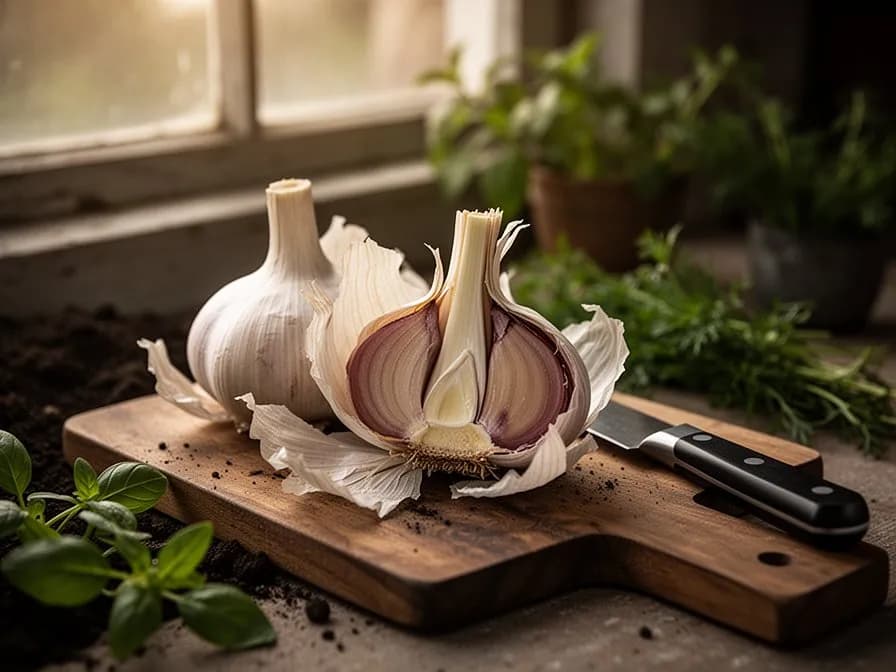
El ajo rocambole es considerado por muchos cocineros como el ajo de mejor sabor, con notas complejas que van desde lo picante hasta lo dulce según la preparación. Los dientes grandes se pelan con facilidad, lo que los hace ideales para cocinar en cantidad. Los escapos florales cortados en primavera son un manjar que se puede saltear, hacer en pesto o picar crudo en ensaladas. El sabor se suaviza y se vuelve dulce y cremoso al asar los bulbos enteros.
Qué contiene
Beneficios para la salud
- Allicin, the primary bioactive compound in crushed garlic, has demonstrated potent antimicrobial properties in research, showing activity against a wide range of bacteria, viruses, and fungi — crushing or chopping garlic and waiting 10 minutes before cooking maximizes allicin formation.
- Regular garlic consumption has been associated in multiple studies with modest reductions in blood pressure, potentially through allicin's ability to stimulate hydrogen sulfide and nitric oxide production, which relaxes blood vessels.
- Contains organosulfur compounds that have shown anti-inflammatory properties in research, potentially helping to modulate immune responses and reduce chronic low-grade inflammation associated with aging and lifestyle diseases.
- Rich in manganese and vitamin B6, both essential for energy metabolism, brain function, and the production of neurotransmitters including serotonin and dopamine.
- The prebiotic fructans in garlic (inulin-type fructooligosaccharides) selectively feed beneficial Bifidobacterium and Lactobacillus species in the gut, supporting digestive health and immune function through a healthier microbiome.
- Selenium and other trace minerals in garlic act as cofactors for antioxidant enzymes like glutathione peroxidase, helping to protect cells from oxidative damage and supporting the body's natural detoxification pathways.
De dónde viene Ajo Rocambole
Rocambole garlic (Allium sativum var. ophioscorodon) belongs to the hardneck garlic group, which represents the older, more genetically diverse branch of cultivated garlic. All garlic is believed to have originated in the mountainous regions of Central Asia — specifically the Tien Shan range spanning modern-day Kazakhstan, Kyrgyzstan, and western China — where wild Allium longicuspis, the likely progenitor of cultivated garlic, still grows on rocky slopes at elevations of 1,500 to 3,000 meters.
Garlic cultivation began at least 5,000 years ago, spreading westward along the Silk Road through Persia, the Caucasus, and into the Mediterranean. Hardneck types like rocambole, which retain the ancestral trait of producing a flower stalk (scape) and require cold vernalization, are considered closer to wild garlic than the softneck varieties that dominate commercial production today. Rocambole cultivars were carried into Eastern Europe and Russia where the cold continental winters provided the vernalization they require, and they became deeply embedded in the cuisines and folk medicine traditions of the region.
In North America, rocambole garlic was introduced by Eastern European immigrants in the 19th and early 20th centuries. For decades it remained a garden curiosity, overshadowed by the commercially dominant softneck varieties bred for long storage and mechanical harvesting. The garlic renaissance of the 1990s and 2000s — driven by farmers market culture, the local food movement, and growing appreciation for heirloom varieties — brought rocambole into the spotlight. Named cultivars like Spanish Roja, German Red, and Italian Purple became sought-after varieties among gourmet gardeners and small-scale farmers. Today, rocambole commands premium prices at farmers markets precisely because of its superior flavor and its inability to survive the industrial supply chain — it must be grown locally and consumed within months of harvest, making it the antithesis of the bland, imported softneck garlic that dominates supermarket shelves.
Ajo Rocambole: ¿sabías que?
Datos fascinantes sobre Ajo Rocambole
Rocambole is considered the gold standard of garlic flavor among chefs and garlic connoisseurs. Its taste is described as deep, rich, complex, and full-bodied — a true 'garlic lover's garlic' with more depth and warmth than milder softneck varieties found in supermarkets.
Ajo Rocambole: preguntas frecuentes
¿Cuándo debo plantar Ajo Rocambole?
¿Cuáles son buenas plantas acompañantes para Ajo Rocambole?
¿En qué zonas de rusticidad puede crecer Ajo Rocambole?
¿Cuánto sol necesita Ajo Rocambole?
¿A qué distancia debo espaciar Ajo Rocambole?
¿Qué plagas y enfermedades afectan a Ajo Rocambole?
¿Cómo almaceno Ajo Rocambole después de la cosecha?
¿Cuáles son las mejores variedades de Ajo Rocambole para cultivar?
¿Qué suelo necesita Ajo Rocambole?
What is the difference between rocambole and softneck garlic?
Why does my rocambole garlic not form individual cloves?
How should I store rocambole garlic and how long will it last?
Can I grow rocambole garlic in warm climates (zones 9-12)?
When and how should I harvest garlic scapes?
How do I save my own seed garlic for next year?
Acabas de leer la teoría. Ahora cultívala en piloto automático.
Todo lo que hace que Ajo Rocambole sea delicado — el momento, el espaciado, las asociaciones, la ventana de cosecha — es justo lo que PlotMyGarden resuelve por ti, para cada planta de tu huerto.
Un plan que conoce tu clima
Indica tu ubicación una vez. Recibe fechas de siembra, abonado y cosecha basadas en tu última helada real y el pronóstico en vivo — sin adivinar con un sobre genérico.
De la sección “Cuándo plantar”Planificador de bancales de arrastrar y soltar
Diseña bancales sobre una cuadrícula. Cada planta encaja con su espaciado correcto y ves toda la temporada antes de gastar un céntimo en semillas.
De la sección “Cultivo”Conflictos de asociación, detectados a tiempo
Más de 200 buenas y malas combinaciones comprobadas en vivo mientras plantas — para que un error que arruine la temporada nunca llegue a la tierra.
De la sección “Asociaciones”Recordatorios que sí vas a seguir
“Riega las judías.” “Recoge hoy antes de que se pase.” Oportunos, concretos y ligados a las plantas que de verdad cultivas.
De la sección “Cosecha”Escalonado, programado
¿Quieres cosechar seis semanas en vez de seis días? Reparte tus siembras automáticamente y te avisa cuando toca el siguiente lote.
De la sección “Cuándo plantar”Un registro que se vuelve más listo
Cada cosecha que registras le enseña tu huerto. El plan del año que viene parte de lo que de verdad funcionó en tu suelo, no en un manual.
De la sección “Resumen”Planta estos junto a Ajo Rocambole
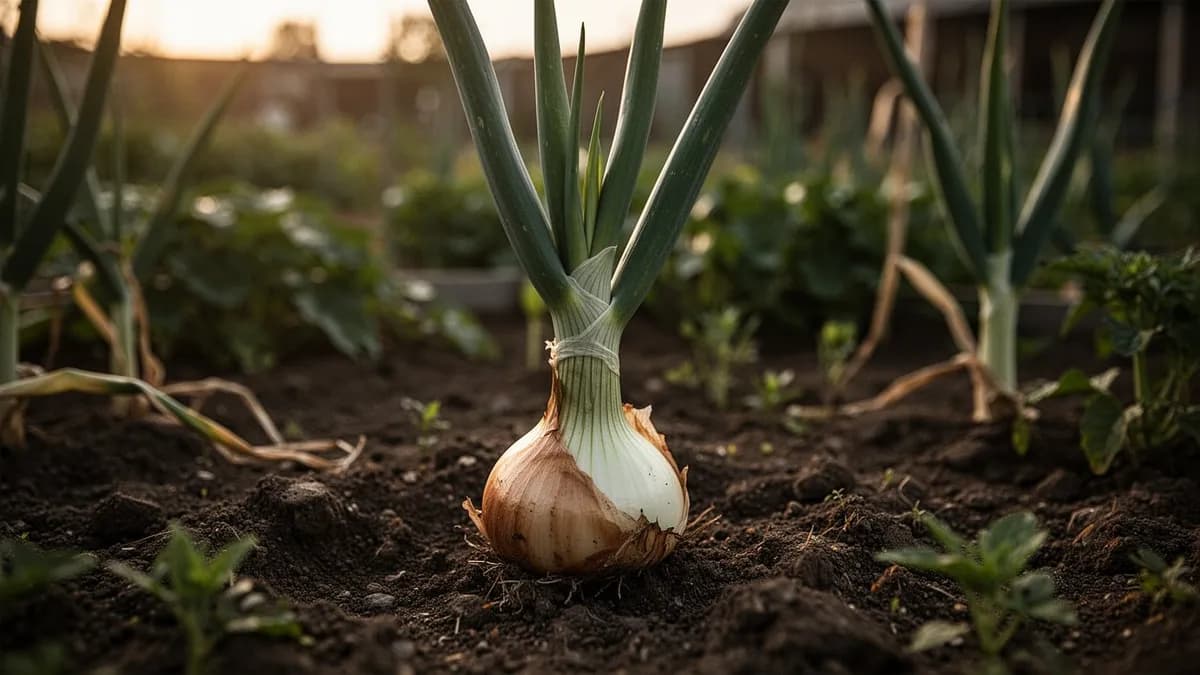
Más Aliáceas
Mantén Ajo Rocambole lejos de estos
Cultiva tu mejor Ajo Rocambole — y todo lo que la rodea.
Empieza un plan gratis hoy. Diseña tus bancales, coloca tu Ajo Rocambole y deja que PlotMyGarden gestione el momento, el espaciado, las asociaciones y los recordatorios de la semilla a la cesta.