Cebolla Patata
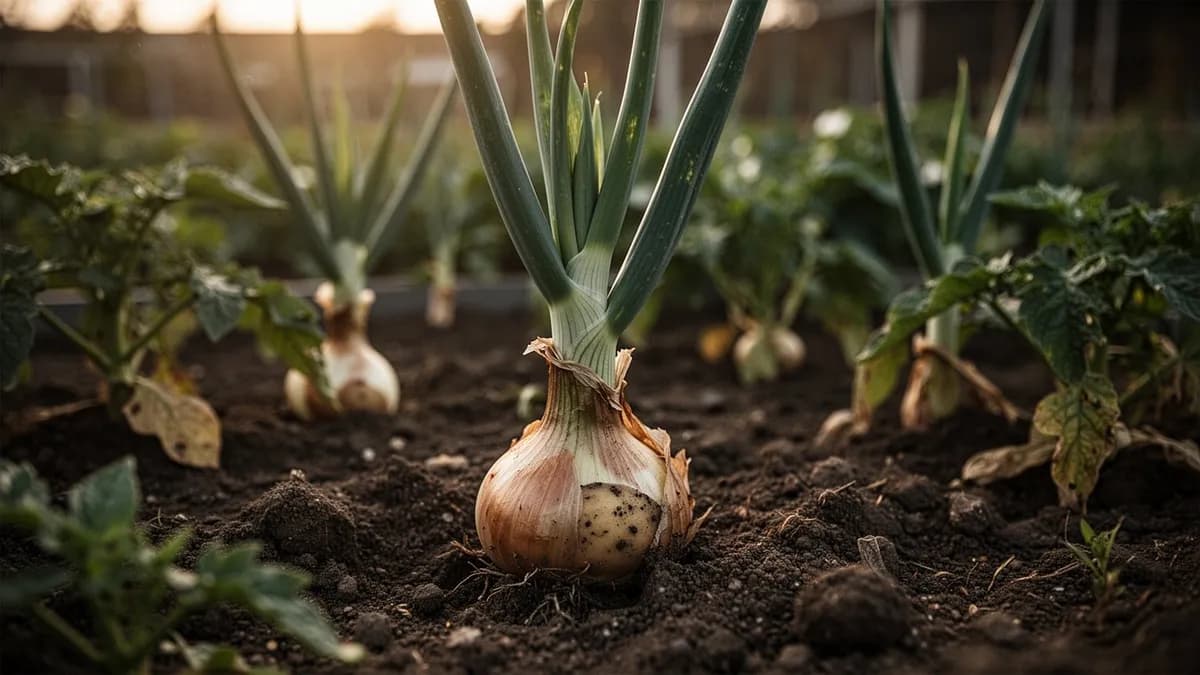
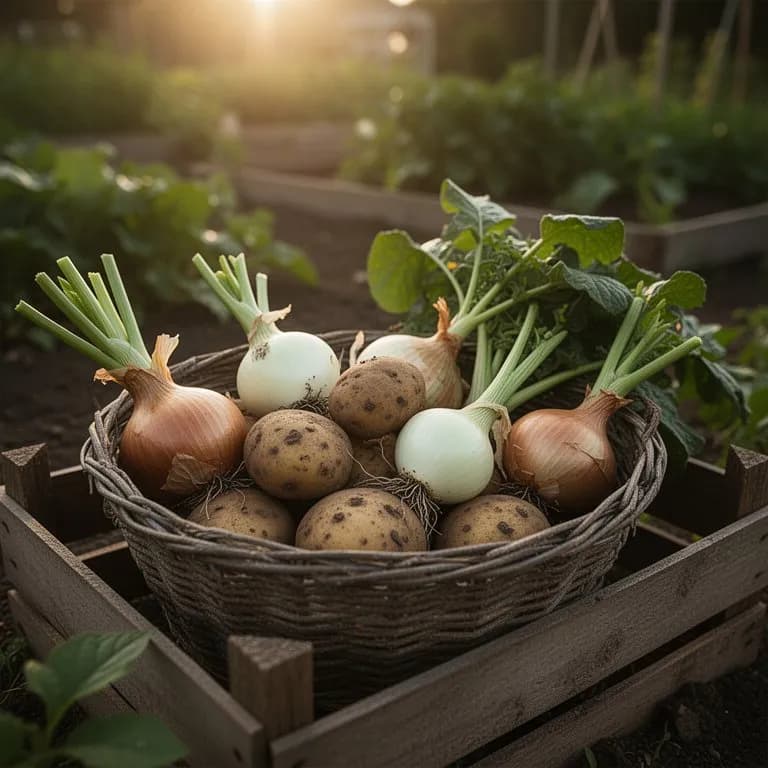
Allium cepa var. aggregatum, conocida como cebolla patata o cebolla multiplicadora, es una variedad perenne que se reproduce vegetativamente formando racimos de bulbos subterráneos de manera similar a como las patatas producen tubérculos.





En esta páginaResumen
Conoce Cebolla Patata
Allium cepa var. aggregatum, conocida como cebolla patata o cebolla multiplicadora, es una variedad perenne que se reproduce vegetativamente formando racimos de bulbos subterráneos de manera similar a como las patatas producen tubérculos. Es una hortaliza tradicional europea cultivada durante siglos por su facilidad de propagación y excelente sabor suave.
Cuándo plantar Cebolla Patata
La cebolla patata se propaga exclusivamente por división de bulbos, no por semillas. Plante los bulbos en otoño para cosecha de verano o a principios de primavera tan pronto como el suelo sea trabajable. Seleccione bulbos sanos de tamaño mediano (2-3 cm) para obtener el mejor equilibrio entre número y tamaño de los bulbos producidos.
Tu año de Cebolla Patata
Ajustado a Zona 7 · temporada típica · la helada se va hacia el 2 abr y vuelve hacia el 1 nov
Planta Cebolla Patata Mar – Abr, Sep – Oct y cosecha Jun – Ago. Consulta los métodos de plantación y elige tu clima para adaptar los periodos.
Cómo cultivar Cebolla Patata
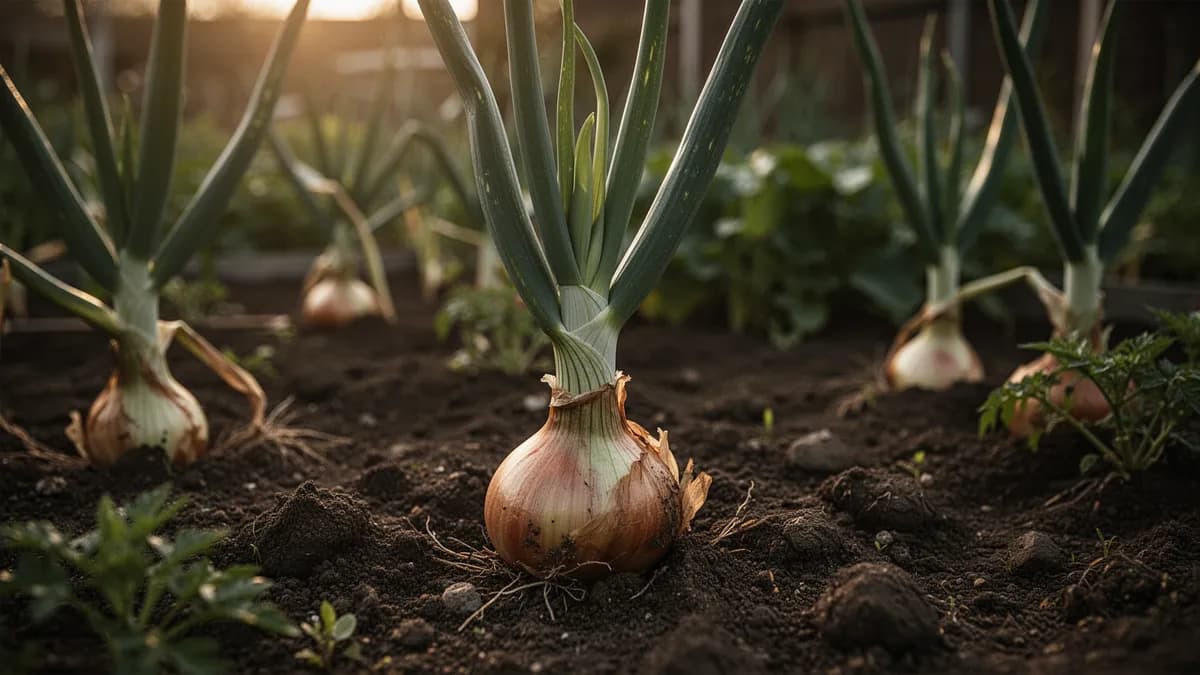
La cebolla patata se cultiva exclusivamente a partir de bulbos, ya que rara vez produce semillas viables. Plante los bulbos en otoño o a principios de primavera, enterrándolos con la punta hacia arriba a una profundidad de 3-5 cm y con una separación de 20-25 cm. Los bulbos grandes producen más divisiones de menor tamaño, mientras que los pequeños generan menos bulbos pero más grandes.
Proporcione un lugar con pleno sol y riego moderado, manteniendo el suelo húmedo pero nunca encharcado. Aplique un acolchado orgánico alrededor de las plantas para conservar humedad, suprimir malezas y regular la temperatura del suelo. Evite el riego excesivo cuando los bulbos comienzan a madurar.
Cada bulbo plantado se dividirá en un racimo de 3 a 12 bulbos nuevos durante la temporada de crecimiento. Reserve siempre los bulbos de tamaño mediano de cada cosecha para replantar en la siguiente temporada, estableciendo un ciclo de producción autosostenible que no requiere comprar material de plantación año tras año.
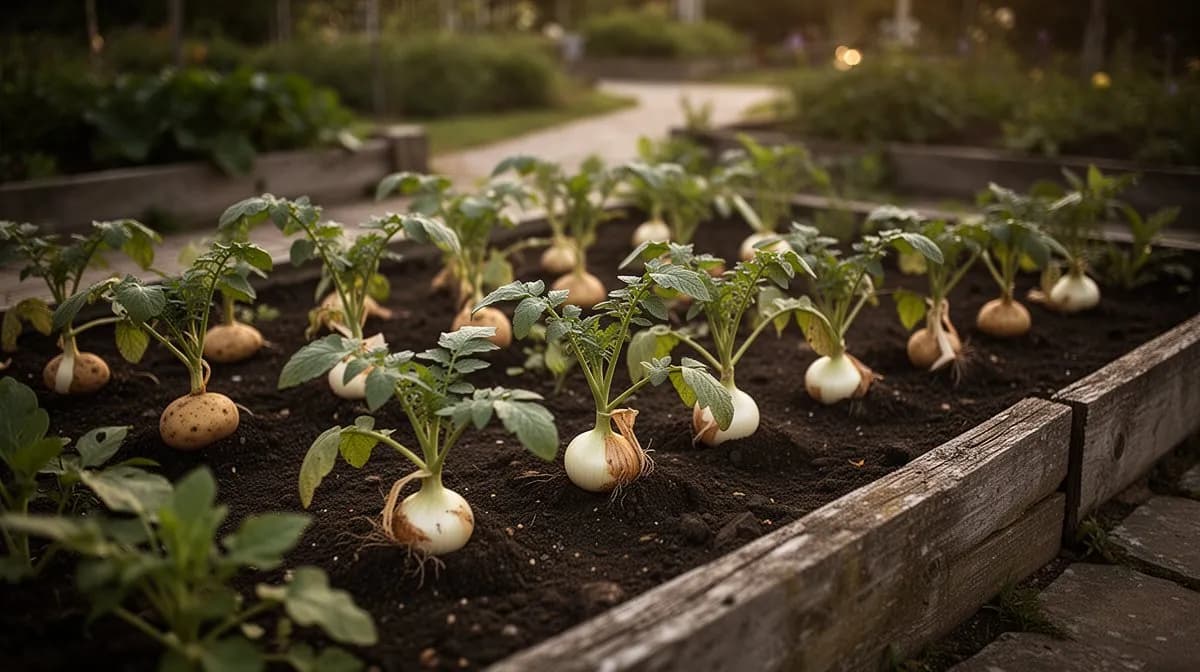
72 plantas caben en un bancal de 120 × 240 cm
Cada Cebolla Patata pide 20 cm de margen. El planificador guarda ese marco por ti — cada planta, cada bancal.
Los mejores vecinos de Cebolla Patata
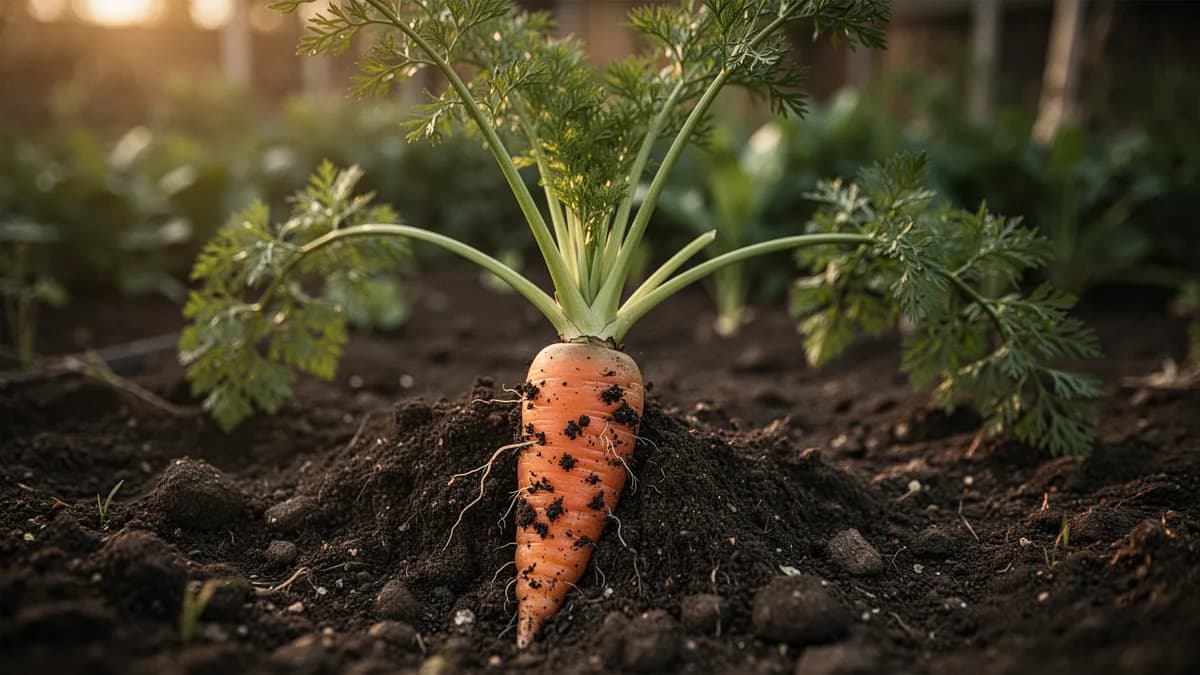
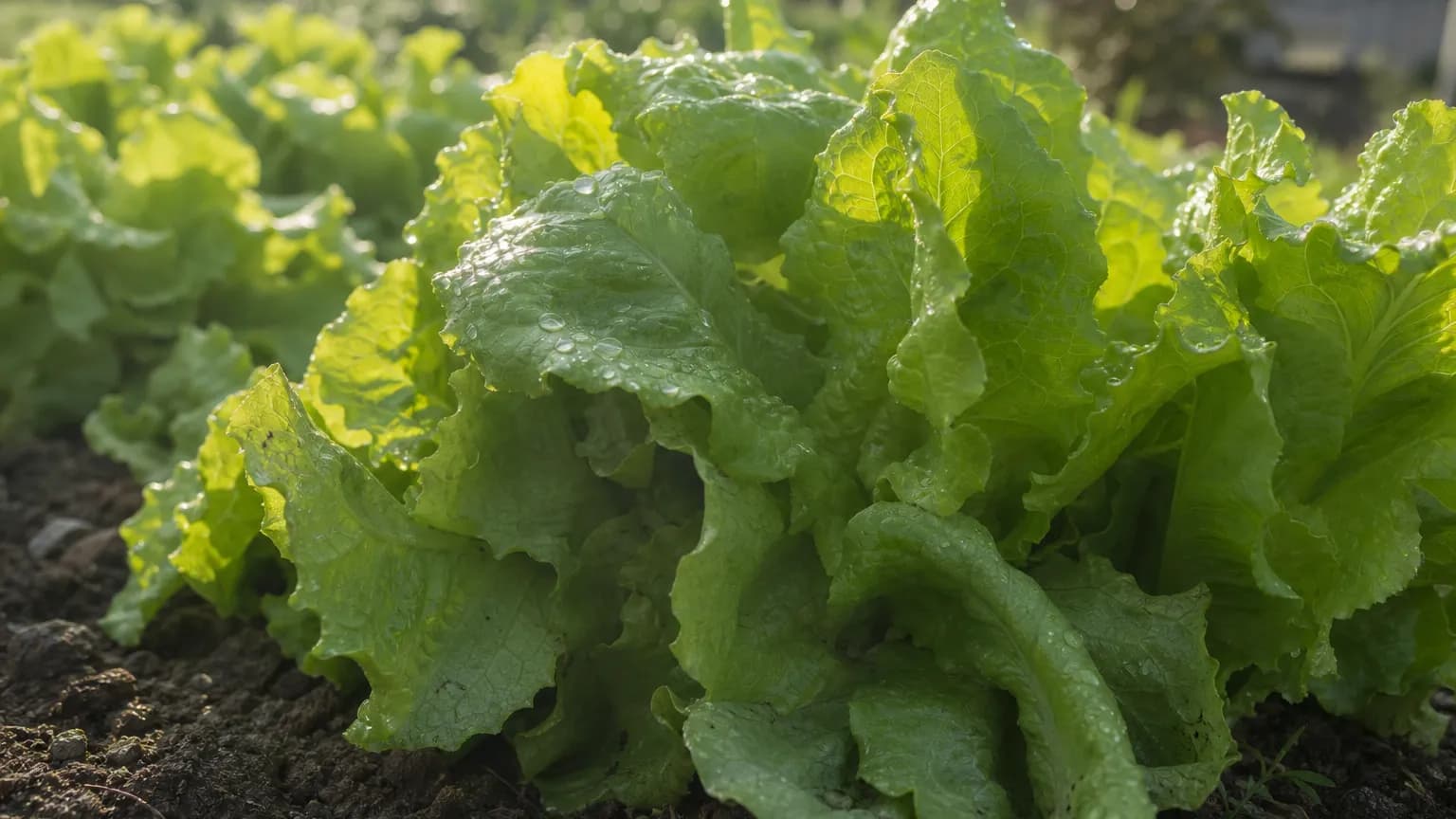
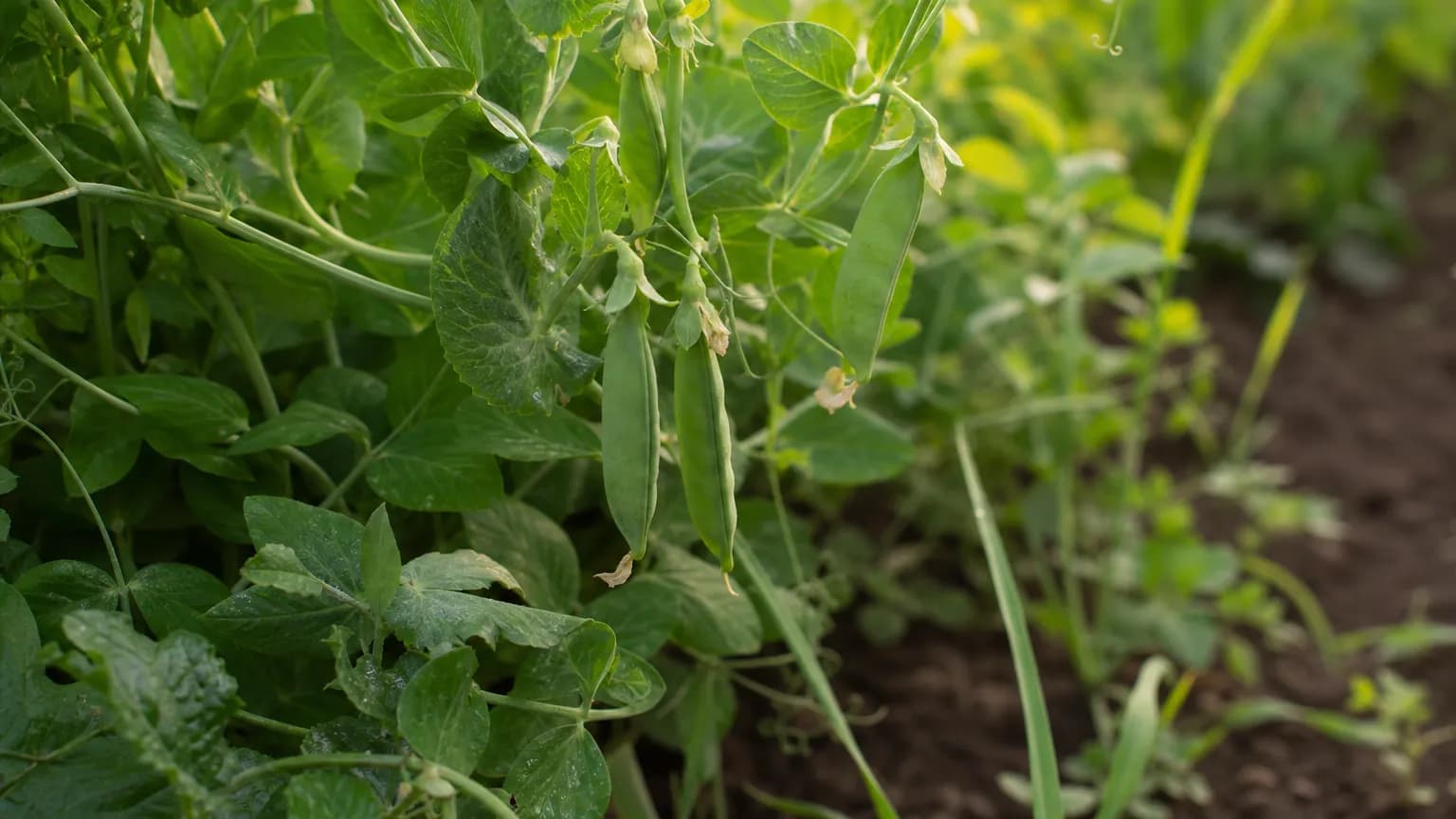
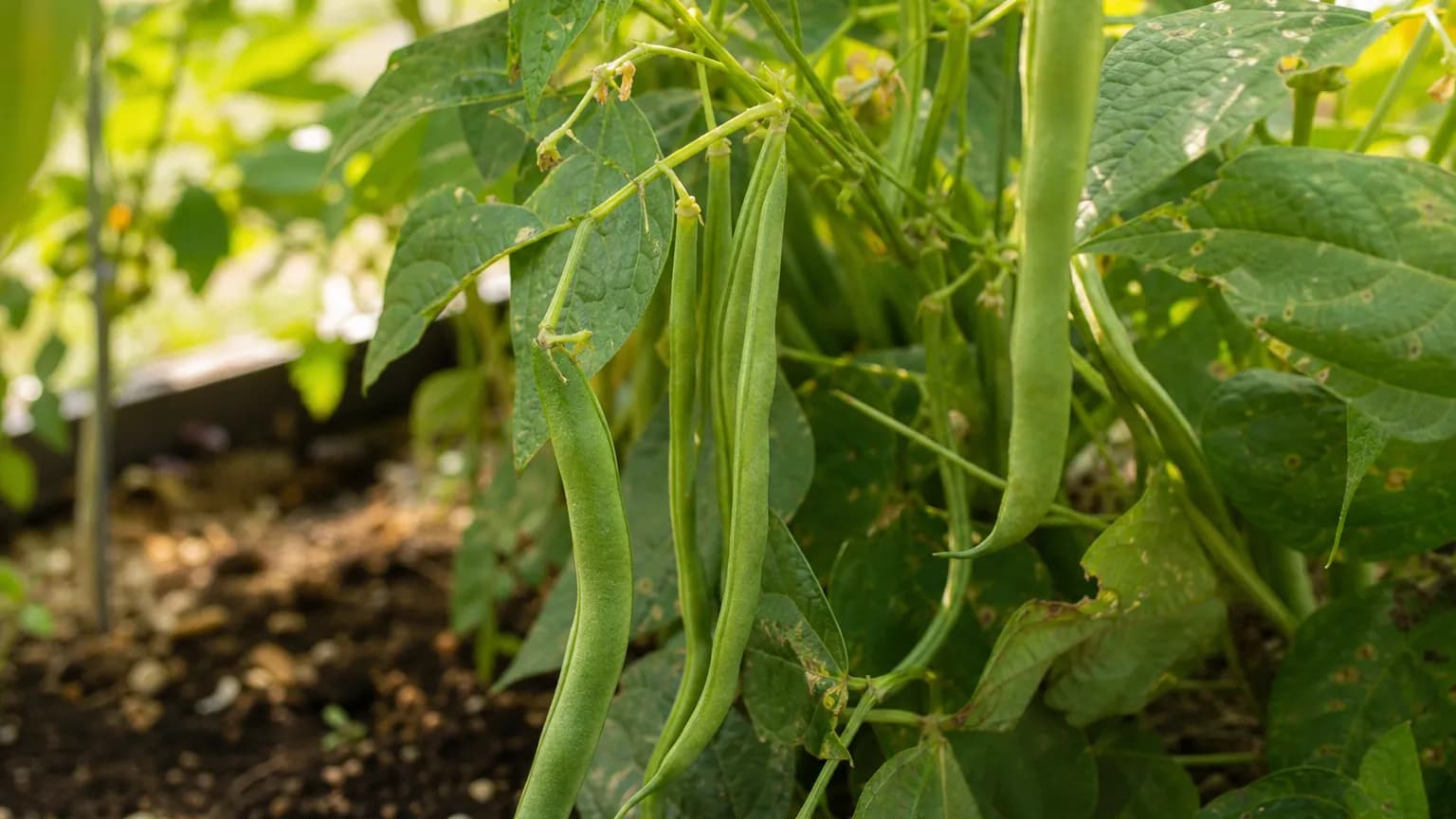
La cebolla patata es excelente compañera para zanahorias, ya que su aroma repele a la mosca de la zanahoria mientras que las zanahorias ahuyentan a la mosca de la cebolla. Se asocia bien con repollo, lechuga y fresas. Evite plantar cerca de leguminosas como guisantes y frijoles, ya que las cebollas pueden inhibir su crecimiento.
Zanahoria va a su lado. Guisantes no.
Saber de huerto de siempre, cotejado con la tabla real de Cebolla Patata — prueba cualquier planta que cultives.
Prueba Cebolla Patata en un bancal, aquí mismo
Un bancal real del planificador con Cebolla Patata ya plantado. Toca una planta compañera para colocarla y mira cómo responde la comprobación de vecinos: verde para buenos vecinos, rojo si hay conflicto.


Guías de cultivo relacionadas
Abónalo bien
La cebolla patata prefiere suelos francos, bien drenados y moderadamente fértiles, con un pH entre 6,0 y 7,0. Incorpore compost maduro antes de la plantación y evite el exceso de nitrógeno que promueve crecimiento foliar a expensas de los bulbos. Aplique un fertilizante rico en fósforo y potasio al inicio del engrosamiento de los bulbos.
Temperatura ideal
Compatibilidad de zonas de rusticidad
De la semilla a la cosecha, etapa por etapa
Plantación
Las cebollas de patata se plantan como bulbos, no como semillas. Los bulbos pequeños se colocan a 5 cm de profundidad y a 20 cm de distancia a comienzos de la primavera, o en otoño para pasar el invierno. Cada bulbo emite raíces rápidamente y, según la temperatura del suelo, un brote verde aparece en 7-14 días.
Crecimiento verde
De cada bulbo plantado surgen varios brotes verdes que crecen con vigor durante la primavera. Las hojas huecas y tubulares pueden alcanzar 30-45 cm de altura y formar matas densas. En esta fase, la planta construye el follaje que alimentará el desarrollo de los bulbos.
División y engrosamiento del bulbo
A medida que aumenta la duración del día, el bulbo madre plantado comienza a dividirse bajo tierra en varios bulbos hijos. Los bulbos pequeños suelen producir 5-12 bulbos hijos más pequeños, mientras que los bulbos grandes pueden producir solo 2-4 más grandes. Los bulbos se engrosan de forma constante durante el final de la primavera y el inicio del verano.
Maduración y secado de la parte aérea
Las puntas verdes comienzan a amarillear, ablandarse y caer de forma natural a medida que los bulbos alcanzan la madurez. Este secado de la parte aérea indica que los bulbos han dejado de crecer y que las túnicas externas empiezan a secarse y formar sus capas protectoras de aspecto papiráceo. Los cuellos de los bulbos se adelgazan y se cierran.
Cosecha y curado
Una vez que las puntas estén completamente marrones y secas, levanta el grupo con cuidado y separa los bulbos hijos. Cura los bulbos hasta que las túnicas exteriores estén completamente papiráceas y los cuellos secos.
Elige bulbos firmes y libres de enfermedades para plantar. Los bulbos pequeños producen los mayores grupos de bulbillos hijuelos, mientras que los bulbos más grandes suelen producir menos, pero individuales más grandes. Planta con la punta hacia arriba en un suelo bien drenado y enriquecido con compost.
Cuidar Cebolla Patata mes a mes
Qué hacer cada mes para tu Cebolla Patata
Octubre
Mes actualAutumn planting window in zones 5-9. Plant small bulbs 5 cm deep and mulch heavily with 10-15 cm of straw after the ground freezes. Check stored bulbs monthly and remove any that show signs of softness or sprouting.
Ten claro qué hacer en tu huerto, cada mes
Un correo al empezar cada mes: qué sembrar, plantar y hacer ahora mismo — para tu Cebolla Patata y todo lo que crece alrededor. Más un breve curso inicial para esquivar los errores clásicos.
- Qué hacer ahora mismo
- Ajustado a tu temporada
- Curso inicial incluido
Cosechar Cebolla Patata
Coseche cuando las hojas se amarilleen y se tumben naturalmente, generalmente entre 90 y 120 días después de la plantación primaveral. Levante los racimos de bulbos cuidadosamente con una horca de jardín para evitar dañarlos. Deje los bulbos secar al sol durante varios días hasta que las capas exteriores estén secas y crujientes.
se supone que plantas al comenzar el periodo — indica tu fecha real
A partir de bulbos, tubérculos o dientes
Cosecha cuando las puntas se hayan puesto amarillas y se hayan caído, normalmente a mediados del verano para los bulbos plantados en otoño o a finales del verano para los plantados en primavera.
Almacenamiento y conservación
Los bulbos curados se almacenan en un lugar fresco, seco y bien ventilado, idealmente entre 5 y 10°C, donde pueden conservarse durante 6-10 meses. Guárdelos en redes, cestas o trenzados que permitan la circulación de aire. Inspeccione regularmente y retire cualquier bulbo con signos de pudrición. Reserve los bulbos medianos para replantación.
Qué falla — y cómo solucionarlo
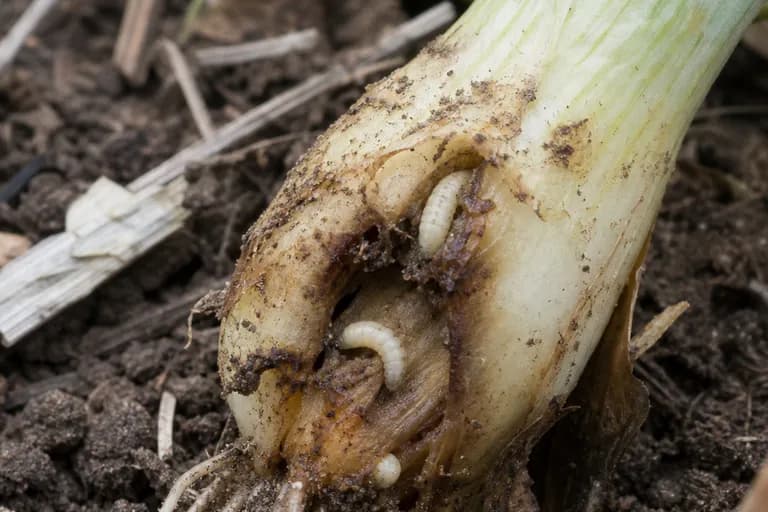
Mosca de la cebolla
PlagaLas larvas blancas perforan los bulbos desde la base, causando pudrición blanda y un olor desagradable. Las hojas amarillean y se marchitan progresivamente desde las puntas.
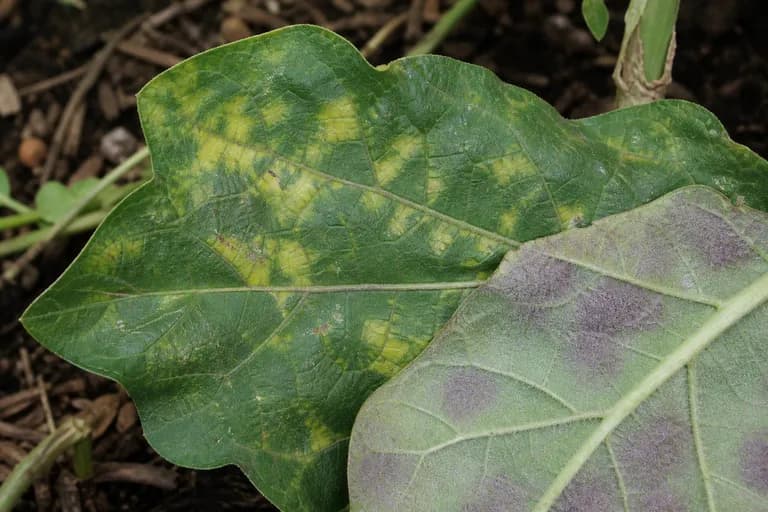
Mildiu velloso de la cebolla
EnfermedadManchas ovaladas de color verde pálido en las hojas, cubiertas de un vello grisáceo-violáceo en el envés. Las hojas afectadas se colapsan prematuramente reduciendo el tamaño de los bulbos.
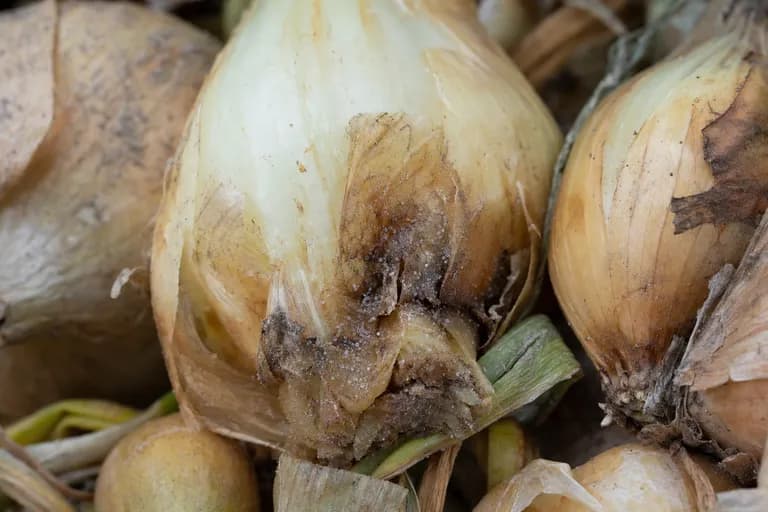
Pudrición blanca del allium
EnfermedadLas hojas exteriores amarillean y se marchitan, y al extraer el bulbo se observa un micelio blanco algodonoso con pequeños esclerocios negros en la base.
Solución de problemas comunes
La cebolla patata puede multiplicarse de forma tan vigorosa que los racimos se congestionan, produciendo bulbos cada vez más pequeños si no se dividen y replantan regularmente. La disponibilidad de material de plantación puede ser difícil ya que no se encuentra fácilmente en comercios convencionales. En climas muy cálidos, los bulbos pueden no recibir suficiente frío invernal para romper la dormancia.
Consejos de cultivo
- Plant small bulbs to get many bulbs, plant large bulbs to get large bulbs. This is the fundamental rule of potato onions. Small planting stock (2-3 cm) divides into clusters of 5-12 smaller bulbs, while large planting stock (5-7 cm) produces fewer but significantly bigger individual bulbs. Use this to your advantage depending on whether you want volume or size.
- Autumn planting produces superior results in most climates. Bulbs planted in September-October establish roots before winter, break dormancy earlier in spring, and produce harvests 3-4 weeks ahead of spring-planted bulbs with noticeably larger yields. Mulch heavily after the ground freezes to protect from heaving.
- Drainage is the single most critical soil factor. Potato onions will tolerate a wide range of soil types and fertility levels, but they will not survive waterlogged conditions. Raised beds are ideal in heavy clay soils. If your soil holds water after rain, plant on mounds or in containers.
- Do not over-fertilize. Potato onions are moderate feeders that perform well in average garden soil amended with compost. Excessive nitrogen produces lush tops but delays bulb formation and reduces storage life. One application of balanced fertilizer at planting and one side-dressing in mid-spring is sufficient.
- Save your own planting stock religiously. After each harvest, immediately set aside the best small bulbs for replanting. Store them in a cool, dry place separate from your eating onions. This practice, repeated annually, gradually selects a strain perfectly adapted to your specific garden conditions.
- Weed early and often. Onions have shallow, sparse root systems and cannot compete with weeds. A thick mulch of straw or shredded leaves applied after planting dramatically reduces weeding labor and conserves the consistent moisture that potato onions need during their leaf-growth phase.
- Resist the urge to water during the final maturation phase. Once tops begin to yellow and fall over, the bulbs are curing in the ground. Additional water at this stage promotes neck rot and drastically shortens storage life. If rain threatens during curing, consider lifting the bulbs early.
- Cure thoroughly before storing. Inadequate curing is the number one cause of storage failures. Bulbs need 2-3 weeks in a warm (24-30°C), dry, well-ventilated location until the outer skins are fully papery, the necks are completely sealed, and the roots are dry and brittle.
Cultiva tu mejor Cebolla Patata — y todo lo que la rodea.
Empieza un plan gratis hoy. Diseña tus bancales, coloca tu Cebolla Patata y deja que PlotMyGarden gestione el momento, el espaciado, las asociaciones y los recordatorios de la semilla a la cesta.
Elige tu Cebolla Patata
Yellow Potato Onion
La variedad más común con piel dorada y carne blanca ligeramente amarillenta. Produce racimos de 5-8 bulbos de sabor suave y dulce, excelente para almacenamiento prolongado.
Red Potato Onion
Variedad de piel rojiza con carne rosada que añade color a los platos. Sabor ligeramente más picante que la variedad amarilla, con buena capacidad de conservación.
I'itoi Onion
Variedad del suroeste norteamericano cultivada por los indígenas tohono o'odham. Forma racimos prolíficos de bulbos pequeños con sabor intenso, extremadamente tolerante al calor y la sequía.
Potato onions are the ultimate self-sustaining vegetable investment. An initial purchase of 10-15 bulbs ($10-20 from a heritage seed company) becomes a permanent, self-renewing onion supply that never requires buying seed or sets again. Each year's harvest provides both eating onions and planting stock for the following year. With 20-30 plants producing 4-8 kg of onions annually and specialty shallot-type onions selling for $4-8 per pound at farmers markets, your perpetual patch saves $40-100 per year indefinitely. Factor in the exceptional 8-12 month storage life that eliminates waste, and potato onions may be the most cost-effective vegetable a gardener can grow over a lifetime.
Recetas rápidas
Slow-Caramelized Potato Onion Jam
45 minThinly sliced potato onions cooked low and slow in butter and a splash of balsamic vinegar until they collapse into a deeply sweet, jammy spread. The natural sugars in potato onions make them ideal for caramelizing — the result is a versatile condiment perfect on burgers, crostini, or alongside roasted meats and aged cheeses.
7 ingredientesRoasted Whole Potato Onions with Herbs
35 minSmall whole potato onions roasted at high heat until the outer layers caramelize and turn crispy while the centers become meltingly soft and sweet. A scattering of fresh herbs and a drizzle of good olive oil transform these humble alliums into an elegant side dish.
7 ingredientesFrench Potato Onion Soup
50 minA twist on classic French onion soup using potato onions, which contribute a deeper, more complex sweetness than ordinary yellow onions. Slow-cooked until deeply golden, then simmered in rich beef broth and topped with a crusty crouton and melted Gruyere.
8 ingredientesUsos culinarios
La cebolla patata se utiliza como las cebollas convencionales, pero su sabor es generalmente más suave y dulce, ideal para ensaladas y platos crudos. Los bulbos pequeños son excelentes para encurtir enteros o asar al horno con hierbas. Las hojas verdes tiernas pueden cortarse y usarse como cebollino en sopas, tortillas y aderezos.
Qué contiene
Beneficios para la salud
- Rich in quercetin, a powerful flavonoid antioxidant concentrated in the outer layers, which has been extensively studied for its anti-inflammatory, antihistamine, and cardiovascular protective properties — quercetin may help reduce blood pressure and LDL cholesterol oxidation.
- Contains organosulfur compounds (allicin precursors, thiosulfinates, and cepaenes) released when the onion is cut or crushed, which demonstrate antimicrobial activity against a range of bacteria and fungi in laboratory studies.
- Provides prebiotic fructooligosaccharides (FOS) and inulin that selectively nourish beneficial gut bacteria, supporting digestive health, immune function, and improved mineral absorption — particularly calcium and magnesium.
- Good source of chromium, a trace mineral that enhances insulin receptor sensitivity and may help improve blood sugar regulation in people with metabolic syndrome or type 2 diabetes.
- Contains anti-platelet compounds that may help prevent excessive blood clotting, supporting cardiovascular health — traditional medicine systems across Asia and Europe have long valued onions for circulatory benefits.
- The sulfur compounds in potato onions support the body's production of glutathione, the master antioxidant involved in detoxification, immune defense, and protection against oxidative stress at the cellular level.
De dónde viene Cebolla Patata
The potato onion (Allium cepa var. aggregatum) is an ancient multiplier onion whose precise origins are debated among historians, but most evidence points to Central or Western Asia as its ancestral homeland, in the same broad region where the common onion (Allium cepa) was first domesticated thousands of years ago. Unlike seed-propagated onions, potato onions have been passed from gardener to gardener as bulbs for so many centuries that their exact wild ancestor is no longer identifiable.
Potato onions were widely cultivated across Europe by the medieval period, with documented use in France, Britain, and Scandinavia by the 1600s. They became the dominant garden onion in Northern Europe and Colonial America for a simple reason: they were far easier and more reliable to grow than seed onions. In an era before modern seed production and hybrid vigor, growing onions from seed was slow, unreliable, and required significant skill. Potato onions, by contrast, could be planted as bulbs by any gardener, grew vigorously, produced a reliable harvest, and stored through the entire winter — making them indispensable for household food security.
By the 19th century, potato onions were standard fare in American and European kitchen gardens. They appear in the garden records of Thomas Jefferson at Monticello and were cataloged by numerous seed houses. However, the rise of commercial onion seed production, modern hybrid varieties, and industrial agriculture in the early 20th century gradually displaced potato onions from mainstream cultivation. Commercial growers preferred seed-grown onions for their uniformity and the economic model of annual seed sales.
Today, potato onions are experiencing a significant revival among heirloom vegetable enthusiasts, permaculture practitioners, and self-sufficiency gardeners worldwide. Their extraordinary storage life, self-perpetuating nature, cold hardiness, and rich flavor have earned them renewed appreciation. Small-scale seed companies and heritage seed exchanges in North America, Europe, and Scandinavia now offer multiple strains including yellow, red, and white varieties, ensuring the survival of this ancient and remarkably practical allium for future generations.
Cebolla Patata: ¿sabías que?
Datos fascinantes sobre Cebolla Patata
Potato onions get their name not from any relation to potatoes but from the way they multiply underground — a single planted bulb divides into a cluster of new bulbs, much like a potato produces multiple tubers from a single seed potato.
Cebolla Patata: preguntas frecuentes
¿Cuándo debo plantar Cebolla Patata?
¿Cuáles son buenas plantas acompañantes para Cebolla Patata?
¿En qué zonas de rusticidad puede crecer Cebolla Patata?
¿Cuánto sol necesita Cebolla Patata?
¿A qué distancia debo espaciar Cebolla Patata?
¿Qué plagas y enfermedades afectan a Cebolla Patata?
¿Cómo almaceno Cebolla Patata después de la cosecha?
¿Cuáles son las mejores variedades de Cebolla Patata para cultivar?
¿Qué suelo necesita Cebolla Patata?
What is the difference between potato onions and shallots?
Can I grow potato onions from seed?
How long do potato onions store?
Why did my potato onions bolt instead of forming bulbs?
How many potato onions should I plant to feed a family?
Can I plant potato onions bought from the grocery store?
Acabas de leer la teoría. Ahora cultívala en piloto automático.
Todo lo que hace que Cebolla Patata sea delicado — el momento, el espaciado, las asociaciones, la ventana de cosecha — es justo lo que PlotMyGarden resuelve por ti, para cada planta de tu huerto.
Un plan que conoce tu clima
Indica tu ubicación una vez. Recibe fechas de siembra, abonado y cosecha basadas en tu última helada real y el pronóstico en vivo — sin adivinar con un sobre genérico.
De la sección “Cuándo plantar”Planificador de bancales de arrastrar y soltar
Diseña bancales sobre una cuadrícula. Cada planta encaja con su espaciado correcto y ves toda la temporada antes de gastar un céntimo en semillas.
De la sección “Cultivo”Conflictos de asociación, detectados a tiempo
Más de 200 buenas y malas combinaciones comprobadas en vivo mientras plantas — para que un error que arruine la temporada nunca llegue a la tierra.
De la sección “Asociaciones”Recordatorios que sí vas a seguir
“Riega las judías.” “Recoge hoy antes de que se pase.” Oportunos, concretos y ligados a las plantas que de verdad cultivas.
De la sección “Cosecha”Escalonado, programado
¿Quieres cosechar seis semanas en vez de seis días? Reparte tus siembras automáticamente y te avisa cuando toca el siguiente lote.
De la sección “Cuándo plantar”Un registro que se vuelve más listo
Cada cosecha que registras le enseña tu huerto. El plan del año que viene parte de lo que de verdad funcionó en tu suelo, no en un manual.
De la sección “Resumen”Planta estos junto a Cebolla Patata
Más Aliáceas
Mantén Cebolla Patata lejos de estos
Cultiva tu mejor Cebolla Patata — y todo lo que la rodea.
Empieza un plan gratis hoy. Diseña tus bancales, coloca tu Cebolla Patata y deja que PlotMyGarden gestione el momento, el espaciado, las asociaciones y los recordatorios de la semilla a la cesta.