Chile Thai
El chile thai (Capsicum annuum) es un grupo de variedades de chiles pequeños, delgados y extremadamente picantes (50.000-100.000 SHU) originarios del sudeste asiático.





En esta páginaResumen
Conoce Chile Thai
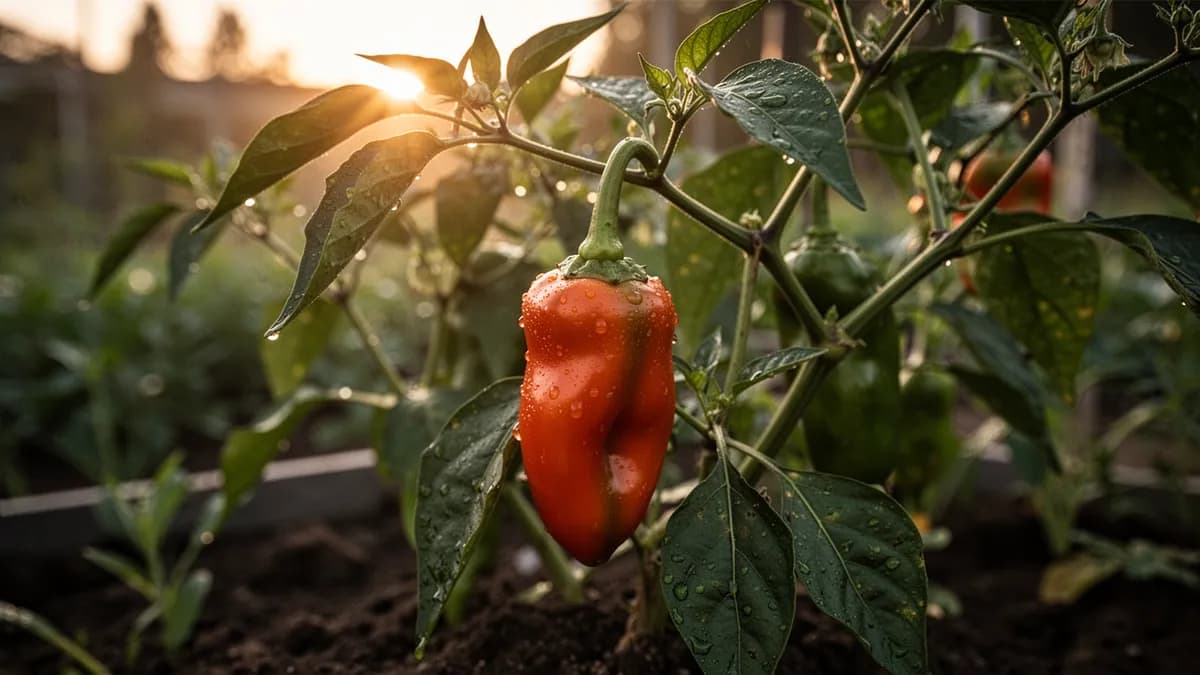
El chile thai (Capsicum annuum) es un grupo de variedades de chiles pequeños, delgados y extremadamente picantes (50.000-100.000 SHU) originarios del sudeste asiático. Las plantas son compactas y arbustivas, extraordinariamente productivas, y producen racimos de frutos erectos que maduran del verde al rojo brillante, siendo ingredientes imprescindibles en las cocinas tailandesa, vietnamita y del sudeste asiático.
Cuándo plantar Chile Thai
En interiores 8-10 semanas antes de heladas.
Tu año de Chile Thai
Ajustado a Zona 7 · temporada típica · la helada se va hacia el 2 abr y vuelve hacia el 1 nov
Planta Chile Thai Feb – May y cosecha Jul – Oct. Consulta los métodos de plantación y elige tu clima para adaptar los periodos.
Cómo cultivar Chile Thai
El chile thai requiere una temporada de crecimiento larga y cálida, por lo que es fundamental iniciar las semillas en interior entre 8 y 10 semanas antes de la última helada. Siembre a 6 mm de profundidad en sustrato estéril mantenido a 27-32 °C para una germinación óptima, que puede tardar 14-21 días. Una esterilla térmica bajo las bandejas acelera significativamente el proceso. Las plántulas necesitan 14-16 horas de luz intensa diaria.
Trasplante al exterior cuando las temperaturas nocturnas se mantengan por encima de 15 °C de forma estable, espaciando las plantas 30-45 cm en hileras separadas 60 cm. Las plantas alcanzan 45-75 cm de altura con un porte arbustivo compacto que generalmente no requiere tutoraje. Proporcione pleno sol (8+ horas) y proteja del viento fuerte. El acolchado negro calienta el suelo y acelera el establecimiento.
Riegue de forma regular y moderada; un ligero estrés hídrico controlado puede aumentar la capsaicina y por tanto la picanteza de los frutos. Fertilice cada 2-3 semanas con un abono equilibrado durante la fase vegetativa, y cambie a una fórmula rica en potasio cuando comience la floración. Elimine las primeras flores para fortalecer la estructura de la planta antes de permitir la fructificación masiva.
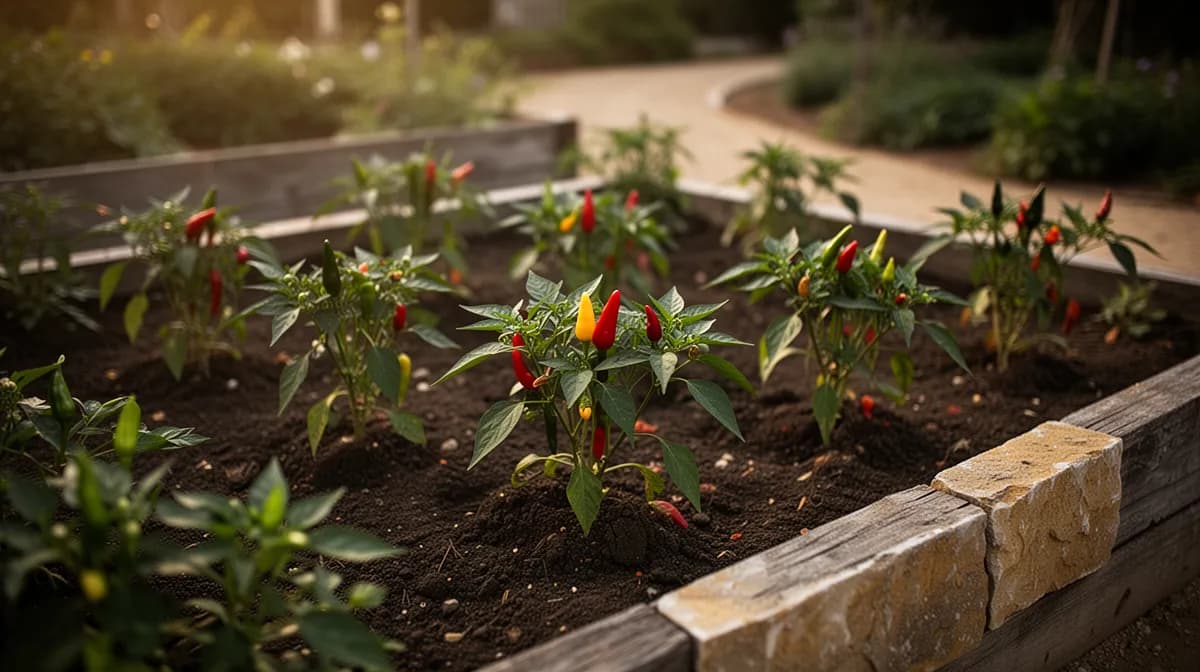
18 plantas caben en un bancal de 120 × 240 cm
Cada Chile Thai pide 35 cm de margen. El planificador guarda ese marco por ti — cada planta, cada bancal.
Los mejores vecinos de Chile Thai
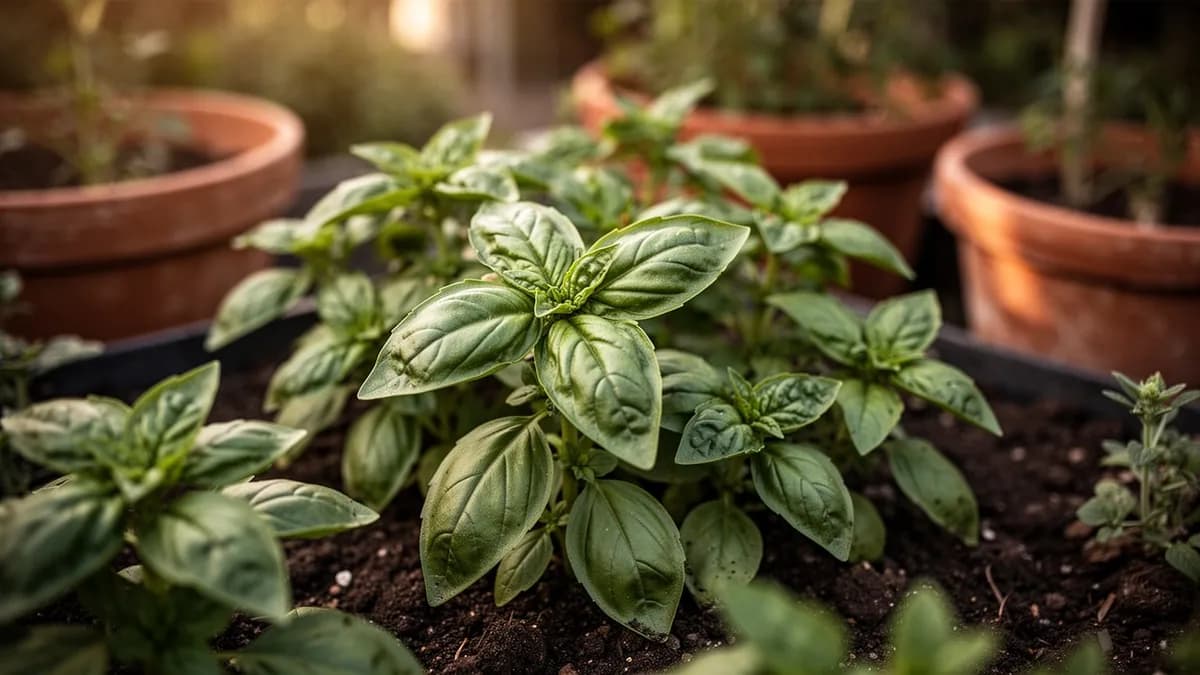
Albahaca thai.
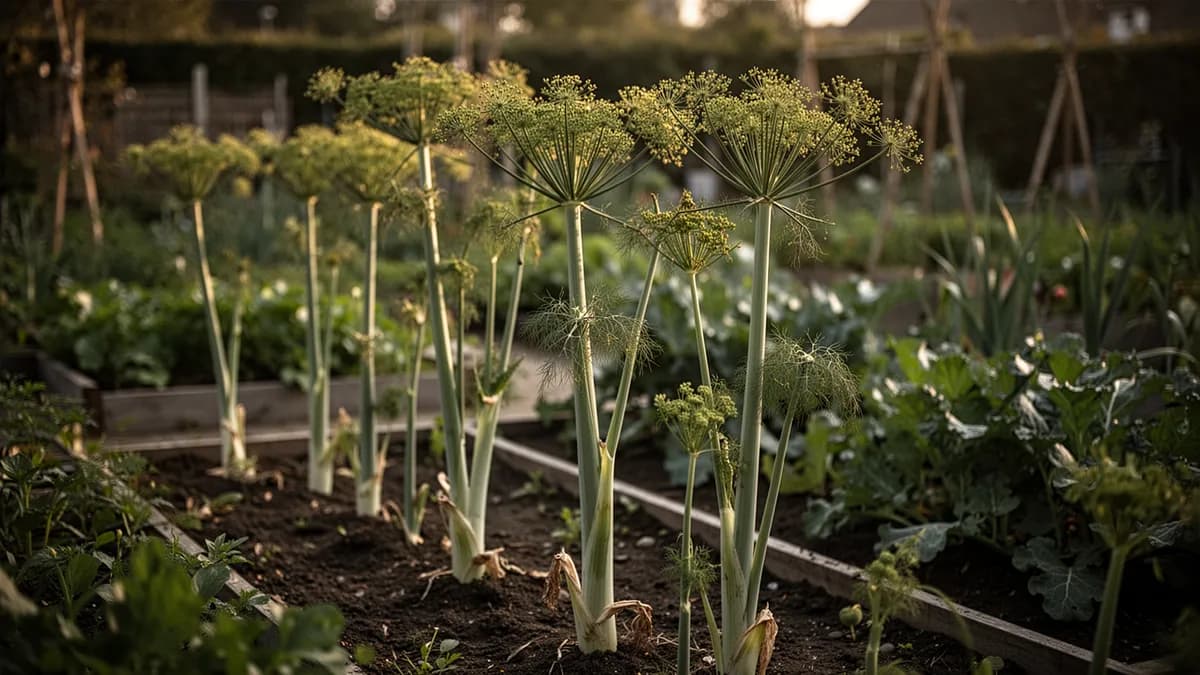
Albahaca va a su lado. Hinojo no.
Saber de huerto de siempre, cotejado con la tabla real de Chile Thai — prueba cualquier planta que cultives.
Prueba Chile Thai en un bancal, aquí mismo
Un bancal real del planificador con Chile Thai ya plantado. Toca una planta compañera para colocarla y mira cómo responde la comprobación de vecinos: verde para buenos vecinos, rojo si hay conflicto.


Guías de cultivo relacionadas
Abónalo bien
Rico en nutrientes, pH 6,0-7,0.
Temperatura ideal
Compatibilidad de zonas de rusticidad
De la semilla a la cosecha, etapa por etapa
Germinación de la semilla
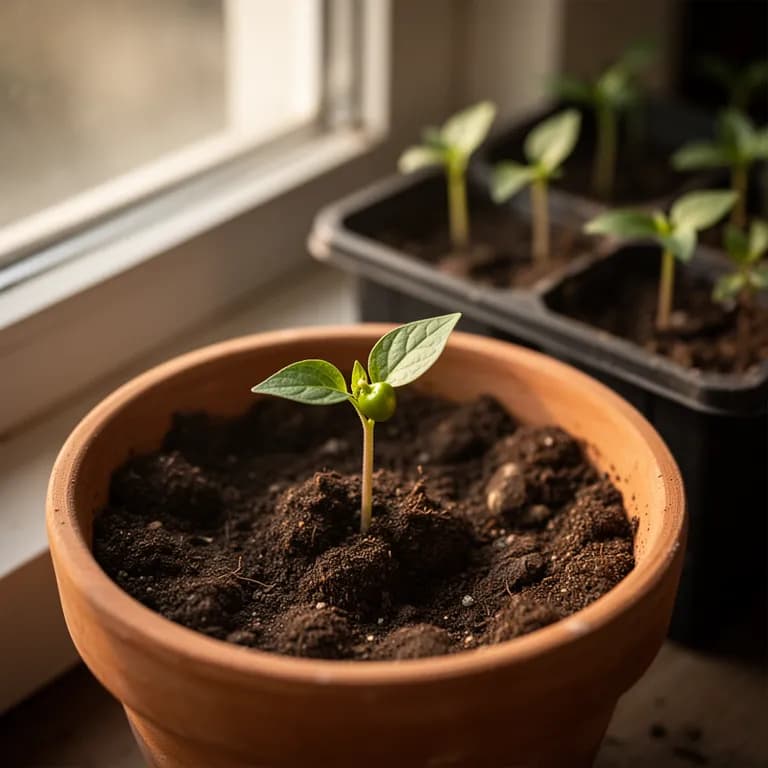
Las semillas germinan lentamente en una mezcla de siembra cálida y húmeda a 24-29 °C. Primero emerge la radícula y luego un tallo fino empuja los cotiledones redondeados por encima de la superficie del suelo. La germinación es irregular por debajo de 21 °C y puede tardar hasta 21 días en condiciones más frescas.
Desarrollo de plántula
Las hojas verdaderas se desarrollan con una forma estrecha y puntiaguda. En esta etapa, las plántulas son pequeñas y delicadas, y crecen lentamente en comparación con variedades de pimiento más grandes. El tallo se engrosa gradualmente y la ramificación comienza cuando se han formado de 4 a 6 hojas verdaderas.
Crecimiento vegetativo
Las plantas desarrollan una forma compacta y arbustiva con ramificación densa. La pequeña estatura natural de los chiles tailandeses — normalmente de 30 a 60 cm de altura — se hace evidente a medida que la planta se ensancha en lugar de crecer en altura. El follaje se oscurece hasta un verde intenso mientras se establece el sistema radicular.
Floración
Pequeñas flores blancas con anteras amarillo verdosas aparecen en cada nudo de la hoja. Los chiles tailandeses son autopolinizantes, pero un sacudido suave o una brisa ligera mejoran el cuajado. Varias flores se abren al mismo tiempo en toda la planta cuando pasa al crecimiento reproductivo.
Desarrollo del fruto
De las flores polinizadas se desarrollan pequeños chiles orientados hacia arriba en racimos densos. Los frutos empiezan verdes y gradualmente pasan por tonos anaranjados hasta un rojo intenso al madurar. La orientación ascendente característica distingue a los chiles tailandeses de la mayoría de otras variedades. La concentración de capsaicina aumenta drásticamente a medida que maduran los frutos.
Cosecha continua
Las plantas entran en una producción sostenida, floreciendo y fructificando al mismo tiempo durante 8 a 12 semanas hasta la primera helada. Una sola planta sana puede producir 100 a 200 o más chiles pequeños en una temporada. La recolección regular estimula la aparición de nuevas flores y prolonga el período de cosecha.
Usa una esterilla térmica para mantener una temperatura del sustrato constante: las semillas de chile tailandés son más sensibles a la temperatura que muchas otras variedades de Capsicum annuum. Mantén la mezcla húmeda, pero no empapada, para evitar la caída de plántulas.
Cuidar Chile Thai mes a mes
Qué hacer cada mes para tu Chile Thai
Octubre
Mes actualFinal outdoor harvests in zones 6-8 before frost. Harvest all remaining peppers, including green ones, before the first freeze. Bring container plants indoors to a bright windowsill where they may continue producing through winter. Begin making dried chili flakes from your harvest.
Ten claro qué hacer en tu huerto, cada mes
Un correo al empezar cada mes: qué sembrar, plantar y hacer ahora mismo — para tu Chile Thai y todo lo que crece alrededor. Más un breve curso inicial para esquivar los errores clásicos.
- Qué hacer ahora mismo
- Ajustado a tu temporada
- Curso inicial incluido
Cosechar Chile Thai
Coseche verde o rojo.
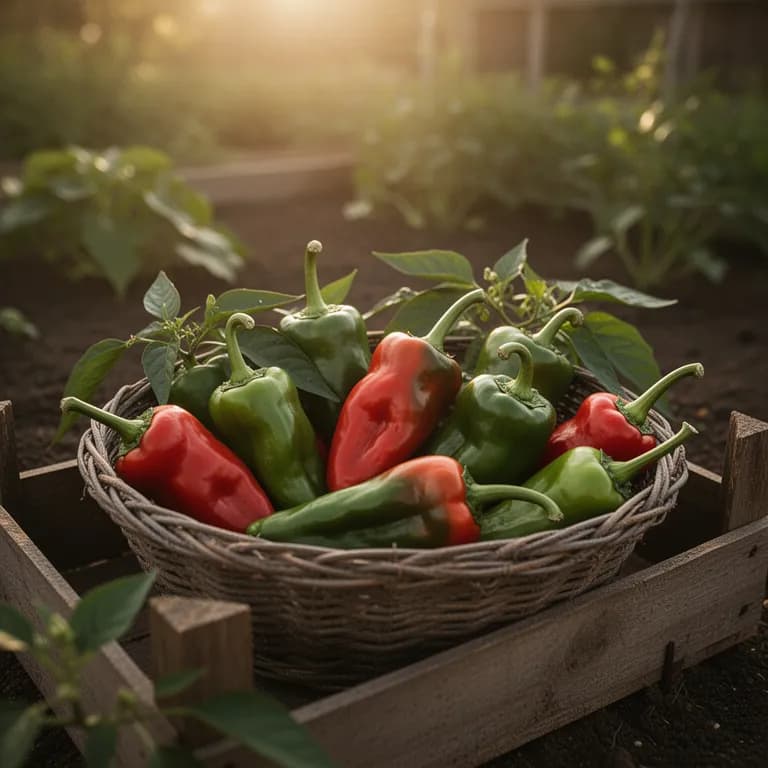
se supone que plantas al comenzar el periodo — indica tu fecha real
Cosecha cuando los frutos estén de color rojo brillante para obtener el máximo picor y sabor, aunque se pueden cortar desde verdes hasta completamente rojos.
Almacenamiento y conservación
Secar, congelar o en aceite.
Qué falla — y cómo solucionarlo
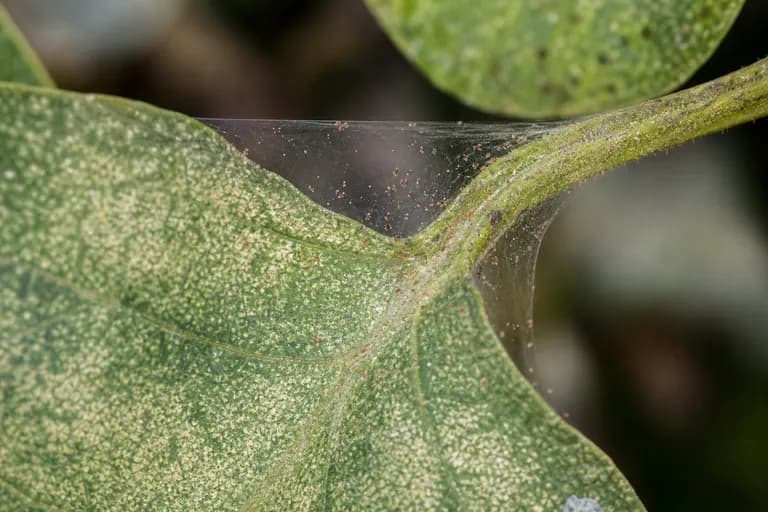
Pulgones
PlagaEn brotes.
Solución de problemas comunes
Germinación lenta con frío.
Consejos de cultivo
- Start seeds early and be patient. Thai peppers have a long growing season and slow seedling development. Starting 8-10 weeks before last frost indoors gives plants the head start they need to produce a full harvest before autumn frost arrives.
- Use a heat mat for germination — Thai pepper seeds are notoriously slow and erratic without consistent bottom heat of 24-29°C (75-85°F). Without a heat mat, germination can take 3 weeks or more and rates may drop below 50%.
- Pinch the growing tip when plants reach 15-20 cm tall to encourage branching. Thai peppers naturally grow compact, but pinching promotes an even bushier habit with more fruiting nodes and significantly higher yields.
- Thai peppers are outstanding container plants. A single plant in a 12-20 liter pot on a sunny patio or balcony will produce abundantly all summer. Use a well-draining potting mix and ensure the pot has drainage holes — waterlogged roots are the fastest way to kill a container pepper.
- Let peppers ripen to full red before picking for maximum heat and the best flavor. Green Thai peppers are edible but significantly milder and lack the fruity, aromatic complexity that develops during the final ripening stage.
- Bring container plants indoors before the first frost and place on a bright south-facing windowsill or under grow lights. Thai peppers can overwinter as houseplants and will resume production in spring, giving you a head start over newly seeded plants.
- String excess peppers on thread using a needle and hang in a well-ventilated area to dry. Thai peppers' thin walls make them one of the easiest varieties to air-dry — they will be fully dried in 2-3 weeks and store for a year or more in airtight jars.
- Avoid handling your eyes, nose, or mouth after cutting Thai peppers. The capsaicin oils are extremely potent and will cause intense burning on contact with mucous membranes. Wear thin gloves when processing large batches and wash hands thoroughly with soap and oil afterward.
Cultiva tu mejor Chile Thai — y todo lo que la rodea.
Empieza un plan gratis hoy. Diseña tus bancales, coloca tu Chile Thai y deja que PlotMyGarden gestione el momento, el espaciado, las asociaciones y los recordatorios de la semilla a la cesta.
Elige tu Chile Thai
Thai Dragon
Muy picante. 80 días.
Fresh Thai peppers sell for $6-12 per pound at grocery stores and Asian markets, and dried Thai chili flakes retail for $8-15 per small jar at specialty shops. A single Thai pepper plant costing $3-5 (or pennies from seed) can produce 1-2 pounds of fresh peppers — a value of $6-24 at retail. Growing just 2-3 plants provides a year-round supply of fresh, dried, and frozen peppers, easily saving $30-60 per season. The savings are even greater if you regularly purchase premium dried chili flakes or specialty hot sauces, which are trivially easy to make from your own harvest.
Recetas rápidas
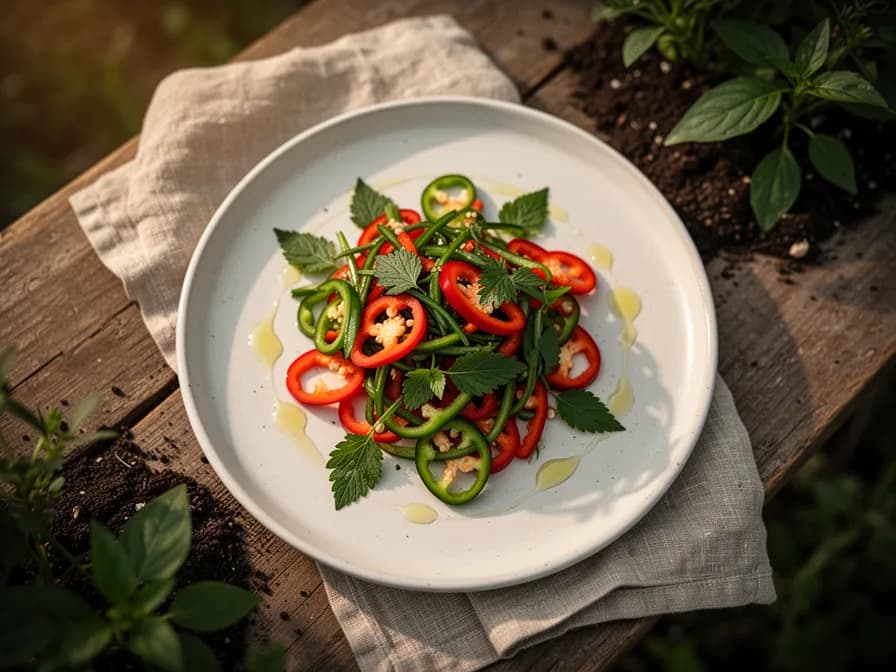
Thai Basil Stir-Fry with Thai Peppers
15 minA lightning-fast, intensely flavorful stir-fry that showcases the fiery heat of fresh Thai peppers balanced by aromatic Thai basil, savory oyster sauce, and a touch of sweetness. This is one of the most popular street food dishes across Thailand and comes together in minutes.
9 ingredientesNam Prik (Thai Chili Dipping Sauce)
10 minA classic Thai condiment that is a staple on every table in Thailand — a pounded sauce of charred Thai peppers, garlic, lime, and fish sauce that pairs with grilled meats, steamed vegetables, sticky rice, or fried fish. The flavors are bold, bright, and addictive.
7 ingredientesHomemade Thai Chili Flakes
10 min active + drying timeTransform your Thai pepper harvest into a versatile pantry staple — dried and crushed pepper flakes with far more flavor and heat than anything store-bought. Use as a finishing spice on pizza, noodles, soups, eggs, or anywhere you want a kick of authentic Thai heat.
4 ingredientesUsos culinarios
Curris, stir-frys, salsas picantes.
Qué contiene
Beneficios para la salud
- Capsaicin in Thai peppers has been shown to boost metabolic rate by 5-8% for several hours after consumption, supporting weight management by increasing calorie expenditure and promoting fat oxidation.
- Exceptionally rich in vitamin C — Thai peppers contain more vitamin C per gram than oranges, supporting immune function, collagen production, and iron absorption from plant-based foods.
- Capsaicin acts as a natural analgesic and anti-inflammatory agent, and is the active ingredient in topical pain relief creams used to treat arthritis, neuropathy, and muscle soreness.
- Regular consumption of capsaicin-rich peppers has been associated with improved cardiovascular health, including lower blood pressure, reduced LDL cholesterol, and decreased risk of blood clots.
- Thai peppers stimulate the release of endorphins — the body's natural feel-good chemicals — which is why eating spicy food can produce a mild euphoric sensation often called a 'chili high.'
- The vitamin A (as beta-carotene) in ripe red Thai peppers supports eye health, particularly night vision and protection against age-related macular degeneration, with red peppers containing significantly more than green ones.
De dónde viene Chile Thai
Thai peppers belong to the species Capsicum annuum, which originated in Mesoamerica — present-day Mexico and Central America — where wild chile peppers have been consumed for at least 7,000 years and cultivated for over 5,000 years. When Christopher Columbus encountered chiles in the Caribbean in 1492, he mistakenly called them 'peppers' due to their pungency, and Portuguese and Spanish traders rapidly spread them along global trade routes throughout the 16th century.
Chile peppers arrived in Southeast Asia via Portuguese traders who established trading posts in Goa, Malacca, and Macau in the early 1500s. The hot, humid climate of Thailand, Vietnam, Laos, and Cambodia proved ideal for growing Capsicum, and within just a few generations, chile peppers became so thoroughly integrated into Southeast Asian cuisine that it is difficult to imagine Thai food without them — despite the fact that they have only been present in the region for roughly 500 years. Before chiles arrived, Southeast Asian cooks relied on black pepper, galangal, and ginger for heat.
The specific cultivars known today as Thai peppers were developed through centuries of selective breeding by Thai farmers who favored small, intensely hot, upward-pointing varieties that grew prolifically in compact spaces and dried easily for year-round use. The bird's eye chile (prik kee noo, literally 'mouse dropping pepper') and Thai dragon are among the most recognized cultivars. Thai peppers became essential to the foundational flavor profiles of Thai cuisine — the balance of hot, sour, salty, and sweet that defines dishes like som tam (green papaya salad), tom yum soup, and the countless regional curry pastes. Today, Thailand is one of the world's largest producers and exporters of chiles, and Thai pepper varieties are grown by home gardeners across every continent as one of the most popular and productive hot peppers for small-space cultivation.
Chile Thai: ¿sabías que?
Datos fascinantes sobre Chile Thai
Thai peppers register 50,000-100,000 Scoville Heat Units, making them 10-20 times hotter than a jalapeño — yet in Thai cuisine they are considered only moderately spicy, and many Thai dishes use them by the handful.
Chile Thai: preguntas frecuentes
¿Cuándo debo plantar Chile Thai?
¿Cuáles son buenas plantas acompañantes para Chile Thai?
¿En qué zonas de rusticidad puede crecer Chile Thai?
¿Cuánto sol necesita Chile Thai?
¿A qué distancia debo espaciar Chile Thai?
¿Qué plagas y enfermedades afectan a Chile Thai?
¿Cómo almaceno Chile Thai después de la cosecha?
¿Cuáles son las mejores variedades de Chile Thai para cultivar?
¿Qué suelo necesita Chile Thai?
How hot are Thai peppers compared to other chili peppers?
Can I grow Thai peppers indoors year-round?
Why are my Thai pepper plants dropping their flowers?
What is the best way to preserve a large Thai pepper harvest?
Are the green Thai peppers edible or should I only pick red ones?
How do I stop the burning after eating or handling Thai peppers?
Acabas de leer la teoría. Ahora cultívala en piloto automático.
Todo lo que hace que Chile Thai sea delicado — el momento, el espaciado, las asociaciones, la ventana de cosecha — es justo lo que PlotMyGarden resuelve por ti, para cada planta de tu huerto.
Un plan que conoce tu clima
Indica tu ubicación una vez. Recibe fechas de siembra, abonado y cosecha basadas en tu última helada real y el pronóstico en vivo — sin adivinar con un sobre genérico.
De la sección “Cuándo plantar”Planificador de bancales de arrastrar y soltar
Diseña bancales sobre una cuadrícula. Cada planta encaja con su espaciado correcto y ves toda la temporada antes de gastar un céntimo en semillas.
De la sección “Cultivo”Conflictos de asociación, detectados a tiempo
Más de 200 buenas y malas combinaciones comprobadas en vivo mientras plantas — para que un error que arruine la temporada nunca llegue a la tierra.
De la sección “Asociaciones”Recordatorios que sí vas a seguir
“Riega las judías.” “Recoge hoy antes de que se pase.” Oportunos, concretos y ligados a las plantas que de verdad cultivas.
De la sección “Cosecha”Escalonado, programado
¿Quieres cosechar seis semanas en vez de seis días? Reparte tus siembras automáticamente y te avisa cuando toca el siguiente lote.
De la sección “Cuándo plantar”Un registro que se vuelve más listo
Cada cosecha que registras le enseña tu huerto. El plan del año que viene parte de lo que de verdad funcionó en tu suelo, no en un manual.
De la sección “Resumen”Planta estos junto a Chile Thai
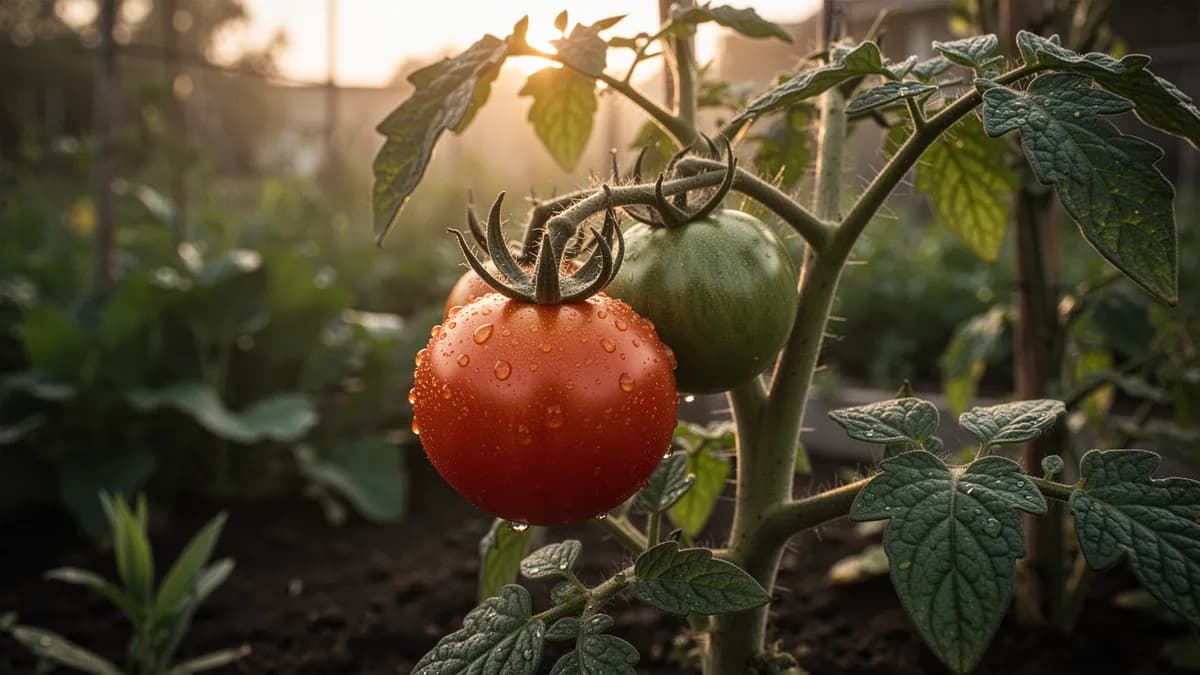
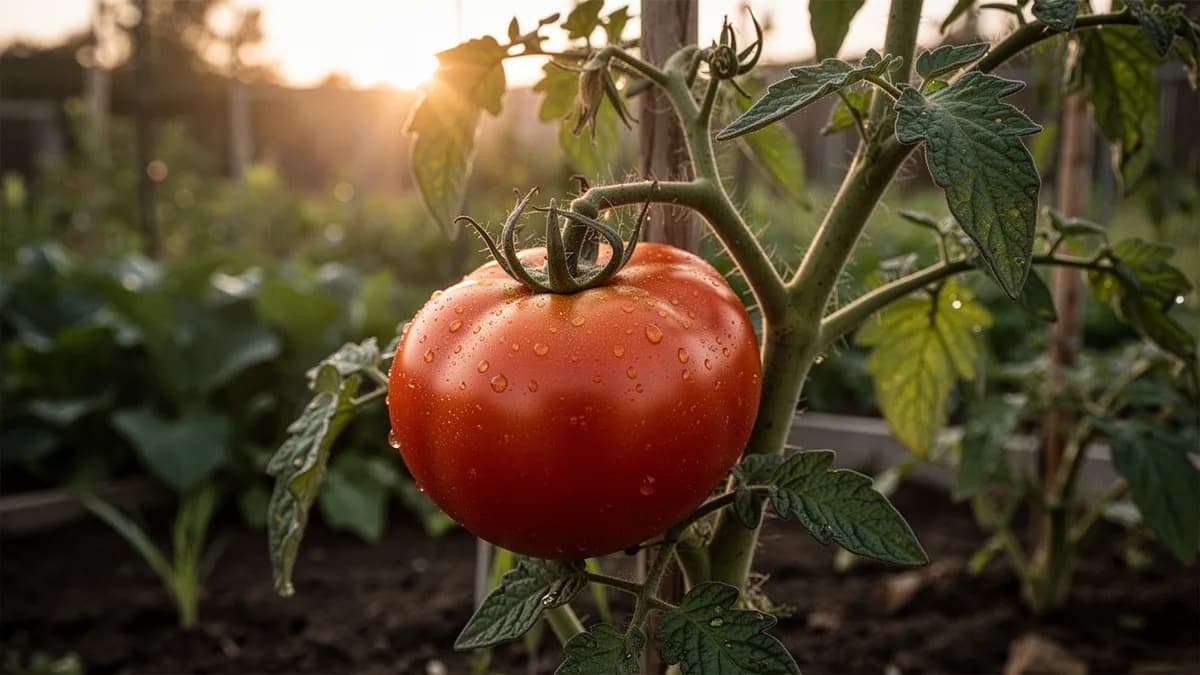
Más Solanáceas
Mantén Chile Thai lejos de estos
Diseños de jardín con Chile Thai
Cultiva tu mejor Chile Thai — y todo lo que la rodea.
Empieza un plan gratis hoy. Diseña tus bancales, coloca tu Chile Thai y deja que PlotMyGarden gestione el momento, el espaciado, las asociaciones y los recordatorios de la semilla a la cesta.