Cebolla Torpedo
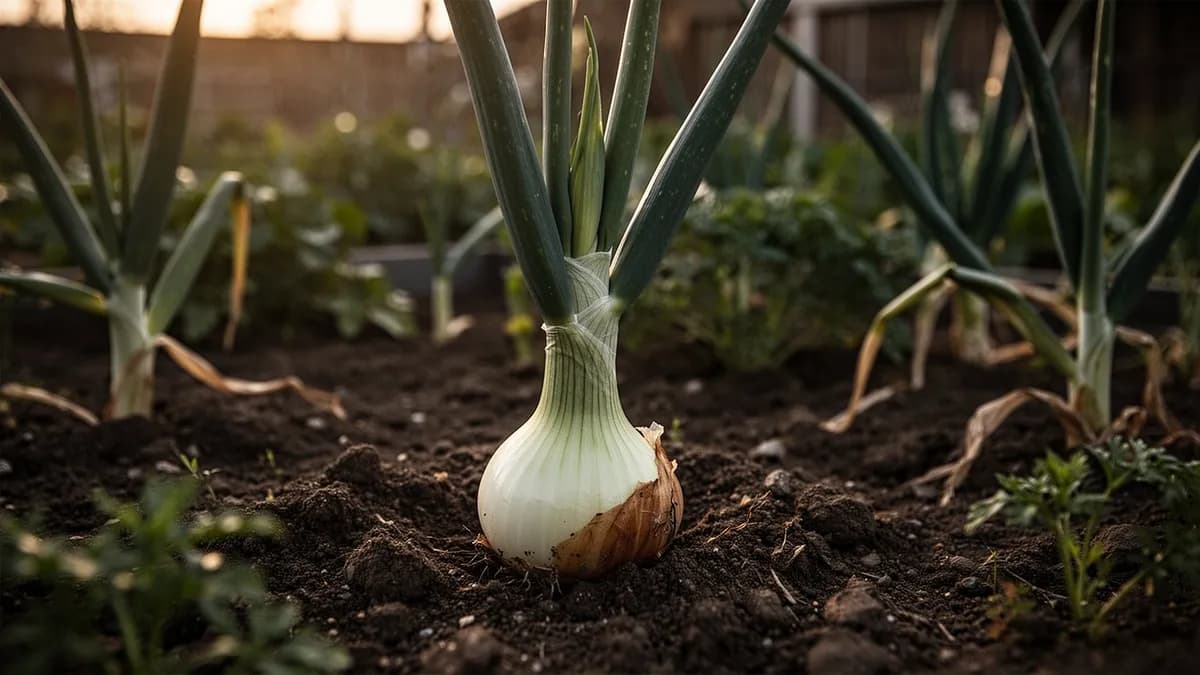
La cebolla torpedo es una variedad de cebolla (Allium cepa) de bulbo alargado y fusiforme con piel de color rojo-violáceo y capas interiores con matices rosados y blancos.





En esta páginaResumen
Conoce Cebolla Torpedo
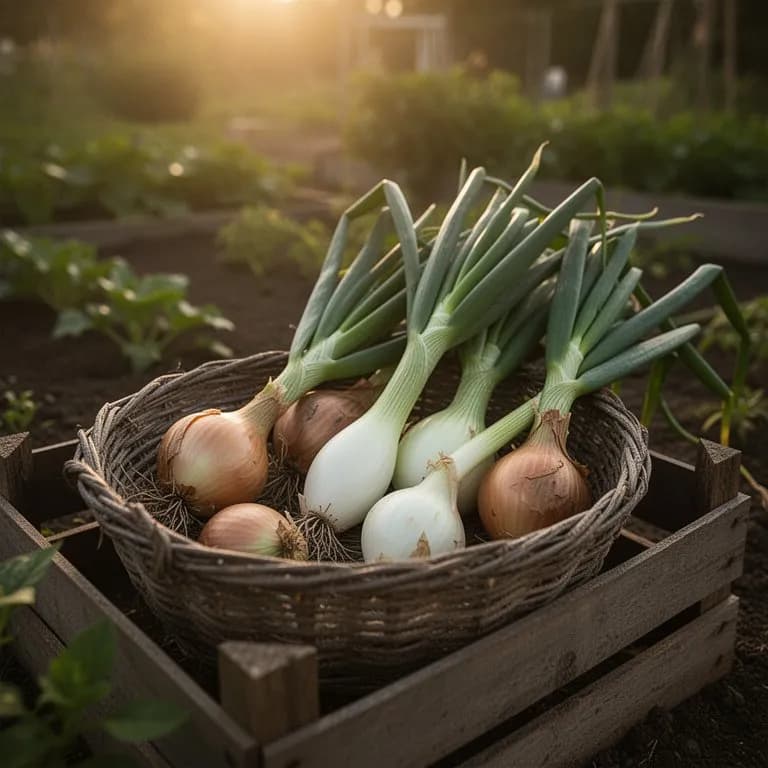
La cebolla torpedo es una variedad de cebolla (Allium cepa) de bulbo alargado y fusiforme con piel de color rojo-violáceo y capas interiores con matices rosados y blancos. Originaria del sur de Italia, especialmente de la región de Tropea en Calabria, es célebre por su sabor dulce y delicado con mínimo picor. Su forma elegante y su dulzura excepcional la convierten en una de las cebollas más apreciadas para consumo en crudo y en la alta gastronomía.
Cuándo plantar Cebolla Torpedo
Sembrar las semillas en bandejas o semilleros protegidos a finales de invierno, distribuyéndolas sobre sustrato fino y cubriéndolas ligeramente con vermiculita. Mantener la temperatura entre 15 y 20 °C para una germinación óptima en 10-14 días. Cuando las plántulas tengan el grosor de un lápiz (aproximadamente 8-10 semanas), trasplantar al terreno definitivo endureciéndolas previamente durante una semana. También se pueden sembrar directamente al aire libre en primavera, aunque el ciclo será más largo.
Tu año de Cebolla Torpedo
Ajustado a Zona 7 · temporada típica · la helada se va hacia el 2 abr y vuelve hacia el 1 nov
Planta Cebolla Torpedo Mar – May y cosecha Jul – Sep. Consulta los métodos de plantación y elige tu clima para adaptar los periodos.
Cómo cultivar Cebolla Torpedo
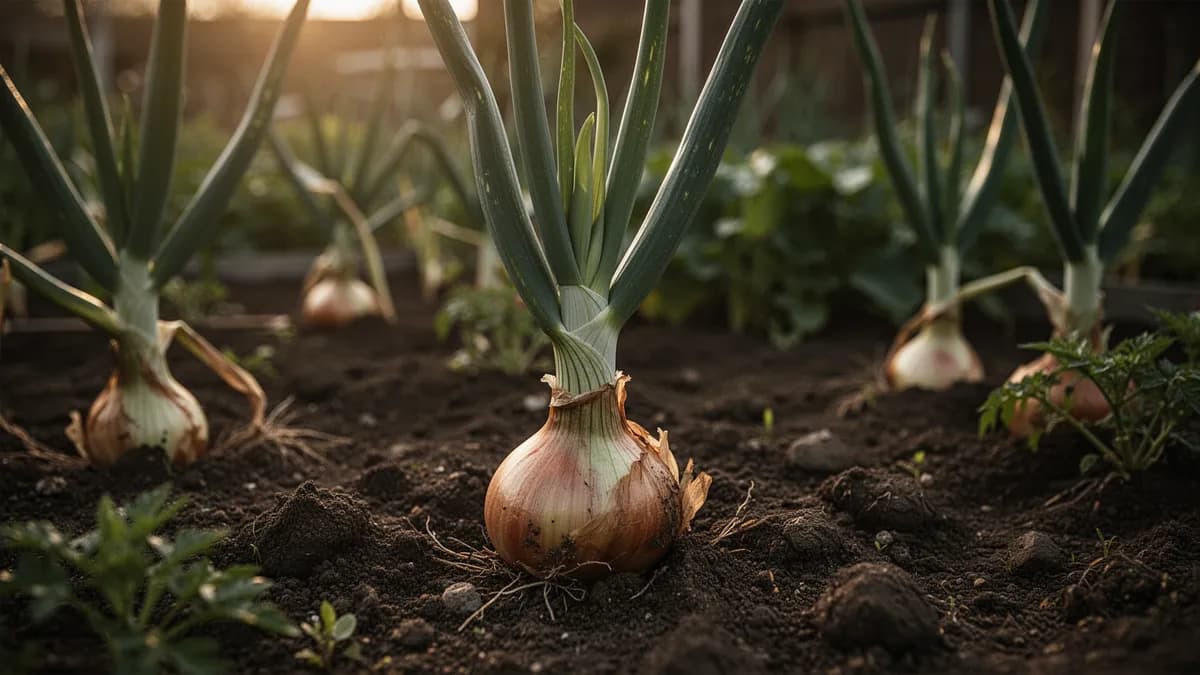
La cebolla torpedo se cultiva preferiblemente a partir de semillas sembradas en semillero protegido a finales de invierno (enero-febrero), trasplantando las plántulas al terreno definitivo cuando alcanzan el grosor de un lápiz, aproximadamente 8-10 semanas después. El marco de plantación es de 10-15 cm entre plantas y 25-30 cm entre hileras, enterrando los bulbillos o plántulas a poca profundidad para favorecer el desarrollo de la forma alargada característica.
El riego debe ser regular y moderado durante el crecimiento, evitando el encharcamiento que favorece las enfermedades fúngicas. A medida que los bulbos engrosan, reducir gradualmente el riego para facilitar la maduración y mejorar la conservación posterior. La cebolla torpedo es una variedad de día largo que requiere fotoperíodos de más de 14 horas para iniciar la formación del bulbo.
Mantener el cultivo libre de malas hierbas mediante escardas superficiales cuidadosas para no dañar las raíces superficiales, o aplicar un acolchado orgánico fino. Evitar aporcar tierra sobre los bulbos, ya que esto puede deformar su forma torpedo característica. En climas fríos, proteger las plantas jóvenes con velo de forzado durante las heladas tardías de primavera.
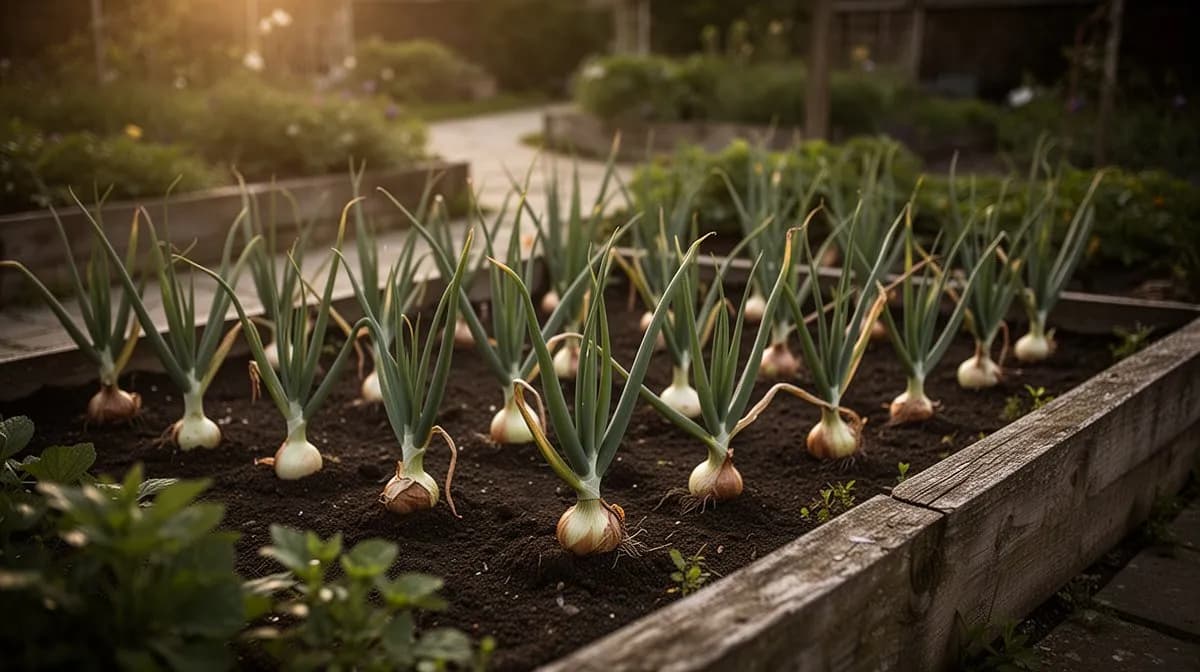
128 plantas caben en un bancal de 120 × 240 cm
Cada Cebolla Torpedo pide 15 cm de margen. El planificador guarda ese marco por ti — cada planta, cada bancal.
Los mejores vecinos de Cebolla Torpedo
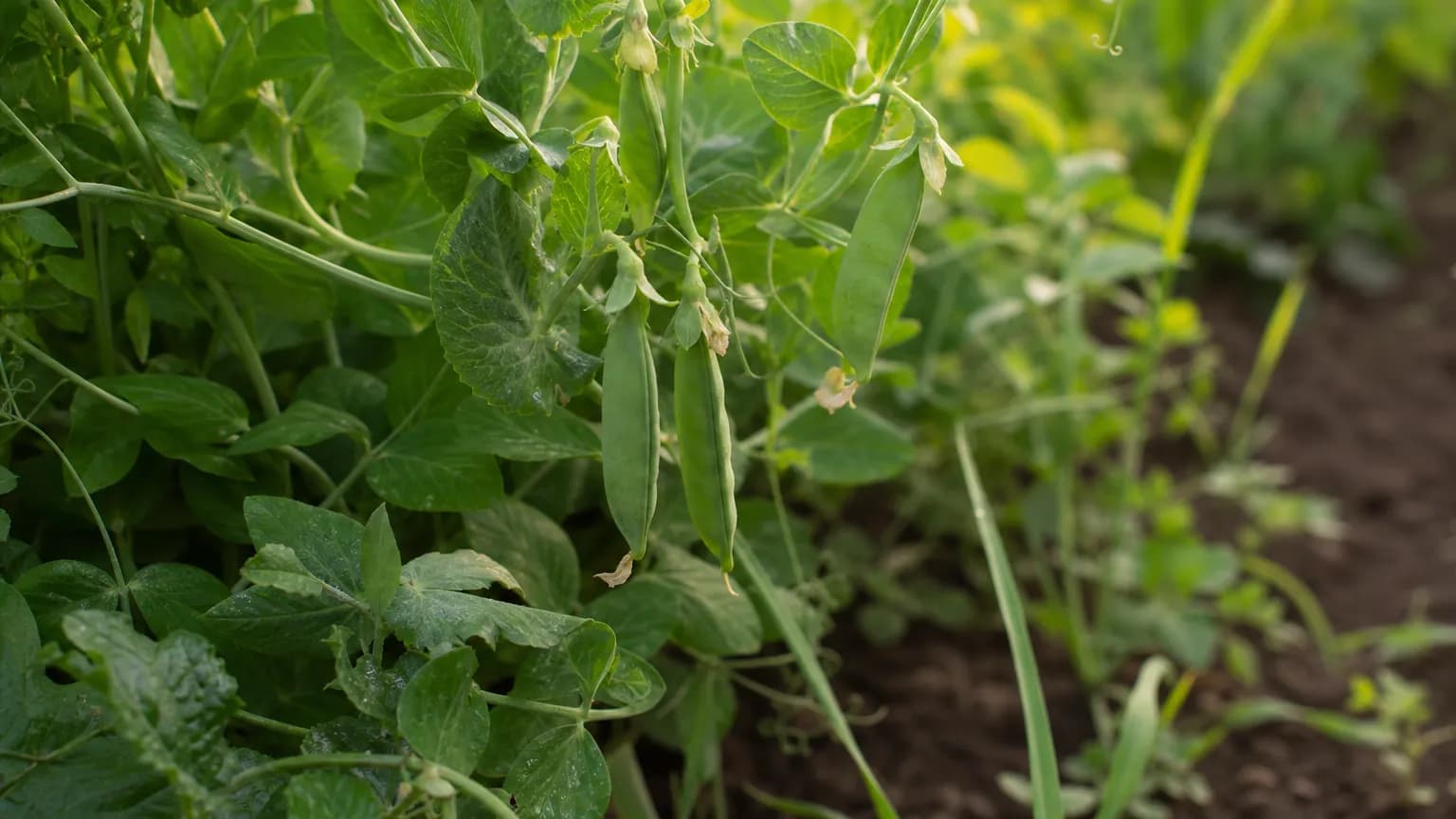
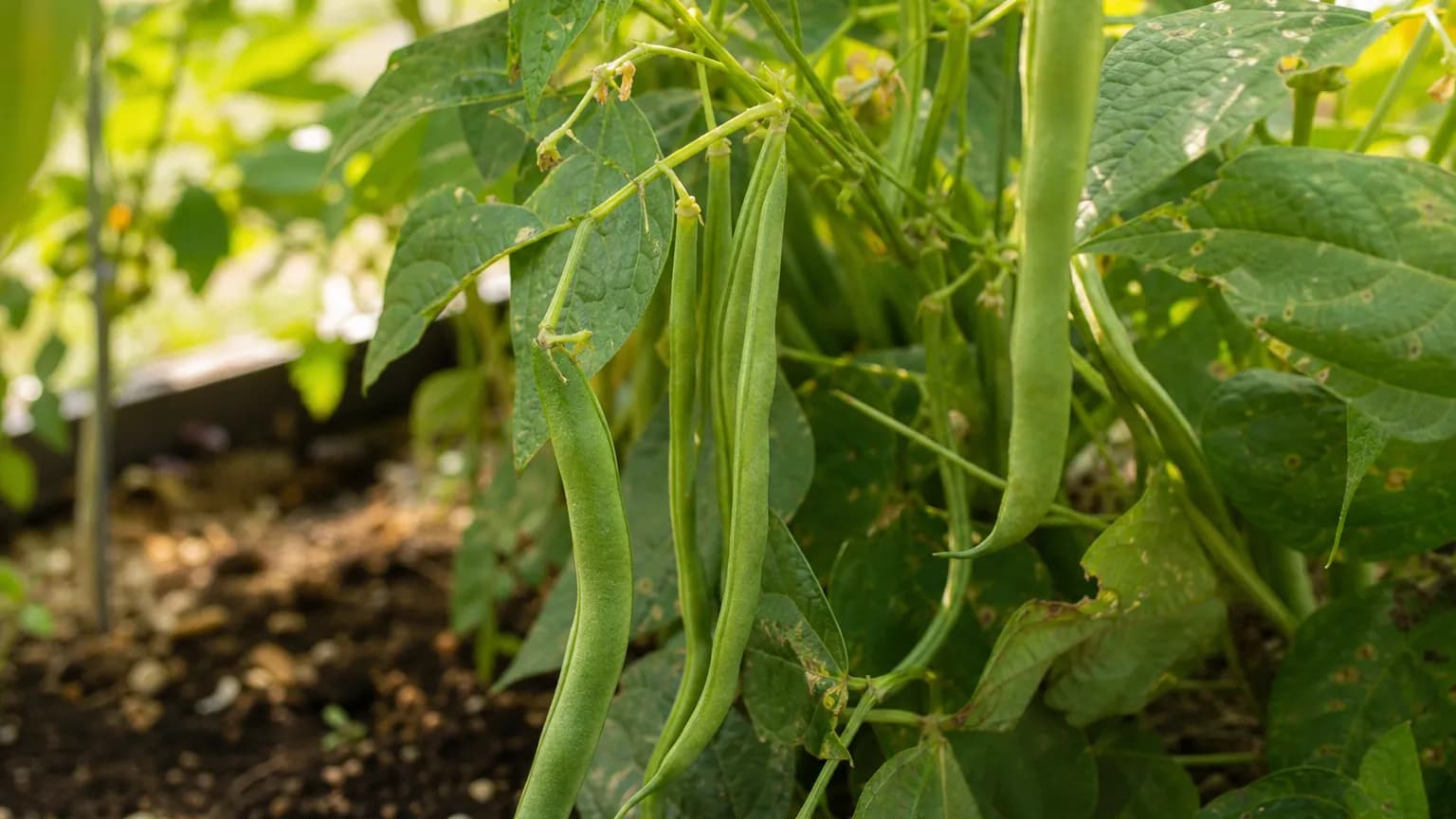
La cebolla torpedo se asocia favorablemente con zanahorias, cuyo aroma mutuo confunde a las respectivas plagas (mosca de la cebolla y mosca de la zanahoria), creando una protección recíproca eficaz. También se beneficia de la cercanía de lechugas, fresas y remolacha, que aprovechan los espacios entre las hileras de cebollas. Evitar plantar junto a leguminosas (guisantes, habas, judías) y espárragos, que pueden inhibir mutuamente su crecimiento.
Zanahoria va a su lado. Guisantes no.
Saber de huerto de siempre, cotejado con la tabla real de Cebolla Torpedo — prueba cualquier planta que cultives.
Prueba Cebolla Torpedo en un bancal, aquí mismo
Un bancal real del planificador con Cebolla Torpedo ya plantado. Toca una planta compañera para colocarla y mira cómo responde la comprobación de vecinos: verde para buenos vecinos, rojo si hay conflicto.


Guías de cultivo relacionadas
Abónalo bien
La cebolla torpedo requiere suelos francos o franco-arenosos, bien drenados y moderadamente fértiles, con un pH entre 6,0 y 7,0. Incorporar compost bien descompuesto antes de la plantación, evitando el estiércol fresco que puede deformar los bulbos y atraer la mosca de la cebolla. Aplicar un fertilizante rico en fósforo y potasio al inicio de la formación del bulbo, y suspender toda fertilización nitrogenada 4-6 semanas antes de la cosecha para mejorar la conservación.
Temperatura ideal
Compatibilidad de zonas de rusticidad
De la semilla a la cosecha, etapa por etapa
Siembra
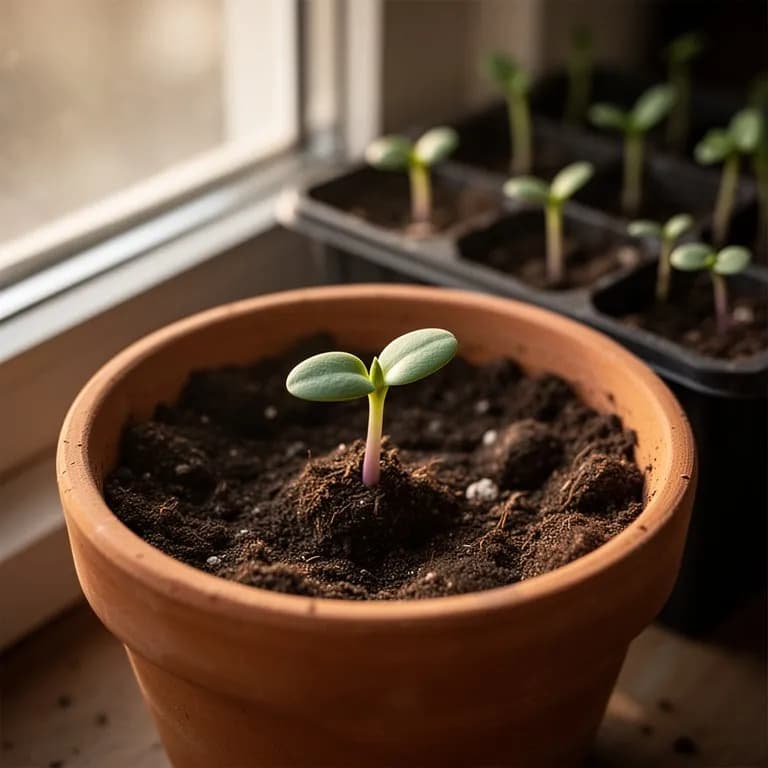
Las semillas de la cebolla torpedo son diminutas y germinan lentamente; a temperaturas óptimas tardan de 7 a 14 días. El primer crecimiento visible es una sola hoja fina, parecida a una brizna de hierba, que aparece en forma de bucle antes de enderezarse. Las semillas deben iniciarse en interior 10-12 semanas antes de la última helada porque estas cebollas de ciclo largo necesitan todos los días de crecimiento posibles para producir bulbos grandes.
Desarrollo de plántulas
Las plántulas desarrollan más hojas tubulares y comienzan a formar el sistema radicular que sostendrá el crecimiento del bulbo más adelante. El crecimiento es lento y constante durante esta fase. Las hojas delgadas y erguidas pueden empezar a vencerse cuando alcanzan 12-15 cm, lo que indica que hay que recortarlas para favorecer tallos más gruesos y resistentes y redirigir la energía al desarrollo de raíces.
Crecimiento vegetativo
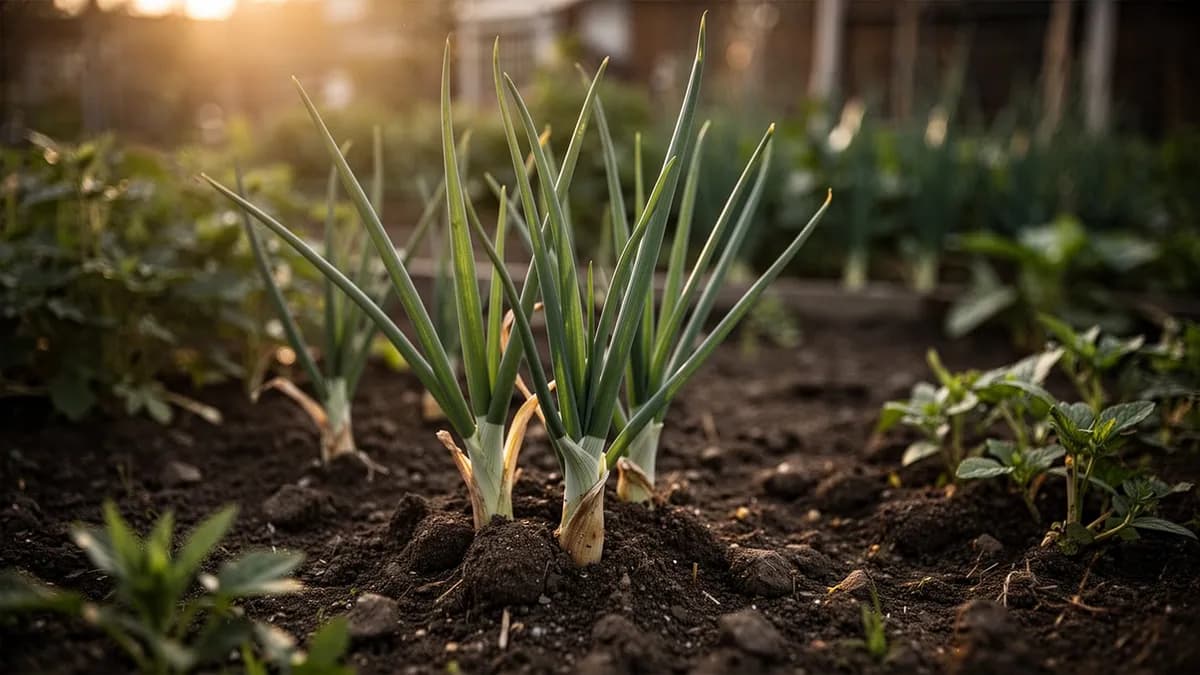
Después del trasplante, las plantas se establecen en el jardín y producen un abanico de 6-10 hojas tubulares erguidas. El sistema radicular se expande rápidamente en el suelo circundante. Esta fase se centra por completo en construir la masa foliar que luego alimentará el desarrollo del bulbo: cada hoja corresponde a un anillo del bulbo final, así que cuantas más hojas, mayor será la cebolla.
Maduración y curado
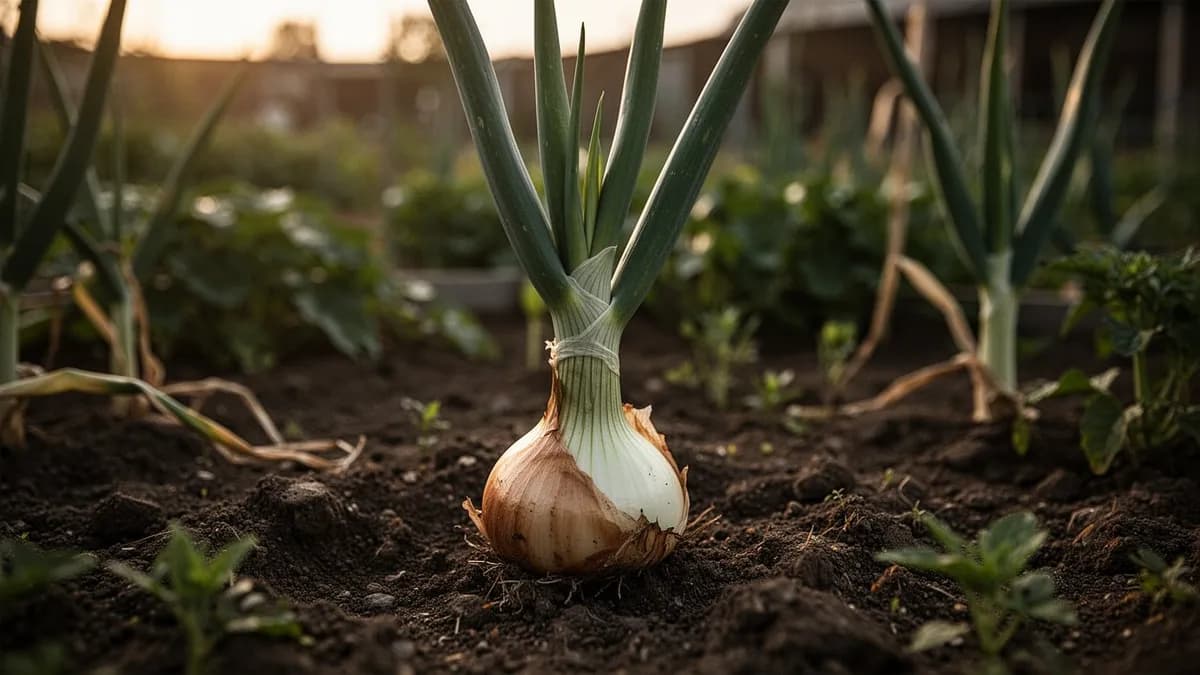
Las hojas exteriores empiezan a amarillear desde las puntas hacia abajo mientras la planta redirige toda la energía restante al bulbo. Cuando aproximadamente la mitad de las hojas se ha caído de forma natural, la cebolla indica que ya terminó de engrosar. El cuello se ablanda y la piel exterior empieza a secarse y tensarse alrededor del bulbo, desarrollando la característica envoltura papirácea de color magenta rosado.
Después de la cosecha
Después del curado y el almacenamiento, las cebollas torpedo se consumen frescas, se asan, se caramelizan, se congelan, se encurten o se deshidratan. Su pulpa dulce se marca con facilidad, así que manipula los bulbos almacenados con cuidado.
Siembra las semillas a 0,5 cm de profundidad en bandejas de alvéolos profundos o bloques de sustrato con mezcla fina para semilleros. Mantén la temperatura del sustrato entre 18 y 21 °C. Proporciona 14-16 horas de luz intensa al día desde la siembra, incluso antes de la emergencia, para obtener plántulas compactas y no débiles o alargadas.
Cuidar Cebolla Torpedo mes a mes
Qué hacer cada mes para tu Cebolla Torpedo
Octubre
Mes actualStore cured torpedo onions in a cool, dry location at 5-10°C (40-50°F) with good air circulation. Expect 2-3 months of storage life. Process surplus by slicing and freezing, pickling in red wine vinegar, or making slow-caramelized onion jam for longer preservation.
Ten claro qué hacer en tu huerto, cada mes
Un correo al empezar cada mes: qué sembrar, plantar y hacer ahora mismo — para tu Cebolla Torpedo y todo lo que crece alrededor. Más un breve curso inicial para esquivar los errores clásicos.
- Qué hacer ahora mismo
- Ajustado a tu temporada
- Curso inicial incluido
Cosechar Cebolla Torpedo
La cebolla torpedo está lista para cosechar cuando aproximadamente la mitad de los tallos se han doblado y empiezan a secarse naturalmente, generalmente entre 100 y 120 días después del trasplante. Arrancar los bulbos con cuidado y dejarlos secar al sol durante 2-3 días, volteándolos periódicamente, antes de trasladarlos a un lugar ventilado y sombreado para completar el curado durante 2-3 semanas. Un curado adecuado es esencial para mejorar el sabor y prolongar la conservación.
se supone que plantas al comenzar el periodo — indica tu fecha real
Cosecha cuando aproximadamente la mitad de las hojas verdes se haya caído de forma natural, por lo general entre finales de julio y agosto.
Almacenamiento y conservación
Las cebollas torpedo curadas se almacenan en un lugar fresco, seco y bien ventilado, colgadas en trenzas o en redes, donde se conservan durante 2-4 meses. Su contenido de azúcar relativamente alto las hace menos duraderas en almacenamiento que las cebollas de guarda, por lo que deben consumirse antes que las variedades de conservación larga. Para prolongar su vida útil, se pueden cortar en rodajas y deshidratar, o confitar lentamente en aceite de oliva y conservar en tarros esterilizados.
Qué falla — y cómo solucionarlo
Mosca de la cebolla (Delia antiqua)
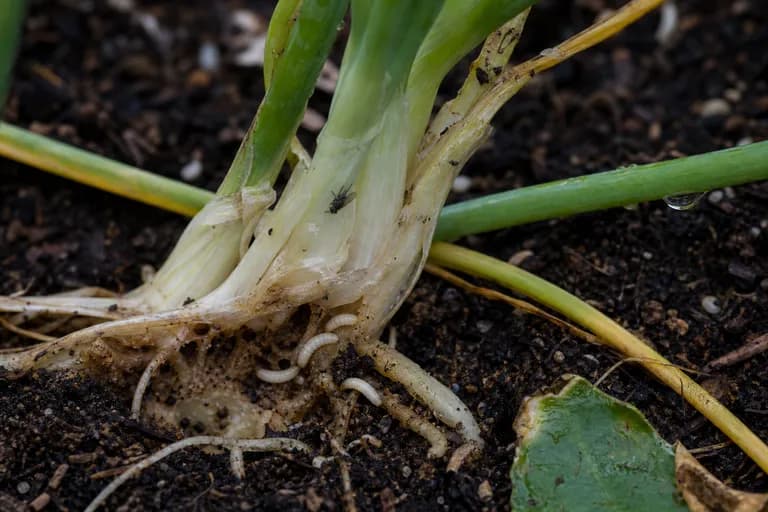
PlagaLas larvas blanquecinas penetran en la base del bulbo y excavan galerías, provocando amarillamiento y marchitez de las hojas, pudrición blanda del bulbo y un olor desagradable característico.
Mildiu de la cebolla (Peronospora destructor)
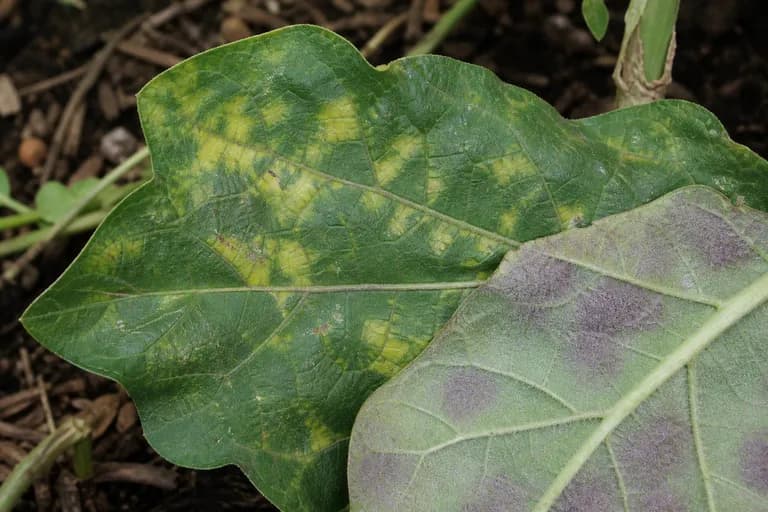
EnfermedadManchas ovaladas de color verde pálido a grisáceo en las hojas que se cubren de un moho violáceo-grisáceo en condiciones húmedas, seguidas de necrosis y colapso del follaje.
Trips de la cebolla (Thrips tabaci)
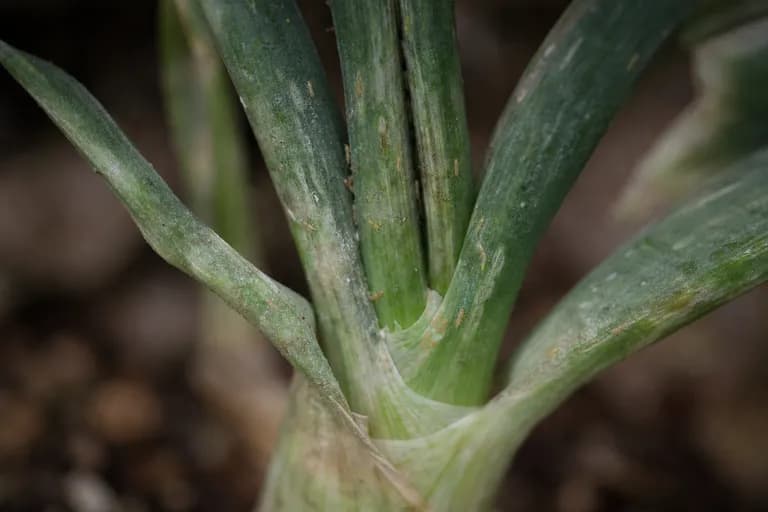
PlagaPequeños insectos alargados de color pajizo que se alimentan raspando la superficie de las hojas, dejando manchas plateadas y estrías blanquecinas que reducen la capacidad fotosintética.
Solución de problemas comunes
El principal inconveniente de la cebolla torpedo es su capacidad de conservación limitada comparada con las cebollas de guarda, debido a su alto contenido en agua y azúcares. La deformación del bulbo es frecuente si la plantación es demasiado profunda o si se aporca excesivamente, perdiendo la forma alargada característica. En climas fríos, la formación del bulbo puede retrasarse si no se alcanza el fotoperíodo necesario, resultando en plantas que espigan prematuramente sin formar bulbos adecuados.
Consejos de cultivo
- Start seeds early and do not rush transplanting. Torpedo onions need a full 110+ day growing season, so starting indoors 10-12 weeks before last frost is non-negotiable. Late-started plants run out of growing time before bulbs can fully size up.
- Trim seedling tops to 10 cm whenever they begin to flop — this may seem counterintuitive, but trimming redirects energy from floppy leaf length into root development and stem thickness. Pencil-thick stems at transplant time are the single best predictor of large bulbs at harvest.
- Soil preparation is critical for good shape. Torpedo onions need deeply worked, loose, stone-free soil to develop their characteristic elongated form. Compacted or rocky soil produces stubby, misshapen bulbs. Double-dig beds or grow in raised beds filled with sandy loam for the best results.
- Keep beds obsessively weed-free. Onions have shallow, sparse root systems and narrow upright leaves that cannot compete with weeds for light, water, or nutrients. Even modest weed pressure can reduce bulb size by 50% or more. Mulch lightly with straw after transplanting.
- Water is everything during bulb expansion. Torpedo onions need consistent, even moisture from transplanting through the start of top fall-over. Irregular watering during the bulbing phase causes splitting, double bulbs, and thick necks that resist curing. A soaker hose on a timer is ideal.
- Stop nitrogen fertilizer when bulbing begins. Late nitrogen promotes soft, lush growth that is susceptible to neck rot in storage and delays the natural curing process. Switch to a potassium-focused feed (like wood ash tea) to promote bulb firmness and storage quality.
- Handle harvested bulbs like eggs. The elongated torpedo shape and high water content make these onions much more prone to bruising and mechanical damage than round onions. Use a fork to loosen soil before lifting, and never pull bulbs by their tops — the neck can tear, inviting storage rot.
- Cure thoroughly before storage. Torpedo onions need 2-3 weeks of curing in a warm (24-30°C / 75-85°F), dry, shaded, well-ventilated location until the neck is completely dry and paper-thin when squeezed. Under-cured onions develop neck rot within weeks of storage.
Cultiva tu mejor Cebolla Torpedo — y todo lo que la rodea.
Empieza un plan gratis hoy. Diseña tus bancales, coloca tu Cebolla Torpedo y deja que PlotMyGarden gestione el momento, el espaciado, las asociaciones y los recordatorios de la semilla a la cesta.
Elige tu Cebolla Torpedo
Tropea Rossa Lunga
La variedad original y más famosa de Tropea, Calabria (Italia), con bulbo alargado de piel rojo-violácea brillante y carne rosada extraordinariamente dulce, madura en 110-120 días y posee Denominación de Origen Protegida.
Rossa di Firenze
Cebolla torpedo florentina de piel roja y carne blanca con vetas rosadas, sabor dulce y suave, excelente para consumo en crudo, madura en 100-110 días.
Long Red Florence
Adaptación anglosajona de la cebolla torpedo italiana, con bulbos alargados de 10-15 cm de color rojo oscuro y sabor dulce con notas ligeramente picantes, madura en 110-115 días.
Simiane
Variedad francesa tipo torpedo de piel rosada-cobriza y sabor delicado, adaptada a climas más fríos que las variedades italianas, produce bulbos uniformes y madura en 105-115 días.
Torpedo onions are a premium specialty product, commanding $4-8 per pound at farmers markets and gourmet grocers — and authentic IGP Cipolla di Tropea imported from Italy can sell for $10-15 per pound at specialty shops. A single $3-4 seed packet contains 200+ seeds, enough to grow far more onions than any household needs. Growing 40-50 bulbs from a single packet can produce 5-10 kg of torpedo onions worth $50-150 at retail prices. The savings are even more dramatic considering that torpedo onions are often only available seasonally at specialty markets, while home growers can harvest and store them for months.
Recetas rápidas
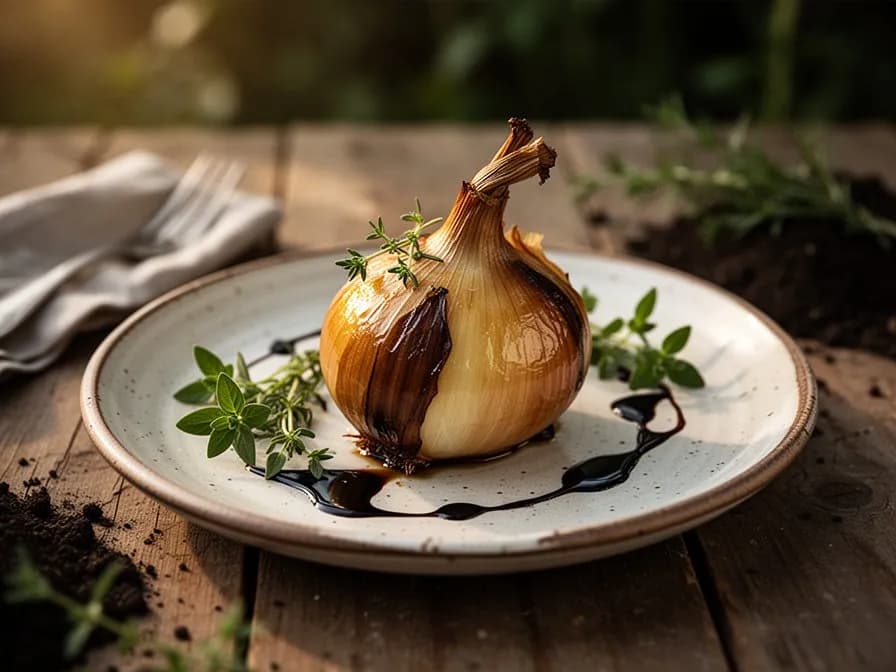
Grilled Torpedo Onion Rings with Balsamic Glaze
20 minThick cross-cut rings of torpedo onion brushed with olive oil and grilled over high heat until deeply charred and sweet. A balsamic reduction drizzled on top creates a perfect balance of smoky, sweet, and tangy. The torpedo shape produces uniform rings that hold together beautifully on the grill.
6 ingredientesClassic Italian Torpedo Onion and Tomato Salad
10 minThe simplest and most iconic way to enjoy torpedo onions — thinly sliced raw and tossed with ripe summer tomatoes, fresh basil, and the best olive oil you have. The extraordinary sweetness of Rossa di Tropea means no soaking in water is needed to tame harshness.
7 ingredientesSlow-Caramelized Torpedo Onion Jam (Cipollata)
50 minA traditional Calabrian condiment that concentrates the natural sugars of torpedo onions into a thick, glossy, deeply flavored jam. Slow cooking in red wine and a touch of vinegar produces a sweet-savory spread that is extraordinary on crostini, alongside cheese, or stirred into pan sauces.
9 ingredientesUsos culinarios
La cebolla torpedo es excepcional consumida en crudo en ensaladas, sándwiches y carpaccios, donde su dulzura y mínimo picor se aprecian plenamente. Es el ingrediente estrella de la famosa ensalada calabresa con tomate, orégano y aceite de oliva, y se utiliza para preparar confituras, mermeladas de cebolla y cebollas caramelizadas de calidad superior. También se asa entera al horno, se rellena con arroz y hierbas, o se utiliza en pizzas, focaccias y tartas saladas donde aporta dulzura y color.
Qué contiene
Beneficios para la salud
- Red and pink onion varieties like torpedo onions contain significantly higher levels of quercetin than white or yellow types — quercetin is one of the most studied dietary flavonoids, with research suggesting anti-inflammatory, antihistamine, and cardiovascular protective properties.
- Rich in organosulfur compounds that are released when the onion is cut, crushed, or chewed. These compounds, including allicin and diallyl sulfides, have demonstrated antimicrobial activity and may support cardiovascular health by inhibiting platelet aggregation.
- Contains prebiotic fibers (fructooligosaccharides and inulin) that selectively nourish beneficial gut bacteria, particularly Bifidobacteria. Regular consumption supports a healthy gut microbiome, which is increasingly recognized as central to immune function and metabolic health.
- The anthocyanin pigments responsible for the magenta-pink color provide antioxidant protection against oxidative stress. These pigments are most concentrated in the outer layers, so peeling minimally preserves the greatest nutritional benefit.
- Provides meaningful amounts of chromium, a trace mineral involved in insulin receptor function and glucose metabolism. Regular allium consumption has been associated with improved insulin sensitivity in observational studies.
- The mild, sweet flavor of torpedo onions encourages raw consumption, which preserves heat-sensitive nutrients like vitamin C and the enzyme alliinase that generates beneficial sulfur compounds. Cooking reduces these compounds by 30-60%, so raw torpedo onion in salads delivers the maximum health benefit.
De dónde viene Cebolla Torpedo
The torpedo onion (Allium cepa) traces its roots to the ancient Mediterranean world, where elongated onion varieties were cultivated by the Greeks, Romans, and Phoenicians. The specific lineage of the Italian torpedo onion is believed to have arrived on the Calabrian coast of southern Italy through Phoenician traders who established colonies along the Tyrrhenian Sea more than 2,500 years ago. The sandy, well-drained coastal soils and mild maritime climate of Calabria proved ideal for developing the sweet, mild onion that would eventually become famous worldwide.
The town of Tropea, perched on dramatic cliffs above the sea in the province of Vibo Valentia, became the epicenter of torpedo onion cultivation. Over centuries, Calabrian farmers selected for the most elongated bulb shapes, the deepest magenta color, and above all, the mildest, sweetest flavor. The resulting variety — Cipolla Rossa di Tropea — became so renowned that it earned IGP (Protected Geographical Indication) status from the European Union in 2008, legally protecting its name and geographic origin. Only onions grown in the designated coastal strip of Calabria, from Amantea in the north to Nicotera in the south, can carry the Tropea name.
Beyond Italy, torpedo onion varieties spread throughout the Mediterranean and eventually worldwide. The Red Long of Florence (Rossa Lunga di Firenze) is a Tuscan relative, while the French Simiane and various Spanish torpedo types share the same elongated genetics adapted to local conditions. In the 20th century, Italian immigrants brought torpedo onion seeds to the Americas, where the variety gained devoted followings among home gardeners and specialty growers. Today, torpedo onions are cultivated commercially in Italy, France, Spain, and increasingly in California and other warm-climate regions of the United States. They remain a premium specialty product, commanding higher prices than standard onions in gourmet markets worldwide.
Cebolla Torpedo: ¿sabías que?
Datos fascinantes sobre Cebolla Torpedo
The most famous torpedo onion in the world is the Cipolla Rossa di Tropea, which carries IGP (Indicazione Geografica Protetta) status from the European Union — a legal certification that only onions grown in the specific coastal zone of Calabria between Amantea and Nicotera can bear the Tropea name.
Cebolla Torpedo: preguntas frecuentes
¿Cuándo debo plantar Cebolla Torpedo?
¿Cuáles son buenas plantas acompañantes para Cebolla Torpedo?
¿En qué zonas de rusticidad puede crecer Cebolla Torpedo?
¿Cuánto sol necesita Cebolla Torpedo?
¿A qué distancia debo espaciar Cebolla Torpedo?
¿Qué plagas y enfermedades afectan a Cebolla Torpedo?
¿Cómo almaceno Cebolla Torpedo después de la cosecha?
¿Cuáles son las mejores variedades de Cebolla Torpedo para cultivar?
¿Qué suelo necesita Cebolla Torpedo?
Why are my torpedo onions forming short, round bulbs instead of the elongated torpedo shape?
Can I grow torpedo onions from sets or do I need to start from seed?
Why did my torpedo onions bolt (send up flower stalks) instead of forming bulbs?
How long can I store torpedo onions, and why do they not keep as long as regular onions?
What is the difference between Rossa di Tropea and Red Long of Florence?
Do torpedo onions need long days to form bulbs, or can I grow them in southern latitudes?
Acabas de leer la teoría. Ahora cultívala en piloto automático.
Todo lo que hace que Cebolla Torpedo sea delicado — el momento, el espaciado, las asociaciones, la ventana de cosecha — es justo lo que PlotMyGarden resuelve por ti, para cada planta de tu huerto.
Un plan que conoce tu clima
Indica tu ubicación una vez. Recibe fechas de siembra, abonado y cosecha basadas en tu última helada real y el pronóstico en vivo — sin adivinar con un sobre genérico.
De la sección “Cuándo plantar”Planificador de bancales de arrastrar y soltar
Diseña bancales sobre una cuadrícula. Cada planta encaja con su espaciado correcto y ves toda la temporada antes de gastar un céntimo en semillas.
De la sección “Cultivo”Conflictos de asociación, detectados a tiempo
Más de 200 buenas y malas combinaciones comprobadas en vivo mientras plantas — para que un error que arruine la temporada nunca llegue a la tierra.
De la sección “Asociaciones”Recordatorios que sí vas a seguir
“Riega las judías.” “Recoge hoy antes de que se pase.” Oportunos, concretos y ligados a las plantas que de verdad cultivas.
De la sección “Cosecha”Escalonado, programado
¿Quieres cosechar seis semanas en vez de seis días? Reparte tus siembras automáticamente y te avisa cuando toca el siguiente lote.
De la sección “Cuándo plantar”Un registro que se vuelve más listo
Cada cosecha que registras le enseña tu huerto. El plan del año que viene parte de lo que de verdad funcionó en tu suelo, no en un manual.
De la sección “Resumen”Planta estos junto a Cebolla Torpedo
Más Aliáceas
Mantén Cebolla Torpedo lejos de estos
Cultiva tu mejor Cebolla Torpedo — y todo lo que la rodea.
Empieza un plan gratis hoy. Diseña tus bancales, coloca tu Cebolla Torpedo y deja que PlotMyGarden gestione el momento, el espaciado, las asociaciones y los recordatorios de la semilla a la cesta.