Kai-lan
El kai-lan (Brassica oleracea var. alboglabra), también conocido como brócoli chino o gai lan, es una verdura de la familia de las coles originaria del sur de China.





En esta páginaResumen
Conoce Kai-lan
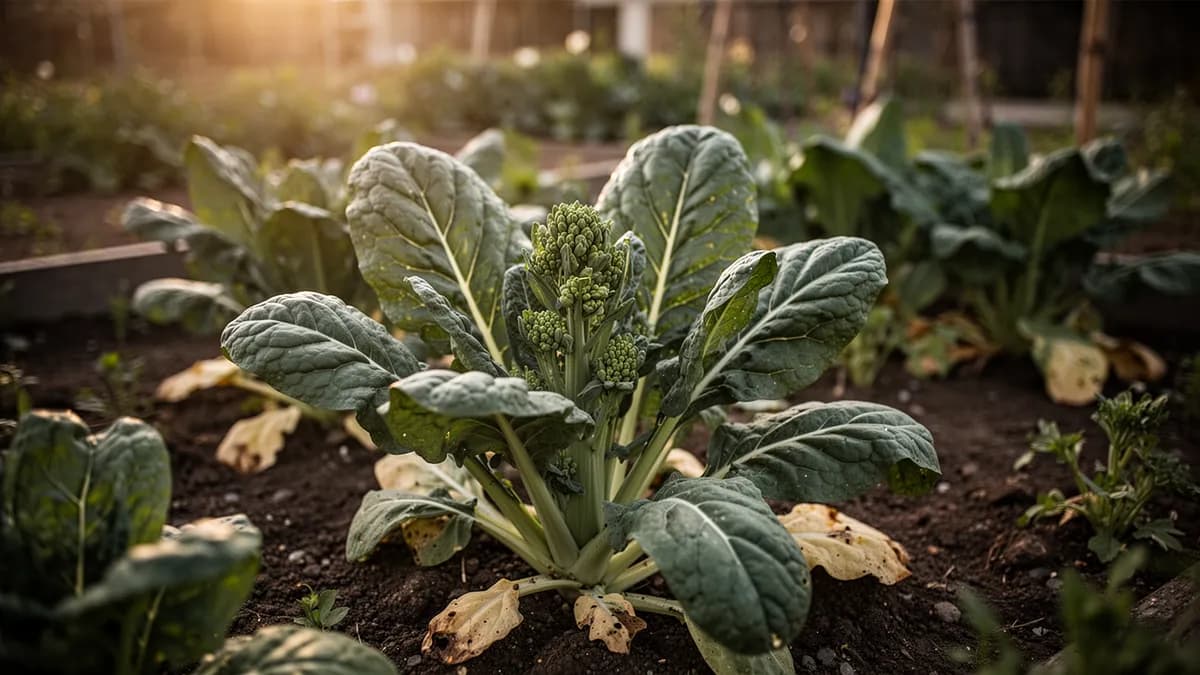
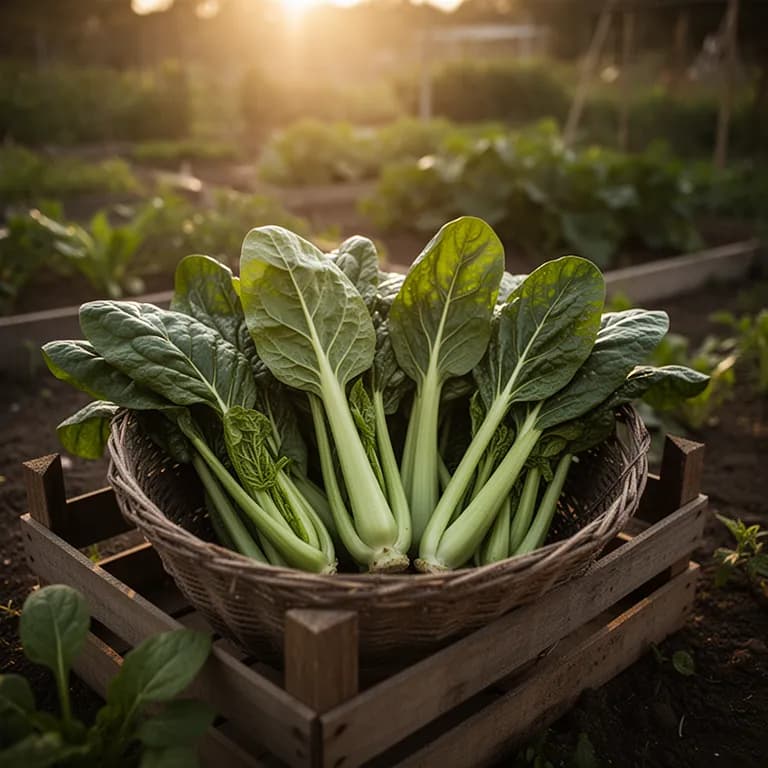
El kai-lan (Brassica oleracea var. alboglabra), también conocido como brócoli chino o gai lan, es una verdura de la familia de las coles originaria del sur de China. Se distingue por sus tallos gruesos, carnosos y crujientes, hojas verde-azuladas y pequeñas flores blancas comestibles. Su sabor es ligeramente amargo y terroso, más intenso que el brócoli occidental.
Cuándo plantar Kai-lan
Siembre directamente o en bandejas a 1 cm de profundidad desde finales de verano hasta principios de otoño para cosecha de otoño-invierno, o en primavera temprana para cosecha de primavera. La germinación ocurre en 5-10 días a 15-25 °C. Para siembras de verano, proporcione sombra parcial y riego abundante para evitar el espigado.
Tu año de Kai-lan
Ajustado a Zona 7 · temporada típica · la helada se va hacia el 2 abr y vuelve hacia el 1 nov
Planta Kai-lan Mar – Abr, Ago – Sep y cosecha May – Jun, Oct – Nov. Consulta los métodos de plantación y elige tu clima para adaptar los periodos.
Cómo cultivar Kai-lan
Cultive en pleno sol a sombra parcial en un suelo fértil, rico en nitrógeno y bien drenado con pH entre 6,0 y 7,5. El kai-lan prefiere temperaturas frescas entre 15 y 25 °C y no tolera bien el calor intenso. Incorpore compost maduro antes de la siembra.
Siembre las semillas a 1 cm de profundidad en hileras separadas 30-40 cm, aclarando a 15-20 cm entre plantas. Para siembras en bandejas, trasplante cuando las plántulas tengan 4-5 hojas verdaderas. Realice siembras sucesivas cada 2-3 semanas para cosecha continua.
Mantenga el suelo uniformemente húmedo con riego regular, ya que la sequía provoca tallos fibrosos y espigado prematuro. Fertilice cada 2-3 semanas con un abono líquido rico en nitrógeno para fomentar tallos gruesos y tiernos. Aplique acolchado para conservar la humedad y mantener las raíces frescas.
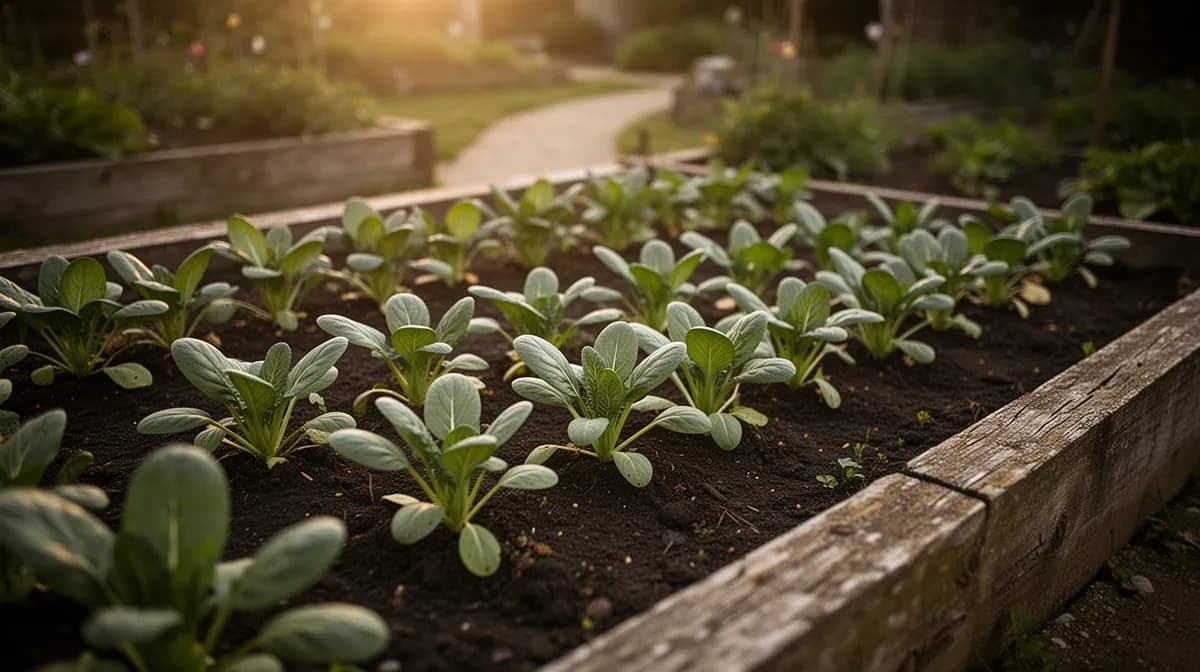
36 plantas caben en un bancal de 120 × 240 cm
Cada Kai-lan pide 25 cm de margen. El planificador guarda ese marco por ti — cada planta, cada bancal.
Los mejores vecinos de Kai-lan
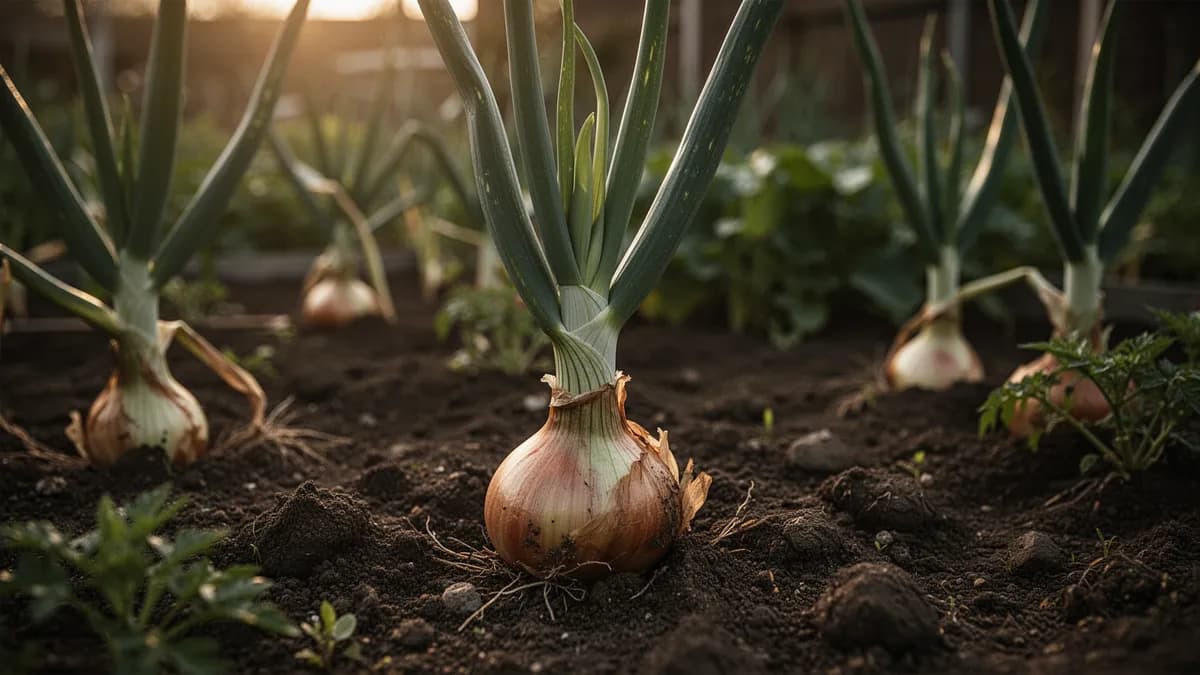
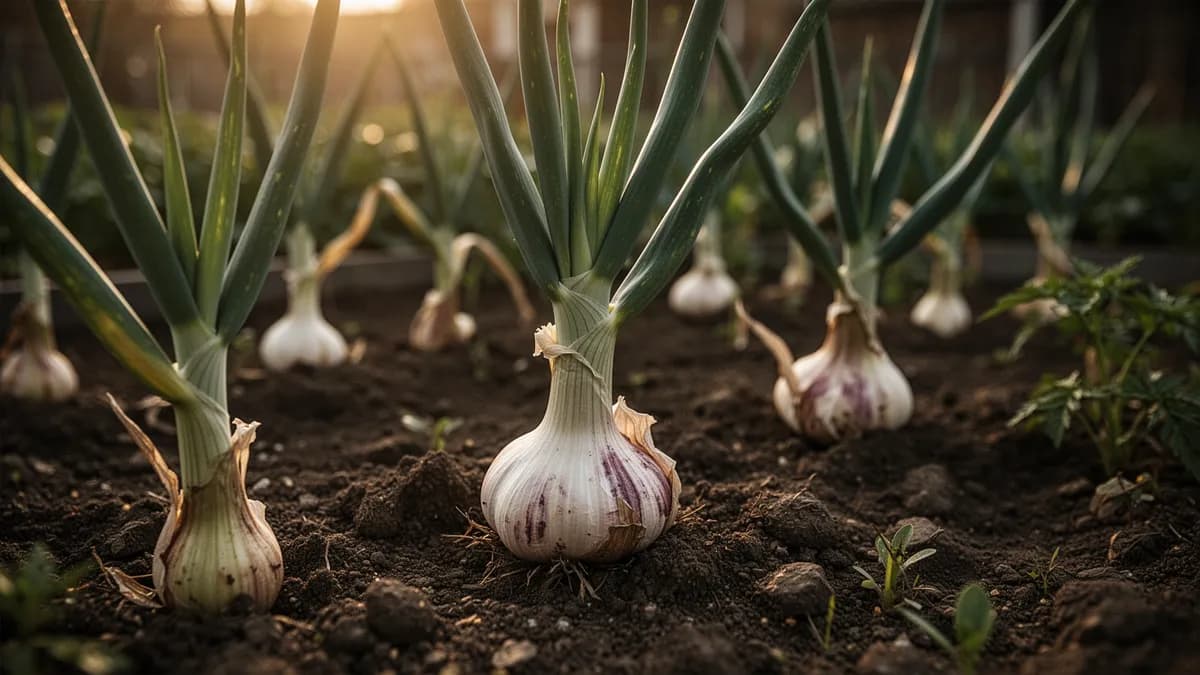
Se asocia bien con cebollas, puerros y ajos que ayudan a repeler la mosca de la col con su aroma. Las hierbas aromáticas como el romero y el tomillo también disuaden plagas. Evite plantar junto a otras brasicáceas para prevenir la acumulación de enfermedades compartidas.
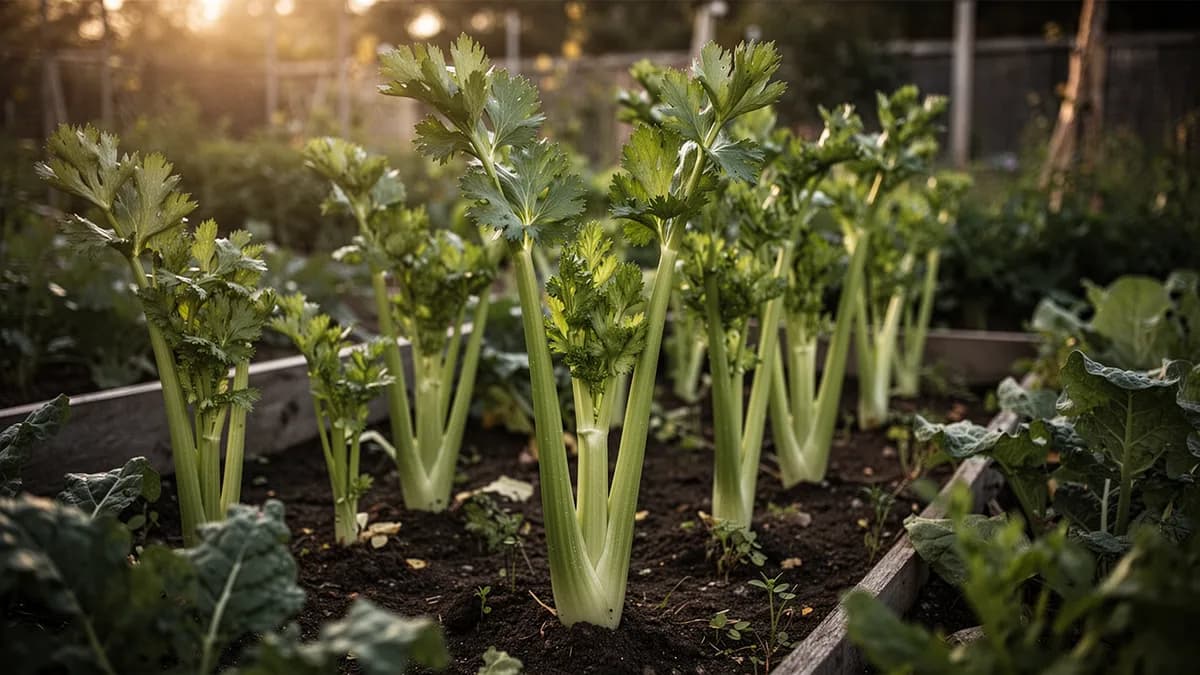
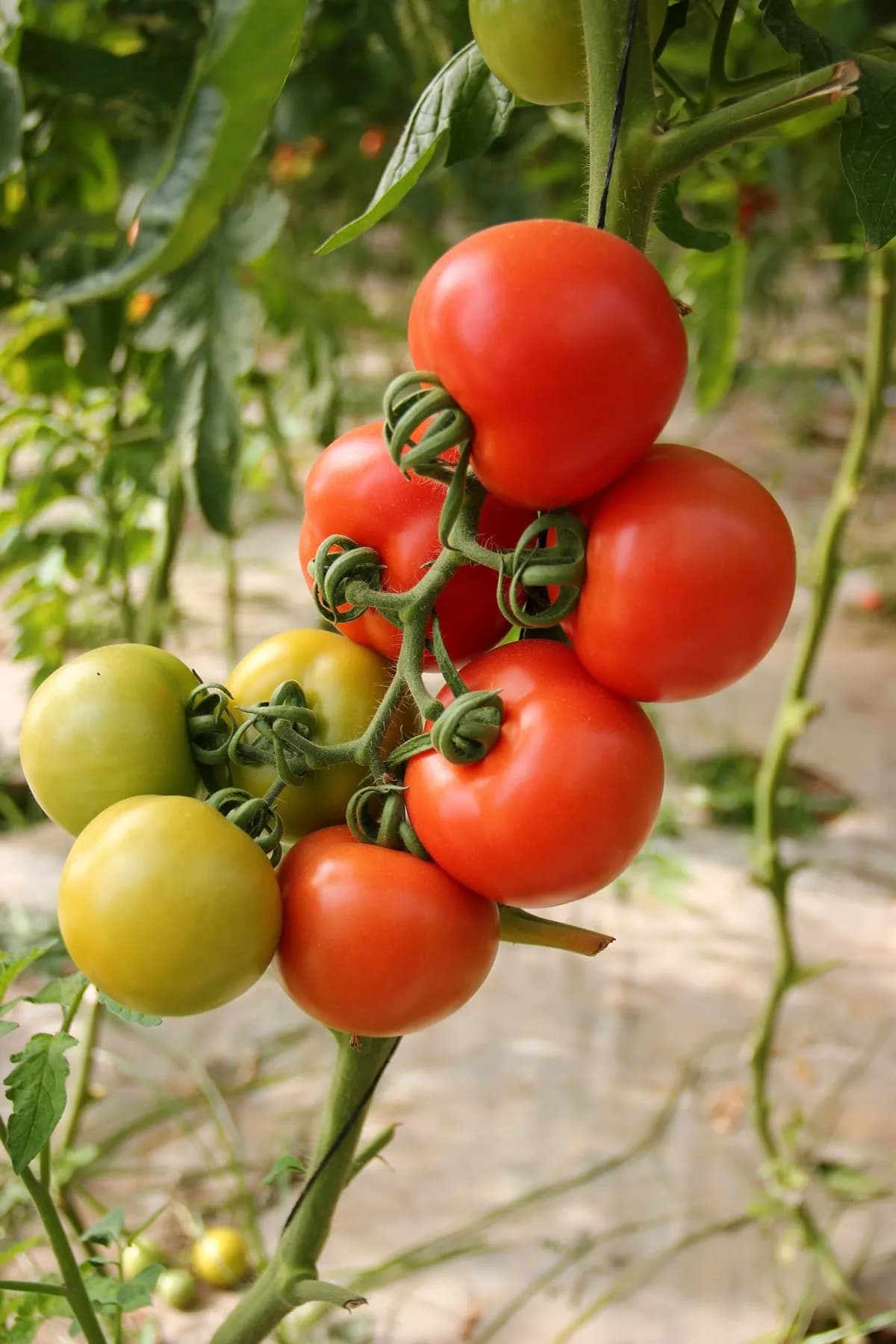
Apio va a su lado. Tomate no.
Saber de huerto de siempre, cotejado con la tabla real de Kai-lan — prueba cualquier planta que cultives.
Prueba Kai-lan en un bancal, aquí mismo
Un bancal real del planificador con Kai-lan ya plantado. Toca una planta compañera para colocarla y mira cómo responde la comprobación de vecinos: verde para buenos vecinos, rojo si hay conflicto.


Guías de cultivo relacionadas
Abónalo bien
Requiere suelos fértiles, ricos en materia orgánica con pH entre 6,0 y 7,5. Incorpore compost maduro antes de la siembra. Aplique fertilizante rico en nitrógeno cada 2-3 semanas para estimular el crecimiento de tallos gruesos y carnosos. El kai-lan es un cultivo exigente en nutrientes.
Temperatura ideal
Compatibilidad de zonas de rusticidad
De la semilla a la cosecha, etapa por etapa
Germinación de semillas
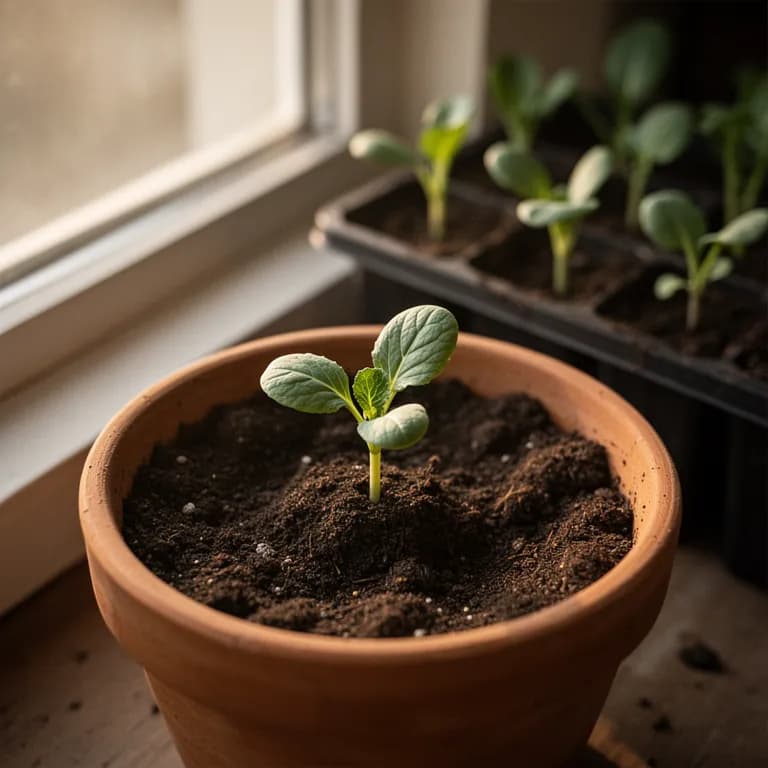
Las semillas de kai-lan germinan con facilidad en suelo fresco y húmedo en un plazo de 5 a 10 días. Las pequeñas semillas redondas producen un par de cotiledones anchos y en forma de corazón que emergen rápidamente en condiciones óptimas. Las semillas pueden sembrarse directamente o iniciarse en bandejas para trasplante.
Desarrollo de plántulas
Se desarrollan las hojas verdaderas con el característico aspecto grueso, ceroso y azul verdoso. El tallo empieza a engrosarse y la planta establece un sistema radicular robusto. El crecimiento es constante en condiciones frescas y las plántulas toleran heladas ligeras una vez establecidas.
Crecimiento vegetativo
Las plantas crecen con rapidez, desarrollando tallos suculentos y gruesos y grandes hojas brillantes. El tallo central se alarga y las hojas laterales se ensanchan. Esta es la fase en la que el kai-lan construye la masa que hace tan apreciados sus tallos para la cocina. Las plantas suelen alcanzar 25-40 cm de altura.
Formación de botones
Se forman racimos compactos de pequeños botones florales en la parte superior del tallo central, señalando la principal ventana de cosecha. Los botones deben estar firmes y verdes; ahí es cuando el sabor y la ternura son máximos. El tallo es grueso, jugoso y se quiebra limpiamente al doblarlo.
Producción de brotes laterales
Después de cosechar el tallo central, la planta produce múltiples brotes laterales desde las axilas de las hojas, y cada uno desarrolla su propio grupo de botones florales. Estos tallos secundarios son algo más delgados pero igualmente tiernos y sabrosos. Una sola planta puede producir 3-5 rondas de cosecha de brotes laterales.
Floración y formación de semillas
Si no se cosechan, los botones se abren en pequeñas flores blancas de cuatro pétalos típicas de la familia de las brassicas. Abejas y otros polinizadores visitan las flores, y se desarrollan largas vainas estrechas de semillas. Las plantas dejadas para florecer se vuelven duras y amargas, pero son útiles para guardar semilla.
Siembra las semillas a 1 cm de profundidad en un suelo bien drenado y mantenido constantemente húmedo. La temperatura ideal del suelo es de 15 a 25 °C (60 a 77 °F); la germinación se ralentiza mucho por encima de 30 °C (86 °F). Entresaca las plántulas hasta dejar 15 a 20 cm entre plantas cuando emerjan.
Cuidar Kai-lan mes a mes
Qué hacer cada mes para tu Kai-lan
Octubre
Mes actualAutumn-planted kai-lan enters rapid growth as cool weather returns. Side-dress with nitrogen-rich fertilizer. Watch for cabbage white butterfly caterpillars and treat with Bt (Bacillus thuringiensis) if needed. Begin harvesting early-sown autumn crops.
Ten claro qué hacer en tu huerto, cada mes
Un correo al empezar cada mes: qué sembrar, plantar y hacer ahora mismo — para tu Kai-lan y todo lo que crece alrededor. Más un breve curso inicial para esquivar los errores clásicos.
- Qué hacer ahora mismo
- Ajustado a tu temporada
- Curso inicial incluido
Cosechar Kai-lan
Coseche cuando los tallos tengan 20-25 cm de longitud y los botones florales estén formados pero aún cerrados, generalmente 60-70 días después de la siembra. Corte el tallo principal a unos 8-10 cm del suelo para estimular brotes laterales que se cosecharán posteriormente. Las flores abiertas son comestibles pero indican que la planta está pasada de punto óptimo.
se supone que plantas al comenzar el periodo — indica tu fecha real
Cuando los botones florales apenas sean visibles pero sigan bien cerrados.
Almacenamiento y conservación
Conserve los tallos frescos en el refrigerador envueltos en papel húmedo dentro de una bolsa perforada durante 5-7 días. Para congelar, blanquee los tallos cortados durante 2-3 minutos, enfríe en agua helada y almacene en bolsas herméticas hasta 6 meses. No es apto para secado.
Qué falla — y cómo solucionarlo
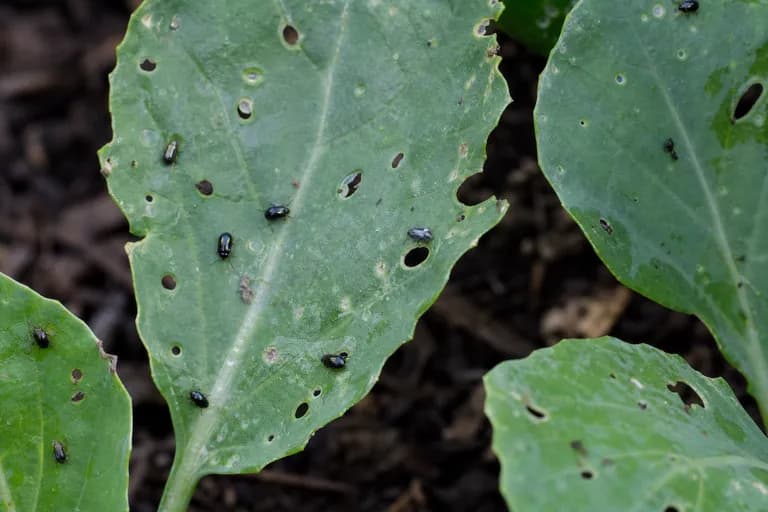
Mosca de la col (Delia radicum)
PlagaLarvas que atacan las raíces causando marchitez, amarillamiento y debilitamiento general de la planta.
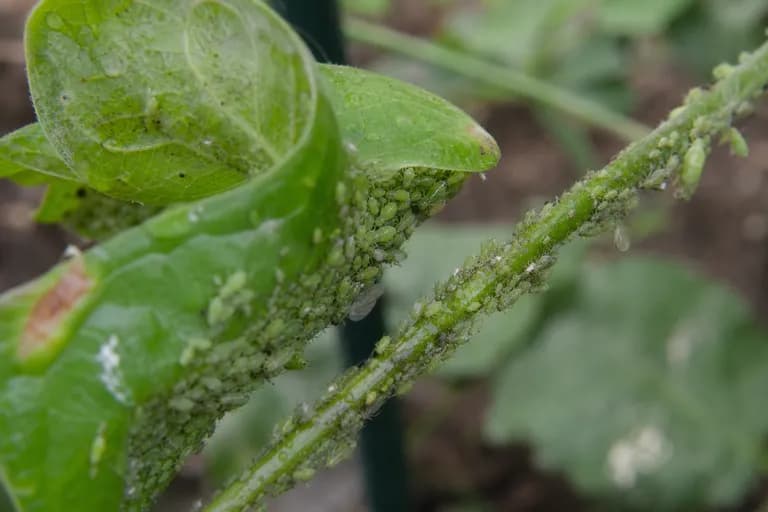
Oruga de la col (Pieris rapae)
PlagaAgujeros grandes e irregulares en las hojas. Las orugas verdes se camuflan bien entre el follaje verde-azulado.
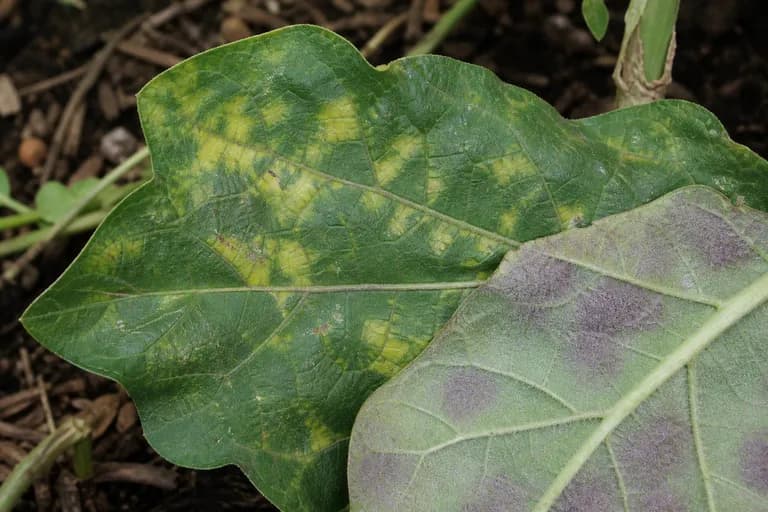
Hernia de la col (Plasmodiophora brassicae)
EnfermedadEngrosamiento anormal de las raíces que se deforman en masas irregulares. La planta se marchita durante el día y se recupera por la noche.
Solución de problemas comunes
El espigado prematuro es el problema más frecuente, causado por temperaturas altas, días largos o estrés hídrico. Siembre en las estaciones frescas y proporcione sombra en verano. Los tallos se vuelven fibrosos y duros con la sequía o la madurez excesiva. Coseche oportunamente para obtener la mejor textura.
Consejos de cultivo
- Succession sow every 3 weeks for a continuous harvest rather than planting all at once. Kai-lan has a relatively short harvest window per planting, so staggered sowing ensures you never run out of fresh stems during the growing season.
- Harvest the main stem when flower buds are tight and green but have not yet opened — this is the single most important timing decision for quality. Once white petals appear, the stem toughens rapidly and flavor turns bitter within days.
- Cut the main stem about 15 cm from the soil surface rather than pulling the whole plant. This leaves several leaf nodes intact, and each node will produce a side shoot that develops its own harvestable stem with flower buds in 2-3 weeks.
- Keep soil consistently moist throughout the growing period. Irregular watering causes hollow, pithy stems that lack the juicy crunch that defines high-quality kai-lan. Drip irrigation or soaker hoses on a timer work best.
- Grow kai-lan in spring and autumn, avoiding midsummer heat in most climates. Plants that experience sustained temperatures above 30°C (86°F) bolt prematurely and produce thin, tough, bitter stems unfit for the table.
- Net or cover plants with fine mesh from transplanting onward in areas with cabbage white butterflies. Their green caterpillars can devastate kai-lan leaves in days and hide deep within the leaf canopy where they are difficult to spot.
- Feed generously with nitrogen-rich fertilizer or compost tea every two weeks during active growth. Kai-lan is a heavy feeder that produces thick, sweet stems only when nutrients are abundant — underfed plants yield thin, fibrous stems.
- Blanch thick stems in boiling salted water for 60-90 seconds before stir-frying if they are wider than 1.5 cm. This ensures the stems cook through to tender-crisp perfection rather than remaining raw in the center while the leaves overcook.
Cultiva tu mejor Kai-lan — y todo lo que la rodea.
Empieza un plan gratis hoy. Diseña tus bancales, coloca tu Kai-lan y deja que PlotMyGarden gestione el momento, el espaciado, las asociaciones y los recordatorios de la semilla a la cesta.
Elige tu Kai-lan
Chinese Broccoli (estándar)
Variedad clásica con tallos gruesos verde-azulados y flores blancas. Sabor ligeramente amargo y textura crujiente. 60-70 días.
Kailaan
Selección con tallos más gruesos y hojas más grandes. Sabor más suave y menos amargo. Buena resistencia al espigado. 55-65 días.
Baby Kai-lan
Variedad de cosecha temprana con tallos más finos y tiernos. Ideal para baby leaf y salteados rápidos. 40-50 días.
Kai-lan typically sells for $4-8 per bunch (200-300g) at Asian grocery stores and $6-12 at specialty markets or farmers markets. A single seed packet costing $3-5 can produce 50-80 plants across multiple succession sowings. Growing just 6-8 plants at a time with continuous succession planting can yield the equivalent of $60-120 worth of kai-lan per season. The savings are especially significant for those who cook Cantonese food regularly, where kai-lan is a frequent staple ingredient.
Recetas rápidas
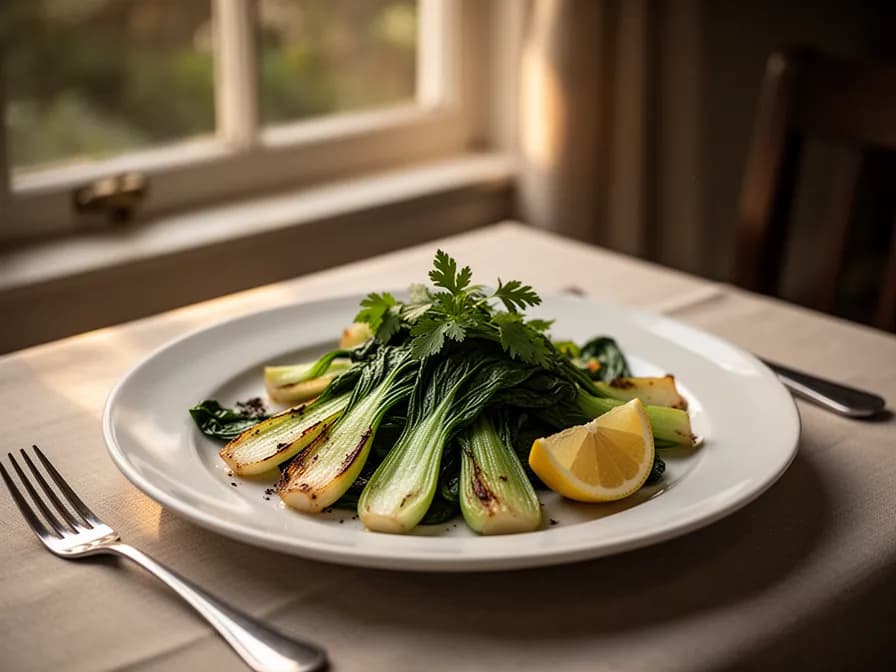
Kai-lan with Oyster Sauce and Garlic
10 minThe classic Cantonese preparation found in dim sum restaurants worldwide. Tender blanched kai-lan stems are drizzled with a savory oyster sauce glaze and topped with crispy fried garlic — simple, elegant, and deeply satisfying.
8 ingredientesStir-fried Kai-lan with Ginger and Chili
12 minA vibrant wok-fried dish where the natural sweetness of kai-lan stems meets the heat of fresh chili and the warmth of ginger. High-heat stir-frying keeps the stems crisp-tender with a slight smoky char.
8 ingredientes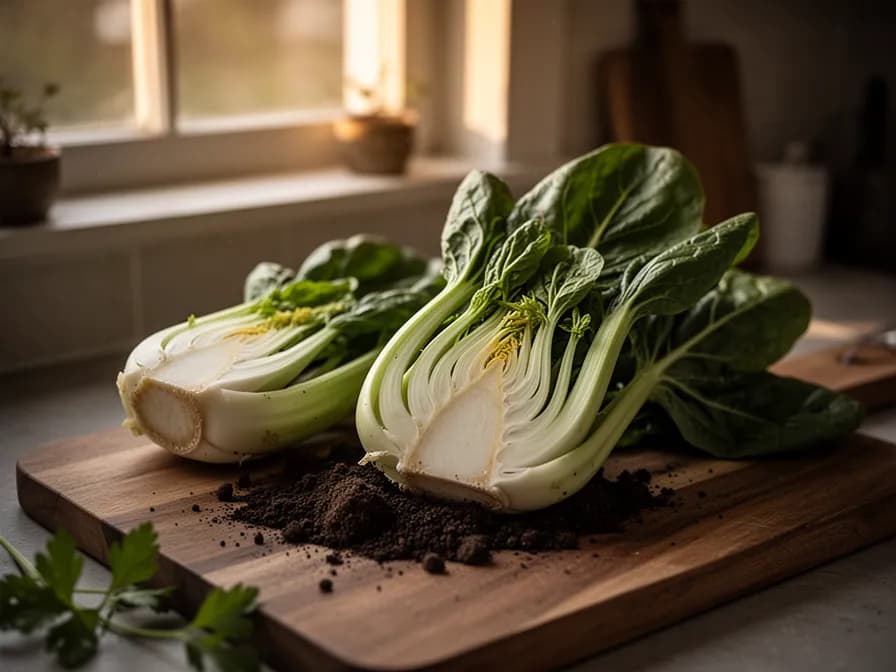
Kai-lan and Beef in Black Bean Sauce
20 minA beloved Cantonese combination where thick kai-lan stems stand up perfectly to sliced beef and pungent fermented black bean sauce. The vegetable absorbs the savory-salty sauce while retaining its signature crunch.
9 ingredientesUsos culinarios
El kai-lan es un pilar de la cocina cantonesa, donde se saltea con salsa de ostras, ajo y aceite de sésamo como guarnición clásica en los restaurantes dim sum. También se prepara al vapor con jengibre, en sopas de fideos y en platos de wok con carne de res. Los tallos crujientes y las flores se comen enteros. Es excelente blanqueado brevemente y servido con salsa hoisin.
Qué contiene
Beneficios para la salud
- Exceptionally high in vitamin C at 76mg per 100g — nearly twice the amount in oranges — providing powerful antioxidant protection and supporting immune function, wound healing, and iron absorption from plant foods.
- Rich in vitamin A as beta-carotene, providing 54% of the daily value per 100g, essential for maintaining healthy vision, skin integrity, and proper immune system function.
- Contains high levels of vitamin K, critical for blood clotting and bone metabolism, helping to maintain bone density and reduce the risk of fractures as we age.
- Abundant in glucosinolates — sulfur-containing compounds that break down into isothiocyanates during chewing and digestion, which have been extensively studied for their ability to support the body's natural detoxification processes and potentially inhibit cancer cell growth.
- Provides bioavailable calcium (72mg per 100g) with relatively low oxalate content compared to spinach, making kai-lan one of the better plant-based calcium sources for bone health.
- Contains significant amounts of folate, iron, and dietary fiber that work synergistically to support cardiovascular health, healthy red blood cell formation, and digestive regularity.
De dónde viene Kai-lan
Kai-lan (Brassica oleracea var. alboglabra) originated in the coastal regions of southern China, where it has been cultivated for well over a millennium. The vegetable belongs to the same species as broccoli, cabbage, kale, and cauliflower, but was selected and bred along a completely different path by Chinese farmers who prized thick, sweet, juicy stems over dense flower heads or tightly wrapped leaves. Archaeological and literary evidence suggests kai-lan was well established in Cantonese agriculture by the Tang Dynasty (618-907 CE), and it became one of the defining vegetables of Guangdong Province's culinary tradition.
The vegetable's importance grew alongside the development of Cantonese cuisine, which emphasizes fresh, lightly cooked vegetables that showcase natural flavor and texture. Kai-lan became inseparable from wok cooking — its thick stems could withstand the intense heat of a blazing wok while developing a slight caramelized char, and its mild sweetness paired perfectly with oyster sauce, a condiment invented in Guangdong in the 1880s. As Cantonese emigrants spread across Southeast Asia, Australia, Europe, and North America in the 19th and 20th centuries, they brought kai-lan with them, establishing it as a staple in Chinese communities worldwide.
In 1993, kai-lan played a pivotal role in modern vegetable breeding when the Sakata Seed Company of Yokohama, Japan, crossed it with conventional broccoli to create Broccolini, a hybrid that inherited kai-lan's long, tender stems and mild sweetness. This cross-breeding success brought global attention to kai-lan's genetic value. Today, China remains by far the largest producer and consumer of kai-lan, with significant commercial cultivation in Hong Kong, Taiwan, Thailand, Malaysia, and Australia. The vegetable has gained steady popularity in Western countries, driven by the growth of Asian cuisine and increasing interest in nutrient-dense brassica vegetables.
Kai-lan: ¿sabías que?
Datos fascinantes sobre Kai-lan
Kai-lan (Brassica oleracea var. alboglabra) is often called 'Chinese broccoli' or 'Chinese kale,' but it is actually a distinct variety of the same species that includes broccoli, kale, cabbage, and cauliflower — all bred from a single wild mustard ancestor over thousands of years.
Kai-lan: preguntas frecuentes
¿Cuándo debo plantar Kai-lan?
¿Cuáles son buenas plantas acompañantes para Kai-lan?
¿En qué zonas de rusticidad puede crecer Kai-lan?
¿Cuánto sol necesita Kai-lan?
¿A qué distancia debo espaciar Kai-lan?
¿Qué plagas y enfermedades afectan a Kai-lan?
¿Cómo almaceno Kai-lan después de la cosecha?
¿Cuáles son las mejores variedades de Kai-lan para cultivar?
¿Qué suelo necesita Kai-lan?
What is the difference between kai-lan and regular broccoli?
Why is my kai-lan flowering before the stems get thick?
Can I eat kai-lan leaves, or just the stems?
How do I prevent kai-lan stems from being tough or stringy?
Can I grow kai-lan in containers on a balcony?
Is kai-lan the same as broccolini or baby broccoli?
Acabas de leer la teoría. Ahora cultívala en piloto automático.
Todo lo que hace que Kai-lan sea delicado — el momento, el espaciado, las asociaciones, la ventana de cosecha — es justo lo que PlotMyGarden resuelve por ti, para cada planta de tu huerto.
Un plan que conoce tu clima
Indica tu ubicación una vez. Recibe fechas de siembra, abonado y cosecha basadas en tu última helada real y el pronóstico en vivo — sin adivinar con un sobre genérico.
De la sección “Cuándo plantar”Planificador de bancales de arrastrar y soltar
Diseña bancales sobre una cuadrícula. Cada planta encaja con su espaciado correcto y ves toda la temporada antes de gastar un céntimo en semillas.
De la sección “Cultivo”Conflictos de asociación, detectados a tiempo
Más de 200 buenas y malas combinaciones comprobadas en vivo mientras plantas — para que un error que arruine la temporada nunca llegue a la tierra.
De la sección “Asociaciones”Recordatorios que sí vas a seguir
“Riega las judías.” “Recoge hoy antes de que se pase.” Oportunos, concretos y ligados a las plantas que de verdad cultivas.
De la sección “Cosecha”Escalonado, programado
¿Quieres cosechar seis semanas en vez de seis días? Reparte tus siembras automáticamente y te avisa cuando toca el siguiente lote.
De la sección “Cuándo plantar”Un registro que se vuelve más listo
Cada cosecha que registras le enseña tu huerto. El plan del año que viene parte de lo que de verdad funcionó en tu suelo, no en un manual.
De la sección “Resumen”Planta estos junto a Kai-lan
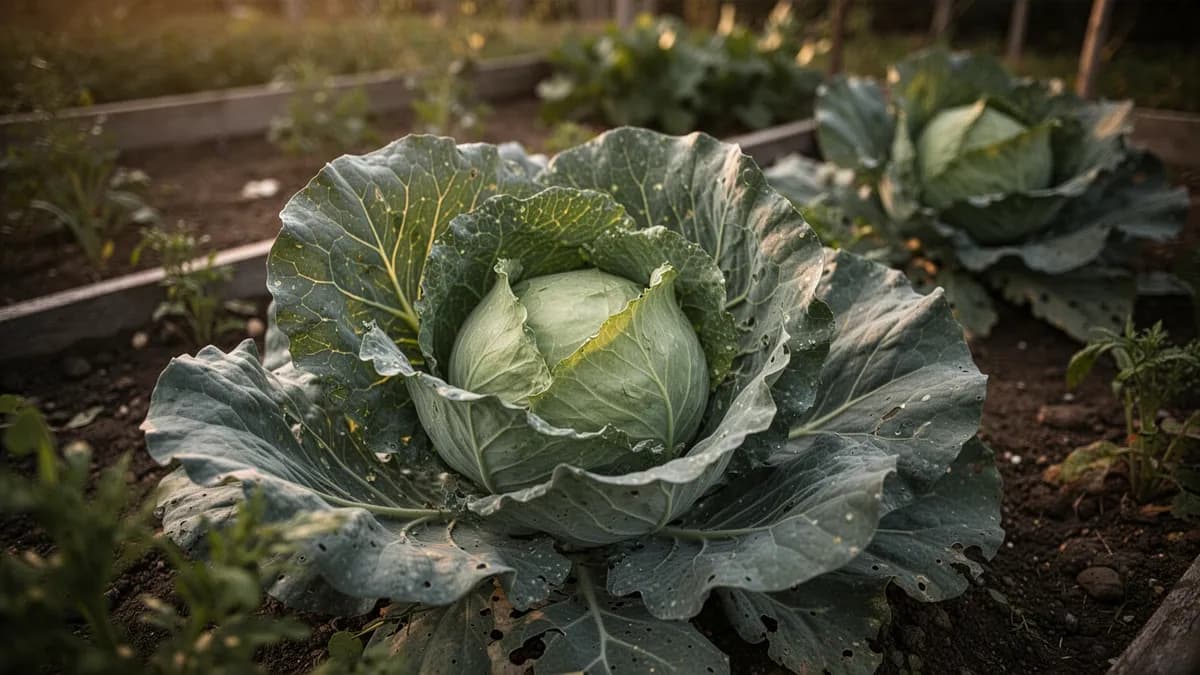
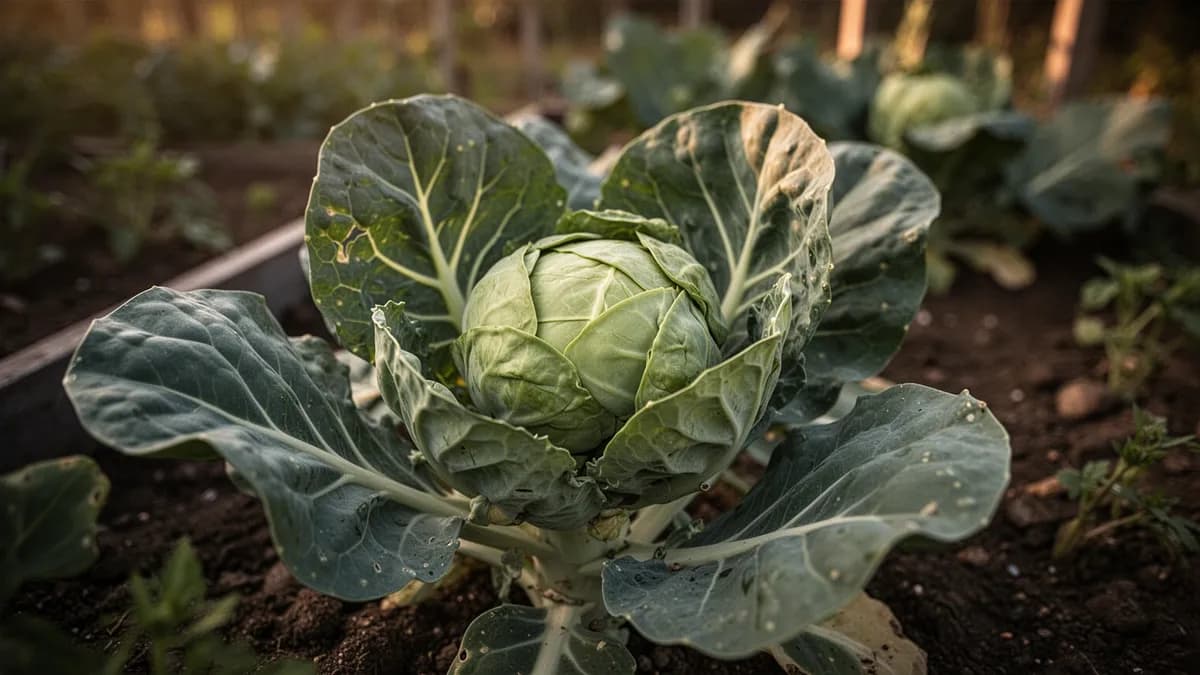
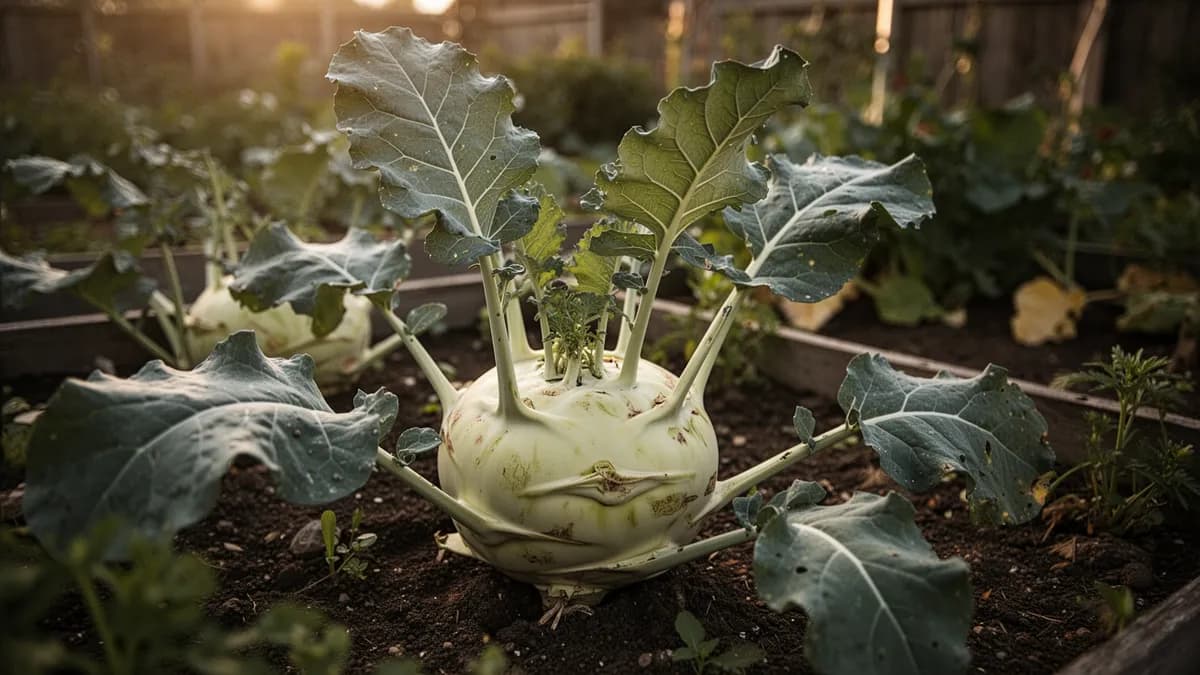
Más Crucíferas
Mantén Kai-lan lejos de estos
Cultiva tu mejor Kai-lan — y todo lo que la rodea.
Empieza un plan gratis hoy. Diseña tus bancales, coloca tu Kai-lan y deja que PlotMyGarden gestione el momento, el espaciado, las asociaciones y los recordatorios de la semilla a la cesta.