Topinambur
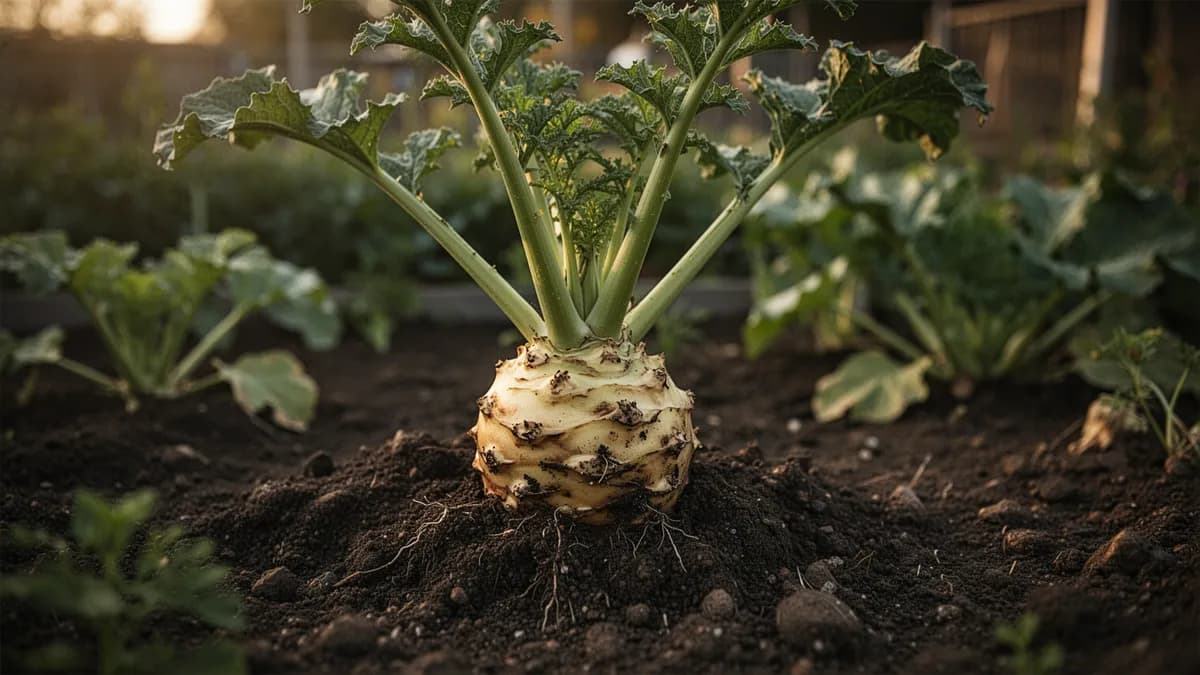
El topinambur (Helianthus tuberosus), también conocido como alcachofa de Jerusalén o pataca, es una planta perenne de la familia del girasol originaria de América del Norte.





En esta páginaResumen
Conoce Topinambur
El topinambur (Helianthus tuberosus), también conocido como alcachofa de Jerusalén o pataca, es una planta perenne de la familia del girasol originaria de América del Norte. Produce abundantes tubérculos subterráneos de piel fina con sabor dulce y anuezado, ricos en inulina (un prebiótico beneficioso). Las plantas pueden alcanzar 2-3 m de altura y producir pequeñas flores amarillas decorativas.
Cuándo plantar Topinambur
Plante tubérculos enteros o trozos con al menos 2-3 yemas a 10-15 cm de profundidad en primavera temprana, tan pronto como el suelo sea trabajable. Los tubérculos del supermercado sirven perfectamente como semilla. No se propaga por semilla. Los brotes emergen en 2-3 semanas. Una vez establecido, el topinambur se mantiene productivo indefinidamente con cosechas anuales.
Tu año de Topinambur
Ajustado a Zona 7 · temporada típica · la helada se va hacia el 2 abr y vuelve hacia el 1 nov
Planta Topinambur Mar – Abr y cosecha Oct – Dic. Consulta los métodos de plantación y elige tu clima para adaptar los periodos.
Cómo cultivar Topinambur
Plante los tubérculos a principios de primavera a 10-15 cm de profundidad y 30-40 cm de separación en un lugar con pleno sol a sombra parcial. El topinambur crece en prácticamente cualquier tipo de suelo con pH entre 5,5 y 7,5, pero produce mejor en suelos fértiles y bien drenados. Es una planta extremadamente resistente y fácil de cultivar.
Las plantas crecen vigorosamente sin necesidad de cuidados especiales. Riegue durante periodos de sequía prolongada, pero en general la planta se las arregla sola. Puede podar las plantas a 1-1,5 m de altura en verano para reducir la altura y fortalecer los tallos, evitando que se tumben con el viento.
Es fundamental contener su expansión, ya que cualquier trozo de tubérculo que quede en el suelo producirá una nueva planta. Cultive en un área delimitada con barreras enterradas, en camas elevadas con fondo, o en contenedores grandes. Excave todos los tubérculos posibles en la cosecha para limitar la expansión incontrolada.
10 plantas caben en un bancal de 120 × 240 cm
Cada Topinambur pide 45 cm de margen. El planificador guarda ese marco por ti — cada planta, cada bancal.
Los mejores vecinos de Topinambur
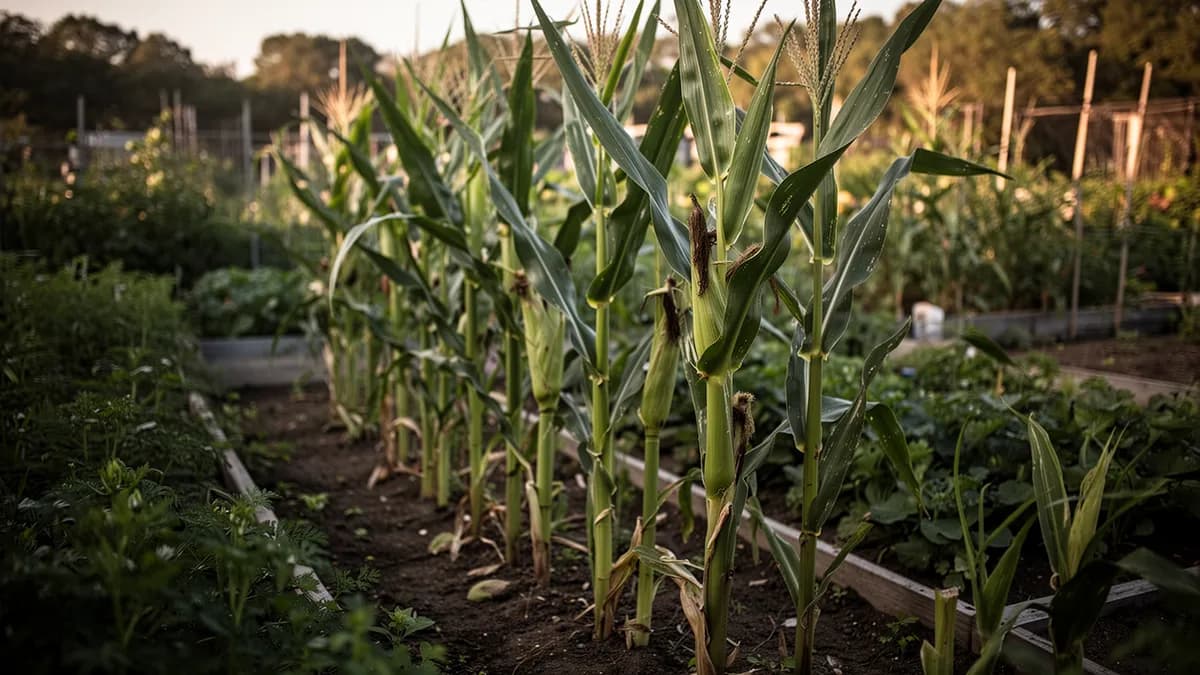
Las plantas altas del topinambur pueden servir como cortavientos o pantalla protectora para cultivos más bajos. Se pueden plantar en los bordes del huerto donde su tendencia invasiva sea menos problemática. Evite plantar cerca de cultivos de raíz que puedan verse superados por la competencia. Los girasoles son parientes naturales y compañeros compatibles.
Maíz va a su lado.
Saber de huerto de siempre, cotejado con la tabla real de Topinambur — prueba cualquier planta que cultives.
Prueba Topinambur en un bancal, aquí mismo
Un bancal real del planificador con Topinambur ya plantado. Toca una planta compañera para colocarla y mira cómo responde la comprobación de vecinos: verde para buenos vecinos, rojo si hay conflicto.


Guías de cultivo relacionadas

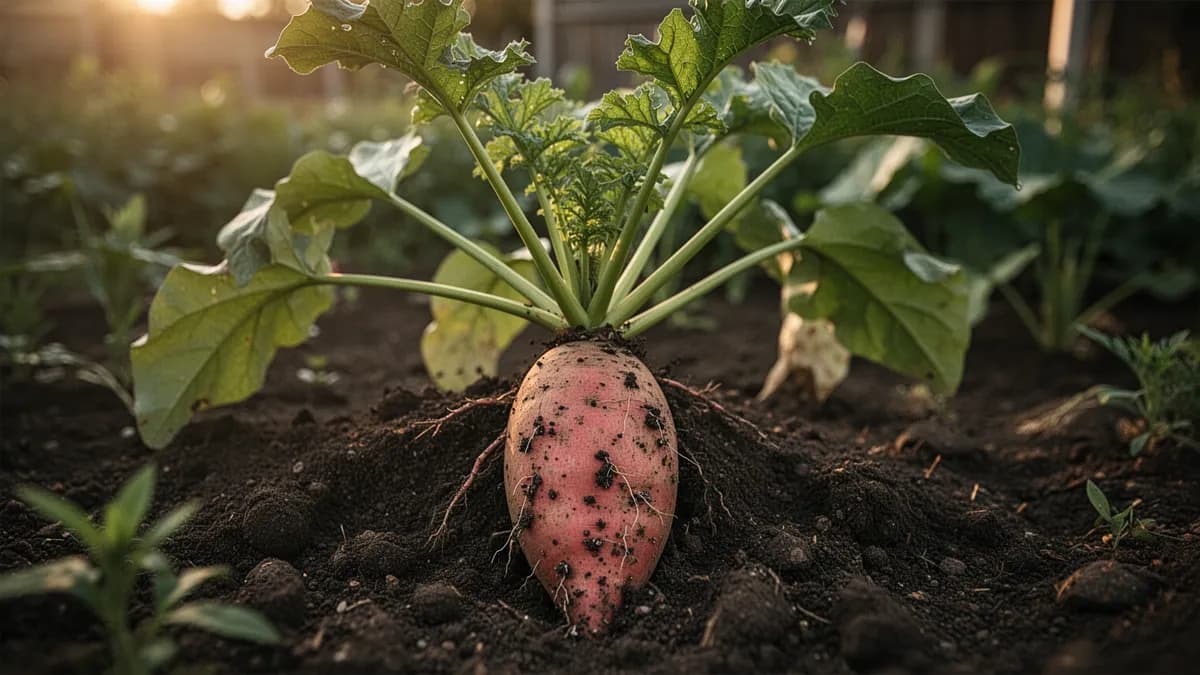
Abónalo bien
Crece en prácticamente cualquier suelo con pH entre 5,5 y 7,5. Produce mejor en suelos fértiles y bien drenados enriquecidos con compost. No requiere fertilización especial; un aporte de compost en primavera es suficiente. El exceso de nitrógeno produce plantas altas con pocos tubérculos. Suelos pesados producen tubérculos más pequeños y nudosos.
Temperatura ideal
Compatibilidad de zonas de rusticidad
De la semilla a la cosecha, etapa por etapa
Brotación de tubérculos
Los trozos de tubérculo plantados emiten brotes desde sus yemas y atraviesan la superficie del suelo como tallos gruesos y vellosos. Las raíces se desarrollan al mismo tiempo, anclando la planta y empezando a explorar hacia afuera. La brotación ocurre con fiabilidad incluso en suelos fríos de 6-10 °C.
Crecimiento vegetativo
Los tallos crecen con rapidez y alcanzan 1-2 metros de altura, con hojas ásperas como papel de lija, dispuestas opuestas en la parte baja del tallo y alternas más arriba. El sistema radicular se expande con vigor y comienzan a formarse nuevos estolones bajo tierra. El crecimiento se acelera mucho con clima cálido.
Crecimiento rápido en altura
Las plantas alcanzan su altura máxima de 2-3 metros y forman un dosel denso de follaje. Bajo tierra, los estolones empiezan a engrosarse en sus puntas mientras la planta almacena energía en los tubérculos en desarrollo. El tallo se vuelve leñoso y resistente en la base.
Floración
Pequeñas flores amarillas brillantes parecidas a las del girasol, de 5-8 cm de ancho, aparecen en las puntas de los tallos a finales del verano y principios del otoño. Las flores atraen abejas y mariposas, pero rara vez producen semillas viables en la mayoría de los climas. El engrosamiento de los tubérculos se intensifica a medida que la planta dirige la energía fotosintética hacia el subsuelo.
Engrosamiento de tubérculos
La fase crítica de formación del tamaño del tubérculo ocurre cuando los días de otoño se acortan y las temperaturas se enfrían. El follaje empieza a amarillear y a secarse, y toda la energía restante se dirige a los tubérculos subterráneos. Los tubérculos crecen con rapidez durante este periodo y a veces duplican su peso en las últimas semanas.
Listo para cosecha
Después de la primera helada fuerte, que mata la parte aérea, los tubérculos alcanzan su máxima dulzura cuando la inulina se convierte en fructosa con el frío. Los tubérculos pueden permanecer en el suelo durante el invierno bajo mantillo y cosecharse según se necesiten. Cada tubérculo original ha producido un grupo de 10-20 nuevos tubérculos.
Planta los tubérculos a 10-15 cm de profundidad con las yemas hacia arriba. Mantén el suelo moderadamente húmedo, pero no encharcado. Marca los lugares de plantación, ya que la emergencia puede tardar 2-3 semanas según la temperatura del suelo.
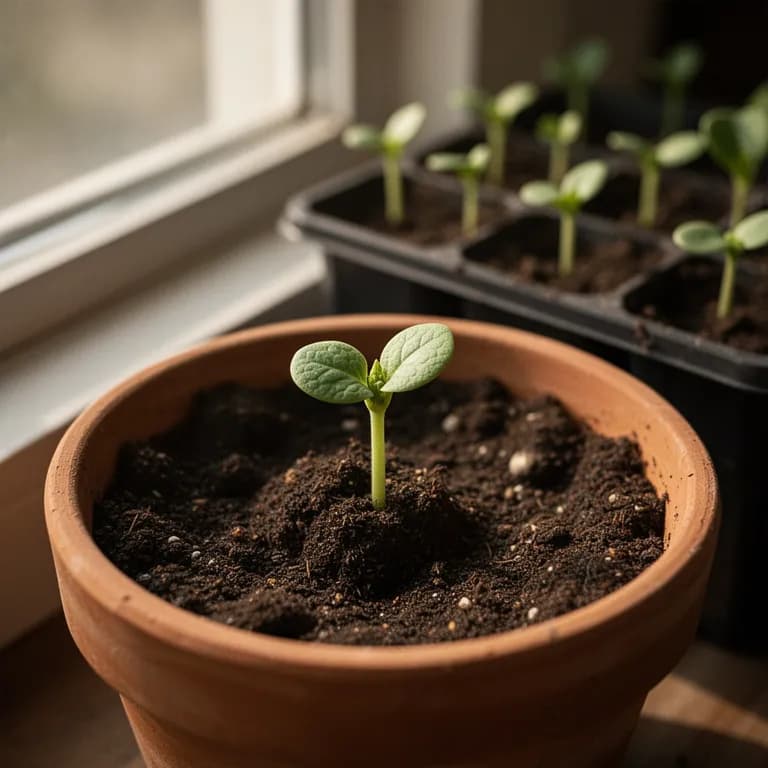
Cuidar Topinambur mes a mes
Qué hacer cada mes para tu Topinambur
Octubre
Mes actualAfter the first hard frost kills top growth, the harvest season begins. Cut dead stems to 15 cm and dig tubers as needed with a garden fork. Leave tubers in the ground under mulch for the freshest quality and dig throughout the winter. Harvest thoroughly if you want to prevent regrowth next year.
Ten claro qué hacer en tu huerto, cada mes
Un correo al empezar cada mes: qué sembrar, plantar y hacer ahora mismo — para tu Topinambur y todo lo que crece alrededor. Más un breve curso inicial para esquivar los errores clásicos.
- Qué hacer ahora mismo
- Ajustado a tu temporada
- Curso inicial incluido
Cosechar Topinambur
Coseche los tubérculos después de las primeras heladas, cuando los tallos se han marchitado y tornado marrones, generalmente entre noviembre y marzo. Las heladas mejoran el sabor al convertir la inulina en azúcares más dulces. Excave con una horquilla de jardín con cuidado para no dañar los tubérculos. Puede dejar los tubérculos en el suelo e ir cosechando según necesite durante todo el invierno.
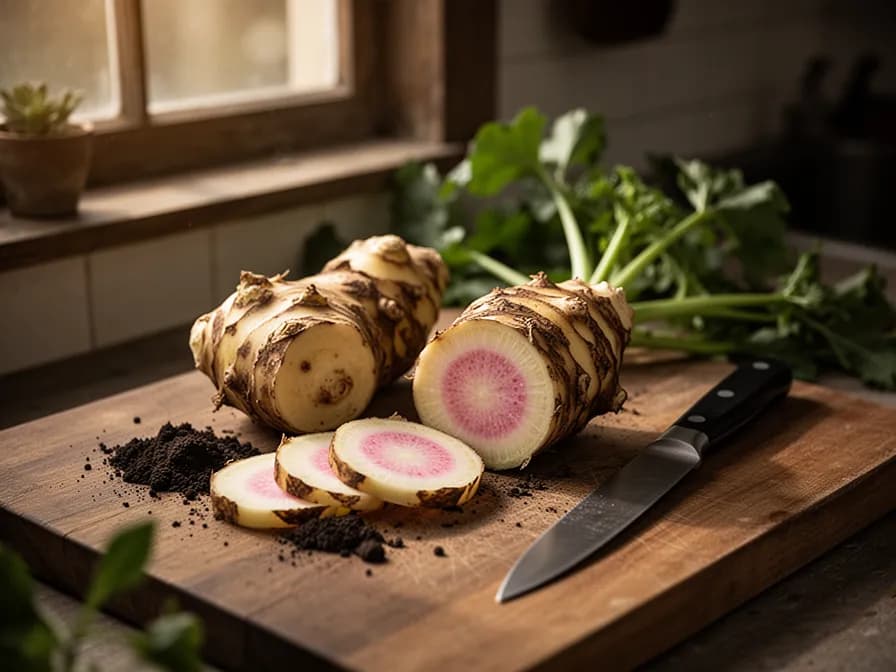
se supone que plantas al comenzar el periodo — indica tu fecha real
Después de la primera helada fuerte, cuando la parte aérea se haya secado y los tubérculos estén más dulces.
Almacenamiento y conservación
La mejor forma de almacenar es dejar los tubérculos en el suelo y cosechar según se necesiten durante el invierno. Los tubérculos cosechados se conservan en el refrigerador dentro de una bolsa perforada durante 1-2 semanas, pero se deshidratan rápidamente. También pueden almacenarse en arena húmeda en un sótano fresco. Para conservación prolongada, cocine y congele en porciones.
Qué falla — y cómo solucionarlo
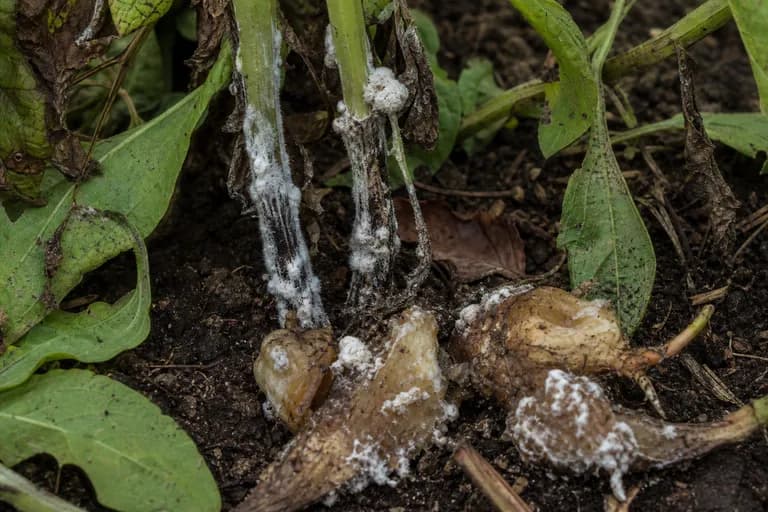
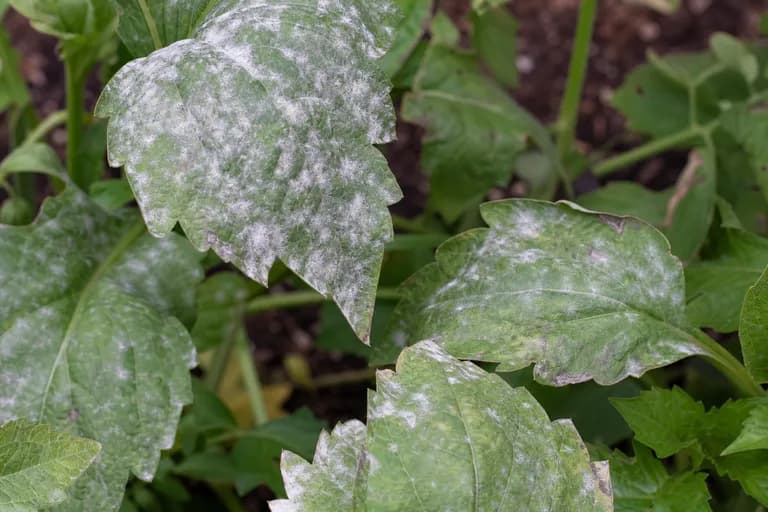
Esclerotinia (Sclerotinia sclerotiorum)
EnfermedadMarchitamiento súbito de los tallos con un moho blanco algodonoso en la base. Los tallos afectados se ablandan y colapsan. Los tubérculos pueden pudrirse.
Pulgón del girasol (Aphis helianthi)
PlagaColonias de insectos verdes o negros en los brotes tiernos y el envés de las hojas superiores, causando enrollamiento y deformación.
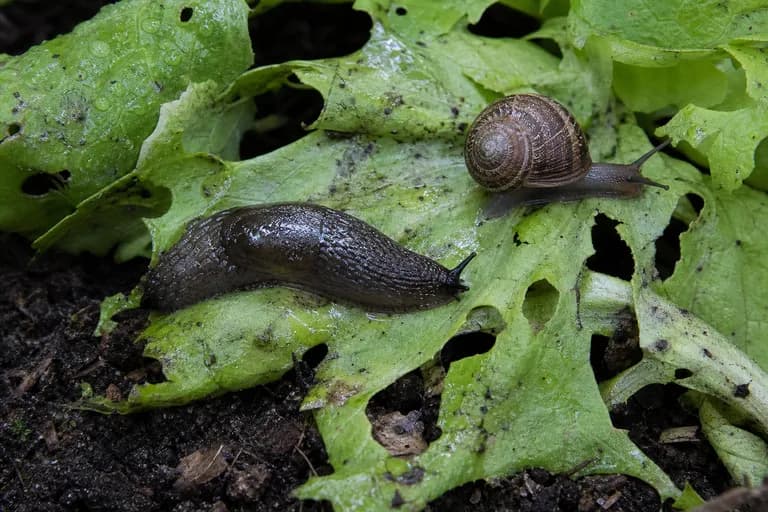
Babosas y caracoles
PlagaDaños en los brotes jóvenes emergentes en primavera. Las hojas bajas presentan agujeros irregulares y rastros de baba.
Solución de problemas comunes
La invasividad es el problema principal: cualquier trozo de tubérculo que quede en el suelo producirá una nueva planta, haciendo que el topinambur se extienda incontrolablemente. Cultive siempre en un área contenida. Los tubérculos contienen inulina que puede causar flatulencia en personas no acostumbradas; aumente gradualmente el consumo. La piel fina hace que los tubérculos se deshidraten rápidamente una vez cosechados.
Consejos de cultivo
- Containment is the single most important consideration when planting Jerusalem artichokes. Use a dedicated bed bordered by paths, install root barriers 60 cm deep, or plant in large containers. Any tuber fragment the size of a pea left in the ground will regrow, making removal nearly impossible once established in an open garden bed.
- Plant in full sun for maximum tuber production, but know that Jerusalem artichokes tolerate partial shade better than almost any other root crop. Plants in shade grow taller and leggier with smaller tuber yields, but still produce a worthwhile harvest.
- Choose smoother-skinned varieties like Red Fuseau or Clearwater to save hours of cleaning and preparation time. Wild-type and heirloom varieties with deeply knobby tubers are frustrating to peel and clean, though they often have excellent flavor.
- Leave tubers in the ground under mulch rather than digging and storing them. They stay fresh and crisp in the soil for months longer than they would in the refrigerator, and the cold soil continues to sweeten them. Dig only what you need at a time.
- Introduce Jerusalem artichokes into your diet gradually. The high inulin content causes significant digestive gas in most people when eaten in large quantities. Start with small portions (50-100g) and increase over 2-3 weeks as your gut bacteria adapt.
- Hill the plants like potatoes when stems reach 30 cm tall — mound soil 10-15 cm up around the base to encourage more tuber formation at multiple levels, significantly increasing your total harvest.
- Cut or top the plants at about 2 meters tall if they are growing in an exposed or windy location. This prevents the tall, top-heavy stems from lodging (falling over) in storms and also redirects some energy into tuber production.
- For the sweetest possible flavor, wait to harvest until after several hard frosts. Cold temperatures trigger the enzymatic conversion of inulin to fructose, noticeably sweetening the tubers. Tubers dug before frost have a more starchy, bland flavor.
Cultiva tu mejor Topinambur — y todo lo que la rodea.
Empieza un plan gratis hoy. Diseña tus bancales, coloca tu Topinambur y deja que PlotMyGarden gestione el momento, el espaciado, las asociaciones y los recordatorios de la semilla a la cesta.
Elige tu Topinambur
Stampede
Variedad con tubérculos grandes, blancos y más regulares que facilitan la limpieza y el pelado. Sabor dulce y anuezado. Muy productiva. 120-130 días.
Fuseau
Variedad francesa con tubérculos largos y lisos que son mucho más fáciles de pelar que las variedades nudosas. Excelente sabor. 130-140 días.
Dwarf Sunray
Variedad compacta que alcanza solo 1-1,5 m de altura. Ideal para jardines pequeños. Buenos tubérculos de tamaño medio. 120-130 días.
Red Fuseau
Variedad con piel rojiza y forma alargada elegante. Sabor delicado y textura cremosa al cocinar. Tubérculos más fáciles de pelar. 130-140 días.
Jerusalem artichokes are one of the most cost-effective crops a home gardener can grow. A few tubers costing $5-10 can produce 20-50 kg of harvest in the first year, with free replanting stock for all subsequent years since the tubers regenerate annually. At specialty grocery prices of $6-10 per pound, this represents $250-1000 in value from a one-time investment. The plants require virtually no inputs — no fertilizer, no pest control, no seed purchases — making them among the lowest-cost-per-kilogram crops possible in a home garden.
Recetas rápidas
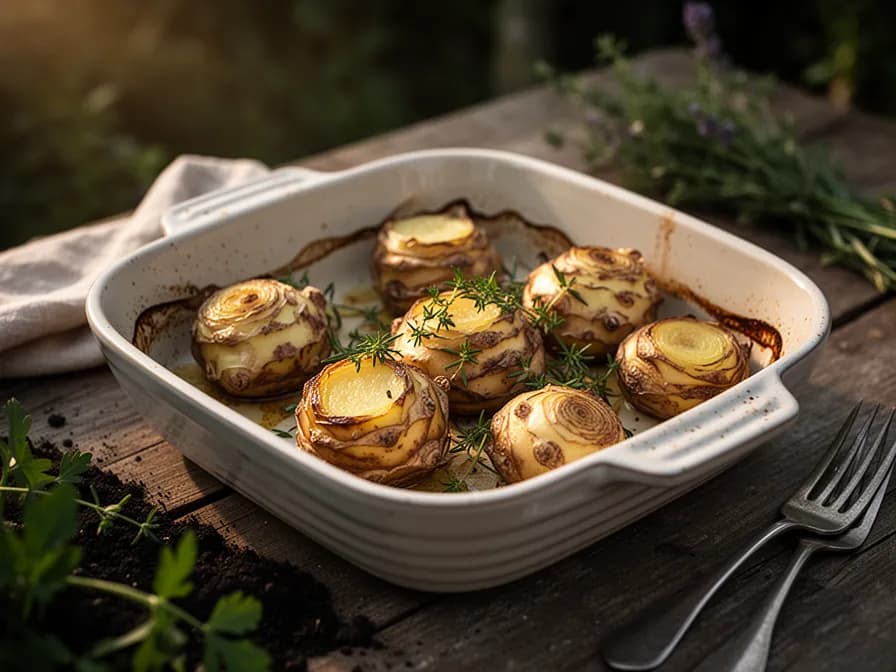
Roasted Jerusalem Artichokes with Herbs
35 minScrubbed and halved tubers roasted at high heat until golden and caramelized, bringing out their natural sweetness and creating crispy edges with a creamy interior. No peeling needed — the thin skin adds flavor and texture.
7 ingredientesCreamy Jerusalem Artichoke Soup
40 minA silky, elegant soup with a subtle nutty sweetness that rivals the finest restaurant bisques. The natural creaminess of the tubers means you need very little actual cream for a luxurious texture.
8 ingredientesRaw Jerusalem Artichoke and Apple Slaw
15 minA crisp, refreshing slaw that showcases the water-chestnut-like crunch and mild sweetness of raw Jerusalem artichokes. The lemon dressing prevents browning and adds brightness.
8 ingredientesUsos culinarios
Los tubérculos se consumen de múltiples formas: crudos rallados en ensaladas con un sabor similar a la nuez, asados al horno donde se caramelizan deliciosamente, en sopas y cremas aterciopeladas, o salteados como guarnición. Su textura y sabor recuerdan a la alcachofa y la castaña de agua. En la alta cocina francesa se preparan en puré, chips crujientes y gratinados con queso.
Qué contiene
Beneficios para la salud
- Outstanding prebiotic properties — the high inulin content feeds beneficial Bifidobacteria and Lactobacillus species in the gut, promoting a healthy microbiome and improved digestive function with regular consumption.
- Rich in iron (3.4mg per 100g, 19% DV), making Jerusalem artichokes one of the best plant-based iron sources among root vegetables — particularly valuable for vegetarians and vegans.
- High potassium content (429mg per 100g) supports cardiovascular health by helping regulate blood pressure and counteracting the effects of excess dietary sodium.
- Contains thiamine (vitamin B1) at 13% of the daily value per 100g, essential for converting carbohydrates into energy and supporting proper nerve and muscle function.
- The inulin fiber may help regulate blood sugar by slowing carbohydrate absorption and improving insulin sensitivity — studies suggest potential benefits for people managing type 2 diabetes.
- Low in fat and moderate in calories (73 per 100g), with a high satiety factor from the fiber content, making Jerusalem artichokes a filling food that supports weight management.
De dónde viene Topinambur
Jerusalem artichoke (Helianthus tuberosus) is native to eastern North America, where it was cultivated by indigenous peoples for thousands of years before European contact. Archaeological evidence suggests Native American tribes including the Huron, Abenaki, and various Algonquin-speaking peoples grew the tubers as a staple food crop, selecting for larger, smoother tubers over many generations. The plant grows wild from Ontario to Georgia and west to the Great Plains, thriving along riverbanks, forest edges, and disturbed ground.
The French explorer Samuel de Champlain first documented Jerusalem artichokes in 1605 at Cape Cod, noting that the Nauset people cultivated them in large gardens. He sent tubers to France, where they arrived around 1607 and quickly became a popular vegetable in Parisian markets and aristocratic gardens. The Italian botanist Fabio Colonna grew them in Rome around the same time, and the plant spread rapidly across Europe. In France, they were initially called 'topinambours' after a Brazilian tribal name, a word still used in French today.
Jerusalem artichokes experienced cycles of popularity and neglect in European cuisine. They were a fashionable delicacy in 17th-century France but fell from favor when the potato became dominant. During both World Wars, they returned as an important food source because they grew productively on marginal land with virtually no care — this wartime association actually hurt their reputation afterward, as many Europeans associated them with deprivation and hardship. Today, Jerusalem artichokes are experiencing a renaissance in fine dining and health-conscious cooking, valued for their unique flavor, prebiotic inulin content, and exceptional ease of cultivation. They are commercially grown in France, Germany, the Netherlands, and parts of North America.
Topinambur: ¿sabías que?
Datos fascinantes sobre Topinambur
Jerusalem artichokes have nothing to do with Jerusalem and are not artichokes — the name likely derives from the Italian word 'girasole' (sunflower), which was corrupted into 'Jerusalem' by English speakers. The 'artichoke' part comes from the similar flavor of the tubers to globe artichoke hearts.
Topinambur: preguntas frecuentes
¿Cuándo debo plantar Topinambur?
¿Cuáles son buenas plantas acompañantes para Topinambur?
¿En qué zonas de rusticidad puede crecer Topinambur?
¿Cuánto sol necesita Topinambur?
¿A qué distancia debo espaciar Topinambur?
¿Qué plagas y enfermedades afectan a Topinambur?
¿Cómo almaceno Topinambur después de la cosecha?
¿Cuáles son las mejores variedades de Topinambur para cultivar?
¿Qué suelo necesita Topinambur?
How do I stop Jerusalem artichokes from taking over my garden?
Why do Jerusalem artichokes cause so much gas and bloating?
When is the best time to harvest Jerusalem artichokes?
Can I grow Jerusalem artichokes in containers?
Do Jerusalem artichokes need to be peeled before eating?
Are Jerusalem artichokes safe for diabetics?
Acabas de leer la teoría. Ahora cultívala en piloto automático.
Todo lo que hace que Topinambur sea delicado — el momento, el espaciado, las asociaciones, la ventana de cosecha — es justo lo que PlotMyGarden resuelve por ti, para cada planta de tu huerto.
Un plan que conoce tu clima
Indica tu ubicación una vez. Recibe fechas de siembra, abonado y cosecha basadas en tu última helada real y el pronóstico en vivo — sin adivinar con un sobre genérico.
De la sección “Cuándo plantar”Planificador de bancales de arrastrar y soltar
Diseña bancales sobre una cuadrícula. Cada planta encaja con su espaciado correcto y ves toda la temporada antes de gastar un céntimo en semillas.
De la sección “Cultivo”Conflictos de asociación, detectados a tiempo
Más de 200 buenas y malas combinaciones comprobadas en vivo mientras plantas — para que un error que arruine la temporada nunca llegue a la tierra.
De la sección “Asociaciones”Recordatorios que sí vas a seguir
“Riega las judías.” “Recoge hoy antes de que se pase.” Oportunos, concretos y ligados a las plantas que de verdad cultivas.
De la sección “Cosecha”Escalonado, programado
¿Quieres cosechar seis semanas en vez de seis días? Reparte tus siembras automáticamente y te avisa cuando toca el siguiente lote.
De la sección “Cuándo plantar”Un registro que se vuelve más listo
Cada cosecha que registras le enseña tu huerto. El plan del año que viene parte de lo que de verdad funcionó en tu suelo, no en un manual.
De la sección “Resumen”Planta estos junto a Topinambur
Más Hortalizas de raíz
Diseños de jardín con Topinambur
Cultiva tu mejor Topinambur — y todo lo que la rodea.
Empieza un plan gratis hoy. Diseña tus bancales, coloca tu Topinambur y deja que PlotMyGarden gestione el momento, el espaciado, las asociaciones y los recordatorios de la semilla a la cesta.