Jengibre Amarillo
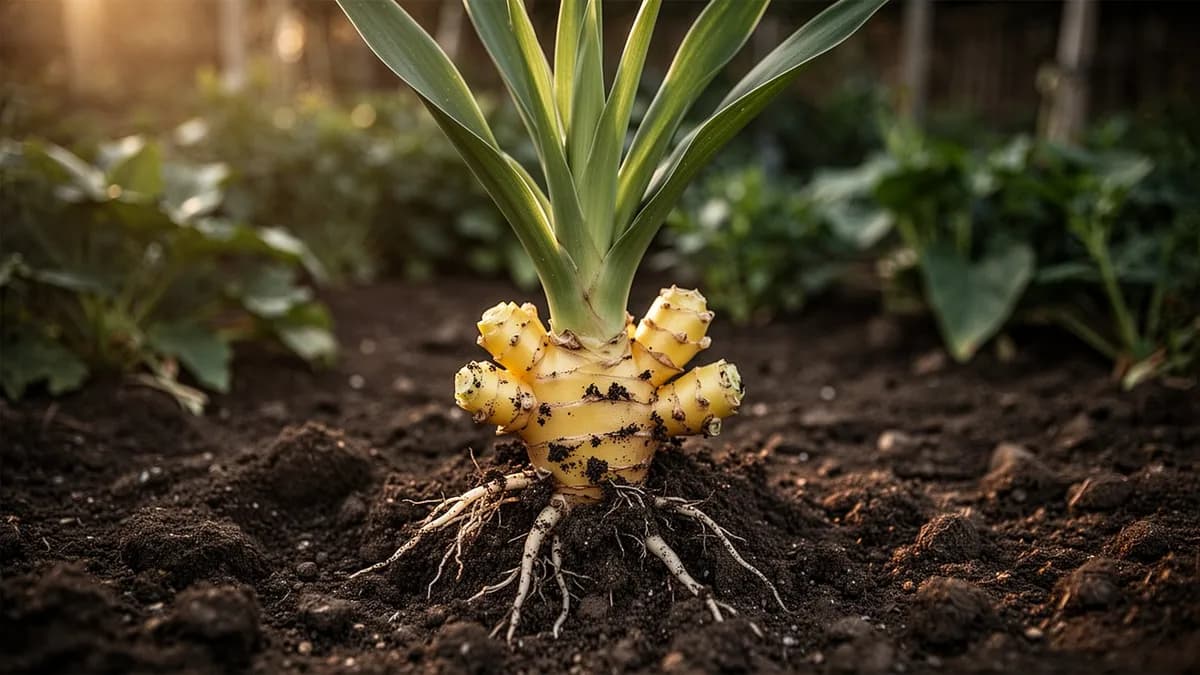
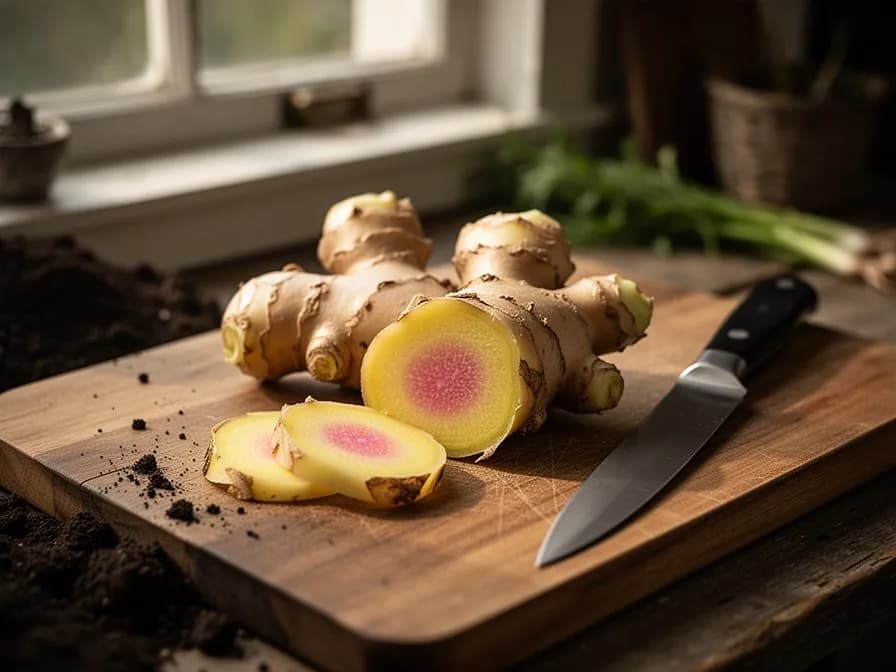
La cúrcuma (Curcuma longa), también conocida como jengibre amarillo, es una planta tropical de la familia Zingiberaceae cultivada por su rizoma de intenso color naranja-amarillo.





En esta páginaResumen
Conoce Jengibre Amarillo
La cúrcuma (Curcuma longa), también conocida como jengibre amarillo, es una planta tropical de la familia Zingiberaceae cultivada por su rizoma de intenso color naranja-amarillo. Rico en curcumina, un potente antioxidante, es tanto una especia fundamental en la cocina india como un remedio tradicional valorado por sus propiedades antiinflamatorias.
Cuándo plantar Jengibre Amarillo
Adquiere rizomas frescos con yemas activas de un proveedor confiable o de una tienda de productos orgánicos. Corta en trozos de 5-7 cm con al menos 2-3 yemas, deja secar los cortes 24 horas y plántalos horizontalmente a 5-8 cm de profundidad en sustrato húmedo y cálido. La brotación puede tardar 2-4 semanas a temperaturas de 25-30°C.
Tu año de Jengibre Amarillo
Ajustado a Zona 7 · temporada típica · la helada se va hacia el 2 abr y vuelve hacia el 1 nov
Planta Jengibre Amarillo Mar – May y cosecha Oct – Nov. Consulta los métodos de plantación y elige tu clima para adaptar los periodos.
Cómo cultivar Jengibre Amarillo
La cúrcuma requiere una temporada cálida larga de 8-10 meses para producir rizomas de buen tamaño. Planta trozos de rizoma con 2-3 yemas a 5-8 cm de profundidad y 30-40 cm de separación en primavera, cuando las temperaturas nocturnas superen los 15°C de forma estable.
Necesita calor constante (20-30°C), humedad alta y luz filtrada o semisombra. Riega regularmente para mantener el suelo uniformemente húmedo sin encharcamiento. Aplica un acolchado grueso de hojas o paja que se renueva periódicamente, ya que los rizomas crecen cerca de la superficie y necesitan protección.
Fertiliza cada 3-4 semanas con un abono orgánico líquido rico en potasio durante la fase de crecimiento activo. En climas templados, cultiva en macetas grandes de al menos 30 cm de profundidad que puedas trasladar al interior antes de que las temperaturas bajen de 12°C. Las hojas grandes y atractivas hacen de la cúrcuma una bonita planta ornamental de interior durante el invierno.
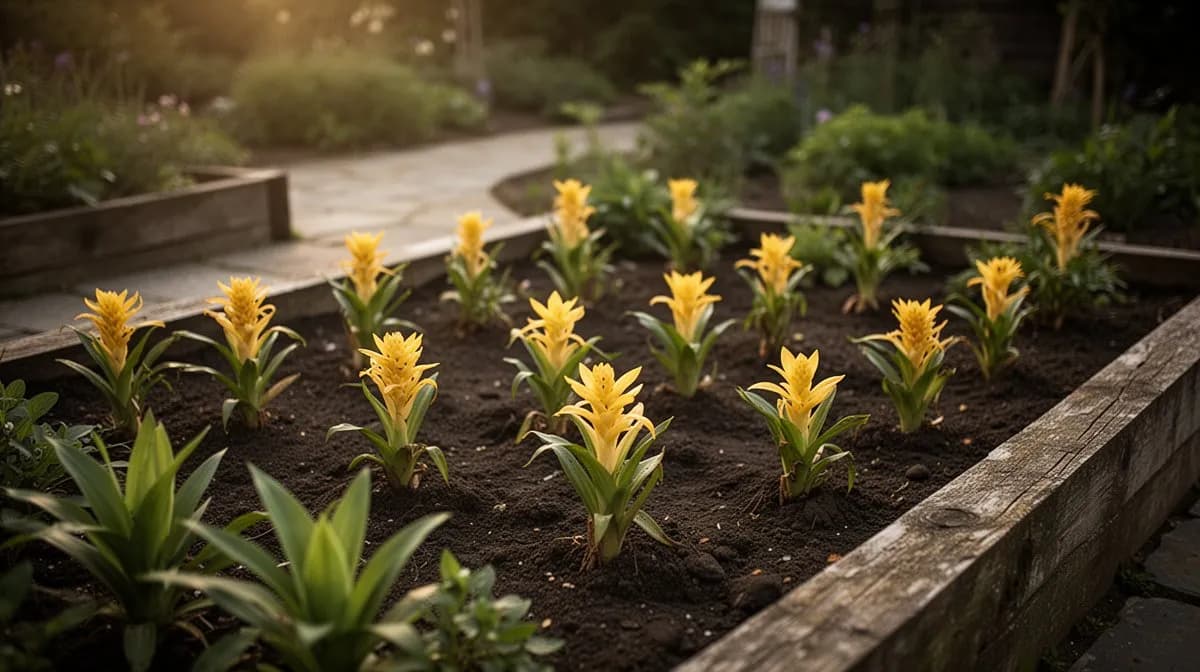
32 plantas caben en un bancal de 120 × 240 cm
Cada Jengibre Amarillo pide 30 cm de margen. El planificador guarda ese marco por ti — cada planta, cada bancal.
Los mejores vecinos de Jengibre Amarillo
La cúrcuma crece excelentemente bajo la sombra parcial de árboles tropicales como plátanos, cocoteros y frutales. Se asocia naturalmente con jengibre, galangal y cardamomo en policultivos tropicales. Las leguminosas cercanas aportan nitrógeno al suelo. Evita plantarla junto a plantas que requieran pleno sol o suelo seco.
Raíz de Cúrcuma va a su lado.
Saber de huerto de siempre, cotejado con la tabla real de Jengibre Amarillo — prueba cualquier planta que cultives.
Prueba Jengibre Amarillo en un bancal, aquí mismo
Un bancal real del planificador con Jengibre Amarillo ya plantado. Toca una planta compañera para colocarla y mira cómo responde la comprobación de vecinos: verde para buenos vecinos, rojo si hay conflicto.


Guías de cultivo relacionadas
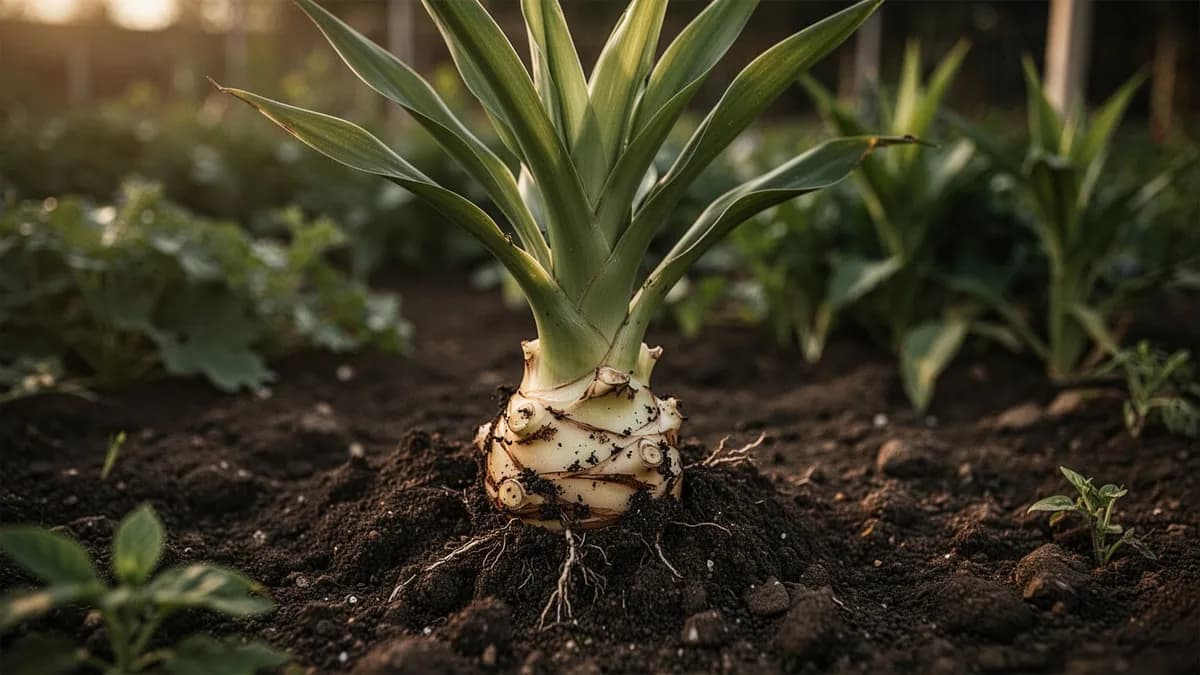
Abónalo bien
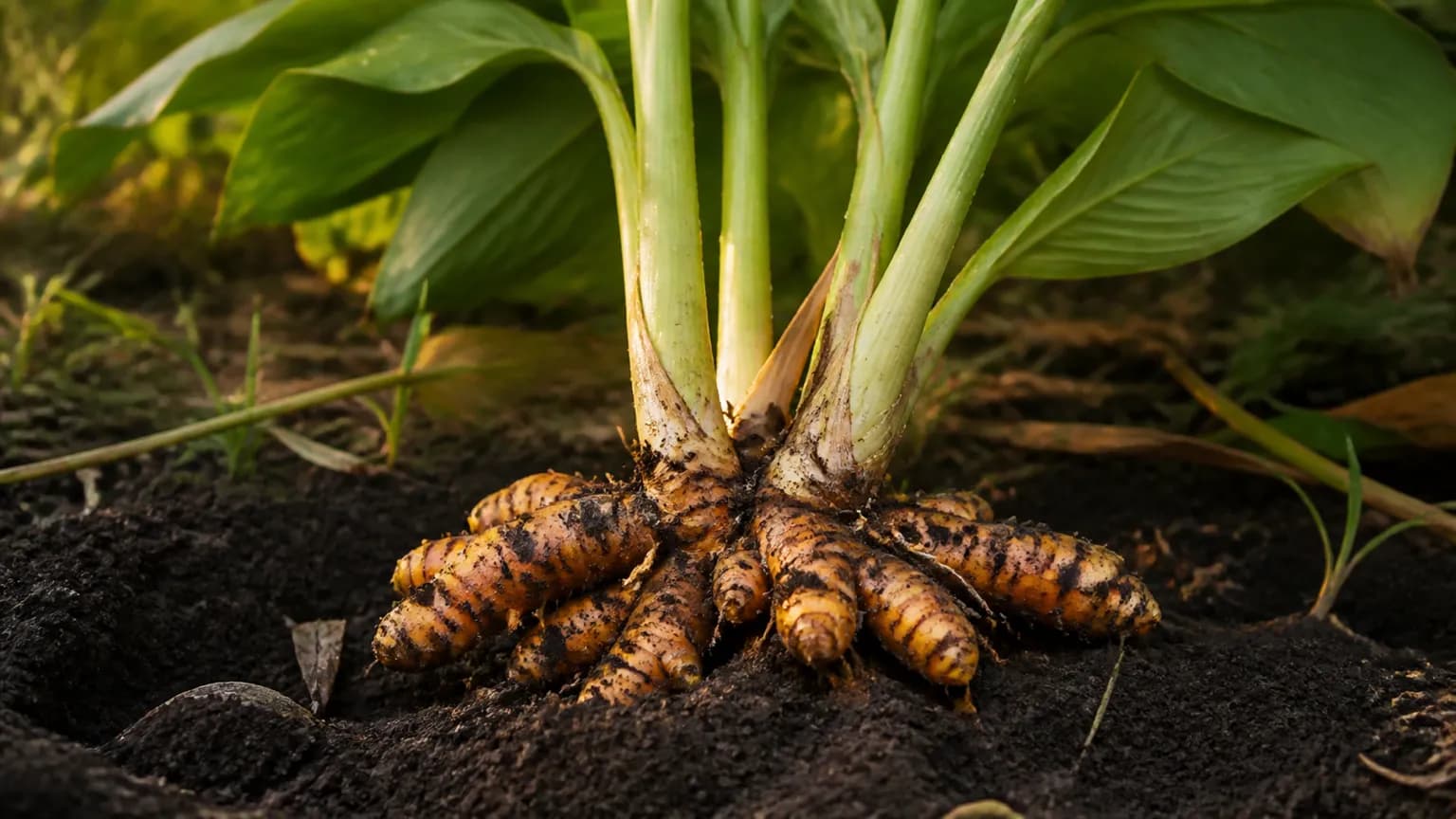
La cúrcuma prefiere suelo suelto, fértil y bien drenado con pH entre 5,5 y 7,5. Enmienda generosamente con compost, fibra de coco y perlita para crear un medio ligero y aireado. Aplica un fertilizante orgánico rico en potasio cada 3-4 semanas durante el crecimiento activo, reduciendo la fertilización cuando las hojas comiencen a amarillear.
Temperatura ideal
Compatibilidad de zonas de rusticidad
De la semilla a la cosecha, etapa por etapa
Brotación del rizoma
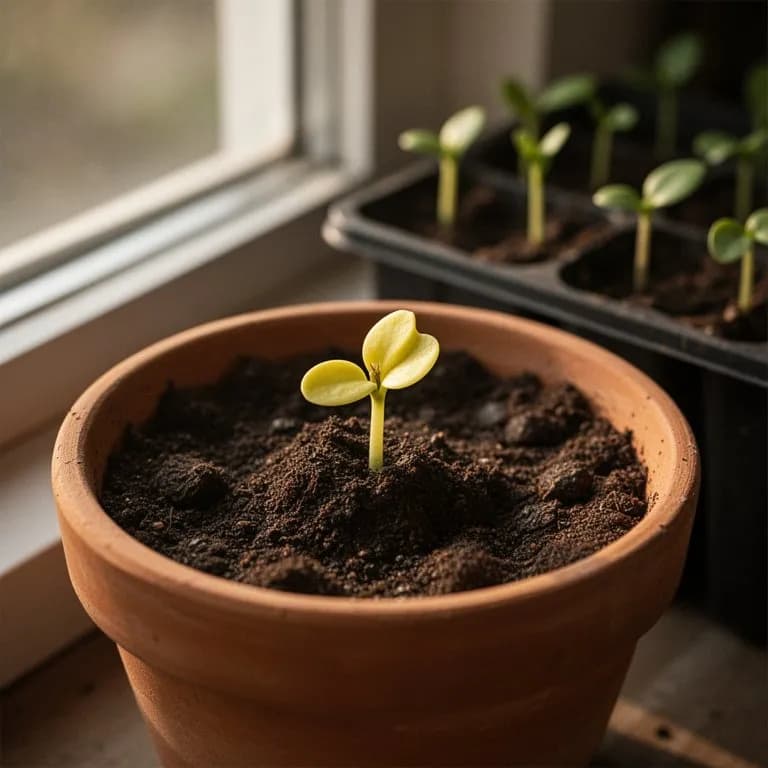
Se planta un trozo de rizoma gordo con al menos dos yemas visibles a 5 cm de profundidad en un suelo cálido y húmedo. Los ojos se hinchan durante 1-3 semanas mientras se activan las hormonas de crecimiento internas, y una punta de brote verde pálido o rosada emerge por la superficie del suelo. Pequeños primordios de raíces empiezan a extenderse desde la parte inferior del rizoma para anclar la planta.
Crecimiento temprano de hojas
La primera hoja, enrollada con fuerza, se despliega en una elegante forma lanceolada, seguida por otras hojas que emergen del mismo pseudotallo. Cada pseudotallo produce 2-4 hojas al mes. Las raíces se extienden hacia afuera y hacia abajo, estableciendo la red de captación de humedad de la planta. El crecimiento es lento, pero constante durante estas primeras semanas.
Crecimiento vegetativo activo
Varios pseudotallos emergen de la masa de rizomas en expansión, y cada uno produce hileras alternas de hojas aromáticas con forma de lanza. La planta desarrolla una mata frondosa, parecida a un carrizo, que alcanza 60-90 cm de altura. Bajo tierra, el rizoma se ramifica activamente y forma nuevos dedos en todas direcciones. Esta es la fase de crecimiento más vigorosa.
Engrosamiento del rizoma
El sistema subterráneo de rizomas se expande rápidamente, y los dedos individuales se engrosan y desarrollan su característico interior dorado. La planta alcanza una altura completa de 90-120 cm con una densa copa de follaje aromático. En algunos casos, puede aparecer una vara floral cerosa desde la base de la planta. La mayor parte de la energía de la planta se dirige ahora al subsuelo.
Maduración y senescencia
Las puntas de las hojas empiezan a amarillear y secarse a medida que la planta redirige toda la energía restante al rizoma para almacenarla. Los tallos se vuelven marrones gradualmente de arriba hacia abajo durante varias semanas. La piel del rizoma se endurece y la pulpa se vuelve más fibrosa y de sabor más intenso. Cuando la mayor parte del follaje haya muerto, el rizoma estará completamente maduro y listo para cosechar.
Haz brotar los rizomas en interior colocándolos sobre una bandeja con musgo esfagno húmedo en un lugar cálido (25-28°C) durante 2-3 semanas antes de plantarlos. Esto mejora mucho el éxito y acorta el tiempo de espera.
Cuidar Jengibre Amarillo mes a mes
Qué hacer cada mes para tu Jengibre Amarillo
Octubre
Mes actualMove container ginger indoors in zones 7-8 before first frost. Place in a bright, warm location. In zones 9-12, continue outdoor growth but reduce watering as leaves begin to yellow naturally. This senescence signals that the rhizome is maturing.
Ten claro qué hacer en tu huerto, cada mes
Un correo al empezar cada mes: qué sembrar, plantar y hacer ahora mismo — para tu Jengibre Amarillo y todo lo que crece alrededor. Más un breve curso inicial para esquivar los errores clásicos.
- Qué hacer ahora mismo
- Ajustado a tu temporada
- Curso inicial incluido
Cosechar Jengibre Amarillo
Cosecha la cúrcuma cuando las hojas se amarilleen y se sequen naturalmente, generalmente entre 8 y 10 meses después de la plantación. Excava cuidadosamente los rizomas con una horquilla sin dañarlos. Para uso fresco, pueden cosecharse rizomas jóvenes a partir de los 5-6 meses con sabor más suave y menos fibra.
se supone que plantas al comenzar el periodo — indica tu fecha real
A partir de bulbos, tubérculos o dientes
Cosecha el jengibre tierno después de unos 4 meses para obtener raíces suaves y delicadas, o espera 8-10 meses para el jengibre maduro, cuando el follaje se vuelva amarillo y se seque.
Almacenamiento y conservación
Los rizomas frescos se conservan en el refrigerador durante 2-3 semanas envueltos en papel absorbente. Para uso a largo plazo, hierve los rizomas durante 30-45 minutos, sécalos al sol durante 7-10 días y muélelos para obtener el familiar polvo dorado de cúrcuma. También pueden congelarse enteros o rallados en porciones. Precaución: la cúrcuma fresca tiñe intensamente las manos y superficies.
Qué falla — y cómo solucionarlo
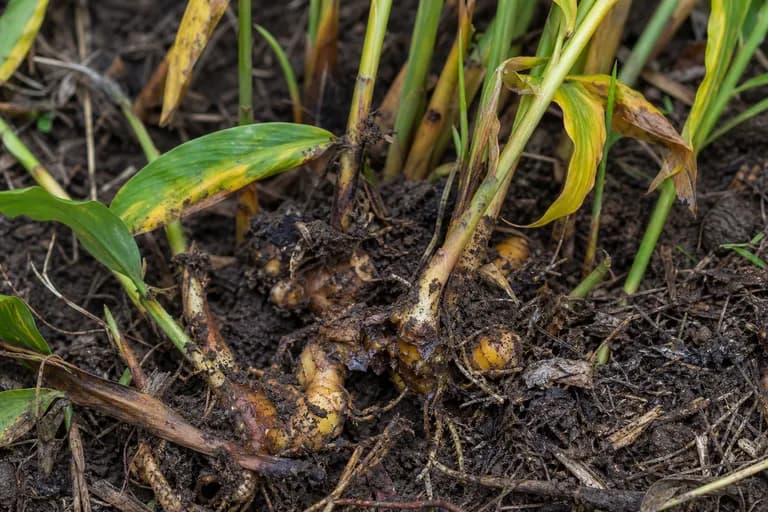
Mancha foliar por Colletotrichum
EnfermedadManchas marrones irregulares con bordes oscuros que aparecen en las hojas, expandiéndose y fusionándose hasta causar necrosis extensiva y caída prematura del follaje.
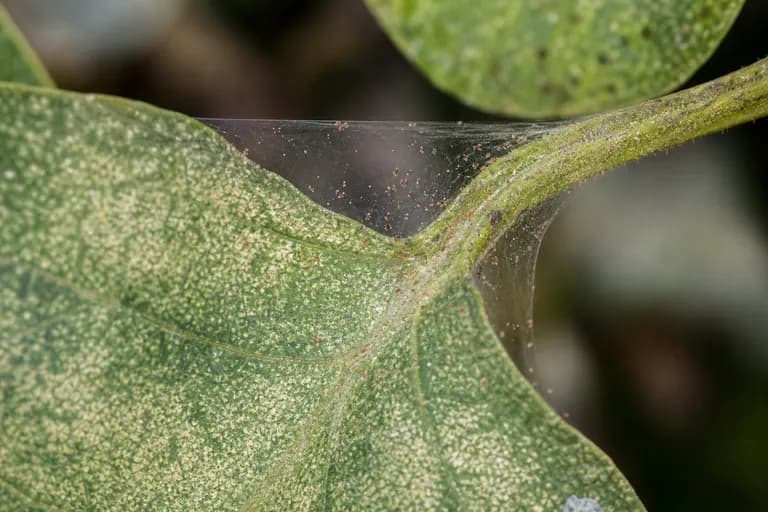
Pudrición del rizoma por Pythium
EnfermedadMarchitez rápida de la planta con amarillamiento del follaje. El rizoma muestra una pudrición acuosa y blanda de color marrón oscuro con olor desagradable al cortarlo.
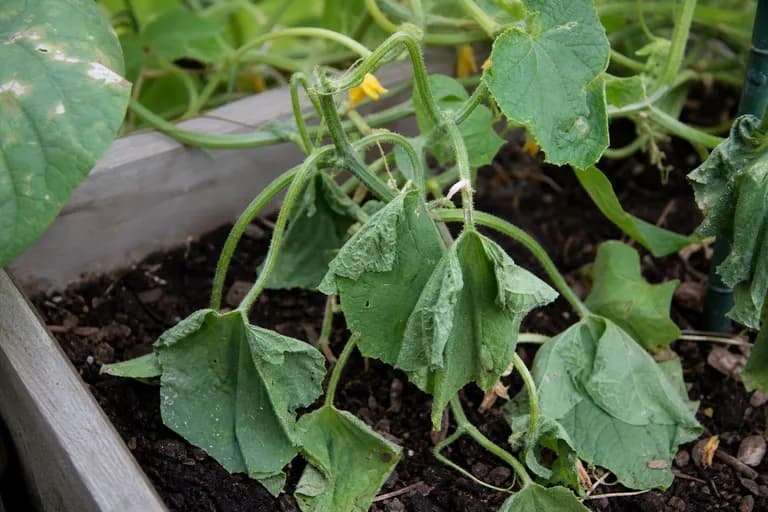
Trips de la cúrcuma
PlagaPequeños insectos alargados que se alimentan de las hojas enrolladas jóvenes, causando decoloración plateada, deformación del follaje nuevo y reducción del vigor general de la planta.
Solución de problemas comunes
La sensibilidad al frío es el mayor limitante fuera de los trópicos; la planta detiene su crecimiento por debajo de 15°C y los rizomas pueden pudrirse bajo 10°C. El exceso de sol directo quema las hojas, que prefieren luz filtrada o semisombra. La falta de humedad ambiental causa puntas marrones y reduce el desarrollo de los rizomas.
Consejos de cultivo
- Source your seed ginger carefully. Grocery store ginger is often treated with growth inhibitors to prevent sprouting on shelves. Buy certified organic seed ginger from a reputable garden supplier or farmer for the best sprouting success.
- Pre-sprout before planting — this is the single most important step for success in temperate climates. Place rhizomes on damp sphagnum moss in a warm spot (25-28°C) for 2-3 weeks until shoots emerge. This eliminates the most failure-prone period.
- Ginger does not want full sun. In its native habitat, ginger grows beneath the rainforest canopy in dappled light. Provide morning sun with afternoon shade, or grow under a shade cloth delivering 50-70% filtered light. Harsh midday sun scorches the leaves.
- Use a rich, well-draining soil mix. Combine equal parts compost, coconut coir, and perlite for container growing. Ginger needs abundant organic matter but absolutely cannot sit in waterlogged soil — rhizome rot is the number one killer of ginger plants.
- Plant shallowly with the eyes facing up. Cover rhizome pieces with only 3-5 cm of soil. As the plant grows, hill up additional mulch or compost around the base — similar to how you would hill potatoes. This gives expanding rhizomes room to develop.
- Container growing is often superior to in-ground planting outside the tropics. Use a wide, shallow container of at least 30 liters (8 gallons) — ginger rhizomes spread horizontally, not deeply. Containers can be moved indoors when temperatures drop.
- Feed regularly but gently. Ginger is a moderate feeder that benefits from consistent nutrition rather than heavy doses. Apply diluted organic liquid fertilizer every 2-3 weeks during active growth. Avoid synthetic fertilizers that can burn the sensitive rhizome.
- Harvest baby ginger at 6-8 months for the most tender, juicy, and mild product — perfect for pickling, tea, and fresh eating. Wait the full 10-12 months for mature ginger with more intense heat and deeper flavor suitable for cooking and drying.
Cultiva tu mejor Jengibre Amarillo — y todo lo que la rodea.
Empieza un plan gratis hoy. Diseña tus bancales, coloca tu Jengibre Amarillo y deja que PlotMyGarden gestione el momento, el espaciado, las asociaciones y los recordatorios de la semilla a la cesta.
Elige tu Jengibre Amarillo
Alleppey (Madras)
Variedad india de alto contenido en curcumina (5-6%), con rizomas grandes de color naranja intenso. Es el estándar de la industria para producción de polvo de cúrcuma de calidad premium. 8-9 meses.
Lakadong
Considerada la variedad con mayor contenido de curcumina del mundo (7-9%), originaria de Meghalaya, India. Rizomas pequeños pero extremadamente potentes en color y sabor. 9-10 meses.
Erode Local
Variedad tradicional del sur de India con buen rendimiento y rizomas de tamaño mediano. Color amarillo dorado y sabor equilibrado, ideal para uso culinario diario. 8-9 meses.
White Turmeric (Curcuma zedoaria)
Especie emparentada con rizoma blanco-amarillento y sabor más amargo y alcanforado. Se usa en la medicina ayurvédica y como especia en platos del sudeste asiático. 10-12 meses.
A single organic ginger rhizome piece costs $2-5 to plant and produces 500g-1kg of fresh ginger over one season. Organic fresh ginger retails for $8-15 per pound at grocery stores and farmers markets, meaning each planted piece returns $8-30 worth of ginger — a 4-10x return on investment. The savings are even more dramatic compared to specialty items like pickled ginger ($6-10 per jar), crystallized ginger ($10-15 per bag), or ground ginger ($5-8 per small jar). Growing just 4-6 plants provides a year's supply of fresh ginger for a typical household.
Recetas rápidas
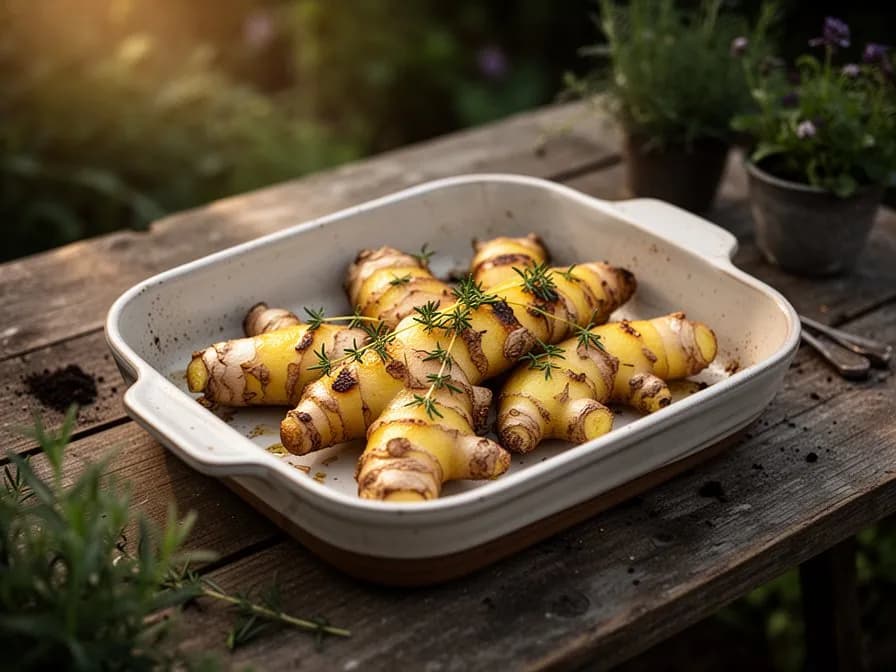
Golden Ginger Tea with Honey and Lemon
10 minA soothing, immune-boosting tea made by steeping fresh yellow ginger slices in hot water until the liquid turns a rich golden color. The natural warmth and spice of yellow ginger are perfectly balanced by raw honey and a bright squeeze of lemon.
6 ingredientesGinger Garlic Stir-Fry Paste
15 minA versatile aromatic paste that forms the flavor base for countless Asian stir-fries, curries, and marinades. Yellow ginger's intense flavor means a little goes a long way. Make a batch and refrigerate for up to two weeks or freeze in ice cube trays for instant flavor bombs.
6 ingredientesPickled Yellow Ginger (Gari-Style)
30 min + 24h restingThinly sliced yellow ginger pickled in seasoned rice vinegar — similar to the pink ginger served with sushi but with a deeper golden hue and more assertive flavor. Perfect as a palate cleanser, sushi accompaniment, or tangy addition to grain bowls and salads.
6 ingredientesUsos culinarios
La cúrcuma es el ingrediente que da el color dorado característico al curry y es esencial en la cocina india, tailandesa e indonesia. Fresca se usa rallada en smoothies, jugos y la popular leche dorada (golden milk). En polvo es fundamental para arroces, guisos, encurtidos y mostazas. También se usa como colorante natural alimentario en quesos, mantequillas y preparaciones artesanales.
Qué contiene
Beneficios para la salud
- Gingerols — the primary bioactive compounds in fresh yellow ginger — have potent anti-inflammatory effects comparable to ibuprofen in some studies, and may help reduce joint pain and stiffness associated with osteoarthritis.
- One of the most clinically validated natural remedies for nausea, with multiple studies confirming ginger's effectiveness against morning sickness during pregnancy, post-operative nausea, and motion sickness.
- Contains powerful antioxidants that help neutralize free radicals and reduce oxidative stress markers in the body, potentially lowering the risk of chronic diseases including cardiovascular disease and certain cancers.
- May help lower blood sugar levels by improving insulin sensitivity and increasing glucose uptake by muscle cells — a 2015 study found that 2g of ginger powder daily reduced fasting blood sugar by 12% in type 2 diabetes patients.
- Supports digestive health by accelerating gastric emptying, reducing bloating, and stimulating the production of saliva, bile, and digestive enzymes — ginger has been used to treat indigestion across cultures for millennia.
- Emerging research suggests that regular ginger consumption may help reduce LDL cholesterol and triglyceride levels, with some studies showing reductions of 10-15% with daily supplementation over 8-12 weeks.
De dónde viene Jengibre Amarillo
Yellow ginger (Zingiber officinale) originated in the tropical rainforests of Maritime Southeast Asia, most likely in the region encompassing modern-day Malaysia, Indonesia, and the Philippines. The plant was domesticated so long ago — at least 5,000 years — that it no longer exists in a truly wild state and has lost the ability to reproduce from seed, surviving exclusively through human-mediated vegetative propagation. Ancient Austronesian peoples carried ginger rhizomes across the Pacific and Indian Oceans as they colonized new islands, spreading the plant throughout tropical Asia and eventually to East Africa.
Ginger reached China and India independently by at least 3,000 BCE, where it quickly became indispensable in both cuisine and medicine. Confucius wrote about eating ginger with every meal around 500 BCE, and ancient Ayurvedic texts from the same era called ginger 'vishwabhesaj' — the universal medicine. Indian and Chinese traders brought ginger to the Mediterranean via overland spice routes, and by the 1st century CE it was well known in the Roman Empire, where the physician Dioscorides prescribed it for digestive ailments.
Following the fall of Rome, Arab merchants dominated the ginger trade for centuries, deliberately obscuring its geographic origins to prevent European competitors from bypassing them. When the Portuguese reached the Malabar Coast in 1498, they broke this monopoly and established direct trade in ginger and other spices. Spanish colonists introduced ginger to the Caribbean and Central America in the early 1500s, where it thrived so well that Jamaica became a major exporter within decades. Today, India produces roughly 40% of the world's ginger, followed by Nigeria, China, Indonesia, and Nepal. Yellow-fleshed varieties are particularly prized in South and Southeast Asian cooking for their intense aroma, assertive heat, and higher concentrations of beneficial bioactive compounds.
Jengibre Amarillo: ¿sabías que?
Datos fascinantes sobre Jengibre Amarillo
Yellow ginger (Zingiber officinale) has been cultivated for over 5,000 years, making it one of the earliest spices domesticated by humans. Ancient Sanskrit and Chinese texts from 3,000 BCE already reference ginger as both a culinary ingredient and a powerful medicine.
Jengibre Amarillo: preguntas frecuentes
¿Cuándo debo plantar Jengibre Amarillo?
¿Cuáles son buenas plantas acompañantes para Jengibre Amarillo?
¿En qué zonas de rusticidad puede crecer Jengibre Amarillo?
¿Cuánto sol necesita Jengibre Amarillo?
¿A qué distancia debo espaciar Jengibre Amarillo?
¿Qué plagas y enfermedades afectan a Jengibre Amarillo?
¿Cómo almaceno Jengibre Amarillo después de la cosecha?
¿Cuáles son las mejores variedades de Jengibre Amarillo para cultivar?
¿Qué suelo necesita Jengibre Amarillo?
Can I grow yellow ginger from store-bought rhizomes?
How long does ginger take to grow from planting to harvest?
Can I grow ginger indoors year-round?
What is baby ginger and how is it different from mature ginger?
How do I store freshly harvested ginger?
Why are the leaves on my ginger plant turning yellow?
Acabas de leer la teoría. Ahora cultívala en piloto automático.
Todo lo que hace que Jengibre Amarillo sea delicado — el momento, el espaciado, las asociaciones, la ventana de cosecha — es justo lo que PlotMyGarden resuelve por ti, para cada planta de tu huerto.
Un plan que conoce tu clima
Indica tu ubicación una vez. Recibe fechas de siembra, abonado y cosecha basadas en tu última helada real y el pronóstico en vivo — sin adivinar con un sobre genérico.
De la sección “Cuándo plantar”Planificador de bancales de arrastrar y soltar
Diseña bancales sobre una cuadrícula. Cada planta encaja con su espaciado correcto y ves toda la temporada antes de gastar un céntimo en semillas.
De la sección “Cultivo”Conflictos de asociación, detectados a tiempo
Más de 200 buenas y malas combinaciones comprobadas en vivo mientras plantas — para que un error que arruine la temporada nunca llegue a la tierra.
De la sección “Asociaciones”Recordatorios que sí vas a seguir
“Riega las judías.” “Recoge hoy antes de que se pase.” Oportunos, concretos y ligados a las plantas que de verdad cultivas.
De la sección “Cosecha”Escalonado, programado
¿Quieres cosechar seis semanas en vez de seis días? Reparte tus siembras automáticamente y te avisa cuando toca el siguiente lote.
De la sección “Cuándo plantar”Un registro que se vuelve más listo
Cada cosecha que registras le enseña tu huerto. El plan del año que viene parte de lo que de verdad funcionó en tu suelo, no en un manual.
De la sección “Resumen”Planta estos junto a Jengibre Amarillo
Más Hortalizas de raíz
Cultiva tu mejor Jengibre Amarillo — y todo lo que la rodea.
Empieza un plan gratis hoy. Diseña tus bancales, coloca tu Jengibre Amarillo y deja que PlotMyGarden gestione el momento, el espaciado, las asociaciones y los recordatorios de la semilla a la cesta.