Berenjena Tailandesa
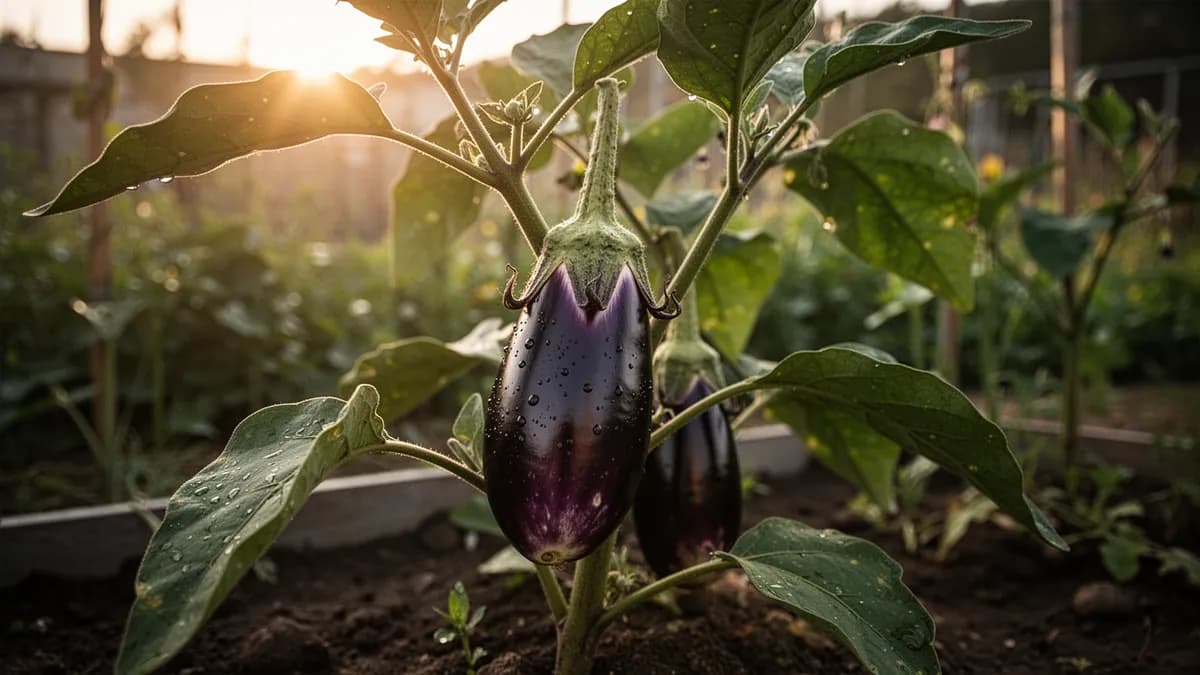
La berenjena tailandesa (Solanum melongena) produce frutos pequeños y redondos de 3-5 cm de diámetro, de color verde con rayas blancas, que son un ingrediente esencial de la cocina del sudeste asiático.





En esta páginaResumen
Conoce Berenjena Tailandesa
La berenjena tailandesa (Solanum melongena) produce frutos pequeños y redondos de 3-5 cm de diámetro, de color verde con rayas blancas, que son un ingrediente esencial de la cocina del sudeste asiático. Su textura firme y ligeramente amarga la hace perfecta para curris verdes y rojos tailandeses, donde mantiene su forma durante la cocción prolongada.
Cuándo plantar Berenjena Tailandesa
Siembre en interiores 8-10 semanas antes de la última helada en bandejas con sustrato estéril a 25-30 °C. Use esterilla térmica para temperatura constante. Germinación en 7-14 días. Trasplante a macetas de 8 cm con primeras hojas verdaderas. Endurezca 7-10 días.
Tu año de Berenjena Tailandesa
Ajustado a Zona 7 · temporada típica · la helada se va hacia el 2 abr y vuelve hacia el 1 nov
Planta Berenjena Tailandesa Feb – Jun y cosecha Jul – Sep. Consulta los métodos de plantación y elige tu clima para adaptar los periodos.
Cómo cultivar Berenjena Tailandesa
Inicie en interiores 8-10 semanas antes de la última helada, sembrando a 0,5 cm de profundidad a 25-30 °C para germinación en 7-14 días. Las plántulas son sensibles al frío y necesitan calor constante.
Trasplante cuando las noches superen 16 °C, espaciando 50-60 cm. Las plantas son arbustivas, alcanzando 60-90 cm, y muy productivas en climas cálidos, produciendo docenas de frutos por planta. Riegue regularmente con 3-4 cm semanales.
Fertilice cada 2 semanas con abono equilibrado rico en potasio durante la fructificación. Las berenjenas tailandesas necesitan más calor que las variedades occidentales. En climas frescos, cultive en invernadero o contra paredes soleadas. No necesitan tutores ya que las plantas son compactas.
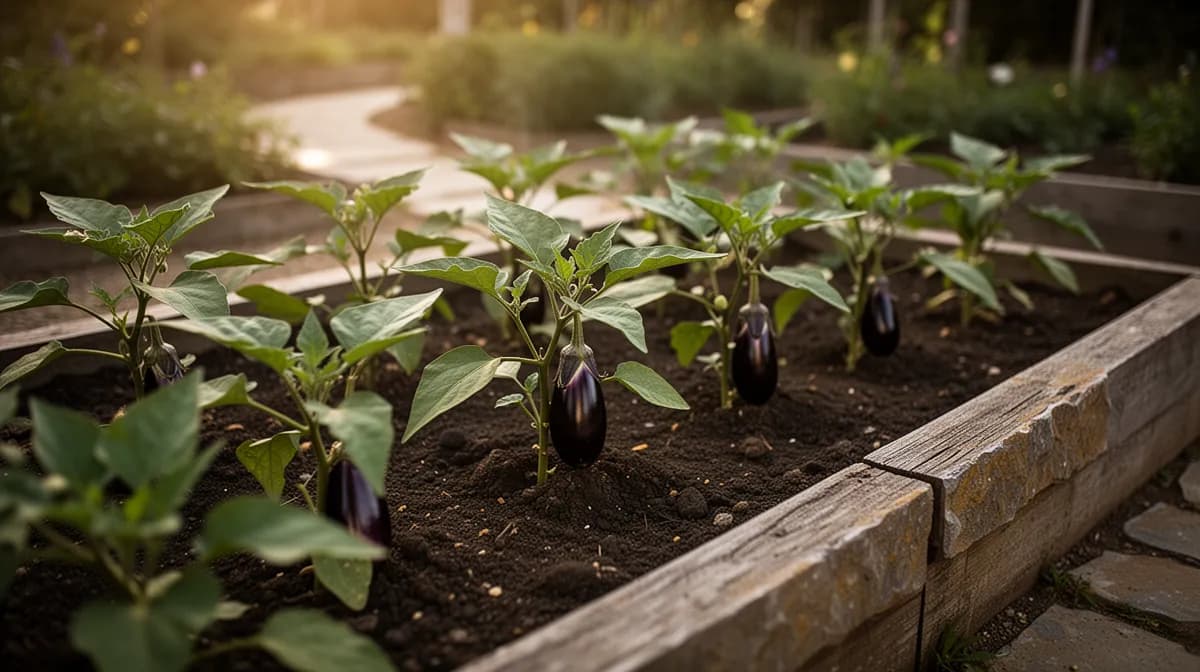
8 plantas caben en un bancal de 120 × 240 cm
Cada Berenjena Tailandesa pide 50 cm de margen. El planificador guarda ese marco por ti — cada planta, cada bancal.
Los mejores vecinos de Berenjena Tailandesa
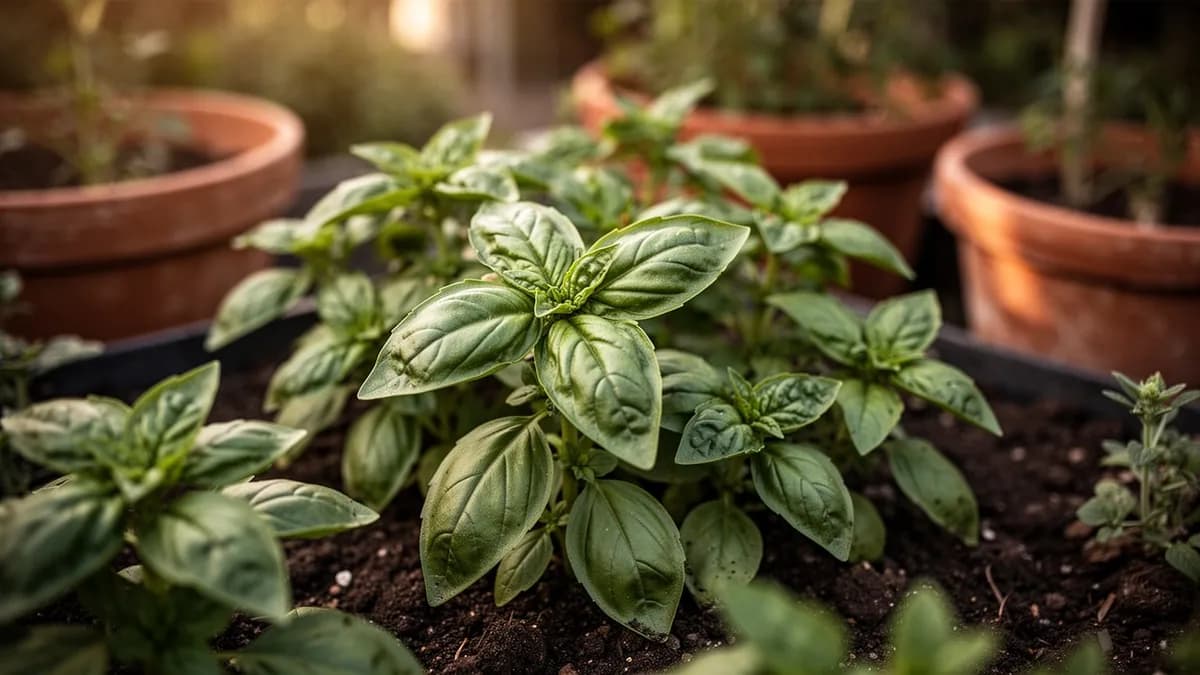
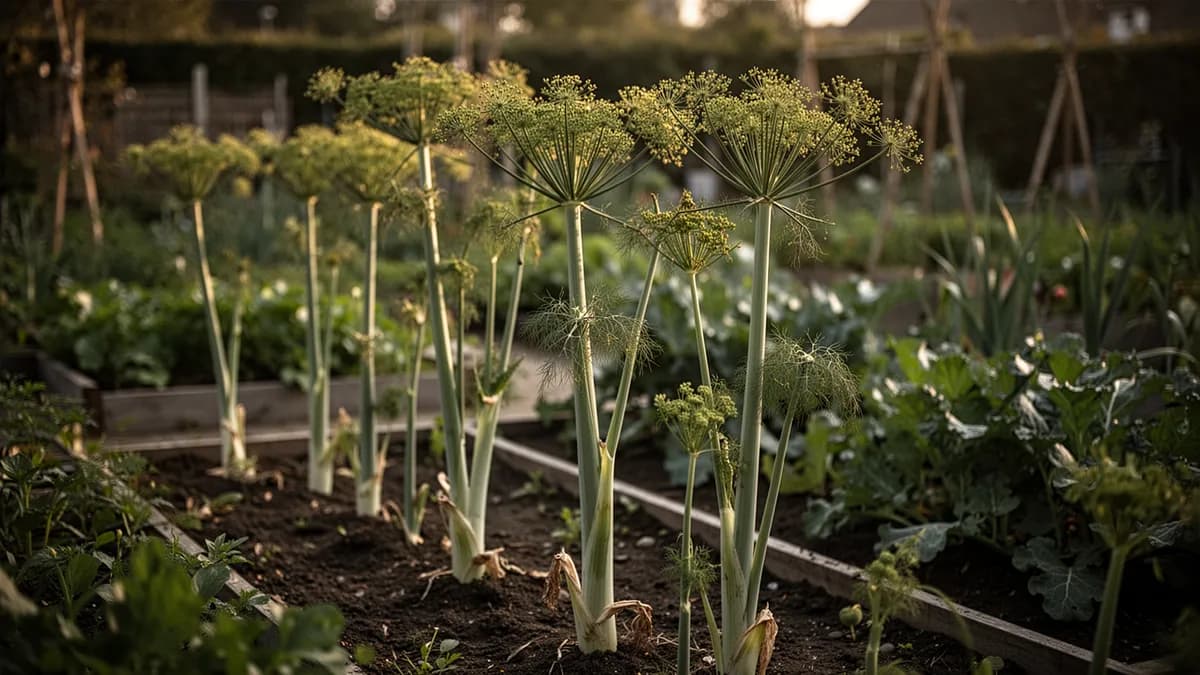
Crece bien junto a frijoles, albahaca tailandesa y lemongrass. Las caléndulas repelen nematodos. Evite plantar junto a otras solanáceas para reducir enfermedades compartidas y junto a hinojo que inhibe su crecimiento.
Albahaca va a su lado. Hinojo no.
Saber de huerto de siempre, cotejado con la tabla real de Berenjena Tailandesa — prueba cualquier planta que cultives.
Prueba Berenjena Tailandesa en un bancal, aquí mismo
Un bancal real del planificador con Berenjena Tailandesa ya plantado. Toca una planta compañera para colocarla y mira cómo responde la comprobación de vecinos: verde para buenos vecinos, rojo si hay conflicto.


Guías de cultivo relacionadas
Abónalo bien
Suelos ricos, bien drenados con pH 6,0-6,8. Enmiende con compost maduro y harina de hueso. Fertilice cada 2 semanas con abono rico en potasio durante fructificación. Las berenjenas tailandesas son menos exigentes en fertilización que las variedades occidentales.
Temperatura ideal
Compatibilidad de zonas de rusticidad
De la semilla a la cosecha, etapa por etapa
Siembra
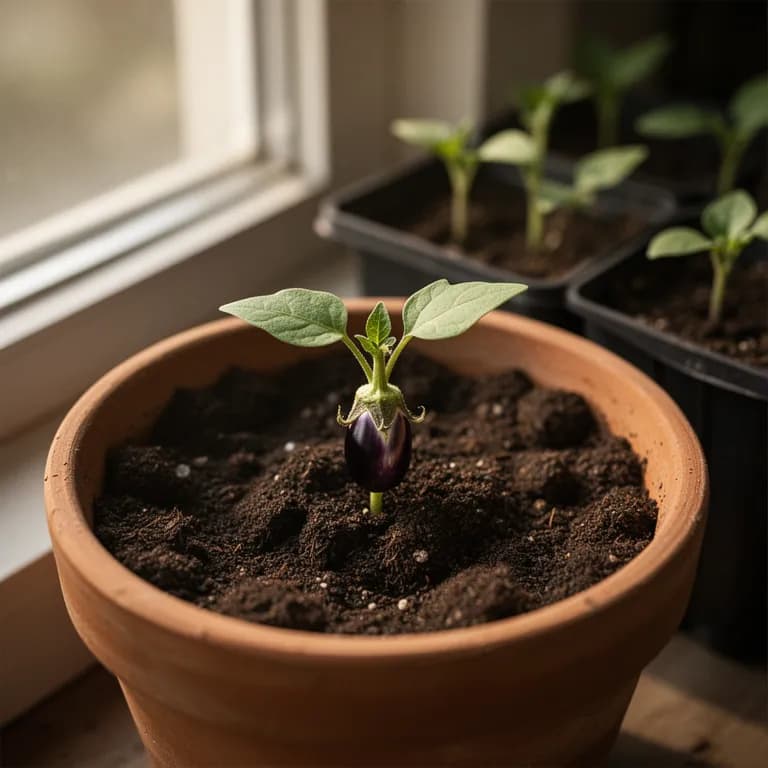
Las semillas de berenjena tailandesa están entre las de germinación más lenta de las solanáceas. Después de remojarlas durante 24 horas en agua tibia, se siembran superficialmente y necesitan calor constante en el suelo de 27-30°C (80-85°F) para germinar. Primero emerge la radícula y, después de 14-21 días, aparecen los cotiledones de color verde oscuro.
Desarrollo de plántulas
Las hojas verdaderas desarrollan una textura ligeramente vellosa, característica de las solanáceas. Al principio, las plántulas crecen despacio y forman un sistema radicular fuerte antes de que el crecimiento visible de la parte aérea se acelere. El tallo se engrosa y empieza a mostrar un ligero tono púrpura en la base.
Crecimiento vegetativo
Después del trasplante al exterior, las plantas se establecen rápidamente en suelo cálido y desarrollan una estructura arbustiva y compacta de hojas verde oscuro. Las berenjenas tailandesas son naturalmente más compactas que las variedades tipo globo y suelen alcanzar una altura de 60-90 cm. La ramificación se acelera a medida que suben las temperaturas.
Floración
Pequeñas flores moradas en forma de estrella aparecen en racimos en los nudos de las ramas. Cada flor tiene estambres amarillos prominentes y se autopoliniza, aunque la visita de abejas mejora el cuajado. Varias flores se abren al mismo tiempo y cada racimo puede producir de tres a ocho frutos.
Desarrollo del fruto
Los pequeños frutos redondos se desarrollan en racimos y aumentan rápidamente hasta alcanzar el tamaño de una pelota de golf en dos o tres semanas después de la polinización. La distintiva piel rayada verde y blanca se vuelve brillante cuando los frutos maduran. Los racimos pueden pesar mucho y doblar las ramas.
Cosecha continua
Las plantas entran en una producción sostenida, floreciendo y fructificando al mismo tiempo durante seis a ocho semanas en condiciones cálidas. La cosecha regular cada dos o tres días estimula la formación continua de nuevas flores y frutos. La productividad disminuye cuando las temperaturas nocturnas bajan de forma constante por debajo de 15°C (60°F).
Usa una esterilla térmica para mantener la temperatura del sustrato en 27-30°C (80-85°F); esto es indispensable para la berenjena tailandesa. No dejes que el sustrato de siembra se seque, pero evita el exceso de agua. Ten paciencia; la germinación puede tardar hasta tres semanas.
Cuidar Berenjena Tailandesa mes a mes
Qué hacer cada mes para tu Berenjena Tailandesa
Octubre
Mes actualFinal harvests in most zones as night temperatures drop below 15°C (60°F). Allow a few fruits to fully mature and turn yellow on the plant for seed saving. Pull spent plants before the first frost and compost healthy material.
Ten claro qué hacer en tu huerto, cada mes
Un correo al empezar cada mes: qué sembrar, plantar y hacer ahora mismo — para tu Berenjena Tailandesa y todo lo que crece alrededor. Más un breve curso inicial para esquivar los errores clásicos.
- Qué hacer ahora mismo
- Ajustado a tu temporada
- Curso inicial incluido
Cosechar Berenjena Tailandesa
Coseche las berenjenas tailandesas cuando los frutos midan 3-5 cm de diámetro y estén firmes y de color verde brillante con rayas blancas visibles, unos 65-80 días tras el trasplante. Coseche antes de que las semillas oscurezcan, ya que entonces se vuelven amargas. Corte con tijeras dejando parte del cáliz.
se supone que plantas al comenzar el periodo — indica tu fecha real
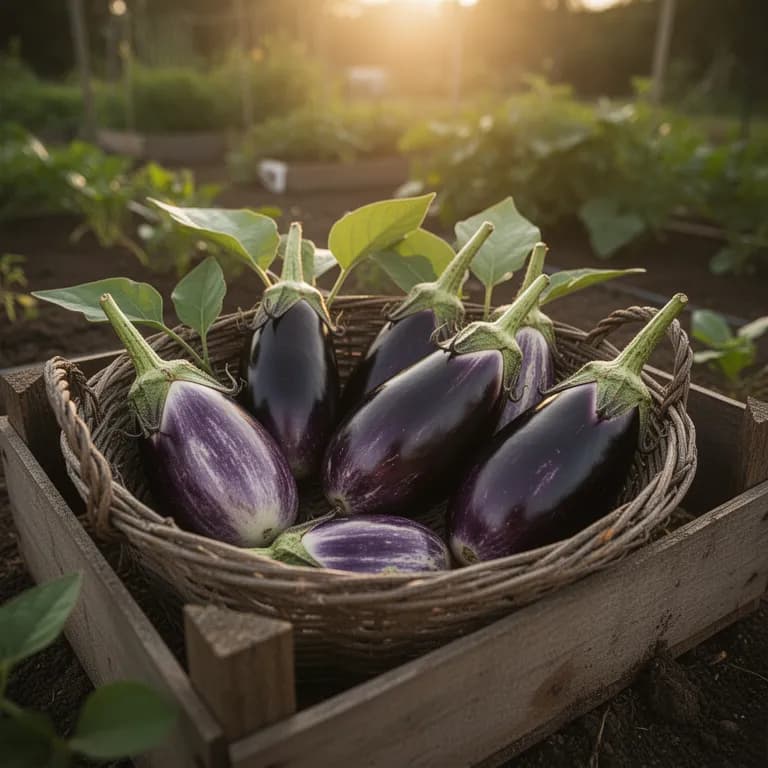
Cosecha cuando los frutos estén firmes, brillantes y midan entre 3 y 5 cm de diámetro.
Almacenamiento y conservación
Frescas en refrigerador 5-7 días envueltas en papel. No se conservan tan bien como las berenjenas grandes. Para conservación, escalpe brevemente y congele, o prepare en curry y congele el plato terminado. También pueden encurtirse en salmuera.
Qué falla — y cómo solucionarlo
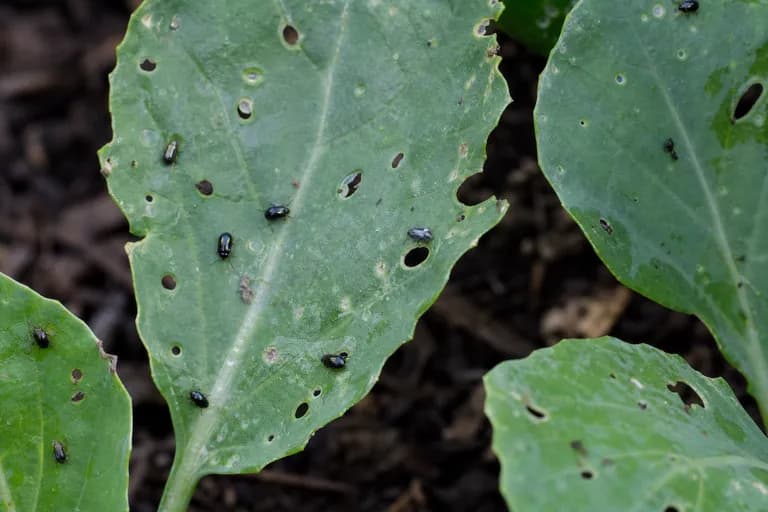
Escarabajo pulga (Epitrix spp.)
PlagaAgujeros diminutos en hojas que dan aspecto de encaje, debilitamiento de plantas jóvenes.
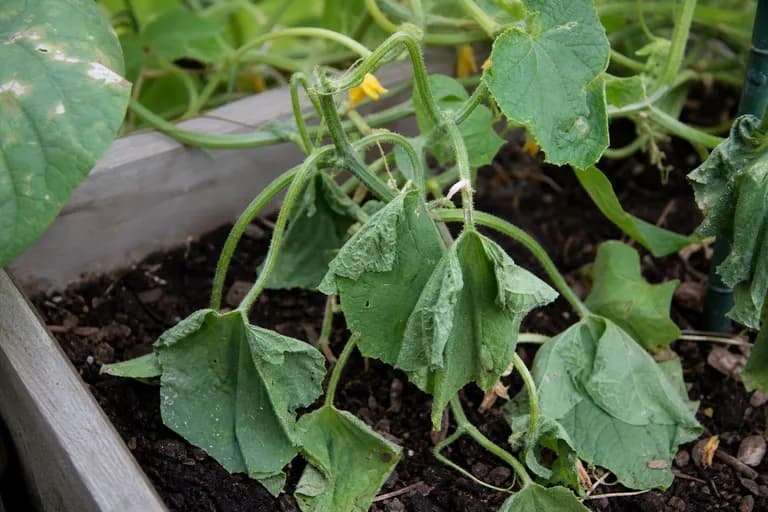
Marchitez bacteriana (Ralstonia solanacearum)
EnfermedadMarchitez rápida e irreversible sin amarillamiento previo.
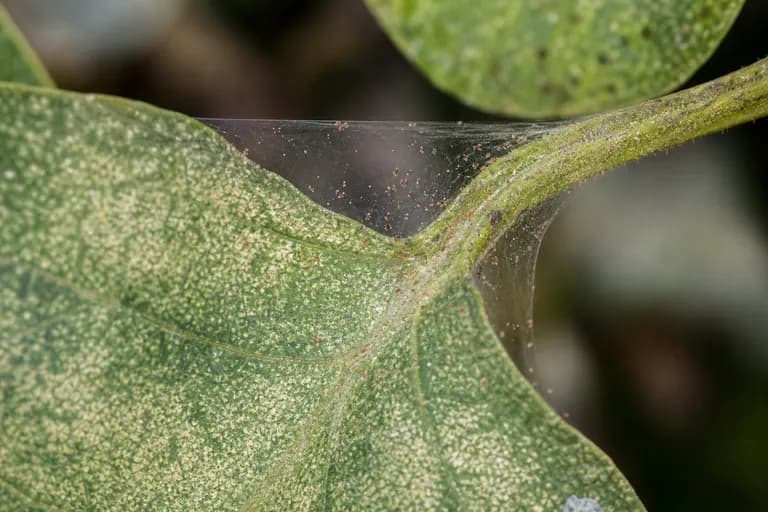
Araña roja (Tetranychus urticae)
PlagaPunteado amarillento, telarañas finas en envés, bronceado foliar.
Solución de problemas comunes
Son más sensibles al frío que las berenjenas occidentales y necesitan temperaturas nocturnas superiores a 16 °C. Los frutos se vuelven amargos y esponjosos si se cosechan tarde. En climas templados, la temporada puede ser demasiado corta para una producción abundante sin protección adicional.
Consejos de cultivo
- Soaking seeds for 24 hours in warm water before planting is essential — Thai eggplant seeds have a harder coat than standard eggplant varieties, and without soaking, germination rates drop significantly and timing becomes unpredictable.
- Start seeds much earlier than you think. Ten to twelve weeks before last frost is not too early — Thai eggplants are slow germinators and slow growers in the seedling stage, and late-started plants may not produce a meaningful harvest before fall frost arrives.
- Bottom heat is absolutely critical for germination. A heat mat maintaining 27-30°C (80-85°F) soil temperature is the single most important piece of equipment for starting Thai eggplant from seed. Room temperature windowsill starting almost always fails.
- Pinch off the first flush of flowers to build a stronger, more productive plant framework. This feels counterintuitive, but allowing the first flowers to set fruit on a small plant results in stunted growth and lower total yields over the season.
- Thai eggplants are more susceptible to spider mites than other eggplant types. In hot, dry weather, mist the foliage with water every morning to create unfavorable conditions for mites. Check leaf undersides weekly for fine webbing.
- Harvest frequently — every two to three days during peak production. Thai eggplants that grow past golf-ball size rapidly develop hard seeds, spongy flesh, and increasing bitterness. Overripe fruits left on the plant also slow overall production.
- Container growing works exceptionally well for Thai eggplant due to their compact habit. Use a minimum 20-liter (5-gallon) container per plant with rich potting mix, and feed with liquid fertilizer every two weeks during the growing season.
- In regions with fewer than 120 frost-free days, grow Thai eggplant in black containers or against a south-facing wall to maximize heat absorption. Floating row covers in spring extend the growing season by two to three weeks at each end.
Cultiva tu mejor Berenjena Tailandesa — y todo lo que la rodea.
Empieza un plan gratis hoy. Diseña tus bancales, coloca tu Berenjena Tailandesa y deja que PlotMyGarden gestione el momento, el espaciado, las asociaciones y los recordatorios de la semilla a la cesta.
Elige tu Berenjena Tailandesa
Thai Green Round
La variedad clásica con frutos redondos verde y blanco de 3-4 cm. Sabor ligeramente amargo ideal para curry. Madura en 70-80 días.
Kermit
Variedad mejorada con frutos verdes uniformes y mayor productividad. Excelente para cultivo en contenedores. Madura en 65 días.
Thai Long Green
Variedad alargada de 15-20 cm, verde claro, textura más suave que la redonda. Versátil en la cocina. Madura en 70 días.
Ma-Khuea Phuang (Berenjena racimo)
Produce racimos de frutos diminutos del tamaño de guisantes. Sabor intenso y amargo. Imprescindible en curry verde auténtico. Madura en 75 días.
A single Thai eggplant plant grown from a $3-4 seed packet (containing 20-30 seeds) can produce 50-80 fruits over a season. Fresh Thai eggplants are a specialty item, selling for $5-8 per pound at Asian grocery stores and $8-12 per pound at farmers markets when available at all. Growing just 3-4 plants can save $50-100 per season for households that regularly cook Thai and Southeast Asian cuisine. The savings are especially significant because Thai eggplants are highly perishable and often unavailable or of poor quality at mainstream grocery stores, making home growing the most reliable way to obtain truly fresh fruits.
Recetas rápidas
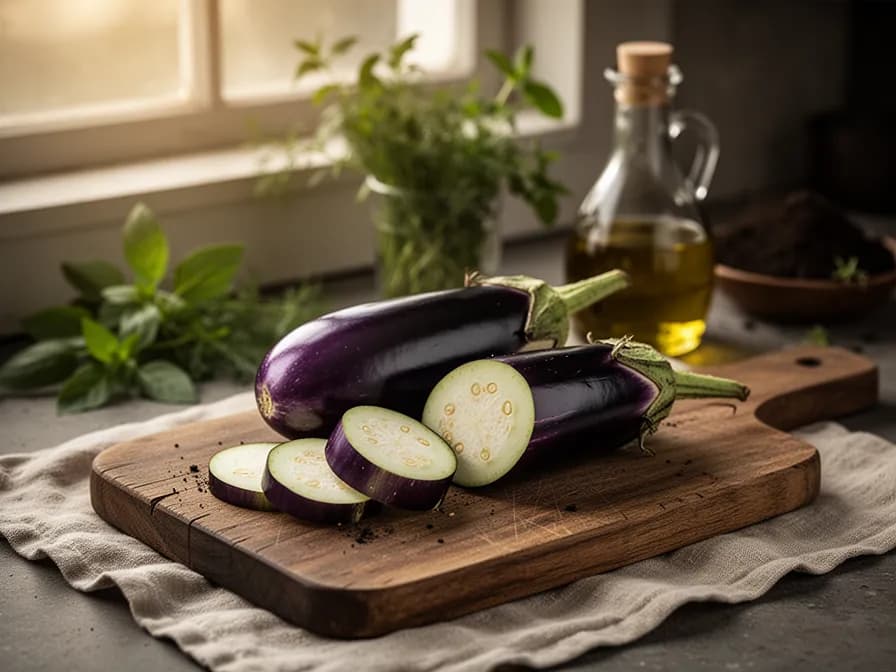
Thai Green Curry with Thai Eggplant
35 minThe definitive Thai eggplant dish — small round eggplants simmered in fragrant coconut green curry until just tender while retaining their satisfying bite. The slightly bitter eggplant balances the rich, sweet coconut sauce perfectly.
9 ingredientes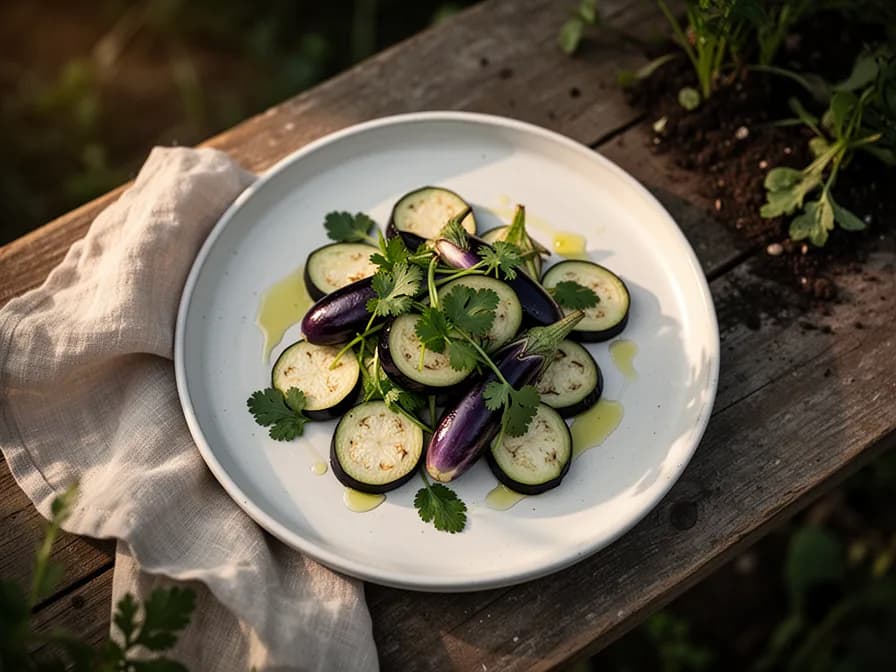
Pad Makua Yao (Stir-Fried Thai Eggplant with Basil)
15 minA quick, intensely flavored stir-fry where Thai eggplants are flash-cooked in a screaming-hot wok with garlic, chili, and holy basil. The high heat sears the eggplant while keeping the interior firm and slightly creamy.
8 ingredientesNam Prik Num with Raw Thai Eggplant
20 minA traditional Northern Thai chili dipping sauce served alongside raw Thai eggplant quarters. The raw eggplant's firm crunch and mild bitterness are the perfect vehicle for the smoky, spicy relish — an authentic way to enjoy Thai eggplant uncooked.
8 ingredientesUsos culinarios
La berenjena tailandesa es imprescindible en el curry verde (kaeng khiao wan) y curry rojo tailandés, donde se añade cortada en cuartos durante los últimos minutos de cocción. También se utiliza en som tam verde, salteados con albahaca sagrada (pad krapao), y en platos del sudeste asiático como curris birmanos y camboyanos.
Qué contiene
Beneficios para la salud
- Thai eggplant contains nasunin, a powerful anthocyanin antioxidant found in the skin that has been shown to protect lipids in brain cell membranes from free radical damage, potentially supporting cognitive health.
- Rich in chlorogenic acid, one of the most potent antioxidant compounds found in plants, which exhibits anti-inflammatory, antimicrobial, and blood-sugar-regulating properties in clinical studies.
- The high dietary fiber content (3.0g per 100g) supports digestive regularity, feeds beneficial gut bacteria, and promotes satiety — making Thai eggplant an excellent food for weight management.
- Very low in calories (25 per 100g) while providing meaningful amounts of manganese, potassium, and B vitamins — an ideal nutrient-dense, low-calorie food for balanced diets.
- Contains phytonutrients including scopoletin and scopolin that have demonstrated anti-inflammatory effects in research, potentially beneficial for reducing chronic inflammation.
- Provides meaningful potassium (229mg per 100g) which supports healthy blood pressure, proper muscle contraction, and fluid balance — important for cardiovascular health.
De dónde viene Berenjena Tailandesa
Thai eggplant belongs to the species Solanum melongena, the same species as globe and Italian eggplants, but represents a distinct cultivar group that evolved in Southeast Asia over centuries of selection for small, round, firm-fleshed fruits. While the broader eggplant species originated in India, where wild progenitors still grow, the small round eggplants characteristic of Thai cuisine were shaped by the culinary preferences and growing conditions of tropical Southeast Asia. Wild Solanum species bearing small, bitter, pea-sized fruits grow throughout Thailand, Laos, and Myanmar, and these wild relatives likely contributed genetic material to the cultivated forms through natural cross-pollination.
Eggplant cultivation in Southeast Asia dates back over a thousand years, with references in ancient Khmer and Thai texts describing small round eggplants used in soups and relishes. Thai farmers selected for traits that suited their cuisine: compact size for easy portioning in curries, firm flesh that holds its shape during prolonged simmering in coconut milk, and a characteristic mild bitterness that provides flavor contrast in rich dishes. The green and white striped skin became the hallmark of Thai cultivars, distinguishing them from the purple eggplants favored in Indian, Middle Eastern, and Mediterranean cooking traditions.
In modern Thailand, Thai eggplant (makua pro) remains one of the most important vegetables in the national cuisine. It is grown commercially in the central plains and northern highlands, and nearly every home garden in rural Thailand includes a few plants. The variety known as Kermit was developed specifically for Western home gardeners, offering the authentic Thai eggplant experience on a plant adapted to shorter growing seasons. Today, Thai eggplants are gaining popularity worldwide as interest in authentic Southeast Asian cooking grows, and seeds are increasingly available through specialty and online seed companies. The cultural importance of this humble vegetable extends beyond the kitchen — in Thai folk traditions, eggplant plants are sometimes grown near doorways as they are believed to bring prosperity and ward off negative energy.
Berenjena Tailandesa: ¿sabías que?
Datos fascinantes sobre Berenjena Tailandesa
Thai eggplants are one of the few eggplant types commonly eaten raw in their native cuisine — in Thailand, quartered raw Thai eggplants are served alongside chili dipping sauces (nam prik) as a standard accompaniment to rice meals.
Berenjena Tailandesa: preguntas frecuentes
¿Cuándo debo plantar Berenjena Tailandesa?
¿Cuáles son buenas plantas acompañantes para Berenjena Tailandesa?
¿En qué zonas de rusticidad puede crecer Berenjena Tailandesa?
¿Cuánto sol necesita Berenjena Tailandesa?
¿A qué distancia debo espaciar Berenjena Tailandesa?
¿Qué plagas y enfermedades afectan a Berenjena Tailandesa?
¿Cómo almaceno Berenjena Tailandesa después de la cosecha?
¿Cuáles son las mejores variedades de Berenjena Tailandesa para cultivar?
¿Qué suelo necesita Berenjena Tailandesa?
Why are my Thai eggplants bitter and full of hard seeds?
Can I grow Thai eggplant in a cooler climate with a short growing season?
Why are my Thai eggplant plants flowering but not setting fruit?
How do I save seeds from Thai eggplants?
What is the difference between Thai eggplant and regular eggplant for growing?
Can I eat Thai eggplant raw, and is it safe?
Acabas de leer la teoría. Ahora cultívala en piloto automático.
Todo lo que hace que Berenjena Tailandesa sea delicado — el momento, el espaciado, las asociaciones, la ventana de cosecha — es justo lo que PlotMyGarden resuelve por ti, para cada planta de tu huerto.
Un plan que conoce tu clima
Indica tu ubicación una vez. Recibe fechas de siembra, abonado y cosecha basadas en tu última helada real y el pronóstico en vivo — sin adivinar con un sobre genérico.
De la sección “Cuándo plantar”Planificador de bancales de arrastrar y soltar
Diseña bancales sobre una cuadrícula. Cada planta encaja con su espaciado correcto y ves toda la temporada antes de gastar un céntimo en semillas.
De la sección “Cultivo”Conflictos de asociación, detectados a tiempo
Más de 200 buenas y malas combinaciones comprobadas en vivo mientras plantas — para que un error que arruine la temporada nunca llegue a la tierra.
De la sección “Asociaciones”Recordatorios que sí vas a seguir
“Riega las judías.” “Recoge hoy antes de que se pase.” Oportunos, concretos y ligados a las plantas que de verdad cultivas.
De la sección “Cosecha”Escalonado, programado
¿Quieres cosechar seis semanas en vez de seis días? Reparte tus siembras automáticamente y te avisa cuando toca el siguiente lote.
De la sección “Cuándo plantar”Un registro que se vuelve más listo
Cada cosecha que registras le enseña tu huerto. El plan del año que viene parte de lo que de verdad funcionó en tu suelo, no en un manual.
De la sección “Resumen”Planta estos junto a Berenjena Tailandesa
Más Solanáceas
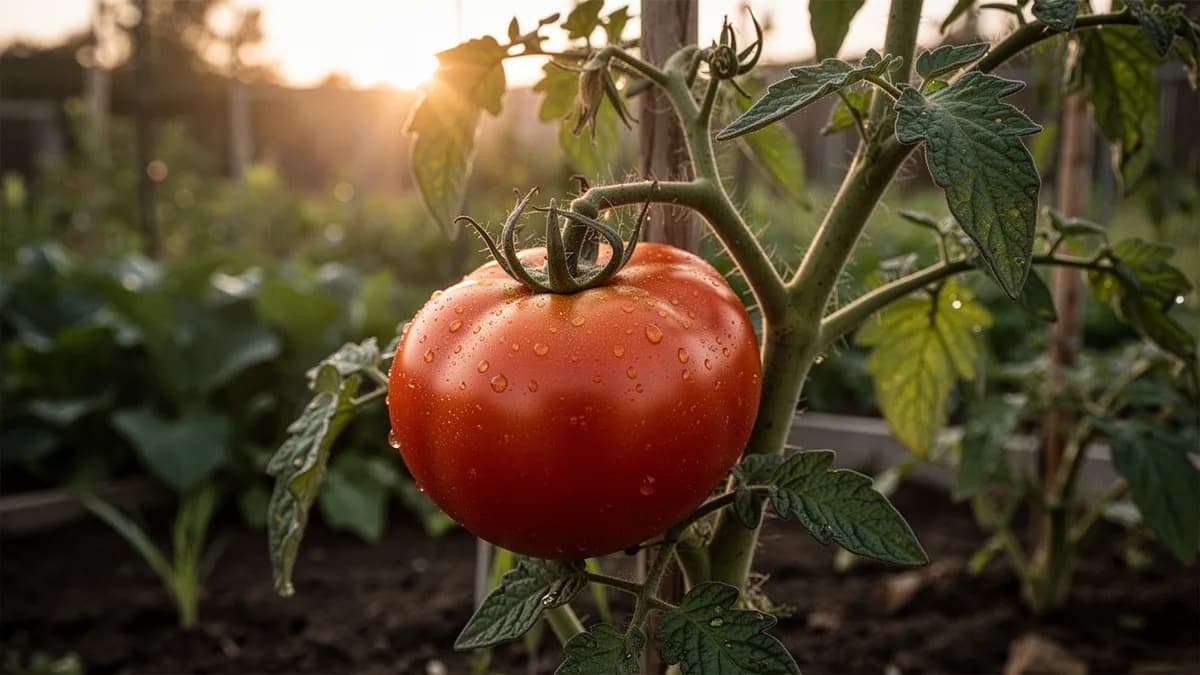
Mantén Berenjena Tailandesa lejos de estos
Diseños de jardín con Berenjena Tailandesa
Cultiva tu mejor Berenjena Tailandesa — y todo lo que la rodea.
Empieza un plan gratis hoy. Diseña tus bancales, coloca tu Berenjena Tailandesa y deja que PlotMyGarden gestione el momento, el espaciado, las asociaciones y los recordatorios de la semilla a la cesta.