Apio Chino
El apio chino (Apium graveolens var. secalinum) es una variedad de apio originaria de Asia con tallos más delgados y un aroma mucho más intenso que el apio occidental.





En esta páginaResumen
Conoce Apio Chino
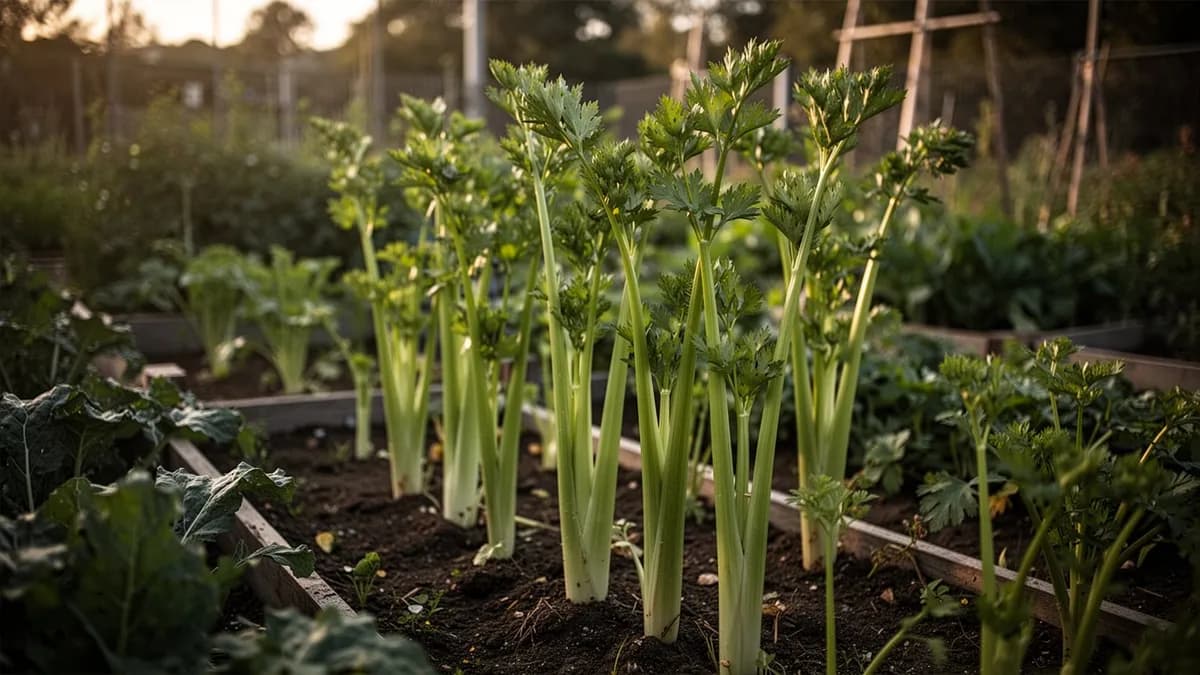
El apio chino (Apium graveolens var. secalinum) es una variedad de apio originaria de Asia con tallos más delgados y un aroma mucho más intenso que el apio occidental. Sus hojas y tallos, de color verde oscuro, tienen un sabor pronunciado y ligeramente amargo que es fundamental en la cocina china y del sudeste asiático.
Cuándo plantar Apio Chino
Siembre en bandejas de germinación 8-10 semanas antes de la fecha de trasplante, a 0,3 cm de profundidad sobre sustrato húmedo. Las semillas son diminutas y necesitan algo de luz para germinar; no las cubra en exceso. La germinación tarda 14-21 días a 18-22 °C. Mantenga el sustrato constantemente húmedo. Trasplante al exterior cuando las plántulas tengan 4-6 hojas verdaderas y haya pasado el riesgo de heladas fuertes.
Tu año de Apio Chino
Ajustado a Zona 7 · temporada típica · la helada se va hacia el 2 abr y vuelve hacia el 1 nov
Planta Apio Chino Mar – Abr, Ago – Sep y cosecha May – Jun, Oct – Nov. Consulta los métodos de plantación y elige tu clima para adaptar los periodos.
Cómo cultivar Apio Chino
Elija una ubicación con sol parcial a pleno sol. El apio chino tolera más sombra que el apio occidental y es más resistente a temperaturas extremas. El suelo debe ser rico en materia orgánica, constantemente húmedo pero bien drenado, con pH entre 6,0 y 7,0. Incorpore abundante compost antes de la siembra.
Siembre las semillas en bandejas de germinación a 0,3 cm de profundidad, ya que necesitan algo de luz para germinar. Trasplante cuando las plántulas tengan 4-6 hojas verdaderas, espaciando 15-20 cm entre plantas y 30 cm entre hileras. También es posible la siembra directa aclarando posteriormente.
Mantenga el suelo uniformemente húmedo con riego regular; la sequía provoca tallos fibrosos y amargos. Aplique acolchado orgánico para conservar la humedad. Fertilice cada 2-3 semanas con un abono líquido rico en nitrógeno. El apio chino es más robusto y tolerante que el apio convencional, soportando mejor el calor y el frío.
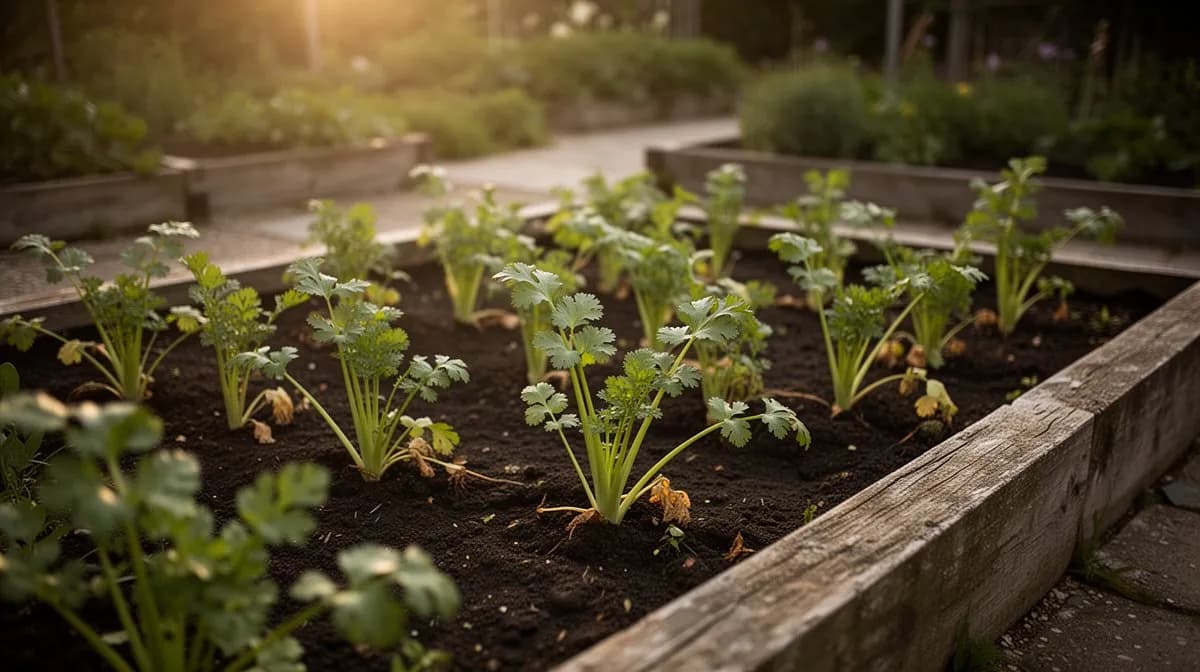
72 plantas caben en un bancal de 120 × 240 cm
Cada Apio Chino pide 20 cm de margen. El planificador guarda ese marco por ti — cada planta, cada bancal.
Los mejores vecinos de Apio Chino
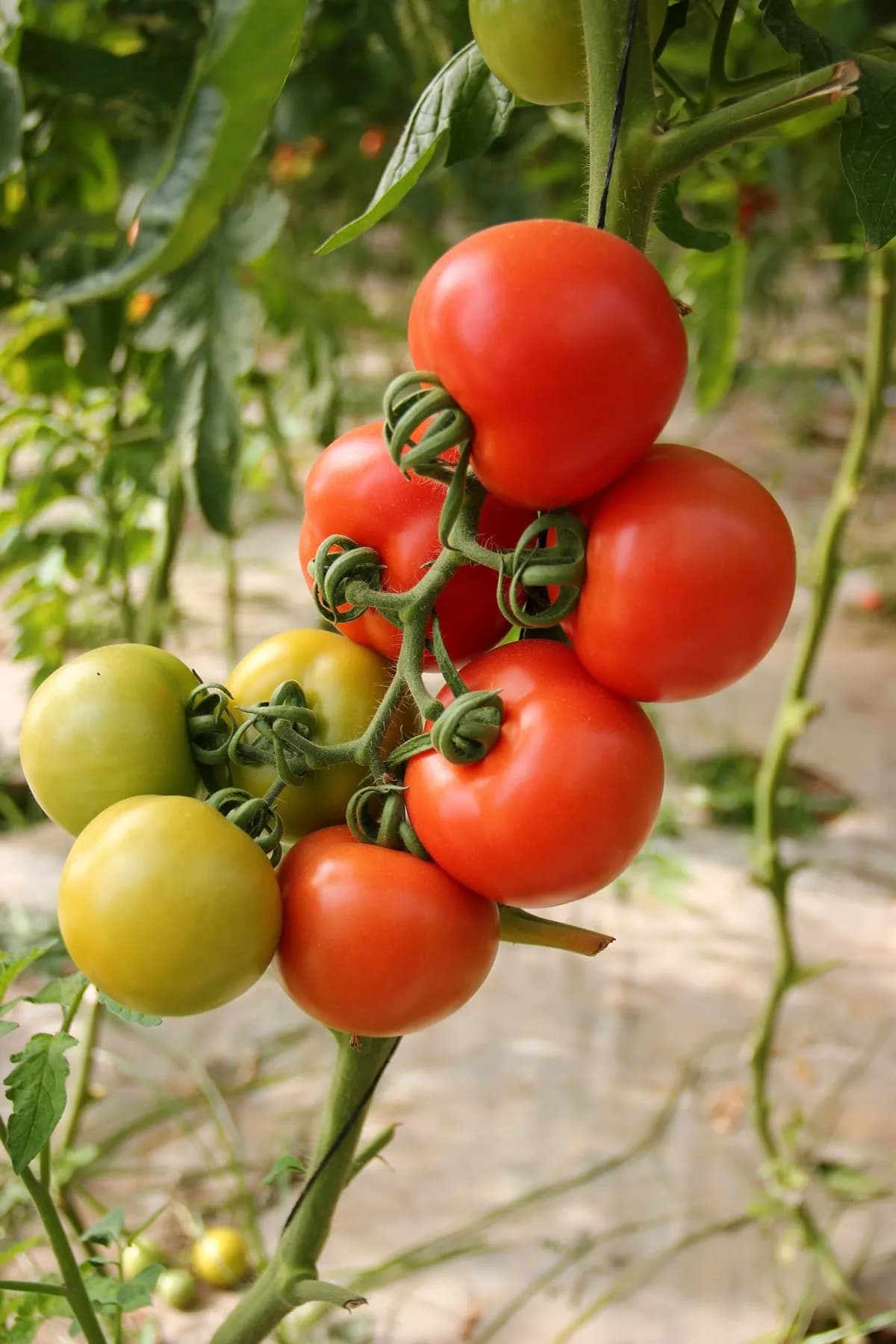
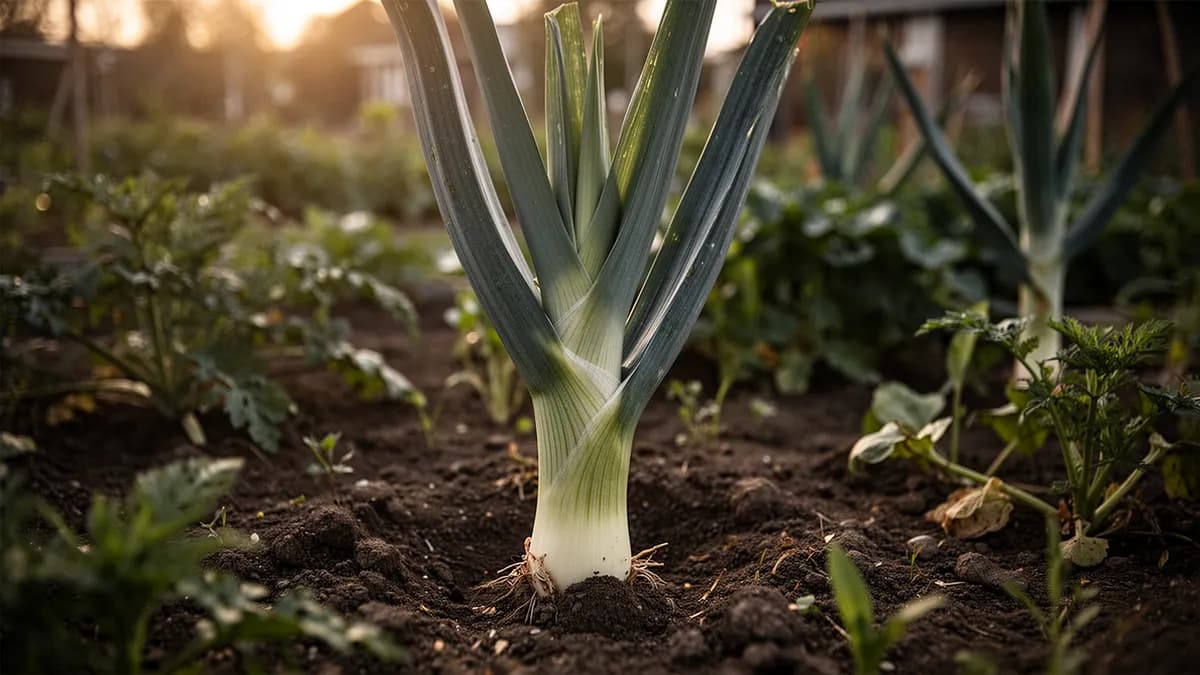
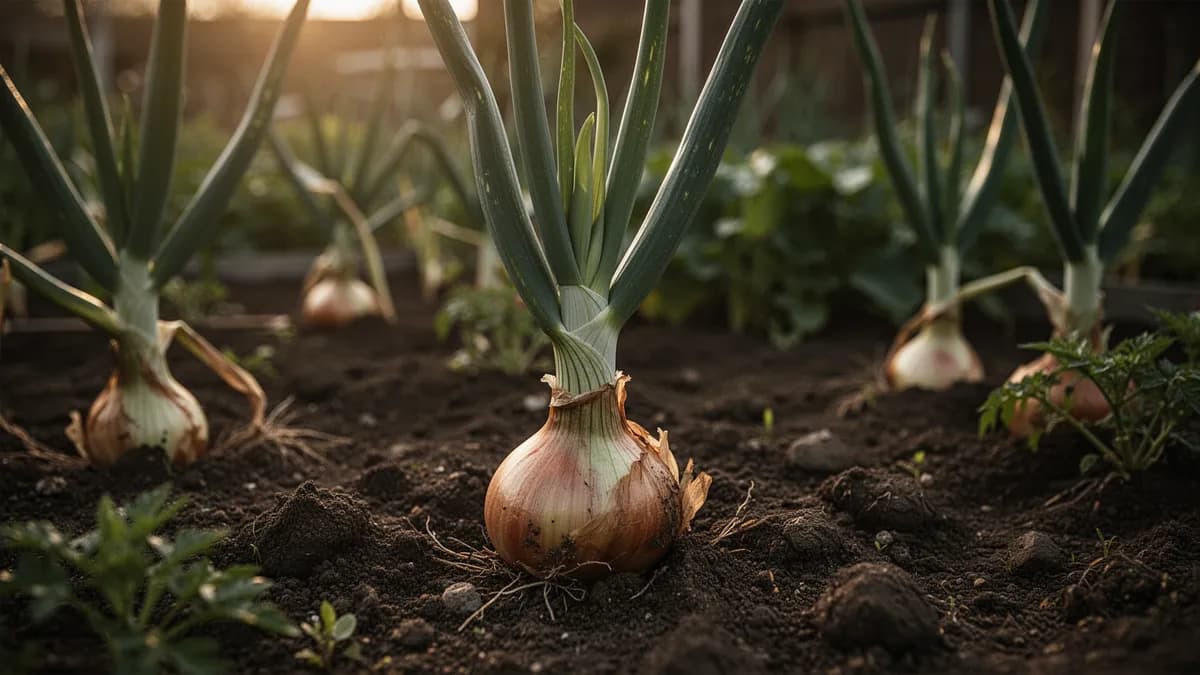
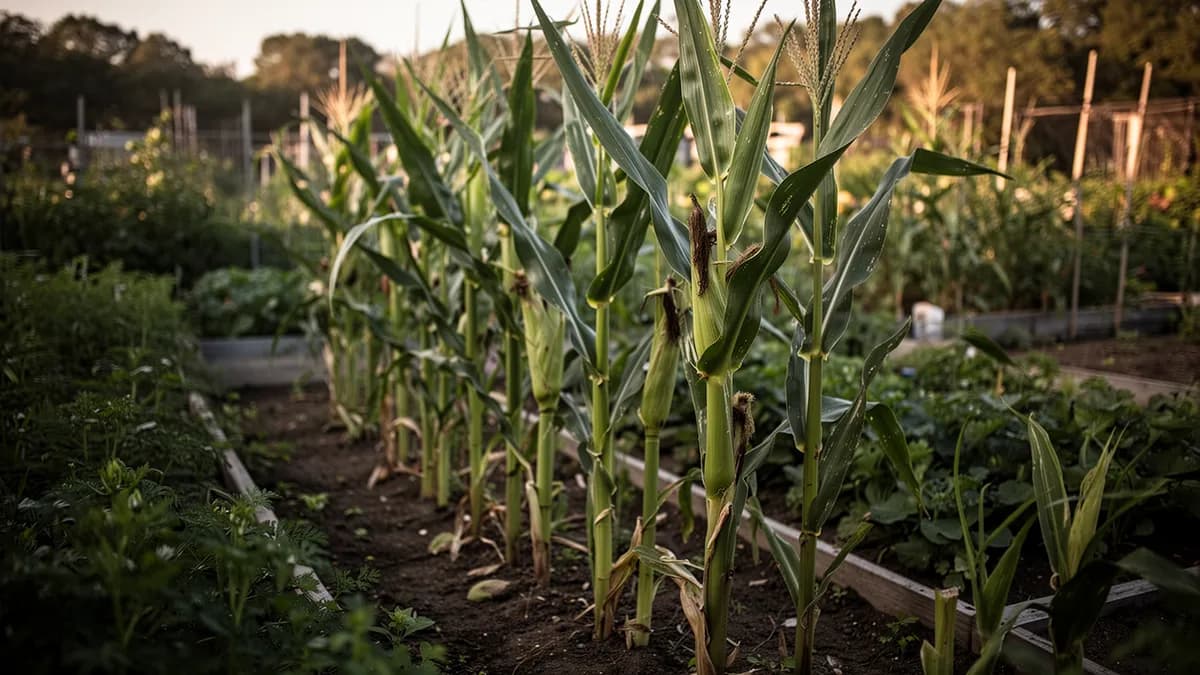
Se asocia bien con puerros, cebollas y ajos, que ayudan a repeler la mosca del apio con su aroma. Los tomates y las judías son buenos compañeros de cultivo. Evite plantar junto a maíz y perejil. La asociación con tagetes ayuda a disuadir nematodos del suelo.
Tomate va a su lado. Chirivía no.
Saber de huerto de siempre, cotejado con la tabla real de Apio Chino — prueba cualquier planta que cultives.
Prueba Apio Chino en un bancal, aquí mismo
Un bancal real del planificador con Apio Chino ya plantado. Toca una planta compañera para colocarla y mira cómo responde la comprobación de vecinos: verde para buenos vecinos, rojo si hay conflicto.


Guías de cultivo relacionadas
Abónalo bien
Requiere suelos ricos en materia orgánica, profundos y con buena retención de humedad, con pH entre 6,0 y 7,0. Incorpore compost maduro o estiércol bien descompuesto antes de la siembra. Aplique fertilizante líquido rico en nitrógeno cada 2-3 semanas durante el crecimiento activo. Evite suelos arenosos que se sequen rápidamente.
Temperatura ideal
Compatibilidad de zonas de rusticidad
De la semilla a la cosecha, etapa por etapa
Siembra
Las semillas del apio chino son muy pequeñas y germinan lentamente en 14-21 días. Necesitan luz para germinar y deben sembrarse en la superficie con humedad constante y temperaturas frescas.
Desarrollo de plántulas
Las plántulas son delicadas, crecen lentamente y son vulnerables al marchitamiento por hongos, a la sequía y a los extremos de temperatura. El sistema radicular es poco profundo y fibroso.
Crecimiento vegetativo
Las plantas desarrollan varios tallos delgados y huecos, además de hojas aromáticas. El crecimiento se acelera cuando el sistema radicular madura y la planta forma una roseta suelta.
Etapa de cosecha
Las plantas están listas para la cosecha de corte y rebrote y pueden recolectarse varias veces durante varias semanas si se mantiene intacta la corona central.
Cosechado
Después del corte, el apio chino puede rebrotar para cosechas repetidas. En climas suaves puede seguir produciendo hasta que espigue.
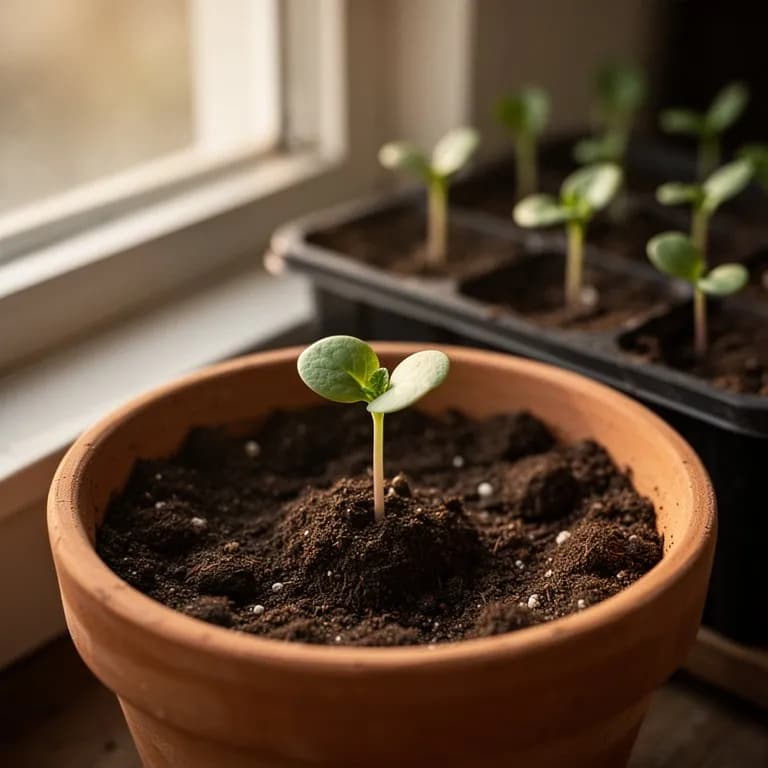
Siembra las semillas sobre un sustrato de germinación previamente humedecido y presiónalas ligeramente. No las entierres. Mantén la humedad y colócalas bajo luz intensa.
Cuidar Apio Chino mes a mes
Qué hacer cada mes para tu Apio Chino
Octubre
Mes actualPeak harvest from autumn plantings. Flavor is at its best in cool weather. In zones 7-8, protect plants with row cover or cold frames to extend the season. Harvest and dry leaves for use as a celery herb through winter.
Ten claro qué hacer en tu huerto, cada mes
Un correo al empezar cada mes: qué sembrar, plantar y hacer ahora mismo — para tu Apio Chino y todo lo que crece alrededor. Más un breve curso inicial para esquivar los errores clásicos.
- Qué hacer ahora mismo
- Ajustado a tu temporada
- Curso inicial incluido
Cosechar Apio Chino
Coseche los tallos exteriores cuando alcancen 20-30 cm de altura, cortando en la base a nivel del suelo. Esto permite que los tallos interiores continúen creciendo para cosechas sucesivas. La primera cosecha puede realizarse a los 60-80 días de la siembra. Alternativamente, corte toda la planta a 3-5 cm del suelo para un rebrote completo. Coseche por la mañana para máxima frescura.
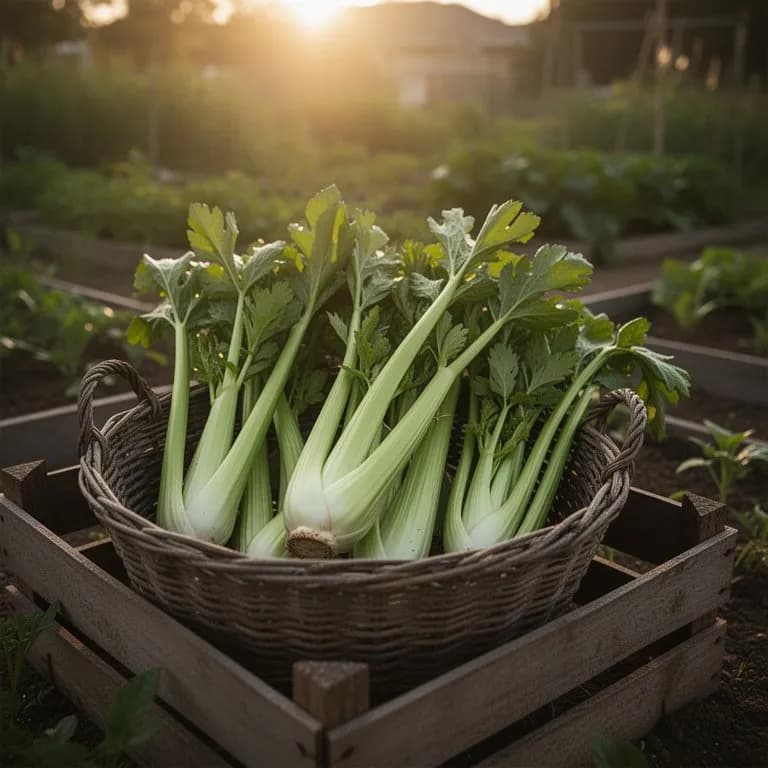
se supone que plantas al comenzar el periodo — indica tu fecha real
Empieza cuando las plantas midan unos 25-30 cm, aproximadamente 60 días después del trasplante.
Almacenamiento y conservación
Conserve los tallos frescos en el refrigerador envueltos en papel húmedo dentro de una bolsa plástica durante 1-2 semanas. Para congelar, blanquee los tallos cortados durante 1 minuto, enfríe en agua helada y almacene en bolsas herméticas hasta 6 meses. También puede picar finamente y secar para usar como condimento aromático en sopas y guisos.
Qué falla — y cómo solucionarlo
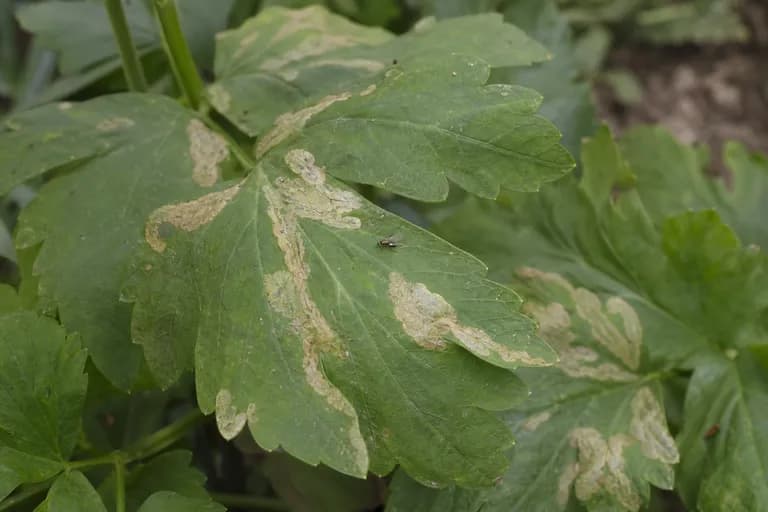
Mosca del apio (Euleia heraclei)
PlagaLarvas que excavan túneles serpenteantes entre las capas de las hojas, creando ampollas marrones visibles en la superficie foliar.
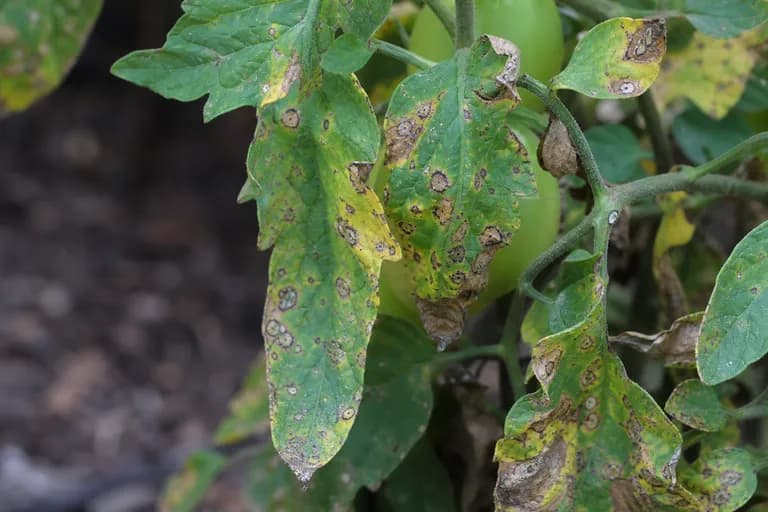
Septoriosis (Septoria apiicola)
EnfermedadPequeñas manchas marrones con puntos negros en las hojas que se expanden y causan amarillamiento y defoliación.
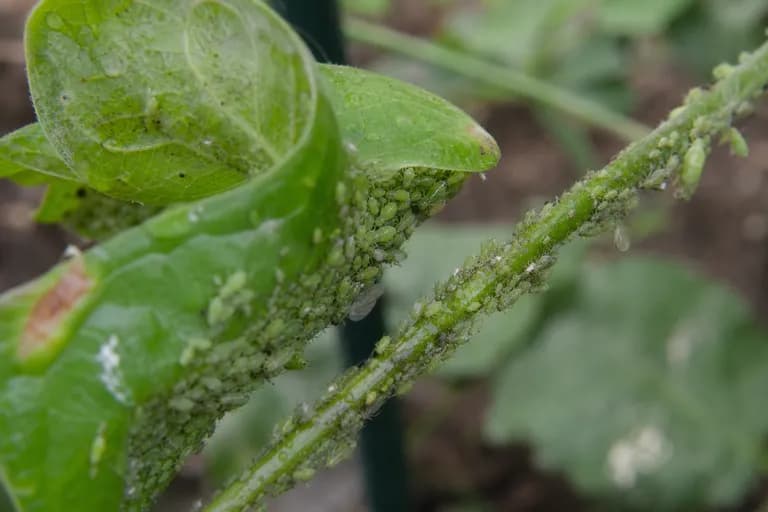
Pulgón verde del apio (Myzus persicae)
PlagaColonias de pequeños insectos verdes en el envés de las hojas y en los brotes tiernos, causando enrollamiento y deformación foliar.
Solución de problemas comunes
La sequía es el principal enemigo: provoca tallos fibrosos, duros y excesivamente amargos. El riego irregular causa agrietamiento de los tallos. Las temperaturas extremas pueden inducir el espigado prematuro. La mosca del apio es la plaga más frecuente y difícil de controlar sin protección física.
Consejos de cultivo
- Start seeds indoors and be patient — Chinese celery seeds are among the slowest to germinate in the vegetable garden, often taking 14-21 days. Surface-sow on moist mix and keep under plastic in bright indirect light. Do not bury seeds or they will fail to sprout.
- Never let the soil dry out. Chinese celery evolved from wetland plants and is extremely intolerant of drought. Even brief dry spells trigger bolting, bitter flavor, and tough fibrous stems. Mulch heavily and water consistently.
- Grow Chinese celery in partial shade during hot summers. Unlike most vegetables, it actually performs better with 4-6 hours of direct sun in warm climates rather than full sun, which causes premature bolting and bitter leaves.
- Harvest outer stems first and leave the inner crown to regenerate. This cut-and-come-again technique can triple your total yield compared to harvesting the entire plant at once. Always cut at the base with a sharp knife rather than pulling.
- Feed generously with nitrogen-rich fertilizer throughout the growing season. Chinese celery is a heavy feeder that responds dramatically to regular feeding — underfed plants produce thin, stringy stems with poor flavor.
- Succession-sow every 3-4 weeks starting in early spring for an uninterrupted supply. A single planting will eventually bolt or exhaust itself, so overlapping plantings ensure you always have fresh Chinese celery available.
- Chinese celery makes an excellent container plant. Grow in pots at least 20 cm deep with rich potting mix, placed where it receives morning sun and afternoon shade. Container growing also makes it easy to move plants to shelter during heat waves.
- Save seeds from your best plants — let one or two bolt fully and produce their tiny umbrella-shaped flower clusters. The seeds are not only viable for future planting but are also a delicious celery-flavored spice for cooking.
Cultiva tu mejor Apio Chino — y todo lo que la rodea.
Empieza un plan gratis hoy. Diseña tus bancales, coloca tu Apio Chino y deja que PlotMyGarden gestione el momento, el espaciado, las asociaciones y los recordatorios de la semilla a la cesta.
Elige tu Apio Chino
Kintsai
Variedad estándar japonesa de tallos finos y verde oscuro con aroma intenso. Muy productiva con cosechas repetidas. 65-70 días hasta primera cosecha.
Amsterdam
Selección holandesa con tallos algo más gruesos y sabor ligeramente más suave. Buena resistencia al frío. 60-70 días.
Par-Cel
Variedad intermedia entre apio y perejil con tallos delgados y hojas muy aromáticas. Excelente para uso como hierba aromática en la cocina. 70-80 días.
A packet of Chinese celery seeds ($2-4) contains 500-1,000 seeds — enough to grow a year's supply. Fresh Chinese celery sells for $2-4 per bunch at Asian markets and $4-6 at Western specialty grocers, with limited availability outside major cities. Growing your own ensures a constant supply of this essential Asian cooking ingredient and eliminates trips to specialty markets. Ten plants in a small bed can easily save $30-50 per season.
Recetas rápidas
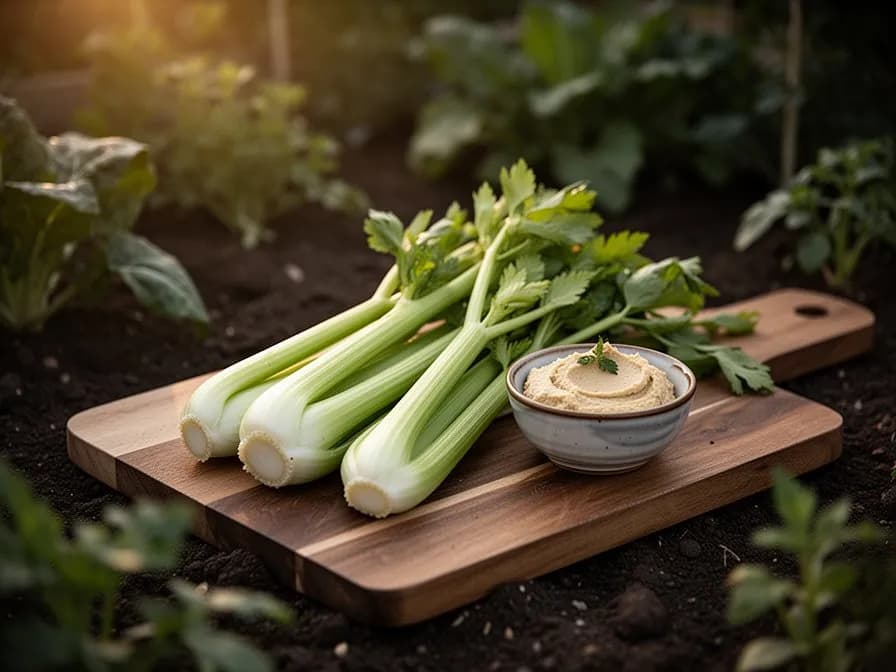
Chinese Celery and Dried Tofu Stir-Fry
15 minA classic Chinese home-cooking dish pairing the bold peppery crunch of Chinese celery with savory pressed tofu. Quick wok cooking preserves the celery's distinctive bite and intense aroma — a staple weeknight side across eastern China.
8 ingredientesClear Pork Rib and Chinese Celery Soup
45 minA light, restorative Chinese soup where pork ribs are simmered into a delicate broth and finished with a generous handful of Chinese celery for bright, herbal fragrance. The celery is added in the final minutes to preserve its crunch and flavor.
7 ingredientesChinese Celery and Peanut Salad
10 minA refreshing cold dish common in Sichuan and northern Chinese cooking — blanched Chinese celery tossed with roasted peanuts in a fragrant sesame and vinegar dressing. Served chilled as a starter or side, it showcases the celery's herbal intensity.
8 ingredientesUsos culinarios
Ingrediente esencial en la cocina china y tailandesa, donde se utiliza tanto como verdura como hierba aromática. Los tallos y hojas se saltean con carne, tofu o mariscos en woks. Fundamental en sopas y caldos asiáticos por su aroma intenso. También se usa crudo en ensaladas con aderezo de sésamo, o como guarnición aromática picada finamente sobre platos de fideos.
Qué contiene
Beneficios para la salud
- Contains 3-n-butylphthalide (3nB), a compound shown in studies to help relax blood vessel smooth muscle and potentially reduce blood pressure — the scientific basis behind celery's centuries-old use in traditional Chinese medicine for hypertension.
- Exceptionally rich in vitamin A as beta-carotene, providing nearly 90% of the daily value per 100g — essential for maintaining healthy vision, skin integrity, and robust immune response.
- Rich in apigenin, a flavonoid with demonstrated anti-inflammatory properties that may help reduce chronic inflammation and has shown promise in preliminary cancer research studies.
- Very low calorie density (16 calories per 100g) with meaningful fiber content, making Chinese celery an excellent food for weight management and blood sugar regulation.
- Contains luteolin, an antioxidant flavonoid that may support brain health by reducing neuroinflammation — early research suggests potential neuroprotective effects.
- Provides natural dietary nitrates that the body converts to nitric oxide, supporting cardiovascular health by promoting healthy blood flow and vascular flexibility.
De dónde viene Apio Chino
Chinese celery (Apium graveolens var. secalinum) descends from wild celery, a marshland plant native to the Mediterranean basin and parts of western Asia. While the same species as Western celery (Apium graveolens var. dulce), Chinese celery followed a completely different domestication path that preserved the plant's intense aromatic qualities rather than selecting for thick, mild stems. Archaeological and textual evidence suggests celery was being cultivated in China by at least 1000 BCE, and possibly earlier, with references in ancient Chinese agricultural texts describing its use as both food and medicine.
For millennia, Chinese celery was valued primarily as a medicinal herb before becoming a culinary staple. Traditional Chinese medicine texts from the Han Dynasty (206 BCE to 220 CE) recommend celery preparations for reducing heat in the body, calming the liver, and lowering blood pressure — uses that have persisted in Chinese herbal practice to the present day. The plant's thin, hollow stems and powerfully aromatic leaves were prized precisely because of their strong flavor, in stark contrast to European breeding programs that spent centuries selecting for milder, thicker stalks.
Today, Chinese celery is one of the most widely grown and consumed leafy vegetables across East and Southeast Asia. It is indispensable in Chinese, Thai, Vietnamese, and Malaysian cooking, appearing in stir-fries, soups, salads, dumplings, and as a finishing garnish. China remains the largest producer by an enormous margin, growing the vast majority of the world's celery crop. The plant has seen renewed interest from Western gardeners and chefs who appreciate its concentrated flavor, easier cultivation compared to Western celery, and versatility as both vegetable and herb.
Apio Chino: ¿sabías que?
Datos fascinantes sobre Apio Chino
Chinese celery (Apium graveolens var. secalinum) is much closer to wild celery than the thick-stalked Western variety — it retains the intense, almost peppery flavor that selective breeding removed from supermarket celery over centuries of European cultivation.
Apio Chino: preguntas frecuentes
¿Cuándo debo plantar Apio Chino?
¿Cuáles son buenas plantas acompañantes para Apio Chino?
¿En qué zonas de rusticidad puede crecer Apio Chino?
¿Cuánto sol necesita Apio Chino?
¿A qué distancia debo espaciar Apio Chino?
¿Qué plagas y enfermedades afectan a Apio Chino?
¿Cómo almaceno Apio Chino después de la cosecha?
¿Cuáles son las mejores variedades de Apio Chino para cultivar?
¿Qué suelo necesita Apio Chino?
What is the difference between Chinese celery and regular celery?
Why does my Chinese celery keep bolting?
Can I use Chinese celery as a substitute for Western celery in recipes?
How do I store Chinese celery to keep it fresh?
Is Chinese celery easy to grow compared to Western celery?
Can I grow Chinese celery indoors?
Acabas de leer la teoría. Ahora cultívala en piloto automático.
Todo lo que hace que Apio Chino sea delicado — el momento, el espaciado, las asociaciones, la ventana de cosecha — es justo lo que PlotMyGarden resuelve por ti, para cada planta de tu huerto.
Un plan que conoce tu clima
Indica tu ubicación una vez. Recibe fechas de siembra, abonado y cosecha basadas en tu última helada real y el pronóstico en vivo — sin adivinar con un sobre genérico.
De la sección “Cuándo plantar”Planificador de bancales de arrastrar y soltar
Diseña bancales sobre una cuadrícula. Cada planta encaja con su espaciado correcto y ves toda la temporada antes de gastar un céntimo en semillas.
De la sección “Cultivo”Conflictos de asociación, detectados a tiempo
Más de 200 buenas y malas combinaciones comprobadas en vivo mientras plantas — para que un error que arruine la temporada nunca llegue a la tierra.
De la sección “Asociaciones”Recordatorios que sí vas a seguir
“Riega las judías.” “Recoge hoy antes de que se pase.” Oportunos, concretos y ligados a las plantas que de verdad cultivas.
De la sección “Cosecha”Escalonado, programado
¿Quieres cosechar seis semanas en vez de seis días? Reparte tus siembras automáticamente y te avisa cuando toca el siguiente lote.
De la sección “Cuándo plantar”Un registro que se vuelve más listo
Cada cosecha que registras le enseña tu huerto. El plan del año que viene parte de lo que de verdad funcionó en tu suelo, no en un manual.
De la sección “Resumen”Planta estos junto a Apio Chino
Más Tallos y brotes
Mantén Apio Chino lejos de estos
Cultiva tu mejor Apio Chino — y todo lo que la rodea.
Empieza un plan gratis hoy. Diseña tus bancales, coloca tu Apio Chino y deja que PlotMyGarden gestione el momento, el espaciado, las asociaciones y los recordatorios de la semilla a la cesta.