Apio Nabo
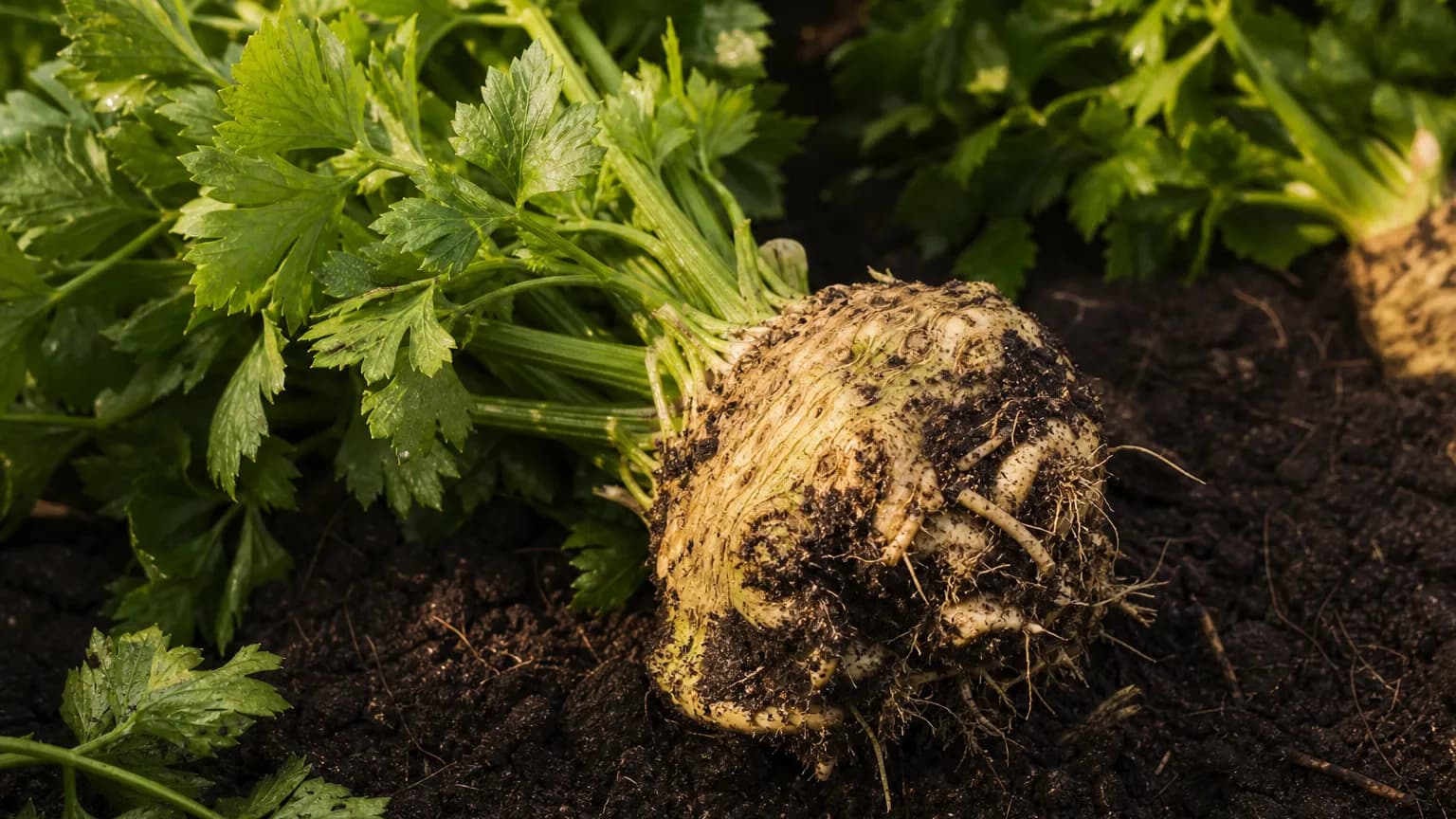
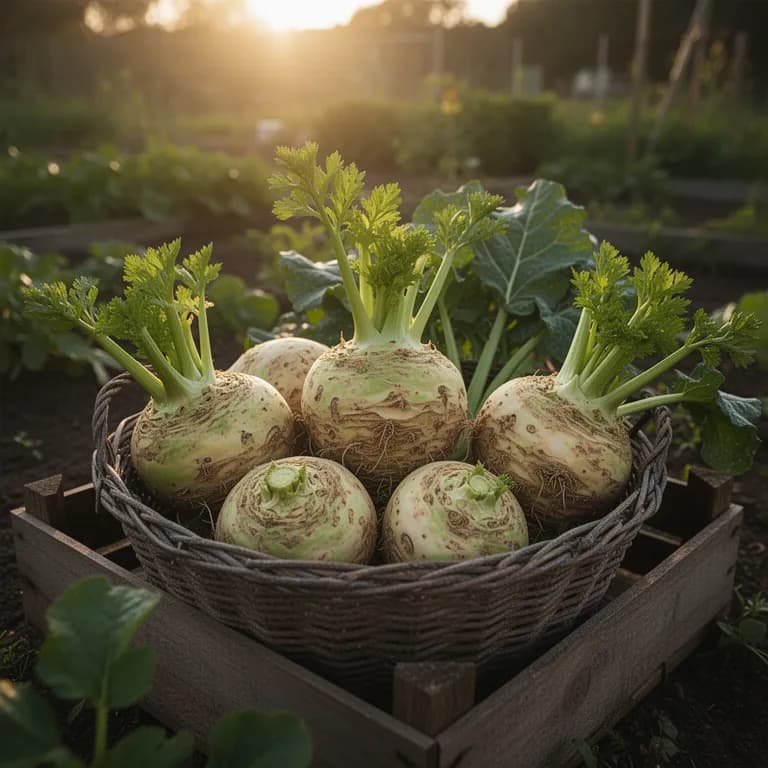
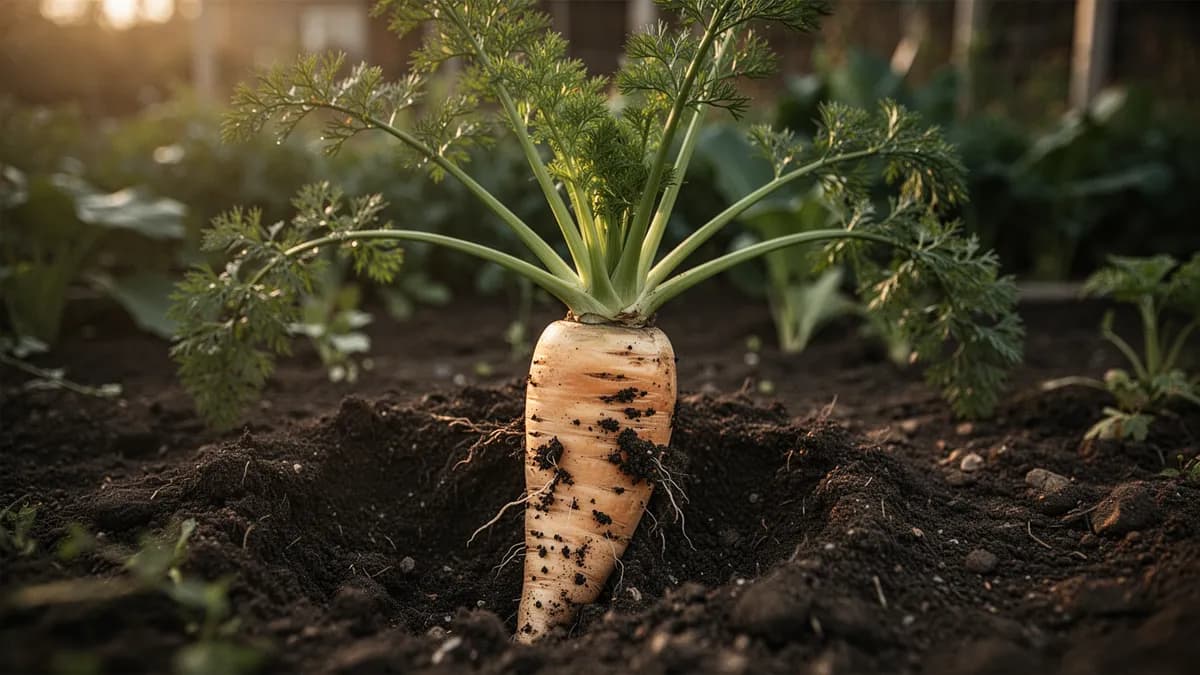
Una verdura de raíz con una gran raíz tuberosa.





En esta páginaResumen
Conoce Apio Nabo
Una verdura de raíz con una gran raíz tuberosa. Intenso sabor a apio, ideal para sopas.
Cuándo plantar Apio Nabo
Siembre muy temprano en interiores.
Tu año de Apio Nabo
Ajustado a Zona 7 · temporada típica · la helada se va hacia el 2 abr y vuelve hacia el 1 nov
Planta Apio Nabo Mar – Abr y cosecha Oct – Dic. Consulta los métodos de plantación y elige tu clima para adaptar los periodos.
Cómo cultivar Apio Nabo
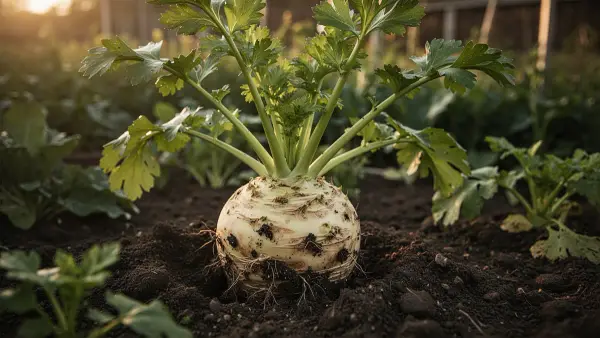
El apio nabo necesita larga temporada. Siembre en interiores 10-12 semanas antes de la última helada.
Humedad constante importante.
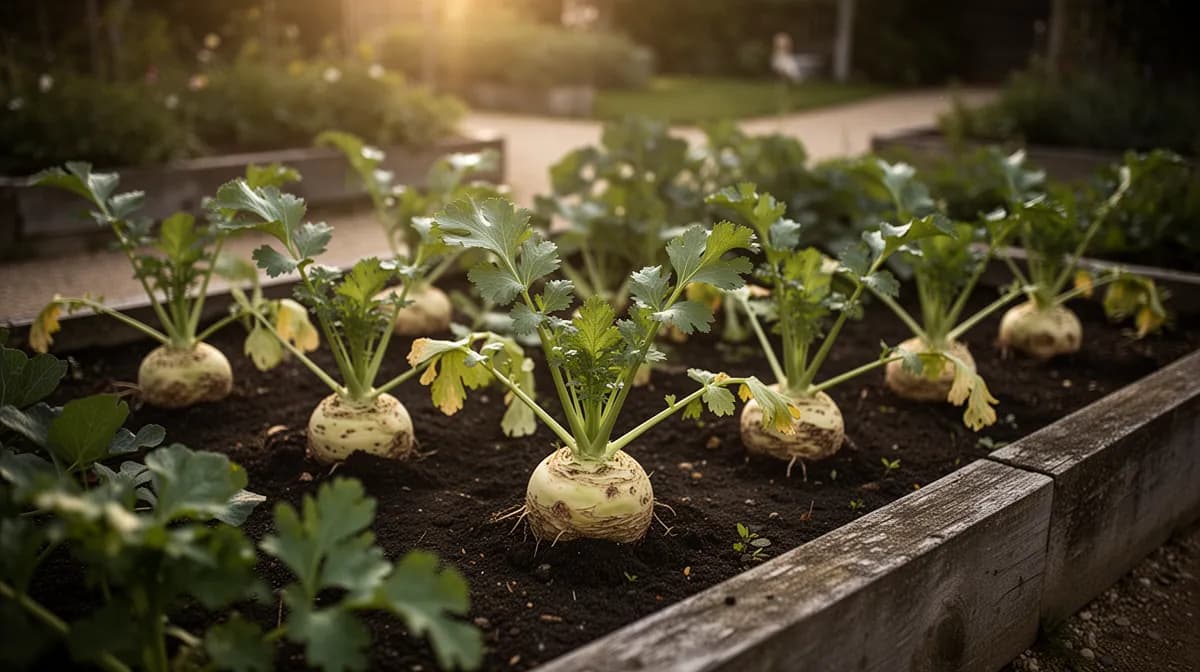
32 plantas caben en un bancal de 120 × 240 cm
Cada Apio Nabo pide 30 cm de margen. El planificador guarda ese marco por ti — cada planta, cada bancal.
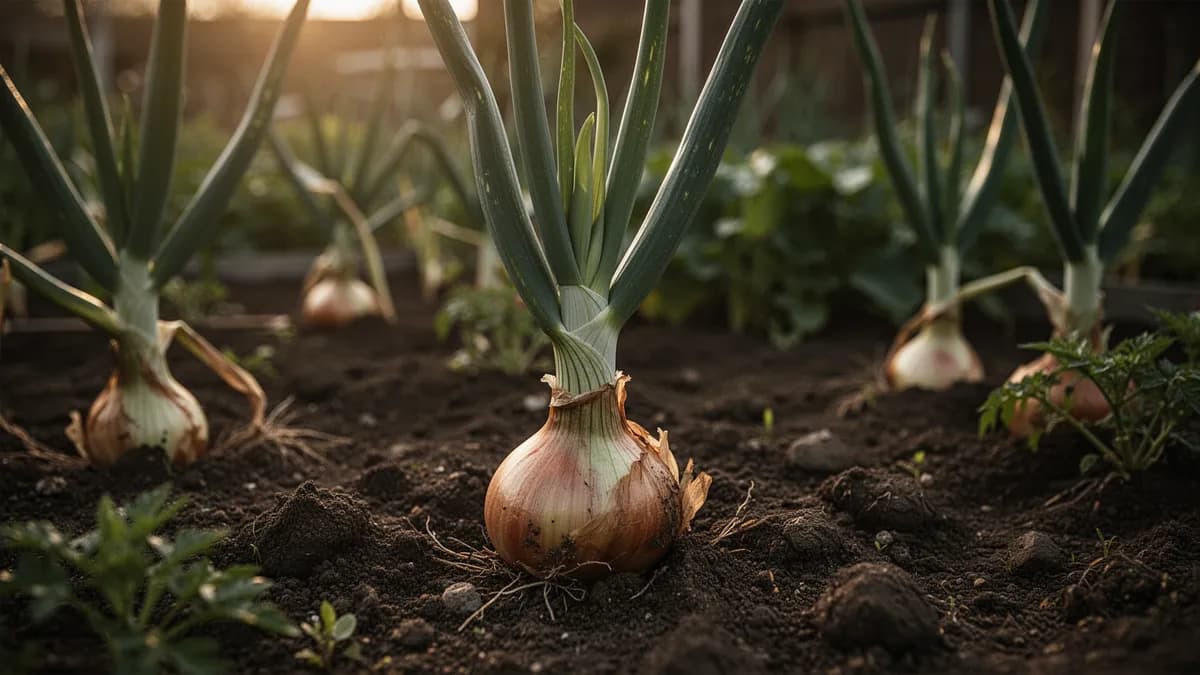
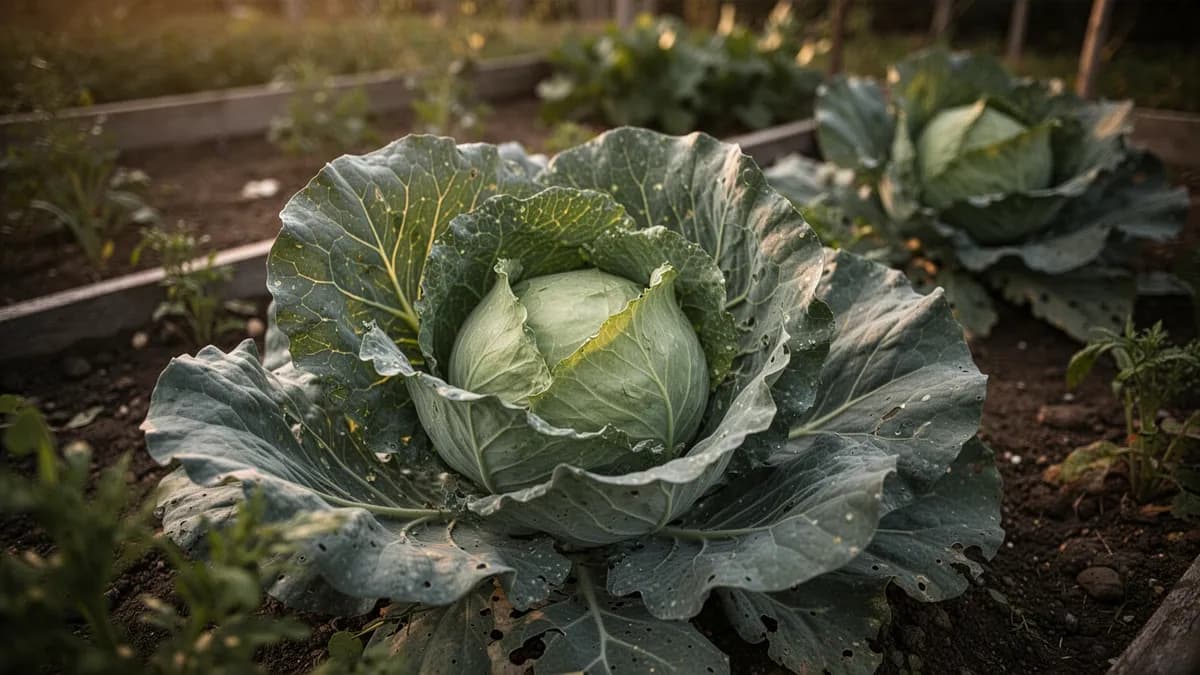
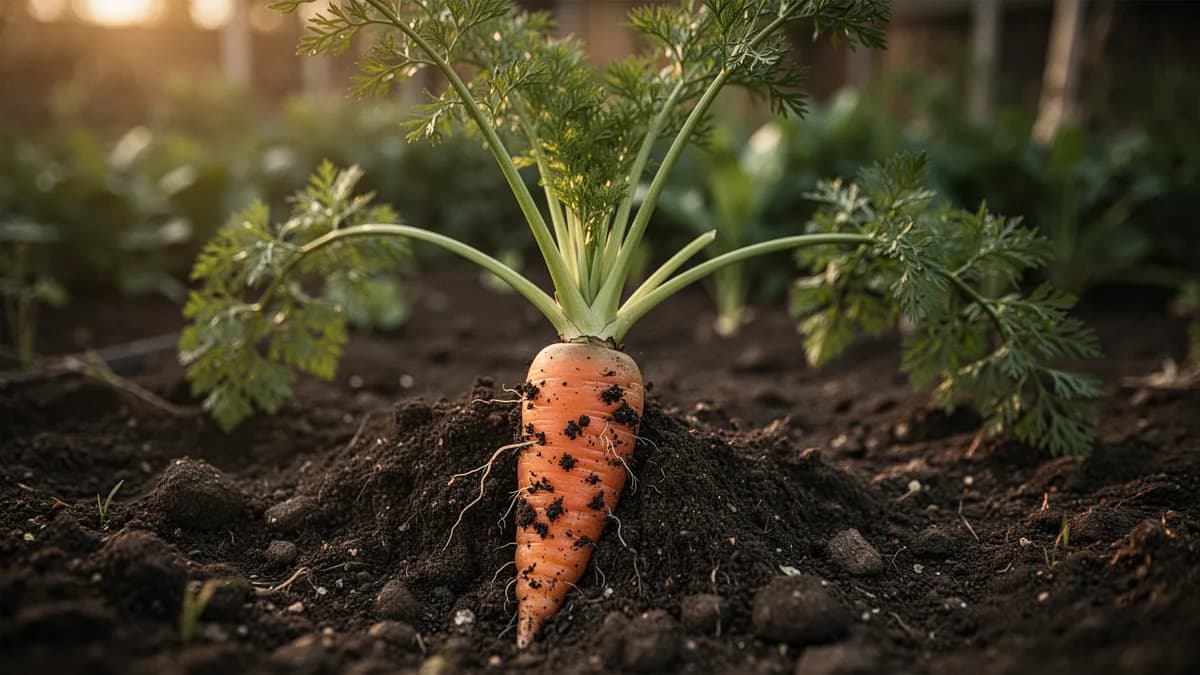
Los mejores vecinos de Apio Nabo
Col y frijoles.
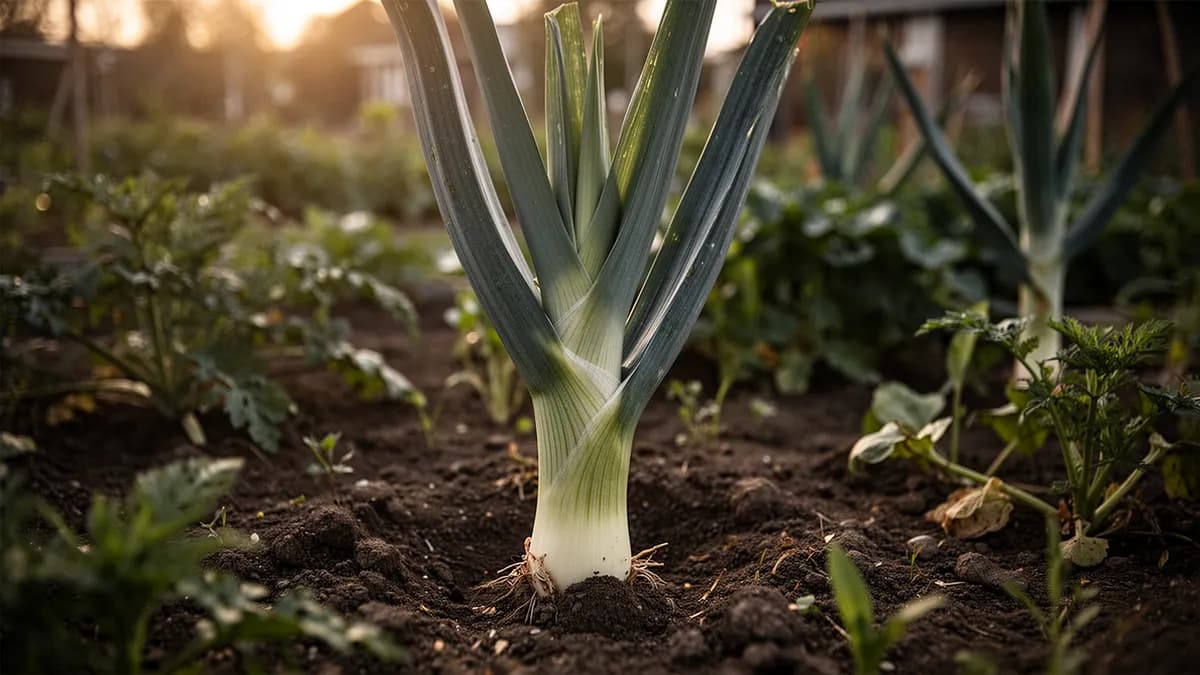
Puerro va a su lado. Chirivía no.
Saber de huerto de siempre, cotejado con la tabla real de Apio Nabo — prueba cualquier planta que cultives.
Prueba Apio Nabo en un bancal, aquí mismo
Un bancal real del planificador con Apio Nabo ya plantado. Toca una planta compañera para colocarla y mira cómo responde la comprobación de vecinos: verde para buenos vecinos, rojo si hay conflicto.


Guías de cultivo relacionadas
Abónalo bien
Rico en nutrientes, pH 6,0-7,0.
Temperatura ideal
Compatibilidad de zonas de rusticidad
De la semilla a la cosecha, etapa por etapa
Inicio de siembra
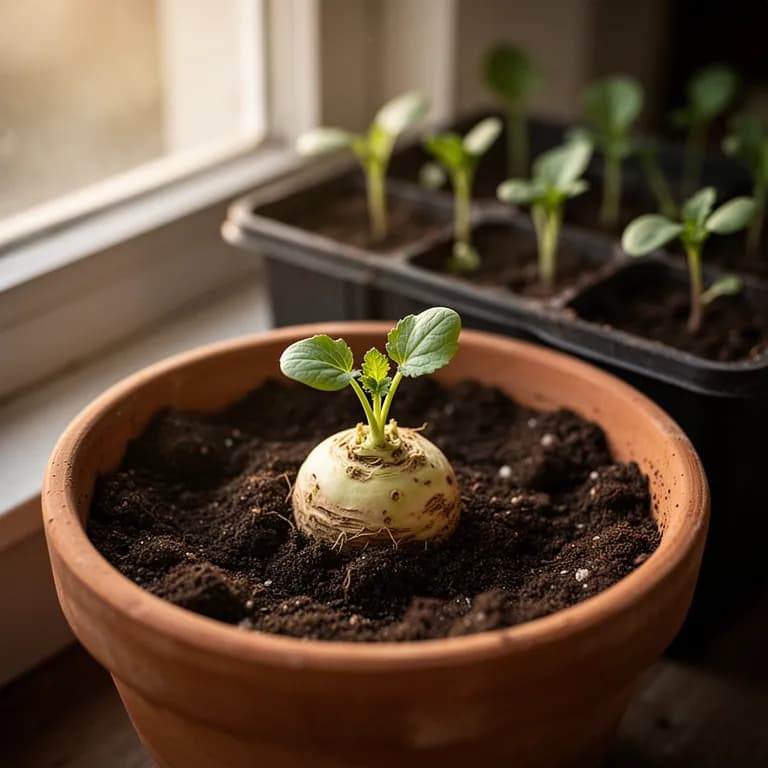
Las semillas diminutas se siembran sobre la superficie del suelo porque necesitan luz para germinar. La germinación es lenta e irregular, y tarda entre 14 y 21 días a 60-70°F. Las plántulas son extremadamente pequeñas y frágiles en las primeras etapas, por lo que requieren mucha atención a la humedad.
Desarrollo de plántulas
Las plántulas desarrollan hojas verdaderas que se parecen a pequeñas hojas de apio. El crecimiento es desesperadamente lento: esta es la etapa que más paciencia exige. Pueden pasar 6-8 semanas hasta alcanzar el tamaño de trasplante con 4-5 hojas verdaderas.
Establecimiento tras el trasplante
Las plántulas endurecidas se trasplantan al exterior después de la última helada. Las plantas establecen su sistema radicular y comienzan a producir un follaje vigoroso similar al del apio. La base del tallo empieza a engrosarse ligeramente a nivel del suelo.
Engrosamiento de la raíz
El hipocótilo (base del tallo) comienza a engrosarse notablemente por encima de la línea del suelo, formando la característica raíz nudosa. Alrededor de la raíz en engrosamiento aparecen raíces laterales y pequeños brotes. El follaje es abundante y alto.
Maduración y cosecha
La raíz alcanza su tamaño completo con 8-12 cm de diámetro y se siente sólida y pesada al presionarla. Las heladas ligeras mejoran el sabor al convertir los almidones en azúcares. En climas suaves, el apio nabo puede dejarse en el suelo y cosecharse durante el invierno.
Usa una manta térmica ajustada a 18-21°C (65-70°F) y rocía la superficie con regularidad. No cubras las semillas con tierra. El riego por abajo evita que las semillas minúsculas se desplacen. Espera una germinación irregular: es normal en el apio nabo.
Cuidar Apio Nabo mes a mes
Qué hacer cada mes para tu Apio Nabo
Octubre
Mes actualPrimary harvest month. Use a garden fork to lever roots from the ground. Light frosts improve flavor by converting starches to sugars. In mild climates, mulch heavily and leave roots in the ground for winter harvest.
Ten claro qué hacer en tu huerto, cada mes
Un correo al empezar cada mes: qué sembrar, plantar y hacer ahora mismo — para tu Apio Nabo y todo lo que crece alrededor. Más un breve curso inicial para esquivar los errores clásicos.
- Qué hacer ahora mismo
- Ajustado a tu temporada
- Curso inicial incluido
Cosechar Apio Nabo
Coseche en otoño antes de las heladas. Las heladas mejoran el sabor.
se supone que plantas al comenzar el periodo — indica tu fecha real
Cuando las raíces estén firmes y pesadas, normalmente entre 100 y 120 días después del trasplante, y midan unos 8-12 cm de diámetro.
Almacenamiento y conservación
En sótano fresco por meses.
Qué falla — y cómo solucionarlo
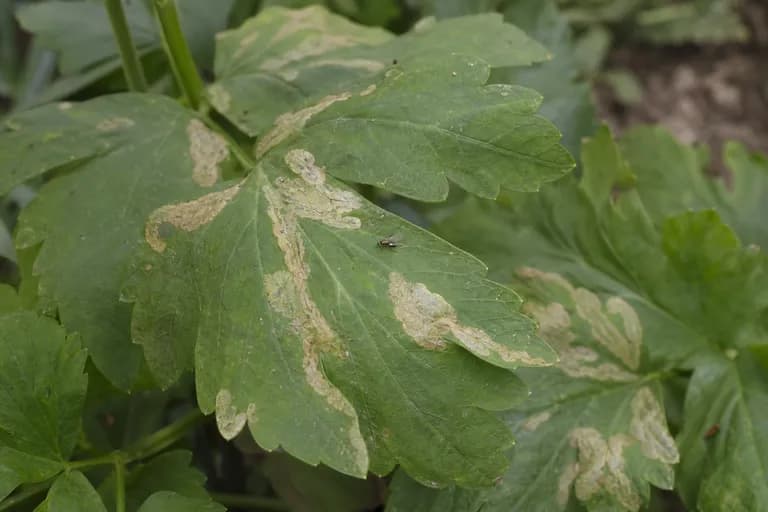
Mosca del apio
PlagaLarvas en raíces.
Solución de problemas comunes
Crecimiento lento con sequía.
Consejos de cultivo
- Start seeds absurdly early. Celeriac has the longest seed-to-harvest timeline of almost any common vegetable. Begin indoors 10-12 weeks before last frost — this means January or February for most gardeners. Late starters will get undersized roots.
- Do not cover seeds with soil. Celeriac seeds are tiny and require light to germinate. Sprinkle them on the surface of moist seed-starting mix and press gently. Mist rather than water from above to avoid burying or displacing seeds.
- Consistent moisture is the single most important growing factor. Celeriac that dries out — even briefly — develops tough, fibrous, or hollow roots. Mulch deeply and water at least 2.5 cm per week throughout the entire growing season without exception.
- Remove lower leaves and side shoots from the developing root ball starting in midsummer. This redirects the plant's energy into the main root and produces a smoother, rounder shape with fewer gnarly side rootlets to trim at harvest.
- Choose smooth-skinned varieties to minimize waste. Older heirloom varieties like Giant Prague are very knobby, requiring extensive peeling that wastes up to 30% of the root. Modern varieties like Brilliant and Diamant have noticeably smoother skin.
- Feed heavily and consistently. Celeriac is a heavy feeder that needs regular fertilization every 2-3 weeks throughout its long growing season. Underfed plants produce small, woody roots that are not worth the garden space they occupied for five months.
- Use celeriac's frost tolerance to your advantage. Light frosts convert starches to sugars, improving flavor significantly. In mild climates (zones 7-10), mulch plants with 15-20 cm of straw and harvest through winter as needed.
- Do not discard the leafy tops. Celeriac leaves and thin stalks have an intense celery flavor and are excellent for flavoring stocks, soups, and stews. Chop and freeze for year-round use as a seasoning herb.
Cultiva tu mejor Apio Nabo — y todo lo que la rodea.
Empieza un plan gratis hoy. Diseña tus bancales, coloca tu Apio Nabo y deja que PlotMyGarden gestione el momento, el espaciado, las asociaciones y los recordatorios de la semilla a la cesta.
Elige tu Apio Nabo
Prinz
Raíces lisas. 130 días.
Giant Prague
Raíces grandes. 140 días.
Celeriac is surprisingly expensive at retail — typically $3-6 per root at grocery stores and $4-8 at farmers markets. A packet of seeds ($3-5) produces dozens of plants, and growing 8-10 roots saves $25-50 per season on fresh celeriac alone. The real savings come from storage: properly cellared celeriac lasts 5 months, providing a continuous supply of an ingredient that costs a premium in winter months when imported from Europe.
Recetas rápidas
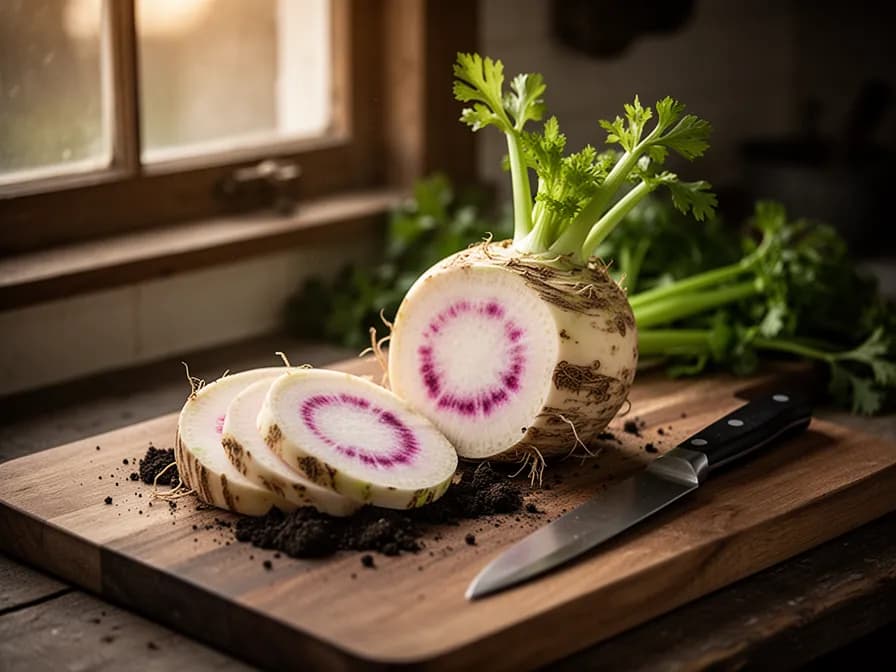
Classic French Celeriac Remoulade
20 minThe quintessential French bistro salad — raw celeriac julienned and tossed in a tangy mustard-cream dressing. Bright, crunchy, and intensely flavored, this is the best way to showcase celeriac's raw character.
7 ingredientes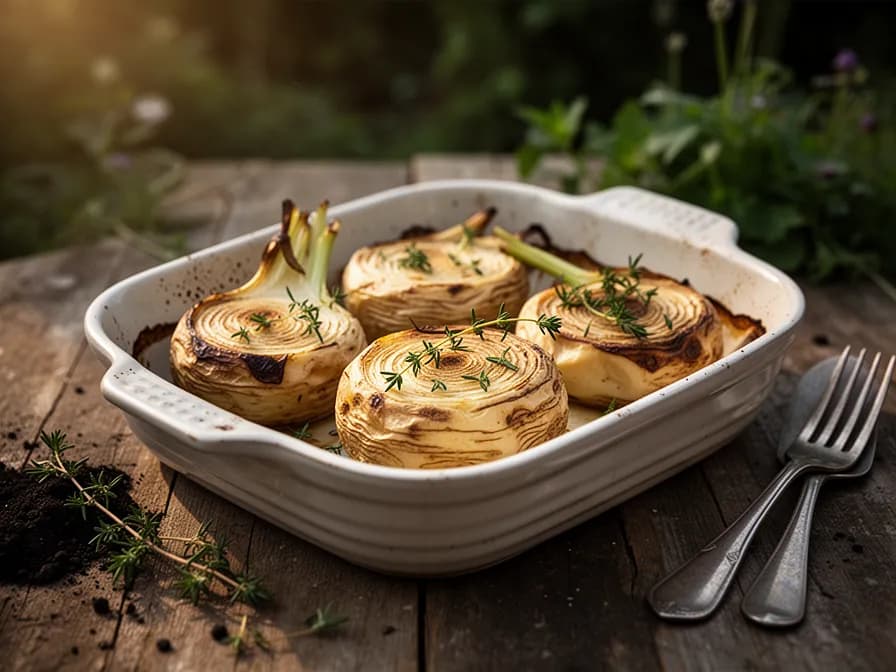
Silky Celeriac and Potato Soup
45 minA velvety, elegant soup where celeriac's deep celery flavor shines against a backdrop of potato and cream. Simple to make yet sophisticated enough for a dinner party starter.
9 ingredientesRoasted Celeriac Wedges with Herbs
50 minThick wedges of celeriac roasted until golden and caramelized on the edges, tender and creamy within. The high heat transforms celeriac's flavor into something nutty, sweet, and deeply savory.
7 ingredientesUsos culinarios
En sopas, puré, remoulada o asado.
Qué contiene
Beneficios para la salud
- Significantly lower in calories and carbohydrates than potatoes (42 vs 77 calories per 100g), making celeriac an excellent substitute in mashes, gratins, and purees for those managing blood sugar or weight.
- Excellent source of vitamin K, providing about 50% of the daily value per 100g — critical for proper blood clotting and calcium regulation in bone metabolism.
- Rich in phosphorus (115mg per 100g), which works with calcium to build and maintain strong bones and teeth, and plays a key role in cellular energy production.
- Contains apigenin, a flavonoid with demonstrated anti-inflammatory and antioxidant properties that may help reduce the risk of chronic inflammatory conditions.
- Good source of dietary fiber (1.8g per 100g) that supports healthy digestion, feeds beneficial gut bacteria, and promotes satiety to help with appetite management.
- Provides vitamin B6, essential for neurotransmitter synthesis and protein metabolism, supporting brain function and mood regulation.
De dónde viene Apio Nabo
Celeriac (Apium graveolens var. rapaceum) shares its origins with stalk celery, descending from wild celery native to the Mediterranean basin, the Middle East, and parts of Central Asia. Wild celery has been gathered for thousands of years — references to a plant called 'selinon' appear in Homer's Odyssey, and celery leaves were found woven into garlands in the tomb of Pharaoh Tutankhamun. However, it was not until the Renaissance that European gardeners began deliberately selecting for enlarged roots, eventually producing the knobby, swollen hypocotyl we know today as celeriac.
The first clear written descriptions of celeriac as a distinct root vegetable appear in early 17th-century European botanical texts. By the 1700s, celeriac had become a common kitchen garden vegetable across France, Germany, the Netherlands, and Central Europe, where winters are long and reliable root cellar storage was essential for survival. It became deeply embedded in the cuisines of these regions — French celeriac remoulade, German Selleriesalat, and the Central European tradition of adding celeriac to every pot of soup or stock. In these food cultures, celeriac remains more widely used than stalk celery to this day.
Celeriac was introduced to North America by European immigrants but never achieved the popularity it holds in Europe. The long growing season, slow germination, and unattractive appearance worked against it in a market that favored quick, photogenic crops. In recent decades, renewed interest in root vegetables, European cooking traditions, and low-carb alternatives to potatoes has brought celeriac back into specialty grocery stores and farmers markets across the United States and Canada.
Apio Nabo: ¿sabías que?
Datos fascinantes sobre Apio Nabo
Celeriac and stalk celery are the same species (Apium graveolens) but have been selectively bred for centuries to emphasize completely different parts — celeriac for its swollen root and celery for its crisp stalks.
Apio Nabo: preguntas frecuentes
¿Cuándo debo plantar Apio Nabo?
¿Cuáles son buenas plantas acompañantes para Apio Nabo?
¿En qué zonas de rusticidad puede crecer Apio Nabo?
¿Cuánto sol necesita Apio Nabo?
¿A qué distancia debo espaciar Apio Nabo?
¿Qué plagas y enfermedades afectan a Apio Nabo?
¿Cómo almaceno Apio Nabo después de la cosecha?
¿Cuáles son las mejores variedades de Apio Nabo para cultivar?
¿Qué suelo necesita Apio Nabo?
Why did my celeriac roots turn out small and woody?
Why is my celeriac bolting (going to flower)?
Can I eat the stalks and leaves of celeriac?
How do I store celeriac through winter?
Is celeriac a good low-carb substitute for potatoes?
Why is the inside of my celeriac hollow or spongy?
Acabas de leer la teoría. Ahora cultívala en piloto automático.
Todo lo que hace que Apio Nabo sea delicado — el momento, el espaciado, las asociaciones, la ventana de cosecha — es justo lo que PlotMyGarden resuelve por ti, para cada planta de tu huerto.
Un plan que conoce tu clima
Indica tu ubicación una vez. Recibe fechas de siembra, abonado y cosecha basadas en tu última helada real y el pronóstico en vivo — sin adivinar con un sobre genérico.
De la sección “Cuándo plantar”Planificador de bancales de arrastrar y soltar
Diseña bancales sobre una cuadrícula. Cada planta encaja con su espaciado correcto y ves toda la temporada antes de gastar un céntimo en semillas.
De la sección “Cultivo”Conflictos de asociación, detectados a tiempo
Más de 200 buenas y malas combinaciones comprobadas en vivo mientras plantas — para que un error que arruine la temporada nunca llegue a la tierra.
De la sección “Asociaciones”Recordatorios que sí vas a seguir
“Riega las judías.” “Recoge hoy antes de que se pase.” Oportunos, concretos y ligados a las plantas que de verdad cultivas.
De la sección “Cosecha”Escalonado, programado
¿Quieres cosechar seis semanas en vez de seis días? Reparte tus siembras automáticamente y te avisa cuando toca el siguiente lote.
De la sección “Cuándo plantar”Un registro que se vuelve más listo
Cada cosecha que registras le enseña tu huerto. El plan del año que viene parte de lo que de verdad funcionó en tu suelo, no en un manual.
De la sección “Resumen”Planta estos junto a Apio Nabo
Más Hortalizas de raíz
Mantén Apio Nabo lejos de estos
Diseños de jardín con Apio Nabo
Cultiva tu mejor Apio Nabo — y todo lo que la rodea.
Empieza un plan gratis hoy. Diseña tus bancales, coloca tu Apio Nabo y deja que PlotMyGarden gestione el momento, el espaciado, las asociaciones y los recordatorios de la semilla a la cesta.