Zanahoria Kuroda
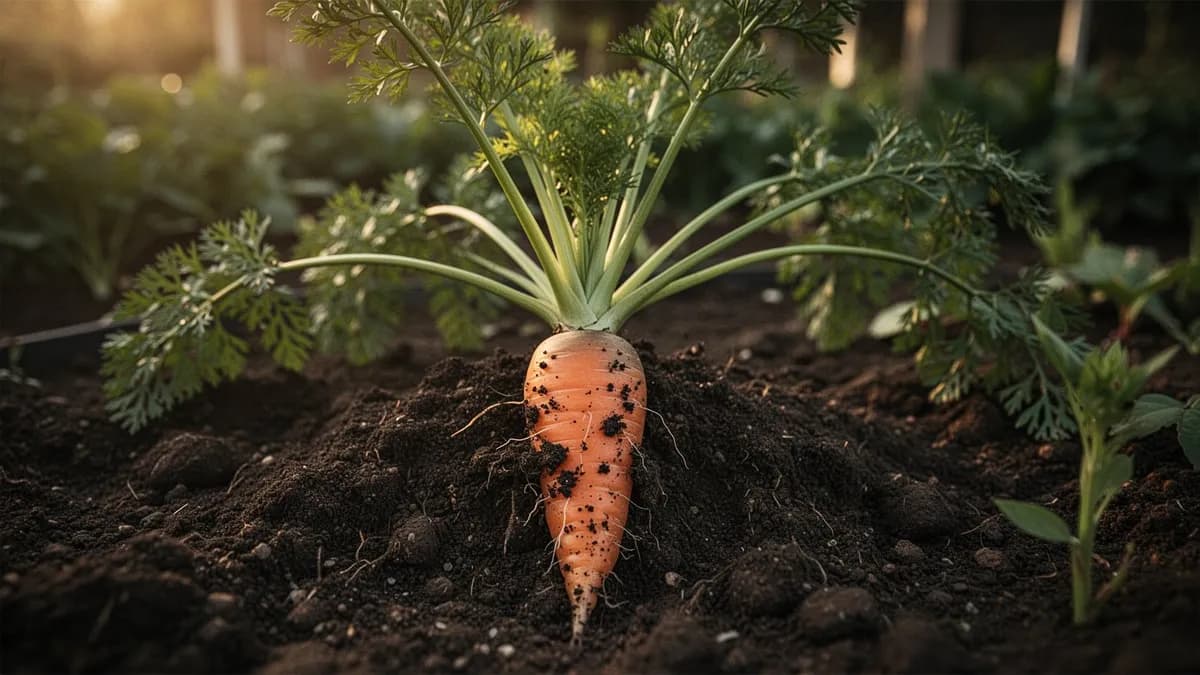
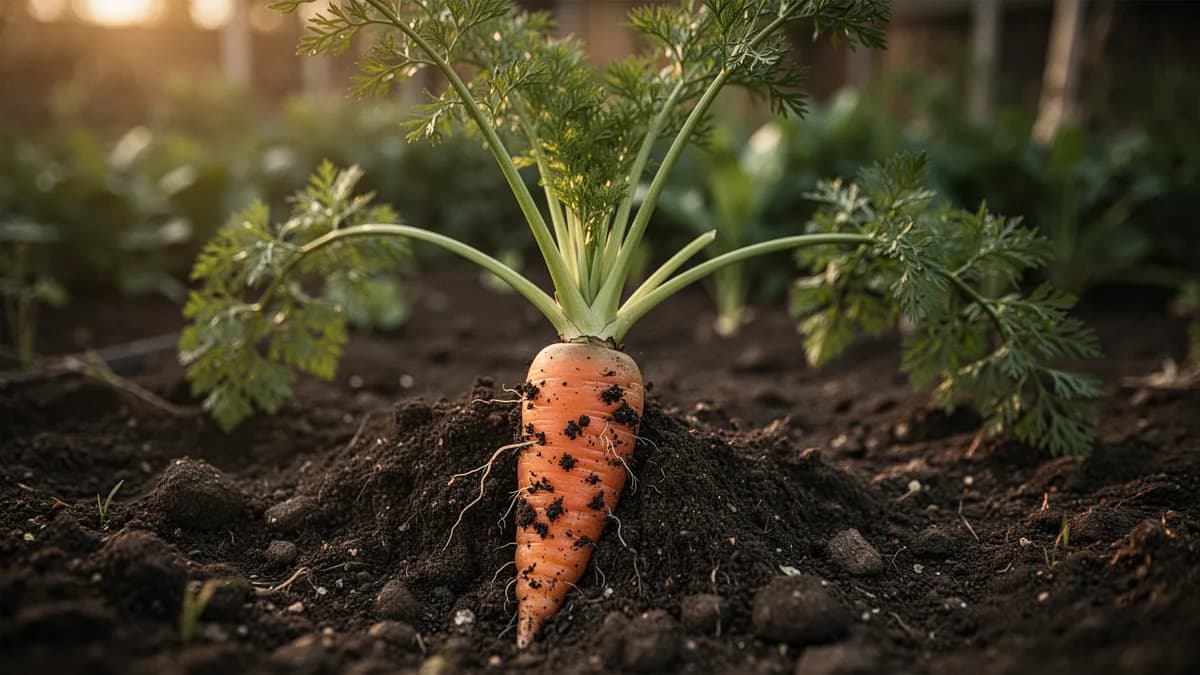
La zanahoria Kuroda (Daucus carota) es una variedad japonesa de zanahoria tipo Chantenay, con raíces cónicas y anchas de 15-18 cm, de color naranja rojizo intenso y extraordinariamente dulces.





En esta páginaResumen
Conoce Zanahoria Kuroda
La zanahoria Kuroda (Daucus carota) es una variedad japonesa de zanahoria tipo Chantenay, con raíces cónicas y anchas de 15-18 cm, de color naranja rojizo intenso y extraordinariamente dulces. Desarrollada en Japón, es excepcionalmente tolerante al calor y es la variedad preferida para cultivo en climas cálidos y tropicales donde otras zanahorias fracasan.
Cuándo plantar Zanahoria Kuroda
Siembre directamente a 0,5-1 cm de profundidad. No trasplanta. Germinación en 10-14 días, más rápida en clima cálido que otras variedades. Mantenga suelo húmedo durante la germinación.
Tu año de Zanahoria Kuroda
Ajustado a Zona 7 · temporada típica · la helada se va hacia el 2 abr y vuelve hacia el 1 nov
Planta Zanahoria Kuroda Mar – Abr, Jul – Ago y cosecha Jun – Jul, Oct – Nov. Consulta los métodos de plantación y elige tu clima para adaptar los periodos.
Cómo cultivar Zanahoria Kuroda
Siembre directamente a 0,5-1 cm de profundidad en surcos de 20-30 cm de separación. Las semillas germinan en 10-14 días a 20-30 °C. La Kuroda es notable por germinar bien incluso a temperaturas que inhiben otras variedades.
Aclare a 5-8 cm cuando las plántulas tengan 5 cm. Riegue regularmente para mantener suelo uniformemente húmedo. La Kuroda tolera mejor el calor que la mayoría de zanahorias, pero sigue necesitando riego constante.
Fertilice moderadamente con abono bajo en nitrógeno y rico en fósforo y potasio. Las raíces cónicas de la Kuroda se adaptan mejor a suelos pesados y poco profundos que las variedades largas tipo Imperator. Madura en 70-75 días.
450 plantas caben en un bancal de 120 × 240 cm
Cada Zanahoria Kuroda pide 8 cm de margen. El planificador guarda ese marco por ti — cada planta, cada bancal.
Los mejores vecinos de Zanahoria Kuroda
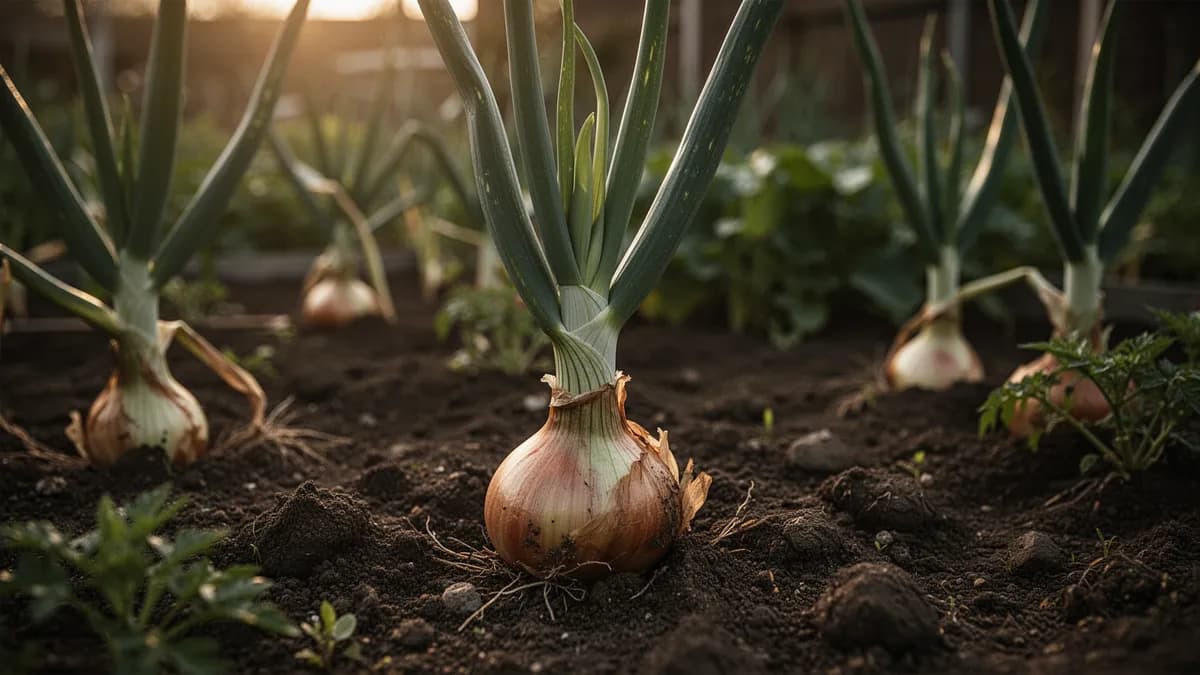
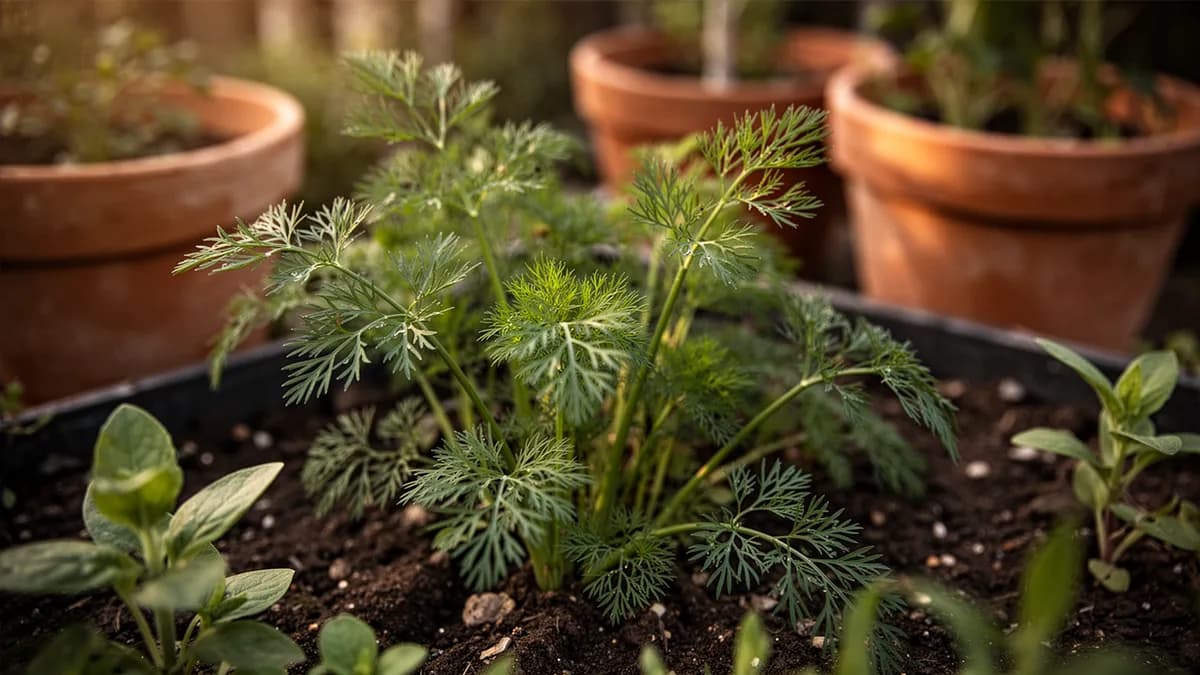
Plante junto a cebollas y puerros que repelen la mosca de la zanahoria. Los rábanos marcan las hileras. Los tomates son buenos compañeros. Evite plantar junto a eneldo maduro.
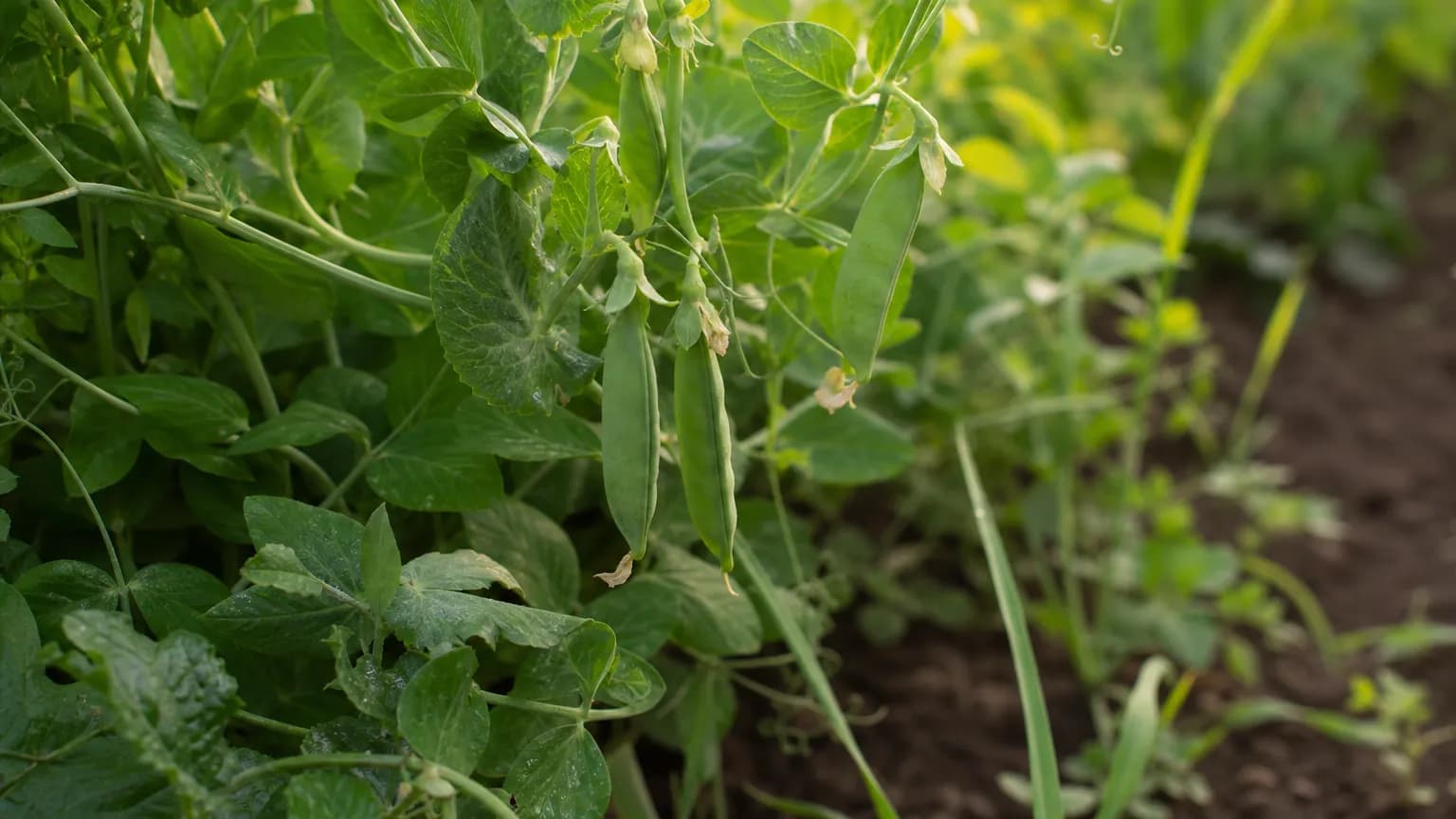
Guisantes va a su lado. Eneldo no.
Saber de huerto de siempre, cotejado con la tabla real de Zanahoria Kuroda — prueba cualquier planta que cultives.
Prueba Zanahoria Kuroda en un bancal, aquí mismo
Un bancal real del planificador con Zanahoria Kuroda ya plantado. Toca una planta compañera para colocarla y mira cómo responde la comprobación de vecinos: verde para buenos vecinos, rojo si hay conflicto.


Guías de cultivo relacionadas
Abónalo bien
Suelos sueltos y bien drenados con pH 6,0-7,0. La forma cónica corta de la Kuroda la hace ideal para suelos pesados o poco profundos donde las variedades largas se deforman. Fertilice con fósforo y potasio.
Temperatura ideal
Compatibilidad de zonas de rusticidad
De la semilla a la cosecha, etapa por etapa
Germinación de la semilla
Las semillas de zanahoria Kuroda son pequeñas y tardan en germinar; suelen hacerlo en 10–14 días en suelo fresco y en tan solo 7 días en suelo cálido.
Establecimiento de plántulas
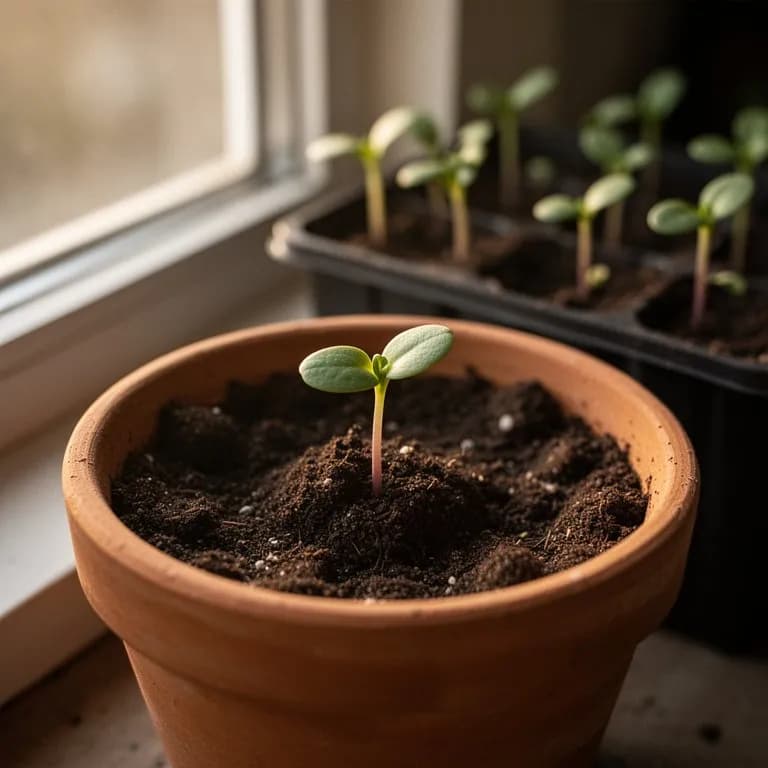
Los cotiledones finos, parecidos a la hierba, dan paso a las primeras hojas verdaderas plumosas. Las plántulas están formando su raíz pivotante inicial bajo la superficie.
Desarrollo del follaje
Las copas de zanahoria, con aspecto de helecho, crecen con vigor mientras la raíz empieza a engrosarse y adopta su forma Kuroda de hombros anchos.
Engrosamiento de la raíz
La raíz entra en su fase principal de crecimiento y aumenta rápidamente de diámetro y longitud mientras sube el contenido de azúcar.
Maduración y cosecha
Las raíces alcanzan su tamaño completo y su máxima dulzura, y el hombro puede sobresalir sobre la línea del suelo como señal de madurez.
Cubre las líneas sembradas con una capa fina de vermiculita o arpillera para conservar la humedad.
Cuidar Zanahoria Kuroda mes a mes
Qué hacer cada mes para tu Zanahoria Kuroda
Octubre
Mes actualHarvest remaining carrots before hard freezes in zones 5-7. In milder zones (8-10), leave carrots in the ground and harvest through winter as needed. Apply a thick straw mulch over remaining in-ground carrots to extend the harvest window and prevent the ground from freezing solid.
Ten claro qué hacer en tu huerto, cada mes
Un correo al empezar cada mes: qué sembrar, plantar y hacer ahora mismo — para tu Zanahoria Kuroda y todo lo que crece alrededor. Más un breve curso inicial para esquivar los errores clásicos.
- Qué hacer ahora mismo
- Ajustado a tu temporada
- Curso inicial incluido
Cosechar Zanahoria Kuroda
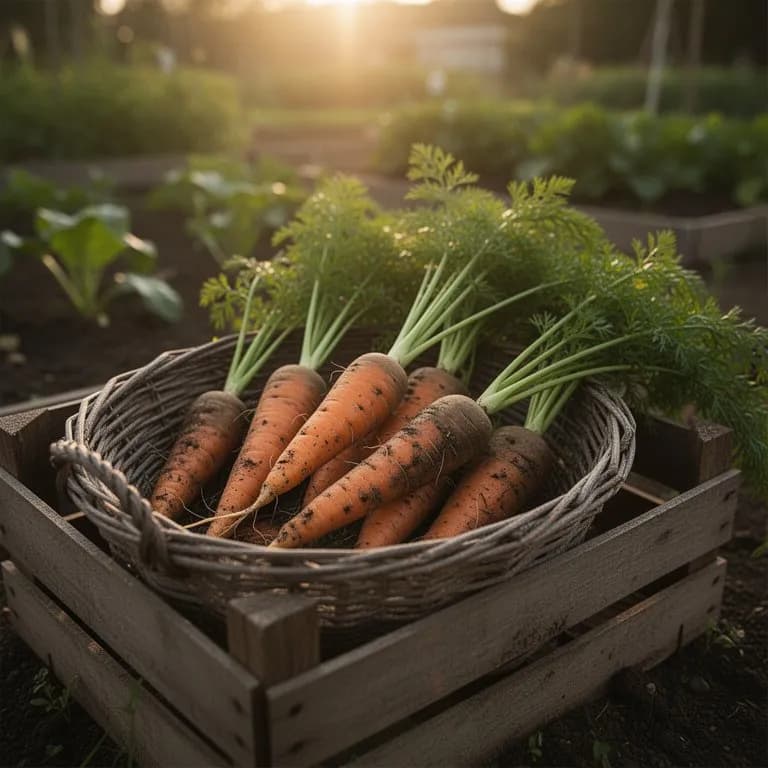
Coseche cuando las raíces midan 15-18 cm y la corona tenga 4-5 cm de diámetro, unos 70-75 días tras la siembra. Las Kuroda toleran mejor quedarse en el suelo que otras variedades sin volverse leñosas. Cave con horquilla para no dañar las raíces cónicas.
se supone que plantas al comenzar el periodo — indica tu fecha real
Cosecha aproximadamente a los 65–80 días con clima cálido, o cuando las raíces midan 5–7 pulgadas de largo y 2–3 pulgadas de ancho en el hombro.
Almacenamiento y conservación
Las raíces sin lavar se conservan en refrigerador 3-4 semanas. En bodega fría en arena húmeda durante meses. La Kuroda se conserva bien por su alto contenido de azúcar. Congele escaldada o enlatada.
Qué falla — y cómo solucionarlo
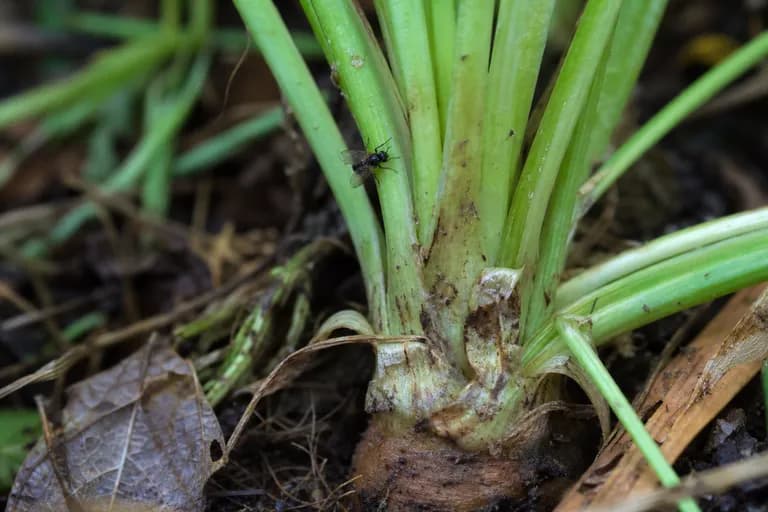
Mosca de la zanahoria (Psila rosae)
PlagaGalerías marrones en superficie de raíces.
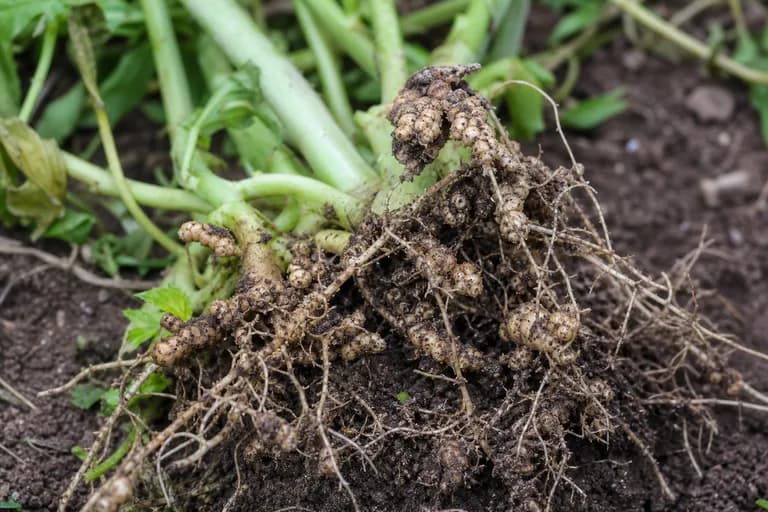
Alternaria (Alternaria dauci)
EnfermedadManchas marrones en hojas, necrosis y defoliación.
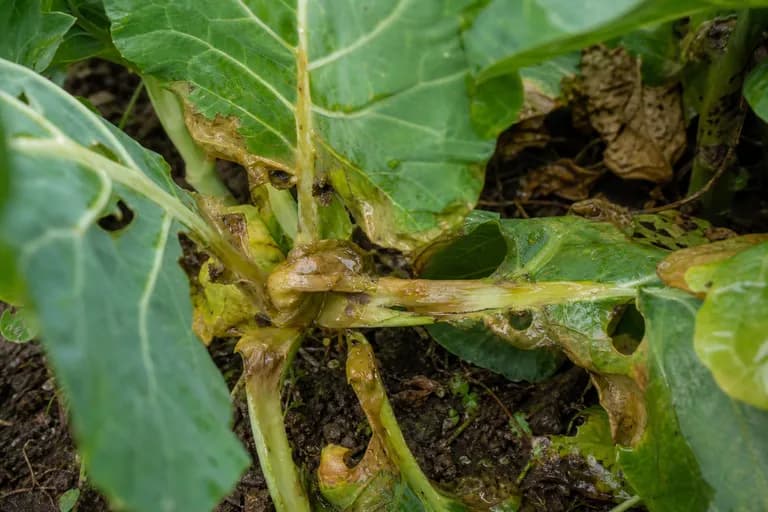
Pudrición blanda (Erwinia carotovora)
EnfermedadPudrición acuosa y maloliente de raíces, especialmente en almacenamiento.
Solución de problemas comunes
Aunque tolerante al calor, las temperaturas extremas (>35 °C) pueden causar raíces ásperas. En suelos muy ricos en nitrógeno las raíces se bifurcan. La germinación puede ser irregular en climas fríos.
Consejos de cultivo
- Soil preparation is everything for carrots. Work the top 30 cm of soil until it is loose, fine, and completely free of rocks, clods, and fresh organic matter. Any obstruction causes roots to fork, split, or develop bizarre shapes. Raised beds filled with a sandy loam mix produce the straightest roots.
- Kuroda's greatest advantage is its tolerance of heavier soils. If you have clay soil that defeats long Imperator types, Kuroda's shorter, broader shape pushes through dense ground far more successfully. Amend clay soil with coarse sand and aged compost for best results.
- Never let the seed bed dry out during the 10-14 day germination period. Carrot seeds are notoriously slow and erratic germinators, and even a few hours of surface drying can kill emerging seedlings. Cover rows with burlap, floating row cover, or a light vermiculite layer and mist twice daily.
- Thin seedlings ruthlessly to 5 cm spacing when they reach 5 cm tall. Crowded carrots produce thin, stunted roots. Snip unwanted seedlings at soil level rather than pulling — uprooting disturbs the delicate taproots of neighboring plants.
- Avoid high-nitrogen fertilizers, which cause excessive leafy top growth, forked roots, and hairy lateral root development. Use a balanced or low-nitrogen fertilizer (5-10-10) applied once at sowing and once during mid-growth. Carrots prefer soil amended the previous season rather than freshly fertilized ground.
- For the sweetest flavor, time your harvest so carrots experience several nights below 10°C (50°F) before pulling. This cold exposure triggers the plant to convert starch reserves into sugar, dramatically improving sweetness — autumn-harvested carrots are almost always sweeter than summer ones.
- Hill soil gently over any carrot shoulders that push above the soil surface. Exposed carrot tops turn green from chlorophyll production, which creates a bitter, slightly toxic (solanine-like) compound. A thin layer of mulch or soil prevents this greening entirely.
- For storage, twist off green tops immediately after harvest — tops left attached wick moisture from the root and cause it to go limp within days. Store unwashed carrots in damp sand or perforated plastic bags in the refrigerator or root cellar at 0-4°C (32-40°F) for 4-6 months.
Cultiva tu mejor Zanahoria Kuroda — y todo lo que la rodea.
Empieza un plan gratis hoy. Diseña tus bancales, coloca tu Zanahoria Kuroda y deja que PlotMyGarden gestione el momento, el espaciado, las asociaciones y los recordatorios de la semilla a la cesta.
Elige tu Zanahoria Kuroda
Kuroda Chantenay (New Kuroda)
La selección estándar con raíces cónicas de 15-18 cm, muy dulces y naranja intenso. Tolerante al calor. 70 días.
Shin Kuroda 5
Selección japonesa mejorada con raíces más uniformes y corazón pequeño. Extremadamente dulce. 68 días.
Red Core Chantenay
Variedad emparentada con corazón rojo y forma cónica similar. Buen sabor y almacenamiento. 70 días.
Kuroda Long
Selección más alargada de la Kuroda (20-22 cm) para suelos más profundos. Mantiene la dulzura y tolerancia al calor. 75 días.
A packet of Kuroda carrot seeds costs $2-4 and contains 500-1000 seeds — enough to grow 15-25 kg of carrots worth $30-75 at retail prices of $2-3 per pound for conventional carrots or $4-6 per pound for organic. Growing your own delivers carrots far sweeter and fresher than any store-bought option, since commercial carrots are often harvested weeks before sale and lose sugar content during cold storage. Kuroda's tolerance of heavier soils and warm weather means fewer crop failures than fussier varieties, making it one of the most reliable returns on investment in the vegetable garden.
Recetas rápidas
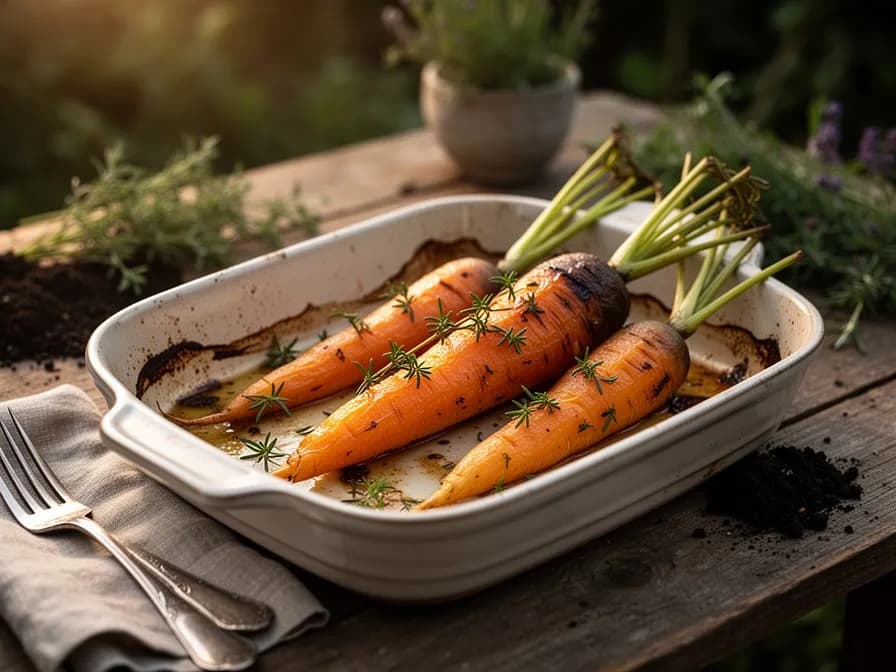
Honey-Roasted Kuroda Carrots
35 minKuroda carrots halved lengthwise and roasted at high heat until caramelized and tender. Their naturally high sugar content means they develop deep golden edges and a buttery-sweet interior that tastes almost like candy.
7 ingredientesJapanese-Style Carrot and Ginger Soup
40 minA velvety smooth soup that showcases Kuroda's intense sweetness and deep orange color. Fresh ginger adds warmth while miso provides savory depth — a nod to this carrot's Japanese breeding heritage.
9 ingredientesCarrot and Sesame Kinpira Stir-Fry
15 minA classic Japanese home-cooking side dish where carrots are julienned and quickly stir-fried in sesame oil with soy and mirin. Kuroda's firm yet tender texture holds up perfectly to the brief high-heat cooking.
8 ingredientesUsos culinarios
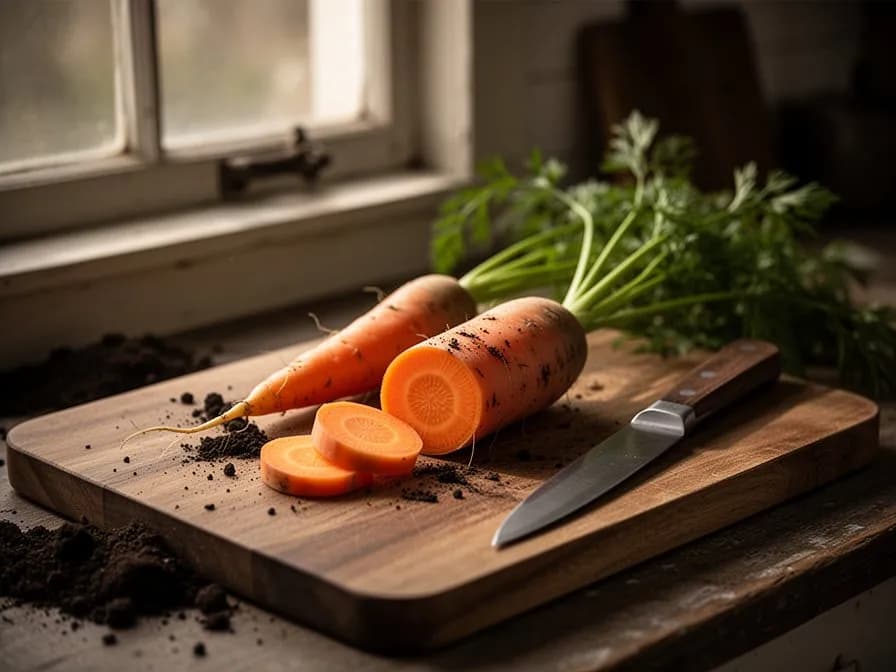
La Kuroda es excepcional para jugos de zanahoria por su extraordinaria dulzura y color intenso. Asada al horno se carameliza bellamente. Es perfecta rallada en ensaladas, en sopas cremosas, en curry japonés, y como snack crudo por su sabor dulce natural.
Qué contiene
Beneficios para la salud
- Kuroda carrots are among the richest dietary sources of beta-carotene, which the body converts to vitamin A — essential for maintaining healthy vision, particularly night vision, and supporting the immune system's ability to fight infections.
- The carotenoids lutein and zeaxanthin found in Kuroda carrots accumulate in the retina and act as a natural blue-light filter, protecting against age-related macular degeneration and cataracts with regular consumption.
- Contains falcarinol and falcarindiol, polyacetylene compounds unique to carrots and related plants that have shown anti-inflammatory and potential anti-tumor properties in laboratory studies.
- Rich in soluble fiber that binds to bile acids in the digestive tract, potentially helping to lower LDL cholesterol levels and supporting cardiovascular health with regular consumption.
- Provides potassium (320mg per 100g), an essential mineral that helps regulate blood pressure by counteracting the effects of sodium and supporting proper heart rhythm and muscle function.
- The antioxidant combination of beta-carotene, vitamin C, and polyphenols in carrots helps neutralize free radicals and reduce oxidative stress, which is linked to chronic inflammation and premature cellular aging.
De dónde viene Zanahoria Kuroda
The Kuroda carrot traces its origins to mid-20th century Japan, where plant breeders in the Kuroda region developed a new carrot type specifically adapted to the warm, humid conditions of tropical and subtropical climates. While European carrot varieties like Nantes and Chantenay had been refined for centuries in the cool, sandy soils of Northern Europe, they performed poorly in the hot summers and heavy clay soils common across Asia, Africa, and South America. Japanese breeders selected for heat tolerance, resistance to bolting in warm weather, and the ability to develop full-sized, well-shaped roots in dense soil — traits that would make the Kuroda type transformative for carrot cultivation across the developing world.
The broader history of the carrot stretches back thousands of years to the wild carrot (Daucus carota) native to Central Asia and the Middle East. The first cultivated carrots appeared in Afghanistan and Persia around the 10th century and were purple or yellow — grown primarily for their aromatic leaves and seeds rather than their roots. Through centuries of selection in the Middle East and Mediterranean, the roots became larger and less bitter. The iconic orange carrot emerged in the Netherlands during the 16th and 17th centuries, possibly as a tribute to the House of Orange, and Dutch breeders established the foundation for all modern orange carrot types.
Kuroda's impact on global agriculture has been profound. Following its development in Japan, the Kuroda type was rapidly adopted across Southeast Asia, India, tropical Africa, and Central and South America during the 1960s and 1970s, often becoming the dominant carrot in local markets. Today, Kuroda and its derivative cultivars (including Kuroda Long, New Kuroda, and countless tropical selections) are grown on every inhabited continent. For home gardeners, Kuroda offers a reliable, sweet, and deeply colored carrot that succeeds in conditions where fussier European types struggle — particularly in warm climates, heavy soils, and regions with short, mild winters.
Zanahoria Kuroda: ¿sabías que?
Datos fascinantes sobre Zanahoria Kuroda
The Kuroda carrot type was developed in Japan in the 1940s and is named after the Japanese plant breeder who selected it for tropical and subtropical growing conditions — making it one of the few carrot varieties that actually thrives in warm weather and heavy soils where European types fail.
Zanahoria Kuroda: preguntas frecuentes
¿Cuándo debo plantar Zanahoria Kuroda?
¿Cuáles son buenas plantas acompañantes para Zanahoria Kuroda?
¿En qué zonas de rusticidad puede crecer Zanahoria Kuroda?
¿Cuánto sol necesita Zanahoria Kuroda?
¿A qué distancia debo espaciar Zanahoria Kuroda?
¿Qué plagas y enfermedades afectan a Zanahoria Kuroda?
¿Cómo almaceno Zanahoria Kuroda después de la cosecha?
¿Cuáles son las mejores variedades de Zanahoria Kuroda para cultivar?
¿Qué suelo necesita Zanahoria Kuroda?
Why are my Kuroda carrots forked or misshapen?
Why are my carrots bitter instead of sweet?
Can Kuroda carrots grow in hot climates where other varieties fail?
How do I know when Kuroda carrots are ready to harvest?
What is the difference between Kuroda and Chantenay carrots?
Can I save seeds from my Kuroda carrots?
Acabas de leer la teoría. Ahora cultívala en piloto automático.
Todo lo que hace que Zanahoria Kuroda sea delicado — el momento, el espaciado, las asociaciones, la ventana de cosecha — es justo lo que PlotMyGarden resuelve por ti, para cada planta de tu huerto.
Un plan que conoce tu clima
Indica tu ubicación una vez. Recibe fechas de siembra, abonado y cosecha basadas en tu última helada real y el pronóstico en vivo — sin adivinar con un sobre genérico.
De la sección “Cuándo plantar”Planificador de bancales de arrastrar y soltar
Diseña bancales sobre una cuadrícula. Cada planta encaja con su espaciado correcto y ves toda la temporada antes de gastar un céntimo en semillas.
De la sección “Cultivo”Conflictos de asociación, detectados a tiempo
Más de 200 buenas y malas combinaciones comprobadas en vivo mientras plantas — para que un error que arruine la temporada nunca llegue a la tierra.
De la sección “Asociaciones”Recordatorios que sí vas a seguir
“Riega las judías.” “Recoge hoy antes de que se pase.” Oportunos, concretos y ligados a las plantas que de verdad cultivas.
De la sección “Cosecha”Escalonado, programado
¿Quieres cosechar seis semanas en vez de seis días? Reparte tus siembras automáticamente y te avisa cuando toca el siguiente lote.
De la sección “Cuándo plantar”Un registro que se vuelve más listo
Cada cosecha que registras le enseña tu huerto. El plan del año que viene parte de lo que de verdad funcionó en tu suelo, no en un manual.
De la sección “Resumen”Planta estos junto a Zanahoria Kuroda
Más Hortalizas de raíz
Mantén Zanahoria Kuroda lejos de estos
Cultiva tu mejor Zanahoria Kuroda — y todo lo que la rodea.
Empieza un plan gratis hoy. Diseña tus bancales, coloca tu Zanahoria Kuroda y deja que PlotMyGarden gestione el momento, el espaciado, las asociaciones y los recordatorios de la semilla a la cesta.