Frijol Lima
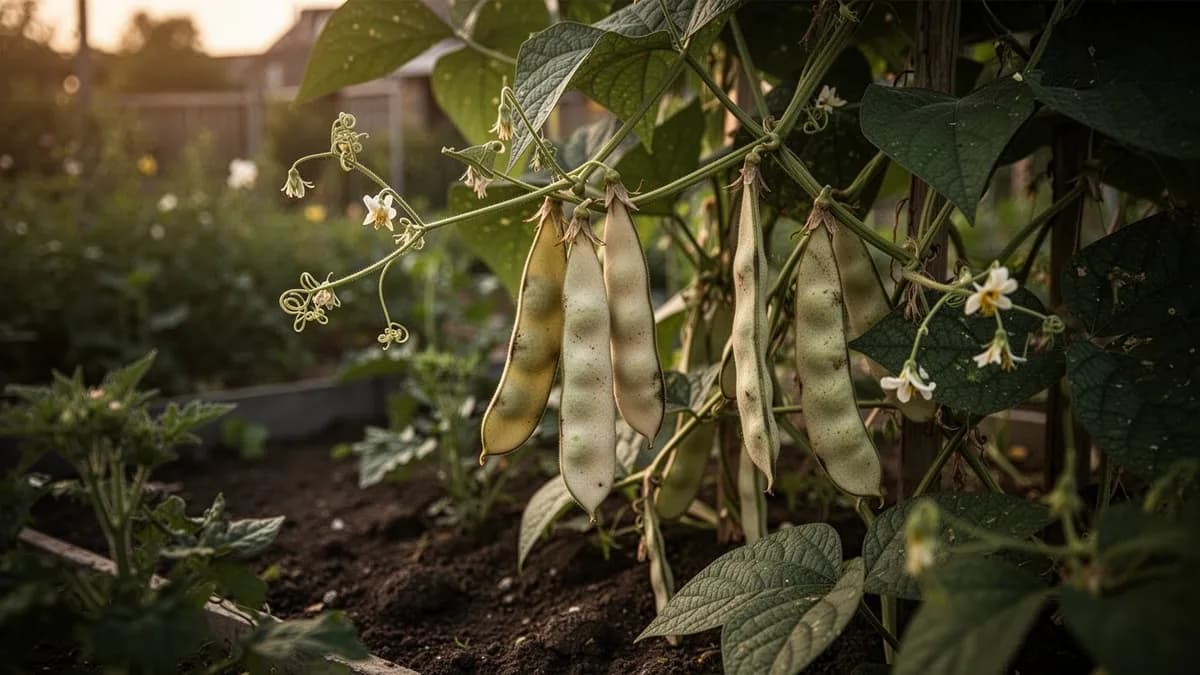
El frijol lima (Phaseolus lunatus) es una leguminosa de temporada cálida que produce granos grandes, planos y de textura cremosa y mantecosa.





En esta páginaResumen
Conoce Frijol Lima
El frijol lima (Phaseolus lunatus) es una leguminosa de temporada cálida que produce granos grandes, planos y de textura cremosa y mantecosa. Originario de América Central y del Sur, este frijol requiere una temporada de crecimiento larga con temperaturas cálidas sostenidas para alcanzar su máximo rendimiento. Las plantas pueden ser de tipo arbustivo compacto o enredaderas vigorosas que trepan hasta 3 metros, ofreciendo versatilidad en el huerto.
Cuándo plantar Frijol Lima
Siembra las semillas de frijol lima directamente en el jardín, ya que no toleran bien el trasplante debido a su sistema radicular sensible. Planta a 3-5 cm de profundidad después de remojar las semillas en agua tibia durante 4-6 horas para acelerar la germinación. Mantén el suelo uniformemente húmedo pero no empapado hasta que emerjan las plántulas en 7-14 días.
Tu año de Frijol Lima
Ajustado a Zona 7 · temporada típica · la helada se va hacia el 2 abr y vuelve hacia el 1 nov
Planta Frijol Lima May – Jun y cosecha Ago – Oct. Consulta los métodos de plantación y elige tu clima para adaptar los periodos.
Cómo cultivar Frijol Lima
El frijol lima es un cultivo de temporada cálida que no tolera el frío bajo ninguna circunstancia. Espera a sembrar hasta que la temperatura del suelo alcance al menos 18°C y haya pasado todo riesgo de heladas. Siembra las semillas directamente en el jardín a 3-5 cm de profundidad, espaciando 10-15 cm entre plantas para variedades arbustivas y 15-20 cm para variedades de enredadera.
Elige una ubicación con pleno sol (mínimo 6 horas diarias) y suelo bien drenado. Las variedades de enredadera necesitan un enrejado o tutores de al menos 2 metros de altura instalados al momento de la siembra. Como leguminosa, el frijol lima fija nitrógeno atmosférico en el suelo gracias a bacterias simbióticas del género Rhizobium, por lo que no requiere fertilización nitrogenada excesiva.
Riega de forma regular y profunda, proporcionando unos 2,5 cm de agua por semana, especialmente durante la floración y el llenado de vainas. Evita mojar el follaje para prevenir enfermedades fúngicas. Acolcha con paja o hierba seca para conservar la humedad del suelo y suprimir las malas hierbas. No cultives cerca de las raíces para no dañar el sistema radicular superficial.
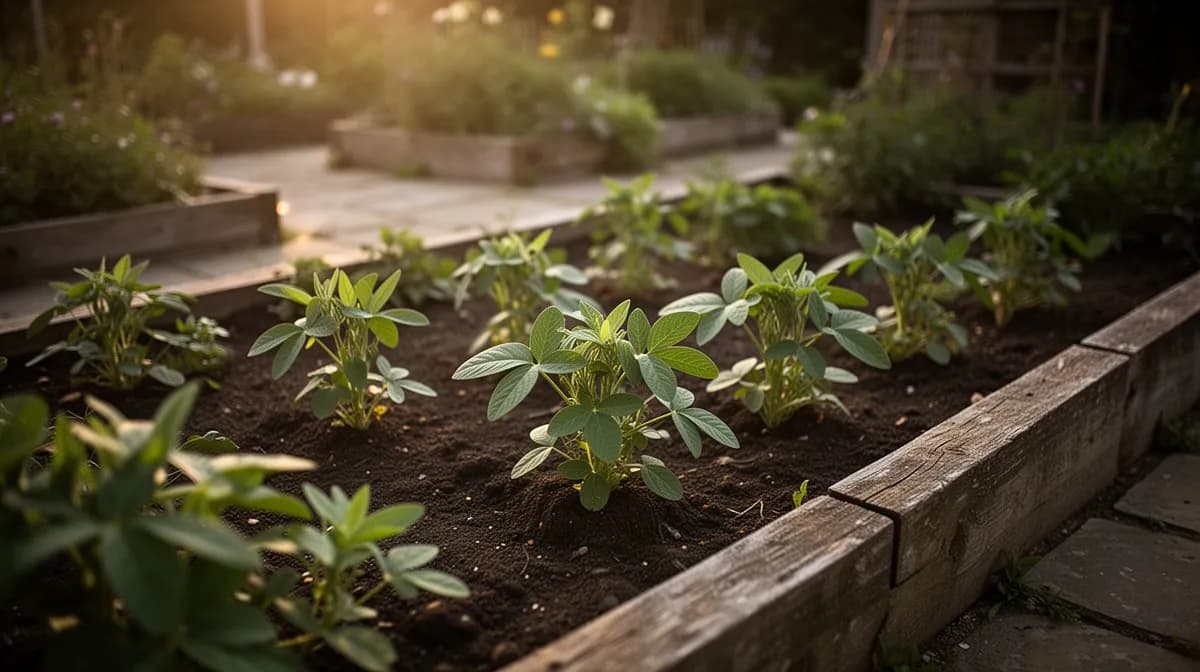
72 plantas caben en un bancal de 120 × 240 cm
Cada Frijol Lima pide 20 cm de margen. El planificador guarda ese marco por ti — cada planta, cada bancal.
Los mejores vecinos de Frijol Lima
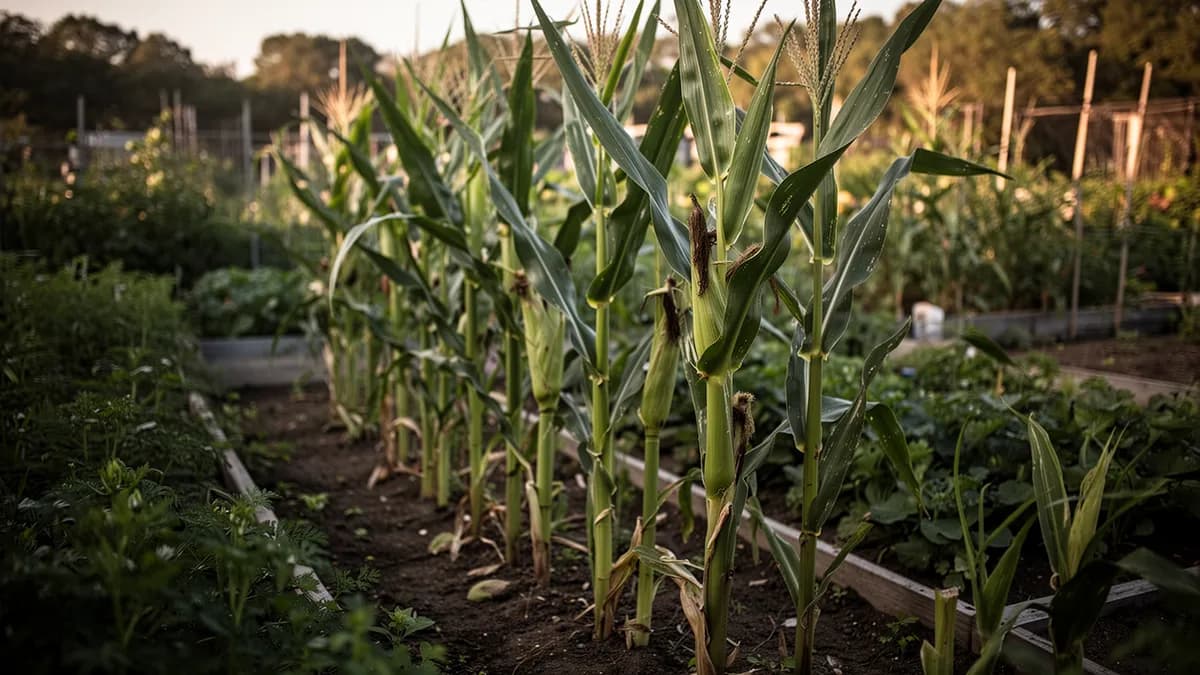
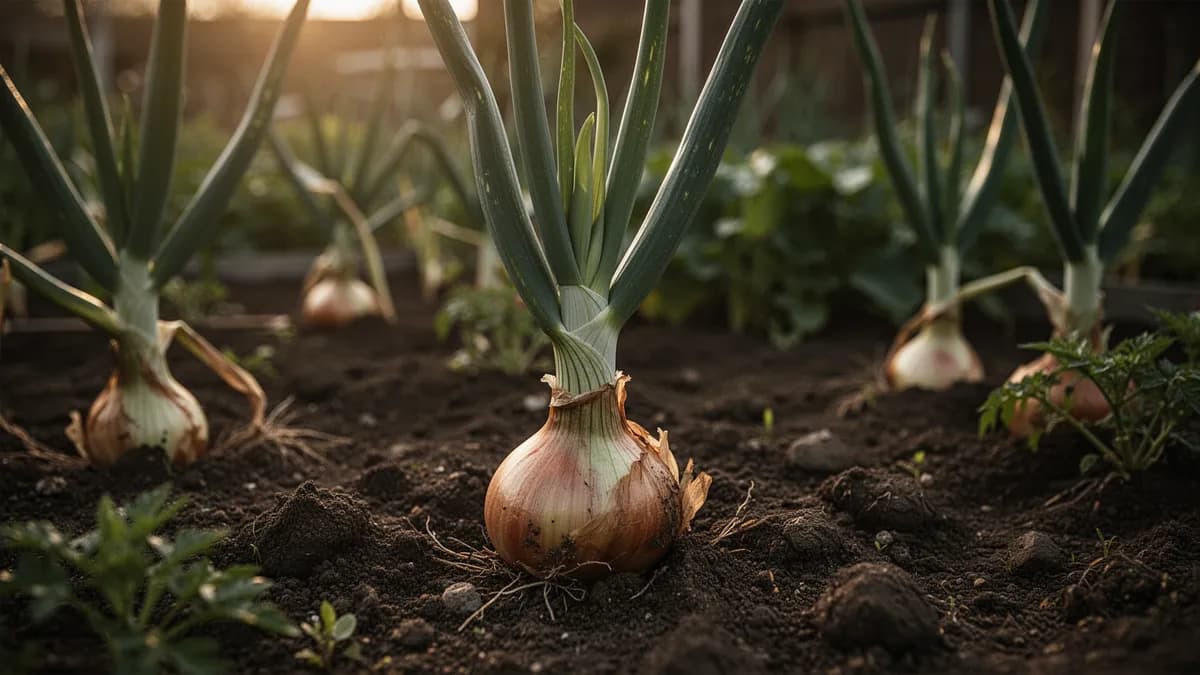
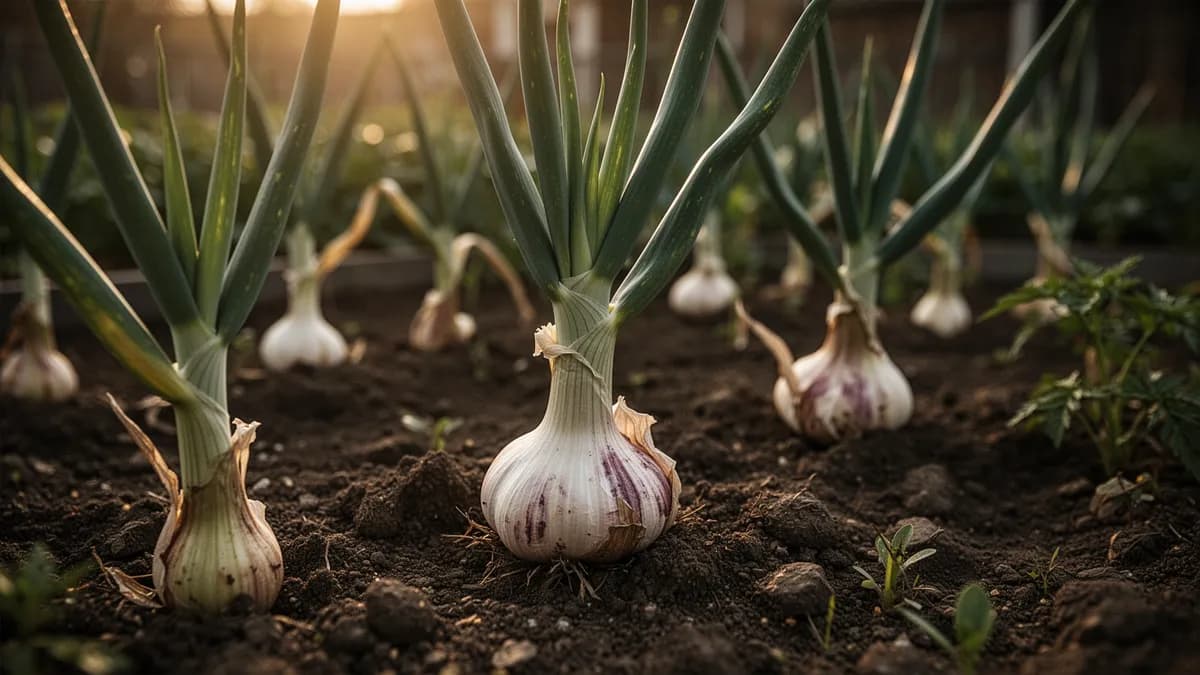
El frijol lima se asocia magníficamente con maíz y calabaza en la tradicional milpa de las Tres Hermanas, donde el maíz sirve de tutor, el frijol fija nitrógeno y la calabaza cubre el suelo. También se beneficia de la cercanía con romero y ajedrea, que repelen al escarabajo del frijol. Evita plantar cerca de cebollas y ajos, que inhiben el crecimiento de las leguminosas.
Maíz va a su lado. Cebolla no.
Saber de huerto de siempre, cotejado con la tabla real de Frijol Lima — prueba cualquier planta que cultives.
Prueba Frijol Lima en un bancal, aquí mismo
Un bancal real del planificador con Frijol Lima ya plantado. Toca una planta compañera para colocarla y mira cómo responde la comprobación de vecinos: verde para buenos vecinos, rojo si hay conflicto.


Guías de cultivo relacionadas
Abónalo bien
El frijol lima prospera en suelo franco bien drenado con pH entre 6,0 y 7,0. Incorpora compost maduro antes de la siembra para mejorar la estructura del suelo y la retención de humedad. Como leguminosa, fija su propio nitrógeno, por lo que un fertilizante bajo en nitrógeno y alto en fósforo y potasio (como 5-10-10) aplicado al momento de la siembra es suficiente.
Temperatura ideal
Compatibilidad de zonas de rusticidad
De la semilla a la cosecha, etapa por etapa
Germinación
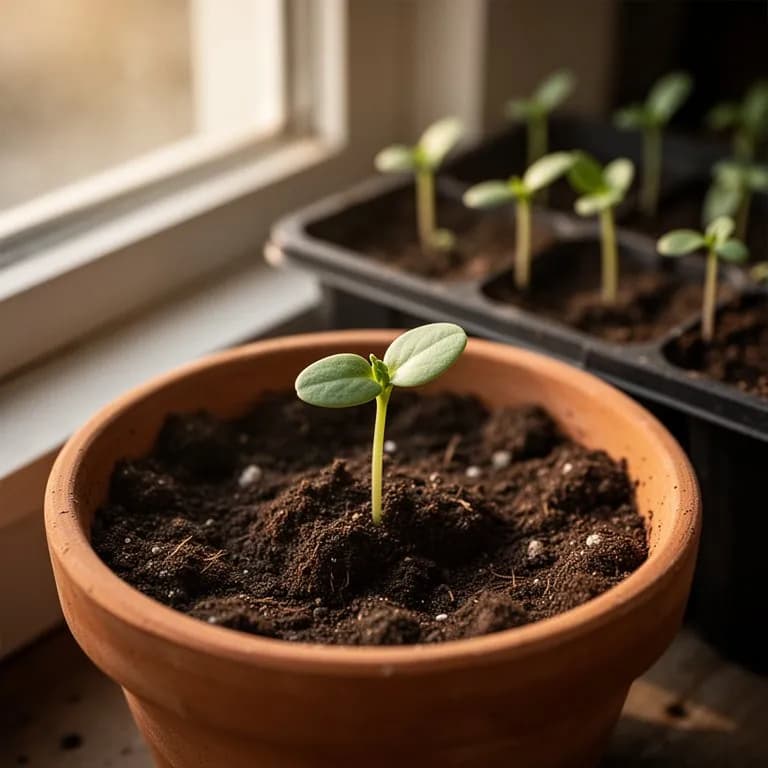
Las semillas grandes y planas absorben humedad con rapidez y germinan en suelo cálido en 7-10 días. El hipocótilo grueso empuja las pesadas hojas cotiledonares por encima de la superficie del suelo. La germinación requiere temperaturas del suelo de al menos 18 °C (65 °F) y avanza más rápido a 24-29 °C (75-85 °F). Las semillas plantadas en suelo frío y húmedo son muy propensas a pudrirse.
Desarrollo de plántula
Aparecen las primeras hojas verdaderas como hojas compuestas trifoliadas con foliolos lisos y ovalados. El sistema radicular se desarrolla rápidamente, formando nódulos con bacterias Rhizobium fijadoras de nitrógeno que suministran a la planta su propio nitrógeno. Los tipos arbustivos comienzan a ramificarse mientras que los tipos de guía empiezan a emitir tallos volubles en busca de soporte.
Crecimiento vegetativo
Se produce un crecimiento foliar vigoroso mientras las plantas desarrollan el dosel de hojas necesario para alimentar la producción de vainas. Las variedades de guía trepan con rapidez, ganando 5-10 cm al día con el calor máximo. Los nódulos radiculares fijadores de nitrógeno están plenamente activos, reduciendo las necesidades de fertilización de la planta. El sistema radicular extenso hace que las plantas sean cada vez más tolerantes a la sequía.
Floración
Pequeñas flores blancas a lila pálido aparecen en racimos en las axilas de las hojas. Las flores son principalmente autopolinizadas, pero las visitas de las abejas mejoran mucho el cuajado de las vainas. La floración continúa durante varias semanas, con nuevas flores que se abren progresivamente a lo largo del tallo. Las temperaturas altas por encima de 35 °C (95 °F) pueden provocar caída de flores y menor cuajado.
Desarrollo de vainas
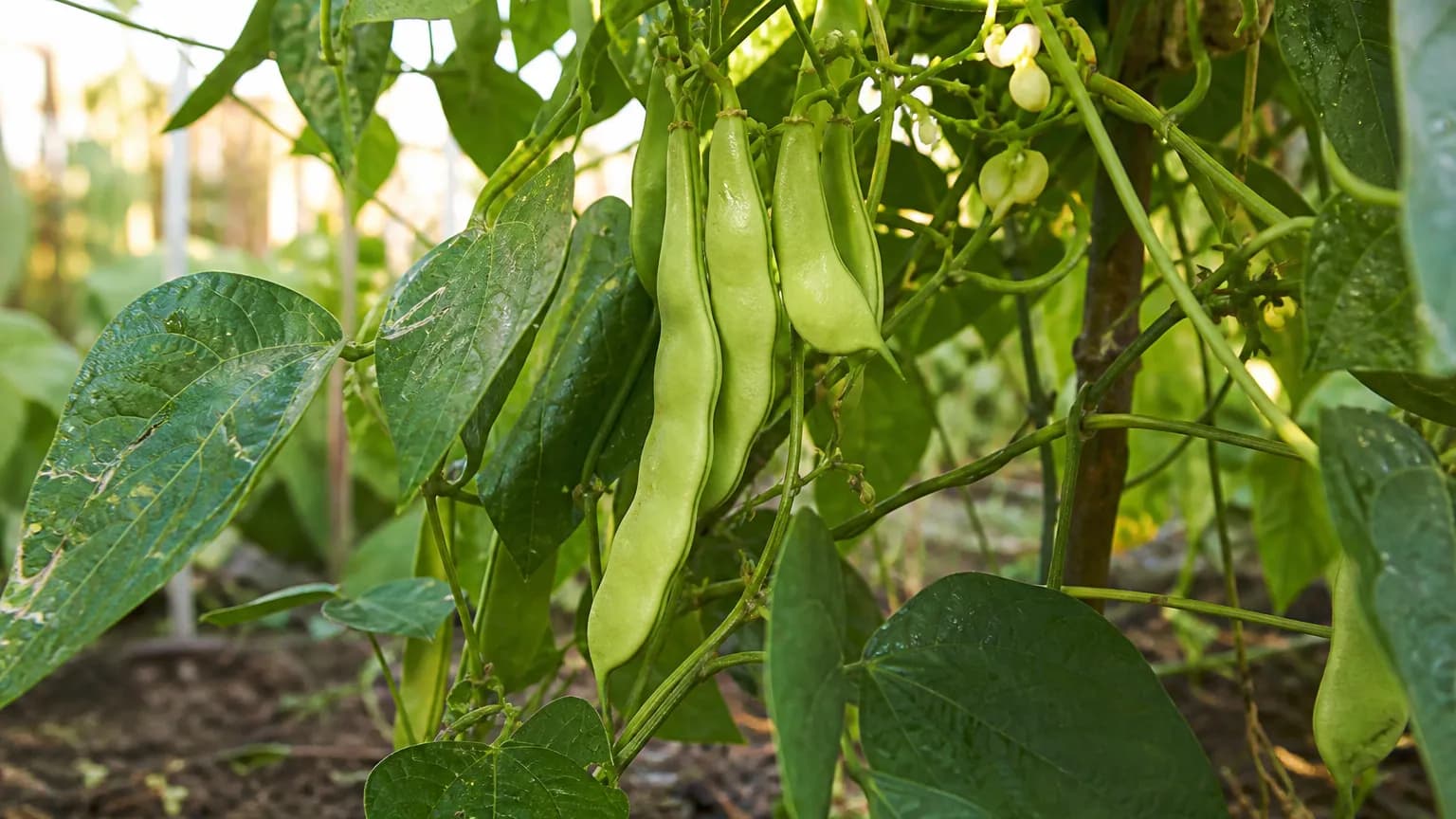
Las vainas planas y anchas se desarrollan rápidamente a partir de flores polinizadas. Para obtener alubias tiernas, las vainas están listas cuando están carnosas, las semillas se ven como bultitos a través de la pared de la vaina y siguen verdes con cierta flexibilidad. Cada vaina contiene 2-4 semillas grandes y planas. Las vainas de la parte inferior de la planta maduran primero.
Cosecha y secado final
Para las judías secas, deja las vainas en la enredadera hasta que se vuelvan marrones, papiráceas y comiencen a sonar al agitarlas. El follaje amarillea y decae mientras toda la energía se redirige por completo a la maduración de las semillas. En climas húmedos, cosecha las vainas cuando estén casi secas y termina el secado bajo techo para evitar moho.
Siembra las semillas directamente en el jardín a 2,5-5 cm de profundidad después de que haya pasado todo peligro de heladas. No las empieces en interiores: las judías butter bean no toleran bien el trasplante por daño a las raíces. Inocula las semillas con inóculo de Rhizobium para leguminosas para mejorar la fijación de nitrógeno y el vigor de la planta.
Cuidar Frijol Lima mes a mes
Qué hacer cada mes para tu Frijol Lima
Octubre
Mes actualFinal harvests for most zones. Collect fully dried pods for storage beans and seed saving. Pull remaining plants but leave roots in place to decompose and release fixed nitrogen. Clean and store trellises for pole varieties.
Ten claro qué hacer en tu huerto, cada mes
Un correo al empezar cada mes: qué sembrar, plantar y hacer ahora mismo — para tu Frijol Lima y todo lo que crece alrededor. Más un breve curso inicial para esquivar los errores clásicos.
- Qué hacer ahora mismo
- Ajustado a tu temporada
- Curso inicial incluido
Cosechar Frijol Lima
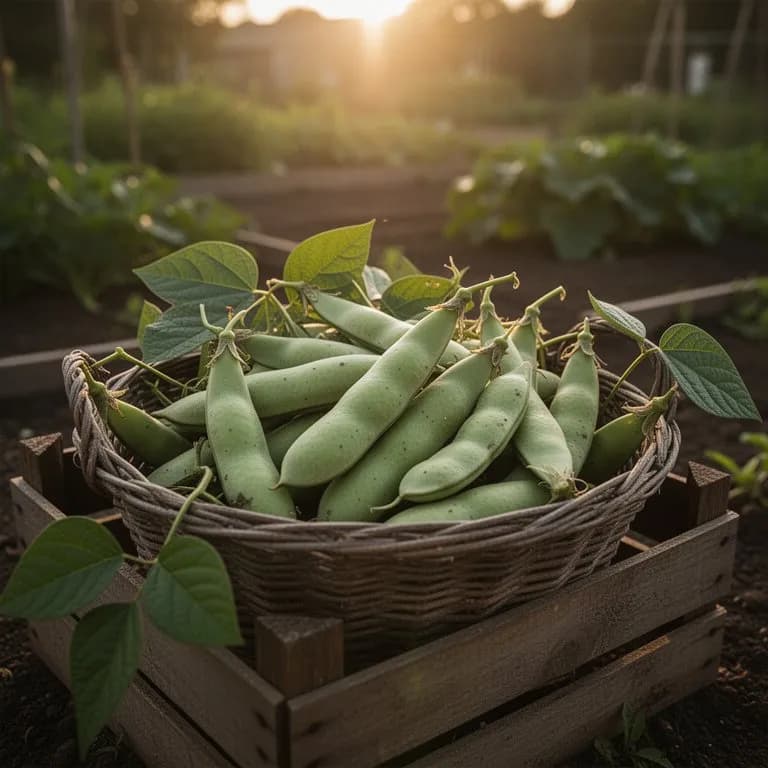
Cosecha los frijoles lima para consumo fresco cuando las vainas estén hinchadas, firmes y de color verde brillante, generalmente entre 75 y 90 días después de la siembra. Las semillas deben ser regordetas pero aún tiernas al abrirlas. Para frijoles secos, deja las vainas en la planta hasta que se tornen marrones y crujientes, luego arráncalas y sécalas completamente bajo techo antes de desgranar.
se supone que plantas al comenzar el periodo — indica tu fecha real
Cosecha las alubias tiernas cuando las vainas estén carnosas, de color verde brillante y aún flexibles.
Almacenamiento y conservación
Los frijoles lima frescos se conservan refrigerados dentro de sus vainas por 3-5 días. Para preservación a largo plazo, escalda los granos desgranados en agua hirviendo durante 3-4 minutos, enfría en agua helada y congela en bolsas herméticas por hasta 12 meses. Los frijoles secos se almacenan en recipientes herméticos en lugar fresco y oscuro por hasta un año.
Qué falla — y cómo solucionarlo
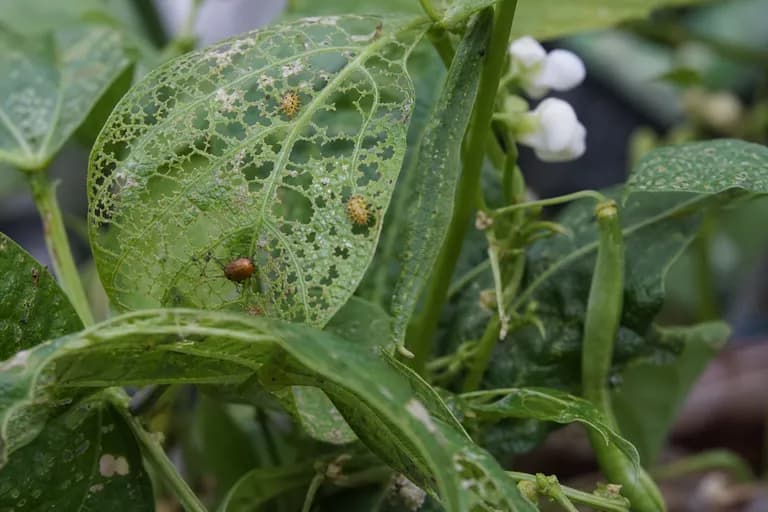
Minador de hojas del frijol
PlagaTúneles serpenteantes de color blanco o marrón claro visibles en el interior de las hojas, causados por larvas que se alimentan del mesófilo foliar. Las hojas severamente afectadas se secan y caen prematuramente.
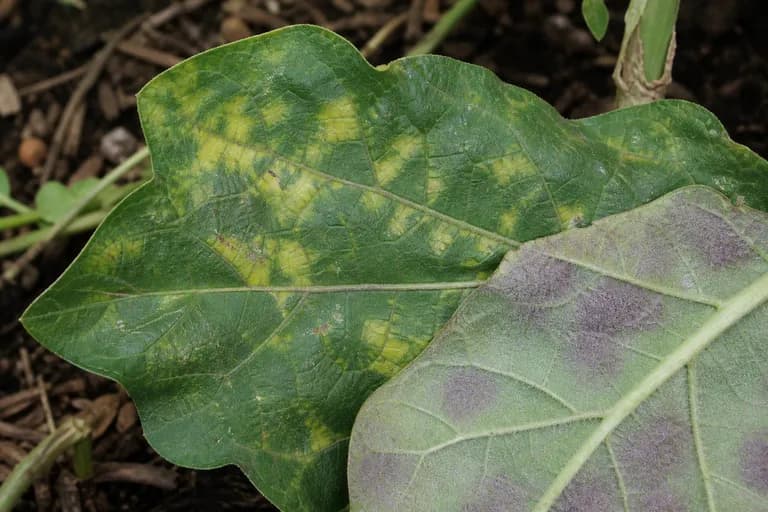
Antracnosis del frijol
EnfermedadManchas ovaladas hundidas de color marrón oscuro a negro con bordes rojizos en tallos, hojas y vainas. En condiciones húmedas, las lesiones pueden producir masas de esporas de color salmón rosado.
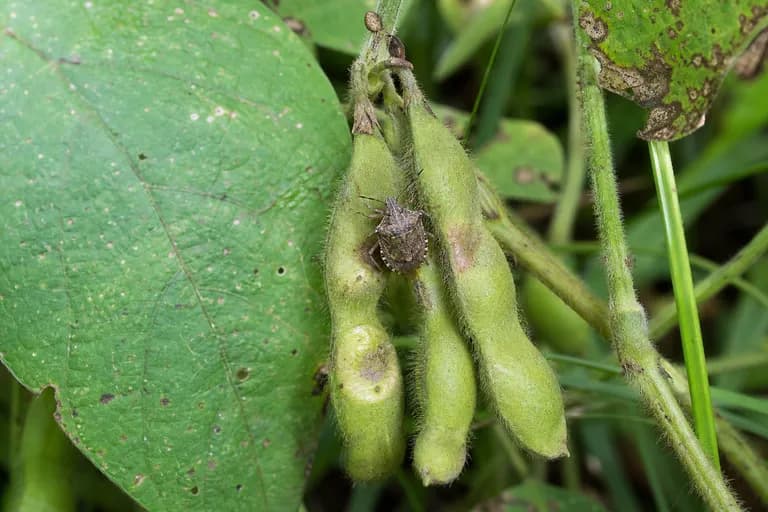
Escarabajo mexicano del frijol
PlagaEscarabajos pequeños de color cobrizo que esqueletizan las hojas, dejando solo las nervaduras. Las larvas amarillas y espinosas se alimentan en el envés de las hojas, causando daños similares.
Solución de problemas comunes
El principal problema es el crecimiento lento y la germinación deficiente cuando el suelo está demasiado frío o húmedo, lo que puede provocar pudrición de semillas. La caída de flores es común durante periodos de calor extremo superior a 32°C o con humedad excesiva. El riego irregular durante la formación de vainas produce granos pequeños y de mala calidad.
Consejos de cultivo
- Always direct-sow butter beans — never start them indoors. Their large seeds, fast germination, and sensitive root systems make transplanting stressful and unnecessary. Plant seeds directly in warm garden soil 2.5-5 cm deep and they will outperform any transplant within days.
- Inoculate seeds with Rhizobium legume inoculant at planting time, especially if you have not grown beans or peas in that bed before. The beneficial bacteria colonize roots and form visible pink nodules that fix atmospheric nitrogen, dramatically boosting plant vigor and yield without added fertilizer.
- Do not fertilize butter beans with high-nitrogen products. Unlike most vegetables, legumes manufacture their own nitrogen through root nodule bacteria. Excess nitrogen causes lush, dark green foliage with poor flowering and pod set. If soil is poor, use a low-nitrogen, high-phosphorus fertilizer like bone meal.
- For pole varieties, provide a sturdy trellis at least 2 meters tall — butter bean vines are vigorous and heavy with foliage and pods. A tepee of bamboo poles, a cattle panel arch, or a strong string trellis all work well. Flimsy supports will collapse under the weight of a mature vine.
- Water consistently during flowering and pod fill — this is the critical period when drought stress causes the most damage. Butter beans that experience water stress during flowering will drop blossoms and abort young pods, dramatically reducing your harvest. Aim for 2.5 cm per week.
- Harvest timing determines quality. For fresh shell beans (the classic 'butter bean' experience), pick when pods are plump, bright green, and the bean shapes are clearly visible through the pod wall. For dry storage beans, leave pods on the vine until they are brown, papery, and rattling.
- Practice crop rotation — do not plant butter beans (or any legume) in the same bed more than once every 3-4 years. Repeated planting builds up soil-borne diseases like root rot and white mold. The nitrogen left behind by bean roots makes the bed ideal for heavy-feeding crops like tomatoes or squash the following year.
- Freeze surplus fresh-shelled butter beans for year-round use. Blanch shelled beans in boiling water for 2-3 minutes, plunge into ice water, drain thoroughly, and freeze flat on a baking sheet before transferring to freezer bags. Frozen butter beans retain excellent texture and flavor for up to 12 months.
Cultiva tu mejor Frijol Lima — y todo lo que la rodea.
Empieza un plan gratis hoy. Diseña tus bancales, coloca tu Frijol Lima y deja que PlotMyGarden gestione el momento, el espaciado, las asociaciones y los recordatorios de la semilla a la cesta.
Elige tu Frijol Lima
Fordhook 242
Variedad arbustiva de frijol lima de grano grande, resistente al calor y muy productiva. Produce granos gruesos y cremosos de excelente sabor. Madura en 75-85 días desde la siembra.
Henderson Bush
Variedad arbustiva compacta que produce granos tipo baby lima, pequeños y tiernos. Muy precoz y fiable, ideal para temporadas más cortas. Madura en 65-70 días.
King of the Garden
Variedad de enredadera vigorosa que produce vainas muy grandes con 4-5 granos enormes de textura excepcionalmente mantecosa. Necesita tutores resistentes. Madura en 85-90 días.
Christmas Lima
Variedad de enredadera con granos grandes decorados con patrones rojos y blancos llamativos. Sabor dulce a castaña, muy apreciada en la gastronomía andina. Madura en 80-90 días.
A single packet of butter bean seeds ($3-5) grows 20-30 plants that collectively produce 5-10 kg of fresh shelled beans or 3-5 kg of dried beans. Fresh shell butter beans sell for $5-8 per pound at farmers markets, and dried organic butter beans cost $4-7 per pound in stores. Growing your own can easily save $50-100 per season in bean costs alone. The additional soil-building benefit of nitrogen fixation saves on fertilizer for the following season's crops, compounding the value further.
Recetas rápidas
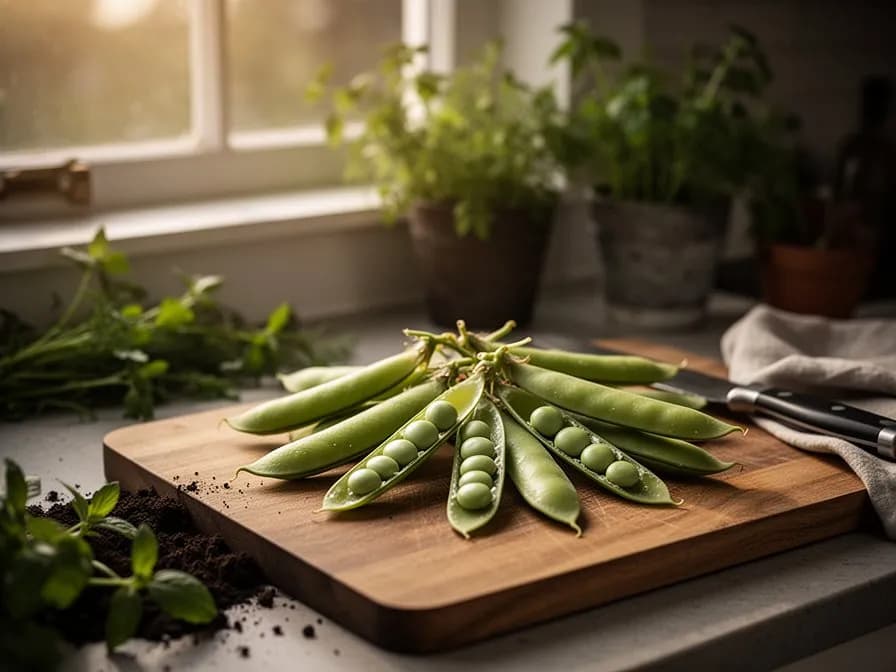
Southern Butter Bean Succotash
30 minA classic Southern summer side dish combining creamy butter beans with sweet corn, smoky bacon, and fresh herbs. This centuries-old recipe traces its roots to Native American cuisine and remains one of the most beloved ways to enjoy fresh shell beans.
9 ingredientesCreamy Butter Bean and Garlic Dip
15 minA velvety, protein-rich dip that rivals hummus in creaminess and flavor. Roasted garlic and lemon brighten the naturally buttery flavor of the beans, making this a crowd-pleasing appetizer or healthy snack served with warm pita or crudites.
8 ingredientesSlow-Cooked Butter Beans with Ham Hock
20 min (plus 3-4 hours cooking)The quintessential Southern comfort dish — dried butter beans slow-simmered with a smoky ham hock until the beans are impossibly creamy and the broth is rich and silky. Best served over rice or with hot cornbread on the side.
9 ingredientesUsos culinarios
Los frijoles lima son versátiles en la cocina: se preparan hervidos como guarnición con mantequilla y hierbas frescas, en sopas cremosas, guisos sustanciosos y succotash tradicional. Su textura cremosa y suave los hace ideales para purés y cremas. Son una excelente fuente de proteína vegetal, fibra dietética, hierro y folato.
Qué contiene
Beneficios para la salud
- Butter beans are an outstanding source of plant-based protein at 8g per 100g cooked, providing essential amino acids that complement grains — together, beans and rice form a complete protein rivaling meat in nutritional quality.
- Exceptionally high in soluble and insoluble fiber (7g per 100g cooked), supporting digestive regularity, feeding beneficial gut bacteria, and helping to lower LDL cholesterol through bile acid binding in the intestines.
- Rich in potassium (508mg per 100g cooked) and low in sodium, butter beans support healthy blood pressure regulation — a dietary pattern associated with significantly reduced cardiovascular disease risk in large population studies.
- Excellent source of folate (B9), providing approximately 25% of the daily value per serving. Folate is essential for DNA synthesis, red blood cell formation, and is critically important during early pregnancy for preventing neural tube defects.
- Contain significant amounts of iron, magnesium, and manganese — minerals essential for oxygen transport, energy metabolism, bone health, and antioxidant enzyme function throughout the body.
- Butter beans have a low glycemic index despite being starchy, meaning they release glucose slowly into the bloodstream. This sustained energy release helps regulate blood sugar levels and promotes satiety, making them beneficial for weight management and diabetes prevention.
De dónde viene Frijol Lima
The butter bean (Phaseolus lunensis) originated in the Americas, with two independent centers of domestication. The large-seeded type — what Southerners call the butter bean — was first cultivated in Peru around 6000 BCE, while a smaller-seeded variety was domesticated in Mesoamerica around 800 CE. Archaeological finds from Peruvian coastal sites reveal beautifully decorated lima bean pods in ancient Moche pottery, indicating the crop held cultural as well as nutritional significance. The Inca Empire relied heavily on these large, starchy beans as a protein staple that could be dried and stored for years.
Spanish conquistadors encountered the bean in Lima, Peru, in the early 1500s and carried it back to Europe, where it was initially called the 'lima bean' after the city of its discovery. From Spain, the bean spread through trade routes to Africa, Asia, and the Philippines. In West Africa, it became an important crop and was carried to the American South by enslaved Africans, blending with indigenous bean-growing traditions. The warm, humid climate of the southeastern United States proved ideal, and the large, creamy-textured variety became known locally as the 'butter bean' — a name reflecting its rich, buttery flavor and smooth, starchy texture when cooked.
Butter beans became a cornerstone of Southern American cuisine, appearing in succotash (adapted from the Narragansett word 'msickquatash'), slow-simmered with ham hocks, and preserved by drying for year-round use. During the Civil War, they were a critical subsistence crop. Today, the United States remains a major producer, with significant cultivation in California, Delaware, and across the Southeast. Globally, Myanmar, Madagascar, and Peru are top producers. Modern varieties include compact bush types for small gardens and heat-tolerant cultivars bred for the warming climate, but the butter bean's essential character — a protein-rich, soil-enriching, long-storing staple — remains the same qualities that made it indispensable to civilizations for eight millennia.
Frijol Lima: ¿sabías que?
Datos fascinantes sobre Frijol Lima
Butter beans and lima beans are the same species (Phaseolus lunensis) — 'butter bean' is the traditional Southern United States name for the larger, creamier varieties, while 'lima bean' is named after Lima, Peru, where Spanish explorers first encountered the crop in the 1500s.
Frijol Lima: preguntas frecuentes
¿Cuándo debo plantar Frijol Lima?
¿Cuáles son buenas plantas acompañantes para Frijol Lima?
¿En qué zonas de rusticidad puede crecer Frijol Lima?
¿Cuánto sol necesita Frijol Lima?
¿A qué distancia debo espaciar Frijol Lima?
¿Qué plagas y enfermedades afectan a Frijol Lima?
¿Cómo almaceno Frijol Lima después de la cosecha?
¿Cuáles son las mejores variedades de Frijol Lima para cultivar?
¿Qué suelo necesita Frijol Lima?
What is the difference between butter beans and lima beans?
Why are my butter bean plants flowering but not setting pods?
Can I eat butter beans raw or do they need to be cooked?
Should I grow bush or pole butter bean varieties?
How do I save butter bean seeds for next year?
Do butter beans fix nitrogen and improve the soil?
Acabas de leer la teoría. Ahora cultívala en piloto automático.
Todo lo que hace que Frijol Lima sea delicado — el momento, el espaciado, las asociaciones, la ventana de cosecha — es justo lo que PlotMyGarden resuelve por ti, para cada planta de tu huerto.
Un plan que conoce tu clima
Indica tu ubicación una vez. Recibe fechas de siembra, abonado y cosecha basadas en tu última helada real y el pronóstico en vivo — sin adivinar con un sobre genérico.
De la sección “Cuándo plantar”Planificador de bancales de arrastrar y soltar
Diseña bancales sobre una cuadrícula. Cada planta encaja con su espaciado correcto y ves toda la temporada antes de gastar un céntimo en semillas.
De la sección “Cultivo”Conflictos de asociación, detectados a tiempo
Más de 200 buenas y malas combinaciones comprobadas en vivo mientras plantas — para que un error que arruine la temporada nunca llegue a la tierra.
De la sección “Asociaciones”Recordatorios que sí vas a seguir
“Riega las judías.” “Recoge hoy antes de que se pase.” Oportunos, concretos y ligados a las plantas que de verdad cultivas.
De la sección “Cosecha”Escalonado, programado
¿Quieres cosechar seis semanas en vez de seis días? Reparte tus siembras automáticamente y te avisa cuando toca el siguiente lote.
De la sección “Cuándo plantar”Un registro que se vuelve más listo
Cada cosecha que registras le enseña tu huerto. El plan del año que viene parte de lo que de verdad funcionó en tu suelo, no en un manual.
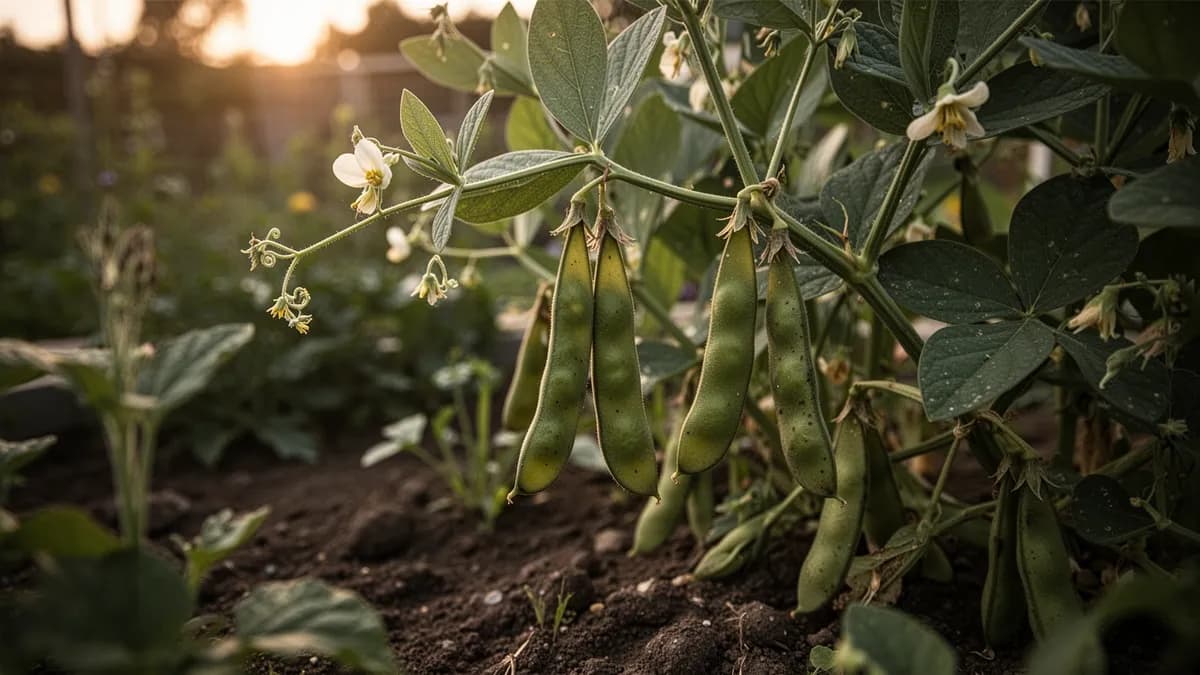
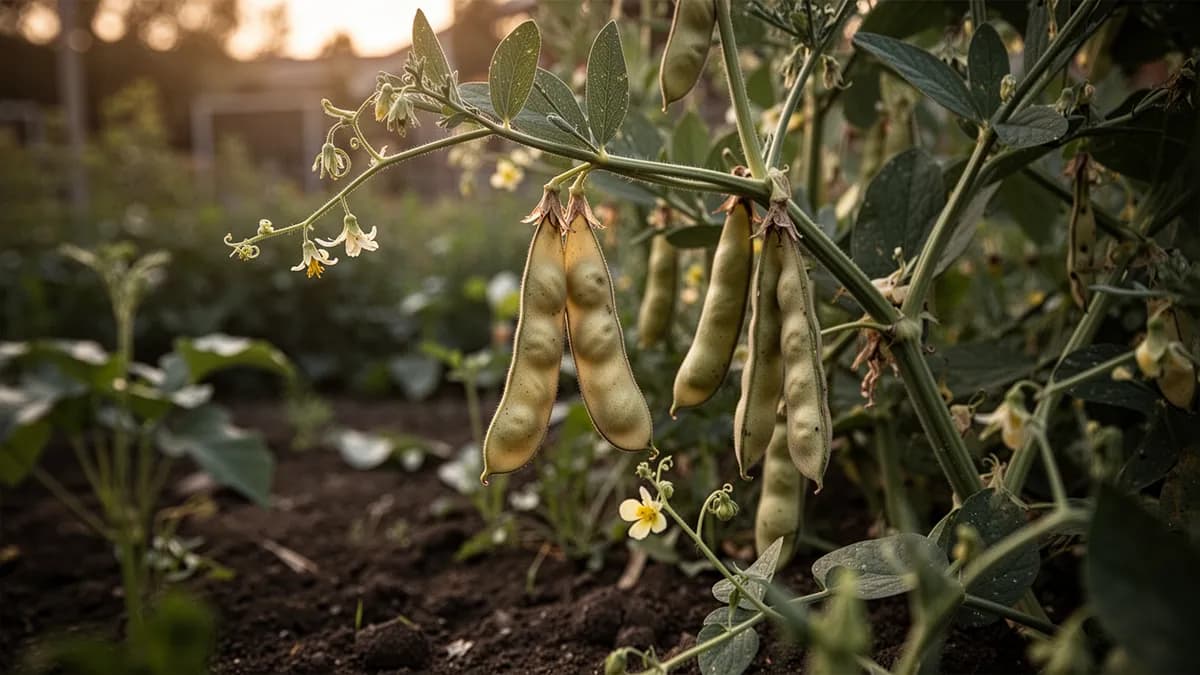
De la sección “Resumen”Planta estos junto a Frijol Lima
Más Legumbres
Mantén Frijol Lima lejos de estos
Cultiva tu mejor Frijol Lima — y todo lo que la rodea.
Empieza un plan gratis hoy. Diseña tus bancales, coloca tu Frijol Lima y deja que PlotMyGarden gestione el momento, el espaciado, las asociaciones y los recordatorios de la semilla a la cesta.