Espinaca Baby
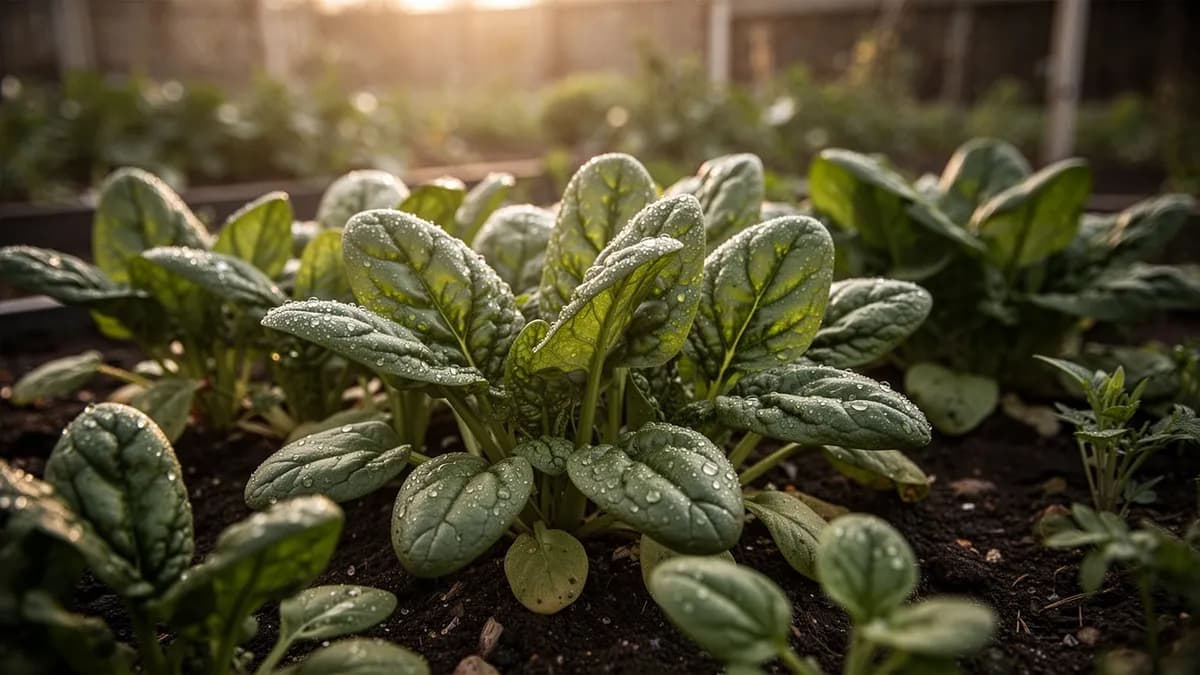
La espinaca baby (Spinacia oleracea) es simplemente espinaca cosechada joven, cuando las hojas miden apenas 5-8 cm y son excepcionalmente tiernas, dulces y suaves al paladar.





En esta páginaResumen
Conoce Espinaca Baby
La espinaca baby (Spinacia oleracea) es simplemente espinaca cosechada joven, cuando las hojas miden apenas 5-8 cm y son excepcionalmente tiernas, dulces y suaves al paladar. Estas hojas jóvenes son más delicadas que la espinaca madura, con tallos finos y casi invisible amargor, lo que las ha convertido en la base favorita para ensaladas frescas y mezclas de hojas verdes.
Cuándo plantar Espinaca Baby
Siembre directamente en el suelo a 0,5-1 cm de profundidad. No trasplanta bien. Para germinación óptima, remoje las semillas 12-24 horas antes de sembrar. Germinación en 5-10 días a 10-20 °C. Siembre cada 2-3 semanas para cosecha continua.
Tu año de Espinaca Baby
Ajustado a Zona 7 · temporada típica · la helada se va hacia el 2 abr y vuelve hacia el 1 nov
Planta Espinaca Baby Mar – Abr, Sep – Oct y cosecha Abr – May, Oct – Nov. Consulta los métodos de plantación y elige tu clima para adaptar los periodos.
Cómo cultivar Espinaca Baby
Siembre directamente en el suelo tan pronto como sea trabajable en primavera, o en otoño 6-8 semanas antes de la primera helada. Siembre densamente a 0,5-1 cm de profundidad, espaciando 3-5 cm entre semillas en filas de 15-20 cm, ya que las plantas no necesitan crecer hasta su tamaño completo.
La espinaca baby prefiere temperaturas frescas de 10-18 °C y se espiga rápidamente con calor. Riegue frecuentemente para mantener el suelo uniformemente húmedo pero no encharcado. Aplique acolchado ligero para mantener las raíces frescas y la humedad.
Realice siembras sucesivas cada 2-3 semanas para un suministro continuo. En verano, siembre en sombra parcial o use tela de sombreo al 30-50%. Fertilice ligeramente con abono rico en nitrógeno para promover hojas verdes y tiernas. La cosecha es rápida: 20-30 días desde la siembra.
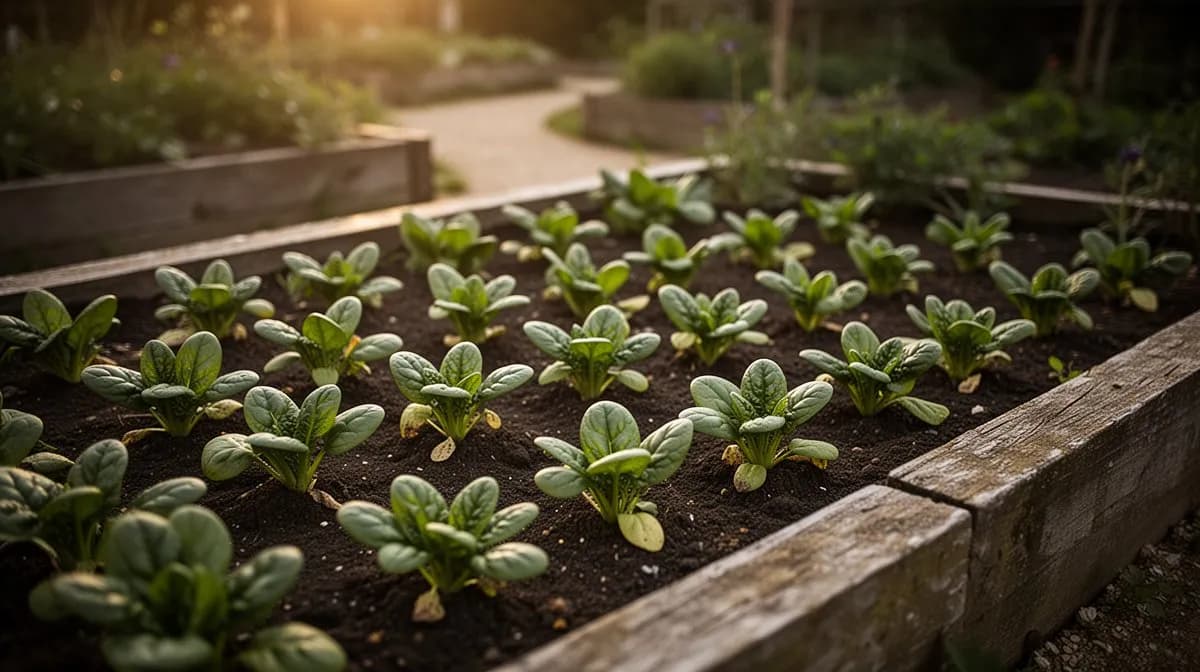
288 plantas caben en un bancal de 120 × 240 cm
Cada Espinaca Baby pide 10 cm de margen. El planificador guarda ese marco por ti — cada planta, cada bancal.
Los mejores vecinos de Espinaca Baby
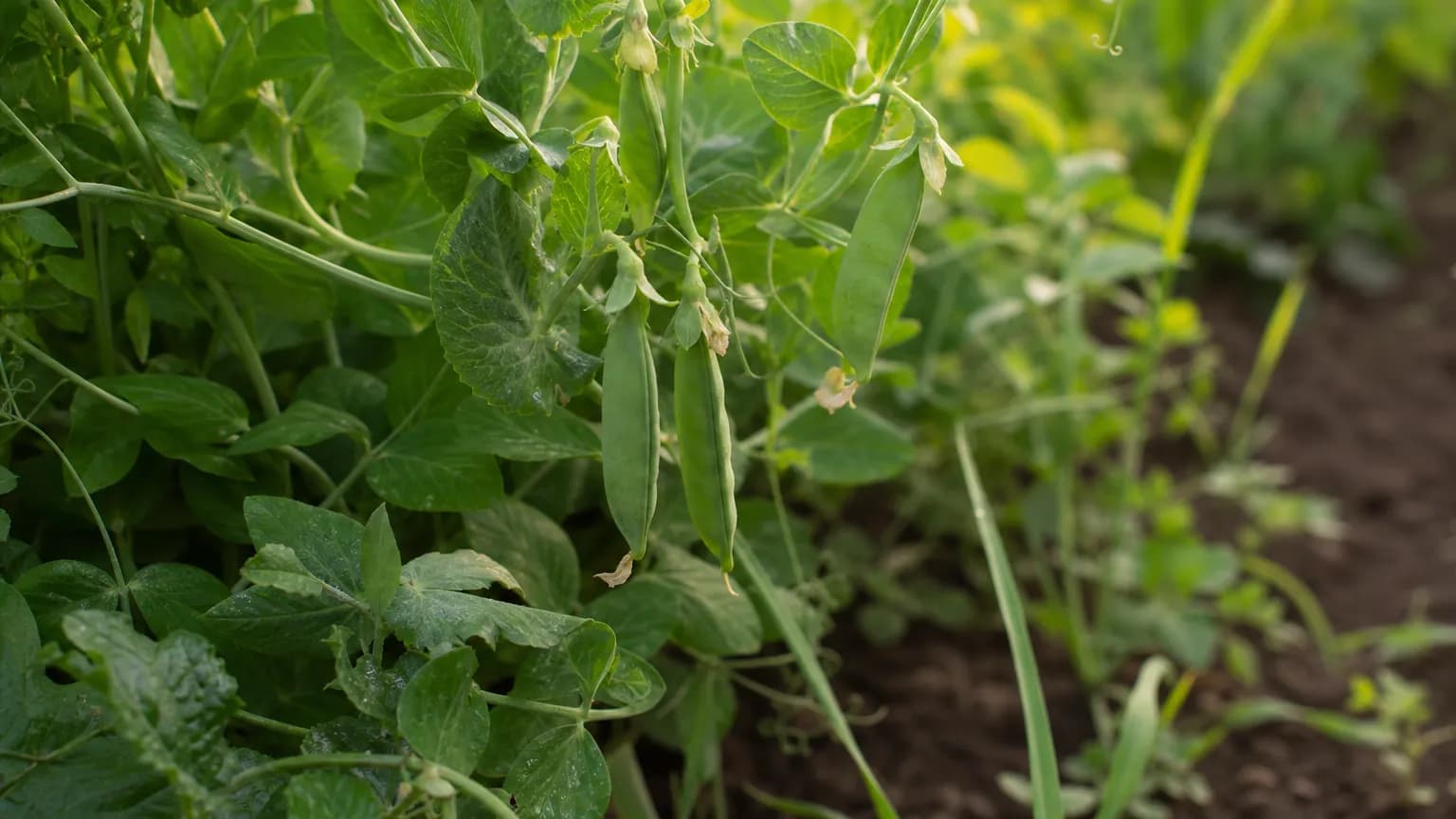
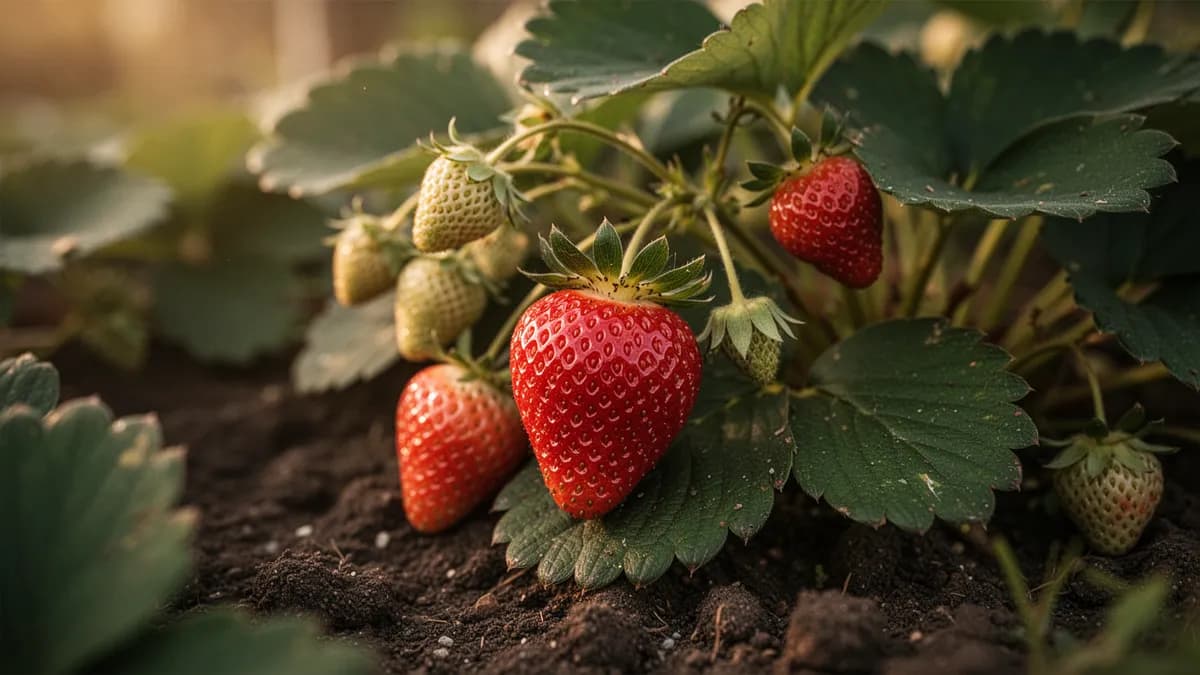
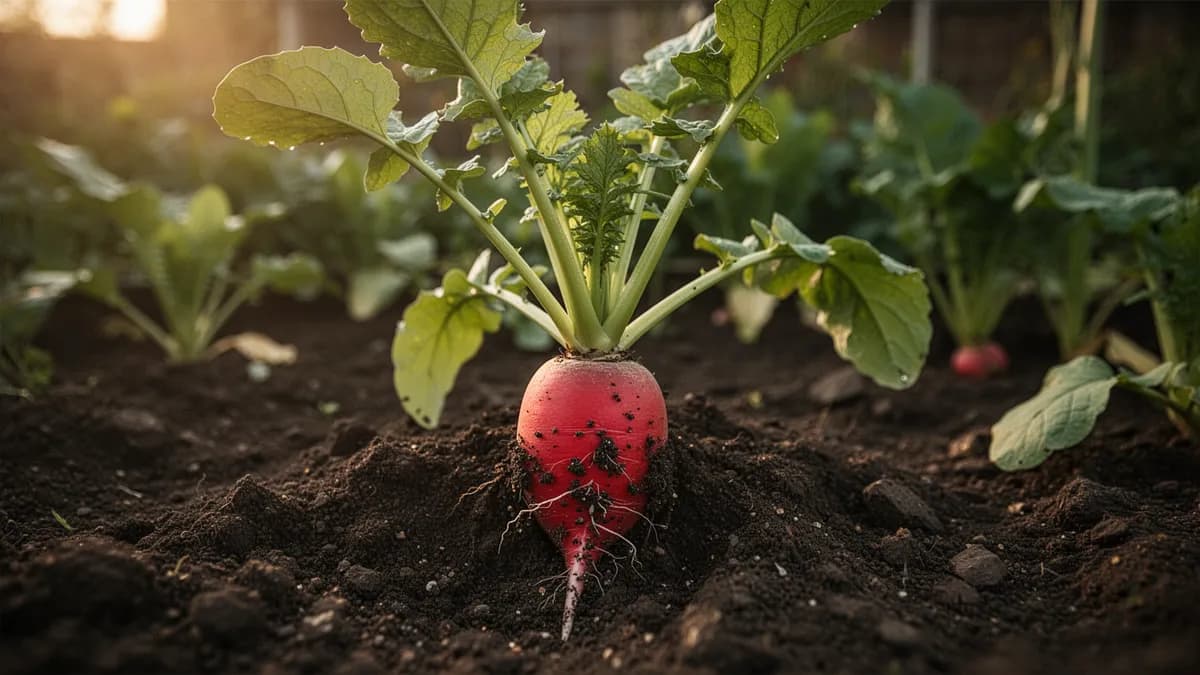
Crece bien junto a fresas que proporcionan sombra parcial en clima cálido. Los rábanos y las cebollas son buenos compañeros. Los guisantes fijan nitrógeno que beneficia a la espinaca. Evite plantar junto a remolacha con la que compite.
Guisantes va a su lado.
Saber de huerto de siempre, cotejado con la tabla real de Espinaca Baby — prueba cualquier planta que cultives.
Prueba Espinaca Baby en un bancal, aquí mismo
Un bancal real del planificador con Espinaca Baby ya plantado. Toca una planta compañera para colocarla y mira cómo responde la comprobación de vecinos: verde para buenos vecinos, rojo si hay conflicto.


Guías de cultivo relacionadas
Abónalo bien
Suelos ricos en materia orgánica, bien drenados con pH 6,5-7,5. La espinaca necesita suelos ligeramente alcalinos. Enmiende con compost y fertilice con abono rico en nitrógeno para hojas verdes y tiernas. Evite suelos ácidos que causan amarillamiento.
Temperatura ideal
Compatibilidad de zonas de rusticidad
De la semilla a la cosecha, etapa por etapa
Siembra
Las semillas se siembran directamente en suelo fresco y húmedo a una profundidad de 1-2 cm. Las semillas de espinaca baby son pequeñas y redondas, con una cubierta ligeramente áspera. La germinación ocurre en 5-7 días cuando la temperatura del suelo está entre 7-18 °C. Las semillas germinan mal en suelo cálido por encima de 24 °C.
Etapa de cotiledones
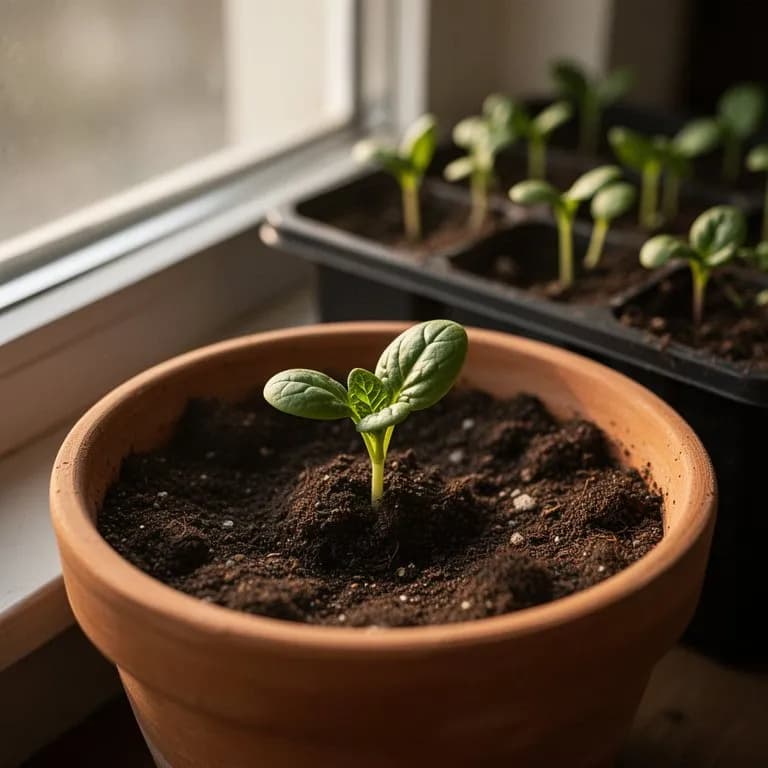
Aparecen y se abren hojas cotiledonares estrechas, en forma de cinta, que no se parecen en nada a las hojas maduras de la espinaca. Estas hojas iniciales son alargadas y parecidas a la hierba. La pequeña plántula empieza a establecer su sistema radicular superficial y a realizar fotosíntesis para impulsar el desarrollo de las primeras hojas verdaderas.
Desarrollo de hojas verdaderas
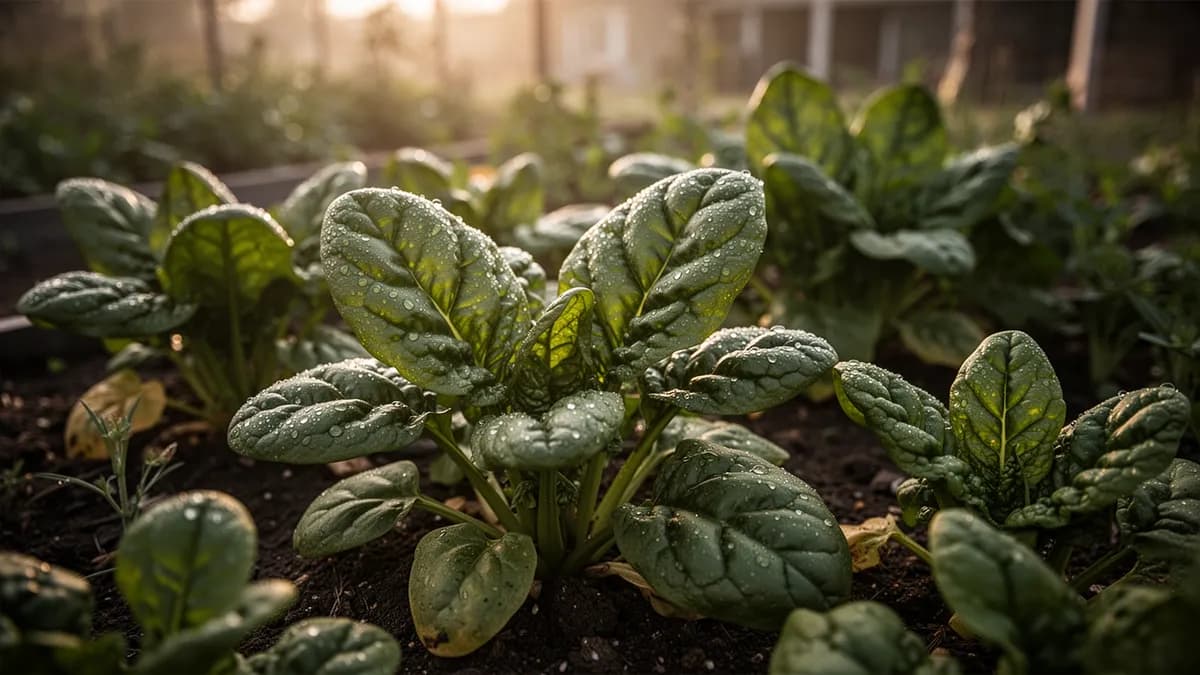
Aparecen las primeras hojas verdaderas, con la característica forma ovalada y lisa de la espinaca baby. Las hojas son verde brillante, tiernas y comienzan a formar una roseta suelta. La planta desarrolla 4-6 hojas verdaderas durante esta etapa y el sistema radicular se profundiza para acceder a la humedad del suelo.
Cosecha de hojas baby
Las hojas alcanzan el tamaño ideal de espinaca baby, de 5-8 cm de largo: tiernas, dulces y perfectas para ensaladas y consumo fresco. La roseta tiene 8-12 hojas y la planta sigue produciendo hojas nuevas desde el centro. Esta es la ventana principal de cosecha antes de que las hojas se endurezcan o la planta empiece a espigarse.
Producción continua
Con la cosecha de corte y rebrote, la planta vuelve a crecer desde el centro y produce una segunda y, a veces, una tercera tanda de hojas tiernas. El tamaño de las hojas puede aumentar ligeramente con cada cosecha sucesiva. Las plantas siguen siendo productivas durante 2-4 semanas después del primer corte si el clima se mantiene fresco.
Espigado
A medida que aumenta la duración del día y las temperaturas superan los 24 °C, la planta emite un tallo floral central. Las hojas se vuelven más pequeñas, más puntiagudas y adquieren un sabor amargo. Se forman pequeños grupos de flores verdes a lo largo del tallo, que finalmente producen semillas redondas. La vida útil de cosecha de la planta ha terminado.
Siembra densamente, con 2-3 cm entre semillas en hileras separadas 15-20 cm para producción de hojas baby. Mantén el suelo uniformemente húmedo, pero no encharcado. En climas cálidos, preenfría las semillas en el refrigerador durante 5-7 días antes de sembrar para mejorar la germinación.
Cuidar Espinaca Baby mes a mes
Qué hacer cada mes para tu Espinaca Baby
Octubre
Mes actualHarvest baby leaves from August and September sowings. Install row covers or cold frames over late plantings to extend the season. In zones 7-9, continue direct-sowing for winter harvest. Feed plants lightly with balanced liquid fertilizer.
Ten claro qué hacer en tu huerto, cada mes
Un correo al empezar cada mes: qué sembrar, plantar y hacer ahora mismo — para tu Espinaca Baby y todo lo que crece alrededor. Más un breve curso inicial para esquivar los errores clásicos.
- Qué hacer ahora mismo
- Ajustado a tu temporada
- Curso inicial incluido
Cosechar Espinaca Baby
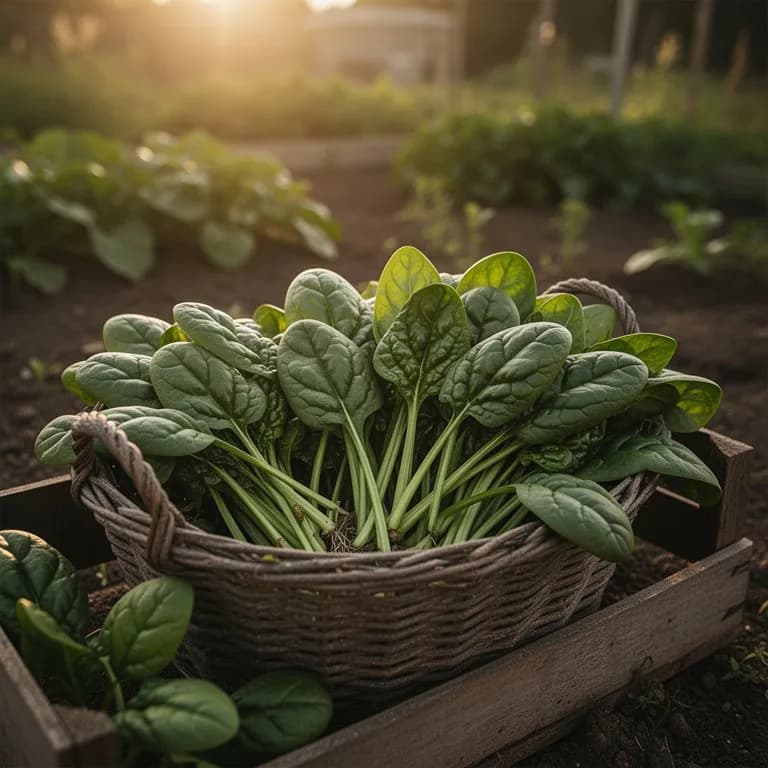
Coseche las hojas de espinaca baby cuando midan 5-8 cm de largo, apenas 20-30 días después de la siembra. Corte las hojas exteriores con tijeras dejando el centro intacto para una segunda o tercera cosecha, o corte toda la roseta a 2 cm del suelo para cosecha única. Coseche por la mañana temprano.
se supone que plantas al comenzar el periodo — indica tu fecha real
Cosecha cuando las hojas midan 5-8 cm de largo, normalmente 20-30 días después de la siembra.
Almacenamiento y conservación
La espinaca baby fresca es muy perecedera: consérvela en refrigerador en bolsa perforada o contenedor con papel absorbente durante 3-5 días máximo. Lave y seque justo antes de usar. Para conservación, escalde 30 segundos, enfríe en agua helada y congele en porciones.
Qué falla — y cómo solucionarlo
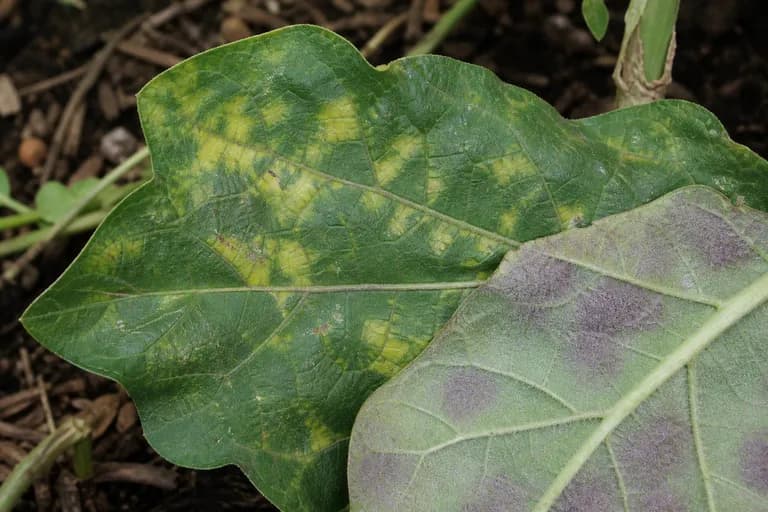
Mildiu de la espinaca (Peronospora effusa)
EnfermedadManchas amarillas en el haz con pelusa gris-violácea en el envés, que progresan rápidamente en condiciones húmedas.
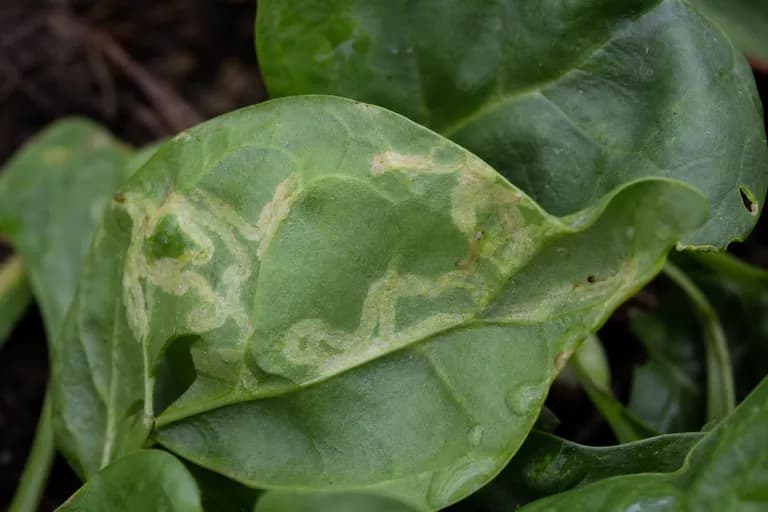
Minador de hojas (Liriomyza spp.)
PlagaGalerías serpenteantes blancas visibles en las hojas donde las larvas se alimentan entre las capas del tejido.
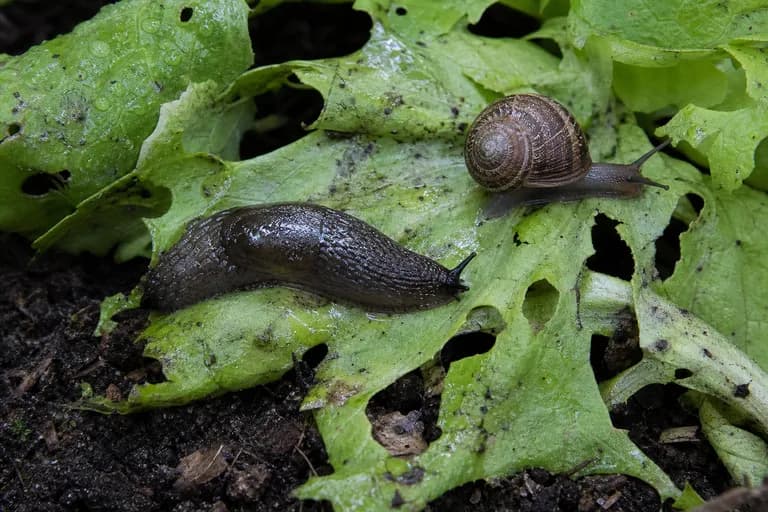
Babosas (Deroceras reticulatum)
PlagaAgujeros irregulares en hojas tiernas, especialmente visibles por la mañana con rastros de baba.
Solución de problemas comunes
El espigado prematuro es el mayor problema, provocado por días largos (más de 14 horas de luz), calor o estrés hídrico. Las hojas se vuelven amargas cuando la planta espiga. El mildiu es devastador en condiciones húmedas y frescas. Las semillas germinan mal con temperaturas superiores a 27 °C.
Consejos de cultivo
- Treat baby spinach as a cool-weather sprinting crop, not a summer marathon. Plan for fast, dense sowings in spring and autumn when temperatures stay below 24°C (75°F). Trying to grow spinach in summer heat is an exercise in frustration — it bolts before you can harvest.
- Sow thickly and skip thinning for baby leaf production. Unlike mature spinach, baby spinach benefits from dense planting at 2-3 cm spacing. The closely packed plants support each other, shade the soil to retain moisture, and produce a harvestable bed in just 25-30 days.
- Succession sow every 10-14 days without fail for a continuous supply. Baby spinach has a short harvest window of just 2-3 weeks before it bolts or grows too large. Having the next sowing ready to replace the last ensures you never run out.
- Pre-chill seeds in the refrigerator for 5-7 days before sowing in warm soil above 21°C (70°F). Spinach seeds have a built-in dormancy mechanism that prevents germination in hot conditions. Chilling tricks the seeds into thinking winter has passed and dramatically improves germination rates.
- Harvest with scissors rather than pulling leaves. Cut outer leaves 2-3 cm above the soil line, leaving the central growing point and smallest inner leaves intact. This cut-and-come-again method allows 2-3 harvests from a single sowing.
- Provide afternoon shade in spring and autumn using shade cloth, taller neighboring crops, or north-facing bed orientation. Even a few degrees of cooling from afternoon shade can add 1-2 extra weeks of harvest before bolting begins.
- Water consistently and shallowly. Baby spinach has a relatively shallow root system concentrated in the top 10-15 cm of soil. Light, frequent watering keeps this root zone moist without waterlogging. Drip irrigation or soaker hoses are ideal.
- Boost leaf sweetness by timing your harvest for early morning after a cool night. Cold temperatures cause spinach to convert starches to sugars as a natural antifreeze mechanism. Leaves harvested in early morning after nights below 10°C (50°F) are noticeably sweeter than those picked in afternoon warmth.
Cultiva tu mejor Espinaca Baby — y todo lo que la rodea.
Empieza un plan gratis hoy. Diseña tus bancales, coloca tu Espinaca Baby y deja que PlotMyGarden gestione el momento, el espaciado, las asociaciones y los recordatorios de la semilla a la cesta.
Elige tu Espinaca Baby
Space F1
Variedad de hoja lisa ideal para baby, con crecimiento rápido y muy resistente al mildiu. Excelente para cosecha a los 21 días.
Corvair F1
Hojas ovaladas, lisas y de color verde oscuro. Muy lenta en espigarse. Resistente a múltiples razas de mildiu. 25 días.
Renegade F1
Variedad robusta con hojas gruesas y sabor dulce excepcional. Buena tolerancia al calor. 22 días para baby.
Red Kitten
Variedad de hojas con nervaduras rojas que añade color a ensaladas. Sabor suave y dulce. 25 días para baby.
A single packet of baby spinach seeds costs $2-4 and contains enough seeds to plant 3-5 square meters of growing space, yielding 5-15 kg of baby leaves over a season. Pre-washed baby spinach at the grocery store costs $4-7 per 140g container — growing your own can save $150-400 per season depending on how much you consume. The savings are even more dramatic compared to organic baby spinach, which often costs $6-9 per container. A single $3 seed packet can replace $200+ worth of store-bought organic baby spinach.
Recetas rápidas
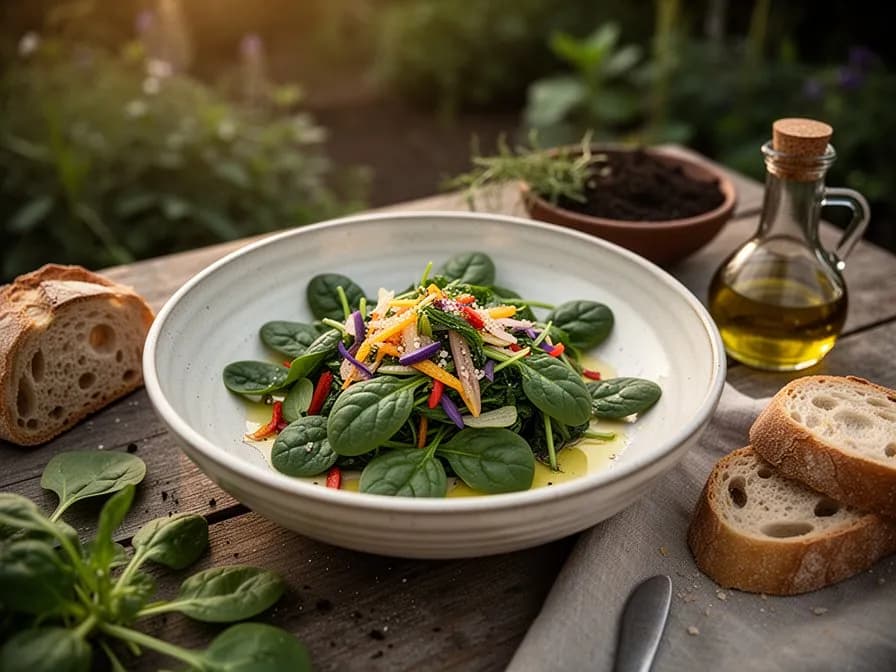
Classic Baby Spinach Salad with Warm Bacon Dressing
15 minA timeless salad where crisp baby spinach leaves are wilted ever so slightly by a warm, tangy bacon vinaigrette. The contrast of cool greens, warm dressing, and crunchy toppings makes this a restaurant-quality dish in minutes.
9 ingredientesBaby Spinach and Berry Power Smoothie
5 minA vibrant green smoothie where baby spinach disappears completely into a sweet, fruity blend. The mild flavor of baby spinach is perfectly masked by berries and banana while delivering a concentrated dose of vitamins and minerals.
7 ingredientesGarlic Sauteed Baby Spinach
8 minThe simplest and most elegant way to cook baby spinach — a quick, high-heat saute with garlic and olive oil that wilts the greens in under two minutes. A squeeze of lemon at the end brightens the earthy flavor beautifully.
7 ingredientesUsos culinarios
La espinaca baby es la reina de las ensaladas frescas, servida cruda con vinagreta, frutos secos y queso. Se añade a smoothies verdes, sándwiches y wraps sin necesidad de cocción. También se incorpora a pizzas, quiches y omelettes al final de la cocción para que se marchite ligeramente.
Qué contiene
Beneficios para la salud
- Baby spinach is one of the richest dietary sources of vitamin K1 (phylloquinone), providing over 400% of the daily value per 100g — essential for blood clotting, bone mineralization, and emerging research suggests it may play a role in cardiovascular and cognitive health.
- Extremely high in beta-carotene (vitamin A precursor), baby spinach supports eye health, immune function, and skin cell turnover. A single 100g serving provides nearly double the daily recommended intake of vitamin A.
- Contains significant amounts of lutein and zeaxanthin — two carotenoid pigments that accumulate in the macula of the eye and are associated with reduced risk of age-related macular degeneration and cataracts.
- Rich in nitrates that the body converts to nitric oxide, which relaxes blood vessels and improves blood flow. Regular consumption of leafy greens like baby spinach is linked to lower blood pressure and improved cardiovascular health.
- Provides plant-based iron alongside vitamin C, which enhances non-heme iron absorption by up to 6 times. This combination makes baby spinach particularly valuable for vegetarians, vegans, and anyone at risk of iron deficiency.
- High in magnesium (79mg per 100g, about 20% DV), a mineral involved in over 300 enzymatic reactions in the body including energy production, muscle function, nerve signaling, and blood sugar regulation.
De dónde viene Espinaca Baby
Spinach (Spinacia oleracea) originated in ancient Persia (modern-day Iran), where it was cultivated as early as the 4th century AD and known as 'ispanakh' or 'aspanakh.' Wild ancestors of spinach likely grew in the mountainous regions of central and southwestern Asia, where cool temperatures and short days favored the plant's growth. From Persia, spinach spread eastward to India and China through trade routes — Chinese records from the 7th century refer to it as the 'Persian vegetable,' and it quickly became an important leafy green in Asian cuisines.
Arab traders and the Moorish conquest of the Iberian Peninsula brought spinach to Europe by the 11th century, where it was initially grown in Spain and southern France. The plant's ability to thrive in cool weather made it valuable as an early spring vegetable when few other greens were available. By the 13th century, spinach had spread throughout medieval Europe, prized by monks and herbalists for its medicinal properties and nutritional value. Catherine de Medici's well-documented passion for spinach in the 16th century helped elevate its culinary status in French haute cuisine.
The concept of 'baby spinach' as a commercial product is remarkably recent. While gardeners have always eaten young, tender spinach thinnings, the packaged baby spinach industry only began in the early 1990s when California growers started harvesting spinach at the 25-35 day stage specifically for the fresh salad market. Pre-washed, ready-to-eat baby spinach bags transformed the leafy greens industry overnight, making spinach accessible and convenient in a way that bunched mature spinach never was. Today, baby spinach is the most popular salad green in the United States and one of the most widely consumed leafy vegetables worldwide, grown commercially on every inhabited continent.
Espinaca Baby: ¿sabías que?
Datos fascinantes sobre Espinaca Baby
Baby spinach is not a separate variety — it is simply regular spinach (Spinacia oleracea) harvested young at 25-35 days, when the leaves are 5-8 cm long, tender, and mild-flavored. The same plant left to grow produces the larger, tougher mature spinach leaves sold in bunches.
Espinaca Baby: preguntas frecuentes
¿Cuándo debo plantar Espinaca Baby?
¿Cuáles son buenas plantas acompañantes para Espinaca Baby?
¿En qué zonas de rusticidad puede crecer Espinaca Baby?
¿Cuánto sol necesita Espinaca Baby?
¿A qué distancia debo espaciar Espinaca Baby?
¿Qué plagas y enfermedades afectan a Espinaca Baby?
¿Cómo almaceno Espinaca Baby después de la cosecha?
¿Cuáles son las mejores variedades de Espinaca Baby para cultivar?
¿Qué suelo necesita Espinaca Baby?
Why does my baby spinach bolt so quickly?
Can I grow baby spinach indoors or on a windowsill?
Is baby spinach safe to eat raw every day?
What is the difference between baby spinach and regular spinach?
How do I prevent downy mildew on baby spinach?
Can I freeze homegrown baby spinach?
Acabas de leer la teoría. Ahora cultívala en piloto automático.
Todo lo que hace que Espinaca Baby sea delicado — el momento, el espaciado, las asociaciones, la ventana de cosecha — es justo lo que PlotMyGarden resuelve por ti, para cada planta de tu huerto.
Un plan que conoce tu clima
Indica tu ubicación una vez. Recibe fechas de siembra, abonado y cosecha basadas en tu última helada real y el pronóstico en vivo — sin adivinar con un sobre genérico.
De la sección “Cuándo plantar”Planificador de bancales de arrastrar y soltar
Diseña bancales sobre una cuadrícula. Cada planta encaja con su espaciado correcto y ves toda la temporada antes de gastar un céntimo en semillas.
De la sección “Cultivo”Conflictos de asociación, detectados a tiempo
Más de 200 buenas y malas combinaciones comprobadas en vivo mientras plantas — para que un error que arruine la temporada nunca llegue a la tierra.
De la sección “Asociaciones”Recordatorios que sí vas a seguir
“Riega las judías.” “Recoge hoy antes de que se pase.” Oportunos, concretos y ligados a las plantas que de verdad cultivas.
De la sección “Cosecha”Escalonado, programado
¿Quieres cosechar seis semanas en vez de seis días? Reparte tus siembras automáticamente y te avisa cuando toca el siguiente lote.
De la sección “Cuándo plantar”Un registro que se vuelve más listo
Cada cosecha que registras le enseña tu huerto. El plan del año que viene parte de lo que de verdad funcionó en tu suelo, no en un manual.
De la sección “Resumen”Planta estos junto a Espinaca Baby
Más Hortalizas de hoja
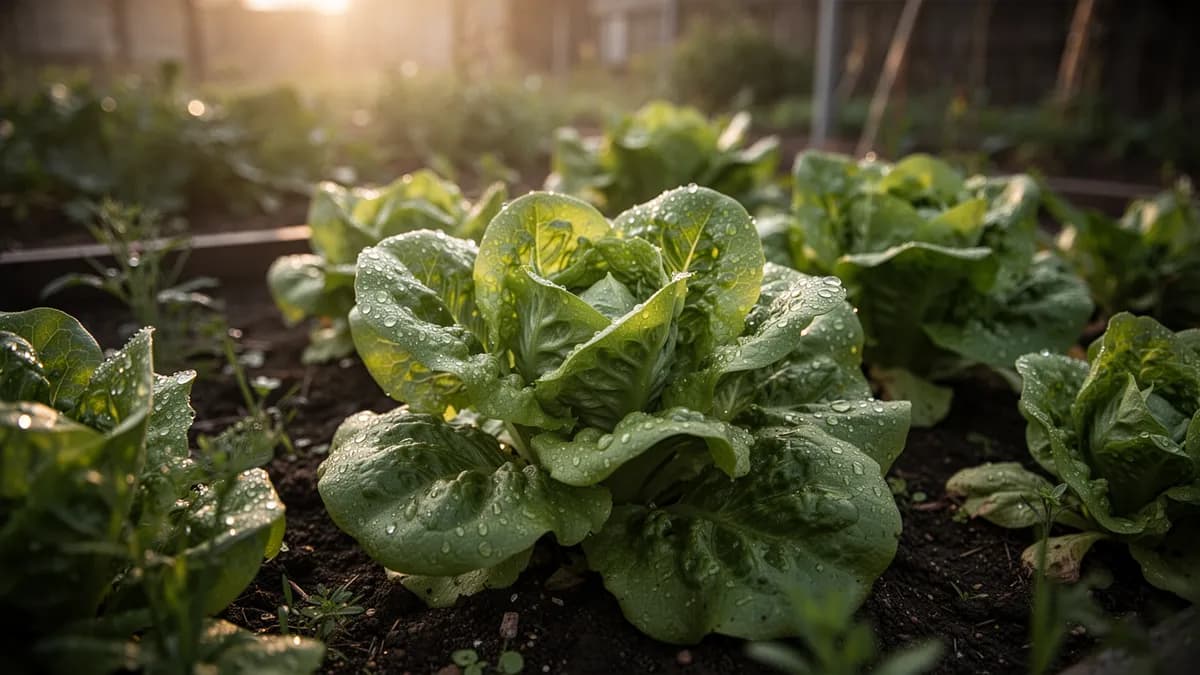
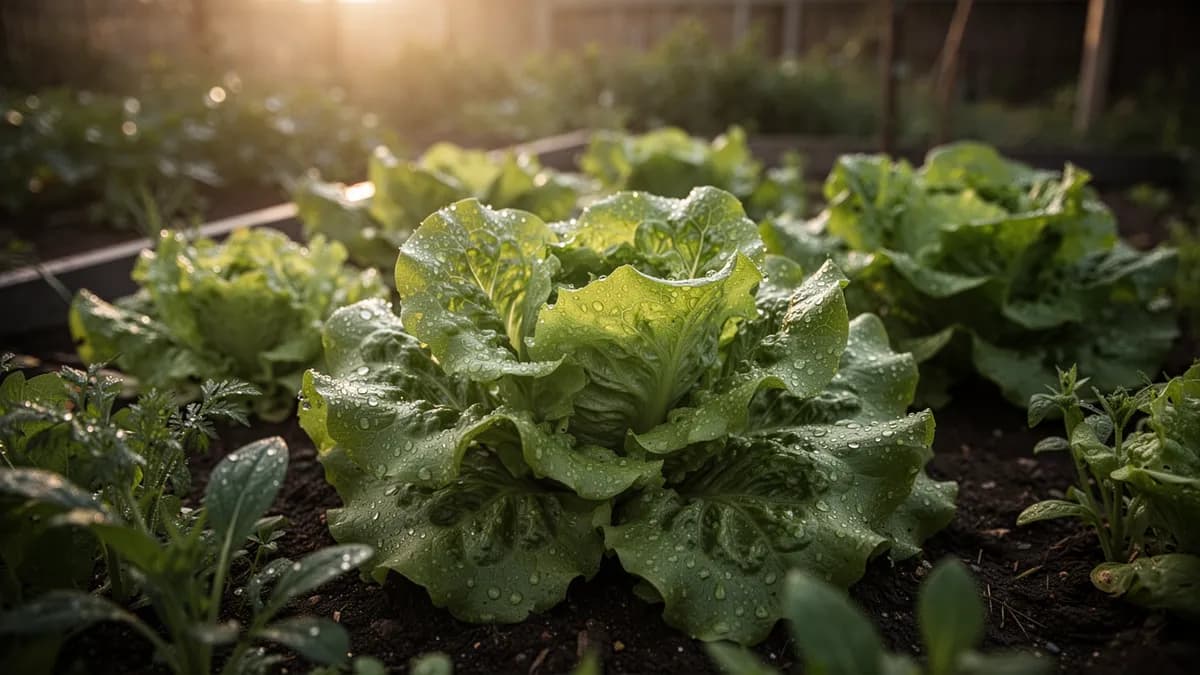
Diseños de jardín con Espinaca Baby
Cultiva tu mejor Espinaca Baby — y todo lo que la rodea.
Empieza un plan gratis hoy. Diseña tus bancales, coloca tu Espinaca Baby y deja que PlotMyGarden gestione el momento, el espaciado, las asociaciones y los recordatorios de la semilla a la cesta.