Thyme
Thymus vulgaris
At a Glance
It's planting season for Thyme! Start planning your garden now.
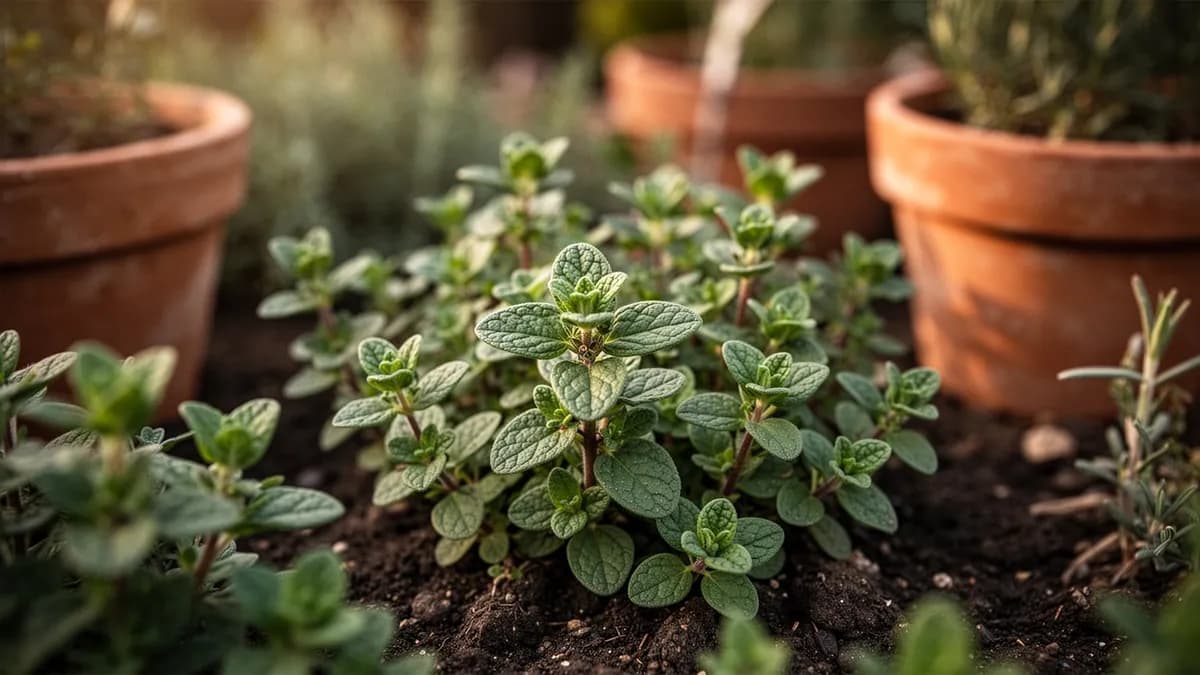
A low-growing perennial herb with tiny aromatic leaves, ideal as a ground cover and culinary staple. Thyme thrives in lean, well-drained soil and full sun, and benefits from a light shearing after flowering to keep plants compact and vigorous. Dozens of varieties exist, from classic English thyme to lemon, caraway, and creeping ornamental types. Harvest sprigs any time during the growing season and use fresh or dried in soups, stews, and roasted dishes for warm, earthy flavor.
Planting & Harvest Calendar
Growth Stages
From Seed to Harvest
Seed Germination
Days 0–21
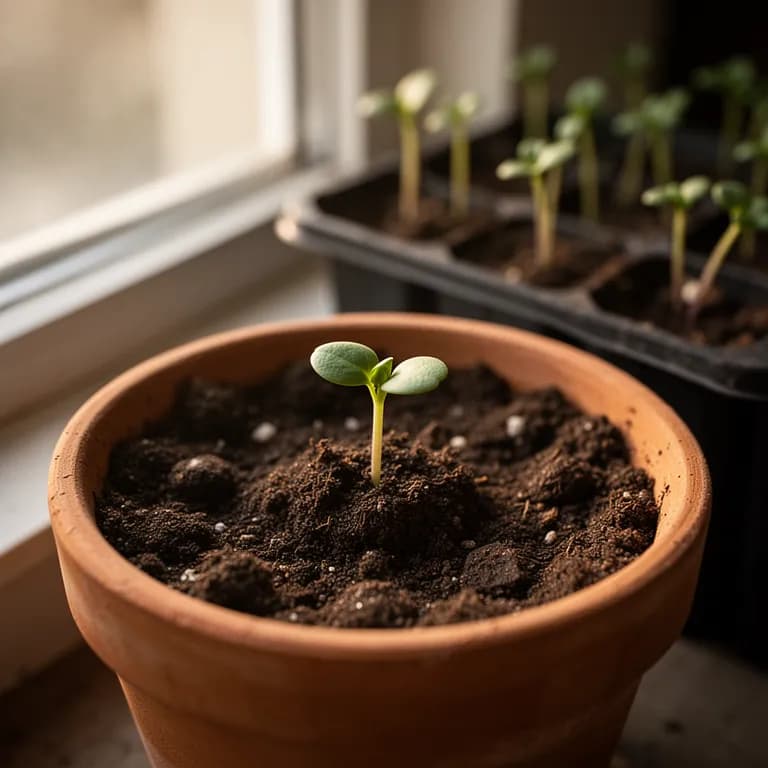
Thyme seeds are extremely small and germinate slowly, typically taking 14 to 21 days. Seeds need light to germinate, so they should be surface-sown and barely covered with a fine layer of vermiculite or soil.
💡 Care Tip
Keep the soil consistently moist but not waterlogged. Use a misting bottle to avoid displacing the tiny seeds. Maintain temperatures between 18-24°C for optimal germination.
Thyme seedlings are tiny and slow-growing in the first few weeks
Monthly Care Calendar
What to do each month for your Thyme
May
You are hereRegular harvesting can begin in earnest. Water sparingly, allowing soil to dry between waterings. Watch for root rot in poorly drained areas.
Did You Know?
Fascinating facts about Thyme
Ancient Egyptians used thyme in their embalming process, believing it helped the deceased on their journey to the afterlife.
Start thyme from nursery transplants, cuttings, or division rather than seed, as seed germination is slow and varieties may not come true from seed. If starting from seed, sow indoors 8-10 weeks before the last frost, pressing tiny seeds onto the surface of moist seed-starting mix without covering. Transplant outdoors after the last frost into a spot with full sun and excellent drainage.
Prepare the planting bed by amending heavy soils with coarse sand, gravel, or perlite to create the sharply drained conditions thyme requires. Space plants 8-12 inches apart. Thyme tolerates poor, rocky, and alkaline soils but will rot quickly in heavy, wet clay. A slightly alkaline pH of 6.5-7.5 is ideal. Mulch with gravel or small stones rather than organic mulch to keep the crown dry.
Water sparingly once established, as thyme is highly drought-tolerant and prone to root rot in soggy conditions. After flowering in early summer, shear plants back by one-third to maintain compact shape and prevent woody, bare centers. Replace plants every 3-4 years when they become excessively woody and production declines.
Thyme (Thymus vulgaris) is a remarkably resilient perennial herb native to the western Mediterranean region, where it has thrived on sun-baked rocky hillsides and limestone slopes for millennia. Archaeological evidence suggests that thyme was among the earliest herbs cultivated by humans, with traces found in ancient Egyptian tombs dating back over 3,500 years, where it was used in the embalming compound known as natron. The ancient Egyptians recognized its powerful preservative and antiseptic properties long before modern science identified thymol as the active compound responsible.
The ancient Greeks held thyme in particularly high regard, associating it with courage, elegance, and style. Greek temples burned thyme as incense, and the phrase 'to smell of thyme' was a compliment meaning someone was admired for their refinement. The Romans adopted thyme enthusiastically, using it to purify rooms, flavor cheeses and liqueurs, and as a remedy for melancholy. Roman legions are credited with spreading thyme cultivation across Europe as they planted it in their encampments throughout the expanding empire.
During the medieval period, thyme became deeply embedded in European folklore and medicine. Ladies embroidered sprigs of thyme on scarves given to knights departing for the Crusades, symbolizing bravery. Monks cultivated thyme extensively in monastery gardens, using it in healing preparations and as a strewing herb to mask unpleasant odors and repel insects. The herbalist Nicholas Culpeper, writing in the 17th century, praised thyme as a strengthener of the lungs and recommended it for respiratory ailments, a use that has been validated by modern phytotherapy research. European colonists brought thyme to the Americas, where it naturalized readily in the warmer regions and became a cornerstone of both kitchen gardens and herbal medicine traditions across the New World.
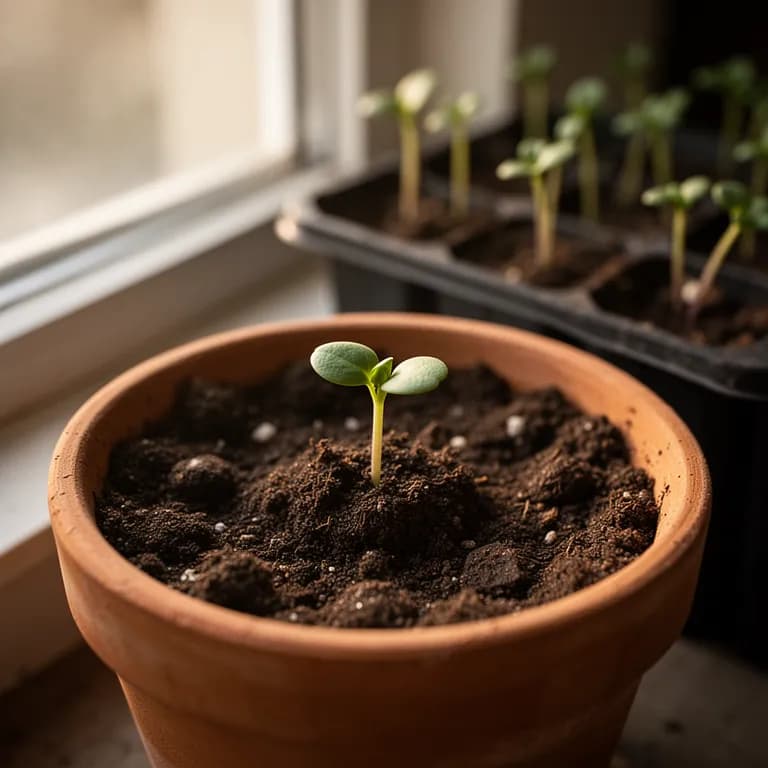
Thyme seeds are tiny and slow to germinate, requiring 14-21 days at 65-70°F. Sow seeds on the surface of moist seed-starting mix and press gently without covering, as they need light for germination. Keep consistently moist but not waterlogged using a misting bottle. Seedlings are very small and grow slowly for the first several weeks. Thin to 2 inches apart once seedlings have two sets of true leaves. For faster and more reliable results, propagate from 3-4 inch stem cuttings or divide established plants in spring.
Thyme thrives in lean, well-drained, slightly alkaline soil with a pH of 6.5-7.5. Sandy, gravelly, or rocky soils are ideal. Amend clay soils heavily with sand and perlite before planting. Thyme needs very little fertilizer; a light application of compost in spring is usually sufficient. Excessive fertilization produces lush but less flavorful growth with reduced essential oil content. In containers, use a gritty cactus-type mix or blend equal parts potting soil, perlite, and coarse sand.
Check Your Zone
See if Thyme is suitable for your location.
10°C – 30°C
50°F – 86°F
Thyme is a Mediterranean herb that thrives in warm, dry conditions. It grows best between 20-30°C during the day and can tolerate light frost down to -10°C once established. Consistent temperatures above 10°C promote active growth. Avoid prolonged humidity and wet cold, which can cause root rot and fungal diseases.
Common issues affecting Thyme and how to prevent and treat them organically.
Woody, sparse centers develop in older plants that have not been pruned regularly after flowering. Replace thyme plants every 3-4 years when they become unproductive. Browning and dieback typically indicate root rot from overwatering or poor drainage. Leggy, floppy growth results from insufficient sunlight or overly rich soil. Indoor thyme often struggles due to insufficient light and excessive humidity. Container plants need excellent drainage holes and should never sit in saucers of standing water.
Thyme repels cabbage worms, whiteflies, and corn earworms through its aromatic essential oils, making it valuable near brassicas, tomatoes, and corn. Its low, spreading habit makes it an excellent living mulch beneath taller plants. Thyme attracts beneficial hoverflies and parasitic wasps that prey on garden pests. It grows well alongside other Mediterranean herbs like rosemary, sage, and lavender that share similar dry-soil preferences. Avoid planting near moisture-loving herbs like basil and cilantro.
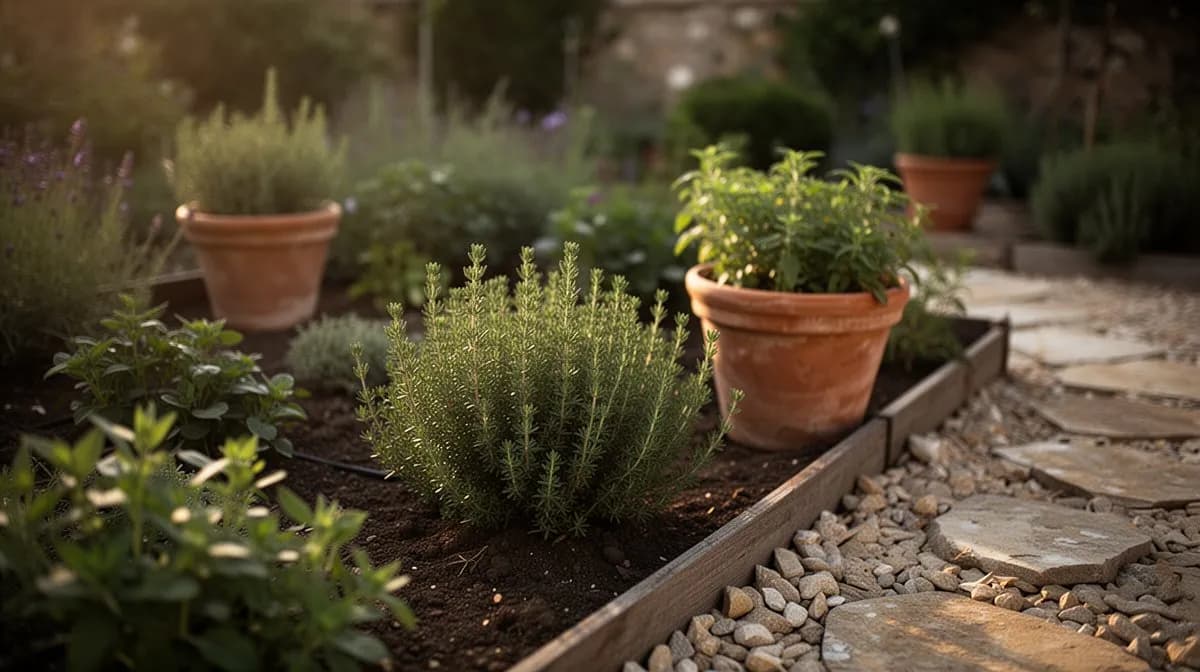
Low-growing thyme varieties make beautiful and fragrant ground covers along pathways
- 1Plant thyme in the sunniest spot available, ideally receiving 6-8 hours of direct sunlight daily. Thyme grown in shade becomes leggy, loses flavor intensity, and is more susceptible to fungal diseases.
- 2Use extremely well-draining soil by mixing garden soil with coarse sand or perlite at a 1:1 ratio. Thyme is native to rocky Mediterranean hillsides and will quickly develop root rot in heavy, waterlogged soil.
- 3Water thyme deeply but infrequently, allowing the top 3-5 cm of soil to dry completely between waterings. Overwatering is the most common cause of thyme plant failure, far more dangerous than underwatering.
- 4Prune established thyme plants by one-third in early spring just as new growth begins. Cut back to just above the lowest set of green leaves, never into the bare woody stems, which may not regenerate.
- 5Propagate thyme easily by layering: pin a low-growing stem to the soil with a small stone or wire, and it will root within 4-6 weeks. Sever from the parent plant and transplant the new clone.
- 6Harvest thyme in the morning after the dew has dried but before the midday heat. This is when essential oil concentration is highest, giving you the most flavorful and aromatic sprigs.
- 7Mulch thyme with gravel or small stones rather than organic mulch. Gravel reflects heat and light onto the plant, improves drainage around the crown, and prevents the moisture retention that leads to stem rot.
- 8Replace thyme plants every 4-6 years when they become excessively woody with sparse foliage. Start new plants from cuttings or layered stems taken from the healthiest portions of the old plant.
- 9Grow thyme alongside roses, tomatoes, and brassicas as a companion plant. Thyme repels cabbage worms, whiteflies, and aphids, while its flowers attract beneficial predatory insects to the garden.
- 10For indoor growing, place thyme on a south-facing windowsill and use a terracotta pot with drainage holes. Terracotta allows moisture to evaporate through the pot walls, mimicking the dry conditions thyme prefers.
Harvest thyme sprigs throughout the growing season by snipping stems just above a leaf node. The best flavor comes from harvesting just before the plant flowers, when essential oil concentration peaks. Cut entire stems rather than individual leaves for efficiency. Avoid harvesting more than one-third of the plant at once. In the first year, harvest lightly to allow the plant to establish a strong root system. Thyme can be harvested year-round in mild climates, though growth slows significantly in winter.
Fresh thyme keeps well for 1-2 weeks in the refrigerator, wrapped loosely in a damp paper towel inside a plastic bag. Thyme is one of the best herbs for drying because it retains its flavor exceptionally well. Hang small bundles upside down in a warm, dark, well-ventilated area for 1-2 weeks, or use a dehydrator at 95-100°F. Strip dried leaves from stems and store in airtight jars. Thyme can also be frozen in olive oil in ice cube trays for convenient cooking portions.
Plan your garden with ease
Love growing Thyme? Use our free garden planner to design your beds, track planting dates, and get personalized care reminders.
Nutritional Info
Per 100g serving
101
Calories
Health Benefits
- Exceptionally high in vitamin C, providing 267% of daily value per 100g of fresh leaves
- Outstanding source of vitamin A, important for eye health and immune function
- Rich in iron, providing 110% of daily needs per 100g, one of the highest among herbs
- Contains significant amounts of manganese, essential for bone health and metabolism
- High in dietary fiber relative to the small quantities typically consumed
- Packed with the compound thymol, a potent natural antioxidant and antimicrobial agent
💰 Why Grow Your Own?
A single thyme plant costs about $3-5 and can produce fresh herbs for 4-6 years as a perennial, yielding the equivalent of $15-25 worth of store-bought fresh thyme annually. Dried thyme from your garden replaces $8-12 in purchased dried herbs each season. Since thyme is easily propagated from cuttings and layering, one plant can provide dozens of new plants at no additional cost, making it one of the most economical herbs to grow at home.
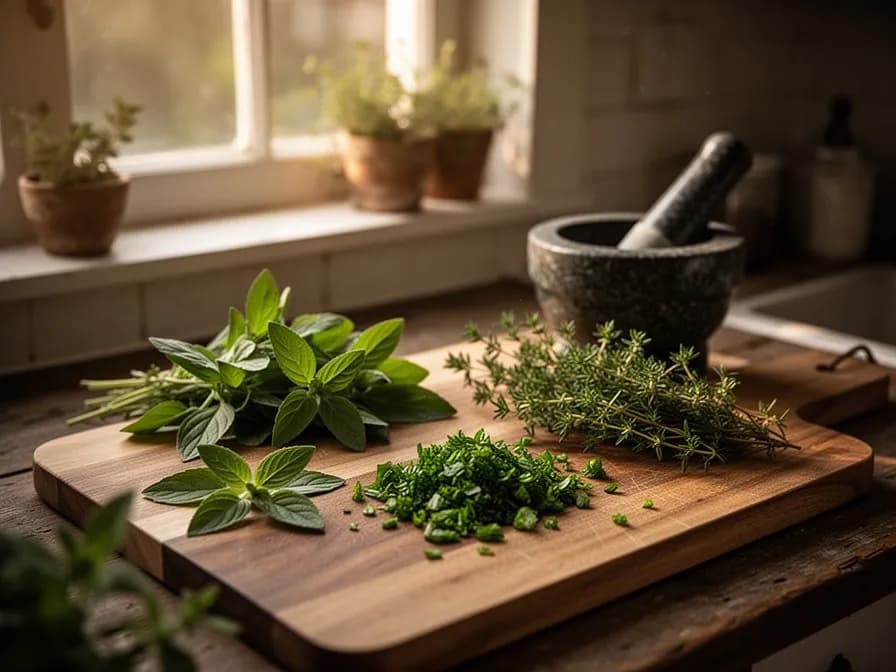
The small, aromatic leaves of thyme are packed with essential oils including thymol
Quick Recipes
Simple recipes using fresh Thyme
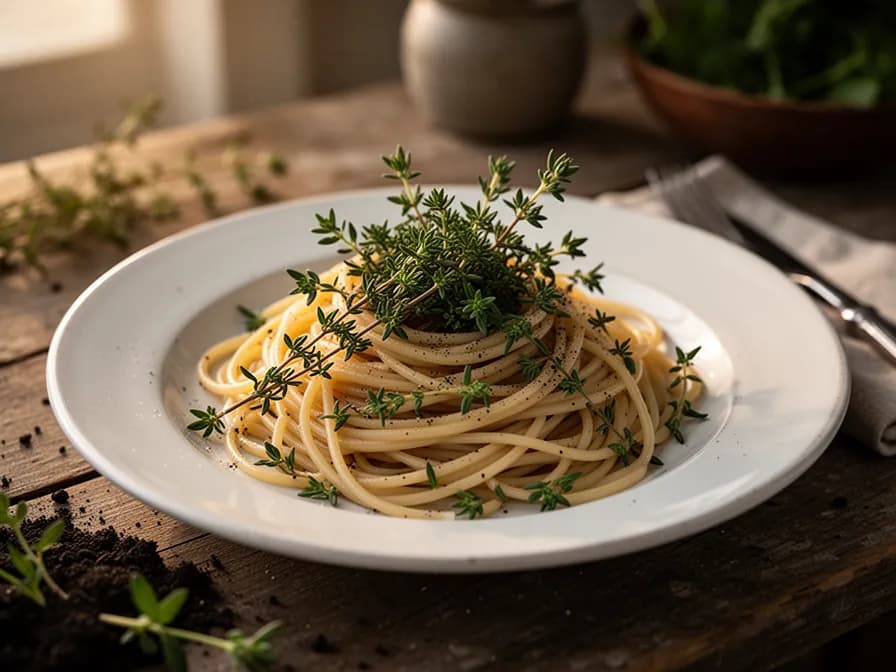
Lemon Thyme Roasted Chicken
15 minutes prep, 1 hour roastingA classic Sunday roast where fresh thyme sprigs are tucked under the skin of a whole chicken along with lemon slices and garlic, creating an incredibly aromatic and flavorful dish with crispy golden skin.
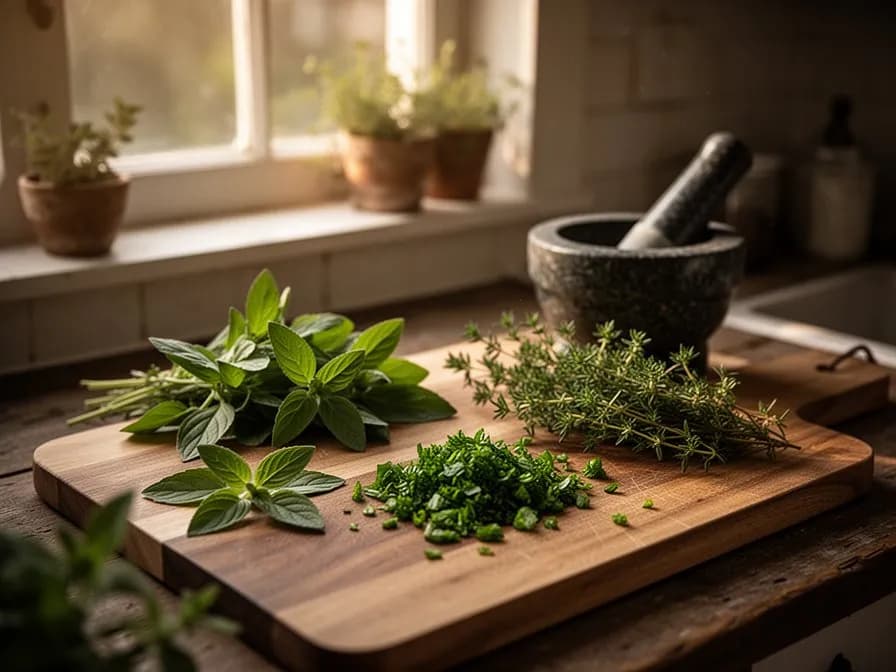
Thyme-Infused Honey
10 minutes prep, 2 weeks infusionA beautifully fragrant infused honey that captures the essence of fresh thyme. Perfect drizzled over goat cheese, stirred into tea, or used as a glaze for roasted vegetables and grilled meats.
Creamy Thyme and Mushroom Soup
15 minutes prep, 30 minutes cookingA rich, earthy soup that showcases the natural affinity between thyme and mushrooms. The fresh thyme leaves are stirred in at two stages for depth of flavor, making this a comforting meal for cool evenings.
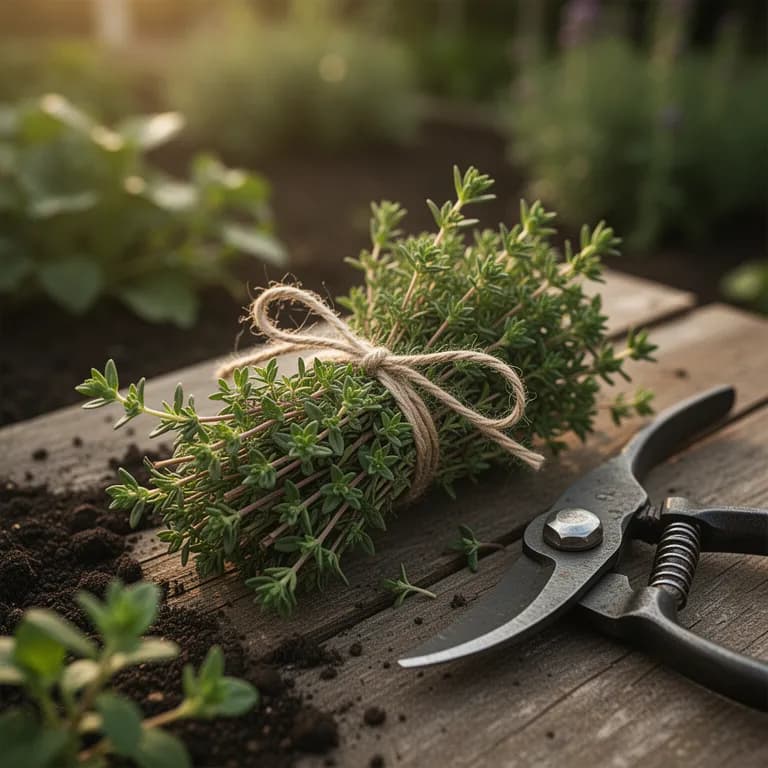
Harvest thyme by snipping sprigs just above the woody portion of the stem
Yield & Spacing Calculator
See how many Thyme plants fit in your garden bed based on the recommended 30cm spacing.
16
Thyme plants in a 4×4 ft bed
4 columns × 4 rows at 30cm spacing
Popular Varieties
Some of the most popular thyme varieties for home gardeners, each with unique characteristics.
English Thyme (Common Thyme)
The classic culinary thyme with strong, warm, peppery flavor. Upright growth to 12 inches, the most widely used variety in cooking.
Lemon Thyme
Features a bright citrus fragrance layered over classic thyme flavor. Excellent with fish, poultry, and in desserts. Often has variegated gold-edged leaves.
Creeping Thyme (Thymus serpyllum)
A mat-forming ground cover reaching only 2-3 inches tall. Ideal between stepping stones, in rock gardens, and as a lawn alternative in dry areas.
Caraway Thyme
Low-growing variety with a distinctive caraway seed flavor. Dark green leaves on creeping stems, excellent in bread, cheese, and potato dishes.
Silver Thyme
An ornamental variety with silver-edged leaves and mild flavor. Beautiful in mixed herb borders and containers while still usable in the kitchen.
Thyme is one of the most versatile culinary herbs, essential in French cuisine as part of bouquet garni and herbes de Provence. Add sprigs early in cooking to soups, stews, braises, and roasted meats, as the flavor withstands long cooking times. Thyme pairs beautifully with mushrooms, root vegetables, poultry, and lamb. Lemon thyme adds brightness to fish and seafood. Strip fresh leaves from stems by running fingers down the stem against the growth direction.
When should I plant Thyme?
Plant Thyme in March, April, May. It takes approximately 90 days to reach maturity, with harvest typically in January, February, March, April, May, June, July, August, September, October, November, December.
What are good companion plants for Thyme?
Thyme grows well alongside Rosemary, Cabbage, Eggplant, Strawberry. Companion planting can improve growth, flavor, and natural pest control.
What hardiness zones can Thyme grow in?
Thyme thrives in USDA hardiness zones 4 through 10. With greenhouse protection, it may be grown in zones 2 through 11.
How much sun does Thyme need?
Thyme requires Full Sun (6-8h+). This means at least 6-8 hours of direct sunlight daily.
How far apart should I space Thyme?
Space Thyme plants 30cm (12 inches) apart for optimal growth and air circulation.
What pests and diseases affect Thyme?
Common issues include Root Rot, Gray Mold (Botrytis), Spider Mites. Prevention through good garden practices like crop rotation, proper spacing, and companion planting is the best approach. See the detailed pests and diseases section above for symptoms, prevention, and treatment for each.
How do I store Thyme after harvest?
Fresh thyme keeps well for 1-2 weeks in the refrigerator, wrapped loosely in a damp paper towel inside a plastic bag. Thyme is one of the best herbs for drying because it retains its flavor exceptionally well. Hang small bundles upside down in a warm, dark, well-ventilated area for 1-2 weeks, or use...
What are the best Thyme varieties to grow?
Popular varieties include English Thyme (Common Thyme), Lemon Thyme, Creeping Thyme (Thymus serpyllum), Caraway Thyme, Silver Thyme. Each has unique characteristics suited to different growing conditions and culinary preferences. See the varieties section above for detailed descriptions.
What soil does Thyme need?
Thyme thrives in lean, well-drained, slightly alkaline soil with a pH of 6.5-7.5. Sandy, gravelly, or rocky soils are ideal. Amend clay soils heavily with sand and perlite before planting. Thyme needs very little fertilizer; a light application of compost in spring is usually sufficient. Excessive f...
Why is my thyme plant turning woody and producing fewer leaves?
Thyme naturally becomes woodier as it ages, typically after 3-4 years. To prevent excessive woodiness, prune plants by one-third each spring, cutting just above the lowest green growth. Never cut into bare wood as it rarely regenerates. If your plant is very old and mostly woody, it is best to replace it with a new plant propagated from cuttings taken from the remaining green growth.
Can I grow thyme indoors year-round?
Yes, thyme grows well indoors provided it gets at least 6 hours of direct sunlight daily, ideally on a south-facing windowsill. Use a terracotta pot with excellent drainage, a sandy soil mix, and water sparingly. The main challenges indoors are insufficient light (supplement with a grow light if needed) and overwatering. Indoor thyme may also benefit from occasional misting to counter dry heated air in winter.
What is the difference between common thyme and lemon thyme?
Common thyme (Thymus vulgaris) has a warm, earthy, slightly minty flavor and is the standard culinary thyme used in most recipes. Lemon thyme (Thymus citriodorus) has a distinct citrus fragrance and flavor, making it excellent with fish, chicken, and in desserts. Both are grown the same way and have similar care requirements. Lemon thyme tends to be slightly less cold-hardy than common thyme.
How do I dry and store thyme from my garden?
Cut full stems of thyme and tie them in small bundles with twine. Hang the bundles upside down in a warm, dry, well-ventilated area out of direct sunlight for 1-2 weeks. Once fully dry, strip the leaves from the stems by running your fingers down the stem against the direction of growth. Store dried thyme leaves in airtight glass jars in a cool, dark place. Properly dried and stored thyme retains excellent flavor for up to 2 years.
Why are the leaves on my thyme plant turning yellow?
Yellow leaves on thyme most commonly indicate overwatering or poor drainage, which causes root rot. Thyme prefers dry conditions and should only be watered when the top few centimeters of soil are dry. Other causes include nutrient deficiency in very poor soil (apply a light feeding of balanced fertilizer), insufficient sunlight, or spider mite infestation (check the undersides of leaves for tiny webs). Improve drainage immediately if the soil feels soggy.
When is the best time to harvest thyme for maximum flavor?
The best time to harvest thyme is in the morning after the dew has evaporated but before the heat of midday, as essential oil concentration peaks during this window. For the most intense flavor overall, harvest just before the plant flowers, when the plant channels maximum energy into its aromatic oils. You can harvest throughout the growing season, but avoid cutting more than one-third of the plant at once to allow healthy regrowth.
Ready to Grow Thyme?
Add Thyme to your garden plan and start designing your perfect layout.

Vladimir Kusnezow
Gardener and Software Developer
Zone 6b gardener. Growing vegetables and fruits in soil and hydroponics for 6 years. I built PlotMyGarden to plan my own gardens.
Jump to Section