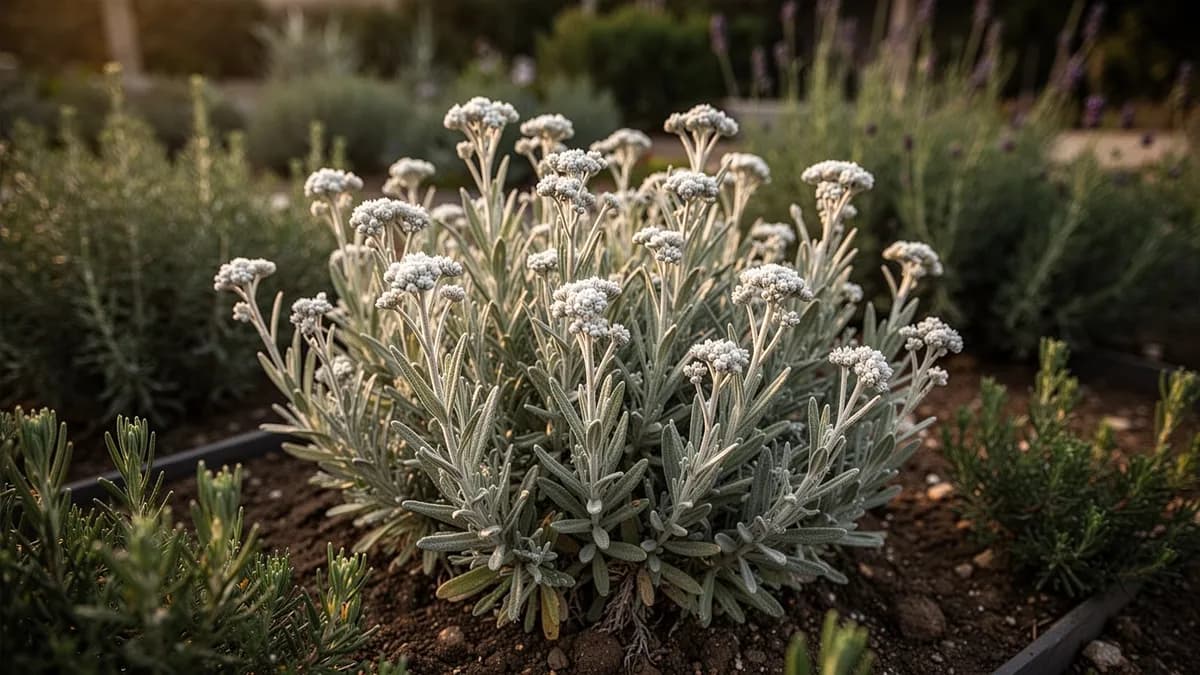
Santolina
Santolina chamaecyparissus
At a Glance
It's planting season for Santolina! Start planning your garden now.
A compact Mediterranean sub-shrub with silvery, coral-like foliage and bright yellow button flowers, traditionally used as a moth repellent. Santolina is drought-tolerant and makes an excellent low hedge or edging plant in formal herb gardens. Clip hard in spring to maintain tight mounds of aromatic silver foliage and remove spent flowers promptly.
Planting & Harvest Calendar
Growth Stages
From Seed to Harvest
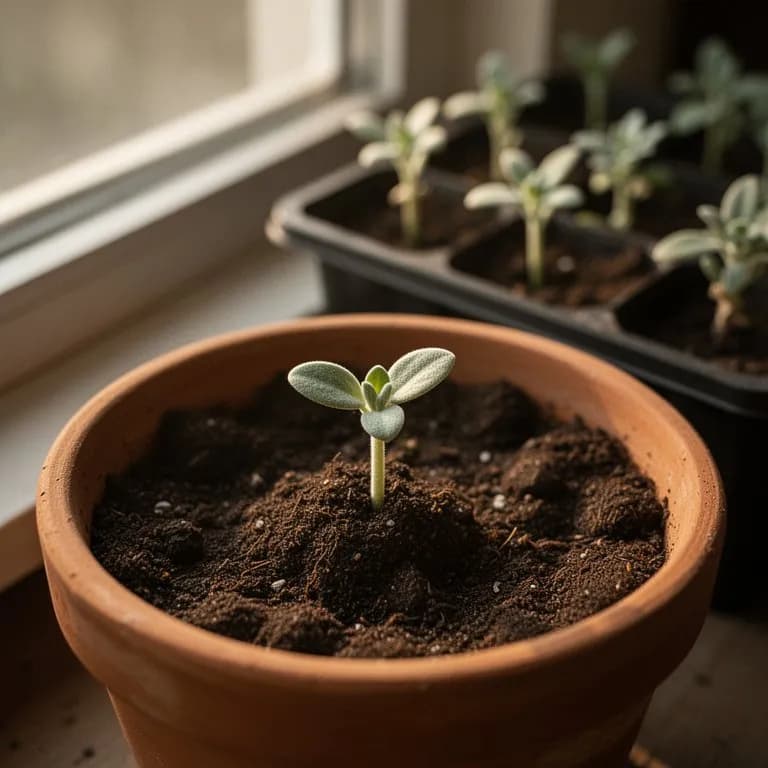
Cutting or Seed Start
Days 0–28
Santolina is most reliably started from semi-hardwood cuttings taken in late summer, as seed germination is slow and inconsistent. Take 8-10 cm cuttings from non-flowering shoots, strip the lower leaves, and insert into a gritty, well-drained propagation mix. If starting from seed, surface-sow on moist seed compost and provide gentle bottom heat of 18-21°C.
💡 Care Tip
Keep cuttings in bright, indirect light and mist regularly to maintain humidity. Avoid waterlogging the propagation medium, as santolina cuttings are prone to rotting in overly wet conditions.
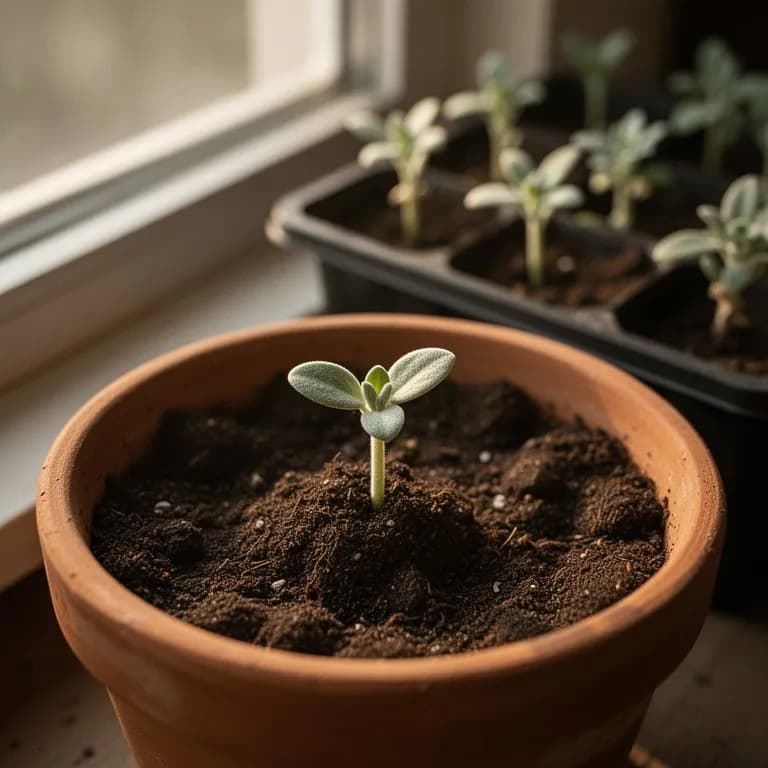
Santolina is most reliably propagated from semi-hardwood cuttings taken in late summer
Monthly Care Calendar
What to do each month for your Santolina
May
You are hereMonitor new growth and lightly pinch the tips of young plants to encourage dense branching. Water newly planted santolina sparingly to help roots establish. Established plants need little to no supplemental water.
Did You Know?
Fascinating facts about Santolina
Santolina has been used as a natural moth repellent since at least the 16th century, when bundles of dried branches were placed in wardrobes and linen chests across southern Europe to protect fabrics from insect damage.
Santolina, also called cotton lavender, is a compact Mediterranean sub-shrub forming dense, aromatic mounds of finely divided silvery foliage 30-60cm tall. The coral-like leaf texture is unlike any other garden plant and creates stunning contrast with green-leaved herbs. Bright yellow button flowers appear on slender stems above the foliage in midsummer. Plant in full sun with lean, exceptionally well-drained soil.
This is a plant that thrives in hot, dry, poor conditions—the hotter and drier the better. Avoid rich soil, shade, and overwatering, all of which cause open, floppy growth and reduced aromatic oil concentration. Sandy, gravelly, and chalky soils are perfect. Santolina makes an outstanding low formal hedge in herb gardens, knot gardens, and parterre designs.
The key to maintaining tight, silvery mounds is annual hard pruning in mid to late spring (after the last frost but before new growth gets too far along). Cut back to within 10-15cm of the old wood, shaping into neat domes. If pruning is neglected, plants become open, woody, and bare in the center. Remove spent flower heads promptly unless you want the plant's energy going to seed rather than foliage.
Santolina chamaecyparissus, commonly known as lavender cotton or cotton lavender, is native to the rocky, sun-drenched hillsides and coastal garrigue of the western Mediterranean basin, spanning from southern France and the Iberian Peninsula through to parts of North Africa. In its natural habitat, it colonises poor, stony, limestone soils where few other plants can thrive, forming low, aromatic cushions that withstand intense summer heat, drought, and the drying effects of coastal winds. The genus name Santolina may derive from the Latin 'sanctum linum,' meaning 'holy flax,' reflecting an early association with medicinal and sacred uses, though this etymology is debated among botanical historians. The species name chamaecyparissus translates to 'ground cypress,' a reference to the finely divided foliage that resembles miniature cypress branches. Ancient Greek and Roman herbalists were familiar with santolina and its relatives, using preparations of the plant for digestive complaints, skin ailments, and as a vermifuge to expel parasites. However, it was during the Renaissance that santolina rose to horticultural prominence. Italian and French garden designers of the 15th and 16th centuries discovered that its dense, compact growth and tolerance for rigorous clipping made it an ideal candidate for the elaborate parterre and knot gardens that defined the formal garden style of the era. English garden enthusiasts adopted the plant eagerly during the Tudor and Elizabethan periods, and santolina became a fixture in the ornamental herb gardens of grand estates and modest cottage gardens alike. By the 17th century, the herbalist John Gerard described santolina in his famous Herball, noting its insect-repelling properties and ornamental merit. The plant crossed the Atlantic with European colonists and became naturalised in parts of the Americas with suitable Mediterranean-type climates. Today, santolina remains a beloved garden plant worldwide, prized for its drought tolerance, evergreen silver foliage, and cheerful yellow summer flowers, and it continues to find new appreciation in sustainable, low-water landscaping and pollinator-friendly garden designs.
Santolina is most reliably propagated from semi-ripe cuttings taken in late summer. Select 7-10cm non-flowering shoot tips, strip lower leaves, dip in rooting hormone, and insert into very gritty compost. Keep barely moist in a bright, frost-free location. Roots develop in 4-8 weeks. Can also be grown from seed sown in spring on gritty compost at 18-22°C, but germination is slow and erratic. Annual spring pruning provides abundant cutting material for propagation.
Santolina demands lean, sharply drained soil with a pH of 6.5-8.5. Poor, gravelly, sandy, or chalky soils are ideal. Never enrich the soil with compost or manure. Mix grit into planting holes in average garden soil. No fertilizer is needed or wanted—lean conditions produce the densest, most silvery, most aromatic foliage. A gravel mulch helps with drainage and sets off the silver foliage.
Check Your Zone
See if Santolina is suitable for your location.
-15°C – 35°C
5°F – 95°F
Santolina is well adapted to the temperature extremes of Mediterranean climates, thriving in hot, dry summers with temperatures of 25-35°C and tolerating winter cold down to approximately -15°C (USDA Zone 5) when planted in sharply drained soil. High humidity combined with warmth is more damaging than cold alone, as it promotes fungal diseases. Excellent drainage and good air circulation are essential for survival in both hot and cold conditions.
Common issues affecting Santolina and how to prevent and treat them organically.
Open, leggy growth means insufficient sun or too-rich soil. Annual hard pruning is essential for maintaining compact form; without it, plants become bare and woody within 2-3 years. Never cut into completely bare old wood—it rarely regenerates. Winter death from wet soil is the primary cause of failure in temperate gardens. Plants typically live 5-8 years and should be replaced from cuttings when they decline.
Santolina is the classic edging plant for formal herb gardens, knot gardens, and parterre designs. It pairs beautifully with lavender, rosemary, and other silver-leaved Mediterranean herbs in gravel gardens and hot, dry borders. The silvery foliage provides outstanding textural contrast with green-leaved herbs and purple-flowered plants. Traditionally planted near doorways and pathways as a moth and insect deterrent.
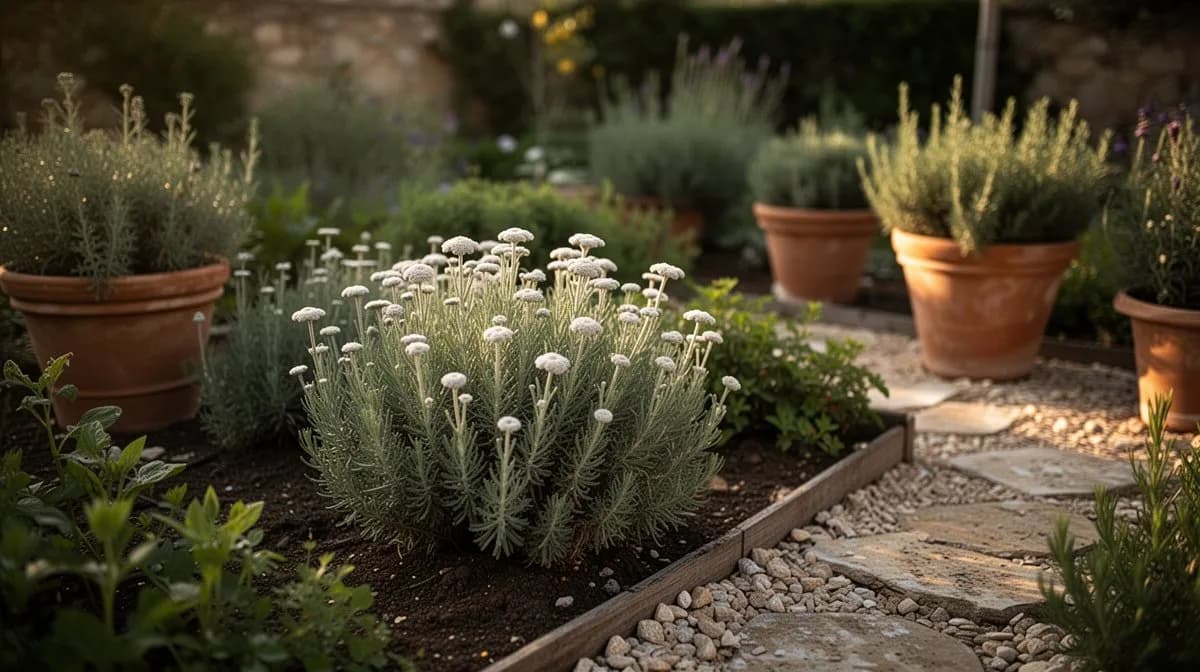
Santolina pairs beautifully with other drought-tolerant Mediterranean herbs in gravel gardens
- 1Plant santolina in the poorest, grittiest soil available. Rich, fertile soil causes floppy, open growth that lacks the compact silver mounding habit that makes this plant so attractive. Amend clay soils heavily with coarse grit and sharp sand.
- 2Full sun is essential for santolina. A minimum of 6-8 hours of direct sunlight daily ensures tight, compact growth and the most intense silver colouration in the foliage. Shade produces leggy, green, weak plants.
- 3Water sparingly and only during prolonged dry spells once plants are established. Santolina is adapted to Mediterranean drought conditions and is far more likely to die from overwatering and root rot than from lack of water.
- 4Use gravel or stone mulch around the crown instead of organic bark or compost mulch. Organic mulches retain moisture against the stems and promote the crown rot that is the primary killer of santolina in cultivation.
- 5Prune hard after flowering in late summer, cutting back into green growth to maintain a tight dome shape. This single annual prune is the most critical care task and prevents the open, woody dieback that ruins older plants.
- 6Maintain a soil pH between 6.5 and 8.0. Santolina evolved on limestone soils and performs best in neutral to alkaline conditions. Add garden lime to acidic soils before planting.
- 7Space plants 45-60 cm apart for individual specimens or 30-40 cm apart for a continuous low hedge. Good air circulation between plants is critical for preventing fungal problems, especially in humid climates.
- 8Propagate from semi-hardwood cuttings in late summer rather than from seed. Cuttings root reliably in 4-6 weeks in a gritty mix and produce plants true to the parent, whereas seed-grown plants are variable.
- 9Avoid fertilising santolina. Nitrogen-rich feeds produce lush green growth that is susceptible to frost damage, pest attack, and the loss of the attractive silver colouration that defines the species.
- 10In regions with wet winters, consider growing santolina in raised beds or on sloped ground where water drains away quickly. Standing water around the roots during winter dormancy is the most common cause of plant death.
Harvest santolina foliage anytime during the growing season by snipping stems for sachets and potpourri. The silver foliage is most aromatic in warm weather. For dried flower arrangements, cut flower stems when buds are fully colored but not yet fully open. The annual spring pruning provides a large quantity of aromatic clippings perfect for drying. Traditionally, branches were hung in wardrobes as a moth repellent.
Santolina is a classic choice for low knot-garden hedges and formal edging in Mediterranean-style gardens
Dry santolina by bundling stems and hanging in a warm, well-ventilated area, or spread clippings on screens. The dried foliage retains its silver color and pungent, camphor-like fragrance for many months. Store in paper bags or loosely in containers for use in moth-repellent sachets and potpourri. The dried yellow button flowers retain their shape and color well for dried arrangements. Combine with lavender for an effective and pleasant moth-repelling blend.
Plan your garden with ease
Love growing Santolina? Use our free garden planner to design your beds, track planting dates, and get personalized care reminders.
Nutritional Info
Per 100g serving
35
Calories
Health Benefits
- Contains santolina alcohol and artemisia ketone, aromatic compounds studied for antimicrobial properties
- Rich in essential oils with documented insect-repelling and antifungal activity
- Traditional herbal preparations used the plant as a digestive tonic and anti-parasitic remedy
- Not commonly consumed as a food herb but used in small quantities in traditional herbal teas
- Contains flavonoids and phenolic compounds with antioxidant potential identified in phytochemical studies
- Primarily valued for its aromatic and topical applications rather than dietary nutritional content
💰 Why Grow Your Own?
A santolina plant costs $5-10 at a nursery and can live for 10-15 years with proper pruning and drainage. It produces abundant foliage for dried sachets that replace commercial moth repellent products costing $8-15 per pack. A single mature plant yields enough material for 10-15 sachets per season, saving $80-150 annually on commercial insect repellents alone. Propagation from cuttings is free and straightforward, allowing you to create an entire low hedge from one original plant. As a drought-tolerant evergreen, santolina also reduces water bills compared to thirsty ornamental alternatives.
Quick Recipes
Simple recipes using fresh Santolina
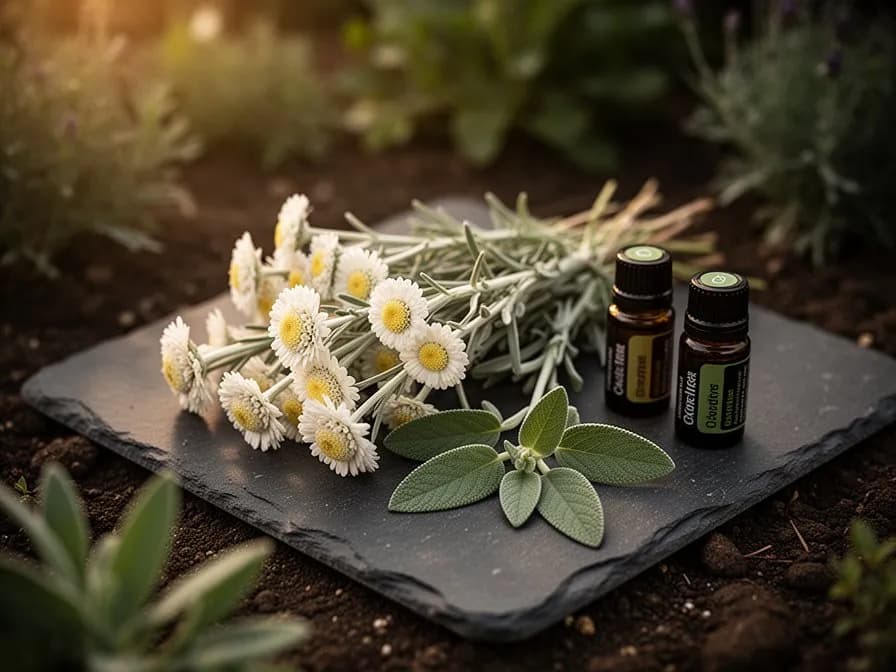
Santolina Moth-Repellent Sachets
20 minutes + drying timeThese fragrant sachets harness santolina's natural insect-repelling properties to protect clothing and linens from moths. The aromatic oils in the dried foliage and flowers provide a pleasant herbal scent while keeping pests at bay. A traditional craft that has been used in Mediterranean households for centuries.
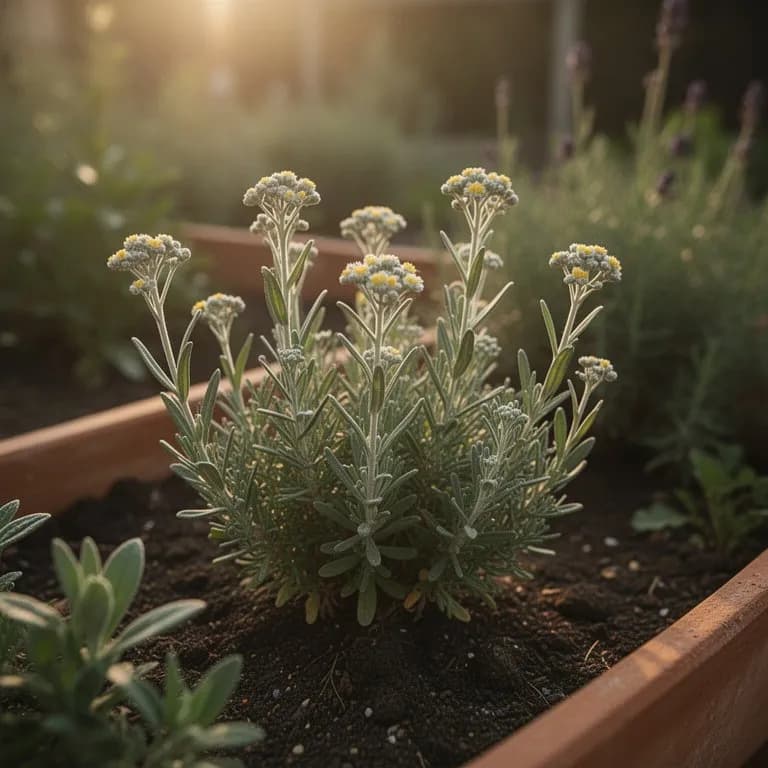
Santolina Herbal Foot Soak
15 minutesA soothing herbal foot soak that uses the anti-inflammatory and antifungal properties traditionally attributed to santolina. The aromatic steam provides a calming, spa-like experience while the herbal compounds help refresh tired feet. A simple way to enjoy santolina's therapeutic heritage at home.
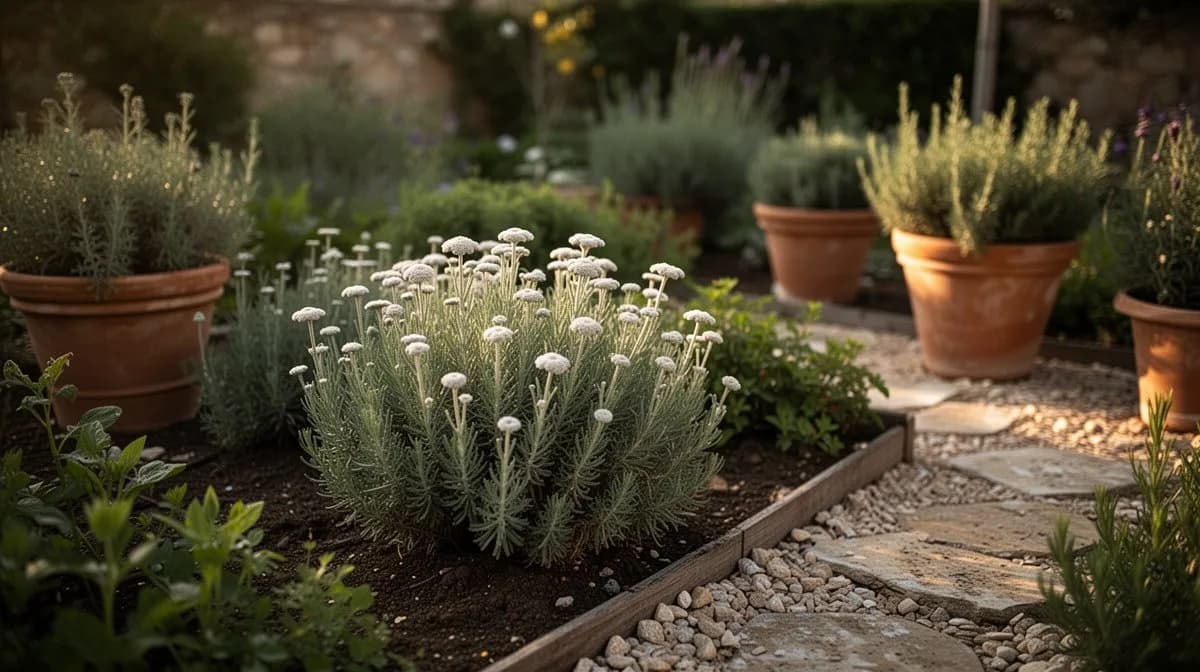
Santolina and Herb Garden Vinegar
10 minutes + 2 weeks infusionAn aromatic herbal vinegar infused with santolina and companion herbs from the Mediterranean garden. Use as a household surface cleaner, hair rinse, or garden insect spray when diluted. This versatile preparation captures santolina's antimicrobial properties in a practical, everyday form.
Yield & Spacing Calculator
See how many Santolina plants fit in your garden bed based on the recommended 45cm spacing.
4
Santolina plants in a 4×4 ft bed
2 columns × 2 rows at 45cm spacing
Popular Varieties
Some of the most popular santolina varieties for home gardeners, each with unique characteristics.
Santolina chamaecyparissus (standard)
Classic silver-leaved cotton lavender with bright yellow button flowers. The most widely grown species for hedging and aromatic gardens.
Santolina rosmarinifolia
Green-leaved species with narrow, rosemary-like foliage and lemon-yellow flowers. Less silver but more delicate in texture.
Santolina chamaecyparissus 'Lemon Queen'
Compact selection with pale lemon-yellow flowers rather than the typical bright yellow. Especially attractive in pastel-themed gardens.
Santolina chamaecyparissus 'Nana'
Dwarf form reaching just 20-25cm tall. Perfect for miniature knot gardens, containers, and rock garden edges.
When should I plant Santolina?
Plant Santolina in March, April, May. It takes approximately 120 days to reach maturity, with harvest typically in June, July, August.
What are good companion plants for Santolina?
Santolina grows well alongside Lavender, Rosemary, Sage. Companion planting can improve growth, flavor, and natural pest control.
What hardiness zones can Santolina grow in?
Santolina thrives in USDA hardiness zones 6 through 10. With greenhouse protection, it may be grown in zones 4 through 11.
How much sun does Santolina need?
Santolina requires Full Sun (6-8h+). This means at least 6-8 hours of direct sunlight daily.
How far apart should I space Santolina?
Space Santolina plants 45cm (18 inches) apart for optimal growth and air circulation.
What pests and diseases affect Santolina?
Common issues include Root Rot, Die-back. Prevention through good garden practices like crop rotation, proper spacing, and companion planting is the best approach. See the detailed pests and diseases section above for symptoms, prevention, and treatment for each.
How do I store Santolina after harvest?
Dry santolina by bundling stems and hanging in a warm, well-ventilated area, or spread clippings on screens. The dried foliage retains its silver color and pungent, camphor-like fragrance for many months. Store in paper bags or loosely in containers for use in moth-repellent sachets and potpourri. T...
What are the best Santolina varieties to grow?
Popular varieties include Santolina chamaecyparissus (standard), Santolina rosmarinifolia, Santolina chamaecyparissus 'Lemon Queen', Santolina chamaecyparissus 'Nana'. Each has unique characteristics suited to different growing conditions and culinary preferences. See the varieties section above for detailed descriptions.
What soil does Santolina need?
Santolina demands lean, sharply drained soil with a pH of 6.5-8.5. Poor, gravelly, sandy, or chalky soils are ideal. Never enrich the soil with compost or manure. Mix grit into planting holes in average garden soil. No fertilizer is needed or wanted—lean conditions produce the densest, most silvery,...
Is santolina edible or safe to consume?
Santolina is not commonly used as a culinary herb and should not be consumed in large quantities. While small amounts have been used in traditional herbal teas and folk medicine, the plant contains potent essential oils including camphor derivatives that can cause stomach upset if ingested in excess. It is primarily valued as an ornamental and aromatic plant for sachets, potpourri, and insect-repelling applications rather than for eating. If using in herbal preparations, consult a qualified herbalist for guidance on safe dosages.
Why is my santolina becoming woody and bare in the centre?
This is the most common problem with santolina and is almost always caused by insufficient pruning. Without a hard annual trim after flowering, the plant puts energy into extending old woody stems while the centre becomes bare and open. The solution is to prune vigorously each year in late summer, cutting back into green leafy growth and shaping the plant into a compact dome. Avoid cutting into completely bare old wood, as it may not regenerate. If a plant is severely overgrown with a large bare woody centre, it is usually better to replace it with a fresh plant or rooted cutting and maintain the new one with annual pruning from the start.
Can santolina survive cold winters?
Established santolina is surprisingly cold-hardy for a Mediterranean plant, tolerating temperatures down to -15°C (USDA Zone 5) when grown in sharply drained soil. The key to winter survival is drainage, not temperature. Santolina dies in cold, waterlogged soil far more readily than in cold, dry soil. Plant on slopes or in raised beds, use gravel mulch, and avoid watering in late autumn. In very cold regions, a loose covering of evergreen boughs provides wind protection without trapping moisture.
How do I use santolina as a natural moth and insect repellent?
Harvest santolina stems and foliage during the post-bloom pruning in late summer and dry them thoroughly by hanging small bundles upside down in a warm, well-ventilated area for 2-3 weeks. Once completely dry, strip the leaves and flower heads from the stems and fill small muslin or organza sachets. Place these sachets in wardrobes, drawers, storage chests, and linen cupboards to repel moths, silverfish, and other fabric-damaging insects. Replace sachets every 6-12 months as the aromatic oils gradually diminish. Crushing the sachet occasionally between your fingers releases fresh scent.
What are the best companion plants for santolina?
Santolina pairs beautifully with other drought-tolerant Mediterranean plants that share its preference for poor soil, full sun, and sharp drainage. Excellent companions include lavender, rosemary, thyme, artemisia, cistus, and ornamental grasses like Stipa tenuissima. In a formal garden setting, santolina makes a stunning low hedge border alongside clipped box or germander. Avoid planting santolina next to moisture-loving plants like hostas or ferns, as their watering requirements are completely incompatible and the excess moisture will cause santolina to rot.
How often should I replace santolina plants?
With good pruning, santolina can remain attractive for 8-12 years, but most gardeners find that plants start to decline after 5-7 years as the woody base becomes increasingly dominant. Signs that replacement is needed include a large bare woody centre that does not respond to pruning, dieback of major branches, and a generally sparse, untidy appearance. The good news is that replacing santolina is inexpensive: take cuttings from the best remaining growth in late summer, root them in gritty compost, and have replacement plants ready to go within a few months at no cost.
Ready to Grow Santolina?
Add Santolina to your garden plan and start designing your perfect layout.

Vladimir Kusnezow
Gardener and Software Developer
Zone 6b gardener. Growing vegetables and fruits in soil and hydroponics for 6 years. I built PlotMyGarden to plan my own gardens.
Jump to Section