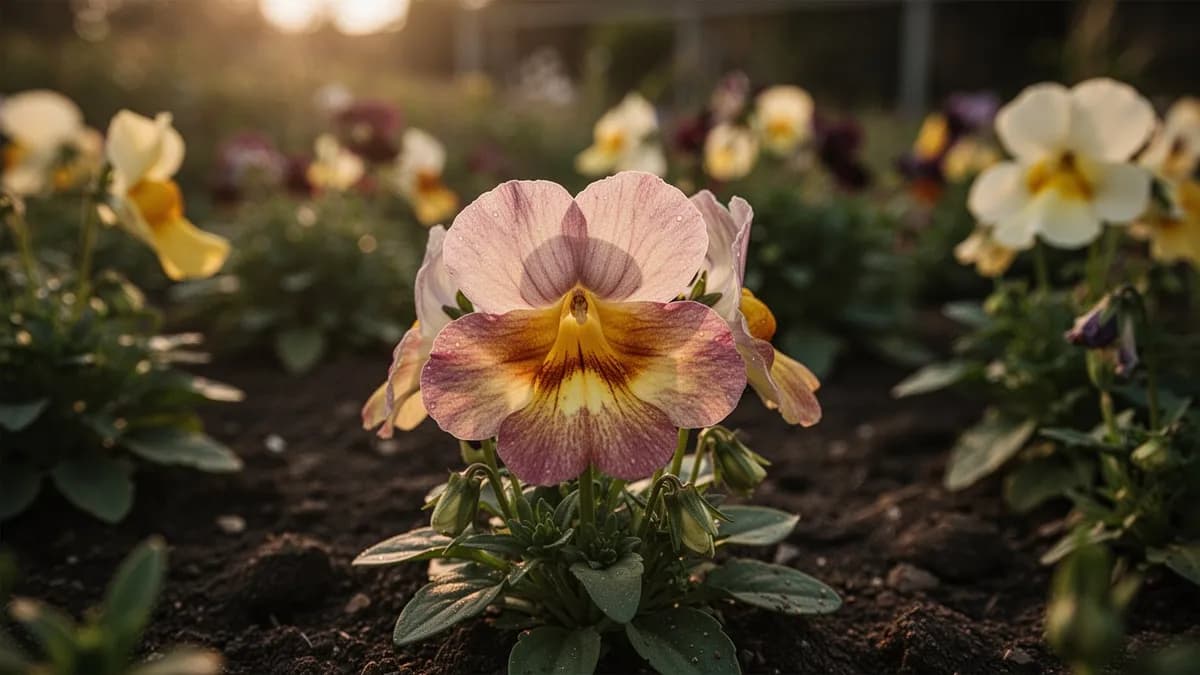
Nemesia
Nemesia strumosa
At a Glance
A South African annual with sweetly scented, snapdragon-like flowers in bicolor combinations of yellow, orange, pink, and purple. Nemesia performs best in cool weather and is ideal for spring and fall plantings in containers and borders. Cut back after the first bloom flush to encourage reblooming when temperatures cool.
Planting & Harvest Calendar
Growth Stages
From Seed to Harvest
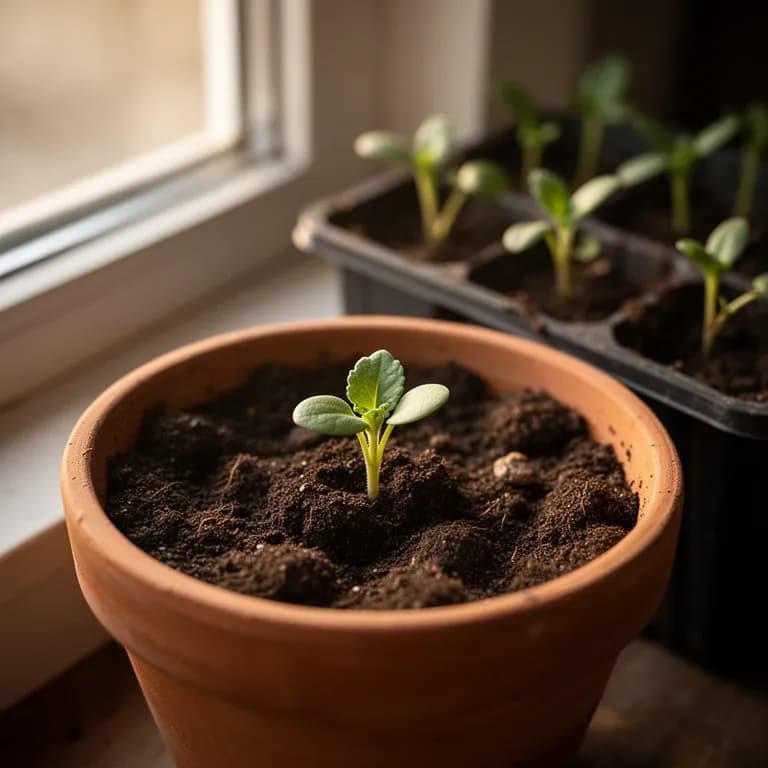
Seed Germination
Days 0–14
Nemesia seeds are tiny and should be surface-sown on moist, well-drained seed-starting mix. They require light to germinate and should not be covered with soil. Germination occurs best at temperatures between 13 and 18 degrees Celsius. Keep the medium consistently moist but not waterlogged during this critical stage.
💡 Care Tip
Mist the surface gently with a spray bottle rather than watering from above, as the fine seeds can easily be displaced by heavy watering.
Monthly Care Calendar
What to do each month for your Nemesia
May
You are herePinch growing tips to promote bushier growth. Begin regular feeding with a balanced liquid fertilizer every two weeks. Monitor soil moisture and water when the top centimeter of soil feels dry.
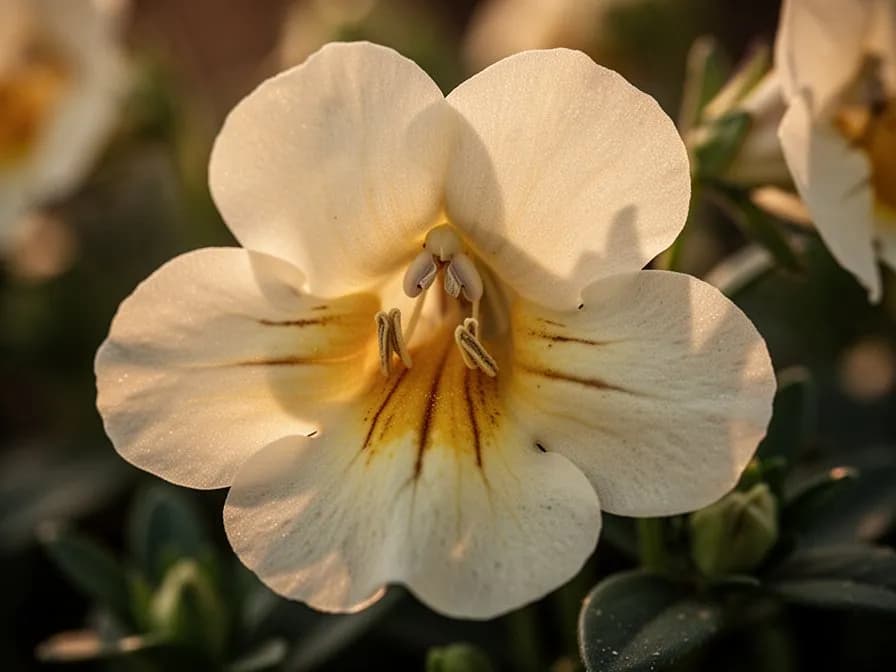
Regular deadheading keeps nemesia plants tidy and promotes continuous flowering throughout the season.
Did You Know?
Fascinating facts about Nemesia
Nemesia is named after the Greek word 'nemesion,' which was used by the ancient physician Dioscorides to describe a similar-looking snapdragon-like plant in his herbal texts from the first century.
Nemesia is typically purchased as nursery transplants, as many modern varieties are hybrid cultivars propagated vegetatively. Plant outdoors in early spring or fall when temperatures are cool, spacing six to eight inches apart in full sun to partial shade. Nemesia thrives at temperatures between 50 and 65 degrees Fahrenheit and struggles once the mercury rises above 75 degrees consistently.
Provide rich, moist, well-drained soil with ample organic matter. Water consistently to keep soil evenly moist but never waterlogged. Nemesia is sensitive to both drought stress and overwatering. Mulch lightly to maintain cool soil temperatures and retain moisture. In warm climates, plant in a location that receives morning sun and afternoon shade for the longest bloom season.
When the first flush of blooms fades in late spring, shear plants back by half to encourage fresh growth. Resume feeding with a balanced liquid fertilizer, and plants will rebloom vigorously when fall temperatures cool. In mild winter areas zones 9 through 11, nemesia can flower through winter. Pinch growing tips of young plants to encourage branching and a bushier habit. Feed every two weeks during active growth.
Nemesia strumosa is native to the sandy coastal plains and rocky slopes of the Western Cape region of South Africa, where it grows as a wildflower in the nutrient-poor, well-drained soils of the fynbos biome. The genus was first formally described by the French botanist Etienne Pierre Ventenat in 1803, drawing on specimens collected during early botanical expeditions to the Cape of Good Hope. The name Nemesia is believed to derive from an ancient Greek term used by the physician Dioscorides for a snapdragon-like plant, though the connection between the Greek plant and the South African genus is purely nominal rather than botanical. European plant collectors brought nemesia seeds back to botanical gardens in England and the Netherlands during the early nineteenth century, where the species quickly gained popularity as a cool-season bedding plant due to its vibrant color range and compact growing habit. By the mid-twentieth century, selective breeding programs in Europe and Japan had expanded the available color palette from the original yellow and white wild forms to include deep blues, purples, pinks, oranges, reds, and striking bicolored combinations. A major breakthrough came in the 1990s and early 2000s when breeders developed interspecific hybrids by crossing Nemesia strumosa with the perennial species Nemesia caerulea, producing cultivars with improved heat tolerance, a longer blooming season, and notable fragrance. These modern hybrids, marketed under brand names such as Sunsatia, Aromance, and Nesia, transformed nemesia from a niche cool-climate annual into a widely grown ornamental plant suitable for containers, borders, and hanging baskets in temperate gardens around the world. Today nemesia remains a staple of spring and autumn planting schemes in regions with mild climates, prized for its cheerful blooms and adaptability.
Seed-grown nemesia varieties should be started indoors eight to ten weeks before the last frost. Sow tiny seeds on the surface of moist seed-starting mix and press gently without covering, as light aids germination. Keep temperatures at 55 to 65 degrees Fahrenheit for best results. Seeds germinate in seven to fourteen days. Grow seedlings in cool conditions around 50 to 55 degrees for compact, sturdy plants. Transplant outdoors in early spring when nighttime temperatures are above 35 degrees. Most hybrid varieties are purchased as transplants.
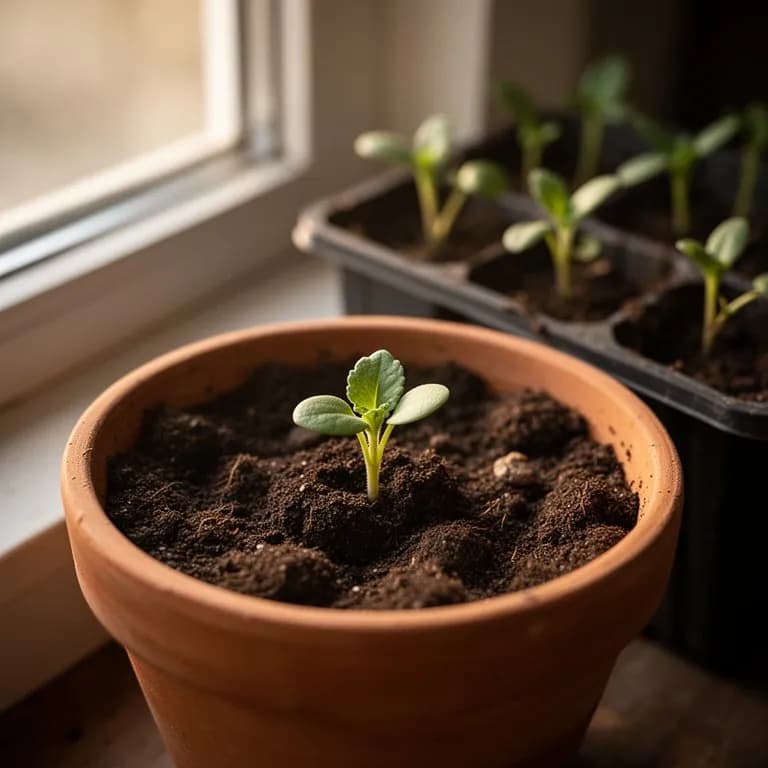
Nemesia seedlings typically emerge within 7 to 14 days when kept at cool temperatures.
Nemesia prefers rich, moist, well-drained soil with a pH of 5.5 to 6.5, on the acidic side. Amend planting areas with compost and peat moss to create an organically rich growing medium. Feed every two weeks with a balanced liquid fertilizer during active blooming periods. Container plants benefit from a slow-release fertilizer mixed into the potting soil. Reduce feeding during hot weather when plants are dormant. Iron-containing fertilizers help prevent leaf yellowing in alkaline soils.
Check Your Zone
See if Nemesia is suitable for your location.
5°C – 24°C
41°F – 75°F
Nemesia thrives in cool to mild temperatures and performs best when daytime highs remain between 15 and 24 degrees Celsius. Growth and flowering slow significantly above 27 degrees Celsius, and prolonged heat above 30 degrees Celsius often causes plants to stop blooming and become leggy. Nemesia tolerates light frost down to about minus 2 degrees Celsius for brief periods, but sustained freezing temperatures will damage or kill the plants. In warm climates, nemesia is best grown as a cool-season annual planted in autumn for winter and spring flowering.
Common issues affecting Nemesia and how to prevent and treat them organically.
Heat intolerance is the primary limitation of nemesia. Plants stop flowering and may decline when temperatures consistently exceed 75 degrees Fahrenheit. Plan for spring and fall bloom periods in most climates. Overwatering leads to root rot, while underwatering causes wilting and flower drop. In alkaline soil, iron chlorosis causes yellowing between leaf veins. Nemesia benefits from a hard shearing after the first bloom flush to rejuvenate growth for fall flowers.
Nemesia combines beautifully with other cool-season flowers including pansies, violas, alyssum, and lobelia in spring and fall containers and borders. Its sweet fragrance and compact habit make it an excellent front-of-border plant. Pair with taller cool-season flowers like snapdragons and stock for layered spring arrangements. Nemesia works well in mixed container plantings with trailing calibrachoa and upright osteospermum for seasonal color combinations.
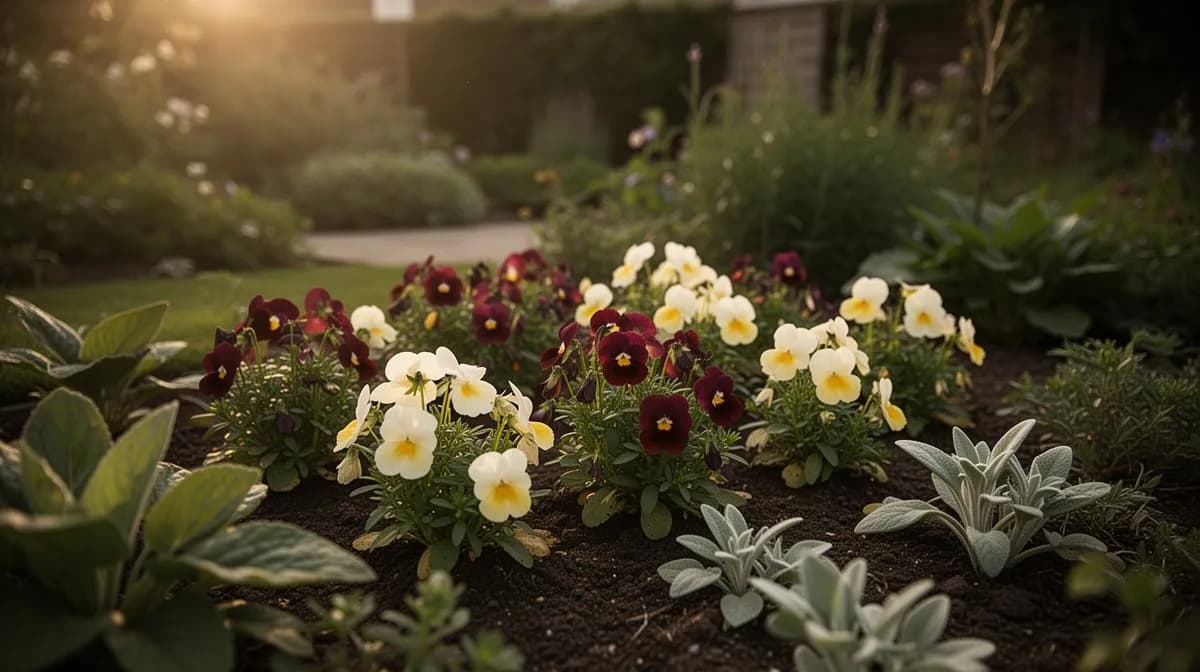
Nemesia pairs beautifully with other cool-season annuals like lobelia, alyssum, and diascia.
- 1Sow nemesia seeds on the surface of the growing medium and press lightly without covering, as the seeds need light to germinate successfully.
- 2Keep seed-starting temperatures between 13 and 18 degrees Celsius for best germination rates, as higher temperatures can inhibit sprouting.
- 3Pinch out the growing tips of young plants once they have developed four to six true leaves to encourage branching and a fuller, more floriferous habit.
- 4Plant nemesia in well-drained soil enriched with compost, as the species is native to sandy soils and will suffer root rot in heavy, waterlogged conditions.
- 5Provide morning sun and afternoon shade in regions where summer temperatures regularly exceed 25 degrees Celsius to prevent heat stress and extend the blooming period.
- 6Water nemesia consistently at soil level rather than overhead to reduce the risk of fungal diseases such as botrytis and powdery mildew on the foliage and flowers.
- 7Feed every two weeks with a half-strength balanced liquid fertilizer during active growth, switching to a high-phosphorus formula when buds begin to form.
- 8Cut plants back by one third when flowering slows in midsummer to stimulate a second flush of blooms as cooler autumn temperatures arrive.
- 9In mild winter climates, sow nemesia seeds in early autumn for a vibrant winter and spring flower display that takes advantage of cool growing conditions.
- 10Grow nemesia alongside compatible cool-season companions such as lobelia, diascia, osteospermum, and sweet alyssum for a harmonious mixed container or border planting.
Nemesia flowers are small and best enjoyed on the plant rather than as cut flowers. For container displays, simply move pots to patios and entryways where the sweet fragrance can be appreciated. Deadhead spent blooms regularly to encourage continuous flowering. When the first major bloom flush fades, shear the entire plant back by half with scissors to trigger a fresh cycle of growth and blooms. Seed-grown varieties can be allowed to set seed for saving, though hybrid varieties produce unreliable offspring.
Nemesia is not suitable for cutting or drying due to its small flower size and delicate structure. In cold climates, take stem cuttings of favorite hybrid varieties in late summer, root them in moist perlite, and grow indoors through winter in a cool, bright window. Container plants can be brought indoors before frost. Overwintering requires cool temperatures around 50 to 55 degrees and bright light. Seeds from open-pollinated varieties store for one to two years in cool, dry conditions.
Plan your garden with ease
Love growing Nemesia? Use our free garden planner to design your beds, track planting dates, and get personalized care reminders.
Nutritional Info
Per 100g serving
0
Calories
Health Benefits
- Nemesia is grown strictly as an ornamental plant and is not used for culinary or nutritional purposes.
- The flowers and foliage are not considered edible and should not be consumed.
- No significant nutritional research has been conducted on nemesia as it has no history of use as a food plant.
- While some related species in the Scrophulariaceae family have traditional medicinal uses, nemesia itself is not used in herbal medicine.
💰 Why Grow Your Own?
A single packet of nemesia seeds typically costs between 2 and 5 dollars and contains 200 to 500 seeds, enough to fill multiple containers and garden borders. By comparison, purchasing six-packs of nursery-grown nemesia transplants costs 4 to 8 dollars each. Starting from seed can save 80 to 90 percent compared to buying transplants, and because nemesia self-sows readily in favorable conditions, you may get successive seasons of blooms from a single initial purchase with no additional cost.
Quick Recipes
Simple recipes using fresh Nemesia
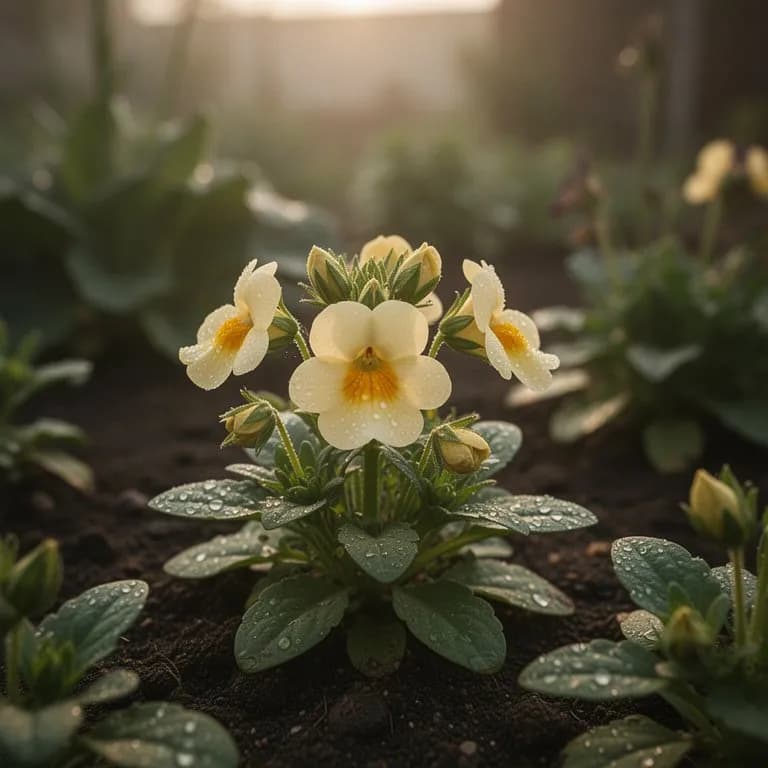
Nemesia Pressed Flower Greeting Cards
30 minutes plus 2 weeks drying timeCreate beautiful handmade greeting cards featuring pressed nemesia blooms. The vibrant bicolored flowers retain much of their color when dried and pressed, making them ideal for botanical art and personalized stationery.
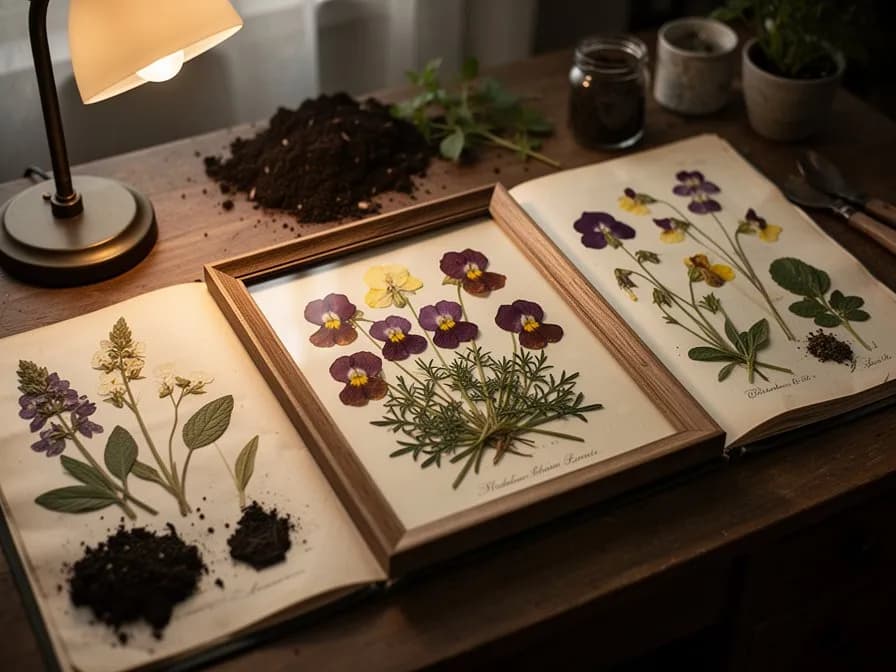
Nemesia Floral Arrangement for a Spring Table
20 minutesArrange freshly cut nemesia stems with complementary flowers for a cheerful spring centerpiece. The delicate racemes of nemesia add texture and color variety to mixed bouquets and last well in water for five to seven days when properly conditioned.
Nemesia Potpourri Blend
15 minutes plus 3 to 4 weeks drying timeFragrant nemesia hybrid blooms can be dried and combined with other aromatic materials to create a gentle potpourri. The subtle vanilla and coconut notes of scented varieties add a unique character to homemade sachets and decorative bowls.
Yield & Spacing Calculator
See how many Nemesia plants fit in your garden bed based on the recommended 20cm spacing.
36
Nemesia plants in a 4×4 ft bed
6 columns × 6 rows at 20cm spacing
Popular Varieties
Some of the most popular nemesia varieties for home gardeners, each with unique characteristics.
Sunsatia Series
Vigorous trailing variety ideal for hanging baskets and containers, with a long bloom season in lemon, coconut, blood orange, and cranberry shades.
Aromance Series
Fragrant, compact plants with large flowers in rose, pink, white, and blue, bred for improved heat tolerance.
Poetry Series
Soft pastel blooms in lavender, pink, and white with a sweet fragrance, creating an elegant, romantic display.
Nesia Series
Heat-tolerant hybrid with improved summer performance, available in bicolor combinations of yellow, pink, and purple.
Nemesia strumosa varieties offer a broad palette from warm yellows and oranges to cool blues and purples.
When should I plant Nemesia?
Plant Nemesia in March, April, September. It takes approximately 50 days to reach maturity, with harvest typically in April, May, June, October, November.
What are good companion plants for Nemesia?
Nemesia grows well alongside Pansy, Sweet Alyssum, Lobelia. Companion planting can improve growth, flavor, and natural pest control.
What hardiness zones can Nemesia grow in?
Nemesia thrives in USDA hardiness zones 9 through 12. With greenhouse protection, it may be grown in zones 7 through 13.
How much sun does Nemesia need?
Nemesia requires Full Sun (6-8h+). This means at least 6-8 hours of direct sunlight daily.
How far apart should I space Nemesia?
Space Nemesia plants 20cm (8 inches) apart for optimal growth and air circulation.
What pests and diseases affect Nemesia?
Common issues include Aphids, Downy Mildew, Root Rot. Prevention through good garden practices like crop rotation, proper spacing, and companion planting is the best approach. See the detailed pests and diseases section above for symptoms, prevention, and treatment for each.
How do I store Nemesia after harvest?
Nemesia is not suitable for cutting or drying due to its small flower size and delicate structure. In cold climates, take stem cuttings of favorite hybrid varieties in late summer, root them in moist perlite, and grow indoors through winter in a cool, bright window. Container plants can be brought i...
What are the best Nemesia varieties to grow?
Popular varieties include Sunsatia Series, Aromance Series, Poetry Series, Nesia Series. Each has unique characteristics suited to different growing conditions and culinary preferences. See the varieties section above for detailed descriptions.
What soil does Nemesia need?
Nemesia prefers rich, moist, well-drained soil with a pH of 5.5 to 6.5, on the acidic side. Amend planting areas with compost and peat moss to create an organically rich growing medium. Feed every two weeks with a balanced liquid fertilizer during active blooming periods. Container plants benefit fr...
Why has my nemesia stopped flowering in the middle of summer?
Nemesia is a cool-season plant that naturally slows or stops blooming when temperatures consistently exceed 27 degrees Celsius. This is not a sign of poor health but rather the plant's natural response to heat. Cut the plant back by one third, keep it watered, and it will typically resume flowering when cooler temperatures return in autumn.
Can nemesia be grown as a perennial?
Nemesia strumosa is typically grown as an annual, but some modern hybrid cultivars bred from crosses with the perennial species Nemesia caerulea can behave as short-lived perennials in USDA zones 9 to 11. In colder zones, all nemesia should be treated as annuals or overwintered in a frost-free greenhouse.
How do I prevent nemesia from becoming leggy and sparse?
Leggy growth is usually caused by too much heat, insufficient light, or a lack of pinching during early growth. Ensure plants receive at least six hours of direct light daily, pinch growing tips when plants are young, and cut back by one third if they become stretched. Consistent deadheading also promotes compact, bushy regrowth.
Is nemesia safe to plant around pets and children?
Nemesia is not listed as toxic by the ASPCA or major poison control databases, and it is generally considered safe to grow around pets and children. However, as with any ornamental plant, it is not intended for consumption, so it is best to discourage eating any part of the plant.
What pests and diseases commonly affect nemesia?
The most common pests are aphids, which cluster on new growth and flower buds, and whiteflies in greenhouse settings. Fungal issues such as botrytis gray mold and powdery mildew can occur in humid conditions or with overhead watering. Good air circulation, proper spacing, and watering at soil level help prevent most disease problems.
Can I collect and save seeds from hybrid nemesia varieties?
You can collect seeds from any nemesia that sets seed pods, but seeds saved from hybrid varieties will not come true to the parent plant. The offspring may display different colors, sizes, or growth habits. For consistent results, it is best to purchase fresh seed or propagate named cultivars from stem cuttings taken in late summer.
Ready to Grow Nemesia?
Add Nemesia to your garden plan and start designing your perfect layout.

Vladimir Kusnezow
Gardener and Software Developer
Zone 6b gardener. Growing vegetables and fruits in soil and hydroponics for 6 years. I built PlotMyGarden to plan my own gardens.
Jump to Section