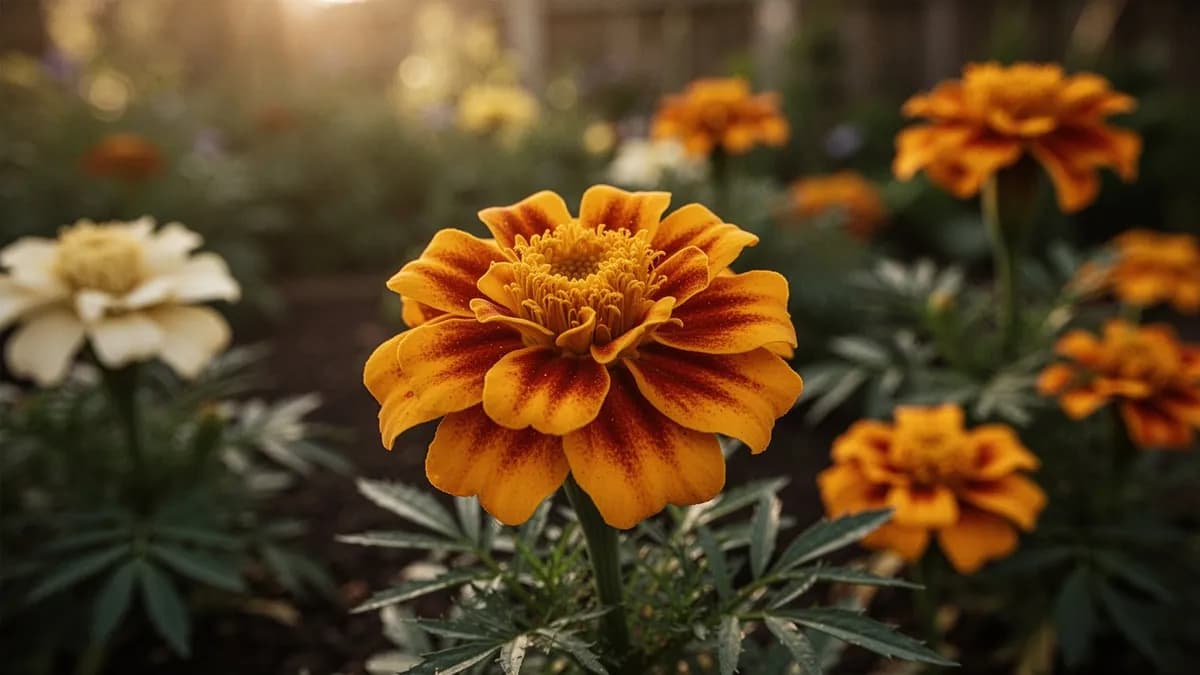
Signet Marigold
Tagetes tenuifolia
At a Glance
It's planting season for Signet Marigold! Start planning your garden now.
A dainty marigold with lacy foliage and small, edible flowers in yellow and orange. Signet marigolds have a citrusy flavor that makes them popular for garnishing salads and desserts. They form compact mounds ideal for edging and containers and require virtually no maintenance beyond occasional watering.
Planting & Harvest Calendar
Growth Stages
From Seed to Harvest
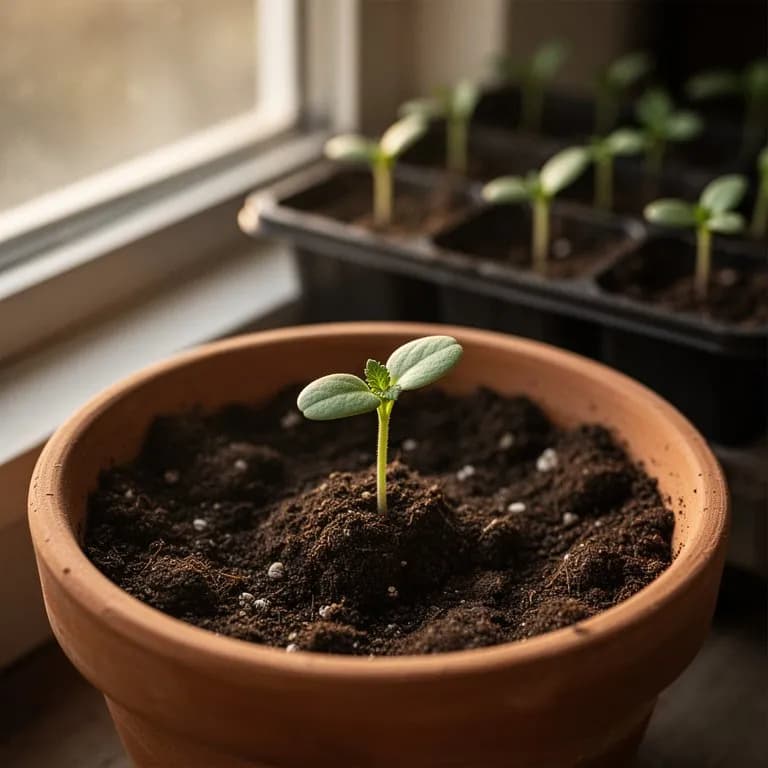
Seed Germination
Days 0–7
Signet marigold seeds germinate quickly in warm soil. Sow seeds 1/4 inch deep in moist seed-starting mix at 70-75°F. Seeds are small and elongated, requiring light surface coverage rather than deep burial.
💡 Care Tip
Keep the soil consistently moist but not waterlogged. Use a spray bottle to avoid displacing the tiny seeds. Bottom heat from a seedling mat can accelerate germination to as few as 4 days.
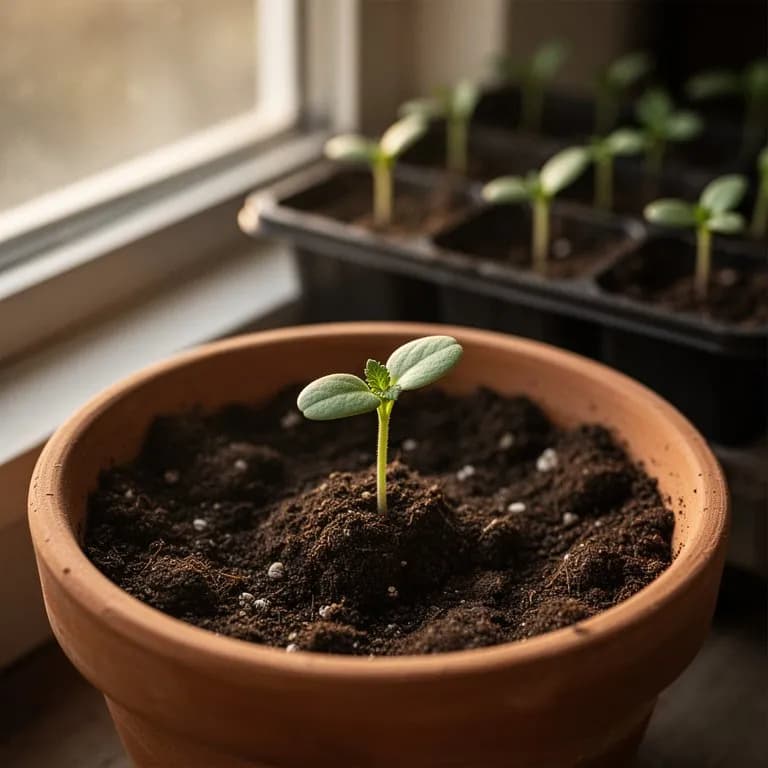
Young signet marigold seedlings showing their characteristic finely divided foliage
Monthly Care Calendar
What to do each month for your Signet Marigold
May
You are hereTransplant hardened-off seedlings to the garden in most zones. Space plants 8-10 inches apart. Water deeply after planting and apply a thin layer of mulch. Pinch growing tips to encourage branching.
Did You Know?
Fascinating facts about Signet Marigold
Signet marigolds (Tagetes tenuifolia) have a distinctly different flavor from other marigold species, often described as a blend of citrus and tarragon with subtle spicy notes, making them one of the most popular edible flowers worldwide.
Sow signet marigold seeds directly outdoors after the last frost, or start indoors four to six weeks earlier for a head start. Seeds germinate quickly in five to seven days at 70 to 75 degrees Fahrenheit. Space transplants or thin seedlings to eight to ten inches apart in full sun. Signet marigolds form neat, compact mounds of lacy, finely divided foliage that rarely exceed twelve inches in height.
These diminutive marigolds are exceptionally easy to grow and tolerate a wide range of conditions including heat, drought, and poor soil. Water moderately at planting and then only during prolonged dry spells, as signet marigolds are quite drought-tolerant. They rarely need deadheading, as the small single flowers drop cleanly and new buds continue to appear without intervention.
Signet marigolds are virtually pest-free and disease-resistant, making them ideal for organic gardens and edible plantings. Their compact size makes them perfect for edging vegetable beds, lining pathways, and filling containers. The lacy foliage has a pleasant citrus scent when brushed, and the entire plant remains tidy and attractive from planting through the first frost without any pruning or shaping.
Signet marigold (Tagetes tenuifolia) is native to the mountainous regions of Mexico and Central America, where it grows as a wildflower in dry, rocky soils at elevations between 3,000 and 7,000 feet. The genus Tagetes belongs to the Asteraceae family and comprises approximately 50 species, all originating in the Americas. Archaeological evidence suggests that indigenous Aztec and Maya peoples cultivated various Tagetes species for ceremonial, medicinal, and culinary purposes for over 2,000 years before European contact. The Aztecs called marigolds 'cempasuchil' and used them extensively in rituals honoring the dead, a tradition that persists today in the Mexican Dia de los Muertos celebrations. Spanish explorers brought marigold seeds to Europe in the sixteenth century, where the plants were initially grown in monastery gardens for medicinal use and as a saffron substitute for coloring food. Signet marigolds were formally described by the French botanist Joseph Pitton de Tournefort in the early eighteenth century, and the species name tenuifolia was later established by the Swedish taxonomist Carl Linnaeus in 1753. By the nineteenth century, signet marigolds had spread throughout European and Asian gardens, prized for their compact growth habit and edible flowers. In the twentieth century, plant breeders developed improved cultivars including the widely popular Gem series, introduced by the PanAmerican Seed company, which offered vibrant lemon yellow, tangerine orange, and deep red-gold color options. Today, signet marigolds are grown on every inhabited continent and are especially valued in organic and permaculture gardens for their pest-repellent properties, pollinator attraction, and culinary versatility.
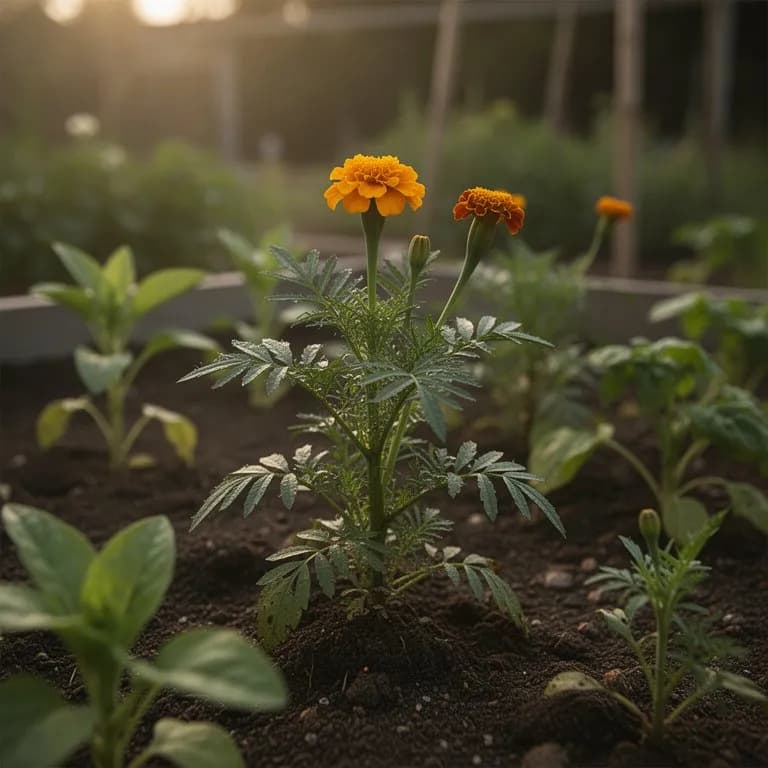
The delicate, ferny foliage of Tagetes tenuifolia releases a citrusy aroma when brushed
Signet marigold seeds are slightly smaller than those of French or African marigolds but still easy to handle. Direct sow after the last frost, pressing seeds a quarter inch into the soil surface, or start indoors four to six weeks early. Seeds germinate in five to seven days at 70 degrees Fahrenheit. Thin or transplant to eight to ten inches apart. Signet marigolds self-sow readily in mild climates, so expect volunteer seedlings the following spring from any flowers that go to seed.
Signet marigolds thrive in average to poor, well-drained soil with a pH of 6.0 to 7.0. They actually perform better in lean soil, as rich conditions can cause excessive foliage growth. If your soil is very poor, a single light application of balanced fertilizer at planting is sufficient. Container plants benefit from diluted liquid fertilizer every three to four weeks. Avoid heavy feeding, which reduces the essential oil content that gives these plants their delightful fragrance and flavor.
Check Your Zone
See if Signet Marigold is suitable for your location.
15°C – 35°C
59°F – 95°F
Signet marigolds thrive in warm conditions between 15°C and 35°C (59-95°F). They tolerate heat and humidity well but are frost-sensitive annuals that will not survive temperatures below 0°C (32°F). Seeds germinate best at soil temperatures of 21-24°C (70-75°F). Plants may slow flowering during extreme heat above 38°C (100°F) but typically resume once temperatures moderate. In hot climates, afternoon shade can help maintain continuous bloom production.
Common issues affecting Signet Marigold and how to prevent and treat them organically.
Signet marigolds are among the most trouble-free annuals in the garden. The most common issue is overwatering in heavy soil, which can cause root rot. They may also decline in extremely hot, humid conditions, though they tolerate heat better than most cool-season flowers. Because the tiny flowers are self-cleaning, there is no need for deadheading. The only significant aesthetic issue is that plants may become slightly open in the center by late summer, which can be corrected by a light trim.
Signet marigolds make outstanding edging plants for vegetable gardens, where their root exudates help suppress nematodes while their abundant small flowers attract hoverflies and parasitic wasps that control aphids and caterpillars. Plant them alongside tomatoes, peppers, and herbs for both pest management and culinary use. Their compact habit makes them ideal companions for basil, parsley, and other herbs in container gardens and window boxes.
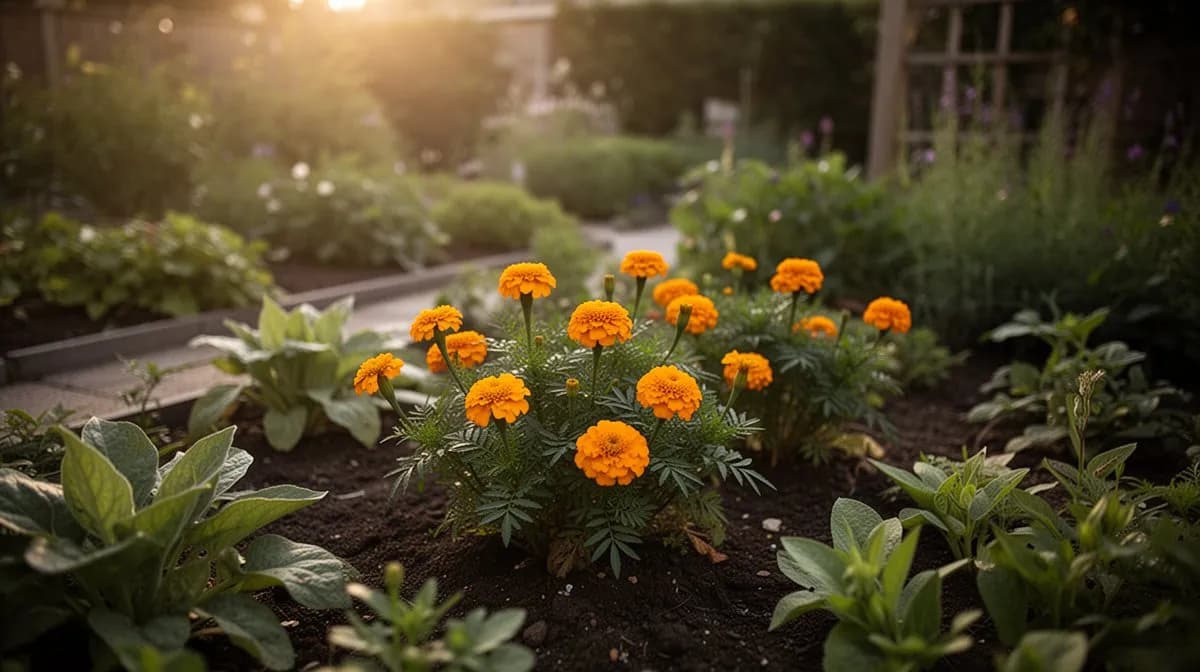
Signet marigolds make excellent companion plants, helping to repel whiteflies and aphids
- 1Start seeds indoors 6-8 weeks before your last frost date for the earliest flowers, or direct sow outdoors after all danger of frost has passed. Seeds germinate in 4-7 days at 70-75°F soil temperature.
- 2Space plants 8-10 inches apart in full sun for the best flower production. Signet marigolds tolerate partial shade but will produce significantly fewer blooms and may develop a leggy, open growth habit.
- 3Avoid over-fertilizing with nitrogen-rich products, which promote excessive leaf growth at the expense of flowers. A balanced slow-release fertilizer applied at planting time, supplemented with liquid feeding every 3-4 weeks, is sufficient.
- 4Water at the base of the plant rather than overhead to prevent foliar diseases. Signet marigolds are moderately drought-tolerant once established but produce the most flowers with consistent moisture of about 1 inch per week.
- 5Pinch the central growing tip when seedlings reach 4-5 inches tall to encourage lateral branching and a fuller, more compact plant shape with more flowering stems.
- 6Harvest edible flowers in the morning after dew has evaporated but before the heat of midday for the best flavor and longest vase life. Pull petals from the base to remove the slightly bitter green calyx.
- 7Plant signet marigolds around the borders of vegetable beds to take advantage of their nematode-suppressing root compounds and their ability to attract beneficial predatory insects like hoverflies and parasitic wasps.
- 8Grow in containers using a well-draining potting mix. A 10-12 inch pot can support 2-3 plants and will create a stunning cascade of flowers on patios, balconies, or windowsills throughout the summer.
- 9Allow a few flower heads to dry completely on the plant at the end of the season for easy seed saving. Store dried seeds in a labeled paper envelope in a cool, dry place for up to 3 years of viable germination.
- 10In regions with mild winters (zones 9-11), signet marigolds may self-sow and return the following spring. In cooler zones, treat them as tender annuals and replant each year after the frost-free date.
Harvest signet marigold flowers for culinary use when they are fully open, picking in the morning after dew has dried. Pinch individual flowers from the plant as needed. For seed saving, allow some flowers to dry on the plant until the seed heads become papery, then collect the slender dark seeds. Signet marigolds rarely need deadheading for appearance, as spent flowers drop cleanly, but removing them can slightly increase flower production.
Fresh signet marigold petals can be stored in a sealed container in the refrigerator for two to three days. For longer preservation, dry the petals by spreading them in a single layer on a screen in a warm, airy location out of direct sunlight for several days. Dried petals retain their color and can be stored in airtight jars for months. They can also be frozen in ice cubes for decorative drinks or pressed for craft projects.
Plan your garden with ease
Love growing Signet Marigold? Use our free garden planner to design your beds, track planting dates, and get personalized care reminders.
Nutritional Info
Per 100g serving
18
Calories
Health Benefits
- Rich in lutein and zeaxanthin carotenoids that support eye health and may reduce the risk of age-related macular degeneration
- Contains natural antioxidant compounds including flavonoids and phenolic acids that help neutralize free radicals
- Provides small but meaningful amounts of vitamins A and C when used regularly as a garnish or salad ingredient
- Low in calories and fat-free, making signet marigold petals a nutritious way to add color and flavor to meals
- Contains trace amounts of essential minerals including iron, manganese, and zinc
- The essential oils in petals include limonene and ocimene, aromatic compounds with mild antimicrobial properties
💰 Why Grow Your Own?
A single packet of signet marigold seeds costs $2-4 and contains 200-300 seeds, enough to grow dozens of plants. Each plant produces hundreds of edible flowers over the season, equivalent in value to several containers of specialty edible flowers sold at farmers markets for $4-6 per small clamshell. Additionally, signet marigolds self-seed readily and seeds are easy to save, meaning a one-time purchase can supply your garden for years. Their pest-repellent properties can also reduce spending on organic pest control products when interplanted with vegetables.
Quick Recipes
Simple recipes using fresh Signet Marigold

Signet Marigold Citrus Butter
10 minutesA vibrant compound butter infused with the citrus-tarragon flavor of fresh signet marigold petals. Perfect for melting over grilled fish, steamed vegetables, or warm crusty bread. The golden petals give the butter a beautiful natural color.
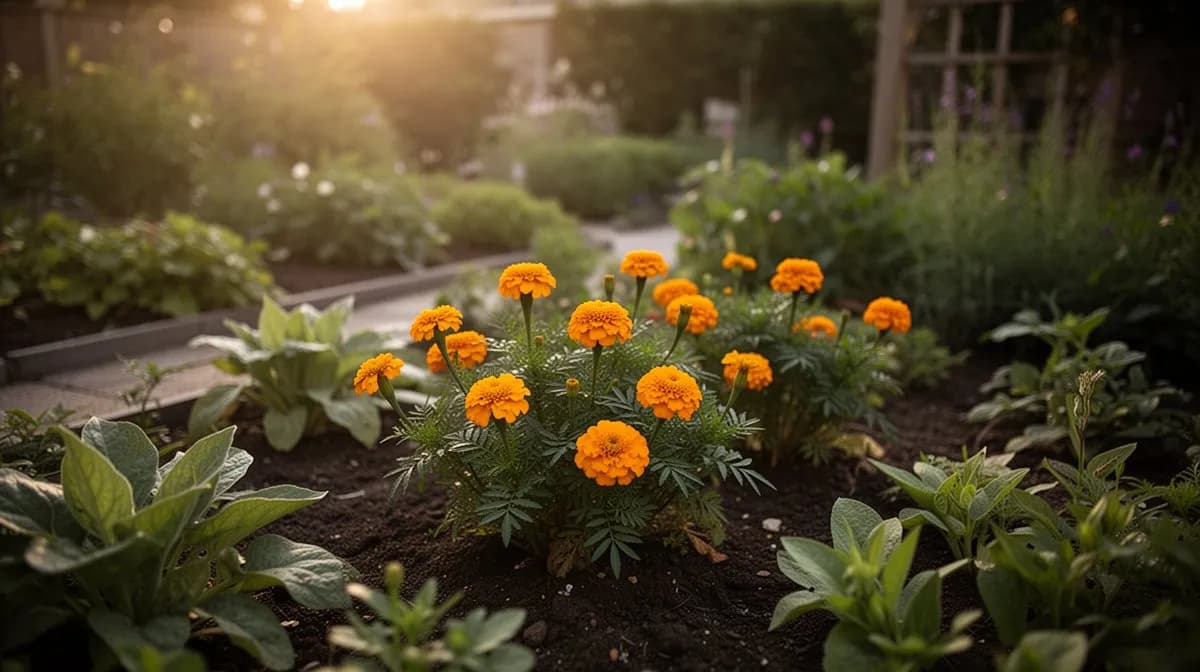
Marigold Petal and Herb Garden Salad
15 minutesA colorful summer salad featuring whole signet marigold flowers scattered over mixed greens with a light lemon vinaigrette. The flowers add peppery-citrus notes that complement fresh herbs and garden vegetables beautifully.
Signet Marigold Infused Honey
5 minutes active, 2 weeks infusionA fragrant infused honey that captures the citrusy, slightly spicy essence of signet marigold petals. Drizzle over yogurt, cheese boards, or use in tea for a floral sweetness that is entirely unique.
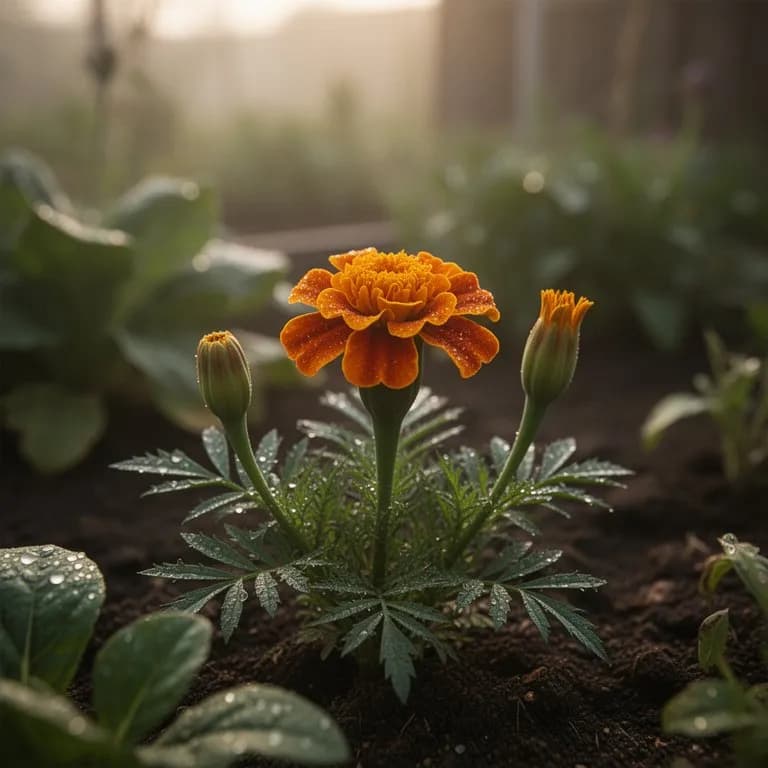
Edible signet marigold petals ready to add a citrus-tarragon flavor to salads and dishes
Yield & Spacing Calculator
See how many Signet Marigold plants fit in your garden bed based on the recommended 20cm spacing.
36
Signet Marigold plants in a 4×4 ft bed
6 columns × 6 rows at 20cm spacing
Popular Varieties
Some of the most popular signet marigold varieties for home gardeners, each with unique characteristics.
Lemon Gem
Clear yellow single flowers with a delightful citrus flavor on twelve-inch mounds of finely cut foliage, the most popular signet variety for edible gardens.
Tangerine Gem
Warm orange single flowers with the same citrusy flavor as Lemon Gem, equally compact and prolific, beautiful combined with its yellow sibling.
Red Gem
Rich reddish-orange flowers on compact plants, adding a warm, deeper tone to the signet marigold color palette.
Starfire Mix
A blend of yellow, orange, and red signet marigolds creating a multi-colored edging or container display with uniform compact habit.

Popular cultivars include Lemon Gem, Tangerine Gem, and Red Gem, each with distinct petal hues
Signet marigold petals have a pleasant citrusy, slightly tarragon-like flavor that makes them one of the most popular edible flowers. Use fresh petals to garnish salads, soups, rice dishes, and desserts. The petals add color to butter, cheese, and baked goods. They can be steeped in vinegar or oil to create infused dressings. Use only organically grown flowers and pull individual petals from the flower head for the mildest flavor.
When should I plant Signet Marigold?
Plant Signet Marigold in April, May, June. It takes approximately 50 days to reach maturity, with harvest typically in June, July, August, September, October.
What are good companion plants for Signet Marigold?
Signet Marigold grows well alongside Tomato, Basil, Marigold. Companion planting can improve growth, flavor, and natural pest control.
What hardiness zones can Signet Marigold grow in?
Signet Marigold thrives in USDA hardiness zones 2 through 11. With greenhouse protection, it may be grown in zones 1 through 12.
How much sun does Signet Marigold need?
Signet Marigold requires Full Sun (6-8h+). This means at least 6-8 hours of direct sunlight daily.
How far apart should I space Signet Marigold?
Space Signet Marigold plants 20cm (8 inches) apart for optimal growth and air circulation.
What pests and diseases affect Signet Marigold?
Common issues include Aphids, Root Rot, Slugs. Prevention through good garden practices like crop rotation, proper spacing, and companion planting is the best approach. See the detailed pests and diseases section above for symptoms, prevention, and treatment for each.
How do I store Signet Marigold after harvest?
Fresh signet marigold petals can be stored in a sealed container in the refrigerator for two to three days. For longer preservation, dry the petals by spreading them in a single layer on a screen in a warm, airy location out of direct sunlight for several days. Dried petals retain their color and ca...
What are the best Signet Marigold varieties to grow?
Popular varieties include Lemon Gem, Tangerine Gem, Red Gem, Starfire Mix. Each has unique characteristics suited to different growing conditions and culinary preferences. See the varieties section above for detailed descriptions.
What soil does Signet Marigold need?
Signet marigolds thrive in average to poor, well-drained soil with a pH of 6.0 to 7.0. They actually perform better in lean soil, as rich conditions can cause excessive foliage growth. If your soil is very poor, a single light application of balanced fertilizer at planting is sufficient. Container p...
Are signet marigold flowers really edible, and what do they taste like?
Yes, signet marigold (Tagetes tenuifolia) flowers are fully edible and are considered one of the best-tasting edible flowers available to home gardeners. The flavor is commonly described as a blend of citrus and tarragon with mild peppery and spicy undertones. The petals are the most flavorful part; remove the green calyx at the base of the flower as it can taste bitter. Use petals fresh in salads, as garnishes, infused into butter or honey, or as a colorful addition to baked goods.
What is the difference between signet marigolds and French or African marigolds?
Signet marigolds (Tagetes tenuifolia) are a distinct species with several key differences. They have finely divided, lacy foliage compared to the broader leaves of French (T. patula) and African (T. erecta) marigolds. Their flowers are small, single-petaled, and about 1 inch across, whereas French and African types have larger, often double-pom-pom blooms. Signet marigolds have a superior citrusy flavor and are the preferred species for culinary use. They also tend to be more compact, self-cleaning, and lower maintenance than their showier relatives.
Do signet marigolds really repel garden pests?
Signet marigolds produce thiophene compounds in their roots that are toxic to root-knot nematodes, a common soil pest that damages vegetable crops. Studies have confirmed this nematode-suppressing effect when marigolds are grown as a cover crop or interplanted with susceptible vegetables. The strong citrus scent of the foliage also provides some deterrent effect against whiteflies, aphids, and certain beetle species, though this repellent action is less scientifically documented than the anti-nematode properties.
Can I grow signet marigolds in containers or window boxes?
Signet marigolds are excellent container plants due to their naturally compact, mounding growth habit of 8-12 inches tall. Use a well-draining potting mix in containers at least 8-10 inches deep. A single 12-inch pot can support 2-3 plants that will form a dense mound of ferny foliage covered in hundreds of small, colorful flowers. Place containers in full sun and water when the top inch of soil feels dry. Feed every 2-3 weeks with a balanced liquid fertilizer during the growing season.
How do I save seeds from signet marigolds?
Saving signet marigold seeds is straightforward. In late summer or early fall, stop deadheading and allow some flower heads to dry completely on the plant until they turn brown and papery. Cut the dried flower heads and gently break them apart over a clean surface to release the slender, dark seeds. Remove any chaff and allow seeds to air dry for a few days. Store in labeled paper envelopes in a cool, dry location. Properly stored seeds remain viable for 2-3 years. Note that cultivar characteristics may vary slightly in saved seed due to cross-pollination.
When is the best time to plant signet marigolds outdoors?
Transplant signet marigold seedlings outdoors after all danger of frost has passed and nighttime temperatures consistently stay above 50°F (10°C). In most temperate regions, this falls between mid-May and early June. For direct sowing, wait until the soil has warmed to at least 65°F (18°C). In zones 9-11 with mild winters, you can plant as early as March or April. Starting seeds indoors 6-8 weeks before your last frost date gives you a head start and earlier flowers.
Ready to Grow Signet Marigold?
Add Signet Marigold to your garden plan and start designing your perfect layout.

Vladimir Kusnezow
Gardener and Software Developer
Zone 6b gardener. Growing vegetables and fruits in soil and hydroponics for 6 years. I built PlotMyGarden to plan my own gardens.
Jump to Section