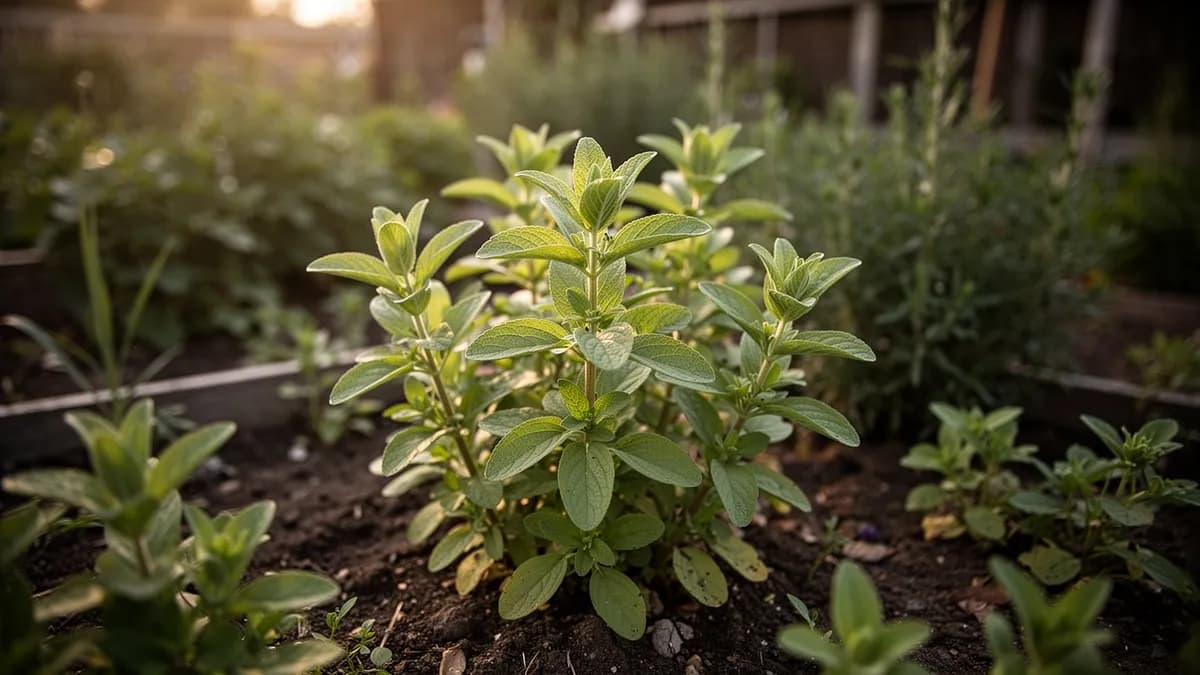
Lemon Verbena
Aloysia citrodora
At a Glance
It's planting season for Lemon Verbena! Start planning your garden now.
A deciduous shrub from South America with the finest lemon fragrance of any herb, making the most exquisite lemon-scented tea. The narrow pointed leaves retain their intense lemon aroma for years when dried, making it ideal for potpourris and tea blends. Grow in a sunny, sheltered spot and bring containers indoors before frost, as it drops all leaves in winter.
Planting & Harvest Calendar
Growth Stages
From Seed to Harvest
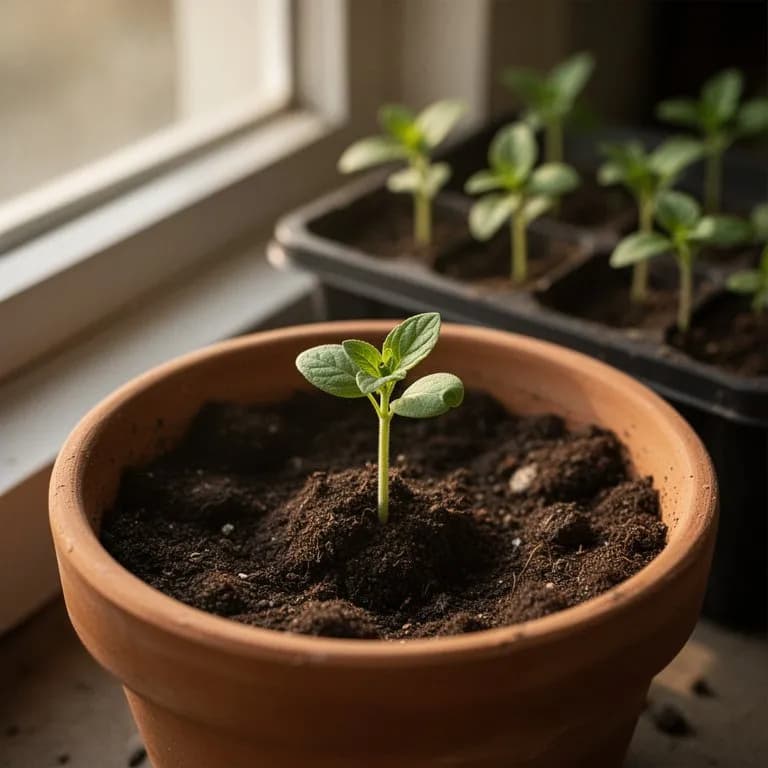
Cutting Propagation
Days 0–21
Lemon verbena is rarely grown from seed due to poor germination rates. Instead, take 10-15 cm softwood cuttings from healthy stems in late spring or early summer. Strip the lower leaves, dip the cut end in rooting hormone, and insert into a well-draining mix of perlite and peat. Place in a warm, bright location out of direct sun and keep the medium consistently moist.
💡 Care Tip
Cover cuttings with a clear plastic bag or humidity dome to maintain high humidity. Mist daily and check for root development after 2-3 weeks by gently tugging the cutting.
Lemon verbena is best propagated from softwood cuttings rather than seed for reliable results
Monthly Care Calendar
What to do each month for your Lemon Verbena
April
You are hereNo specific care tasks for this month.
Did You Know?
Fascinating facts about Lemon Verbena
Lemon verbena produces more citral, the compound responsible for its lemon scent, than actual lemons, making it the most intensely lemon-fragrant plant in the herb garden.
Lemon verbena is a deciduous woody shrub from Argentina and Chile that has been cultivated in European gardens since the late 18th century for its incomparable lemon fragrance. It grows 1-3 meters tall in warm climates and needs a sunny, sheltered position protected from cold winds. In cooler regions, it performs beautifully in large containers that can be moved to a frost-free location in winter.
Plant in spring after all risk of frost has passed, in well-drained soil enriched with compost. Water regularly during the growing season but allow the soil surface to dry between waterings—lemon verbena does not tolerate waterlogging. The plant drops its leaves in autumn even in mild climates, which is normal and not a sign of distress.
Prune hard in late spring once new growth appears, cutting back to a framework of main stems. This encourages bushy, productive growth and prevents the plant from becoming leggy and bare at the base. Feed monthly during the growing season with a balanced liquid fertilizer. In zones 8-9, protect the root zone with a deep mulch of straw or leaves over winter, and the plant will often resprout from the base even after top growth is killed by frost.
Lemon verbena (Aloysia citrodora) is native to the temperate and subtropical regions of western South America, growing wild across a range stretching from southern Peru through Chile and into Argentina. In its natural habitat, it thrives as a sprawling woody shrub on dry hillsides and open woodlands at elevations between 500 and 2,000 meters, where it enjoys warm days, cool nights, and well-drained soils. Indigenous peoples of the Andes and the Southern Cone had long used the plant for its intensely aromatic leaves, brewing them into soothing teas to ease stomach complaints, calm nerves, and reduce fevers. Spanish and Portuguese explorers encountered lemon verbena during the 17th century and were immediately captivated by its extraordinary lemon fragrance, which surpassed any citrus-scented plant known in Europe at the time. They transported plants and cuttings back to the Iberian Peninsula, where lemon verbena was initially cultivated in royal botanical gardens as an exotic curiosity. From Spain and Portugal, it spread rapidly throughout southern Europe and into the greenhouses and conservatories of northern European estates. By the 18th century, it had become a fashionable garden plant in France, where it was embraced both as an ornamental shrub and as the base for herbal tisanes. The French passion for verveine tea continues to this day, and lemon verbena remains deeply embedded in French culinary and cafe culture. During the Victorian era in England, lemon verbena was a beloved scented plant used to perfume rooms, linens, and personal accessories. Its leaves were pressed into books, tucked into gloves, and floated in finger bowls at formal dinners. Commercial cultivation for essential oil production developed in the 19th century, particularly in southern France and North Africa, though the extraordinarily low oil yield has always made pure lemon verbena oil a luxury product. Today, the herb is grown worldwide in temperate and warm climates, cherished by home gardeners and professional chefs alike for its clean, vibrant lemon flavor that enhances everything from teas and desserts to fish dishes and salad dressings.
Lemon verbena is almost always propagated from softwood cuttings taken in late spring or early summer, as seed is rarely available and germination is unreliable. Take 10-15cm cuttings from non-flowering shoot tips, strip the lower leaves, dip in rooting hormone, and insert into moist perlite or a 50:50 mix of peat and perlite. Provide bottom heat of 20-22°C and maintain high humidity with a plastic cover or mist system. Cuttings root in 3-4 weeks and can be potted on once well-rooted.
Lemon verbena thrives in well-drained, moderately fertile soil with a pH of 6.0-7.5. It performs well in sandy or loamy soils and struggles in heavy clay or waterlogged conditions. Add grit or perlite to heavy soils before planting. Feed monthly from spring through late summer with a balanced liquid fertilizer. Avoid excessive nitrogen, which produces lush growth with reduced essential oil content. For containers, use a quality potting mix with added perlite for drainage and feed fortnightly during active growth.
Check Your Zone
See if Lemon Verbena is suitable for your location.
-5°C – 35°C
23°F – 95°F
Lemon verbena is a tender perennial that thrives in warm conditions between 20-30 degrees Celsius. It can tolerate brief dips to -5 degrees Celsius once established, but sustained frost will kill stems back to the ground. In USDA zones 8-10, it overwinters outdoors with mulch protection. In colder regions, grow in containers and bring indoors before frost. The plant performs best with warm days and cooler nights and does not tolerate prolonged temperatures above 35 degrees Celsius combined with high humidity.
Common issues affecting Lemon Verbena and how to prevent and treat them organically.
The most common issue is winter dieback—lemon verbena is frost-tender and loses all leaves in autumn, causing gardeners to think the plant is dead. Be patient, as new growth often doesn't appear until late spring when soil is thoroughly warm. Leggy growth results from insufficient light or failure to prune; cut back hard in spring. Yellowing leaves during the growing season usually indicate overwatering or poor drainage. In very hot climates, leaf scorch can occur; provide afternoon shade in extreme heat.
Lemon verbena grows well alongside other Mediterranean and South American herbs including lemongrass, lemon balm, and scented geraniums. Its strong citrus fragrance may help confuse pests searching for nearby vegetables. Plant near outdoor seating areas where brushing against the foliage releases its wonderful scent. It combines attractively in large pots with trailing herbs like prostrate rosemary and creeping thyme.
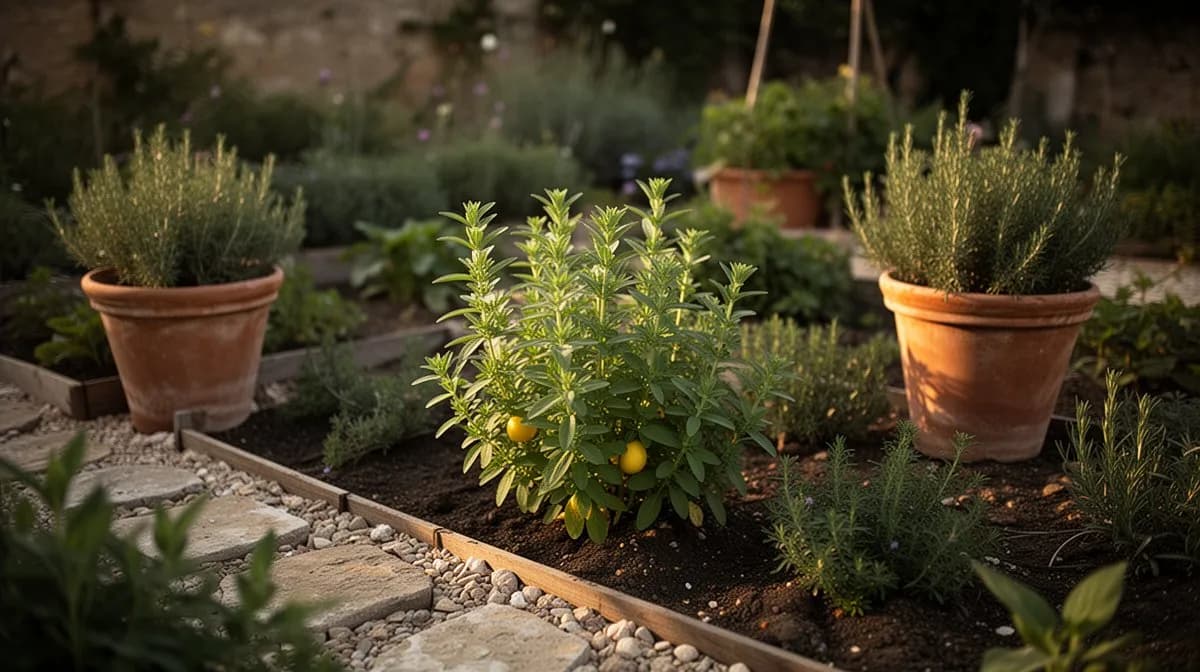
Container growing allows gardeners in cold climates to overwinter lemon verbena indoors
- 1Plant lemon verbena in the warmest, most sheltered spot in your garden, ideally against a south-facing wall that radiates stored heat. The plant demands full sun and at least 6-8 hours of direct light daily to produce the most aromatic leaves.
- 2Use well-draining soil amended with coarse sand or perlite. Lemon verbena cannot tolerate waterlogged roots, and heavy clay soil will quickly lead to root rot. Raised beds or mounded planting work well in areas with poor drainage.
- 3Water deeply and then allow the soil to dry somewhat between waterings. The plant prefers consistent moisture during active growth but is moderately drought-tolerant once established. Overwatering is more dangerous than occasional drought stress.
- 4Pinch growing tips frequently throughout the growing season to encourage dense, bushy growth instead of tall, leggy stems. Each pinch produces two new branches, doubling the number of harvestable leaf-bearing shoots.
- 5Feed lightly with a balanced organic fertilizer every 4-6 weeks during the growing season. Avoid heavy nitrogen feeds, which produce abundant but less flavorful foliage with reduced essential oil concentration.
- 6Monitor closely for whitefly and spider mites, the two most common pests on lemon verbena. Check the undersides of leaves regularly and treat early infestations with insecticidal soap or a strong spray of water.
- 7In cold climates below USDA zone 8, grow lemon verbena in containers so you can move it indoors before the first frost. Use a pot at least 30 cm in diameter with generous drainage holes and a fast-draining potting mix.
- 8Do not panic when your lemon verbena drops all its leaves in autumn. It is a deciduous shrub and leaf drop is completely normal as temperatures cool. The bare woody stems will resprout vigorously in spring.
- 9Propagate new plants from softwood cuttings taken in late spring or early summer. Cuttings root readily in 2-4 weeks when kept warm, humid, and in bright indirect light with the cut end dipped in rooting hormone.
- 10Harvest leaves throughout the season but make a large final harvest before the first frost. Dry leaves quickly in a single layer in a warm, dark, well-ventilated area to preserve maximum color and fragrance for winter use.
Harvest lemon verbena leaves throughout the growing season, picking in the morning after dew has dried for maximum essential oil content. Regular harvesting encourages fresh bushy growth. Take up to one-third of the plant at each harvest. The most aromatic leaves are those at the tips of actively growing shoots. For large dried harvests, cut entire stems just before the plant flowers in late summer, when oil concentration peaks.
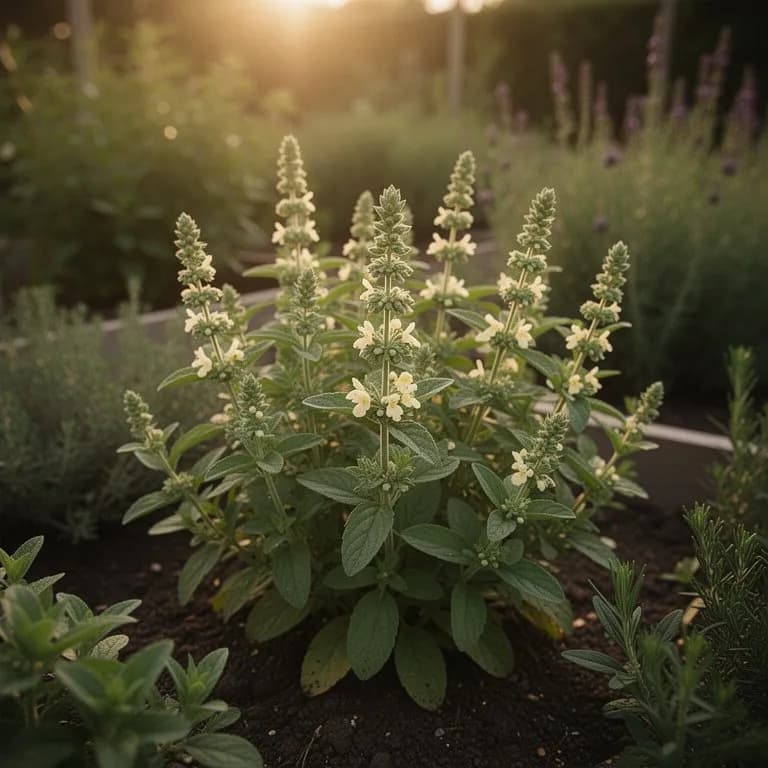
Tiny white to pale lilac flowers appear in late summer and attract beneficial pollinators
Lemon verbena retains its aroma exceptionally well when dried—far better than most other lemon-scented herbs. Dry leaves on screens in a warm, shaded location with good air circulation for 3-5 days, or use a dehydrator at 35°C. Store whole dried leaves in airtight glass jars away from light; they maintain excellent fragrance for 2-3 years. Leaves can also be frozen in ice cube trays with water for adding to drinks, or infused in sugar or vinegar for long-term culinary storage.
Plan your garden with ease
Love growing Lemon Verbena? Use our free garden planner to design your beds, track planting dates, and get personalized care reminders.
Nutritional Info
Per 100g serving
18
Calories
Health Benefits
- Exceptionally high in citral and geraniol, aromatic compounds with documented antioxidant and antimicrobial properties
- Contains verbascoside, a potent phenylpropanoid glycoside studied for its anti-inflammatory and neuroprotective effects
- Rich in polyphenolic compounds including luteolin and apigenin, flavonoids associated with reduced oxidative stress
- Provides a caffeine-free source of gentle digestive support, making it suitable for evening consumption
- Low in calories and naturally sugar-free, offering intense flavor without any caloric burden
- Traditional use as a digestive tonic is supported by modern research showing antispasmodic effects on smooth muscle tissue
💰 Why Grow Your Own?
A single lemon verbena plant costs $5-10 at a nursery and can produce hundreds of leaf harvests over a growing season that lasts 5-7 months. Dried lemon verbena tea retails for $12-25 per ounce, while a healthy plant yields 3-6 ounces of dried leaves annually. Over its lifespan of 10-15 years in mild climates, one plant can save you $300-600 on herbal tea purchases alone. Propagating new plants from cuttings is free, and the fresh leaves replace expensive specialty ingredients in recipes calling for lemon zest, lemongrass, or lemon extract.
Quick Recipes
Simple recipes using fresh Lemon Verbena
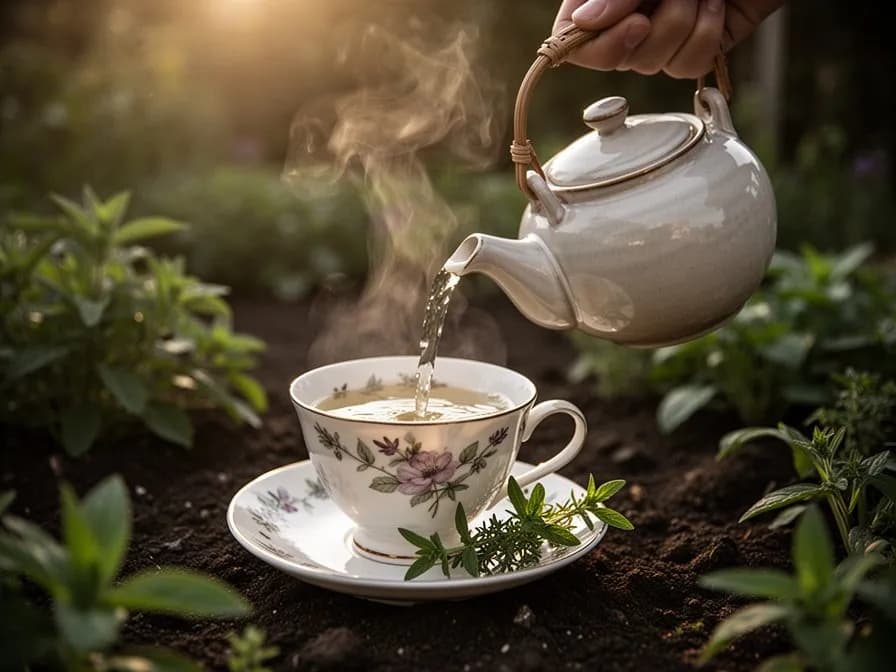
Classic Lemon Verbena Tisane
10 minutesThe quintessential French verveine tea, this elegant infusion captures the pure, clean lemon essence of fresh or dried lemon verbena leaves. Served throughout France as an after-dinner digestive, it is naturally caffeine-free and deeply soothing. The golden-green liquor carries a bright citrus aroma that fills the room.
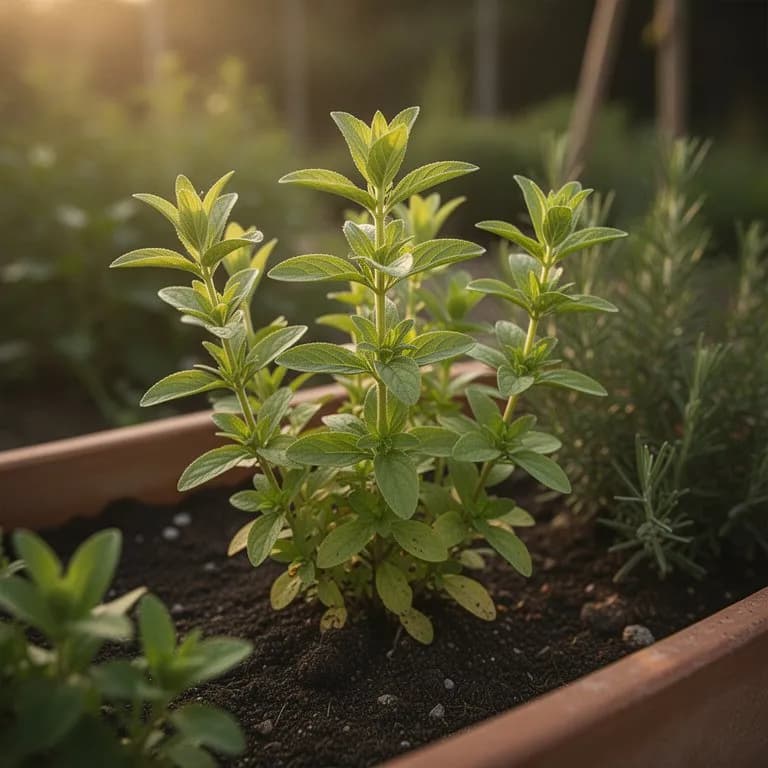
Lemon Verbena Sugar
5 minutes + 1 week infusingInfusing granulated sugar with fresh lemon verbena leaves creates a beautifully fragrant sweetener that transforms baked goods, cocktails, and fruit desserts. The leaves slowly release their essential oils into the sugar, resulting in a subtly perfumed ingredient that adds sophistication to simple recipes.
Lemon Verbena Panna Cotta
20 minutes + 4 hours chillingA silky Italian cream dessert infused with the bright citrus perfume of lemon verbena. The herb's essential oils steep gently into warm cream, creating a delicately flavored custard that pairs perfectly with fresh berries or a drizzle of honey. An elegant and surprisingly simple dinner party dessert.
Lemon verbena tea, known as verveine in France, is one of the most popular herbal infusions in Europe
Yield & Spacing Calculator
See how many Lemon Verbena plants fit in your garden bed based on the recommended 60cm spacing.
4
Lemon Verbena plants in a 4×4 ft bed
2 columns × 2 rows at 60cm spacing
Popular Varieties
Some of the most popular lemon verbena varieties for home gardeners, each with unique characteristics.
Common Lemon Verbena
The standard species with intensely fragrant narrow leaves, the benchmark for lemon-scented herbs worldwide.
Lemon Verbena 'Compacta'
A more compact form ideal for container growing, reaching about 1 meter tall with the same wonderful fragrance.
Lemon Verbena 'Rosea'
A rare variety producing pale pink flowers instead of the usual white, equally fragrant and ornamental.
Lemon verbena is considered the finest lemon-flavored herb for culinary use, with a pure citrus taste free of grassy notes. Use fresh leaves to infuse creams, custards, syrups, and ice cream. It makes an outstanding herbal tea, hot or iced, and pairs beautifully with fish, chicken, and fruit desserts. Add leaves to salad dressings, herb butters, and cocktails. The dried leaves also make excellent potpourri and scented sachets for linens.
When should I plant Lemon Verbena?
Plant Lemon Verbena in April, May. It takes approximately 90 days to reach maturity, with harvest typically in June, July, August, September, October.
What are good companion plants for Lemon Verbena?
Lemon Verbena grows well alongside Lemongrass, Lemon Balm. Companion planting can improve growth, flavor, and natural pest control.
What hardiness zones can Lemon Verbena grow in?
Lemon Verbena thrives in USDA hardiness zones 8 through 11. With greenhouse protection, it may be grown in zones 6 through 12.
How much sun does Lemon Verbena need?
Lemon Verbena requires Full Sun (6-8h+). This means at least 6-8 hours of direct sunlight daily.
How far apart should I space Lemon Verbena?
Space Lemon Verbena plants 60cm (24 inches) apart for optimal growth and air circulation.
What pests and diseases affect Lemon Verbena?
Common issues include Spider Mites, Whitefly, Leaf Spot. Prevention through good garden practices like crop rotation, proper spacing, and companion planting is the best approach. See the detailed pests and diseases section above for symptoms, prevention, and treatment for each.
How do I store Lemon Verbena after harvest?
Lemon verbena retains its aroma exceptionally well when dried—far better than most other lemon-scented herbs. Dry leaves on screens in a warm, shaded location with good air circulation for 3-5 days, or use a dehydrator at 35°C. Store whole dried leaves in airtight glass jars away from light; they ma...
What are the best Lemon Verbena varieties to grow?
Popular varieties include Common Lemon Verbena, Lemon Verbena 'Compacta', Lemon Verbena 'Rosea'. Each has unique characteristics suited to different growing conditions and culinary preferences. See the varieties section above for detailed descriptions.
What soil does Lemon Verbena need?
Lemon verbena thrives in well-drained, moderately fertile soil with a pH of 6.0-7.5. It performs well in sandy or loamy soils and struggles in heavy clay or waterlogged conditions. Add grit or perlite to heavy soils before planting. Feed monthly from spring through late summer with a balanced liquid...
Why is my lemon verbena dropping all its leaves?
Leaf drop in lemon verbena is almost always a natural response to cooling temperatures and shorter days in autumn. Unlike most herbs, lemon verbena is fully deciduous and will shed every leaf as it enters winter dormancy. This is normal and not a sign of disease or poor care. The bare stems may look dead, but scratch the bark with a fingernail and you should see green tissue underneath, confirming the plant is alive. If leaf drop occurs in summer, check for overwatering, root rot, or severe pest infestations, which can also trigger premature defoliation.
Can I grow lemon verbena indoors year-round?
Lemon verbena can be grown indoors but it is challenging to keep in active growth year-round because the plant naturally requires a dormancy period. During winter, it will drop its leaves even indoors. Place it in the brightest window available, ideally south-facing, and supplement with grow lights if needed. Reduce watering during the leafless dormancy period but do not let the soil dry out completely. In spring, move it back outdoors when nighttime temperatures consistently stay above 10 degrees Celsius. Indoor plants tend to be smaller and less productive than those grown outdoors in full sun.
How do I dry and store lemon verbena leaves?
Harvest stems in the morning after dew has dried, when essential oil content is at its peak. Strip leaves from the stems and spread them in a single layer on drying screens or clean towels in a warm, dark, well-ventilated room. The leaves should be fully dry and crumbly within 3-5 days. Alternatively, bundle stems and hang them upside down to dry. Store dried leaves whole rather than crushed, as whole leaves retain their fragrance much longer. Keep them in airtight glass jars away from light and heat. Properly stored dried lemon verbena retains excellent aroma for 2-3 years.
Is lemon verbena the same as lemon balm or lemongrass?
No, these are three completely different plants despite all having a lemon-like fragrance. Lemon verbena (Aloysia citrodora) is a woody shrub from South America with narrow, pointed leaves and the most intense lemon scent of the three. Lemon balm (Melissa officinalis) is a spreading herbaceous perennial in the mint family with rounded, crinkled leaves and a milder lemon-mint flavor. Lemongrass (Cymbopogon citratus) is a tall tropical grass used extensively in Southeast Asian cooking. Each has distinct growing requirements, flavors, and culinary applications, though they can sometimes substitute for one another in recipes.
What are the best companion plants for lemon verbena?
Lemon verbena pairs well with other sun-loving, drought-tolerant Mediterranean herbs such as rosemary, lavender, thyme, and oregano, which share similar soil and water requirements. It also grows nicely alongside other tender perennials like scented geraniums and lemon balm. The strong citrus scent of lemon verbena may help deter certain pest insects, making it a useful companion near vegetables susceptible to aphids and whitefly. Avoid planting it next to moisture-loving herbs like mint or parsley, which require more water than lemon verbena prefers.
How do I prune lemon verbena to keep it compact and productive?
Prune lemon verbena at two key times during the year. In spring, once new buds begin to swell on the stems, cut back all branches to just above the lowest visible new growth, typically removing one-third to one-half of the previous season's growth. This encourages a flush of vigorous new shoots. Throughout the growing season, pinch or trim growing tips every few weeks to promote branching and prevent the plant from becoming tall and sparse. Avoid pruning in autumn or winter, as the remaining stems protect the crown from cold damage. Regular harvesting of leaf-bearing stems also serves as ongoing light pruning.
Ready to Grow Lemon Verbena?
Add Lemon Verbena to your garden plan and start designing your perfect layout.

Vladimir Kusnezow
Gardener and Software Developer
Zone 6b gardener. Growing vegetables and fruits in soil and hydroponics for 6 years. I built PlotMyGarden to plan my own gardens.
Jump to Section