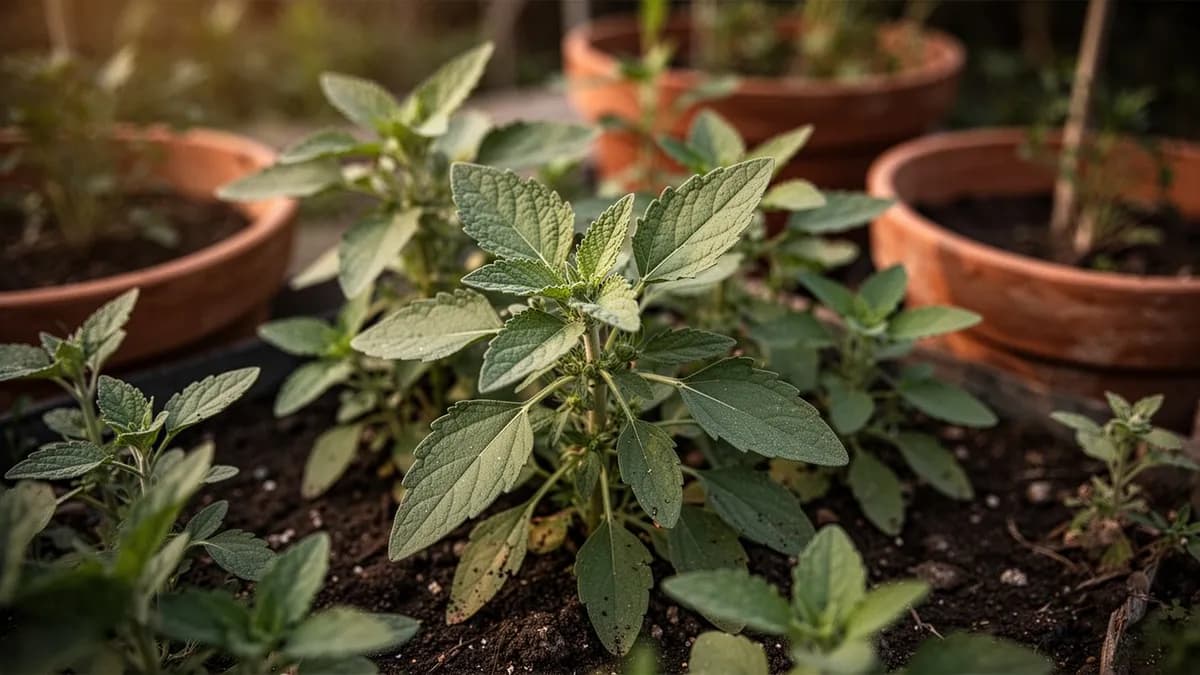
Epazote
Dysphania ambrosioides
At a Glance
It's planting season for Epazote! Start planning your garden now.
A pungent Mexican herb traditionally added to black beans to reduce gas and add a bold, medicinal-herbal flavor. Epazote has a strong, acquired taste and should be used sparingly in cooking. The plant self-seeds aggressively and can become weedy, so harvest before seed set or grow in containers.
Planting & Harvest Calendar
Growth Stages
From Seed to Harvest
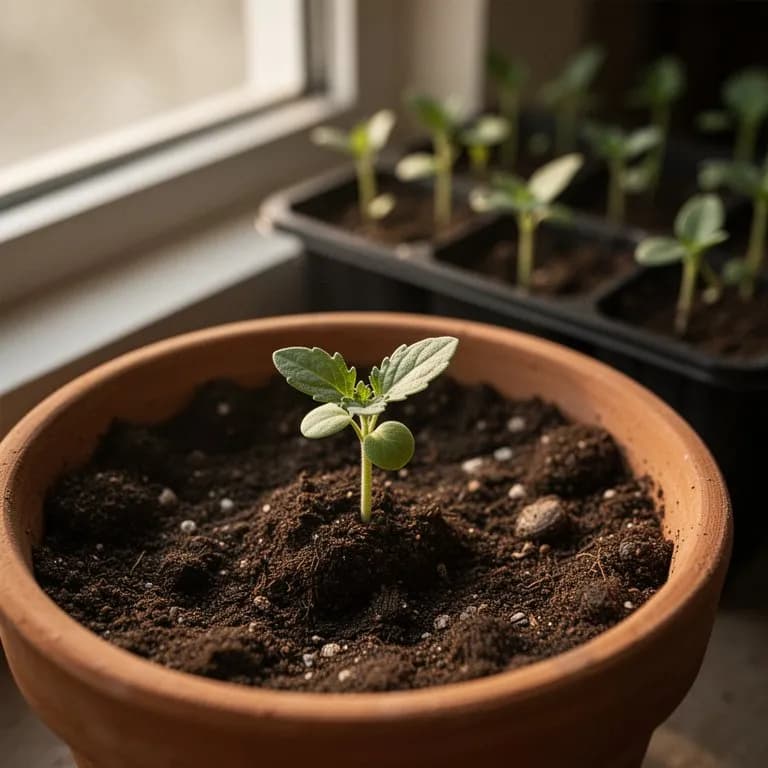
Seed Germination
Days 0–14
Epazote seeds are extremely small — dust-like — and require light to germinate. Seeds are surface-sown on moist soil and pressed gently without covering. Under warm conditions (20-25°C), the first thread-like seedlings emerge in 7-14 days. Germination can be erratic, so sow generously to ensure adequate stand establishment.
💡 Care Tip
Do not cover seeds with soil — they need light to germinate. Mist the surface daily to keep it consistently moist without washing the tiny seeds away. A clear humidity dome or plastic wrap over the pot dramatically improves germination rates by maintaining even moisture.
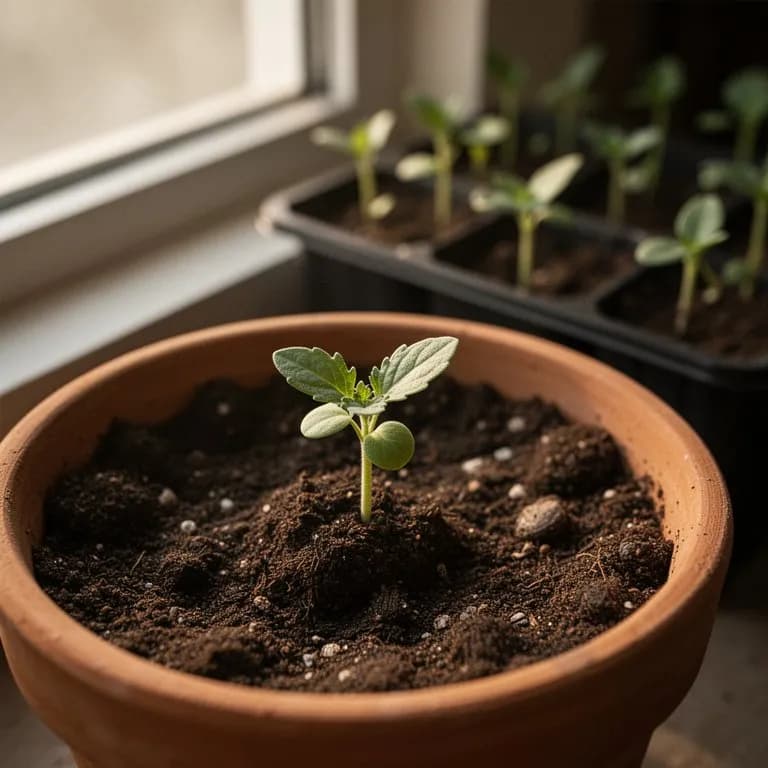
Epazote seedlings are delicate at first — the tiny seeds need light to germinate and should not be covered with soil
Monthly Care Calendar
What to do each month for your Epazote
May
You are herePrimary outdoor planting month for most zones. Transplant indoor-started seedlings or direct-sow seeds outdoors after all frost danger has passed. Space plants 30-45 cm apart in full sun. Water seedlings gently and regularly until established.
Did You Know?
Fascinating facts about Epazote
Epazote's botanical name Dysphania ambrosioides literally references the food of the gods (ambrosia), yet its common name in Nahuatl — 'epazotl' — translates roughly to 'skunk sweat,' reflecting the herb's powerfully pungent, love-it-or-hate-it aroma that is completely unique in the plant kingdom.
Epazote (Dysphania ambrosioides) is a vigorous annual herb native to Central America and Mexico, thriving in hot conditions where many other herbs struggle. Direct sow seeds outdoors after the last frost when soil has warmed to at least 65°F. Scatter the tiny seeds on the soil surface and press lightly without covering, as they need light to germinate. Seeds sprout in 7-14 days.
Plant in full sun with well-drained, average to poor soil. Epazote actually thrives in lean conditions and becomes excessively rank and weedy in rich soil. Space plants 12-18 inches apart, or thin to that distance as seedlings emerge. Once established, epazote is extremely drought-tolerant and requires minimal care.
The plant grows quickly to 2-4 feet tall and begins producing its pungent, serrated leaves within weeks of germination. Epazote self-seeds prolifically and can become invasive if allowed to go to seed. Remove flower spikes before they mature to prevent unwanted spreading. In mild climates (zones 8-11), epazote may overwinter as a short-lived perennial. Grow in containers to contain its aggressive spreading habit.
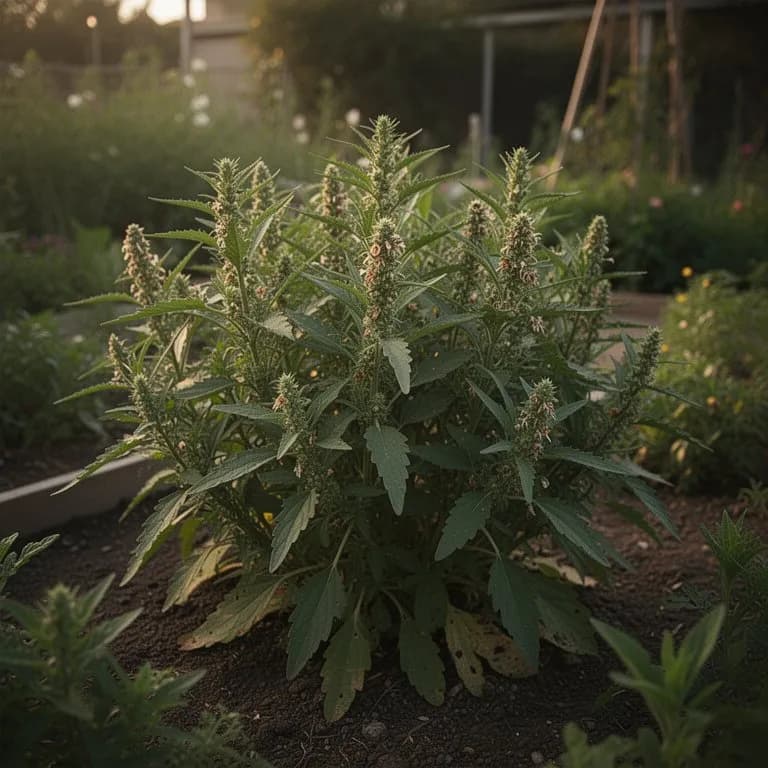
Mature epazote plants grow 60-120 cm tall with vigorous branching — one plant provides more than enough for a kitchen
Epazote (Dysphania ambrosioides, formerly Chenopodium ambrosioides) is native to southern Mexico, Central America, and northern South America, where it has been used as both a culinary herb and medicinal plant for thousands of years. The Aztecs and Maya cultivated epazote extensively, and its Nahuatl name 'epazotl' — often translated as 'skunk sweat' in reference to its potent aroma — was adopted into Spanish during the colonial period and remains the standard name for the herb today. Pre-Columbian indigenous peoples valued the plant not only as a flavoring for beans, tamales, and stews but also as a remedy for intestinal parasites and digestive complaints.
Following the Spanish conquest, epazote spread throughout the tropical and subtropical Americas and eventually reached Europe, Africa, and Asia through colonial trade routes. Unlike many New World herbs and spices that were enthusiastically adopted worldwide — such as chili peppers, vanilla, and allspice — epazote's intensely pungent, resinous flavor limited its adoption outside of Mexican and Central American kitchens. In Europe, it was grown primarily as a medicinal plant rather than a culinary one, and its essential oil (oil of chenopodium) became an important pharmaceutical product used to treat intestinal worms well into the 20th century.
In Mexico, epazote remained an indispensable kitchen herb across all social classes and regions. It became inseparable from the preparation of black beans, where a sprig simmered in the pot is considered as essential as salt. The herb also features prominently in quesadillas, tamales, mole verde, chilaquiles, and countless regional dishes from Oaxaca to the Yucatan. Mexican immigrants carried their love of epazote to the United States, where it now grows wild in many southern states and is increasingly available in Latin American grocery stores and farmers markets.
Today, epazote is experiencing a renaissance as global interest in authentic Mexican cuisine grows beyond Tex-Mex adaptations. Chefs and food writers are rediscovering this ancient herb and introducing it to new audiences who appreciate its bold, irreplaceable flavor. For home gardeners, epazote is remarkably easy to grow — almost too easy, given its prolific self-seeding habit — making it an ideal herb for anyone who cooks Mexican food regularly and wants the authentic flavor that dried or substitute herbs simply cannot provide.
Scatter tiny epazote seeds directly on moist soil surface after the last frost, pressing lightly without covering as they require light for germination. Seeds germinate in 7-14 days at soil temperatures of 65-75°F. Thin seedlings to 12-18 inches apart. Indoor starting is possible but rarely necessary, as epazote grows so quickly from direct sowing. If starting indoors, sow on the surface of moist seed-starting mix 4-6 weeks before the last frost. Transplant carefully, as seedlings are delicate. Self-sown volunteer seedlings often appear from previous years' plants.
Epazote thrives in poor to average, well-drained soil and actually performs worse in rich, heavily fertilized conditions. A pH of 6.0-7.5 is acceptable. Do not amend soil with compost or fertilize regularly, as this produces excessive growth with diminished essential oil content. If soil is extremely poor and sandy, a single light application of balanced fertilizer at planting is sufficient. In containers, use a basic potting mix without added fertilizer. Epazote is one of the easiest herbs to grow in neglected garden corners.
Check Your Zone
See if Epazote is suitable for your location.
18°C – 35°C
64°F – 95°F
Epazote is a warm-season herb native to tropical and subtropical regions that thrives in heat. Seeds germinate best at 20-25°C (68-77°F) and plants grow most vigorously between 18-35°C (65-95°F). Unlike many herbs that bolt or suffer in high heat, epazote performs well even in sustained temperatures above 30°C (86°F). Plants are frost-sensitive and killed by temperatures below 0°C (32°F), though they may survive light frosts in sheltered locations. In USDA zones 9-12, epazote can behave as a short-lived perennial, regrowing from the base after mild winters.
Common issues affecting Epazote and how to prevent and treat them organically.
The primary challenge with epazote is its aggressive self-seeding, which can make it invasive in the garden. Remove flower spikes before seeds form, or grow in containers. Excessively rich soil produces large, rank plants with weaker flavor. The strong, medicinal scent is an acquired taste; new growers should use it sparingly until they learn the appropriate amount. In warm climates, epazote can grow year-round and become a persistent weed. Plants become leggy without full sun exposure.
Epazote's strong aromatic oils make it a natural pest deterrent in the garden. Plant near beans, squash, and corn in a traditional milpa-inspired planting. The pungent scent may repel certain beetles, aphids, and other common vegetable pests. Epazote grows well alongside other heat-loving herbs like cilantro and peppers. Its vigorous growth can overwhelm smaller companions, so give it adequate space. Avoid planting where its self-seeding habit would be problematic near carefully managed beds.
- 1Surface-sow epazote seeds and do not cover with soil. The seeds are tiny and require light to germinate — pressing them gently onto moist soil and misting regularly is the correct technique. Covering seeds even lightly with soil dramatically reduces germination rates.
- 2Grow epazote in containers to control its aggressive self-seeding habit. A single plant in a 25-30 cm pot provides ample harvest while preventing the thousands of seeds it produces from colonizing your entire garden. Place containers on a paved surface to catch any escaped seeds.
- 3Plant epazote in full sun for the best flavor and essential oil concentration. While the plant tolerates partial shade, leaves grown in full sun develop the strongest, most authentic flavor that Mexican recipes require. At least 6 hours of direct sunlight daily is ideal.
- 4Water sparingly once plants are established. Epazote is native to arid and semi-arid regions and actually develops more intense flavor under slightly dry conditions. Overwatering produces lush but bland foliage and increases the risk of root rot and fungal diseases.
- 5Pinch growing tips regularly throughout the season to encourage bushy, branching growth and delay flowering. Each pinched tip produces two new branches, doubling the number of harvestable stem tips. This also keeps plants compact and prevents them from becoming tall and leggy.
- 6Harvest before flowering for the mildest, most versatile flavor. Once epazote begins to flower, the leaves become more intensely pungent and slightly bitter. For cooking, pre-flowering leaves are preferred — though some cooks enjoy the stronger flavor of flowering-stage leaves in robust bean dishes.
- 7Remove flower spikes promptly unless you want the plant to self-seed. A single epazote plant can produce over 100,000 seeds, and volunteer seedlings will appear everywhere in the garden the following spring. Deadheading is the single most important maintenance task for preventing unwanted spread.
- 8Dry excess leaves for winter use by hanging small bundles in a warm, well-ventilated area out of direct sunlight. Properly dried epazote retains its flavor remarkably well for 6-12 months. Strip dried leaves from stems and store in airtight glass jars in a dark cupboard.
- 9Bring a small potted plant indoors before the first frost for fresh winter leaves. Place on the sunniest windowsill available and water sparingly. Indoor plants grow more slowly but continue to produce harvestable leaves throughout winter with sufficient light.
- 10Companion plant epazote near beans and squash — its strong scent may help repel certain insect pests including aphids and squash bugs. In traditional Mexican milpa gardening, aromatic herbs like epazote were grown alongside the primary crops of corn, beans, and squash.
Harvest epazote leaves once plants reach 12 inches tall, typically 45-55 days from sowing. Pick individual young leaves from stem tips, which have the best flavor, or cut entire stem tips to encourage branching. Young leaves have a more pleasant flavor than old, tough leaves. Harvest before plants flower, as the flavor becomes overwhelmingly strong and bitter once blooming begins. Use epazote sparingly; a few leaves per pot of beans is sufficient. The entire above-ground plant can be harvested for drying before the first frost.
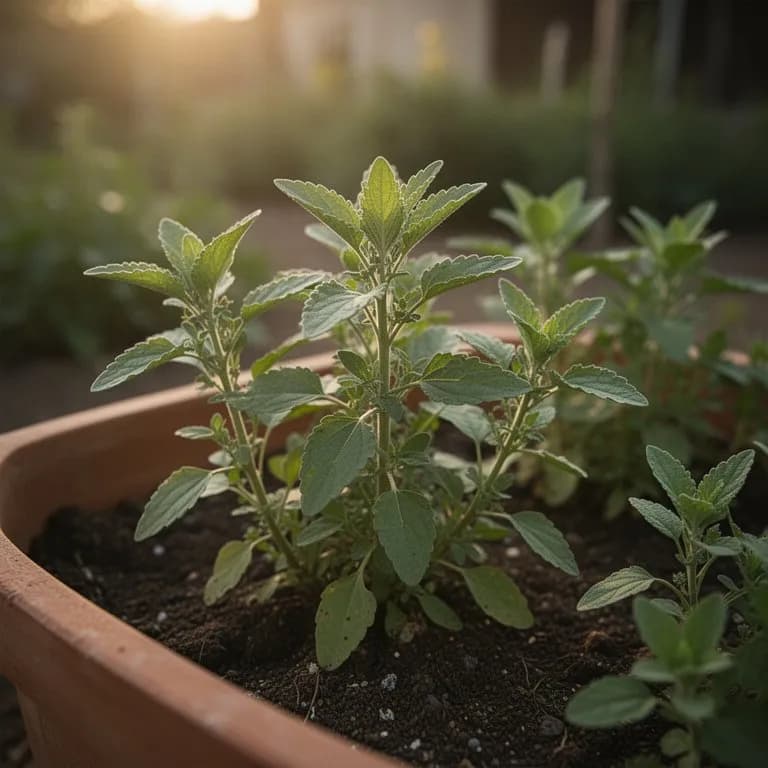
Harvest entire stem tips for the freshest flavor — epazote leaves are most aromatic just before flowering begins
Use epazote fresh whenever possible for the best flavor. Store fresh stems in a glass of water at room temperature for 2-3 days, or wrap in damp paper towels and refrigerate for up to a week. Epazote dries reasonably well: hang small bundles upside down in a warm, well-ventilated area for 1-2 weeks. Dried epazote retains a surprising amount of flavor. Store dried leaves in airtight jars away from light. Frozen epazote also preserves well; chop and freeze in small portions.
Plan your garden with ease
Love growing Epazote? Use our free garden planner to design your beds, track planting dates, and get personalized care reminders.
Nutritional Info
Per 100g serving
32
Calories
Health Benefits
- Exceptionally rich in vitamin A with 5410 IU per 100g of fresh leaves (108% DV), primarily as beta-carotene — supporting eye health, immune function, and skin integrity
- Contains a variety of essential minerals including calcium (275mg, 28% DV), phosphorus (86mg, 9% DV), and iron (1.9mg, 11% DV) in just a small serving of fresh leaves
- Good source of dietary fiber at 3.8g per 100g, aiding digestion — historically epazote was added to bean dishes specifically because it was believed to reduce flatulence
- Very low in calories at just 32 per 100g, making it a nutrient-dense herb that adds significant vitamins and minerals with negligible caloric impact to any dish
- Contains bioactive compounds including ascaridole, carvacol, and terpenes that have been studied for their antimicrobial, antifungal, and antiparasitic properties in traditional medicine
- Provides moderate amounts of B-vitamins including riboflavin and niacin, contributing to energy metabolism and nervous system support when consumed regularly as a culinary herb
💰 Why Grow Your Own?
Fresh epazote is difficult to find outside of Latin American specialty markets and typically costs $3-5 per small bunch when available. Dried epazote sells for $6-12 per ounce in gourmet spice shops. A single $2-3 seed packet produces multiple plants that yield a season's worth of fresh leaves plus enough dried herb to last through winter — a savings of $30-60 or more per year for regular Mexican cooking. Additionally, epazote self-seeds so freely that after the first year, you may never need to buy seeds again, making it essentially free to grow indefinitely.
Quick Recipes
Simple recipes using fresh Epazote
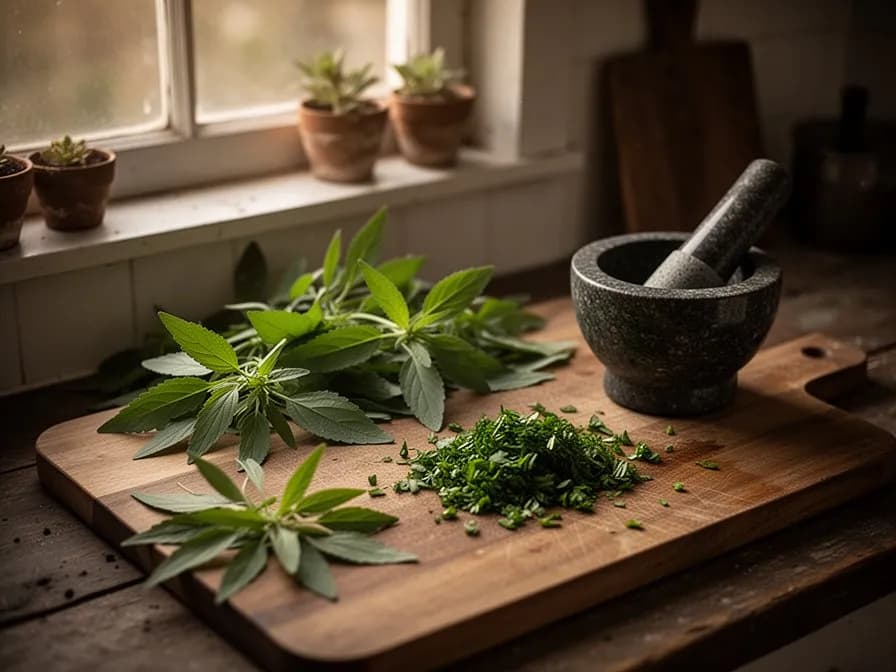
Frijoles Negros con Epazote (Black Beans with Epazote)
90 minThe most classic and essential use of epazote in Mexican cooking — dried black beans simmered slowly with a generous sprig of fresh epazote until creamy and deeply flavored. The herb infuses the beans with its distinctive earthy, slightly citrusy aroma and is traditionally believed to make beans more digestible.
Quesadillas con Epazote y Queso Oaxaca
15 minA beloved Mexican street food — warm corn tortillas filled with stretchy Oaxaca cheese and chopped fresh epazote, cooked on a comal until golden and the cheese melts into fragrant strings. The bold pungent flavor of epazote cuts through the rich cheese perfectly.
Sopa de Elote con Epazote (Corn Soup with Epazote)
35 minA silky Mexican corn soup enriched with the herbal complexity of fresh epazote. Sweet corn kernels are pureed with broth and cream, then simmered with epazote leaves that add an earthy depth impossible to achieve with any other herb. Served with crumbled queso fresco on top.
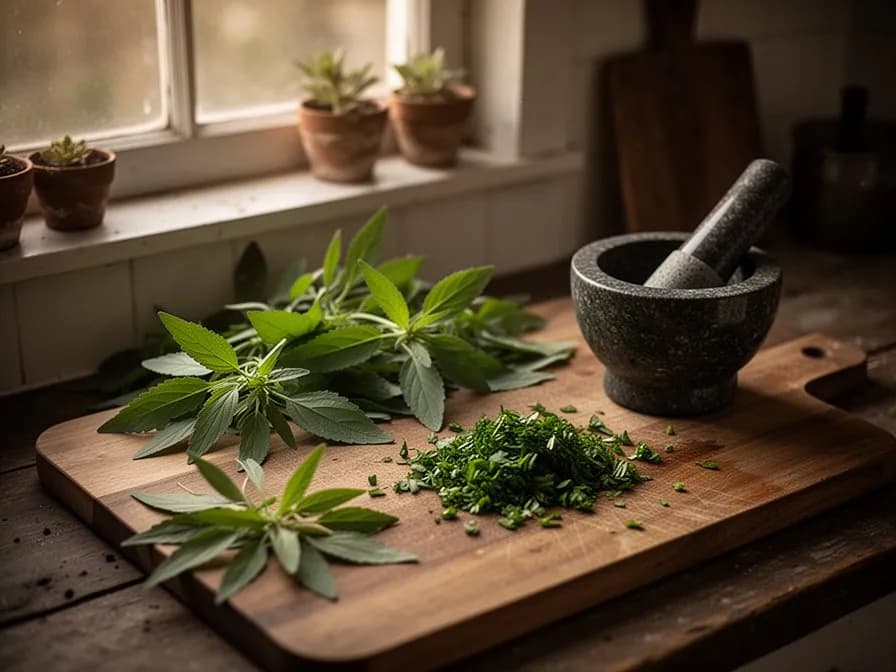
A sprig of fresh epazote simmered in black beans is the most iconic use of this herb in Mexican cuisine
Yield & Spacing Calculator
See how many Epazote plants fit in your garden bed based on the recommended 30cm spacing.
16
Epazote plants in a 4×4 ft bed
4 columns × 4 rows at 30cm spacing
Popular Varieties
Some of the most popular epazote varieties for home gardeners, each with unique characteristics.
Common Epazote
The standard culinary form with strongly scented, serrated green leaves. The variety used in traditional Mexican cooking.
Red Epazote
A form with reddish-purple stems and slightly different flavor notes. Sometimes used ornamentally as well as culinarily.
Ambrosia (Mexican Tea)
A closely related variety historically used for herbal tea. Milder flavor than standard epazote, used more for beverages than cooking.
Epazote is most traditionally used in Mexican black bean dishes, where it is added during cooking to improve digestibility and add its characteristic pungent flavor. Use 1-2 fresh leaves per pot of beans, removing before serving. Add to quesadillas, tamales, enchilada sauce, and mole. Epazote is also used in Central American soups and stews. Always cook epazote rather than using raw, as heat mellows its intense flavor. Use very sparingly until familiar with its potency.
When should I plant Epazote?
Plant Epazote in April, May, June. It takes approximately 45 days to reach maturity, with harvest typically in June, July, August, September.
What are good companion plants for Epazote?
Epazote grows well alongside Cilantro, Tomato, Bell Pepper. Companion planting can improve growth, flavor, and natural pest control.
What hardiness zones can Epazote grow in?
Epazote thrives in USDA hardiness zones 6 through 11. With greenhouse protection, it may be grown in zones 4 through 12.
How much sun does Epazote need?
Epazote requires Full Sun (6-8h+). This means at least 6-8 hours of direct sunlight daily.
How far apart should I space Epazote?
Space Epazote plants 30cm (12 inches) apart for optimal growth and air circulation.
What pests and diseases affect Epazote?
Common issues include Aphids, Leaf Miners, Powdery Mildew. Prevention through good garden practices like crop rotation, proper spacing, and companion planting is the best approach. See the detailed pests and diseases section above for symptoms, prevention, and treatment for each.
How do I store Epazote after harvest?
Use epazote fresh whenever possible for the best flavor. Store fresh stems in a glass of water at room temperature for 2-3 days, or wrap in damp paper towels and refrigerate for up to a week. Epazote dries reasonably well: hang small bundles upside down in a warm, well-ventilated area for 1-2 weeks....
What are the best Epazote varieties to grow?
Popular varieties include Common Epazote, Red Epazote, Ambrosia (Mexican Tea). Each has unique characteristics suited to different growing conditions and culinary preferences. See the varieties section above for detailed descriptions.
What soil does Epazote need?
Epazote thrives in poor to average, well-drained soil and actually performs worse in rich, heavily fertilized conditions. A pH of 6.0-7.5 is acceptable. Do not amend soil with compost or fertilize regularly, as this produces excessive growth with diminished essential oil content. If soil is extremel...
What does epazote taste like and is there a substitute?
Epazote has a bold, complex flavor that is truly unique — often described as a combination of oregano, anise, citrus, and petroleum or turpentine. The aroma is intensely pungent and polarizing. There is no real substitute that replicates its distinctive flavor in Mexican cooking. Some cooks suggest a combination of fresh cilantro and dried oregano as the closest approximation, but the result is noticeably different. If you cook Mexican food regularly, growing your own epazote is the best way to achieve authentic flavor.
Is epazote safe to eat in normal culinary quantities?
Yes — epazote is completely safe when used as a culinary herb in normal cooking quantities (a few leaves or a small sprig per dish). It has been eaten daily in Mexican cuisine for thousands of years without issue. However, concentrated epazote essential oil (oil of chenopodium) is toxic in large doses and should never be consumed. The concern is only with concentrated oil extracts, not with the fresh or dried leaves used in cooking. As with any herb, use it in reasonable culinary amounts.
Why does epazote self-seed so aggressively and how can I control it?
Epazote produces enormous quantities of tiny seeds — over 100,000 per plant — that are dispersed by wind, water, and soil disturbance. The seeds remain viable in soil for several years, creating a persistent seed bank. To control self-seeding: (1) remove all flower spikes before seeds mature, (2) grow plants in containers on paved surfaces, (3) mulch heavily around garden plants to suppress volunteer seedlings, and (4) hoe or pull any volunteer seedlings promptly in spring before they establish. Growing in containers is the most reliable control method.
Can I grow epazote indoors year-round?
Yes, epazote grows well indoors in a sunny window or under grow lights. Use a well-draining potting mix in a 20-25 cm pot, place in the brightest location available (south-facing window is ideal), and water sparingly — allowing the soil to dry slightly between waterings. Indoor plants grow more slowly and stay smaller than outdoor plants but produce enough leaves for regular cooking. Pinch tips regularly to keep the plant bushy. Replace indoor plants annually as they tend to become leggy and less productive after 8-12 months.
When is the best time to harvest epazote for maximum flavor?
The best time to harvest epazote is just before the plant begins to flower, when essential oil concentration in the leaves is at its peak. Harvest in the morning after the dew has dried but before the heat of midday — this is when aromatic oils are most concentrated. Cut entire stem tips (the top 10-15 cm) rather than picking individual leaves, as this encourages the plant to branch and produce more harvestable growth. For drying, harvest slightly earlier when leaves are fully expanded but still bright green and tender.
How do I use epazote in cooking beyond black beans?
While black beans are the most iconic pairing, epazote is used throughout Mexican cuisine. Add it to quesadillas with Oaxaca cheese, stir it into corn soups and esquites (Mexican street corn salad), include it in green mole and enchilada sauces, fold it into tamale fillings, and use it in mushroom or squash blossom dishes. A few leaves in scrambled eggs or chilaquiles adds authentic Mexican flavor. Start with small amounts if you are new to epazote — its flavor is assertive and a little goes a long way. Always add it during cooking rather than raw, as heat mellows and integrates the flavor.
Ready to Grow Epazote?
Add Epazote to your garden plan and start designing your perfect layout.

Vladimir Kusnezow
Gardener and Software Developer
Zone 6b gardener. Growing vegetables and fruits in soil and hydroponics for 6 years. I built PlotMyGarden to plan my own gardens.
Jump to Section