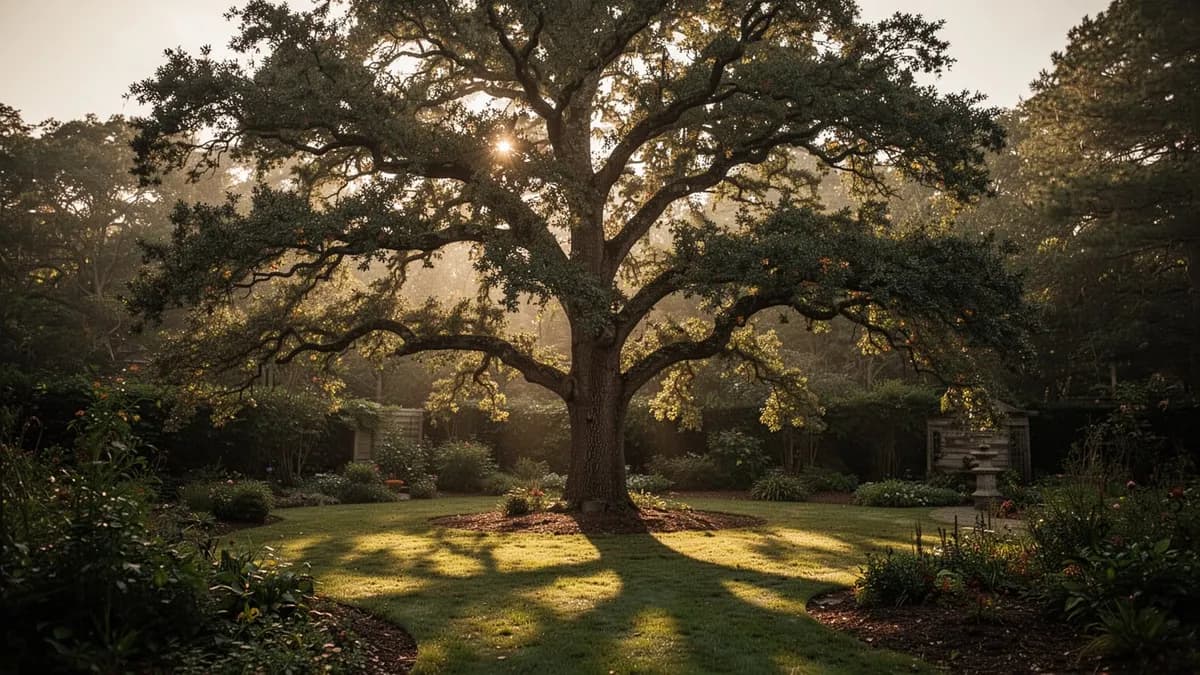
Elm Tree
Ulmus americana
At a Glance
A classic American shade tree with a graceful vase-shaped canopy that once lined streets across the continent before Dutch elm disease devastated the population. Modern disease-resistant cultivars have restored the elm as a viable landscape choice, so always select resistant varieties when planting. Elms are fast-growing and tolerant of urban conditions including compacted soil and air pollution. They provide dense shade and beautiful golden-yellow fall color.
Planting & Harvest Calendar
Growth Stages
From Seed to Harvest
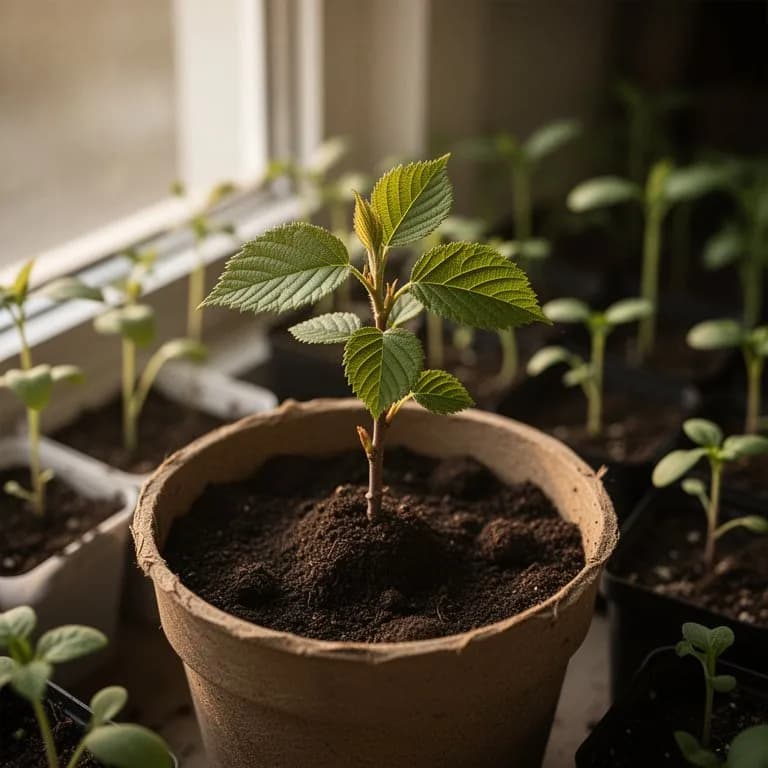
Seed Germination
Days 0–21
Elm seeds germinate quickly after dispersal in late spring, often within 7 to 14 days under favorable conditions. The flat, papery samaras require minimal soil coverage and consistent moisture to sprout. Unlike many trees, elm seeds have a very short viability window and must germinate soon after falling.
💡 Care Tip
Keep the soil surface consistently moist but not waterlogged during germination. Elm seeds need light to germinate, so press them gently into the soil surface rather than burying them deeply.
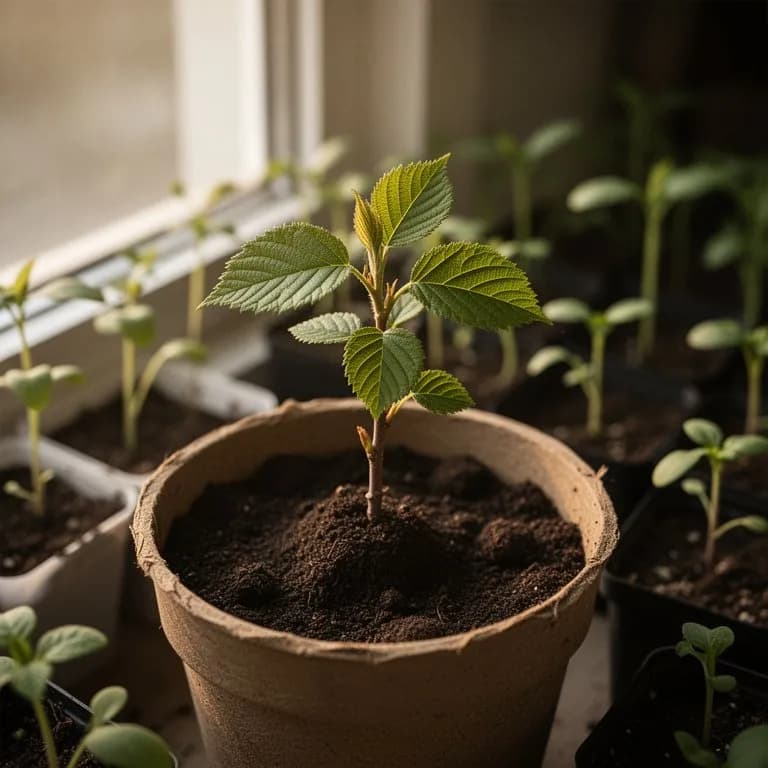
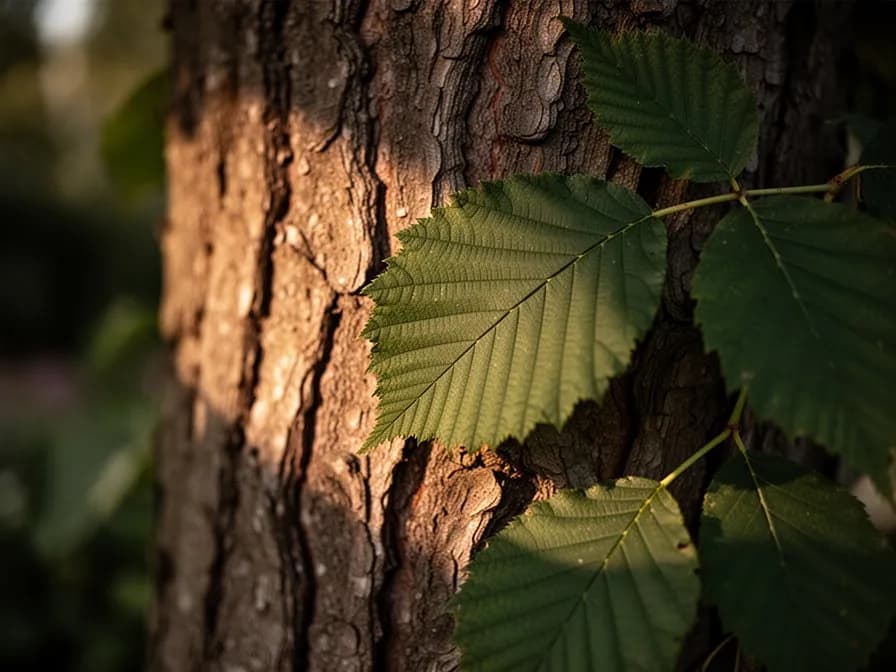
Elm seedlings develop their characteristic asymmetrical leaf shape early on
Monthly Care Calendar
What to do each month for your Elm Tree
May
You are hereInspect leaves for elm leaf beetle feeding damage and larvae. Remove root suckers and basal sprouts to maintain tree form. Check for aphid infestations on new growth and treat if severe
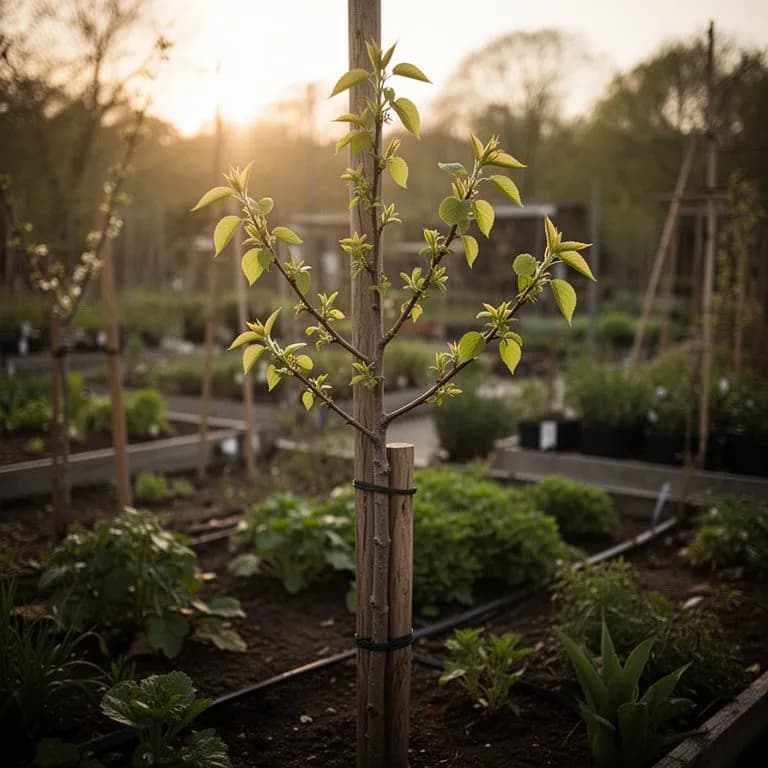
Elms provide stunning fall color with leaves turning bright yellow to golden-brown
Did You Know?
Fascinating facts about Elm Tree
Before Dutch elm disease devastated populations in the mid-20th century, American elms formed grand cathedral-like canopies over the main streets of countless towns and cities across the eastern United States and were considered the ideal street tree.
Plant elm trees in deep, well-drained soil with full sun to partial shade. Elms are remarkably adaptable to a wide range of soil types including clay, loam, and sandy soils with a pH of 5.5 to 8.0. They tolerate urban conditions including compacted soil, air pollution, and reflected heat better than most shade trees. Space trees 40 to 50 feet apart to allow full canopy development of the classic vase shape.
Water newly planted elms deeply once a week during the first two growing seasons. Apply 3 inches of organic mulch over the root zone. Elms are fast-growing, adding 2 to 3 feet of height per year under good conditions. They establish quickly and begin providing useful shade within 5 to 10 years of planting.
The critical consideration when planting elms is selecting Dutch elm disease-resistant cultivars. The devastating fungal disease spread by bark beetles wiped out millions of American elms in the twentieth century. Modern resistant selections like Princeton, Valley Forge, and New Harmony restore the graceful vase-shaped canopy without the disease vulnerability. Prune in late fall or winter when bark beetles are inactive to reduce disease transmission risk.
The genus Ulmus encompasses approximately 35 species of deciduous and semi-deciduous trees native to temperate regions of the Northern Hemisphere, with the greatest species diversity found in central and eastern Asia. Fossil records indicate that elms have existed for at least 20 million years, making them one of the older genera of flowering trees still living today. In North America the American elm (Ulmus americana) once dominated the forest canopy from the Atlantic coast to the Great Plains and became the most widely planted street tree in the United States during the 19th and early 20th centuries. Cities planted millions of elms along their boulevards, creating iconic arching canopies that shaded entire neighborhoods. The arrival of Dutch elm disease in the 1930s, caused by the fungus Ophiostoma novo-ulmi and spread by elm bark beetles, devastated elm populations across North America and Europe. By the 1980s an estimated 77 million American elms had been killed in the United States alone. In Europe the English elm (Ulmus procera) and wych elm (Ulmus glabra) suffered similar catastrophic losses beginning in the 1960s. This ecological disaster prompted extensive breeding programs to develop disease-resistant cultivars. The United States National Arboretum released several resistant American elm selections including Valley Forge and Jefferson, while European programs developed hybrids incorporating genes from Asian species that had co-evolved with the disease. Today these resistant varieties are enabling the gradual return of elms to urban and suburban landscapes, restoring one of the most beloved and ecologically important shade trees to streets, parks, and gardens around the world.
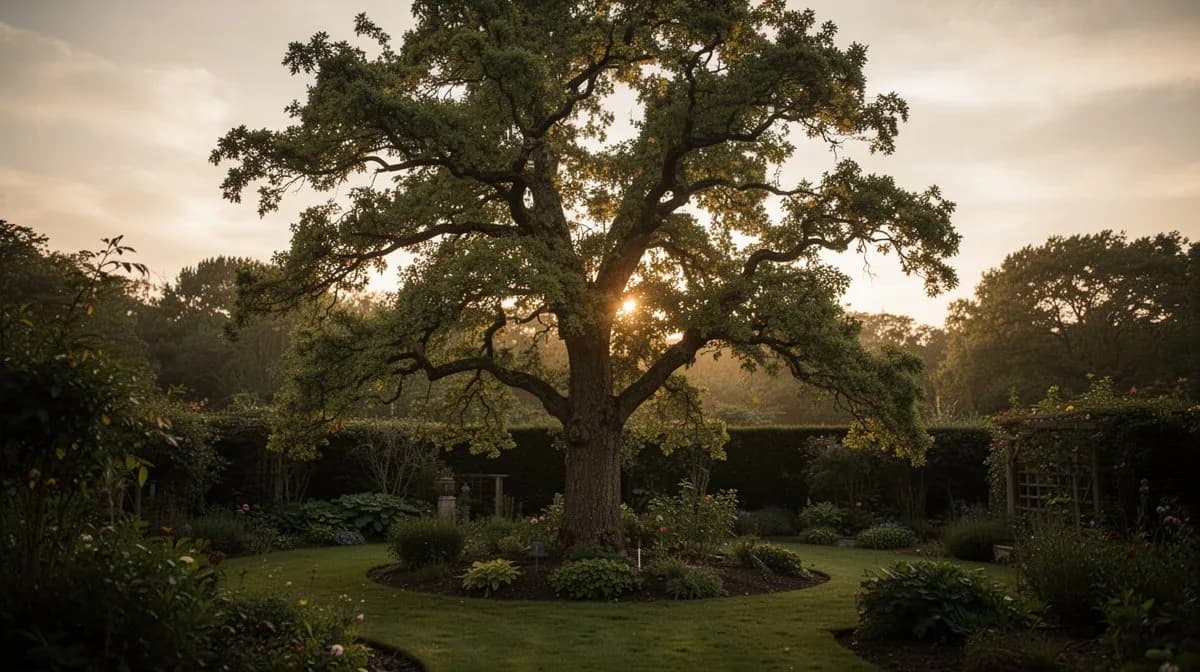
A fully mature elm displaying the iconic vase-shaped silhouette that once defined American streetscapes
Elm seeds ripen in spring shortly after flowering and should be collected and sown immediately, as they lose viability within weeks. Surface-sow fresh seeds on moist potting mix and keep evenly moist. Germination occurs quickly, within 5 to 14 days, with no stratification needed. However, disease-resistant cultivars must be propagated vegetatively by grafting or budding onto seedling rootstock, as seedlings do not inherit the disease resistance of named varieties. Purchase grafted cultivars from reputable nurseries for reliable disease resistance.
Elms are remarkably soil-tolerant, growing well in clay, loam, sand, and even somewhat compacted urban soils. They prefer a pH of 5.5 to 8.0 and tolerate both wet and dry conditions once established. Apply balanced fertilizer in early spring for young trees to promote rapid establishment. Mature elms rarely need supplemental fertilization. Avoid excessive nitrogen that promotes soft, disease-susceptible growth. Top-dress with compost annually to maintain soil health and structure around the root zone.
Check Your Zone
See if Elm Tree is suitable for your location.
-34°C – 38°C
-29°F – 100°F
Elms are remarkably cold-hardy trees, with American elm tolerating temperatures down to USDA Zone 3 (around -34 degrees Celsius). They thrive in the temperate climate range of 15 to 30 degrees Celsius during the growing season and require a period of winter dormancy with chilling hours below 7 degrees Celsius to break bud properly in spring. Most species tolerate summer heat up to 38 degrees Celsius when adequately watered, though prolonged extreme heat combined with drought can cause leaf scorch and stress that makes trees more susceptible to disease and insect attack.
Common issues affecting Elm Tree and how to prevent and treat them organically.
Dutch elm disease remains the primary concern, making cultivar selection critical. Elm leaf beetles can defoliate trees during severe outbreaks but are manageable with treatment. Some elms produce abundant seeds that create a messy spring cleanup and sprout prolifically in garden beds. Surface roots can develop on mature trees in compacted soils. Elms can be susceptible to various leaf spot diseases and bacterial wetwood, which causes dark sap bleeding from bark wounds.
Plant shade-tolerant perennials beneath elms including hostas, astilbe, brunnera, and woodland ferns. Spring-flowering bulbs like daffodils, crocuses, and scilla thrive under the deciduous canopy. Shade-tolerant groundcovers such as vinca minor, sweet woodruff, and wild ginger provide attractive living mulch. Avoid planting elms near black walnut trees. Understory shrubs like viburnums and hydrangeas complement the elm canopy well with minimal competition.
- 1Select disease-resistant cultivars such as Princeton, Valley Forge, Jefferson, or New Harmony to avoid the devastating effects of Dutch elm disease on susceptible varieties.
- 2Plant elms in full sun with at least six hours of direct sunlight per day for optimal growth and canopy development, though they will tolerate partial shade.
- 3Provide deep, infrequent watering rather than shallow frequent irrigation to encourage the development of a deep, drought-resistant root system.
- 4Avoid pruning elms between mid-April and mid-August when elm bark beetles are most active, as fresh pruning wounds attract the beetles that spread Dutch elm disease.
- 5Maintain a mulch ring of 7 to 10 centimeters deep extending to the drip line but keep mulch 15 centimeters away from the trunk to prevent moisture buildup and bark rot.
- 6Elms are tolerant of a wide range of soil types including clay, loam, and sandy soils, but they perform best in deep, moist, well-drained soil with a pH between 5.5 and 8.0.
- 7Prune young elms to establish a strong central leader with well-spaced scaffold branches at wide angles to create a structurally sound framework that resists storm damage.
- 8Monitor for elm leaf beetle, European elm scale, and woolly elm aphid regularly throughout the growing season and treat early before populations cause significant defoliation.
- 9Newly planted elms benefit from staking for the first year only; remove stakes after one growing season to allow the trunk to develop natural taper and strength through wind movement.
- 10If planting multiple elms, space them at least 15 to 18 meters apart to allow for full canopy development and to reduce the risk of root graft transmission of Dutch elm disease between adjacent trees.
Elms are not grown for harvestable products in the home landscape. The trees produce small papery samaras in spring that are wind-dispersed. Elm wood from removed trees is valued for its interlocking grain that resists splitting, historically used for wheel hubs, chair seats, and cutting boards. Elm bark was traditionally used by Native Americans for canoe construction and basket weaving. Fresh elm leaves are browsed by livestock in some traditional farming systems.
Elm wood should be processed promptly after felling, as it is susceptible to rapid decay and beetle infestation. The wood dries slowly and is prone to warping, so careful stacking with stickers and weighting is essential. Elm lumber with its distinctive interlocking grain is valued for furniture, veneer, and specialty woodworking. Dead elm wood should be debarked and dried immediately or burned to prevent it from serving as breeding habitat for elm bark beetles that spread Dutch elm disease.
Plan your garden with ease
Love growing Elm Tree? Use our free garden planner to design your beds, track planting dates, and get personalized care reminders.
Nutritional Info
Per 100g serving
0
Calories
Health Benefits
- Elm is not grown as a food crop but has historical ethnobotanical uses
- Slippery elm bark contains mucilage rich in polysaccharides used in herbal medicine
- Young elm samaras (seeds) are technically edible and were consumed as a famine food in parts of Europe and Asia
- Elm bark tea has been traditionally used to soothe digestive and respiratory ailments
- The inner bark was historically dried and ground into flour by some Native American groups during food shortages
- Elm leaves have been used as livestock fodder in Scandinavian and Asian farming traditions
💰 Why Grow Your Own?
A well-placed mature elm tree can reduce residential cooling costs by 20 to 35 percent through shading during summer months, potentially saving hundreds of dollars annually on energy bills. Elms also increase property values by an estimated 7 to 15 percent. While not a food-producing tree, a single elm can provide decades of shade, stormwater management, and air quality benefits worth thousands of dollars in ecosystem services over its lifetime. Disease-resistant cultivars are a long-term investment that require relatively low maintenance once established compared to the environmental and economic value they return.
Quick Recipes
Simple recipes using fresh Elm Tree
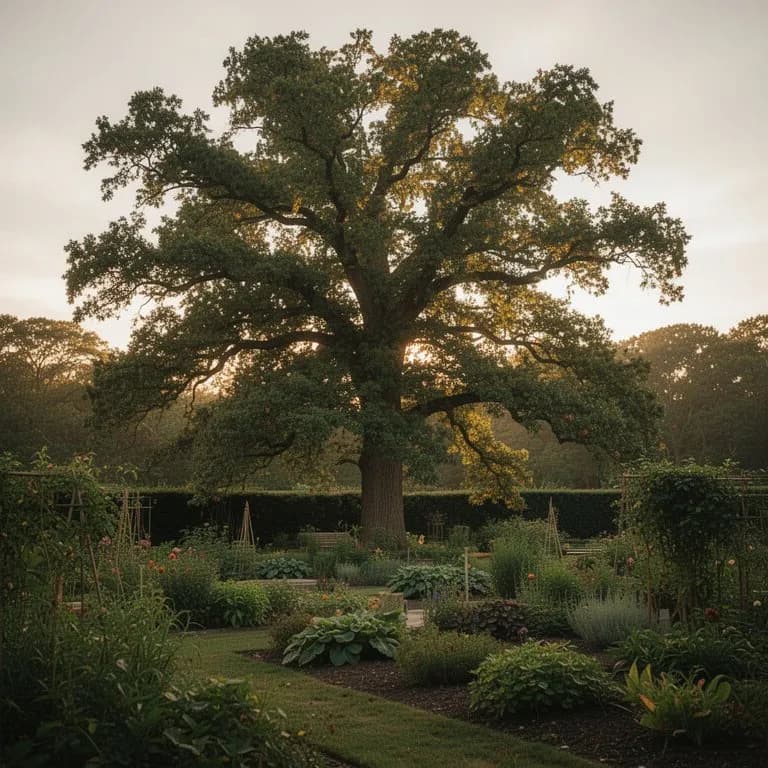
Slippery Elm Bark Soothing Tea
10 minutesA traditional herbal tea made from slippery elm bark powder that produces a thick, mucilaginous drink historically used to soothe sore throats and digestive discomfort. Use only commercially sourced slippery elm bark powder from reputable herbal suppliers.
Slippery Elm Throat Lozenges
30 minutes plus setting timeHomemade herbal lozenges using slippery elm bark powder combined with honey and essential oils, following a traditional recipe that has been used for generations to relieve throat irritation and coughs.
Elm Bark Digestive Gruel
15 minutesA gentle, traditional porridge-like preparation using slippery elm bark powder that creates a soothing and easily digestible meal. This preparation has roots in both Native American and early American settler cooking traditions for those with sensitive stomachs.
Yield & Spacing Calculator
See how many Elm Tree plants fit in your garden bed based on the recommended 1000cm spacing.
0
Elm Tree plants in a 4×4 ft bed
0 columns × 0 rows at 1000cm spacing
Popular Varieties
Some of the most popular elm tree varieties for home gardeners, each with unique characteristics.
Princeton
Highly resistant to Dutch elm disease with classic vase-shaped form. One of the best American elm cultivars for street planting, vigorous and symmetrical.
Valley Forge
National Arboretum selection with excellent DED resistance and fast growth. Full vase-shaped canopy with yellow fall color.
Accolade
Hybrid elm with outstanding disease resistance, glossy dark green leaves, and rich yellow fall color. Fast-growing and tolerant of urban conditions.
New Harmony
Strong DED resistance with a broad, rounded crown. Excellent for parks and large properties where a spreading canopy is desired.
Triumph
Hybrid elm combining vigor with exceptional disease resistance. Upright vase form with dark green foliage turning yellow in fall.
When should I plant Elm Tree?
Plant Elm Tree in March, April, October, November. It takes approximately 3650 days to reach maturity, with harvest typically in .
What are good companion plants for Elm Tree?
Elm Tree grows well alongside Daffodil, Tulip. Companion planting can improve growth, flavor, and natural pest control.
What hardiness zones can Elm Tree grow in?
Elm Tree thrives in USDA hardiness zones 3 through 9. With greenhouse protection, it may be grown in zones 1 through 10.
How much sun does Elm Tree need?
Elm Tree requires Full Sun (6-8h+). This means at least 6-8 hours of direct sunlight daily.
How far apart should I space Elm Tree?
Space Elm Tree plants 1000cm (394 inches) apart for optimal growth and air circulation.
What pests and diseases affect Elm Tree?
Common issues include Dutch Elm Disease, Elm Leaf Beetle, Elm Bark Beetle. Prevention through good garden practices like crop rotation, proper spacing, and companion planting is the best approach. See the detailed pests and diseases section above for symptoms, prevention, and treatment for each.
How do I store Elm Tree after harvest?
Elm wood should be processed promptly after felling, as it is susceptible to rapid decay and beetle infestation. The wood dries slowly and is prone to warping, so careful stacking with stickers and weighting is essential. Elm lumber with its distinctive interlocking grain is valued for furniture, ve...
What are the best Elm Tree varieties to grow?
Popular varieties include Princeton, Valley Forge, Accolade, New Harmony, Triumph. Each has unique characteristics suited to different growing conditions and culinary preferences. See the varieties section above for detailed descriptions.
What soil does Elm Tree need?
Elms are remarkably soil-tolerant, growing well in clay, loam, sand, and even somewhat compacted urban soils. They prefer a pH of 5.5 to 8.0 and tolerate both wet and dry conditions once established. Apply balanced fertilizer in early spring for young trees to promote rapid establishment. Mature elm...
Are modern elm cultivars truly resistant to Dutch elm disease?
Yes, several cultivars developed through extensive breeding and testing programs have demonstrated strong resistance to Dutch elm disease. Varieties such as Princeton, Valley Forge, and Jefferson (released by the U.S. National Arboretum) have shown survival rates above 95 percent in controlled inoculation trials. However, resistance is not absolute immunity, and these trees can still become infected under extreme disease pressure. Proper care, prompt removal of infected wood, and avoiding pruning during beetle flight season remain important even with resistant cultivars.
How fast do elm trees grow?
Elms are considered moderately fast to fast-growing trees. Under favorable conditions, young American elms can add 60 to 90 centimeters of height per year, with some cultivars like Princeton growing even faster in their early years. Growth rate depends on soil quality, moisture availability, sunlight, and climate. Most elms reach a functional landscape size of 9 to 12 meters within 15 to 20 years of planting, making them one of the faster-growing large shade trees available.
How large do elm trees get at maturity?
Mature American elms typically reach 18 to 30 meters in height with a canopy spread of 18 to 24 meters, creating the classic vase-shaped silhouette. Some exceptional specimens have exceeded 35 meters in height. The trunk diameter of a mature elm can reach 1.2 to 1.8 meters. Smaller species and cultivars are available for more confined spaces, including lacebark elm (Ulmus parvifolia) which typically stays between 12 and 18 meters tall.
What is the best time of year to plant an elm tree?
The ideal planting time for elm trees is in early spring after the ground has thawed but before new growth begins, or in early to mid-autumn after the heat of summer has passed but at least six weeks before the ground freezes. Fall planting allows the root system to establish during the cool, moist months before the demands of the first summer. Container-grown trees can be planted throughout the growing season if adequate irrigation is provided, but spring and fall remain optimal for reducing transplant stress.
Do elm trees have invasive roots that can damage foundations or sewer lines?
Elm trees develop extensive root systems that can spread well beyond the drip line of the canopy. While elm roots are not generally considered as aggressive as willows or silver maples, they can exploit existing cracks in older clay sewer pipes and may lift sidewalks if planted too close. To minimize risk, plant elms at least 6 to 9 meters from building foundations, 3 meters from sidewalks, and avoid planting directly over sewer lines. Modern PVC plumbing is generally not affected by tree roots.
Can I grow an elm tree in a small urban garden?
Standard American elms are too large for small gardens, but several smaller elm species and cultivars work well in confined urban spaces. Lacebark elm (Ulmus parvifolia) is an excellent choice for smaller properties, reaching 12 to 15 meters with a graceful spreading canopy. The cultivar Athena (Accolade) stays more compact, and some columnar forms are available for narrow spaces. Ensure any elm planted in a small garden has adequate root space and is positioned where it will not interfere with structures or overhead utilities at maturity.
Ready to Grow Elm Tree?
Add Elm Tree to your garden plan and start designing your perfect layout.

Vladimir Kusnezow
Gardener and Software Developer
Zone 6b gardener. Growing vegetables and fruits in soil and hydroponics for 6 years. I built PlotMyGarden to plan my own gardens.
Jump to Section