Clary Sage
Salvia sclarea
At a Glance
It's planting season for Clary Sage! Start planning your garden now.
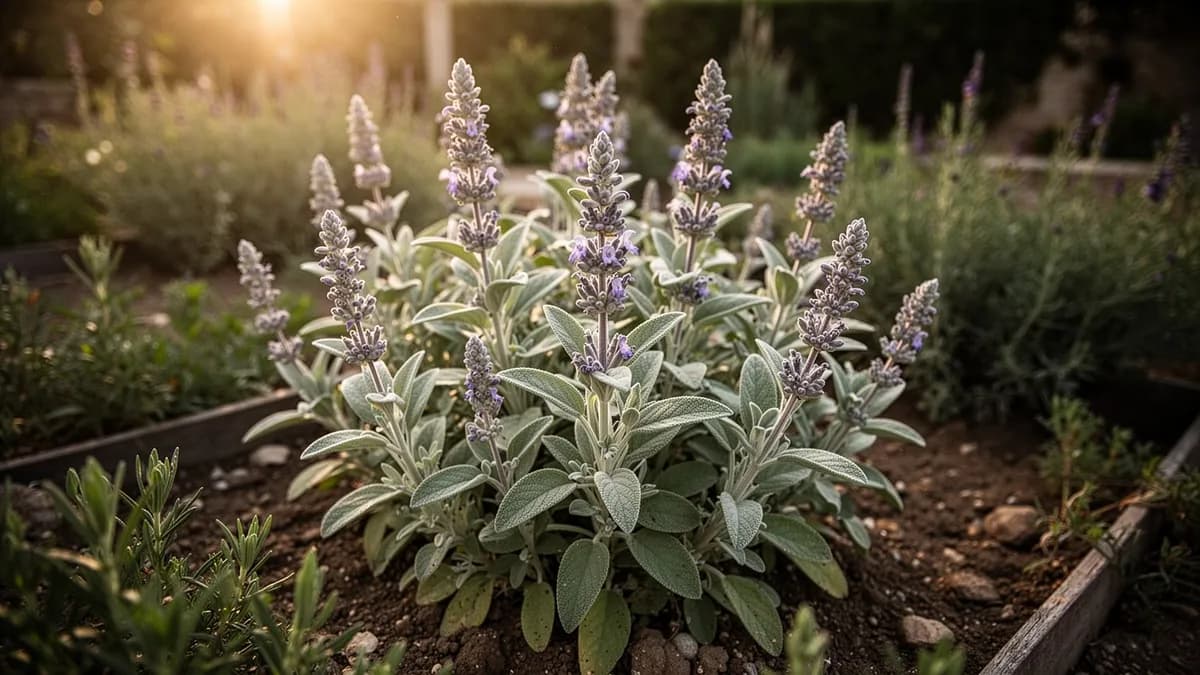
A dramatic biennial with large fuzzy leaves and tall spikes of pink-blue flowers prized in aromatherapy and perfumery. Clary sage essential oil is one of the most valued in natural perfume making for its warm, musky, wine-like scent. Grow in full sun with excellent drainage and allow it to self-sow for a continuous supply of plants.
Planting & Harvest Calendar
Growth Stages
From Seed to Harvest
Seed Germination
Days 0–21
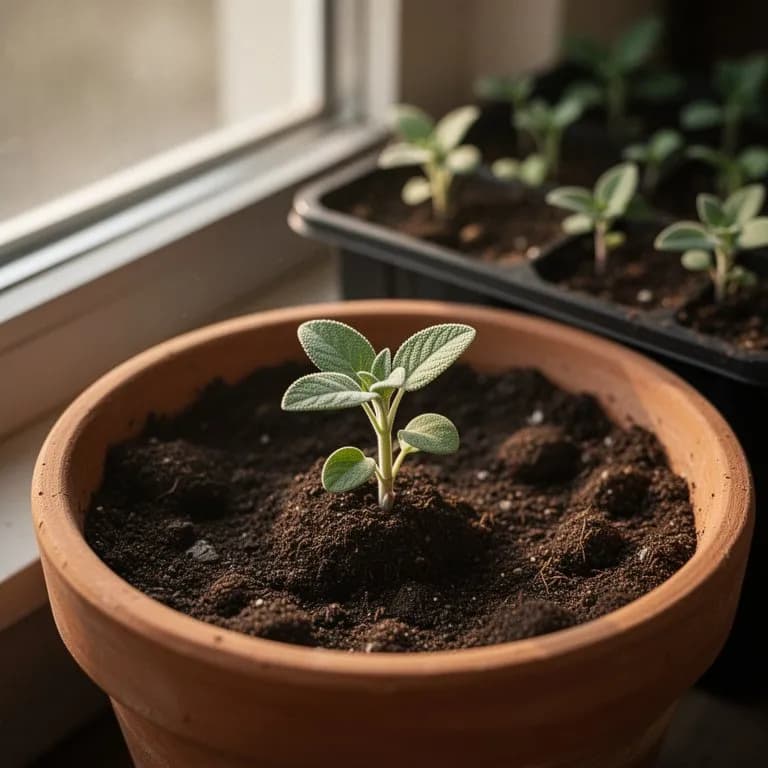
Clary sage seeds germinate in 14-21 days when surface-sown on moist, well-drained seed-starting mix at 18-22°C. The seeds require light for germination, so press them gently onto the surface without covering. Consistent moisture is essential, but avoid waterlogging. Cold stratification for one to two weeks before sowing can improve germination rates.
💡 Care Tip
Use a mist sprayer to keep the surface evenly moist. A clear humidity dome maintains moisture without disturbing the tiny seeds.
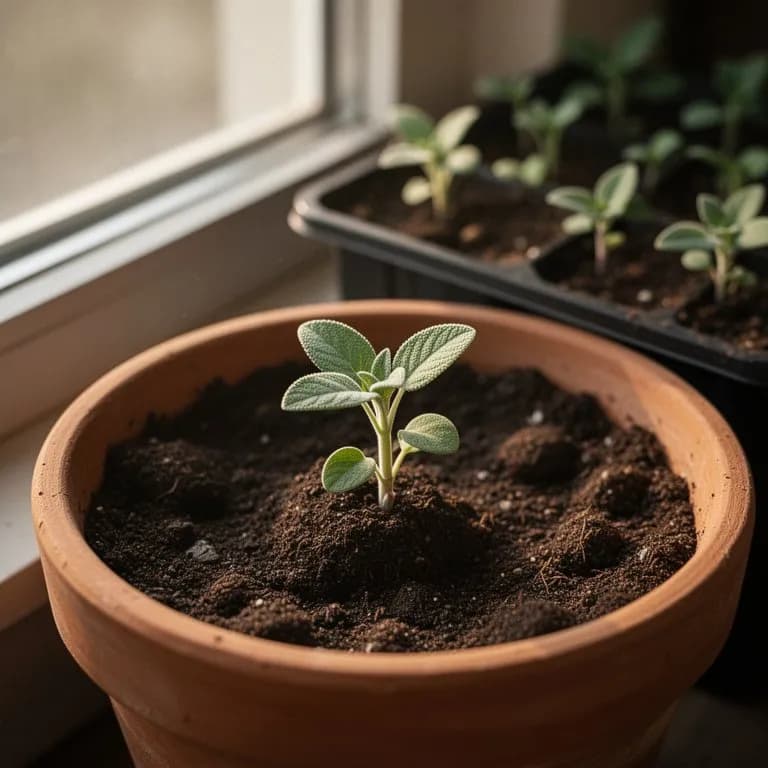
Clary sage seedlings develop their characteristic textured, heart-shaped leaves within weeks of germination
Monthly Care Calendar
What to do each month for your Clary Sage
May
You are hereMonitor first-year rosettes for consistent growth and water during dry spells. Second-year plants begin rapid bolting and may need staking in windy locations. Watch for aphids on tender new growth and remove by hand or with a strong water spray.
Did You Know?
Fascinating facts about Clary Sage
The name 'clary' derives from the Latin 'clarus' meaning 'clear,' because a mucilaginous preparation of the seeds was historically used as an eyewash to remove foreign particles from the eyes, earning it the folk name 'clear eye.'
Clary sage is a striking biennial or short-lived perennial that forms a large rosette of broad, fuzzy, grey-green leaves in its first year, then sends up dramatic flower spikes 90-120cm tall in its second year. The flowers are a complex mix of lilac, pink, and cream bracts that are both ornamental and highly aromatic. Plant in full sun with well-drained, even poor or gravelly soil.
Sow or plant in spring or autumn, spacing 45cm apart. The first-year rosette is handsome in its own right, with large textured leaves that feel velvety to the touch. Clary sage is drought-tolerant once established and prefers lean, dry conditions over rich, moist ones. Excessive moisture and fertility produce weak, floppy stems.
After flowering in the second year, the plant typically dies but self-sows abundantly if flowers are left to set seed. To maintain a continuous display, allow self-sowing and thin seedlings as needed, or sow fresh seed annually. Clary sage has a distinct, musky aroma that some find intoxicating and others find overpowering—plant it where its scent can be appreciated without being overwhelming.
Clary sage (Salvia sclarea) is native to the northern Mediterranean basin, with its natural range extending from the rocky hillsides and dry meadows of southern France, Italy, and the Balkans eastward through Turkey into the mountainous regions of Central Asia, including Syria, Iran, and parts of the Caucasus. It thrives on well-drained limestone soils in warm, sunny positions at elevations up to 1,000 meters. The plant has been cultivated and valued by humans for over 2,000 years. Ancient Greek and Roman physicians, including Dioscorides and Pliny the Elder, described it as a powerful medicinal herb useful for treating eye ailments, digestive complaints, and kidney disorders. The mucilaginous seeds were soaked in water to create a soothing eye rinse, a practice that gave the plant its common name 'clear eye' or 'clary.' Throughout the medieval period, clary sage was a staple of European monastery gardens, where monks cultivated it for both medicinal and culinary purposes. It played a particularly notable role in the brewing and wine-making traditions of medieval Europe, where it was used to flavor and fortify ale and cheap wines, mimicking the taste of the prized muscatel grape. German and English brewers relied on it so heavily that its association with intoxicating beverages became the stuff of legend and cautionary tales. By the Renaissance, herbalists including Nicholas Culpeper praised clary sage for its warming, comforting properties and recommended it for a wide range of conditions from melancholy to female complaints. The plant was brought to the New World by European colonists in the 17th century and quickly naturalized in parts of North America. In the 19th century, the French perfume industry in Grasse recognized the value of clary sage essential oil as a fixative and fragrance ingredient, and commercial cultivation expanded significantly in southern France, Russia, and later in the United States. Today, clary sage remains an important crop in the global essential oil industry, with major production in France, Hungary, Bulgaria, and Russia, while also enjoying renewed popularity among home gardeners and herbalists who value its striking ornamental beauty and versatile herbal applications.
Sow clary sage seeds in spring or autumn directly where they are to grow, as the taproot resents transplanting. Press seeds onto the soil surface and barely cover—they need some light for germination. Keep moist until germination occurs in 14-21 days at 18-22°C. Thin seedlings to 45cm apart. For indoor sowing, use deep root trainers and transplant carefully while young. Allow established plants to self-sow for a permanent colony that produces both first-year rosettes and second-year flowering plants simultaneously.
Clary sage demands excellent drainage above all else and thrives in poor to average soil with a pH of 6.5-8.0. Gravelly, sandy, or chalky soils are ideal. Rich, heavy, or waterlogged soils lead to root rot and weak, floppy growth. No fertilizer is needed—this Mediterranean native produces its finest aromatic oils under stress conditions. If soil is extremely poor, a light compost top-dressing at planting is sufficient.
Check Your Zone
See if Clary Sage is suitable for your location.
-15°C – 38°C
5°F – 100°F
Clary sage is a hardy biennial tolerant of a wide temperature range. Established rosettes can survive winter lows to -15°C (USDA Zone 5) with good drainage, though prolonged wet cold is more damaging than dry cold. The plant thrives in warm summers between 20-30°C, which promote strong growth and essential oil production. It tolerates heat up to 38°C if given adequate soil moisture and some afternoon shade in the hottest climates. Cool spring temperatures below 10°C for several weeks are important for vernalization and subsequent flowering.
Common issues affecting Clary Sage and how to prevent and treat them organically.
Root rot in wet winter soils is the most common cause of failure—ensure perfect drainage or grow in raised beds. Floppy flower stalks indicate too-rich soil or too little sun. The strong musky scent can cause headaches in sensitive individuals when planted near seating areas—site accordingly. After flowering, the plant dies—this is normal biennial behavior, not a disease. Ensure self-sowing is allowed for continuity.
Clary sage is a dramatic backdrop plant that pairs beautifully with lavender, rosemary, and other Mediterranean herbs in hot, dry borders. Its tall flower spikes provide vertical interest behind lower-growing aromatics. The flowers are exceptional bee plants, drawing pollinators that benefit the entire garden. Avoid planting near culinary herbs whose subtle flavors might be overwhelmed by clary sage's powerful scent.
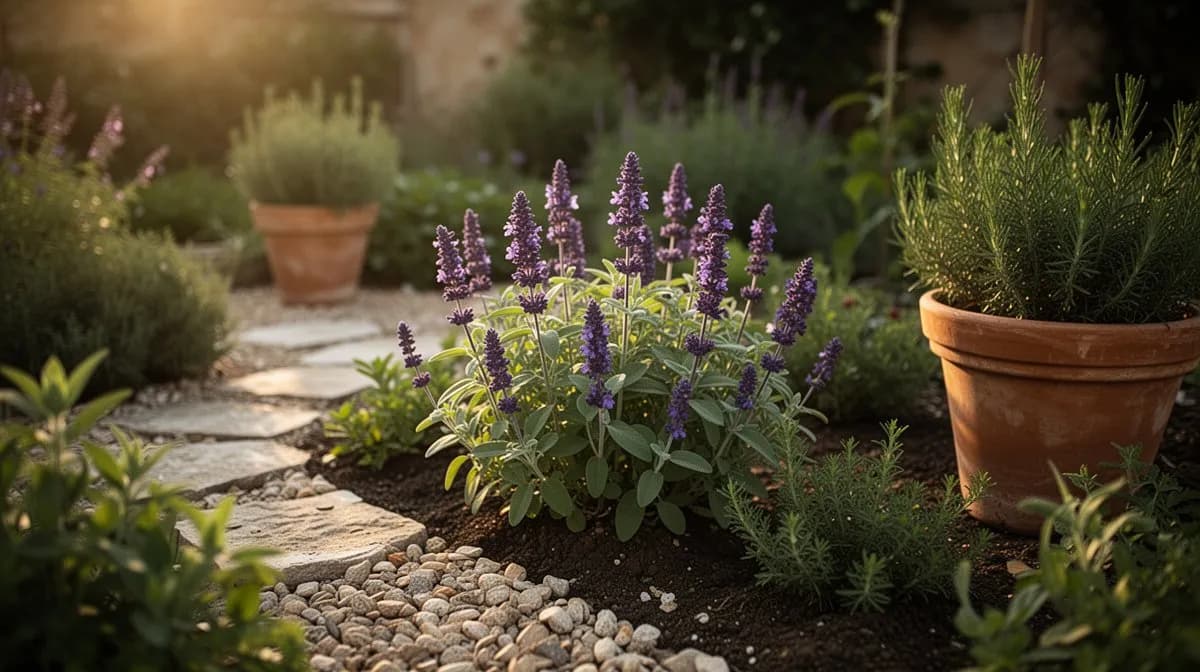
Clary sage adds architectural height and pollinator appeal to cottage gardens and herbaceous borders
- 1Grow clary sage in full sun with at least 6-8 hours of direct sunlight daily. Plants tolerate light afternoon shade in hot climates but produce fewer flowers and less potent essential oils in shaded conditions.
- 2Provide well-drained, moderately fertile soil with a pH between 6.0 and 8.0. Clary sage is adaptable to a wide range of soil types but will not tolerate waterlogged ground, which quickly causes root rot.
- 3Water young plants regularly during their first growing season to establish a strong root system. Once established, clary sage is quite drought-tolerant and prefers to dry out between waterings rather than remain consistently moist.
- 4Sow seeds successionally each year because clary sage is biennial and dies after flowering in its second year. This ensures a continuous display with rosettes and flowering plants present every season.
- 5Stake tall flowering stems in exposed or windy garden positions to prevent them from toppling under their own weight, especially after rain when the heavy bracts can become waterlogged.
- 6Avoid overfeeding with nitrogen-rich fertilizers, which promote lush foliage at the expense of flower production and essential oil concentration. A light application of balanced compost in early spring is sufficient.
- 7Allow some flower heads to mature and scatter seed naturally for a self-sustaining colony. Clary sage self-sows readily in loose, cultivated soil and seedlings can be easily transplanted or thinned in spring.
- 8Remove spent second-year plants promptly after seed harvest to make room for younger rosettes and prevent overcrowding, which reduces air circulation and increases disease pressure.
- 9Harvest leaves and flowers in the morning after dew has dried for the highest essential oil content. Cut whole flowering stems just above a leaf node to encourage any remaining side shoots to develop.
- 10In regions colder than USDA zone 5, treat clary sage as an annual by starting seeds indoors in late winter and transplanting out early. In these climates, plants may flower in their first year if given a head start indoors with a brief cold treatment.
Harvest clary sage flower spikes when bracts are fully colored and aromatic, typically June through July of the second year. Cut stems at the base for drying or distillation. Individual leaves can be harvested from first-year rosettes. For essential oil production, harvest the entire flowering plant at peak bloom when oil content is highest. The flowers attract swarms of bees, so harvest early in the morning before bee activity peaks.
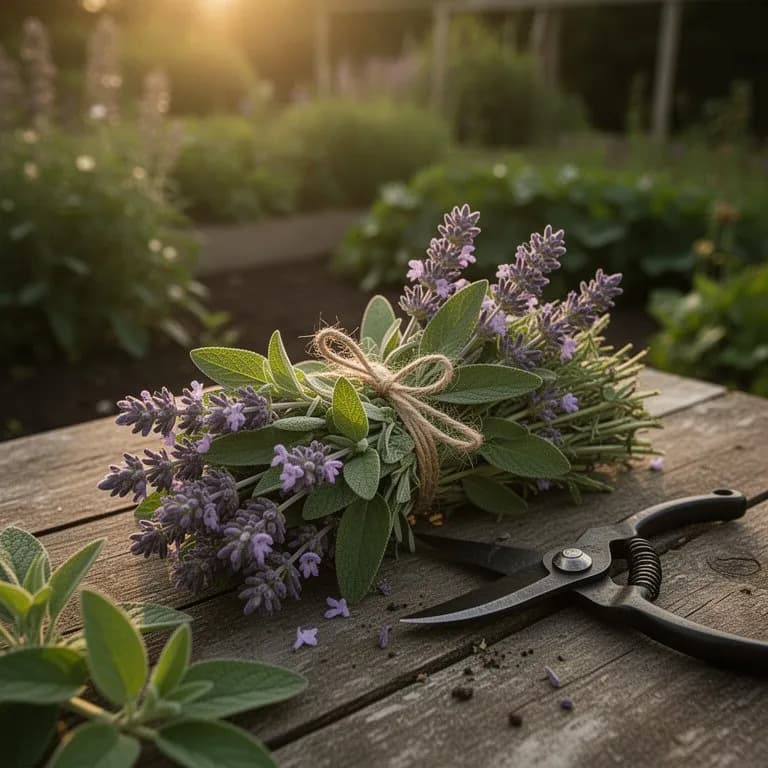
Harvest flower stems and leaves in the morning when essential oil concentration is highest
Hang flowering stems upside down in a warm, dark, well-ventilated space to dry. The dried flower spikes retain their color and fragrance beautifully and make striking additions to dried arrangements. Strip dried leaves for tea blends or sachets. For essential oil, steam distillation of fresh or semi-dried flowering tops yields the prized clary sage oil used in aromatherapy and perfumery. Store dried material in airtight containers away from light for up to 18 months.
Plan your garden with ease
Love growing Clary Sage? Use our free garden planner to design your beds, track planting dates, and get personalized care reminders.
Nutritional Info
Per 100g serving
42
Calories
Health Benefits
- Contains sclareol and linalyl acetate, compounds studied for their anti-inflammatory and hormone-modulating properties
- Rich in polyphenolic antioxidants including rosmarinic acid and caffeic acid derivatives
- Provides small amounts of calcium, magnesium, and iron when consumed as an herbal tea
- Traditionally used as a digestive bitter to stimulate appetite and aid nutrient absorption
- Low calorie herb that adds complex aromatic flavor to dishes without added fats or sugars
- Essential oil contains terpenes and esters with documented antimicrobial activity against common foodborne pathogens
💰 Why Grow Your Own?
A packet of clary sage seeds costs $3-5 and yields 50-100 plants, while clary sage essential oil retails for $15-30 per 10ml bottle. A single mature plant produces enough leaf and flower material for a year's supply of herbal tea and culinary use, valued at approximately $20-40 if purchased as dried herb. Because clary sage self-sows prolifically, an initial planting provides a self-sustaining supply of plants year after year at no additional cost. Growing your own clary sage for homemade infused oils, herbal teas, and aromatherapy preparations can save $50-120 annually compared to purchasing commercial products.
Quick Recipes
Simple recipes using fresh Clary Sage
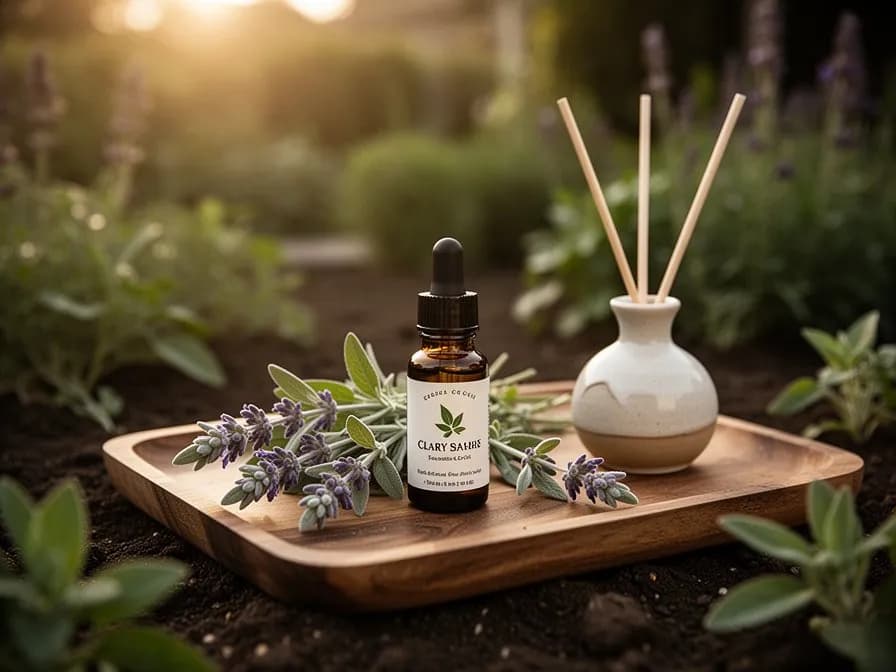
Clary Sage Fritters
20 minutesA traditional European recipe where large clary sage leaves are dipped in a light batter and fried until golden and crispy. The heat mellows the herb's musky flavor into a warm, savory taste with hints of bittersweet complexity. These fritters have been enjoyed as an appetizer or side dish since medieval times and remain a delicacy in parts of Italy and southern France.
Clary Sage and Honey Herbal Tea
10 minutesA soothing, aromatic infusion that highlights the warm, musky character of clary sage. This traditional herbal tea has been used for centuries to ease tension, support digestion, and promote relaxation. The honey rounds out the herb's slightly bitter edge, creating a comforting drink for any time of day.
Clary Sage Butter for Grilled Meats
10 minutes + 30 min chillingA savory compound butter infused with finely chopped fresh clary sage leaves that melts beautifully over grilled steaks, roasted chicken, or baked fish. The herb imparts a warm, slightly bittersweet, aromatic flavor that complements rich proteins. This compound butter also works wonderfully stirred into pasta or spread on crusty bread.
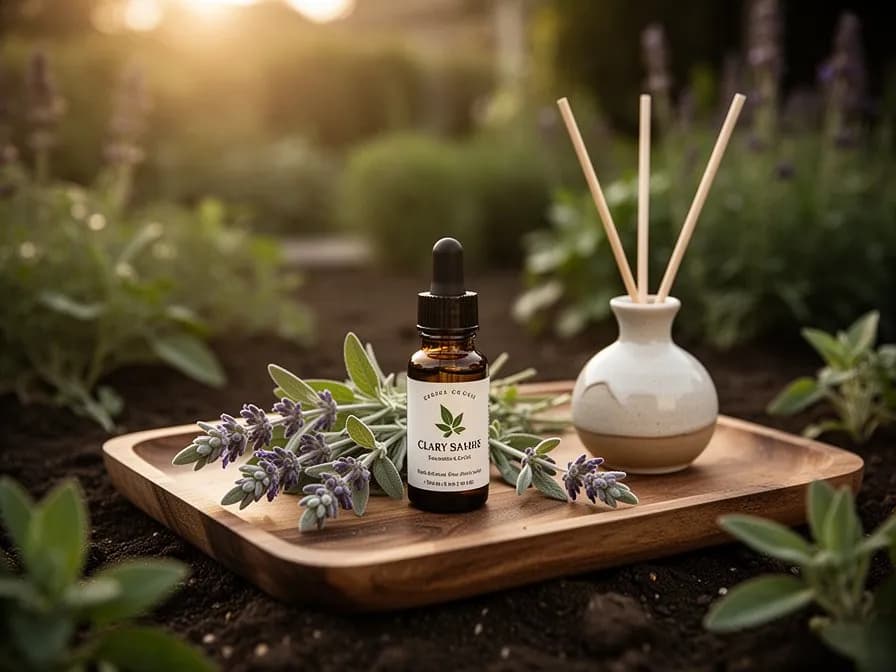
Young clary sage leaves have a warm, bittersweet flavor used in traditional European cooking
Yield & Spacing Calculator
See how many Clary Sage plants fit in your garden bed based on the recommended 45cm spacing.
4
Clary Sage plants in a 4×4 ft bed
2 columns × 2 rows at 45cm spacing
Popular Varieties
Some of the most popular clary sage varieties for home gardeners, each with unique characteristics.
Salvia sclarea (standard)
The classic species with tall lilac-pink flower spikes and powerfully musky aroma. The primary source of clary sage essential oil.
Salvia sclarea var. turkestanica
Turkestan variety with white and pink bracts. More compact growth habit and slightly different fragrance profile. Very ornamental.
Salvia sclarea 'Vatican White'
Pure white flower bracts that glow in evening light. Especially beautiful in moon gardens and white-themed borders.
When should I plant Clary Sage?
Plant Clary Sage in March, April, May. It takes approximately 365 days to reach maturity, with harvest typically in June, July, August.
What are good companion plants for Clary Sage?
Clary Sage grows well alongside Lavender, Rosemary, Sage. Companion planting can improve growth, flavor, and natural pest control.
What hardiness zones can Clary Sage grow in?
Clary Sage thrives in USDA hardiness zones 4 through 9. With greenhouse protection, it may be grown in zones 2 through 10.
How much sun does Clary Sage need?
Clary Sage requires Full Sun (6-8h+). This means at least 6-8 hours of direct sunlight daily.
How far apart should I space Clary Sage?
Space Clary Sage plants 45cm (18 inches) apart for optimal growth and air circulation.
What pests and diseases affect Clary Sage?
Common issues include Downy Mildew, Slugs and Snails. Prevention through good garden practices like crop rotation, proper spacing, and companion planting is the best approach. See the detailed pests and diseases section above for symptoms, prevention, and treatment for each.
How do I store Clary Sage after harvest?
Hang flowering stems upside down in a warm, dark, well-ventilated space to dry. The dried flower spikes retain their color and fragrance beautifully and make striking additions to dried arrangements. Strip dried leaves for tea blends or sachets. For essential oil, steam distillation of fresh or semi...
What are the best Clary Sage varieties to grow?
Popular varieties include Salvia sclarea (standard), Salvia sclarea var. turkestanica, Salvia sclarea 'Vatican White'. Each has unique characteristics suited to different growing conditions and culinary preferences. See the varieties section above for detailed descriptions.
What soil does Clary Sage need?
Clary sage demands excellent drainage above all else and thrives in poor to average soil with a pH of 6.5-8.0. Gravelly, sandy, or chalky soils are ideal. Rich, heavy, or waterlogged soils lead to root rot and weak, floppy growth. No fertilizer is needed—this Mediterranean native produces its finest...
Is clary sage the same as common sage?
No, clary sage (Salvia sclarea) and common sage (Salvia officinalis) are different species within the Salvia genus. Common sage is a woody perennial evergreen shrub used primarily as a culinary seasoning, while clary sage is a biennial grown mainly for its essential oil, ornamental flower spikes, and herbal medicine applications. They differ significantly in appearance, aroma, and flavor. Clary sage has much larger, softer, wrinkled leaves and a musky, sweet scent, whereas common sage has smaller, pebbly-textured grey-green leaves with a sharper, more camphoraceous aroma.
Why did my clary sage not flower in its first year?
This is completely normal behavior for clary sage, which is a biennial plant. In its first year, it focuses entirely on producing a large rosette of basal leaves and establishing a strong root system. Flowering occurs in the second year after the plant has experienced a period of winter cold (vernalization) that triggers the transition to reproductive growth. If you want flowers every year, sow seeds in successive years so you always have both first-year rosettes and second-year flowering plants in the garden.
Can I use clary sage essential oil directly on my skin?
Clary sage essential oil should never be applied undiluted directly to the skin, as concentrated essential oils can cause irritation, sensitization, or allergic reactions. Always dilute clary sage oil in a carrier oil such as jojoba, sweet almond, or coconut oil at a ratio of 2-3 drops of essential oil per teaspoon of carrier oil before topical application. Perform a small patch test on your inner forearm before wider use. Pregnant women should consult a healthcare professional before using clary sage oil, as it has traditionally been associated with uterine-stimulating properties.
How do I dry and store clary sage for herbal use?
Harvest clary sage leaves and flowering tops in the morning once any dew has dried. Bundle 5-8 stems together with twine or a rubber band and hang upside down in a warm, dry, dark, well-ventilated area for 1-3 weeks until completely dry and crumbly. Alternatively, spread individual leaves on drying screens in a single layer. Once fully dry, strip leaves from stems and store in airtight glass jars away from direct light and heat. Properly dried and stored clary sage retains its aroma and herbal properties for 12-18 months.
Does clary sage attract pollinators?
Yes, clary sage is an outstanding pollinator plant. Its nectar-rich flowers are highly attractive to honeybees, bumblebees, solitary bees, and various butterfly species. The tall, open flower spikes provide easy landing platforms for large pollinators, and the extended blooming period of several weeks ensures a sustained food source during early to midsummer. Planting clary sage near vegetable gardens can help boost pollination rates of nearby crops like tomatoes, squash, and beans.
Will clary sage spread aggressively in my garden?
Clary sage can self-sow quite prolifically if seed heads are left to mature and scatter, and in some gardens it can appear in unexpected places. However, it is not invasive in the traditional sense because seedlings are easy to identify with their distinctive wrinkled leaves and can be pulled out effortlessly when young. To control self-sowing, simply deadhead spent flower spikes before seeds mature, leaving only one or two heads to produce your desired replacement plants. The seedlings that do appear are easy to transplant or share with fellow gardeners.
Ready to Grow Clary Sage?
Add Clary Sage to your garden plan and start designing your perfect layout.

Vladimir Kusnezow
Gardener and Software Developer
Zone 6b gardener. Growing vegetables and fruits in soil and hydroponics for 6 years. I built PlotMyGarden to plan my own gardens.
Jump to Section