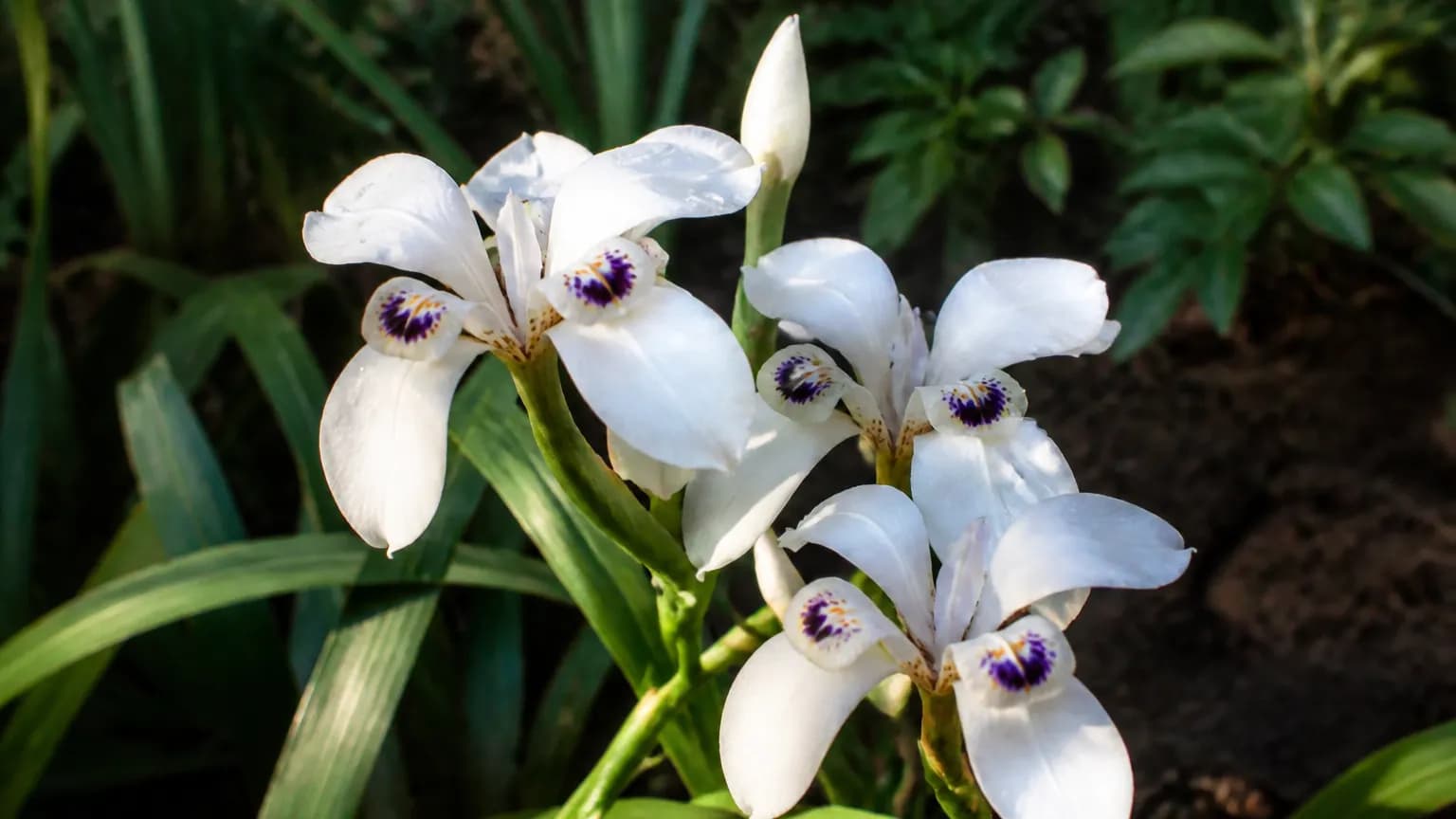
Peacock Orchid
Gladiolus murielae
At a Glance
It's planting season for Peacock Orchid! Start planning your garden now.
A graceful bulb with nodding, fragrant white flowers marked by deep maroon-purple blotches at the center, blooming in late summer. Peacock orchid thrives in warm, sheltered spots and must be lifted and stored over winter in cold climates. Plant in groups of ten or more for a stunning, sweet-scented display.
Planting & Harvest Calendar
Growth Stages
From Seed to Harvest
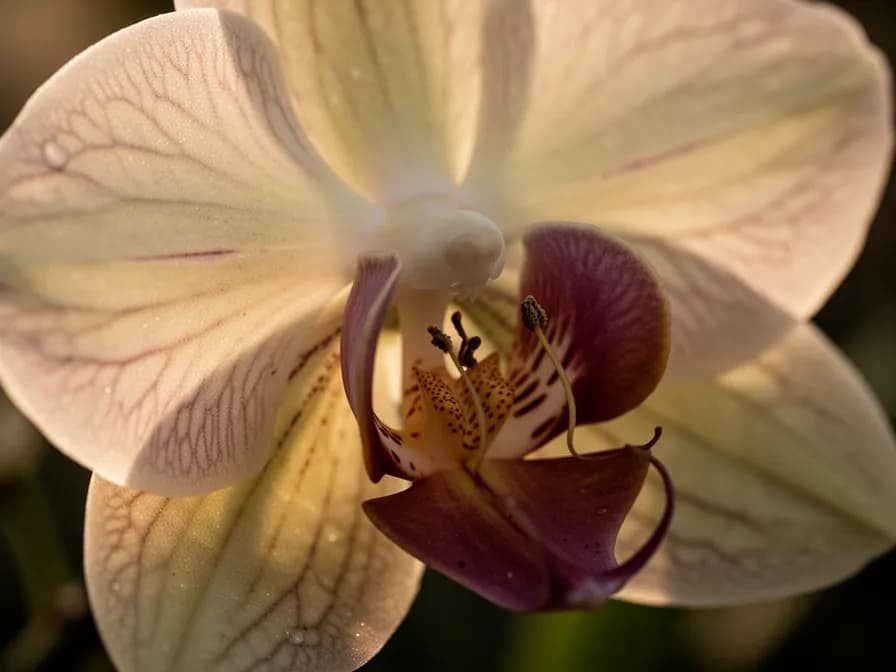
Corm Planting
Days 0–14
Acidanthera corms are planted in spring once all danger of frost has passed and soil temperatures have reached at least 15°C. Corms should be placed 10–15 cm deep and 10–15 cm apart in well-drained, fertile soil. In regions with short growing seasons (fewer than 120 frost-free days), corms can be started indoors in pots 4–6 weeks before the last expected frost date to extend the growing period. The corm contains stored energy from the previous growing season, and root initiation begins within 7–14 days when soil moisture and warmth are adequate.
💡 Care Tip
Plant corms with the pointed end facing upward. Ensure the planting site receives full sun for at least 6–8 hours daily. Water lightly after planting and avoid overwatering until shoots emerge, as soggy conditions can cause corm rot.
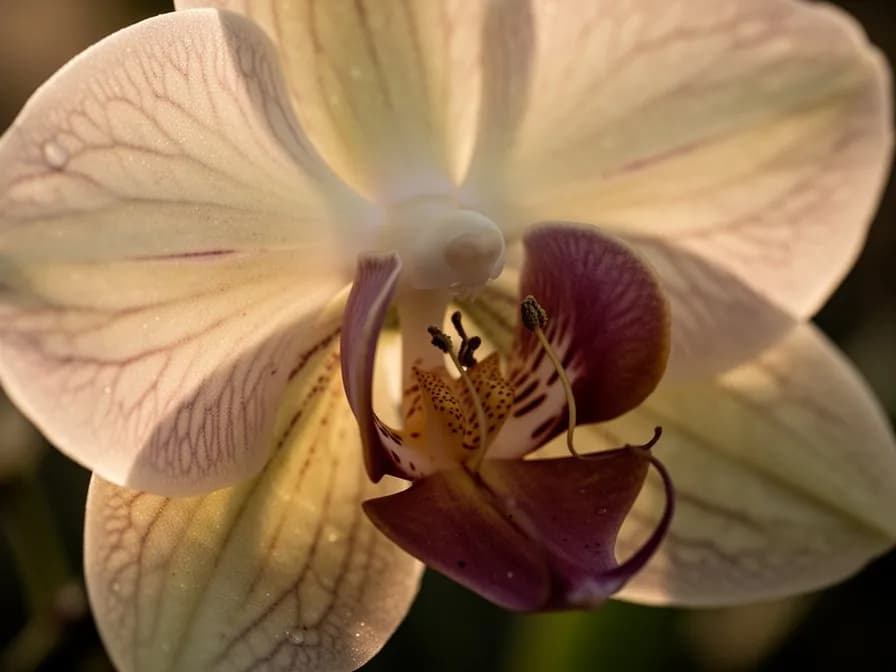
Acidanthera corms resemble small gladiolus bulbs and should be firm and free of soft spots when selected for planting in spring
Monthly Care Calendar
What to do each month for your Peacock Orchid
May
You are hereTransplant indoor-started corms outdoors after hardening off for 7–10 days. Direct-plant remaining corms in the garden. Apply a balanced granular fertilizer at planting time. Begin regular watering as shoots emerge and temperatures rise.
Did You Know?
Fascinating facts about Peacock Orchid
Despite being commonly called the peacock orchid, Acidanthera is not an orchid at all — it belongs to the iris family (Iridaceae) and is closely related to gladiolus.
Plant peacock orchid corms in spring after all danger of frost has passed, setting them three to four inches deep and four to six inches apart in rich, well-drained soil. Choose a sheltered location in full sun, ideally against a south-facing wall where the reflected heat will encourage strong growth and prolific flowering. In zones below 7, start corms indoors in pots four to six weeks before the last frost to extend the growing season.
Water regularly during active growth, keeping the soil consistently moist but never waterlogged. Feed every two weeks with a dilute liquid fertilizer high in potassium once flower buds begin to form. Staking is rarely needed as the graceful stems are surprisingly sturdy despite their slender appearance.
In cold climates, dig corms after the first light frost has blackened the foliage. Cut the stems to two inches, brush off excess soil, and cure in a warm, dry location for two weeks. Store over winter in mesh bags filled with dry peat moss at 50 to 60 degrees Fahrenheit, checking monthly for signs of rot or desiccation.
Acidanthera, now officially classified as Gladiolus murielae, is native to the mountainous regions of eastern Africa, particularly the highlands of Ethiopia, Eritrea, Malawi, Mozambique, Tanzania, and Zimbabwe. The plant thrives naturally in rocky grasslands and along stream margins at elevations between 1,500 and 2,500 meters, where it experiences a pronounced wet-dry seasonal cycle. Indigenous communities in these regions have long appreciated the plant for its striking beauty and sweet fragrance, occasionally incorporating the flowers into ceremonial and decorative uses. The species was first introduced to Western horticulture in the mid-nineteenth century when Scottish botanist John Hutton Balfour formally described it in 1844 under the genus Acidanthera, a name derived from the Greek words for pointed anther. The plant quickly gained popularity among Victorian-era gardeners, who cultivated it in heated greenhouses and conservatories across Britain and continental Europe. A hand-colored illustration appeared in Curtis's Botanical Magazine in 1896, further cementing its reputation as an exotic garden treasure. The specific epithet murielae honors Muriel Erskine, a plant collector who gathered specimens in East Africa during the early twentieth century. Throughout the twentieth century, taxonomists debated the plant's classification, eventually merging the genus Acidanthera into Gladiolus based on molecular and morphological evidence. Despite this reclassification, the name Acidanthera persists in horticultural commerce and among gardeners worldwide. Hybridizers have worked with the species to develop cultivars with larger flowers, stronger stems, and improved cold tolerance, broadening its range of cultivation from tropical and subtropical gardens to temperate regions where corms are lifted and stored over winter. Today, Acidanthera is celebrated globally as one of the most elegant and fragrant summer-flowering bulbs, valued equally in garden borders, container plantings, and as a superb cut flower.
Peacock orchid is propagated primarily from corms rather than seed. Small cormlets produced around the mother corm can be grown on to flowering size in two to three years. Plant cormlets one to two inches deep in a nursery bed or deep containers with well-drained potting mix. Grow on with regular feeding through the season, lifting and storing each winter. Seeds can be sown in spring but take four to five years to reach flowering size.
Peacock orchid thrives in fertile, humus-rich soil with excellent drainage and a pH of 6.0 to 7.0. Amend heavy clay with coarse sand and compost before planting. Apply a balanced granular fertilizer at planting time and switch to a high-potassium liquid feed every two weeks once buds appear. Avoid heavy nitrogen which promotes foliage at the expense of flowers. Mulch lightly with compost to conserve moisture during the growing season.
Check Your Zone
See if Peacock Orchid is suitable for your location.
15°C – 30°C
59°F – 86°F
Acidanthera thrives in warm conditions and requires a minimum soil temperature of 15°C before corms are planted. The optimal growing range is 20–28°C during the active season. Plants are not frost-tolerant and will suffer damage below 5°C. In regions where winter temperatures drop below -5°C (USDA zones 7 and below), corms must be lifted in autumn and stored indoors. During the growing season, daytime temperatures between 22–30°C paired with cooler nights of 15–18°C promote the strongest flowering and most intense fragrance production.
Common issues affecting Peacock Orchid and how to prevent and treat them organically.
The most frequent issue is failure to flower, usually caused by planting too late in the season or using undersized corms that need another year to reach blooming size. Cold, wet springs can delay emergence and cause corm rot before growth begins. In windy sites, the tall flower stems may lean or topple, though they rarely snap. Corms left in the ground in zones below 7 will not survive winter freezes.
Peacock orchid pairs beautifully with other late-summer bloomers such as dahlias, gladiolus, and ornamental grasses that provide textural contrast. Plant in front of dark-leaved cannas or purple-foliage shrubs to highlight the white flowers. The fragrant blooms complement evening garden settings near patios and seating areas. Avoid planting near aggressive spreaders that might crowd out the delicate corms.
- 1Plant corms 10–15 cm deep and 10–15 cm apart in groups of at least 10–15 for the most visually impactful display. Scattered single plantings tend to look sparse and fail to create the dramatic effect this plant deserves.
- 2Start corms indoors in pots 4–6 weeks before your last frost date if your growing season is shorter than 120 days. This gives plants a head start and ensures flowers open before autumn frost arrives.
- 3Choose a planting location in full sun with at least 6–8 hours of direct sunlight daily. Acidanthera will tolerate light afternoon shade in hot climates, but flowering is reduced in anything less than full sun conditions.
- 4Ensure excellent drainage by amending heavy clay soils with generous amounts of coarse sand, perlite, or aged compost. Corms sitting in waterlogged soil are highly susceptible to fusarium rot and basal plate disease.
- 5Apply a balanced liquid fertilizer every 2–3 weeks during the growing season, switching to a high-phosphorus formula when the flower spike begins to emerge to support strong bud development and vivid flower coloring.
- 6Position plants near patios, seating areas, or open windows to take full advantage of the intoxicating evening fragrance. The sweet scent carries well on warm evening air and is strongest between dusk and midnight.
- 7In zones 7 and below, lift corms after the first light frost has killed the foliage. Cure them in a warm, well-ventilated spot for one to two weeks, then store in paper bags with dry peat moss or vermiculite at 10–15°C over winter.
- 8Deadhead spent flowers promptly but leave the green foliage intact for at least six weeks after the last bloom. The leaves are actively producing carbohydrates that fuel next year's replacement corm and cormel development.
- 9Combine Acidanthera with late-summer companions such as ornamental grasses, Russian sage, agastache, and low-growing sedums. The upright, airy habit of Acidanthera contrasts beautifully with mounding and flowing plant forms.
- 10Rotate planting locations every 2–3 years to reduce the risk of soil-borne diseases, particularly fusarium wilt and gladiolus rust. Avoid planting in beds that have recently grown other members of the Iridaceae family.
Cut peacock orchid stems for arrangements when the lowest flower on the spike has just opened and the upper buds are still closed. Cut in the early morning or late evening, placing stems immediately in lukewarm water. Remove any foliage that would sit below the waterline. The intensely sweet fragrance makes even a few stems highly effective in indoor arrangements, and blooms typically last five to seven days in a vase.
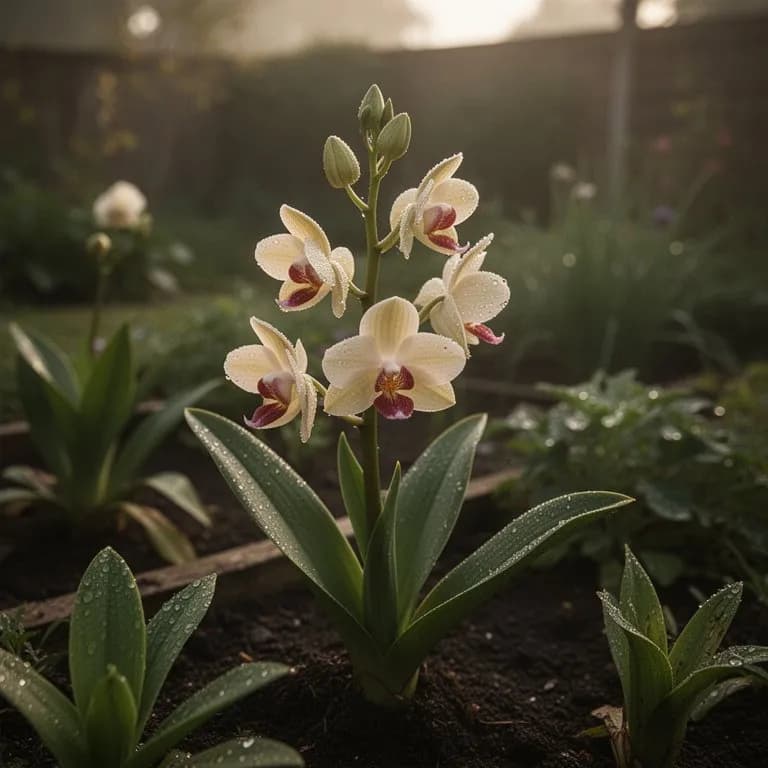
Each fragrant flower features six pointed white tepals surrounding a dramatic dark maroon-purple blotch at the base, creating a striking star pattern
Peacock orchid flowers do not dry well but the corms store successfully over winter. After lifting, cure corms in a warm, airy location for two to three weeks until the outer skin is papery. Remove the spent mother corm from the base and separate any small cormlets for growing on. Store in paper bags or mesh sacks with dry peat at 50 to 60 degrees Fahrenheit. Check monthly and discard any corms showing soft spots or mold.
Plan your garden with ease
Love growing Peacock Orchid? Use our free garden planner to design your beds, track planting dates, and get personalized care reminders.
Nutritional Info
Per 100g serving
0
Calories
Health Benefits
- Acidanthera is grown exclusively as an ornamental plant and is not consumed as food
- No parts of the plant — corms, leaves, or flowers — are considered edible or used in culinary applications
- The plant's primary value lies in its aesthetic beauty, fragrance, and use as a cut flower
- Some members of the iris family contain compounds that may cause gastrointestinal irritation if ingested
- Essential oils derived from the flowers have been studied for potential aromatic applications but are not commercially available
💰 Why Grow Your Own?
A pack of 25 Acidanthera corms typically costs between $8 and $15, and each corm produces 3–5 small cormels annually. Within three to four years, your original investment can multiply into 100 or more flowering-sized corms through natural propagation. Compared to purchasing premium cut flowers at $4–6 per stem from florists, a well-established Acidanthera patch producing 50–75 stems per season delivers $200–450 worth of exquisite, fragrant cut flowers each year, making it one of the most cost-effective summer-flowering bulbs for home gardeners.
Quick Recipes
Simple recipes using fresh Peacock Orchid
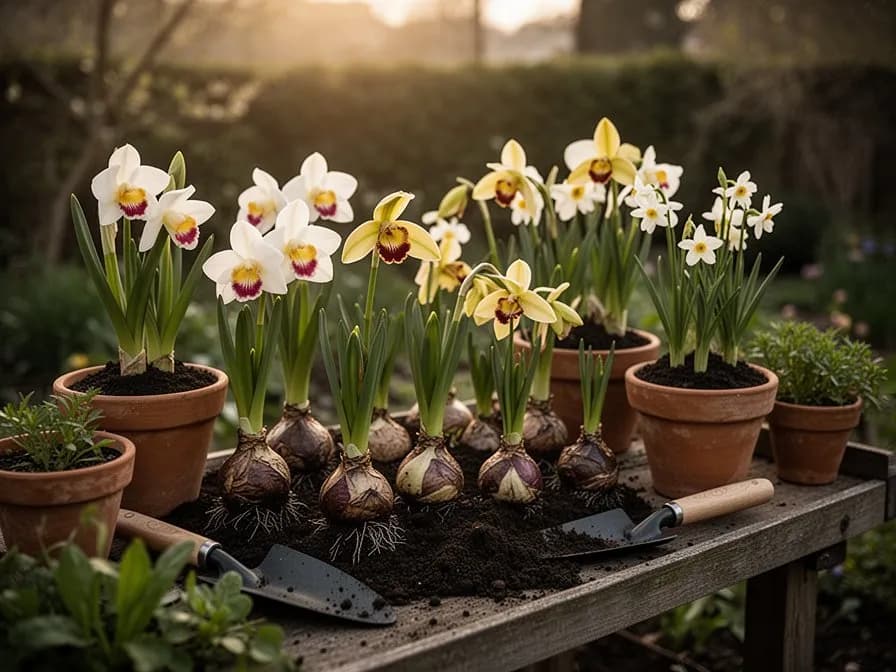
Fragrant Summer Bouquet Arrangement
15 minutesCreate a stunning and fragrant floral arrangement by combining freshly cut Acidanthera stems with complementary garden flowers. The sweet evening scent of Acidanthera pairs beautifully with roses and lavender for a romantic, perfumed display that fills an entire room with fragrance.
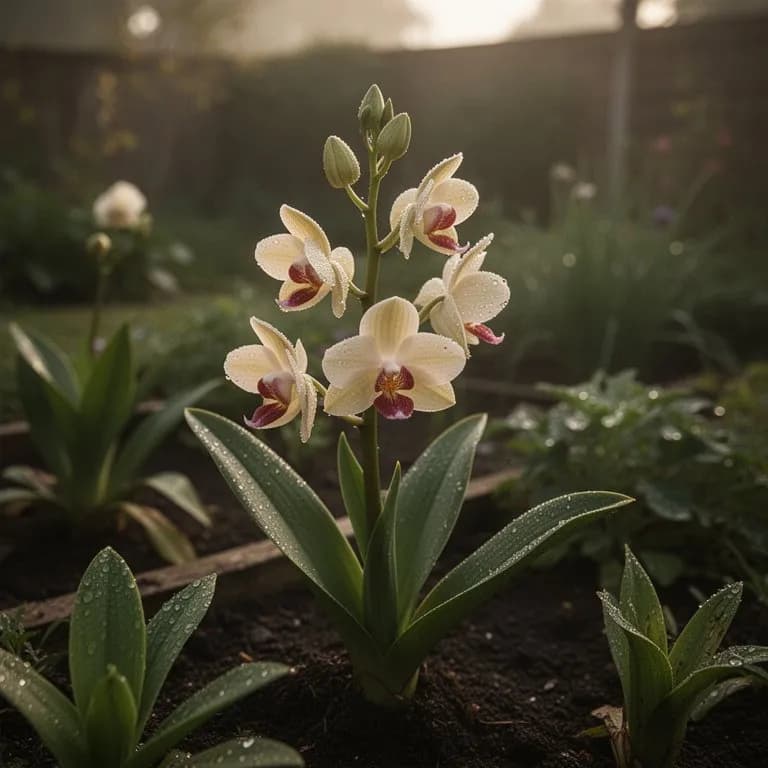
Dried Acidanthera Petal Potpourri
20 minutes active, 2 weeks dryingPreserve the delicate fragrance of Acidanthera by creating a natural potpourri from dried petals. The flowers retain a subtle sweet scent when dried and blend beautifully with other aromatic botanicals for sachets, bowls, or decorative displays throughout the home.
Pressed Acidanthera Flower Art
10 minutes active, 3–4 weeks pressingThe elegant star-shaped blooms of Acidanthera press beautifully due to their relatively flat flower structure and create stunning botanical art. The contrasting white petals and dark throat markings are preserved through pressing, making them ideal for framed artwork, greeting cards, or resin jewelry.
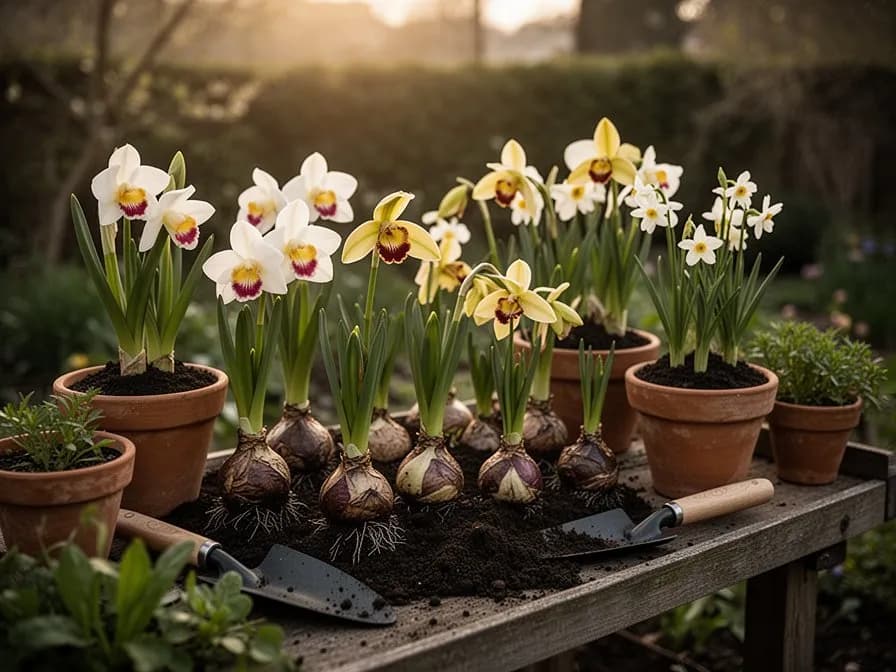
Acidanthera makes an exceptional cut flower, lasting 7–10 days in a vase and filling rooms with its delicate, sweet jasmine-like scent
Yield & Spacing Calculator
See how many Peacock Orchid plants fit in your garden bed based on the recommended 12cm spacing.
100
Peacock Orchid plants in a 4×4 ft bed
10 columns × 10 rows at 12cm spacing
Popular Varieties
Some of the most popular peacock orchid varieties for home gardeners, each with unique characteristics.
Murielae
The standard species with pure white petals marked by dramatic deep maroon-purple blotches, intensely fragrant and reaching two to three feet tall.
Zwanenburg
A vigorous selection with slightly larger flowers and stronger stems, excellent for cut flower production and garden display.
When should I plant Peacock Orchid?
Plant Peacock Orchid in April, May. It takes approximately 90 days to reach maturity, with harvest typically in August, September.
What are good companion plants for Peacock Orchid?
Peacock Orchid grows well alongside Gladiolus, Dahlia, Oriental Lily. Companion planting can improve growth, flavor, and natural pest control.
What hardiness zones can Peacock Orchid grow in?
Peacock Orchid thrives in USDA hardiness zones 7 through 11. With greenhouse protection, it may be grown in zones 5 through 12.
How much sun does Peacock Orchid need?
Peacock Orchid requires Full Sun (6-8h+). This means at least 6-8 hours of direct sunlight daily.
How far apart should I space Peacock Orchid?
Space Peacock Orchid plants 12cm (5 inches) apart for optimal growth and air circulation.
What pests and diseases affect Peacock Orchid?
Common issues include Thrips, Fusarium Corm Rot, Aphids. Prevention through good garden practices like crop rotation, proper spacing, and companion planting is the best approach. See the detailed pests and diseases section above for symptoms, prevention, and treatment for each.
How do I store Peacock Orchid after harvest?
Peacock orchid flowers do not dry well but the corms store successfully over winter. After lifting, cure corms in a warm, airy location for two to three weeks until the outer skin is papery. Remove the spent mother corm from the base and separate any small cormlets for growing on. Store in paper bag...
What are the best Peacock Orchid varieties to grow?
Popular varieties include Murielae, Zwanenburg. Each has unique characteristics suited to different growing conditions and culinary preferences. See the varieties section above for detailed descriptions.
What soil does Peacock Orchid need?
Peacock orchid thrives in fertile, humus-rich soil with excellent drainage and a pH of 6.0 to 7.0. Amend heavy clay with coarse sand and compost before planting. Apply a balanced granular fertilizer at planting time and switch to a high-potassium liquid feed every two weeks once buds appear. Avoid h...
Is Acidanthera the same as gladiolus?
Acidanthera was reclassified and is now officially known as Gladiolus murielae, placing it within the gladiolus genus. However, it differs significantly from garden gladiolus in appearance — its flowers are smaller, star-shaped, and intensely fragrant with distinctive dark throat markings. Most gardeners and nurseries still use the name Acidanthera or peacock orchid to distinguish it from standard gladiolus hybrids.
Can Acidanthera survive winter outdoors?
Acidanthera corms are hardy only in USDA zones 8–10, where winter temperatures remain above -10°C. In these zones, corms can stay in the ground year-round with a protective 10–15 cm layer of mulch. In zones 7 and colder, corms must be dug up after the first frost kills the foliage, dried and cured for 1–2 weeks, and stored in a cool, dry location at 10–15°C until replanting in spring.
Why are my Acidanthera plants not flowering?
The most common reasons for non-flowering are insufficient sunlight (plants need at least 6–8 hours of direct sun), planting corms that are too small (cormels need 1–2 years to reach flowering size), a growing season that is too short (fewer than 110 frost-free days without indoor pre-starting), or over-fertilization with high-nitrogen feeds that promote leaf growth at the expense of flower production. Ensuring adequate phosphorus with a balanced or bloom-boosting fertilizer helps promote flowering.
How do I propagate Acidanthera?
Acidanthera naturally propagates through cormels — small corms that form around the base of the parent corm each growing season. When you lift corms in autumn, separate the cormels carefully, store them over winter with the parent corms, and plant them the following spring. Cormels typically reach flowering size within 1–2 growing seasons. You can also grow Acidanthera from seed, but seed-grown plants usually take 3–4 years to produce their first flowers.
Are Acidanthera flowers good for cutting?
Acidanthera is considered one of the finest summer-flowering bulbs for cut flower arrangements. The elegant, star-shaped white blooms with dark markings last 7–10 days in a vase, and their sweet jasmine-like fragrance adds a sensory dimension that most cut flowers lack. For the longest vase life, cut stems in the early morning when the first flower on the spike is just opening, and place immediately in cool water with floral preservative.
What pests and diseases affect Acidanthera?
The most common pests are thrips, which cause silvery streaking on leaves and flower distortion, and aphids, which may cluster on developing buds. Spider mites can appear during hot, dry weather. The most serious disease is fusarium wilt, a soil-borne fungal infection that causes yellowing and wilting of lower leaves and eventual corm rot. Gladiolus rust can also occur, showing as orange-brown pustules on foliage. Practice crop rotation, ensure good drainage, and inspect corms carefully before planting to minimize disease risk.
Ready to Grow Peacock Orchid?
Add Peacock Orchid to your garden plan and start designing your perfect layout.

Vladimir Kusnezow
Gardener and Software Developer
Zone 6b gardener. Growing vegetables and fruits in soil and hydroponics for 6 years. I built PlotMyGarden to plan my own gardens.
Jump to Section