Betónica
Una vivaz medicinal clásica de las praderas y los bordes de bosque, apreciada por sus espigas de flores púrpura y su porte ordenado.





En esta páginaResumen
Conoce Betónica
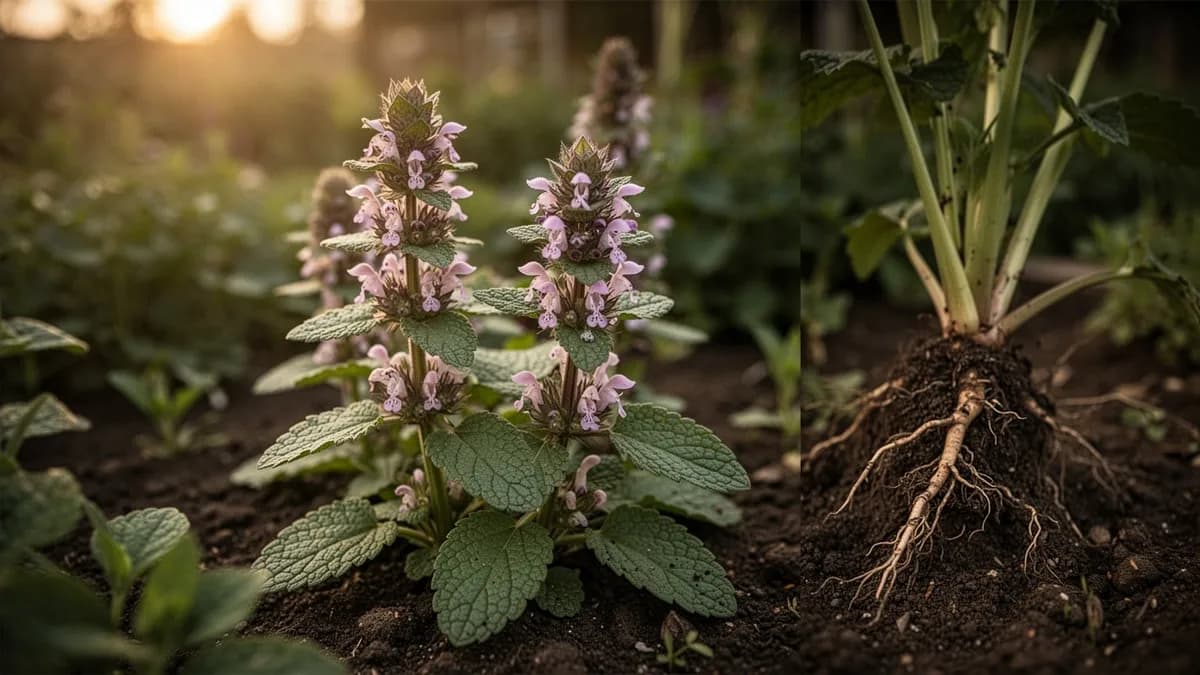
Una vivaz medicinal clásica de las praderas y los bordes de bosque, apreciada por sus espigas de flores púrpura y su porte ordenado. Tradicionalmente se ha utilizado en herboristería para infusiones y preparados secados. Crece mejor en suelos frescos y bien drenados, con sol suave o semisombra, y se adapta bien a jardines naturalistas y de estilo campestre.
Cuándo plantar Betónica
Siembre las semillas de betónica en interior o en semillero temprano en primavera, sobre un sustrato húmedo y fino. Las semillas pueden tardar en brotar, así que no se desanime si la germinación es lenta. Mantenga una humedad constante y una temperatura templada hasta que aparezcan las plántulas. Si lo prefiere, también puede sembrarse directamente en un lugar resguardado cuando el suelo esté ya templado.
Tu año de Betónica
Ajustado a Zona 7 · temporada típica · la helada se va hacia el 2 abr y vuelve hacia el 1 nov
Planta Betónica Mar – May y cosecha Jun – Ago. Consulta los métodos de plantación y elige tu clima para adaptar los periodos.
Cómo cultivar Betónica
La betónica crece mejor en un suelo fértil, suelto y bien drenado, con humedad moderada y sol suave o semisombra. Plántela en primavera, cuando el suelo ya no esté frío y las plantas puedan establecer raíces sin estrés. Si parte de semillas, siémbrelas en interior o en semillero temprano, ya que la germinación puede ser lenta y algo irregular.
Separe las plantas entre 25 y 30 cm. Evite el sol abrasador de la tarde, porque el follaje se mantiene más sano con algo de sombra durante el calor. Una capa ligera de mantillo ayuda a conservar la humedad y a mantener frescas las raíces. La planta forma una roseta basal de hojas alargadas y, más adelante, espigas florales erguidas que atraen polinizadores.
A medida que madura, la betónica puede dividirse para renovar la mata y ampliar la plantación. Coseche la parte aérea antes de la floración plena si desea hojas con mayor calidad para secado. Una vez establecida, es resistente y relativamente fácil de mantener en jardines de bajo mantenimiento.
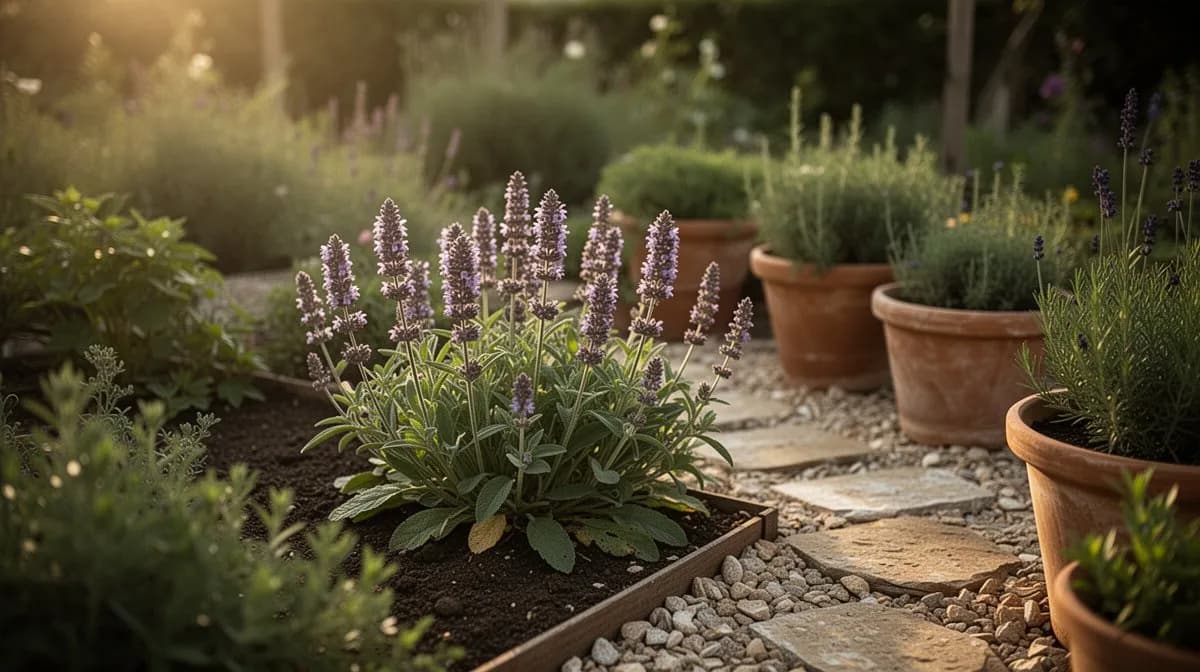
32 plantas caben en un bancal de 120 × 240 cm
Cada Betónica pide 30 cm de margen. El planificador guarda ese marco por ti — cada planta, cada bancal.
Los mejores vecinos de Betónica
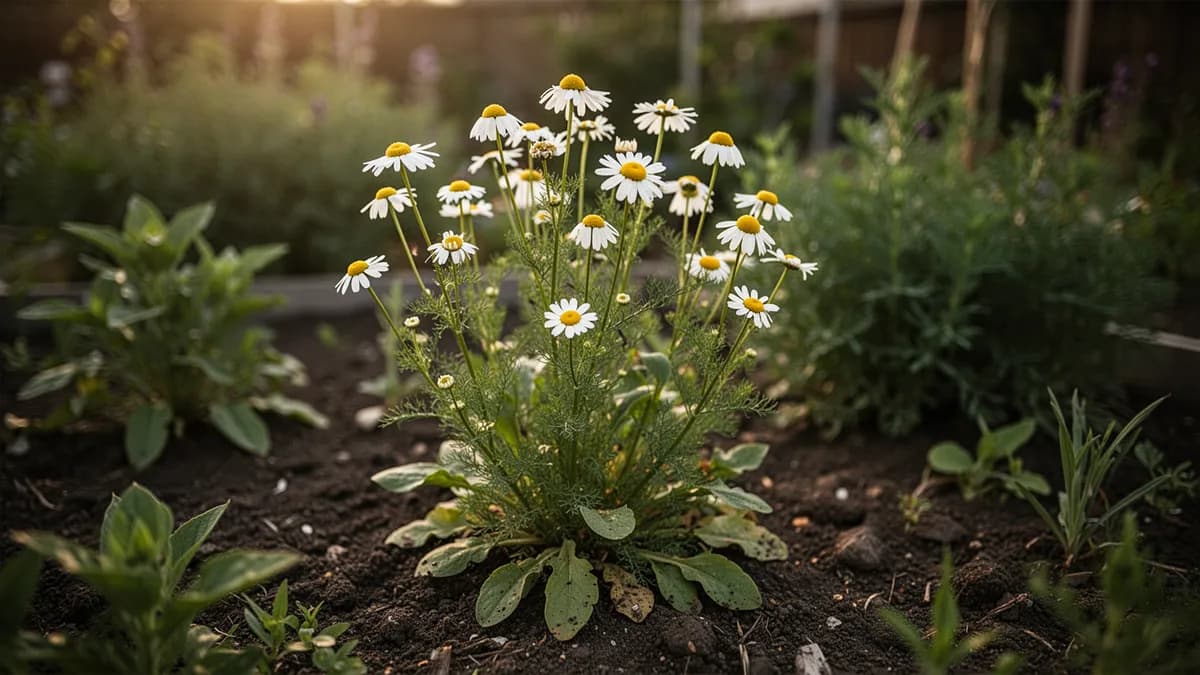
Plántela junto a manzanilla, milenrama y salvia para formar una franja de vivaces de estilo campestre. También combina bien con otras plantas de borde de pradera que disfrutan de suelo fresco y buen drenaje. Evite las plantas que necesitan mucha más humedad constante o, al contrario, sequedad extrema. Su porte bajo y ordenado encaja bien en jardines naturalistas y borduras medicinales.
Manzanilla va a su lado.
Saber de huerto de siempre, cotejado con la tabla real de Betónica — prueba cualquier planta que cultives.
Prueba Betónica en un bancal, aquí mismo
Un bancal real del planificador con Betónica ya plantado. Toca una planta compañera para colocarla y mira cómo responde la comprobación de vecinos: verde para buenos vecinos, rojo si hay conflicto.


Guías de cultivo relacionadas
Abónalo bien
La betónica prospera en suelos fértiles, frescos y bien drenados, con una humedad moderada y estable. Enmiende el terreno con compost maduro antes de plantar y añada una capa ligera de mantillo cada primavera. No necesita fertilización fuerte; el exceso de nitrógeno favorece demasiado el follaje y reduce la calidad general de la planta. Un aporte moderado de materia orgánica suele bastar para todo el año.
Temperatura ideal
Compatibilidad de zonas de rusticidad
De la semilla a la cosecha, etapa por etapa
Germinación de las semillas
Las semillas de wood betony requieren estratificación en frío durante 4-6 semanas antes de la siembra para romper la dormancia. Siembre las semillas en la superficie de un semillero húmedo y bien drenado y presione suavemente, ya que la luz ayuda a la germinación. La germinación es lenta e irregular y, incluso después de la estratificación, suele tardar 2-4 semanas. Mantenga el sustrato a 15-18°C y con humedad constante.
Establecimiento de las plántulas
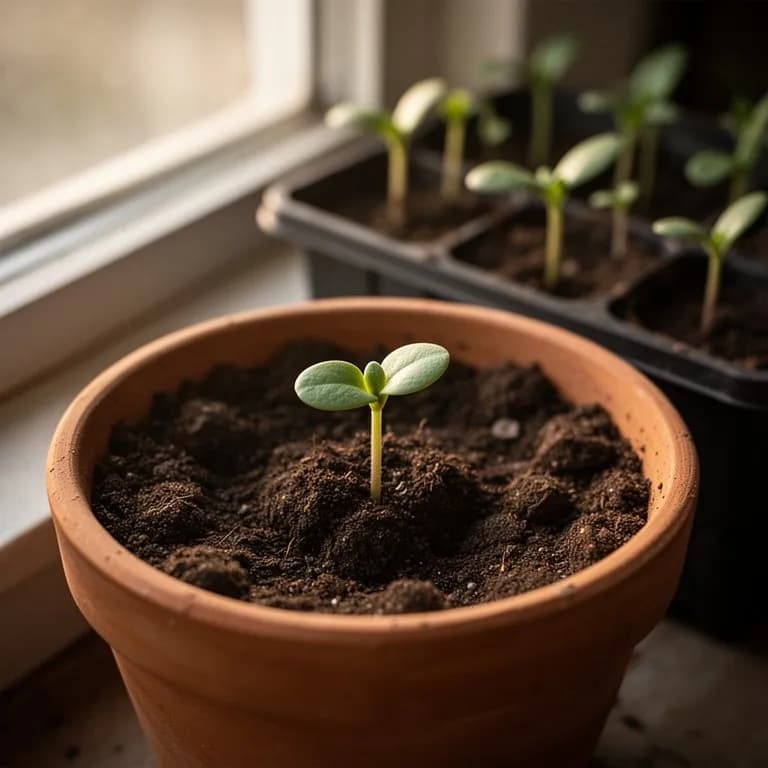
Las plántulas pequeñas emergen con cotiledones redondeados, seguidos por las primeras hojas verdaderas, que muestran los característicos bordes scalloped. El crecimiento es lento en esta etapa, ya que la planta se centra en establecer un sistema radicular. Las plántulas son relativamente resistentes, pero se benefician de una humedad constante.
Formación de la roseta
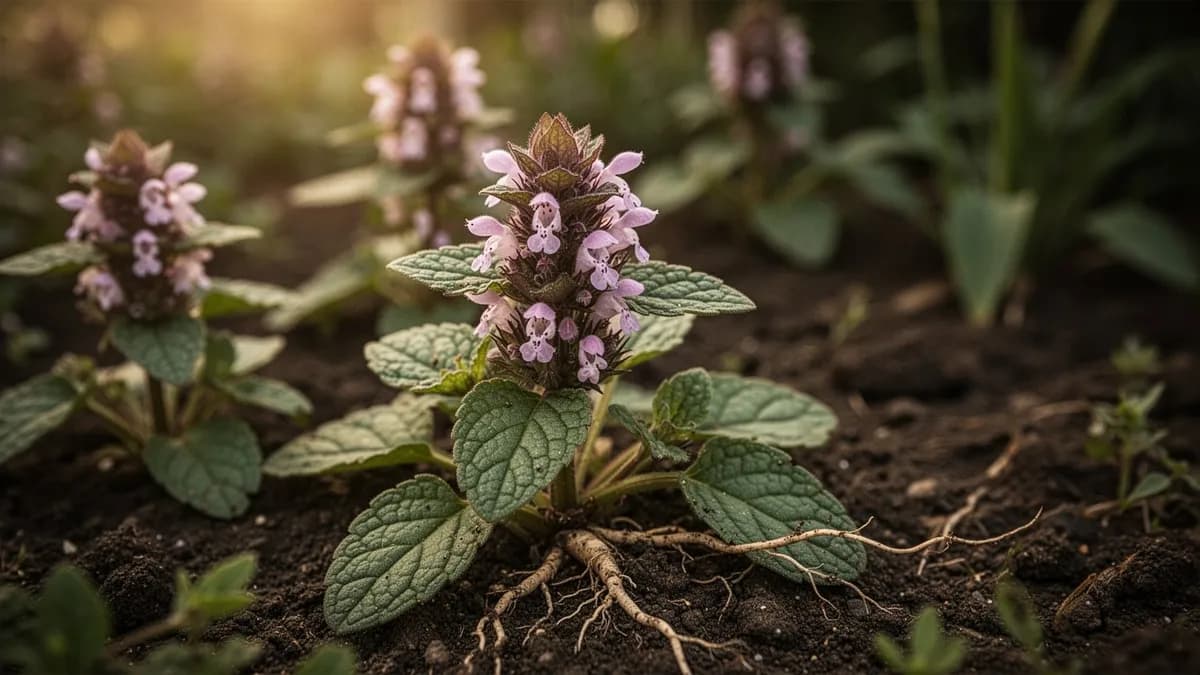
La planta desarrolla su característica roseta basal de hojas profundamente crenadas y ligeramente pilosas. La roseta puede alcanzar 15-25 cm de diámetro durante la primera temporada de crecimiento. Las raíces penetran más profundamente en el suelo y la planta comienza a almacenar energía para la futura floración. Las plantas del primer año suelen permanecer vegetativas.
Elongación del tallo y formación de botones
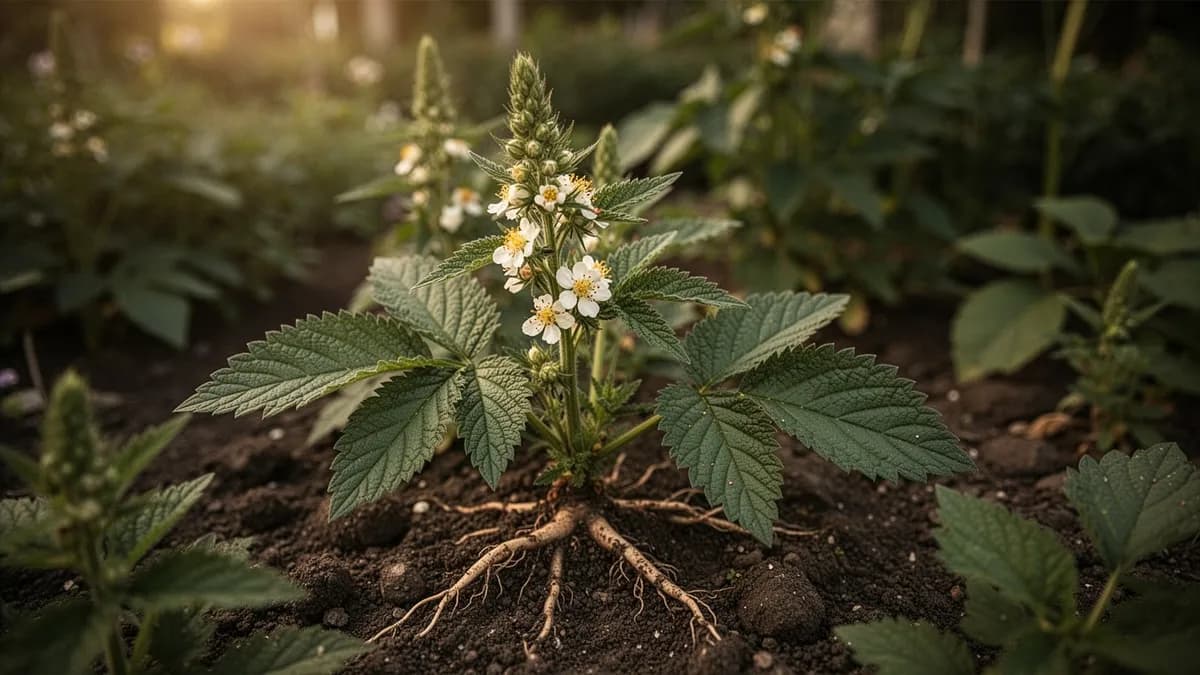
En el segundo año y en adelante, los tallos cuadrados característicos de la familia de las mentas surgen de la roseta basal a finales de la primavera. Los tallos alcanzan 30-60 cm de altura y llevan pares de hojas opuestas que se hacen más pequeñas hacia la parte superior. En las puntas se forman densos botones florales cilíndricos, al principio verdes y muy compactos.
Plena floración
Las espigas florales densas y alargadas se abren de abajo hacia arriba, mostrando flores tubulares de color magenta a púrpura muy vivo. Cada espiga mide 3-8 cm y está densamente compactada con flores de dos labios que atraen abejas, mariposas y otros polinizadores. La floración suele ocurrir de junio a agosto, según el clima. Esta es la principal ventana de cosecha para uso herbal.
Formación de semillas y final de temporada
Las flores polinizadas desarrollan pequeños aquenios con cuatro semillas cada uno dentro del cáliz persistente. Las espigas florales se vuelven marrones y se secan en la planta. La roseta basal permanece verde y sigue fotosintetizando. La auto-siembra ocurre con facilidad si se dejan las cabezas de semilla en la planta.
Reposo invernal
La roseta basal puede mantenerse como follaje semiperenne en inviernos suaves o secarse por completo en climas más fríos. El sistema radicular establecido permanece inactivo bajo tierra y es totalmente resistente hasta la zona 4 del USDA (-30°C). La planta no necesita protección invernal en la mayoría de los jardines templados.
Siembre más semillas de las que necesita, ya que la tasa de germinación suele ser del 40-60 %. Un período de estratificación en un marco frío o en el refrigerador mejora mucho el éxito.
Cuidar Betónica mes a mes
Qué hacer cada mes para tu Betónica
Octubre
Mes actualDivide large clumps if not done in spring, ensuring each division has several healthy roots and leaf rosettes. Replant immediately and water in well. Apply a thin layer of compost around the base of plants as a light winter mulch.
Ten claro qué hacer en tu huerto, cada mes
Un correo al empezar cada mes: qué sembrar, plantar y hacer ahora mismo — para tu Betónica y todo lo que crece alrededor. Más un breve curso inicial para esquivar los errores clásicos.
- Qué hacer ahora mismo
- Ajustado a tu temporada
- Curso inicial incluido
Cosechar Betónica
Recoja hojas y tallos jóvenes de betónica antes de la floración plena, normalmente a comienzos o mediados del verano, cuando el follaje está más tierno. Corte la parte aérea con tijeras limpias, dejando la roseta basal para que la planta se recupere. Para secado, el material debe recogerse en un día seco y airearse bien. Las espigas florales también pueden cortarse para arreglos secos o para dejar algunas semillas si desea resiembra.
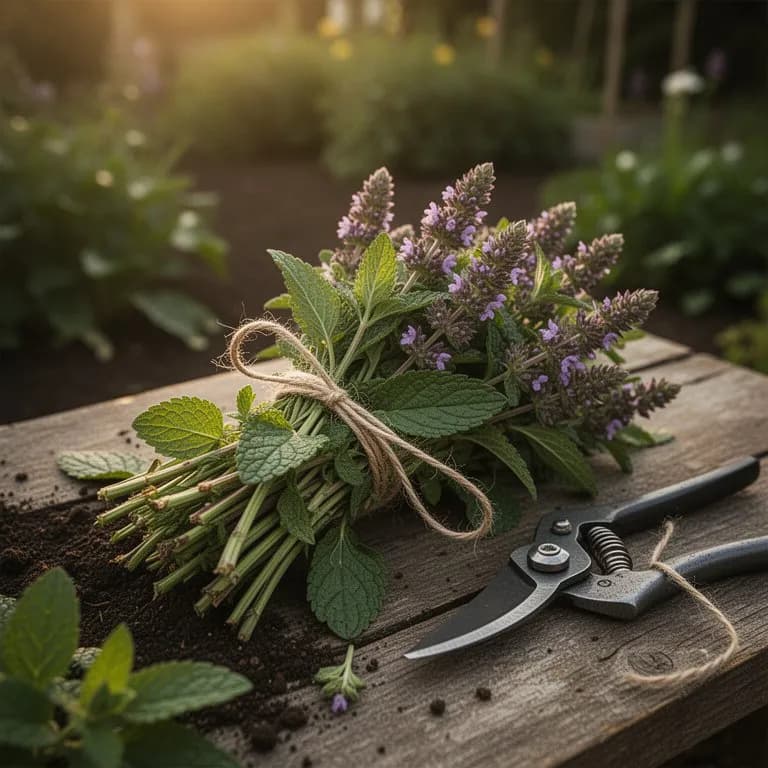
se supone que plantas al comenzar el periodo — indica tu fecha real
Coseche las sumidades floridas cuando aproximadamente dos tercios de la espiga estén abiertos, de junio a agosto.
Almacenamiento y conservación
La betónica seca se conserva mejor en tarros herméticos, en un lugar fresco, seco y oscuro. Si se corta y seca correctamente, mantiene bien su aroma herbáceo durante varios meses. Las hojas frescas pueden refrigerarse brevemente envueltas en papel de cocina húmedo, pero se usan mejor pronto. Las partes secas deben almacenarse lejos de la luz para conservar su calidad.
Qué falla — y cómo solucionarlo
Babosas
PlagaAgujeros en hojas jóvenes y rastros de baba. Resultan especialmente problemáticas porque la betónica crece en condiciones frescas y húmedas que las babosas prefieren.
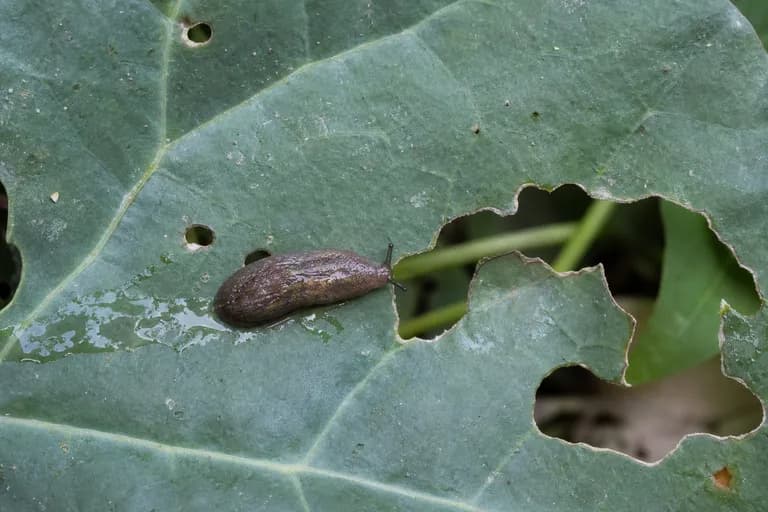
Caracoles
PlagaBordes mordidos en hojas tiernas, daños nocturnos y agujeros irregulares en el follaje nuevo.
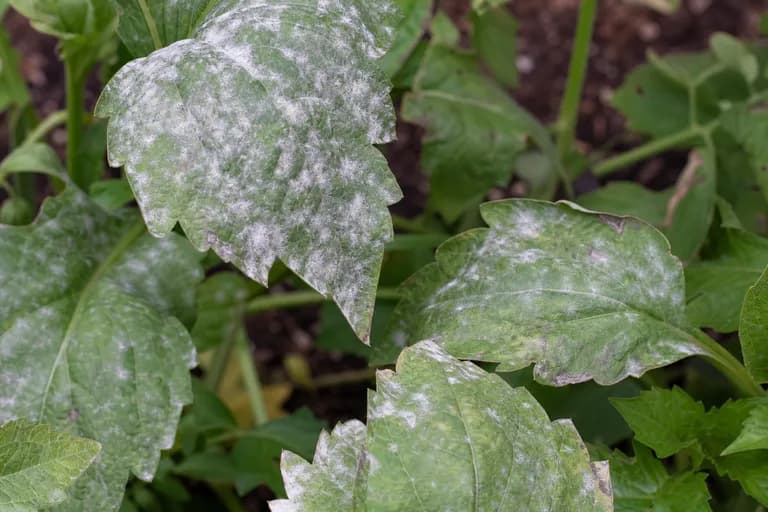
Oídio
EnfermedadRecubrimiento blanco polvoriento en hojas y tallos, deformación del follaje y reducción del vigor.
Solución de problemas comunes
El principal problema de la betónica es el exceso de humedad estancada, que puede provocar pudriciones o un crecimiento desordenado. También puede sufrir si recibe demasiado sol fuerte por la tarde. Las babosas y caracoles suelen atacar los brotes jóvenes. Si no se renueva la mata cada cierto tiempo, la base puede volverse algo menos vigorosa. En general, es una planta resistente y fácil de mantener en condiciones adecuadas.
Consejos de cultivo
- Plántela en semisombra: el sol fuerte reseca la betónica y reduce su calidad.
- Mantenga el suelo fresco y ligeramente húmedo, pero nunca encharcado.
- Aplique compost en primavera para sostener el crecimiento sin sobrealimentarla.
- Corte antes de la floración plena si quiere el mejor material para secar.
- Divida las matas cada pocos años para rejuvenecerlas y conservar el vigor.
- Retire las espigas florales si desea una planta más compacta y ordenada.
- Combínela con otras vivaces de bordura para crear un jardín campestre armonioso.
- Proteja los brotes jóvenes de babosas y caracoles, que son sus principales enemigos.
Cultiva tu mejor Betónica — y todo lo que la rodea.
Empieza un plan gratis hoy. Diseña tus bancales, coloca tu Betónica y deja que PlotMyGarden gestione el momento, el espaciado, las asociaciones y los recordatorios de la semilla a la cesta.
Elige tu Betónica
Betónica común
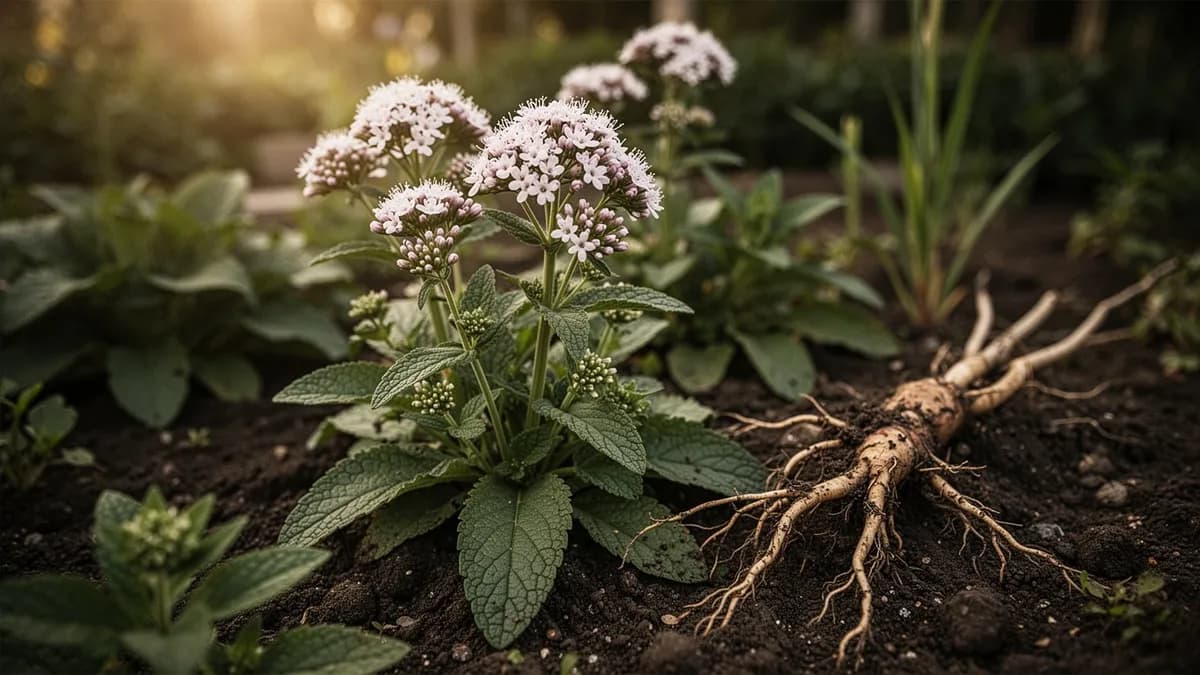
La forma clásica de jardín, con rosetas basales limpias y espigas florales púrpura muy elegantes.
Betónica de pradera
Una selección más vigorosa, útil en bordes naturalistas y jardines de estilo silvestre.
Betónica compacta
Una forma algo más contenida, apropiada para espacios pequeños y parterres ordenados.
Cultivar betónica puede ahorrar la compra de plantas ornamentales de sombra y de hierbas secas para infusión, ya que una vez establecida puede vivir mucho tiempo y producir follaje cada año. En borduras naturalistas, también ayuda a cubrir el suelo y reduce la necesidad de replantar. Para quienes preparan sus propias infusiones, secar su propia cosecha es una forma sencilla de obtener un suministro continuo con muy poco gasto.
Recetas rápidas
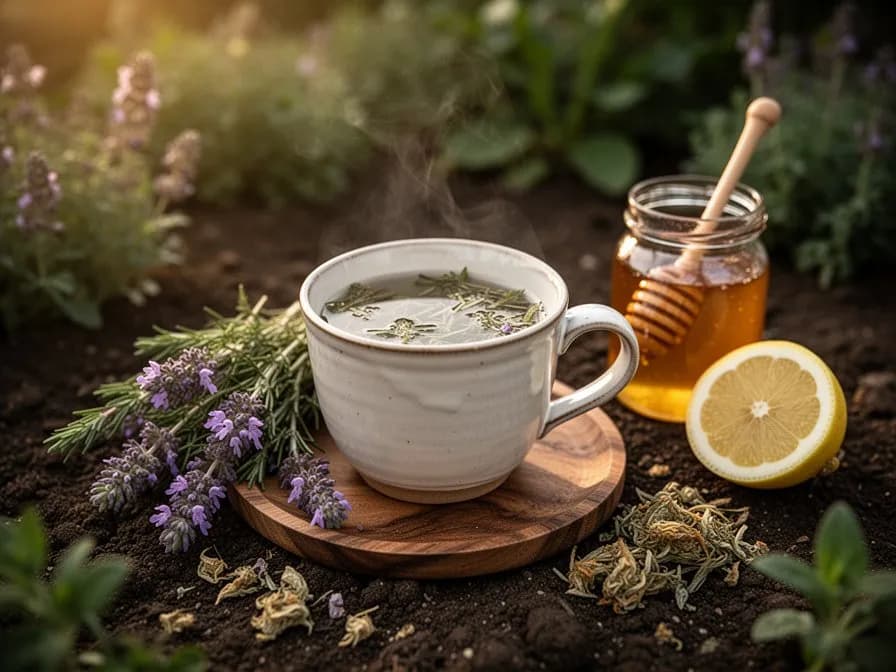
Té clásico de betónica
10 minUna infusión sencilla y tradicional con follaje seco de betónica. Se prepara como un té de hierbas suave y se deja reposar unos minutos para extraer su carácter herbáceo.
3 ingredientesMezcla relajante de betónica y manzanilla
10 minUna combinación suave y aromática que mezcla betónica con manzanilla para obtener una taza tranquila y equilibrada, ideal para la tarde.
4 ingredientesVinagre herbal de betónica
5 min de preparación, varias semanas de maceraciónUn vinagre infusionado con la parte aérea seca de la betónica para dar un toque herbal a aderezos y vinagretas.
3 ingredientesUsos culinarios
La betónica se usa sobre todo en infusiones herbales y preparaciones secas, más que como hierba culinaria cotidiana. Tradicionalmente se valora por su perfil amargo y aromático en tés, mezclas de jardín y usos herbarios antiguos. También puede secarse para saquitos aromáticos o mezclas de hierbas secas. En cocina doméstica, su uso es más especializado que gastronómico.
Qué contiene
Beneficios para la salud
- La betónica ha sido una hierba apreciada tradicionalmente en infusiones y mezclas secas.
- Su uso principal es herbal y ornamental, con una larga historia en jardines de estilo campestre.
- Puede secarse con facilidad para preparaciones futuras.
- Es una planta perenne fiable para espacios de semisombra.
- Aporta estructura y color a las borduras de vivaces.
- Su cultivo encaja bien en jardines de baja intervención y con suelo fresco.
De dónde viene Betónica
Wood betony (Stachys officinalis, formerly Betonica officinalis) is native to Europe, western Asia, and North Africa, where it grows naturally in meadows, open woodlands, hedgerows, and grasslands from the British Isles to the Caucasus Mountains. Its natural habitat ranges from sea level to montane elevations of around 1,800 metres, and it favours well-drained soils in areas that receive moderate rainfall. The species epithet 'officinalis' testifies to its ancient status as an official medicinal plant stocked in every apothecary. Wood betony holds a uniquely prominent position in the history of European herbal medicine. The ancient Egyptians are believed to have used the plant, and it was well known to the Greeks and Romans. Dioscorides prescribed it for a wide range of ailments in the first century, and the Roman physician Antonius Musa elevated its reputation further with a dedicated monograph praising its virtues. The plant became central to Anglo-Saxon medicine, featuring prominently in the ninth-century Lacnunga manuscript alongside prayers and charms. Throughout the medieval period, it was cultivated in every monastery herb garden and was considered the most versatile of all healing herbs. The Spanish proverb 'he has as many virtues as betony' became a common expression for anything extraordinarily useful. Betony was also woven deeply into folklore and superstition across northern Europe. Planting it in churchyards was believed to prevent hauntings, and wearing a sprig was thought to shield the bearer from dark magic. The great English herbalists Gerard, Culpeper, and Parkinson all devoted extensive passages to its uses, recommending it for headaches, digestive complaints, respiratory issues, and nervous conditions. Although its medicinal use declined with the rise of modern pharmacology, wood betony has experienced a revival among contemporary herbalists and is increasingly valued as an ornamental plant for pollinator-friendly gardens, cottage borders, and wildflower meadow restorations across its native range.
Betónica: ¿sabías que?
Datos fascinantes sobre Betónica
Wood betony was considered the most important medicinal herb throughout the medieval period, with the Italian proverb 'sell your coat and buy betony' reflecting its extraordinary reputation as a cure-all.
Betónica: preguntas frecuentes
¿Cuándo debo plantar Betónica?
¿Cuáles son buenas plantas acompañantes para Betónica?
¿En qué zonas de rusticidad puede crecer Betónica?
¿Cuánto sol necesita Betónica?
¿A qué distancia debo espaciar Betónica?
¿Qué plagas y enfermedades afectan a Betónica?
¿Cómo almaceno Betónica después de la cosecha?
¿Cuáles son las mejores variedades de Betónica para cultivar?
¿Qué suelo necesita Betónica?
¿La betónica es comestible?
¿Puede crecer en pleno sol?
¿Cuándo debo cosecharla?
¿Se puede secar fácilmente?
¿Necesita mucho abono?
¿Es buena para borduras naturalistas?
Acabas de leer la teoría. Ahora cultívala en piloto automático.
Todo lo que hace que Betónica sea delicado — el momento, el espaciado, las asociaciones, la ventana de cosecha — es justo lo que PlotMyGarden resuelve por ti, para cada planta de tu huerto.
Un plan que conoce tu clima
Indica tu ubicación una vez. Recibe fechas de siembra, abonado y cosecha basadas en tu última helada real y el pronóstico en vivo — sin adivinar con un sobre genérico.
De la sección “Cuándo plantar”Planificador de bancales de arrastrar y soltar
Diseña bancales sobre una cuadrícula. Cada planta encaja con su espaciado correcto y ves toda la temporada antes de gastar un céntimo en semillas.
De la sección “Cultivo”Conflictos de asociación, detectados a tiempo
Más de 200 buenas y malas combinaciones comprobadas en vivo mientras plantas — para que un error que arruine la temporada nunca llegue a la tierra.
De la sección “Asociaciones”Recordatorios que sí vas a seguir
“Riega las judías.” “Recoge hoy antes de que se pase.” Oportunos, concretos y ligados a las plantas que de verdad cultivas.
De la sección “Cosecha”Escalonado, programado
¿Quieres cosechar seis semanas en vez de seis días? Reparte tus siembras automáticamente y te avisa cuando toca el siguiente lote.
De la sección “Cuándo plantar”Un registro que se vuelve más listo
Cada cosecha que registras le enseña tu huerto. El plan del año que viene parte de lo que de verdad funcionó en tu suelo, no en un manual.
De la sección “Resumen”Planta estos junto a Betónica
Más Hierbas medicinales
Cultiva tu mejor Betónica — y todo lo que la rodea.
Empieza un plan gratis hoy. Diseña tus bancales, coloca tu Betónica y deja que PlotMyGarden gestione el momento, el espaciado, las asociaciones y los recordatorios de la semilla a la cesta.