Cerezo llorón
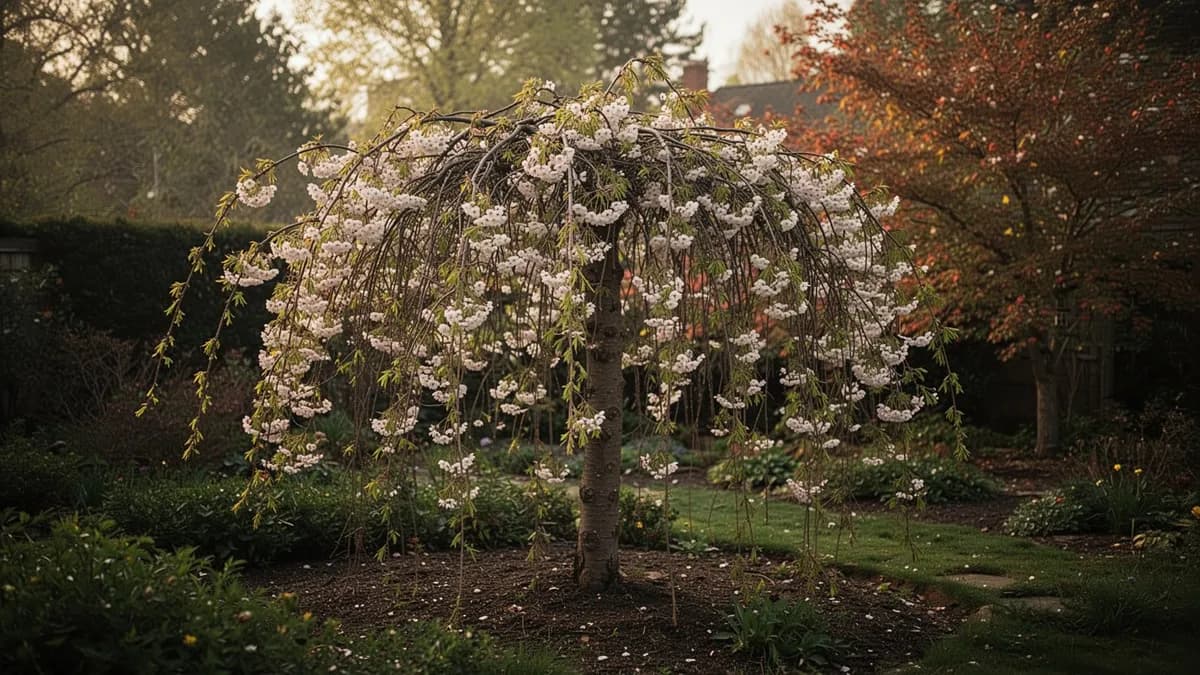
Un impresionante árbol ejemplar con ramas en cascada que forman una cortina de flores rosadas o blancas cada primavera, creando un romántico efecto de cascada.





En esta páginaResumen
Conoce Cerezo llorón
Un impresionante árbol ejemplar con ramas en cascada que forman una cortina de flores rosadas o blancas cada primavera, creando un romántico efecto de cascada. Los cerezos llorones están típicamente injertados, por lo que elimine cualquier brote erecto que emerja por debajo de la unión del injerto para mantener el hábito llorón. Crean impresionantes puntos focales cerca de estanques, patios o al final de caminos del jardín donde su forma arqueada puede apreciarse plenamente. Proporcione pleno sol y suelo bien drenado, y pode mínimamente para preservar la cascada natural de ramas.
Cuándo plantar Cerezo llorón
Las semillas del cerezo llorón requieren el mismo tratamiento que otras Prunus ornamentales. Recoja cualquier pequeño fruto que se forme, retire la pulpa y estratifique en frío en turba húmeda a 2-4 °C durante 90 a 120 días. Sin embargo, las plántulas no heredarán el hábito llorón, creciendo en cambio como árboles erectos. La forma llorona se mantiene solo a través del injerto de madera de esciónde un cultivar llorón sobre un portainjerto erecto, una técnica que deben realizar los propagadores de vivero especializados a finales del invierno o principios de la primavera usando métodos de injerto de lengüeta-y-bisel o de chip.
Tu año de Cerezo llorón
Ajustado a Zona 7 · temporada típica · la helada se va hacia el 2 abr y vuelve hacia el 1 nov
Planta Cerezo llorón Mar – Abr, Oct – Nov y cosecha —. Consulta los métodos de plantación y elige tu clima para adaptar los periodos.
Cómo cultivar Cerezo llorón
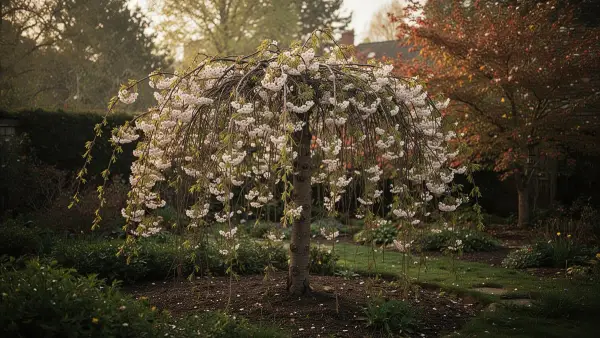
El cerezo llorón se encuentra entre los árboles ornamentales más dramáticos y románticos, con ramas péndulas en cascada hasta el suelo en una cortina de flores primaverales. La mayoría de los especímenes de jardín son injertados, con el cultivar llorón injertado sobre un portainjerto erecto a una altura de 1.5 a 1.8 metros. Elija un sitio con pleno sol y suelo bien drenado con un pH de 6.0 a 7.0. Posicione el árbol como espécimen donde la forma llorona completa pueda apreciarse desde múltiples ángulos.
Plante en primavera u otoño. Tutore los árboles injertados recién plantados durante el primer año o dos hasta que la unión del injerto esté bien establecida. Riegue abundantemente al plantar y semanalmente durante las primeras dos temporadas de crecimiento. Aplique 5-7 cm de mantillo orgánico, manteniéndolo alejado del tronco.
La tarea de mantenimiento más crítica es eliminar cualquier brote que emerja por debajo de la unión del injerto, que crecerá de forma erecta y eventualmente dominará y matará la copa llorona si no se controla. Elimine estos chupones tan pronto como aparezcan arrancándolos o cortándolos al ras del tronco. Pode el dosel llorón ligeramente después de la floración, eliminando cualquier rama que arrastre por el suelo o se cruce con otras ramas. El interior del dosel debe aclararse periódicamente para permitir la circulación de aire y prevenir enfermedades.
Para Cerezo llorón un bancal de 120 × 240 cm se queda corto
Cada Cerezo llorón pide 500 cm de margen. El planificador guarda ese marco por ti — cada planta, cada bancal.
Los mejores vecinos de Cerezo llorón
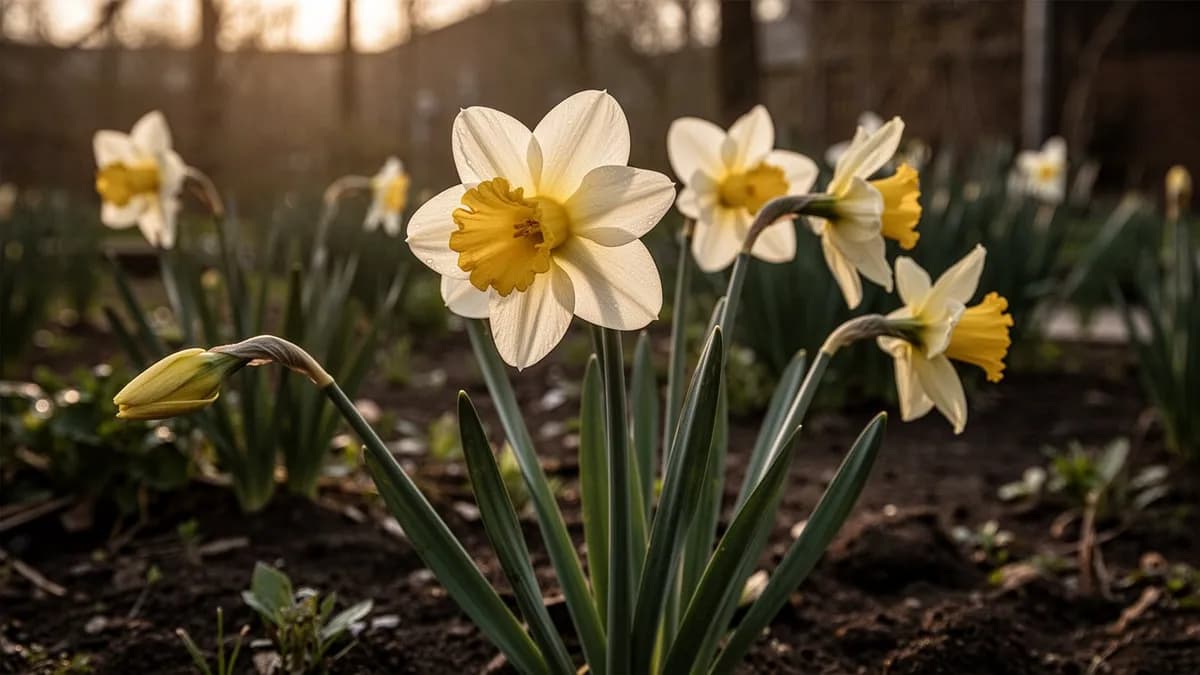
La dramática forma del cerezo llorón se muestra mejor contra un fondo simple. Las tapizantes bajas como el flox rastrero, el asperula odorata o el musgo proporcionan una base limpia que no compite visualmente con las ramas en cascada. Los bulbos de primavera incluyendo narcisos, scilla y jacinto de uva crean una colorida alfombra debajo del árbol en flor. Evite los arbustos altos o las perennes cerca del dosel que interfieran con el hábito de ramas fluyentes. Posicione cerca de elementos acuáticos donde la forma llorona y su reflejo crean una doble exhibición.
Narciso va a su lado. Nogal no.
Saber de huerto de siempre, cotejado con la tabla real de Cerezo llorón — prueba cualquier planta que cultives.
Prueba Cerezo llorón en un bancal, aquí mismo
Un bancal real del planificador con Cerezo llorón ya plantado. Toca una planta compañera para colocarla y mira cómo responde la comprobación de vecinos: verde para buenos vecinos, rojo si hay conflicto.


Guías de cultivo relacionadas

Abónalo bien
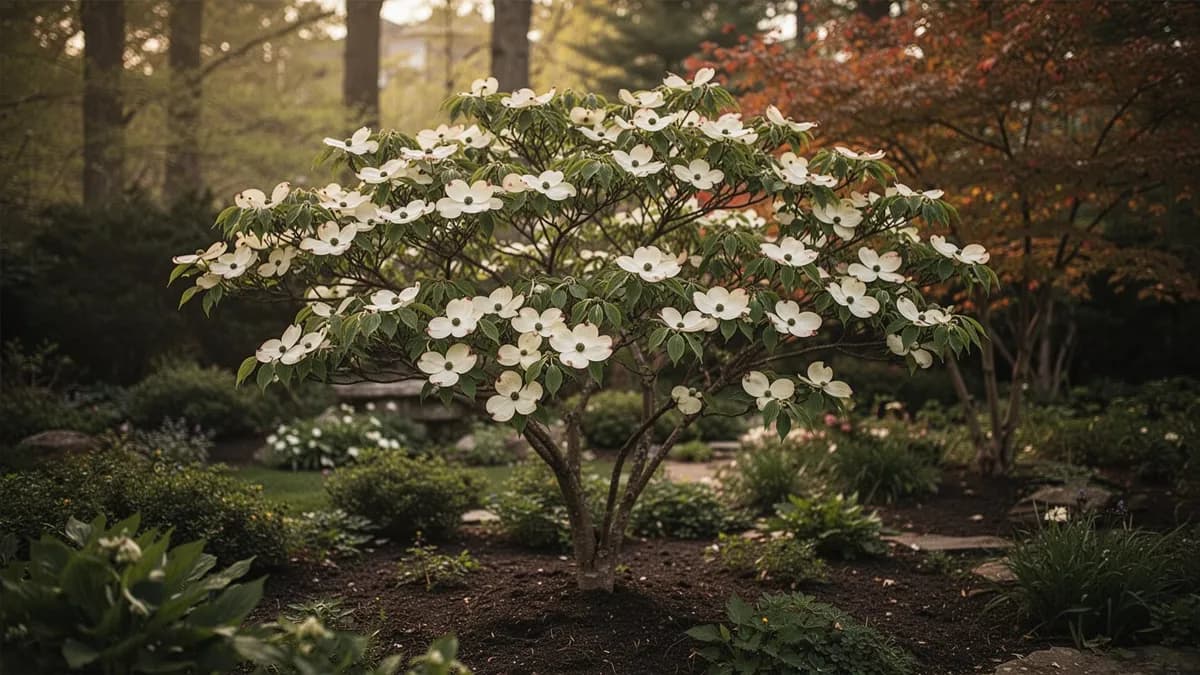
El cerezo llorón requiere suelo bien drenado con un pH de 6.0 a 7.0. Rinde mejor en suelo franco y fértil, pero tolera la arcilla si se mejora el drenaje. Evite los sitios húmedos donde la pudrición de raíces y la pudrición del cuello son riesgos. Fertilice ligeramente a principios de primavera con un fertilizante equilibrado de liberación lenta. El exceso de nitrógeno promueve un crecimiento vegetativo exuberante que resta valor a la forma llorona grácil. Acolche con 5-7 cm de materia orgánica para mantener la humedad del suelo y reducir la competencia de malezas alrededor de la base.
Temperatura ideal
Compatibilidad de zonas de rusticidad
De la semilla a la cosecha, etapa por etapa
Dormancia / Raíz desnuda
El árbol está sin hojas y en dormancia a finales del invierno. Esta es la ventana ideal para plantar especímenes de raíz desnuda o con cepellón. El establecimiento de raíces comienza bajo tierra incluso mientras el dosel permanece inactivo.
Hinchamiento de yemas y floración
Los botones florales se hinchan a finales del invierno y estallan en racimos en cascada de flores simples o dobles de color rosa a blanco. La floración generalmente dura de dos a tres semanas según el tiempo. Los insectos polinizadores visitan las flores, aunque los pequeños frutos no se cosechan comercialmente.
Brotación y crecimiento activo
Después de la caída de pétalos el árbol empuja follaje verde fresco. Los nuevos brotes se alargan rápidamente y las ramas péndulas extienden su alcance. El dosel se llena para proporcionar sombra ligera. Pueden formarse pequeñas drupas oscuras, pero son insignificantes.
Maduración estival
El crecimiento se ralentiza a medida que avanza el verano. El árbol enfoca la energía en endurecer la nueva madera y establecer los botones florales del año siguiente. El follaje permanece verde oscuro y denso, dando al árbol su plena silueta llorona.
Senescencia otoñal
Las hojas se tornan de amarillo a bronce y caen gradualmente. El árbol entra en una fase de endurecimiento, retirando los nutrientes del follaje hacia las raíces y las ramas para el almacenamiento invernal. La arquitectura de las ramas se vuelve cada vez más visible.
Dormancia invernal
El árbol está completamente en dormancia sin follaje. El elegante esqueleto llorón destaca en el paisaje invernal. Se acumulan las horas de frío, que son esenciales para desencadenar la floración de la siguiente primavera.
Plante en suelo bien drenado enmendado con compost. Riegue profundamente al plantar y acolche la zona radicular con 7-10 cm de mantillo orgánico, manteniéndolo alejado del tronco.
Cuidar Cerezo llorón mes a mes
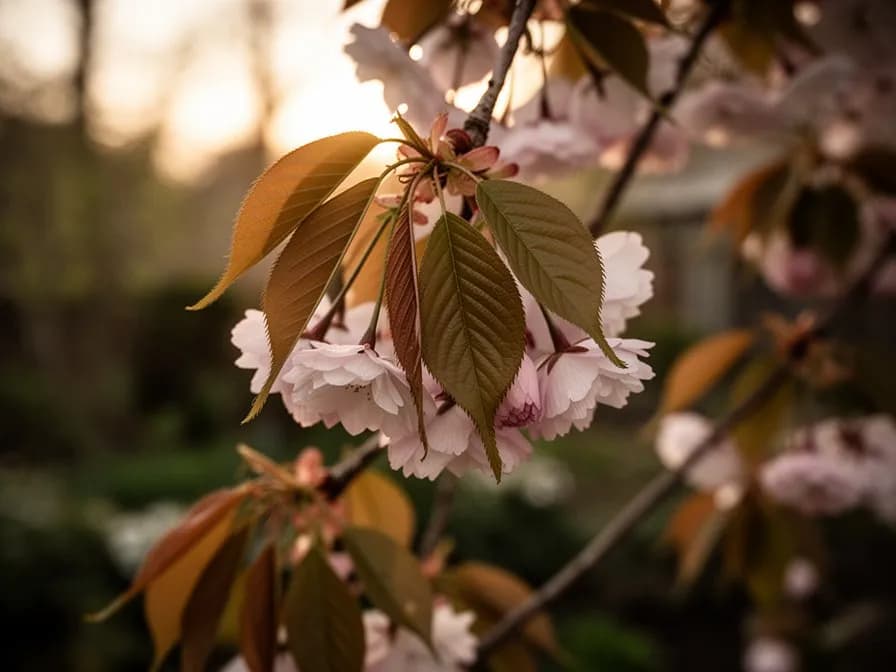
Qué hacer cada mes para tu Cerezo llorón
Octubre
Mes actualRastrille y elimine las hojas caídas para minimizar las esporas de mancha foliar de cerezo invernantes.. Aplique una capa de 7 cm de mantillo orgánico fresco sobre la zona radicular para el aislamiento invernal.. Realice un último riego profundo antes de que el suelo se congele para hidratar las raíces para el invierno.
Ten claro qué hacer en tu huerto, cada mes
Un correo al empezar cada mes: qué sembrar, plantar y hacer ahora mismo — para tu Cerezo llorón y todo lo que crece alrededor. Más un breve curso inicial para esquivar los errores clásicos.
- Qué hacer ahora mismo
- Ajustado a tu temporada
- Curso inicial incluido
Cosechar Cerezo llorón
El cerezo llorón se cultiva puramente por su valor ornamental y no produce frutos comestibles. Las ramas colgantes cargadas de flores se pueden cortar para espectaculares arreglos interiores en primavera. Corte las ramas cuando los botones muestren color pero antes de que se abran completamente para la mayor vida útil en el florero. La dramática forma llorona es particularmente impresionante cuando se ilumina desde abajo para la iluminación nocturna del jardín. En la tradición japonesa, los cerezos llorones se consideran entre los más elegantes y emocionalmente evocadores de todos los árboles en flor.
se supone que plantas al comenzar el periodo — indica tu fecha real
Cosecha Cerezo llorón a tiempo y la planta sigue produciendo.
Almacenamiento y conservación
Las ramas en flor cortadas del cerezo llorón duran de 5 a 8 días en agua. Vuelva a cortar los tallos en ángulo y use conservante floral para prolongar su vida. Las ramas en dormancia cortadas a finales del invierno se pueden forzar a florecer en interiores colocándolas en agua tibia en una habitación luminosa; espere flores en 1 a 3 semanas. Las flores individuales se pueden conservar siguiendo el método japonés sakura-zuke, encurtiendo flores parcialmente abiertas en sal y vinagre de ciruela para su uso en tés y confitería tradicionales.
Qué falla — y cómo solucionarlo
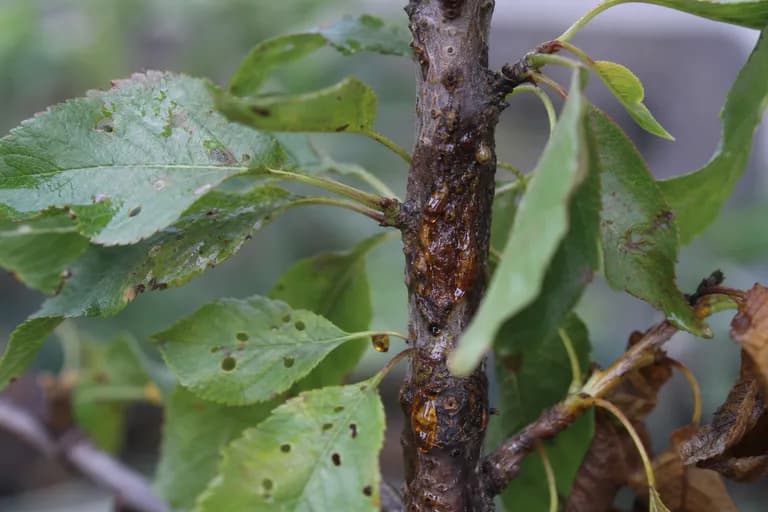
Chancro bacteriano
EnfermedadChancros oscuros y hundidos en ramas y tronco que rezuman savia ámbar. Las ramas mueren por encima del chancro. La unión del injerto es particularmente vulnerable a las infecciones de chancro.
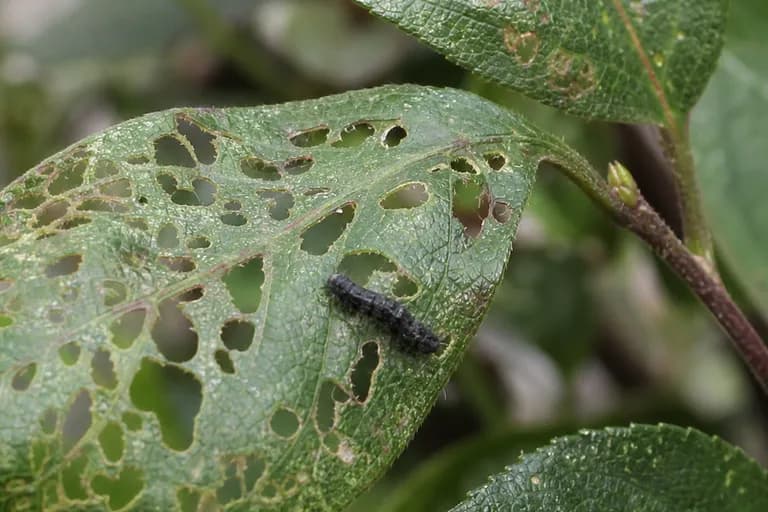
Mosca sierra del cerezo
PlagaLas larvas pequeñas, oscuras y con aspecto de babosas esqueletizan las hojas, comiendo la superficie superior y dejando una red traslúcida de nervios. El daño comienza a principios del verano y continúa con una segunda generación a finales del verano.
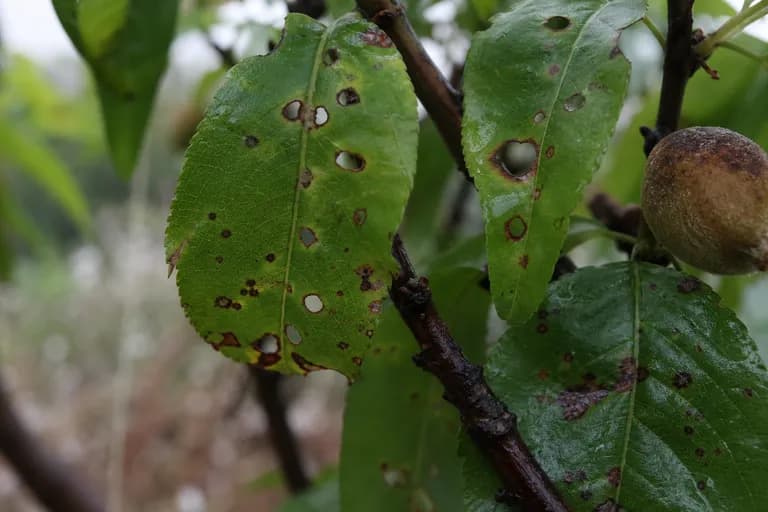
Enfermedad del tiro del cerezo
EnfermedadPequeñas manchas circulares en las hojas que se caen, dejando agujeros que hacen que las hojas parezcan haber sido alcanzadas por perdigones. Causada por patógenos bacterianos o fúngicos. Más común en el tiempo húmedo de primavera.
Solución de problemas comunes
Los chupones del portainjerto son el problema más persistente de los cerezos llorones injertados. Los vigorosos brotes erectos por debajo del injerto dominarán y matarán la copa llorona si no se eliminan con prontitud. La unión del injerto es un punto débil susceptible a infecciones de chancro, daños mecánicos y agrietamiento por heladas. La vida útil de 20 a 30 años es típica. Los barrenadores atacan los árboles estresados, especialmente a través de heridas cerca del injerto. Los escarabajos japoneses pueden defoliar severamente los árboles a mediados del verano en las regiones afectadas. Las ramas que arrastran por el suelo son propensas a infecciones fúngicas y deben podarse para mantener el espacio libre.
Consejos de cultivo
- Seleccione un sitio de plantación con exposición a pleno sol (al menos 6 horas de luz solar directa diaria) y suelo bien drenado para promover una floración vigorosa y reducir el riesgo de enfermedades fúngicas.
- Cave el hoyo de plantación dos a tres veces más ancho que el cepellón pero no más profundo, asegurando que la unión del injerto permanezca 5-10 cm por encima del nivel del suelo para prevenir el enraizamiento del esciónó.
- Riegue los árboles recién plantados profundamente dos veces por semana durante las primeras dos temporadas de crecimiento para establecer un sistema radicular robusto antes de reducir al riego suplementario durante los períodos secos.
- Aplique una capa de 7-10 cm de mantillo orgánico como corteza compostada o astillas de madera en un anillo amplio alrededor del árbol, manteniendo el mantillo al menos a 10 cm del tronco para prevenir la pudrición.
- Pode inmediatamente después de que termine la floración a finales de la primavera para dar forma al dosel y eliminar cualquier chupón de crecimiento erecto que emerja por debajo de la unión del injerto, ya que estos serán del portainjerto no llorón.
- Fertilice una vez al año a principios de la primavera con un fertilizante granulado equilibrado de liberación lenta (10-10-10 o similar) esparcido uniformemente debajo de la línea de goteo del dosel.
- Controle regularmente las plagas comunes, incluidos los pulgones, los escarabajos japoneses, los ácaros araña y las orugas de nidos de tiendas de campaña, tratando con controles específicos como jabón insecticida o Bt según sea necesario.
- Inspeccione el tronco y las ramas principales anualmente en busca de signos de chancro bacteriano (lesiones oscuras y hundidas con goma ámbar) y pode el tejido afectado al menos 15 cm por debajo del área infectada con herramientas esterilizadas.
- Proteja el tronco de los árboles jóvenes de las quemaduras solares invernales envolviéndolo con un protector de tronco comercial o pintando con látex blanco diluido 50-50 con agua.
- Evite plantar en áreas bajas donde se acumula el aire frío, ya que las heladas tardías de primavera pueden dañar los botones florales y reducir significativamente la exhibición de floración.
Cultiva tu mejor Cerezo llorón — y todo lo que la rodea.
Empieza un plan gratis hoy. Diseña tus bancales, coloca tu Cerezo llorón y deja que PlotMyGarden gestione el momento, el espaciado, las asociaciones y los recordatorios de la semilla a la cesta.
Elige tu Cerezo llorón
Snow Fountains (Snofozam)
Flores individuales de color blanco puro en cascada sobre ramas graciosamente lloronas. Forma compacta que alcanza de 2.5 a 4.5 metros de alto. Excelente resistencia a enfermedades y floración confiable. Buen color otoñal de color naranja bronce.
Pink Snow Showers
Profusas flores rosadas simples en ramas fuertemente péndulas. Crece de 4.5 a 6 metros de alto con una extensión igual. Más vigoroso que muchas selecciones lloronas con buena tolerancia al calor.
Pendula Rosea
Flores simples de color rosa intenso en ramas fuertemente lloronas que llegan al suelo. El clásico cerezo llorón de los jardines japoneses. Crece de 6 a 7.5 metros de alto cuando madura.
Cerezo llorón doble (Yae-shidare-higan)
Las flores dobles rosadas son más grandes y vistosas que los tipos simples, con un período de floración más largo. Hábito fuertemente llorón hasta 6 metros de alto. Una de las selecciones más populares en Japón.
Aunque los cerezos llorones no producen cosechas comestibles, un espécimen bien ubicado puede aumentar el valor de la propiedad residencial en un 7-15% según los estudios de arboricultura. Un cerezo llorón maduro en su pico de floración se considera una característica paisajística premium por los tasadores inmobiliarios. Además, la sombra proporcionada por el dosel puede reducir los costos de refrigeración estival para las estructuras cercanas, y el árbol elimina la necesidad de plantaciones florales estacionales en el área que cubre, ahorrando en los gastos anuales de plantas de temporada.
Recetas rápidas

Té de flores de sakura (Sakura-yu)
10 minutos más 2 días de curadoUna infusión japonesa tradicional elaborada con flores de cerezo conservadas en sal. Las flores se abren hermosamente en agua caliente, liberando un sutil aroma floral. Se sirve en bodas y celebraciones como símbolo de nuevos comienzos.
4 ingredientesAlmíbar de flores de cerezo
30 minutos más reposo durante toda la nocheUn fragante almíbar floral infusionado con flores de cerezo, perfecto para rociar sobre postres, añadir al agua con gas o mezclar en cócteles. El delicado tono rosado y el sutil sabor almendrado lo convierten en un ingrediente único de primavera.
4 ingredientesGuarnición de flores inspirada en sakura mochi
15 minutosFlores de cerezo encurtidas en sal y hojas utilizadas como elegante guarnición para pasteles de arroz, helados o postres primaverales. Las flores curadas con sal añaden un contraste floral y ligeramente salino a los platos dulces.
4 ingredientesQué contiene
Beneficios para la salud
- Pasar tiempo bajo los cerezos en flor ha demostrado en estudios japoneses reducir los niveles de cortisol y bajar la presión arterial, apoyando la práctica centenaria del hanami para el alivio del estrés.
- El denso dosel de un cerezo llorón maduro filtra las partículas en el aire y produce oxígeno, contribuyendo a mejorar la calidad del aire local en los paisajes residenciales.
- Las flores de cerezo contienen quercetina y kaempferol, flavonoides antioxidantes que han sido estudiados por sus propiedades antiinflamatorias cuando se consumen en tés de flores tradicionales.
- La sombra moteada proporcionada por los cerezos llorones crea cómodos espacios al aire libre que fomentan la actividad física y el tiempo en la naturaleza, ambos vinculados a una mejor salud mental.
- Los cerezos ornamentales apoyan la salud de los polinizadores al proporcionar una fuente temprana de néctar y polen de temporada para las abejas melíferas, las abejorros y otros insectos beneficiosos que emergen de la dormancia invernal.
- Las actividades de jardinería asociadas con el cuidado de los árboles, como la poda, el acolchado y el riego, proporcionan un ejercicio físico moderado y se han asociado con tasas reducidas de depresión y ansiedad.
De dónde viene Cerezo llorón
El cerezo llorón (Prunus subhirtella 'Pendula') tiene sus orígenes en Japón, donde ha sido cultivado como árbol ornamental durante bien más de un milenio. La especie Prunus subhirtella es nativa de los bosques templados de Honshu, Shikoku y Kyushu, donde crece naturalmente en los bosques montañosos junto con arces y robles. La forma péndula llorona surgió como una mutación genética natural que fue advertida y propagada selectivamente por los jardineros japoneses durante el período Heian (794-1185 d.C.). Los monjes budistas plantaron los primeros especímenes en los patios de los templos, donde se convirtieron en símbolos de la belleza transitoria de la vida, un concepto conocido como mono no aware. Para el período Edo (1603-1868), los cerezos llorones se habían convertido en elementos esenciales del diseño de jardines japoneses, y docenas de cultivares nombrados se comercializaban entre los señores feudales. El árbol fue introducido en la horticultura occidental a mediados del siglo XIX cuando los exploradores de plantas llevaron especímenes a Europa y América del Norte. Las introducciones notables se realizaron a través del Arnold Arboretum en Boston durante la década de 1890. Hoy en día el cerezo llorón prospera en las zonas de resistencia USDA 5 a 8 y se planta ampliamente como árbol ejemplar en parques, paisajes residenciales y jardines botánicos de todo el mundo. Los cultivares populares incluyen 'Pendula Plena Rosea' con sus flores dobles rosas, 'Snow Fountains' con flores blancas y tamaño compacto, y 'Pink Snow Showers' que ofrece resistencia a enfermedades. El árbol generalmente alcanza de 6 a 9 metros de alto y de extensión en la madurez, creando un elegante dosel en forma de domo que barre hacia el suelo. Su atractivo perdurable reside en el dramático espectáculo de floración primaveral y la elegante forma arquitectónica durante todo el año.
Cerezo llorón: ¿sabías que?
Datos fascinantes sobre Cerezo llorón
El cerezo llorón es uno de los árboles más celebrados en la cultura japonesa y aparece de manera prominente en el hanami, la tradición centenaria de reunirse bajo los cerezos en flor cada primavera.
Cerezo llorón: preguntas frecuentes
¿Cuándo debo plantar Cerezo llorón?
¿Cuáles son buenas plantas acompañantes para Cerezo llorón?
¿En qué zonas de rusticidad puede crecer Cerezo llorón?
¿Cuánto sol necesita Cerezo llorón?
¿A qué distancia debo espaciar Cerezo llorón?
¿Qué plagas y enfermedades afectan a Cerezo llorón?
¿Cómo almaceno Cerezo llorón después de la cosecha?
¿Cuáles son las mejores variedades de Cerezo llorón para cultivar?
¿Qué suelo necesita Cerezo llorón?
¿Cuánto tiempo tarda un cerezo llorón en alcanzar su tamaño maduro completo?
¿Por qué mi cerezo llorón no florece o produce muy pocas flores?
¿Cuál es la diferencia entre un cerezo llorón injertado y uno crecido de semilla?
¿Cómo lidio con los chupones que crecen de la base o el tronco por debajo de la unión del injerto?
¿Son susceptibles los cerezos llorones a alguna enfermedad grave?
¿Puedo cultivar un cerezo llorón en una maceta o en un pequeño jardín urbano?
Acabas de leer la teoría. Ahora cultívala en piloto automático.
Todo lo que hace que Cerezo llorón sea delicado — el momento, el espaciado, las asociaciones, la ventana de cosecha — es justo lo que PlotMyGarden resuelve por ti, para cada planta de tu huerto.
Un plan que conoce tu clima
Indica tu ubicación una vez. Recibe fechas de siembra, abonado y cosecha basadas en tu última helada real y el pronóstico en vivo — sin adivinar con un sobre genérico.
De la sección “Cuándo plantar”Planificador de bancales de arrastrar y soltar
Diseña bancales sobre una cuadrícula. Cada planta encaja con su espaciado correcto y ves toda la temporada antes de gastar un céntimo en semillas.
De la sección “Cultivo”Conflictos de asociación, detectados a tiempo
Más de 200 buenas y malas combinaciones comprobadas en vivo mientras plantas — para que un error que arruine la temporada nunca llegue a la tierra.
De la sección “Asociaciones”Recordatorios que sí vas a seguir
“Riega las judías.” “Recoge hoy antes de que se pase.” Oportunos, concretos y ligados a las plantas que de verdad cultivas.
De la sección “Cosecha”Escalonado, programado
¿Quieres cosechar seis semanas en vez de seis días? Reparte tus siembras automáticamente y te avisa cuando toca el siguiente lote.
De la sección “Cuándo plantar”Un registro que se vuelve más listo
Cada cosecha que registras le enseña tu huerto. El plan del año que viene parte de lo que de verdad funcionó en tu suelo, no en un manual.
De la sección “Resumen”Planta estos junto a Cerezo llorón
Más Árboles ornamentales
Mantén Cerezo llorón lejos de estos
Cultiva tu mejor Cerezo llorón — y todo lo que la rodea.
Empieza un plan gratis hoy. Diseña tus bancales, coloca tu Cerezo llorón y deja que PlotMyGarden gestione el momento, el espaciado, las asociaciones y los recordatorios de la semilla a la cesta.