Watercress
A semi-aquatic herb with peppery, nutrient-dense leaves prized in salads, sandwiches, and soups since ancient times.





On this pageOverview
Meet Watercress
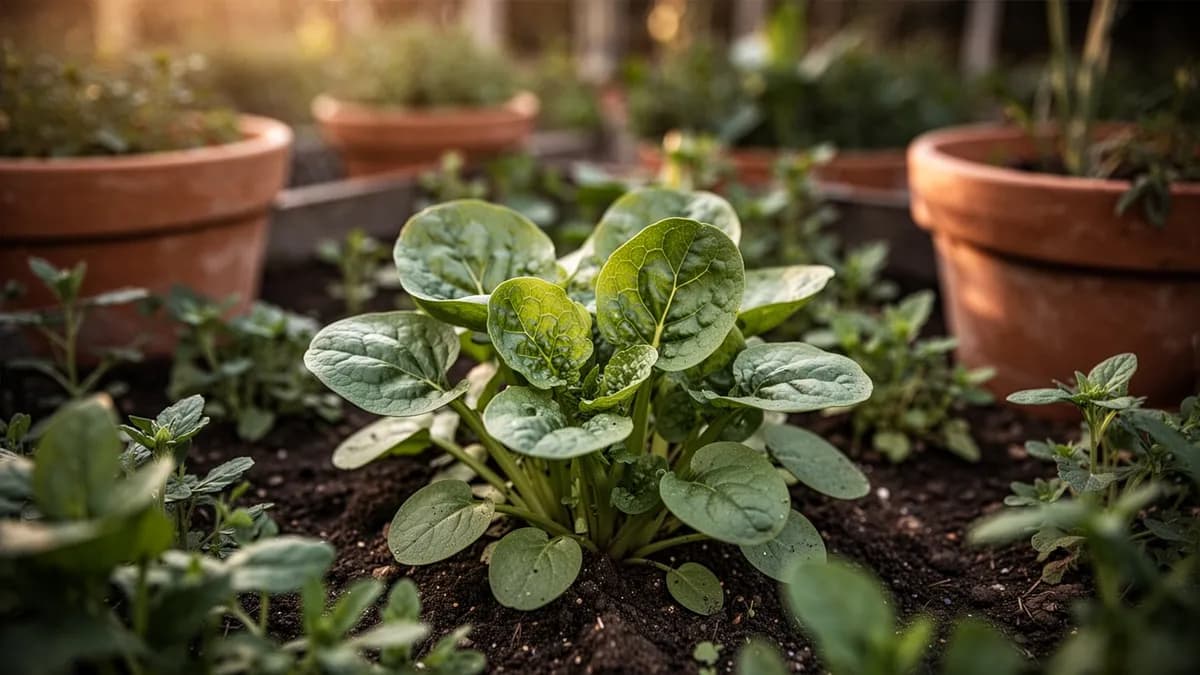
A semi-aquatic herb with peppery, nutrient-dense leaves prized in salads, sandwiches, and soups since ancient times. Watercress thrives in cool, running water or consistently wet soil and is one of the best herbs for hydroponic growing. Harvest by snipping stems above the waterline and the plants will regrow rapidly for multiple cuts.
When to plant Watercress
Watercress is incredibly easy to propagate. Place fresh stems (even from supermarket bunches) in a glass of water and roots develop within a week. Transplant rooted cuttings into wet soil or hydroponic systems. For seed starting, sprinkle tiny seeds on the surface of wet seed-starting mix—they need light to germinate. Germination occurs in 5-10 days at 15-20°C. Keep perpetually moist. Transplant when seedlings have 4-6 leaves. Direct sowing in muddy soil at the edge of clean water also works well.
Your Watercress Year
Composed for Zone 7 · typical seasons · frost passes Apr 2, returns Nov 1
Plant Watercress Mar – May, Sep, pick Apr – Jul, Oct – Nov. Check the planting methods below and set your climate to personalize these windows.
How to grow Watercress
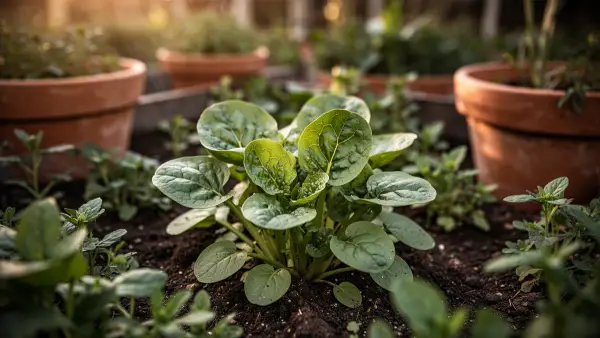
Watercress is a semi-aquatic herb that produces some of the most nutritious edible greens available, packed with vitamins, minerals, and peppery mustard flavor. In nature it grows in clean, cool, running water, but it can also be cultivated in consistently wet garden soil, containers kept in water trays, or hydroponic systems. Space plants 15cm apart in partial shade with rich, moist to wet soil.
The ideal growing conditions are cool temperatures (10-20°C), partial shade, and constant moisture. In garden beds, keep soil perpetually wet—this is one herb you cannot overwater. Stand containers in deep saucers kept topped up with water. For best results, simulate stream conditions with a shallow water garden or recirculating hydroponic system with cool, clean water.
Watercress grows quickly in cool weather, bolting rapidly when temperatures exceed 25°C. For the longest harvest season, grow in spring and autumn, using shade cloth in summer to extend production. Stems root at nodes where they contact water or wet soil, making watercress remarkably easy to propagate. A few supermarket watercress sprigs placed in water will root within a week and provide the start of a productive patch.
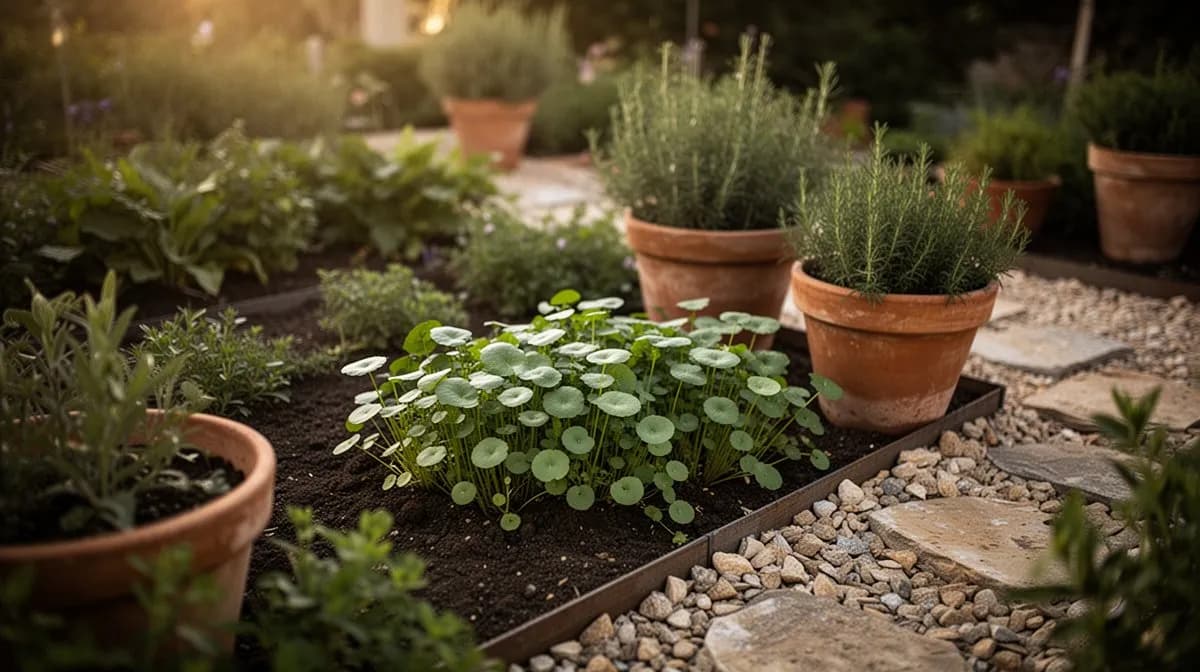
128 plants fit a 4 × 8 ft bed
Each Watercress wants 15 cm of elbow room. The planner keeps that spacing for you — every plant, every bed.
Watercress's best neighbours
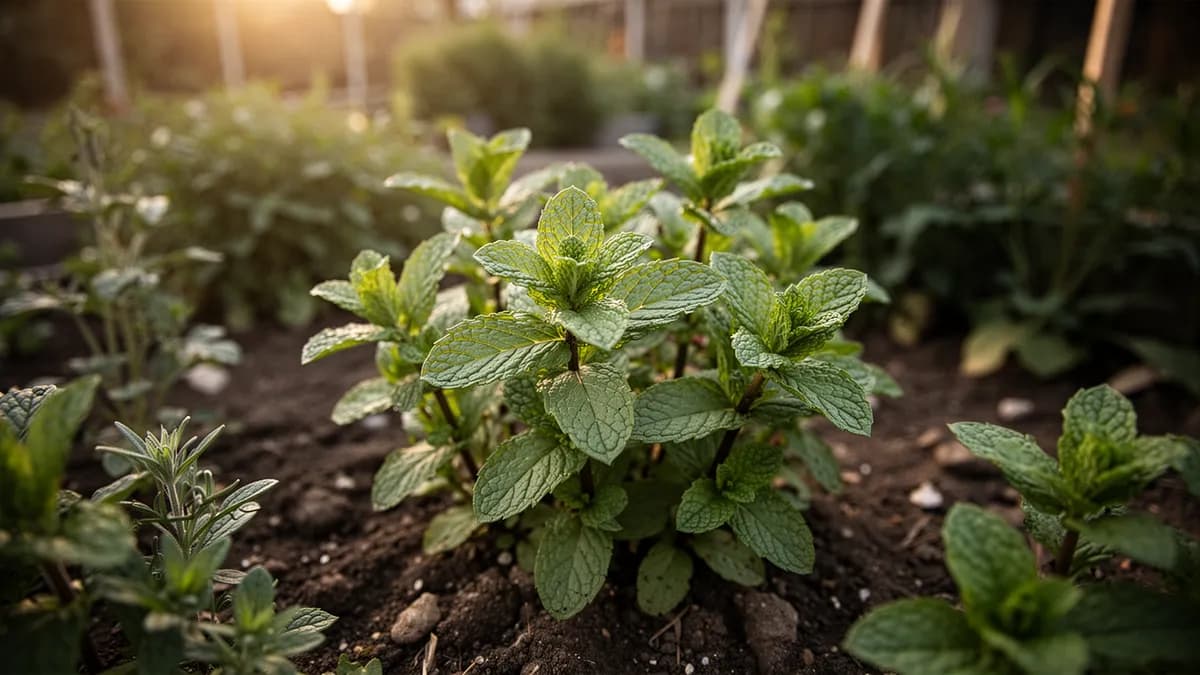
Watercress has unique growing requirements that limit traditional companion planting. In wet garden areas, it grows alongside other moisture-loving plants like mint and marshmallow. In container water gardens, grow as a standalone crop. The peppery compounds may help deter some insects from nearby plants. In permaculture water features, watercress serves as a natural water filter while producing edible greens. Keep away from dry-loving Mediterranean herbs.
Mint belongs beside it.
Old growers' knowledge, checked against Watercress's real companion table below — test any plant you're growing.
Try Watercress in a bed — right here
A real planner bed with Watercress already in it. Tap a companion to place it and watch the pairing checks answer — green for good neighbours, red for a clash.


Related growing guides
Feed it well
Grow in rich, organic soil kept perpetually wet or in clean, cool water. Ideal pH is 6.5-7.5. In soil culture, amend heavily with compost and keep waterlogged. For hydroponic growing, use a diluted balanced nutrient solution in cool water (15-18°C). Feed soil-grown watercress monthly with balanced liquid fertilizer. The high growth rate demands consistent nutrition. In water culture, change water regularly to prevent stagnation.
Ideal Temperature
Hardiness Zone Compatibility
From seed to harvest, stage by stage
Germination
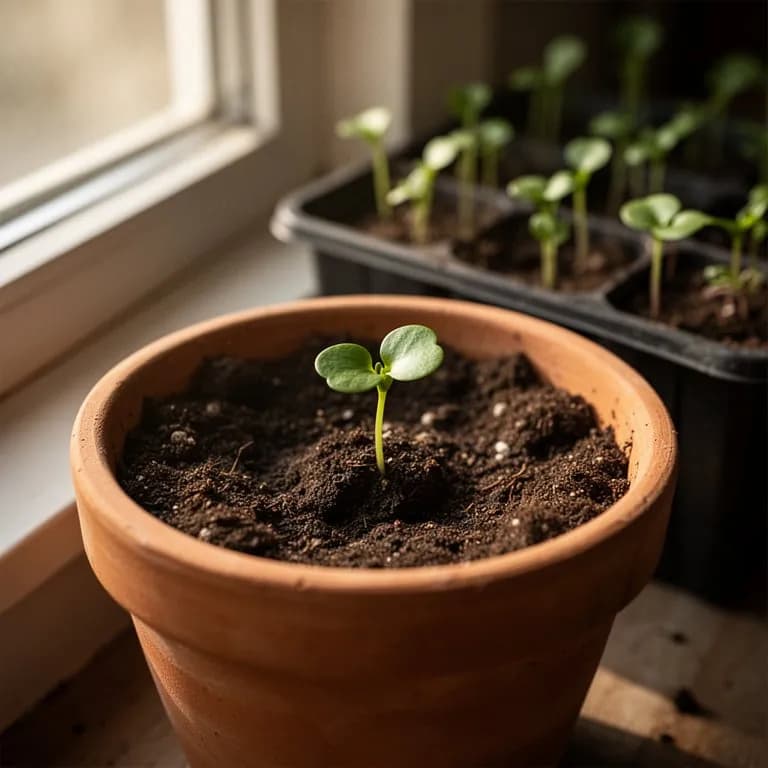
Watercress seeds are extremely small and require light to germinate. When scattered on the surface of consistently moist soil or a wet paper towel, they sprout within 5-10 days. The first tiny rounded cotyledon leaves appear in pairs, barely 3 mm across, clinging to the damp surface.
Seedling Establishment
True leaves emerge as small, rounded leaflets with a glossy surface. Seedlings develop thin white roots that reach downward into the wet substrate. At this stage the plants are delicate and easily damaged by drying out. The characteristic compound leaf shape begins to appear as the second and third sets of leaves develop.
Vegetative Growth
Plants grow rapidly, producing succulent hollow stems that root at every node where they contact water or wet soil. Dense mats of glossy, dark green pinnate leaves form as lateral branching accelerates. This is the prime harvest window — leaves are tender, crisp, and intensely peppery without bitterness.
Flowering
Stems elongate and produce terminal clusters of small white four-petaled flowers typical of the Brassicaceae family. Flower buds are still edible and peppery, but once flowers fully open, the leaves below them become more bitter and tough. Flowering is triggered by long days and warmer temperatures.
Seed Set and Renewal
Fertilized flowers develop into slender seed pods (siliques) 1-2 cm long, each containing two rows of tiny reddish-brown seeds. As seeds mature, the parent stems become woody and tough. However, watercress is perennial and will regenerate from root nodes and stem fragments even after seeding, continuing growth in the next cool season.
Scatter seeds on the surface of moist potting mix or damp vermiculite — do not cover them, as they need light to germinate. Keep the medium constantly wet by misting gently or placing the tray in a shallow dish of water. Maintain temperatures of 10-15°C (50-60°F) for best germination rates.
Caring for Watercress month by month
What to do each month for your Watercress
October
You are herePrime fall harvest season. Cool weather produces the sweetest, crispest watercress of the year. Harvest generously — plants are vigorous and regrow quickly in autumn conditions. Take stem cuttings to root indoors for winter windowsill production. Clean and refresh container growing systems.
Know exactly what to do in your garden — every month
One email at the start of each month: what to sow, plant, and tackle right now — for your Watercress and everything growing around it. Plus a short starter course that helps you dodge the classic mistakes.
- What to do, right now
- Matched to your season
- Starter course included
Harvesting Watercress
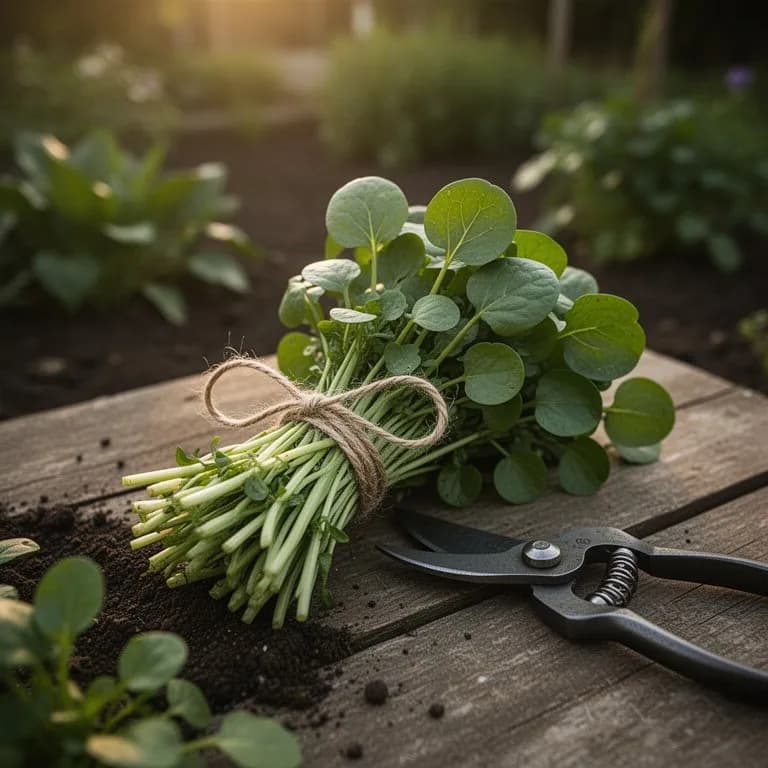
Begin harvesting watercress just 3-4 weeks after planting, when stems reach 10-15cm long. Cut stems above the waterline with scissors, and the plants will regrow rapidly for multiple harvests. The youngest leaves and stem tips have the best flavor—older, larger leaves become tougher and more peppery. Harvest before flowering for the mildest taste. In cool weather, watercress can be cut every 2-3 weeks. The flowers are also edible with a peppery kick.
assuming you plant when the window opens — set your real date
Pick Watercress promptly and the plant keeps producing.
Storage & Preservation
Fresh watercress is highly perishable and best used within 2-3 days. Store with stems in a glass of cold water in the refrigerator, loosely covered with a plastic bag. Change water daily. Do not wash until ready to use. Watercress does not dry well, as the peppery flavor is lost. Freeze pureed watercress in ice cube trays for adding to soups and sauces. Make watercress pesto or butter for longer storage. Watercress soup freezes well.
What goes wrong — and the fix
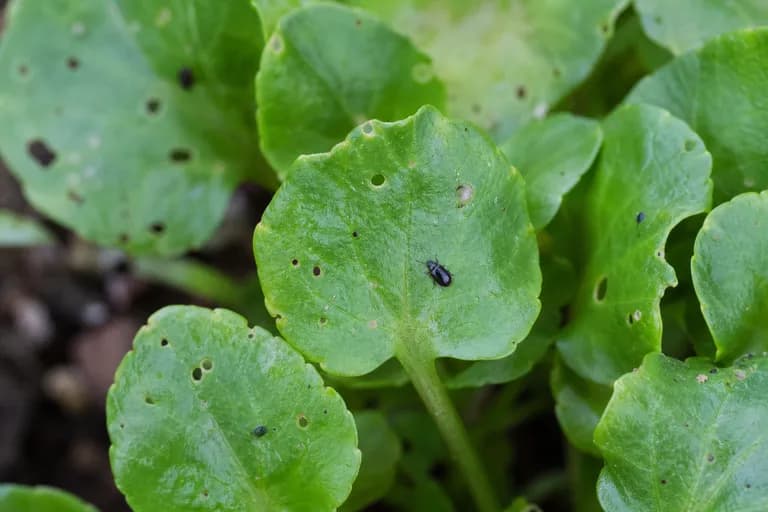
Watercress Flea Beetle
PestSmall round holes shot through leaves, tiny dark beetles that jump when disturbed.
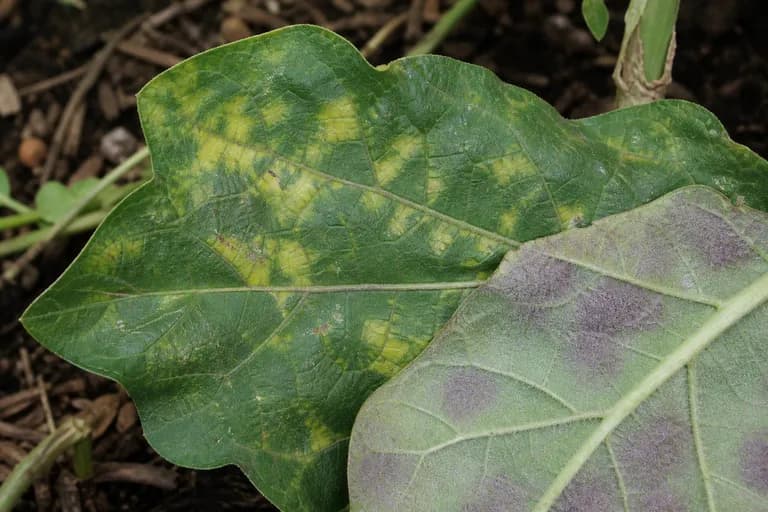
Downy Mildew
DiseaseYellow patches on upper leaf surfaces with grayish fuzzy growth underneath. Most common in humid, still-air conditions.

Liver Fluke Risk
DiseaseNot a plant disease but a human health concern—wild watercress from streams where livestock graze may carry liver fluke parasites.
Troubleshooting Common Problems
Bolting in hot weather is the most common issue—provide shade and cool water to delay flowering. Bitter, excessively peppery leaves result from heat stress or water stress. Yellowing leaves indicate nutrient deficiency—increase feeding. Stagnant water can develop algae and bacteria; ensure water circulation or change frequently. In wild-harvested watercress, liver fluke contamination is a real health risk—always grow your own or buy from reputable sources.
Growing Tips
- You do not need a stream or pond to grow watercress. A simple wide shallow container (30 cm or wider) filled with gravel or perlite and kept flooded with 2-3 cm of water produces excellent results on a patio, balcony, or even a bright kitchen windowsill.
- Start watercress from supermarket cuttings instead of seeds for instant results. Place fresh store-bought watercress stems in a glass of water on a windowsill — they will sprout roots from the nodes within 3-5 days and can be transplanted into your growing container immediately.
- Change the water in container watercress systems every 2-3 days to prevent stagnation, algae growth, and off-flavors in the leaves. In hot weather, use cool tap water to bring down the root zone temperature, which watercress strongly prefers.
- Harvest watercress by the cut-and-come-again method: snip stems to about 5 cm above the waterline with scissors rather than pulling up entire plants. This encourages rapid bushy regrowth and keeps plants productive for months.
- Grow watercress in partial shade during summer to prevent bolting and bitterness. In spring and autumn, full sun is fine and produces the fastest growth, but summer heat combined with long days will quickly trigger flowering and degrade leaf quality.
- Pinch off flower buds the moment they appear to extend the vegetative harvest window by several weeks. Once watercress commits to flowering, the leaves below become progressively tougher and more bitter, and the plant puts its energy into seed production rather than leaf growth.
- Feed container watercress every two weeks with a dilute liquid fertilizer at half the recommended strength. Watercress is a moderate feeder, but because container-grown plants have limited root access, regular light feeding noticeably improves leaf size, color, and growth rate.
- Watercress is naturally resistant to most pests, but aphids can colonize tender new shoots in spring. Rinse plants thoroughly with a strong spray of water to dislodge aphids rather than using any chemical treatments — the leaves are eaten raw and should remain chemical-free.
- In cold climates, bring a container of watercress indoors before the first hard freeze and place it on a bright windowsill or under grow lights. Indoor watercress grows more slowly in winter but still provides regular small harvests of fresh peppery greens when little else is available from the garden.
- Never collect wild watercress from streams or ditches that could be contaminated by livestock runoff or agricultural chemicals. Wild watercress can also harbor liver fluke parasites transmitted through water contaminated by grazing animals. Growing your own in clean water eliminates all of these risks entirely.
Grow your best Watercress yet — and everything around it.
Start a free plan today. Lay out your beds, drop in your Watercress, and let PlotMyGarden handle the timing, spacing, companions and reminders from seed to harvest basket.
Pick your Watercress
Nasturtium officinale (Standard Watercress)
The classic watercress with round, dark green leaves and crisp, peppery flavor. Most commonly available.
Large-Leaf Watercress
A selected form with bigger leaves and thicker stems. More productive for regular harvesting. Same great flavor.
Upland Cress (Barbarea verna)
Not true watercress but a similar-tasting land plant that grows in regular garden soil without water. Easier for beginners.
Fresh watercress sells for $3-6 per small bunch (about 100g) at grocery stores and farmers markets, with organic watercress often priced at $5-8 per bunch. A single packet of seeds costing $2-4 can produce hundreds of plants, and because watercress propagates effortlessly from stem cuttings, you never need to buy seeds again after the initial planting. A modest home watercress setup — even a simple plastic tray with gravel and water on a windowsill — can produce the equivalent of $20-40 worth of fresh watercress per month during peak growing season. The savings are particularly significant for households that regularly buy watercress for salads, soups, and garnishes.
Quick recipes
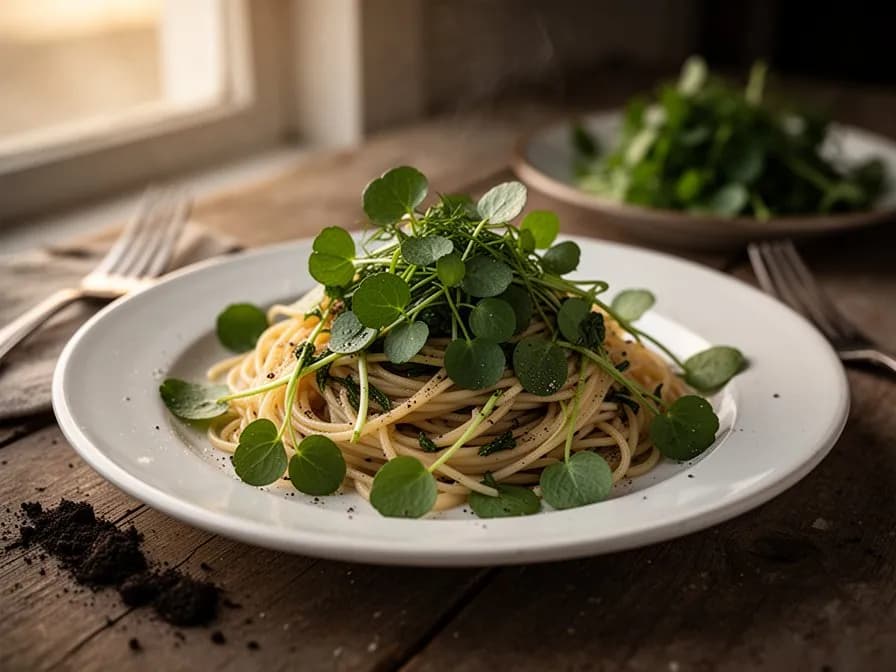
Classic Watercress Soup
25 minA silky, vibrant green soup that captures the fresh peppery essence of watercress. Potatoes provide body while a brief simmer preserves the bright color and delicate flavor. Serve hot with a swirl of cream or chilled on warm summer days.
7 ingredientsPeppery Watercress and Citrus Salad
10 minA refreshing salad that balances the bold peppery kick of raw watercress with sweet citrus segments and a tangy honey-lemon dressing. Quick to assemble and perfect as a side dish or light starter.
8 ingredientsWatercress Pesto
10 minA peppery twist on traditional basil pesto, using raw watercress for a vibrant green sauce with a mustard-like bite. Excellent tossed with pasta, spread on sandwiches, or drizzled over grilled fish and roasted vegetables.
7 ingredientsCulinary Uses
Watercress is a nutritional powerhouse with a distinctive peppery, mustard-like bite. Classic in English watercress sandwiches with butter on white bread. Makes elegant watercress soup (hot or cold). Add to salads for a peppery kick, especially with citrus, goat cheese, and walnuts. Blend into pesto, green sauces, and smoothies. Wilt lightly as a side dish like spinach. Garnish steaks, grilled fish, and roasted beets. Pairs with eggs, potatoes, and smoked salmon.
What's inside
Health Benefits
- Tops the CDC Powerhouse Fruits and Vegetables ranking with the highest possible nutrient density score, meaning watercress provides more essential vitamins and minerals per calorie than any other fruit or vegetable studied.
- Contains high levels of PEITC (phenethyl isothiocyanate), a naturally occurring compound released when watercress is chewed that has been the subject of extensive research at institutions studying its potential role in supporting the body's natural cellular defense mechanisms.
- Exceptional vitamin K content at 208% of the daily value per 100g supports healthy blood clotting, bone mineral density, and may help reduce the risk of bone fractures — particularly important for postmenopausal women and older adults.
- Rich in beta-carotene and lutein — two carotenoid antioxidants that accumulate in the retina and may help protect against age-related macular degeneration and cataracts with regular dietary intake.
- Provides highly bioavailable calcium (120mg per 100g) with very low oxalate content, meaning the body absorbs a much higher percentage of watercress calcium compared to high-oxalate greens like spinach — an important advantage for plant-based diets.
- High vitamin C content (48% DV per 100g) supports collagen synthesis for healthy skin, enhances iron absorption from plant foods, and provides antioxidant protection — historically valued enough that sailors used watercress to prevent scurvy on long voyages.
Where Watercress comes from
Watercress (Nasturtium officinale) is native to Europe and western Asia, where it has grown wild along streams, springs, and riverbanks since prehistoric times. Archaeological evidence suggests that humans have consumed watercress for thousands of years, and it is considered one of the oldest known leaf vegetables eaten by people. Ancient Persians, Greeks, and Romans all valued watercress highly — both as a food and as a medicine. The Greek general Xenophon made his soldiers eat watercress to build vigor, and the Roman naturalist Pliny the Elder documented over forty medicinal uses for the plant.
In medieval Europe, watercress grew abundantly near monasteries and was cultivated by monks who recognized its nutritional and healing properties. It was one of the few fresh greens available in early spring, providing essential vitamins after the long winter months of preserved and dried foods. By the 16th century, herbalists across England and continental Europe prescribed watercress for ailments ranging from toothaches to tuberculosis, and the plant featured prominently in the pharmacopoeias of the era.
The first commercial watercress farm was established in Erfurt, Germany in 1750, and the practice spread quickly to England, where the chalky spring-fed streams of Hampshire and Dorset proved ideal. By the 1800s, watercress cultivation was a thriving industry in southern England, with special 'watercress trains' running from Hampshire to London's Covent Garden market each morning. In Victorian London, watercress became the breakfast of the working poor — cheap, nutritious bunches were sold by thousands of street vendors, many of them children, from dawn each day.
Watercress traveled to the Americas, Australia, and New Zealand with European settlers, quickly naturalizing in clean streams across temperate regions worldwide. Today it is grown commercially in the UK, France, the United States, Portugal, and Brazil, with both traditional stream-bed farms and modern hydroponic operations supplying year-round demand. Its recent recognition as the most nutrient-dense vegetable by the CDC has sparked renewed global interest in this ancient green.
Watercress: did you know?
Fascinating facts about Watercress
Watercress scored a perfect 100 on the CDC's Powerhouse Fruits and Vegetables nutrient density ranking — the only item on the entire list to achieve that score, beating out staples like spinach, kale, and broccoli.
Watercress questions, answered
When should I plant Watercress?
What are good companion plants for Watercress?
What hardiness zones can Watercress grow in?
How much sun does Watercress need?
How far apart should I space Watercress?
What pests and diseases affect Watercress?
How do I store Watercress after harvest?
What are the best Watercress varieties to grow?
What soil does Watercress need?
Can I grow watercress without a stream or flowing water?
Is it safe to eat watercress raw?
Why does my watercress taste very bitter instead of peppery?
How often should I harvest watercress?
Can I grow watercress indoors year-round?
Is watercress the same as nasturtium garden flowers?
You just read the theory. Now grow it on autopilot.
Everything that makes Watercress fiddly — the timing, the spacing, the companions, the harvest window — is exactly what PlotMyGarden handles for you, for every plant in your garden.
A plan that knows your weather
Set your location once. Get sow, feed and harvest dates built around your real last-frost date and live forecast — no more guessing from a generic seed packet.
From the “When to plant” sectionDrag-and-drop bed planner
Design beds on a grid. Every plant snaps to its proper spacing, and you can see your whole season laid out before you spend a cent on seed.
From the “Growing guide” sectionCompanion conflicts, caught early
200+ good-and-bad pairings checked live as you plant — so a season-wrecking mistake never makes it into the ground.
From the “Companions” sectionReminders you'll actually act on
“Water the beans.” “Pick today before it turns.” Timely, specific, and tied to the plants you're really growing.
From the “Harvest” sectionSuccession, scheduled
Want a harvest for six weeks, not six days? It spaces your sowings automatically and reminds you when each new block is due.
From the “When to plant” sectionA record that gets smarter
Every harvest you log teaches it your garden. Next year's plan starts from what actually worked in your soil, not a textbook's.
From the “Overview” sectionPlant these alongside Watercress
More Culinary Herbs
Grow your best Watercress yet — and everything around it.
Start a free plan today. Lay out your beds, drop in your Watercress, and let PlotMyGarden handle the timing, spacing, companions and reminders from seed to harvest basket.