Wasabi
The famously difficult-to-grow Japanese rhizome with a complex, fiery heat entirely different from horseradish-based imitations.





On this pageOverview
Meet Wasabi
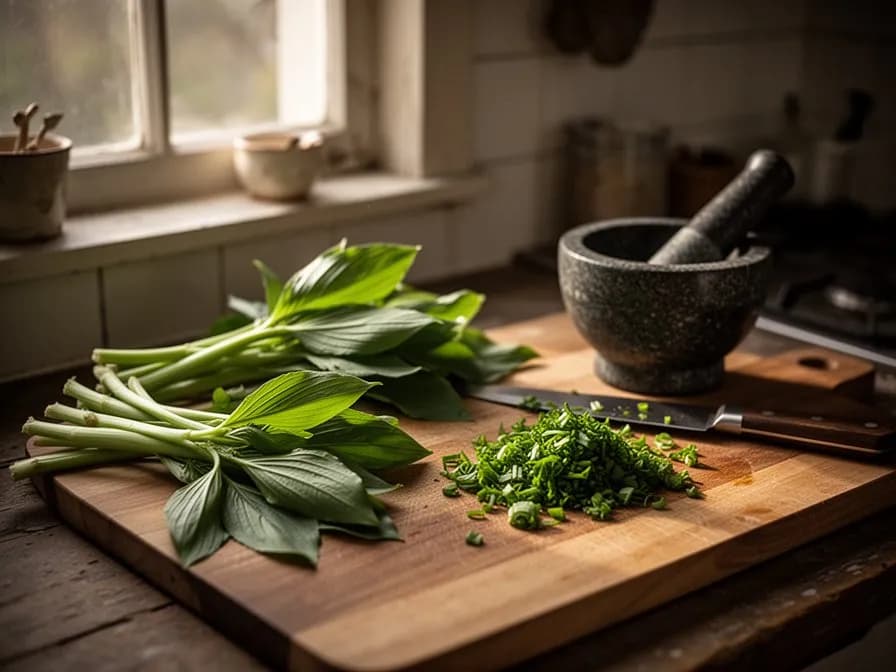
The famously difficult-to-grow Japanese rhizome with a complex, fiery heat entirely different from horseradish-based imitations. Real wasabi requires cool, constantly moist conditions with shade and temperatures between 45 and 70 degrees Fahrenheit. The rhizome takes two years to reach harvestable size and must be freshly grated for authentic flavor.
When to plant Wasabi
Wasabi seeds are rare, expensive, and must be sown fresh—they lose viability rapidly. Sow on the surface of moist, rich seed-starting mix at 10-15°C (do not use heat mats). Germination is slow and erratic, taking 3-8 weeks. Keep consistently cool and moist. More commonly propagated from offsets (plantlets) that form around the base of mature rhizomes—these establish faster and are genetically identical to the parent. Tissue-cultured plantlets are available from specialist nurseries.
Your Wasabi Year
Composed for Zone 7 · typical seasons · frost passes Apr 2, returns Nov 1
Plant Wasabi Mar – Apr, Sep – Oct, pick Jan – Dec. Check the planting methods below and set your climate to personalize these windows.
How to grow Wasabi
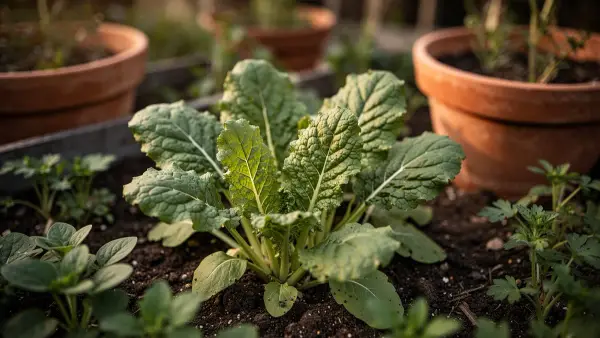
Wasabi is famously one of the most challenging herbs to cultivate, requiring conditions that mimic its native habitat of cool, shaded Japanese mountain streams. The rhizome takes 18-24 months to reach harvestable size and demands consistently cool temperatures (7-21°C), deep shade, high humidity, and constant moisture without waterlogging. Plant in rich, organic soil in full shade with reliable water access.
The key to wasabi success is temperature control—plants suffer above 25°C and die above 30°C. In most climates, this means growing in the coolest, most shaded part of the garden, beside a stream, or in a controlled greenhouse. Hydroponic growing in cool water (10-15°C) produces excellent results and is how most commercial wasabi is grown outside Japan.
Provide rich, humus-laden soil that stays consistently moist but never waterlogged. The rhizome grows at the soil surface, slowly enlarging over its 2-year development period. Leaves and petioles are also edible and can be harvested throughout the growing season without damaging the developing rhizome. Wasabi is not impossible to grow—it simply requires patience and the right microclimate.
32 plants fit a 4 × 8 ft bed
Each Wasabi wants 30 cm of elbow room. The planner keeps that spacing for you — every plant, every bed.
Related growing guides
Feed it well
Grow in very rich, organic, moisture-retentive soil with pH 6.0-7.0. Incorporate generous amounts of compost, leaf mold, and well-rotted organic matter. For hydroponic growing, use clean gravel or perlite with cool, flowing water. Feed monthly with balanced organic fertilizer at half strength. The mineral-rich water of natural streams provides ideal nutrition. In containers, use a rich potting mix kept constantly moist. Sulfur content in the soil contributes to flavor development.
Ideal Temperature
Hardiness Zone Compatibility
From seed to harvest, stage by stage
Propagation
Wasabi is typically started from offsets, tissue culture plantlets, or seeds. Seeds require cold stratification and can take several weeks to germinate. Offsets establish more reliably and are the preferred method for home growers.
Establishment
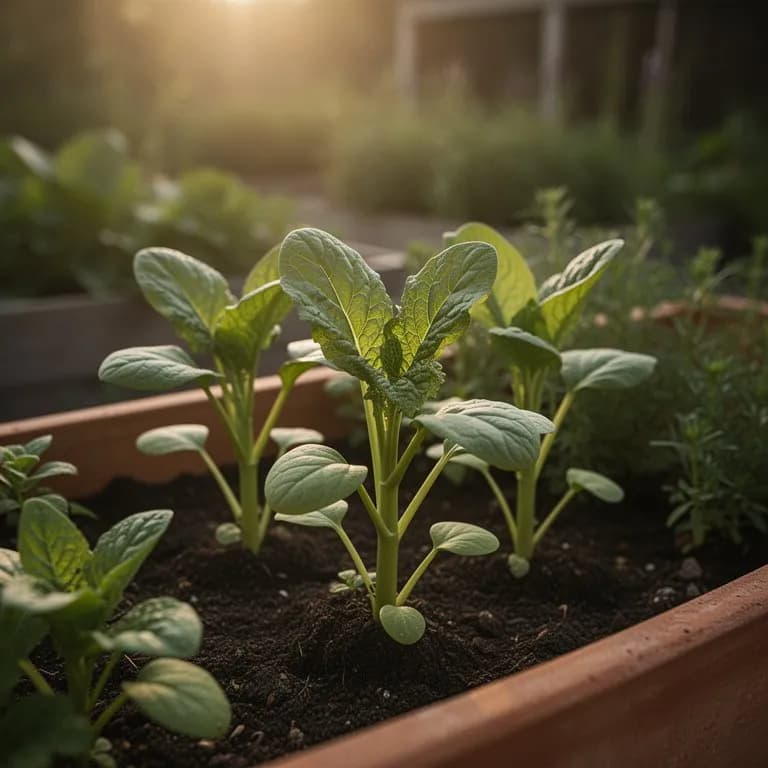
Young plants develop their first true leaves and begin establishing a root system. Growth is slow during this phase and plants are particularly sensitive to heat, direct sunlight, and drying out.
Vegetative Growth
The plant produces a rosette of large heart-shaped leaves and the rhizome begins to form underground. Leaf petioles elongate and the plant gradually increases in size. Side shoots may begin to appear.
Rhizome Development
The main rhizome thickens and elongates, developing its characteristic bumpy green surface. This is the primary harvestable portion of the plant. Growth accelerates in cool weather with consistent moisture.
Flowering
In spring of the second year, wasabi sends up slender flower stalks bearing small white four-petaled blossoms. Flowering signals that the plant is mature and the rhizome is nearing peak harvest quality.
Harvest
Rhizomes are typically harvested 18 to 24 months after planting when they reach 7 to 10 centimeters in length. The entire plant is pulled, and offsets can be replanted immediately to start the next cycle.
Keep propagation medium consistently moist but never waterlogged. Maintain temperatures between 10 and 18 degrees Celsius for best germination rates.
Caring for Wasabi month by month
What to do each month for your Wasabi
October
You are hereOctober: Reduce fertilization to once every six weeks. Clean up fallen leaves around plants to reduce fungal disease pressure. Assess rhizome development on second-year plants.
Know exactly what to do in your garden — every month
One email at the start of each month: what to sow, plant, and tackle right now — for your Wasabi and everything growing around it. Plus a short starter course that helps you dodge the classic mistakes.
- What to do, right now
- Matched to your season
- Starter course included
Harvesting Wasabi
Wasabi rhizomes are ready for harvest 18-24 months after planting, when they reach 2-3cm in diameter and 10-15cm long. Harvest by carefully pulling the entire plant—there is no regrowth from a harvested rhizome. Leaves and petioles can be harvested throughout the growing season for use in salads and pickles. Fresh wasabi must be grated immediately before serving on a sharkskin grater (oroshi) for authentic flavor—the complex heat develops and then fades within 15 minutes of grating.
assuming you plant when the window opens — set your real date
Pick Wasabi promptly and the plant keeps producing.
Storage & Preservation
Whole wasabi rhizomes store for up to one month wrapped in damp paper towels in the refrigerator. Once grated, the flavor begins to fade within 15 minutes. For longer storage, wrap whole rhizomes in damp cloth and seal in plastic bags. Freeze grated wasabi in small portions—flavor is diminished but still far superior to commercial paste. Pickle leaves and stems (wasabi-zuke) in sake lees or soy sauce for a traditional Japanese condiment. Wasabi cannot be effectively dried.
What goes wrong — and the fix
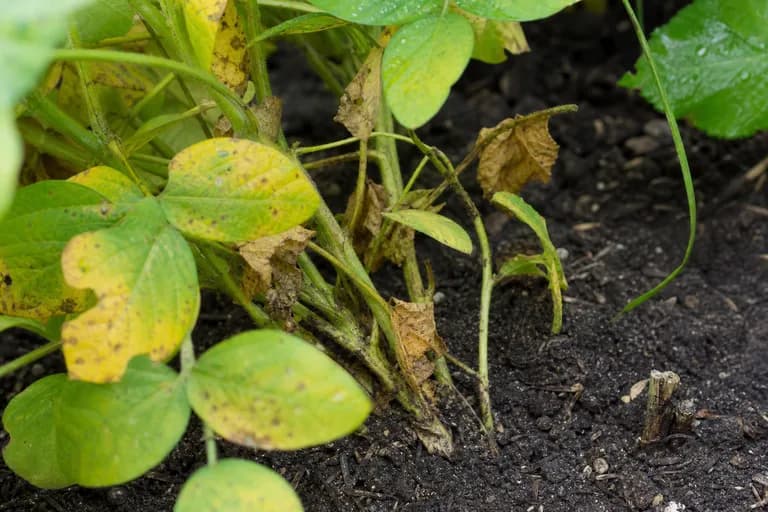
Phytophthora Root Rot
DiseaseBlack rot of the rhizome, wilting leaves, foul-smelling soft tissue. The most devastating wasabi disease.
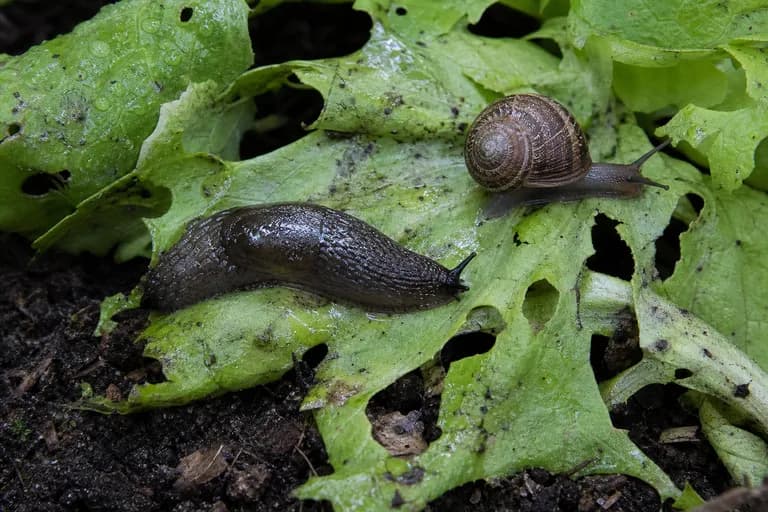
Slugs and Snails
PestHoles in large, tender leaves. Slime trails on foliage. Particularly problematic in the moist, shady conditions wasabi requires.
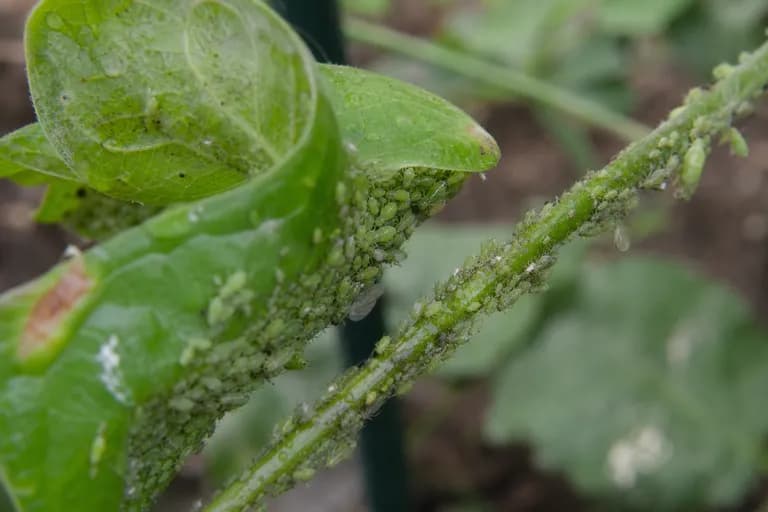
Aphids
PestClusters on leaf undersides and petioles, causing leaf distortion and reducing plant vigor.
Troubleshooting Common Problems
Heat is the primary challenge—wasabi simply cannot tolerate temperatures above 25°C for extended periods. In warm climates, grow in air-conditioned spaces or water-cooled hydroponic systems. Stagnant water around rhizomes causes root rot; ensure movement or drainage. The 2-year growth period requires patience—there are no shortcuts. Most commercial 'wasabi' is actually dyed horseradish; growing real wasabi is the only way to experience authentic flavor.
Growing Tips
- Select a deeply shaded location that receives no direct sunlight. Dappled shade beneath deciduous trees or a north-facing wall covered with 75 percent shade cloth provides ideal light conditions for wasabi.
- Maintain soil temperatures between 10 and 18 degrees Celsius year-round. In warm climates, grow wasabi in containers that can be moved to air-conditioned spaces or cooled basements during summer heat waves.
- Use a well-draining growing medium composed of equal parts coarse sand, perlite, and rich organic compost. Wasabi needs constant moisture but will quickly develop root rot in waterlogged or compacted soil.
- Water with cool, clean water daily during the growing season. If possible, set up a drip irrigation system that keeps the root zone consistently moist without saturating the crown of the plant.
- Feed with a half-strength balanced organic liquid fertilizer every four to six weeks during the active growing season from spring through early autumn. Avoid high-nitrogen fertilizers that promote leaf growth at the expense of rhizome development.
- Monitor plants closely for slugs, snails, and aphids, which are the primary pests affecting wasabi. Use copper tape barriers around containers and hand-pick slugs in the evening when they are most active.
- Maintain high humidity of 80 percent or above around plants by misting regularly, using humidity trays beneath containers, or growing in an enclosed cold frame with good ventilation to prevent fungal issues.
- Remove flower stalks promptly in the first year to direct all energy toward rhizome development. In the second year, allow one or two stalks to flower if you want to collect seeds or enjoy the edible blossoms.
- Harvest leaves selectively throughout the growing season by cutting outer leaves first and leaving the central growing point undisturbed. Never remove more than one-third of the foliage at any time.
- Replant offsets immediately after dividing them from the mother plant in autumn or early spring. Dip cut surfaces in cinnamon powder to discourage fungal infection before planting in fresh growing medium.
Grow your best Wasabi yet — and everything around it.
Start a free plan today. Lay out your beds, drop in your Wasabi, and let PlotMyGarden handle the timing, spacing, companions and reminders from seed to harvest basket.
Pick your Wasabi
Daruma
The most commonly cultivated variety with good vigor and reliable rhizome development. Medium-hot flavor.
Mazuma
A premium variety prized for its intense, complex flavor and large rhizome size. Preferred by Japanese chefs.
Green Thumb
A variety selected for easier cultivation in home gardens. Slightly faster growing with good flavor.
Fresh wasabi rhizomes retail for 150 to 300 dollars per kilogram at specialty markets, making home-grown wasabi extraordinarily valuable. A single mature plant producing a 50-gram rhizome represents roughly 10 to 15 dollars in savings, and the edible leaves and petioles harvested throughout the growing cycle add further value. While wasabi requires patience and careful attention, even a small planting of three to five plants can provide a meaningful supply that would cost over 100 dollars annually if purchased from specialty vendors.
Quick recipes
Fresh Wasabi Paste
5 minutesAuthentic freshly grated wasabi paste that delivers the genuine, complex heat and sweetness that sets real wasabi apart from imitations. Best prepared immediately before serving.
3 ingredientsWasabi Leaf Salad
10 minutesA peppery and refreshing salad using the often-overlooked edible leaves of the wasabi plant. The leaves have a milder heat than the rhizome and add a unique brassica flavor to mixed greens.
5 ingredientsWasabi Butter
10 minutesA versatile compound butter infused with freshly grated wasabi that pairs beautifully with grilled steak, roasted vegetables, or spread on warm bread. The heat mellows slightly when combined with the rich butter.
5 ingredientsCulinary Uses
Authentic fresh wasabi has a complex, multidimensional heat entirely different from horseradish-based substitutes—it is sharp but not burning, with sweet, floral, and vegetal notes. Grate fresh rhizome on a sharkskin grater and serve immediately with sushi, sashimi, soba noodles, and grilled meats. The leaves are edible with a mild wasabi flavor—use in salads, wraps, and pickles. Stems can be pickled (wasabi-zuke) or chopped into dressings.
What's inside
Health Benefits
- Contains powerful isothiocyanates, particularly 6-MITC, which have demonstrated anti-inflammatory effects in laboratory studies and may help reduce chronic inflammation throughout the body.
- Exhibits strong antimicrobial activity against common foodborne pathogens including E. coli and Staphylococcus aureus, historically valued for its food safety properties when paired with raw fish.
- Rich in antioxidants that help neutralize free radicals, potentially reducing oxidative stress and supporting cellular health as part of a balanced diet.
- May support cardiovascular health through its high potassium content and compounds that research suggests could help inhibit platelet aggregation and improve blood flow.
- Contains glucosinolates that are being studied for their potential role in supporting the body natural detoxification pathways and promoting liver health.
- The natural vapor released by grated wasabi can help temporarily clear nasal and sinus congestion, providing quick respiratory relief during colds or allergies.
Where Wasabi comes from
Wasabi (Eutrema japonicum, formerly classified as Wasabia japonica) is a perennial plant belonging to the Brassicaceae family, native to the cool, misty mountain stream valleys of Japan. The plant has been an integral part of Japanese culinary culture for over a thousand years, with the earliest written records of its use dating back to the Heian period around 794 to 1185 CE. Archaeological evidence from the Asuka region suggests that wasabi may have been gathered from the wild even earlier, used both as a medicinal herb and a flavoring agent.
The traditional cultivation of wasabi, known as sawa cultivation, involves growing the plants in gravel beds fed by cool, constantly flowing mountain spring water. This technique was refined in the Shizuoka Prefecture during the Edo period in the early 1600s, and the Abe River valley remains one of the most celebrated wasabi-growing regions in Japan to this day. The semi-aquatic growing method mimics the natural habitat where wild wasabi thrives along shaded stream banks at elevations between 700 and 2800 meters.
Wasabi gained widespread culinary importance alongside the development of nigiri sushi in the early 19th century, when Hanaya Yohei popularized the style in Edo, present-day Tokyo. The antimicrobial properties of wasabi made it a practical companion to raw fish, and its sharp, fleeting heat provided a perfect counterpoint to the delicate flavors of fresh seafood.
In the 20th century, attempts to cultivate wasabi outside Japan expanded to the Pacific Northwest of North America, parts of New Zealand, Tasmania, and select regions of the United Kingdom. However, the plant remains notoriously difficult to grow commercially due to its exacting requirements for cool temperatures, high humidity, clean water, and deep shade. Today, global demand far outstrips supply of genuine wasabi, and the vast majority of commercial wasabi products are imitations made from horseradish and mustard with artificial coloring.
Wasabi: did you know?
Fascinating facts about Wasabi
Most wasabi served in restaurants worldwide is actually a blend of horseradish, mustard, and green food coloring, as real wasabi is extremely expensive and difficult to cultivate.
Wasabi questions, answered
When should I plant Wasabi?
What hardiness zones can Wasabi grow in?
How much sun does Wasabi need?
How far apart should I space Wasabi?
What pests and diseases affect Wasabi?
How do I store Wasabi after harvest?
What are the best Wasabi varieties to grow?
What soil does Wasabi need?
Can wasabi really be grown at home outside of Japan?
Why does wasabi take so long to grow?
What parts of the wasabi plant are edible?
How do I know when my wasabi rhizome is ready to harvest?
Is store-bought wasabi the same as fresh wasabi?
Can I grow wasabi in a hydroponic or aquaponic system?
You just read the theory. Now grow it on autopilot.
Everything that makes Wasabi fiddly — the timing, the spacing, the companions, the harvest window — is exactly what PlotMyGarden handles for you, for every plant in your garden.
A plan that knows your weather
Set your location once. Get sow, feed and harvest dates built around your real last-frost date and live forecast — no more guessing from a generic seed packet.
From the “When to plant” sectionDrag-and-drop bed planner
Design beds on a grid. Every plant snaps to its proper spacing, and you can see your whole season laid out before you spend a cent on seed.
From the “Growing guide” sectionCompanion conflicts, caught early
200+ good-and-bad pairings checked live as you plant — so a season-wrecking mistake never makes it into the ground.
From the “Companions” sectionReminders you'll actually act on
“Water the beans.” “Pick today before it turns.” Timely, specific, and tied to the plants you're really growing.
From the “Harvest” sectionSuccession, scheduled
Want a harvest for six weeks, not six days? It spaces your sowings automatically and reminds you when each new block is due.
From the “When to plant” sectionA record that gets smarter
Every harvest you log teaches it your garden. Next year's plan starts from what actually worked in your soil, not a textbook's.
From the “Overview” sectionMore Culinary Herbs
Grow your best Wasabi yet — and everything around it.
Start a free plan today. Lay out your beds, drop in your Wasabi, and let PlotMyGarden handle the timing, spacing, companions and reminders from seed to harvest basket.