Hiedra de Engelman
Una variedad refinada de la parra virgen con hojas mas pequenas y mayor capacidad de adhesion que se pega estrechamente a muros y mamposteria.





En esta páginaResumen
Conoce Hiedra de Engelman
Una variedad refinada de la parra virgen con hojas mas pequenas y mayor capacidad de adhesion que se pega estrechamente a muros y mamposteria. La hiedra de Engelman adquiere un intenso color escarlata en otono y produce pequenas bayas azul-negras que constituyen una importante fuente de alimento para las aves. Es mas compacta que la especie tipo y mas adecuada para jardines pequenos y coberturas de muro de mayor precision.
Cuándo plantar Hiedra de Engelman
La hiedra de Engelman puede cultivarse a partir de semillas recolectadas de bayas azul-negras maduras en otono. Limpie las semillas de la pulpa y estratifiquelas en frio en arena humeda durante tres meses antes de la siembra de primavera. Las semillas germinan en tres a seis semanas. Las plantulas crecen rapidamente una vez establecidas. Los esquejes de madera dura tomados a finales del otono son un metodo de propagacion mas sencillo, que enraizan en arena humeda durante el invierno sin ningun tratamiento especial. El acodo tambien funciona bien para producir algunas plantas nuevas.
Tu año de Hiedra de Engelman
Ajustado a Zona 7 · temporada típica · la helada se va hacia el 2 abr y vuelve hacia el 1 nov
Planta Hiedra de Engelman Mar – May y cosecha Sep – Oct. Consulta los métodos de plantación y elige tu clima para adaptar los periodos.
Cómo cultivar Hiedra de Engelman
Plante la hiedra de Engelman en primavera u otono en cualquier suelo de jardin razonable, desde plena exposicion solar hasta sombra profunda. Esta variedad refinada de parra virgen tiene hojas mas pequenas y de textura mas fina, y zarcillos adhesivos mas resistentes que la especie, lo que le permite adherirse de forma mas compacta y ordenada a muros y mamposteria. Alcanza entre nueve y quince metros y es excelente para cubrir albanileria, muros de piedra y chimeneas.
La hiedra de Engelman es extremadamente adaptable y requiere un mantenimiento minimo tras la primera temporada de crecimiento. Riegue con regularidad durante el establecimiento y despues solo durante periodos de sequia prolongada. La trepadora tolera suelos pobres, la contaminacion urbana y una amplia gama de condiciones de luz. Abone con un fertilizante equilibrado en primavera durante los dos primeros anos para acelerar el establecimiento.
Pode a finales del invierno o a principios de la primavera segun sea necesario para impedir que la trepadora cubra ventanas, canalones y zonas donde no se desea su crecimiento. La planta regenera con vigor tras una poda severa si es necesario. El principal valor ornamental es el vivido follaje escarlata otonal, que se encuentra entre los mas brillantes de cualquier planta trepadora. Las pequenas bayas azul-negras que se producen en otono son una importante fuente de alimento para los pajaros migratorios.
Para Hiedra de Engelman un bancal de 120 × 240 cm se queda corto
Cada Hiedra de Engelman pide 250 cm de margen. El planificador guarda ese marco por ti — cada planta, cada bancal.
Los mejores vecinos de Hiedra de Engelman
La hiedra de Engelman se utiliza mejor como cobertura exclusiva de muros en estructuras de piedra y ladrillo, donde su habito de adherencia estrecha crea una cobertura uniforme y atractiva. El brillante color otonal destaca mejor sobre muros de colores claros. Plante debajo coberteras tolerantes a la sombra y bulbos de primavera que puedan crecer bajo el dosel de la trepadora. Mantengala alejada de estructuras de madera y edificios con revestimientos que puedan danarse por los zarcillos adhesivos.
Parra Virgen va a su lado.
Saber de huerto de siempre, cotejado con la tabla real de Hiedra de Engelman — prueba cualquier planta que cultives.
Prueba Hiedra de Engelman en un bancal, aquí mismo
Un bancal real del planificador con Hiedra de Engelman ya plantado. Toca una planta compañera para colocarla y mira cómo responde la comprobación de vecinos: verde para buenos vecinos, rojo si hay conflicto.


Guías de cultivo relacionadas
Abónalo bien
La hiedra de Engelman crece en practicamente cualquier suelo, desde arenoso hasta arcilloso, acido o alcalino, con un pH de 4.5 a 8.0. Las plantas establecidas no necesitan enmienda del suelo ni fertilizacion. La trepadora prospera en suelos pobres y no requiere cuidados especiales. Un fertilizante equilibrado en primavera durante los dos primeros anos ayuda a acelerar el establecimiento, aunque no es imprescindible. La planta es notablemente autonoma una vez que su sistema radicular esta desarrollado.
Temperatura ideal
Compatibilidad de zonas de rusticidad
De la semilla a la cosecha, etapa por etapa
Dormancia / Brotacion temprana de primavera
Al final del invierno, aparecen yemas hinchadas a lo largo de los tallos lenosos. Los sistemas radiculares comienzan a absorber activamente humedad y nutrientes del suelo. Pequenas yemas foliares rojizo-bronceadas emergen en los nudos a lo largo de la trepadora, senalando el inicio de un nuevo crecimiento estacional.
Crecimiento vegetativo rapido
La parra virgen entra en una fase de crecimiento explosivo, extendiendo nuevos brotes hasta 30 centimetros por semana en condiciones ideales. Las caracteristicas hojas compuestas palmeadas con cinco foliolos aserrados se despliegan en verde brillante. Los zarcillos con puntas adhesivas se desarrollan y buscan superficies donde adherirse.
Floracion y polinizacion
Aparecen pequenas flores inconspicuas verdoso-blancas en racimos de copa plana llamados cimas desde finales de la primavera hasta principios del verano. Aunque no son vistosas, estas flores son ricas en nectar y atraen a una amplia gama de polinizadores, incluidas abejas, moscas y pequenos escarabajos. Cada flor tiene cinco petalos y cinco estambres.
Desarrollo y maduracion de las bayas
Tras una polinizacion exitosa, se forman pequenas bayas verdes en racimos que maduran gradualmente hasta adquirir un color azul-negro intenso sobre pedunculos de un rojo brillante caracteristico. Cada baya mide aproximadamente 6 milimetros de diametro y contiene acido oxalico y rafidos, lo que las hace altamente toxicas para los seres humanos. Las bayas son una fuente de alimento critica para mas de 35 especies de aves.
Espectaculo de color otonal
A medida que los dias se acortan y las temperaturas descienden, el follaje sufre una espectacular transformacion. La clorofila se descompone para revelar brillantes pigmentos que van desde el escarlata y el carmesi intensos hasta el burdeos profundo y el purpura. Las trepadoras que reciben mas luz solar directa suelen producir la coloracion mas intensa. Esta es la principal caracteristica ornamental de la parra virgen.
Caida de hojas y dormancia invernal
Las hojas se desprenden y caen, revelando la estructura lenosa de la trepadora y la red de zarcillos adhesivos adheridos a las superficies. La trepadora entra en dormancia total, con energia almacenada en el sistema radicular y los tallos lenosos. Las bayas restantes pueden persistir hasta principios del invierno, continuando alimentando a las aves que pasan el invierno.
Descanso invernal profundo
La trepadora esta en dormancia total sin crecimiento activo. El sistema radicular permanece vivo bajo el suelo, aislado por el mantillo y la cubierta vegetal natural. Los tallos lenosos pueden soportar temperaturas muy por debajo de cero, lo que hace que la parra virgen sea fiablemente resistente en las zonas USDA 3 a 9.
Pode cualquier crecimiento muerto, danado o no deseado antes de que emerjan las nuevas hojas. Este es el momento ideal para una poda estructural intensa con el fin de controlar la forma y la direccion de la trepadora.
Cuidar Hiedra de Engelman mes a mes
Qué hacer cada mes para tu Hiedra de Engelman
Octubre
Mes actualFotografe el pico del color otonal para los registros del jardin y la planificacion. Comience a limpiar la caida temprana de hojas para prevenir la hibernacion de hongos. Evalue el area de cobertura general y planifique cualquier proyecto de retirada invernal o primaveral
Ten claro qué hacer en tu huerto, cada mes
Un correo al empezar cada mes: qué sembrar, plantar y hacer ahora mismo — para tu Hiedra de Engelman y todo lo que crece alrededor. Más un breve curso inicial para esquivar los errores clásicos.
- Qué hacer ahora mismo
- Ajustado a tu temporada
- Curso inicial incluido
Cosechar Hiedra de Engelman
La hiedra de Engelman se valora por su follaje, en particular por el espectacular color escarlata otonal. Corte tallos con hojas en cualquier momento para usarlos como verdor en arreglos florales, pero las ramas de otono con su vivido follaje rojo son el autentico tesoro para la decoracion otonal. Las pequenas bayas azul-negras sobre tallos rojos son atractivas pero toxicas para los seres humanos. Deje las bayas para las aves siempre que sea posible, ya que son una fuente de alimento vital durante la migracion de otono.
se supone que plantas al comenzar el periodo — indica tu fecha real
Cosecha Hiedra de Engelman a tiempo y la planta sigue produciendo.
Almacenamiento y conservación
La hiedra de Engelman es totalmente resistente al frio y no requiere ningun cuidado especial en invierno. Las hojas otonales pueden prensarse entre libros pesados o con una plancha caliente para conservar su color rojo durante mucho tiempo. Los tallos con hojas duran aproximadamente una semana en agua. Para la propagacion, tome esquejes de madera dura a finales del otono o esquejes semimadros a mediados del verano. Ambos enraizan de forma fiable. Las semillas procedentes de bayas maduras necesitan estratificacion en frio para germinar en primavera.
Qué falla — y cómo solucionarlo
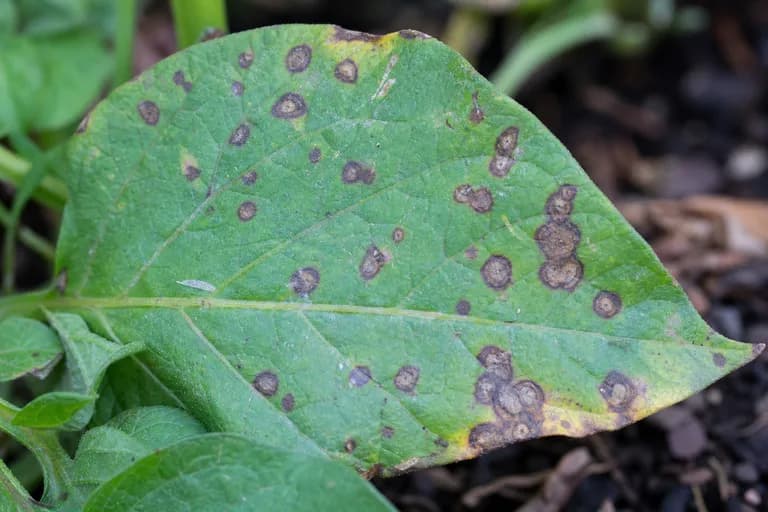
Mancha foliar
EnfermedadManchas marrones o angulares oscuras en las hojas que pueden provocar una defoliacion prematura durante temporadas de crecimiento humedas.
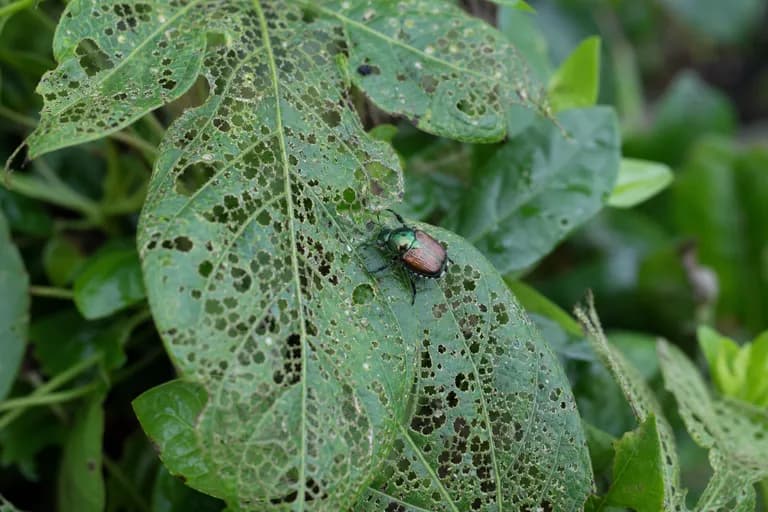
Escarabajos japoneses
PlagaHojas esqueletizadas, concentradas en las zonas expuestas al sol. Una alimentacion intensa puede reducir el espectaculo de color otonal.
Solución de problemas comunes
La principal preocupacion es gestionar el vigoroso crecimiento e impedir que la trepadora cubra mas superficie de la deseada. Aunque menos agresiva que la especie tipo, la hiedra de Engelman sigue creciendo con vigor y necesita podas regulares. Los discos adhesivos dejan marcas en las superficies al retirarlos, aunque el dano a la mamposteria en buen estado es minimo. Las bayas son toxicas si se ingieren y la savia puede causar irritacion cutanea en personas sensibles.
Consejos de cultivo
- Plante la parra virgen en primavera o a principios del otono en un lugar con plena exposicion solar a media sombra. Las trepadoras que reciben al menos 6 horas de luz solar directa producen un color otonal significativamente mas intenso que las cultivadas en sombra profunda.
- La parra virgen tolera casi cualquier tipo de suelo, incluidos arcillosos, arenosos, francos y rocosos, pero se desarrolla mejor en suelos bien drenados y moderadamente fertiles con un pH entre 5.0 y 7.5.
- Proporcione una estructura de soporte robusta, como un enrejado, una pergola, una valla o un muro. Tenga en cuenta que los discos adhesivos pueden danar las superficies pintadas y la madera blanda cuando se retiran, por lo que conviene usar un enrejado de alambre desmontable montado con separadores para facilitar el mantenimiento.
- Riegue las trepadoras recien plantadas profundamente una vez por semana durante la primera temporada de crecimiento para establecer un sistema radicular solido. Una vez establecida, la parra virgen es notablemente tolerante a la sequia y raramente necesita riego suplementario, excepto durante el calor extremo.
- Pode con intensidad a finales del invierno, antes de que comience el nuevo crecimiento, para controlar la expansion e impedir que la trepadora invada canalones, marcos de ventanas, aleros de tejados y estructuras adyacentes. La parra virgen responde bien a la poda severa y se recupera rapidamente.
- Evite plantar directamente contra revestimientos de madera, tejas o estructuras con danos por humedad existentes, ya que el denso follaje puede atrapar la humedad y acelerar el deterioro de los materiales de construccion vulnerables.
- La fertilizacion es generalmente innecesaria para las trepadoras establecidas. Si el crecimiento parece lento en suelos pobres, aplique una ligera cantidad de fertilizante granular equilibrado a principios de la primavera. La sobrefertiizacion promueve un crecimiento verde excesivo a expensas de la calidad del color otonal.
- Controle los problemas comunes, como la mancha foliar, el oidio y la alimentacion de los escarabajos japoneses. Estos problemas rara vez son lo suficientemente graves como para requerir tratamiento y la trepadora suele superar los danos menores gracias a su vigoroso habito de crecimiento.
- Para propagar, tome esquejes semimadros a finales del verano o principios del otono, o acode tallos de crecimiento bajo pinchandolos al suelo y cubriendolos con tierra. Las semillas tambien pueden recolectarse de bayas maduras y someterse a estratificacion en frio para la siembra de primavera, pero use guantes al manipular las bayas.
- Si cultiva la parra virgen como tapizante para el control de la erosion en taludes, espacie las plantas de 1.5 a 2 metros entre si y fije los tallos rastreros al suelo con grapas de paisajismo para fomentar el enraizamiento en los nudos y lograr una cobertura mas rapida.
Cultiva tu mejor Hiedra de Engelman — y todo lo que la rodea.
Empieza un plan gratis hoy. Diseña tus bancales, coloca tu Hiedra de Engelman y deja que PlotMyGarden gestione el momento, el espaciado, las asociaciones y los recordatorios de la semilla a la cesta.
Elige tu Hiedra de Engelman
Engelmannii
La variedad estandar con excelente capacidad de autoadhesion, hojas mas pequenas que la especie y un vivido color escarlata otonal excepcionalmente intenso.
Red Wall (Troki)
Una seleccion destacada por un color rojo otonal particularmente precoz e intenso, mas compacta y controlada que las plantas obtenidas de semilla.
La parra virgen proporciona un ahorro energetico mensurable cuando crece en los muros de los edificios. Las investigaciones indican que los muros cubiertos de trepadoras pueden reducir los costes de refrigeracion veraniega entre un 15 y un 25 por ciento gracias al sombreado y el enfriamiento por evaporacion, y proporcionan modestos beneficios de aislamiento invernal. Una sola planta con un coste de aproximadamente 8 a 15 euros puede cubrir 20 o mas metros cuadrados de muro en tres o cuatro anos, eliminando la necesidad de costosos revestimientos exteriores o estructuras de sombreado artificiales. La trepadora tambien elimina el coste recurrente de pintar o mantener las superficies de muro cubiertas y puede aumentar el valor de las propiedades mediante una mayor atraccion estetica, especialmente durante la dramatica temporada de color otonal.
Recetas rápidas
Corona otonal de parra virgen
45 minutosCree una impresionante corona de otono utilizando esquejes de trepadora de parra virgen recien cortados con su brillante follaje otonal aun adherido. Los tallos lenosos flexibles forman excelentes bases naturales para coronas, y las hojas carmesi y escarlata aportan un espectacular color estacional a su puerta de entrada o repisa. Use guantes para evitar la irritacion cutanea causada por la savia.
5 ingredientes
Arte con hojas prensadas de parra virgen
30 minutos activos, 2 semanas de prensadoPreserve los extraordinarios colores otonales de la parra virgen prensando hojas individuales y ramilletes de foliolos entre libros pesados. El follaje prensado retiene gran parte de su coloracion carmesi, escarlata y burdeos y puede utilizarse para arte botanico, tarjetas de felicitacion, exhibiciones enmarcadas o diarios de naturaleza. Seleccione hojas en su maximo color para obtener los resultados mas vividos.
5 ingredientesCesta rustica de enrejado con vides naturales
1 horaTeja una cesta decorativa rustica o un soporte para plantas con vides de parra virgen en dormancia cosechadas durante la poda invernal. Los largos tallos lenosos flexibles son ideales para tejer cestas cuando se cortan frescos y aun son maleables. Remoje las vides secas en agua caliente durante 30 minutos para restablecer su flexibilidad si se han secado. Estas cestas forman encantadores contenedores de jardin para hierbas en maceta o exhibiciones estacionales.
5 ingredientesQué contiene
Beneficios para la salud
- Proporciona importantes beneficios para la salud medioambiental al mejorar la calidad del aire: los muros cubiertos de trepadoras filtran particulas en suspension, polvo y contaminantes del aire circundante
- Reduce los efectos de isla de calor urbana al enfriar las superficies de los edificios mediante transpiracion y sombreado, reduciendo las temperaturas ambientales varios grados en verano
- Apoya la salud mental y el bienestar a traves del diseno biofilico: se ha demostrado que los muros verdes vivos reducen el estres, mejoran el estado de animo y potencian la funcion cognitiva en los ocupantes cercanos
- Crea habitat esencial para la fauna y corredores de biodiversidad en entornos urbanos, apoyando la nidificacion de aves, las poblaciones de insectos y la conectividad ecologica
- Actua como barrera acustica natural cuando crece de forma densa en muros y vallas, reduciendo la contaminacion acustica al absorber y desviar las ondas de sonido
- Ayuda a gestionar la escorrentia de agua de lluvia al interceptar la precipitacion en las superficies de muros y vallas, reduciendo el volumen y la velocidad del agua que llega al suelo durante fuertes lluvias
De dónde viene Hiedra de Engelman
La parra virgen (Parthenocissus quinquefolia) es originaria del este y el centro de Norteamerica, con un rango natural que se extiende desde el sureste de Canada a traves del este de los Estados Unidos hasta Mexico y Guatemala. Prospera en una variedad de habitats notablemente diversa, desde ricos bosques ribereños y acantilados rocosos hasta zonas costeras arenosas y entornos urbanos, demostrando una excepcional adaptabilidad ecologica en las zonas de resistencia USDA 3 a 9.
La especie se encuentre entre las primeras plantas norteamericanas documentadas por los colonos europeos. El capitan John Smith y otros primeros colonos de la colonia de Virginia observaron la vigorosa trepadora creciendo abundantemente en los bosques alrededor de Jamestown a principios del siglo XVII, lo que dio a la planta su nombre comun. Los especimenes fueron enviados a Inglaterra hacia la decada de 1620, donde la trepadora rapidamente gano popularidad como cobertura ornamental autoadherente de muros para casas solariegas, iglesias y colegios universitarios. Se extendio por toda Europa continental a mediados del siglo XVIII y se convirtio en un elemento definitorio de la arquitectura institucional cubierta de hiedra.
Botanicamente, la especie pertenece a la familia de la vid Vitaceae y esta estrechamente relacionada con la hiedra de Boston (Parthenocissus tricuspidata) del este de Asia. El nombre del genero Parthenocissus deriva de las palabras griegas para virgen e hiedra, evocando tanto el origen en Virginia como el habito trepador. A diferencia de la verdadera hiedra, la parra virgen utiliza zarcillos con puntas adhesivas en lugar de raicillas aereas para adherirse a las superficies.
En la horticultura moderna, la parra virgen se valora principalmente por su extraordinario espectaculo de color otonal y su capacidad para cubrir rapidamente muros, vallas, cenadores y taludes. Cumple importantes funciones ecologicas al proporcionar habitat de nidificacion para las aves, alimento a traves de sus bayas para la fauna y control de la erosion en taludes pronunciados. Se han seleccionado varias variedades cultivadas por su mayor color otonal, habito de crecimiento compacto o mayor resistencia a enfermedades, lo que garantiza su continua popularidad tanto en disenos paisajisticos naturalistas como formales.
Hiedra de Engelman: ¿sabías que?
Datos fascinantes sobre Hiedra de Engelman
La parra virgen se confunde a menudo con la hiedra venenosa, pero puede distinguirse facilmente por sus cinco foliolos por hoja frente a los tres de la hiedra venenosa — recuerde el dicho: 'hojas de cinco, dejala vivir.'
Hiedra de Engelman: preguntas frecuentes
¿Cuándo debo plantar Hiedra de Engelman?
¿Cuáles son buenas plantas acompañantes para Hiedra de Engelman?
¿En qué zonas de rusticidad puede crecer Hiedra de Engelman?
¿Cuánto sol necesita Hiedra de Engelman?
¿A qué distancia debo espaciar Hiedra de Engelman?
¿Qué plagas y enfermedades afectan a Hiedra de Engelman?
¿Cómo almaceno Hiedra de Engelman después de la cosecha?
¿Cuáles son las mejores variedades de Hiedra de Engelman para cultivar?
¿Qué suelo necesita Hiedra de Engelman?
¿Es venenosa la parra virgen y es seguro plantarla en un jardin con ninos o mascotas?
¿Como distingo la parra virgen de la hiedra venenosa?
¿Danara la parra virgen los muros, ladrillos o mamposteria de mi casa?
¿Como controlo la parra virgen si se vuelve demasiado agresiva o invasora?
¿Que beneficios para la fauna aporta la parra virgen en el jardin?
¿Puede cultivarse la parra virgen en contenedores o en un balcon?
Acabas de leer la teoría. Ahora cultívala en piloto automático.
Todo lo que hace que Hiedra de Engelman sea delicado — el momento, el espaciado, las asociaciones, la ventana de cosecha — es justo lo que PlotMyGarden resuelve por ti, para cada planta de tu huerto.
Un plan que conoce tu clima
Indica tu ubicación una vez. Recibe fechas de siembra, abonado y cosecha basadas en tu última helada real y el pronóstico en vivo — sin adivinar con un sobre genérico.
De la sección “Cuándo plantar”Planificador de bancales de arrastrar y soltar
Diseña bancales sobre una cuadrícula. Cada planta encaja con su espaciado correcto y ves toda la temporada antes de gastar un céntimo en semillas.
De la sección “Cultivo”Conflictos de asociación, detectados a tiempo
Más de 200 buenas y malas combinaciones comprobadas en vivo mientras plantas — para que un error que arruine la temporada nunca llegue a la tierra.
De la sección “Asociaciones”Recordatorios que sí vas a seguir
“Riega las judías.” “Recoge hoy antes de que se pase.” Oportunos, concretos y ligados a las plantas que de verdad cultivas.
De la sección “Cosecha”Escalonado, programado
¿Quieres cosechar seis semanas en vez de seis días? Reparte tus siembras automáticamente y te avisa cuando toca el siguiente lote.
De la sección “Cuándo plantar”Un registro que se vuelve más listo
Cada cosecha que registras le enseña tu huerto. El plan del año que viene parte de lo que de verdad funcionó en tu suelo, no en un manual.
De la sección “Resumen”Planta estos junto a Hiedra de Engelman
Más Trepadoras
Cultiva tu mejor Hiedra de Engelman — y todo lo que la rodea.
Empieza un plan gratis hoy. Diseña tus bancales, coloca tu Hiedra de Engelman y deja que PlotMyGarden gestione el momento, el espaciado, las asociaciones y los recordatorios de la semilla a la cesta.