Vietnamesischer Koriander
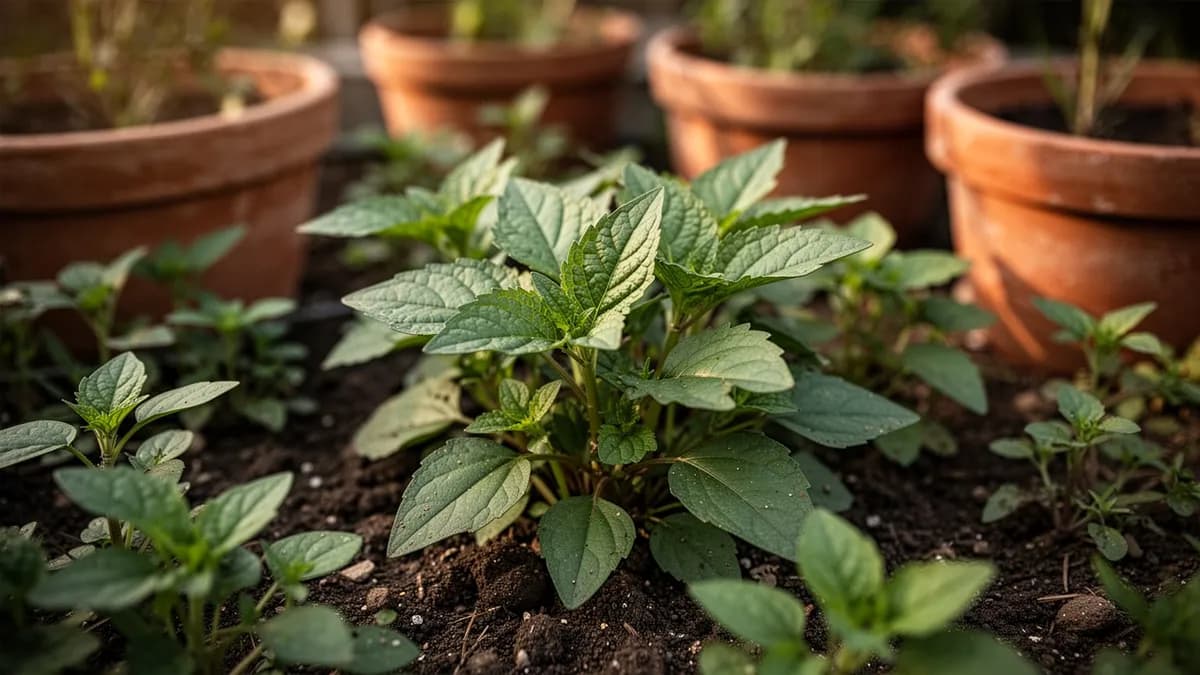
Ein tropisches, kriechendes Kraut mit spitzen Blättern und einem markanten Chevron-Muster, das nach Koriander mit Zitrus- und Pfeffernoten schmeckt.





Auf dieser SeiteÜberblick
Vietnamesischer Koriander im Überblick
Ein tropisches, kriechendes Kraut mit spitzen Blättern und einem markanten Chevron-Muster, das nach Koriander mit Zitrus- und Pfeffernoten schmeckt. Vietnamesischer Koriander gedeiht unter feuchten, schattigen Bedingungen und schießt bei Hitze nicht in die Blüte, was ihn zu einem zuverlässigen Korianderersatz in heißen Klimazonen macht. Er lässt sich leicht durch Stecklingen vermehren, die in Wasser oder feuchte Erde gesteckt werden.
Wann Vietnamesischer Koriander pflanzen
Vietnamesischer Koriander wird fast ausschließlich durch Stecklinge vermehrt, da die Pflanze in Kultur selten keimfähige Samen ansetzt. Schneiden Sie 10-15 cm lange Stecklinge von gesunden, aktiv wachsenden Pflanzen. Entfernen Sie die unteren 2-3 Blattpaare und stellen Sie die Stecklinge in ein Glas Wasser auf eine helle Fensterbank. Wurzeln entwickeln sich innerhalb von 7-14 Tagen. Alternativ können Sie die Stecklinge direkt in feuchte Blumenerde stecken und gleichmäßig feucht halten. Stecklinge bewurzeln sich leicht an jedem Knoten, der mit feuchter Erde in Kontakt kommt. Sobald sie bewurzelt sind, pflanzen Sie sie in größere Gefäße oder Gartenbeete um. Die Teilung etablierter Horste im Frühjahr ist eine weitere zuverlässige Vermehrungsmethode.
Dein Vietnamesischer Koriander-Jahr
Abgestimmt auf Zone 7 · typische Saison · Frost geht um den 2. Apr. und kehrt um den 1. Nov. zurück
Vietnamesischer Koriander Apr – Jun pflanzen, Mai – Okt ernten. Beachte die Pflanzmethoden unten und wähle dein Klima für passende Zeiträume.
So baust du Vietnamesischer Koriander an
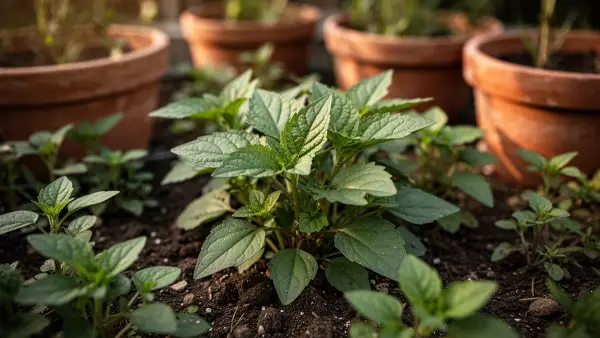
Vietnamesischer Koriander (Persicaria odorata) ist ein tropisches, mehrjähriges Kraut, das in warmen, feuchten Bedingungen mit Halbschatten und gleichmäßig feuchtem bis nassem Boden gedeiht. Im Gegensatz zu echtem Koriander schießt er bei heißem Wetter nie in die Blüte, was ihn zu einem unverzichtbaren Korianderersatz für tropische und subtropische Gärtner macht. Starten Sie Pflanzen aus Stecklingen, da Samen im Handel selten erhältlich sind. Schneiden Sie 10-15 cm lange Stecklinge von gesunden Trieben, entfernen Sie die unteren Blätter und stellen Sie sie in ein Glas Wasser oder direkt in feuchte Blumenerde.
Pflanzen Sie in Halbschatten bis Vollschatten mit nährstoffreicher, humusreicher Erde, die Feuchtigkeit gut speichert. Vietnamesischer Koriander wächst natürlich an Bachufern und in sumpfigen Gebieten und zeigt die beste Leistung bei gleichmäßig nassen Bedingungen. Er gedeiht auch in flachem Stauwasser, was ihn für Sumpfgärten, Regengärten und Teichränder geeignet macht. In Gefäßen verwenden Sie einen mit Wasser gefüllten Untersetzer unter dem Topf, um konstante Feuchtigkeit zu gewährleisten.
Die Pflanze breitet sich durch kriechende Triebe aus, die an jedem Knoten wurzeln und schnell einen üppigen Teppich aus spitzen, lanzettförmigen Blättern mit dem charakteristischen dunklen Chevron-Muster bilden. Kneifen Sie die Triebspitzen regelmäßig ab, um die Verzweigung zu fördern und zu verhindern, dass die ausladenden Triebe lang und kahl werden. In den Zonen 9-12 ist Vietnamesischer Koriander mehrjährig; in kühleren Klimazonen ziehen Sie ihn als einjährige Pflanze oder bringen Sie Gefäße vor dem Frost ins Haus.
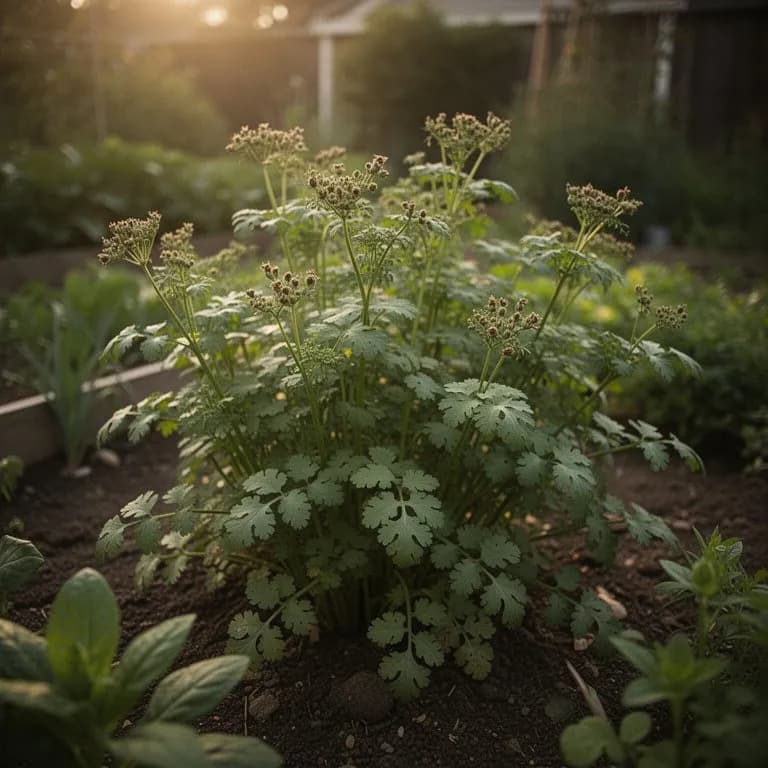
36 Pflanzen passen in ein Beet von 120 × 240 cm
Vietnamesischer Koriander braucht 25 cm Platz pro Pflanze. Der Planer hält diesen Abstand für dich ein — jede Pflanze, jedes Beet.
Die besten Nachbarn für Vietnamesischer Koriander
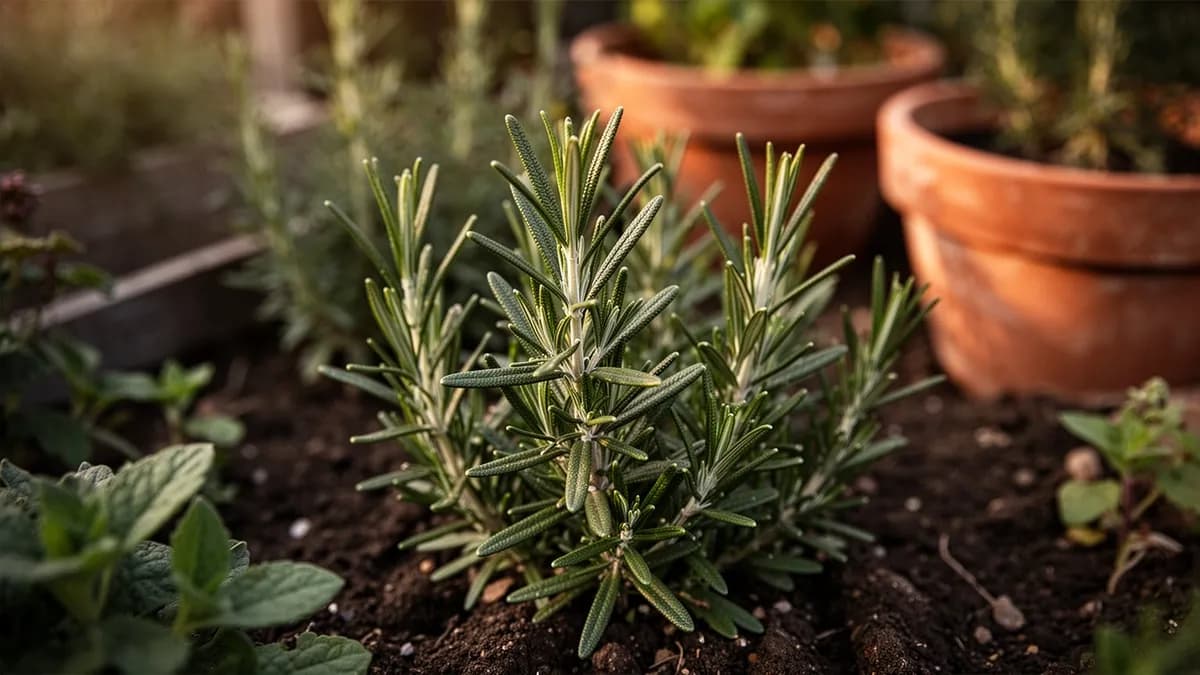
Vietnamesischer Koriander gedeiht neben anderen feuchtigkeitsliebenden tropischen Kräutern wie Minze, Wasserspinat und Wassersellerie. Er eignet sich hervorragend als Bodendecker unter höheren tropischen Pflanzen wie Zitronengras, Galgant und Banane, wo er vom gesprenkelten Schatten profitiert. Pflanzen Sie ihn in der Nähe von Teichen oder Wasserspielen, wo die gleichmäßig feuchten Bedingungen seinen Bedürfnissen perfekt entsprechen. Vermeiden Sie die Pflanzung in trockenen, exponierten Beeten neben trockenheitstoleranten mediterranen Kräutern wie Rosmarin und Thymian, die gegensätzliche Wachstumsbedingungen erfordern.
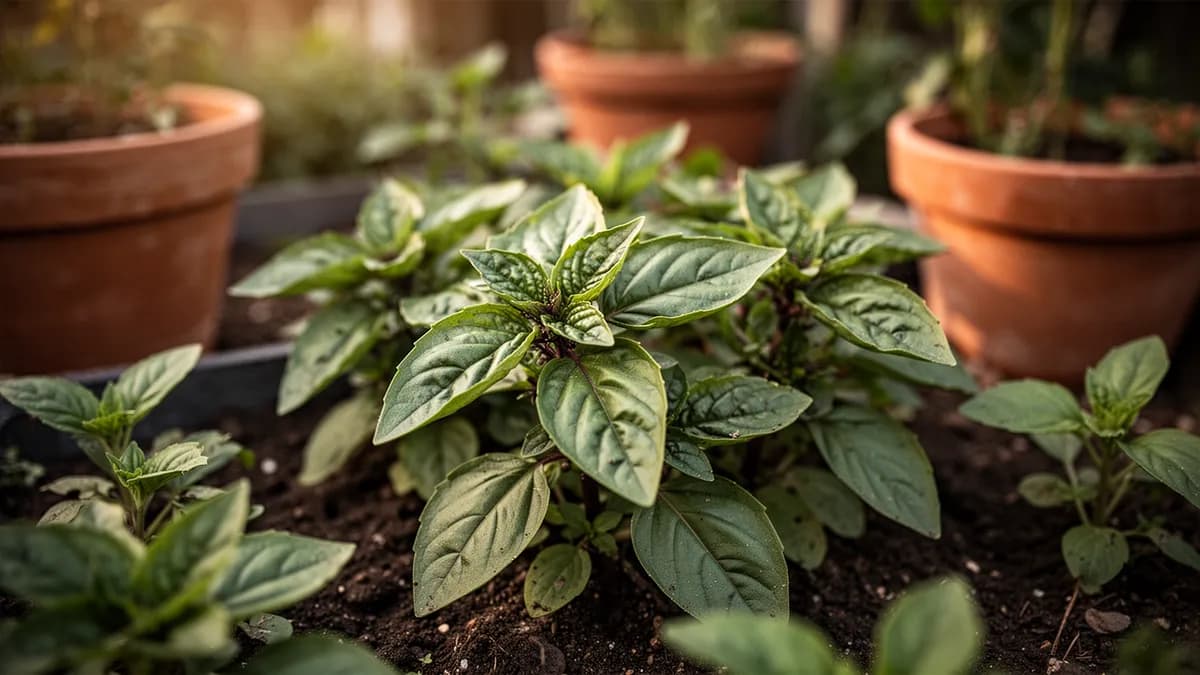
Thailändisches Basilikum gehört daneben.
Altes Gärtnerwissen, geprüft an der echten Nachbartabelle von Vietnamesischer Koriander — teste jede Pflanze, die du anbaust.
Probiere Vietnamesischer Koriander direkt hier im Beet
Ein echtes Planer-Beet, Vietnamesischer Koriander steht schon drin. Tippe einen Begleiter an, platziere ihn und sieh, wie die Nachbarschaftsprüfung antwortet — grün für gute Nachbarn, rot bei Streit.


Passende Anbau-Ratgeber
Richtig düngen
Vietnamesischer Koriander benötigt nährstoffreiche, feuchtigkeitsspeichernde Erde mit einem pH-Wert von 5,5-7,0. Reichern Sie die Pflanzflächen mit großzügigen Mengen Kompost, Torfmoos oder abgelagertem Mist an, um die Wasserspeicherfähigkeit zu erhöhen. In Gefäßen verwenden Sie eine torfbasierte Blumenerde mit etwas Perlite für eine gewisse Drainage bei gleichzeitiger Feuchtigkeitsspeicherung. Düngen Sie alle 2-3 Wochen während der aktiven Wachstumsphase mit einem ausgewogenen Flüssigdünger (10-10-10) oder verdünnter Fischemulsion. Die Pflanze hat einen mäßigen Nährstoffbedarf und reagiert gut auf eine regelmäßige Stickstoffergänzung, die ein üppiges Blattwachstum fördert. Mulchen Sie großzügig, um die Bodenfeuchtigkeit zu erhalten.
Ideale Temperatur
Winterhärtezone-Kompatibilität
Von der Saat zur Ernte, Schritt für Schritt
Steckling & Bewurzelung
Vietnamesischer Koriander wird fast ausschließlich durch Stecklinge vermehrt, da er außerhalb der Tropen selten keimfähige Samen produziert. Stecklinge von 10-15 cm Länge mit mindestens 3-4 Knoten werden in Wasser oder feuchte Erde gesteckt. Weiße Adventivwurzeln erscheinen an den untergetauchten Knoten innerhalb von 3-7 Tagen, und neue Blattknospen beginnen kurz nach dem Bewurzelungsbeginn an den oberen Knoten zu schwellen.
Etablierung
Bewurzelte Stecklinge bilden ein Wurzelsystem aus und beginnen, neue Blätter aus der Triebspitze und den Seitenknospen zu produzieren. Die Triebe sind weich, gegliedert und an den Knoten leicht verdickt. Neue Blätter entfalten sich mit der charakteristischen Lanzettform und der dunklen Chevron-Zeichnung. Das Wachstum ist zunächst aufrecht, bevor die Triebe beginnen, sich zur Seite zu neigen und auszubreiten.
Vegetatives Wachstum
Die Pflanzen treten in eine Phase schnellen, kräftigen Wachstums ein und bilden mehrere verzweigte Triebe, die sich nach außen ausbreiten und an jedem Knoten wurzeln, der feuchte Erde berührt. Das Laub wird dicht und üppig, wobei die Blätter ihre volle Größe von 5-10 cm erreichen. Die Triebe verholzen an der Basis leicht, bleiben aber an den Triebspitzen weich und saftig. Das korianderähnliche Aroma verstärkt sich mit zunehmender Reife der Pflanze.
Ausgereift & Ausbreitend
Die Pflanze erreicht ihren vollen, ausladenden Wuchs, wobei sich die Triebe 30-60 cm oder mehr in alle Richtungen erstrecken. Knoten, die mit Erde in Kontakt kommen, bilden Wurzeln und schaffen so einen sich ausbreitenden Bodendecker. In warmen Klimazonen wächst die Pflanze kontinuierlich und kann sehr wüchsig werden. Die Blattproduktion ist reichlich, und die Pflanze kann im Spätsommer bei Kurztagbedingungen kleine, unscheinbare rosa Blütenähren bilden, die jedoch selten Samen ansetzen.
Überwinterung & Erneuerung
In tropischen und subtropischen Klimazonen ist Vietnamesischer Koriander eine echte Staude, die das ganze Jahr über wächst. In gemäßigten Regionen müssen Pflanzen für den Winter ins Haus gebracht oder als einjährig behandelt werden. Zimmerpflanzen verlangsamen ihr Wachstum bei kürzeren Tagen und weniger Licht, produzieren aber weiterhin Blätter in reduziertem Umfang. Im Frühjahr können überwinterte Pflanzen kräftig zurückgeschnitten und nach draußen gebracht werden, wo sie mit explosivem neuem Wachstum regenerieren.
Nehmen Sie Stecklinge von gesunden, kräftigen Trieben und entfernen Sie die unteren Blätter. Stellen Sie sie in ein Glas mit sauberem Wasser auf eine helle Fensterbank und wechseln Sie das Wasser alle 2-3 Tage. Sobald die Wurzeln 3-5 cm lang sind, pflanzen Sie sie in feuchte Blumenerde um. Alternativ können Sie die Stecklinge direkt in feuchte Erde stecken und unter einer Feuchtigkeitshaube gleichmäßig feucht halten.
Vietnamesischer Koriander Monat für Monat pflegen
Was du jeden Monat für deine Vietnamesischer Koriander tun solltest
Oktober
Aktueller MonatTopfen Sie in frostgefährdeten Zonen Gartenpflanzen ein oder bringen Sie Gefäße ins Haus, bevor die Nachttemperaturen unter 10°C fallen. Stellen Sie sie an das hellste verfügbare Fenster oder unter Pflanzenlampen. Reduzieren Sie die Gießhäufigkeit bei verlangsamtem Wachstum, lassen Sie die Erde aber nie vollständig austrocknen.
Immer wissen, was jetzt im Garten zu tun ist
Eine E-Mail zum Monatsanfang: was du jetzt säen, pflanzen und anpacken solltest — für deine Vietnamesischer Koriander und alles, was drumherum wächst. Dazu ein kurzer Startkurs, der dich vor den klassischen Fehlern bewahrt.
- Was jetzt zu tun ist
- Passend zu deiner Saison
- Startkurs inklusive
Vietnamesischer Koriander ernten
Beginnen Sie mit der Ernte der Blätter des Vietnamesischen Korianders, sobald die Triebe 15-20 cm lang sind, in der Regel 3-4 Wochen nach dem Einpflanzen der Stecklinge. Schneiden Sie die Triebspitzen mit 3-4 Blättern ab und schneiden Sie dabei knapp über einem Blattknoten, um die Verzweigung zu fördern. Ernten Sie regelmäßig, um ein kompaktes, buschiges Wachstum zu erhalten und zu verhindern, dass die Triebe holzig und weniger aromatisch werden. Junge, zarte Blätter an den Triebspitzen haben das beste Aroma. Die Pflanze produziert bei warmen Bedingungen kontinuierlich und liefert in tropischen Klimazonen ganzjährig Ernte. Vermeiden Sie es, mehr als ein Drittel der Pflanze auf einmal zu ernten, um die Vitalität zu erhalten.
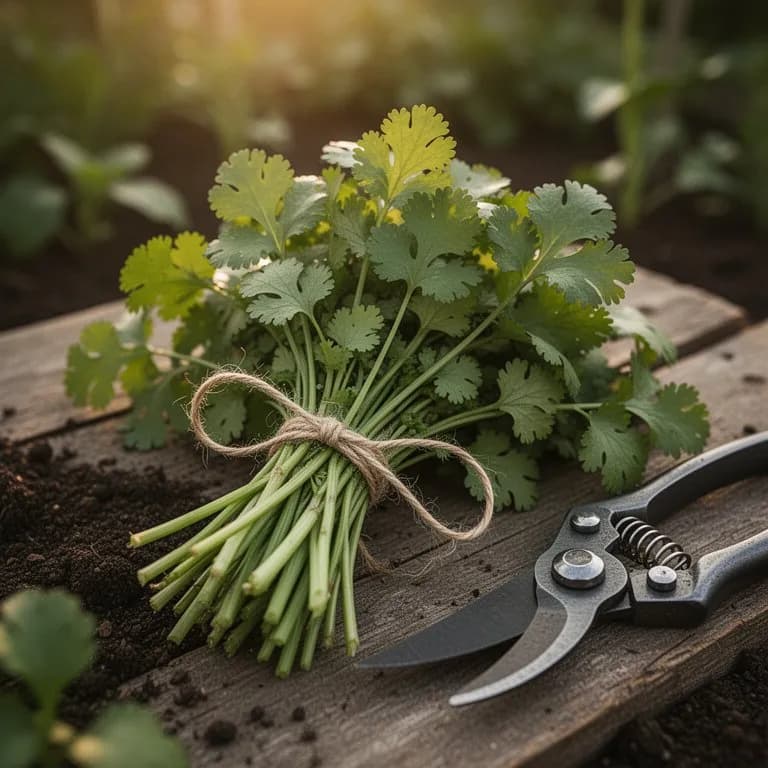
angenommen, du pflanzt zu Beginn des Zeitraums — trage dein tatsächliches Datum ein
Ernte Vietnamesischer Koriander zügig, dann trägt die Pflanze weiter.
Lagerung & Konservierung
Frische Blätter des Vietnamesischen Korianders werden am besten sofort verwendet, da sie nach dem Schnitt schnell welken. Bewahren Sie ungewaschene Stängel in einem Glas Wasser auf der Arbeitsplatte für 2-3 Tage auf, oder wickeln Sie sie in feuchtes Küchenpapier in einem verschlossenen Beutel im Kühlschrank für bis zu eine Woche. Vietnamesischer Koriander lässt sich nicht gut trocknen und verliert dabei die meisten seiner aromatischen Eigenschaften. Für eine längere Konservierung frieren Sie ganze Blätter flach auf einem Backblech ein und überführen Sie sie dann in luftdichte Gefrierbeutel. Alternativ können Sie die Blätter mit etwas Öl zu einer Paste mixen und in Eiswürfelformen einfrieren, um sie bequem portionieren zu können.
Was schiefgeht — und die Lösung
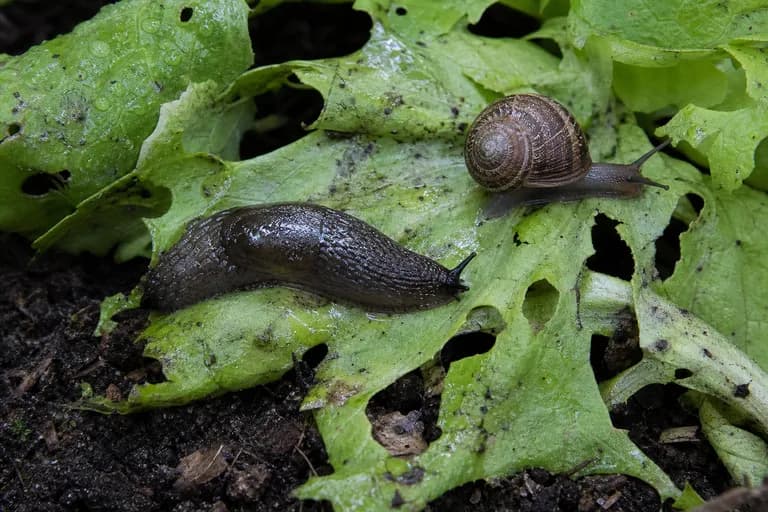
Schnecken und Nacktschnecken
SchädlingUnregelmäßige Löcher in den Blättern, glänzende Schleimspuren auf dem Laub und der umgebenden Erde, Schäden konzentriert an den unteren Blättern nahe dem Boden.
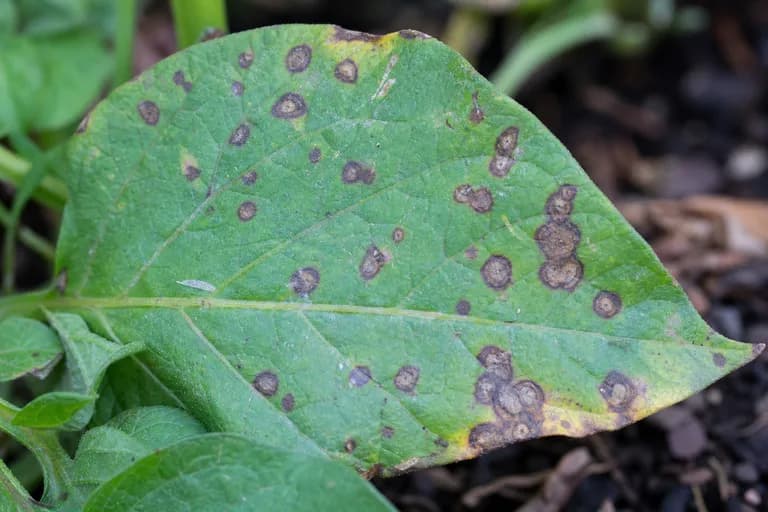
Blattfleckenkrankheit
KrankheitRunde braune oder dunkle Flecken auf den Blättern, Vergilbung um die Läsionen herum, fortschreitender Blattverfall bei feuchten Bedingungen.
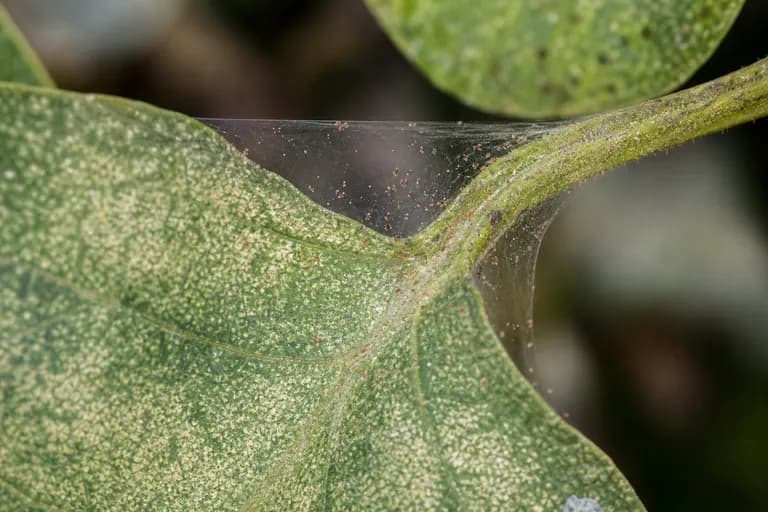
Spinnmilben
SchädlingFeine Aufhellungen auf den Blattoberflächen, feine Gespinste zwischen den Blättern, Vergilbung und Bronzefärbung des Laubs, verminderte Pflanzenvitalität.
Fehlerbehebung bei häufigen Problemen
Welken und Blattfall werden fast immer durch unzureichendes Gießen verursacht; diese Pflanze benötigt dauerhaft feuchte bis nasse Bedingungen und verträgt selbst kurze Trockenheit nicht. Sparriges, dünnes Wachstum resultiert aus zu viel Schatten oder dem Versäumnis, die Triebspitzen regelmäßig zu kneifen. Ein Verblassen der Chevron-Blattzeichnung kann auf zu wenig Licht hindeuten; bieten Sie helles, gefiltertes Licht statt tiefen Schatten. In kalten Klimazonen sterben die Pflanzen beim ersten Frost schnell ab; bringen Sie Gefäße ins Haus, bevor die Temperaturen unter 10°C fallen. Zimmerpflanzen können unter niedriger Luftfeuchtigkeit leiden; besprühen Sie sie täglich oder stellen Sie sie auf ein mit Wasser gefülltes Kieselsteinblech.
Anbautipps
- Vermehren Sie durch Stecklinge, nicht durch Samen. Vietnamesischer Koriander blüht außerhalb der Tropen selten und setzt fast nie keimfähige Samen an. Stellen Sie einfach einen 10-15 cm langen Steckling mit 3-4 Knoten in ein Glas Wasser — Wurzeln erscheinen innerhalb von 5-7 Tagen und der Steckling ist pflanzbereit, sobald die Wurzeln 3-5 cm lang sind.
- Bieten Sie Halbschatten statt voller Sonne. Im Gegensatz zu den meisten Kräutern produziert Vietnamesischer Koriander seine bestschmeckenden, zartesten Blätter bei gefiltertem Licht oder Morgensonne mit Nachmittagsschatten. Volle tropische Sonne lässt die Blätter klein, zäh und blass werden — auch das Aroma leidet bei übermäßigem Licht.
- Halten Sie die Erde stets gleichmäßig feucht. Vietnamesischer Koriander ist in seinem natürlichen Lebensraum eine halbaquatische Pflanze, die entlang von Wasserläufen und in sumpfigen Gebieten wächst. Er verträgt kurzzeitige Überflutung, aber keine Trockenheit — trockene Erde verursacht schnellen Blattfall und holzige, ungenießbare Stängel.
- Pflanzen Sie in nährstoffreiche, organische Erde, die mit viel Kompost angereichert ist. Dieses schnellwachsende Kraut ist ein Starkzehrer, der großzügige Bodenvorbereitung und monatliche Düngung mit einem ausgewogenen organischen Dünger belohnt. Vergilbende untere Blätter sind ein Zeichen für Stickstoffmangel.
- Ernten Sie durch Schneiden der Triebe statt einzelner Blätter. Schneiden Sie Triebe 15-20 cm von der Spitze, knapp über einem Knoten. Die Pflanze reagiert, indem sie zwei oder mehr neue Triebe unterhalb der Schnittstelle bildet und so im Laufe der Zeit eine zunehmend buschigere und produktivere Pflanze entsteht.
- Bringen Sie Pflanzen vor dem ersten Frost ins Haus, wenn Sie in den Zonen 1-9 leben. Vietnamesischer Koriander wird durch Frost abgetötet und leidet unter 10°C. Er überwintert gut auf einer hellen Fensterbank oder unter Pflanzenlampen und produziert während der kalten Monate weiterhin Blätter in reduziertem Umfang.
- Kultivieren Sie in Gefäßen, um die Ausbreitung zu kontrollieren und eine einfache saisonale Umsetzung zu ermöglichen. Verwenden Sie einen Topf von mindestens 20 cm Breite mit Abflusslöchern, gefüllt mit nährstoffreicher Blumenerde. Die Gefäßkultur erleichtert es auch, die Pflanze für den Winter ins Haus und im Frühjahr wieder nach draußen zu bringen.
- Kneifen Sie die Triebspitzen regelmäßig ab, um die Verzweigung zu fördern und zu verhindern, dass die Pflanze zu einem einzelnen langen, sparrigen Stängel wird. Jede Kneifstelle erzeugt zwei neue Triebe und schafft so schnell eine volle, buschige Pflanze, die weit mehr erntefähiges Laub produziert als eine ungekneipte.
- Sorgen Sie für hohe Luftfeuchtigkeit um die Pflanze, besonders beim Anbau im Winter drinnen. Besprühen Sie die Blätter täglich, stellen Sie Pflanzen zusammen oder platzieren Sie Töpfe auf mit Kieselsteinen und Wasser gefüllten Tabletts. Niedrige Luftfeuchtigkeit lässt Blattränder braun werden und sich einrollen und reduziert den Gehalt an ätherischen Ölen, die dem Kraut seinen charakteristischen Geschmack verleihen.
- Verwenden Sie Vietnamesischen Koriander als Ersatz für Koriander bei warmem Wetter. Wenn die Sommerhitze echten Koriander innerhalb von Wochen zum Schießen und Bitterwerden bringt, gedeiht Vietnamesischer Koriander und produziert kontinuierlich. Der Geschmack ist ähnlich genug, um ihn in jedem Gericht zu verwenden, das frischen Koriander verlangt, mit einer zusätzlichen pfeffrigen Komplexität.
Bau deine beste Vietnamesischer Koriander an — und alles drumherum.
Starte heute kostenlos. Lege deine Beete an, setze deine Vietnamesischer Koriander ein und lass PlotMyGarden Timing, Abstände, Begleiter und Erinnerungen von der Saat bis zum Erntekorb übernehmen.
Finde deine Vietnamesischer Koriander
Standard Vietnamesischer Koriander
Die gängige Form, die in ganz Südostasien vorkommt, mit grünen, lanzettförmigen Blättern und einem dunklen Chevron-Muster. Die am weitesten verbreitete und würzigste Variante.
Rotstielige Form
Eine Variante mit rötlich-violetten Stielen und ausgeprägteren Chevron-Zeichnungen auf den Blättern. Etwas dekorativer mit einem vergleichbaren Geschmacksprofil wie der Standardtyp.
Kompakte Form
Eine kleiner wachsende Auslese, die besser für die Gefäßkultur und die Fensterbankanzucht geeignet ist. Bildet kürzere Internodien und dichteres Laub aus.
Frischer Vietnamesischer Koriander wird in asiatischen Lebensmittelgeschäften und auf Wochenmärkten für 3-6 € pro kleinem Bund verkauft, wobei jedes Bund im Kühlschrank nur 5-7 Tage haltbar ist, bevor es welkt. Ein einzelner bewurzelter Steckling oder eine kleine Pflanze, die in einer Gärtnerei 3-5 € kostet, liefert monatelang oder jahrelang kontinuierliche Ernten. Der eigene Anbau gewährleistet eine ständige Versorgung mit den frischestmöglichen Blättern — entscheidend für dieses Kraut, dessen Geschmack und Aroma nach dem Schnitt schnell nachlassen. Über eine einzige Anbausaison liefert eine selbst angebaute Pflanze leicht den Gegenwert von 30-60 € an gekauften Bündeln.
Schnelle Rezepte
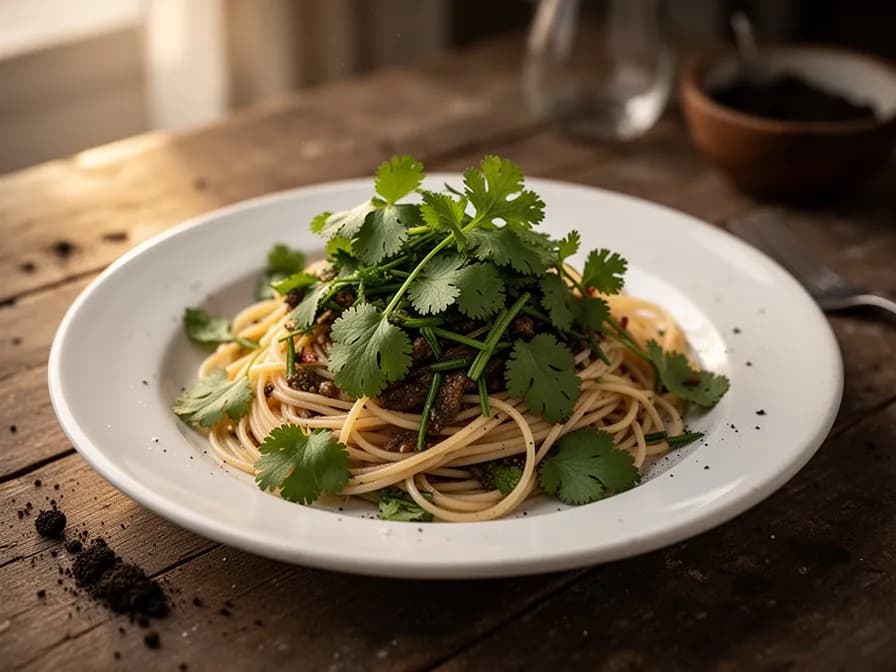
Klassische vietnamesische Sommerrollen mit Rau Ram
30 Min.Frische, transparente Reispapierrollen gefüllt mit Garnelen, Glasnudeln und einer großzügigen Handvoll Blättern des Vietnamesischen Korianders. Diese leichten, erfrischenden Rollen präsentieren das helle Koriander-Zitrus-Aroma des Krauts von seiner besten Seite und werden mit einer traditionellen Hoisin-Erdnuss-Dipsauce serviert.
8 ZutatenMalaysische Laksa mit Laksa-Blatt
45 Min.Eine reichhaltige, aromatische Kokos-Curry-Nudelsuppe, bei der Vietnamesischer Koriander — vor Ort als Daun Kesum oder Laksa-Blatt bekannt — sowohl in die Brühe gerührt als auch obenauf als frische Garnitur gehäuft wird. Die pfeffrig-zitrischen Noten des Krauts durchbrechen die reichhaltige Kokosbasis perfekt.
8 ZutatenVietnamesischer Koriander-Hähnchen-Salat (Goi Ga)
25 Min.Ein heller, würziger vietnamesischer Salat aus gezupftem pochiertem Hähnchen mit dünn geschnittenen Zwiebeln, gerösteten Erdnüssen und einer üppigen Menge frischem Vietnamesischem Koriander, alles in einem spritzigen Limetten-Fischsauce-Dressing angemacht. Erfrischend, kräuterig und tiefgründig herzhaft.
9 ZutatenKulinarische Verwendung
Vietnamesischer Koriander ist in der südostasiatischen Küche unverzichtbar und verleiht Pho, Sommerrollen, Laksa und Salaten ein komplexes Koriander-Zitrus-Pfeffer-Aroma. Reißen oder schneiden Sie frische Blätter in feine Streifen als Garnitur für Suppen und Nudelgerichte. Die Blätter werden roh in vietnamesischen Tischsalaten zusammen mit Minze und Perilla verwendet. Sie ergänzen auch Enten-, Hühnchen- und Fischgerichte hervorragend. Das Aroma intensiviert sich beim Erhitzen leicht, daher geben Sie die Blätter gegen Ende des Kochvorgangs hinzu, um den frischesten Geschmack zu erhalten.
Was drinsteckt
Gesundheitsvorteile
- Reich an Quercetin und anderen Flavonoid-Antioxidantien, die laut Forschung chronische Entzündungen reduzieren, die Herz-Kreislauf-Gesundheit unterstützen und Zellen vor oxidativen Schäden durch freie Radikale schützen können.
- Wird in ganz Südostasien traditionell als Verdauungshilfe verwendet — die ätherischen Öle in den Blättern regen die Magensäureproduktion an und können bei Blähungen, Verdauungsstörungen und leichten Magenbeschwerden nach den Mahlzeiten helfen.
- Enthält Dodecanal, eine Aldehydverbindung mit nachgewiesener antimikrobieller Wirkung gegen bestimmte Bakterien einschließlich Salmonellen — dieselbe Verbindung, die für das korianderähnliche Aroma des Krauts verantwortlich ist.
- Der hohe Beta-Carotin-Gehalt (im Körper in Vitamin A umgewandelt) unterstützt gesunde Sehkraft, Hautintegrität und Immunfunktion — großzügige Verwendung als Garnitur trägt bedeutsam zum täglichen Vitamin-A-Bedarf bei.
- Liefert Ballaststoffe, die die Vielfalt des Darmmikrobioms und die Verdauungsregelmäßigkeit unterstützen, wenn sie regelmäßig als Teil der großzügigen Kräuterportionen verzehrt werden, die in der traditionellen vietnamesischen und malaysischen Küche üblich sind.
- Enthält Rutin, ein Flavonoidglykosid, das laut Forschung die Blutgefäßwände stärken, die Durchblutung verbessern und das Risiko von Blutergüssen verringern kann — besonders vorteilhaft für Menschen mit fragilen Kapillaren.
Woher Vietnamesischer Koriander stammt
Vietnamesischer Koriander (Persicaria odorata, Syn. Polygonum odoratum) stammt aus den tropischen und subtropischen Regionen Südostasiens, wobei sein Ursprungszentrum wahrscheinlich das heutige Vietnam, Malaysia, Thailand und Südchina umfasst. Im Gegensatz zu den meisten Küchenkräutern besteht seine Geschichte nicht in einer gezielten Domestizierung von Wildvorfahren, sondern vielmehr in der schrittweisen Übernahme von Pflanzen, die wild in feuchten, schattigen Lebensräumen entlang von Wasserläufen, Reisfeldern und Waldrändern in der gesamten Region wuchsen.
Das Kraut ist seit Jahrhunderten fester Bestandteil der vietnamesischen Küche, wo es als 'Rau Ram' bekannt und in Gerichten wie Pho, Bun sowie verschiedenen Salaten und Sommerrollen als unverzichtbar gilt. Sein vietnamesischer Name bedeutet wörtlich 'scharfes Kraut' und spiegelt den durchsetzungsstarken, komplexen Geschmack der Pflanze wider, der korianderähnliche Zitrusnoten mit einem markanten pfeffrigen Biss verbindet. In Vietnam ist Rau Ram als Teil des Kräutertellers, der zu fast jeder Mahlzeit serviert wird, ebenso grundlegend wie Basilikum und Minze — kein ordentlicher vietnamesischer Tisch ist ohne es vollständig.
Auf der Malaiischen Halbinsel und bis nach Singapur wurde das Kraut unter dem Namen 'Daun Kesum' oder 'Laksa-Blatt' ebenso wichtig und erhielt diesen Titel durch seine essentielle Rolle in Laksa, der beliebten Kokos-Curry-Nudelsuppe, die in Malaysia und Singapur ein Nationalgericht ist. Das Kraut verbreitete sich über Handelsrouten und Migrationsmuster im gesamten maritimen Südostasien und etablierte sich unter verschiedenen lokalen Namen in der indonesischen, thailändischen, kambodschanischen und philippinischen Küche.
Vietnamesischer Koriander erreichte den Westen hauptsächlich durch die vietnamesische Diaspora-Gemeinschaften nach dem Vietnamkrieg in den 1970er Jahren. Als sich vietnamesische Restaurants in den Vereinigten Staaten, Frankreich, Australien und anderswo vermehrten, wuchs die Nachfrage nach authentischen Zutaten. In den 1990er Jahren tauchte das Kraut in spezialisierten asiatischen Märkten und Kräutergärtnereien in westlichen Ländern auf. Heute ist es als Topfpflanze in Gartencentern in Nordamerika, Europa und Australien weit verbreitet und wird sowohl wegen seines kulinarischen Werts als auch als pflegeleichte Zierpflanze mit seinen markanten chevrongemusterten Blättern geschätzt. Seine Fähigkeit, in Gefäßen zu gedeihen, Schatten zu vertragen und das ganze Jahr über drinnen zu wachsen, hat ihn zu einem der zugänglichsten südostasiatischen Kräuter für Hobbygärtner weltweit gemacht.
Vietnamesischer Koriander: Schon gewusst?
Faszinierende Fakten über Vietnamesischer Koriander
Vietnamesischer Koriander ist überhaupt nicht mit echtem Koriander (Coriandrum sativum) verwandt — er gehört zur Familie der Knöterichgewächse (Polygonaceae) zusammen mit Sauerampfer, Rhabarber und Knöterich. Sein gebräuchlicher Name leitet sich ausschließlich von seinem ähnlichen korianderähnlichen Aroma und seiner Beliebtheit in der vietnamesischen Küche ab.
Vietnamesischer Koriander: Fragen & Antworten
Wann sollte ich Vietnamesischer Koriander pflanzen?
Was sind gute Begleitpflanzen für Vietnamesischer Koriander?
In welchen Winterhärtezonen kann Vietnamesischer Koriander wachsen?
Wie viel Sonne braucht Vietnamesischer Koriander?
Welchen Abstand sollte ich zwischen Vietnamesischer Koriander lassen?
Welche Schädlinge und Krankheiten befallen Vietnamesischer Koriander?
Wie lagere ich Vietnamesischer Koriander nach der Ernte?
Was sind die besten Vietnamesischer Koriander-Sorten zum Anbauen?
Welchen Boden braucht Vietnamesischer Koriander?
Ist Vietnamesischer Koriander dasselbe wie normaler Koriander?
Können Menschen, die finden, dass Koriander nach Seife schmeckt, stattdessen Vietnamesischen Koriander essen?
Warum verliert mein Vietnamesischer Koriander Blätter und sieht sparrig aus?
Kann Vietnamesischer Koriander dauerhaft in Wasser wachsen?
Wie bewahre ich geernteten Vietnamesischen Koriander auf, damit er frisch bleibt?
Ist Vietnamesischer Koriander in großen Mengen unbedenklich zu essen?
Du hast die Theorie gelesen. Jetzt baue sie auf Autopilot an.
Alles, was Vietnamesischer Koriander knifflig macht — das Timing, die Abstände, die Begleiter, das Erntefenster — genau das übernimmt PlotMyGarden für dich, für jede Pflanze im Garten.
Ein Plan, der dein Wetter kennt
Standort einmal festlegen. Aussaat-, Dünge- und Erntedaten rund um deinen echten letzten Frosttermin und die Live-Vorhersage — kein Raten mehr nach Saattüte.
Aus dem Abschnitt „Pflanzzeit“Beetplaner per Drag & Drop
Beete auf einem Raster gestalten. Jede Pflanze rastet im richtigen Abstand ein, und du siehst die ganze Saison, bevor du einen Cent für Saatgut ausgibst.
Aus dem Abschnitt „Anbau“Begleiter-Konflikte früh erkannt
Über 200 gute und schlechte Kombinationen werden beim Pflanzen live geprüft — so landet ein saisonruinierender Fehler nie in der Erde.
Aus dem Abschnitt „Begleiter“Erinnerungen, nach denen du wirklich handelst
„Gieß die Bohnen.“ „Heute ernten, bevor's umschlägt.“ Pünktlich, konkret und auf deine echten Pflanzen bezogen.
Aus dem Abschnitt „Ernte“Staffel-Aussaat, geplant
Sechs Wochen ernten statt sechs Tage? Die App verteilt deine Aussaaten automatisch und erinnert dich, wenn der nächste Satz fällig ist.
Aus dem Abschnitt „Pflanzzeit“Ein Verlauf, der schlauer wird
Jede protokollierte Ernte bringt der App deinen Garten bei. Der Plan fürs nächste Jahr startet bei dem, was in deinem Boden wirklich funktioniert hat.
Aus dem Abschnitt „Überblick“Pflanze diese neben Vietnamesischer Koriander
Weitere Küchenkräuter
Bau deine beste Vietnamesischer Koriander an — und alles drumherum.
Starte heute kostenlos. Lege deine Beete an, setze deine Vietnamesischer Koriander ein und lass PlotMyGarden Timing, Abstände, Begleiter und Erinnerungen von der Saat bis zum Erntekorb übernehmen.