Purple Top Turnip
The most popular turnip variety in North America since the 1880s, with white roots blushed purple above the soil line.





On this pageOverview
Meet Purple Top Turnip
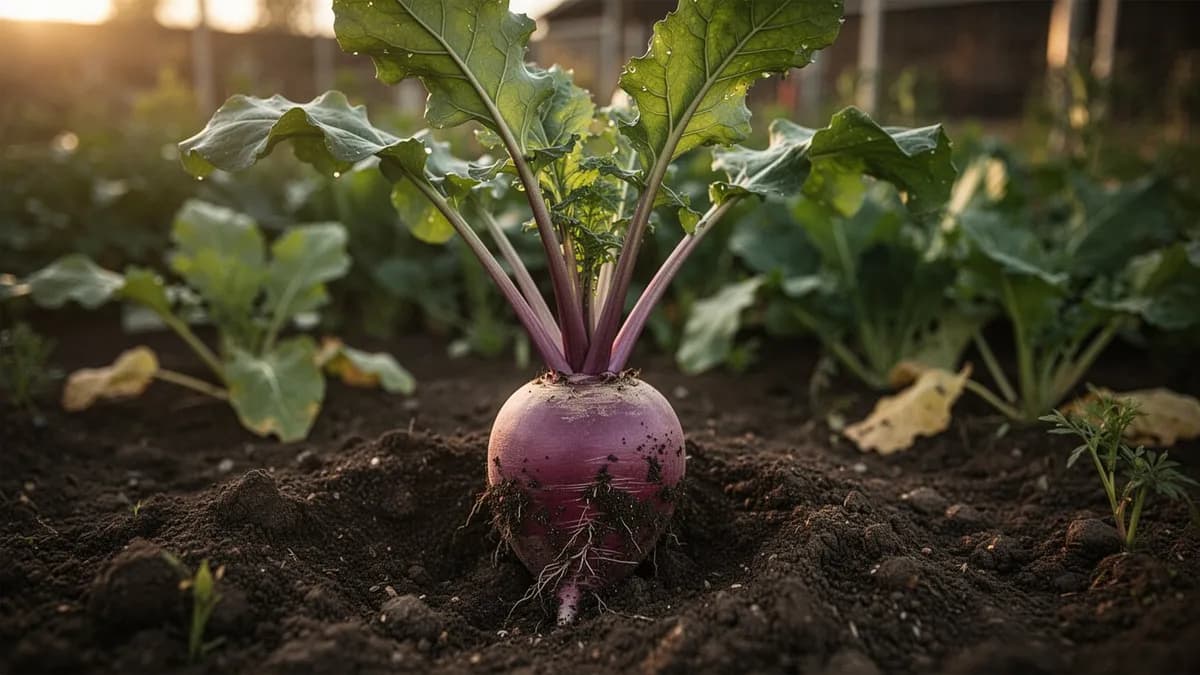
The most popular turnip variety in North America since the 1880s, with white roots blushed purple above the soil line. Flavor is mild and sweet when harvested young at tennis-ball size, becoming stronger and more fibrous if left too long. Greens are also highly nutritious and can be harvested separately or along with the roots. A fast-maturing cool-season crop that tolerates light frost and stores well in cold conditions.
When to plant Purple Top Turnip
Always direct sow turnip seeds as they do not transplant well. Sow half an inch deep and one inch apart in early spring or late summer. Seeds germinate in four to seven days in soil temperatures of 45 to 85 degrees. Thin to four to six inches apart for root production, or leave closer for growing primarily greens. For continuous harvest, sow every two to three weeks during the cool season. Fall plantings often produce the best-flavored roots.
Your Purple Top Turnip Year
Composed for Zone 7 · typical seasons · frost passes Apr 2, returns Nov 1
Plant Purple Top Turnip Mar – Apr, Aug – Sep, pick May – Jun, Oct – Nov. Check the planting methods below and set your climate to personalize these windows.
How to grow Purple Top Turnip
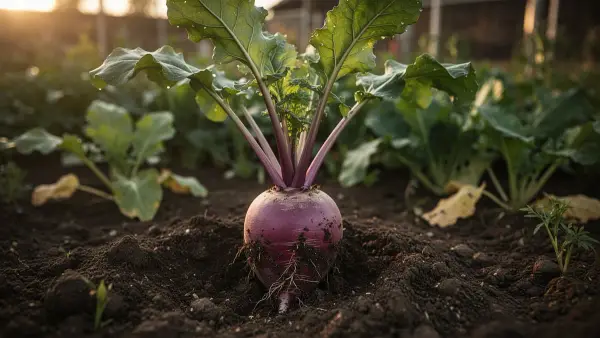
Purple Top turnips are fast-growing cool-season vegetables perfect for spring and fall gardens. For spring harvest, direct sow seeds four to six weeks before the last frost date. For fall harvest, sow about 60 days before the first expected frost. Plant seeds half an inch deep and one inch apart in rows 12 to 18 inches apart. Seeds germinate quickly in four to seven days. Thin seedlings to four to six inches apart.
Turnips prefer cool temperatures between 40 and 75 degrees and bolt in hot weather. Keep the soil consistently moist for rapid, even growth and mild-flavored roots. A light mulch helps retain moisture and moderate soil temperature. Turnips benefit from compost worked into the soil before planting. Avoid excess nitrogen that promotes leafy growth at the expense of roots.
Fall-planted turnips are often superior in flavor, as cool temperatures and light frosts convert starches to sugars. Harvest when roots are two to three inches in diameter for the mildest eating. Roots left past four inches become woody and develop strong, peppery flavor. Both roots and greens are edible and nutritious, making turnips a dual-purpose crop.
200 plants fit a 4 × 8 ft bed
Each Purple Top Turnip wants 12 cm of elbow room. The planner keeps that spacing for you — every plant, every bed.
Purple Top Turnip's best neighbours
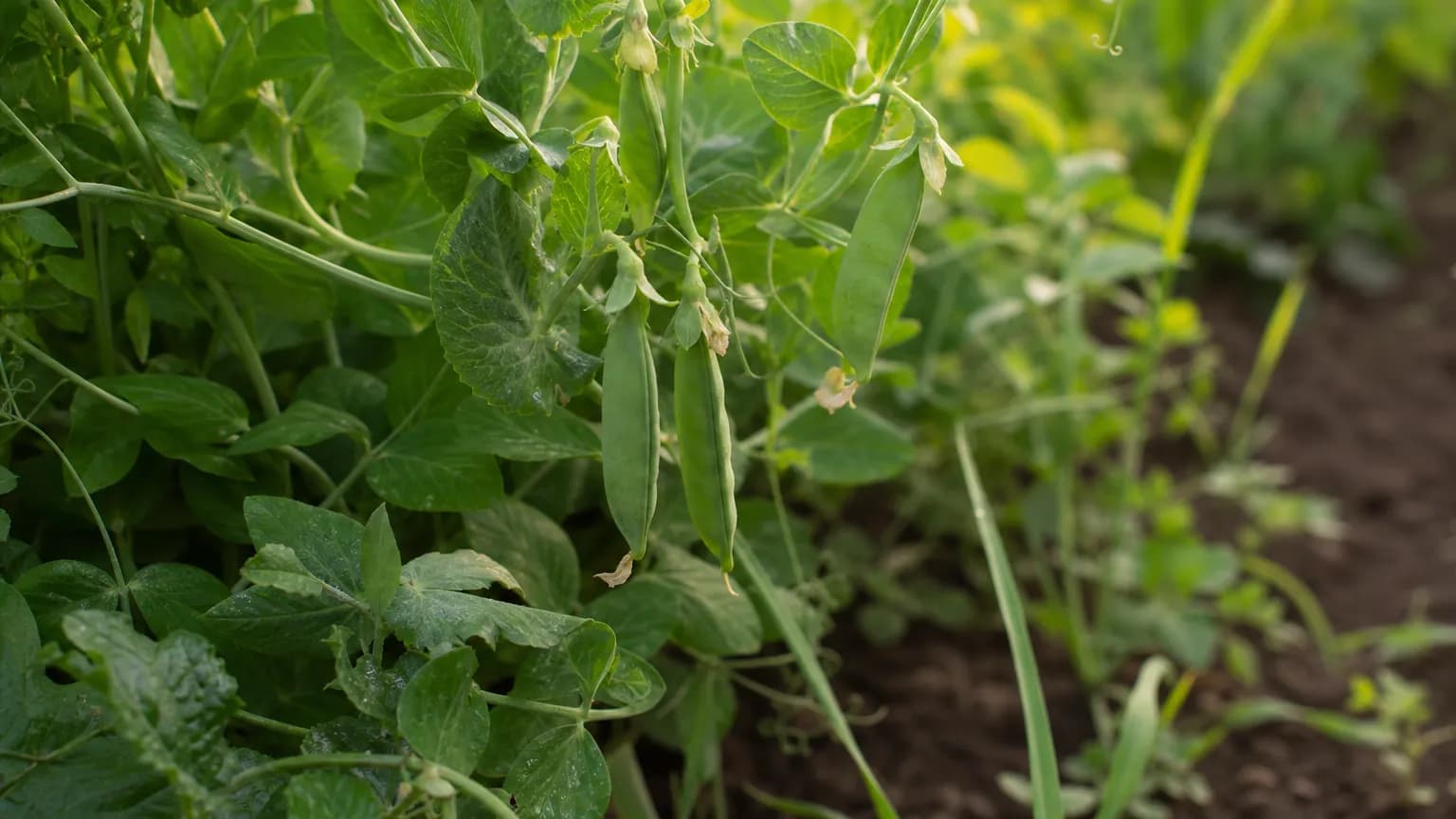
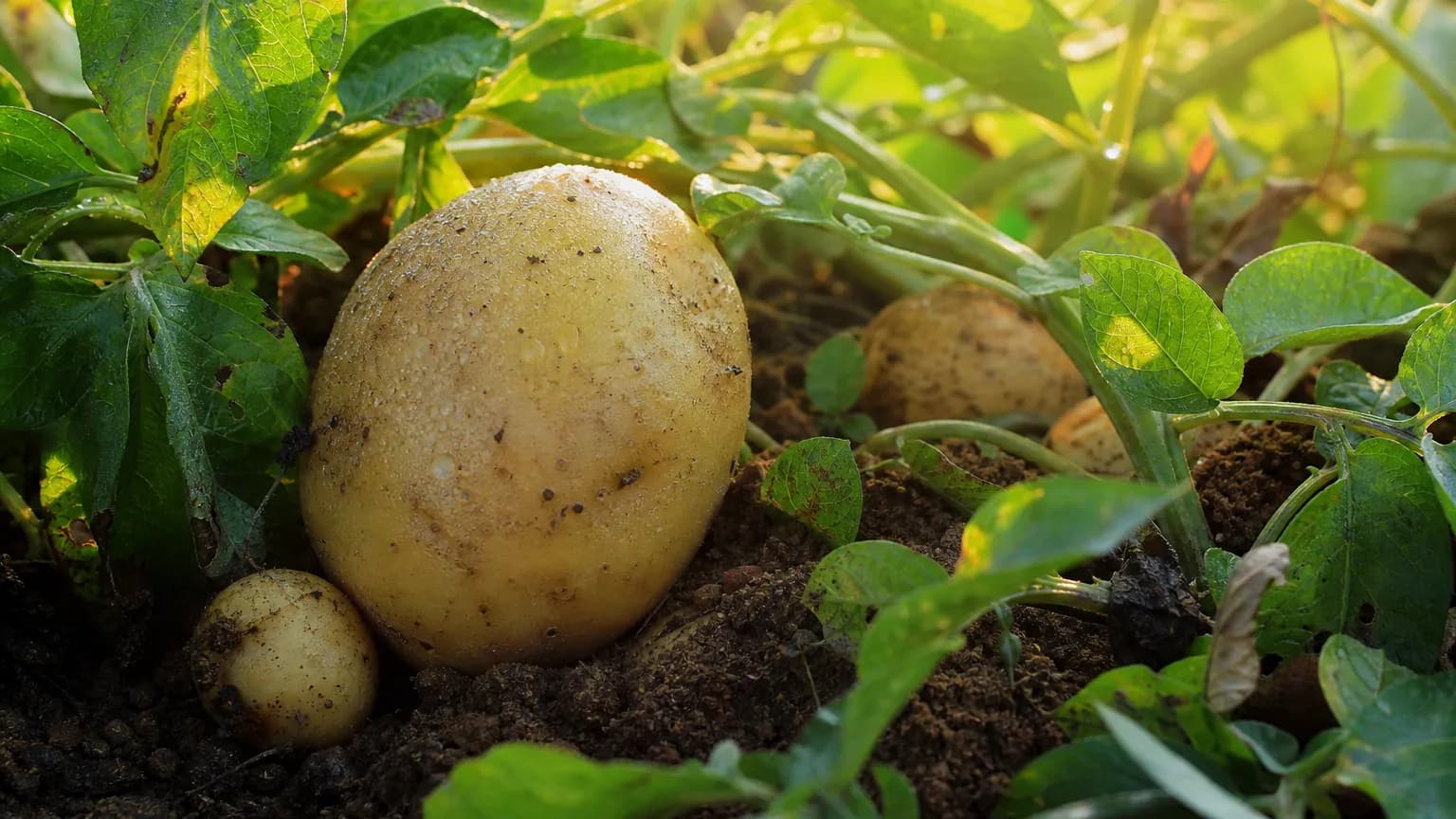
Turnips grow well alongside peas and beans that fix nitrogen. Onions and garlic help repel root maggot flies. Avoid planting near potatoes which compete for similar nutrients. Keep away from other brassicas that share pests and diseases. Radishes can be interplanted as a trap crop for flea beetles, drawing them away from turnip seedlings.
Peas belongs beside it. Potato doesn't.
Old growers' knowledge, checked against Purple Top Turnip's real companion table below — test any plant you're growing.
Try Purple Top Turnip in a bed — right here
A real planner bed with Purple Top Turnip already in it. Tap a companion to place it and watch the pairing checks answer — green for good neighbours, red for a clash.


Related growing guides
Feed it well
Turnips grow well in most garden soils but prefer loose, well-drained earth with a pH of 6.0 to 7.5. Work in compost before planting. Avoid fresh manure which causes forked roots. Turnips benefit from balanced fertilizer at planting. Excess nitrogen produces abundant greens but small, poorly flavored roots. Maintain consistent moisture with light mulch to prevent the soil from drying out between waterings.
Ideal Temperature
Hardiness Zone Compatibility
From seed to harvest, stage by stage
Germination
Turnip seeds are tiny but vigorous, germinating in as few as 3-5 days in cool, moist soil. The small, rounded cotyledon leaves emerge quickly and the seedling establishes a thin taproot immediately. Seeds germinate best at soil temperatures between 10-25°C (50-77°F) and can sprout at temperatures as low as 4°C (40°F).
Seedling Development
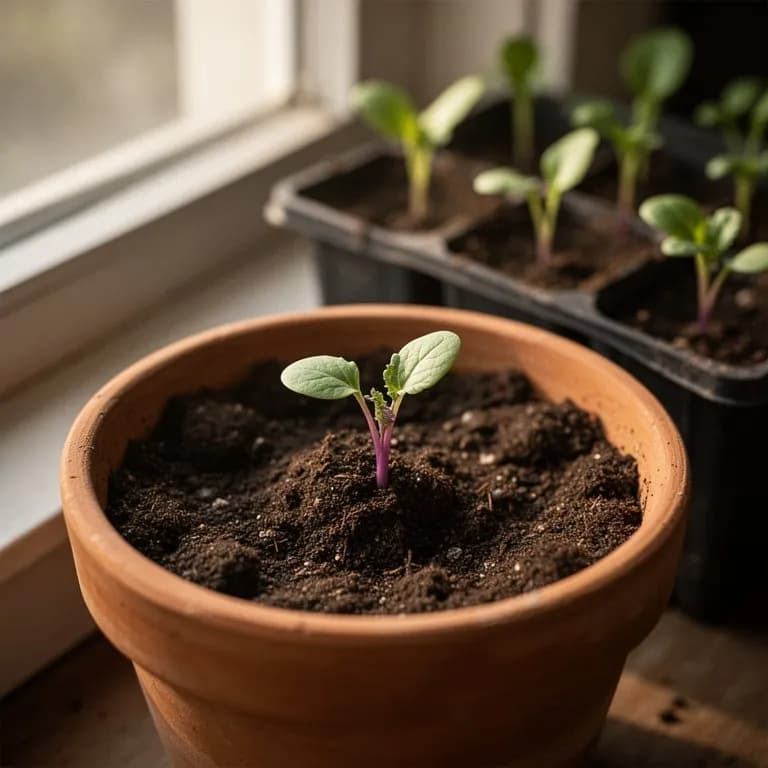
True leaves develop with the characteristic rough, lobed shape of brassica family plants. The seedling focuses on establishing a healthy leaf canopy while the taproot begins to thicken. Thinning at this stage is critical — crowded turnips produce small, misshapen roots.
Leaf Growth
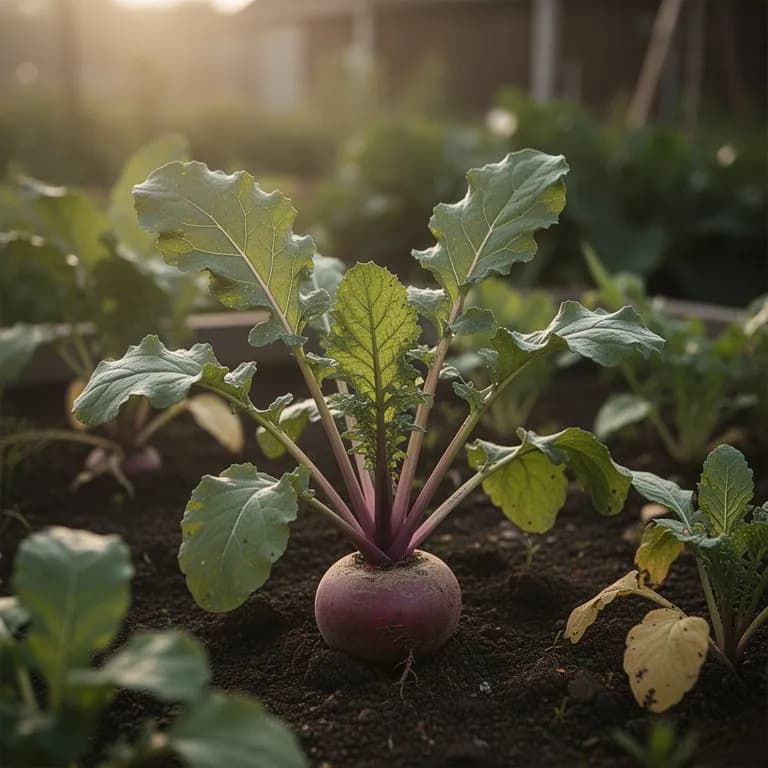
The plant develops a full rosette of 8-12 broad, blue-green leaves. Outer leaves can be selectively harvested as turnip greens without harming root development. The root begins swelling noticeably below the soil line, transitioning from a thin taproot to a rounded bulb.
Root Bulking
The root swells rapidly, pushing the top portion above the soil line. The exposed crown develops its signature purple coloring from anthocyanin pigments activated by sunlight, while the underground portion remains creamy white. The root transitions from firm and slightly peppery to sweeter and more tender.
Harvest Window
Roots reach their ideal harvest size of 5-8 cm (2-3 inches) in diameter. The flesh is crisp, juicy, and mildly sweet at this stage. Turnips left in the ground longer continue growing but become increasingly woody and pungent. In cool weather, roots can remain in the ground for several weeks without quality loss.
Sow seeds 1 cm deep and keep the soil surface consistently moist until germination. Avoid heavy watering that crusts the soil surface — a light misting twice daily is ideal. Thin seedlings early to prevent overcrowding.
Caring for Purple Top Turnip month by month
What to do each month for your Purple Top Turnip
October
You are herePeak autumn harvest month. Pull roots at 5-8 cm diameter for the sweetest flavor — light frosts convert starches to sugars, noticeably improving taste. Harvest greens generously now as plants approach maturity. Begin storing roots in a cool, humid location.
Know exactly what to do in your garden — every month
One email at the start of each month: what to sow, plant, and tackle right now — for your Purple Top Turnip and everything growing around it. Plus a short starter course that helps you dodge the classic mistakes.
- What to do, right now
- Matched to your season
- Starter course included
Harvesting Purple Top Turnip
Purple Top turnips mature in about 50 days and should be harvested when roots are two to three inches in diameter for the best flavor. Pull roots by grasping the base of the leaves and pulling upward. Larger roots become woody and strongly flavored. Turnip greens can be harvested earlier by cutting outer leaves when four to six inches long. Fall turnips can be left in the ground through light frosts, which improve sweetness.
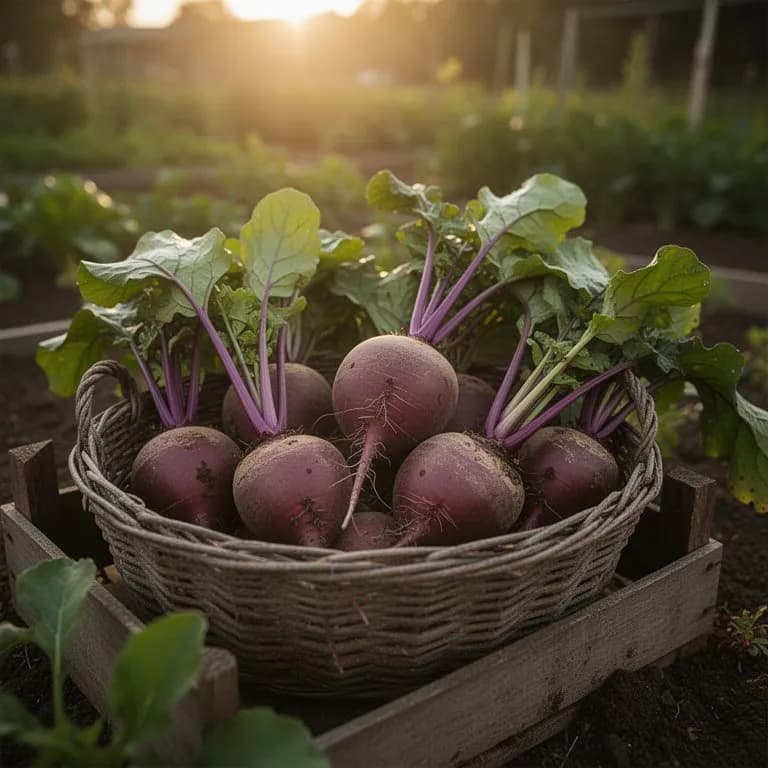
assuming you plant when the window opens — set your real date
Pick Purple Top Turnip promptly and the plant keeps producing.
Storage & Preservation
Remove greens immediately after harvest to prevent moisture loss from roots. Store unwashed roots in perforated plastic bags in the refrigerator for two to three weeks, or in a root cellar at 32 to 40 degrees for up to four months. Turnips freeze well when peeled, cubed, blanched for two minutes, and packed in freezer bags. Turnip greens should be used within days or blanched and frozen. Pickled turnips are a popular Middle Eastern condiment.
What goes wrong — and the fix
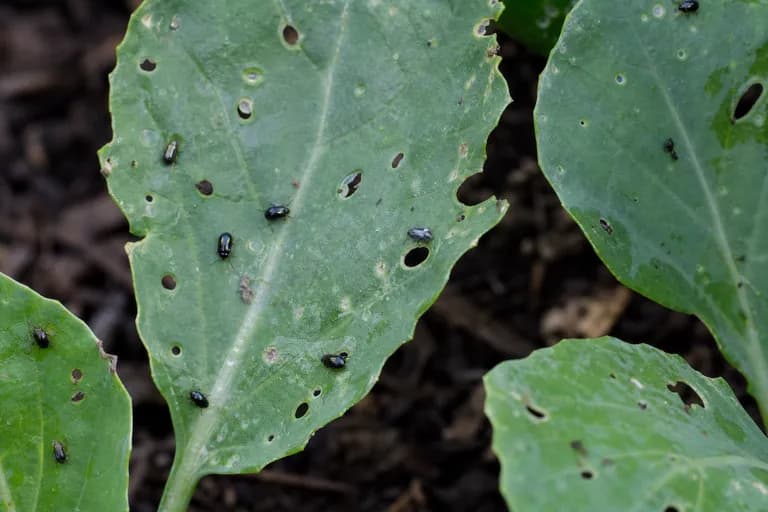
Flea Beetles
PestTiny round holes in leaves giving a shot-hole appearance. Young seedlings can be severely damaged or killed.
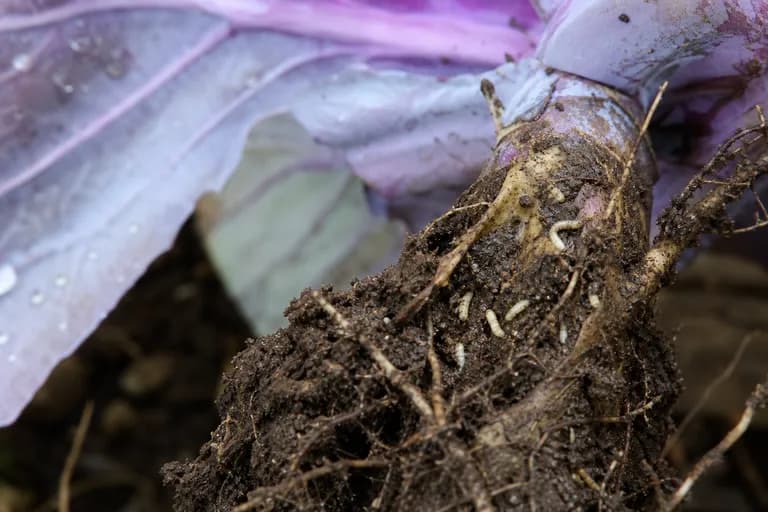
Root Maggots
PestSmall white larvae tunneling through roots, leaving brown channels and causing secondary rot.
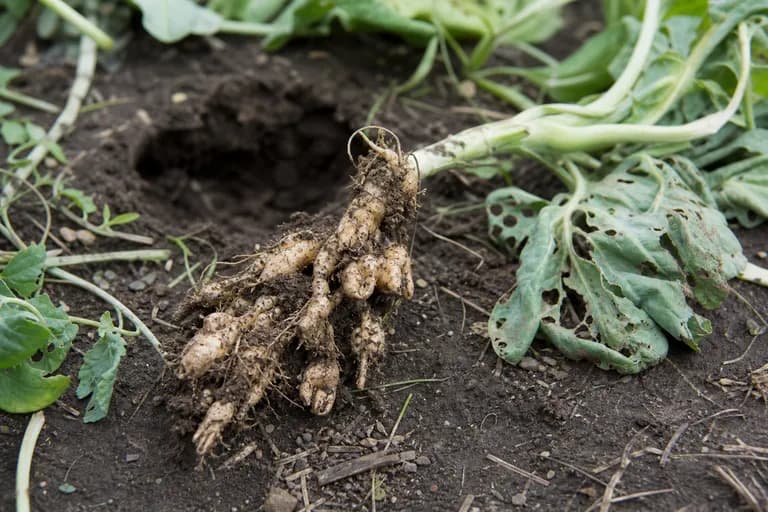
Clubroot
DiseaseSwollen, distorted roots with club-like galls. Plants wilt during warm days and show stunted, yellowing growth.
Troubleshooting Common Problems
Hot weather causes turnips to bolt, producing tough, bitter roots. Time plantings for cool weather maturation. Woody, fibrous texture develops when roots are left too long past optimal size. Split roots indicate inconsistent watering. Root maggots are the most serious pest and are best prevented with row covers. Strong, peppery flavor often indicates heat stress or late harvest.
Growing Tips
- Sow directly into the garden — turnips strongly dislike transplanting. Their taproot is easily damaged during transplant, resulting in forked, misshapen roots. Direct sowing in prepared beds is always the best approach for straight, well-formed roots.
- Thin ruthlessly and early. Crowded turnips produce small, tough roots that never reach full size. Thin to 10-15 cm apart when seedlings are 5 cm tall and enjoy the thinnings as baby greens — they are tender and mild with a pleasant peppery bite.
- Time your plantings for cool weather maturation. Spring-sown turnips often turn bitter and woody as summer heat arrives, while autumn crops maturing in cooling temperatures are significantly sweeter and more tender. For the best eating quality, prioritize autumn planting.
- Keep soil consistently moist but never waterlogged. Irregular watering causes roots to crack, become pithy, or develop a harsh, overly pungent flavor. Mulch with straw to maintain even soil moisture and suppress weeds between rows.
- Harvest at golf-ball to tennis-ball size (5-8 cm diameter) for the best flavor and texture. Turnips larger than 10 cm become increasingly fibrous and strong-tasting. Younger roots are mild enough to eat raw, sliced thinly in salads.
- Use floating row cover from sowing through harvest if flea beetles are a problem in your area. These tiny black beetles chew small holes in turnip leaves and can severely damage young seedlings, but mature plants usually outgrow light infestations.
- Rotate turnips with non-brassica crops on a 3-4 year cycle to prevent clubroot disease and reduce cabbage maggot populations. Never plant turnips where cabbage, broccoli, kale, or radishes grew in the previous two seasons.
- Harvest turnip greens as a bonus crop throughout the growing period. Begin picking outer leaves once the rosette has 8-10 leaves, taking no more than one-third at a time. The greens are highly nutritious and cook down beautifully like spinach or collards.
Grow your best Purple Top Turnip yet — and everything around it.
Start a free plan today. Lay out your beds, drop in your Purple Top Turnip, and let PlotMyGarden handle the timing, spacing, companions and reminders from seed to harvest basket.
Pick your Purple Top Turnip
Purple Top White Globe
The classic heirloom with smooth purple-and-white roots. Mild, sweet flavor when harvested young.
Tokyo Cross
Fast-maturing hybrid producing smooth, pure white roots in just 35 days. Very mild and sweet with excellent uniformity.
Hakurei
Japanese salad turnip with smooth white skin and exceptionally sweet, crisp flesh. Can be eaten raw.
Golden Ball
Yellow-fleshed heritage variety with sweet, fine-grained flesh. Stores better than white varieties with buttery flavor.
A packet of Purple Top turnip seeds costs $2-4 and contains 500-1,000 seeds — enough to plant dozens of rows. Fresh turnips sell for $2-4 per pound at grocery stores, and organic turnip greens command $3-5 per bunch at farmers markets. A single 3-meter row produces 4-8 kg of roots plus several harvests of greens, representing $20-40 in produce from a few cents worth of seed. With succession planting across spring and autumn, a family can easily save $60-100 per season on fresh produce while enjoying the superior flavor of garden-fresh turnips.
Quick recipes
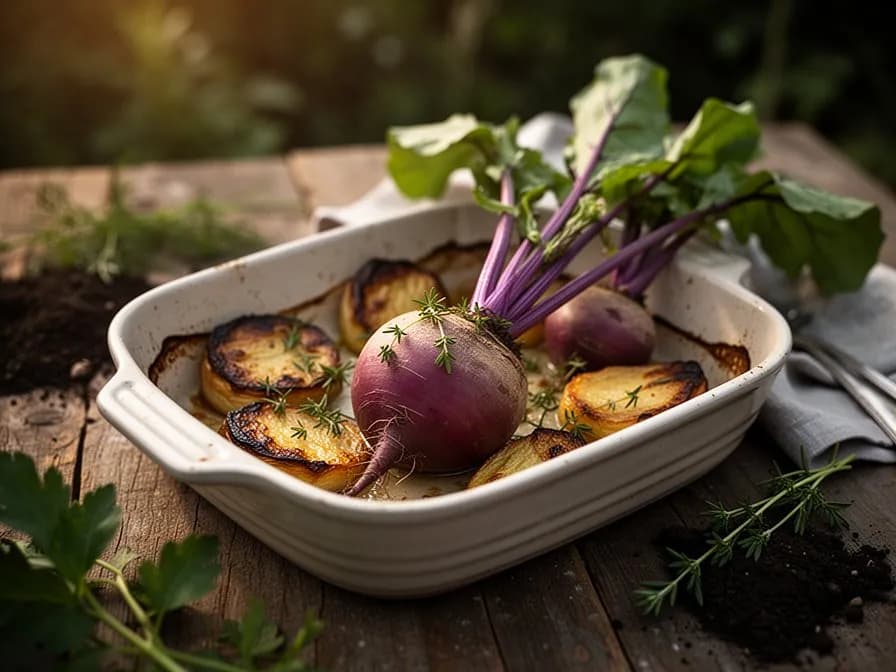
Creamy Mashed Turnips with Roasted Garlic
30 minA silky, lower-carb alternative to mashed potatoes with a delicate, slightly sweet flavor. Roasted garlic adds depth without overwhelming the turnip's natural taste. Contains roughly 60% fewer carbohydrates than traditional mashed potatoes.
6 ingredientsHoney-Glazed Roasted Turnips
40 minHigh-heat roasting caramelizes turnips' natural sugars while a honey glaze adds a golden, slightly sweet crust. The result is nutty, tender, and converts even turnip skeptics into fans.
7 ingredientsTurnip and Potato Gratin
55 minThinly sliced turnips layered with potatoes in a bubbling, cheesy cream sauce. The turnip adds a subtle peppery note that balances the richness of the gratin beautifully.
7 ingredientsCulinary Uses
Young Purple Top turnips have mild, slightly sweet flavor excellent for roasting, mashing, and adding to soups and stews. Dice and roast with olive oil until caramelized. Mash with butter as a lower-carb potato alternative. Add cubes to beef stew for a traditional complement. Turnip greens are highly nutritious and can be sauteed with garlic or braised with smoked meat.
What's inside
Health Benefits
- Turnips are rich in glucosinolates, sulfur-containing compounds that break down into isothiocyanates during digestion — these bioactive compounds have been extensively studied for their potential to inhibit cancer cell growth and support the body's natural detoxification pathways.
- The high vitamin C content (23% DV per 100g) in turnip roots supports immune function, collagen production for healthy skin and joints, and enhances iron absorption from plant-based foods.
- Turnip greens are an exceptional source of vitamin K (one cup provides over 250% DV), which is essential for proper blood clotting, bone metabolism, and may play a role in reducing arterial calcification.
- The combination of fiber, potassium, and low sodium in turnips supports cardiovascular health by helping to regulate blood pressure and reduce LDL cholesterol levels.
- Both the root and greens provide anti-inflammatory compounds including vitamin C, beta-carotene (in greens), and various phenolic acids that may help reduce chronic inflammation linked to arthritis, heart disease, and metabolic disorders.
- Extremely low caloric density (28 calories per 100g) with satisfying fiber content makes turnips an excellent food for weight management — they provide volume and nutrition with minimal caloric impact.
Where Purple Top Turnip comes from
The Purple Top White Globe turnip (Brassica rapa subsp. rapa) belongs to one of the oldest cultivated root vegetable species. Wild turnips likely originated in the region spanning Central Asia to the Mediterranean, with evidence of cultivation dating back over 4,000 years. Ancient Greek and Roman writers including Pliny the Elder and Columella described multiple turnip varieties and cultivation techniques, and turnips were a staple food of the Roman legions — easy to grow, fast to mature, and storable through winter.
For centuries, turnips were the most important root vegetable in Europe. Before the potato's introduction from the Americas in the 16th century, turnips filled the role that potatoes occupy today — mashed, roasted, added to stews, and stored in root cellars for winter sustenance. The crop was so important that entire agricultural movements revolved around it. In 18th-century Britain, Charles 'Turnip' Townshend championed the Norfolk four-course rotation system with turnips as a key component, helping spark the British Agricultural Revolution that transformed farming across Europe.
The Purple Top White Globe variety was developed in the United States in the mid-1800s and quickly became the dominant turnip in American gardens. Its combination of reliable performance, attractive appearance, sweet flavor, mild enough for raw eating, rapid maturity (55-65 days), and excellent storage qualities made it the gold standard. It remains the most widely planted turnip variety in North America today. Modern gardeners are rediscovering turnips as a versatile, fast-growing, cool-season crop that provides both nutritious greens and flavorful roots from a single planting — a remarkable two-for-one vegetable.
Purple Top Turnip: did you know?
Fascinating facts about Purple Top Turnip
The Purple Top White Globe turnip has been the most popular turnip variety in North America for over 150 years — it was already widely grown before the American Civil War and remains the standard against which all other turnip varieties are measured.
Purple Top Turnip questions, answered
When should I plant Purple Top Turnip?
What are good companion plants for Purple Top Turnip?
What hardiness zones can Purple Top Turnip grow in?
How much sun does Purple Top Turnip need?
How far apart should I space Purple Top Turnip?
What pests and diseases affect Purple Top Turnip?
How do I store Purple Top Turnip after harvest?
What are the best Purple Top Turnip varieties to grow?
What soil does Purple Top Turnip need?
Why are my turnips woody and tough instead of tender?
Can I eat turnip greens, and are they nutritious?
Why do my turnips taste bitter or overly peppery?
How should I store turnips after harvest?
Can I grow turnips in containers?
When is the best time to plant turnips for the sweetest flavor?
You just read the theory. Now grow it on autopilot.
Everything that makes Purple Top Turnip fiddly — the timing, the spacing, the companions, the harvest window — is exactly what PlotMyGarden handles for you, for every plant in your garden.
A plan that knows your weather
Set your location once. Get sow, feed and harvest dates built around your real last-frost date and live forecast — no more guessing from a generic seed packet.
From the “When to plant” sectionDrag-and-drop bed planner
Design beds on a grid. Every plant snaps to its proper spacing, and you can see your whole season laid out before you spend a cent on seed.
From the “Growing guide” sectionCompanion conflicts, caught early
200+ good-and-bad pairings checked live as you plant — so a season-wrecking mistake never makes it into the ground.
From the “Companions” sectionReminders you'll actually act on
“Water the beans.” “Pick today before it turns.” Timely, specific, and tied to the plants you're really growing.
From the “Harvest” sectionSuccession, scheduled
Want a harvest for six weeks, not six days? It spaces your sowings automatically and reminds you when each new block is due.
From the “When to plant” sectionA record that gets smarter
Every harvest you log teaches it your garden. Next year's plan starts from what actually worked in your soil, not a textbook's.
From the “Overview” sectionPlant these alongside Purple Top Turnip
More Root Vegetables
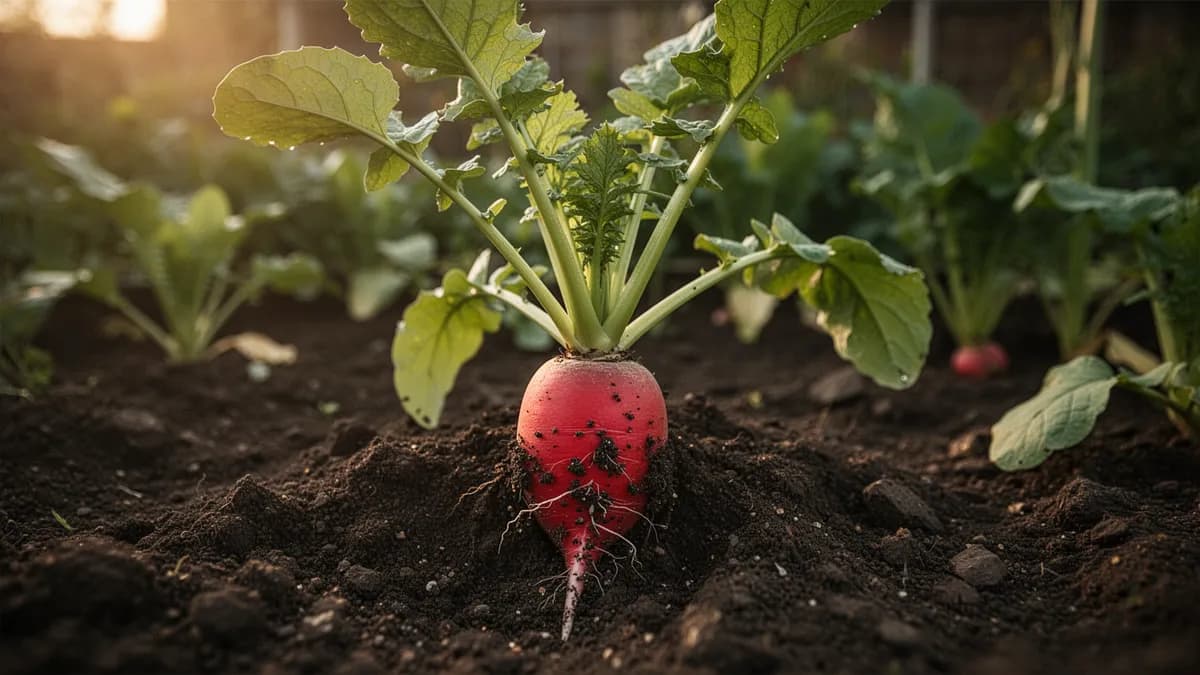
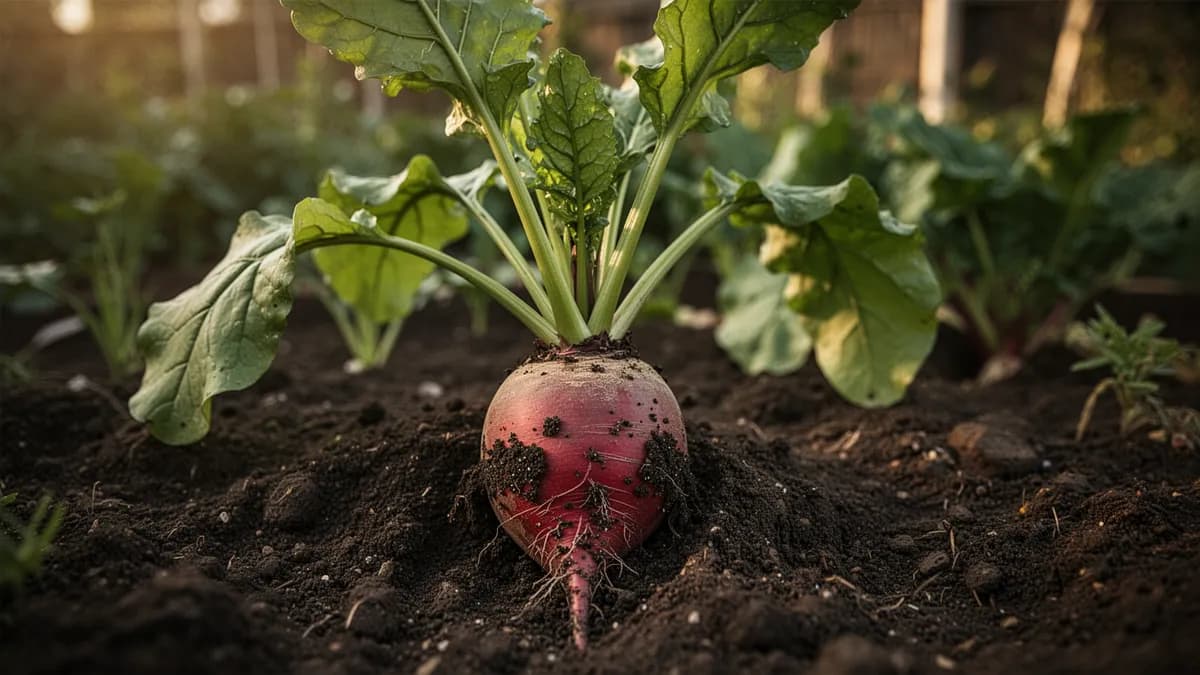
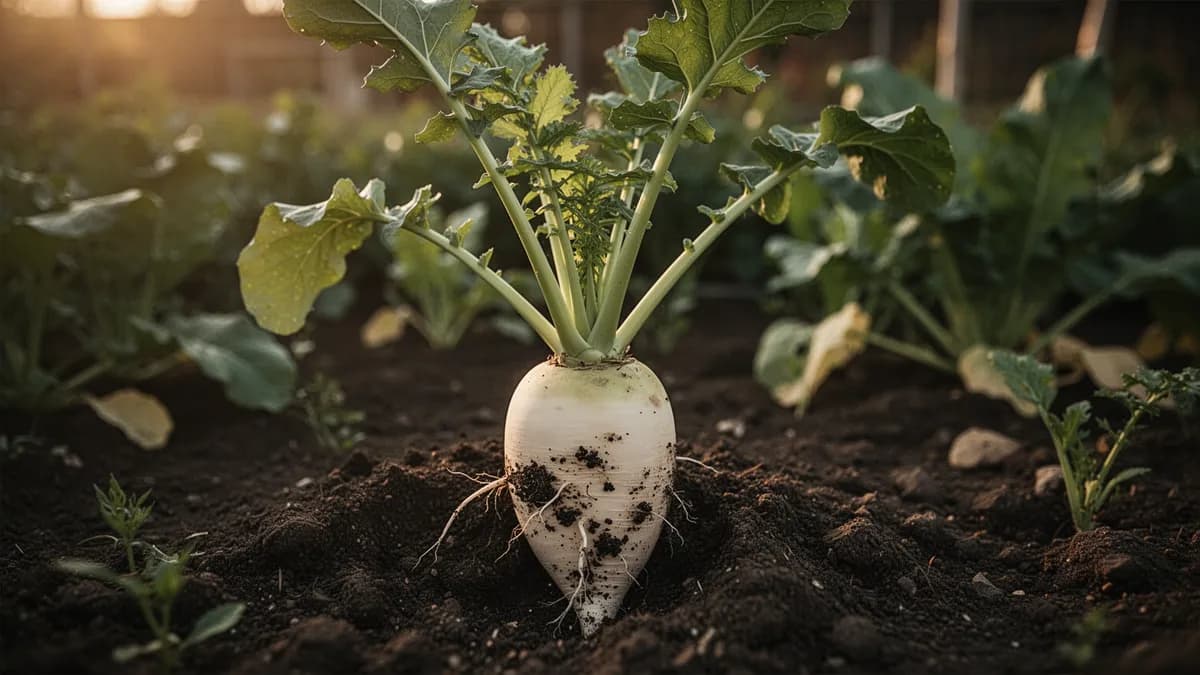
Keep Purple Top Turnip away from these
Grow your best Purple Top Turnip yet — and everything around it.
Start a free plan today. Lay out your beds, drop in your Purple Top Turnip, and let PlotMyGarden handle the timing, spacing, companions and reminders from seed to harvest basket.