Tulipán loro
Una variedad exótica de tulipán con pétalos rizados y plumosos, en combinaciones de color espectaculares que recuerdan al plumaje de un ave tropical.





En esta páginaResumen
Conoce Tulipán loro
Una variedad exótica de tulipán con pétalos rizados y plumosos, en combinaciones de color espectaculares que recuerdan al plumaje de un ave tropical. Los tulipanes loro florecen a finales de la primavera y producen las flores más llamativas de todas las clases de tulipán. Las flores pesadas pueden necesitar apoyo en lugares ventosos, y para obtener una exhibición más fiable se tratan mejor como anuales.
Cuándo plantar Tulipán loro
Los tulipanes loro se propagan únicamente a partir de bulbos: la propagación por semilla tarda 5-7 años en alcanzar un tamaño de floración y la descendencia varía muchísimo. Compre cada otoño bulbos frescos y de gran calibre a proveedores de confianza para lograr la mejor floración. Algunas variedades pueden producir pequeños bulbillos de reemplazo que pueden cultivarse durante 1-2 años antes de florecer.
Tu año de Tulipán loro
Ajustado a Zona 7 · temporada típica · la helada se va hacia el 2 abr y vuelve hacia el 1 nov
Planta Tulipán loro Oct – Nov y cosecha Abr – May. Consulta los métodos de plantación y elige tu clima para adaptar los periodos.
Cómo cultivar Tulipán loro
Los tulipanes loro son los miembros más extravagantes de la familia de los tulipanes, con pétalos enormes, rizados, flecos y plumosos en combinaciones de color espectaculares, a menudo veteados y flameados con tonos contrastantes. Con una altura de 40-55 cm, las flores grandes y pesadas se inclinan con gracia sobre sus tallos. Florecen a finales de la primavera, alargando la temporada de tulipanes.
Plante los bulbos en otoño a 15-20 cm de profundidad en un suelo bien drenado y a pleno sol. La plantación profunda mejora la capacidad de volver a florecer, aunque los tulipanes loro funcionan mejor como anuales para garantizar una exhibición fiable, ya que rara vez regresan con la misma vigorosidad en años posteriores. Plántelos en posiciones resguardadas, porque las flores grandes son pesadas y pueden dañarse con los vientos fuertes de primavera.
Para lograr el espectáculo más impresionante, plante en grupos generosos de 15-25 bulbos. Los tulipanes loro destacan en parterres formales, macetas grandes y como flor cortada. Deje que el follaje se marchite de forma natural después de la floración para alimentar el bulbo de la temporada siguiente, o levante y descarte los bulbos agotados y sustitúyalos cada otoño por material fresco.
200 plantas caben en un bancal de 120 × 240 cm
Cada Tulipán loro pide 12 cm de margen. El planificador guarda ese marco por ti — cada planta, cada bancal.
Los mejores vecinos de Tulipán loro
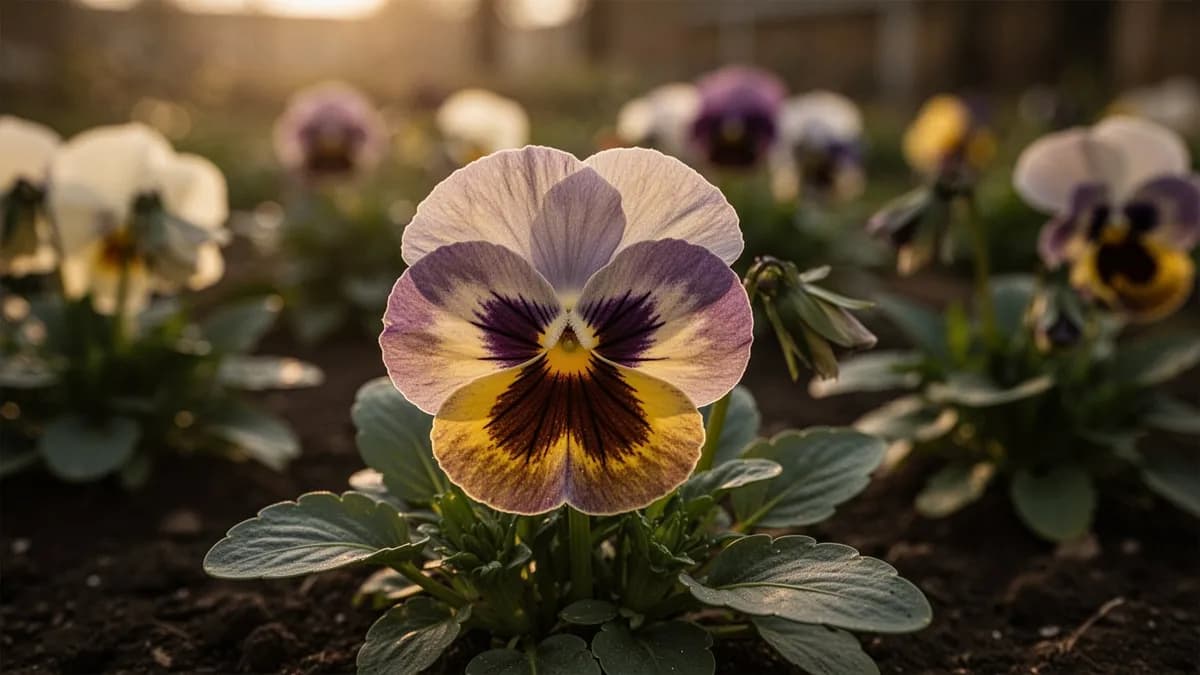
Los tulipanes loro son flores protagonistas que se plantan mejor en grupos generosos para lograr el máximo impacto. Combinan de forma espectacular con nomeolvides, alhelíes y pensamientos como plantación de relleno. Mézclelos con formas de tulipán más sencillas para crear contraste de texturas. En contenedores, plante tres o cuatro tulipanes loro con hiedra colgante y violas para obtener una exhibición primaveral espectacular.
Tulipán va a su lado.
Saber de huerto de siempre, cotejado con la tabla real de Tulipán loro — prueba cualquier planta que cultives.
Prueba Tulipán loro en un bancal, aquí mismo
Un bancal real del planificador con Tulipán loro ya plantado. Toca una planta compañera para colocarla y mira cómo responde la comprobación de vecinos: verde para buenos vecinos, rojo si hay conflicto.


Guías de cultivo relacionadas
Abónalo bien
Plántelos en un suelo fértil y bien drenado con un pH de 6.0-7.0. Incorpore harina de hueso en el momento de plantar. Los tulipanes loro son muy exigentes: fertilice con abono equilibrado para bulbos en otoño, al plantar, y de nuevo cuando aparezcan los brotes en primavera. Un buen drenaje es esencial para evitar la pudrición del bulbo.
Temperatura ideal
Compatibilidad de zonas de rusticidad
De la semilla a la cosecha, etapa por etapa
Reposo del bulbo y plantación
Los bulbos de tulipán loro requieren un periodo de frío de 12-16 semanas a 2-9°C (35-48°F) para iniciar el desarrollo floral. Los bulbos deben plantarse a mediados o finales del otoño, aproximadamente a 15-20 cm de profundidad y 10-15 cm entre sí, con la punta hacia arriba. El bulbo contiene todos los nutrientes necesarios para el primer establecimiento de raíces.
Desarrollo de raíces y periodo de frío
Durante los meses de invierno, los bulbos desarrollan un sistema radicular extenso bajo la superficie del suelo, mientras que las bajas temperaturas activan los procesos bioquímicos necesarios para el desarrollo del tallo y de la flor. Este periodo de vernalización es esencial para los tulipanes loro y no puede omitirse en climas cálidos sin enfriar previamente los bulbos.
Aparición de brotes
A medida que la temperatura del suelo supera los 10°C (50°F) a finales del invierno o comienzos de la primavera, los brotes verdes puntiagudos atraviesan la superficie. Las hojas emergen enrolladas y se desenrollan poco a poco, revelando un follaje ancho y ligeramente glauco. El tallo se alarga y el capullo floral comienza a formarse dentro de la vaina foliar.
Desarrollo del capullo
El capullo floral se hace visible en la parte superior del tallo, apareciendo al principio como una estructura verde muy apretada. A medida que madura, empiezan a verse los bordes rizados característicos de los pétalos y las vetas de color propias de los tulipanes loro. El tallo alcanza su altura máxima de 35-55 cm durante esta fase.
Plena floración
Los pétalos se despliegan por completo para revelar las flores dramáticas, profundamente flecadas, retorcidas y rizadas que definen a los tulipanes loro. Cada flor puede medir 10-15 cm de ancho y mostrar combinaciones llamativas de rojos, amarillos, verdes, púrpuras y blancos con vetas en forma de llama. Cada flor dura aproximadamente 10-14 días según la temperatura.
Maduración del follaje y regeneración del bulbo
Después de la floración, las hojas siguen realizando la fotosíntesis y devuelven energía al bulbo para el crecimiento del año siguiente. El follaje amarillea y se marchita gradualmente durante 6-8 semanas. Pueden formarse bulbos hijuelos junto al bulbo madre, aunque los tulipanes loro tienden a perder vigor más rápidamente que los tulipanes estándar.
Elija bulbos firmes y sanos, sin moho ni zonas blandas. Plántelos en un suelo bien drenado y enmendado con compost. Riegue a fondo después de plantar para asentar la tierra alrededor de los bulbos y estimular el crecimiento inicial de las raíces antes de que el suelo se congele.
Cuidar Tulipán loro mes a mes
Qué hacer cada mes para tu Tulipán loro
Octubre
Mes actualEste es el principal mes de plantación en la mayoría de los climas templados. Plante los bulbos a 15-20 cm de profundidad y 10-15 cm de distancia, con la punta hacia arriba. Riegue bien después de plantar para iniciar el crecimiento de raíces.
Ten claro qué hacer en tu huerto, cada mes
Un correo al empezar cada mes: qué sembrar, plantar y hacer ahora mismo — para tu Tulipán loro y todo lo que crece alrededor. Más un breve curso inicial para esquivar los errores clásicos.
- Qué hacer ahora mismo
- Ajustado a tu temporada
- Curso inicial incluido
Cosechar Tulipán loro
Corte los tulipanes loro cuando los capullos muestren color pero sigan cerrados: en el jarrón se abrirán de forma espectacular. Corte los tallos por la mañana y colóquelos en agua fresca. Las flores rizadas, tan llamativas, duran 5-7 días en un jarrón y se abren más a medida que envejecen, creando una composición siempre cambiante. Sujete los tallos pesados con otras flores del arreglo.
se supone que plantas al comenzar el periodo — indica tu fecha real
A partir de bulbos, tubérculos o dientes
Cosecha Tulipán loro a tiempo y la planta sigue produciendo.
Almacenamiento y conservación
Las flores de tulipán loro se prensan bien para manualidades, aunque su forma rizada hace que prensarlas sea un reto. Seque pétalos individuales entre libros para arte botánico. Los bulbos pueden levantarse tras secarse el follaje, dejarse curar y almacenarse en bolsas de malla en un lugar fresco y seco hasta la plantación otoñal. Aun así, los bulbos frescos ofrecen la mejor exhibición.
Qué falla — y cómo solucionarlo
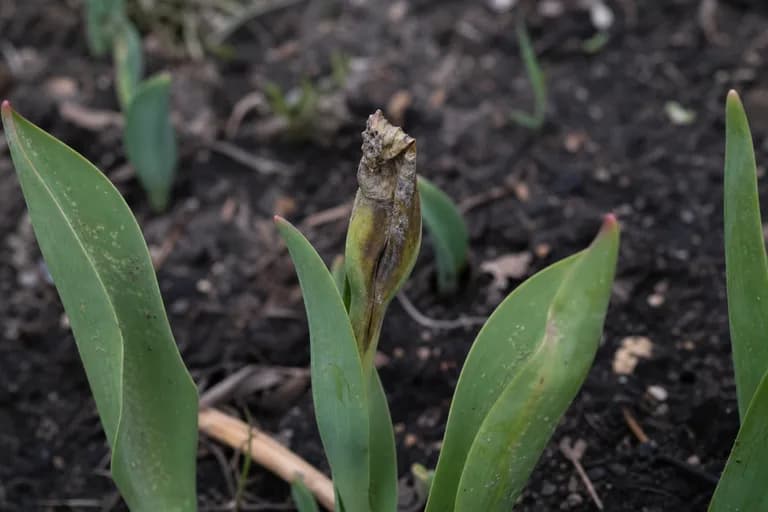
Incendio del tulipán (Botrytis tulipae)
EnfermedadBrotes y flores deformados, con aspecto quemado. Manchas marrones en hojas y pétalos. Los bulbos desarrollan moho gris durante el almacenamiento.
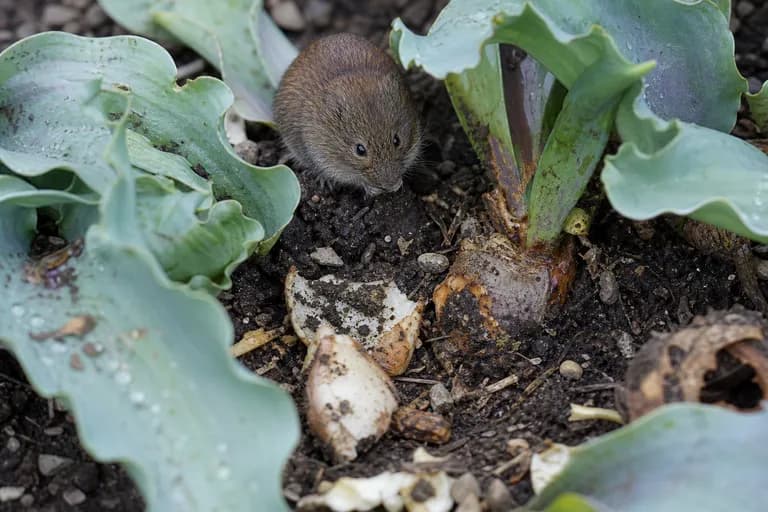
Ardillas y topillos
PlagaBulbos desenterrados después de plantar o devorados bajo tierra. Restos dispersos de bulbos en la superficie del suelo.
Solución de problemas comunes
Las flores pesadas se dañan con facilidad por el viento y la lluvia: plántelas en lugares resguardados. La poca capacidad de volver a florecer hace que la mayoría de los jardineros los traten como anuales y sustituyan los bulbos cada otoño. Las ardillas suelen desenterrar los bulbos recién plantados; protégelos con malla metálica. El incendio del tulipán puede arrasar las plantaciones; rote las ubicaciones y plante solo bulbos sanos.
Consejos de cultivo
- Plante los bulbos de tulipán loro a una profundidad equivalente a tres veces la altura del bulbo, normalmente 15-20 cm, para protegerlos de las fluctuaciones de temperatura y proporcionar un anclaje adecuado para sus flores pesadas.
- Elija un lugar de plantación con pleno sol o ligera sombra de la tarde y un drenaje excelente, ya que los tulipanes loro son muy susceptibles a la pudrición del bulbo en suelos encharcados o mal drenados.
- Añada un puñado de arena gruesa o grava al fondo de cada hoyo en suelos arcillosos pesados para mejorar el drenaje justo alrededor del bulbo y reducir el riesgo de enfermedad fúngica.
- Sujete las variedades altas de tulipán loro con cañas finas de bambú o con soportes circulares antes de que se abran los capullos, ya que las cabezas florales grandes y pesadas pueden hacer que los tallos se doblen o se partan con el viento y la lluvia.
- En regiones con inviernos suaves en las que la temperatura del suelo se mantiene por encima de 10°C, enfríe los bulbos en el frigorífico durante 12-16 semanas antes de plantarlos, manteniéndolos alejados de frutas maduras que emiten gas etileno y dañan el embrión floral en desarrollo.
- Aplique un fertilizante de liberación lenta para bulbos, rico en fósforo y potasio, en el momento de plantar y de nuevo cuando aparezcan los brotes en primavera para favorecer un fuerte desarrollo de raíces y un color floral intenso.
- Plante los tulipanes loro entre perennes de porte bajo como nomeolvides, flox rastrero o geranios resistentes, que rellenarán los huecos y ocultarán el follaje amarilleante del tulipán después de la floración.
- Para maximizar la vida en jarrón de los tulipanes loro cortados, coseche los tallos cuando el capullo tenga color pero aún no esté totalmente abierto, corte en ángulo con un cuchillo afilado y colóquelos enseguida en agua fresca con conservante floral.
- Rote las ubicaciones de plantación cada 2-3 años para reducir la acumulación de patógenos del suelo específicos del tulipán, como el incendio del tulipán (Botrytis tulipae) y la pudrición del bulbo por fusarium.
- En zonas con fuerte presión de ciervos o conejos, aplique un repelente granular alrededor de los brotes emergentes o plante los bulbos en cestas de malla de alambre enterradas para protegerlos del daño de los roedores bajo tierra.
Cultiva tu mejor Tulipán loro — y todo lo que la rodea.
Empieza un plan gratis hoy. Diseña tus bancales, coloca tu Tulipán loro y deja que PlotMyGarden gestione el momento, el espaciado, las asociaciones y los recordatorios de la semilla a la cesta.
Elige tu Tulipán loro
Tulipa 'Rococo'
Rojo carmesí con vetas verdes y pétalos profundamente rizados, uno de los tulipanes loro más dramáticos.
Tulipa 'Black Parrot'
Borgoña púrpura intenso con pétalos flecados, que combina sofisticación oscura con extravagancia loro.
Tulipa 'Apricot Parrot'
Albaricoque suave con tonos salmón, vetas verdes y un rizado abundante, una elección elegante para esquemas pastel.
Un bulbo de tulipán loro cuesta aproximadamente entre 0.80 y 2.00 $ según la variedad y la cantidad comprada, mientras que un solo tallo en una floristería suele costar entre 3.00 y 6.00 $. Plantar 25 bulbos por un coste total de 20-40 $ puede generar una exhibición primaveral equivalente a 75-150 $ en flores cortadas. Aunque los tulipanes loro pueden perder vigor tras 2-3 años y conviene sustituirlos periódicamente, levantar los bulbos después de que el follaje se seque y almacenarlos correctamente puede prolongar su vida productiva. Comprar lotes al por mayor de 50 bulbos o más a productores holandeses al por mayor a finales de verano ofrece el mejor valor por bulbo.
Recetas rápidas
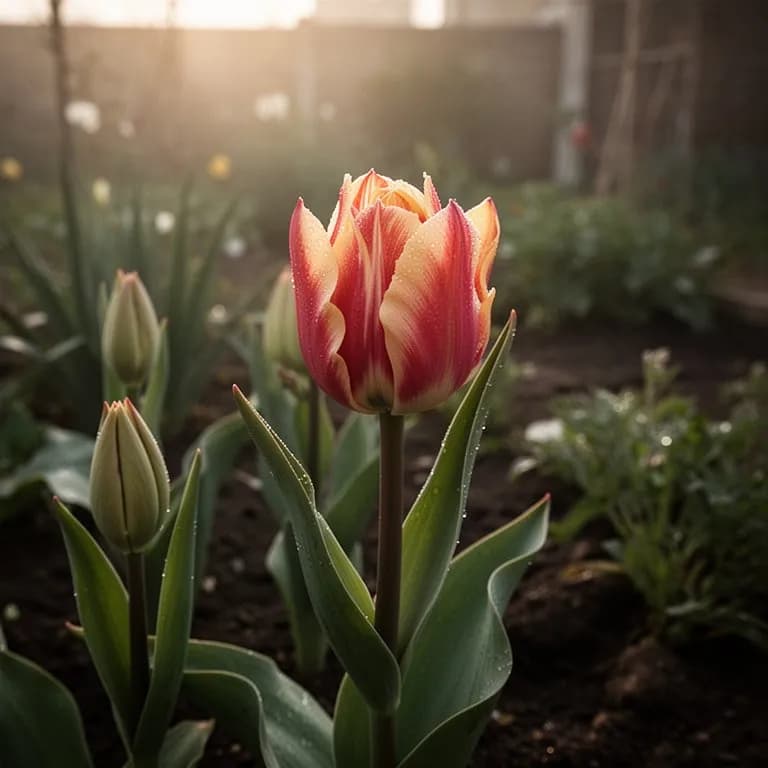
Centro de mesa primaveral con tulipanes loro
15 minutosCree un centro de mesa espectacular con tulipanes loro como flor principal. Corte los tallos en ángulo cuando los capullos apenas empiecen a abrirse para prolongar al máximo la vida en jarrón. Dispóngalos de forma suelta en un jarrón de boca ancha para que las flores pesadas caigan con naturalidad. Cambie el agua cada dos días y añada conservante floral para lograr flores que duren hasta 10 días.
5 ingredientesPot-pourri de pétalos secos de tulipán loro
10 minutos activos, 2-3 semanas de secadoConserve los colores intensos de los pétalos de tulipán loro secándolos para elaborar un pot-pourri primaveral fragante. Retire con cuidado los pétalos de las flores completamente abiertas y extiéndalos en una sola capa sobre una rejilla o papel de horno en una zona cálida, oscura y bien ventilada. Una vez completamente secos, mézclelos con botánicos complementarios y unas gotas de aceite esencial para lograr una presentación bella y aromática.
6 ingredientes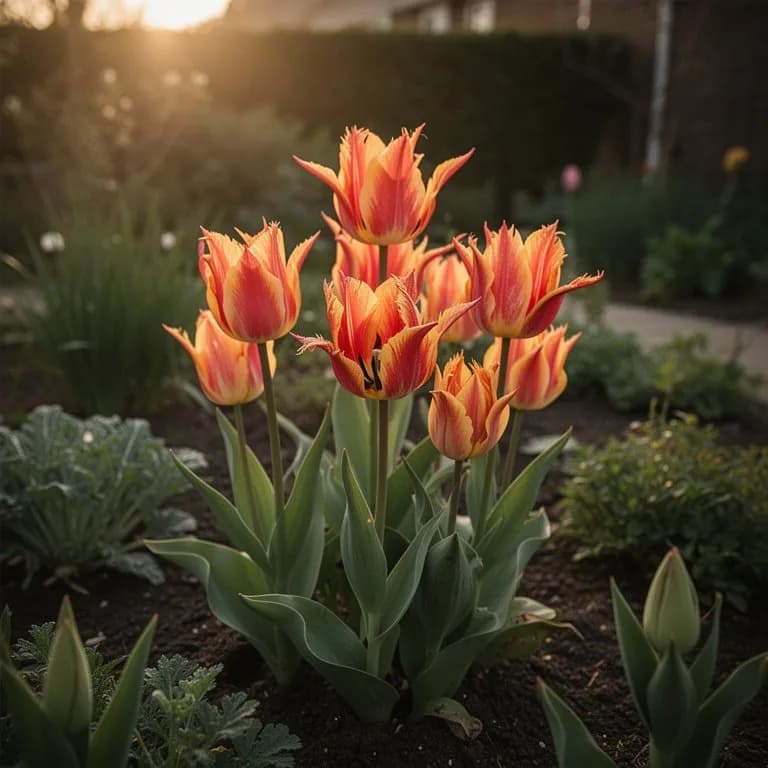
Arte botánico con tulipán loro prensado
20 minutos activos, 3-4 semanas de prensadoLas extraordinarias formas de los pétalos de los tulipanes loro los convierten en sujetos ideales para el arte floral prensado. Elija flores que se hayan abierto por completo hace poco y desmonte con cuidado los pétalos individuales. Presione entre hojas de papel absorbente bajo libros pesados o en una prensa para flores. Una vez completamente secos y aplanados, dispóngalos sobre cartulina libre de ácido y enmárcelos detrás de cristal para obtener una obra botánica duradera.
6 ingredientesQué contiene
Beneficios para la salud
- Pasar tiempo cuidando jardines de bulbos de floración primaveral, incluido plantar y atender tulipanes loro, aporta ejercicio físico moderado mediante cavar, agacharse y arrodillarse, lo que favorece la salud cardiovascular y la flexibilidad articular.
- Los patrones de color vibrantes y complejos de las flores de tulipán loro han demostrado en estudios de terapia hortícola que reducen el estrés y elevan el ánimo, contribuyendo a un mejor bienestar mental durante la primavera.
- La jardinería con bulbos florales como los tulipanes loro fomenta la actividad regular al aire libre en primavera, aumenta la exposición a la luz solar natural y apoya una síntesis saludable de vitamina D.
- Planificar y diseñar exhibiciones con tulipanes loro activa funciones cognitivas como el razonamiento espacial, la teoría del color y el momento estacional, lo que puede ayudar a mantener la agudeza mental y dar una sensación de logro.
- Los arreglos de tulipán loro cortados e introducidos en el interior se han asociado con una mayor satisfacción del entorno doméstico y una sensación de conexión con el mundo natural, lo que puede reducir la sensación de aislamiento.
- El ritmo estacional de plantar bulbos en otoño y esperar su floración primaveral fomenta la atención plena y la paciencia, cualidades asociadas con niveles más bajos de ansiedad y una mejor regulación emocional.
De dónde viene Tulipán loro
Los tulipanes loro (Tulipa gesneriana, Grupo Loro) se originaron a partir de mutaciones espontáneas de cultivares de tulipán de floración tardía, registradas por primera vez en jardines europeos a mediados del siglo XVII. Los primeros tulipanes loro documentados aparecieron en Francia hacia 1665 y cautivaron enseguida a los coleccionistas con sus pétalos retorcidos, flecados y plumosos, que guardaban un sorprendente parecido con el plumaje de los loros tropicales. Estas mutaciones naturales fueron al principio raras y muy apreciadas, ya que los cultivadores no podían reproducirlas de forma fiable por semilla. A lo largo de los siglos XVIII y XIX, los tulipanes loro siguieron siendo piezas de colección, cultivadas sobre todo en jardines holandeses, franceses e ingleses por aficionados adinerados. Las flores aparecían con frecuencia en las naturalezas muertas de la Edad de Oro neerlandesa, donde sus formas extravagantes simbolizaban tanto la belleza natural como la naturaleza efímera de los placeres terrenales. Los primeros tulipanes loro sufrían de tallos débiles que apenas podían sostener sus enormes flores, lo que limitaba su uso práctico en los jardines. Los programas modernos de mejora, especialmente los emprendidos por productores holandeses de bulbos en el siglo XX, se centraron en fortalecer los tallos sin perder las formas dramáticas de los pétalos. Los cultivares actuales de tulipán loro, entre los que se incluyen variedades populares como 'Rococo', 'Flaming Parrot', 'Estella Rijnveld' y 'Black Parrot', ofrecen un rendimiento robusto en el jardín junto con su apariencia espectacular. La Royal General Bulbgrowers' Association (KAVB) de los Países Bajos clasifica oficialmente los tulipanes loro como División 10 en el registro internacional de tulipanes. Florecen a mediados o finales de la primavera, normalmente dos o tres semanas después de los tulipanes simples tardíos estándar, alargando así la temporada de tulipanes. Los tulipanes loro siguen siendo uno de los bulbos de floración primaveral más buscados en todo el mundo, valorados por igual por su exhibición en el jardín y como flores cortadas de primera calidad.
Tulipán loro: ¿sabías que?
Datos fascinantes sobre Tulipán loro
Los tulipanes loro surgieron como mutaciones naturales de tulipanes estándar de floración tardía, documentados por primera vez en jardines hacia 1665 en Francia, donde sus pétalos tan rizados recordaban a los observadores las plumas de los loros exóticos.
Tulipán loro: preguntas frecuentes
¿Cuándo debo plantar Tulipán loro?
¿Cuáles son buenas plantas acompañantes para Tulipán loro?
¿En qué zonas de rusticidad puede crecer Tulipán loro?
¿Cuánto sol necesita Tulipán loro?
¿A qué distancia debo espaciar Tulipán loro?
¿Qué plagas y enfermedades afectan a Tulipán loro?
¿Cómo almaceno Tulipán loro después de la cosecha?
¿Cuáles son las mejores variedades de Tulipán loro para cultivar?
¿Qué suelo necesita Tulipán loro?
¿Por qué mis tulipanes loro florecieron como flores simples y lisas, sin los pétalos rizados característicos?
¿Puedo cultivar tulipanes loro en contenedores y macetas?
¿Cómo evito que los tallos de mis tulipanes loro se doblen?
¿Volverán los tulipanes loro y florecerán cada año?
¿Cuándo es el mejor momento para cortar tulipanes loro para arreglos florales?
¿Los tulipanes loro son tóxicos para las mascotas?
Acabas de leer la teoría. Ahora cultívala en piloto automático.
Todo lo que hace que Tulipán loro sea delicado — el momento, el espaciado, las asociaciones, la ventana de cosecha — es justo lo que PlotMyGarden resuelve por ti, para cada planta de tu huerto.
Un plan que conoce tu clima
Indica tu ubicación una vez. Recibe fechas de siembra, abonado y cosecha basadas en tu última helada real y el pronóstico en vivo — sin adivinar con un sobre genérico.
De la sección “Cuándo plantar”Planificador de bancales de arrastrar y soltar
Diseña bancales sobre una cuadrícula. Cada planta encaja con su espaciado correcto y ves toda la temporada antes de gastar un céntimo en semillas.
De la sección “Cultivo”Conflictos de asociación, detectados a tiempo
Más de 200 buenas y malas combinaciones comprobadas en vivo mientras plantas — para que un error que arruine la temporada nunca llegue a la tierra.
De la sección “Asociaciones”Recordatorios que sí vas a seguir
“Riega las judías.” “Recoge hoy antes de que se pase.” Oportunos, concretos y ligados a las plantas que de verdad cultivas.
De la sección “Cosecha”Escalonado, programado
¿Quieres cosechar seis semanas en vez de seis días? Reparte tus siembras automáticamente y te avisa cuando toca el siguiente lote.
De la sección “Cuándo plantar”Un registro que se vuelve más listo
Cada cosecha que registras le enseña tu huerto. El plan del año que viene parte de lo que de verdad funcionó en tu suelo, no en un manual.
De la sección “Resumen”Planta estos junto a Tulipán loro
Más Bulbosas
Cultiva tu mejor Tulipán loro — y todo lo que la rodea.
Empieza un plan gratis hoy. Diseña tus bancales, coloca tu Tulipán loro y deja que PlotMyGarden gestione el momento, el espaciado, las asociaciones y los recordatorios de la semilla a la cesta.