Darwin-Hybrid-Tulpe
Die zuverlässigsten mehrjährigen Tulpen mit großen, klassischen eiförmigen Blüten auf kräftigen Stielen, die Jahr für Jahr wiederkommen.





Auf dieser SeiteÜberblick
Darwin-Hybrid-Tulpe im Überblick
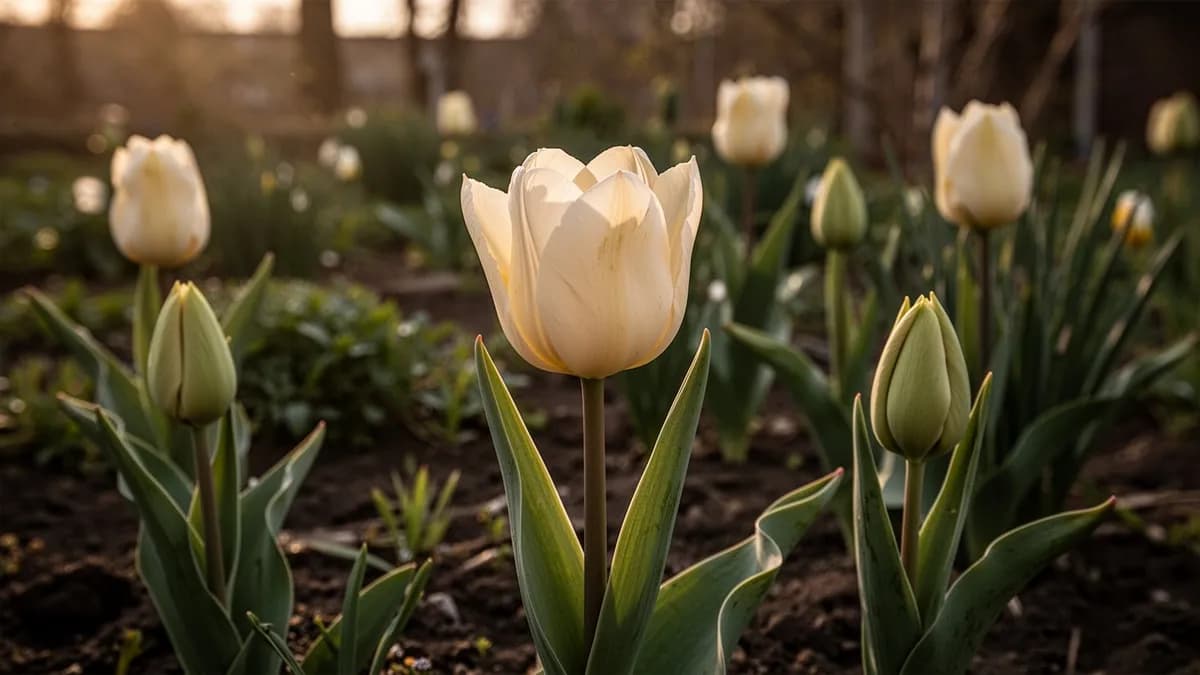
Die zuverlässigsten mehrjährigen Tulpen mit großen, klassischen eiförmigen Blüten auf kräftigen Stielen, die Jahr für Jahr wiederkommen. Darwin-Hybriden sind die beste Wahl für Gärtner, die Tulpen wünschen, die sich einbürgern und mit der Zeit vermehren. Pflanzen Sie sie tief in gut durchlässigen Boden und lassen Sie das Laub vollständig ausreifen, damit die Blüten im nächsten Jahr kräftig wiederkommen.
Wann Darwin-Hybrid-Tulpe pflanzen
Darwin-Hybrid-Tulpen werden über Zwiebeln vermehrt. Die großen Zwiebeln bilden Tochterzwiebeln, die beim Ausgraben getrennt und 1–2 Jahre weiterkultiviert werden können, bis sie blühfähig sind. Die Vermehrung über Samen ist theoretisch möglich, aber unpraktisch – es dauert 5–7 Jahre bis zur Blüte und die Ergebnisse sind variabel.
Dein Darwin-Hybrid-Tulpe-Jahr
Abgestimmt auf Zone 7 · typische Saison · Frost geht um den 2. Apr. und kehrt um den 1. Nov. zurück
Darwin-Hybrid-Tulpe Okt – Nov pflanzen, Apr – Mai ernten. Beachte die Pflanzmethoden unten und wähle dein Klima für passende Zeiträume.
So baust du Darwin-Hybrid-Tulpe an
Darwin-Hybrid-Tulpen sind der Goldstandard für Gärtner, die Tulpen wünschen, die zuverlässig Jahr für Jahr wiederkommen. Diese robusten Hybriden vereinen die Winterhärte und Verwilderungsfähigkeit von Tulipa fosteriana mit der eleganten Blütenform traditioneller Darwin-Tulpen. Mit einer Höhe von 50–60 cm auf kräftigen Stielen produzieren sie große, klassische eiförmige Blüten in kräftigen, satten Farben, die Witterungsschäden widerstehen.
Pflanzen Sie die Zwiebeln im Herbst 20 cm tief – die tiefe Pflanzung ist entscheidend für die Verwilderung. Wählen Sie gut durchlässigen Boden in voller Sonne. Die zusätzliche Tiefe schützt die Zwiebeln vor Temperaturschwankungen und Nagetieren und fördert die Entwicklung starker, tiefer Wurzelsysteme. Setzen Sie sie in Gruppen von 15–25 mit einem Abstand von 12–15 cm für die wirkungsvollste Darstellung.
Entfernen Sie nach der Blüte die sich entwickelnde Samenkapsel, lassen Sie das Laub aber mindestens 6 Wochen weiterwachsen, um die Zwiebel für die Blüten des nächsten Jahres zu nähren. Düngen Sie mit kaliumreichem Flüssigdünger, wenn die Blüten verblassen. Bei richtiger Pflege können Darwin-Hybrid-Tulpen 5–10+ Jahre wiederkommen und sich oft vermehren, um größere Bestände zu bilden.
200 Pflanzen passen in ein Beet von 120 × 240 cm
Darwin-Hybrid-Tulpe braucht 12 cm Platz pro Pflanze. Der Planer hält diesen Abstand für dich ein — jede Pflanze, jedes Beet.
Die besten Nachbarn für Darwin-Hybrid-Tulpe
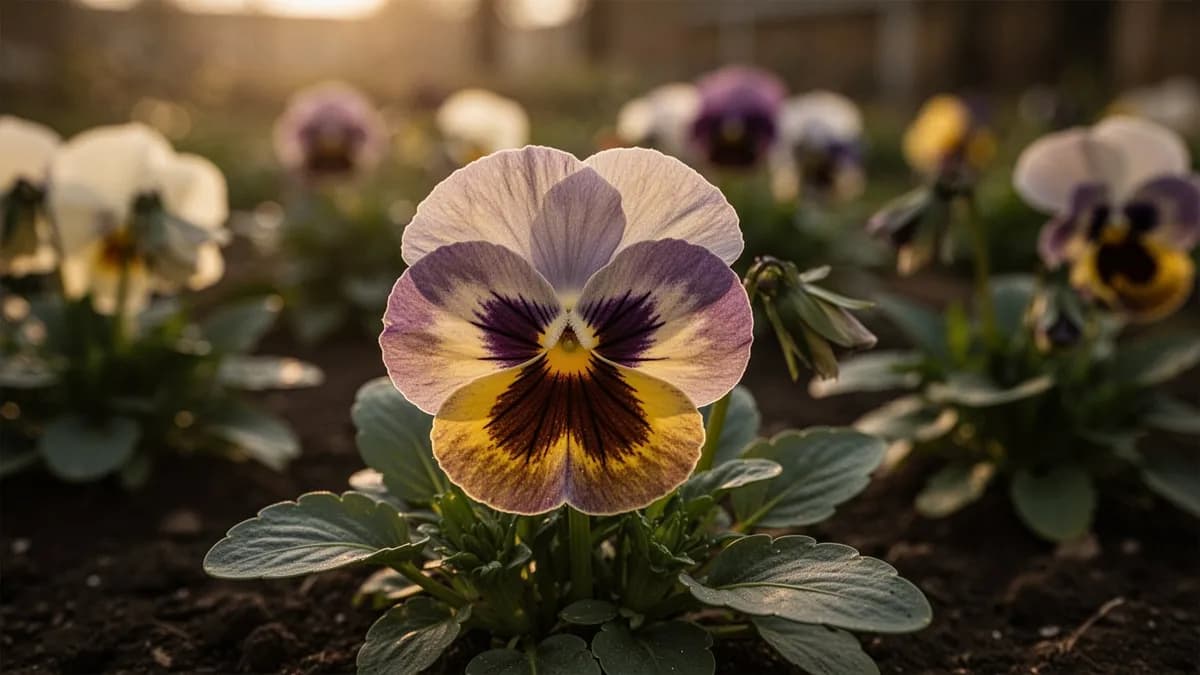
Darwin-Hybrid-Tulpen sind spektakulär in Massenanpflanzungen in formellen Beeten und Rabatten. Unterpflanzen Sie mit Vergissmeinnicht, Goldlack oder Stiefmütterchen für eine klassische Frühlingskombination. Pflanzen Sie zwischen aufkommende Stauden, deren sich ausbreitendes Laub die absterbenden Tulpenblätter verdeckt. In gemischten Rabatten harmonieren sie wunderbar mit späten Narzissen, Kaiserkronen und frühlingsblühenden Sträuchern.
Tulpe gehört daneben.
Altes Gärtnerwissen, geprüft an der echten Nachbartabelle von Darwin-Hybrid-Tulpe — teste jede Pflanze, die du anbaust.
Probiere Darwin-Hybrid-Tulpe direkt hier im Beet
Ein echtes Planer-Beet, Darwin-Hybrid-Tulpe steht schon drin. Tippe einen Begleiter an, platziere ihn und sieh, wie die Nachbarschaftsprüfung antwortet — grün für gute Nachbarn, rot bei Streit.


Passende Anbau-Ratgeber
Richtig düngen
Pflanzen Sie in fruchtbaren, gut durchlässigen Boden mit einem pH-Wert von 6,0–7,0. Geben Sie beim Pflanzen Knochenmehl in die Pflanztiefe. Düngen Sie im Frühling mit ausgewogenem Blumenzwiebeldünger. Düngen Sie nach der Blüte mit kaliumreichem Flüssigdünger, um die Zwiebeln für das nächste Jahr zu stärken. Gute Drainage ist für die langfristige Verwilderung unerlässlich.
Ideale Temperatur
Winterhärtezone-Kompatibilität
Von der Saat zur Ernte, Schritt für Schritt
Zwiebelpflanzung und Wurzelentwicklung
Darwin-Hybrid-Tulpenzwiebeln werden im Herbst gepflanzt, typischerweise von Oktober bis November, wenn die Bodentemperaturen auf unter 15 °C (60 °F) gesunken sind. Einmal 15–20 cm tief gepflanzt, beginnen die Zwiebeln im gesamten Herbst ein ausgedehntes Wurzelsystem zu entwickeln. Diese Phase der Wurzelentwicklung ist entscheidend für die Verankerung der Zwiebel und die Vorbereitung der Nährstoffaufnahmekanäle für das Frühlingswachstum.
Winterliche Kälteperiode
Die Zwiebeln durchlaufen eine entscheidende Vernalisationsphase im Winter und benötigen 12–16 Wochen Kältetemperaturen zwischen 1–10 °C (34–50 °F), um die Ruhephase zu brechen und die biochemischen Prozesse auszulösen, die die Frühlingsblüte ermöglichen. Während dieser Zeit entwickelt sich die embryonale Blüte in der Zwiebel weiter, und das Wurzelsystem bleibt unter der gefrorenen oder kalten Bodenoberfläche minimal aktiv.
Frühlingstrieb-Erscheinen
Wenn die Bodentemperaturen im frühen bis mittleren Frühling über 7 °C (45 °F) steigen, durchbrechen spitze grüne Triebe die Bodenoberfläche, manchmal sogar durch noch vorhandene Schneedecke. Die erscheinenden Blätter sind eng eingerollt und haben eine charakteristische blaugrüne Farbe. Das Wachstum ist in dieser Phase schnell, wobei die Triebe bei optimalen Bedingungen mehrere Zentimeter pro Tag zulegen. Darwin-Hybriden bilden breite, kräftige Blätter, die effizient Photosynthese betreiben, um die Blüte zu fördern.
Knospenentwicklung und Blüte
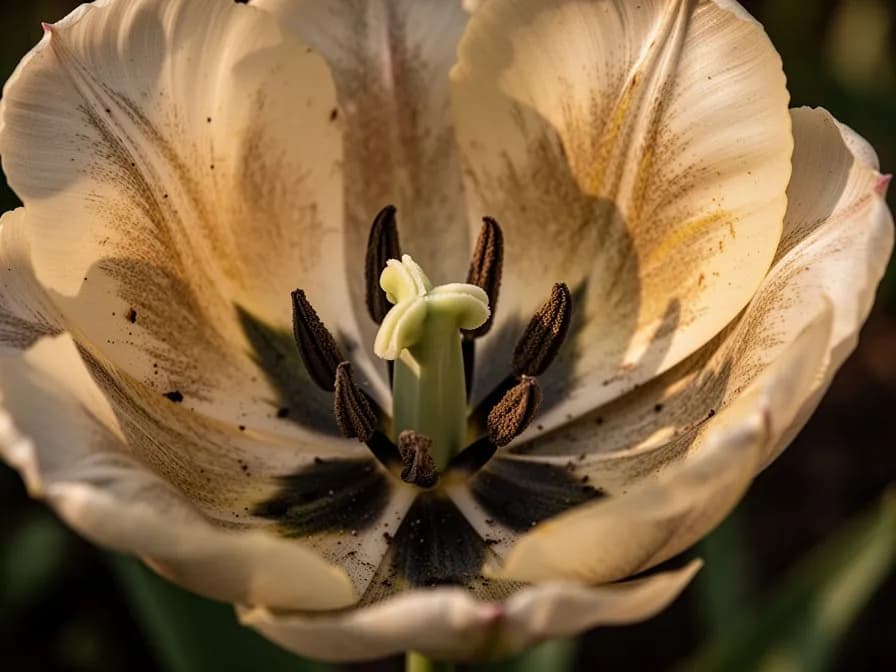
Die Blütenknospe, zunächst in den eingerollten Blättern verborgen, wird sichtbar, wenn sie auf einem kräftigen Stiel von 50–70 cm Höhe emporsteigt. Darwin-Hybrid-Tulpen produzieren die größten Blüten aller Tulpenklassen mit einem Durchmesser von 7–10 cm. Die seidigen, becherförmigen Blüten öffnen sich bei voller Sonne und schließen sich nachts oder an kühlen, bewölkten Tagen. Die Blütezeit dauert je nach Witterung 2–3 Wochen, wobei kühlere Temperaturen die Blütenlebensdauer deutlich verlängern.
Nachblüte-Laubreifung
Nachdem die Blütenblätter abgefallen sind, betreibt das Laub noch 4–6 Wochen Photosynthese und leitet wichtige Energie und Nährstoffe zurück in die Zwiebel zur Speicherung. Diese Phase ist für die Regeneration der Zwiebel und die Bildung der embryonalen Blüte des nächsten Jahres unerlässlich. Die Blätter verfärben sich allmählich von Grün zu Gelb und werden schließlich braun und fallen zusammen. Darwin-Hybriden sind unter den Tulpen außergewöhnlich gute Verwilderer und kehren bei richtiger Nachblütepflege zuverlässig 3–5 Jahre oder länger zurück.
Sommerruhe
Die Zwiebel tritt während der Sommermonate in eine Ruhephase ein. Unterirdisch trocknen die alten äußeren Schuppen aus und bilden eine schützende papierartige Hülle, während das Zwiebelinnere langsam den embryonalen Stiel, die Blätter und die Blüte für die nächste Wachstumsperiode entwickelt. Tochterzwiebeln (Brutzwiebeln) können sich auch neben der Mutterzwiebel bilden und die Pflanzkolonie im Laufe der Zeit allmählich vergrößern.
Pflanzen Sie die Zwiebeln mit der Spitze nach oben in einer Tiefe des Dreifachen der Zwiebelhöhe und einem Abstand von 10–15 cm. Gießen Sie nach dem Pflanzen gründlich, um die Erde zu setzen und das Wurzelwachstum einzuleiten. Bringen Sie eine Mulchschicht auf, um den Boden zu isolieren und eine gleichmäßige Feuchtigkeit während des Herbstes aufrechtzuerhalten.
Darwin-Hybrid-Tulpe Monat für Monat pflegen
Was du jeden Monat für deine Darwin-Hybrid-Tulpe tun solltest
Oktober
Aktueller MonatBeginnen Sie mit dem Pflanzen von Darwin-Hybrid-Tulpenzwiebeln, sobald die Bodentemperaturen auf 15 °C oder darunter gesunken sind. Pflanzen Sie in einer Tiefe von 15–20 cm mit einem Abstand von 10–15 cm. Für die natürlichste Wirkung werfen Sie die Zwiebeln zufällig aus und pflanzen Sie sie dort, wo sie hinfallen, anstatt in starren Reihen. Gießen Sie nach dem Pflanzen gründlich.
Immer wissen, was jetzt im Garten zu tun ist
Eine E-Mail zum Monatsanfang: was du jetzt säen, pflanzen und anpacken solltest — für deine Darwin-Hybrid-Tulpe und alles, was drumherum wächst. Dazu ein kurzer Startkurs, der dich vor den klassischen Fehlern bewahrt.
- Was jetzt zu tun ist
- Passend zu deiner Saison
- Startkurs inklusive
Darwin-Hybrid-Tulpe ernten
Darwin-Hybrid-Tulpen eignen sich hervorragend als Schnittblumen. Schneiden Sie, wenn die Knospen voll durchgefärbt, aber noch geschlossen sind – sie öffnen sich über mehrere Tage in der Vase und bieten 7–10 Tage lang eine schöne Darstellung. Schneiden Sie die Stiele lang und stellen Sie sie in kühles Wasser. Die kräftigen Stiele und witterungsbeständigen Blüten machen sie zu den zuverlässigsten Tulpen für den Schnitt.
angenommen, du pflanzt zu Beginn des Zeitraums — trage dein tatsächliches Datum ein
Aus Zwiebeln, Knollen oder Zehen
Ernte Darwin-Hybrid-Tulpe zügig, dann trägt die Pflanze weiter.
Lagerung & Konservierung
Wenn die Zwiebeln im Boden gut gedeihen, lassen Sie sie ungestört. Zum Ausgraben und Lagern warten Sie, bis das Laub vollständig vergilbt ist, graben Sie vorsichtig aus, reinigen Sie sie und trocknen Sie sie eine Woche lang an einem schattigen, gut belüfteten Ort. Lagern Sie sie in Netzsbeuteln an einem kühlen (15–20 °C), trockenen Ort bis zur Herbstpflanzung. Kontrollieren Sie monatlich und entsorgen Sie weiche Zwiebeln.
Was schiefgeht — und die Lösung
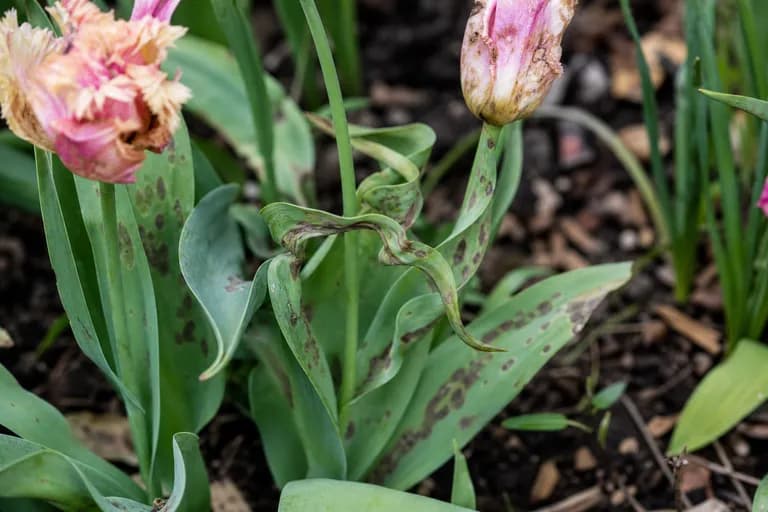
Tulpenfeuer
KrankheitVerbrannte, deformierte Triebe im Frühling. Braune Flecken auf Blättern und Blütenblättern. Die schwerwiegendste Tulpenkrankheit.
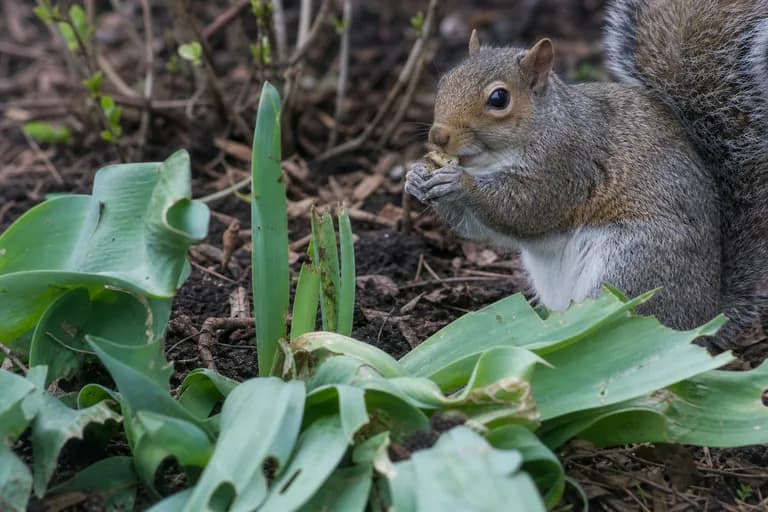
Eichhörnchen
SchädlingZwiebeln werden kurz nach dem Pflanzen ausgegraben, verstreut oder gefressen. Im Frühling werden leere Pflanzlöcher gefunden.
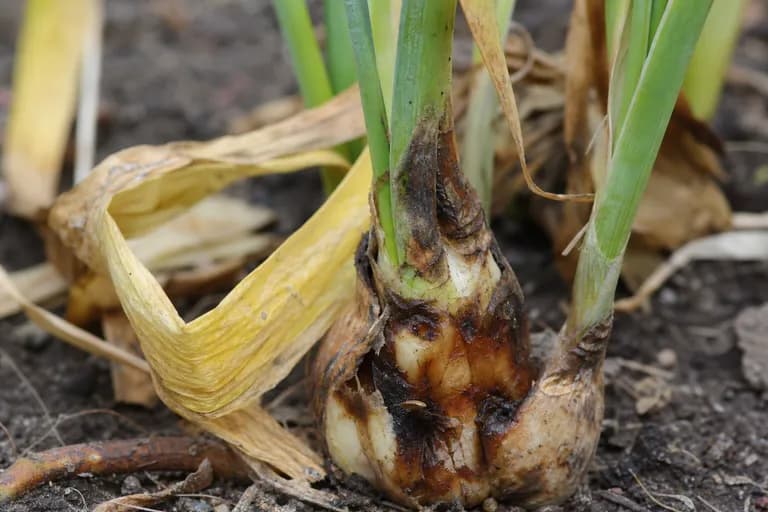
Zwiebelfäule (Fusarium)
KrankheitZwiebeln faulen von der Basis nach oben während der Lagerung oder in nassem Boden. Weißer oder rosa Pilzbelag an der Zwiebelbasis.
Fehlerbehebung bei häufigen Problemen
Nachlassende Wuchskraft über die Jahre wird meist durch zu flaches Pflanzen, zu frühes Entfernen des Laubs oder fehlende Düngung nach der Blüte verursacht. Pflanzen Sie mindestens 20 cm tief, lassen Sie die Blätter 6 Wochen ausreifen und düngen Sie konsequent. Eichhörnchen sind der Hauptschädling – schützen Sie mit Maschendraht. Darwin-Hybriden sind die ausdauerndste Tulpenklasse, aber die Leistung lässt in den meisten Gärten nach 5–10 Jahren dennoch nach.
Anbautipps
- Pflanzen Sie Darwin-Hybrid-Tulpenzwiebeln im Herbst, wenn die Bodentemperaturen auf unter 15 °C (60 °F) gesunken sind, typischerweise von Ende September bis November je nach Klimazone. Zu frühes Pflanzen in warmem Boden fördert vorzeitiges Wurzelwachstum und erhöht das Risiko von Pilzkrankheiten.
- Setzen Sie die Zwiebeln in einer Tiefe von 15–20 cm (6–8 Zoll), gemessen von der Basis der Zwiebel. Tiefes Pflanzen isoliert die Zwiebeln vor Temperaturschwankungen, schreckt Eichhörnchen vom Graben ab und hilft, in den Folgejahren eine größere Blütengröße im Vergleich zu flacher Pflanzung beizubehalten.
- Wählen Sie einen Pflanzort mit voller Sonne (mindestens 6 Stunden direkte Sonneneinstrahlung täglich) und ausgezeichneter Bodendrainage. Darwin-Hybrid-Tulpen vertragen Halbschatten, produzieren aber kürzere Stiele und kleinere Blüten. Staunasser Boden ist die Hauptursache für Zwiebelfäule und Pflanzversagen.
- Verbessern Sie schweren Tonboden mit großzügigen Mengen grobem Sand, Perlit oder feinem Kies vor dem Pflanzen, um eine schnelle Wasserableitung von den Zwiebeln zu gewährleisten. Ein Hochbeet oder geneigter Standort ist ideal für Bereiche mit natürlich schwerem oder schlecht entwässertem Boden.
- Tragen Sie einen ausgewogenen Blumenzwiebeldünger (9-9-6 oder 10-10-10) zum Pflanzzeitpunkt und erneut beim Erscheinen der Triebe im Frühling auf. Vermeiden Sie stickstoffreiche Dünger, die üppiges Laubwachstum auf Kosten der Blütenqualität fördern und die Fähigkeit der Zwiebel zur Energiespeicherung für künftige Jahre verringern können.
- Für die natürlichste und optisch ansprechendste Gartenanzeige werfen Sie die Zwiebeln zufällig über den Pflanzbereich und pflanzen Sie sie dort, wo sie hinfallen, anstatt in formellen Reihen oder geometrischen Mustern. Gruppieren Sie mindestens 10–15 Zwiebeln derselben Sorte für maximale Landschaftswirkung.
- Entfernen Sie verblühte Blüten umgehend nach dem Abfallen der Blütenblätter, indem Sie den Samenkopf abknicken und den Stiel sowie das gesamte Laub intakt lassen. Die Samenproduktion entzieht der Zwiebel erhebliche Energie und verringert die Blütenqualität in den Folgejahren.
- Entfernen, schneiden, falten oder flechten Sie niemals grünes Tulpenlaub nach der Blüte. Die Blätter müssen 4–6 Wochen intakt bleiben, um Photosynthese zu betreiben und die Zwiebel mit Nährstoffen für die Blüte des nächsten Jahres aufzufüllen. Pflanzen Sie zwischen aufkommende Stauden wie Funkien oder Taglilien, um das reifende Tulpenlaub zu verdecken.
- Schützen Sie frisch gepflanzte Zwiebeln vor Eichhörnchen und Nagetieren, indem Sie Maschendraht oder Drahtgitter flach über den Pflanzbereich legen und mit Erdankern befestigen. Das Gitter lässt Triebe im Frühling hindurchwachsen und verhindert gleichzeitig, dass Tiere die Zwiebeln im Herbst ausgraben.
- In Klimazonen wärmer als USDA-Zone 7 kühlen Sie Darwin-Hybrid-Zwiebeln 10–12 Wochen vor dem Pflanzen im Kühlschrank bei 4–7 °C (40–45 °F) vor. Lagern Sie die Zwiebeln in einer Papiertüte fern von reifendem Obst, da Ethylengas von Äpfeln und Bananen die embryonale Blüte in der Zwiebel zerstören kann.
Bau deine beste Darwin-Hybrid-Tulpe an — und alles drumherum.
Starte heute kostenlos. Lege deine Beete an, setze deine Darwin-Hybrid-Tulpe ein und lass PlotMyGarden Timing, Abstände, Begleiter und Erinnerungen von der Saat bis zum Erntekorb übernehmen.
Finde deine Darwin-Hybrid-Tulpe
Tulipa 'Apeldoorn'
Die klassische orange-scharlachrote Darwin-Hybride mit schwarzer Basis, vielleicht die am häufigsten gepflanzte Tulpe der Welt.
Tulipa 'Golden Apeldoorn'
Leuchtend goldgelbe Blüten auf hohen, kräftigen Stielen, ebenso zuverlässig und wüchsig wie ihre rote Schwester.
Tulipa 'Pink Impression'
Sanft roséfarbene Blüten auf 55 cm hohen Stielen, eine der elegantesten und zuverlässigsten rosa mehrjährigen Tulpen.
Tulipa 'Hakuun'
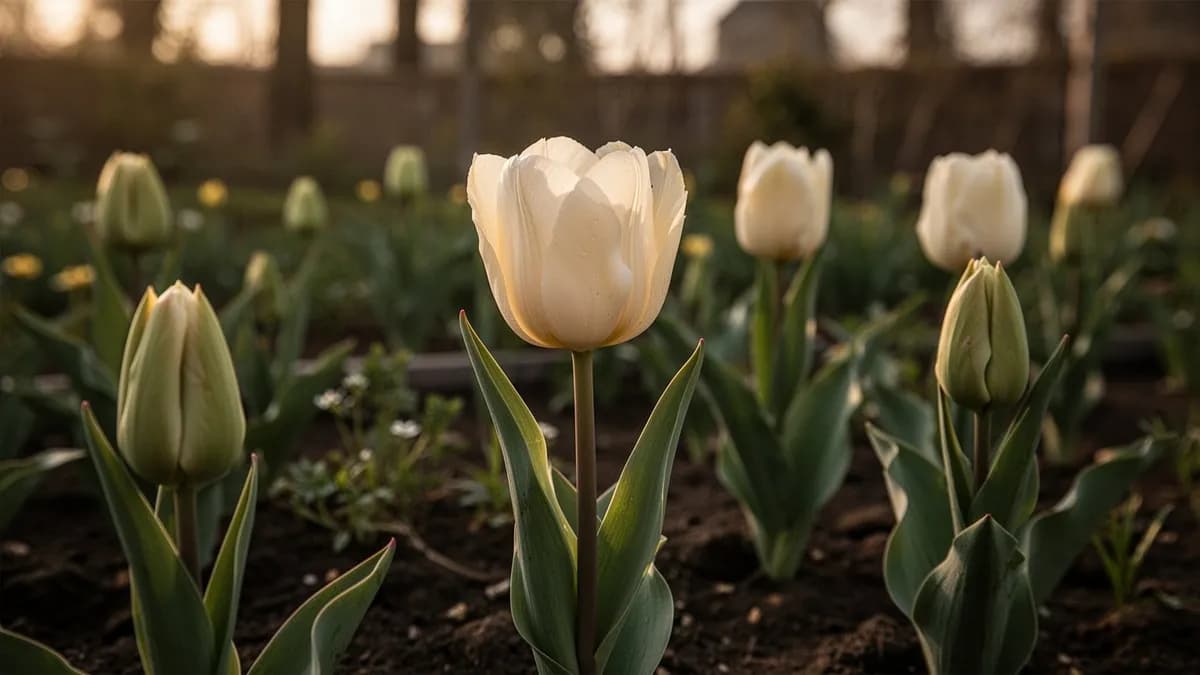
Reinweiß mit cremefarbener Basis, eine herausragende und langlebige weiße Darwin-Hybride für elegante Pflanzungen.
Eine einzelne Darwin-Hybrid-Tulpenzwiebel kostet je nach Sorte und gekaufter Menge 0,50–1,50 €, produziert aber zuverlässig spektakuläre Blüten für 3–5 Jahre oder mehr ohne Ersatz. Im Vergleich zu einjährigen Beetpflanzen, die jeden Frühling 3–6 € pro Pflanze kosten, kann eine Pflanzung von 50 Darwin-Hybrid-Zwiebeln (25–50 € Anfangsinvestition) fünf oder mehr Jahre atemberaubender Frühlingsdarstellungen bieten und dabei 300–600 € im gleichen Zeitraum einsparen. Der Kauf von Zwiebeln in Großmengen ab 100 Stück reduziert den Preis pro Zwiebel um 30–50 %. Darüber hinaus bilden Darwin-Hybriden Tochterzwiebeln, die getrennt und neu gepflanzt werden können, wodurch Ihre Darstellung ohne zusätzliche Kosten schrittweise erweitert wird.
Schnelle Rezepte
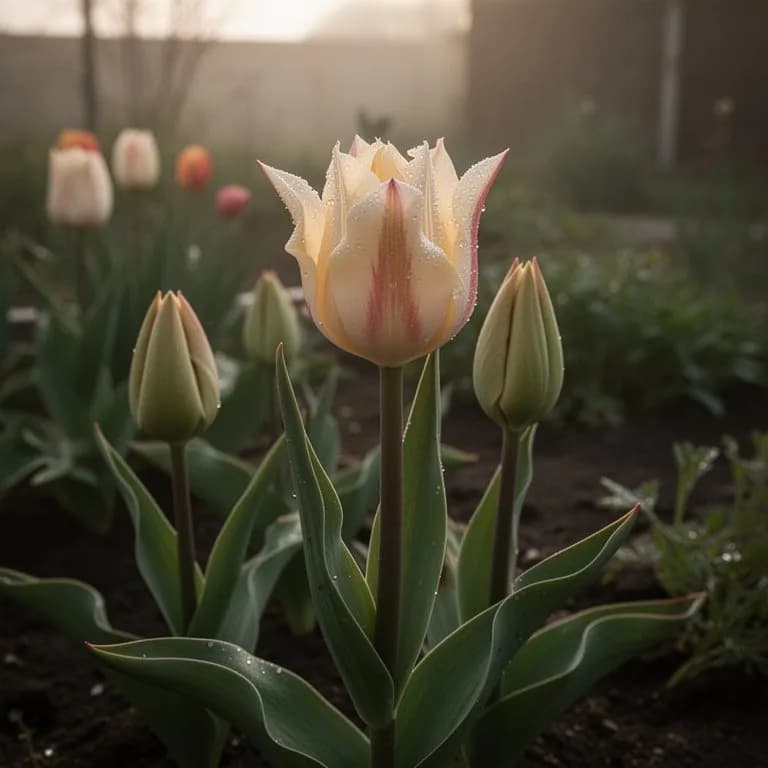
Tulpenblütenblatt-Frühlingssalat
10 Min.Ein zarter und optisch beeindruckender Frühlingssalat, der frische Tulpenblütenblätter als farbenfrohe Zutat und essbare Garnitur verwendet. Tulpenblütenblätter haben einen milden, leicht süßlichen Geschmack, der an frischen Salat mit subtilen Erbsennoten erinnert. Verwenden Sie nur biologisch angebaute Tulpen, die nie mit Pestiziden oder anderen Chemikalien behandelt wurden.
6 ZutatenGefüllte Tulpenblütenblatt-Häppchen
15 Min.Elegante mundgerechte Häppchen, bei denen große Darwin-Hybrid-Tulpenblütenblätter als essbare Schälchen dienen, gefüllt mit einer herzhaften Kräuter-Frischkäse-Mischung. Diese wunderschönen Häppchen sind perfekt für Frühlingsgartenpartys und ein unvergesslicher Gesprächsstarter. Stellen Sie sicher, dass alle Tulpen ungespritzt und ohne systemische Pestizide angebaut wurden.
7 ZutatenTulpenblütenblatt-Frühlingssirup
20 Min. plus AbkühlzeitEin wunderschön gefärbter Blütensirup, der durch Ziehenlassen frischer Tulpenblütenblätter in einem einfachen Zuckersirup hergestellt wird. Der resultierende Sirup fängt die zarte Farbe der Blütenblätter und einen subtilen Blütenduft ein. Verwenden Sie ihn zum Süßen von Frühlingscocktails, zum Beträufeln von Pfannkuchen oder fügen Sie ihn Sprudelwasser für ein garteninspiriertes Getränk hinzu.
5 ZutatenWas drinsteckt
Gesundheitsvorteile
- Tulpenblütenblätter enthalten Anthocyane und Carotinoide, die als Antioxidantien wirken, freie Radikale neutralisieren und möglicherweise den zellulären oxidativen Stress reduzieren, wenn sie als Teil einer abwechslungsreichen Ernährung konsumiert werden
- Der moderate Kaliumgehalt in Tulpenzwiebeln unterstützt eine gesunde Herz-Kreislauf-Funktion, eine ordnungsgemäße Muskelkontraktion und hilft, einen normalen Blutdruck aufrechtzuerhalten
- Das Gärtnern mit Tulpen bietet erhebliche Vorteile für die psychische Gesundheit, da Studien gezeigt haben, dass die Arbeit mit Blumenzwiebeln im Frühling den Cortisolspiegel senkt und die Stimmung nach den dunkleren Wintermonaten verbessert
- Die körperliche Aktivität beim Pflanzen und Pflegen von Tulpenbeeten bietet moderate Bewegung einschließlich Bücken, Graben und Knien, was die Gelenkflexibilität, Knochendichte und allgemeine kardiovaskuläre Fitness unterstützt
- Der Kontakt mit den leuchtenden Farben blühender Tulpen wird mit einem verbesserten psychischen Wohlbefinden in Verbindung gebracht, da die Farbtherapieforschung nahelegt, dass warme Rottöne, Orangetöne und Gelbtöne positive emotionale Reaktionen stimulieren und saisonale Depressionsgefühle reduzieren können
- Tulpenzwiebeln enthalten die Verbindung Tuliposid A, die im Laborsetting auf ihre antimikrobiellen Eigenschaften untersucht wurde, wobei Zwiebeln aufgrund ihres Reizpotenzials in roher Form stets richtig zubereitet werden müssen, bevor sie verzehrt werden
Woher Darwin-Hybrid-Tulpe stammt
Darwin-Hybrid-Tulpen stellen eine der erfolgreichsten Errungenschaften der Zierpflanzenzüchtung des 20. Jahrhunderts dar. Sie entstanden in den 1950er Jahren, als niederländische Züchter, vor allem D.W. Lefeber aus Lisse in den Niederlanden, die stattlichen Darwin-Tulpen mit der wilden Tulipa fosteriana kreuzten, einer robusten Art aus den Bergen Usbekistans und Tadschikistans in Zentralasien. Das Ziel war, die verfeinerte Blütenform und die leuchtenden Farben der Darwin-Klasse mit der außergewöhnlichen Wuchskraft, den enormen Blüten und der mehrjährigen Natur der wilden Fosteriana-Art zu verbinden. Die Ergebnisse übertrafen alle Erwartungen. Die ersten Darwin-Hybrid-Sorten, darunter die legendäre Apeldoorn und ihre zahlreichen Farbmutationen, wurden Anfang der 1950er Jahre kommerziell eingeführt und wurden schnell zu den beliebtesten Tulpen für großflächige Landschaftspflanzungen. Ihre hohen, kräftigen Stiele, massiven Blüten und die bemerkenswerte Fähigkeit, Jahr für Jahr wiederzukommen, hoben sie von praktisch allen anderen Hybrid-Tulpenklassen ab. Die ursprünglichen Darwin-Tulpen selbst hatten eine angesehene Geschichte – sie waren Ende des 19. Jahrhunderts aus alten gemischten Tulpenpflanzungen in Frankreich und Belgien ausgewählt und 1889 von der bedeutenden niederländischen Firma E.H. Krelage and Son nach Charles Darwin benannt worden. Diese Darwins waren bereits für ihre kräftigen Stiele und reinen, satten Farben geschätzt. Durch ihre Kreuzung mit der wilden Fosteriana-Art erschlossen die Züchter ein neues Niveau an Gartenleistung. Heute werden Darwin-Hybriden in Parks, öffentlichen Gärten und Hausgärten in jeder gemäßigten Region der Welt angebaut, von Nordamerika und Europa bis Japan, Neuseeland und Südaustralien. Dutzende von Sorten sind in Farben von Reinweiß über Gelb, Orange, Rosa, Rot bis hin zu Zweifarbigen erhältlich. Ihre beständige Exzellenz hat sie zur Standardempfehlung für Gärtner gemacht, die Tulpen suchen, die zuverlässig verwildern und Jahr für Jahr herausragende Frühlingsdarstellungen liefern.
Darwin-Hybrid-Tulpe: Schon gewusst?
Faszinierende Fakten über Darwin-Hybrid-Tulpe
Darwin-Hybrid-Tulpen wurden in den 1950er Jahren durch Kreuzung von Darwin-Tulpen mit Fosteriana- (Kaiser-) Tulpen geschaffen und vereinen die elegante Blütenform der Darwins mit der Wuchskraft, großen Blütengröße und mehrjährigen Zuverlässigkeit der wilden Fosteriana-Art aus Zentralasien.
Darwin-Hybrid-Tulpe: Fragen & Antworten
Wann sollte ich Darwin-Hybrid-Tulpe pflanzen?
Was sind gute Begleitpflanzen für Darwin-Hybrid-Tulpe?
In welchen Winterhärtezonen kann Darwin-Hybrid-Tulpe wachsen?
Wie viel Sonne braucht Darwin-Hybrid-Tulpe?
Welchen Abstand sollte ich zwischen Darwin-Hybrid-Tulpe lassen?
Welche Schädlinge und Krankheiten befallen Darwin-Hybrid-Tulpe?
Wie lagere ich Darwin-Hybrid-Tulpe nach der Ernte?
Was sind die besten Darwin-Hybrid-Tulpe-Sorten zum Anbauen?
Welchen Boden braucht Darwin-Hybrid-Tulpe?
Kommen Darwin-Hybrid-Tulpen jedes Jahr wieder?
Wann ist die beste Zeit, Darwin-Hybrid-Tulpenzwiebeln zu pflanzen?
Wie tief sollte ich Darwin-Hybrid-Tulpenzwiebeln pflanzen?
Warum haben meine Darwin-Hybrid-Tulpen im ersten Jahr gut geblüht, aber im zweiten nicht?
Kann ich Darwin-Hybrid-Tulpen in Kübeln anbauen?
Wie verhindere ich, dass Eichhörnchen meine Tulpenzwiebeln ausgraben?
Du hast die Theorie gelesen. Jetzt baue sie auf Autopilot an.
Alles, was Darwin-Hybrid-Tulpe knifflig macht — das Timing, die Abstände, die Begleiter, das Erntefenster — genau das übernimmt PlotMyGarden für dich, für jede Pflanze im Garten.
Ein Plan, der dein Wetter kennt
Standort einmal festlegen. Aussaat-, Dünge- und Erntedaten rund um deinen echten letzten Frosttermin und die Live-Vorhersage — kein Raten mehr nach Saattüte.
Aus dem Abschnitt „Pflanzzeit“Beetplaner per Drag & Drop
Beete auf einem Raster gestalten. Jede Pflanze rastet im richtigen Abstand ein, und du siehst die ganze Saison, bevor du einen Cent für Saatgut ausgibst.
Aus dem Abschnitt „Anbau“Begleiter-Konflikte früh erkannt
Über 200 gute und schlechte Kombinationen werden beim Pflanzen live geprüft — so landet ein saisonruinierender Fehler nie in der Erde.
Aus dem Abschnitt „Begleiter“Erinnerungen, nach denen du wirklich handelst
„Gieß die Bohnen.“ „Heute ernten, bevor's umschlägt.“ Pünktlich, konkret und auf deine echten Pflanzen bezogen.
Aus dem Abschnitt „Ernte“Staffel-Aussaat, geplant
Sechs Wochen ernten statt sechs Tage? Die App verteilt deine Aussaaten automatisch und erinnert dich, wenn der nächste Satz fällig ist.
Aus dem Abschnitt „Pflanzzeit“Ein Verlauf, der schlauer wird
Jede protokollierte Ernte bringt der App deinen Garten bei. Der Plan fürs nächste Jahr startet bei dem, was in deinem Boden wirklich funktioniert hat.
Aus dem Abschnitt „Überblick“Pflanze diese neben Darwin-Hybrid-Tulpe
Weitere Zwiebelpflanzen
Bau deine beste Darwin-Hybrid-Tulpe an — und alles drumherum.
Starte heute kostenlos. Lege deine Beete an, setze deine Darwin-Hybrid-Tulpe ein und lass PlotMyGarden Timing, Abstände, Begleiter und Erinnerungen von der Saat bis zum Erntekorb übernehmen.