Planta del dolor de muelas
También conocida como botón eléctrico o margarita eléctrica, la planta del dolor de muelas es una fascinante hierba tropical cuyas flores producen una intensa sensación de cosquilleo y adormecimiento causada por el compuesto espilantol.





En esta páginaResumen
Conoce Planta del dolor de muelas
También conocida como botón eléctrico o margarita eléctrica, la planta del dolor de muelas es una fascinante hierba tropical cuyas flores producen una intensa sensación de cosquilleo y adormecimiento causada por el compuesto espilantol. En climas templados se cultiva como anual de estación cálida, plantándola después de pasar todo riesgo de heladas, a pleno sol y en suelo rico y húmedo. Separe las plantas 25 cm entre sí. Proporcione un suelo fértil y constantemente húmedo, enmendado con compost. A diferencia de las hierbas mediterráneas que prefieren suelos pobres, la planta del dolor de muelas es tropical y prospera con riegos y abonados regulares. Fertilice cada dos semanas con un fertilizante líquido equilibrado para obtener plantas más productivas. Aplique acolchado para conservar la humedad y suprimir las malas hierbas alrededor de los tallos extendidos. Las plantas alcanzan 30-45 cm de altura, con tallos semisuculentos y extendidos, y distintivas flores botón amarillas y rojas que parecen pequeños globos oculares. Las flores aparecen desde mediados del verano hasta las heladas y son la parte más potente de la planta. El efecto de cosquilleo y adormecimiento es inmediato cuando se mastica un botón floral, una experiencia que va de curiosa a sorprendente para quienes la prueban por primera vez. Cada vez es más popular en cócteles artesanales y cocina vanguardista.
Cuándo plantar Planta del dolor de muelas
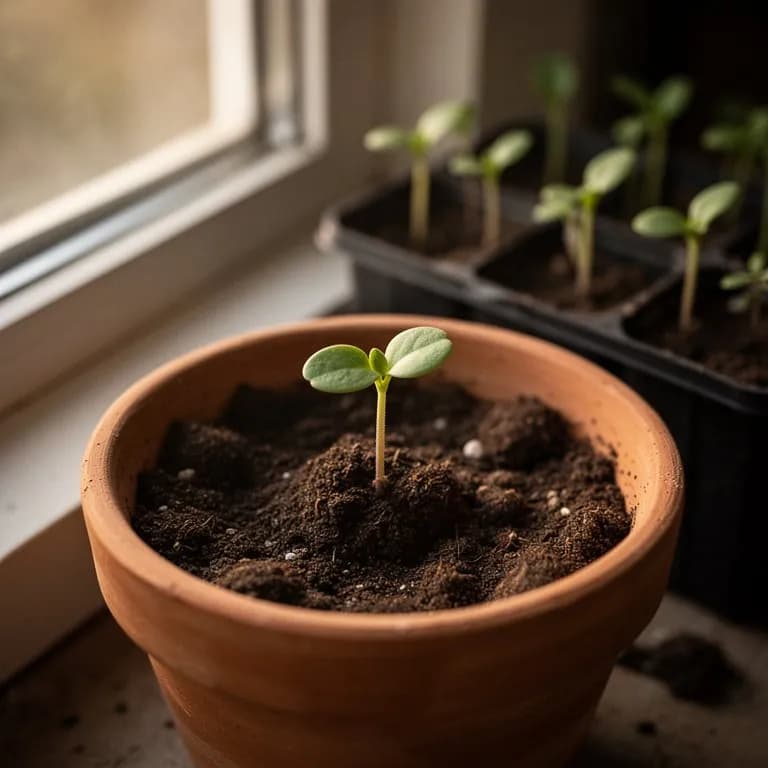
Siembre las semillas en interior entre 6 y 8 semanas antes de la última helada, porque necesitan calor para germinar. Presione las semillas diminutas sobre la superficie de un sustrato húmedo para semilleros: necesitan luz para brotar. Mantenga una temperatura de 22 a 27 °C para obtener germinación en 7 a 14 días. Las semillas son muy pequeñas y las plántulas crecen despacio al principio. Trasplante al exterior cuando haya pasado todo riesgo de heladas y el suelo esté bien caliente. También puede enraizar esquejes de tallo fácilmente en agua. En climas tropicales, la planta puede resiembrarse sola y comportarse como perenne.
Tu año de Planta del dolor de muelas
Ajustado a Zona 7 · temporada típica · la helada se va hacia el 2 abr y vuelve hacia el 1 nov
Planta Planta del dolor de muelas Abr – Jun y cosecha Jul – Sep. Consulta los métodos de plantación y elige tu clima para adaptar los periodos.

Cómo cultivar Planta del dolor de muelas
La planta del dolor de muelas (Acmella oleracea) es una hierba tropical perenne originaria de las regiones bajas de Sudamérica, en particular de Brasil y Perú, donde prospera en condiciones cálidas y húmedas a lo largo de riberas y claros de bosque. La evidencia arqueológica y etnobotánica sugiere que los pueblos indígenas de la cuenca del Amazonas la cultivaron durante miles de años, utilizando las cabezuelas florales y las hojas para aliviar el dolor dental, tratar llagas en la boca y calmar infecciones de garganta mucho antes del contacto europeo.
Plántela en primavera, una vez pasado todo riesgo de heladas, cuando el suelo esté caliente y estable. La planta del dolor de muelas crece con vigor en climas cálidos y resiste mejor la humedad constante que la sequía. Aunque puede tolerar algo de sombra ligera, produce más botones y más intensidad en pleno sol. En climas templados suele cultivarse como anual, mientras que en zonas tropicales puede comportarse como perenne de vida corta.
Use un suelo fértil y bien drenado, enriquecido con compost, pero que conserve la humedad. Mantenga el riego regular sin dejar que el terreno se seque del todo. La planta responde bien a la fertilización moderada y continua, y el acolchado ayuda a conservar la humedad y a mantener alejadas las malas hierbas. Los tallos tienden a extenderse y enraizar donde tocan el suelo, así que vigile su expansión si cultiva en bancales pequeños. En maceta, agradece un recipiente amplio, mucho sol y una humedad estable.
36 plantas caben en un bancal de 120 × 240 cm
Cada Planta del dolor de muelas pide 25 cm de margen. El planificador guarda ese marco por ti — cada planta, cada bancal.
Los mejores vecinos de Planta del dolor de muelas
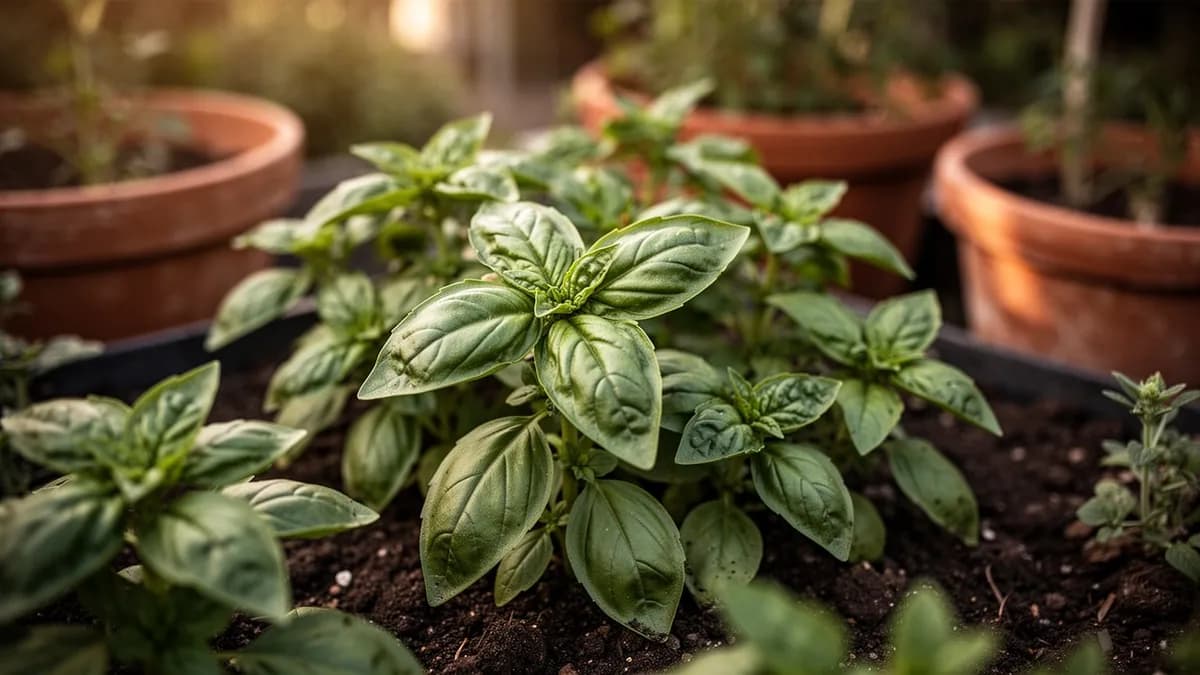
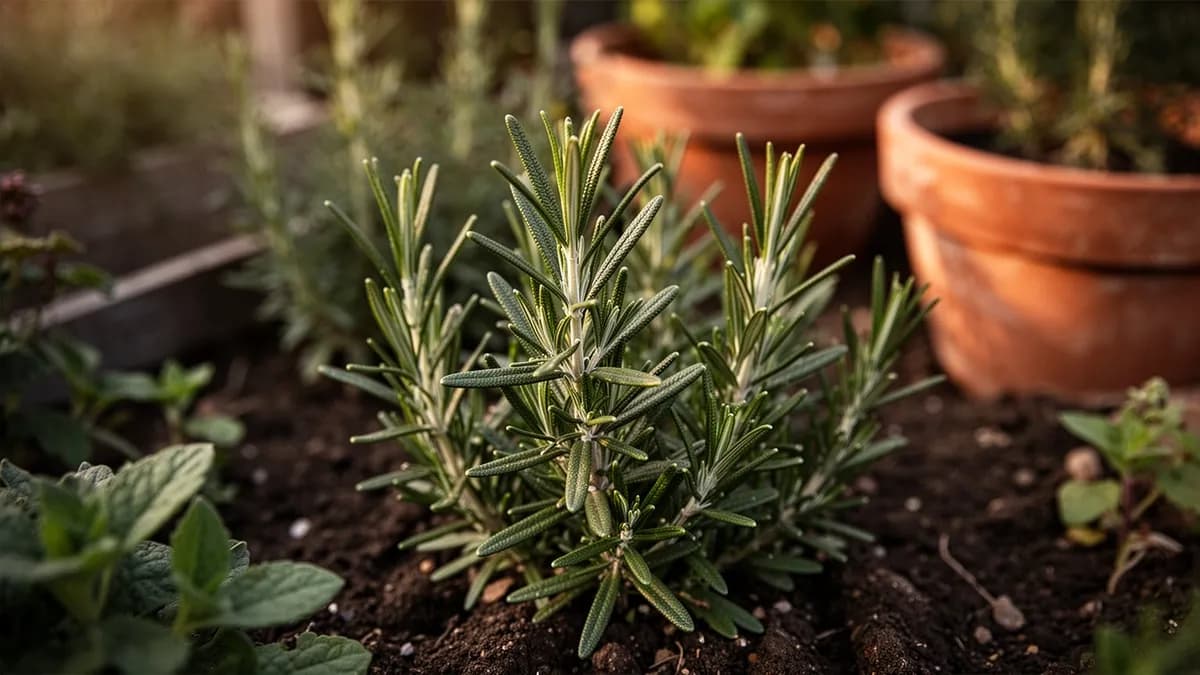
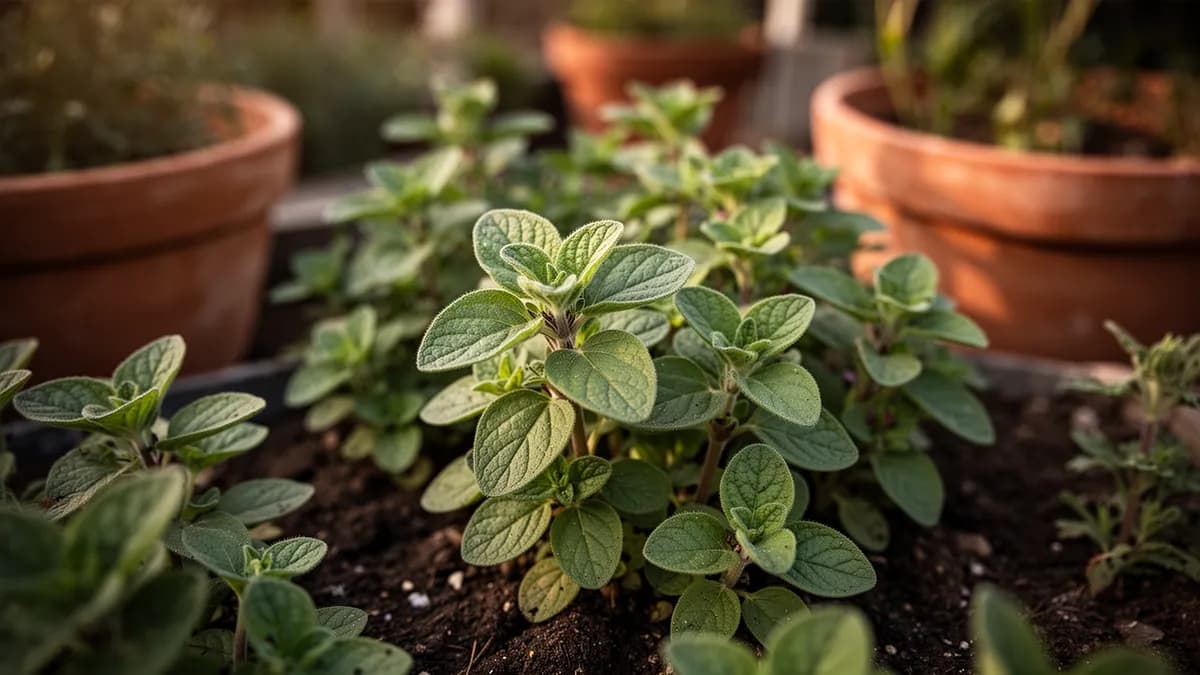
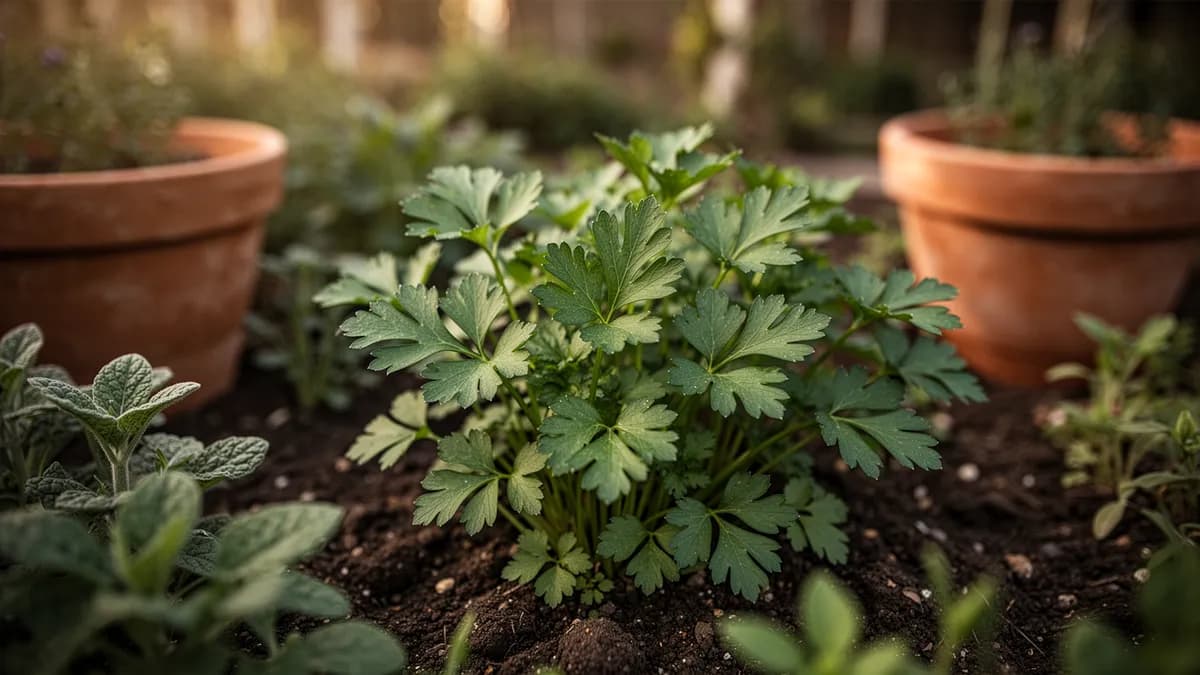
La planta del dolor de muelas se lleva bien con albahaca, perejil y lechuga, que aprecian condiciones similares de calor y humedad. Sus flores atraen polinizadores e insectos beneficiosos, por lo que pueden enriquecer un bancal mixto de hierbas y hortalizas. Evite plantarla junto a romero u otras hierbas mediterráneas que prefieren suelos secos y pobres, ya que sus necesidades de riego son muy distintas. También conviene darle espacio, porque sus tallos extendidos pueden ocupar terreno con rapidez.
Albahaca va a su lado.
Saber de huerto de siempre, cotejado con la tabla real de Planta del dolor de muelas — prueba cualquier planta que cultives.
Prueba Planta del dolor de muelas en un bancal, aquí mismo
Un bancal real del planificador con Planta del dolor de muelas ya plantado. Toca una planta compañera para colocarla y mira cómo responde la comprobación de vecinos: verde para buenos vecinos, rojo si hay conflicto.


Guías de cultivo relacionadas
Abónalo bien
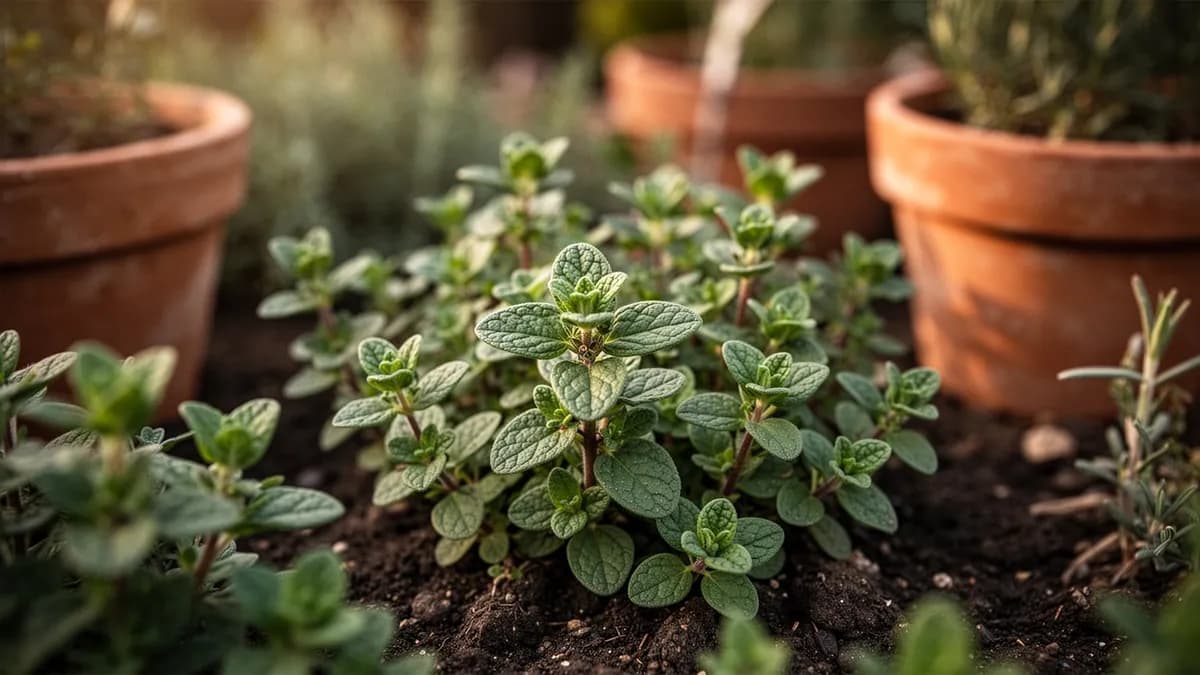
La planta del dolor de muelas prospera en suelos ricos, fértiles y que retengan la humedad, con un pH entre 6.0 y 7.0. A diferencia de muchas hierbas aromáticas, aprecia la materia orgánica y un abonado regular. Enmendar con compost mejora la productividad y ayuda a mantener una humedad uniforme. En maceta, use un sustrato de calidad con buen drenaje pero que no se seque demasiado deprisa. Fertilice cada dos semanas con un abono líquido equilibrado o una emulsión suave. El acolchado orgánico ayuda a conservar la humedad y reduce la competencia de las malas hierbas.
Temperatura ideal
Compatibilidad de zonas de rusticidad
De la semilla a la cosecha, etapa por etapa
Semilla
Siembra en interior 6-8 semanas antes de la última helada.
Plántula
Las plantas jóvenes necesitan calor, humedad y buena luz.
Planta madura
La planta crece mejor en un suelo rico, fértil y que retenga la humedad.
Cosechable
Las flores son la parte más potente y producen la sensación más intensa de hormigueo.
Después de la cosecha
En climas templados, la planta del dolor de muelas suele cultivarse como anual de estación cálida.
Guardado de semillas / Propagación
En climas templados la planta es anual, pero en zonas tropicales puede persistir.
Mantén la mezcla de siembra húmeda y cálida; no cubras las semillas diminutas.
Cuidar Planta del dolor de muelas mes a mes
Qué hacer cada mes para tu Planta del dolor de muelas
Octubre
Mes actualEn climas templados, la temporada termina con las heladas. Recoja las últimas flores y traslade al interior cualquier planta que desee conservar.
Ten claro qué hacer en tu huerto, cada mes
Un correo al empezar cada mes: qué sembrar, plantar y hacer ahora mismo — para tu Planta del dolor de muelas y todo lo que crece alrededor. Más un breve curso inicial para esquivar los errores clásicos.
- Qué hacer ahora mismo
- Ajustado a tu temporada
- Curso inicial incluido
Cosechar Planta del dolor de muelas
Coseche los botones florales y las flores jóvenes de la planta del dolor de muelas para obtener el efecto de cosquilleo más potente. Recoja las flores cuando estén completamente formadas y de color amarillo-rojo intenso, pero antes de que empiecen a ponerse marrones. Las hojas también contienen espilantol, aunque en concentraciones más bajas. El efecto adormecedor es más fuerte en flores frescas y disminuye al secarse. Coseche por la mañana para obtener el mayor contenido de espilantol. Las plantas producen flores de forma continua desde mediados del verano hasta las heladas, lo que ofrece una ventana de cosecha prolongada.
se supone que plantas al comenzar el periodo — indica tu fecha real
Cosecha desde mediados de verano hasta las heladas, cuando los capullos estén completamente formados y de color amarillo-rojo brillante.
Almacenamiento y conservación
Las flores frescas del dolor de muelas se usan mejor de inmediato, ya que el efecto se debilita al secarse. Guarde los botones florales en un recipiente hermético en el frigorífico durante un máximo de 2-3 días, o séquelos suavemente para usarlos en infusiones. Las hojas secas conservan parte de su utilidad, aunque con menor potencia. También puede congelar flores frescas en bandejas o infusionar la planta en alcohol o vinagre para preparaciones culinarias y tradicionales.
Qué falla — y cómo solucionarlo
Caracoles y babosas
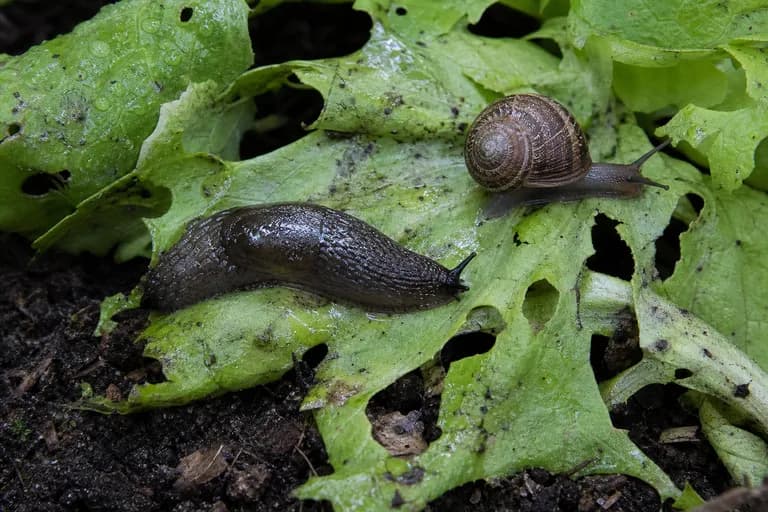
PlagaAgujeros irregulares en las hojas tiernas, bordes mordisqueados y rastros brillantes de baba en el follaje y el suelo.

Pulgones
PlagaColonias de pequeños insectos en brotes tiernos y botones florales, hojas deformadas y melaza pegajosa.

Pudrición de raíces
EnfermedadMarchitez a pesar de que el suelo esté húmedo, amarilleo general, raíces blandas y oscuras, y colapso de la planta.
Mancha foliar fúngica
EnfermedadManchas oscuras o pardas en las hojas, amarilleo alrededor de las lesiones y caída prematura del follaje en ambientes húmedos.
Solución de problemas comunes
El problema más común es el estrés por falta de agua, que reduce la floración y hace que los tallos se pongan flácidos. En suelos encharcados puede aparecer pudrición de raíces, así que es esencial un drenaje correcto. Las hojas amarillentas suelen indicar poca fertilidad o riego irregular. En ambientes secos las plantas se debilitan y florecen menos. También conviene vigilar el exceso de sombra, porque disminuye la producción de botones florales y reduce la intensidad del efecto.
Consejos de cultivo
- Inicie las semillas en interior entre 8 y 10 semanas antes de la última helada, porque la planta necesita una temporada larga y un buen adelanto en climas templados.
- Plántela a pleno sol con suelo rico y húmedo. A diferencia de las hierbas mediterráneas, esta especie tropical agradece la alimentación regular y el riego constante.
- Pellizque las puntas para lograr una planta más compacta y con más flores.
- Coseche los botones florales por la mañana, cuando el contenido de espilantol es más alto.
- Si el clima es frío, cultívela en maceta para poder pasarla al interior antes de las heladas.
Cultiva tu mejor Planta del dolor de muelas — y todo lo que la rodea.
Empieza un plan gratis hoy. Diseña tus bancales, coloca tu Planta del dolor de muelas y deja que PlotMyGarden gestione el momento, el espaciado, las asociaciones y los recordatorios de la semilla a la cesta.
Elige tu Planta del dolor de muelas
Forma estándar
La forma más habitual en cultivo, con porte compacto, abundantes botones florales y un efecto de cosquilleo intenso. Es la variedad más usada en cocina y coctelería.
Variedad compacta
Una selección más baja y densa, ideal para macetas, borduras y espacios reducidos. Produce flores abundantes en una planta más manejable.
Forma de flor grande
Una selección que destaca por botones florales ligeramente mayores y muy vistosos. Resulta atractiva tanto para uso culinario como ornamental.
Una sola planta puede producir cientos de botones florales durante la temporada de crecimiento. Como los botones especiales se venden a menudo a 15-30 dólares por paquete pequeño en mercados gourmet y tiendas de coctelería, cultivar su propia planta a partir de un paquete de semillas de 3-5 dólares puede ahorrar con facilidad mucho más de 100 dólares por temporada, al tiempo que proporciona un suministro continuo de hojas y flores frescas para uso culinario y medicinal.
Recetas rápidas
Ensalada chispeante de botones eléctricos
10 minutosUna ensalada fresca y vibrante con hojas de planta del dolor de muelas y botones florales que deja una sensación sorprendente de cosquilleo en cada bocado. El adormecimiento combina muy bien con una vinagreta de cítricos y verduras crujientes.
7 ingredientesTé herbal de espilantol
15 minutosUna infusión calmante hecha con flores secas de la planta del dolor de muelas que produce un suave calor adormecedor en la garganta. Tradicionalmente se usa para aliviar el dolor de garganta y las pequeñas molestias bucales, y puede endulzarse con miel para mayor confort.
5 ingredientes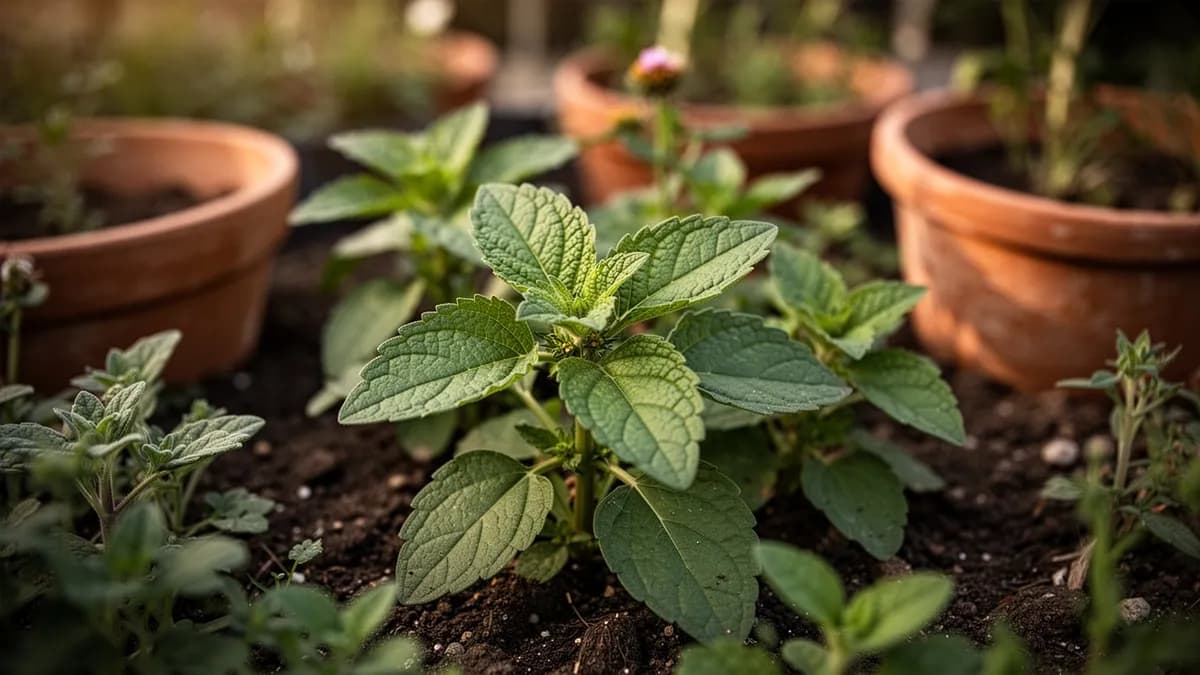
Salteado amazónico de jambu
20 minutosInspirado en la cocina tradicional brasileña del estado de Pará, este salteado rápido usa hojas de planta del dolor de muelas cocinadas con ajo y gambas. Las hojas pierden parte de su intensidad adormecedora al cocinarlas, pero conservan un agradable sabor picante.
7 ingredientesUsos culinarios
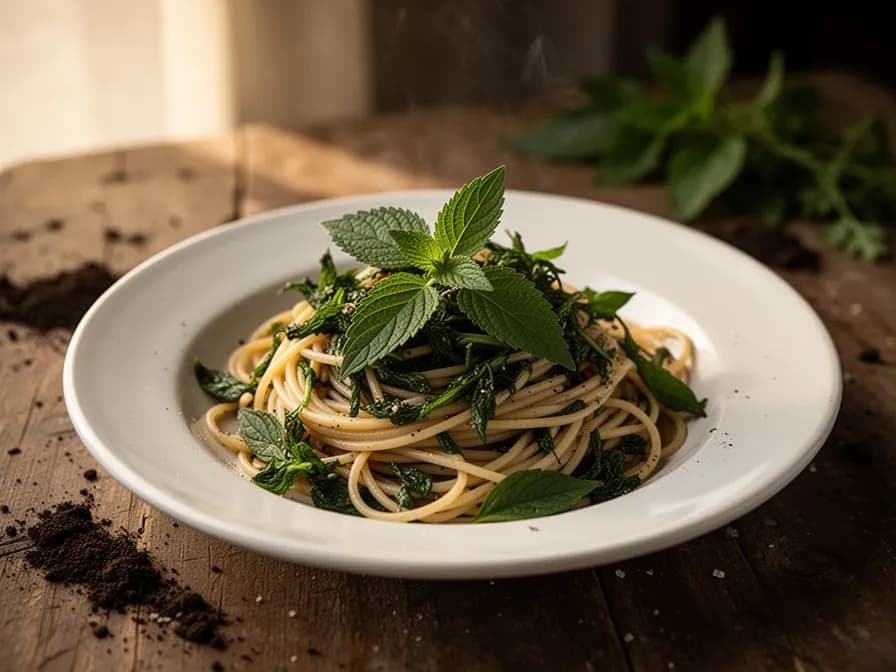
La planta del dolor de muelas se usa sobre todo en cocina creativa y en coctelería por su efecto de cosquilleo y adormecimiento. Sus botones florales pueden comerse frescos como sorpresa sensorial, picados en ensaladas o usados como guarnición. También se añaden a infusiones herbales y cócteles artesanales para dar una sensación burbujeante en la lengua. En la cocina tradicional amazónica y brasileña se emplean las hojas y las flores en salsas, pescados y platos aromáticos. Su sabor es suave, herbáceo y ligeramente picante, pero el interés principal está en su efecto sensorial.
Qué contiene
Beneficios para la salud
- El espilantol tiene propiedades anestésicas locales que pueden ayudar de forma temporal a aliviar el dolor dental.
- Tradicionalmente se ha usado para calmar llagas de la boca y molestias de garganta.
- Su efecto adormecedor es breve e inocuo cuando se consume en cantidades culinarias normales.
- También aporta compuestos de interés antioxidante y una experiencia sensorial muy singular.
De dónde viene Planta del dolor de muelas
La planta del dolor de muelas (Acmella oleracea) es una hierba tropical perenne originaria de las tierras bajas de Sudamérica, en especial de Brasil y Perú, donde crece en condiciones cálidas y húmedas a lo largo de riberas y claros de bosque. La evidencia arqueológica y etnobotánica sugiere que los pueblos indígenas de la cuenca amazónica la cultivaron durante miles de años, usando las cabezuelas florales y las hojas para aliviar el dolor dental, tratar llagas en la boca y calmar infecciones de garganta mucho antes del contacto europeo.
Más tarde, la planta se difundió por otras regiones tropicales del mundo a través de rutas de intercambio y de la agricultura colonial. En África y Asia se adoptó tanto como alimento como remedio tradicional, y en algunos lugares se hizo conocida por su capacidad para adormecer la boca de forma intensa y breve. En el siglo XX empezó a llamar la atención fuera de los círculos medicinales por su efecto sensorial único, primero entre cocineros curiosos y, más recientemente, entre bartenders y chefs de alta cocina.
Hoy se cultiva cada vez más como planta culinaria y de jardín experimental. Su popularidad moderna se debe a la combinación de valor ornamental, tradición medicinal y un efecto en la boca que no se parece al de casi ninguna otra hierba. Aunque su uso histórico está profundamente ligado a la salud dental y a la medicina popular, su lugar actual también abarca la creatividad gastronómica y la coctelería contemporánea.
Planta del dolor de muelas: ¿sabías que?
Datos fascinantes sobre Planta del dolor de muelas
El compuesto espilantol produce una sensación eléctrica y adormecedora muy peculiar en la lengua.
Planta del dolor de muelas: preguntas frecuentes
¿Cuándo debo plantar Planta del dolor de muelas?
¿Cuáles son buenas plantas acompañantes para Planta del dolor de muelas?
¿En qué zonas de rusticidad puede crecer Planta del dolor de muelas?
¿Cuánto sol necesita Planta del dolor de muelas?
¿A qué distancia debo espaciar Planta del dolor de muelas?
¿Qué plagas y enfermedades afectan a Planta del dolor de muelas?
¿Cómo almaceno Planta del dolor de muelas después de la cosecha?
¿Cuáles son las mejores variedades de Planta del dolor de muelas para cultivar?
¿Qué suelo necesita Planta del dolor de muelas?
¿Es seguro comer la planta del dolor de muelas?
¿De verdad puede aliviar el dolor de muelas?
¿Sobrevivirá al invierno al aire libre?
¿Cuánto dura la sensación de cosquilleo después de comerla?
¿Qué plagas y enfermedades afectan a la planta del dolor de muelas?
Acabas de leer la teoría. Ahora cultívala en piloto automático.
Todo lo que hace que Planta del dolor de muelas sea delicado — el momento, el espaciado, las asociaciones, la ventana de cosecha — es justo lo que PlotMyGarden resuelve por ti, para cada planta de tu huerto.
Un plan que conoce tu clima
Indica tu ubicación una vez. Recibe fechas de siembra, abonado y cosecha basadas en tu última helada real y el pronóstico en vivo — sin adivinar con un sobre genérico.
De la sección “Cuándo plantar”Planificador de bancales de arrastrar y soltar
Diseña bancales sobre una cuadrícula. Cada planta encaja con su espaciado correcto y ves toda la temporada antes de gastar un céntimo en semillas.
De la sección “Cultivo”Conflictos de asociación, detectados a tiempo
Más de 200 buenas y malas combinaciones comprobadas en vivo mientras plantas — para que un error que arruine la temporada nunca llegue a la tierra.
De la sección “Asociaciones”Recordatorios que sí vas a seguir
“Riega las judías.” “Recoge hoy antes de que se pase.” Oportunos, concretos y ligados a las plantas que de verdad cultivas.
De la sección “Cosecha”Escalonado, programado
¿Quieres cosechar seis semanas en vez de seis días? Reparte tus siembras automáticamente y te avisa cuando toca el siguiente lote.
De la sección “Cuándo plantar”Un registro que se vuelve más listo
Cada cosecha que registras le enseña tu huerto. El plan del año que viene parte de lo que de verdad funcionó en tu suelo, no en un manual.
De la sección “Resumen”Planta estos junto a Planta del dolor de muelas
Más Hierbas culinarias
Cultiva tu mejor Planta del dolor de muelas — y todo lo que la rodea.
Empieza un plan gratis hoy. Diseña tus bancales, coloca tu Planta del dolor de muelas y deja que PlotMyGarden gestione el momento, el espaciado, las asociaciones y los recordatorios de la semilla a la cesta.