Sunrise Bumble Bee Tomato
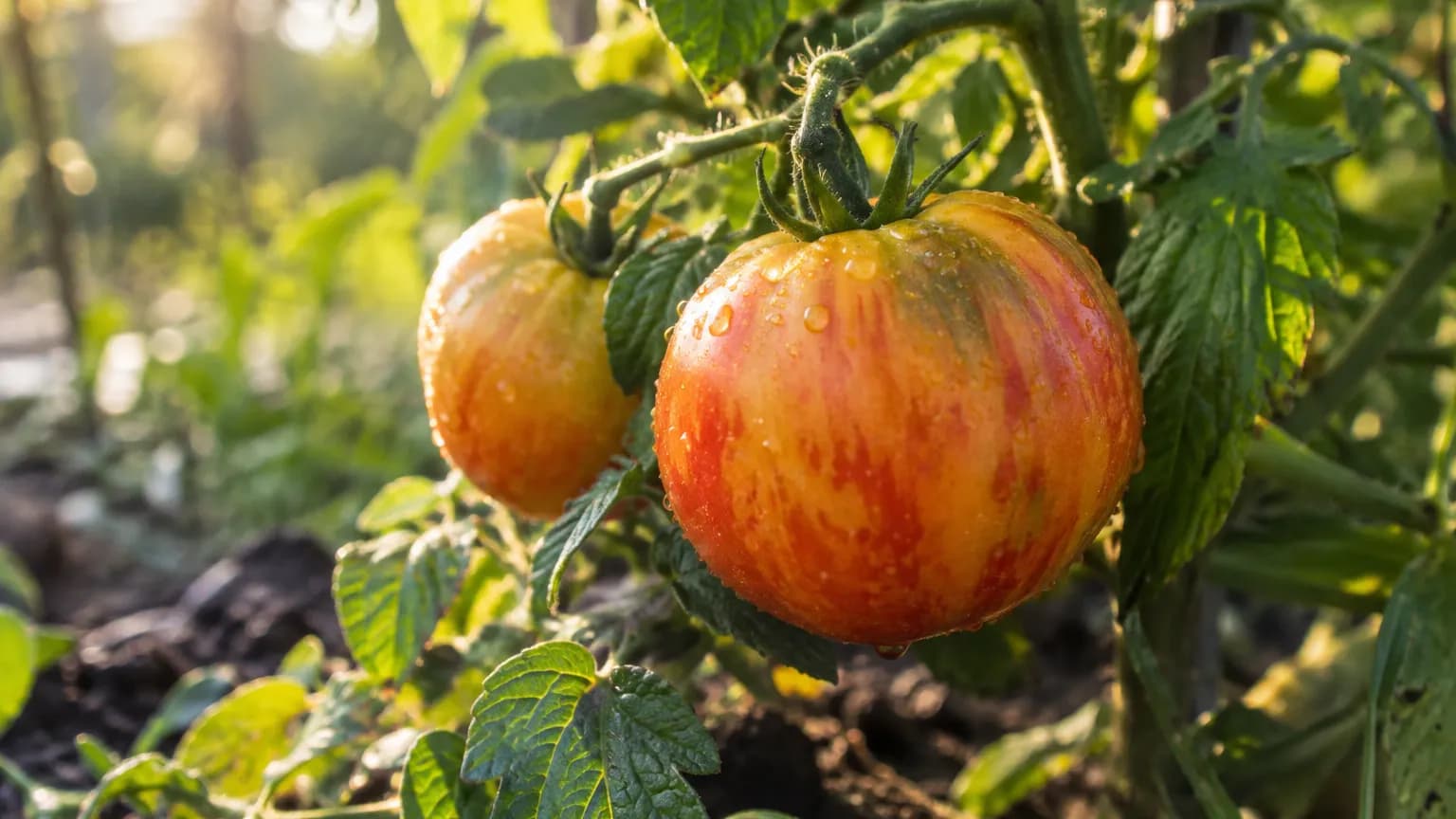
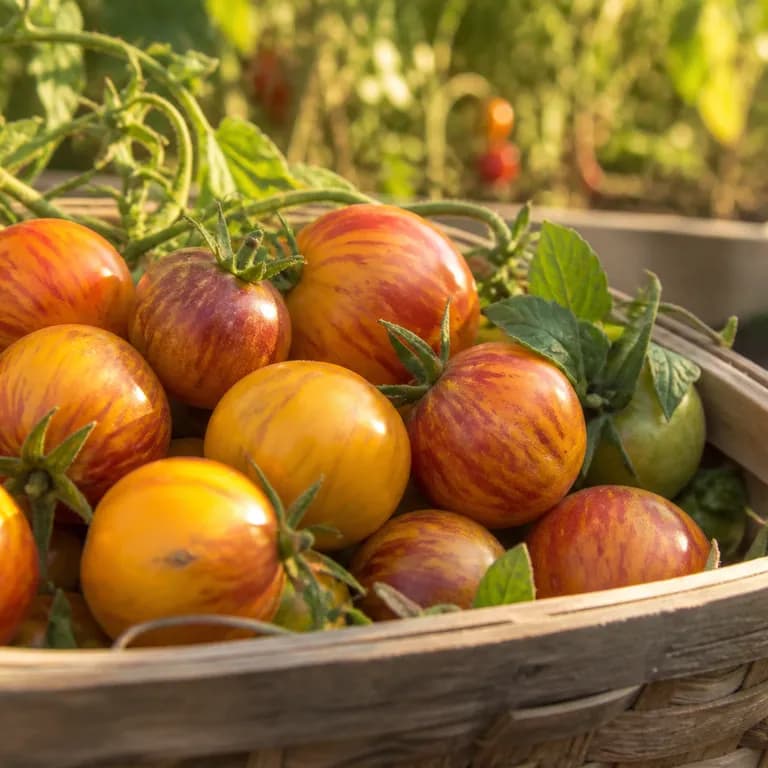
A golden-yellow cherry tomato marbled and streaked with pink, orange, and red, so that every ripe fruit looks like a tiny sunrise.





On this pageOverview
Meet Sunrise Bumble Bee Tomato
A golden-yellow cherry tomato marbled and streaked with pink, orange, and red, so that every ripe fruit looks like a tiny sunrise. Sunrise Bumble Bee belongs to the celebrated Bumble Bee series from Artisan Seeds and pairs that showy striping with a genuinely sweet, tropical-fruity flavor that tastes every bit as good as the fruits look. Unlike many novelty tomatoes, this one is not just a pretty face. The round 2-3 cm fruits hang in generous trusses on a vigorous indeterminate vine, resist cracking far better than most striped cherries, and keep ripening in waves for months once production starts. For gardeners who want a cherry tomato that stops visitors in their tracks and still gets eaten by the bowlful, Sunrise Bumble Bee is one of the most rewarding modern open-pollinated varieties you can grow.
When to plant Sunrise Bumble Bee Tomato
Sow seeds 6 mm deep in sterile seed-starting mix at 21-27°C (70-80°F). Germination is usually quick and even when bottom heat is steady, typically within 5-10 days.
Give seedlings strong light immediately after emergence and pot up before the roots bind, burying the stem a little deeper each time to build a larger root system. Compact, dark-green transplants outperform stretched windowsill seedlings by weeks once they hit warm garden soil.
Harden off gradually over a week and transplant only when nights stay above 10°C (50°F). Set plants deep, water in well, and attach the first tie to its support within days, because this variety starts climbing earlier than most gardeners expect.
Your Sunrise Bumble Bee Tomato Year
Composed for Zone 7 · typical seasons · frost passes Apr 2, returns Nov 1
Plant Sunrise Bumble Bee Tomato Feb – May, pick Jul – Sep. Check the planting methods below and set your climate to personalize these windows.
How to grow Sunrise Bumble Bee Tomato
Start Sunrise Bumble Bee indoors 6-8 weeks before the last frost and transplant into full sun only once nights stay reliably above 10°C (50°F). This is a fully indeterminate vine that wants to climb 1.8 m (6 ft) or more, so install a tall stake or sturdy cage at planting time and give each plant 45-60 cm of room.
Keep growth steady rather than forcing it. Mulch heavily once the soil warms, water deeply and evenly, and tie the main stem regularly. Light pruning of lower leaves improves airflow, but resist the urge to strip the plant hard, because the marbled fruits color best under a light leaf canopy that filters harsh midday sun.
The classic mistake with this variety is treating it like a compact patio cherry. The vine is vigorous, fruits for months, and carries trusses at every stage of ripeness at once, so it rewards gardeners who stay ahead of tying and picking. Managed early, it behaves like a tidy, productive climber; ignored for two weeks in July, it turns into a beautiful tangle.
Because Sunrise Bumble Bee is open-pollinated, it is also a candidate for seed saving. Let your very best fruits fully ripen on the vine, ferment the seed for a few days, rinse, and dry. Seed saved this way will grow true to type and give you the same marbled golden cherries next season.
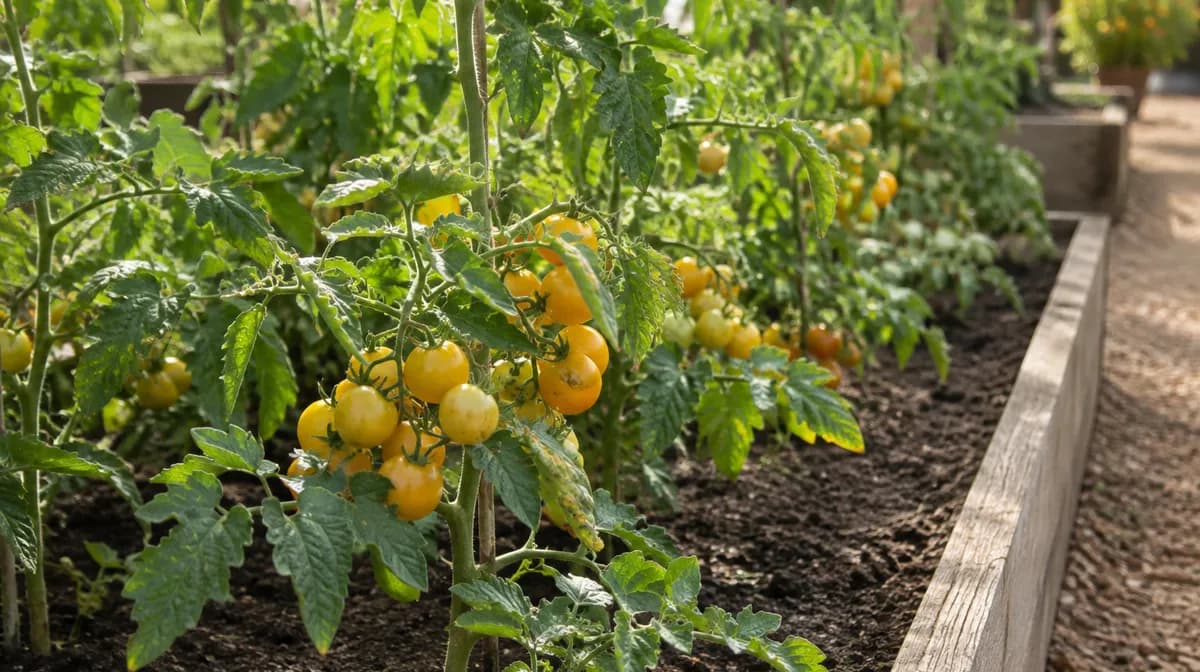
8 plants fit a 4 × 8 ft bed
Each Sunrise Bumble Bee Tomato wants 55 cm of elbow room. The planner keeps that spacing for you — every plant, every bed.
Sunrise Bumble Bee Tomato's best neighbours
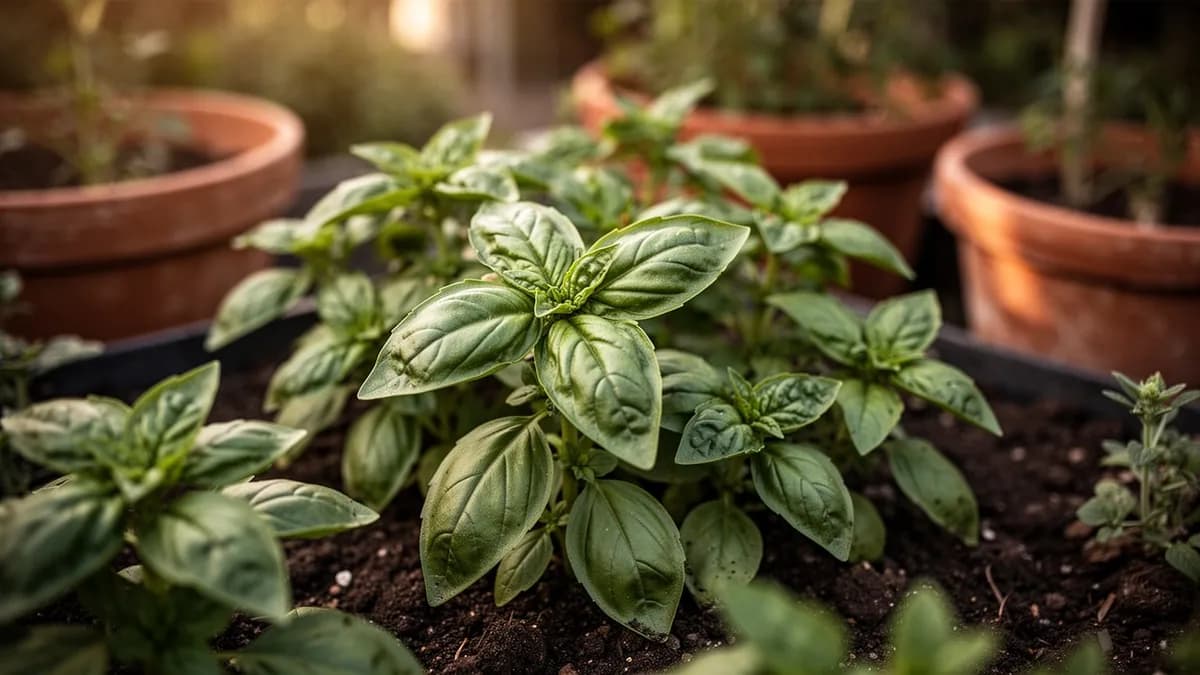
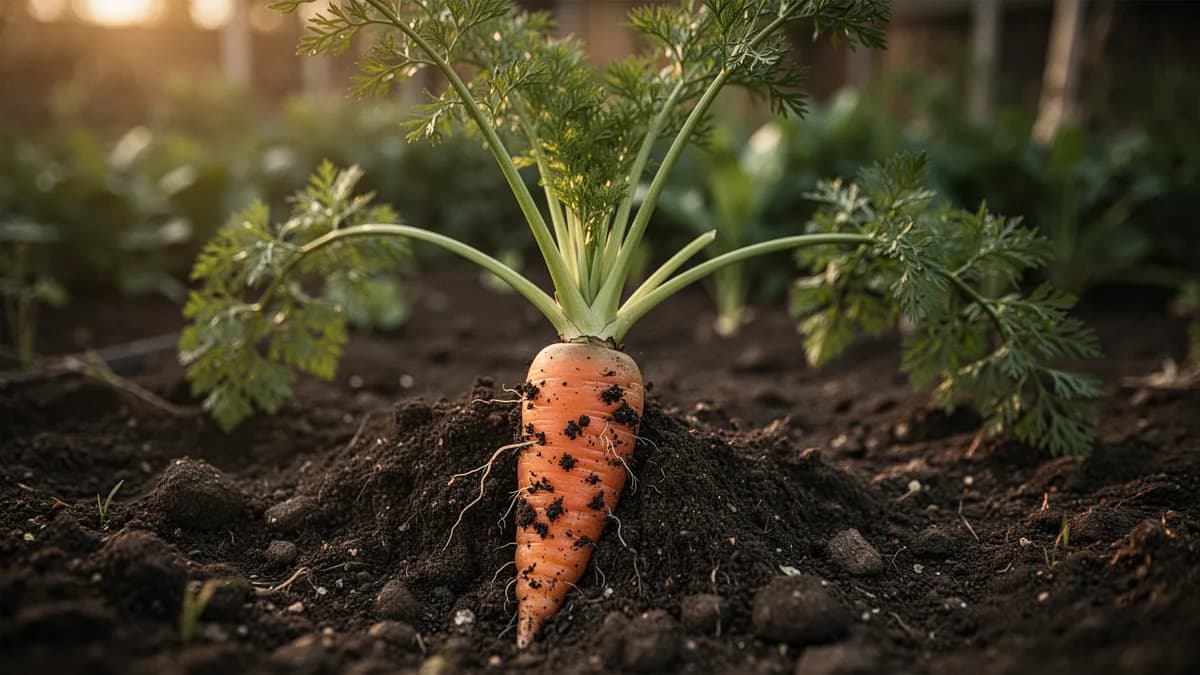
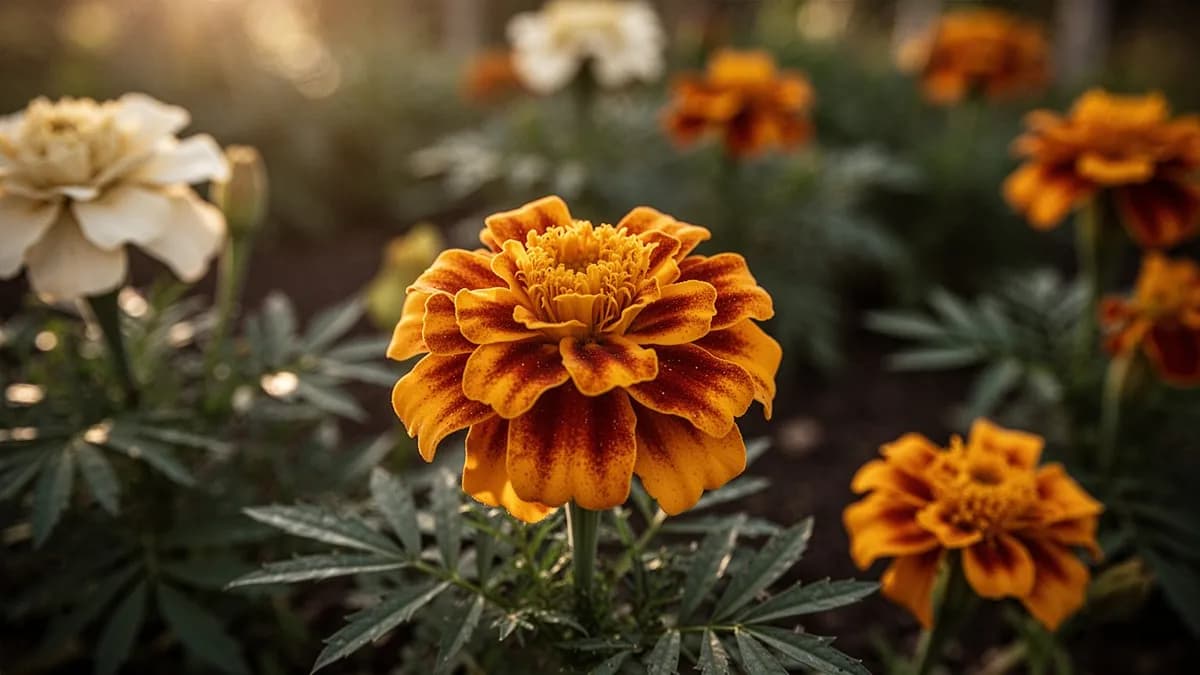
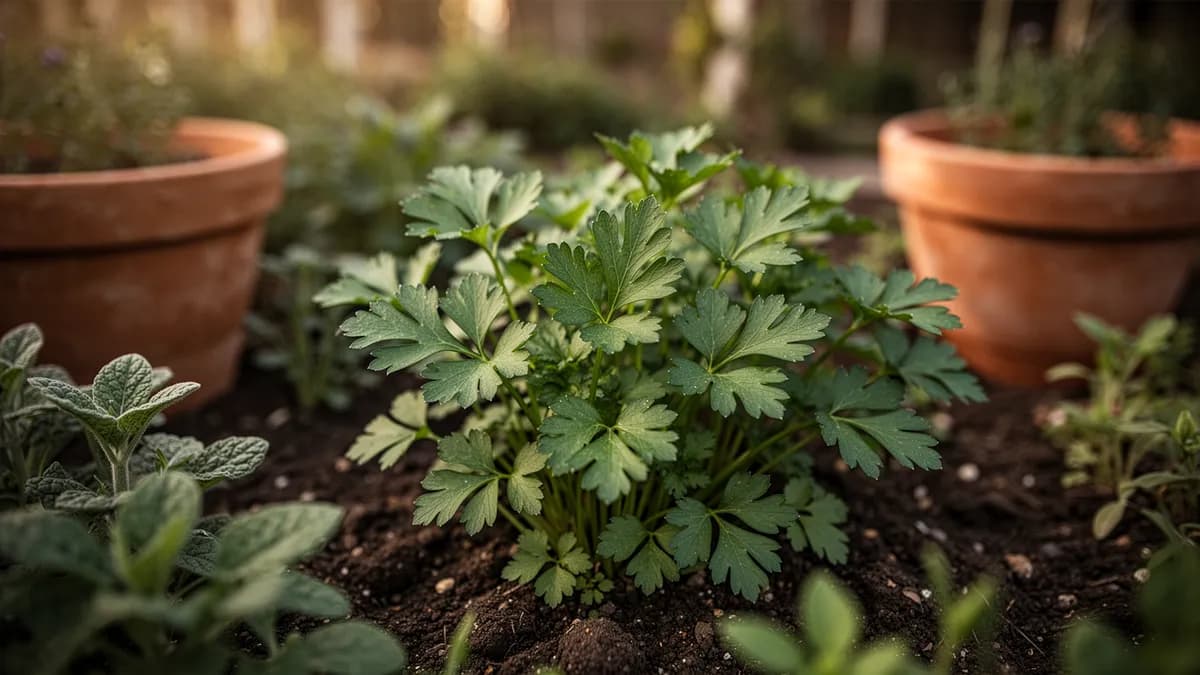
Basil, parsley, marigolds, and carrots all grow well alongside Sunrise Bumble Bee, sharing its love of a warm, sunny, evenly watered bed without competing too hard for space.
Basil is the classic partner and fits the same irrigation rhythm, while marigolds pull in pollinators and beneficial insects around the trusses. Low companions like parsley and carrots stay useful as long as the tomato is trained upward early, because an untrained vine will shade out everything within reach.
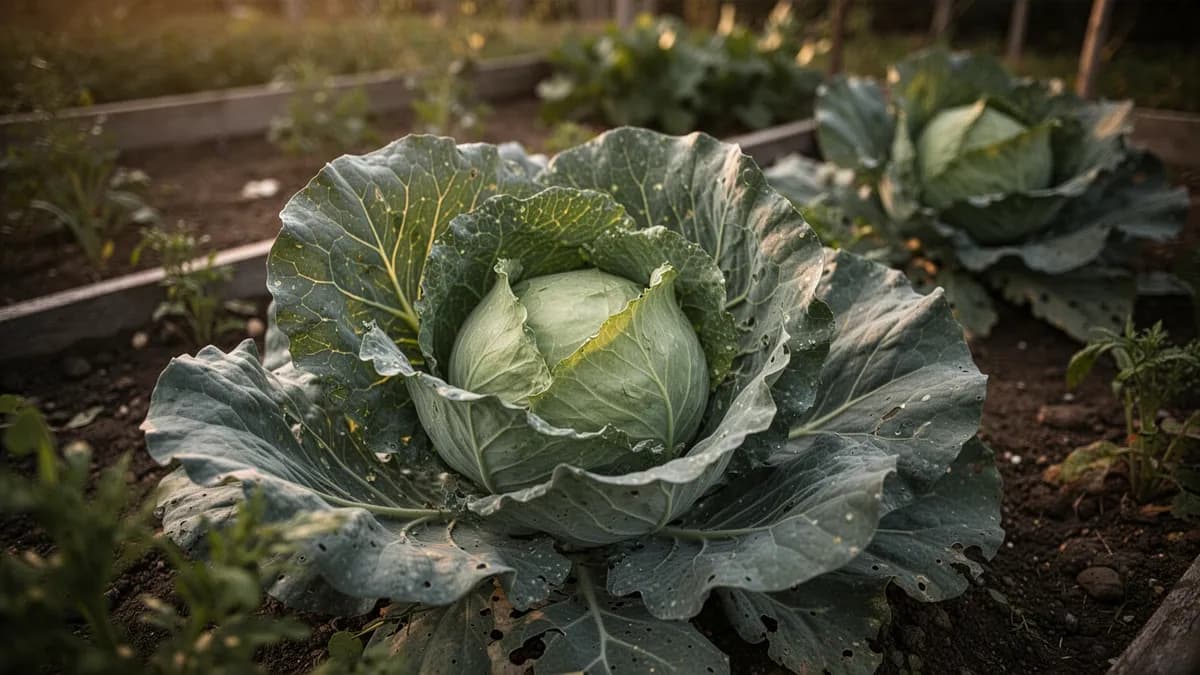
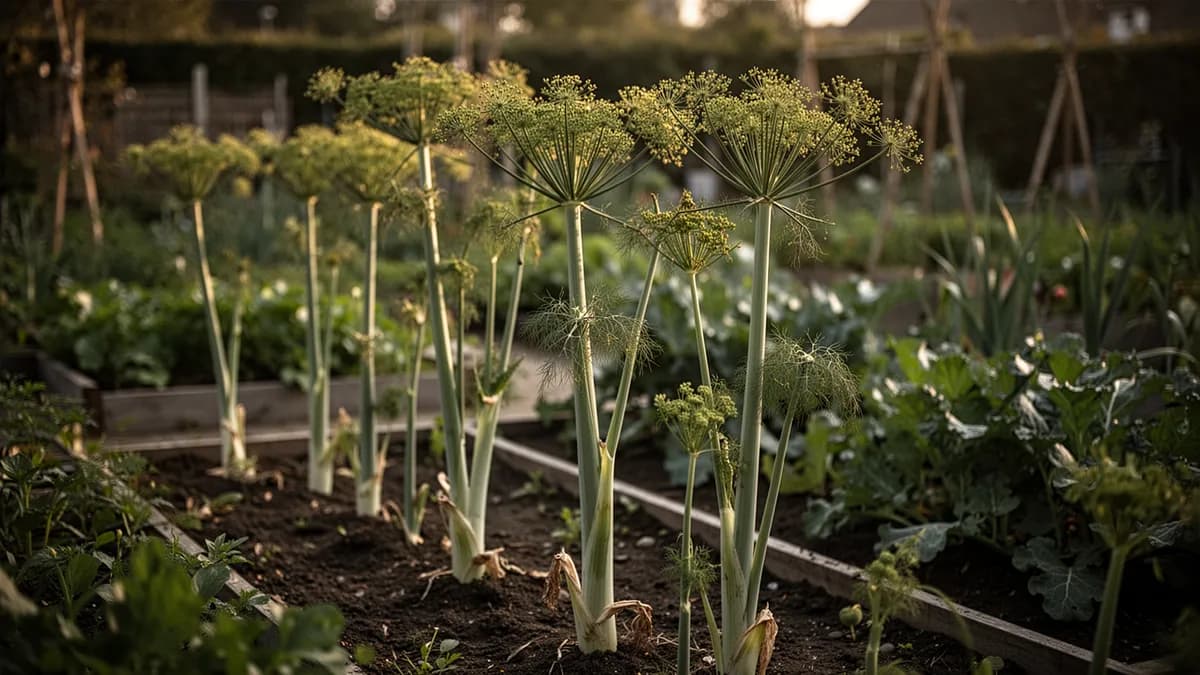
Give the plant its own vertical lane and keep fennel and crowded brassicas away from the bed. A well-led Sunrise Bumble Bee provides dappled light at its base rather than a solid wall of shade, which keeps mixed companion plantings productive instead of competitive.
Basil belongs beside it. Cabbage doesn't.
Old growers' knowledge, checked against Sunrise Bumble Bee Tomato's real companion table below — test any plant you're growing.
Try Sunrise Bumble Bee Tomato in a bed — right here
A real planner bed with Sunrise Bumble Bee Tomato already in it. Tap a companion to place it and watch the pairing checks answer — green for good neighbours, red for a clash.


Related growing guides
Feed it well
Grow in fertile, compost-rich, well-drained soil with a pH of 6.0-6.8. Sunrise Bumble Bee fruits heavily over a long season, so the bed needs to sustain production for months rather than support one quick flush.
At planting, work in mature compost and a moderate all-purpose organic fertilizer. Avoid a heavily nitrogen-rich bed: the vine is already vigorous, and excess nitrogen pushes leaf at the expense of trusses and can dilute the fruit's famous sweetness.
Once the first clusters set, side-dress with compost or a potassium-forward tomato feed and repeat lightly through peak harvest. Steady, modest feeding keeps the sugar high and the trusses coming; big sporadic doses tend to produce a lush plant with fewer, blander fruits.
Ideal Temperature
Hardiness Zone Compatibility
From seed to harvest, stage by stage
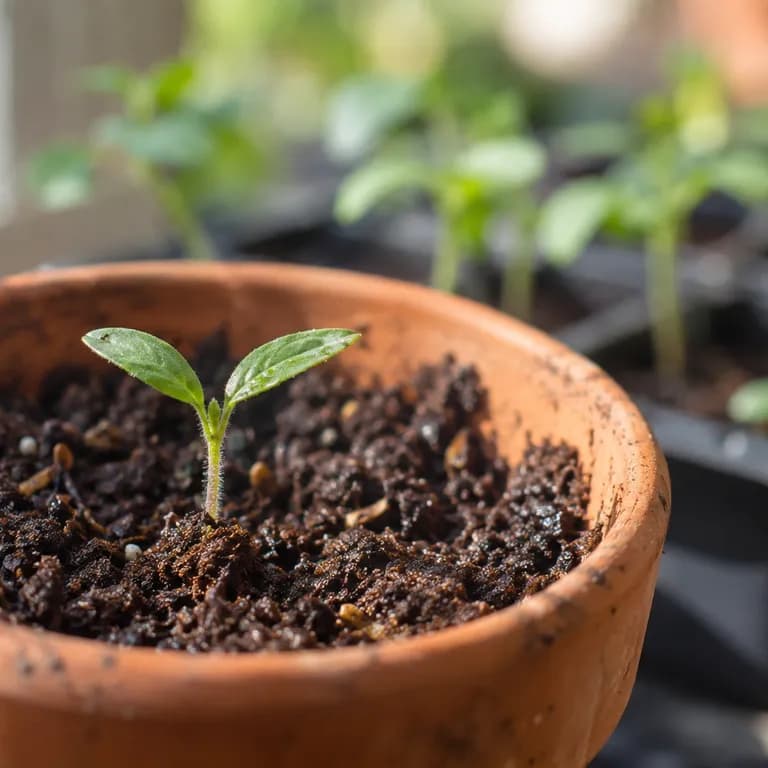
Seed Starting
Seeds germinate quickly in warm mix and produce rounded cotyledons followed by the first serrated true leaves.
Seedling Development
Young plants build a root system, thicken their stems, and form several sets of true leaves before transplanting time.
Vegetative Growth
Sunrise Bumble Bee establishes quickly in warm soil and begins forming the vine structure that supports flowering and fruit set.
Flowering
Yellow flower clusters appear and self-pollinate more reliably when plants stay evenly watered and temperatures are not too extreme.
Fruit Development
Green fruit sizes up rapidly, and the plant diverts most of its energy into maintaining leaves, roots, and maturing clusters at the same time.
Ripening And Harvest
Sunrise Bumble Bee reaches peak quality when color, texture, aroma, and internal ripeness all align rather than when the fruit merely looks mature.
Maintain 21-27°C (70-80°F) for fast germination and give bright light immediately to prevent weak, stretched seedlings.
Caring for Sunrise Bumble Bee Tomato month by month
What to do each month for your Sunrise Bumble Bee Tomato
September
You are hereContinue harvesting and remove declining foliage. Watch forecasts closely if your first frost can arrive early.
Know exactly what to do in your garden — every month
One email at the start of each month: what to sow, plant, and tackle right now — for your Sunrise Bumble Bee Tomato and everything growing around it. Plus a short starter course that helps you dodge the classic mistakes.
- What to do, right now
- Matched to your season
- Starter course included
Harvesting Sunrise Bumble Bee Tomato
Harvest when the golden background has deepened to a warm yellow-orange and the pink-red marbling looks vivid rather than pale. A ripe fruit feels heavy for its size, gives very slightly at the blossom end, and detaches from the truss with almost no effort.
Ripeness takes a little practice because no two fruits stripe alike. Do not judge by size or by waiting for uniform color: some cherries blush almost entirely rose-red while others stay mostly gold, and both can be perfectly ripe. Trust the deepening of the base color, the aroma at the stem end, and that first hint of softness.
At peak season, pick every day or two. Each truss carries fruit at several stages, and ripe cherries left hanging through heat or rain are the ones that soften or split. Morning harvest gives the firmest, sweetest fruit, and frequent picking keeps the plant pushing new clusters well into autumn.
assuming you plant when the window opens — set your real date
Pick Sunrise Bumble Bee Tomato promptly and the plant keeps producing.
Storage & Preservation
Keep ripe fruit at room temperature and use it within a few days for the best flavor. Like all good tomatoes, Sunrise Bumble Bee loses aroma and texture in the refrigerator, so chill only fruit that is already cut or fully overripe.
The surplus preserves surprisingly well for a cherry tomato. Halved and slow-roasted, the fruits concentrate into intensely sweet golden candies that keep in the freezer for months, and they dehydrate beautifully because their sugar content is high. Small batches of golden cherry jam or a quick roasted sauce are excellent ways to save a midsummer glut.
That said, the highest use is usually the simplest one. These tomatoes are at their best eaten fresh within a day or two of picking, when the tropical sweetness and the snappy, crack-resistant skin are at their peak.
What goes wrong — and the fix
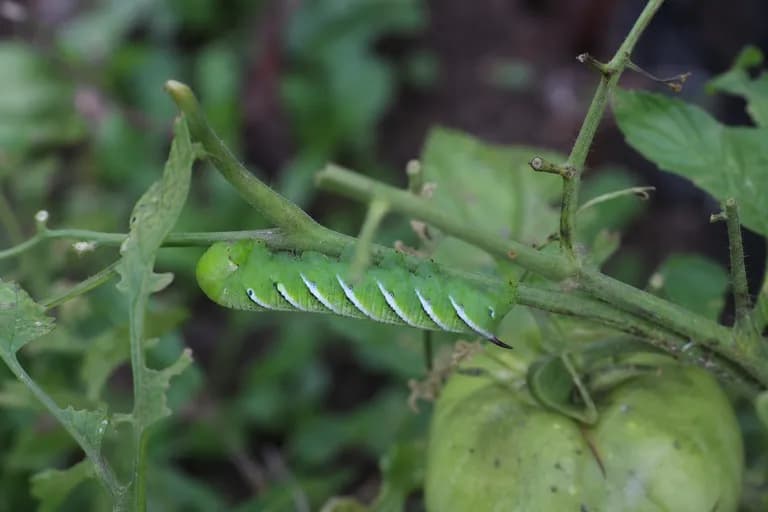
Tomato Hornworm
PestLarge green caterpillars strip foliage rapidly and may scar or chew fruit if left unchecked.
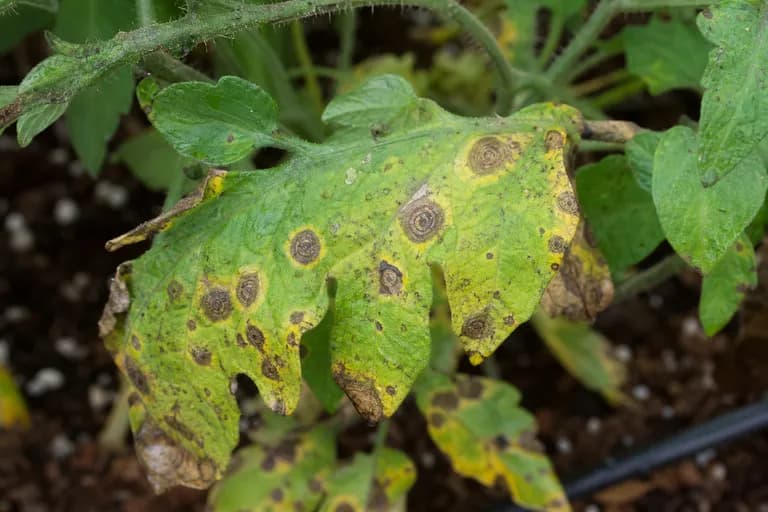
Early Blight
DiseaseDark ringed leaf spots begin on lower foliage, followed by yellowing and gradual defoliation.
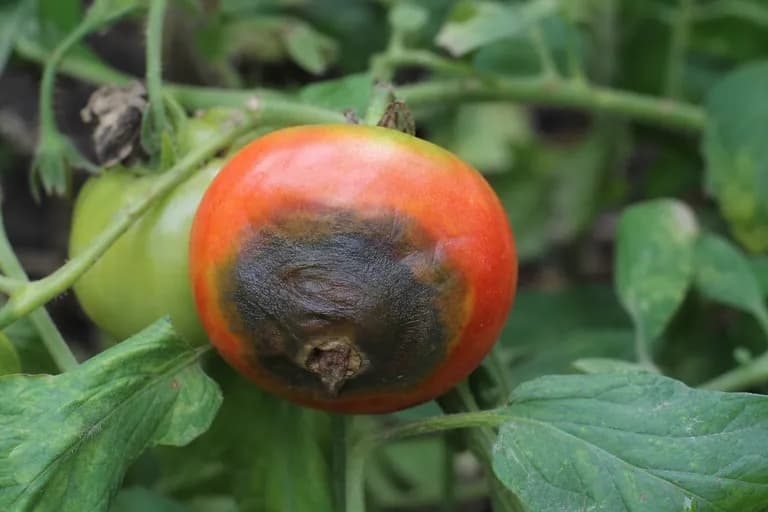
Blossom End Rot
DiseaseDark sunken patches form on the blossom end of developing fruit, often during periods of uneven watering.
Troubleshooting Common Problems
The most common issue is misreading ripeness, because the marbled coloring never looks uniform. Gardeners used to solid red cherries often wait too long or pick too early; learn to read the deepening gold base and the vivid pink blush instead.
The second challenge is the vine itself. It is far more vigorous than its delicate fruits suggest, and undersized supports collapse under months of trusses. Dense, hurriedly tied growth also reduces airflow, which invites the usual fungal trouble in humid summers.
Although the fruits are notably crack-resistant for a striped cherry, they are not immune. Sudden heavy rain after a dry spell can still split ripe fruit, so thick mulch, even watering, and prompt picking before storms remain worthwhile habits.
Growing Tips
- Wait until the soil is genuinely warm before transplanting. Tomatoes that sit in cold spring ground often lose weeks of momentum.
- Plant deeply so buried stem sections root along their length, giving better drought resilience and nutrient uptake.
- Use strong support from day one. Tomatoes are easier to manage when they are trained early rather than rescued later.
- Mulch heavily to stabilize soil moisture, reduce splash-borne disease, and protect flavor by preventing hard wet-dry swings.
- Water deeply rather than constantly sprinkling. Consistency matters far more than sheer volume.
- Do not overfeed with nitrogen once flowering begins, or you will get foliage at the expense of fruit.
- Harvest promptly in hot or wet weather, because quality can decline very quickly once fruit reaches peak ripeness.
- Give it a taller support than you think you need; the vine is fully indeterminate and fruits for months.
- Judge ripeness by the deepening golden background and vivid pink blush, never by size or uniform color.
- Pick every day or two at peak season, because frequent harvest keeps new trusses setting.
- Mulch thickly to hold soil moisture steady, which protects both the sweetness and the crack resistance.
- Leave a light leaf canopy over the fruit so the marbled skin colors without sunscald.
- Save seed from your finest fruits; this open-pollinated variety breeds true and adapts to your garden.
Grow your best Sunrise Bumble Bee Tomato yet — and everything around it.
Start a free plan today. Lay out your beds, drop in your Sunrise Bumble Bee Tomato, and let PlotMyGarden handle the timing, spacing, companions and reminders from seed to harvest basket.
Pick your Sunrise Bumble Bee Tomato
Sunrise Bumble Bee
The golden-yellow Bumble Bee with pink-orange marbling and a sweet tropical-fruity flavor.
Pink Bumble Bee
The pink-red sibling striped with orange and gold, similarly sweet, crack-resistant, and heavy-yielding.
Purple Bumble Bee
A purple-red Bumble Bee with green-gold striping and a slightly deeper, richer taste.
Striped artisan cherries sell at a premium at farmers markets, often several dollars per small basket. One vigorous plant can easily replace $30-60 worth of specialty cherry tomatoes in a single summer.
Quick recipes
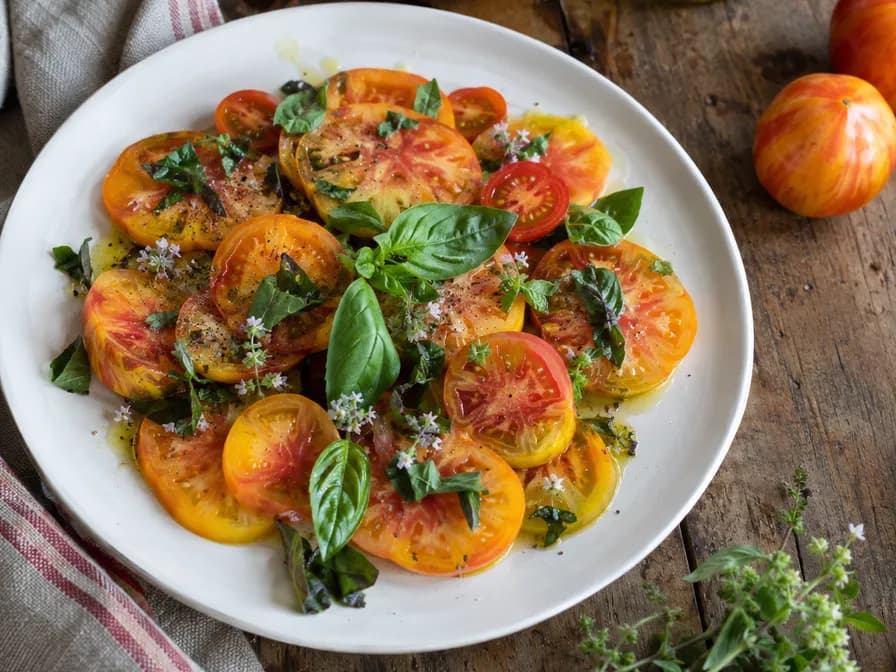
Marbled Cherry and Burrata Salad
10 minHalved marbled cherries over creamy burrata with basil and good olive oil, letting the colors and tropical sweetness carry the plate.
6 ingredients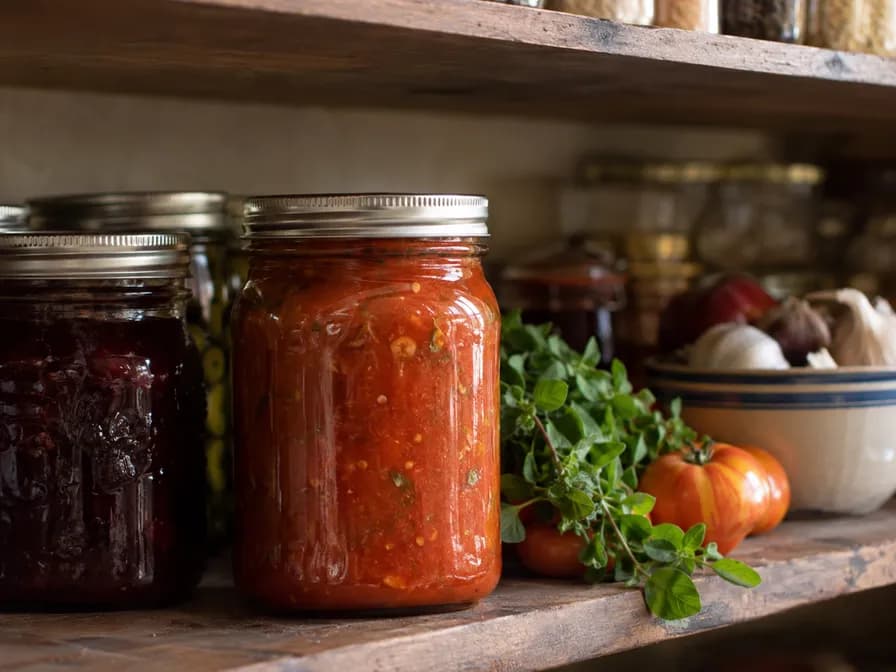
Golden Burst Cherry Pasta
20 minThe cherries blister in hot olive oil and collapse into a glossy, sweet golden sauce that coats pasta in minutes.
6 ingredientsSunrise Tomato and Honey Bruschetta
15 minDiced marbled cherries on toasted bread with ricotta, thyme, and a drizzle of honey for a sweet-savory summer snack.
6 ingredientsCulinary Uses
Superb for snacking straight off the vine, salads, grain bowls, bruschetta, and mixed heirloom cherry platters where the marbled colors can really show. Halved fruits hold their shape beautifully and turn even a simple plate into something guests ask about.
The sweet, tropical-fruity flavor pairs naturally with burrata, feta, citrus, avocado, grilled fish, and fresh herbs. Because the fruits are sweeter and less sharply acidic than classic red cherries, they work especially well in dishes where tomato acidity can dominate, such as fresh salsas, cold grain salads, and mild creamy pastas.
In the kitchen they also roast and blister wonderfully. A hot pan or oven turns them into glossy golden bursts that sweeten pasta, risotto, and focaccia, and slow-roasted halves make a striking topping for tartines, pizza, and mezze boards.
What's inside
Health Benefits
- Tomatoes supply antioxidants that help reduce oxidative stress, especially lycopene and related carotenoids.
- They are a strong source of vitamin C, which supports immune health, collagen formation, and improved iron absorption from meals.
- Their combination of water, fiber, and low calories makes them helpful for satiety and weight-conscious eating.
- Potassium in tomatoes supports healthy blood pressure regulation and proper muscle and nerve function.
- Tomatoes fit naturally into Mediterranean-style eating patterns that are consistently associated with better long-term health outcomes.
- Colored heirloom and specialty tomatoes broaden the antioxidant profile further through pigments such as anthocyanins and golden carotenoids.
Where Sunrise Bumble Bee Tomato comes from
Sunrise Bumble Bee was bred by Fred Hempel of Artisan Seeds in Northern California, using classical cross-breeding and patient selection rather than laboratory techniques. It is part of his Bumble Bee series, alongside Pink Bumble Bee and Purple Bumble Bee, which brought striped, marble-swirled cherries to home gardeners in the mid-2010s.
The series arrived during a broader artisan tomato movement, when breeders like Hempel and the team behind striped specialties such as Atomic Grape and Blush proved that a tomato could look like a piece of marbled candy and still deliver real flavor, crack resistance, and field reliability. The Bumble Bees quickly became the most recognizable of the group.
Because the variety is open-pollinated and true-breeding, it spread fast through seed swaps and specialty catalogs. Today it is a fixture of home gardens and market farms alike, valued as much for its dependable productivity as for its looks, and it remains one of the standard recommendations for anyone trying a striped cherry for the first time.
Sunrise Bumble Bee Tomato: did you know?
Fascinating facts about Sunrise Bumble Bee Tomato
Sunrise Bumble Bee belongs to the Bumble Bee series bred by Fred Hempel of Artisan Seeds in California.
Sunrise Bumble Bee Tomato questions, answered
When should I plant Sunrise Bumble Bee Tomato?
What are good companion plants for Sunrise Bumble Bee Tomato?
What hardiness zones can Sunrise Bumble Bee Tomato grow in?
How much sun does Sunrise Bumble Bee Tomato need?
How far apart should I space Sunrise Bumble Bee Tomato?
What pests and diseases affect Sunrise Bumble Bee Tomato?
How do I store Sunrise Bumble Bee Tomato after harvest?
What are the best Sunrise Bumble Bee Tomato varieties to grow?
What soil does Sunrise Bumble Bee Tomato need?
How do I know when Sunrise Bumble Bee is ripe?
Is Sunrise Bumble Bee a hybrid?
How big do the fruits get?
Does Sunrise Bumble Bee split after rain like other striped cherries?
Can I grow Sunrise Bumble Bee in a container?
You just read the theory. Now grow it on autopilot.
Everything that makes Sunrise Bumble Bee Tomato fiddly — the timing, the spacing, the companions, the harvest window — is exactly what PlotMyGarden handles for you, for every plant in your garden.
A plan that knows your weather
Set your location once. Get sow, feed and harvest dates built around your real last-frost date and live forecast — no more guessing from a generic seed packet.
From the “When to plant” sectionDrag-and-drop bed planner
Design beds on a grid. Every plant snaps to its proper spacing, and you can see your whole season laid out before you spend a cent on seed.
From the “Growing guide” sectionCompanion conflicts, caught early
200+ good-and-bad pairings checked live as you plant — so a season-wrecking mistake never makes it into the ground.
From the “Companions” sectionReminders you'll actually act on
“Water the beans.” “Pick today before it turns.” Timely, specific, and tied to the plants you're really growing.
From the “Harvest” sectionSuccession, scheduled
Want a harvest for six weeks, not six days? It spaces your sowings automatically and reminds you when each new block is due.
From the “When to plant” sectionA record that gets smarter
Every harvest you log teaches it your garden. Next year's plan starts from what actually worked in your soil, not a textbook's.
From the “Overview” sectionPlant these alongside Sunrise Bumble Bee Tomato
More Nightshades
Keep Sunrise Bumble Bee Tomato away from these
Grow your best Sunrise Bumble Bee Tomato yet — and everything around it.
Start a free plan today. Lay out your beds, drop in your Sunrise Bumble Bee Tomato, and let PlotMyGarden handle the timing, spacing, companions and reminders from seed to harvest basket.